Tag Archives: oceania

Woolworths supply chain team member dies after pallet collapse

A Woolworths supply chain team member has died after pallets collapsed at a factory in Sydney's west.

Three people were injured during the workplace accident at a factory on Sargents Road in Minchinbury about 3.50pm yesterday.

NSW Police said a 37-year-old was taken to hospital by NSW Ambulance paramedics in a critical condition but he later died.

READ MORE: Chris Dawson found guilty of having sex with student

Three people have been injured at a Woolworths factory in Sydney's west.

Two others remain in hospital in a serious but stable condition.

A spokesperson for Primary Connect, part of Woolworths Group's supply chain, said the distribution centre was closed "out of respect for the team members and their families".

"There may be an impact on supply to some products in some Sydney stores in the next day or two and we thank our customers for their understanding at this time."

READ MORE: Tyrrell's foster mother urges swift decision on charges

The spokesperson said the company was deeply saddened by the worker's death.

"Our thoughts and condolences are with our team member's friends and family at this difficult time and we are currently supporting the family and our two team members who were also injured in the incident," the spokesperson said.

"We are cooperating with NSW Police and SafeWork NSW to investigate the incident and we will also be undertaking our own investigation."

SafeWork NSW has been notified of the incident.

Sign up here to receive our daily newsletters and breaking news alerts, sent straight to your inbox.

NRL star pleads guilty to two counts of sexual touching

NRL star Dylan Brown has pleaded guilty to sexually touching a woman without her consent at a Sydney hotel.

The Parramatta Eels player appeared in the Downing Centre Local Court today after he was charged for repeatedly touching a young woman's breasts at the The Golden Sheaf in Double Bay about 11.40pm on June 3.

Brown, 23, pleaded guilty to two counts of sexually touching a woman without consent. Police withdrew three charges.

Parramatta Eels player Dylan Brown allegedly sexually touched a woman's breasts without her consent.

Brown's defence solicitor David Newham told the court his client "knows the trouble he is in today".

Newham said Brown had 15 to 20 drinks while celebrating a birthday and was drunk so he couldn't remember the incident.

In the courtroom, Brown closed his eyes, bowed his head and shook it.

The court was told there were 25 seconds between the two offences.

The New Zealand-born footballer wrote a letter of apology to his female victim in which he apologised for his actions.

The magistrate was told Brown has an alcohol problem, which he received help for in 2021.

The magistrate imposed an 18-month community corrections order, which includes him seeking rehabilitation for his alcohol problem.

Through a statement released by the club, Brown said he was "committed to learning from the experience".

"Firstly, I want to unreservedly apologise to the person involved and the impact it has had on them," Brown said.

"I am not proud of the behaviour I displayed, and I take full responsibility for my actions.

"Additionally, I want to apologise to everyone connected to the club for the negative impact that this incident has caused, and I am committed to learning from this experience."

Eels CEO Jim Sarantinos said Brown's behaviour did not meet expectations set by the club.

"Our club has a strong commitment to respectful behaviour towards women, and the behaviour that was outlined in court today is unacceptable and against the expectations we have at our club," Sarantinos said.

"Dylan has taken full responsibility for his actions and has acknowledged the impact this has had on the person involved, for which he is genuinely remorseful.

"The club will continue to support Dylan and work with him as he learns from this experience.

"We will now work with the NRL Integrity Unit on the next steps in finalising the matter."

The NRL is now reviewing the case and the court's decision before it makes a ruling on if and when Brown can return to the field for the Eels.

The team isn't playing until next weekend but a decision is likely before then.

Sign up here to receive our daily newsletters and breaking news alerts, sent straight to your inbox.

Why killer whales won't stop ramming boats in Spain

When Daniel Kriz saw a pair of killer whales underneath his boat while crossing the Strait of Gibraltar in April, he thought: "Not again."

For Kriz, a veteran skipper who was delivering a racing catamaran across the Atlantic, it was the second such encounter in three years, after a pod of orcas had surrounded and disabled his boat in 2020.

"We were suddenly surprised by what felt like a bad wave from the side," he said of the recent incident.

READ MORE: Human remains identified as missing actor

A pod of killer whales (Orcinus orca) swims together in the Strait of Gibraltar in August.

"That happened twice, and the second time we realised that we had two orcas underneath the boat, biting the rudder off.

"They were two juveniles, and the adults were cruising around, and it seemed to me like they were monitoring that action."

The four people on board the vessel didn't suffer any injuries, but without full control of the boat, Kriz had to reach the nearest marina using only his engines.

The whales had destroyed both rudders — the submerged control surfaces that steer a boat — in what seemed like a streamlined version of the encounter that occurred three years prior.

"In 2020, the attack lasted almost an hour and was not as organised," Kriz said.

"This time we could hear them communicating under the boat. It only took about 10 to 15 minutes."

Kriz's experience isn't an isolated one.

In the past three years, the Strait of Gibraltar — a 13km-wide sea corridor separating Europe from Africa — has been a hot spot of activity, with over 500 interactions between orcas and boats.

READ MORE: Tributes for 'sweet, amazing' Melbourne teen stabbed to death

Daniel Kriz  said two young orcas bit the rudder off, while adults "monitored" them.

All of the encounters involve some combination of the same roughly 15 animals, which have sunk three vessels and disabled dozens more, according to Mónica González, a marine biologist with CEMMA, or Coordinadora para o Estudo dos Mamíferos Mariños, a nongovernmental organization that is gathering data about the orcas in the strait.

The reason why certain whales are taking such a forward interest in boats is still unclear, but experts have a couple of theories.

Two theories

The Strait of Gibraltar is one of the world's busiest waterways, and while orcas only approach a tiny fraction of the boats that go through, about one in five interactions result in severe damage requiring a tow, González said.

The latest sinking occurred in early May, when the sailing yacht Alboran Champagne was attacked by three orcas and completely flooded; it was then abandoned and left adrift to sink.

As recently as June 22, two different teams participating in the annual Ocean Race sailing event reported run-ins with orcas in the strait, but neither yacht sustained damage.

The current rate of interactions is at a seasonal peak of about 20 to 25 per month: "There are more encounters in the summer because the orca's prey, bluefin tuna, is in the strait, so they are waiting there," González said.

"When the summer ends, the tuna moves to the north of Spain and the orcas follow them."

READ MORE: How to land Taylor Swift tickets today

The veteran skipper said he thought "not again" when he found himself in the midst of a second attack.

Killer whales are the largest members of the dolphin family.

The powerful animals are highly social sea mammals and can swim at speeds of up to 48km/h, according to the National Oceanic and Atmospheric Administration.

An adult can weigh up to 11 tons and reach 9.7m in length.

Individual orcas can live as long as 90 years in the wild, and the global population is estimated at around 50,000.

González said that the total number of killer whales in the strait is just 40 — a subpopulation listed as critically endangered by the International Union for the Conservation of Nature — with about 15 approaching boats.

And among the offenders, there are only two adults, which might offer clues to their motivation.

"We have two theories about why these interactions started," she said.

"The first is that the orcas are just playing, and the other is that one animal suffered an aversive moment and the orcas are trying to stop the boats to prevent it from happening again — but we don't know exactly what happened in the first place."

White Gladis

In 2022, researchers from a number of local institutions and universities conducted a study on the attacks, revealing that they typically happen in daylight, mainly around noon, and last between half an hour and two hours.

The average size of the vessels approached is about 12m, and the usual pattern for an interaction involves the orcas approaching the boat silently, swimming under it, lightly touching it and then — in the most extreme cases — going for the rudder.

When the animals do, they can quickly make a boat pivot 360 degrees, causing danger and distress to its occupants.

The encounter usually ends once the killer whales break the rudder or the boat comes to a complete stop.

READ MORE: Cause of death for UK mum who vanished on dog walk revealed

The rudder of a ship damaged by orcas while in the Strait of Gibraltar is shown in Barbate in southern Spain, on May 31.

"It is increasingly likely that an animal has started this behaviour after an incident with a boat," biologist Alfredo López Fernandez, an adjunct researcher at the University of Aveiro in Portugal and one of the authors of the study, said.

He points to the history of a female orca known as White Gladis as evidence: "She is the only adult who started in 2020 with the interactions along with seven other juveniles."

There are clues suggesting that White Gladis may have become entangled in fishing gear — a common threat to orcas — either as an accident or during an illegal fishing attempt, López Fernandez said.

Many boats use fishing lines at the stern, and this seems to be one of the motivating factors for orcas to approach and investigate the rear of the craft.

Earlier this year, another killer whale in the area was spotted with a fishing line on its body, he said.

Since White Gladis' supposed traumatic event, two adult killer whales may have started teaching juveniles how to approach boats to disable their rudders — which seems to track with Kriz's observation about the evolution of the behaviour between his two encounters.

"Orcas are a very matriarchal society and all juveniles look up to these very important females in the pod; the juveniles are copying their behaviours because they believe that if these very important individuals do something, they have to do the same to ensure their own survival," González said.

Worryingly, the interactions seem to be on the rise: "From January to May, we've seen an increase compared to last year, but it's too early to say if this will be maintained throughout the rest of the season," López Fernandez said.

No harm to people

According to Hanne Strager, a marine biologist and author of The Killer Whales Journals, while the traumatic origin of the behaviour can't be ruled out, she also believes that play is a more viable explanation.

"They are attracted to the rudder, because it is built to be movable and they found out that if they push it to the side they can make cracks in the hull — and that's what is believed to be the cause of the sinking of some of these boats," she said.

"They may think it's fun — like kicking a ball onto a lawn to see what happens. But for the people who are experiencing this on their multi-million-dollar boat, it's not fun, it's not play. It's pretty scary."

However, there's no evidence that the whales want to harm humans, Strager added.

"I've spoken to one of the crew members of one of the boats that went down, who is also a marine biologist, and he said he never felt that there was any aggression," she said.

"They didn't care about the people, and as soon as the boat sank, they went away."

Kriz also ruled out any openly hostile intent on the mammals' part.

"I don't think this is aggressive behaviour and definitely not towards the humans. They basically play with the rudders until they get them off," he said.

"They could see us — we were filming and taking pictures of them from the boat and there was no interaction at all from either side.

"They didn't bump the boat in any other place. Just the rudders."

Play behaviour

Killer whales are highly intelligent and known for playful behaviours, which can sometimes turn into cultural fads among a small group of individuals.

González mentioned how in 1987, in the waters of the Pacific Northwest, one orca started carrying dead salmon on her head, and the behaviour quickly spread to the rest of the pod, only to last a year.

"They certainly do play and they play with all kinds of things," Strager said.

"I've seen them swimming around with a jellyfish on the nose for a while.

"Several of them did this and there was no explanation other than it was fun.

"I've also seen them whack small seabirds from the water surface, which they are not eating afterwards.

"They also play with each other."

Boats crossing the Strait of Gibraltar are advised to check the Atlantic Orca Working Group's website and download an app called GT Orcas to find out about hot spots of activity that are best avoided.

In case of an encounter, it's best to do nothing.

"The official recommendation is not to do anything at all, turn off the engine or lower the sails and be as uninteresting to the killer whales as possible. Don't yell, don't shout, don't scream," Strager advised.

For the critically endangered whales, getting a bad reputation could be fatal.

"Some sailors are recommending that you throw chloride, diesel, firecrackers or even dynamite in the water," Strager said.

"But this very vulnerable little population of killer whales depends on our love for them. They depend on our protection."

Kriz agreed.

"Bottom line, we are in their territory," he said.

"Maybe we should designate some kind of corridor where boats enter or exit Gibraltar, something like shipping lanes," he added, noting that tracking the animals' location only works up to a point because "they've been all around."

Is it likely that the whales will get bored of smashing rudders anytime soon? Don't bet on it, González said.

"Personally I don't think they are going to stop soon," she said.

"Maybe little by little, but not in the short term."

Sign up here to receive our daily newsletters and breaking news alerts, sent straight to your inbox.

Sisters abused by ultra-Orthodox principal share pain

The first person to tell Elly Sapper that she was loved was Malka Leifer, her school principal and a woman highly revered in her ultra Orthodox Jewish community.

Sapper was raised in a home devoid of love and affection, and yearned for the care Leifer purported to be providing.

"Faced with the painful truth that her love wasn't real was a betrayal of such magnitude it left me broken," Sapper told Leifer at a pre-sentence hearing in the Victorian County Court on Wednesday.

READ MORE: Girl, 14, under police guard after fatal crash in Victoria's north

Leifer, the former principal and head of religion at the Adass Israel School, was convicted in April of sexually abusing Sapper and her sister Dassi Erlich when they were students between 2003 and 2007.

A jury of six men and six women found her guilty of 18 charges including rape, indecent assault and sexual penetration of a child aged 16 or 17.

The 56-year-old mother of eight was acquitted of nine charges, including five against the siblings' older sister Nicole Meyer.

Leifer appeared in court by video link from the prison where she has been held since extradited from Israel in 2020.

Sapper struggled to quantify the impacts of the abuse on her life.

But supported by her family and friends, she refused to let the broken fragments of herself define her entirely.

"I will not allow my abuse to diminish my present, or my future," she said.

She was pregnant when she gave evidence against Leifer during a weeks-long trial earlier this year.

Her daughter was a light in the darkness after years of trying to get pregnant and many pregnancy losses.

Dassi Erlich, Elly Sapper and Nicole Meyer at the County Court of Victoria in Melbourne. Malka Leifer verdict trial

READ MORE: Tributes for 'sweet, amazing' Melbourne teen stabbed to death

She said she knew she needed to be strong as she gave evidence against Leifer, because she carried a future life.

"Six days before the verdict we lost our little girl – her heart stopped beating," she said.

"There were no concrete answers, there were no abnormalities – I will never know if the stress, anxiety of years of trauma contributed to the loss of my little girl."

Erlich said there were no words she had wanted to hear more than when Leifer told her she loved her like a mother.

The insidiousness of the abuse perpetrated by Leifer against her fractured her trust forever.

The woman she believed would be a source of safety became an architect of her pain.

"Relationships exist in a perpetual juggle between desire for connection and the echoes of her trauma," she said.

Former principal Malka Leifer will be extradited to Australia over sexual assault allegations. (Pitputim)

She often wonders if Leifer takes pride in knowing she irreversibly altered her existence.

She believes she does, seeing no evidence of remorse.

But she said Leifer could not break her spirit.

"Today I stand as a survivor – your darkness does not define me," Erlich said.

"Instead I choose to focus on the light – I am resilient, I am powerful and I am so much more than the limitations you chose to impose on me."

Meyer sat with her sisters in court and is expected to read her own statement outside court later on Wednesday.

A pre-sentence hearing before Judge Mark Gamble is expected to run for two days.

Support is available from the National Sexual Assault, Domestic Family Violence Counselling Service at 1800RESPECT (1800 737 732).

Sign up here to receive our daily newsletters and breaking news alerts, sent straight to your inbox.

Tyrrell's foster mother urges swift decision on charges

The foster mother of William Tyrrell has responded to revelations NSW Police have recommended she potentially be charged over the toddler's disappearance nearly a decade ago.

The lawyers for William's foster mother – who cannot be named – today released a statement claiming the Director of Public Prosecutions (DPP) had failed to inform them about the development in the case.

9News exclusively revealed on Tuesday night detectives handed a brief of evidence to the DPP this month recommending the now-58-year-old woman be charged with perverting the course of justice and interfering with a corpse.

The most serious of these charges carries a maximum sentence of 14 years in prison.

Detectives have been investigating allegations there was a deadly accident at a home in Kendall, on the NSW Mid North Coast, in 2014 and the then-three-year-old's body was disposed of by his foster mother.

The woman has always denied any involvement in the little boy's disappearance.

The statement from her lawyers said the woman contacted detectives this morning directly seeking confirmation regarding the brief of evidence and possible criminal proceedings.

"The media was advised that a brief of evidence was sent to the Director of Public Prosecutions, but failed to inform the foster mother of William Tyrrell or her legal representatives that they had done so," the statement read.

"William's disappearance has been under investigation for nine years without charges having been laid to date.

"His foster mother had previously been ruled out of any wrongdoing in relation to his disappearance."

The statement asked the DPP to "expeditiously determine whether charges are to be laid".

"The foster mother and her legal representatives call for disclosure of the evidence which Police suggest forms the basis of any criminal proceedings," the statement added.

"To date, William's body has never been found."

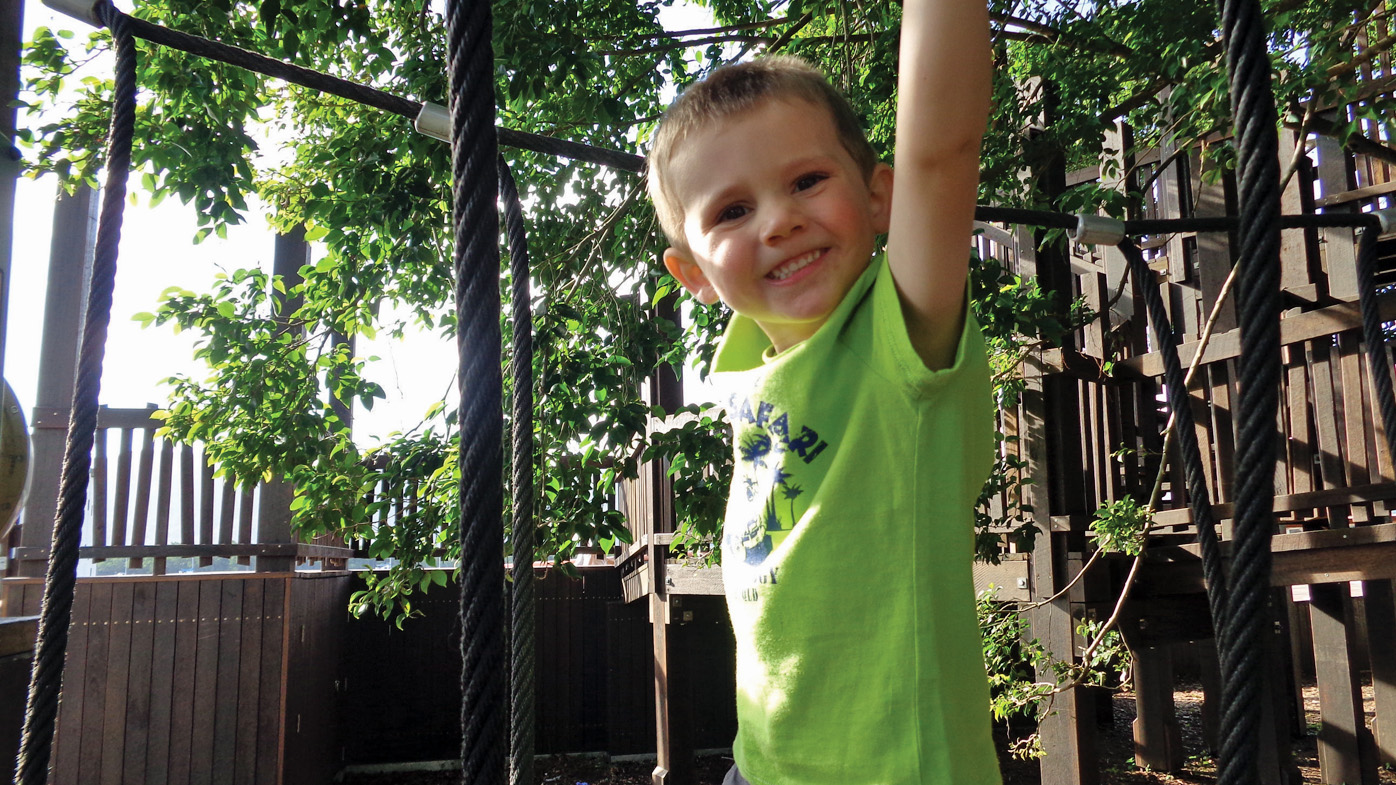
A supplied image obtained Saturday, Sept. 12, 2015 of missing three-year-old boy William Tyrrell.

The foster mother's lawyers reiterated that she has always and continues to maintain she had nothing to do with the toddler's disappearance.

"She desperately urges the Police to resume the investigation into finding out what happened to William," the statement said.

https://twitter.com/tiffgenders/status/1673868377457303552

Investigations have been ongoing into William's disappearance since 2014 with multiple suspects looked at and then cleared, while an inquest was also put on hold.

A new team of detectives reviewed the case in 2020, which resulted in officers descending on the Kendall property where William was last seen and conducting an extensive search a year later.

Police have been working relentlessly in the search for William Tyrrell.

There was no trace of any remains found.

Legal expert Sam Macedone told Today it is now up to the DPP to decide whether the detectives' brief of evidence is "sufficient for someone to be charged".

"If that's the case, they will then charge her, and the matter will go before a local court until a committal process," he said.

Sign up here to receive our daily newsletters and breaking news alerts, sent straight to your inbox.

Sister's powerful call to help find missing Belgian traveller

Thousands of kilometres away and feeling helpless, Céline Cremer's sister is desperately hoping for good news.

The waiting, Amélie Cremer says from Belgium, is the hardest part, as she joins police in begging for information about her missing sister's whereabouts.

No one has heard from Céline – a constantly smiling 31-year-old who has been living in Australia for the past year – since June 16.

READ MORE: Melbourne dancer survives rare flesh-eating infection

The day before, she was laughing to her younger sister about her Tasmanian road trip and plans to catch the ferry back to Melbourne on June 21.

But she never boarded the Spirit of Tasmania for that crossing back to the mainland.

Instead, police on Tuesday found her white Honda CRV on Tuesday in a car park at Philosopher Falls in the state's remote north-west near Waratah, about 130 kilometres west of Launceston.

Céline, who's been working odd jobs in hospitality and farming since realising her dream of moving overseas, was nowhere to be seen.

"The most difficult thing is the waiting," Amélie told 9News.com.au. 

"We are helpless here and we just want to know."

READ MORE: Detectives recommend charges against William Tyrrell's foster mother over 2014 disappearance

The 26-year-old from Nessonvaux, near Liege in Belgium's French-speaking Wallonia region, described her sister as a fun-loving person with a sparkling personality and a love of travel.

Céline is the sort of person who's always smiling and loves to help and be with others, according to her sister.

They're siblings and friends, and Amélie wants nothing more than to hear from Céline again, to talk about her journey and "party again and again".

She's asking Tasmanians to do anything they can to help find her sister, who was last seen in Hobart before taking off on a road trip to enjoy the island's natural wonders.

READ MORE: Man missing after questioning over cold case murder of woman found at base of Queensland cliffs

"Just open your eyes and if you have time, please for our family, go and search with the police," she said.

"I keep hope to find her, no matter the issue, I just want to know where she is."

Police want anyone who's been in the Philosopher Falls car park since June 12 to call them, particularly if they saw Céline's car, with registration E40TF.

Police are continuing to search the Philosopher Falls Track area at Waratah for Celine Cremer. Weather conditions around Waratah are poor, with light snowfall in the area.

On Tuesday, they said Search and Rescue members, helped by a police drone, were searching the Philosopher Falls Track, a short walk Discover Tasmania describes as "a glimpse into the wild and mysterious Tarkine rainforest".

Anyone with information should call police on 131 444.

Sign up here to receive our daily newsletters and breaking news alerts, sent straight to your inbox.

The key dates you need to know for your tax return this year

The end of financial year is almost here, which means a lot of Australians are turning attention to their tax return as a way to get a welcome boost to their hip pocket amid the cost of living crisis.

There are a few key dates to be aware of before you start preparing your return, from the end of financial year to the submission deadline – which isn't actually the same for everyone.

This is what you need to know.

EXPLAINED: Electricity prices are increasing. This is who's getting hit hardest

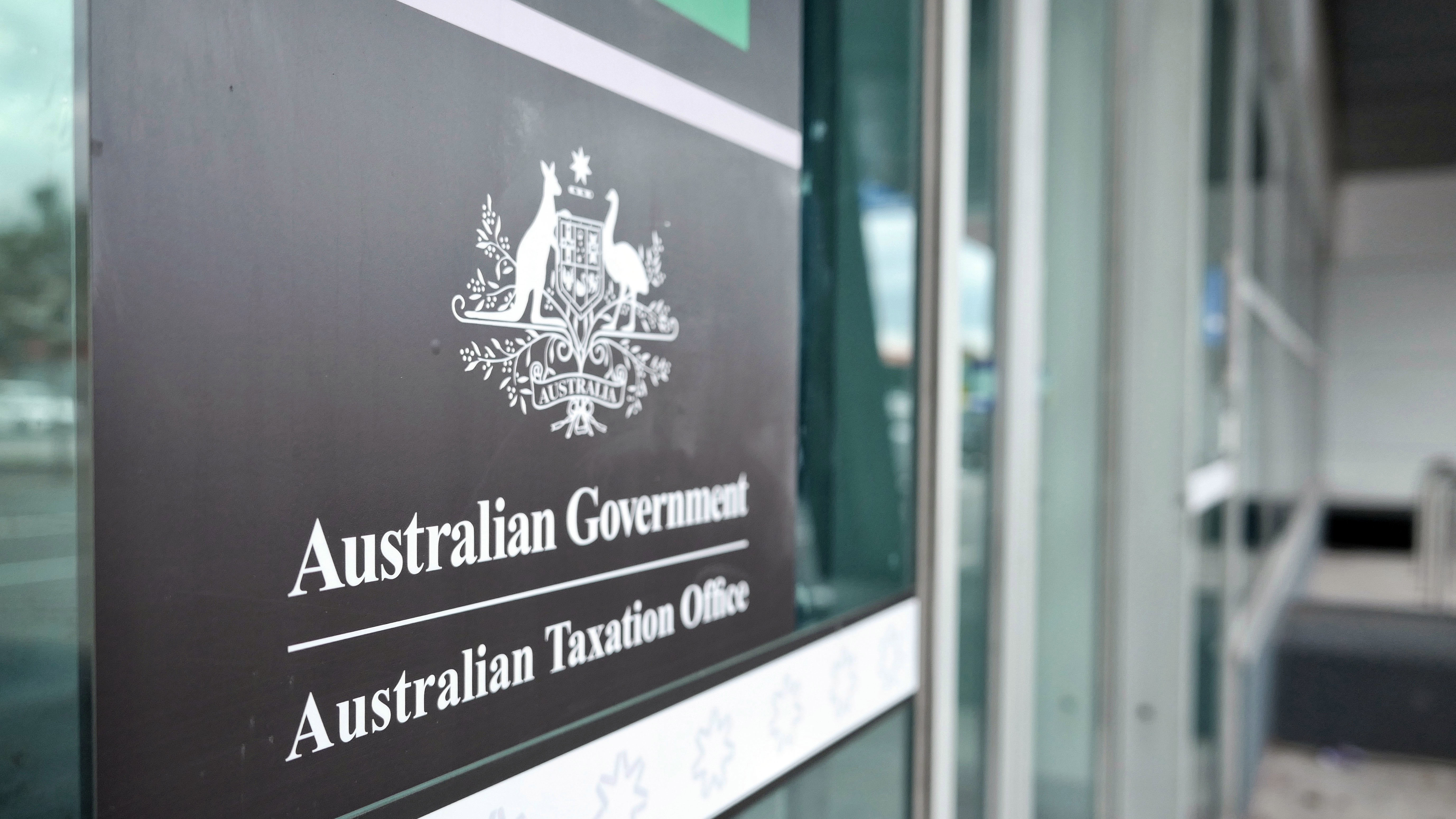
Generic photo of people walking out of the ATO Office.

When is the end of the financial year and when can I submit my tax return?

The financial year ends on June 30, and you can submit a tax return from the start of the next financial year, which starts on July 1.

However, while you can theoretically submit your return straight away, the Australian Tax Office (ATO) wants you to instead wait until late July.

This is because the ATO will pre-fill a range of information into your return for you – but it just takes them a few weeks to collect that data.

Trying to fill everything out yourself before the agency does that could mean your tax return actually takes longer to come back than if you wait.

"While you can lodge from July 1, there is a much higher chance that your return will be missing important information if you lodge your return before late July," ATO Assistant Commissioner Tim Loh said.

"If you forget to include everything, it will slow down the progress of your return, and you'll likely end up with more work to do down the track.

"No one likes life admin, and we want to help save you some where we can.

"If you have simple affairs, by waiting a few more weeks until all your information is pre-filled into your tax return, you'll save yourself extra work and worry by getting it right the first time."

READ MORE: Why you shouldn't lodge your tax return early

When is the tax return deadline?

If you are lodging your own tax return, you have to submit it by October 31, 2023.

This is a strict deadline, and if you don't meet it, you could be fined hundreds of dollars.

However, if you have a registered tax agent, you'll have until after the self-lodgment deadline to submit your return, but you will need to officially engage the agent by October 31.

READ MORE: Your phone in SOS mode could be a sign of something far more sinister

How long does it take to get a tax return refund back?

Again, it depends.

If you lodge a tax return online using the myTax website, the ATO says it will likely take up to two weeks to receive your refund.

However, if you instead want to file a paper tax return by posting it to the ATO, you're in for a longer wait; the tax office will process your refund within 10 weeks.

When is my tax bill due?

If, instead of being owed a refund, you owe the ATO a bill, you're going to have to send them the outstanding tax.

This has to be paid in full by November 21, 2023 – even if you miss the lodgement deadline.

Interest will apply to any outstanding amount that isn't paid by November 21. 

Sign up here to receive our daily newsletters and breaking news alerts, sent straight to your inbox.

The information provided on this website is general in nature only and does not constitute personal financial advice. The information has been prepared without taking into account your personal objectives, financial situation or needs. Before acting on any information on this website you should consider the appropriateness of the information having regard to your objectives, financial situation and needs.

The 'sticky' issue making the cost of living crisis worse

Sticky inflation: it's a term you've probably heard thrown around as Australia's interest rates rise and the consumer price index remains stubbornly high.

The cash rate currently sits at 4.10 per cent on the back of 12 hikes in 14 months, but the consumer price index (CPI) actually rose slightly in May, up to 6.8 per cent from 6.3 the month before.

That's led economists to talk about how "sticky" inflation is. This is what that actually means.

READ MORE: Australian inflation is stubbornly high. Some countries don't have that problem

People flock to Pitt Street Mall during Boxing Day sales in Sydney, Australia.

What is sticky inflation?

Put simply, sticky inflation is inflation that takes longer than expected to come down.

It happens when the CPI remains high despite macroeconomic policies to lower them – for example, interest rate rises.

What causes sticky inflation?

There are several factors that can contribute to persistently high inflation, but RMIT associate professor of economics Bilgehan Karabay says company profits are key to the equation.

"When there is a cost rise (for companies), it is relatively easy to reflect this rise on the prices, but they're not so willing to actually lower prices once these costs are lower," he told 9news.com.au.

"It takes some time… let's say you increase your prices and you see you're still selling stuff, you don't want to lower prices once your costs are lower.

EXPLAINED: Electricity prices are increasing. This is who's getting hit hardest

"It's only after you realise your sales are getting lower because of these high prices that you may want to reduce your price, but it takes time because you don't do it right away.

"That's why prices are generally sticky."

The International Monetary Fund (IMF) has this week pointed to the impact of profits on inflation, saying they are responsible for 50 per cent of the increase in European inflation over the past two years.

"If inflation is to fall quickly, firms must allow their profit margins – which have shot up during the past two years – to decline and absorb some of the expected rise in labour costs," IMF first deputy managing director Gita Gopinath said on Monday.

"But firms may resist this."

The RBA also noted the impact company profits are having on inflation in Australia last week – although had previously said they weren't a significant factor.

"Some firms were indexing their prices, either implicitly or directly, to past inflation," the bank said last Tuesday.

"These developments created an increased risk that high inflation would be persistent."

READ MORE: These are the tax return changes you need to know about

Reserve Bank of Australia building in Martin Place in Sydney

Is inflation 'stickier' in Australia than the rest of the world?

While inflation varies from country to country, sticky prices are being experienced everywhere – although Karabay says Australia could be slightly more stuck than the rest of the world.

"It is a global phenomenon, although the degree of it changes from one country to another," he said.

"In Australia, yes, if you look at the numbers, it looks stickier.

"But the same thing can be said for the Euro area or for the United States.

"What is important for the fight against inflation is core inflation, which is inflation excluding energy and food prices.

"As long as that eases, the rest of it can also ease with it without getting into recession. And this is the challenge that countries are fighting right now."

READ MORE: Aussies with a side hustle warned to report income at tax time

When will inflation come down?

It's a question everyone wants to know the answer to – after all, lower inflation means an end to increasing interest rates – but unfortunately we don't have a definitive answer.

The RBA's latest monetary policy statement, released in May, repeated that inflation has peaked, but that it won't come down to 3 per cent – the upper limit of its target – until mid-2025.

Karaby said there is ample uncertainty about the next few years.

"It takes 12 to 18 months (for interest rate rises) to take effect, because it works with a lag," Karaby said, adding that lag makes the RBA's cash rate decisions particularly tricky.

"There is this trade-off between should you wait more, but then later on, you have to increase even more, or should you risk recession by increasing too much.

"This is not an easy task to balance. It's not easy to see beforehand – you need to make a guesstimate. And data helps with your guess but it cannot tell you exactly what will happen."

Sign up here to receive our daily newsletters and breaking news alerts, sent straight to your inbox.

Rosie May was told she had a cyst. It turned out to be a rare cancer

Rosie May Fisher can't remember when she first noticed a pea-sized lump on her left palm.

The painless mass had been there for around 12 years, the 32-year-old single mother said.

When she asked her GP to check it she was sent for scans which came back clear – twice.

READ MORE: Perth Zoo in mourning over death of beloved giraffe Armani

She was told it was probably just a cyst.

But a few years later, after the birth of her son Bobby, the lump began to hurt.

Fisher, a hairdresser who lives on the Gold Coast but is from Merimbula in NSW, was worried.

"I started back at work and it started to get in the way, driving was difficult, it would hurt if I banged it," Fisher told 9news.com.au.

She returned to her local doctor and asked for it to be removed.

The doctor agreed, and without further tests she was put on a surgery waiting list for Gold Coast Hospital.

READ MORE: Tributes for 'sweet and amazing' teenager stabbed to death in Melbourne's north-west

Single mother Rosie Fisher, 32, can't remember when she first noticed a pea-sized lump on her left palm.

Long wait for surgery

After waiting for a year she finally had the operation in October of last year, leaving her with a huge cast on her arm.

But a week later when she returned to have her dressing changed she was given a sudden update.

"My surgeon came in with a really serious face and said, 'We need to have a chat, it's something quite serious, take a deep breath,'" Fisher said.

Fisher was told the lump was a rare form of cancer called epithelioid sarcoma which grows in soft tissue.

"I was in shock," Fisher said.

"I was looking at her thinking, 'Am I in the right room?'"

READ MORE: Business owner 'numb' at terminal lung cancer diagnosis at 32

Single mother Rosie Fisher, 32, can't remember when she first noticed a pea-sized lump on her left palm.

READ MORE: Woman diagnosed with breast cancer at 25 shares urgent message

Tests to see how disease had spread

Fisher had more tests to see if the cancer spread anywhere else in her body.

It hadn't, but she needed more of her hand removed by medics in Sydney to ensure they removed all of the tumour.

"The specialist said his job was to remove the cancer. He said the only reliable way to do that is to amputate your middle and ring finger, so it doesn't spread," Fisher said.

The surgery was carried out on December 1.

It has put an end to Fisher's hairdressing career, and she's having counselling to help her deal with the loss of part of her hand.

"Hairdressing is out of the picture, my beloved career that I've worked so hard for," she said.

Do you have a story? Contact journalist Sarah Swain at ss****@******om.au

READ MORE: All the key dates you need to know for your tax return this year

"Everyday tasks are just challenging, annoying, the appearance is awful to me,"

But she said losing her fingers was a "sacrifice" she needed to make so she can be around for Bobby.

READ MORE: A 'gift' in the mail after Paula's 50th birthday saved her life

"It's not ideal but it's better than the alternative," she said.

She is now having regular checks as the cancer has a high re-occurrence rate she was told.

Single mother Rosie Fisher, 32, can't remember when she first noticed a pea-sized lump on her left palm.

Push for better diagnosis of rare cancers

Fisher has been supported by charity Rare Cancers Australia.

It defines a rare cancer as a unusual type of the disease seen in few people, a cancer diagnosed in patients outside the usual age bracket, as well as a common cancer in an unexpected location.

One in three cancer diagnoses in Australia are rare or less common, and they contribute to over half of all cancer deaths, the charity says.

It is pushing for earlier diagnosis for rare cancers which affect around 52,000 Aussies a year.

READ MORE: Superfit mum-of-four Carly ran 10km a day before a strange symptom 'saw her world cave in'

Richard Vines from the charity said a late diagnosis, like the one Fisher experienced, is a huge issue for many patients.

"We talk about 90 per cent survival rate for breast cancer, melanoma, and prostate cancer, that's because we find them early," Vines told 9news.com.au.

"With the less common cancers we are not finding them until it's too late."

June is National Rare Cancers Awareness Month.

Sign up here to receive our daily newsletters and breaking news alerts, sent straight to your inbox.