Tag Archives: oceania

'We will win bigger': Trump defiant after not guilty plea in federal case

Donald Trump has insisted he had every right to be in possession of classified documents in his first public remarks since appearing in a historic court appearance this morning.

Trump and Walt Nauta, an aide charged as a co-conspirator, appeared in Miami federal court this morning charged accused of illegally holding on to classified documents.

Trump, through an attorney, pleaded not guilty to 37 felony charges, but did not speak in court.

READ MORE: Three found dead, three others hit by van in linked incidents in UK city
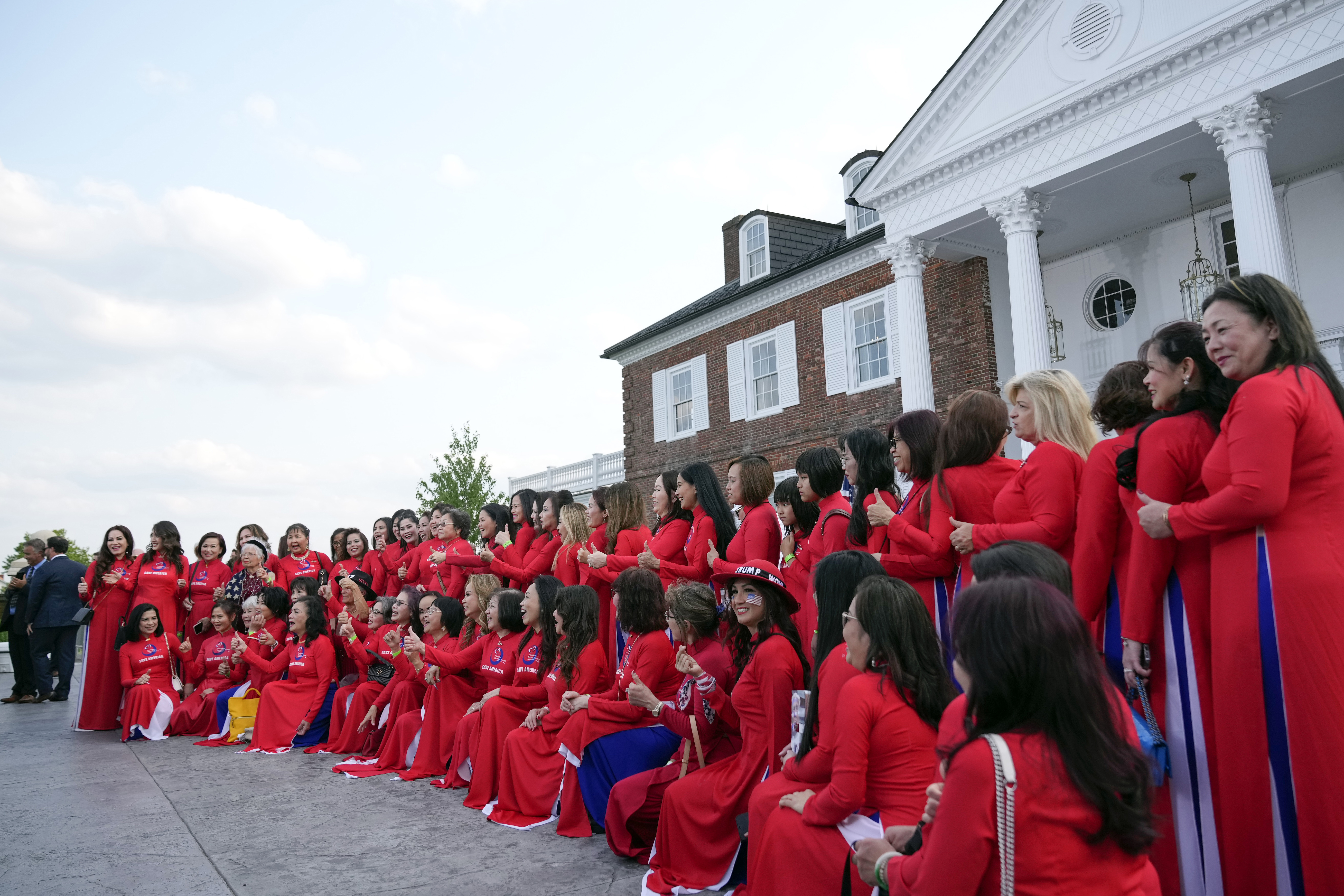
He left Florida shortly after the brief hearing, stopping over in "Little Havana" to mingle with supporters at a cafe, who serenaded him with a chorus of "happy birthday".

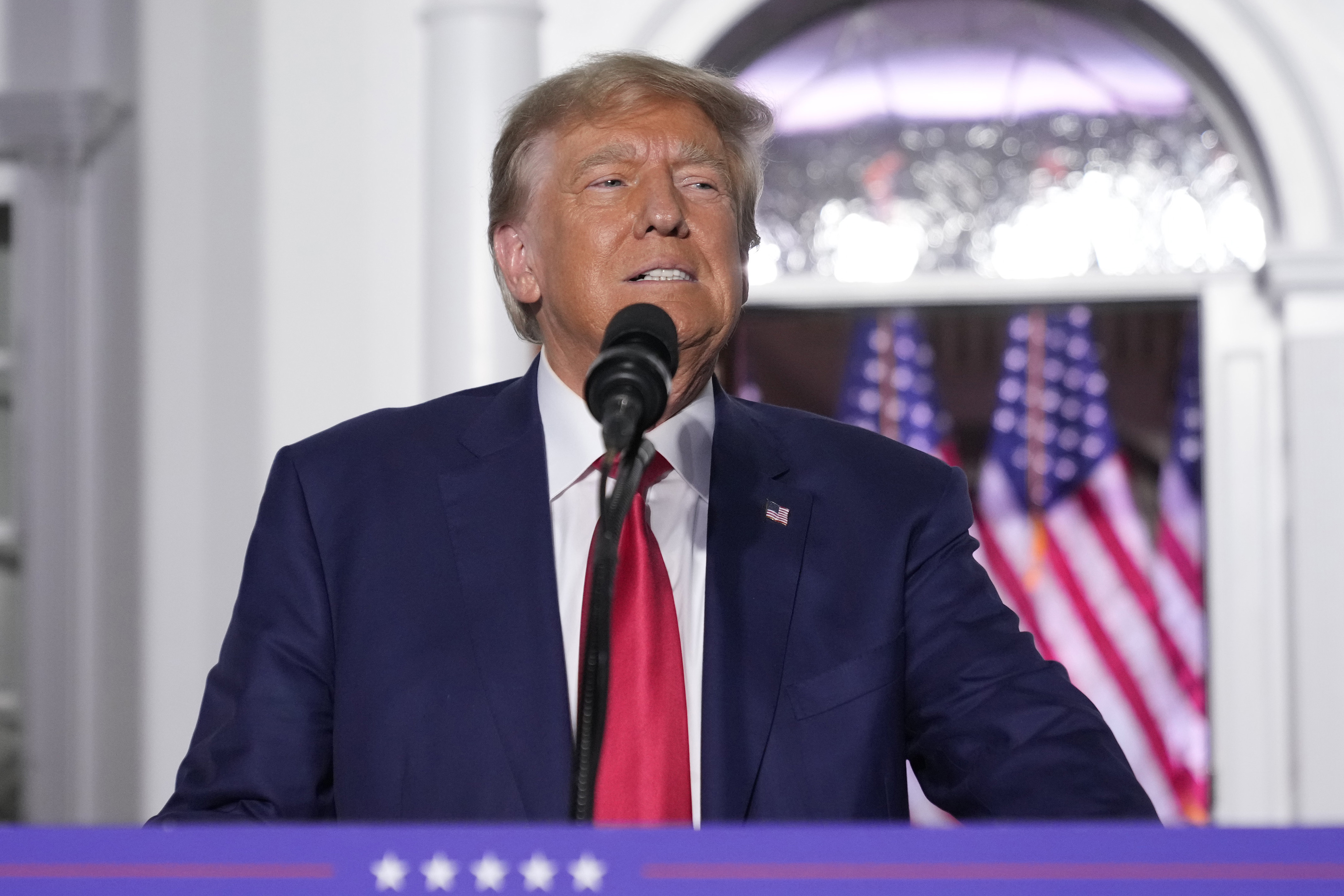
After arriving back in New Jersey, Trump spoke to supporters gathered at his golf club in Bedminster.

"Today we witnessed the most evil and heinous abuse of power in the history of our country," Trump told the crowd.

Trump claimed to the crowd that as a former US president, he had legal ownership of the documents in question.

"This is called election interference and yet another attempt to rig and steal a presidential election," he said.

"But they will fail and we will win bigger and better than ever before."

Trump attacked Joe Biden, Hillary Clinton and other Democrat figures with allegations of corruption.

He pledged to appoint "a real special prosecutor" to investigate Biden and his family, if re-elected, along with other unnamed figures he claimed were "destroying our country".

"I am the only one who can save this nation," he said.
Historic moment in court

It's understood Trump has been ordered to not talk to any possible witnesses in the case, which would include Nauta.

Special investigator Jack Smith, who released the indictment and will be leading the prosecution, was also in the courthouse.

Trump faced a magistrate judge, a stunning moment in American history, days after he became the first former US president charged with federal crimes.
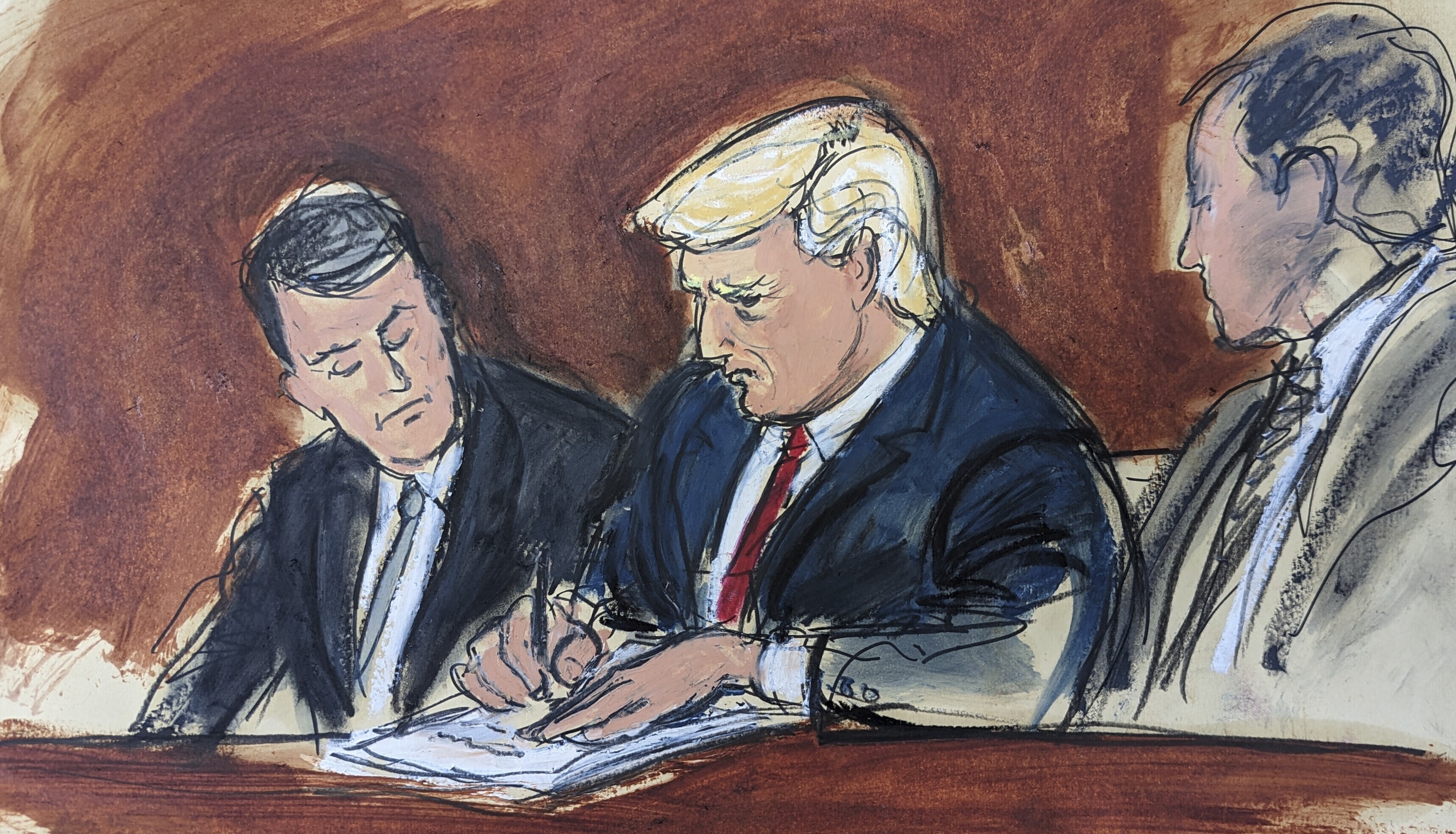
Donald Trump court sketch

Trump did not say a word in court.

His lawyer Todd Blanche stood up and said, "We are certainly pleading not guilty" when asked to enter a plea.

It will kickstart a legal process that will unfold at the height of the 2024 presidential campaign and carry profound consequences not only for his political future but more urgently for his own personal liberty.

READ MORE: UK company ordered to compensate some Beirut port blast victims

Trump rode to court with his son Eric, who accompanied the motorcade from the former president's Doral resort to the federal courthouse in Miami.

Four black SUVs entered the garage beneath the Miami courthouse, followed by police officers, ahead of his scheduled 3pm (5am Wednesday) appearance.
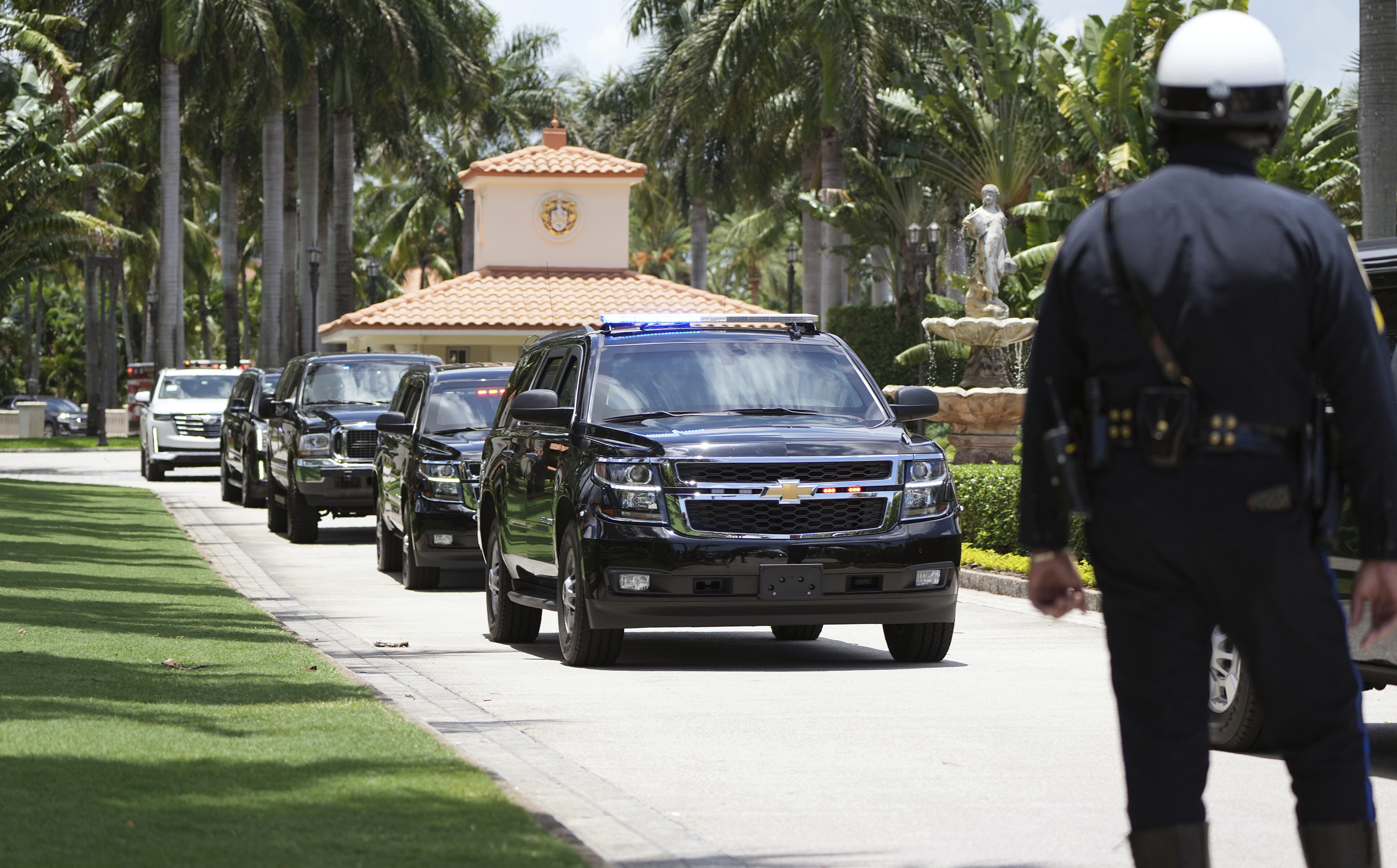
Former President Donald Trump leaves his Trump National Doral resort, Tuesday, June 13, 2023 in Doral, Florida

The protests and counter-protests outside the courthouse were largely peaceful, though things grew briefly heated when Trump's motorcade left following his brief appearance.

The ex-president later boarded his plane and returned to New Jersey, where he spoke to address the charges.

Trump approached his arraignment with characteristic bravado, posting social media broadsides against the prosecution from inside his motorcade and insisting as he has through years of legal woes that he has done nothing wrong and was being persecuted for political purposes.

But the gravity of the moment was unmistakable as he faced 37 felony counts that accuse him of willfully retaining classified records that prosecutors say could have jeopardised national security if exposed, and trying to hide them from investigators who demanded them back.

The case is loaded with political implications for the 76-year-old Trump, who currently holds the dominant spot in the early days of the 2024 Republican presidential primary.

Beyond that, it carries the prospect of a years-long prison sentence. Even for a defendant whose post-presidential life has been dominated by investigations, the documents probe has stood out for both the apparent volume of evidence amassed by prosecutors and the severity of the allegations.
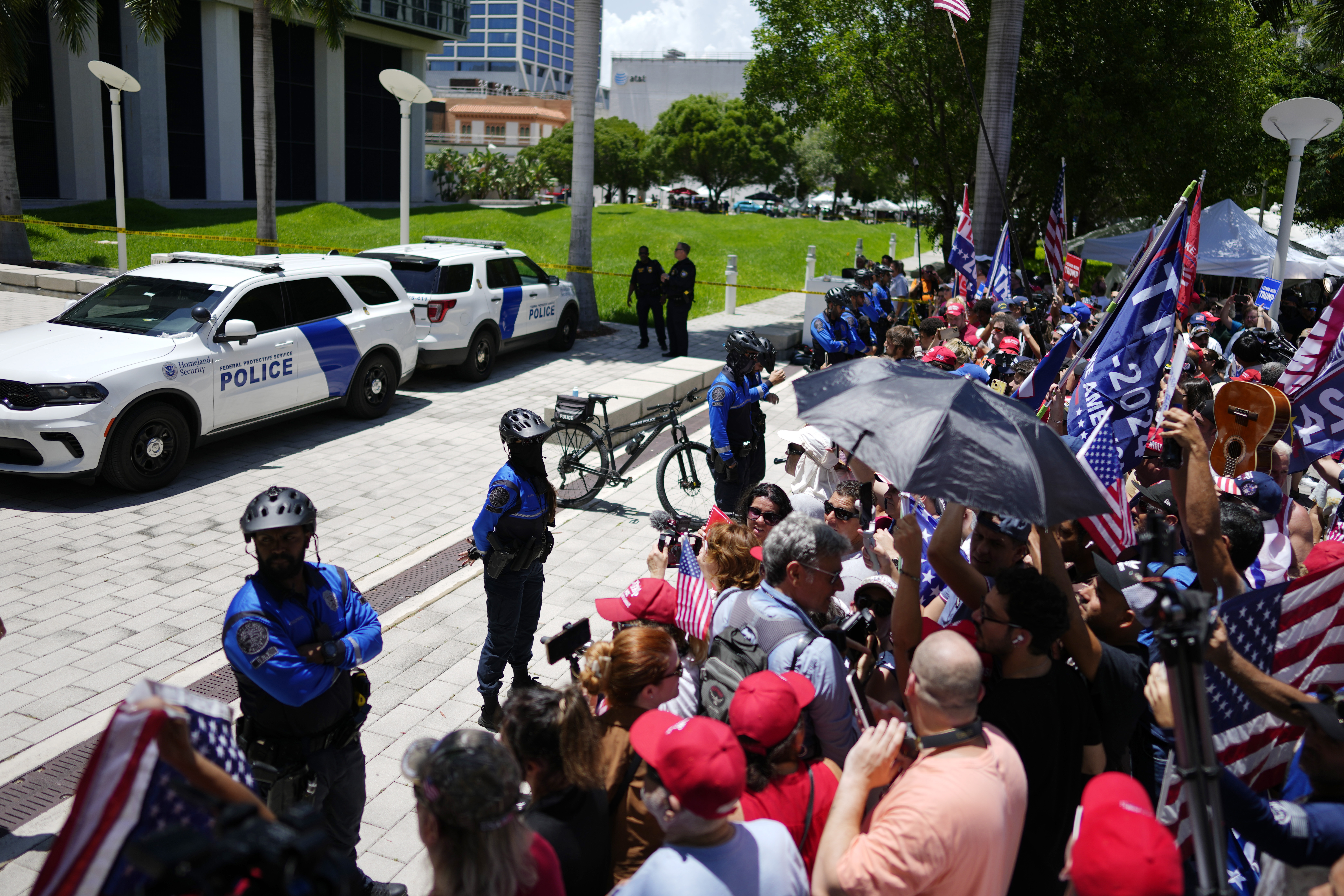
Supporters wait for the arrival of former President Donald Trump at the Wilkie D. Ferguson Jr. U.S. Courthouse, Tuesday, June 13, 2023, in Miami.

It's also a watershed moment for a Justice Department that until last week had never before brought charges against a former president.

Trump has denied any wrongdoing, saying he's being unfairly targeted by political opponents who want to hurt his campaign.

It's the second criminal case Trump is facing as he seeks to reclaim the White House in 2024.

He's also accused in New York state court of falsifying business records related to hush-money payments made during the 2016 campaign.
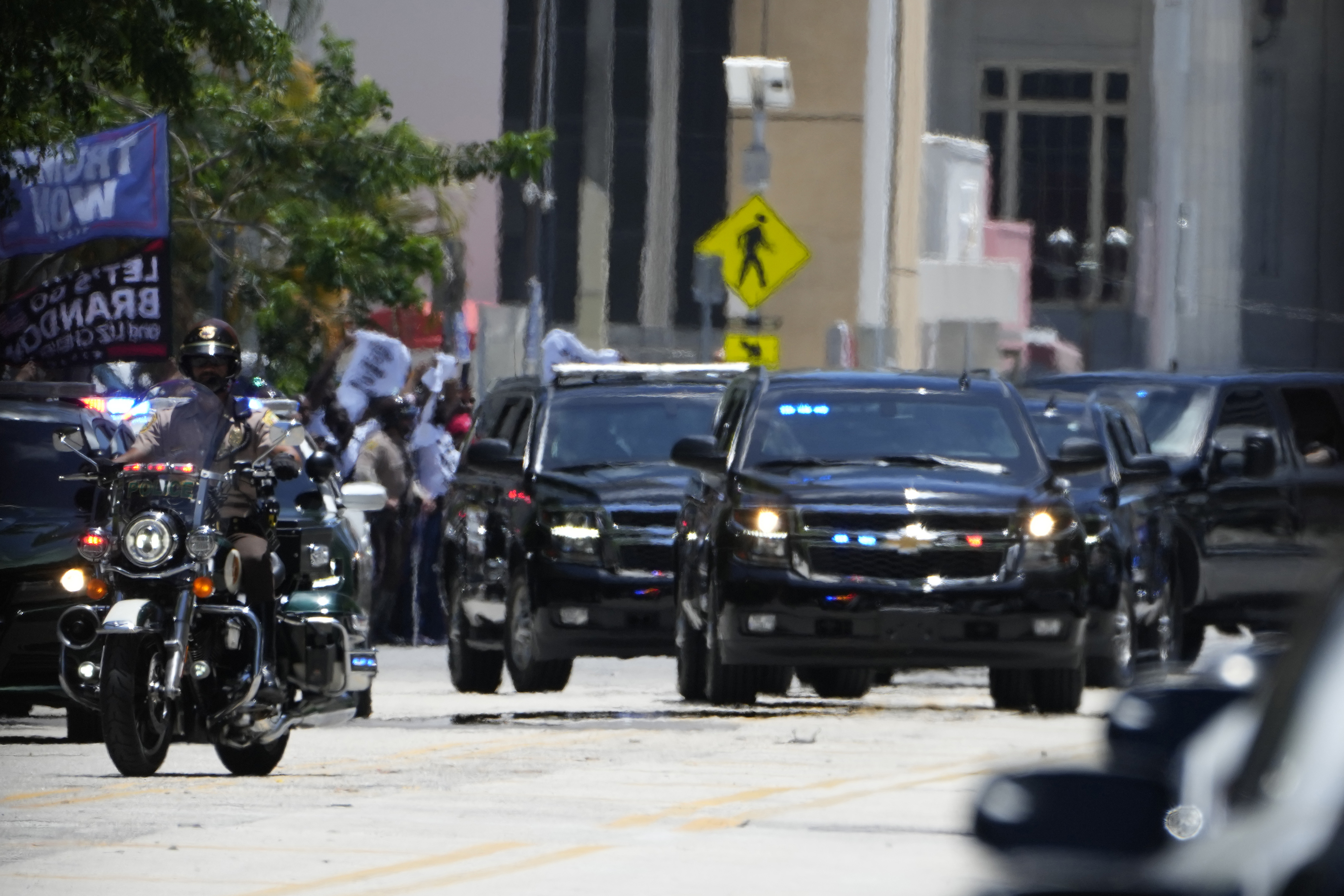
The motorcade carrying former President Donald Trump arrives near the Wilkie D. Ferguson Jr. US Courthouse, Tuesday, June 13, 2023, in Miami.

He's sought to project confidence in the face of unmistakable legal peril, attacking special counsel Smith as "a Trump hater," pledging to remain in the race and scheduling the speech and fundraiser for Tuesday night at his Bedminster, New Jersey, club.

"They're using this because they can't win the election fairly and squarely," Trump said Monday in an interview with Americano Media.

The court appearance is also unfolding against the backdrop of potential protests.

Some high-profile backers have used barbed rhetoric to voice support.
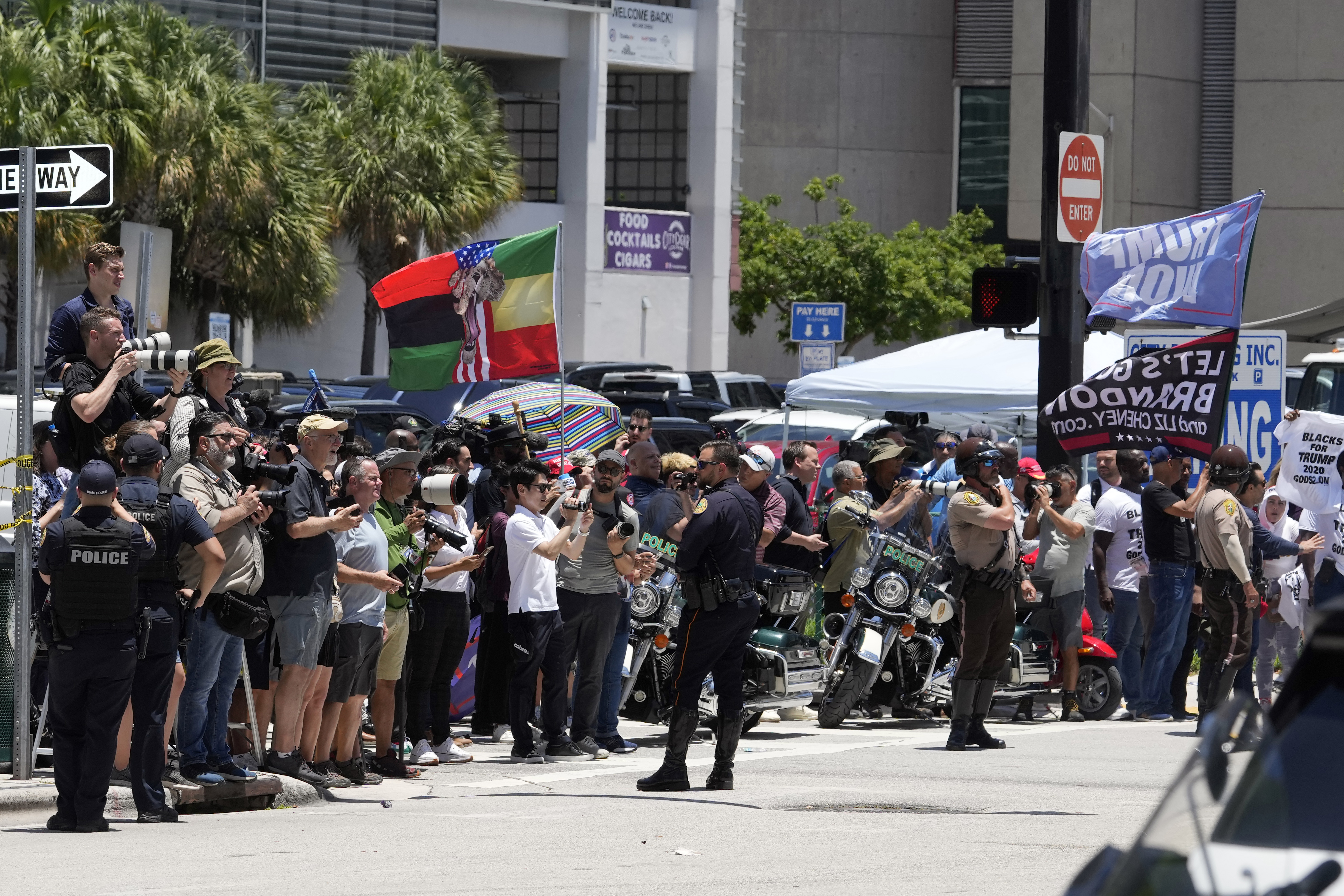
People watch as they motorcade carrying former President Donald Trump arrives at the Wilkie D. Ferguson Jr. US Courthouse, Tuesday, June 13, 2023, in Miami

Trump himself has encouraged supporters to join a planned protest Tuesday at the courthouse.

Some Trump supporters headed to Miami by bus from other parts of Florida, raising concerns for law enforcement officials preparing for possible unrest around the courthouse.

Miami Police Chief Manuel A. Morales said downtown could see anywhere from a few thousand up to 50,000 protesters.

But heading into the court appearance, there were no reports of major chaos.

What this hearing is about

Today's hearing will operate as both an "initial appearance" and as a so-called arraignment as well, with Trump having the opportunity to enter his plea in the case.

Trump and Nauta's lawyers will enter appearances in court on their behalf, and Florida rules require that the defendants have at least one lawyer barred in the state representing them.

Attorneys Todd Blanche and Chris Kise are expected to represent Trump in court for his arraignment, a source familiar with the matter tells CNN.

However, the role Kise will play going forward is unclear, and he was sidelined during last year's litigation over the Mar-a-Lago search amid Trump team in-fighting.

Both defendants were subjected to booking by the US Marshals Services as part of Tuesday's events, though under Justice Department rules, their mug shots will not be immediately publicly available.

Unlike in the New York case, where photographers produced images of a sombre-faced Trump at the defence table, the public's view inside the room was limited.

The Justice Department's counterintelligence chief Jay Bratt, who has been a key player in the documents probe so far, is listed on the case's document as representing the government.

Seriousness of the charges

Before last week's federal indictment, Trump also faced criminal charges brought by New York City's local prosecutors for an alleged hush money scheme in the 2016 campaign in which Trump is accused of falsifying business records.

The new charges in the DOJ documents case are drastically more serious and present the possibility of several years in prison if Trump is ultimately convicted.

Thirty-one counts that Trump faces are for willful retention of national defence information, a charge that does not turn on whether the documents are classified.

In addition to the obstruction conspiracy, he also faces four counts related to the concealment of the documents, as well as a false statements charge.

"In a case like this, obstruction and tampering help prove the main charge, that the defendant willfully engaged in the charged conduct," David Aaron, a former federal prosecutor in espionage section of the DOJ's national security division and a current senior counsel at Perkins Coie, said.

"Those facts could also affect how a judge, the jury, or the public views the case and could substantially affect sentencing."

What happens next

Once Tuesday's hearing is in the rearview mirror, the case will enter a legal grind of pretrial proceedings, including likely disputes over what evidence is put before a jury and whether the case should be thrown out altogether before going to trial.

The Trump team will have plenty of opportunity to drag things out – potentially until after the 2024 election.

One major X-factor in the prosecution of the case is its assignment to Judge Aileen Cannon, who sits in Fort Pierce, Florida, but who is part of the pool of judges who are randomly cases filed in West Palm Beach, where the new indictment was brought.

"There are few things more powerful than a district judge in a federal case," Alan Rozenshtein, a former attorney in the DOJ National Security Division who is now a University of Minnesota law school professor, said.

"She could – if she wanted to – cause huge problems for the prosecution. Would they be existential problems? Probably not."

Cannon's approach to last year's Trump lawsuit challenging the FBI's Mar-a-Lago search raised eyebrows among legal experts across the ideological spectrum for how she appeared to bend over backward to create special legal rules in favour of the former US president.

Her rationale for why such a review was necessary was torn apart by a panel of right-leaning appellate judges, including two Trump appointees, on the 11th US Circuit Court of Appeals last December.

"She got so banged up by the 11th Circuit that she might be ultra-cautious," Kel McClanahan, a national security lawyer and an adjunct professor at the George Washington University Law School, told CNN.

"We just don't know."

With Associated Press, CNN

Sign up here to receive our daily newsletters and breaking news alerts, sent straight to your inbox.
Katy Perry appeals trademark loss to Aussie designer

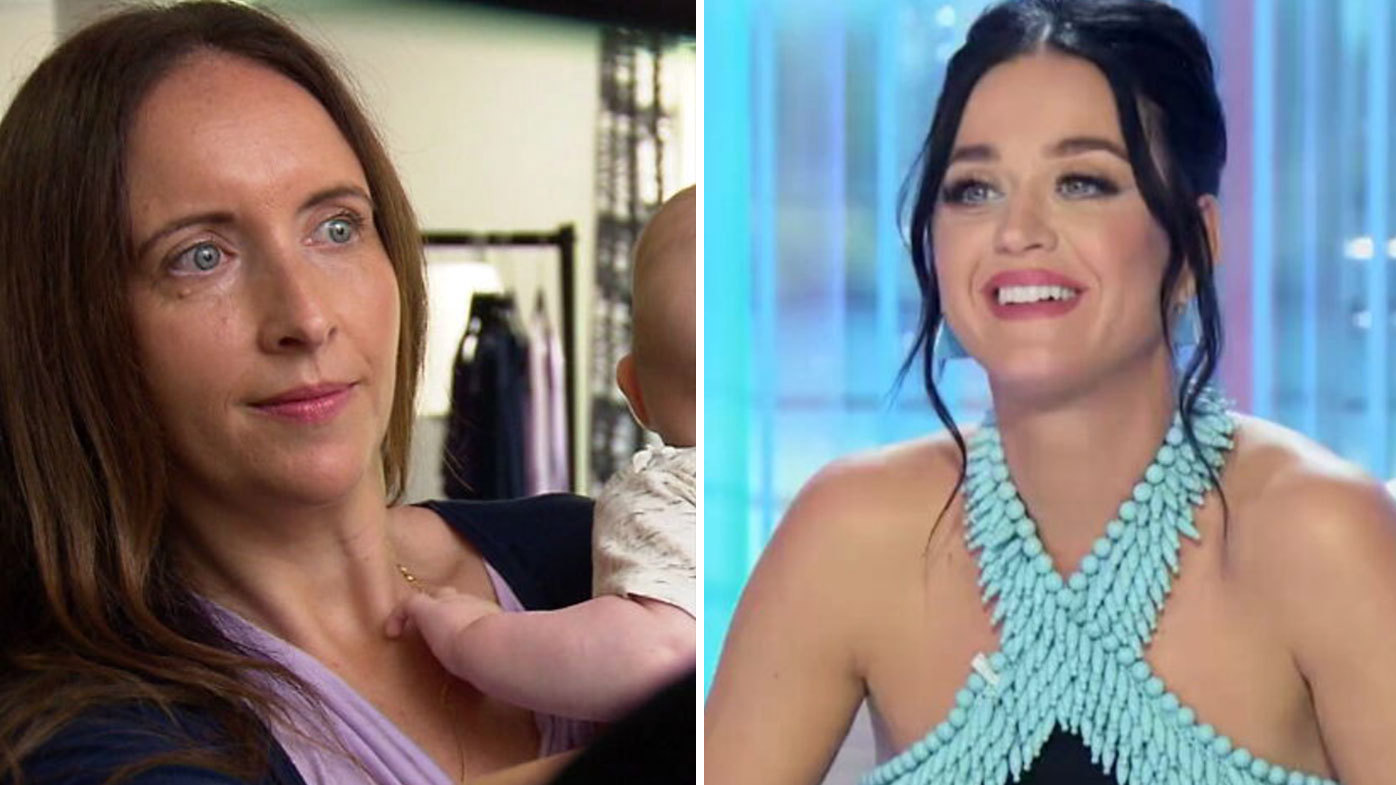
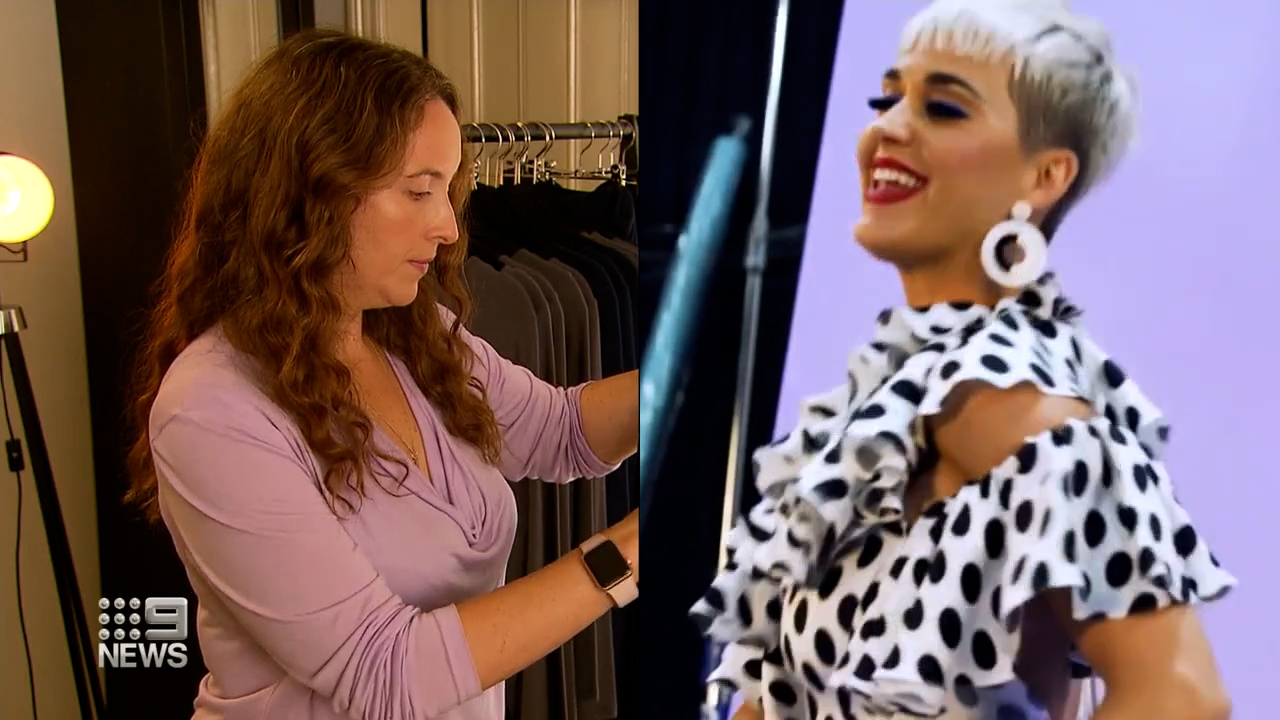
Singer Katy Perry is hoping to go from zero to her own hero by challenging court findings she infringed an Australian fashion designer's trademark through goods sold during her 2014 Prism tour.

In April, the Federal Court found a firm owned by Katheryn Elizabeth Hudson, better known as Katy Perry, was liable for infringing the trademark of local designer Katie Jane Taylor (nee Perry).

Taylor has sold and designed her own line of clothing under her Katie Perry label since 2007.

READ MORE: Aussie designer wins lawsuit against singer Katy Perry

Katie Perry and Katy Perry

Justice Brigitte Markovic found the singer's company Kitty Purry owed compensation after infringing the Katie Perry trademark by selling clothing branded with the popstar's name during the 2014 Prism tour in Australia.

Hudson was also found to have infringed the trademark on Twitter ahead of the tour but was not liable for damages after using her own name in "good faith".

READ MORE: Australian designer Katie Perry explains why she is standing up to US megastar Katy Perry

Katie Perry vs Katy Perry

Justice Markovic rejected further claims by Taylor that her trademark was infringed through clothing sold at Target and Myer and websites such as Amazon and eBay during the Prism tour or ahead of the Witness Tour, which came to Australia in 2018.

A bid by the pop star, Kitty Purry and two other companies, Killer Queen and Purrfect Ventures, to cancel the Katie Perry trademark was also dismissed by the Federal Court.

The singer and her firms filed their appeal of the findings last week. A hearing is yet to be scheduled.

Sign up here to receive our daily newsletters and breaking news alerts, sent straight to your inbox.
Newly identified 'supersized' lizard covered with armour was as big as an arm

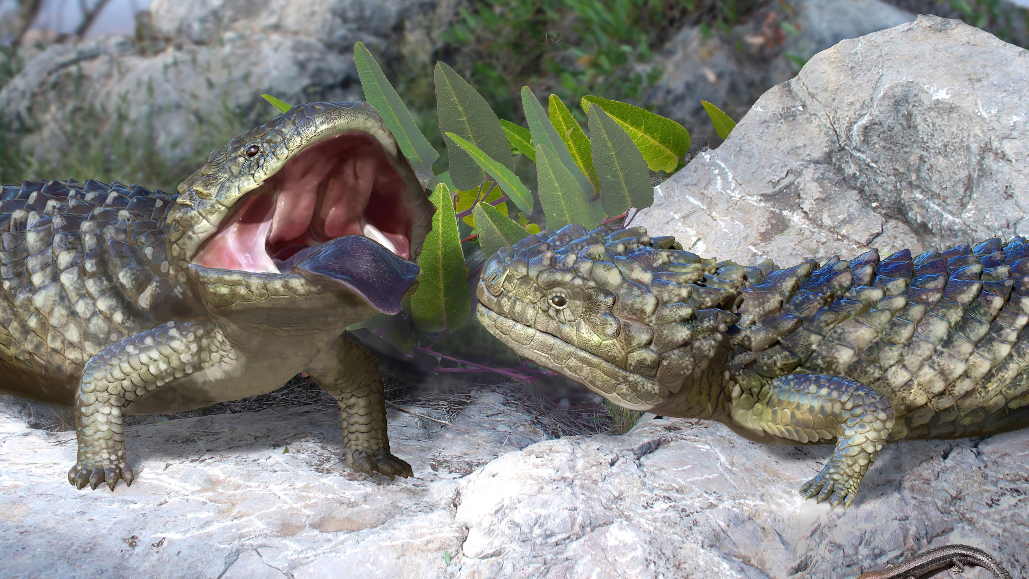
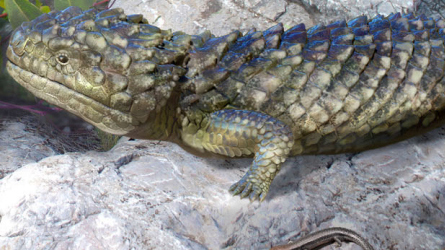
A new 'supersized' lizard with a body covered in spiked armour that lived in Australia during the Ice Age has been identified by researchers.

The fossil lizard, discovered by researchers at Flinders University, has been described as the "largest and most bizarre skink" that ever lived.

While related to shinglebacks found in Australia today, Tiliqua frangens, Frangens for short was as big as an arm and covered in thick armour.

READ MORE: Missing Australian found dead in Canada bear country

A fossil lizard discovered by researchers at Flinders University has been described as by far the largest and most bizarre skink that ever lived.

The lizard lived during the Pleistocene, which was around 2.58 million to 11,700 years ago.

It lived alongside megafauna such as marsupial lions, bear-like marsupials diprotodons and short-faced kangaroos, researchers said.

"Frangens was 1000 times bigger than the common Australian garden skinks and has a unique chunky, spiked profile," said lead author Dr Kailah Thorn, from the Western Australian Museum who studied the fossils as part of her PhD at Flinders University.

"It reveals that even small creatures were supersized during the Pleistocene."

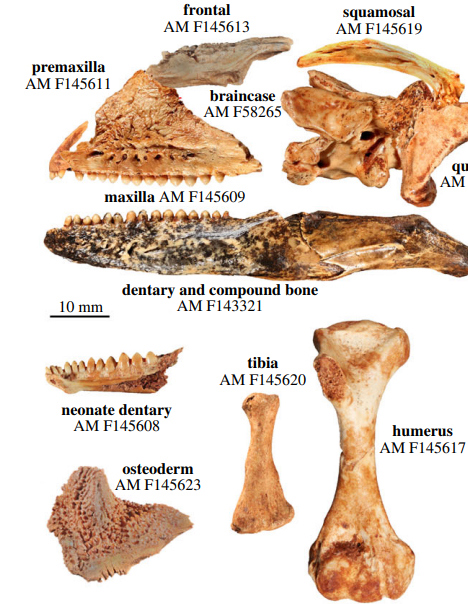
The creature was pieced together from bones unearthed from excavations at Wellington Caves in NSW and from fossils held in museums around Australia.

READ MORE: Delays at Melbourne Airport after security breach

A fossil lizard discovered by researchers at Flinders University has been described as by far the largest and most bizarre skink that ever lived.

"In the dig at Wellington Caves, we started finding these spiked armoured plates that had surprisingly never been recorded before. We knew we had something interesting and unique," said co-author Dr Diana Fusco, from the Flinders University Palaeontology Laboratory.

Frangens is believed to be related to the living shingle back, or sleepy lizard, but is even larger and more heavily armoured, according to the new study published in Proceedings of the Royal Society of London B: Biological Sciences.

The name Frangens means to break into pieces or smash, describing how strong the jaw was.

Skinks are lizards characterised by shiny, overlapping scales, and no pronounced neck.

Sleepy Lizards and blue-tongued lizards are relatively large living skinks.

There are 1740 species of skinks currently recognised.

READ MORE: Road reopens after horror Hunter Valley bus crash

A fossil lizard discovered by researchers at Flinders University has been described as by far the largest and most bizarre skink that ever lived.

The extinction of Frangens coincides with the disappearance of the megafauna and suggests these end-Pleistocene extinctions were more extensive, affecting smaller creatures as well, the researchers say.

"Deciphering how Pleistocene animals adapted, migrated, or what eventually caused their extinctions might help us conserve today's fauna, which faces pressures such as changing climate and habitat destruction," Thorn said.

Early humans started migration to Australia earlier than thought

Humans originated in Africa, but when exactly our earliest ancestors left the continent and how they spread around the world has been intensely debated by archaeologists.

Two fossils unearthed in a cave in northern Laos suggest that Homo sapiens, our own species, was living in the region some 86,000 years ago, according to a new study involving Australian researchers.

The finding challenges the prevailing idea that humans' path across the globe was linear and took place in a single wave about 50,000 to 60,000 years ago.

"Chances are that this early migration was unsuccessful, but this does not distract from the fact that H. sapiens had arrived in this region by this time which is a remarkable achievement," study author Kira Westaway, an associate professor at Sydney's Macquarie University said, via email.

READ MORE: Aussie hiker found dead in Canada wilderness

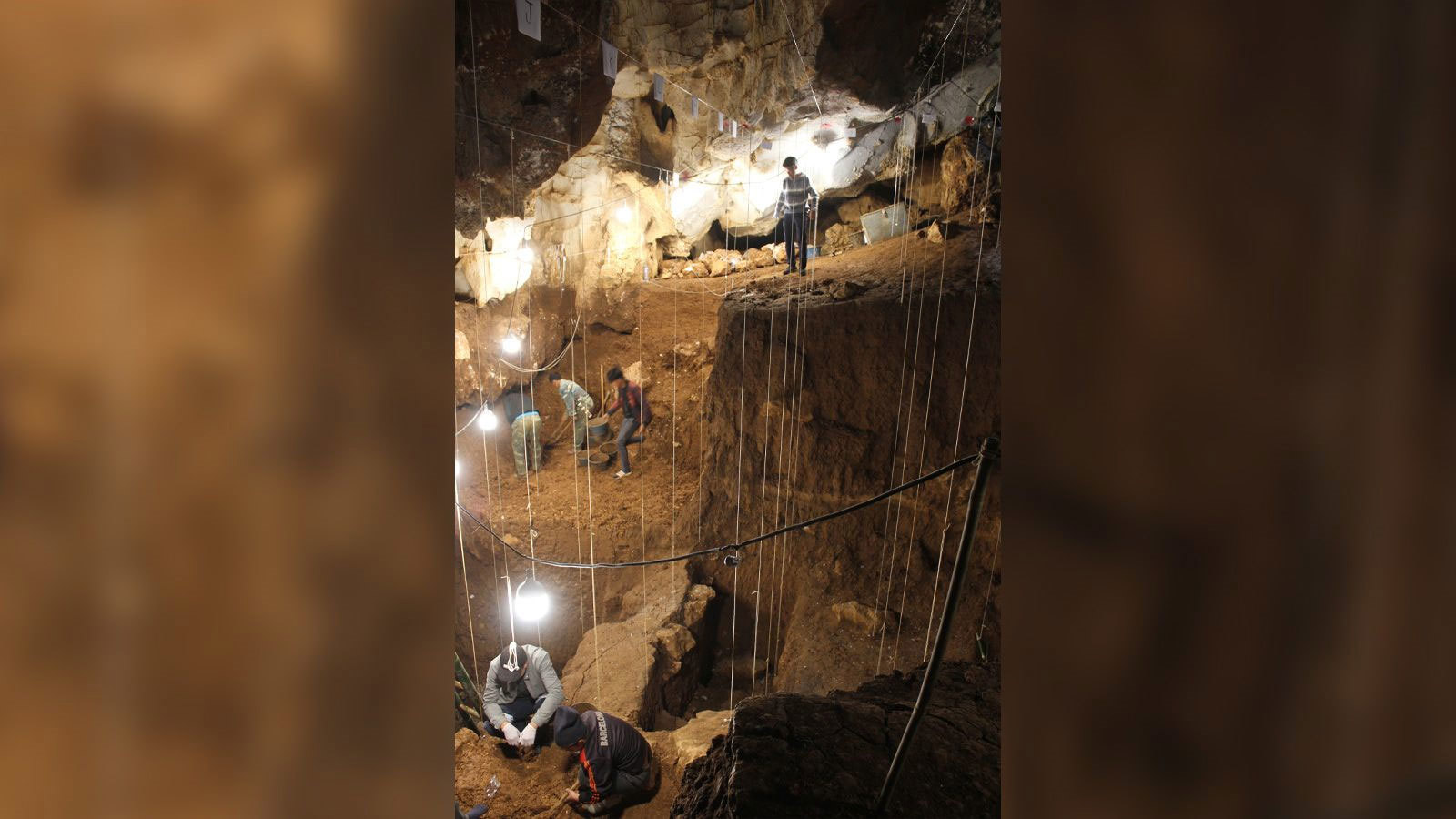
The archaeologists started digging in the cave more than a decade ago.

DNA analysis of present-day human populations has supported the hypothesis that early modern humans left Africa around 50,000 to 60,000 years ago, and archaeologists have thought our early ancestors likely followed coastlines and islands through southeast Asia toward Australia.

However, a growing number of older human remains discovered in China and the Levant show that this chapter in the human story is more complicated than first thought.

The migration 50,000 to 60,000 years ago "that contributes to our current gene pool may not have been the first," Westaway said. "There may well have been earlier migrations that were not successful and therefore did not contribute their genetics to our modern populations."

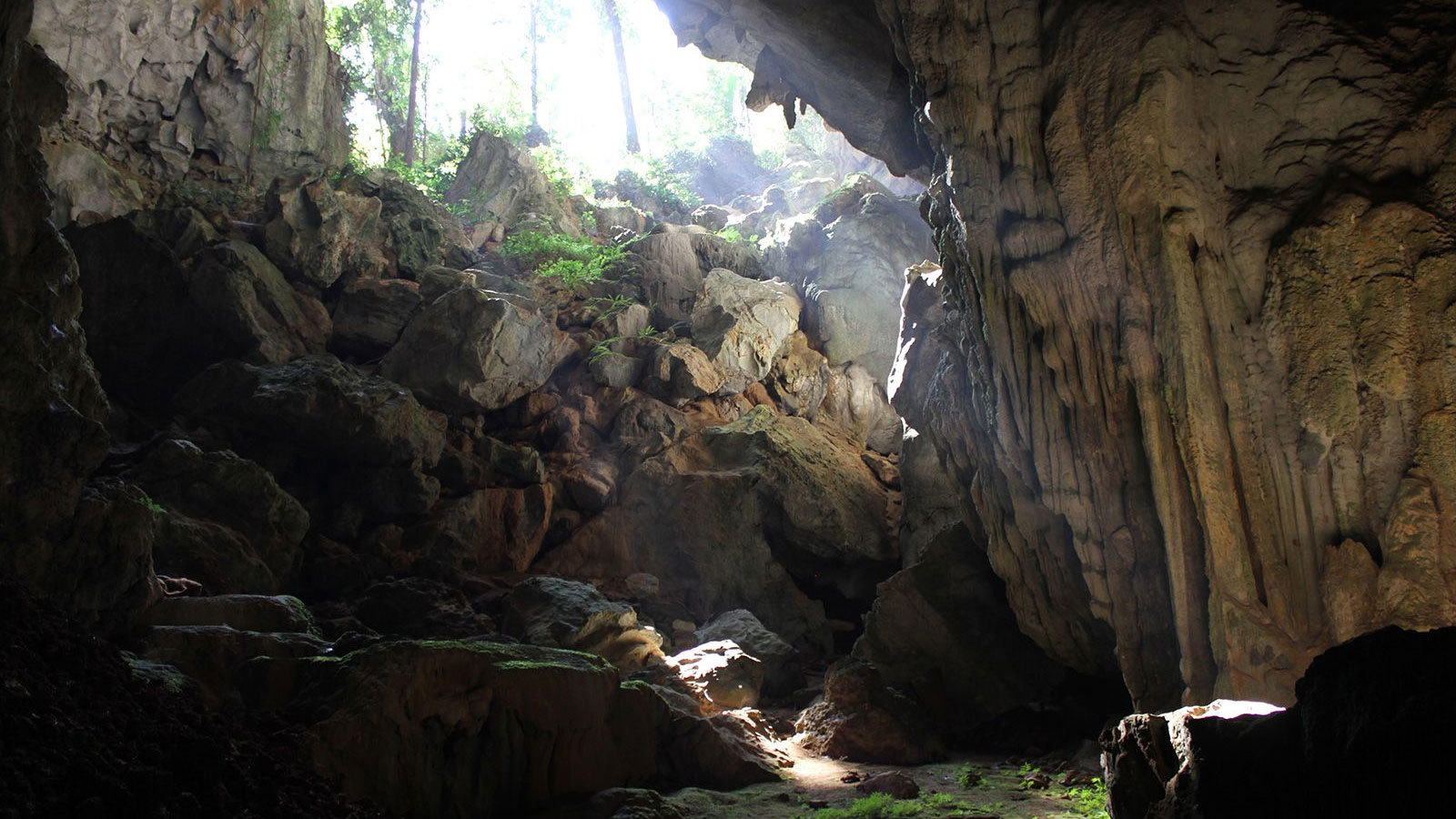
The two Laos fossils — a fragment of a leg bone and part of the front of a skull — were found in Tam Pa Ling cave. The archaeological site was discovered in 2009 when another partial skull was unearthed.

In addition to the latest finds, two jawbones, a rib and a phalanx have also been discovered at the site, and the physical features of the remains all suggested they belonged to early modern humans.

Difficulty in dating early human fossils

Dating fossils from the site proved tricky. They were too old for radiocarbon dating, which can only date remains from up to around 46,000 years ago. Also, the cave is part of a UNESCO World Heritage Site, which means the human fossils cannot be directly dated because of Laotian laws protecting the area, according to Westaway.

Instead, the team involved in the study, which published Tuesday in the journal Nature Communications, used two different techniques to estimate the fossils' age.

The researchers measured the luminescence in quartz and feldspar minerals in the sediment layer, a method that reveals how long it's been since a material with crystalline minerals was heated or exposed to sunlight.

As the excavation proceeded deeper, they also found two animal teeth in the same layer as the human remains and dated them by measuring the radioactive decay of uranium isotopes — chemical elements found in the tooth enamel — in a technique called electron-spin-resonance dating.

The two fossils were estimated to be 68,000 to 86,000 years old, with the leg bone fragment being the older find.

Challenging conventional thinking on human story

In addition to throwing the timeline of early human migration into question, the site also challenges conventional thinking that humans' earliest journeys in the region would have involved skirting coastlines and island locations such as Sumatra, Philippines and Borneo.

READ MORE: Trump pleads not guilty to 37 felony charges

The cave was occupied by early humans for about 50,000 years, archaeologists believe. The cave was occupied by early humans for about 50,000 years, archaeologists believe.

The upland region in the heart of mainland southeast Asia was and is heavily forested, at an altitude of about 1,100 metres and a distance of at least 300 kilometres from the sea.

"The fascinating part of this research is the location of the cave. We know that hominins tended to move along river valleys inland, but this location confirms our suspicions that early Homo sapiens had the capacity to adapt and disperse through upland forested regions much earlier than anticipated," Westaway explained.

Archaeologists believe the cave was occupied for almost 50,000 years, and the latest discoveries underscore the region's exciting potential for paleoanthropology.

At a nearby site, known as Cobra Cave, a tooth believed to belong to a Denisovan, an elusive early human, has been found. However, that tooth is 70,000 years older than the earliest Tam Pa Ling remains, so there's no evidence the two species of human mixed or coexisted, Westaway said.

The world's oldest figurative rock art has been found in caves in Indonesia, and extinct human species, including the small Homo floresiensis and Homo luzonensis, have been found on islands in Indonesia and the Philippines.

The team expects to unearth more human fossils from the region.

"The site of Tam Pà Ling is one of five other sites (found) in that karst mountain that all contain human evidence," Westaway said.

Sign up here to receive our daily newsletters and breaking news alerts, sent straight to your inbox.
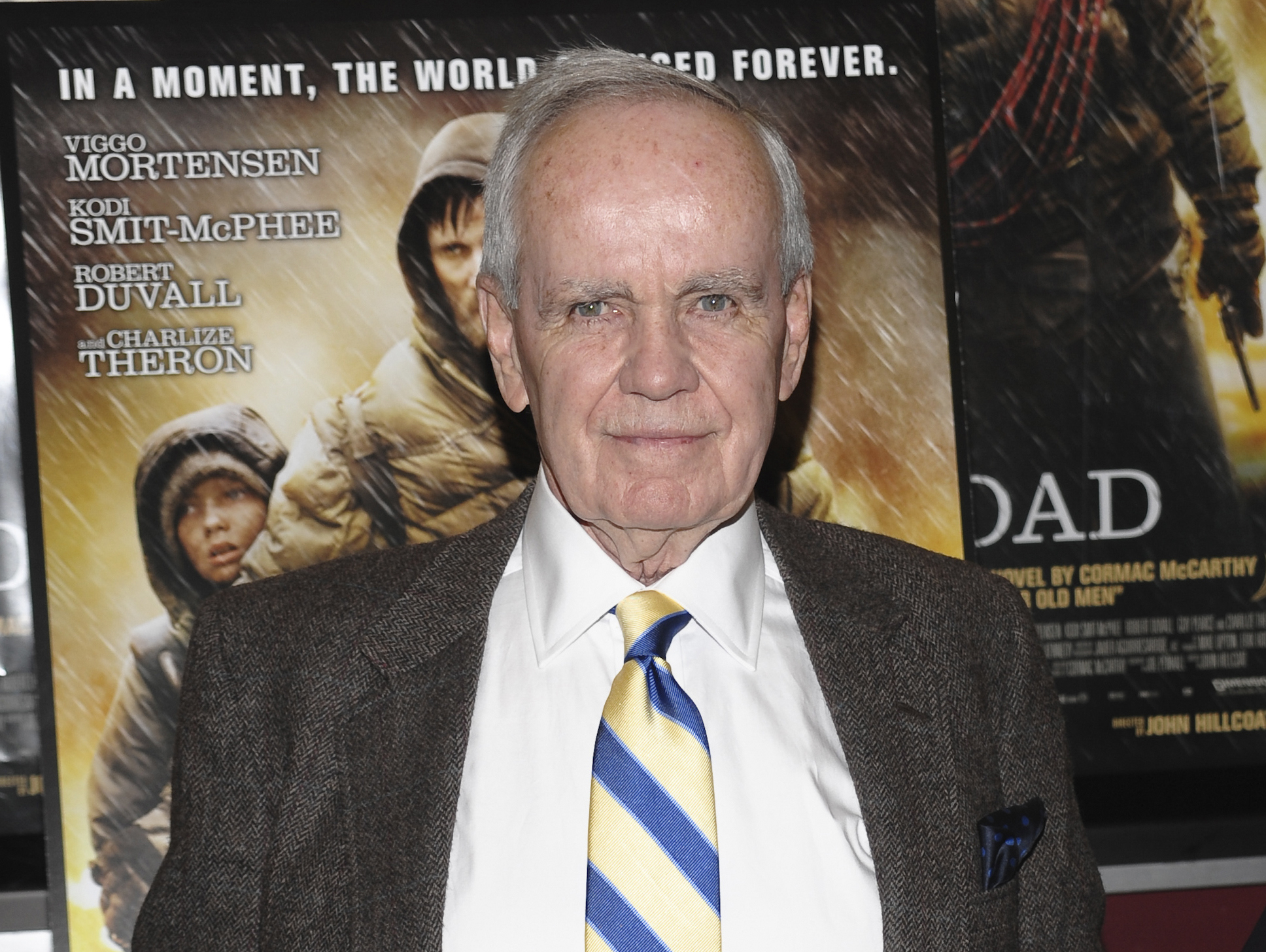
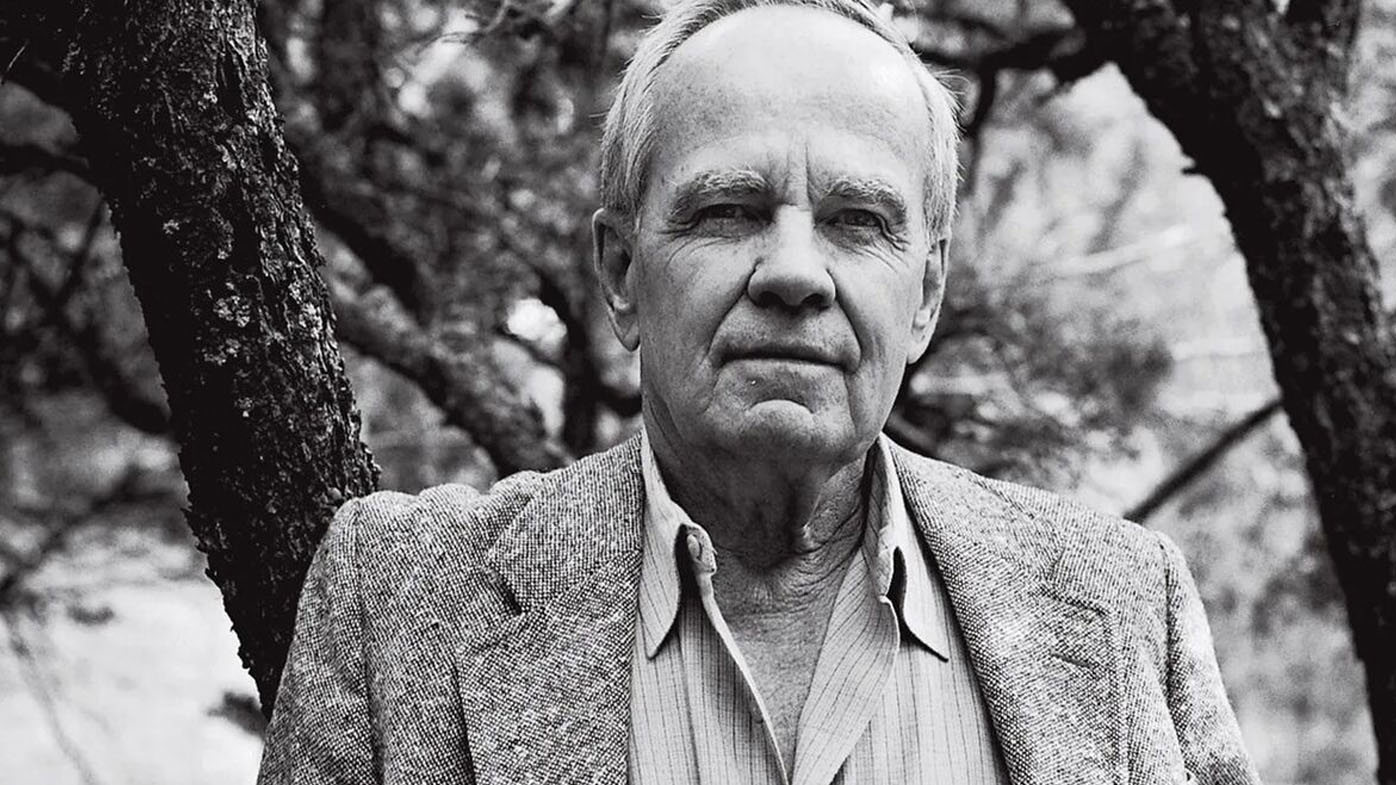
Cormac McCarthy, celebrated US author, dead aged 89

Cormac McCarthy, long considered one of America's greatest writers for his violent and bleak depictions of the United States and its borderlands in novels such as Blood Meridian, The Road and All the Pretty Horses, died on Tuesday (Wednesday AEST), according to his Penguin Random House publisher Alfred A. Knopf. He was 89.

McCarthy died of natural causes at his home in Santa Fe, New Mexico, Knopf said.

Over a nearly 60-year career, McCarthy – hailed by the late literary critic Howard Bloom as the "true heir" of Herman Melville and William Faulkner – wrote a dozen novels, many of them critically celebrated if not commercial hits, though he would eventually achieve both. For years, he wrote while living on grants, most notably the MacArthur "genius grant," which he was awarded in 1981.

READ MORE: Trump pleads not guilty to 37 felony charges

Despite accolades, McCarthy remained relatively obscure for much of his career; as recently as 1992, 27 years after his first book was published, the New York Times Book Review said he "may be the best unknown novelist in America."

Both before and since, McCarthy was seen and portrayed in the media as reclusive, eschewing the kind of book tours, signings, interviews and lectures other renowned writers would see as professional obligations. But McCarthy famously abhorred talking about his books, which principally featured male characters and profuse violence, as well as sparse punctuation.

Still, he was a "writer's writer," the Times reported, with a cult following and a reputation "far out of proportion to his name recognition or sales."

"I never had any doubts about my abilities," McCarthy told the Times in one of his few interviews. "I knew I could write. I just had to figure out how to eat while doing this."

That obscurity changed with All the Pretty Horses, the first installment of his Border Trilogy, which became a bestseller and won the 1992 National Book Award, at last marrying the critical acclaim he'd enjoyed with mainstream success.

His Pulitzer Prize-winning novel The Road, which followed a father and son travelling through a post-apocalyptic America, further catapulted McCarthy to popularity, thanks in part to Oprah Winfrey selecting the novel for her book club. McCarthy, in turn, granted Oprah his first and only television interview.

READ MORE: Three found dead, three others hit by van in linked incidents in UK city

The Road was also one of several of McCarthy's books adapted for film, most notably the Coen Brothers' adaptation of No Country for Old Men, which won four Academy Awards, including best picture.

The author was born Charles McCarthy Jr. on July 20, 1933, in Providence, Rhode Island. His family moved when he was still young to Knoxville, Tennessee, where his father was a lawyer for the Tennessee Valley Authority. His was a relatively comfortable childhood, one that played out on a plot of wooded land in a large white house with maids.

"We were considered rich," he told the Times, "because all the people around us were living in one- or two-room shacks."

For all his later literary achievements, McCarthy was not a voracious reader in his childhood or adolescence. It wasn't until he served in the US Air Force after dropping out of the University of Tennessee that McCarthy began reading extensively, in his barracks while stationed in Alaska, he told the Times.

He would later move to Chicago, where he finished his first novel and in 1961 married his first wife, Lee Holleman, with whom he had a son. They soon divorced.

That novel, The Orchard Keeper, was published in 1965, after shepherding by the famous Random House editor Albert Erskine, who also edited Faulkner. Erskine, who died in 1993, would go on to edit McCarthy for two decades despite the fact, Erskine admitted to the Times, that McCarthy's books never sold.

READ MORE: Amber alert issued over newborn baby taken from Queensland hospital

Outer Dark followed in 1968 and Child of God in 1973, after a stint in Ibiza and McCarthy's subsequent return to Tennessee with his second wife, Annie DeLisle. But still, they lived in "total poverty," DeLisle once said, "bathing in the lake."

"Someone would call up and offer him US$2,000 to come speak at a university about his books," DeLisle told the New York Times. "And he would tell them that everything he had to say was there on the page. So we would eat beans for another week."

But McCarthy didn't become a writer to make money, instead "maybe simply, because I can do it," he told the Maryville-Alcoa Times, a Tennessee newspaper, in 1971. "There are a lot of easier ways to make money. I could sell tickets to people and let them watch while I was run over by a truck."

His next novel, Suttree, was published in 1979. McCarthy was awarded the MacArthur Fellowship two years later, giving him financial security to focus on writing. McCarthy left DeLisle and used the money to abscond to the southwest, where he spent the next several years steeped in research for Blood Meridian, or the Evening Redness in the West, published in 1985.

The historically based novel – widely regarded as McCarthy's masterpiece – follows a brutal gang of scalp hunters as they journey across the southwest, massacring Apache and members of the Mexican Army.

All the Pretty Horses was published in 1992 and was followed over years by The Crossing and Cities of the Plain, which together comprise The Border Trilogy – in all a more idyllic ode to the region that recounted the adventures of two young cowboys.

READ MORE: Victims of Hunter wedding bus crash identified as community mourns

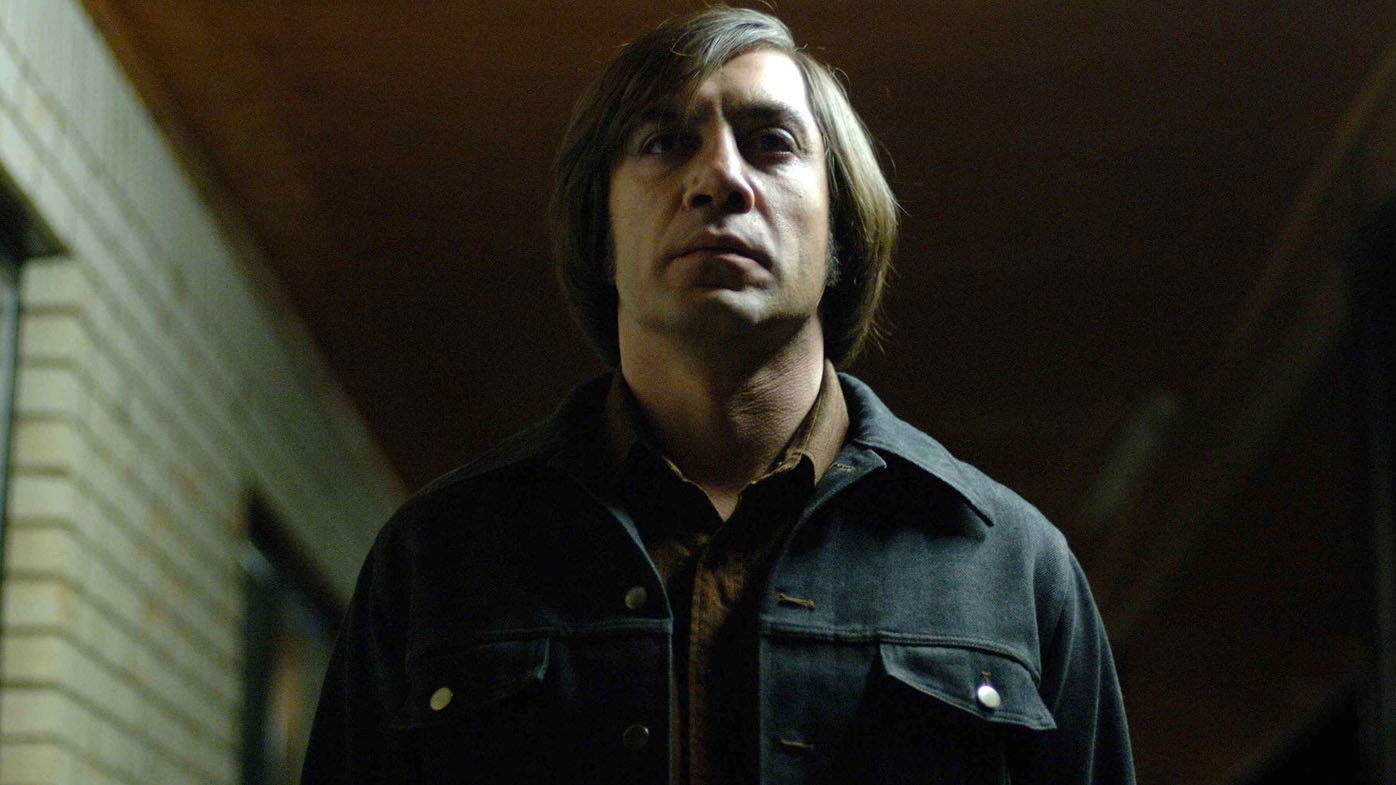
No Country for Old Men in 2005 received a less positive critical reception than McCarthy's earlier novels, though its standing improved with time. The book, which the author began as a screenplay, did well as a movie under the direction of Joel and Ethan Coen, with the talents of Tommy Lee Jones and Josh Brolin, as well as Javier Bardem as the fearsome but unforgettable killer Anton Chigurh, a role that won Bardem Academy Award for best supporting actor.

McCarthy's attention turned away from the American West for 2006's The Road. The book, dedicated to his then-young son – he had by then divorced and remarried again – was conceived on a trip to El Paso, Texas, he told Winfrey, as he looked out the hotel window one night.

"I just had this image of these fires up on the hill and everything being laid waste, and I thought a lot about my little boy," he said, and wrote a couple pages. Revisiting the idea several years later, he realised those pages were the beginning of a book about a man and his son travelling through that ashen landscape while staving off the threat of cannibals.

The book wrote itself, he said, in a few weeks' time.

The ensuing years were quiet ones, with little in the way of new material. By this time, McCarthy was spending much of his time at the Santa Fe Institute in New Mexico, an independent research group of mostly scientists where he eventually became a lifetime trustee.

McCarthy, whose interest in the sciences was well-documented, enjoyed the company of the physicists, biologists and geologists at the institute, and it was there he was often seen writing on his Olivetti typewriter, working on his next novels, The Passenger and Stella Maris, released just six weeks apart in 2022.

The books dealt with the same story from different perspectives and featured a female main character as McCarthy's dearth of well-developed women protagonists in his writing had long been a point of criticism. After being married three times, he told Oprah, "I don't pretend to understand women."

But he alluded to the twin novels and their story's female protagonist in an interview with the Wall Street Journal in 2009, saying, "I was planning on writing about a woman for 50 years. I will never be competent enough to do so, but at some point you have to try."

As for the lavish amounts of violence in his work, McCarthy told Vanity Fair in 2005 he didn't know what resonated with him about that theme, only that he felt death was the principal motif at the heart of all our lives.

"Death is the major issue in the world. For you, for me, for all of us," he said. "It just is. To not be able to talk about it is very odd."

'Honoured and horrified': Singleton mourns 10 killed in Hunter bus crash

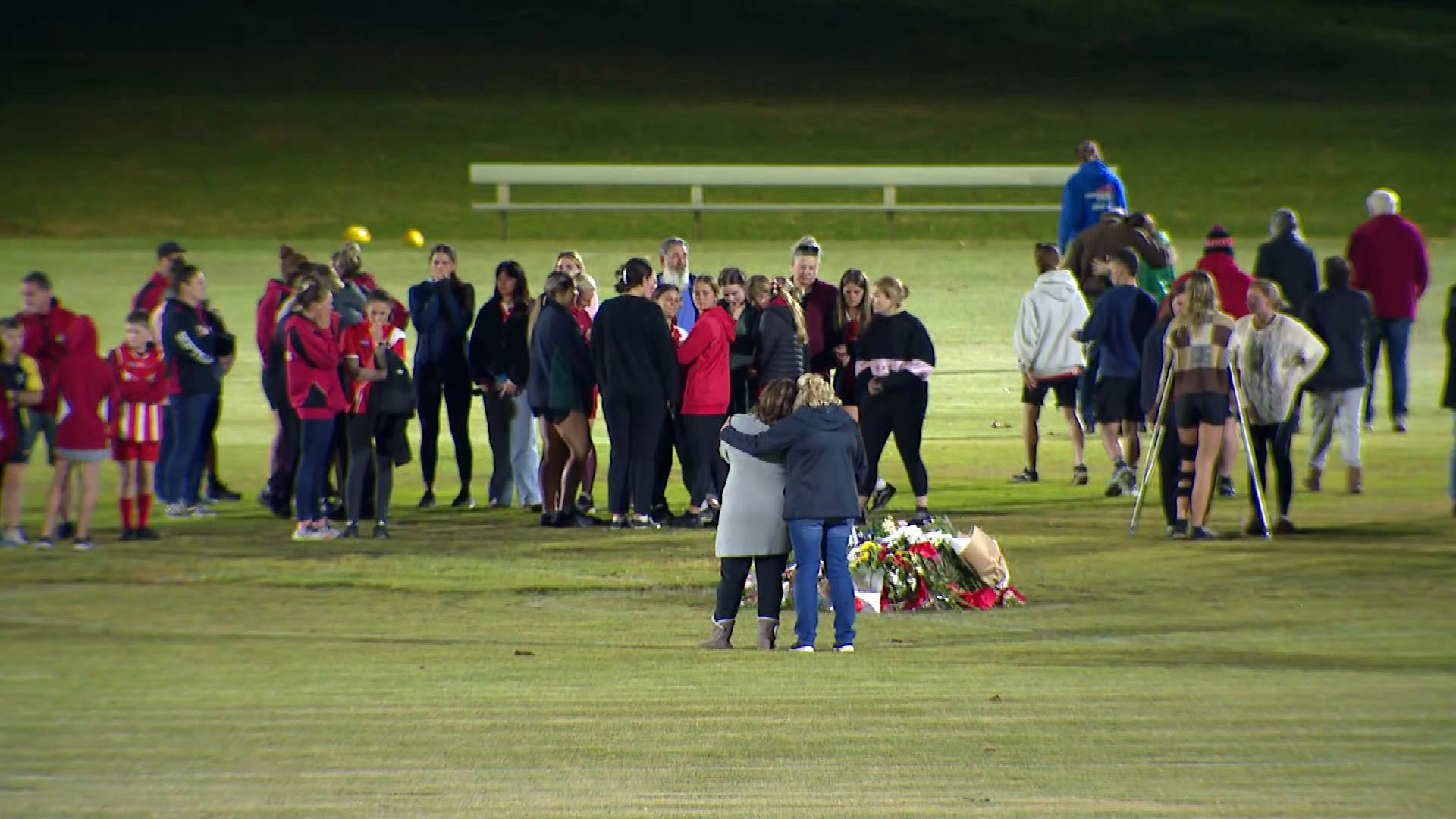
Dozens gathered last night to mourn the 10 people killed in the Hunter Valley bus crash as the community struggles to come to terms with the tragedy.

Two small vigils were held at Singleton.

The first was at the Singleton Roosters football clubhouse. Five of the crash's 10 victims were members, while a further four also had ties to the side.

READ MORE: Victims of Hunter wedding bus crash identified as community mourns

Community members gather at the Singleton Roosters football club following the horror Hunter Valley bus crash.

A separate prayer vigil was held at the Singleton Baptist Church, which said it was for everyone "to pray for our community as the community", adding that anyone was welcome to attend.

The crash on Sunday night killed 10 people and left a further 25 injured following a wedding reception at the Wandin Valley Estate.

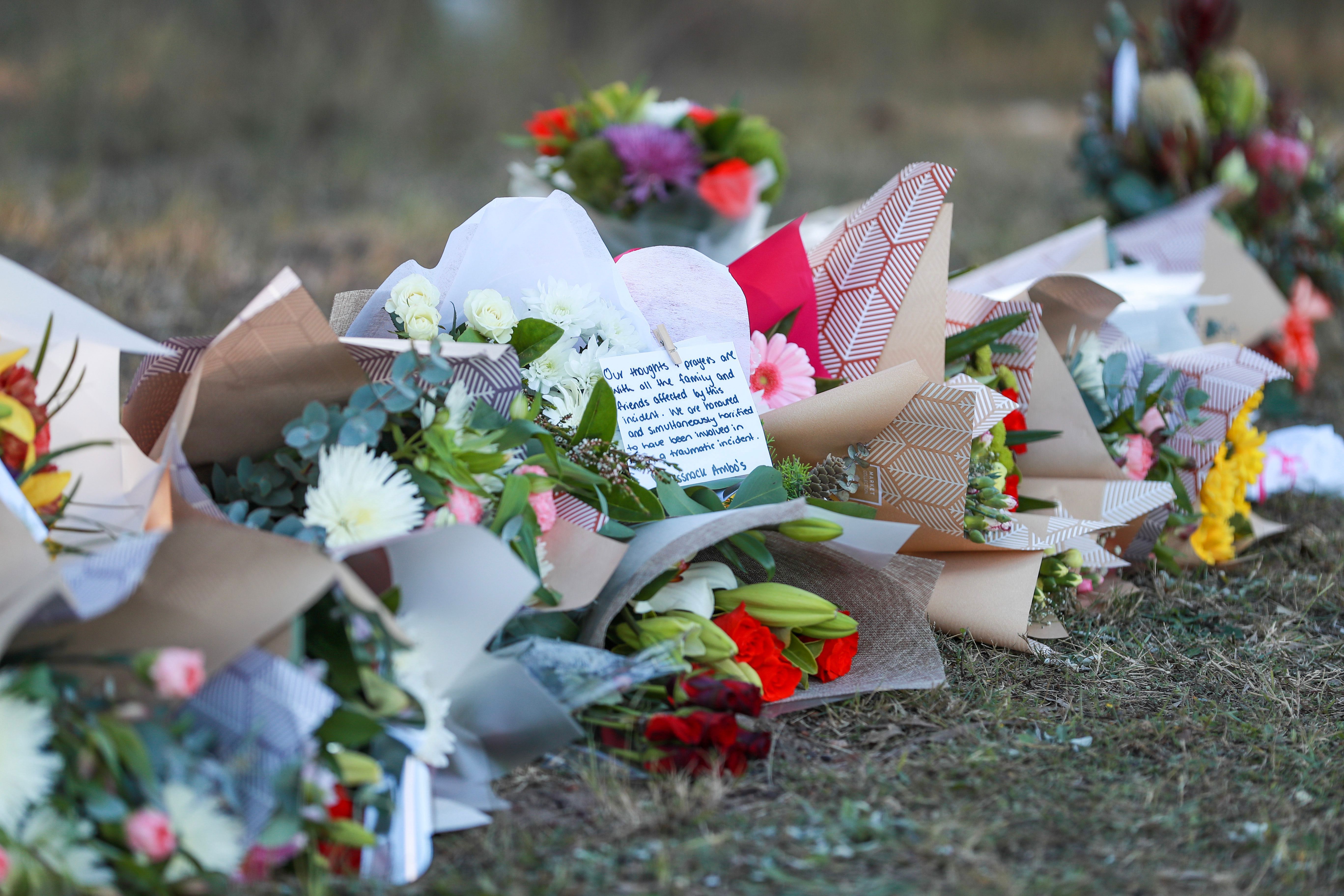
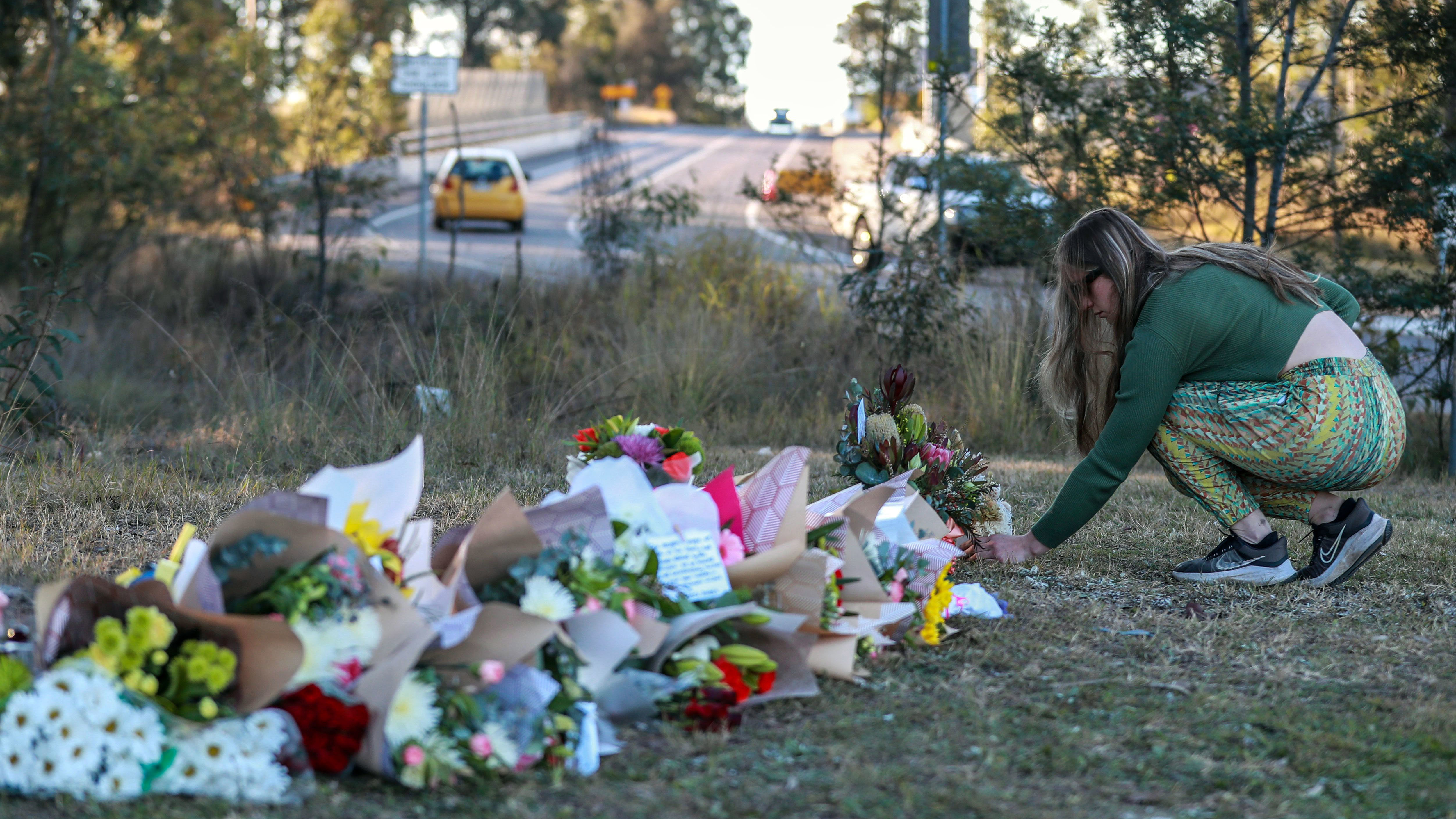
Floral tributes have continued to be left near to the bus crash scene as the region finds ways to mourn those lost so suddenly.

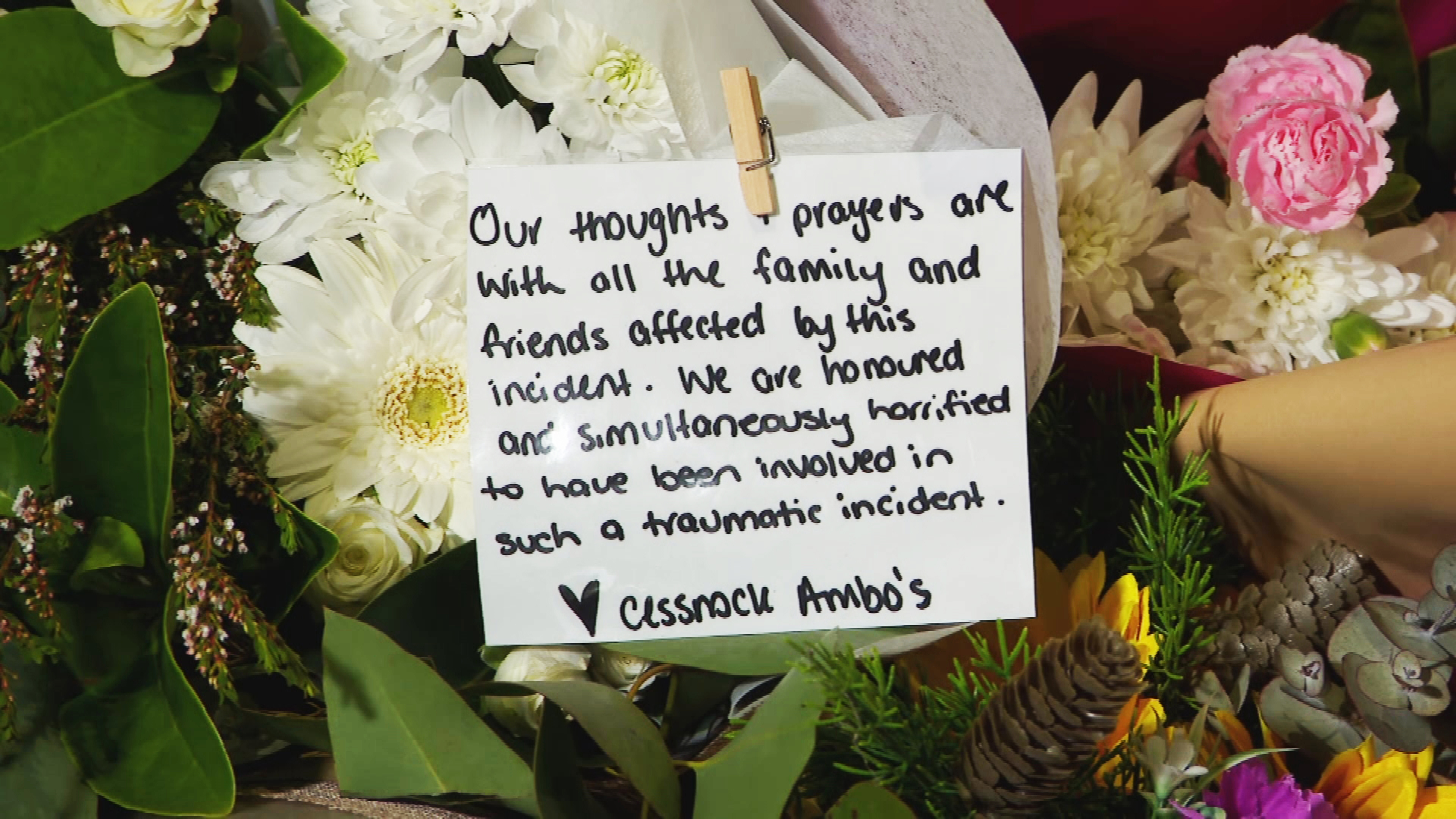
Attached to one bouquet of flowers was a note from the Cessnock Ambulance.

"Our thoughts and prayers are with all the family and friends affected by this incident," the note pegged to the flowers reads.

"We are honoured and simultaneously horrified to have been involved in such a traumatic incident."

READ MORE: 'Suffering' bus driver released as police allege cause of horror crash

A woman lays flowers near the site of a bus crash on June 13, 2023 in Cessnock, Australia.

Among those named as victims are Rebecca Mullen, and mum and daughter Nadene and Kyah McBride.

Married Singleton couple Andrew and Lynan Scott are also unaccounted for.

Byron Bay man Zachary Bray and Queenslander Angus Craig have also been named, along with Tori Cowburn, Kayne Simons, and Darcy Bullman.

The driver, 58-year-old Brett Button, has been charged and was granted bail in court this morning.

Sign up here to receive our daily newsletters and breaking news alerts, sent straight to your inbox.
Luxurious Brisbane penthouse could break city's record

A glamorous South Bank penthouse is expected to shatter Brisbane property records.

The Emporium South Bank's four-bedroom palace was listed overnight with a $30 million price tag.

YPM Group project director Phillip Rand described the property as "the most incredible residential penthouse offering Brisbane has ever seen".

READ MORE: Bus driver granted bail over wedding crash

A glamorous South Bank penthouse is expected to shatter Brisbane property records.

Dripping in luxury details, it is rumoured to have hosted stars like Harry Styles.

The property is at the pointy end of Brisbane's market, with the record for units currently held by the Argyle penthouse in New Farm, which sold off the plan for $16.5 million in February.

Unlike other penthouses in the city, this one includes access to the hotel's concierge service with dog walking, laundry services and bar staff just a call away.

READ MORE: Victims of wedding bus crash identified as community mourns

The Emporium South Bank's four-bedroom palace was listed overnight with a $30 million price tag.

It has been retained by the family who developed the Emporium since 2018.

Agents say the future owner could be a local with plenty of interest both here and abroad.

"It's somebody who appreciates design, experience and position, and is looking for something that nobody else can secure," Rand said.

Sign up here to receive our daily newsletters and breaking news alerts, sent straight to your inbox.
How families can save $300 a month on energy bills this winter

Energy bills are about to go up but there are a few quick habit changes around the house that can help you save hundreds of dollars this winter.

Canstar Blue has calculated how a family of four can save up to $300 a month by making changes to how they use appliances.

Some examples include cutting down the usage of electric and gas heaters, which can save hundreds each month.

READ MORE: Victims of wedding bus crash identified as community mourns

Energy Australia, Origin and AGL are among the companies offering alternatives to the traditional quarterly payment.

Another way to save is by putting three loads of washing in the dryer instead of eight each week, which could save about $20 per month.

Below is a table of how much an average four-person household could save by reducing its use of common appliances.

Canstar gives list of appliances to cut down the usage of this winter.

This second table shows how Canstar Blue calculated household usage.

Canstar gives list of appliances to cut down the usage of this winter.

To check if you are on the right electricity plan you can go to Canstar Blue or the federal government's Energy Made Easy website.

Sign up here to receive our daily newsletters and breaking news alerts, sent straight to your inbox.
Taser victim Clare Nowland remembered by loved ones at funeral

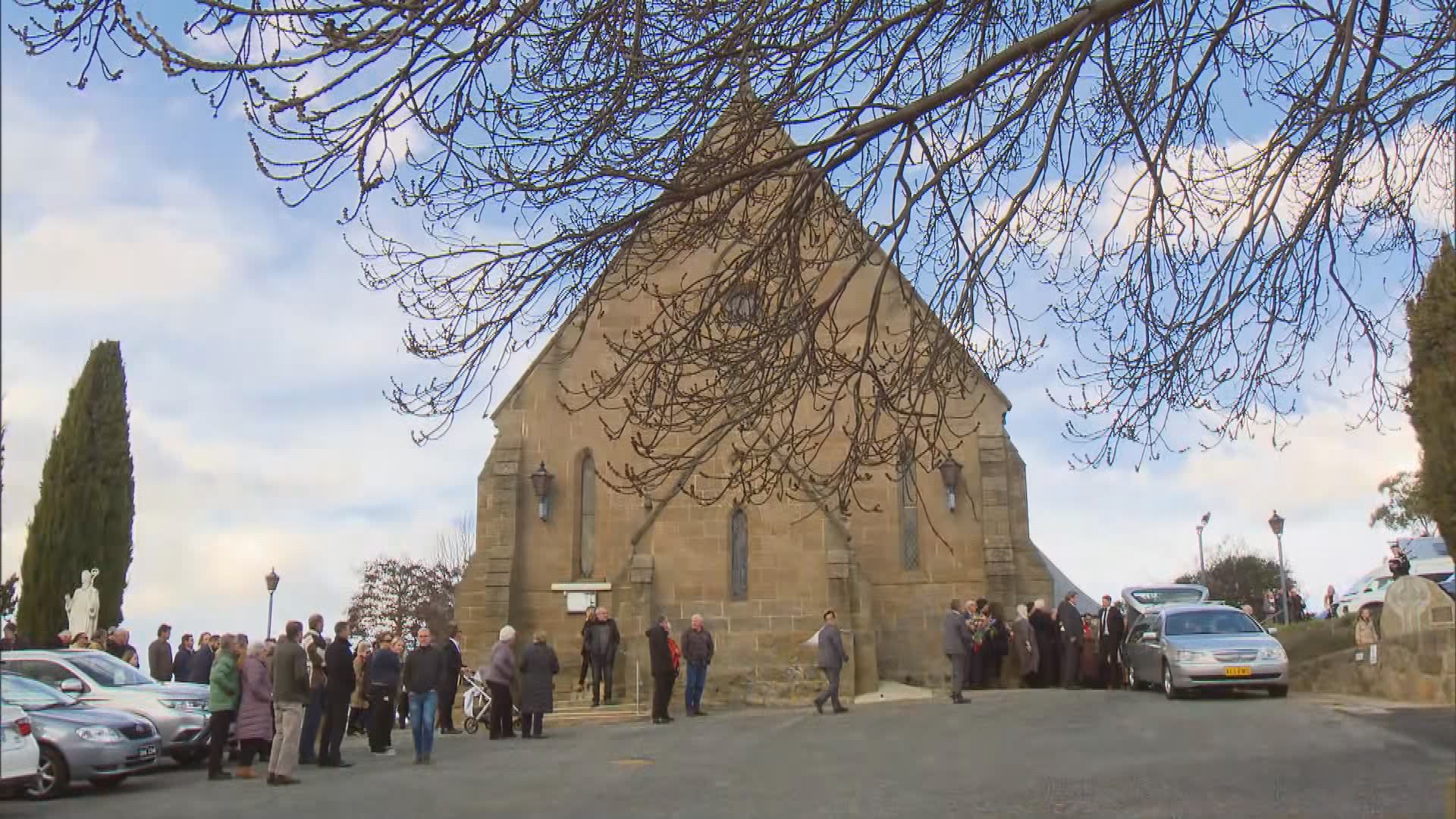
A great-grandmother who died after she was allegedly Tasered by a NSW Police officer has been remembered by loved ones at her funeral.

Hundreds overflowed St Patrick's Catholic Church in Cooma to farewell much-loved community member Clare Nowland this morning.

The president of St Vincent de Paul Society for Canberra and Goulburn John Faint said Nowland had volunteered at the organisation for 55 years.

READ MORE: What we know about the fatal Hunter Valley wedding bus crash

Clare Nowland's funeral service in Cooma.

"Clare gave remarkable service to the St Vincent de Paul Society," Faint said.

"She spent that time helping in the local store here at the Vinnies shop and helping people in this community who are poor and needy."

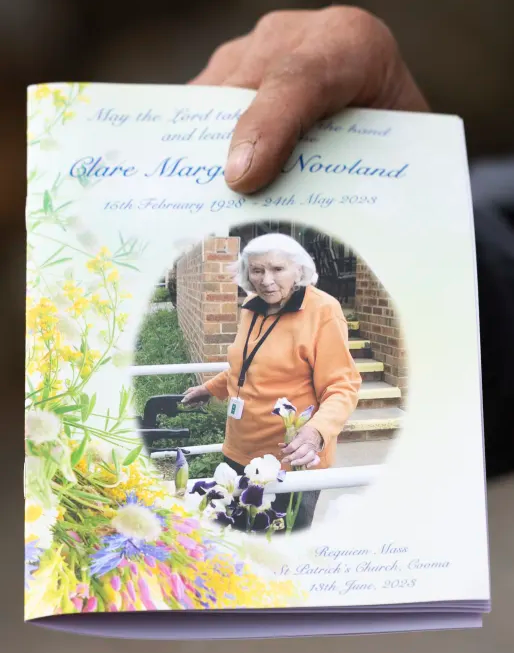
The order of service for Clare Nowland's funeral in Cooma.

He said she was the first female president in the region and touched many people over the years.

The 95-year-old was a mother of eight, grandmother of 24, and great-grandmother of 29, who suffered from dementia.

She died in Cooma base hospital on May 24 after allegedly being Tasered by NSW Police Senior Constable Kristian White in her aged care home on May 18.

White has been charged with recklessly causing grievous bodily harm, assault occasioning actual bodily harm and common assault.

He is due to appear in court next month.

Sign up here to receive our daily newsletters and breaking news alerts, sent straight to your inbox.