Tag Archives: oceania

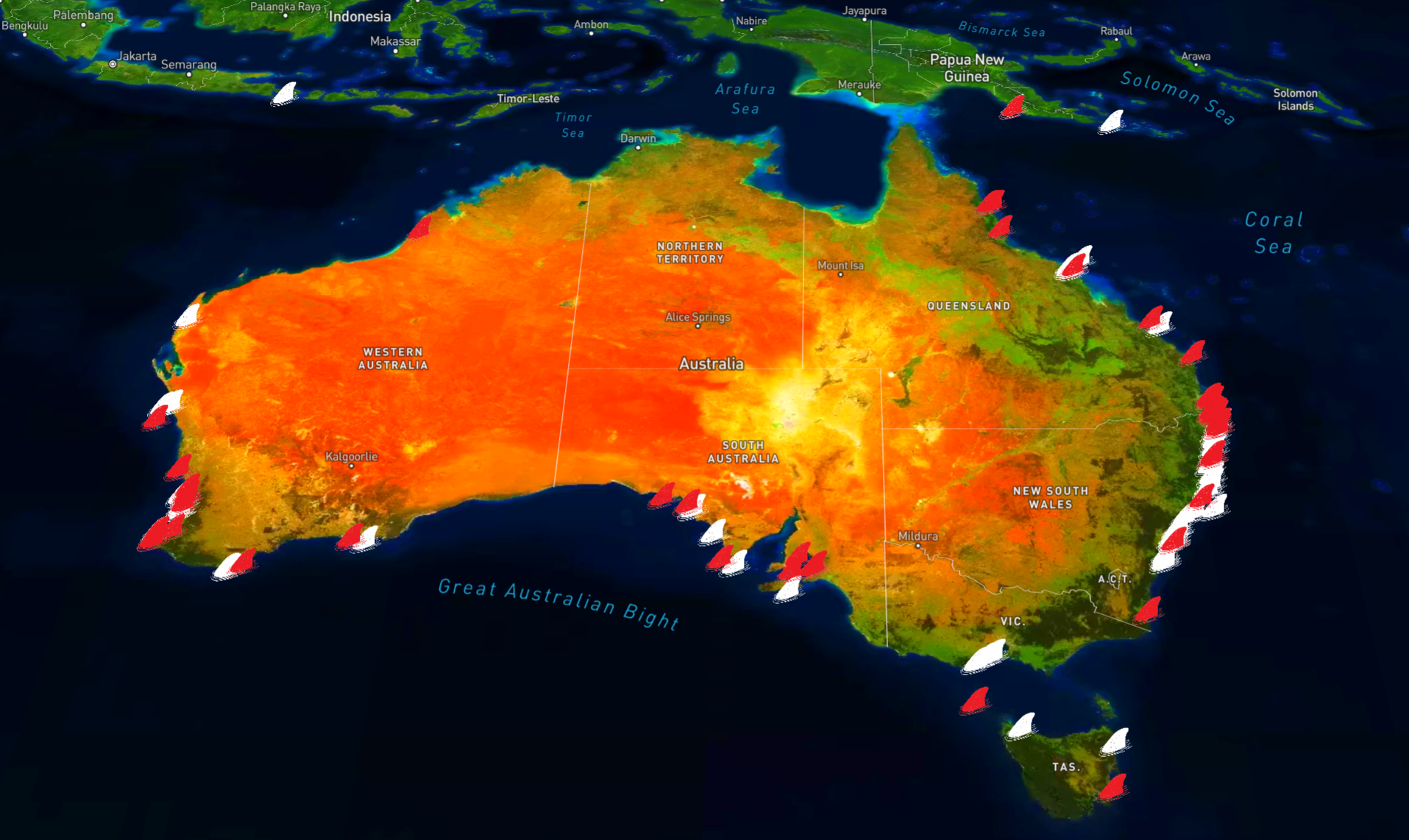
Australia's major hotspots for shark attacks revealed

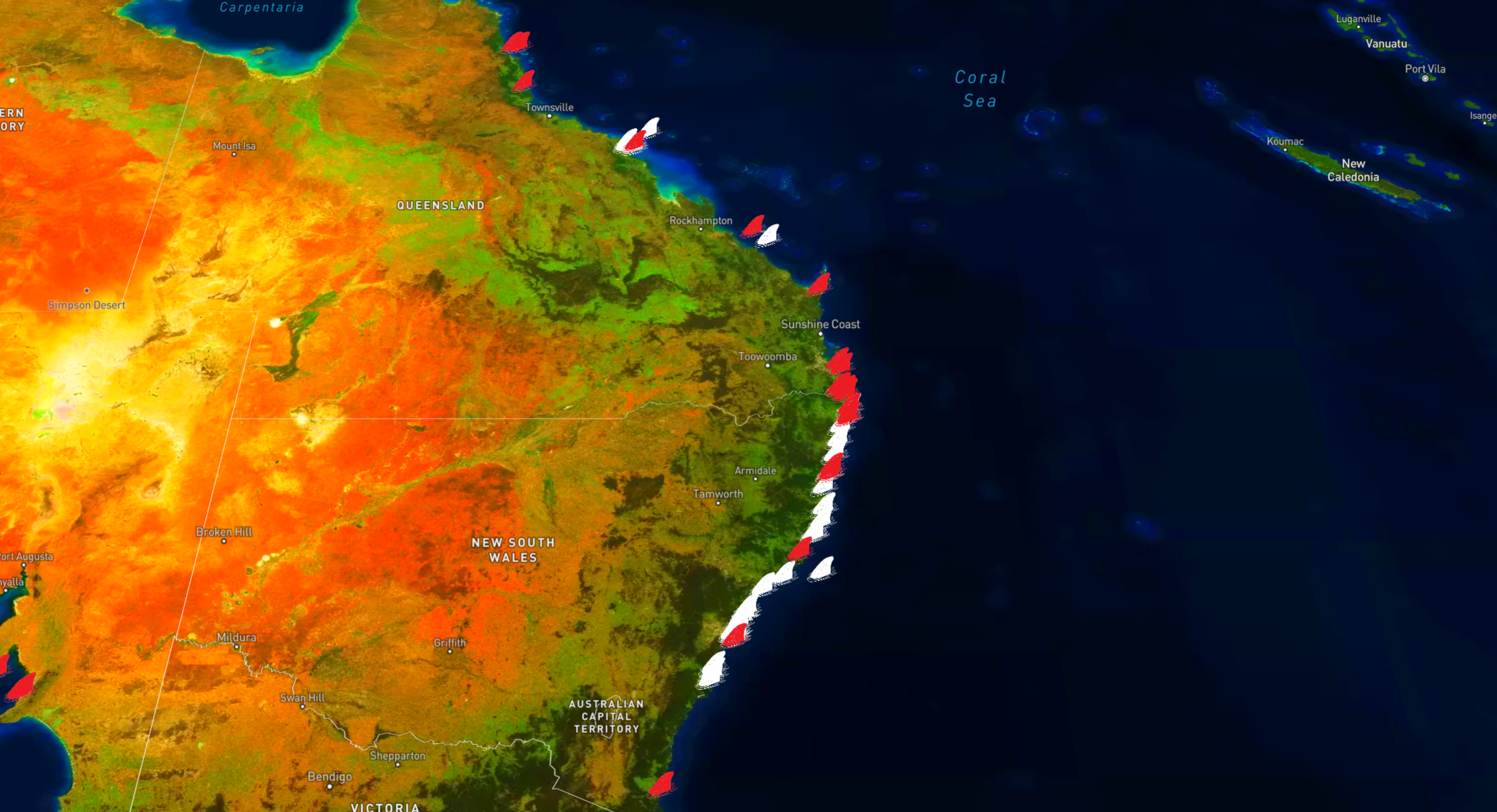
A new interactive map has launched online unveiling Australia's major hotspots for shark attacks, with two states in particular emerging as danger zones.

US-based company Florida Panhandle collated the data of every global shark attack – including both incidents that proved deadly as well as non-fatal attacks – over the past 47 years.

The result paints a grim picture for Aussies, with almost every jurisdiction having recorded an attack of some kind in the last five decades.

READ MORE: Tasmanian boy, 11, recovering in hospital after shark attack off WA coast

The map reveals that in New South Wales and Queensland, particularly around the states' joint border, shark attacks appear particularly prevalent.

Some 50 attacks were recorded between the two states, almost two dozen of them fatal.

The map's emergence comes as the US and Australia were crowned homes of the most unprovoked shark attacks around the globe in 2022, according to
The International Shark Attack File.

READ MORE: Tributes flow for much-loved teacher feared dead after shark attack off South Australian coast

According to the data, there were 57 unprovoked shark attacks around the world in the past 12 months.

This is down from 73 in 2021, and ties with 2020 for the fewest number of reported incidents in the last 10 years.

Just last month, a much-loved South Australian school teacher was suspected to have been killed by a shark at Walkers Rock Beach on the Eyre Peninsula.

Sign up here to receive our daily newsletters and breaking news alerts, sent straight to your inbox.

New barrier for Aussie travellers to enter Europe

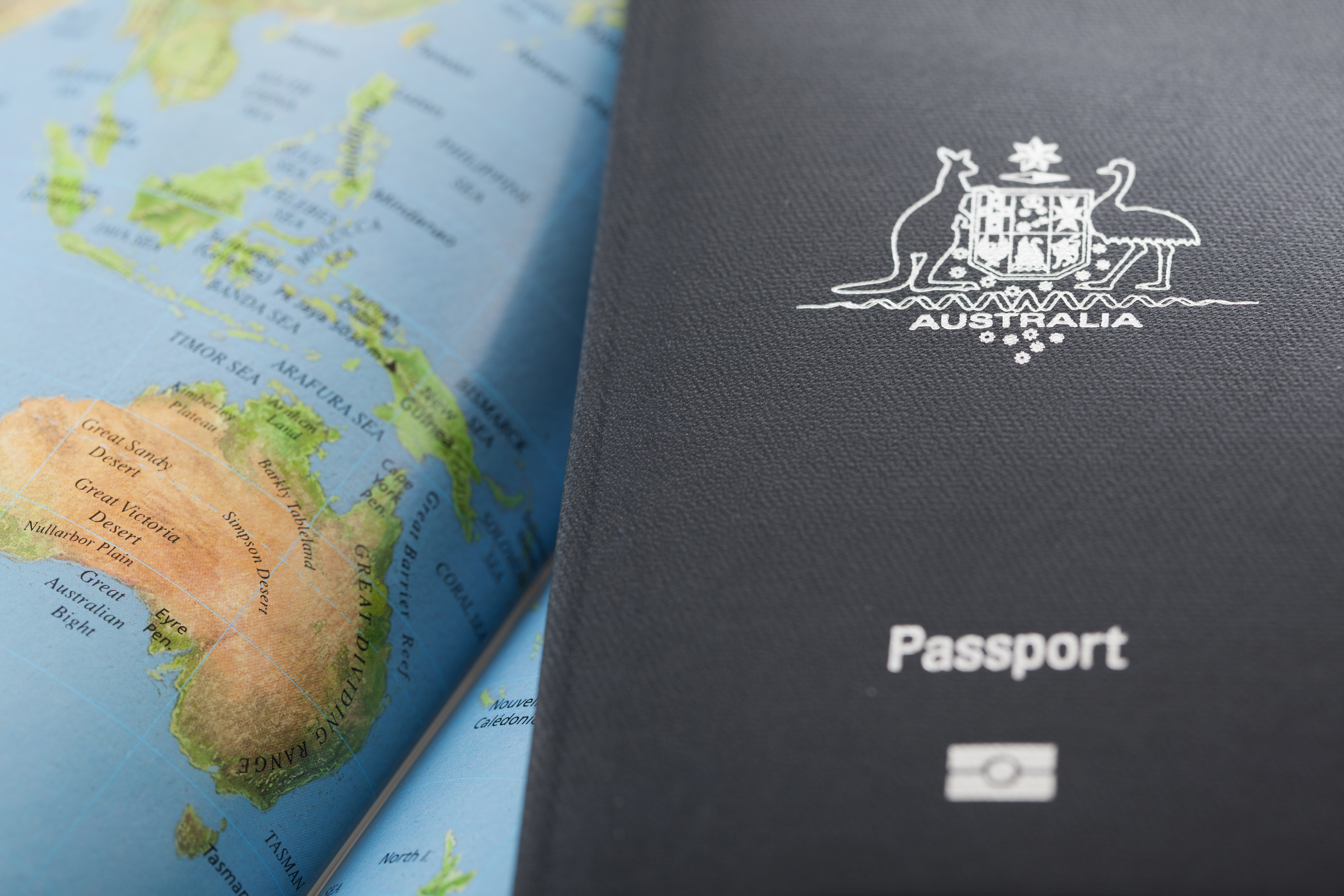
Australians looking to enter Europe from next year will need to apply for a new special permit to travel through 30 countries, as the European Union looks to beef up security.

From 2024, Australian would-be visitors will need to apply with the European Travel Information and Authorisation System (ETIAS) in order to enter.

The ETIAS system has been put in place for citizens of otherwise visa-exempt countries. Here's what you need to know.

READ MORE: Severe weather to lash Australia's south-east

Backpacker tourist

How will ETIAS affect my travel plans?

If you plan to travel to one or more of these 30 European countries from 2024 on, you will need ETIAS travel authorisation.

The authorisation is linked to your passport, so make sure you have the same one you applied to ETIAS with.

ETIAS authorisation still does not guarantee entry to any of the participating European countries – you will need to pass entry requirements at the border.

READ MORE: Cheques to be phased out in Australia by 2030

Australian Passport

How do I get my ETIAS authorisation?

When applications are open, you will need to apply through the ETIAS website.

You will need a valid travel document, such as a passport, that will not expire in less than three months, and is less than 10 years old.

ETIAS will also ask applicants for personal information such as their name and contact details, intended length of visit, and criminal history.

Most applications will take "minutes" to process after they're lodged, ETIAS claims, but some could take up to four days.

READ MORE: Homes flooded as Russia accused of dam blast

Do I have to apply every time I want to travel to Europe?

An ETIAS travel authorisation is valid for three years or until the passport you applied with expires – whichever comes first.

But it's for short-term stays. Authorisation entitles you to travel in participating countries for up to 90 days within any 180-day period.

You must be in possession of a valid ETIAS travel authorisation during your entire stay. You can leave and come back at any time, as long as you respect this time limit.

READ MORE: Which states and territories get a long weekend for the King's Birthday?

Is it free to apply?

You'll need to fork over an application fee of €7 ($11.22 as of June 7, 2023, but this may vary depending on the exchange rate).

People under 18 or over 70 are exempt, as are family members of EU citizens.

What about the UK?

The UK is not part of the ETIAS system – in fact, UK citizens will have to go through the same process as Australians to visit Europe.

Travel rules to the UK from Australia remain unaffected.

Sign up here to receive our daily newsletters and breaking news alerts, sent straight to your inbox.

Cruel disorder robs previously healthy teen of almost all movement

When she is awake, Sydney teenager Chelsea Speirs is unable to talk, walk or even move her arms and legs. 

The 17-year-old from Hornsby, in Sydney's north, is almost completely immobile and seemingly trapped in her own body.

"She is able to move her fingers and her hands slightly," Chelsea's mother, Meredith Speirs, said.

READ MORE: Severe weather to lash Australia's south-east
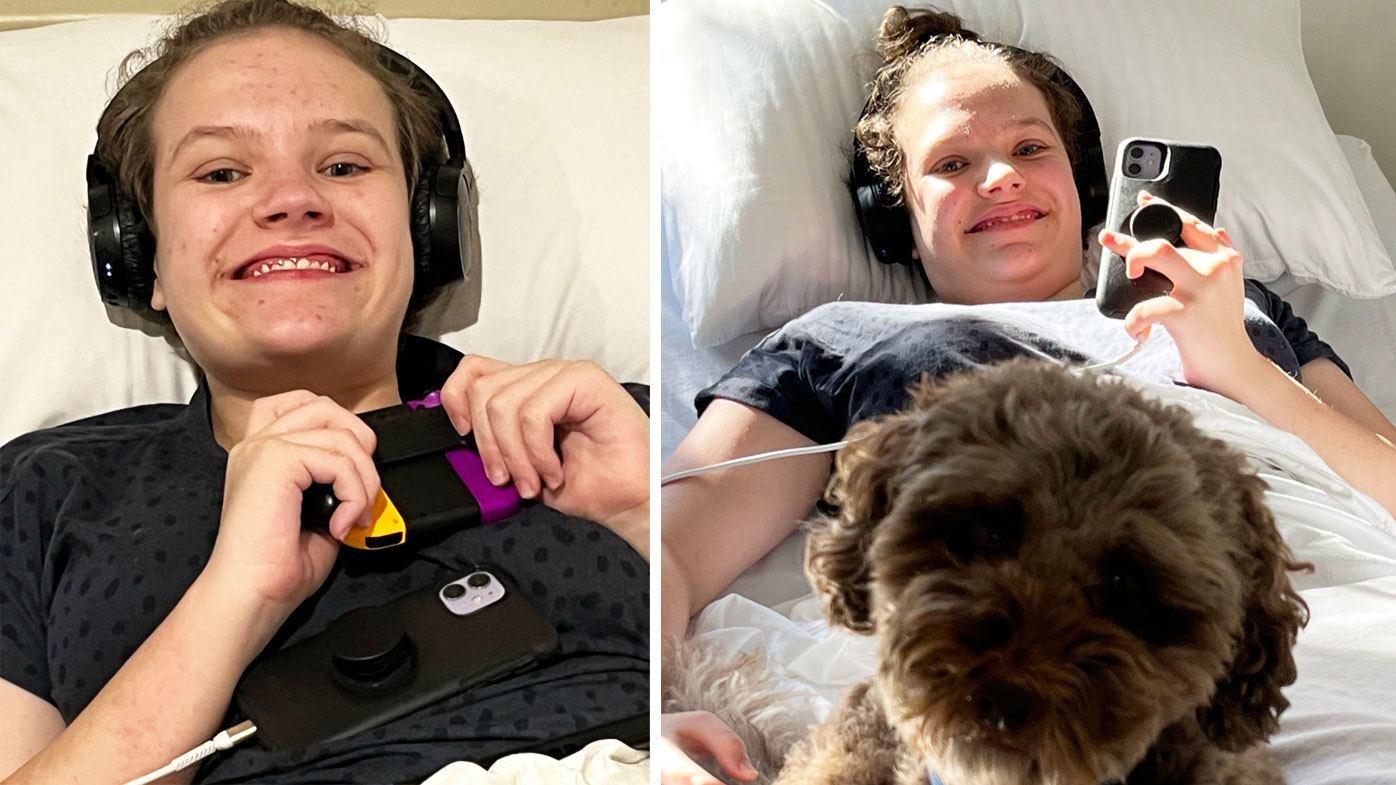
A keen learner, Chelsea Speirs is continuing to study online and hopes to become an astrophysicist.

"She can also very slightly nod or shake her head – so you can get 'yes' or 'no' answers from her; otherwise she has to type it into her phone."

This all changes dramatically, however, when Chelsea is asleep.

"She rolls over and moves around…she doesn't stop moving," Speirs said.

"Last night, I saw her pull the cover over herself. 

"But then, the movement starts to slow as she gets into a lighter sleep.

"From the minute she wakes up, whatever position she is in, she can't move from.

"So she'll often wake up on her tummy, arms above her head, and then we have to roll her and get her comfortable for the day."

READ MORE: Cheques to be phased out in Australia by 2030

Chelsea has a condition called functional neurological disorder (FND), which affects roughly four-12 people per 100,000 in Australia – to varying degrees. In New South Wales, there are 200 to 300 people diagnosed with FND every year.

FND is a neurological condition which occurs when there is a disconnect between the brain receiving and sending information to the rest of the body.
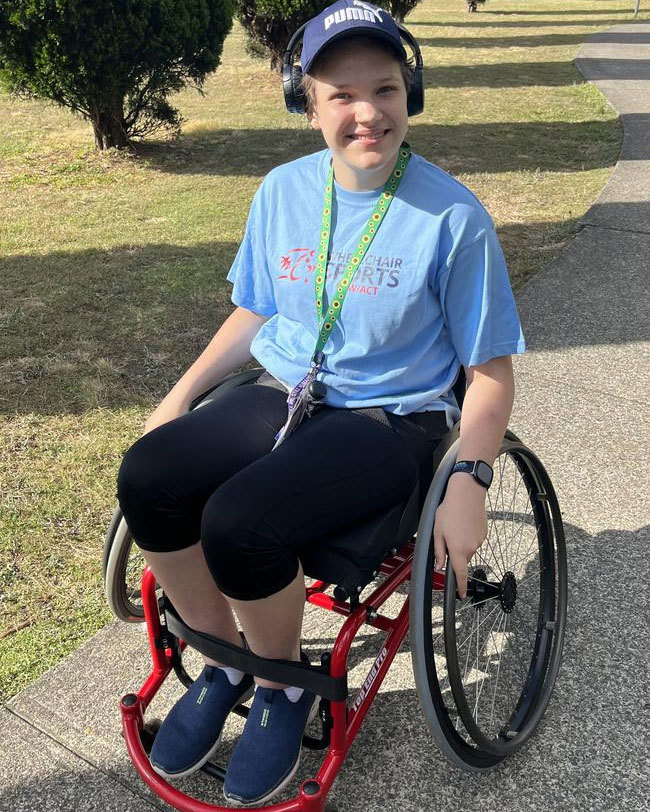
Functional neurological disorder (FND) has gradually robbed Chelsea of almost all movement during her waking hours.

For Chelsea, the severely debilitating and life-changing condition developed out of nowhere.

A year ago, she was a happy and healthy teenager with "a wicked sense of humour", Speirs said.

Chelsea, who is autistic and also has ADHD, was attending a mainstream Sydney school and working hard towards her goal of studying astrophysics at university.

"She was like most other Year 10 girls, doing what she wanted to do. She was doing a fitness class at the gym. We thought everything was going great," Speirs said.

Then, in June last year, Chelsea caught a gastro bug and everything changed.

"It wasn't a particularly bad case of gastro. There are bouts of gastro where you are sick for a couple of days, but hers only lasted for six hours or so," Speirs said.

However, after the gastro symptoms passed, Chelsea was left feeling weak all over. 

Speirs said she and her husband put this down to a lack of food, as she had only been drinking liquids.

But while Chelsea regained the strength in her upper body over the next few days, her lower body was still weak and she was having trouble walking.

"She could only walk with her legs locked in a straight position…the minute she bent that knee joint, she would fall to the floor," Speirs said.

Concerned and puzzled, Speirs took her daughter to Hornsby Hospital, where – after some tests – she was diagnosed with FND, a disorder the family had never heard of.

Speirs said the news that came with the diagnosis was initially promising. 

"We were told that she would be back to school in two weeks, and that she'd be fine after a bit of physio," Speirs said.

But, over time, Chelsea's symptoms of FND have only grown more and more severe.

A month after she began having trouble walking, Chelsea lost her voice.

Speirs said at first she thought her daughter was having an autistic shutdown, something that had happened twice before.

But when Chelsea woke up the next morning and was still not talking, Speirs began to suspect it was related to her FND.

READ MORE: Homes flooded as Russia accused of Dam blast
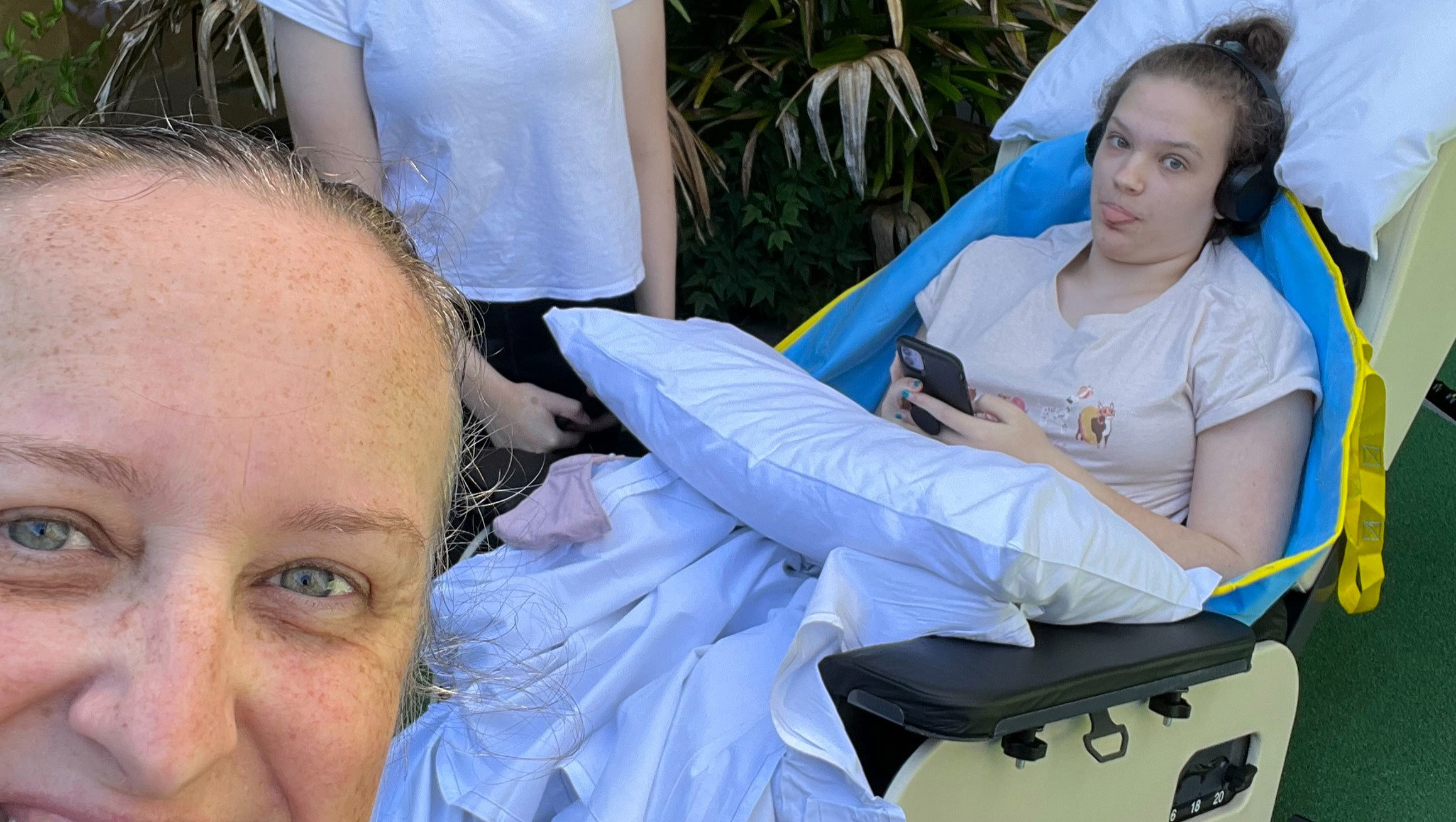
Meredith Speirs, pictured with her daughter Chelsea.

A few times over the next week, Chelsea would say a word here or there – in a seemingly automatic and instinctual way – without thinking.

"One morning, she opened her bedroom door and said, 'Good morning' to her sister," Speirs said.

"She used to feed the dogs their dinner and I called out, 'Chelsea, the dogs (need their) dinner' and she yelled out, 'Yes, okay.'"

That was the last time Speirs heard her daughter talk. 

After that first week, Chelsea's voice disappeared completely.

"It's been really hard," Speirs said. "I look back at videos on my phone and think I didn't get enough of her talking. I want to hear her voice."

In December last year, another blow came when Chelsea's legs grew so weak they could no longer support her weight. Chelsea started needing a wheelchair to get around.

But, despite the setback, Chelsea remained remarkably positive and resilient, Speirs said.

She started studying through Sydney Distance Education High School and discovered a love of wheelchair basketball, her mother said.

"When she first tried wheelchair basketball her face just lit up. She had an absolute blast and she was really good," Speirs said.

But then, in February this year, Chelsea's condition took another cruel turn. 

After a physio session, Chelsea suddenly lost almost all of the movement in her body.

Chelsea spent the next three months in hospital, seeing a range of doctors, psychologists and physios. However, none of the movement in her body has returned.

After a mammoth and determined effort, her family managed to bring Chelsea home from hospital a few weeks ago, just in time for her 17th birthday.
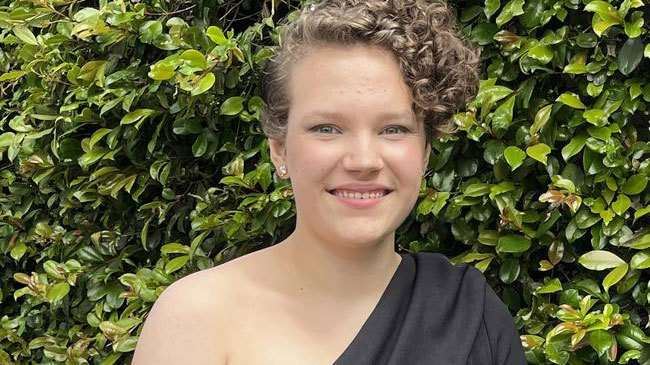
Chelsea's mother Meredith Speirs says all her attempts to have her daughter approved for funding under the National Disability Insurance Scheme for her condition have failed.

Chelsea currently needs two carers to help with her personal needs, however, Speirs said she was still struggling to get the proper funding support for her daughter through the National Disability Insurance Scheme (NDIS).

Although Chelsea is able to get some funding because of her autism, the National Disability Insurance Agency (NDIA), which administers the funding scheme, does not recognise FND as a permanent condition.

"They won't cover FND. They say they need evidence of the impairment being permanent – that seems to be the sticking point," Speirs said.

"This is despite her having made no improvement since her diagnosis almost 12 months ago. She has only declined, yet they still won't accept it."

When contacted by 9news.com.au, an NDIA spokesperson said the agency's priority was "ensuring participants and their families receive the disability-related supports they need". 

"The Agency acknowledges the complexity of Chelsea's situation, including the intersection with the health system, and will continue to support her and her family. This includes ongoing coordination with the health system to ensure Chelsea's needs are met," the spokesperson said in a statement.

Speirs said she was at a loss to understand why Chelsea was not able to be given temporary funding to support her current needs.

With Speirs having been unable to work since last year, relatives have now set up an online fundraiser to help with Chelsea's medical costs.

Speirs said she was determined to help her daughter in whatever way she could. 

The family has set up a miniature keyboard, connected to a laptop, which has allowed Chelsea to continue with her distance education.

"She loves to learn. She started physics this year and loves it," Speirs said. 

"She is still wanting to do astrophysics at university. So I'm like, 'Okay, go for your life and I'll just support you and do whatever I can behind the scenes to help you get there.'" 

Contact reporter Emily McPherson at Sign up here to receive our daily newsletters and breaking news alerts, sent straight to your inbox.
China lifts trade sanctions on Australian fruit

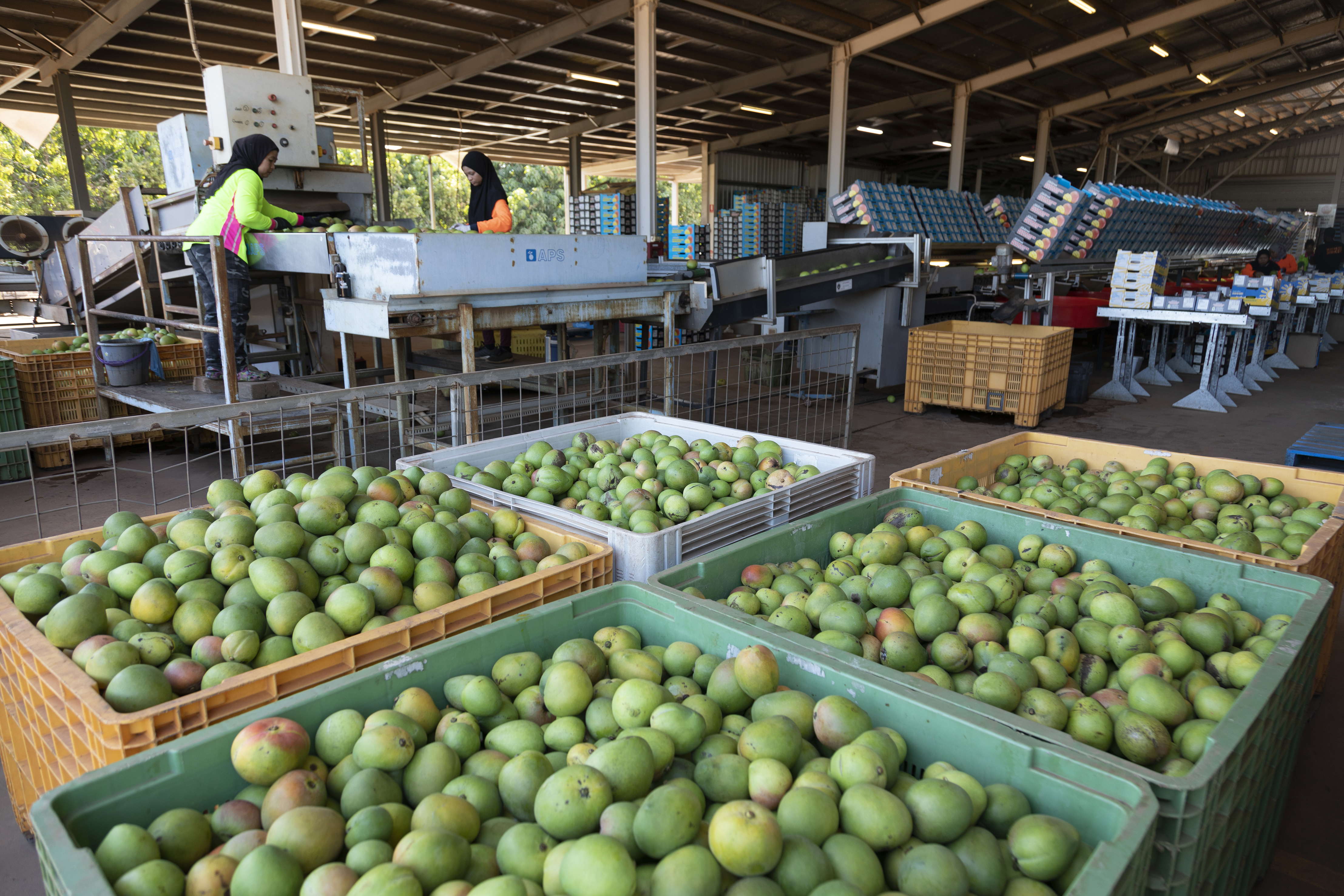
China's lifting of a ban on Australian fruit, including mangoes and citrus, has offered a "huge" opportunity for local producers.

After two years of trade restrictions, Chinese officials gave the green light this week for the resumption of Australian exports.

It means citrus, stone fruit, mango and cherry producers can now ship their products into the lucrative market.

READ MORE: Which states and territories get a long weekend for the King's Birthday?

https://omny.fm/shows/the-rural-news/china-lifts-trade-barriers-on-australian-fruit/embed

Australian Mango Industry Association chief executive Brett Kelly told radio 3AW the Chinese market was potentially worth hundreds of millions of dollars.

"China has always been a major opportunity and in particular with the middle class which is growing substantially.

"The potential is huge for Australian growers."

The good news for the fruit industry is the latest development in warming trade relations between Beijing and Canberra.

Fruit was on a list of exports subjected to official and unofficial Chinese trade barriers imposed in 2020 after Australia called for an independent inquiry into the origins of the COVID-19 pandemic.

The list that included coal, wine, timber, barley, beef, seafood, cotton and copper was estimated to cost Australian exporters about $20 billion a year.

READ MORE: Cheques to be phased out in Australia by 2030

But last month, the Asian superpower reopened its door to Australian timber products after exporters had satisfied Chinese officials' quarantine concerns.

Trade Minister Don Farrell raised the trade sanctions when he met his Chinese counterpart in Beijing last month.

Farrell said there was "positive momentum" from the negotiations. 

Sign up here to receive our daily newsletters and breaking news alerts, sent straight to your inbox.
Killer croc twice as long as fisherman's boat

Wildlife officers believe the killing of an experienced fisherman in Far North Queensland was the first time two crocodiles had ever been recorded predating a human.

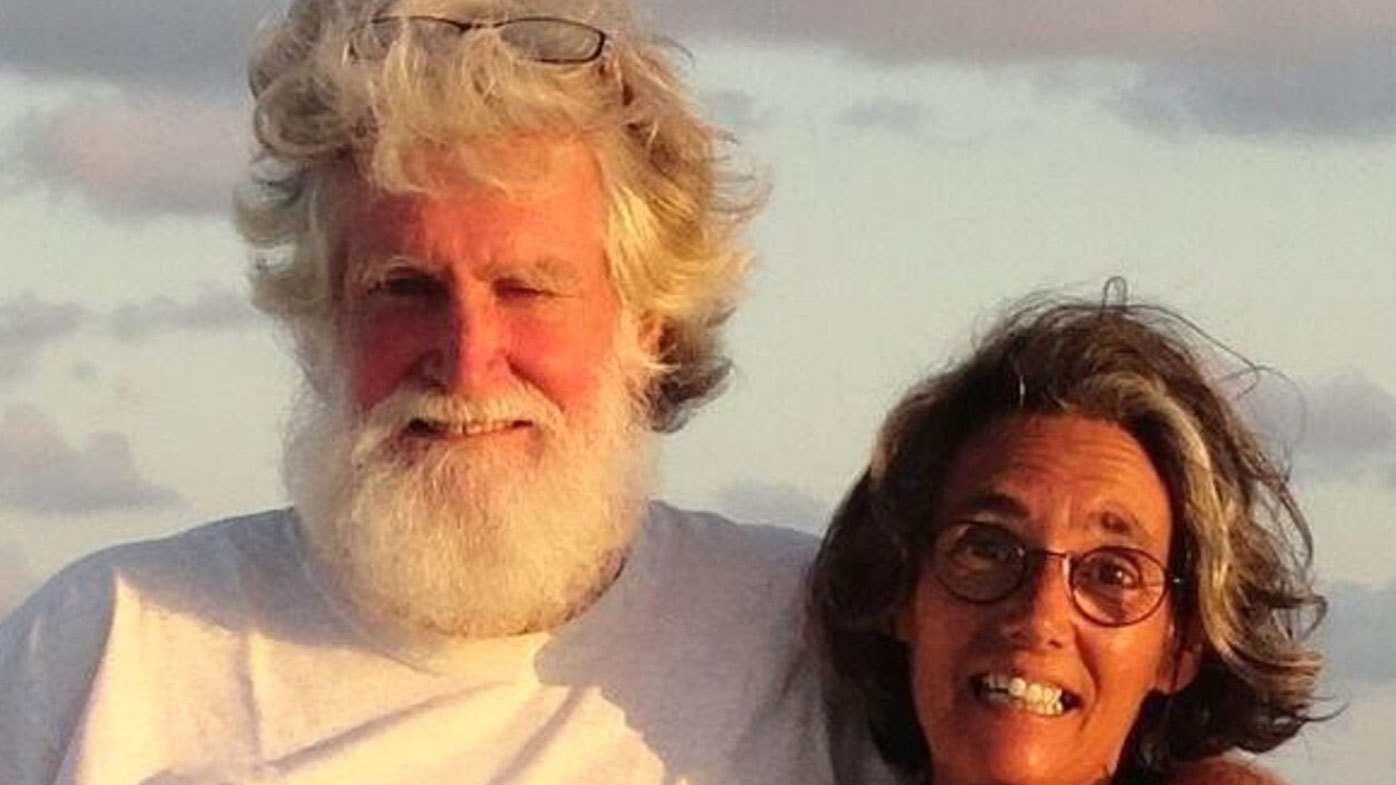
Andrew Heard vanished while fishing from his low-riding fibreglass dinghy near Hinchinbrook Island, north of Townsville, and his remains were later found inside two crocodiles, one of them measuring a monster 4.8 metres.

In the days after the 68-year-old had failed to make it back to his wife, who was waiting for him on their yacht, wildlife officers killed a giant male croc and a 2.8 metre female.

READ MORE: Cheques to be phased out in Australia by 2030

Andrew Heard left on a fishing trip near Hinchinbrook Island and never returned. His small dinghy was later found overturned and damaged.

Queensland's Department of Environment and Science have now detailed the search for the crocodiles in a just-released inquest report, and how the fatal 2021 attack happened.

The male crocodile that attacked and killed Heard, their report said, was more than twice as long as his 2.2-metre boat, and almost as wide.

The 4.8 metre beast was described as "a large dominant male" that led a predominantly oceanic existence and specialised in larger prey, such as turtles and dugongs.

"Crocodiles of this size are serious predators capable of attacking and consuming humans," the report noted.

Officers found serious damage inflicted on the keen angler's dinghy, which rode low in the water and had a working deck just 10cm above the surface.

"The damage to the dinghy, including bite puncture marks, and extensive hull damage, was consistent with an attack by a large crocodile," the report stated.

"Based on the evidence it would appear that the deceased was initially attacked and killed by the larger male crocodile while fishing in his boat."

The female likely came in once Heard was killed, it added.

READ MORE: 'Go time': The croc encounter that left a veteran tour guide stunned

In the report, a department officer concluded "to my knowledge this is the first time that two crocodiles have been recorded predating a human anywhere."

The attack was likely triggered by Heard disturbing the water in some form while he fished, the report said.

However it happened, he stood no chance.

The survival rate of humans attacked by four-metre-plus crocodiles is "estimated to be zero", officials said in the report.

"Estuarine crocodiles instinctively respond to any movement at the water's surface by approaching and biting or attacking the source," the report continued.

"Once estuarine crocodiles have engaged in a predatory attack they will continue until the prey stops moving, unless they determine that the prey is too large.

"Given the very large size of the crocodile, the deceased was well within the suitable prey size range, and the small size of the boat provided the deceased with next to no protection from the attack."

READ MORE: Why Australia's deadliest snake is so lethal

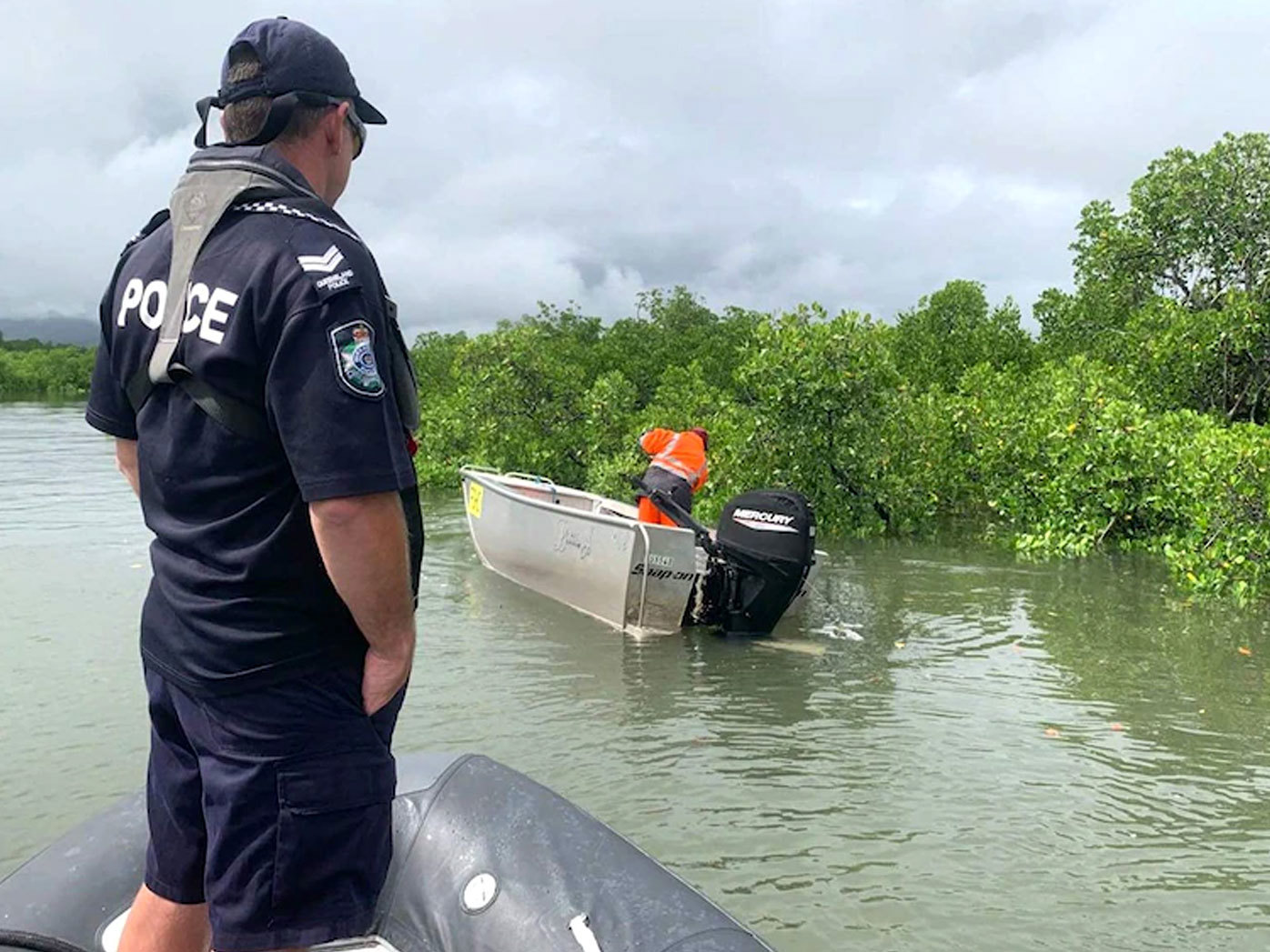
Police search for Andrew Heard.

READ MORE: What to do if you encounter a deadly snake, spider or jellyfish

Heard was described as an experienced yachtsman and fisherman.

He had sailed to the Hinchinbrook channel with his wife to fish every year over the last decade, so he knew the waters well and was wary of the crocodile threat.

On the morning of February 11, Heard had fished from his dinghy and returned to the yacht for lunch with his wife.

Around 3pm he pushed off again, telling his wife he'd be back in one-hour.

When 4pm passed, his wife tried to contact him by radio but got no response.

She raised the alarm, and early the next morning Heard's upturned boat was found.

A large piece of the hull was missing, and tooth or puncture marks were visible on what remained of the boat.

Searchers discovered a broken fishing rod and other equipment at the attack site.

Heard's wife told the coroner she had seen the crocodile responsible for killing her husband on another sailing trip, years earlier.

But department officials said there was no way to be certain of that.

READ MORE: Hungry croc rams into family's small boat in remote NT waters

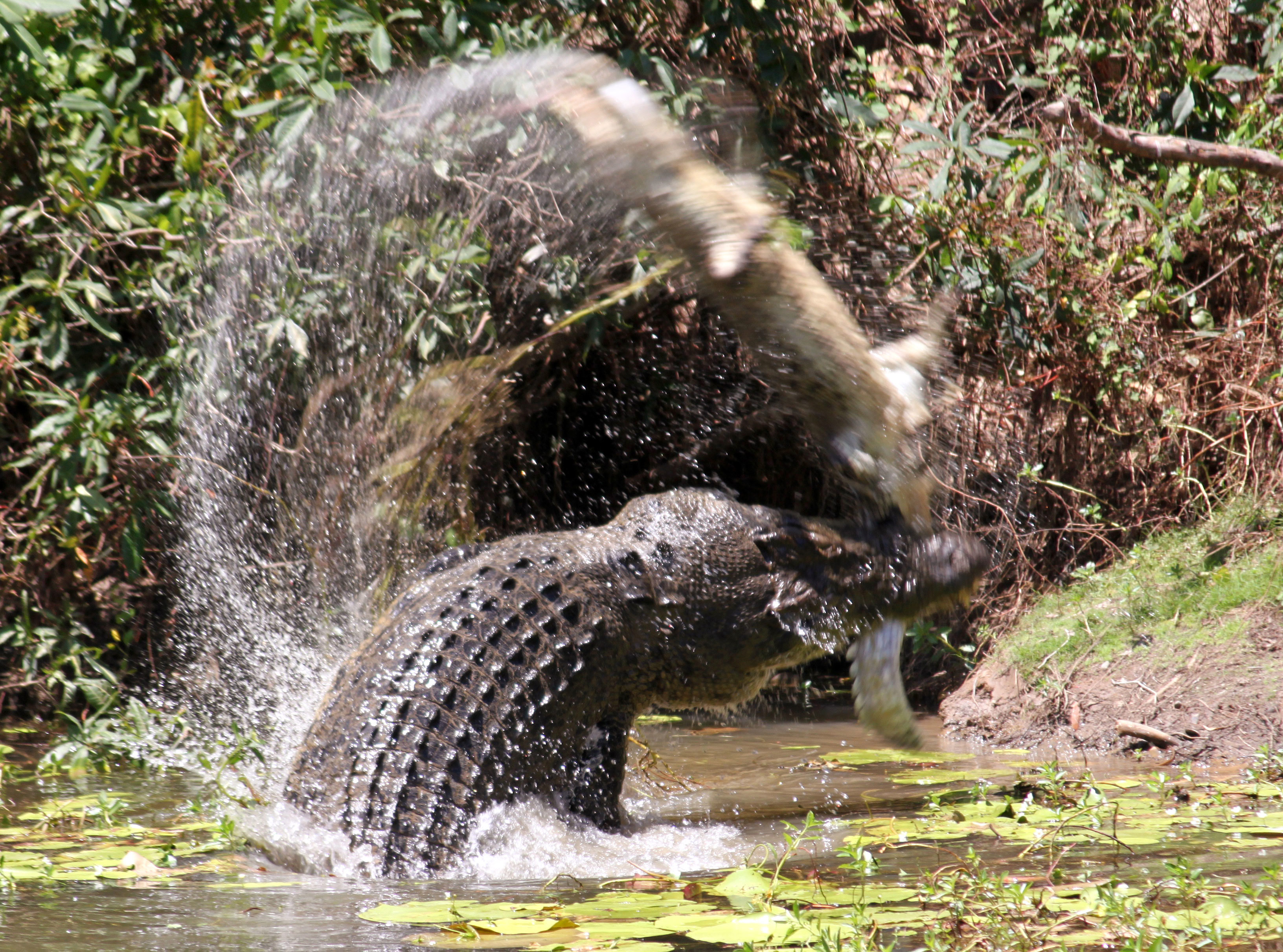
A large crocodile flings a smaller crocodile through the air before eating it at Catfish Waterhole in the Rinyirru National Park in Queensland.

'Masters of camouflage'

Since being hunted to the brink of extinction in 1970s, crocodile populations have bounced back in Queensland, and especially Northern Territory.

There are an estimated 20,000-30,000 crocodiles in Queensland and 100,000 in the NT, home to the world's largest wild crocodile population.

Legendary top end fishing guide Dave Donald, known locally as "Barra Dave", said utmost respect must be paid to crocodiles.

One slip up, he said, can be fatal.

"It's not the crocodiles that's the problem," Donald told 9news.com.au.

"It's human beings who are the problem.

"If a croc ever becomes a problem and starts chasing my fish … I will leave that spot alone for a month."

Caution is key, he said.

Do you know more? Email ************@******om.au” target=”” >Sign up here to receive our daily newsletters and breaking news alerts, sent straight to your inbox.
Recession now 'major risk' in next 12 months

Think of Australia's $2.2 trillion economy. Now flip a coin.

According to a leading economist, that is the 50 per cent risk the Australian economy falls into a damaging recession at some time in the next year, following 12 punishing rate hikes which have so far failed to substantially rein in inflation.

Millions of households are this morning trying to work out how they will afford their mortgage repayments after the Reserve Bank's decision to again lift rates yesterday.

READ MORE: Queen secretly sent staffer to Australia over concerns about 'gap year'

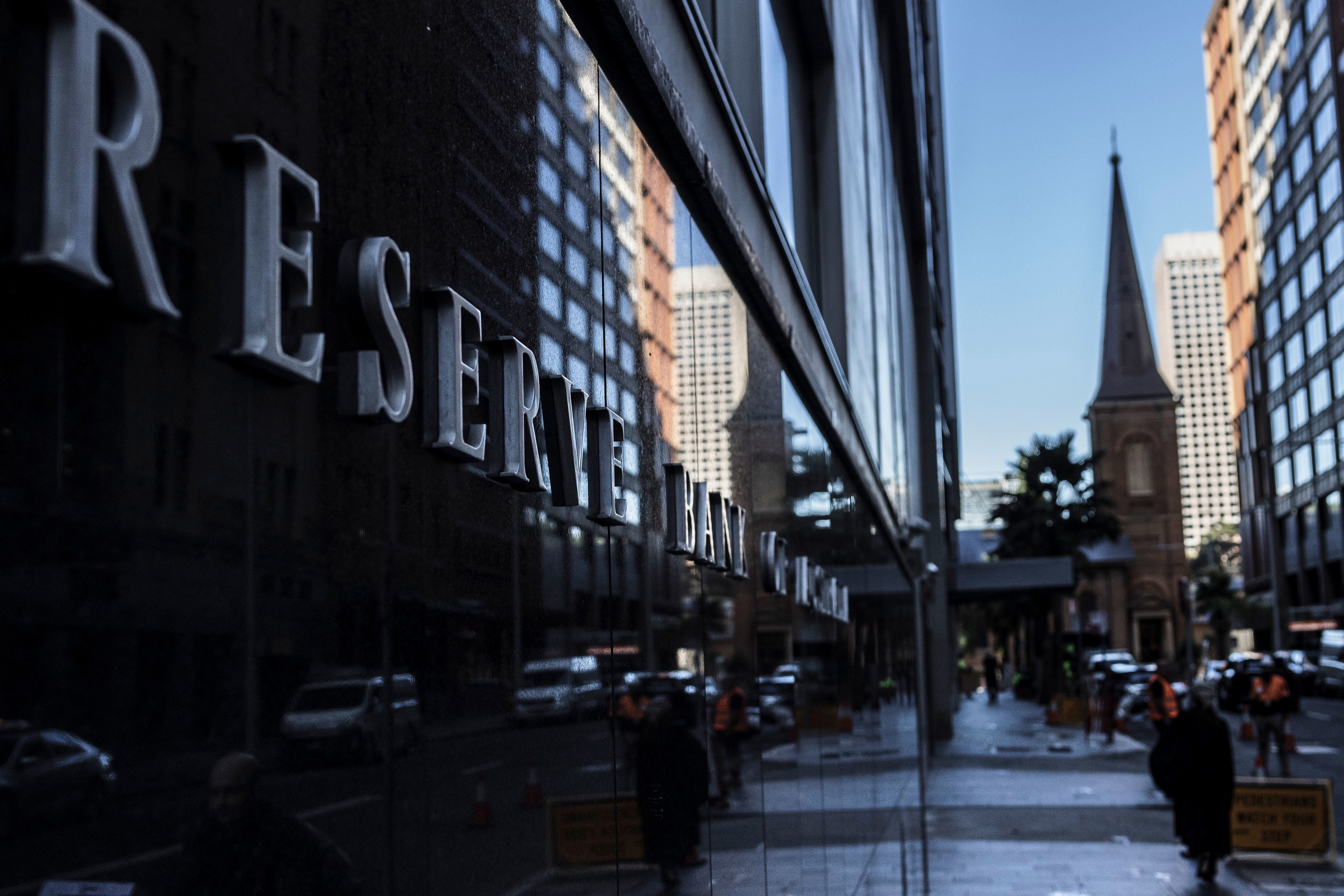
Reserve Bank of Australia building in Martin Place in Sydney

Following Tuesday's hike, borrowers with a $500,000 home loan must find an extra $76 each month, and their monthly repayments have increased by $1100 in just over a year.

The World Bank has declared the global economy is in a precarious state, and AMP's deputy chief economist Diana Mousina warns a confluence of local factors has left Australia staring down the barrel at a recession.

"There are already increasing signs that the economy is weakening," she said, amid a gloomy backdrop that has the official cash rate sitting at 4.1 per cent, compared to just 0.1 per cent in April last year.

Despite RBA forecasts, Mousina said the rocketing interest rates means it is becoming much harder for the economy to remain on an "even keel".

She said the series of hikes "runs the real risk of tipping the economy into a recession, which we assign a 50 per cent risk to in the next 12 months".

READ MORE: Is Australia headed for a recession in 2023? Possibly

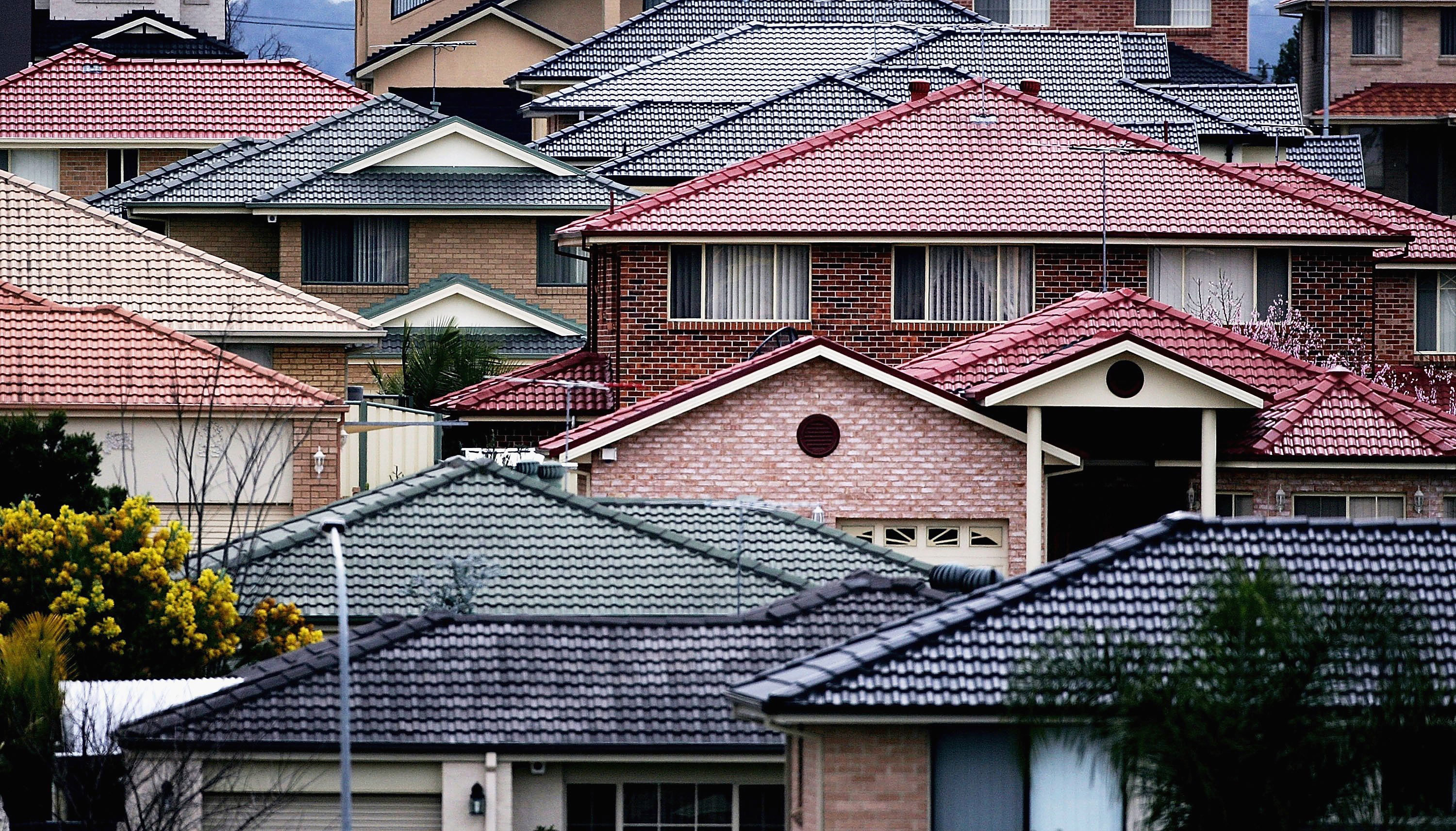
High density housing in Sydney, Australia

READ MORE: What is inflation? And how a record-high CPI might affect you

Retail sales have slowed, the unemployment rate is rising and building construction has hit turbulence.

The decision to lift rates yesterday appears to have been driven by the uptick in the April consumer inflation data which lifted to 6.8 per cent, from 6.3 per cent.

Mousina said rising interest rates will hurt those households already hurting most.

"The impact of rate hikes is very unequal," she said.

"All of the burden from higher interest rates (is) being placed on indebted Australian households," she said, which amounts to around one in three families.

READ MORE: Petrol prices hit their peak as long weekend draws nearer

It would also put further upward pressure on rents, she said.

Data released this week showed Australia's "misery index" is almost as high as it was during the global financial crisis, due to climbing inflation and interest rates.

The RBA has signalled more rises might be needed to dial in inflation.

Sign up here to receive our daily newsletters and breaking news alerts, sent straight to your inbox.
Queen secretly sent staffer to Australia over press concerns: Harry

Queen Elizabeth II was so concerned about media coverage of Prince Harry's Australian "gap year" she secretly sent a royal staffer to stay down the road from him, the Duke of Sussex has claimed.

The revelation is one of several links to Australia contained in the royal's 55-page witness statement released on Tuesday as part of his lawsuit against the publisher of British tabloid the Daily Mirror.

The 38-year-old, who on Monday took the stand in a 132-year royal first to accuse Mirror Group Newspapers of phone hacking and other unlawful snooping, described his "situation" Down Under as "awful" and accused the group of paying to have him watched in the Hunter Valley.

READ MORE: Some of the key quotes from Prince Harry's tabloid court trial witness statement

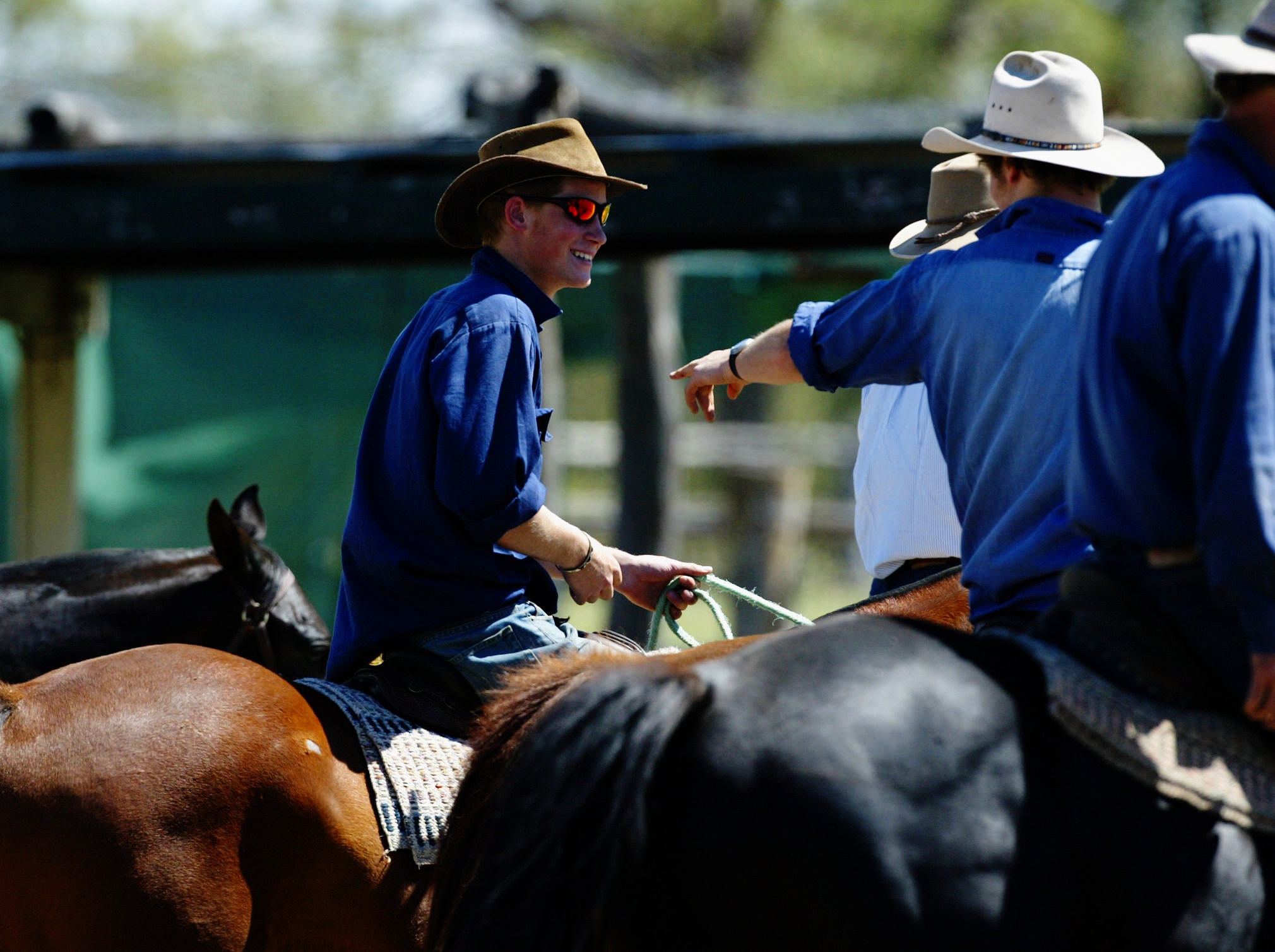
Prince Harry Photo Call at the Tooloombilla Property in Queensland

The claims, most of which were addressed in Harry's memoir Spare, are just a handful of the accusations the prince made in a statement stretching to more than 25,000 words released as he faced cross-examination on Tuesday.

Of the 33 tabloid articles in question, three related to his time in Australia and a fourth referenced the former captain's early departure from a tour of Afghanistan due to an Australian magazine breaking an embargo, placing a "target on my head".

The first, published in the Mirror in September 2003, claimed Harry was considering leaving Australia because of press intrusion, and quoted a palace spokesperson "expressing concern and disappointment" about his treatment.

"I do recall that the Palace issued a statement because the situation in Australia was awful for me and there was supposed to be an agreement that once I had done the press call on arrival, I would be left to get on with my gap year in private," he wrote, referencing time he spent as a Jackaroo on Tooloombilla Station in south-west Queensland.

"I was a teenager, and this made it clear that there was nowhere in the world, not even the Australian outback, where I wouldn't be hounded by the press or paparazzi."

Harry claimed MGN was using "unlawful techniques" to snoop on him, referencing two payments — one of £100 referencing a new hairstyle and the other of £450 titled "Prince Harry watch Hunter Valley (Ellis)" — he said were made by the publisher about that time.

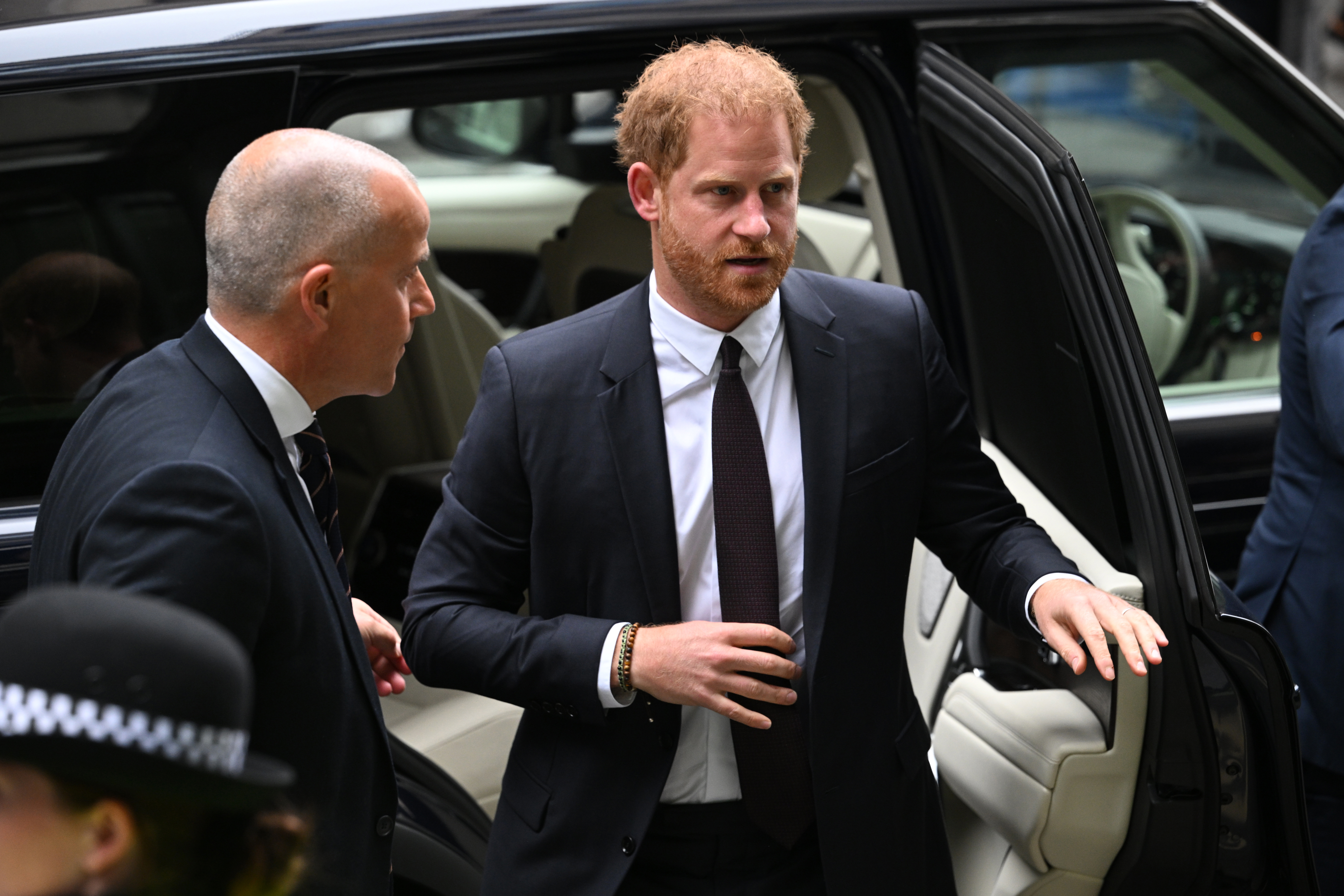
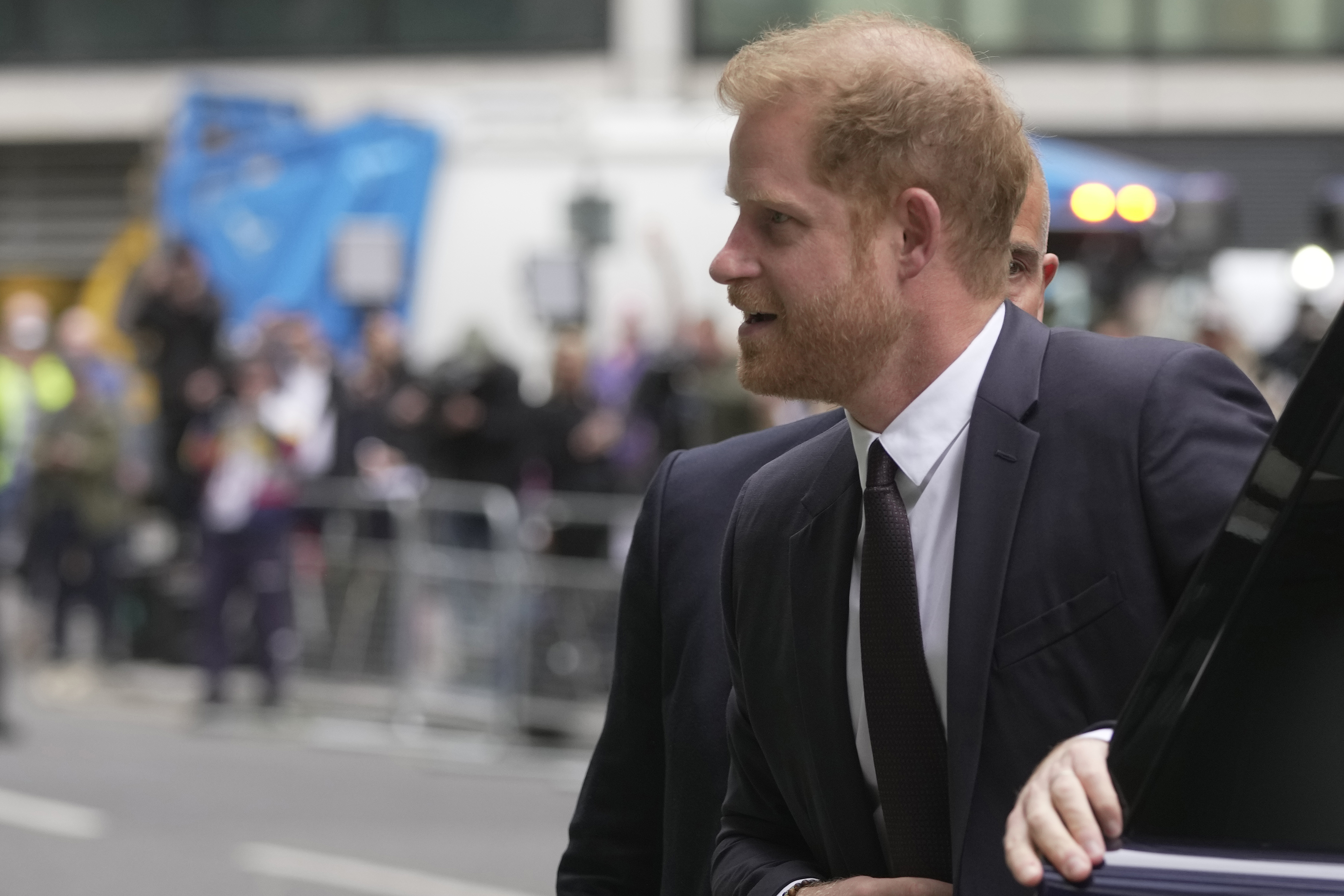
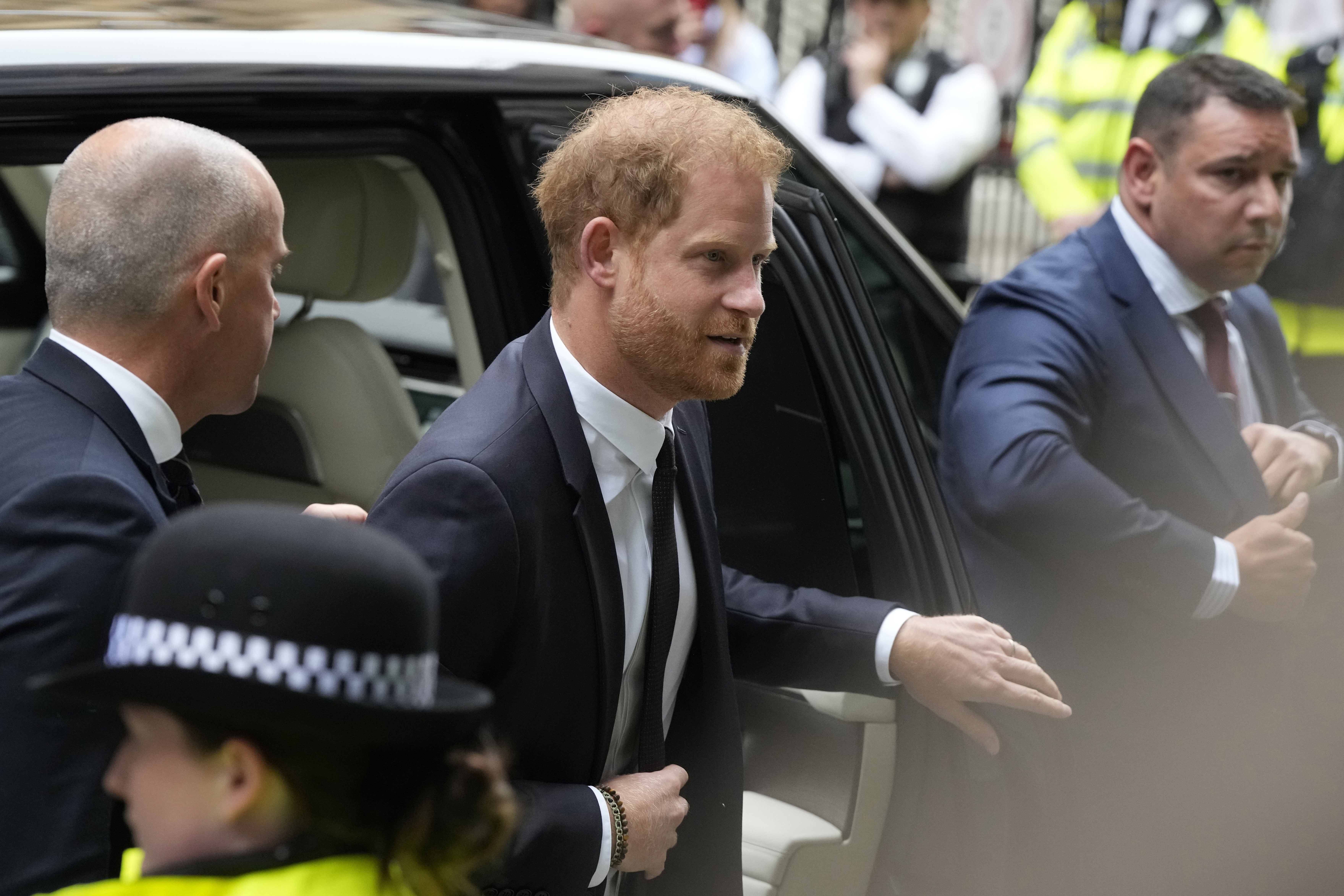
Prince Harry, Duke of Sussex arrives to give evidence at the Mirror Group Phone hacking trial at the Rolls Building at High Court on June 06, 2023 in London, England.

"These suggest to me that MGN were using unlawful techniques to gather information about me, with the second payment seeming to me like the Defendant was paying to have me watched," he said.

The duke also questioned how the paper was able to report that he was inside "watching videos", given the purpose of staying inside was to avoid the "suffocating" surveillance from camera crews outside.

"I was only in Australia with a couple of UK bodyguards, so this is the kind of thing I would have moaned about over the phone and in voicemails," he wrote.

The second article was published in November of the same year and detailed plans to spend Christmas in the UK before flying to South America to play polo and taking up a "proper job" before joining the military. 

His "guess" was that £100 paid to a freelance journalist for the article "was for unlawfully obtained private information about me".

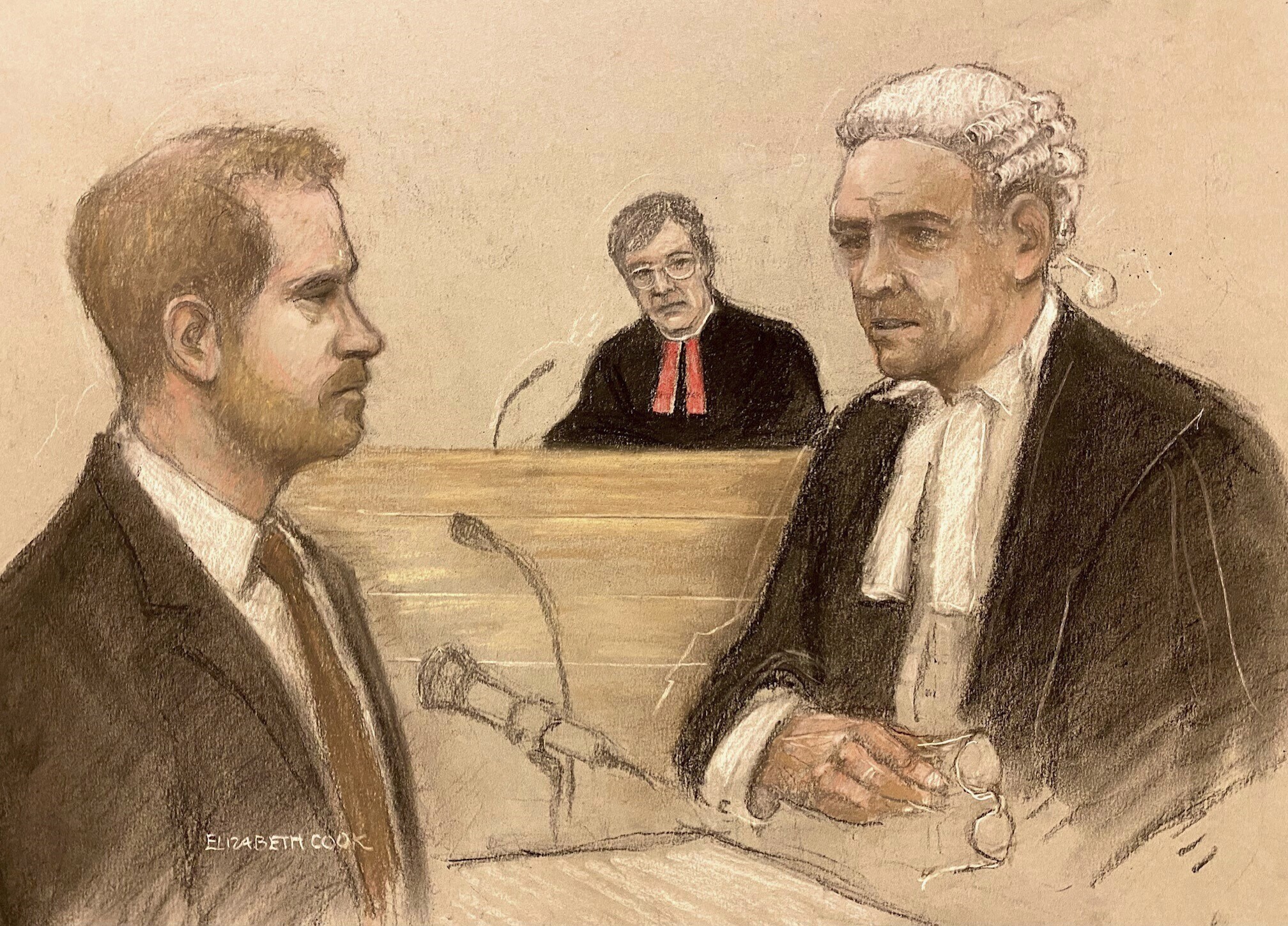
Court artist sketch by Elizabeth Cook Britain's Prince Harry being cross examined by Andrew Green KC, as he gives evidence at the Rolls Buildings in central London, Tuesday, June 6, 2023 during the phone hacking trial against Mirror Group Newspapers

The third Australia-linked article forming part of the case was published in December 2003 after Harry had finished up on the outback station and taken a trip to the Sunshine Coast with friends.

"I remember this day so clearly, we were staying in a house and, after visiting Steve Irwin's crocodile zoo in the morning, we had gone out on to the beach in front of the house in the afternoon," he wrote. 

"It was a public beach, but not busy or popular so I'm unclear how anyone had known we were there, to be in the right place at the right time to take photographs. I wasn't aware of anyone taking photographs at the time.

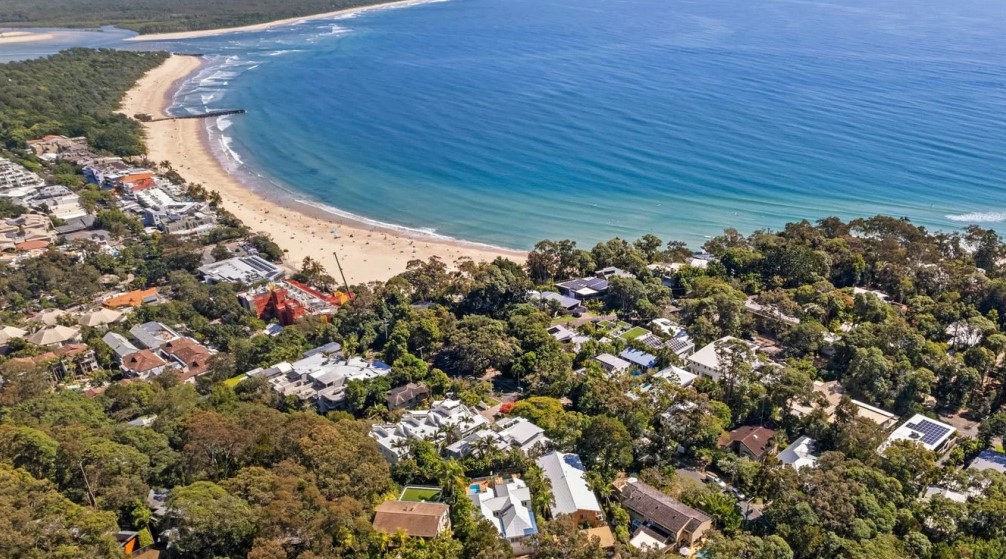
Noosa Heads sharpest price increase in Australia

"I only learnt recently that the Queen had asked one of her assistant private secretaries to fly out to Noosa and take a house down the road from where I was staying, without me knowing. 

"She was concerned about the extent of the coverage of my trip and wanted someone I knew to be nearby, in case I needed support."

Mirror Group Newspapers denies or hasn't admitted any of Harry's claims.

On Tuesday, the publisher's attorney, Andrew Green, told Harry in the courtroom that a spokesperson at the Palace had told reporters that Harry had been in Noosa, days before the article was published in various outlets.

More broadly, he asked Harry to identify what evidence he had of phone hacking in specific articles.

Harry repeatedly said he'd have to ask that question of the journalist who wrote it and continually insisted the manner in which information had been obtained was highly or incredibly suspicious.

On Monday, Green said there was "simply no evidence capable of supporting the finding that the Duke of Sussex was hacked, let alone on a habitual basis".

Green's cross-examination of Harry was expected to continue throughout Tuesday afternoon (Wednesday morning AEST) and into Wednesday.

– Reported with Associated Press and CNN

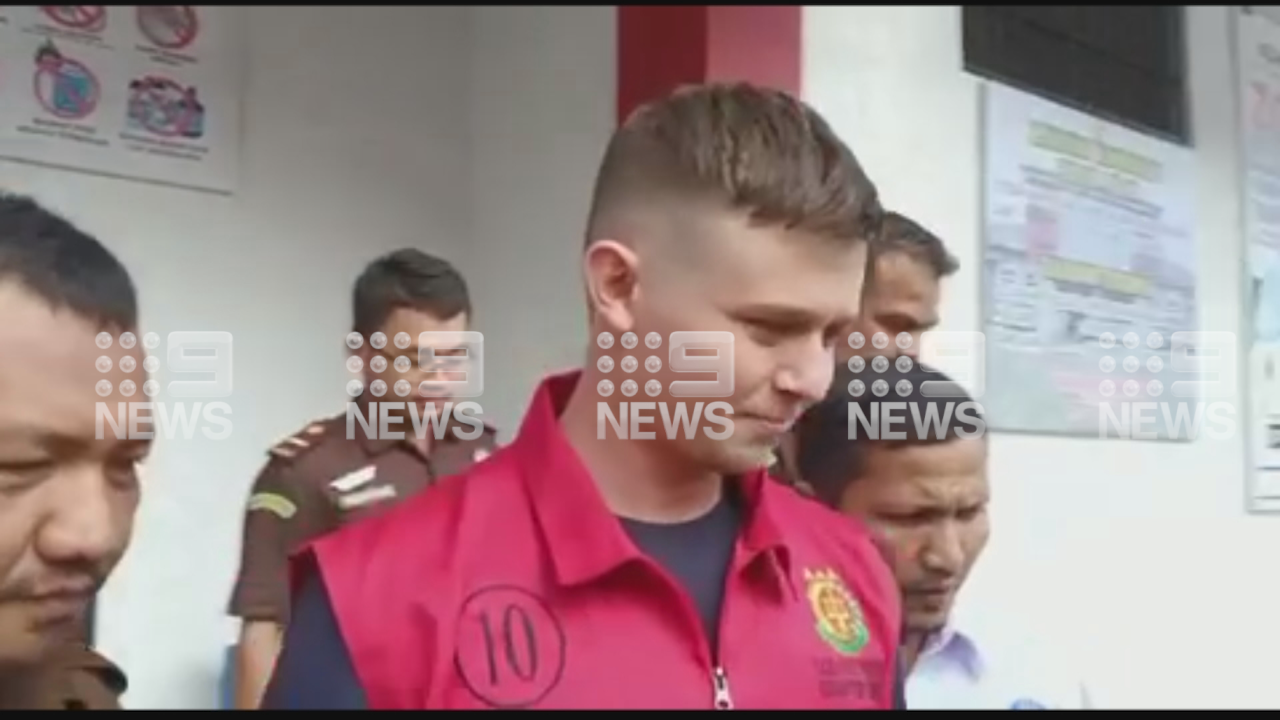
Australian accused of drunken rampage in Indonesia released from jail

An Australian man accused of going on a drunken, naked rampage in Indonesia has been released from jail.

Bodhi Risby-Jones was facing five years in an Indonesian prison but he is currently making arrangements to return to Queensland.

The 23-year-old said he felt "relieved" and the first thing he plans to do he arrives home in Australia is "give my family a big hug".

Bodhi Risby-Jones, 23, was facing five years in an Indonesian prison but he is currently making arrangements to return to Queensland.

"They've been very supportive, my family have been amazing," he said.

Risby-Jones was arrested in April by locals on a small surfing island off the coast of Sumatra.

He was accused of assaulting a local fisherman while naked and drunk in an incident which caused outrage among locals.

His message to other Australians is to "respect the laws" after he spent the past six weeks in jail.

"Look what I did, I made a fool of myself and it was shown publicly worldwide," he said.

Risby-Jones and his lawyers managed to reach a compensation deal with the victim worth $25,000.

"I'd like to thank the prosecutors for helping me," he said.

"I'd like to thank the police and everyone who helped us finalise and finish the deal so I could go home".

The prosecutor in Jakarta was satisfied with the compensation.

Risby-Jones said the experience will not discourage him from visiting Indonesia in the future.

"I do plan to come back here, I think the people are very nice and the surf's really good," he said.

Sign up here to receive our daily newsletters and breaking news alerts, sent straight to your inbox.
Some of the key quotes from Prince Harry's witness statement

As Prince Harry makes history as the first royal to be cross-examined in court since the 19th century, his full 55-page witness statement has been released.

In it, the Duke of Sussex goes into detail about his relationship with the United Kingdom tabloid press and the reason he is suing the publishers of the Daily Mirror, which he accuses of he accuses of phone hacking and other unlawful snooping.

It's the first of his several lawsuits against the media to go to a full trial and Mirror Group Newspapers is contesting the claims.

READ MORE: 'Hostility since I was born': Prince Harry gives historic evidence in court

Court artist sketch by Elizabeth Cook Britain's Prince Harry being cross examined by Andrew Green KC, as he gives evidence at the Rolls Buildings in central London, Tuesday, June 6, 2023 during the phone hacking trial against Mirror Group Newspapers

Here are some of the key quotes from Harry's written witness statement released by the court:

'Playboy prince', 'thicko', 'cheat'

"In my experience as a member of the royal family, each of us gets cast into a specific role by the tabloid press. You start off as a blank canvas while they work out what kind of person you are and what kind of problems and temptations you might have.

"They then start to edge you towards playing the role or roles that suit them best and which sells as many newspapers as possible, especially if you are the 'spare' to the 'heir'. You're then either the 'playboy prince', the 'failure', the 'drop out' or, in my case, the 'thicko', the 'cheat', the 'underage drinker', the 'irresponsible drug taker', the list goes on.

"As a teenager and in my early twenties, I ended up feeling as though I was playing up to a lot of the headlines and stereotypes that they wanted to pin on me mainly because I thought that, if they are printing this rubbish about me and people were believing it, I may as well 'do the crime', so to speak.

"It was a downward spiral, whereby the tabloids would constantly try and coax me, a 'damaged' young man, into doing something stupid that would make a good story and sell lots of newspapers. Looking back on it now, such behaviour on their part is utterly vile."

Tabloids 'wanted me to be single'

"Whilst they would, of course, report on my successes in life, it seemed to me that they took far greater pleasure in knocking me down, time and time again. This extended to my relationships."

"I always felt as if the tabloids wanted me to be single, as I was much more interesting to them and sold more newspapers.

"Whenever I got into a relationship, they were very keen to report the details but would then, very quickly, seek to try and break it up by putting as much strain on it and creating as much distrust as humanly possible, as I shall go into in more detail later in this statement.

"This twisted objective is still pursued to this day even though I'm now married."

Harry's relationships and the press

"I genuinely feel that in every relationship that I've ever had — be that with friends, girlfriends, with family or with the army, there's always been a third party involved, namely the tabloid press.

"Having seen me grow up from a baby (being born into this 'contractual relationship' without any choice) and scrutinised my every move, the tabloids have known the challenges and mental health struggles that I have had to deal with throughout my childhood and adult life and for them to then play on that and use it to their own advantage, I think is, well, criminal."

Anger at former Daily Mirror editor 

"The thought of Piers Morgan and his band of journalists earwigging into my mother's private and sensitive messages (in the same way as they have me) and then having given her a 'nightmare time' three months prior to her death in Paris, makes me feel physically sick and even more determined to hold those responsible, including Mr Morgan, accountable for their vile and entirely unjustified behaviour."

'Did you not get my voicemail?'

"I remember on multiple occasions hearing a voicemail for the first time that wasn't 'new', but I don't remember thinking that it was particularly unusual – I would simply put it down to perhaps a technical glitch, as mobile phones were still relatively new back then, or even just having too many drinks the night before (and having forgotten that I'd listened to it).

"I wouldn't go into my voicemail unless the little envelope symbol flashed up on my phone signalling to me that I had a new message. Sometimes this symbol would vanish before I had a chance to listen to the voicemail.

"I don't know how long after they'd been listened to that the symbol vanished, presumably straight away. I also distinctly remember people saying to me 'did you not get my voicemail?' on both a personal and a work-related level.

"I was like, "no", and sometimes I would go back into my voicemail to look for it but still couldn't find it."

Diana was 'fearful', not 'paranoid'

"It's only now, realising what the defendant's journalists were doing, and how they were getting their information, that I can see how much of my life was wasted on this paranoia.

"I've always heard people refer to my mother as paranoid, but she wasn't. She was fearful of what was actually happening to her and now I know that I was the same."

Concerns about coverage on royals' trip to Australia

"This article [BEACH BUM HARRY], which appeared on page 19 of the Daily Mirror, written by Jane Kerr and accompanied by various photographs of me in the sea, reports that after leaving the ranch where I'd undertaken work on my gap year, I had gone to the beach resort of Noosa with some friends.

"I remember this day so clearly, we were staying in a house and, after visiting Steve Irwin's crocodile zoo in the morning, we had gone out on to the beach in front of the house in the afternoon.

"It was a public beach, but not busy or popular so I'm unclear how anyone had known we were there, to be in the right place at the right time to take photographs. I wasn't aware of anyone taking photographs at the time.

"I only learnt recently that the Queen had asked one of her assistant private secretaries to fly out to Noosa and take a house down the road from where I was staying, without me knowing.

"She was concerned about the extent of the coverage of my trip and wanted someone I knew to be nearby, in case I needed support."

Noosa Heads sharpest price increase in Australia

The supposed impact on British democracy

"I feel that I need to make sure that this unlawful behaviour is exposed, because obviously I don't want anybody else going through the same thing that I've been going through on a personal level.

"But also, on a national level as, at the moment, our country is judged globally by the state of our press and our government — both of which I believe are at rock bottom.

"Democracy fails when your press fails to scrutinise and hold the government accountable, and instead choose to get into bed with them so they can ensure the status quo."

'How much more blood will stain their typing fingers'

"Finding out about this level of cover up is what makes me want to see my MGN claim through to the end, so people can really understand what happened. 

"The fact that it was not just the journalists who were carrying out the unlawful activity, but also those in power who were turning a blind eye to it so as to ensure that it would continue unabated, and who then tried to cover it up when the game was up is appalling. 

"The fact they're all ganging up to protect each other, like they first did after Leveson [a wide-ranging inquiry into the UK press], is the most disturbing part of it all, especially as they're the mothership of online trolling. Trolls react and mobilise to stories they create. 

"People have died as a result, and people will continue to kill themselves by suicide when they can't see any other way out. How much more blood will stain their typing fingers before someone can put a stop to this madness."

Crisis support is available from Lifeline on 13 11 14.

Sign up here to receive our daily newsletters and breaking news alerts, sent straight to your inbox.