The joyride involved hitting a police car and 2 tyre spikings before the vehicle halted.
Tag Archives: oceania
Centrepoint Theatre in Palmerston North flooded after copper thieves damage roof
Centrepoint Theatre wants to see the end of the drama on top of the building.
National’s Nicola Willis confirms policy costings will be released earlier
The party has been under pressure from opponents to release its fiscal plan.
Knife-wielding man shot dead by police was behaving 'erratically'
A man shot dead by police in Sydney was allegedly behaving "erratically", "aggressively" and "chasing people down the street".
Residents locked their doors as police responded to a call in North Willoughby about 11.30am today.
Officers were confronted by Steven Pampalian, who was allegedly armed with two chef-style knives.
READ MORE: Coroner accuses Caddick's husband of withholding information
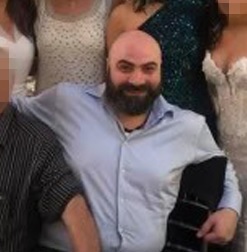
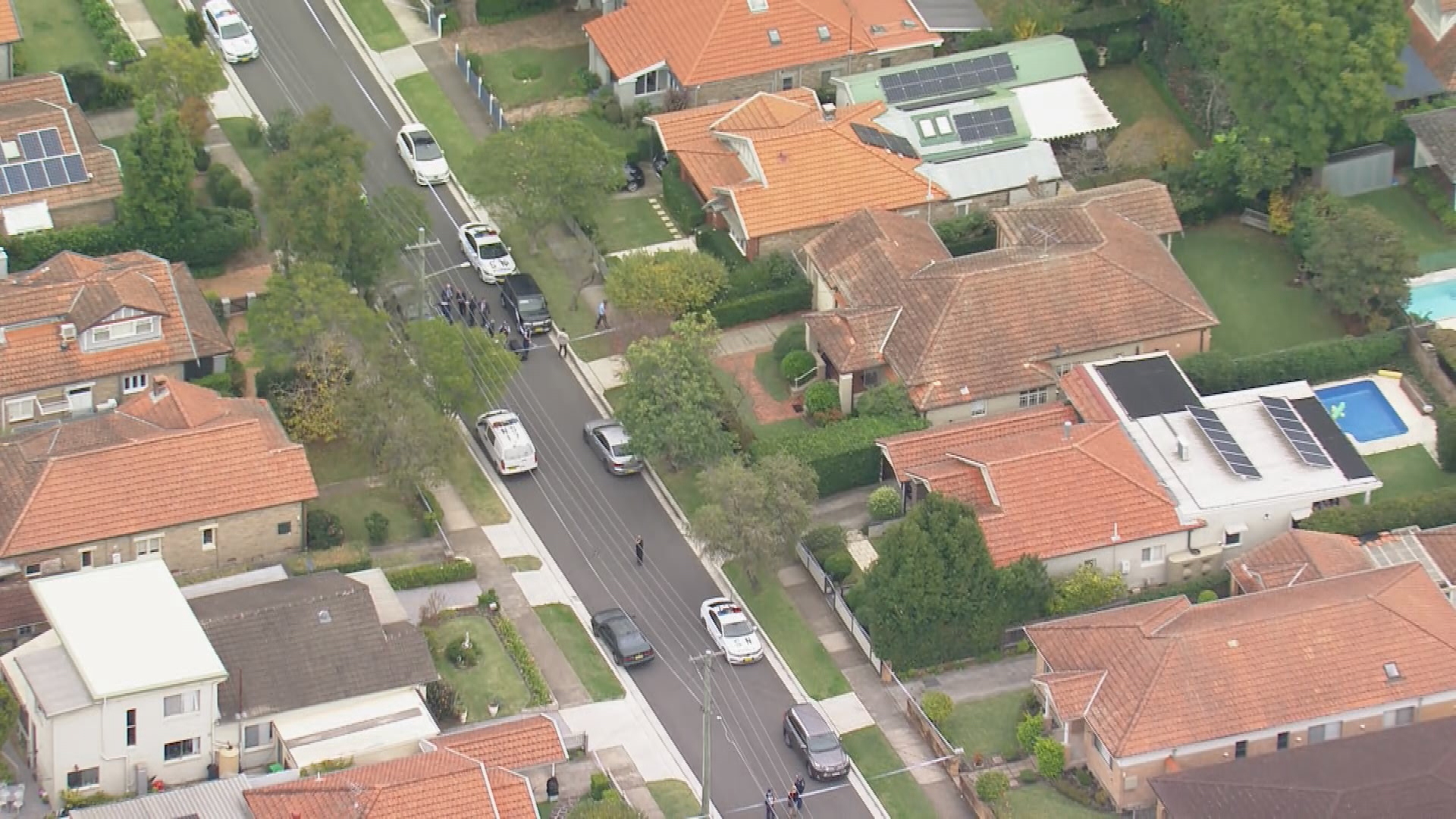
A constable shot Pampalian and he died at the scene, NSW Police said in a statement.
Assistant Commissioner Leanne McCusker said Pampalian was approaching neighbours and various homes.
"As police arrived, they were confronted by this man," McCusker said.
"At the time he did have two large knives on him.
"He ran at police and one of the police officers then discharged their firearm.
"He is known to police but I would probably describe that as quite minimal and any further detail about this person will form part of the critical investigation."
McCusker said it is unclear what triggered the man's actions or if the incident is mental health related.
The two officers are receiving welfare support.
"Naturally they are shaken but welfare support has been put in place with the view that we look after them," McCusker said.
No other injuries have been reported.
Police are investigating the circumstances of the incident and the investigation will be reviewed by the Professional Standards Command.
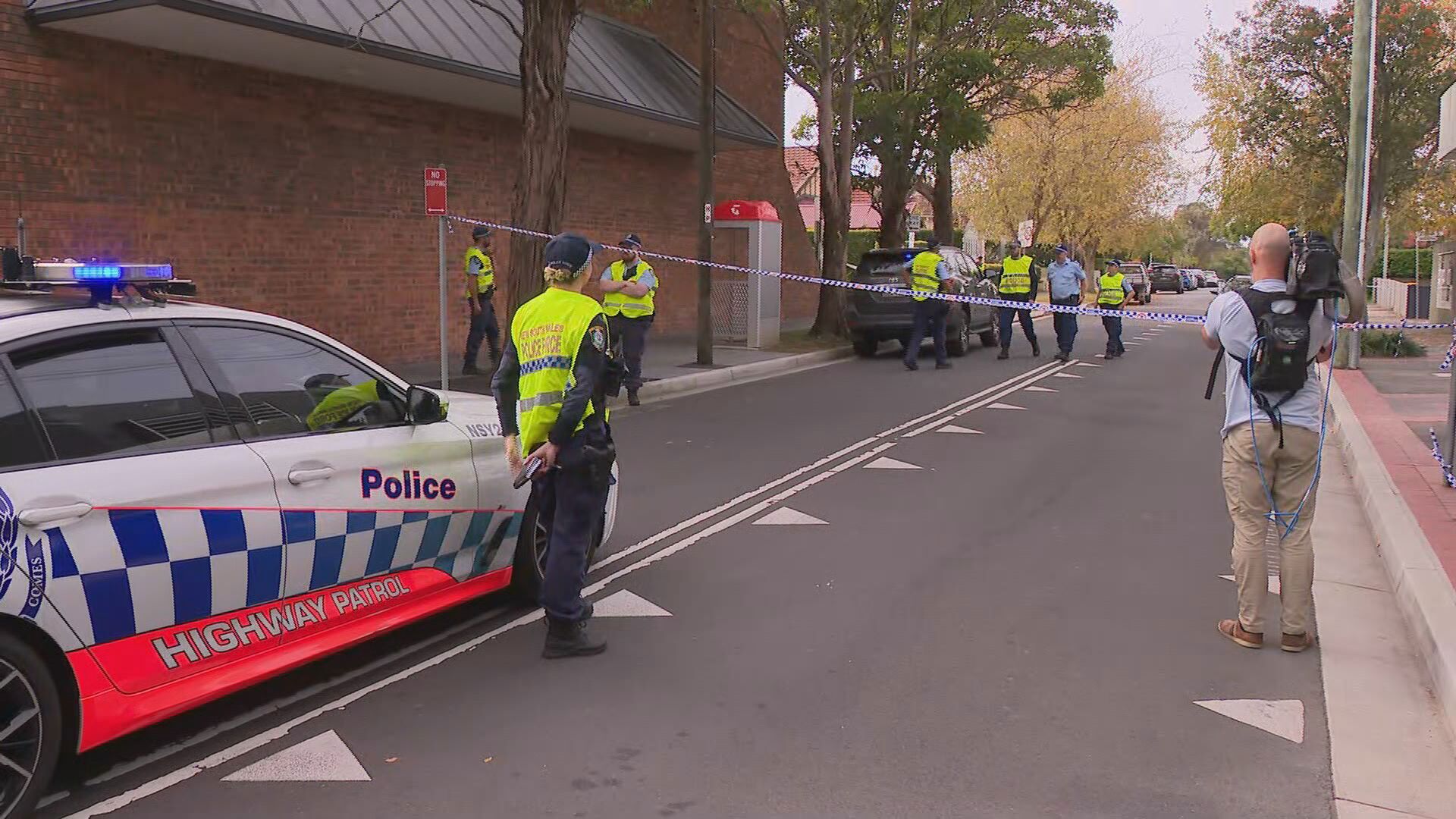
McCusker said a Taser was not used during the incident but it was "a tactical option available".
"In terms of the tactical option that was used, that will be subject to the investigation by the critical incident team," she said.
McCusker said she has not reviewed the bodycam footage however she plans to look at it.
One woman told 9News she felt "shocked" and "sad" that someone has died.
"We just heard quite loud shouting and a man quite upset then three loud gunshots," she said.
"Well, I didn't know they were gunshots, just loud bangs and just thought, 'Was that gunshots?'
"Then I'd heard this street had been blocked off and we heard the helicopters.
"We just closed the doors and stayed inside."
Nearby Willoughby Public School was locked down during the incident as a precaution.
The shooting will be investigated by the Homicide Squad.
A report will be prepared for the coroner.
READ MORE: Massive building fire in Sydney sending smoke over city
Sign up here to receive our daily newsletters and breaking news alerts, sent straight to your inbox.
Armed man snatches rifle from WA gun shop, sparking manhunt
An armed man is on the loose in a coastal Western Australia town after a rifle was fired at a Perth school and a state-wide crackdown on firearms was announced.
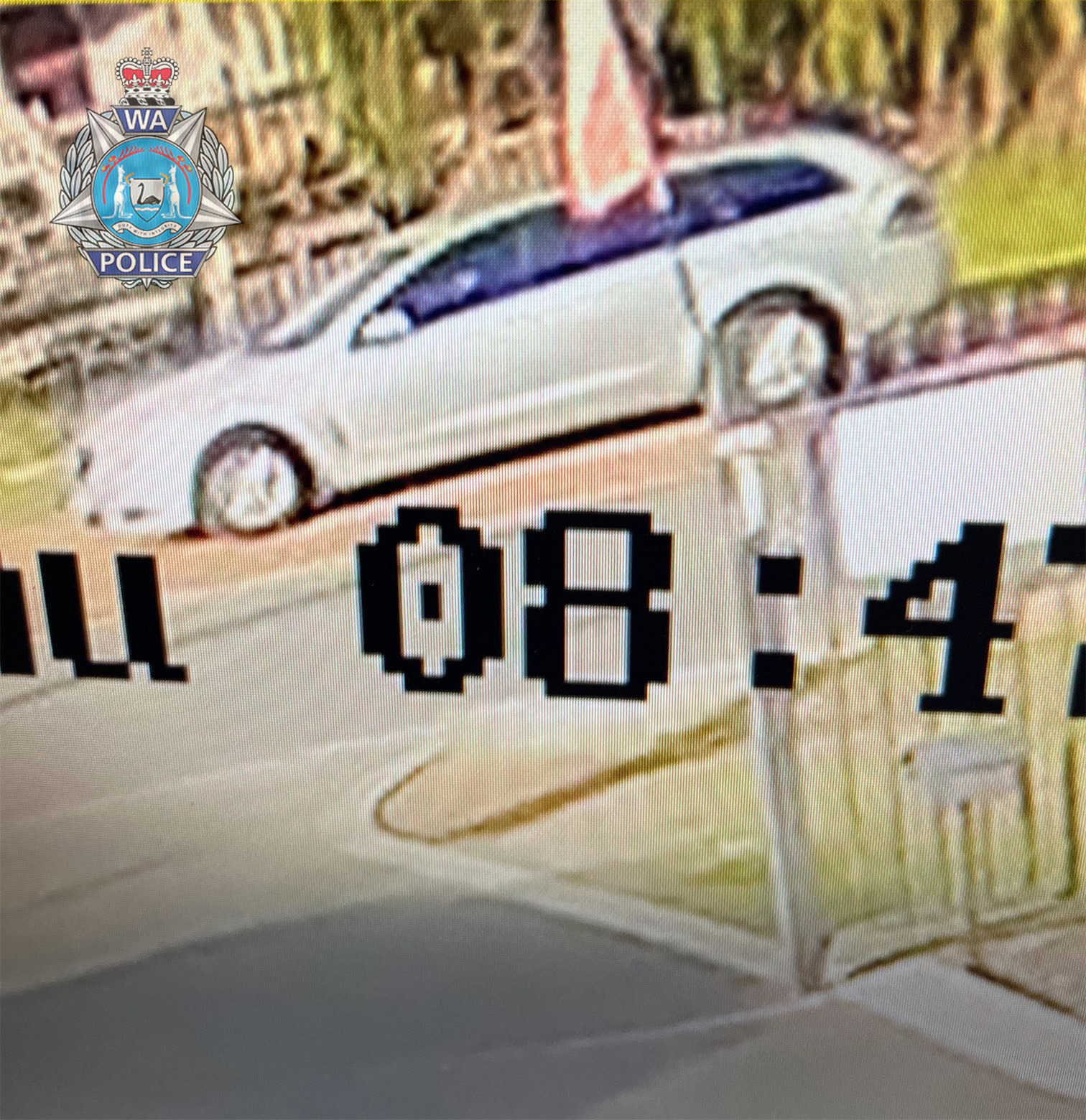
Police are searching for a man who entered a Busselton gun shop with a handgun and snatched a long-arm rifle and ammunition at 8.50am local time today.
The man is believed to have left the area in a silver Holden Commodore wagon.
READ MORE: Massive building fire in Sydney sending smoke over city
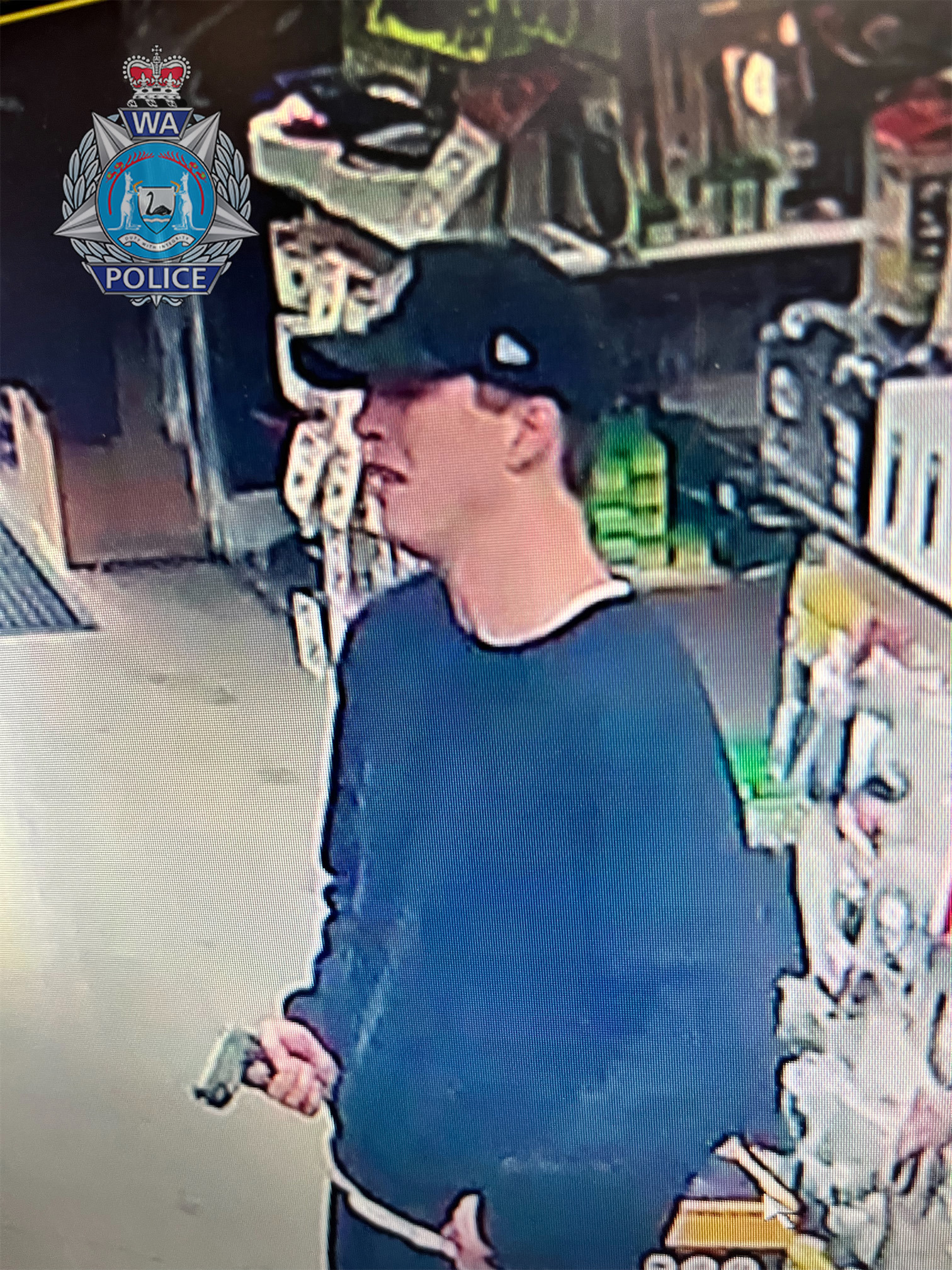
WA Police have issued an urgent alert following the armed hold-up.
The accused has been described as light-skinned with dark hair under a cap, between 25-30 years old and of stocky build.
He was wearing a dark-coloured long-sleeve shirt layered over a white shirt and black shorts.
Premier Mark McGowan raised concerns about the number of guns registered in the state as he vowed to deliver "the toughest gun restrictions in Australia" today.
He said there are currently 360,000 licenced firearms in the state, and that the number had "increased in recent years".
"We need to stop ourselves falling into that terrible abyss that America has fallen into," the premier said.
His announcement followed the arrest of a 15-year-old boy in Perth who allegedly brought two rifles to Atlantis Beach Baptist College in Two Rocks, in the city's outer northern suburbs, yesterday.
Terrified students hid under their desks as he allegedly fired multiple rounds, sparking a lockdown.
Sign up here to receive our daily newsletters and breaking news alerts, sent straight to your inbox.
Dramatic bodycam shows moment teen arrested after alleged Perth shooting
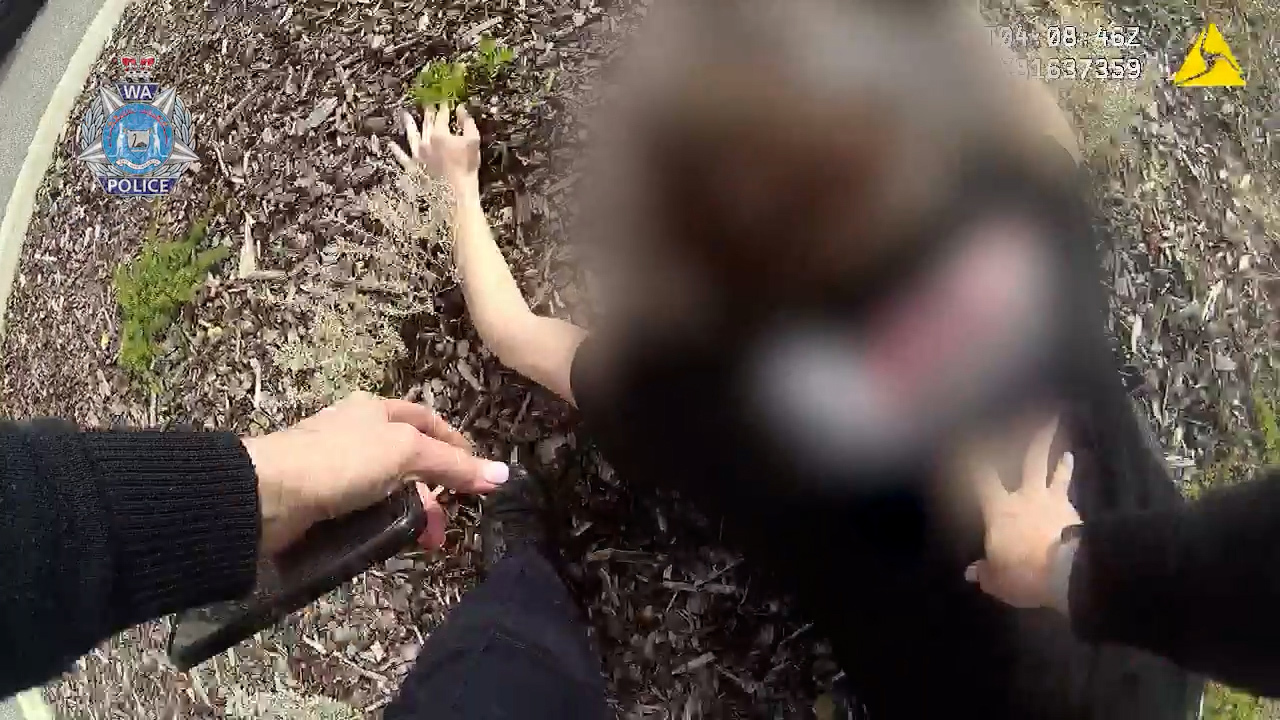
Police have released dramatic bodycam footage of the moment a teenage suspect was apprehended after allegedly firing shots at a Perth school yesterday.
Multiple shots were allegedly fired at the Atlantis Beach Baptist College in Two Rocks, in the city's outer northern suburbs, just after midday on Wednesday, sparking a lockdown.
The teenage suspect – believed to be a 15-year-old former student – is now in police custody and will face questioning from detectives today.
READ MORE: Teenage boy arrested after firing gun in Perth school carpark
The motive behind the alleged attack remains unknown and nobody was injured during the ordeal.
In the footage, officers can be seen swarming on the boy, plunging him to the ground and placing him in handcuffs.
Police are then seen surveying the school grounds, quickly scanning each eerily quiet hallway as terrified students and staff hide in classrooms.
READ MORE: 'Toughest gun laws in Australia' to be introduced in WA after shooting at Perth school
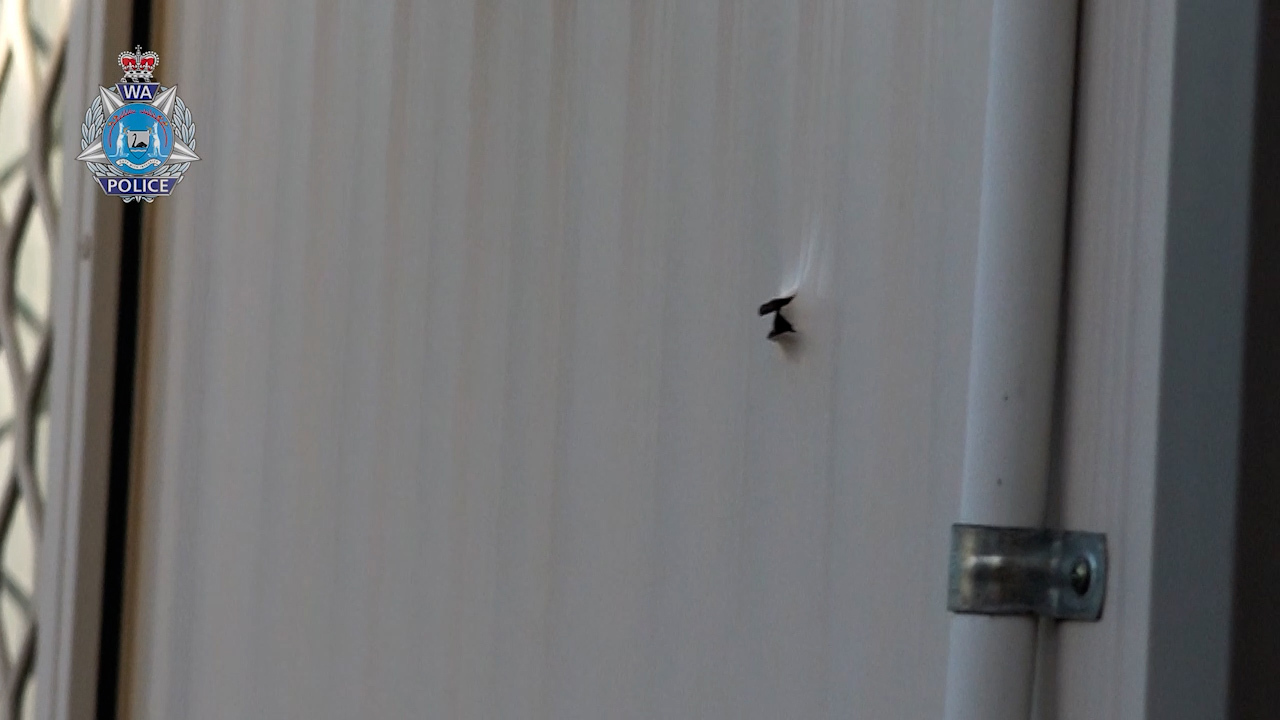
Later, a bullet hole is seen on the exterior of a demountable building, having punctured a wall where students were later confirmed to have been hiding under tables on the other side.
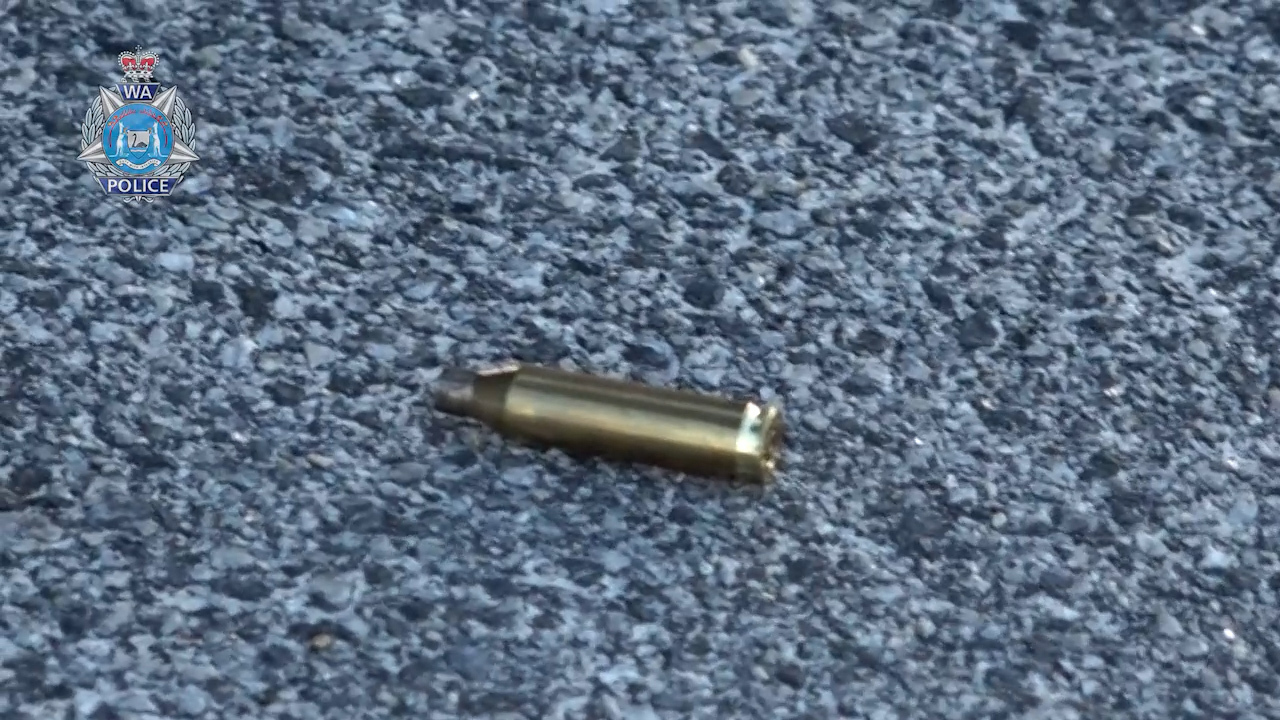
Bullet casings are also seen scattered on the ground.
Two firearms were seized from a car the teenager is thought to have arrived at the school in.
The guns were a .234 rifle and a .22 rifle, licensed to the house the teenager lives in.

WA Premier Mark McGowan today vowed to reform the Firearms Act following the arrest of the teenager.
He said the scenes were "not a thing you expect to see happen in Australia" and promised "dramatic reform" to reduce the number of guns in the state.
"This is the thing you see on television in the United States," the premier said.
"We are moving as quickly as we can to dramatically reform gun laws."
Sign up here to receive our daily newsletters and breaking news alerts, sent straight to your inbox.
Taxi driver carjacked at knifepoint in Melbourne
A taxi driver has been threatened at knifepoint during a carjacking in Melbourne's south-east.
Investigators believe the driver picked up three male passengers on Bamby Grove at Cranbourne East just before 5am on Tuesday.
Police say the men, armed with a knife, made the driver get out of his car, before speeding away.
READ MORE: Pair charged after allegedly keeping woman as domestic slave at Melbourne home
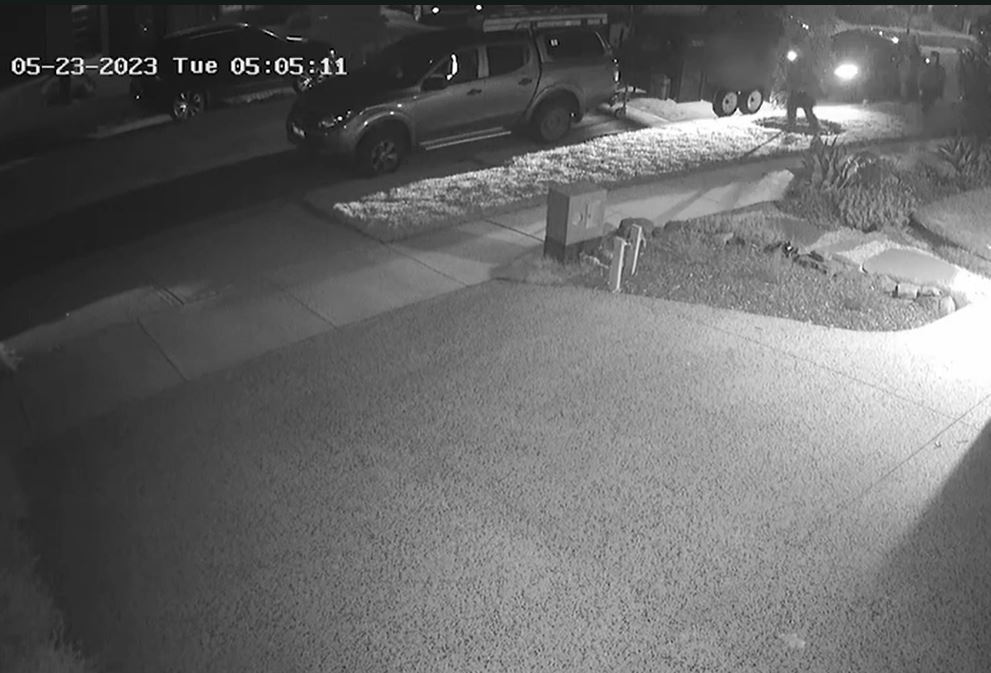
The stolen taxi was later found dumped on Bruin Street at Clyde, about 4km away.
The 38-year-old driver was not physically injured and no arrests have been made at this stage.
READ MORE: Massive building fire in Sydney sending smoke over city
Sign up here to receive our daily newsletters and breaking news alerts, sent straight to your inbox.
Gabby Petito's parents get 'burn after reading' letter from Brian Laundrie's parents in civil lawsuit
Gabby Petito's parents now have a copy of a letter Brian Laundrie's mother wrote to her son, which included references to getting a shovel and burying a body.
Attorneys for both sides argued in a Sarasota County, Florida, courtroom Wednesday over whether the letter is relevant to the lawsuit brought by Gabby Petito's parents against Laundrie's parents and the Laundries' former lawyer.
The envelope containing the letter – which is undated – said "burn after reading" and was recovered from Brian Laundrie's backpack when his remains were found in October 2021.
"As we all know the letter references burying a body bringing a shovel and burying a body," Petito family attorney Patrick Reilly said in court Wednesday. "Those are criminal acts, by the way, that Roberta Laundrie has said she would commit."
READ MORE: Rock legend Tina Turner dead at 83
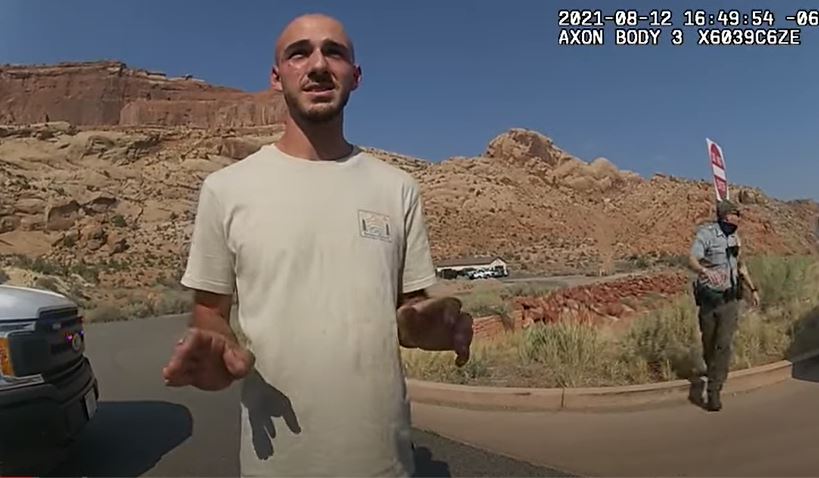
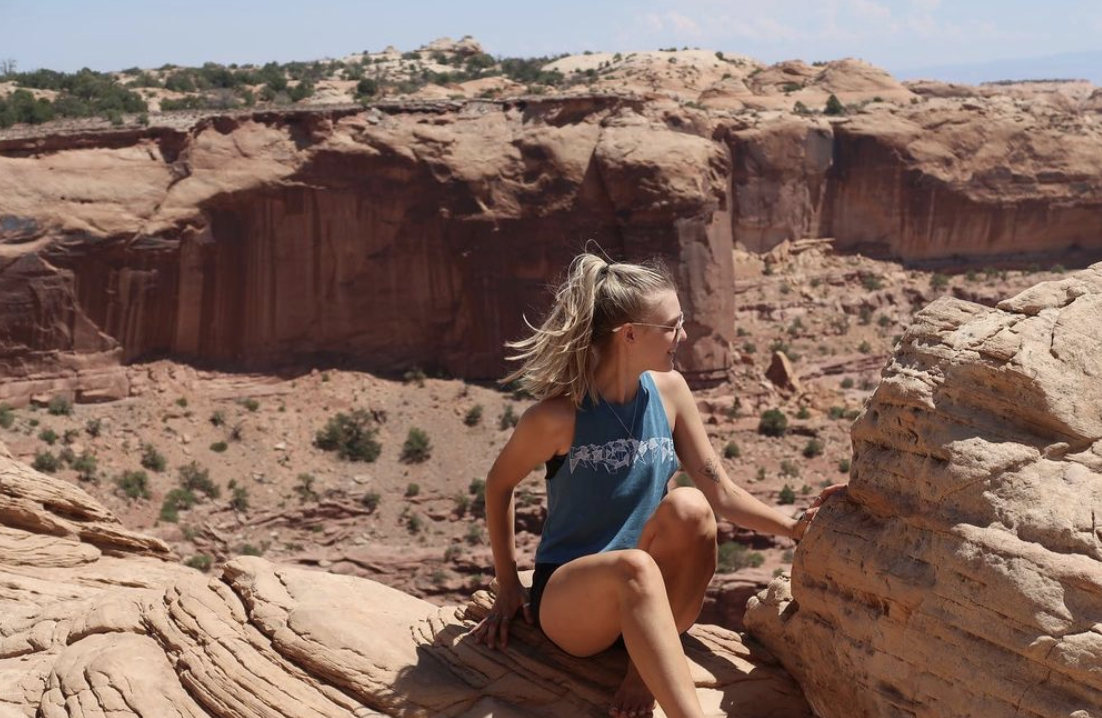
The Petitos sued the Laundries for emotional distress in connection with Gabby Petito's death while traveling the Western United States with Brian Laundrie, her fiancé. Laundrie came home from the trip without Petito and disappeared several weeks later.
Gabby Petito's remains were found at Wyoming's Bridger-Teton National Forest in September 2021 and her death was ruled a homicide by manual strangulation. Before taking his own life, Brian Laundrie wrote in a notebook he was responsible for her death, according to the FBI. His remains were found the next month in a preserve not far from his parents' home in North Port, Florida.
Attorneys for Brian Laundrie's parents fought to not turn over the letter, arguing that it's not relevant to the civil lawsuit brought by Petito's parents.
In an affidavit filed before the hearing, Roberta Laundrie wrote she doesn't know the exact date of the letter but that she wrote it before Brian left with Gabby Petito for their trip in hopes it would help repair her relationship with her son.
READ MORE: Australian rich list revealed
After a lengthy back-and-forth in court Wednesday, both parties agreed that a confidentiality order was not necessary to keep the letter under seal once Twelfth Judicial Circuit Court Judge Danielle Brewer determined the letter could be relevant to the case and the plaintiff lawyers should at least get a copy.
"Your Honor, I think at this point, we probably wouldn't be in favor of a confidentiality agreement on this issue either just because Mr. Reilly just put probably the two worst parts of the letter on the record in open court so I mean, that's where – we would be dealing with that throughout the litigation," Laundries' attorney P. Matthew Luka said Wednesday.
It is unclear, however, whether the letter will be made public.
READ MORE: Great-grandmother dies after alleged Tasering
Reilly told CNN he'd consult Petito's parents and make a decision as to whether they'd share it with the press.
CNN also reached out to Luka but did not immediately hear back.
The lawsuit alleges outrageous behavior of intentional infliction of emotional distress by Roberta and Christopher Laundrie during the time Gabby was missing. The couple refused to return calls or texts to the Petito family as they were frantically trying to find their daughter, it says.
The Laundries have argued in court filings they had no duty to Petito's family.
Earlier in the hourslong hearing, attorneys for the Laundries and their former attorney Steven Bertolino, who is also a named defendant in the lawsuit, argued motions to dismiss the civil case. The judge said she'd rule on the motions to dismiss in a written order posted on the docket.
Sign up here to receive our daily newsletters and breaking news alerts, sent straight to your inbox.
Pair charged after allegedly keeping woman as domestic slave in Melbourne
A couple has been charged with modern-day slavery offences after allegedly keeping a woman as a domestic slave at their home in Melbourne's south-west.
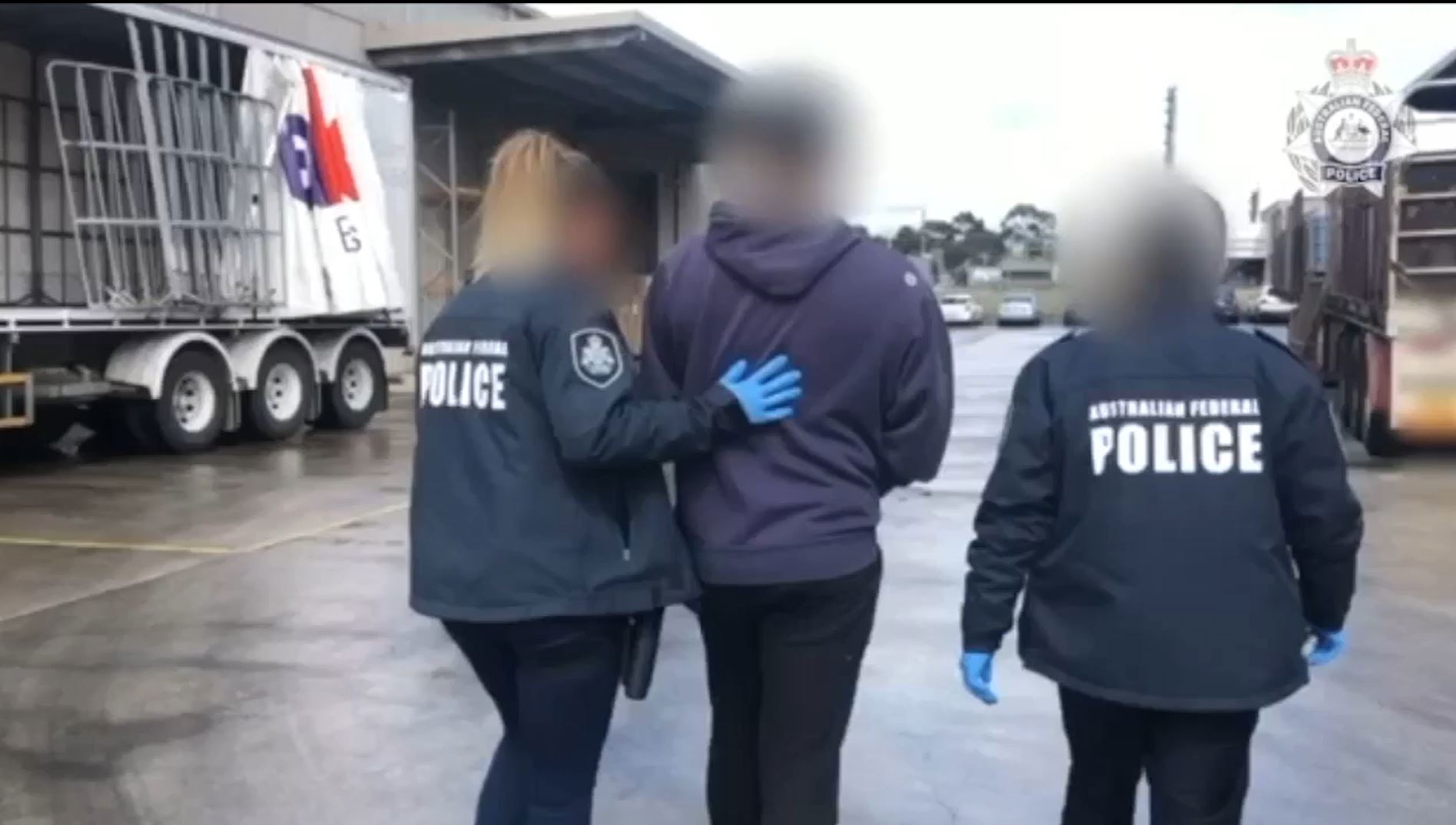
The Australian Federal Police (AFP) allege the couple "exercised coercive control" over the woman, physically assaulted and controlled the victim's movements between January and October 2022.
It's alleged Chee Kit "Max" Chong, 44, and Angie Liaw, 29, kept a woman in domestic servitude at their Point Cook home.
READ MORE: Electricity price rises of up to 25 per cent for hundreds of thousands of Australians
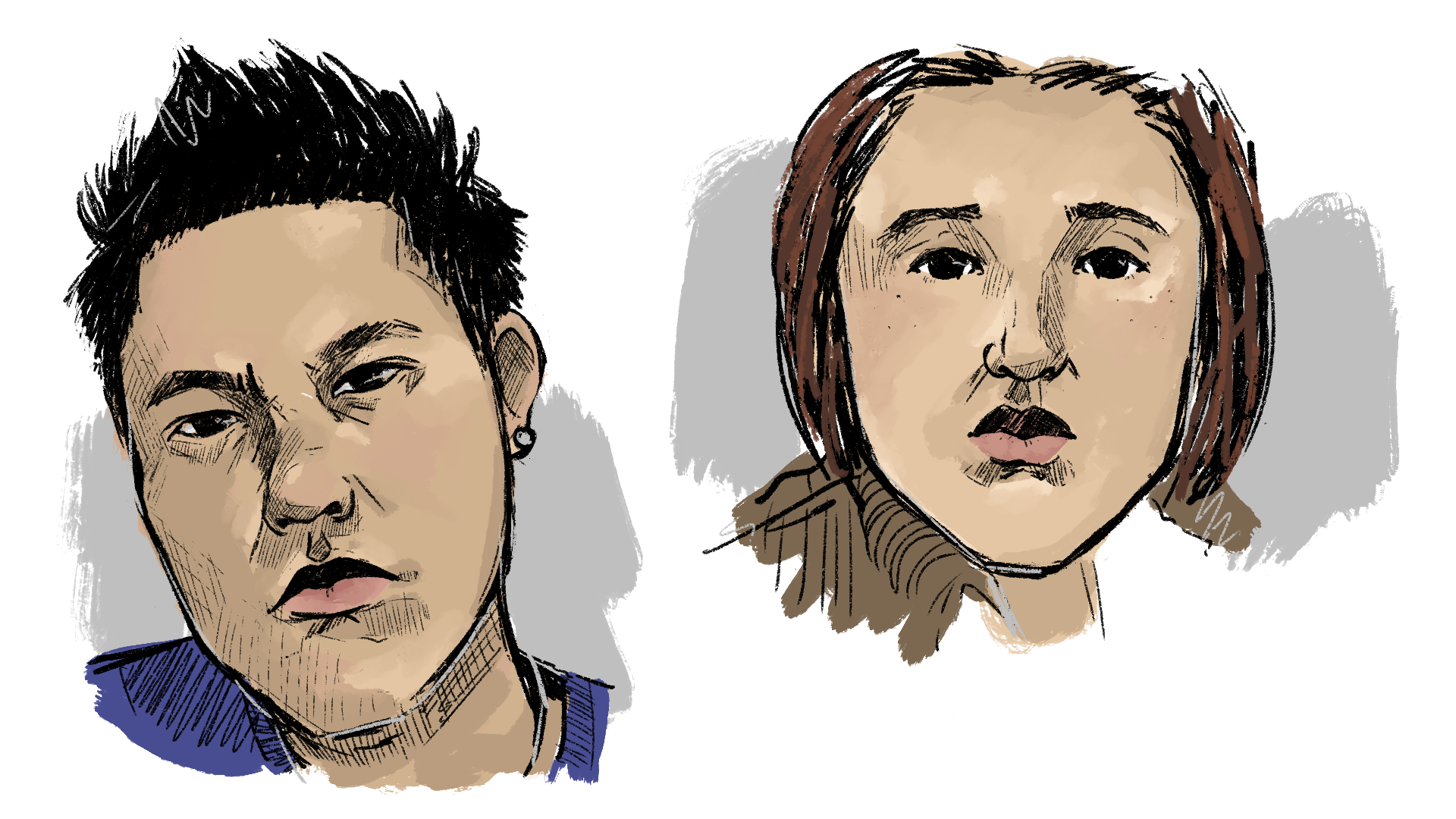
The couple faced Melbourne Magistrates Court today where Liaw's lawyer, Payne Wu, said he had not yet determined if he was also acting for Chong.
Authorities began investigating the couple in October last year after they received a report from a healthcare worker about the victim showing signs of human trafficking.
Police raided the Point Cook property on October 27 last year.
The man and woman have both been charged with possessing a slave, using coercion and threats to cause another person to enter into and remain in servitude and having control over a slave.
The pair face a maximum penalty of 25 years' imprisonment if convicted.
READ MORE: Simply the best: Global superstar Tina Turner dies aged 83
Wu said he hoped to reach a decision on representing Chong in the next week or so.
Chong told the court he believed he and his wife already shared the same lawyer, but would find another if needed.
He appeared by video-link wearing a blue jumper in a white-walled room, while Liaw appeared from inside a car.
Commonwealth prosecutor Zoe Hough said their alleged victim was a vulnerable adult, who would not be required to give evidence at a committal hearing against them.
But the court heard other witnesses may include people who interacted with the alleged victim at a hospital or medical centre she attended.
Their case was adjourned for a further committal mention on June 19.
Chong and Liaw are both on bail.
– Reported with AAP
Sign up here to receive our daily newsletters and breaking news alerts, sent straight to your inbox.
Coroner accuses Melissa Caddick's husband of withholding key information
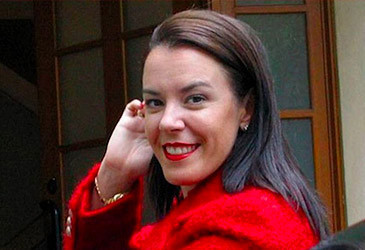
A coroner has dismissed a claim by Melissa Caddick's husband that he did not know anything about her disappearance.
More than two years after the conwoman mysteriously vanished, Deputy State Coroner Elizbaeth Ryan found she died, but could not figure out how, when or where.
Ryan said detectives should have referred her November 2020 disappearance to the NSW homicide squad.
READ MORE: Victims fight for stake of frauster Melissa Caddick's multi-million dollar estate
"Early dismissal of the possibility that Caddick had been harmed by another person created the risk that information which might shape the direction of the investigation may have been lost," the coroner said during her findings on Thursday.
The inquest also found the missing fraudster's husband, Anthony Koletti, could not be ruled out as being involved in her disappearance, with Ryan calling his inconsistent evidence "regrettable".
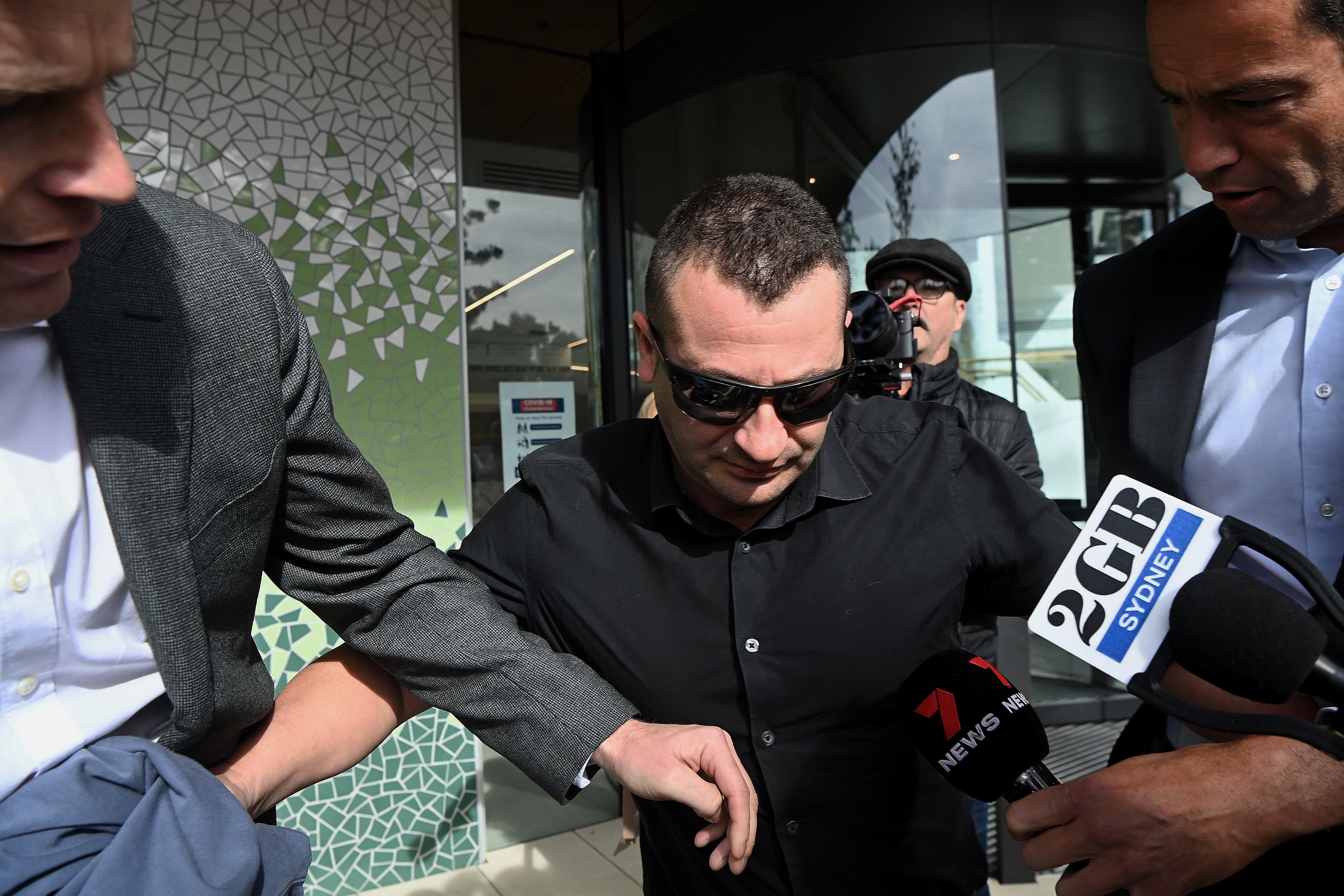
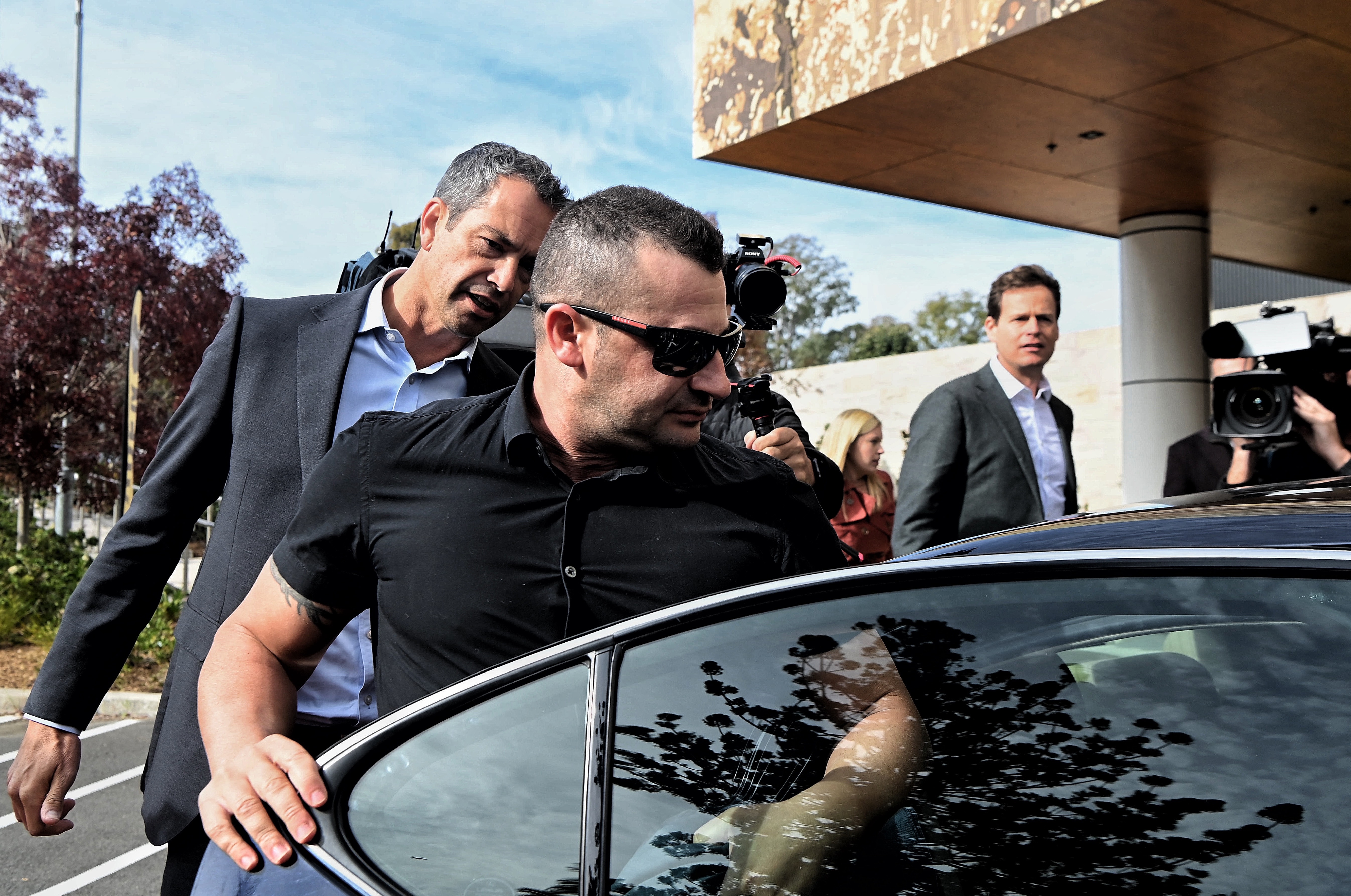
Koletti pushed through the media pack and appeared to shove a reporter as questions were asked about his wife outside court this morning.
READ MORE: Melissa Caddick investigator denies feeling responsible for her death
"It is fair to say that when he was not creating further inconsistencies, he was attempting to account for them with opaque and at times unintelligible explanations," she said.
The part-time hairdresser and DJ contradicted himself on multiple occasions during the inquest, including suggesting Caddick was a keen runner and had potentially gone for a jog the morning of her disappearance, despite CCTV footage showing she had not run in weeks.
READ MORE: Melissa Caddick's sprawling Dover Heights mansion listed for sale
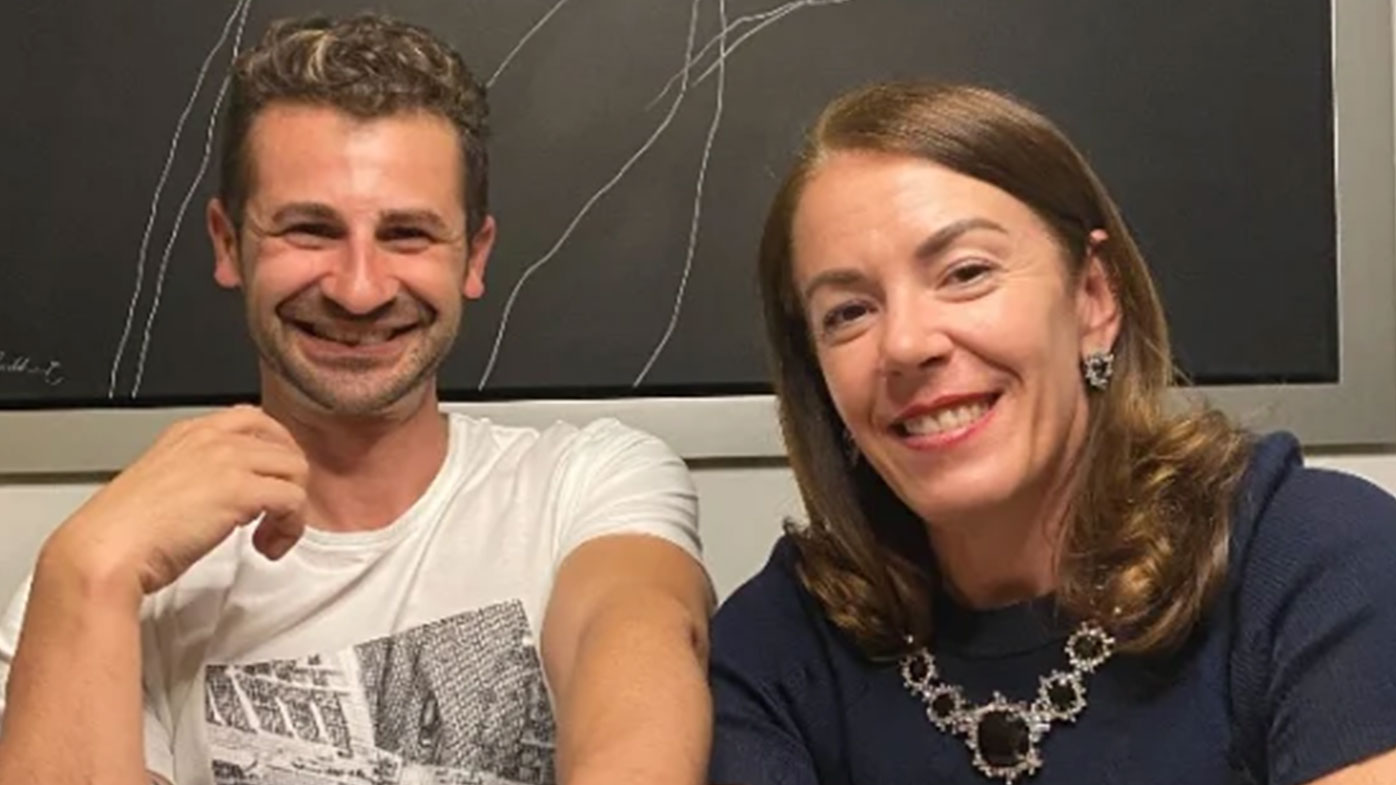
"Explanations which he offered for the many contradictions simply did not make sense," Ryan said.
His lawyer, Judy Swan, put his murky evidence down to "his limited intellectual capacity", however, Ryan did not agree.
"His discrepancies are too numerous and too persistent to be attributable to stress and lack of intellectual sophistication," she said.
The inquest found Koletti had "some awareness" of Caddick's movements during the days before and after her disappearance, but made a conscious choice "not to disclose it".
READ MORE: Police probe data on Caddick's phone
Ryan opened her findings by saying she believed Caddick was dead.
"I believe it is appropriate for me to say at the outset, I have concluded that Melissa Caddick is deceased," she said.
"However, a more problematic issue is whether there is enough evidence as to how she died."
The long-running coronial examination delved into the circumstances leading to the 49-year-old Sydney fraudster's disappearance and her mindset at the time.
Caddick's badly decomposed right foot in a running shoe washed up on a beach on the south coast of NSW three months after her disappearance, leading authorities to presume her dead.
Police and investigators from corporate regulator ASIC raided Caddick's Dover Heights home on November 11 2020.
Two days later she was reported missing by her husband.
The officer-in-charge of the investigation into her disappearance, Detective Sergeant Michael Foscholo, told the inquiry last year he believed the fraudster took her own life.
Caddick, a self-styled financial adviser, preyed on mostly friends and family to steal up to $30 million through her investment scam, using the money to fund her lavish lifestyle before disappearing.
Her eastern suburbs mansion was sold for close to $10 million in January.
A collection of jewellery, once owned by the fraudster, has also attracted large sums, with a recent auction garnering $800,000 that will go towards paying back victims.
Readers seeking support and information about suicide prevention can contact Lifeline on 13 11 14.
Sign up here to receive our daily newsletters and breaking news alerts, sent straight to your inbox.