Tag Archives: oceania

Buyer who splashed $50 million on 1920s brick home revealed

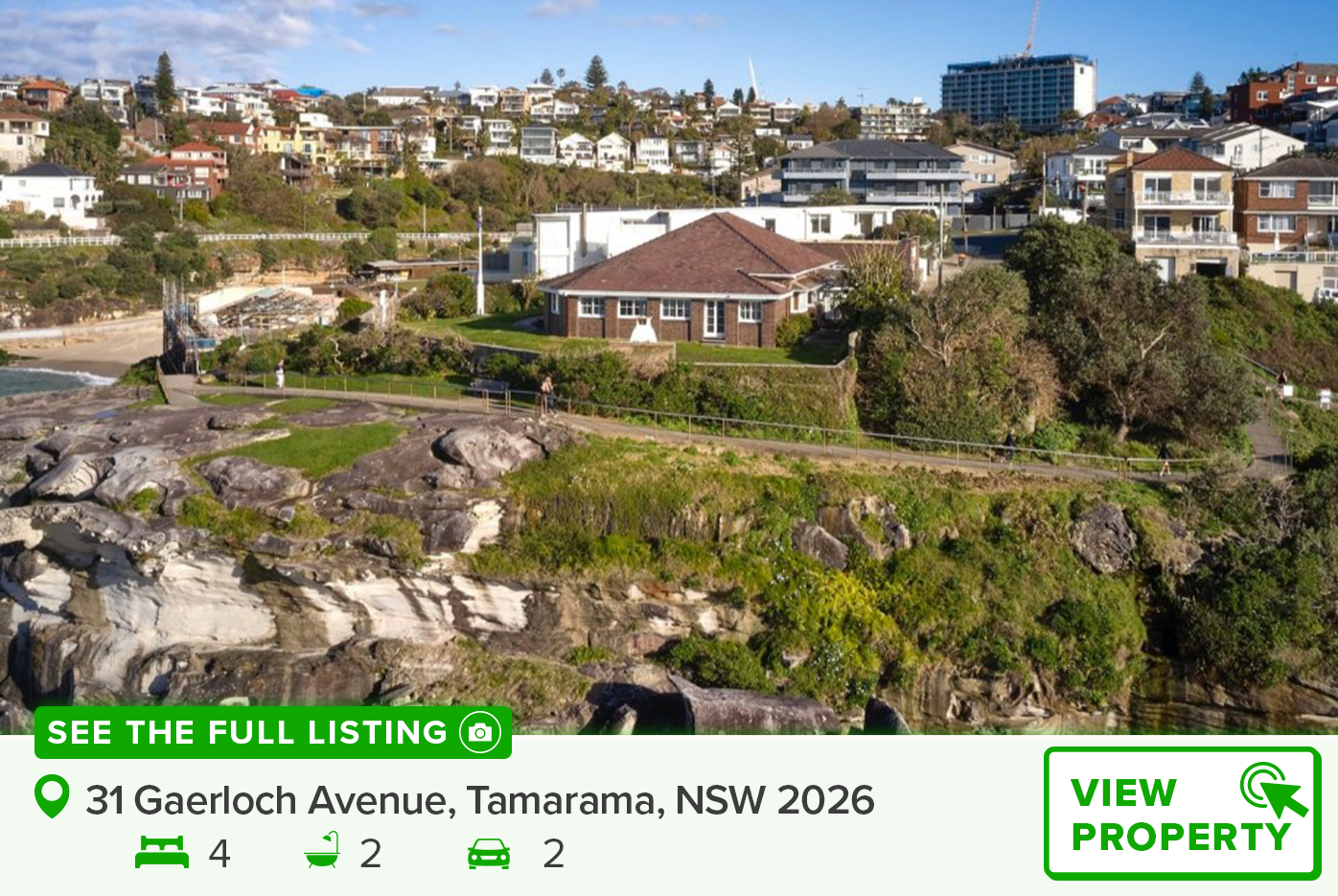
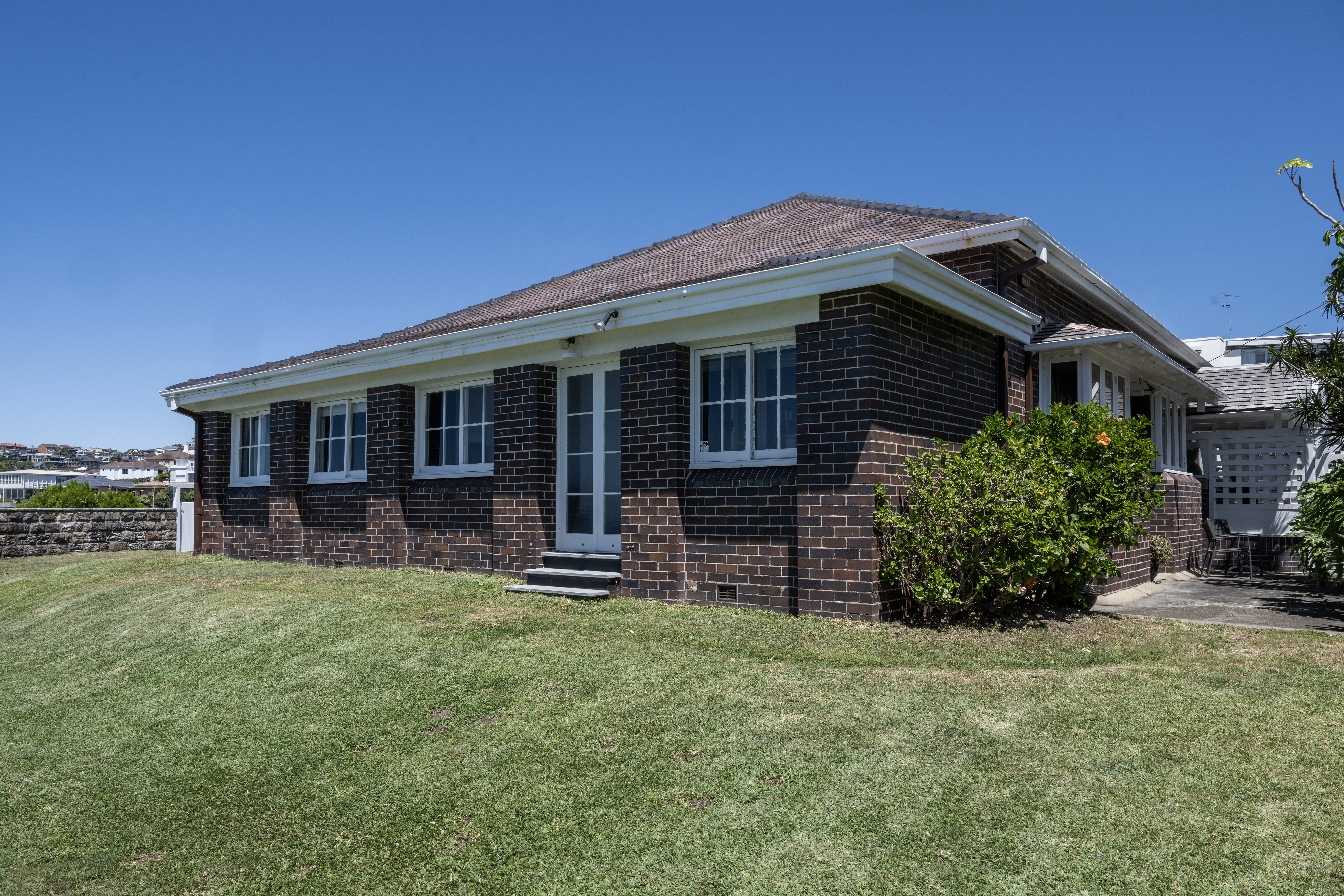
The buyer who forked out a whopping $50 million for a 1920s brick home in Sydney's eastern suburbs has been revealed.

Australian David Droga is an advertising executive at Accenture Song and the founder of Droga5 – an advertising agency based in New York which was acquired by Accenture in 2019 when he was named CEO.

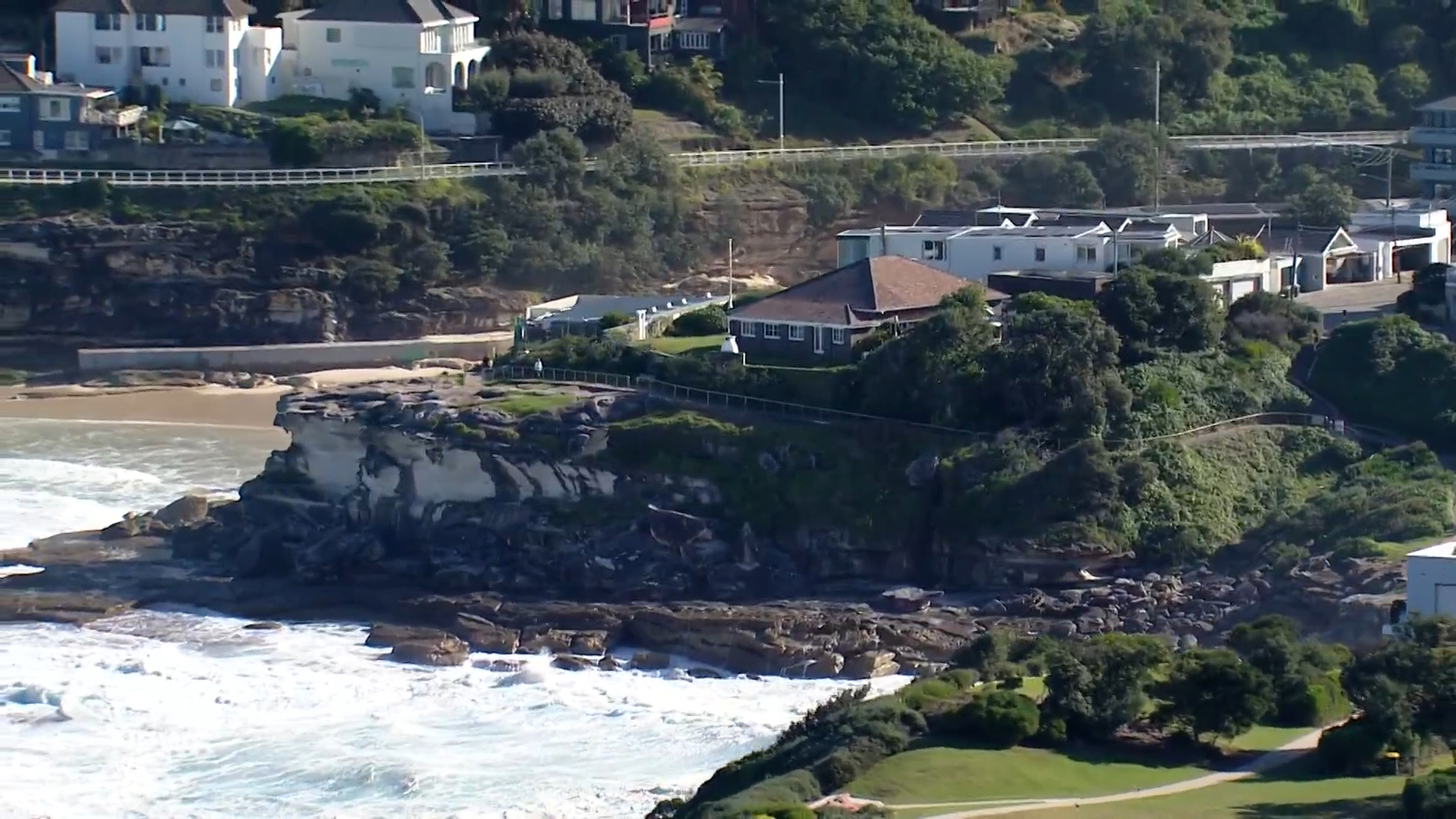
The 54-year-old has snapped up Lang Syne the sprawling 1100-square-metre block on the clifftops of Tamarama in Sydney's Eastern Suburbs, according to Nine Newspaper's Australian Financial Review.

READ MORE: Fiery multi-truck crash closes one of Australia's biggest roads

David Droga, CEO of Accenture Song.

Droga bought the four-bedroom and two-bathroom home for just under $50 million from Dimity Griffiths who lived in the home for 64 years with her late husband, the radio personality Harry Griffiths.

The exact sale price remains unknown until the settlement period is completed.

When Griffiths bought the home, it traded for £9750 – the equivalent of around $18,000 without adjusting for inflation.

The sale smashes the previous record of $25 million for Sydney's eastern beaches.

READ MORE: RBA told of unexpected impact of rates move

Tamarama oceanfront home Lang Syne, 31 Gaerloch Avenue, Tamarama

Droga grew up in the Perisher Valley in New South Wales with his five siblings.

He became a partner and executive creative director of advertising agency OMON Sydney in his mid-20s before his spectacular rise through the industry to end up at the top of Accenture.

He is believed to be currently living in New York.

READ MORE: The irreversible medical procedures happening to Aussie babies

Tamarama property Lang Syne

Property expert Robert Klaric said yesterday the record-breaking sale was the reality of the Sydney housing market.

"For somebody who has $50 million they've got $100 million and that's the reality of our market now for Sydney if they want to live on the waterfront," Klaric said.

"They're the jewels in the crown.

"There are two markets, the ultra-wealthy market then you've got the suburban market, which is seeing a little bit of a downturn in the last 12 months."

Sign up here to receive our daily newsletters and breaking news alerts, sent straight to your inbox.

Australia's Voyager reach grand final of Eurovision 2023

Australian band Voyager have reached the grand final of Eurovision 2023 in the British city of Liverpool.

The Perth synth-metal outfit received rapturous applause after they performed their song Promise on Thursday (Friday AEDT).

The Australian musos were the final act to perform in the second semi final.

READ MORE: Australia heading towards frosty winter temperatures

Lead singer Danny Estrin arrived on the stage in a car.

Britain is hosting this year's Eurovision because last year's winner was Ukraine and the ongoing war makes it impossible for the nation to stage it.

There was also success for Sydney singer Andrew Lambrou who represented Cyprus.

He made it through to the grand final after singing Break A Broken Heart.

Australians will be able to vote, but not for Australia, in the final on Saturday (Sunday morning AEST).

READ MORE: 'Massive impact on jobs' by raising interest rates more aggressively

Voting is conducted online here.

Guy Sebastian's appearance for Australia in 2015 was supposed to be a one-off, but the country has been invited back every year since.

If Australia was to win Eurovision, it's unlikely they would ever host the contest.

Sign up here to receive our daily newsletters and breaking news alerts, sent straight to your inbox.

Australia heading towards frosty winter temperatures

Frosty temperatures have already sent shivers across Australia, sending warning signs for an especially cold winter.

It may already feel like the country is tumbling towards a record-breaking cold winter but the mercury will need to plunge well below zero to do so.

The last time an individual state broke its lowest temperature record was in 2020 when Liawenee in Tasmania reached -14.2 degrees in August, Weatherzone said.

READ MORE: 'Massive impact on jobs' by raising interest rates more aggressively

A snow storm covered the landscape in white in Jerangle on Sunday, offering an early taste of winter to come. The Bureau of Meteorology says more snow may fall today in the NSW Blue Mountains regions.

"However, the national record hasn't been challenged since 1994," Weatherzone said.

The national record is -23 degrees at Charlotte Pass in 1994 which is also the record for New South Wales and the Australian Capital Territory.

For individual states and territories, records haven't been broken for an even longer period of time.

In Victoria, the record is -11.7 at Falls Creek in 1970 and Omeo in 1965.

In Queensland, the record is -10.6 in 1965 and Stanthorpe in 1961.

Residents and travellers passing through south eastern Australia were treated to an early snow fall on the weekend. This sheep in Jerangle NSW, between Cooma and Canberra, got more than a dusting of the cold stuff.

In South Australia, the record was set at -8.2 degrees at Yongala in 1976.

For the Northern Territory, it was the same year as its southern counterpart with a record of -7.5 degrees at Alice Springs.

But for Western Australia, it was a little more recent with the record set at -7.2 degrees at Eyre in 2008.

"Temperatures will need to drop below the values listed above to set new state or national records this winter," Weatherzone said.

READ MORE: The irreversible medical procedures happening to Aussie babies

Around 15cm of snow was recorded at the Falls Creek resort on Sunday.

Weatherzone added while it has been between 30 and 60 years since some states and territories broke the frosty records, it is possible given the recent record beating in Tasmania.

It comes after a freezing start to May for the southern states with all three falling below the May average.

Records were broken earlier this month with some states seeing the coldest May night in years.

On May 7, Sydney saw temperatures plunge to 7.1 degrees at night which is its equal lowest May temperature since 1999.

On the same night, Strahan Aerodrome in Tasmania dropped to -0.6 degrees, making it the coldest May night in 22 years.

In Ouse in Tasmania, the mercury plummeted to -6.1 degrees that night which is the town's coldest May night in 15 years.

Sign up here to receive our daily newsletters and breaking news alerts, sent straight to your inbox.

'Massive impact on jobs' by raising interest rates more aggressively

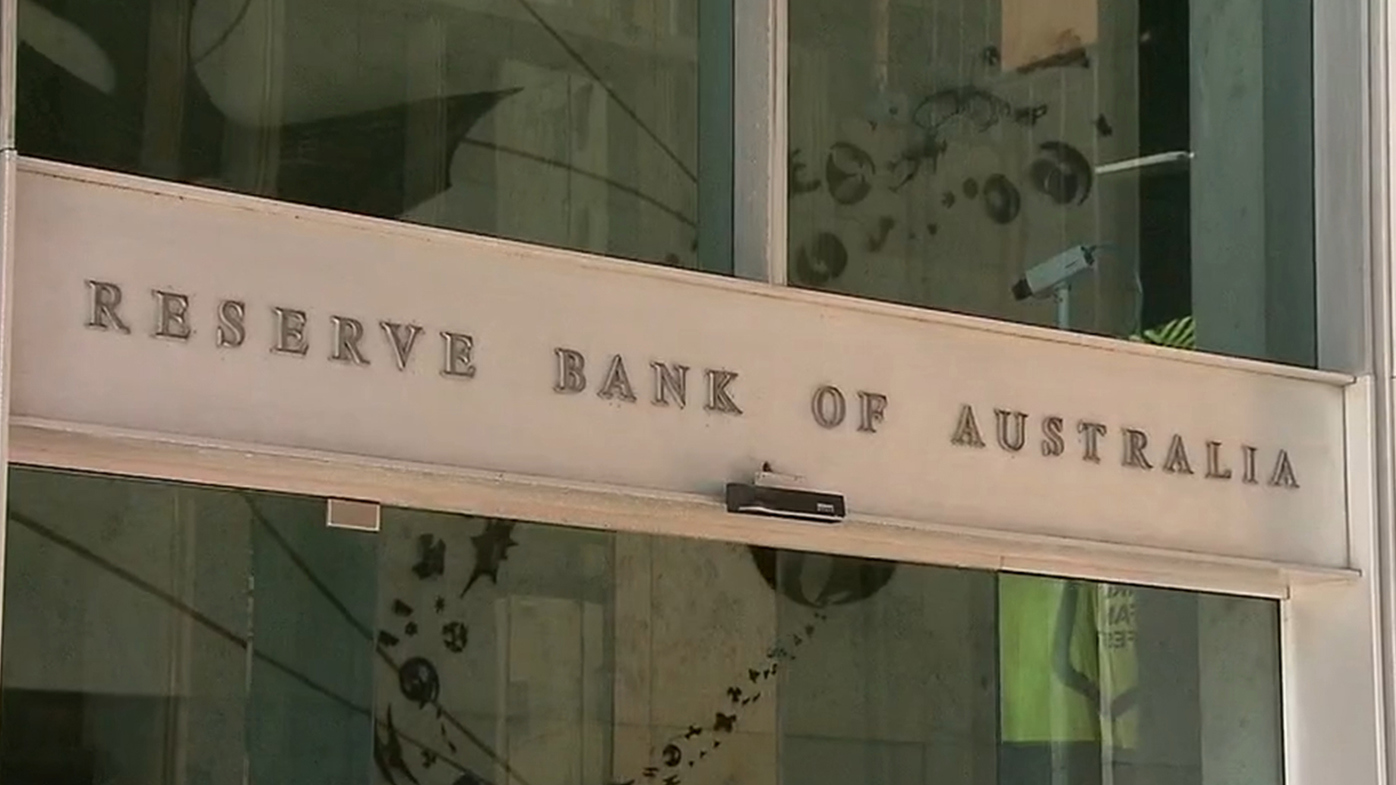
The Reserve Bank of Australia has today been warned aggressively increasing interest rates would push inflation down but cost hundreds of thousands of jobs.

Internal modelling obtained by The Age newspaper revealed a far-larger 1 per cent hike in May would bring down inflation within its target of 2 per cent to 3 per cent earlier than forecast but it predicted the country's jobless rate would rise to 4.5 per cent next year.

That is the equivalent to 200,000 people losing their jobs over the next 12 months.

READ MORE: Dutton hits Labor over cost of living, migration in budget reply speech

July jobs report America's jobs crisis could be about to get even worse

The RBA's Statement on Monetary Policy released earlier this month revealed Australia's near-term inflation is likely to decline faster than previously forecast but did not rule out further interest rate rises.

"Inflation has passed its peak in Australia but remains very high," the central bank said.

It flagged inflation could decline faster if goods inflation eases quickly due to less Aussie consumer spending.

The bank has raised official interest rates at 11 of its past 12 meetings.

The RBA paused interest rises in April but restarted the relentless hikes in its shock May decision to raise the cash rate by 25 basis points to 3.85 per cent.

Economists, major banks and financial markets forecast the central bank to maintain rates at this level until next year despite the RBA not forecasting inflation to move back within its target band until the second half of 2025.

FEDERAL BUDGET: Your two-minute guide

RBA rate rises Reserve Bank of Australia

In this week's budget outlook for the domestic economy was a prediction that Australia's interest rates will remain stable at the current level of 3.85 per cent before then falling.

"Financial markets and market economists now expect the cash rate to remain at 3.85 per cent until early 2024, before gradual cuts back to 3 per cent by June 2025," the outlook said.

In the federal budget outlook, Treasury similarly forecasts that inflation has reached its peak and will fall to the target range by 2024 to 2025.

Inflation is expected to fall from 7 per cent in the recent March quarter to 6 per cent in June and before a more drastic plunge to 2¾ per cent in June 2025. This is in line with the RBA's inflation target of between 2 to 3 per cent.

Sign up here to receive our daily newsletters and breaking news alerts, sent straight to your inbox.

'It's sterilisation, basically': The irreversible operations happening to Aussie babies

Babies incapable of giving consent are having their genitals modified across Australia in life-altering, often devastating and unnecessary medical surgeries.

These procedures, aimed at "normalising" the genitals or sex characteristics of intersex children, have long been lashed by activists as well as medical professionals, who are leading a new push to outlaw the practice.

They say the surgeries – which occur in infants as young as two-months-old – are "unnecessary", "irreversible" and cause extremely distressing lifelong side effects.

READ MORE: NSW premier agrees to gay conversion therapy ban

An umbrella term to define people born with hormonal, chromosomal or anatomical variations of sex characteristics, intersex refers to the "I" in LGBTIQ+.

These Aussies, many of whom have lived through the procedures, say they've been left scarred for life. 

A large part of the problem is a lack of proper research, Morgan Carpenter, Executive Director of Intersex Human Rights Australia (IHRA) explained.

"A lot of all the clinical research is really aimed at justifying early surgeries," Carpenter told 9news.com.au.

"So there is very little longitudinal data, no systemic data that shows long-term adult effects.

"I mean, doctors themselves told the Senate 10 years ago that they have particular concern about post-surgical sexual function and sensation.

"So, the lack of data in this space is helping to sustain these medical practices. "

Carpenter, who is intersex, said that the loss of sexual function, including the inability to orgasm, is just one of a number of harmful side effects of these "corrective" surgeries.

"These procedures can include things like a gonadectomy, so, the removal of gonads, which is a term for organs like testes and ovaries," Carpenter said.

"It's sterilisation, basically.

"Other surgeries that happen involves include feminising genitals and the creation of surgery to alter a vagina.

"There are infants in Australia who undergo vaginoplasties…and there are also masculinizing surgeries as well.

"There are other people who suffer from functional issues, such as like a narrowing of the vagina or the urethra, which can impair sexual function, but also in impair urination, as well."

READ MORE: 'A pivotal moment in terms of visibility': How a violent clash with police triggered Australia's biggest ever queer movement

Many intersex people have also reported fertility problems, urinary tract issues – including incontinence - and in some rarer cases, incorrect gender assignment in people who have had their sex decided for them at birth.

Some of those who have lived through the procedures also require ongoing medical treatment and repeat surgeries over the course of their lifetime.

While it is parents making the decisions for their children, who often believe they are acting within the infant's best interest, it can cause complex family issues down the line.

"Typically parents are trying to do the right thing; parents love their kids," Carpenter said.

"Parents often hear from doctors, that they need to do these procedures to look after their kids.

"Doctors say that parents are distressed and surgery on a child is a solution to that, but we argue that actually, psychological and psychosocial support would really help instead."

Back in March, the ACT became the first Australian jurisdiction to introduce proposed laws to protect intersex people from medical procedures modifying their sex characteristics without their consent.

READ MORE: Gender Queer graphic novel gets 'unrestricted' classification in Australia

It's one of just a few places in the world to take such action.

Across the country, the only other region considering any similar response is Victoria, where, in 2021 the government commissioned Equality Australia to develop proposed legal changes.

Ghassan Kassisieh, Legal Director at Equality Australia told 9news.com.au that he's spoken personally with many Aussies left crushed by these choices made for them as babies.

"I think the first thing to note is that there's a really large number of variations, and they're characterised by people whose physical sex characteristics aren't typical for male or female bodies," he said.

"There's decisions being made for babies, that assumes that in things like the gender of the child, that the child will want to have this procedure performed to 'normalise' their body – when the consequences of that procedure might be, for example, impacts on their sexual function.

"We've spoken with a number of people…some people were really, really unhappy about the decision having been made for them.

"They would have made a different decision if they were given the ability to do so.

Sign up here to receive our daily newsletters and breaking news alerts, sent straight to your inbox.

"They're being made on behalf people, when we just don't know what what this child will grow up to be…and that's why you can delay those procedures, until the person's old enough to make those decisions."

Kassisieh said that though there were some who weren't overtly bothered by the treatment, "on the whole" most prefer autonomy.

"Some people weren't upset by the decisions having been made, they would have made the decisions themselves," he said.

"But on the whole, the people that we spoke to really wanted that agency, that ability to decide what happens to their bodies.

"We think everyone deserves to decide what happens to their own bodies, and to achieve that, we should have a oversight mechanism that ensures that only procedures that are necessary, go forward.

"And those procedures that are not, wait until the person can make a decision for themselves."

Kassisieh added that Equality Australia are pushing for reforms across Australia to "ensure that people can't make decisions for other people" when it comes to "modifying their sex characteristics" in circumstances where it's not medically necessary to do so.

In 2015, Malta became the first country on the European continent to pass a law banning any kind of surgery or procedure on an intersex minor without their consent.

Since then, Germany, Greece, Iceland, Spain and Portugal have followed suit.

In addition, 50 countries later signed a UN statement in 2021 calling for concrete measures to protect intersex people from medical interventions.

Counselling and referral services for LGBTIQ+ individuals are available through QLife on 1800 184 527 or online.

Review | The Legend of Zelda: Tears of the Kingdom

Dungeons are back and like the Avengers, Link builds an infinity gauntlet. 

Need I say more?

The Legend of Zelda: Tears of the Kingdom is a joy to play; delicately balancing creative freedom with the temples, boss fights and story beats that made the series famous.

Yes, this world feels familiar. It reuses the same basic map as its predecessor, Breath of the Wild, but it would be underselling it to say that Hyrule has changed dramatically.

Trailers asked fans to look to the sky without ever revealing the darkness of The Depths; an entirely new underground realm which more than doubles the size of the world players have to explore.        

You can leap from an island in the atmosphere, dive through a hole in the surface and land in this underground world without any loading screens; which is an astounding achievement on the ageing Nintendo Switch.  

Occasionally, the game's frame rate will stutter or slow when explosions and enemies fill the screen, but never to the point of affecting my enjoyment of the game or its story. 

If you could only buy one game in 2023, Tears of the Kingdom would be my pick. 

After waiting six years to return to this version of Hyrule, Nintendo does not disappoint. 

FAMILIAR BEGINNINGS

Tears of the Kingdom starts in much the same way as its predecessor, Breath of the Wild. 

After Ganon is resurrected and a falling Zelda disappears, the music swells and Link leaps in spectacular fashion through the air, diving into a pond on the Great Sky Island. 

Think the Great Plateau, but suspended in the sky. 

A ghostly king instructs you to complete four shrines and acquire four abilities before you can access the rest of the world.

At this point, I was worried Tears of the Kingdom was a little too familiar. 

That feeling struck again when crossing paths with the character Purah, who suggests Link investigate strange phenomena affecting the people of the Rito, Goron, Gerudo and Zora tribes.

Thankfully, what happened next blew those concerns out of the water. 

I tip-toed around an ominous, gaping hole in Hyrule field and hesitated, frightened of what it was and where it could lead. Beside me was a man peering into the darkness below, who told me off for startling him so close to the edge. I nervously took a leap of faith and watched Link plunge head first into the void. It felt like he was falling hundreds of metres before I spotted a flicker of light, opened his sail cloth and landed safely at the centre of The Depths. 

Engulfed in darkness, I pushed Link toward a faint orange glow in the distance. That glow, turned out to be called a 'light root' which – once activated – illuminated a small pocket of a new world tainted by gloom; a dark red goop that sucks away Link's vitality and lowers his maximum health.

Immediately, a bad cliche sprung to mind: "Toto, we're not in Kansas anymore".      

TIME TO BREATHE             

The Legend of Zelda: Tears of the Kingdom, like its predecessor, begs players to explore.

And there is undeniably more to uncover when revisiting this Hyrule.

Where you go and what you do is, again, entirely up to you. 

Yes, there are quests to chase but what's impressive is how the world subtly pulls players between the surface, sky and the depths without ever demanding it. 

New items – like the bomb flower – can only be found in the depths. 

Link can (generally) only collect Zonai devices on islands in the sky. 

All are useful on the surface – and vice versa – and there are more meaningful examples I won't spoil here.

It feels so natural in the context of the game world that players may never even notice, but it's impressively balanced to ensure players never get stuck in one place and the surprises keep coming. 

TOYING WITH TIME 

Looking back on Breath of the Wild, fans have criticised how it chose to tell its story. 

Memories you find in that world fill you in on a great war that happened 100 years ago. 

That hasn't changed dramatically in Tears of the Kingdom. 

I won't spoil anything here, but the story goes to some weird and wonderful places. 

Frustratingly, those memories don't play in order. If, like me, you find them wildly out of order, important moments don't land quite the same way.   

What's better, is the balance the game's director Hidemaro Fijibayashi has struck between old school Zelda staples and 'breaking the conventions' of a franchise that's 37 years young.

Dungeons are back and they are executed brilliantly. 

After more than an hour launching higher into the sky with the help of the Rito warrior Tulin, I thought, 'oh cool, this must be a dungeon integrated into the world. I must be close to the final boss'. Then I dove into a floating hurricane, landed on a flying ship and the words 'Wind Temple' appeared on screen.  

Ecstatic does not do my five-second fist pump justice. 

Lleyton Hewitt wishes he could have yelled 'C'MON' like I did at that moment. 

And the bosses – wow.

Not all are created equal, but the best rival some of the series' all time greats.  

I loved Breath of the Wild and – while they suited the story – four Divine Beasts that all looked similar and featured four versions of the same boss left a little to be desired.

Tears of the Kingdom does not have the same problem. 

However, somewhat bizarrely, at the end of its first four dungeons, a variation of the exact same cutscene plays. It wears pretty thin over time and is an odd decision in a game that throws original idea after idea at players.

BUILD IT AND THEY WILL COME     

Link's ability to build and pilot vehicles has been central to selling Tears of the Kingdom. 

But the fact that it's getting a mention this late in my review says something.  

TikTok and YouTube will run wild with videos of players' craziest creations for months but, outside of hopping between sky islands and navigating gloom infested sections of the depths, they're rarely necessary. 

'Ultrahand' – one of Link's four new abilities – comes into its own within Shrines. 

The puzzles hidden within also make great use of the 'Recall' ability (which rewinds an object's momentum) and 'Ascend', which Link uses to swim to the top of surfaces above him. 

All are at their best when challenges demand they're used in unison; not to mention critical in exploring Hyrule.

My runaway favourite ability is 'Fuse'.

It starts simply enough. Combine a rock and a stick to create a club that can break a boulder.

You can have fun fusing two spears into a wildly impractical weapon twice the size of Link or to a shield to an explosive barrel that will devastate the enemy that hits it but keep Link safe.  

But by the end of the game, if you're not combining the right weapons and item, you won't pack enough of a punch to best the toughest enemies. 

Yes, the Master Sword still 'breaks'. Weapon durability is back. 

I actually liked being forced to gather and try new weapons in Breath of the Wild when older ones broke, and it remains a licence to experiment in Tears of the Kingdom. 

SHOULD YOU BUY IT?

The Legend of Zelda: Tears of the Kingdom is something special. 

It is better than Breath of the Wild with a bigger world, more to do and a grander story.

The freedom to create weapons, vehicles and solutions to puzzles is unlike anything I've ever experienced and the physics which underpin it all remain sensationally sound.

I would have paid $500 for The Legend of Zelda: Tears of the Kingdom. More, in fact.  

Hyrule feels real and it's a world I don't want to leave. 

After dozens of hours completing the game's story, I can't wait to spend dozens more completing every side quest, collecting every item and finding (almost) every Korok. 

Majority of jurors 'willing to convict' Bruce Lehrmann of rape, inquiry told

An inquiry into the trial of Bruce Lerhmann has heard claims that the majority of jurors were prepared to find the former Liberal staffer guilty of rape.

ACT Director of Public Prosecutions Shane Drumgold today told the Board of Inquiry he believed 11 of 12 jurors would have convicted Lerhman before the ACT Supreme Court trial was ruled a mistrial in October over juror misconduct.

Drumgold said he believed the person unwilling to convict was the rogue juror who obtained information outside the evidence presented in court, which led to the jury being dismissed during deliberations.

READ MORE: Pilot accused of killing Russell Hill and Carol Clay could have case delayed

Lehrmann was charged with one count of sexual assault without consent relating to allegations brought forward by former Liberal staffer Brittany Higgins.

He pleaded not guilty and maintained his innocence throughout.

READ MORE: Boy's fruit stand saved from council complaint by local community

Bruce Lehrmann arrives to give evidence in front of an ACT Supreme Court jury on the third day of his trial.https://twitter.com/R_DAlessandro9/status/1656521337652002816

A second trial was aborted citing concerns about Higgins' mental health.

The independent inquiry is reviewing how police, prosecutors and a victim's support service handled the allegations.

Sign up here to receive our daily newsletters and breaking news alerts, sent straight to your inbox.

Pilot accused of killing Russell Hill and Carol Clay could have case delayed

The trial of a former airline pilot accused of murdering Melbourne campers Russell Hill and Carol Clay could be delayed over funding issues and a fight by his lawyer to block major pieces of evidence.

Greg Lynn, 56, was set to face trial on two charges of murder in the Victorian Supreme Court in October this year.

But his barrister Dermot Dann KC on Thursday raised funding issues in the case and asked that the trial date be pushed to 2024.

READ MORE: Shocking CCTV emerges of violent attempted carjacking at Melbourne petrol station

He said the issue would take quite some time to resolve.

Dann also said the defence would be applying to exclude 15 items of evidence currently proposed by prosecutors against Lynn, including the record of interview "and basically everything that flows thereafter".

Lynn was interviewed by police over four days in November 2021.

Details of his full police interview have been suppressed, along with details from a covertly recorded conversation and statement made by him to police in July 2020.

The nine-and-a-half-hour interview would take nearly a week to be played in court, Dann said.

He also flagged potential interlocutory appeals against decisions relating to the exclusion of evidence, which would extend the time until a trial could occur.

Prosecutor John Dickie said he was concerned about the delay.

READ MORE: Trade minister to push China for lifting of $20 billion restrictions

"The prosecution is keen to have trial as it is at the moment, but if it's unavoidable it's unavoidable," he said.

Dann said that it was.

Lynn was charged in November 2021 with murdering the campers, whose missing persons case became one of Australia's most high-profile crime stories in March 2020.

It's alleged Lynn, 56, killed the couple on March 20 that year, while they all camped in the remote Wonnangatta area of Victoria's alpine region.

Lynn is in custody and will return to court by video link for a further directions hearing on June 22.

Sign up here to receive our daily newsletters and breaking news alerts, sent straight to your inbox.