A country renowned for its cuisine is turning to pots and pans to express discontent with French President Emmanuel Macron's pension reforms
Tag Archives: oceania
The cheapest and most expensive cities to rent a unit in Australia
It's a tight squeeze in the rental market at the moment, with prices going up and availability remaining stubbornly low.
China risks 'tragic miscalculation' over military build-up
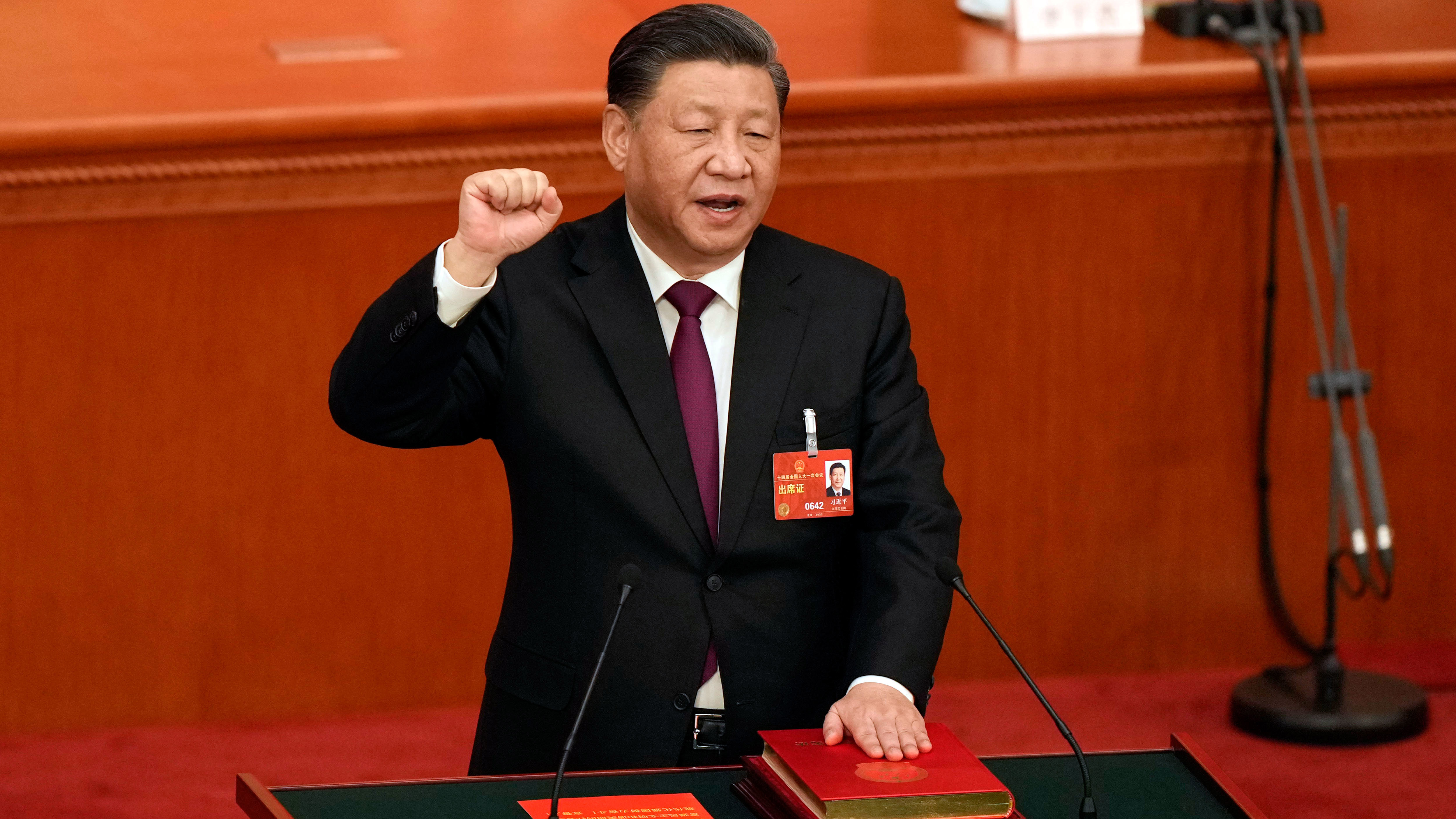
China will be urged to be more open about the reasons behind its military expansion during a speech by the UK foreign secretary on Tuesday.
James Cleverly will warn about the risk of "tragic miscalculation" unless the Chinese government explains the reasons behind what he calls the biggest armed forces build-up in peacetime.
China will be the main subject of his speech at the Mansion House in London's financial centre on Tuesday evening (GMT), the Reuters news agency reports.
READ MORE: Thousands gather before dawn to honour the fallen

"I urge China to be equally open about the doctrine and intent behind its military expansion, because transparency is surely in everyone's interests and secrecy can only increase the risk of tragic miscalculation," Cleverly will say, according to extracts released by the UK government.
He will use the speech to say the UK is open about seeking further cooperation with allies in the Indo-Pacific and encourage China to be clear about its objectives.
Cleverly will also warn it would be a mistake to attempt to isolate China and engagement is required to tackle climate change, global economic stability pandemic prevention and nuclear proliferation.
"It would be clear and easy – perhaps even satisfying – for me to declare a new Cold War," he will say.
"Clear, easy, satisfying – and wrong."
But his speech will stress the UK will protect its national security interests and call out China on human rights abuses and breaches of international laws.
READ MORE: China responds to landmark Australian defence review
Cleverly will also condemn the persecution of the Uighur people in China's Xinjiang province.
Earlier this year, UK Prime Minister Rishi Sunak pledged to increase military funding by $9 billion over the next two years in response to the "epoch-defining challenge" posed by China and Russia's invasion of Ukraine.
Meanwhile, China has responded to Australia's landmark defence review after it highlighted the superpower's military build-up.
The long-awaited Defence Strategic Review released on Monday calls for Australia to spend more, make munitions domestically and improve its long-range missile capabilities and resources in the country's north, amid warnings about cyber warfare and "the rise of the 'missile age'".
READ MORE: WA Premier raises cases of detained Australians during China visit
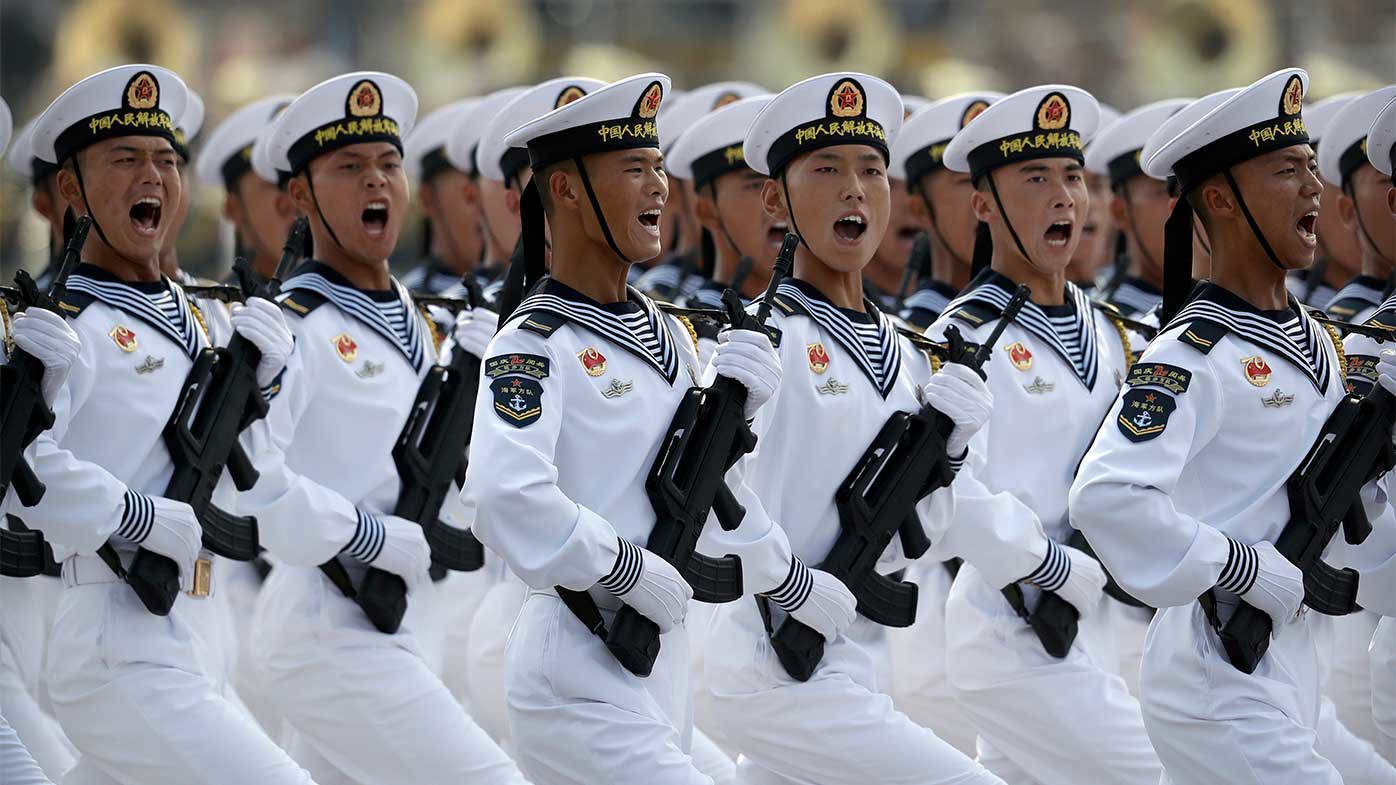
"China's military build-up is now the largest and most ambitious of any country since the end of the Second World War," the review states.
Chinese Foreign Ministry spokesperson Mao Ning on Monday said China's defence policy was "defensive" and insisted the country was committed to peace in the Asia-Pacific and further afield.
"We do not pose a challenge to any country," she said.
Sign up here to receive our daily newsletters and breaking news alerts, sent straight to your inbox.
'What's wrong with that wing?' Perth dad's alarm over patched up Qantas plane
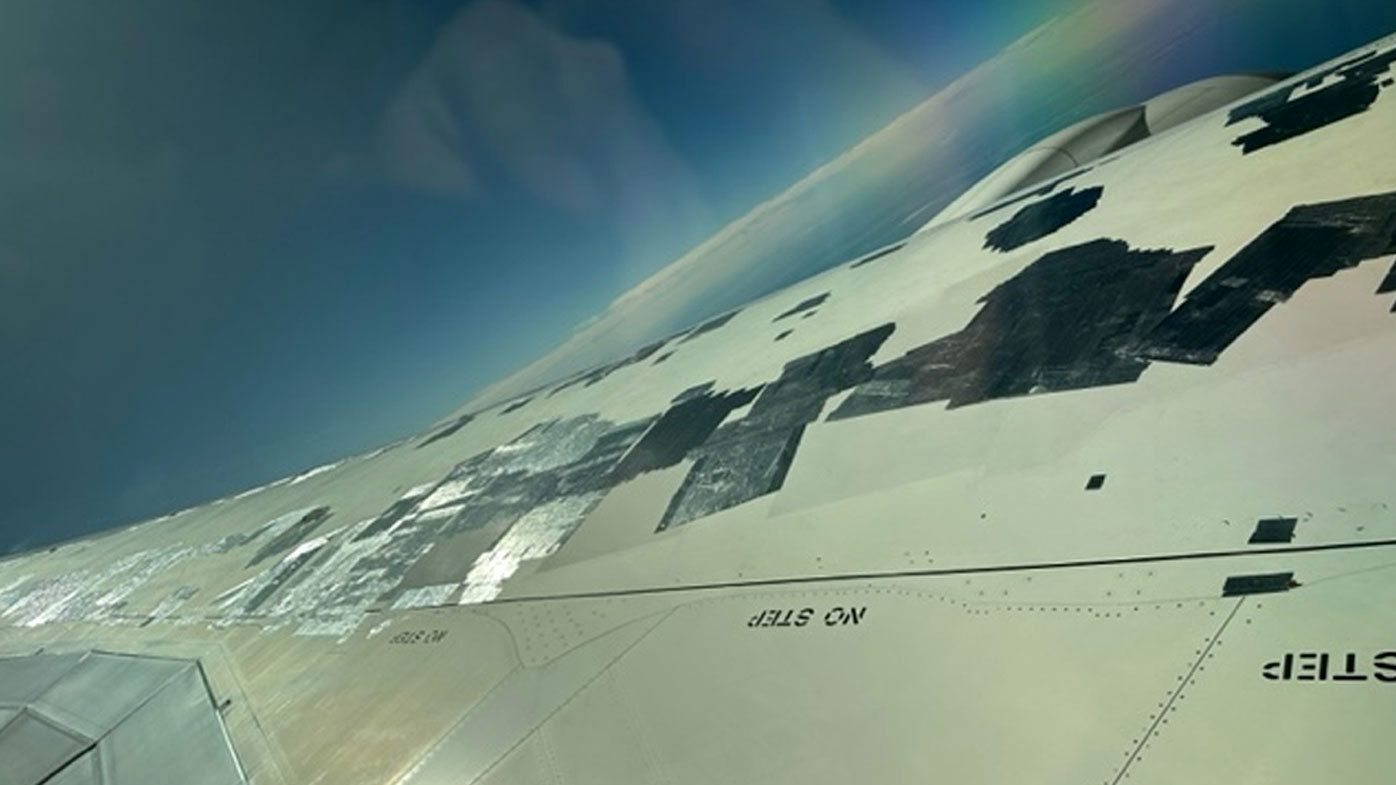
The last thing Michael* wanted to see out his window after he and his family boarded a non-stop Qantas flight from London to Perth was one of the plane's wings heavily patched with lashings of silver tape.
He described the unusual patching, which stretched from the jet's fuselage to the wing tip, as "unnerving", particularly when the Boeing 787-9 Dreamliner hit bad turbulence on the 16 hour 40 minute journey.
The Perth dad, who wanted to remain anonymous, said his two young kids got "pretty scared" as the plane began to bounce about, 10,000 metres above the ground.
READ MORE: Looming change will forever alter how we fly around the world
"They were worried the wing was going to fall off because (they thought) it was held together by tape."
He tried to calm their nerves but he had a few doubts himself.
"It's sort of unnerving looking out the window when you go through turbulence to think, 'Okay, what is that holding that wing on? Is it going to snap off? Is that one flap not going to work?'" he told 9news.com.au.
Though unsettling to the average traveller, silver tape on a Boeing 787's wing does not indicate there is anything structurally unsafe with the aircraft. It's simply the most effective way to stop a defective batch of Boeing paint peeling away from the wings.
A Qantas spokesperson told 9news.com.au that "paint peeling is a common occurrence on the wing of Boeing 787 aircraft, which is seen by airlines all over the world, and it does not pose any safety risk".
9news.com.au understands that the Qantas jet Michael and his family flew with on Saturday is now in the process of getting a new paint job.
A longtime Qantas engineer who works on 787s and spoke on condition of anonymity admitted the silver tape "looks bad" but said it wasn't a big deal.
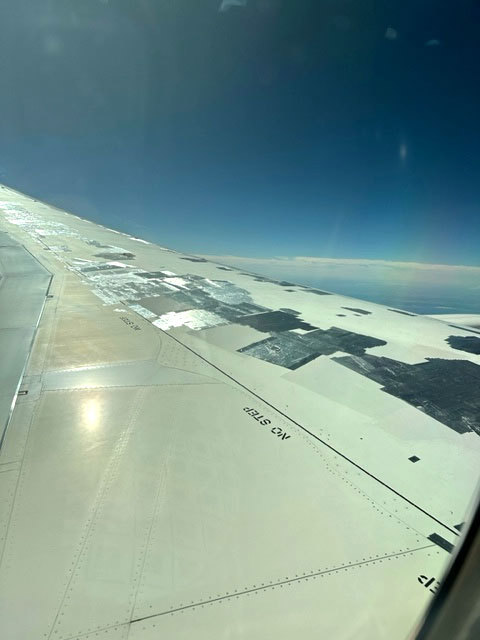
Also known as speed tape, the heavy-duty, silver-looking tape has been approved by aviation regulators as a temporary fix to stop further paint peeling, he said.
"It's not just the Qantas fleet," the aeronautics engineer said, pointing out that commercial carriers worldwide had experienced similar issues.
"For some reason during manufacture, the process and or the materials that (Boeing) used for the paint hasn't longevity, and has started to peel on the upper surface of the wings.
"As you can imagine, there's a lot of flexing that goes on (with wings), so it's very difficult to get something to stick for a long period of time with that kind of stress.
"There is no structural issue with the paint peeling off the wing at all."
Many passengers commonly mistake speed tape for duct tape, as the two products do have a similar appearance.
However speed tape is typically thicker than duct tape, is often made of heat resistant aluminum and has a stronger adhesive, which helps it stay on airplanes during flight.
Michael said it would have been helpful if the Qantas pilot or crew staffing the long-haul journey had explained what passengers were looking at, before the plane took off.
"There was no announcement to say that that's what it was," he said.
"A few of us were sitting there thinking, 'Oh my God, what's wrong with that wing?'"
Michael said only one wing was taped, which he found unusual.
READ MORE: The $50b airline set to shake up global travel
Do you know more? Contact **********@******om.au/” target=”” >Sign up here to receive our daily newsletters and breaking news alerts, sent straight to your inbox.
Mars lander's incredible discovery after four years
When quakes rumbled on Mars and a meteorite smacked into the red planet during the past four years, NASA's InSight lander collected soundwaves that helped reveal secrets of the Martian interior.
During these events, InSight detected for the first time seismic waves travelling through the Martian core.
Now, scientists have used the lander's data to determine that Mars has a liquid iron-alloy core that also includes lightweight elements such as sulfur and oxygen, as well as smaller amounts of hydrogen and carbon.
READ MORE: NASA rover finds 'clearest evidence yet' of an ancient lake on Mars
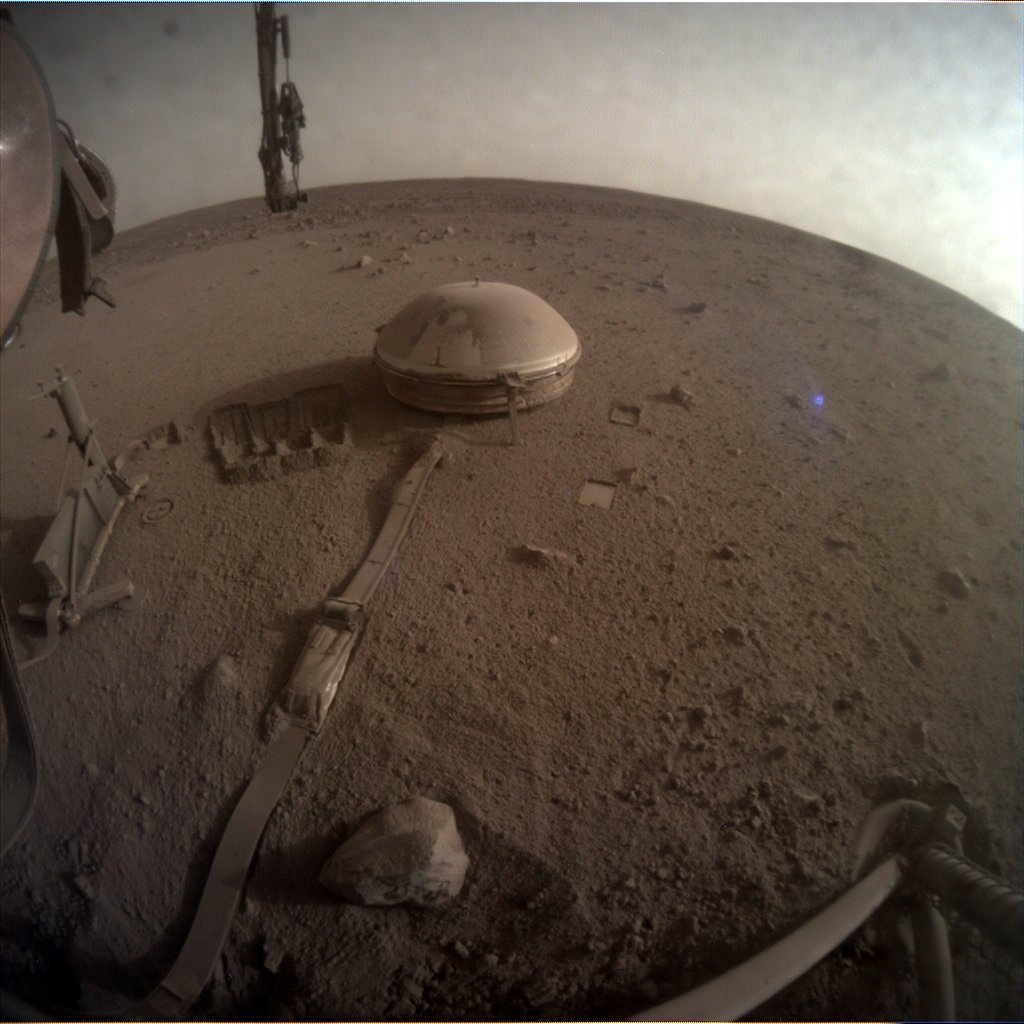
Developing a greater understanding of the Martian interior can help scientists learn more about how rocky planets such as Earth and Mars form, how the two planets differ, and the factors that help make other planets habitable for life.
A study detailing the findings was published yesterday in the journal Proceedings of the National Academy of Sciences.
"In 1906, scientists first discovered the Earth's core by observing how seismic waves from earthquakes were affected by travelling through it," study co-author Vedran Lekic, associate professor of geology at the University of Maryland, College Park, said in a statement.
"More than a hundred years later, we're applying our knowledge of seismic waves to Mars. With InSight, we're finally discovering what's at the center of Mars and what makes Mars so similar yet distinct from Earth."
Researchers analysed how long it took seismic waves generated by one marsquake as well as a meteorite impact to travel through the Martian core, allowing them to estimate the core's density and chemical composition.
READ MORE: NASA unveils recreation of Mars where volunteers will live for a year
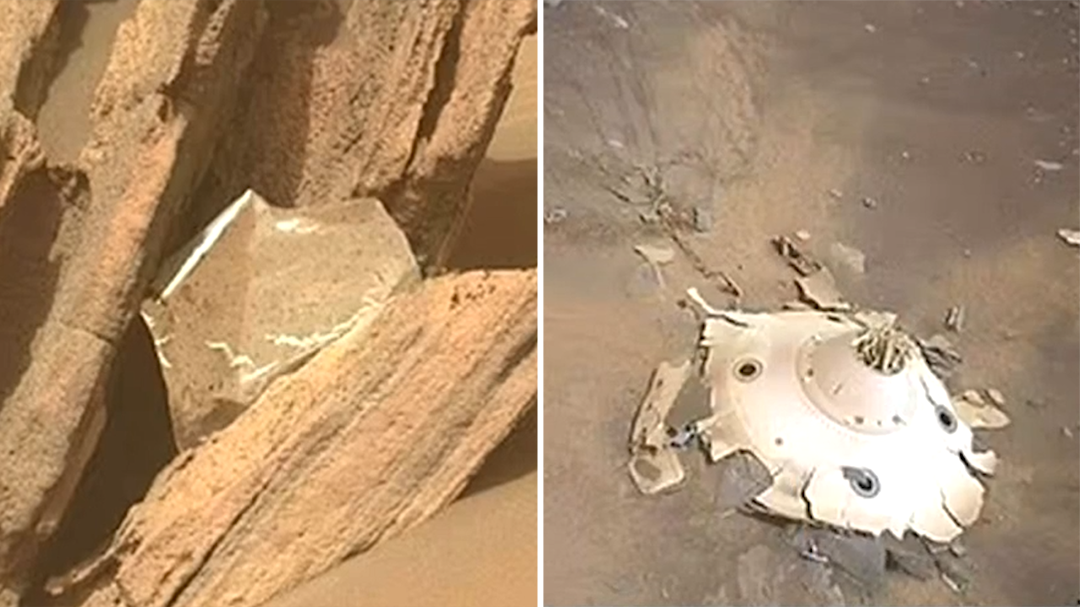

Planetary core offers clues on evolution
Earth has a liquid outer core and a solid inner core, but the Martian core appears to be made entirely from liquid. Mars' core is also slightly denser and smaller than scientists believed, with a radius of approximately 1780 to 1810 kilometres.
"You can think of it this way; the properties of a planet's core can serve as a summary about how the planet formed and how it evolved dynamically over time," study coauthor Nicholas Schmerr, associate professor of geology at the University of Maryland, College Park said in a statement.
"The end result of the formation and evolution processes can be either the generation or absence of life-sustaining conditions. The uniqueness of Earth's core allows it to generate a magnetic field that protects us from solar winds, allowing us to keep water. Mars' core does not generate this protective shield, and so the planet's surface conditions are hostile to life."
Mars currently lacks a magnetic field, but there are traces of magnetism that linger in the Martian crust. The traces lead scientists to believe that Mars likely once supported a potentially habitable environment, but evolved over time to become an inhospitable frozen desert.
"It's like a puzzle in some ways," Lekic said. "For example, there are small traces of hydrogen in Mars' core. That means that there had to be certain conditions that allowed the hydrogen to be there, and we have to understand those conditions in order to understand how Mars evolved into the planet it is today."
READ MORE: NASA Mars robot sends final tweet before dying

Initially, the InSight mission, the first to study the interior of Mars, was only supposed to last for about two years. But NASA extended the mission for another two years.
"The extra mission time certainly paid off," lead study author Dr Jessica Irving, senior lecturer in Earth sciences at the University of Bristol in the United Kingdom, said in a statement.
"We've made the very first observations of seismic waves travelling through the core of Mars.
"Two seismic signals, one from a very distant marsquake and one from a meteorite impact on the far side of the planet, have allowed us to probe the Martian core with seismic waves. We've effectively been listening for energy travelling through the heart of another planet, and now we've heard it."
READ MORE: Perseverance rover records eerie sounds of massive Martian dust devil
The InSight mission continued to collect data about Mars until the very end, falling silent in December 2022 after dust blocked its solar panels from receiving necessary sunlight. But the treasure trove of data the lander collected during four years on the Martian surface has changed the way scientists understand the red planet.
"InSight will continue to influence how we understand the formation and evolution of Mars and other planets for years to come," Lekic said.
Sign up here to receive our daily newsletters and breaking news alerts, sent straight to your inbox.
Explainer: How to play two-up on Anzac Day
“Come in spinner!”
Punters will be screaming it loud and clear today as RSL clubs across the country host games of two-up in commemoration of ANZAC Day.
Typically two-up is only allowed on one day a year, April 25, so today is your chance to be a part of the fun.
READ MORE: Anzac Day trading hours: What will and won't be open on Tuesday April 25

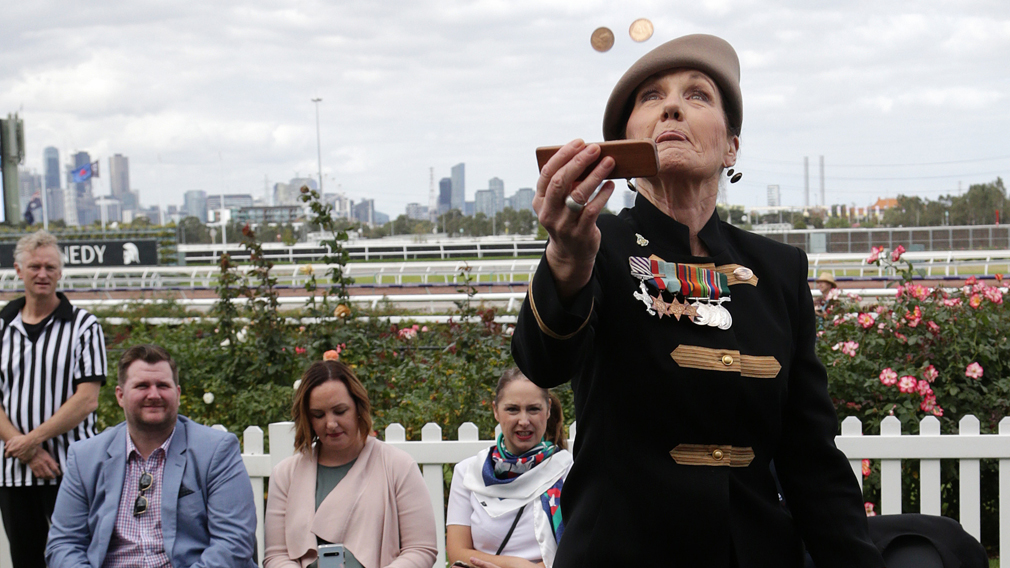
It’s a game even the staunchest opponents of gambling generally oblige.
But before you walk into your local club and start betting money hand over fist, here is a guide to the game and how it’s played.
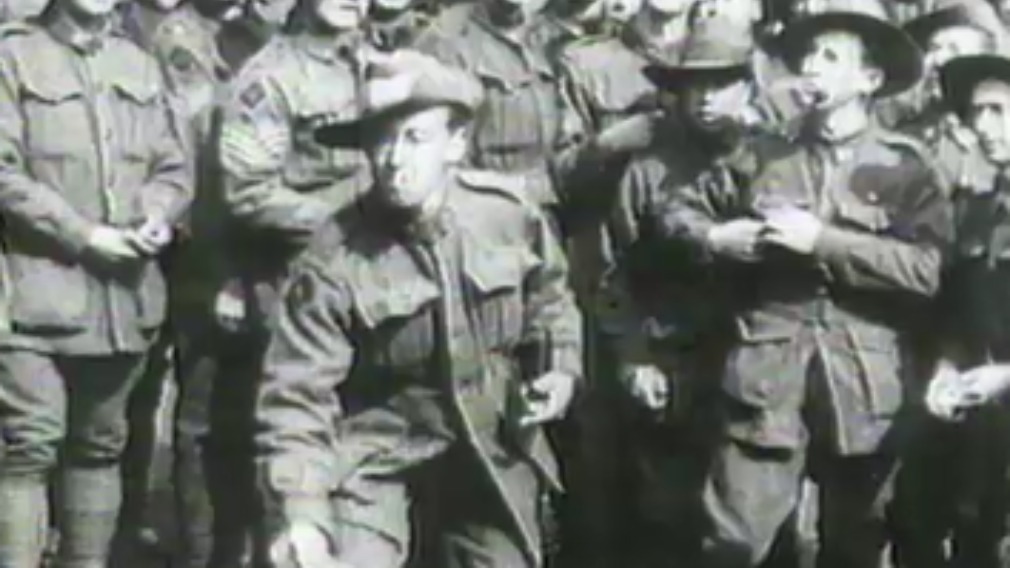
At its most basic level, the game involves one person tossing up two coins and people in the crowd betting on the outcome.
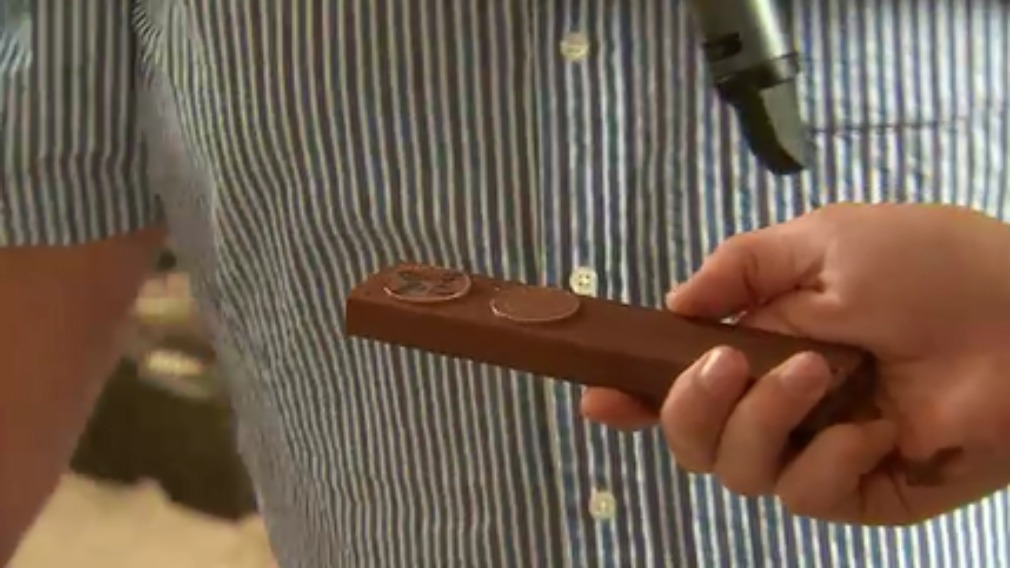
The outcomes are either two heads, two tails or “odds”, which is one of each.
Generally you can only bet on either heads or tails, and continue tossing up until you get a result.
Some venues will allow bets on odds.
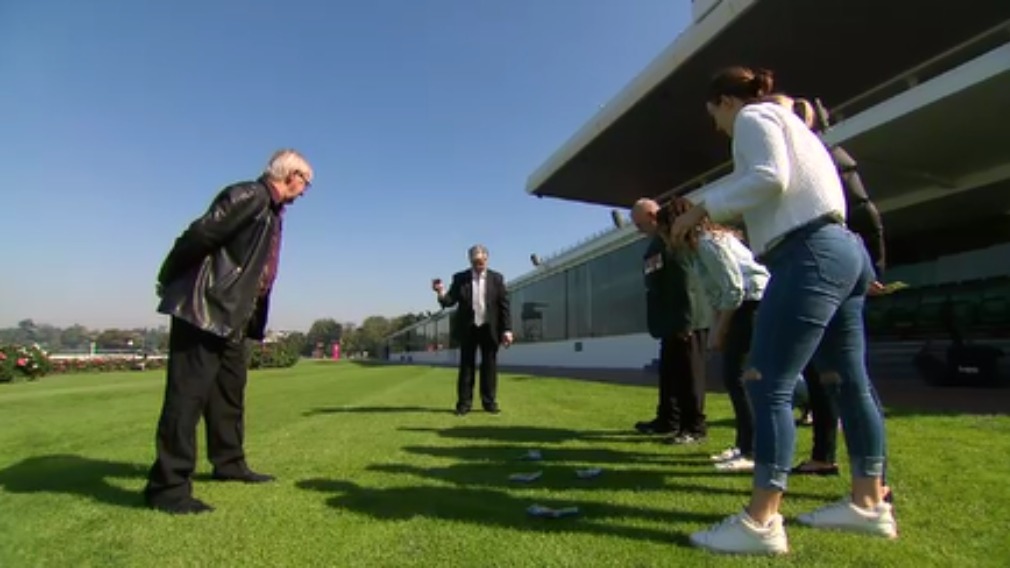
The spinner will make a bet with someone in the crowd and then tosses the coins in the air, making sure they travel at least three metres in the air and land inside the ring.
Money is then exchanged depending on who won the bet.
Several bets are made among people in the crowd or “school” as it’s known, and the whole game is run by the “boxer” who stands in the middle but does not bet.
It’s the boxers job to ensure all bets are paid and people are playing fairly.
They also have discretion when it comes to weak tosses, so make sure to get those coins nice and high.
READ MORE: Your complete guide to Anzac Day Dawn Services around the country
The wooden paddle used to toss the coins is called the “kip”.
The coins are always pennies from before 1939.
In most clubs you will find people betting in $5, $10 and $20 sums but you may find eager punters willing to wager a $50.
But the most important thing to remember when you’re having a beer and tossing up the coins is the men and women who sacrificed their lives to make that moment possible.
Lest we forget.
READ MORE: When and where do double demerits apply in Australia for Anzac Day?
Think! About your choices. Call Gambler's Help, Gambling Help or the ACT Gambling Counselling & Support Service on 1800 858 858 www.gamblinghelp.nsw.gov.au or www.gamblinghelponline.org.au. Think of the people who need your support. Gamble Responsibly.
Prominent surfer awaiting surgery after shark bite
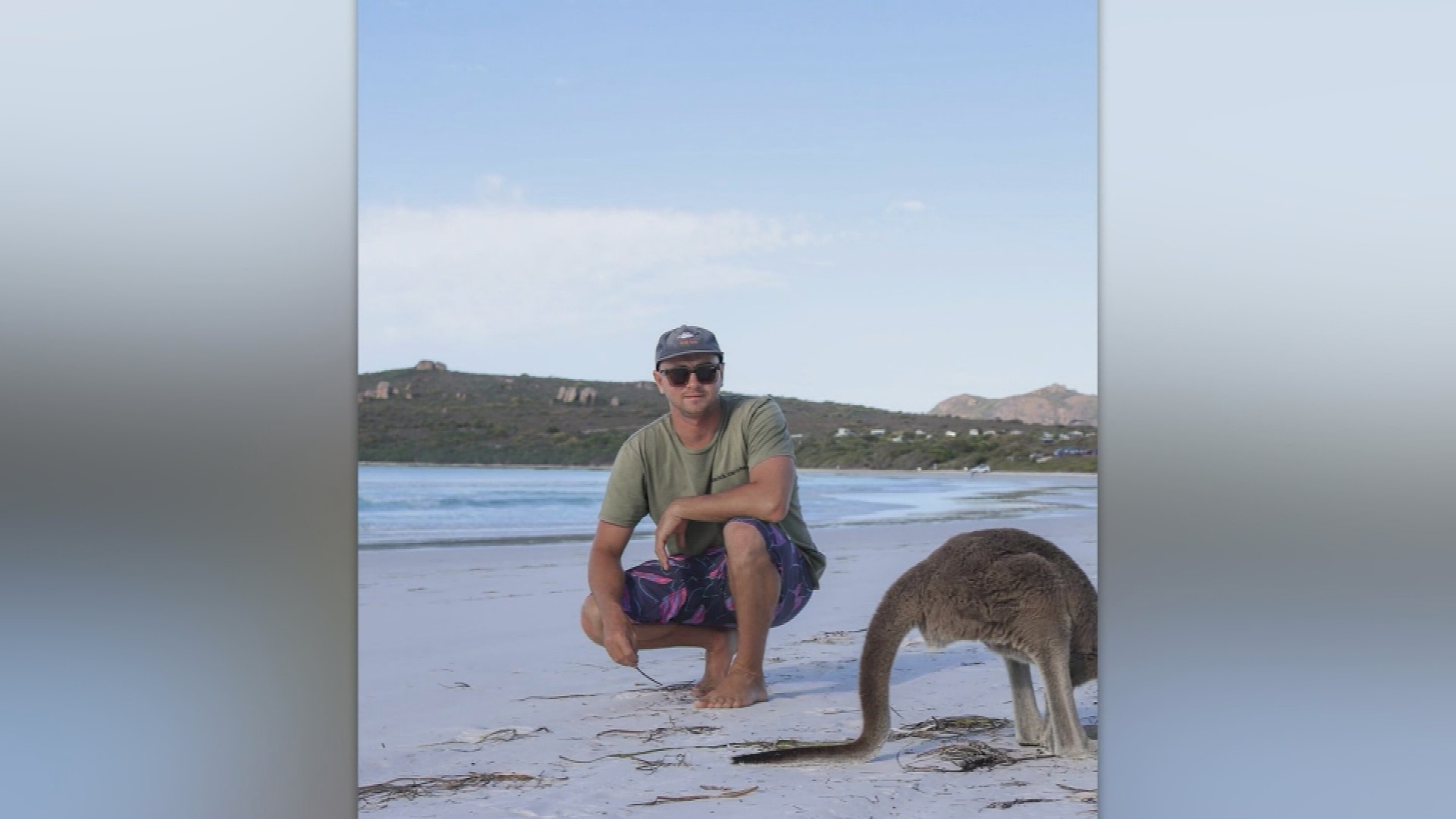
A prominent surfer has punched a shark to escape after it bit him whilst he was surfing at a secluded beach in Western Australia's mid-west.
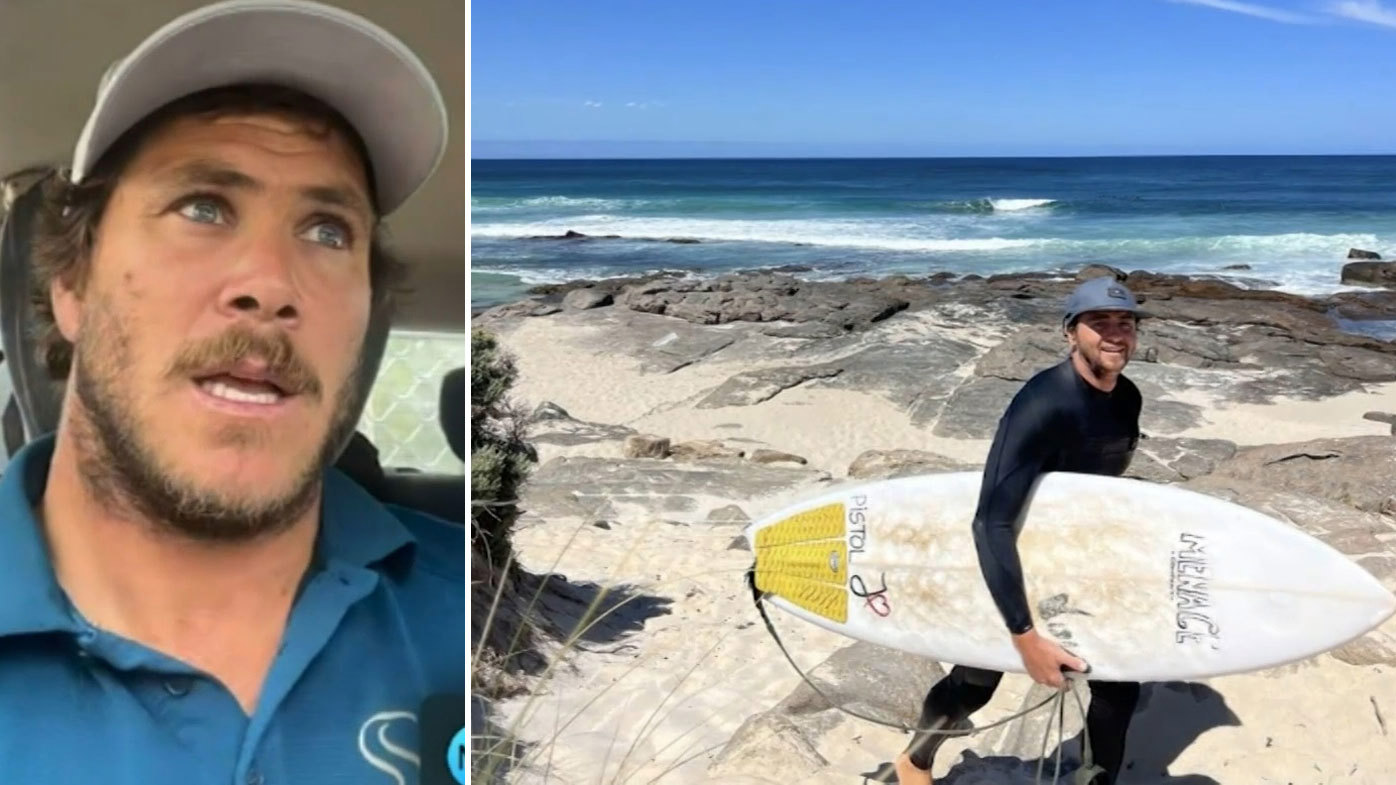
Max Marsden was surfing with his friend Danny Williams at Lucy's Beach, about 20 kilometres south of Geraldton, when he was bitten on his right arm on Sunday.
Williams has been praised for helping his friend after a mad dash back to shore.
READ MORE: Young SA country footballer dies after on-field collision
"It just started thrashing around. He punched it a couple of times," Williams said.
When she shark swam off, Marsden told his friend to paddle in.
"So I caught a wave and then I hear him yelling out," he said.
"I paddle over and helped kind of push him in a few times.
"He paddled through the pain and got him to the beach."
After making a tourniquet for Marsden's wound using a leg rope, the pair walked two kilometres to their car and called triple zero.
"He was just handling it like a champ the whole time," Williams said.
"He really took control of the situation as well, which was pretty amazing when you've just been bitten by a shark."
Marsden's mother said her son was doing "as best as he can" ahead of surgery for lacerations on his right arm.
"We'll just have to wait until we go back up and find when the surgery will be," she said.
Sign up here to receive our daily newsletters and breaking news alerts, sent straight to your inbox.
Man charged after a night of destruction in Paeroa left 11 buildings and three vehicles damaged
Police received multiple reports of damage after a destructive rampage in the town.
Inside the emergency departments at Melbourne's busiest hospitals
The Victorian health system was left critically injured by the pandemic and its recovery is expected to take years.
Cluttered emergency departments, unacceptably long elective surgery wait lists and overstretched GPs are still causing major headaches.
In this special three-part series, 9News goes inside our major hospitals for a wide-ranging health check, guided by the doctors and nurses right in the middle of it.
READ MORE: Your complete guide to Anzac Day services around the country
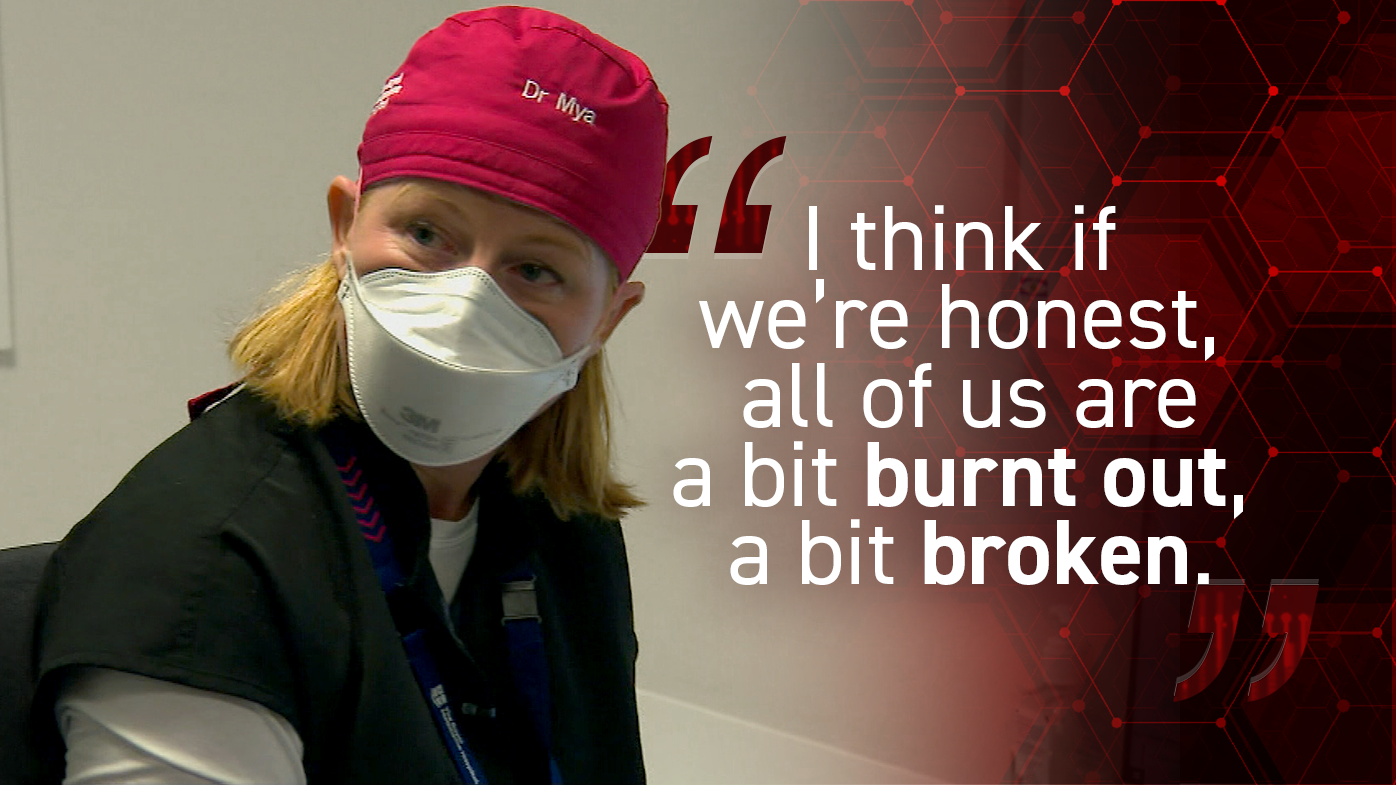
It takes a lot of skill and endurance to work in emergency, and the demands at The Royal Melbourne Hospital in Parkville have never been greater.
The rush of the unwell, trauma victims, drug overdoses and mental health patients often comes at 11am and preparations are in full swing from early in the morning.
The emergency department was down one registrar on the day 9News filmed.
Many of the doctors and nurses there haven't taken a breath since the COVID-19 pandemic hit.
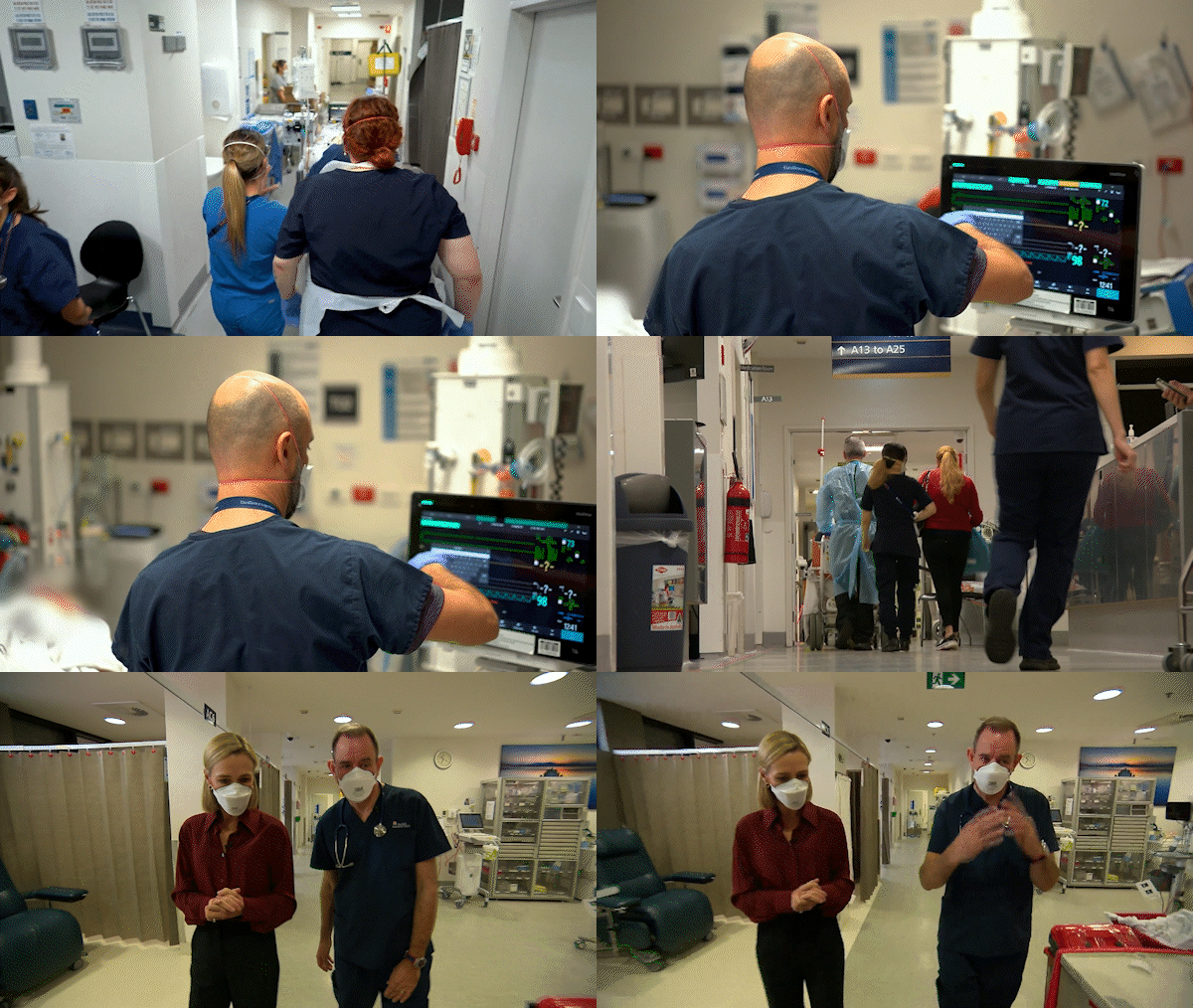
It's like a game of high speed Tetris, trying to fit too many patients into too few beds.
Dr Mya Cubitt, who is the Emergency Physician in Charge at the hospital, told 9News: "I think if we were honest, all of us are a bit burnt out, a bit broken.
"There are days where I'm a bit frightened to come to work that I don't quite have enough in me. But once you get here, it's the same as it's always been. It's the patient in front of you, the care that they need and trying to deliver it."
READ MORE: Driver makes a run for it after crashing allegedly stolen taxi into Melbourne house
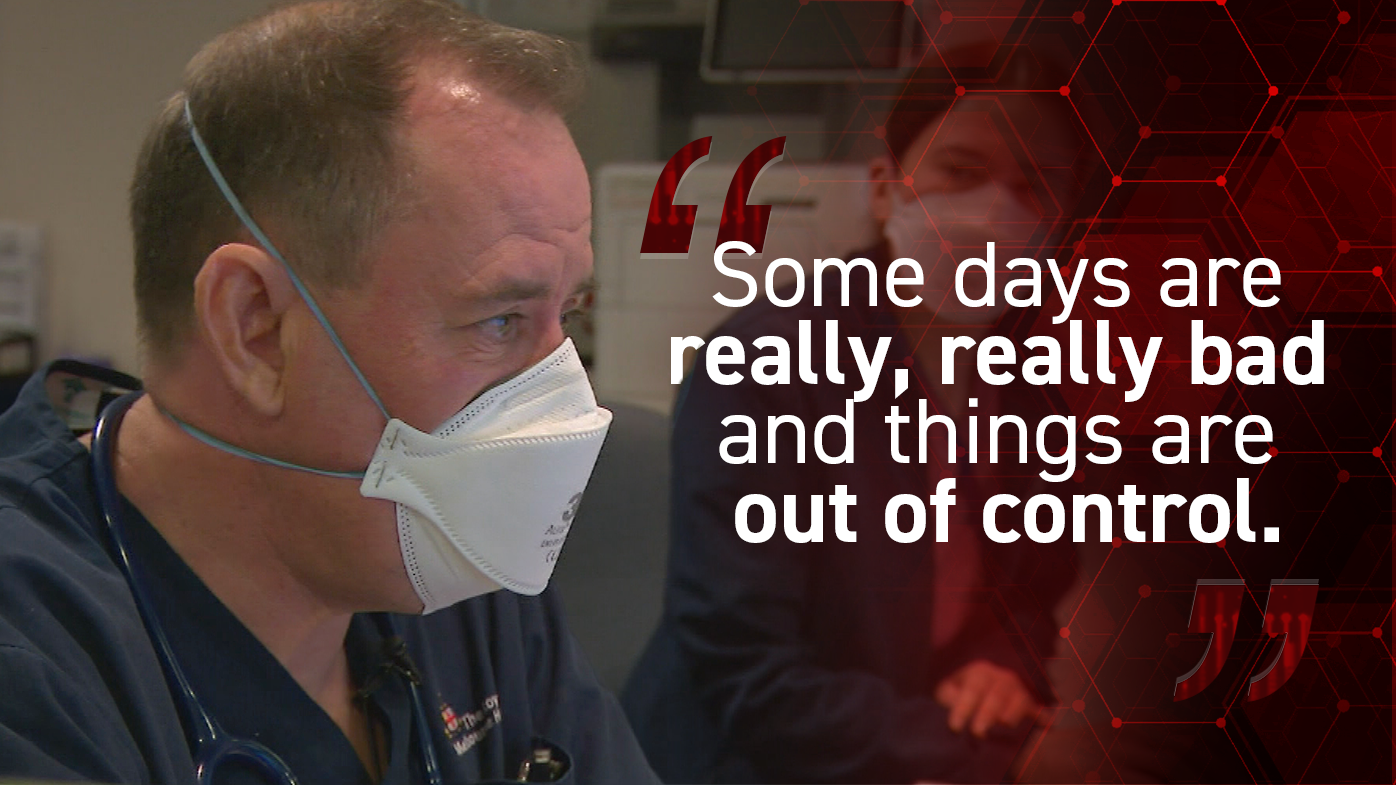
Emergency department physician Dr Jonathan Papson said there were problems everywhere in the system and that the solution for today's issue wouldn't fix tomorrow's headache.
Just while 9News was interviewing him, six more patients arrived at the emergency department.
Dr Papson said patients were "absolutely" having to queue longer for treatment than they did before the COVID-19 pandemic.
"It's hours and hours," he said. "The hospital system is still quite stressed.
"Some days are really, really bad and things are out of control. Other days are better."
The caseload is also unpredictable; from broken legs sustained in bike crashes to serious trauma caused from falls at work.
At The Alfred, in Melbourne, there's a similar set of challenges.
More people are coming into emergency and often they're sicker than pre-pandemic, requiring longer stays in hospital.
Associate nurse manager Shirley Yi said accommodating patients was "like a puzzle".
"Sometimes we're full and we'll have to move some patients out. It is a challenge," she said.
There is trepidation about what lies ahead.
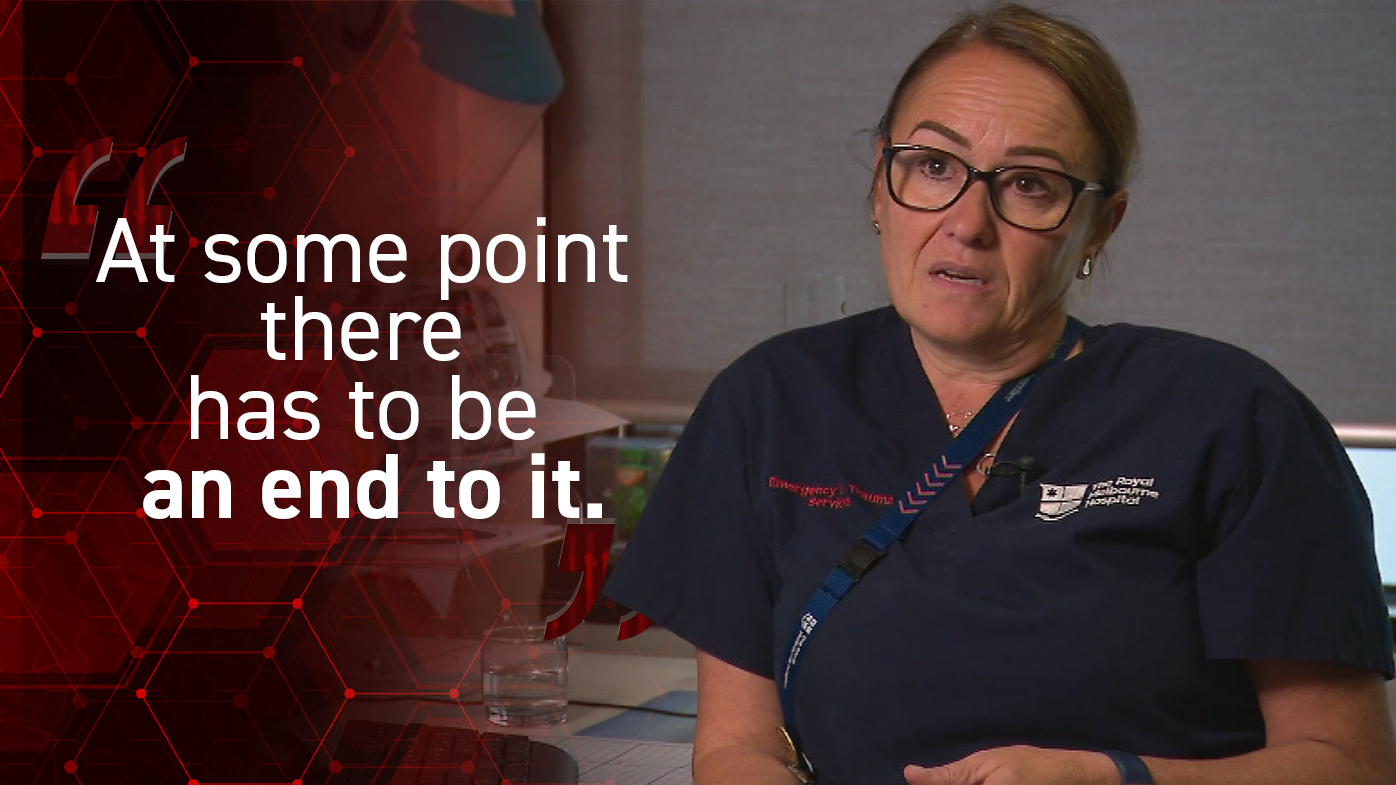
"Everybody's tired and we're concerned that we're not at winter yet," Royal Melbourne Hospital nurse unit manager Susan Harding said.
"At some point, there has to be an end to it. At some point, there is no flexibility left."
But the bonds between those in the system have never been stronger.
Emergency department floor coordinator Maggie Bock said seeing her team rally like they had for the past three years was "just the most incredible thing".
"I work with the most amazing special group of people who I can count on every single day," she said.
"That really keeps me coming back, the team that we work with."
Sign up here to receive our daily newsletters and breaking news alerts, sent straight to your inbox.
Funding for potentially life-saving test due to end soon
Personal trainer Emma Wilson has always maintained her health, so no one was more shocked than her when she suffered a heart attack on a cruise in 2015.
Wilson asked her doctor what was going on and she was told, "You're having a heart attack".
If the 53-year-old had a heart health check, she believes she would have discovered she had high blood pressure and cholesterol earlier.
READ MORE: The deadly heart condition you may not know you have
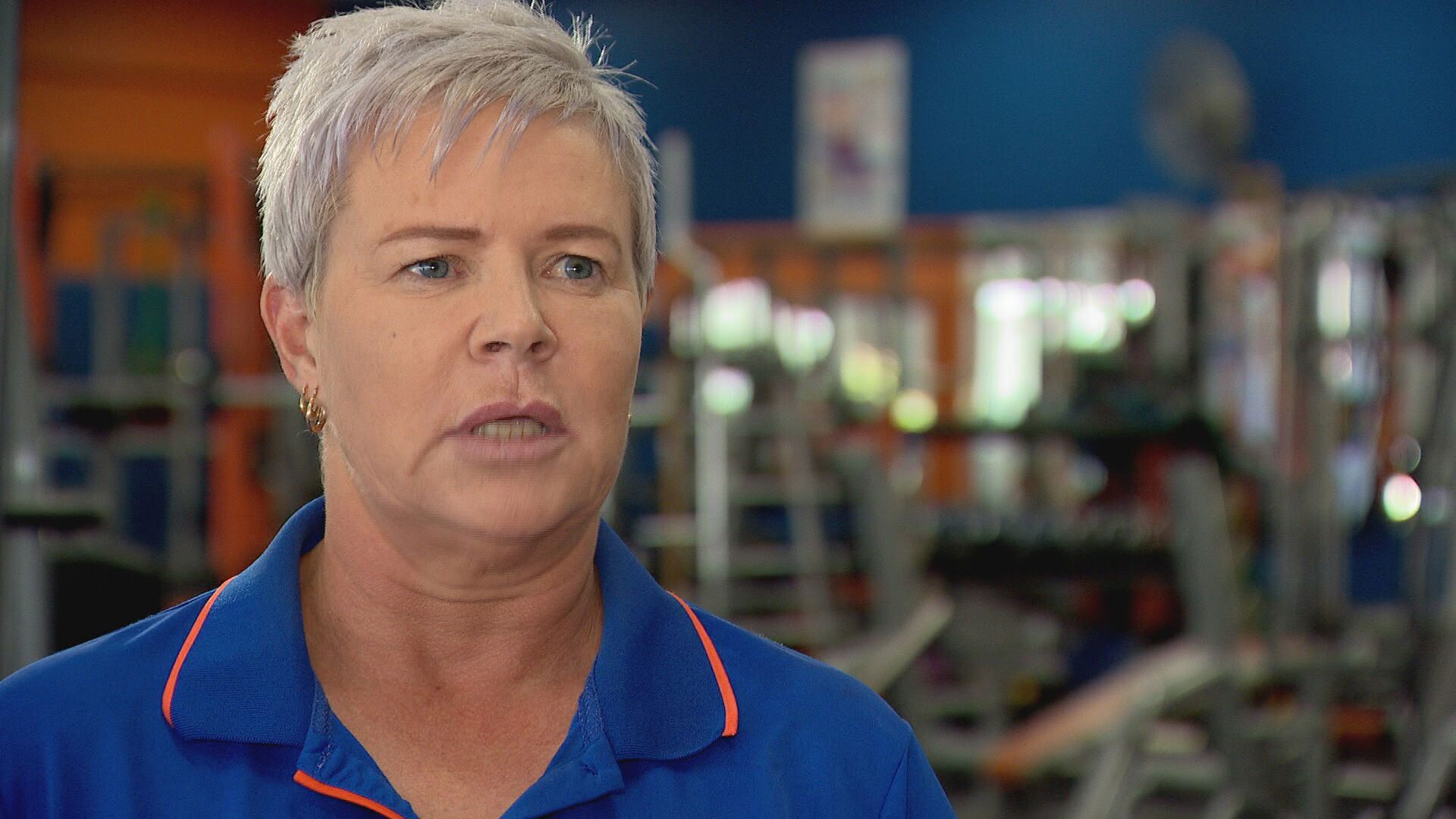
"I wouldn't have to go through the trauma, my children wouldn't have to go through the trauma," Wilson said.
Currently, all Australians aged 45 and older have access to a free heart health check from their doctor through Medicare to determine their risk of heart disease.
But from June 30, funding for the potentially life-saving test is due to end.
"We know that there are screening programs in existence for breast cancer, bowel cancer, cervical cancer but nothing for our leading cause of death," Natalie Raffoul from the Heart Foundation said.
In 2021, there were 17,331 deaths relating to heart disease nationally.
In Sydney, residents in Cumberland, Blacktown and Liverpool have the highest rate of hospital admissions.
READ MORE: Gangland murder accused 'involved in planning' gym execution
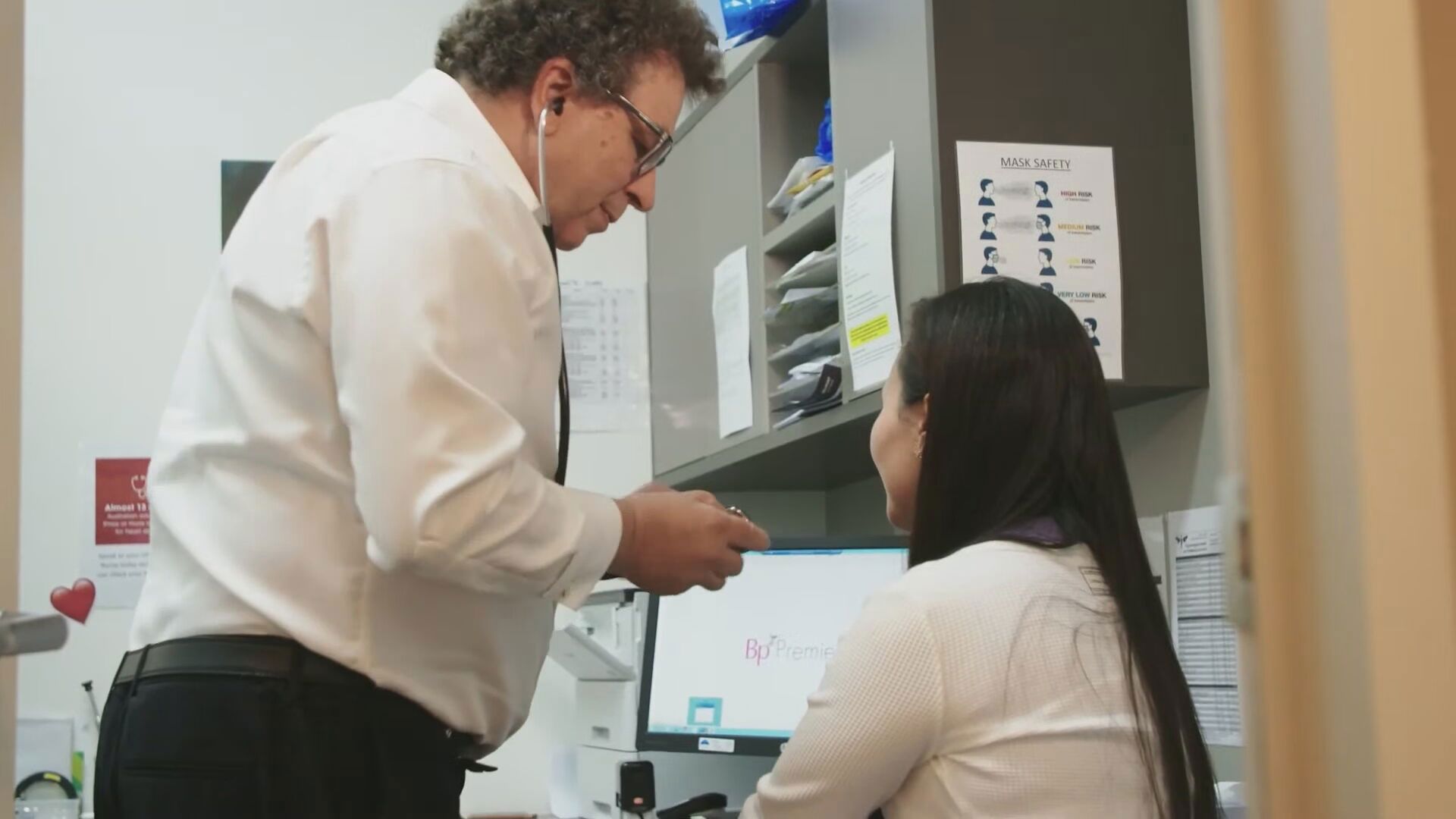
Since the Medicare-funded checks were made available in 2019, close to half a million Aussies have had one.
Doctors are concerned those in the community who need the most will go without if the checks are discontinued.
Cardiologist Dr Ross Walker said heart attacks come at a significant cost to the community.
"What people don't realise is one heart attack costs the community anywhere between $30,000 to $40,000, so if we can do a simple, inexpensive screening test to pick up heart disease early we can defuse those costs later on," he said.
READ MORE: Police scouring CCTV footage in bid to find mother of abandoned baby
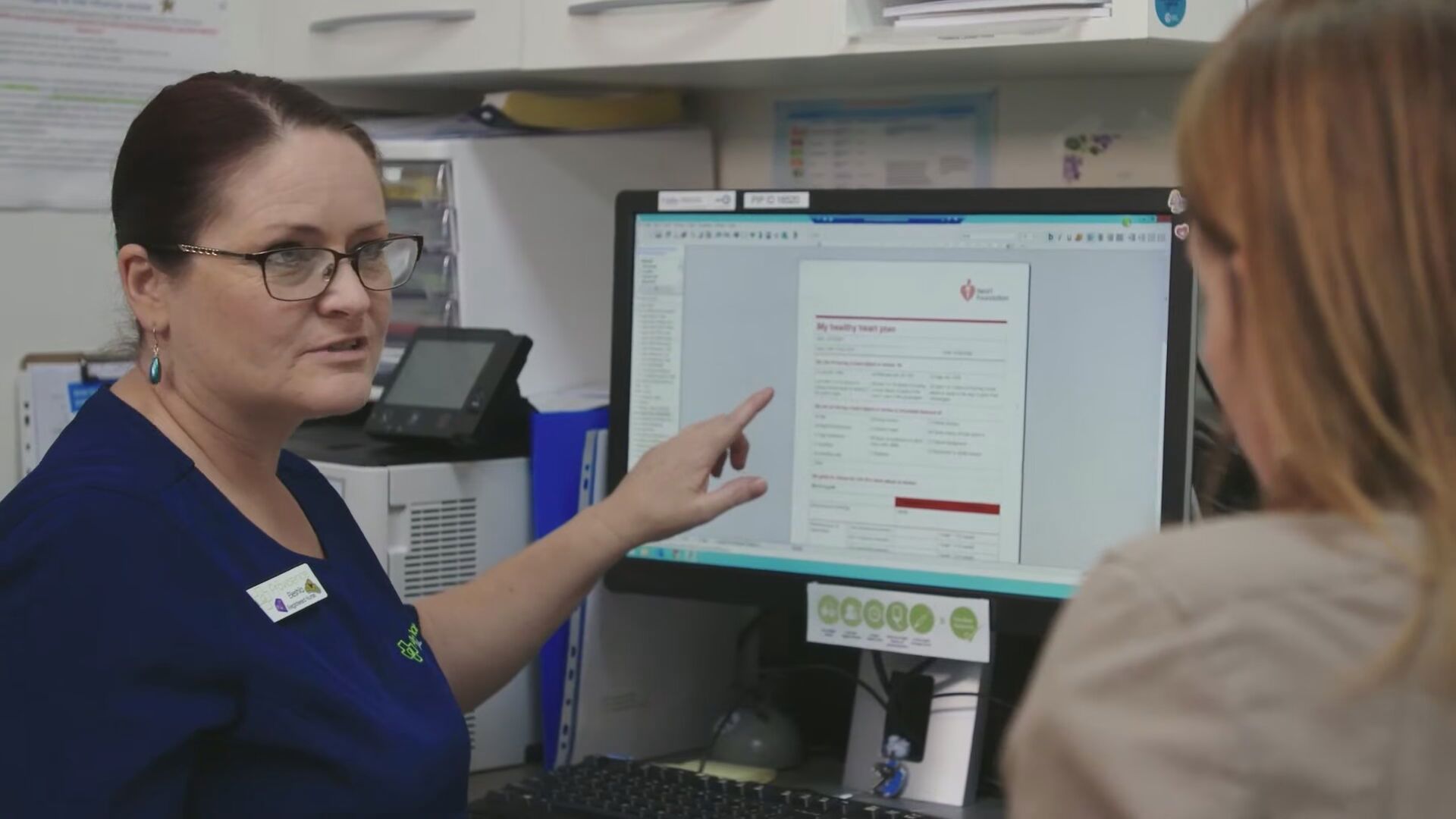
More than 18,000 have signed a Heart Foundation petition to keep the checks on the Medicare benefits schedule.
A government spokesperson told 9News today that the Albanese government "strongly backs" the heart health check.
"An extension of the heart health items is being considered as part of the 2023-24 budget process," the spokesperson said.
The Heart Foundation wants reassurance the item will continue to exist beyond June 30 and "continue to have a life-saving impact on Australians".
Sign up here to receive our daily newsletters and breaking news alerts, sent straight to your inbox.