Tag Archives: oceania

Lab-grown diamonds grow in popularity amid cost-of-living crisis

Diamonds are synonymous with everlasting love because of their origins: forged deep beneath the ground over millions of years, forced closer to the surface by violent volcanic activity and then mined.

"Natural diamonds are really a souvenir from the beginning of time," Anna Whiting from Cushla Whiting told 9News.

"They're one of the oldest things on earth."

READ MORE: Could this powder be the beer industry's 'iPhone moment'?
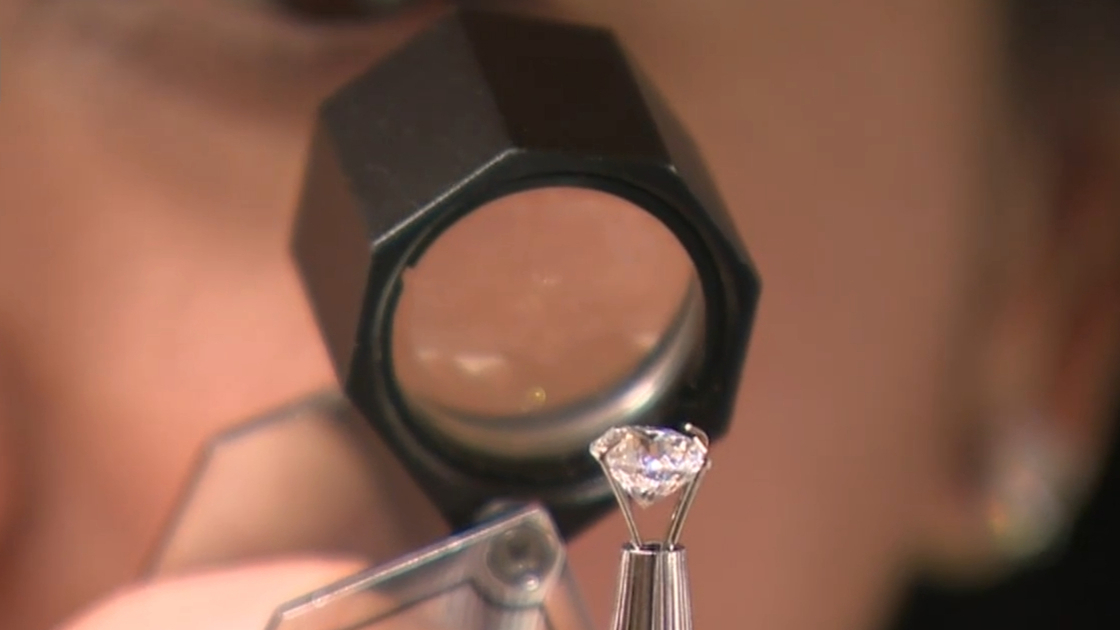
As the cost of living crunch hits, a new kind of diamond is rising and their genesis could not be more different.

That's why the gems are so valuable and expensive.

But as the cost of living crunch hits, a new kind of diamond is rising and their genesis could not be more different.

"You're getting one-and-a-half, two carats, three carats at a fraction of the price," says Alana Weirick from Moi Moi Fine Jewellery, Melbourne's only bricks and mortar lab-grown diamond store.

The dazzle and chemical composition are identical to naturally mined alternatives and they're certified by industry authorities.

"You cannot tell the difference," Weirick says.

Lab-grown diamonds are created by mimicking natural forces and are mostly produced in China and India.

Carbon is blasted with intense heat and pressure and the gems are extracted from the rough, polished and faceted.

READ MORE: Brain drain: Kiwis look here for a better life
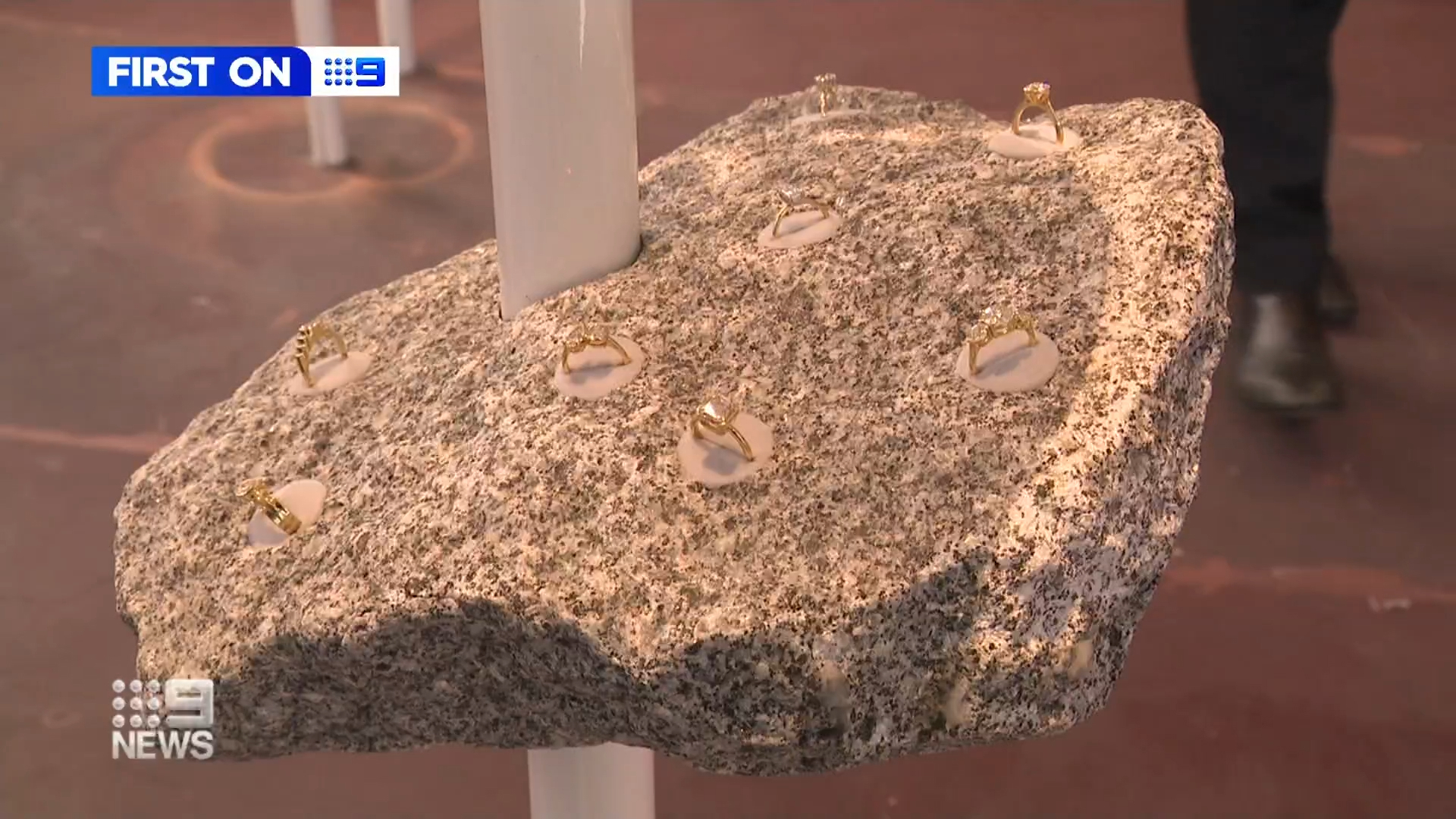
The industry is exploding in popularity and set to be worth close to $35 billion within the next few years.

It's a process that takes around four weeks.

The industry is exploding in popularity and set to be worth close to $35 billion within the next few years.

Among the key reasons for their popularity is the price, around 80 per cent cheaper than the natural stones.

Weirick points to a two-carat lab-grown diamond ring, set in 18-carat white gold.

"This costs $5420. If it was a mined diamond, it would be over $45,000," she says.

The jewels are also winning over millennials thanks to a marketing push which claims they're an ethical and more environmentally sustainable option.

But the bloodthirsty history of diamond mining has led to tight regulations, according to jeweller Anna Whiting, who refutes claims lab-grown alternatives are ethically produced in comparison.

READ MORE: Albanese hails citizenship deal a 'win-win' for Australia and NZ
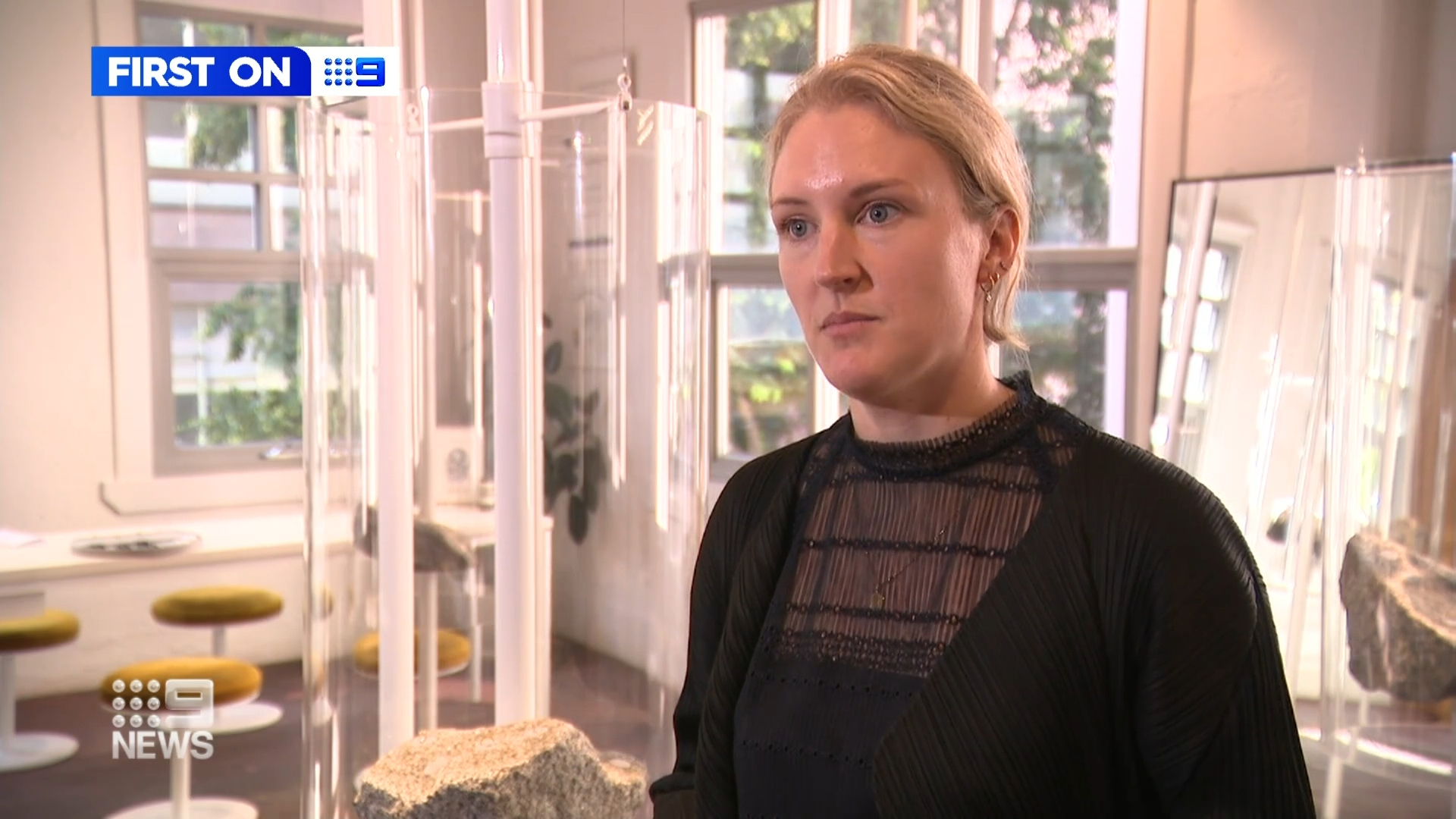
Jeweler Anna Whiting refutes claims lab-grown alternatives are ethically produced in comparison.

"It's been described as the wild west, the lab-grown diamond industry, it's really risen very fast," she says.

"There is no transparency when it comes to working conditions (in the labs)."

If Moi Moi Fine Jewellery is at the forefront of factory diamonds, Cushla Whiting is deeply steeped in tradition.

Run by a family of gemologists, Whiting's brother travels the world sourcing diamonds and building a collection for customers.

"The social and economic benefit that naturally mined diamond industry brings into the countries where diamonds are mined is huge," she says.

"If that was taken away it would be very detrimental to those communities."

Whiting also hits back at claims the manufacturing of the stones is beneficial to the environment.

"I think the carbon footprint is said to be about three times that of natural diamonds with the mainstream technology at the moment."

The diamond merchant admits there's been a drop in sales as Australians grapple with financial pressures but is adamant the unique story behind each stone will keep customers coming back.

"It's a finite resource. If you're investing in a diamond for an engagement ring for example, it's nice to know that it could hold its value and become a family heirloom."

Sign up here to receive our daily newsletters and breaking news alerts, sent straight to your inbox.
Why the 155mm round is so critical to the war in Ukraine

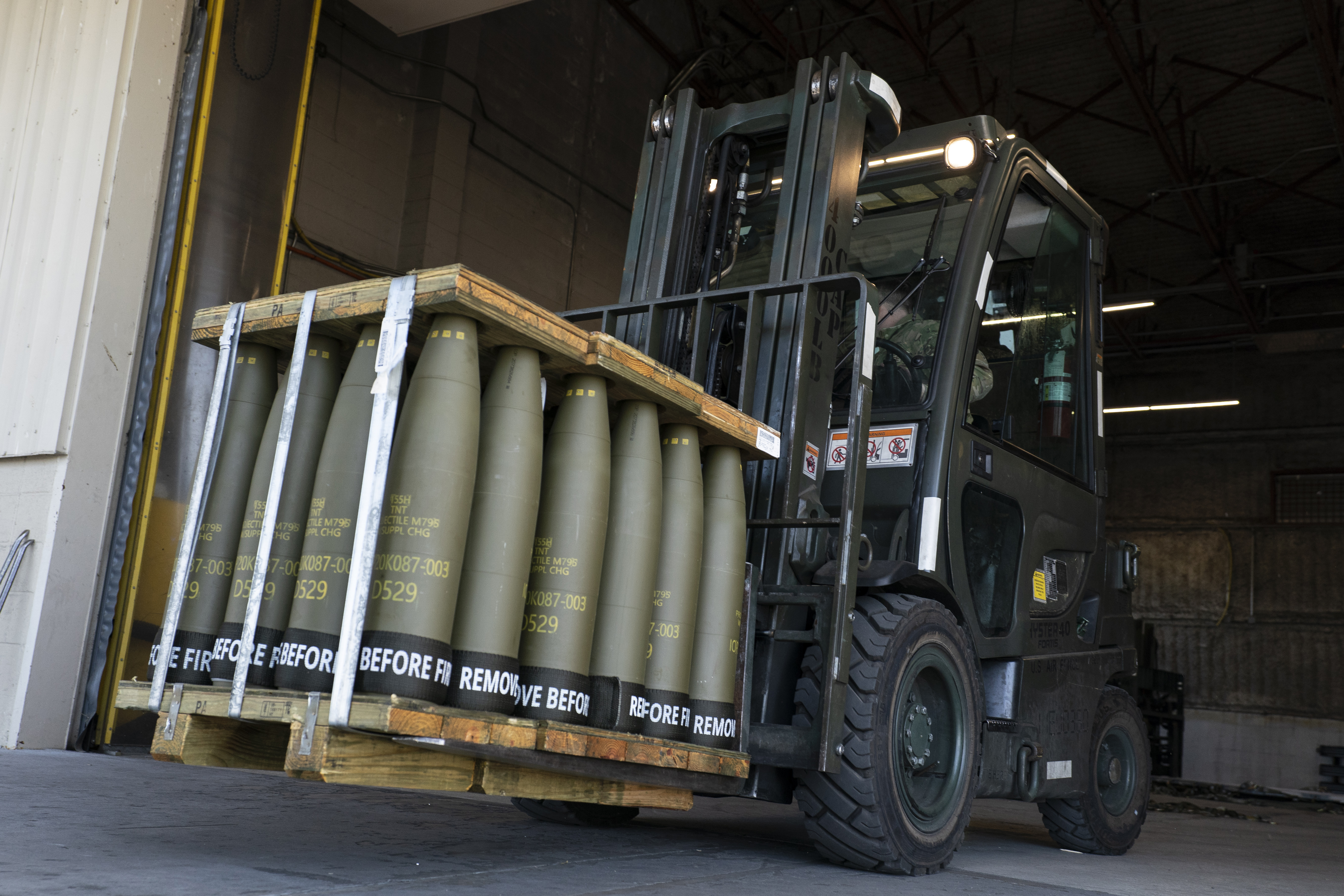
The 155mm howitzer round is one of the most requested artillery munitions of the war in Ukraine.

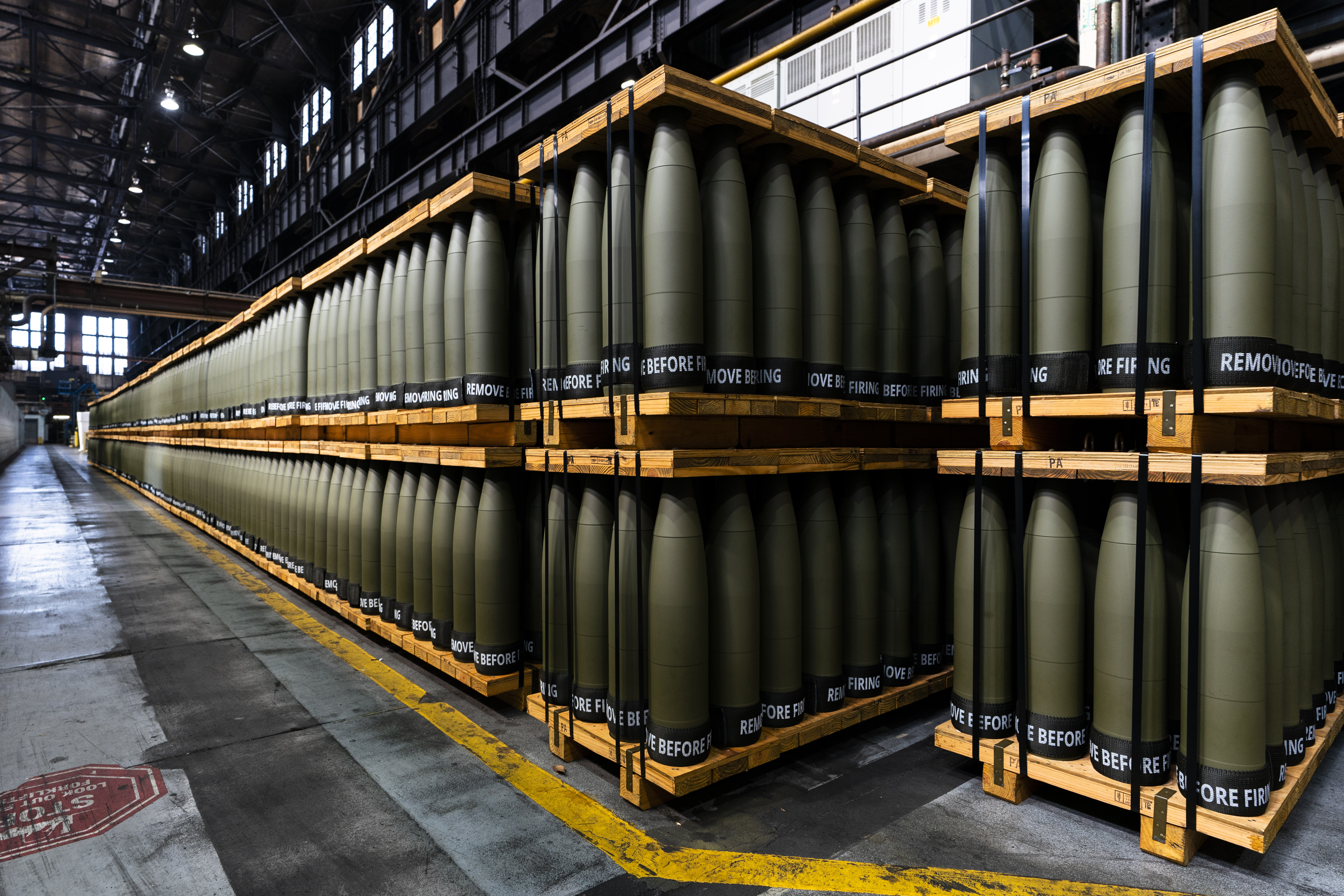
Already the US has shipped more than 1.5 million rounds to Ukraine, but Kyiv is still seeking more.

A look at why this particular munition is so commonly used, and why it's been so critical to the war in Ukraine.

What is the 155mm?

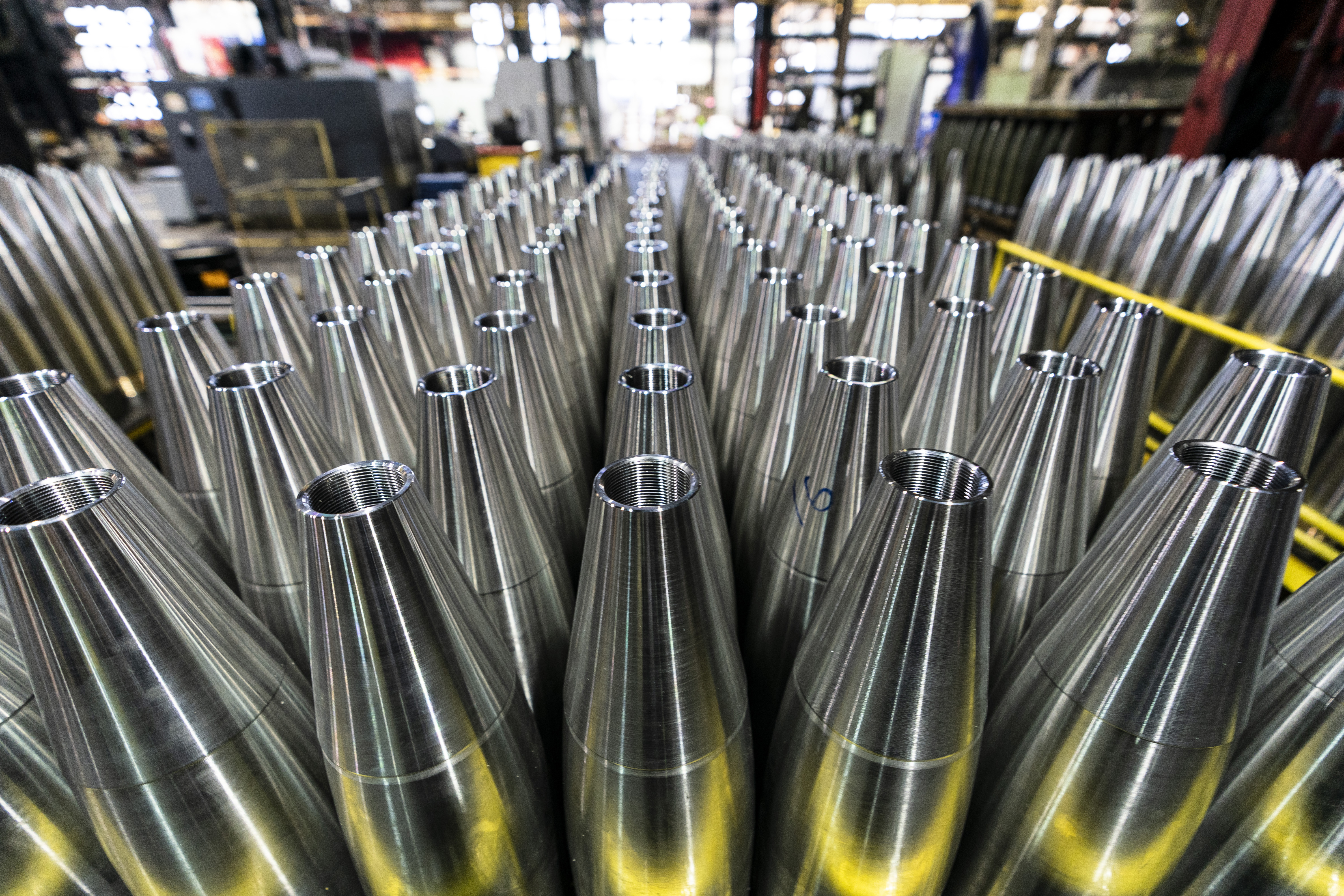
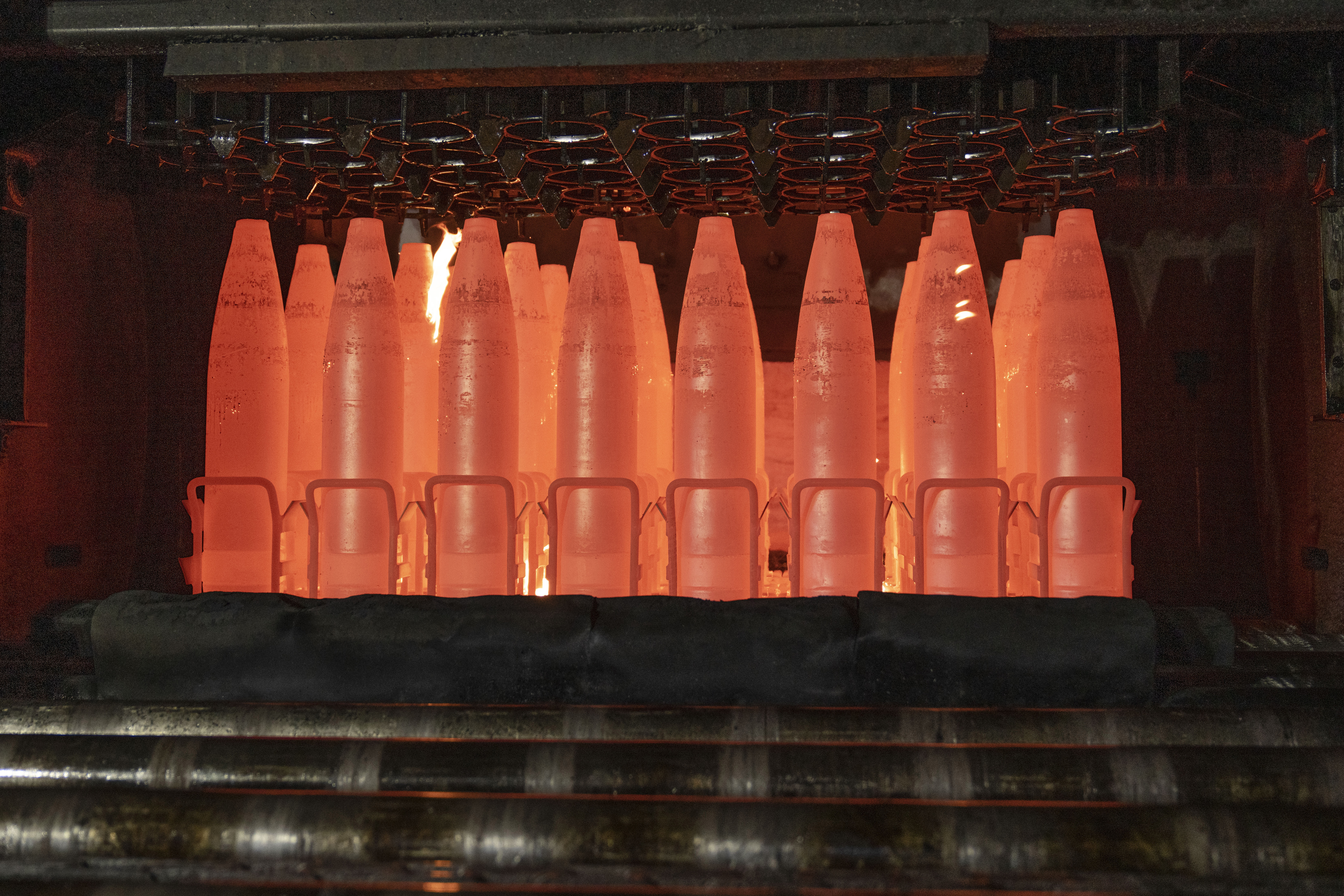
Essentially, the 155mm round is a very big bullet, made up of four parts: the detonating fuse, projectile, propellant and primer.

READ MORE: Russia's air force accidentally bombs own city of Belgorod

Each round is about 60cm long, weighs about 45kg, and is 155mm in diameter.

They are used in howitzer systems, which are towed large guns that are identified by the range of the angle of fire that their barrels can be set to.

The 155mm shells can be configured in many ways: They can be packed with highly explosive material, use precision-guided systems, pierce armour or produce high fragmentation.

Past variants have included smoke rounds to obscure troop movement and illumination rounds to expose an enemy's position.

"The 155mm round and the similar Soviet-era 152mm rounds are so popular because they provide a good balance between range and warhead size," Ryan Brobst, a research analyst at the Foundation for the Defence of Democracies, said.

"If you have too small a shell, it won't do enough damage and go as far.

"If you have a larger shell, you can't necessarily fire it as far. This is the most common middle ground, and that's why it's so widely used."

155mm history

The French first developed the 155 mm round to respond to World War I's extensive trench warfare, and early versions included gas shells, Keri Pleasant, historian for the Army's Joint Munitions Command, said in a statement to The Associated Press.

READ MORE: In a glass cage in Moscow, US reporter's freedom bid is rejected

As World War I continued, the 155mm gun became the most common artillery piece used by the Allies, Pleasant said, and the US Army later adopted it as its standard field heavy artillery piece.

The US military fielded its own version, the M1, for World War II. After the war, the new NATO alliance adopted the 155mm as its artillery standard.

By the Korean War, the round had been modified again, with a cluster munition variant. "The round contained 88 submunitions, which were dispersed over a wide area to destroy vehicles, equipment, and personnel," Pleasant said.

Its use in Ukraine

Howitzer fires can strike targets up to 24 to 32 kilometres away, depending on what type of round and firing system is used, which makes them highly valued by ground forces to take out enemy targets from a protected distance.

"Adversaries don't have much warning of it coming. And it's harder to hide from incoming rounds that are arcing in from the top, which makes it highly lethal," Brobst said.

In Ukraine, 155mm rounds are being fired at a rate of 6000 to 8000 a day, said Ukrainian parliamentary member Oleksandra Ustinova, who serves on Ukraine's wartime oversight committee.

They are eclipsed by the estimated 40,000 Russian variant howitzer rounds fired at them, she told reporters at a recent Washington event sponsored by the German Marshall Fund.

READ MORE: Zelenskyy slams 'beasts' who purportedly beheaded Ukrainian soldiers

The Pentagon previously had said how many rounds it was providing in each of the security assistance packages being sent about every two weeks to keep weapons and ammunition flowing into Ukraine.

But it stopped specifying the number of 155mm rounds shipped in each package in February, citing operational security.

However, in its overall count of assistance provided to Ukraine since Russia invaded in February 2022, the Pentagon says it has sent more than 160 155mm howitzers, more than 1.5 million 155mm rounds, more than 6500 precision-guided 155 mm rounds and more than 14,000 155mm Remote Anti-Armor Mine (RAAM) Systems — essentially a 155mm shell packed with four mines that scatter on the ground and can take out a Russian tank if it drives over them.

Other countries have also provided howitzers, but Kyiv has continually asked for more.

As of last year Ukrainian officials were requesting as many as 1000 howitzer systems to push Russian forces back.

Spring offensive

As Ukraine prepares for an intense counteroffensive this spring, it will likely need to fire 7000 to 9000 155mm shells a day, said Yehor Cherniev, a member of Ukraine's parliament who spoke to reporters at the German Marshall Fund event.

In recent months, the Biden administration has been using presidential drawdown authority to send ammunition directly from US military stockpiles to Ukraine, instead of having to wait and buy rounds from defence firms, so they can get there in time for the anticipated Ukrainian counteroffensive.

The US has also been training Ukrainian troops in Germany on how to better use the 155 mm rounds in combined arms tactics — coordinating strikes with targeting information provided by forward-based troops and other armoured systems to maximise damage and reduce the number of rounds needed to take out a target.

Could this powder be the beer industry's 'iPhone moment'?

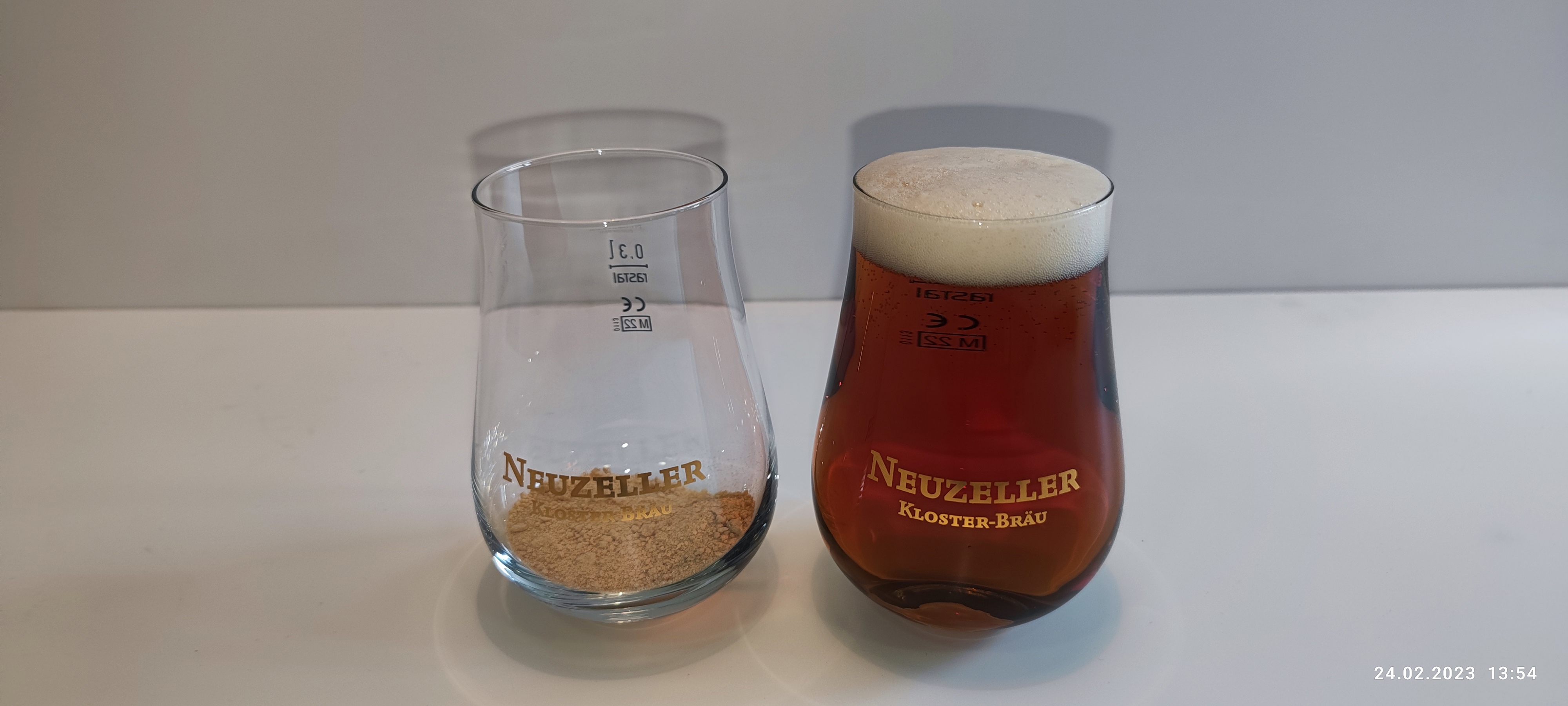
A pure German beer famously contains just three ingredients.

The newest innovation involves just three steps: add water, add powder, mix.

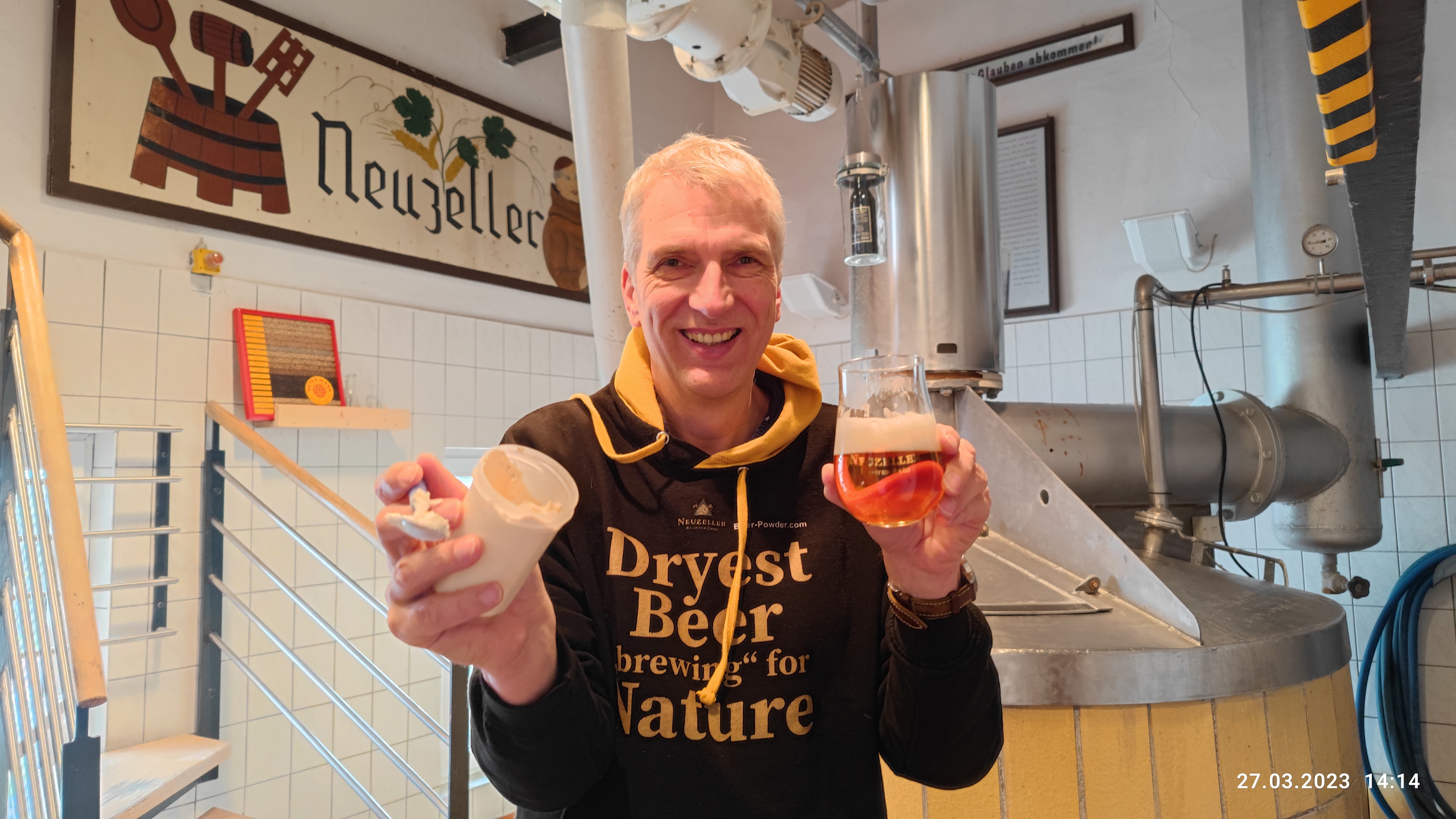
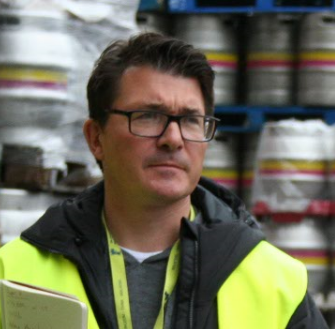
The man behind the beer powder, Klosterbrauerei Neuzelle managing director Stefan Fritsche, believes it will revolutionise the brewing industry.

READ MORE: Warning to drivers as school zones return on pupil free day

His idea is to radically cut transport costs, making shipping a crisp German pilsner to Australia or Africa significantly more affordable and eco-friendly.

But one expert isn't so sure, saying the idea is interesting and "could be fun" but he can't see it taking off, or tasting particularly good.

The idea is relatively simple, even if the technique behind it is much more complicated, and tightly guarded by Fritsche and his team at the family-run monastery brewer with a history that dates back not years but centuries.

"One thing which I didn't like all the time was that I'm just transporting mainly water and bottles, and how to get rid of water and bottles," he told 9news.com.au.

"So finally we said no, let's try to do some powder, maybe just a taste of beer … to export this to the world."

Almost two years later, with the help of some federal government funding and what Fritsche said was €400,000 ($652,000) of the brewery's own money, the beer boffins had their proof of concept.

It's a "dextrin-rich beer" brewed using traditional methods and then transformed into a "water-soluble beer powder/granulate".

But that's all Fritsche will say.

READ MORE: Qantas plane forced to turn back to Melbourne

"Pulverbier" is the latest in a long-line of attention-grabbing brews from Neuzeller Klosterbrauerei Neuzeller but Fritsche insists it's not a gimmick.

Their second batch — the first still wasn't quite right — is a pilsner, which Fritsche describes as the best alcohol-free beer he's ever tasted.

He plans to create alcoholic versions and up the carbonation, which he admits is still somewhat lacking, with future brews.

He was also playing coy about where he hoped to sell the beer, but said he had "contact with very interesting people around the world".

"People from the brewing area, of course, and people from the production area like that who know exactly what is now happening," he said. 

"I'm feeling a little bit like this iPhone moment. You know, I would call it the iPhone moment.

" … You see some things and yes, this is exactly what we need."

READ MORE: The move that could stop annoying scam messages in tracks

But Assistant Professor Rod White from the University of Nottingham warns there's a long road ahead when "messing with something very special to people".

"Even if it tastes okay, I've worked in brewing a long time before I did this job, and you mess with people's beer at your peril," the former Molson Coors UK lead technical auditor told 9News.com.au.

"Your beer is very, very emotive — you don't need anyone to tell you that as an Australian — beer is emotive, it's, it's regional."

While Fritsche is confident of widespread success leading bigger brewers to follow his lead, White would be "shocked" if such a "conservative" industry accepted such a radical change.

Instead, he sees a potential market among campers, hikers and in other areas where weight is an issue, and thinks the real benefit is not so much in stripping the water out of the beer but cutting back on packaging.

If beer makers and drinkers want to do something to cut back on their carbon footprint, White has two suggestions.

First, switch to aluminium cans. Second, go to the pub.

"I think we'd be far better off as a society drinking less but drinking more in pubs socially, you know, trying to fight social exclusion," he said.

"Moderate consumption pubs is a marvellous thing that's good for humanity. 

"And I think swigging cans at home in front of the telly probably doesn't have a great deal of value other than, you know, maybe you want a beer on a Friday after a heavy week."

Sign up here to receive our daily newsletters and breaking news alerts, sent straight to your inbox.