Tag Archives: oceania

The world was just given a health check. It failed miserably

Droughts, floods and record low ice levels – from the top of the world's mountains to the depths of the ocean, the climate crisis took a heavy toll as it continued to intensify in 2022, new analysis from the World Meteorological Organisation shows.

The WMO's annual State of the Climate Report, published Friday ahead of Earth Day, is essentially a health checkup for the world.

It analyses a series of global climate indicators – including levels of planet-heating pollution, sea level rise and ocean heat – to understand how the planet is responding to climate change and the impact it is having on people and nature.

READ MORE: US Supreme Court preserves access to abortion pill for now
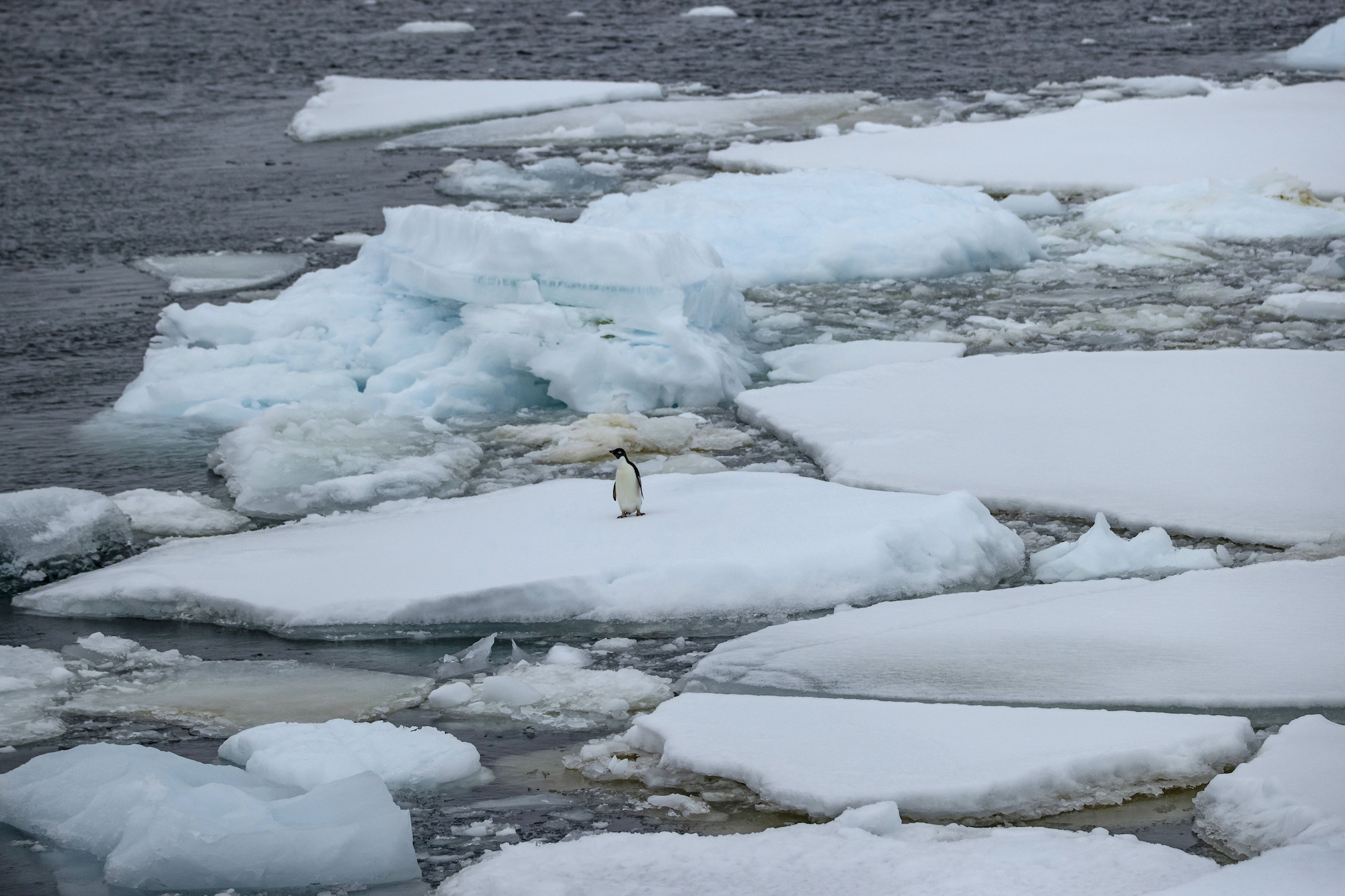
The findings paint a stark picture.

"2022 was a year of extremes for the planet – and this continues the trend set in previous years," Omar Baddour, head of the Climate Monitoring and Policy Division at the WMO, told CNN.

A slew of climate records were broken, many of which have been, or are on course to be, broken again this year:

  • Oceans reached record-high temperatures, with nearly 60 per cent experiencing at least one marine heatwave.
  • Global sea levels climbed to the highest on record due to melting glaciers and warming oceans, which expand as they heat up.
  • Antarctica's sea ice dropped to 1.92 million square kilometres in February 2022, at the time the lowest level on record (the record was broken again this year).
  • The European Alps saw a record year for glacier melt, with Switzerland particularly badly affected, losing 6 per cent of its glacier volume between 2021 and 2022.

Levels of planet-warming pollution, including methane and carbon dioxide, reached record highs in 2021, the latest year for which there is global data.

These broad climate indicators are an important reflection of the state of the planet, the report noted, but extreme weather events – fueled by climate change – are where the immediate effects are most felt.

READ MORE: New satellite data reveals scary news for 40 per cent of the world

"While greenhouse gas emissions continue to rise and the climate continues to change, populations worldwide continue to be gravely impacted by extreme weather and climate events," WMO Secretary-General Petteri Taalas said in a statement.

Last year, climate change-fueled extreme weather "affected tens of millions, drove food insecurity, boosted mass migration, and cost billions of dollars in loss and damage," he said.

In 2022, China had its most extensive and long-lasting drought on record.

Droughts also affected East Africa, with more than 20 million people in Ethiopia, Kenya and Somalia facing acute food insecurity as of January this year.

Many western and southern US states experienced significant drought and Europe's punishing heatwave is estimated to have led to 15,000 excess deaths.

In Pakistan, record-breaking rainfall left huge swaths of the country underwater, killing more than 1700 people, with almost eight million displaced, and causing $30 billion in damages.

The most vulnerable are the hardest hit, Baddour said.

"Communities and countries which have contributed least to climate change suffer disproportionately."

Last year is unlikely to be an outlier, as temperatures continue their upwards trajectory.

READ MORE: Police 'really concerned' about mother of newborn abandoned in Sydney backyard
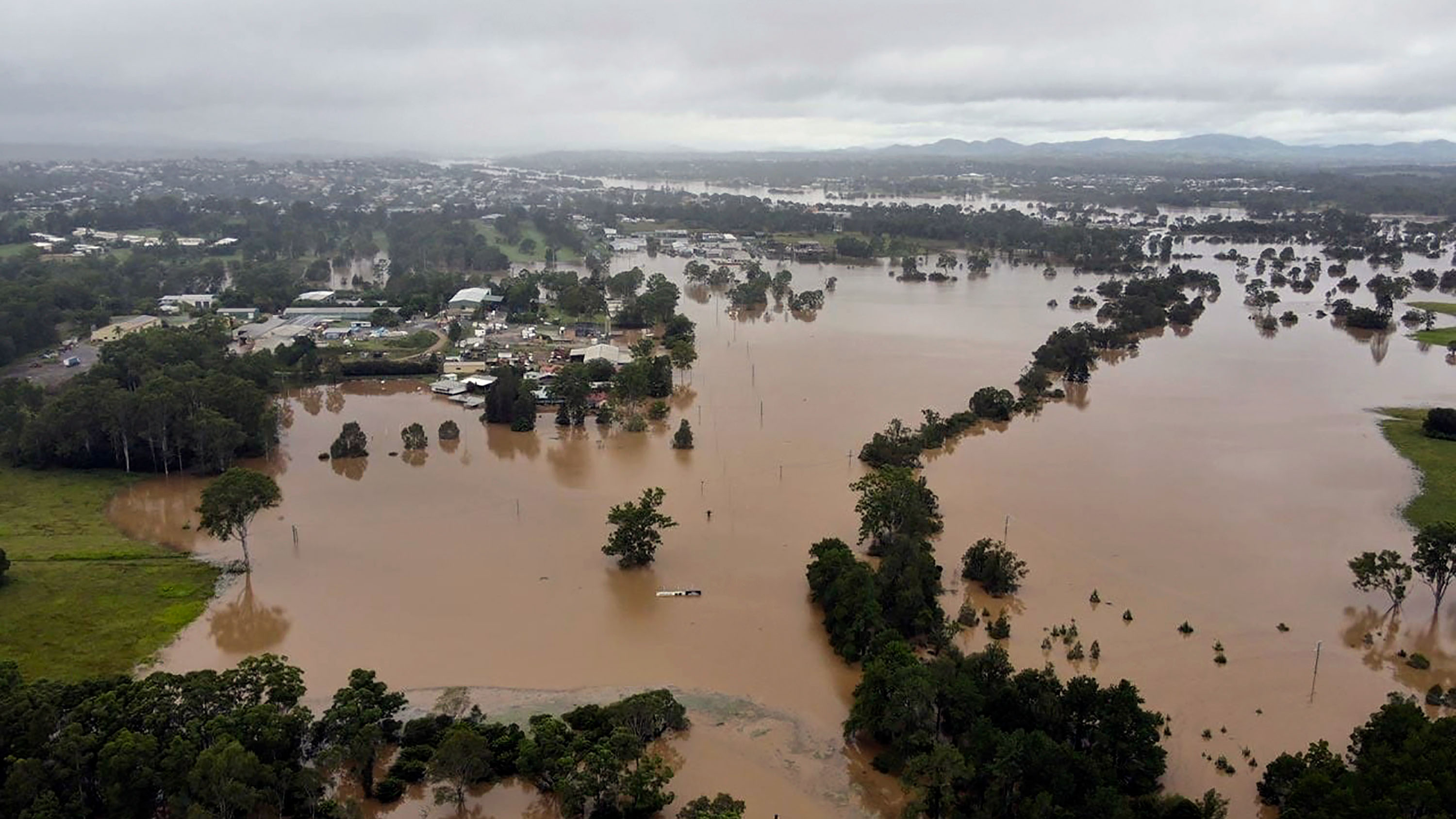
water floods land and buildings near Gympie

The past eight years were the hottest on record, despite three consecutive years of the La Niña climate phenomenon, which has a global cooling effect.

The global average temperature last year climbed to about 1.15 degrees above pre-industrial levels, according to the report, as the world continues its march towards breaching 1.5 degrees of warming for the first time.

With the predicted arrival later in the year of El Niño, which brings warmer global temperatures, scientists are deeply concerned that 2023 and 2024 will continue to smash climate records.

The hottest year on record, 2016, was the result of a strong El Niño and climate change, said Baddour.

"It is only a matter of time before that record is broken."

The WMO report follows an analysis published on Thursday by the European Union's Copernicus Climate Change Service, which focused on how climate change affected Europe last year.

It highlighted "alarming" changes to the continent's climate, including the hottest summer ever recorded, unprecedented marine heatwaves in the Mediterranean Sea and widespread wildfires.

"The droughts and level of heatwaves that we saw throughout 2022 were quite remarkable," Samantha Burgess, deputy director of Copernicus, told CNN.

"This is really a wake-up call that climate change isn't a future problem, it is a current problem. And we need to adapt as quickly as possible," she added.

Sign up here to receive our daily newsletters and breaking news alerts, sent straight to your inbox.

ACCC wants public contributions in interest rates investigation

Australia's competition regulator is calling on banks and customers to share their views on the competition and consumer issues affecting how interest rates are set.

The Australian Competition and Consumer Commission (ACCC) has opened its inquiry into retail deposits for submissions following the cash rate target increasing from 0.35 per cent in May 2022 to 3.60 per cent in March 2023.

While financial institutions were often quick to pass on those interest hikes to home loan customers, the same was not always true for savings products.

READ MORE: Fast-tracked Aussie citizenship to be offered to New Zealanders living here

The regulator is assessing the criteria banks use when making rate decisions, including whether a person's profession or other demographic information affects the rates customers receive.

"The vast majority of Australian consumers have at least one savings, transaction, term deposit or other retail deposit account, and collectively Australians hold over $1.45 trillion in retail deposit accounts," ACCC Chair Gina Cass-Gottlieb said.

"For many Australians, the interest earned on these accounts is an important source of income, and consumers are understandably keen to ensure they are receiving a good return on their savings."

The ACCC will consider how banks have adjusted their rates for deposit accounts following changes to the cash rate target, including the use of introductory and other conditional interest rate offers.

"We are eager to hear about competition and consumer issues affecting the supply of retail deposit products to Australian consumers and self-managed super funds," Cass-Gottlieb said.

"This inquiry will closely examine how banks make decisions on interest rates, and any barriers consumers face in getting a better deal".

It will also investigate how interest rates of similar products vary between consumers depending on amounts deposited, whether they are new or existing customers, whether they hold other products with the same bank or if they belong to a particular demographic.

"We also want to hear from consumers and consumer organisations about experiences in searching for and taking up retail deposit products, including any impediments consumers face in switching banks to get a better deal," Cass-Gottlieb said.

The inquiry will also analyse how banks and other financial institutions compete with each other, and the potential for entry by new competitors.

Submissions can be made until May 19 by emailing fs***********@******ov.au

Sign up here to receive our daily newsletters and breaking news alerts, sent straight to your inbox.

US Supreme Court preserves access to abortion pill for now

The US Supreme Court on Friday preserved women’s access to a drug used in the most common method of abortion, rejecting lower-court restrictions while a lawsuit continues.

The justices granted emergency requests from the Biden administration and New York-based Danco Laboratories, maker of the drug mifepristone.

They are appealing a lower court ruling that would roll back Food and Drug Administration approval of mifepristone.

READ MORE: Police 'really concerned' about mother of newborn abandoned in Sydney backyard

The drug has been approved for use in the US since 2000 and more than five million people have used it.

Mifepristone is used in combination with a second drug, misoprostol, in more than half of all abortions in the US.

The court's action Friday almost certainly will leave access to mifepristone unchanged at least into next year, as appeals play out, including a potential appeal to the high court.

The next stop for the case is at the New Orleans-based US Court of Appeals for the 5th Circuit, which has set arguments in the case for May 17.

Two of the nine justices — Samuel Alito, the author of last year’s decision overturning Roe v. Wade, and Clarence Thomas — voted to allow restrictions to take effect, and Alito issued a four-page dissent.

No other justices commented on the court’s one-paragraph order, and the court did not release a full vote breakdown.

President Joe Biden praised the high court for keeping mifepristone available while the court fight continues.

“The stakes could not be higher for women across America. I will continue to fight politically-driven attacks on women’s health. But let’s be clear — the American people must continue to use their vote as their voice, and elect a Congress who will pass a law restoring the protections of Roe v. Wade,” Biden said in a statement.

READ MORE: Fast-tracked Aussie citizenship to be offered to New Zealanders living here

Alliance Defending Freedom, representing abortion opponents challenging the FDA's approval of mifepristone, downplayed the court's action.

“As is common practice, the Supreme Court has decided to maintain the status quo that existed prior to our lawsuit while our challenge to the FDA’s illegal approval of chemical abortion drugs and its removal of critical safeguards for those drugs moves forward,” ADF lawyer Erik Baptist said in a statement.

The justices weighed arguments that allowing restrictions contained in lower-court rulings to take effect would severely disrupt the availability of mifepristone.

The Supreme Court had initially said it would decide by Wednesday whether the restrictions could take effect while the case continues. A one-sentence order signed by Alito on Wednesday gave the justices two additional days, without explanation.

The challenge to mifepristone is the first abortion controversy to reach the nation's highest court since its conservative majority overturned Roe v. Wade 10 months ago and allowed more than a dozen states to effectively ban abortion outright.

In his majority opinion last June, Alito said one reason for overturning Roe was to remove federal courts from the abortion fight.

“It is time to heed the Constitution and return the issue of abortion to the people’s elected representatives,” he wrote.

But even with their court victory, abortion opponents returned to federal court with a new target: medication abortions, which make up more than half of all abortions in the United States.

Women seeking to end their pregnancies in the first 10 weeks without more invasive surgical abortion can take mifepristone, along with misoprostol. The FDA has eased the terms of mifepristone's use over the years, including allowing it to be sent through the mail in states that allow access.

The abortion opponents filed suit in Texas in November, asserting that the FDA's original approval of mifepristone 23 years ago and subsequent changes were flawed.

They won a ruling on April 7 by U.S. District Judge Matthew Kacsmaryk, an appointee of former President Donald Trump, revoking FDA approval of mifepristone. The judge gave the Biden administration and Danco Laboratories a week to appeal and seek to keep his ruling on hold.

Responding to a quick appeal, two more Trump appointees on the 5th US Circuit Court of Appeals said the FDA's original approval would stand for now.

But Judges Andrew Oldham and Kurt Engelhardt said most of the rest of Kacsmaryk's ruling could take effect while the case winds through federal courts.

Their ruling would have effectively nullified changes made by the FDA starting in 2016, including extending from seven to 10 weeks of pregnancy when mifepristone can be safely used.

The court also would have halted sending the drug in the mail or dispensing it as a generic, and patients who seek it would have had to make three in-person visits with a doctor.

Women also might have been required to take a higher dosage of the drug than the FDA says is necessary.

The administration and Danco have said that chaos would ensue if those restrictions were to take effect while the case proceeds.

Potentially adding to the confusion, a federal judge in Washington has ordered the FDA to preserve access to mifepristone under the current rules in 17 Democratic-led states and the District of Columbia that filed a separate lawsuit.

The Biden administration has said the rulings conflict and create an untenable situation for the FDA.

Alito questioned the argument that chaos would result, saying the administration “has not dispelled doubts that it would even obey an unfavorable order in these cases.”

And a new legal wrinkle threatened even more complications.

GenBioPro, which makes the generic version of mifepristone, filed a lawsuit Wednesday to preemptively block the FDA from removing its drug from the market, in the event that the Supreme Court doesn’t intervene.

The Supreme Court was only being asked to block the lower-court rulings through the end of the legal case.

The appeals court has sped up its review, but there is no timetable for a ruling.

Any appeal to the Supreme Court would follow within three months of a ruling, but with no deadline for the justices to decide whether to review the case.

Sign up here to receive our daily newsletters and breaking news alerts, sent straight to your inbox.

Wreckage from Australia's worst maritime disaster found after 80 years

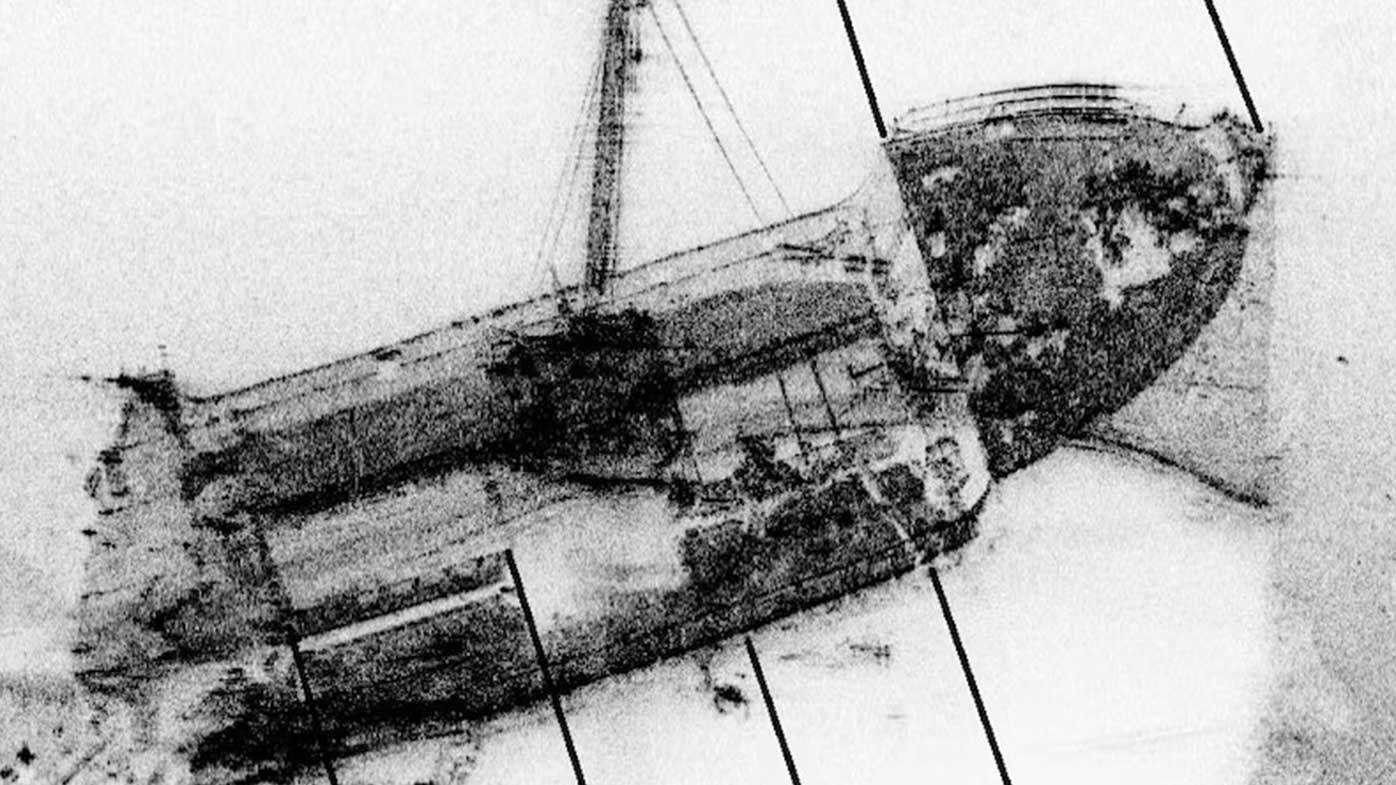
The wreckage from the maritime disaster that killed more Australians than any other has been found, more than 80 years on.

The shipwreck of the Montevideo Maru was found more than 4000m below the surface of the ocean off the coast of the Philippines.

The wreck was found in a collaboration between Australian maritime archaeology group Silentworld Foundation, and Dutch deep-sea surveyors Fugro.

The Montevideo Maru was sunk by a US submarine, unaware of the around 1000 Australians on board.

READ MORE: Anzac Day trading hours: What will and won't be open on April 25

The search for the vessel began on April 6, and the wreck was sighting 12 days later.

In subsequent days, the searchers verified the wreck was the missing ship.

"The discovery of the Montevideo Maru closes a terrible chapter in Australian military and maritime history," Silentworld's director John Mullen said.

"Families waited years for news of their missing loved ones, before learning of the tragic outcome of the sinking. 

"Some never fully came to accept that their loved ones were among the victims. 

"Today, by finding the vessel, we hope to bring closure to the many families devastated by this terrible disaster."

Close to 1000 Australians died when the Montevideo Maru was torpedoed.

An estimated 979 Australian troops and civilians died when the Japanese transport ship was torpedoed by a US submarine during World War II.

The prisoners-of-war were being transported to Hainan in occupied China on the Montevideo Maru.

Unaware of who was aboard, the USS Sturgeon torpedoed the vessel. The ship took just 11 minutes to sink.

The single shipwreck killed twice as many Australians as died in the entirety of the Vietnam War.

Prime Minister Anthony Albanese welcomed the discovery.

"At long last, the resting place of the lost souls of the Montevideo Maru has been found," he said.   

"We hope today's news brings a measure of comfort to loved ones who have kept a long vigil."

READ MORE: Veteran recalls danger of peacekeeping mission in 'lawless' Somalia

Sign up here to receive our daily newsletters and breaking news alerts, sent straight to your inbox.
Fast-tracked Aussie citizenship to be offered to New Zealanders living here

New Zealanders living in Australia will soon be able to apply for citizenship without having to be permanent residents first, in a massive change to Australia's immigration policy.

The direct pathway for New Zealand citizens to attain Australian citizenship will come into effect from July 1, Prime Minister Anthony Albanese announced this morning.

The landmark change comes after legislation made it more difficult for New Zealanders in Australia to attain citizenship back in 2001.

READ MORE: Security guard stabbed while allegedly trying to stop shoplifting in Adelaide

"This is a fair change for New Zealanders living in Australia, and brings their rights more in line with Australians living in New Zealand," a statement from Albanese reads.

"This is consistent with our ambition to build a fairer, better managed and more inclusive migration system."

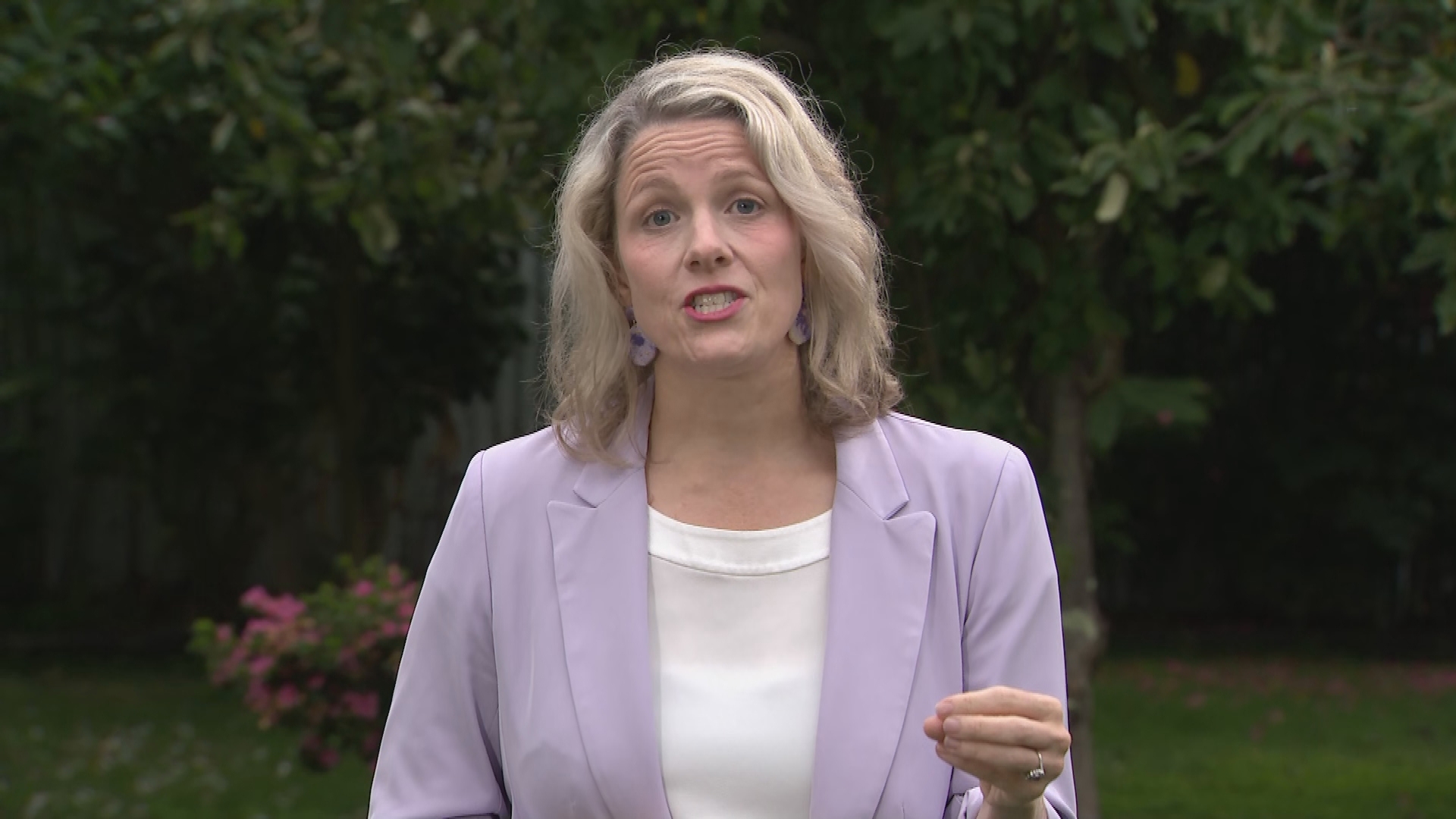
Home Affairs Minister Clare O'Neil has told Today the announcement marks "a really important day of friendship between Australia and New Zealand".

"When Australians go to New Zealand, they're allowed to go to New Zealand, work in New Zealand and have a pathway to becoming a Kiwi if that's what they want to do. But it doesn't flow in the other direction. We're treating Kiwis much worse than Australians living in New Zealand. We're establishing reciprocity and fair treatment between the two countries."

All Special Category Visa holders will be able to apply directly for citizenship without becoming permanent residents first, as long as they meet a four-year residence and other eligibility requirements.

READ MORE: Anzac Day trading hours: What will and won't be open

CANBERRA, AUSTRALIA - FEBRUARY 07: Australian Prime Minister Anthony Albanese welcomes New Zealand Prime Minister Chris Hipkins to Parliament House on February 07, 2023 in Canberra, Australia. Hipkins is visiting Canberra to shore up trans-Tasman ties in his first official international trip as New Zealand's leader.

The rule change will be retrospective, meaning New Zealand citizens who have lived in Australia since 2001 will be able to apply directly for citizenship without gaining permanent residence first.

It will also also Kiwi children born in Australia to become citizens at birth, rather than waiting till they turn 10, as they do under current laws.

It's estimated more than 670,000 New Zealand residents call Australia home and 350,000 can already benefit from this rule change.

New Zealand Prime Minister Chris Hipkins has welcomed the change as bringing New Zealand and Australia closer together.

"This is the biggest improvement in the rights of New Zealanders living in Australia in a generation and restores most of the rights Kiwis had in Australia before they were revoked in 2001," Hipkins said in a statement.

"These changes will make a real and meaningful difference to the lives of many New Zealanders and their children by giving those who decide to take up Australian citizenship similar rights to Australians living in New Zealand.

Sign up here to receive our daily newsletters and breaking news alerts, sent straight to your inbox.

'Wild west': Australian veteran recalls danger of peacekeeping mission in 'lawless' Somalia

Ahead of Anzac Day on Tuesday, one of the biggest peacekeeping operations involving the Australian Defence Force is marking its 30-year anniversary.

In early 1993, Somalia, in the Horn of Africa, was among the most dangerous countries in the world after it descended into anarchy amid a bitter civil war.

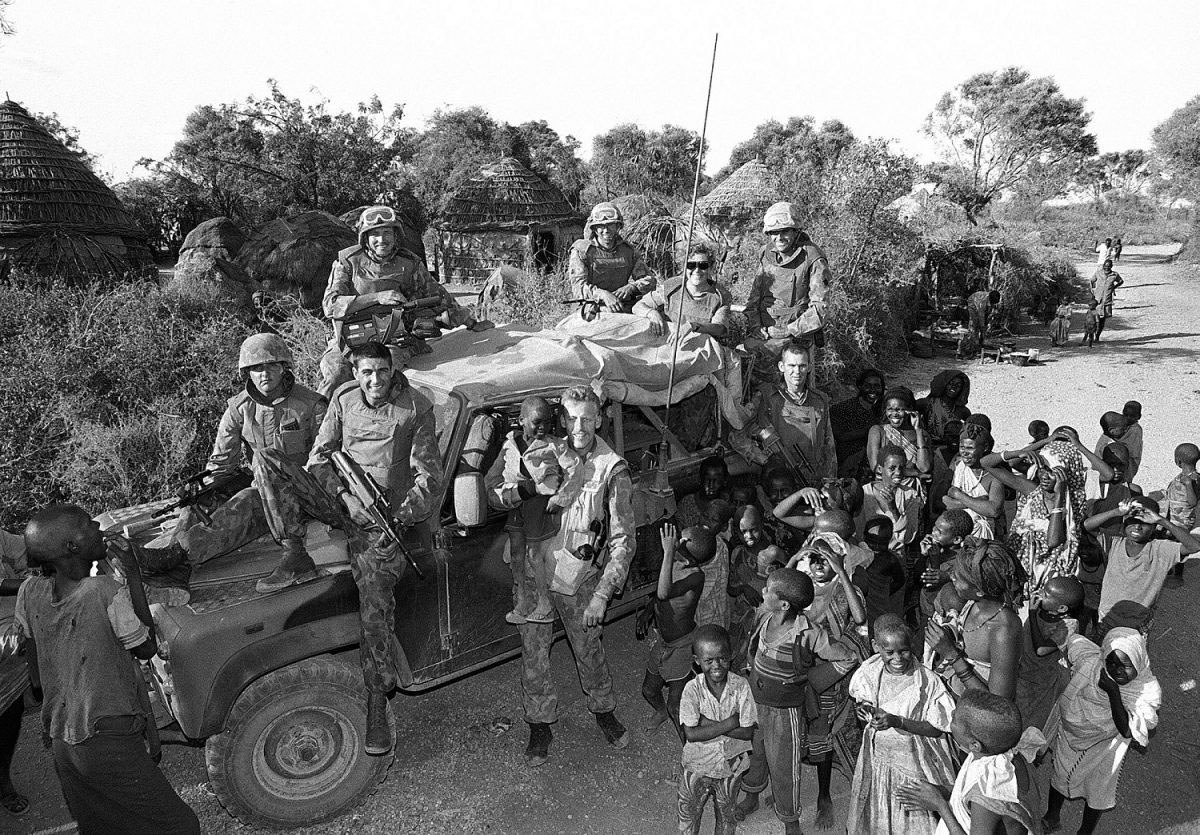
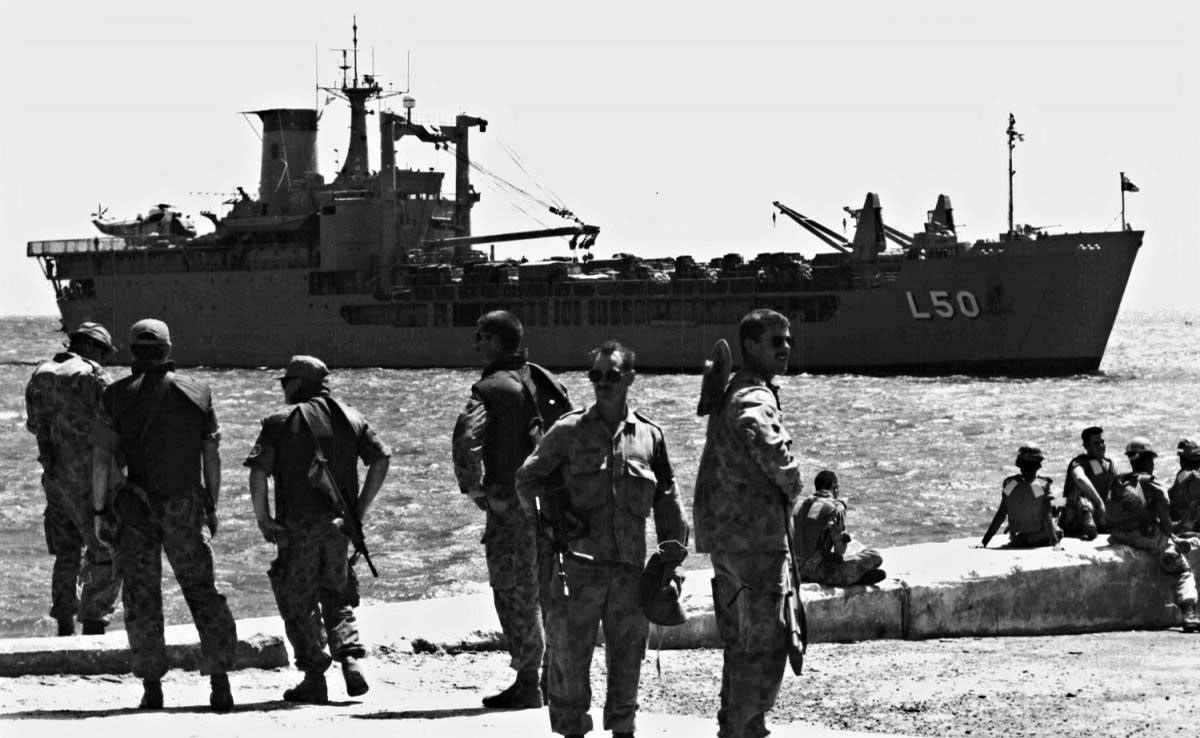
A United Nations operation in Somalia had included some Australians but in January 1993, a much larger Australian contingent – an 1100-strong group from the 1st Battalion, Royal Australian Regiment (1RAR) – joined a US-led operation to restore security to Somalia.

READ MORE: Anzac Day trading hours: What will and won't be open on April 25

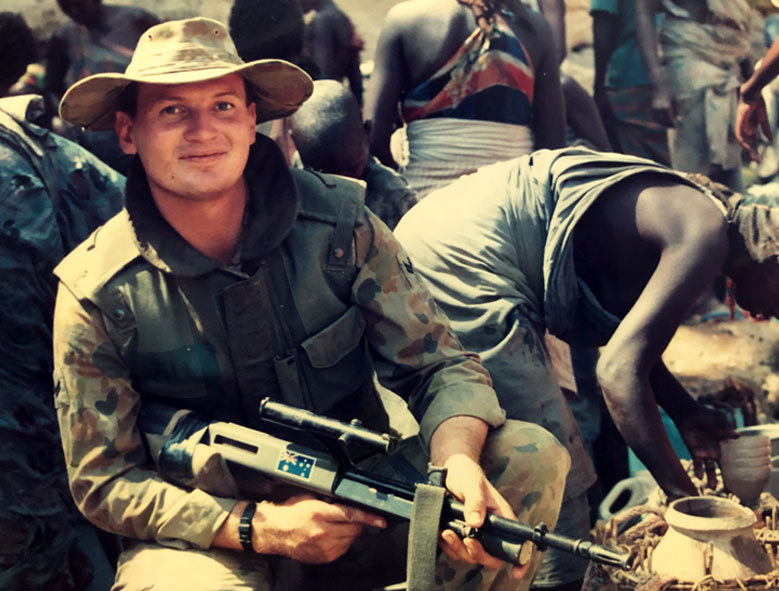
Among the Australian soldiers was Ken Snell, then a 26-year-old infantry corporal, who told 9news.com.au the Diggers faced "wild west" conditions in a country gripped by extreme violence.

"Somalia was lawless where anyone who could bear a weapon had some form of influence or authority," he said.

"Weapons ranged from former Soviet weapons including vehicles and artillery, anti-air weapons mounted on flatbed utilities, known as technicals … machineguns and a broad range of small arms.

"There were also crudely made crossbows, bows and arrows and a large assortment of swords, knives and other bladed weapons."

The challenging job of the Australian mission, known as Operation Solace, was to protect humanitarian operations, including food aid, and improve the security situation in Somalia.

READ MORE: Veteran tells true story behind classic Australian anti-war song

"When we arrived clans groups and gangs were moving around our area of operations at will – thieving, intimidating and murdering people who got in their way," Snell said.

While food aid and medicines were arriving, supplies were promptly stolen by young gunmen loyal to competing warlords before they could reach the needy.

Snell said over about four months his battalion group oversaw the delivery of more than 8700 tonnes of humanitarian aid, delivered in trucks to central distribution points where thousands of desperate people gathered.

"These convoys were a daily mission for troops," he said.

"A number of contacts (enemy engagements) were experienced by members of the battalion group from section to platoon level and our training was validated."

He said it was confronting to see the long lines of Somalis waiting for food aid, but the Diggers realised they had to concentrate on helping them.

READ MORE: Veteran homelessness rising across Australia

Snell said he and his comrades were conscious they were among the first combat units deployed since Vietnam and that the Australian public would be watching the peacekeeping force.

"We received much support from family and many Australians … literally hundreds of letters to 'Dear Digger', which was handed out for responses by the padre.

"I was fortunate to visit one of the primary school classes in Albury, who had written such a letter and speak to them after the deployment."

On Anzac Day, more than 120 veterans who served in Somali peacekeeping operations will march in Canberra with Governor-General David Hurley, who commanded 1RAR Battalion Group in Operation Solace.

Sign up here to receive our daily newsletters and breaking news alerts, sent straight to your inbox.
'Another fire could see these forests permanently disappear'

For the last 100 years, Victoria's beloved Wilson's Promontory National Park has been in a non-stop battle with fire.

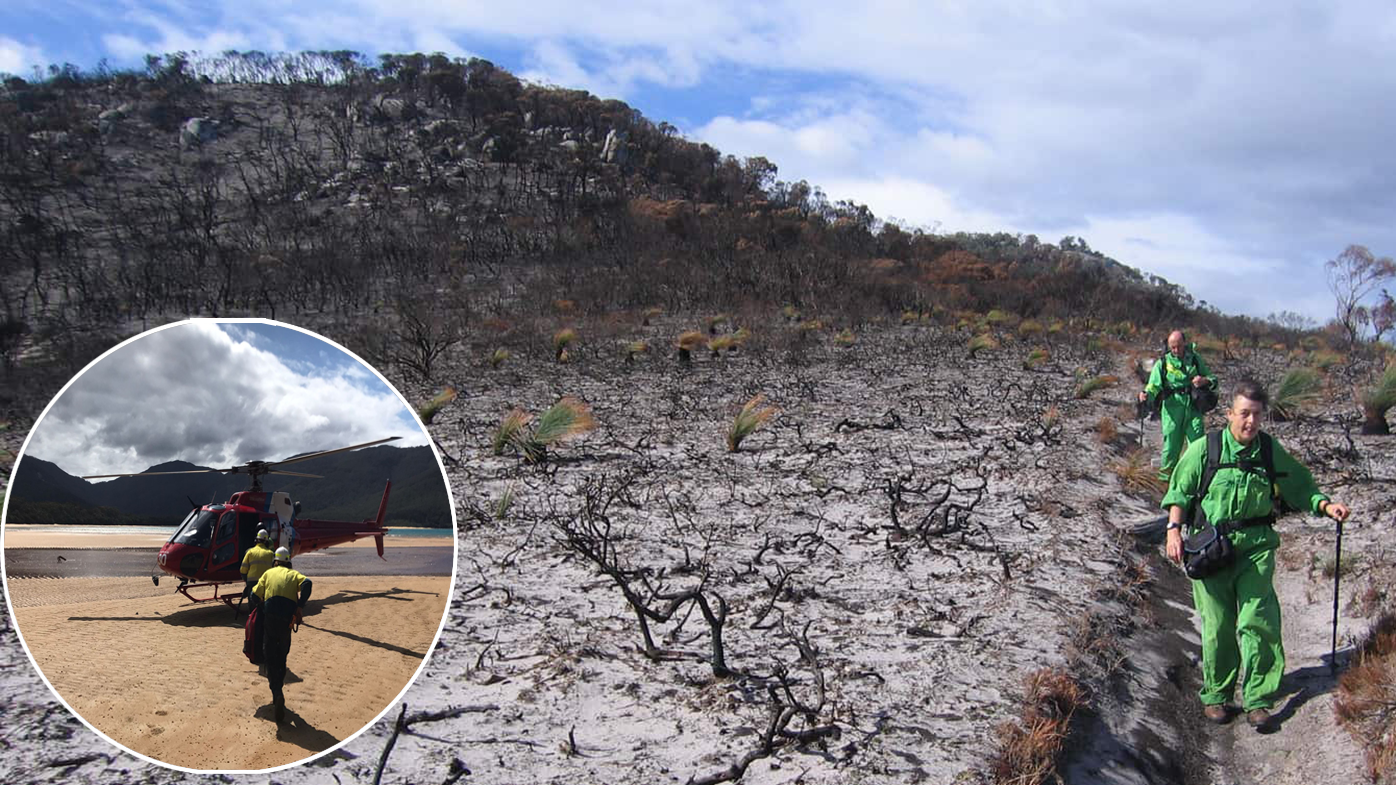
The National Park survived land clearing and backburning in the 20th century, but in the years since the infamous Black Saturday bushfires, parts of the pristine forests have come dangerously close to "total ecological collapse".

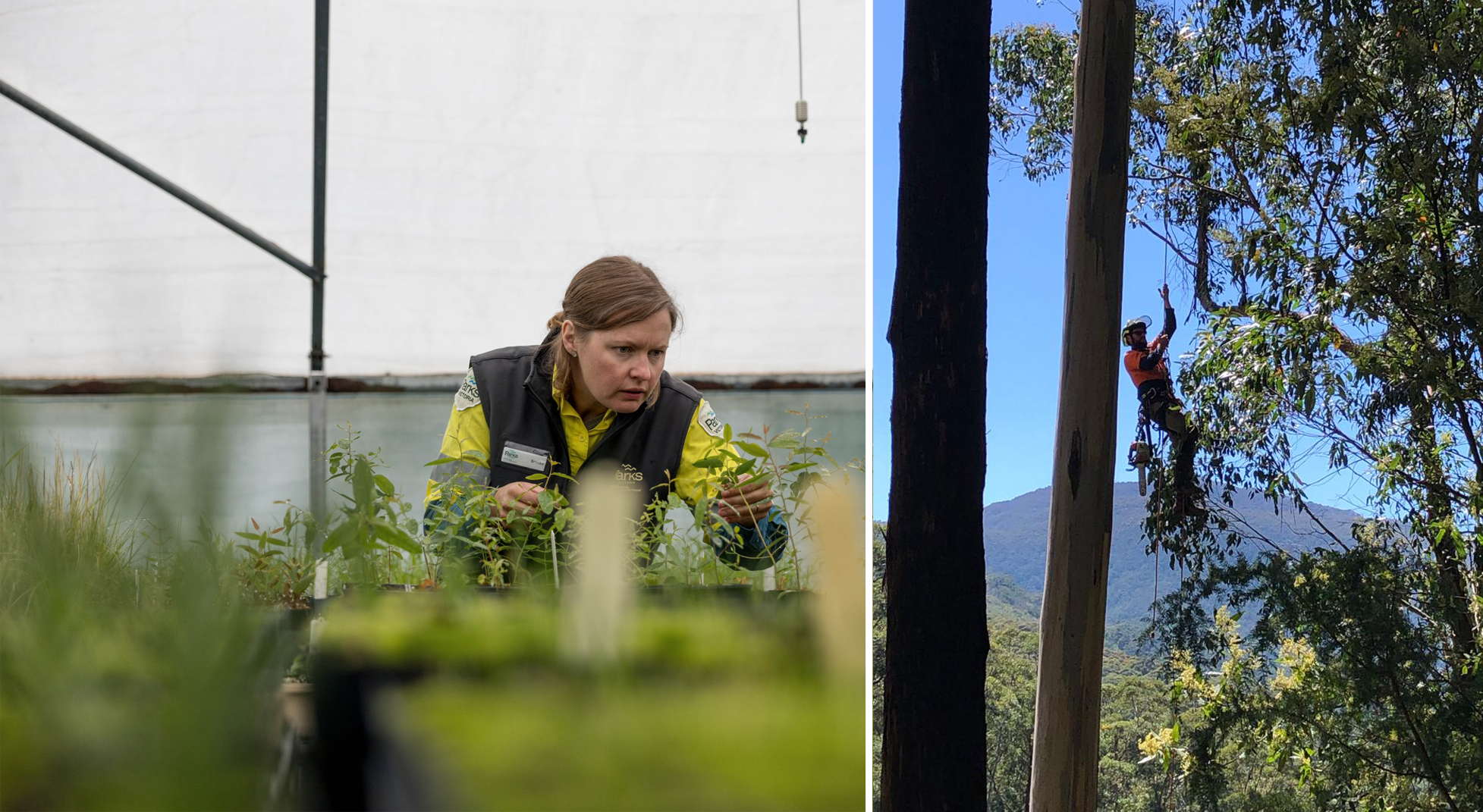
"If we had a big fire next year, we wouldn't have enough time," Brooke Love, a restoration ecologist with Parks Victoria, tells 9news.com.au.

"Another fire could see these forests permanently disappear."

Wilson's promontory

READ MORE: El Niño looking more likely due to warm ocean blob

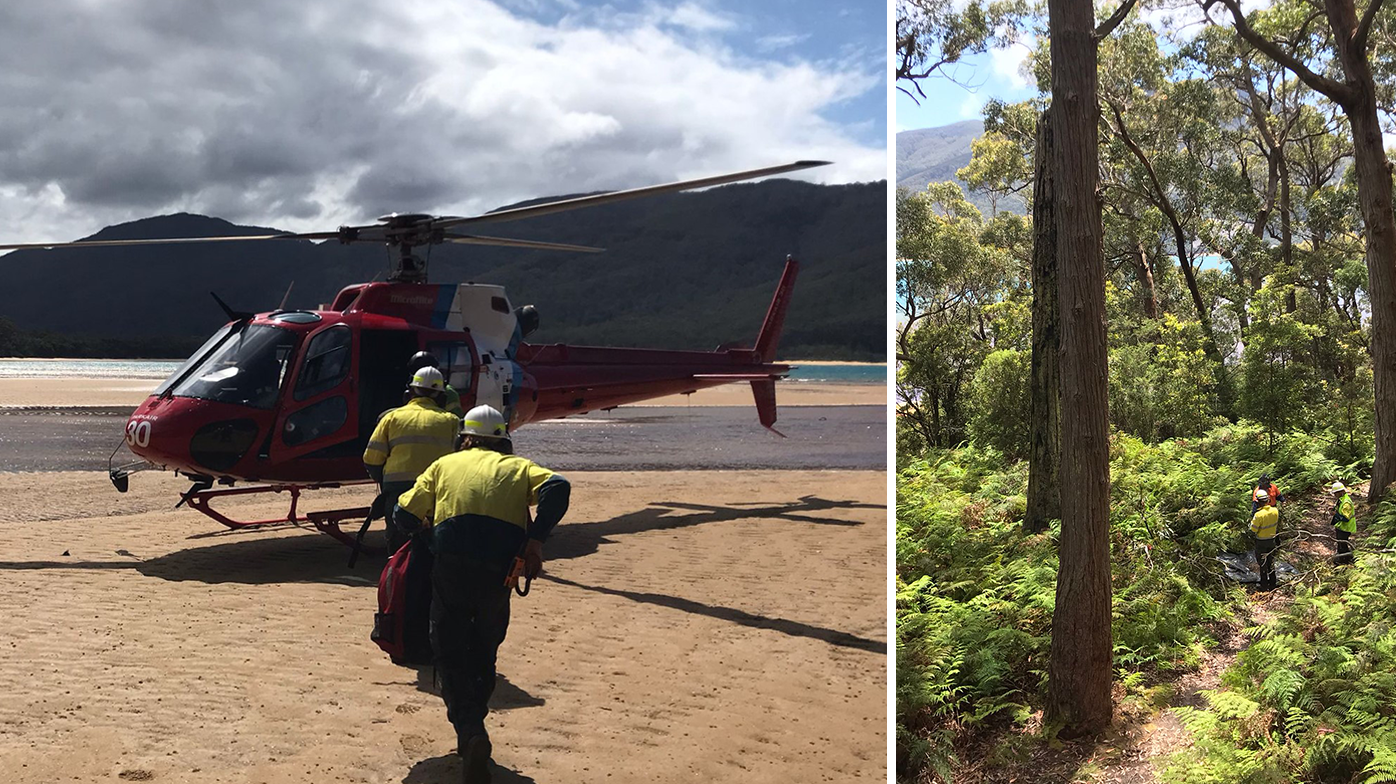
Armed with a new round of Victorian government funding, and a helicopter-riding team of rangers, they're developing a new technique that could insure against the worst outcomes of fire across the country.

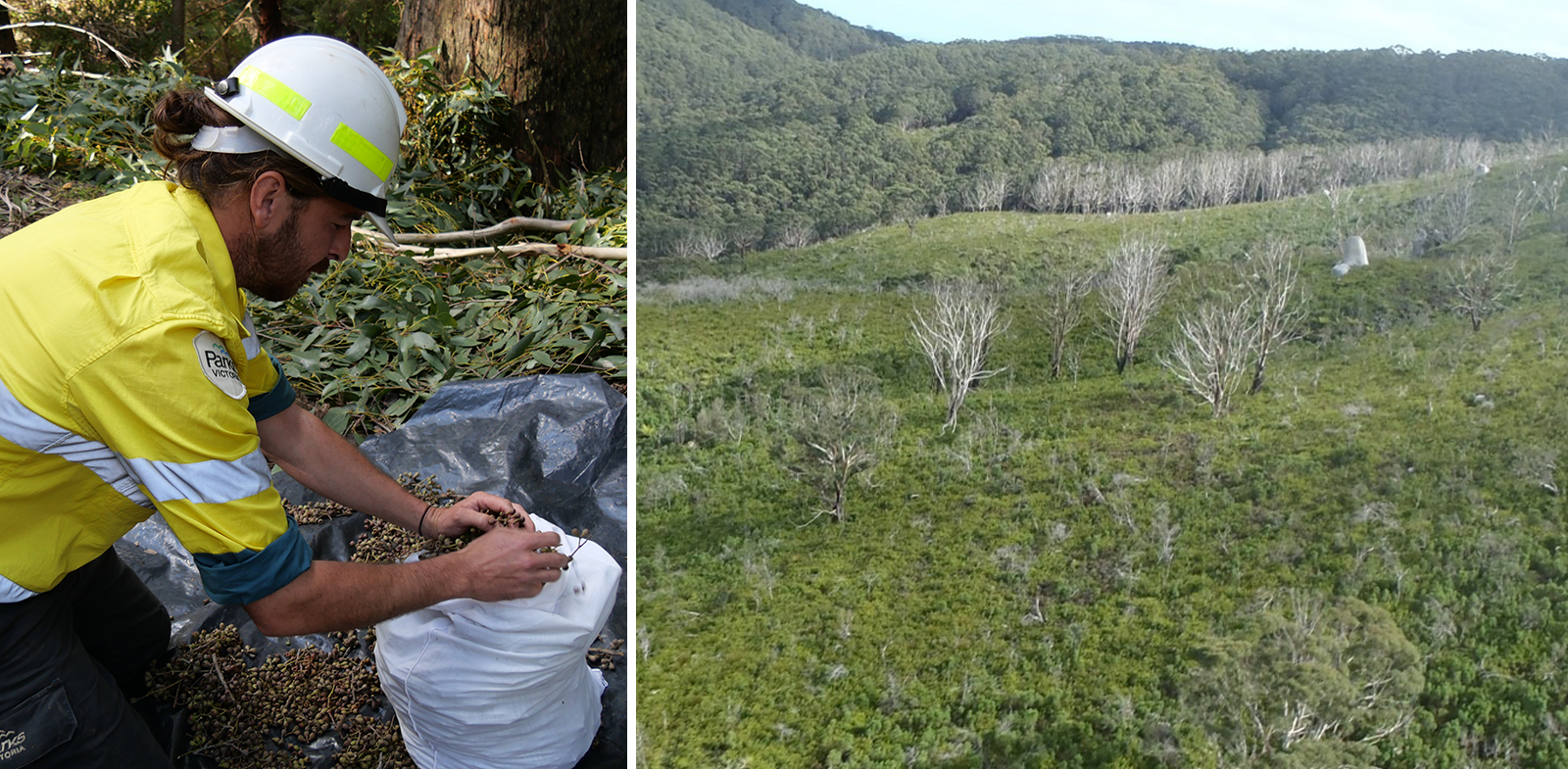
In phase one of their project, which is underway now, they're going in search of vast quantities of rare eucalyptus seeds to build a seed vault. 

The team is putting together a "BushBank" that they hope will help prevent ecological collapse and mitigate against future bushfires. 

"The areas that we're working in are the most remote parts of the National Park – they're the furthest from the tracks, they're the steepest slopes, they're the thickest vegetation, and they have by far the most leeches," Love said.

After collecting the right mix of hard-to-find seeds, the project will simulate a bushfire in a few test sites that have already experienced ecological collapse.

Wilson's PromontoryWilson's Promontory

READ MORE: New satellite data reveals scary news for 40 per cent of the world

Then, using the rare seeds they collect, they will reseed the test sites from the air, and restore the complex ecosystems that Australia is so famous for.

"We will be able to say – we need 'X' amount of this tree species, and we need to sow it at this density, to replicate what was there," Love said.

Asked about the likelihood of success in bringing the complex forest back to life, Love said: "I'm very hopeful – it's not overly complicated, but the main challenge is preparing in advance."

Prevention is better than treatment

What makes this project so important – "awesome" in the words of ecologist Love – is that thanks to $290,000 in funding from the state government, they can be proactive instead of simply reacting when the damage has been done.

"We're lucky with this project that we can get in early and prepare for something that we think might happen in the future," she said.

Wilson's Promontory

Their research hopes to build a "guidebook" that will instruct future generations on how to better recover from the effects of bushfires.

The principle has already worked at a simpler level in the Victorian Alps, using collected seeds to reseed alpine ash devastated in recent fires.

Love's team, along with a team of scientists from the University of Melbourne, are working with multiple species of eucalyptus trees, and hoping that eventually it can be scaled up.

With fire-prone El Nino conditions near in the future, their research may have come at a vital time.

Sign up here to receive our daily newsletters and breaking news alerts, sent straight to your inbox.

Bail for driver allegedly caught speeding before 'horrific' crash that killed five in Victoria

A Mercedes driver who allegedly caused a "catastrophic" crash that killed five people near the Victoria-NSW border has been granted bail.

Christopher Dylan Joannides faced the Shepparton Magistrates Court this afternoon, shortly after being charged with five counts of dangerous driving causing death over the deadliest crash in Victoria since 2012.

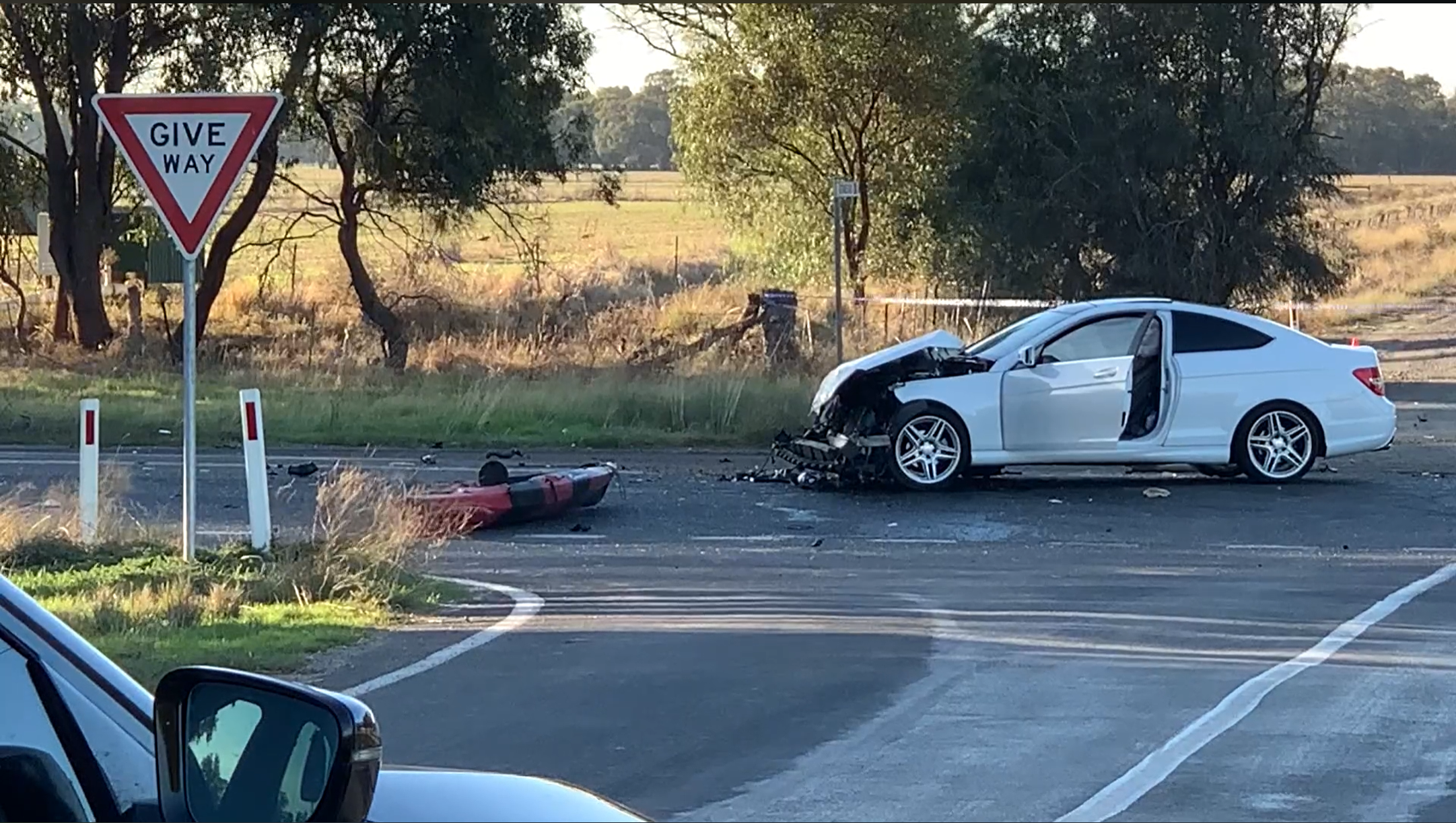
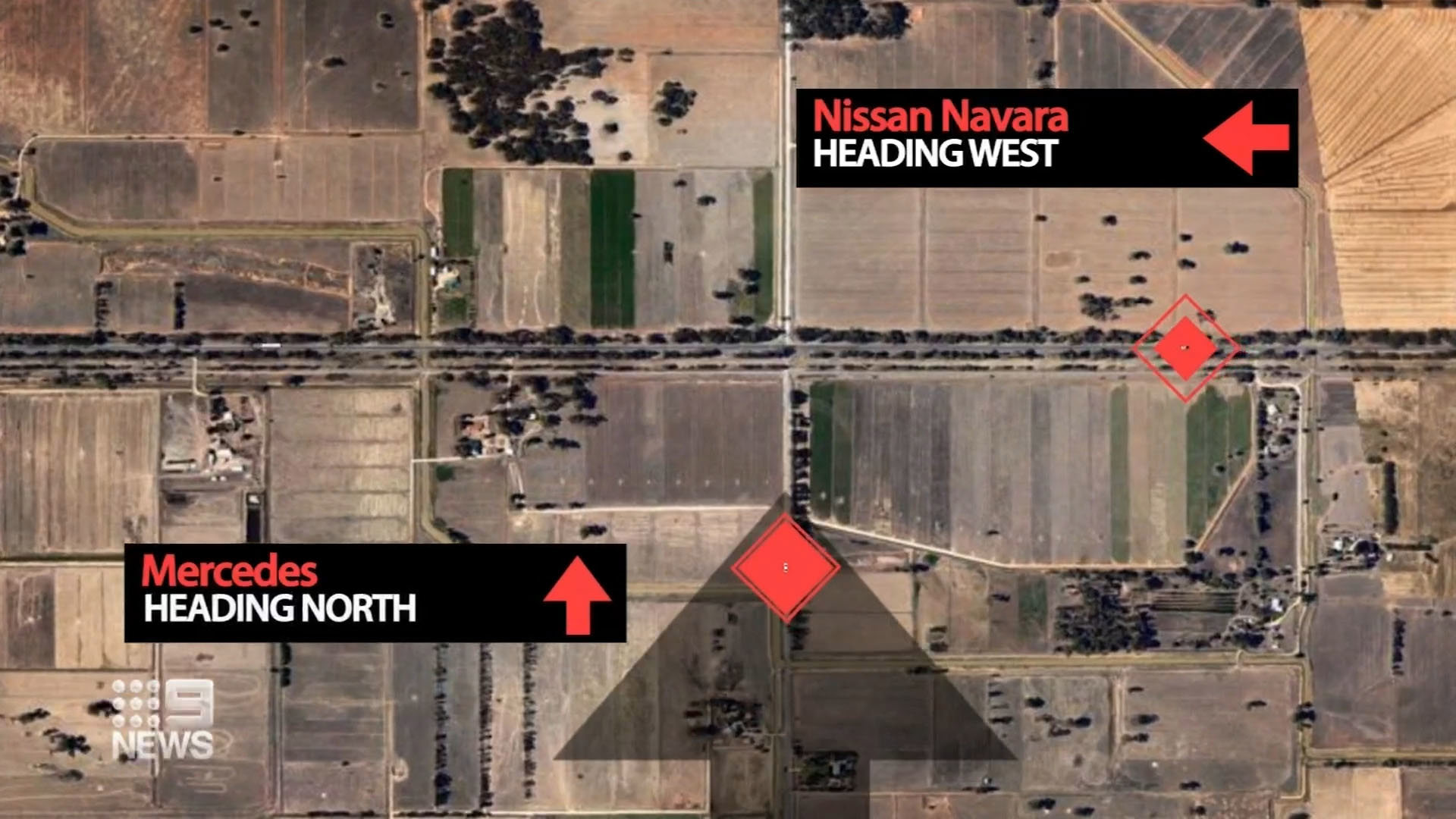
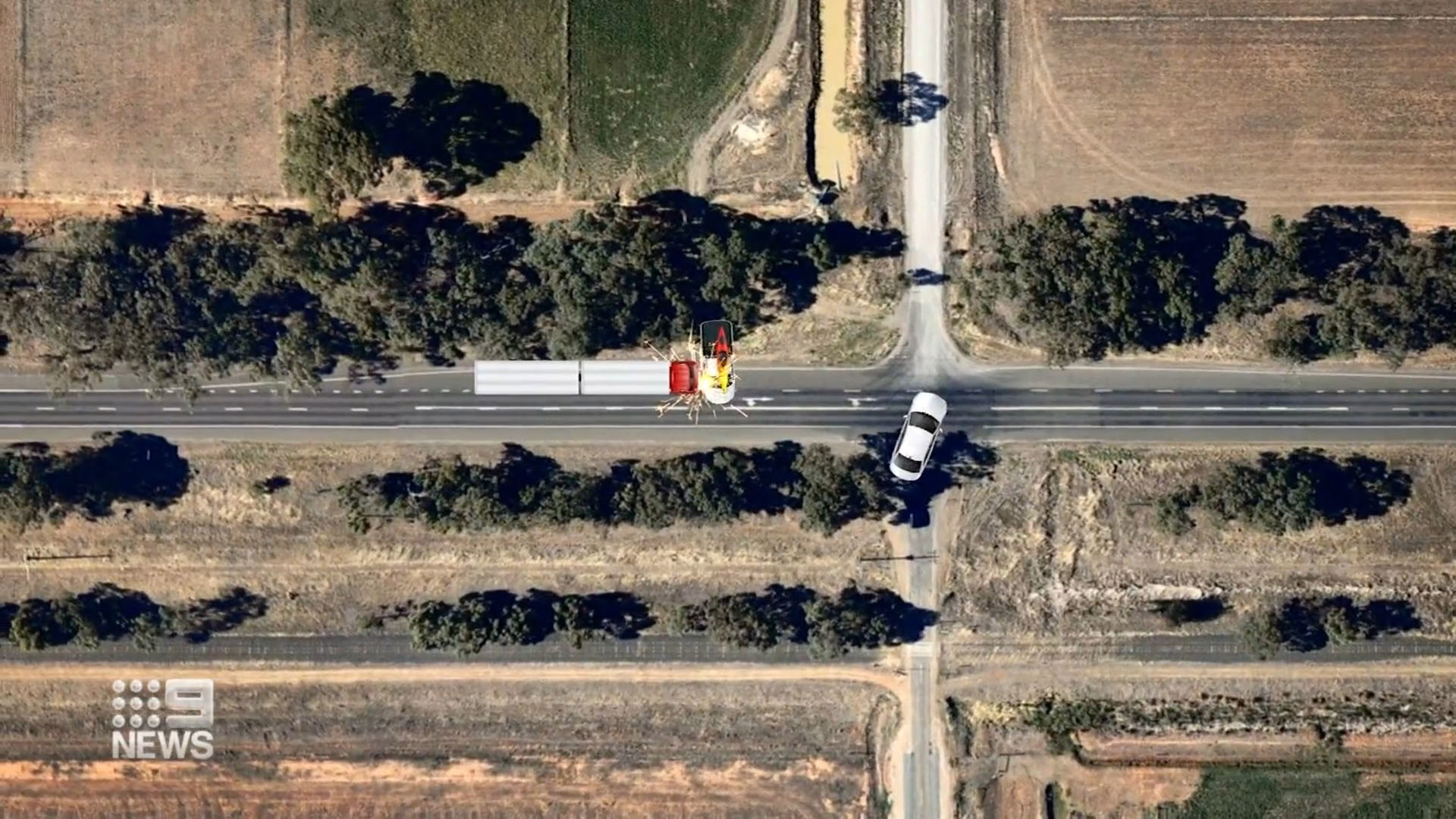
Five people and a dog were killed instantly when the 29-year-old allegedly failed to give way on Murray Valley Highway yesterday afternoon and pushed a Nissan Navara into the path of a milk tanker.

READ MORE: Class action launched against Optus over 2022 data breach

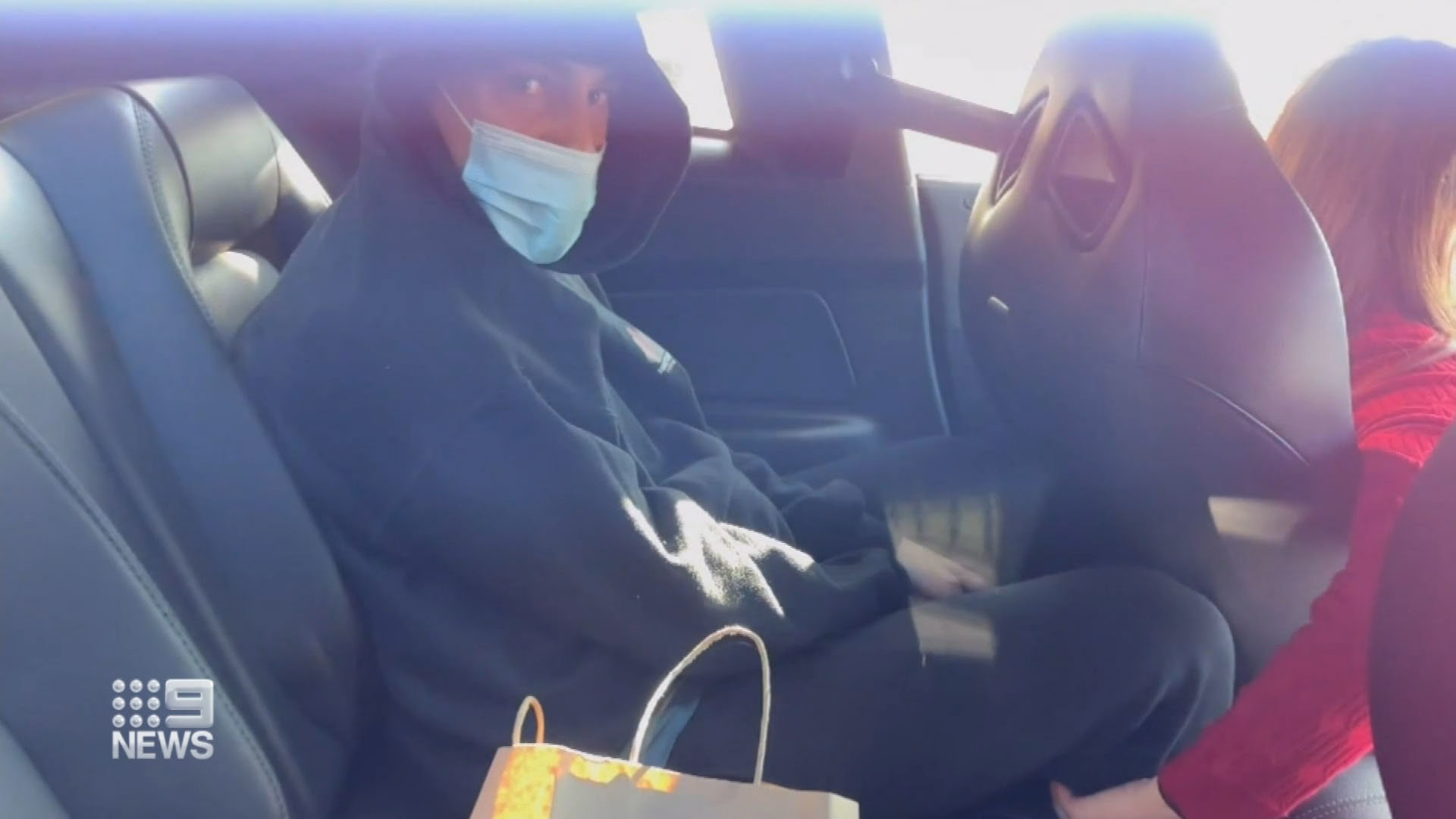
Christopher Dylan Joannides, the driver of the Mercedes involved in the crash at Strathmerton.

The Doncaster man had been fined for speeding about 18km/h over the limit less than an hour before the crash, police allege.

He and his 20-year-old female passenger suffered minor injuries in the collision and stayed at the scene.

He was charged this afternoon and taken into custody being granted bail before a court.

His lawyer argued he had no other prior offences, was not an unacceptable risk to the community, had a stable residence and family support.

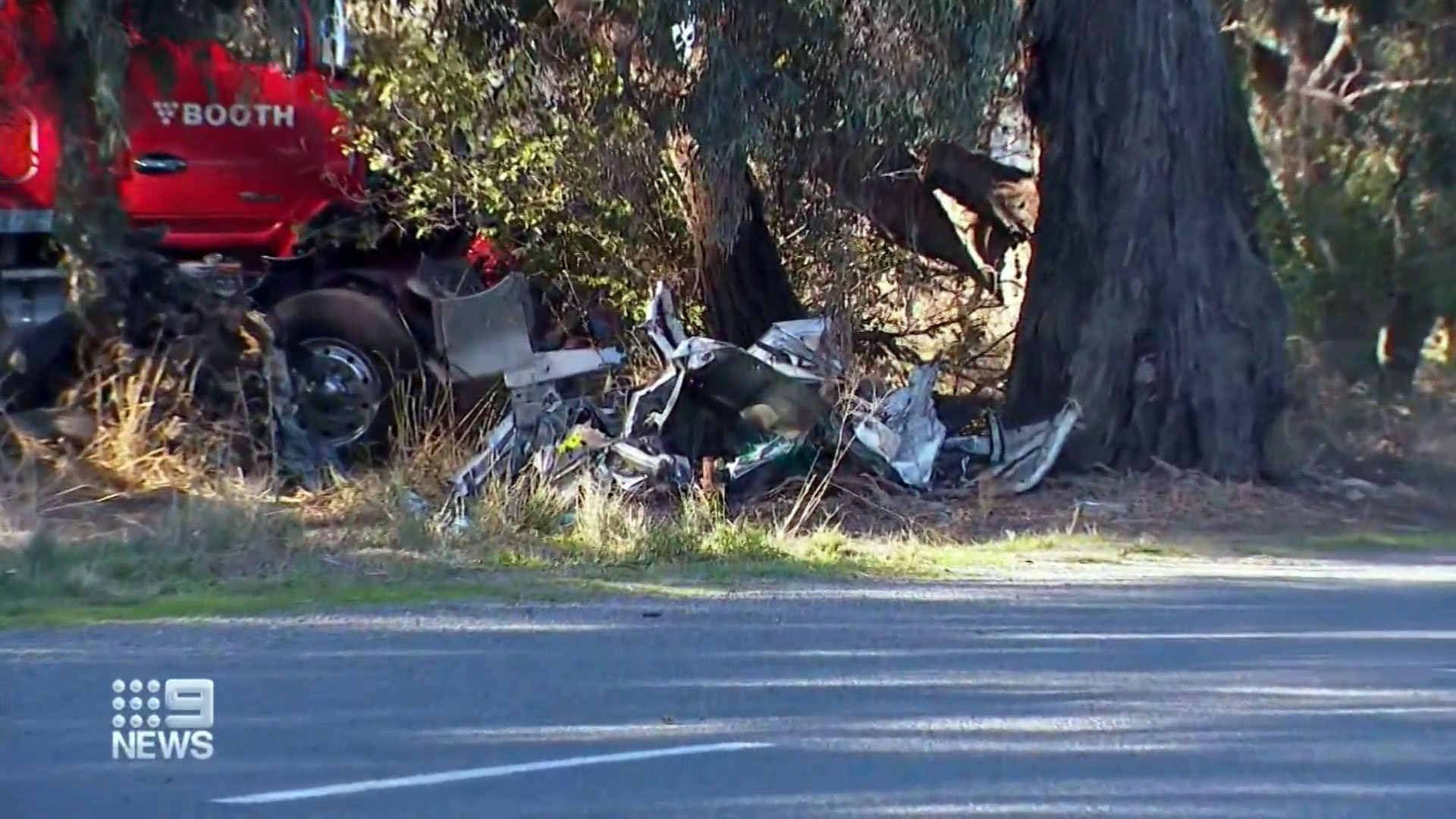
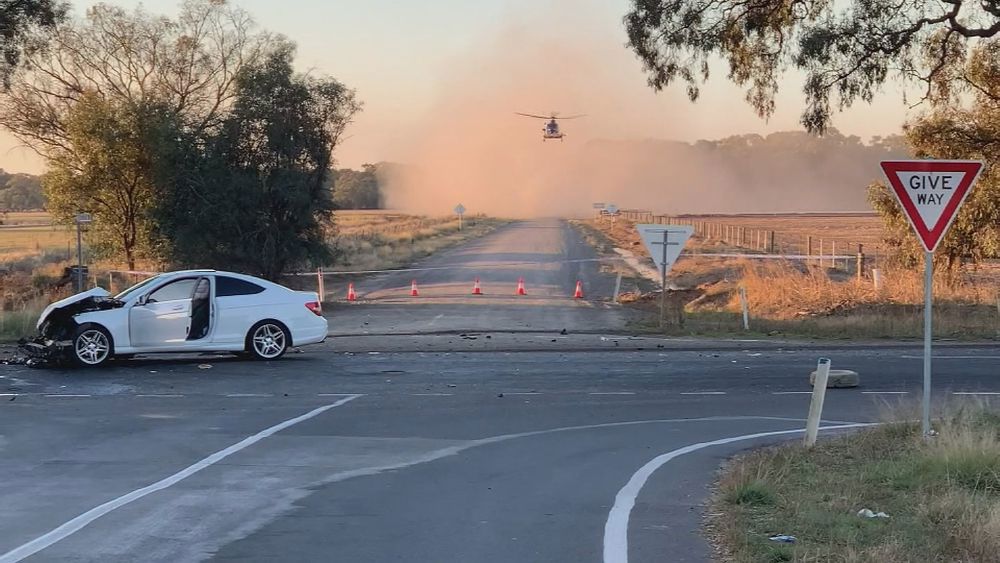
The wreckage of a car following the fatal crash at Strathmerton.

Magistrate Simon Zebrowski granted him bail with strict conditions, including that he is banned from driving.

"Probably the worst thing you could do is … to drive a motor vehicle," the magistrate said.

"You're not to drive a motor vehicle under any circumstance."

Joannides must reside at his Doncaster address, surrender his passport and cannot leave Victoria or Australia.

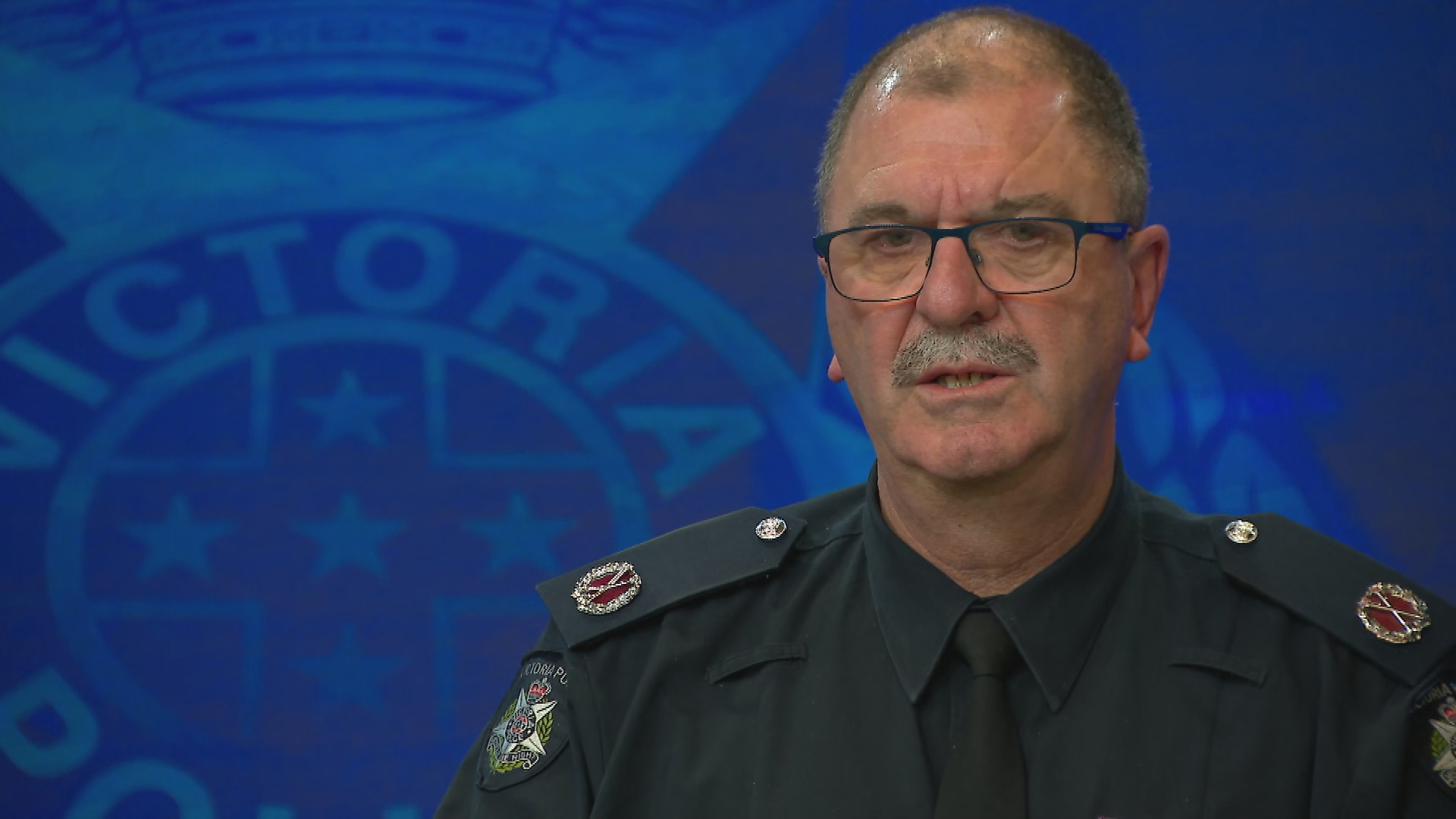
Victoria Police Assistant Commissioner Glenn Weir this afternoon told media all five people in the Nissan Navara involved in the crash were killed instantly.

Weir said the damage was so "catastrophic" police needed specialist help throughout the night to work out how many people had been killed.

"I've seen the vision from the truck. It's horrific," he said.

A graphic showing how the fatal car crash at Strathmerton unfolded.A graphic showing how the fatal car crash at Strathmerton unfolded.

He said the crash was Victoria's deadliest since 2012.

The Mercedes driver was pulled over and fined when he was allegedly clocked doing 118km/h in a 100km/h zone less than 2km from the crash scene and less than an hour prior.

Weir said the truck driver did not do anything to cause the crash.

He was not injured.

The identities of those killed in the crash are still being confirmed, but it is believed the driver was a woman in her 60s who works in the local farming industry.

Her four passengers, a man and three women aged in their 20s, are believed to be from Asia and work for her.

"This is a really difficult and protracted investigation that will go on for a long time," Weir said.

He said far too many lives had been lost on roads already this year.

More than 90 people have been killed on Victorian roads this year, compared to 79 at this time last year.

Anyone who witnessed the collision or has dashcam footage is urged to contact police.

Sign up here to receive our daily newsletters and breaking news alerts, sent straight to your inbox.
Most powerful rocket ever built explodes in first test flight

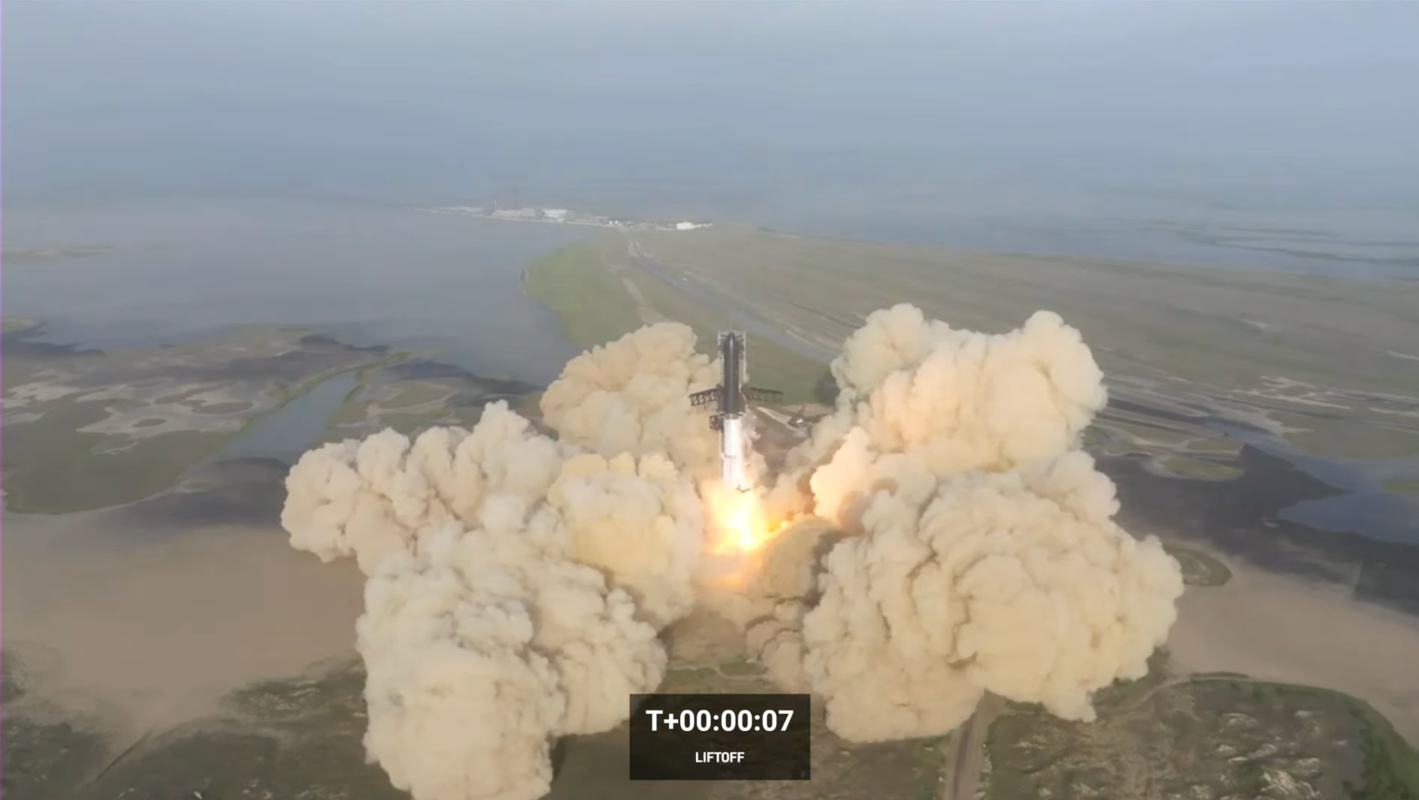
SpaceX's new rocket, the biggest and most powerful ever built, has blasted off on its first test flight, thundering into the South Texas sky before blowing apart minutes later.

Elon Musk's company launched the nearly 120-metre Starship rocket from the southern tip of Texas, near the Mexican border, on Thursday morning (Thursday night AEST).

Images showed several of the 33 main engines were not firing as the rocket climbed from the launch pad, reaching as high as 39 kilometres.

READ MORE: Mum and son survive plane crash into ocean at WA beach

There was no official word from SpaceX on how many engines failed to ignite or shut down prematurely but on the company's livestream quality systems engineering manager Kate Tice said it appeared three weren't firing.

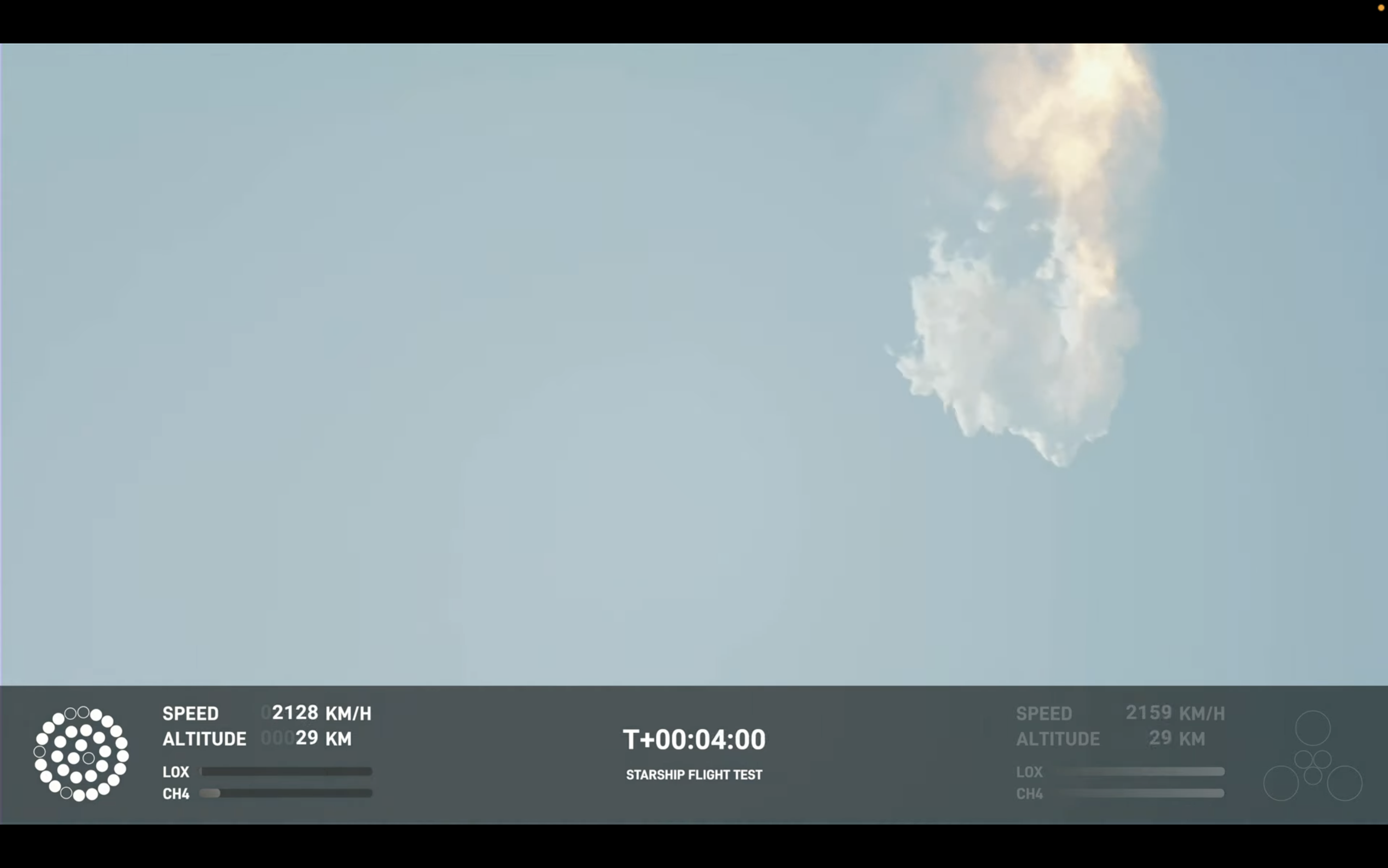
The booster was supposed to peel away from the spacecraft minutes after liftoff, but that didn't happen.

The rocket began to tumble and then exploded four minutes into the flight in what the company called a "rapid unscheduled disassembly", plummeting into the gulf.

After separating, the spacecraft was supposed to attempt to circle the world, before crashing into the Pacific near Hawaii.

Musk, in a tweet, called it "an exciting test launch of Starship".

"[We] learned a lot for next test launch in a few months," he said.

https://twitter.com/elonmusk/status/1649050306943266819

In the weeks leading up to the flight, Musk gave 50-50 odds that the spacecraft would reach orbit.

"You never know exactly what's going to happen," said SpaceX livestream commentator and engineer John Insprucker.

"But as we promised, excitement is guaranteed and Starship gave us a rather spectacular end."

SpaceX employees on the telecast were at pains to stress the launch was a success.

"I do want to remind everyone that everything after clearing the tower was icing on the cake," Tice said.

No people or satellites were aboard for this debut launch.

Throngs of spectators watched from several kilometres away from the Boca Chica Beach launch site, which was off limits.

"Go, baby, go," someone screamed from the crowd as it took off.

The company plans to use Starship to send people and cargo to the moon and, eventually, Mars.

READ MORE: Three dead, three injured after truck and cars collide near Victoria-NSW border

NASA has reserved a Starship for its next moonwalking team, and rich tourists are already booking lunar flybys.

It was the second launch attempt. Monday's try was scrapped by a frozen booster valve.

READ MORE: Accused drink driver arrested after falling asleep at Adelaide McDonald's

Sign up here to receive our daily newsletters and breaking news alerts, sent straight to your inbox.