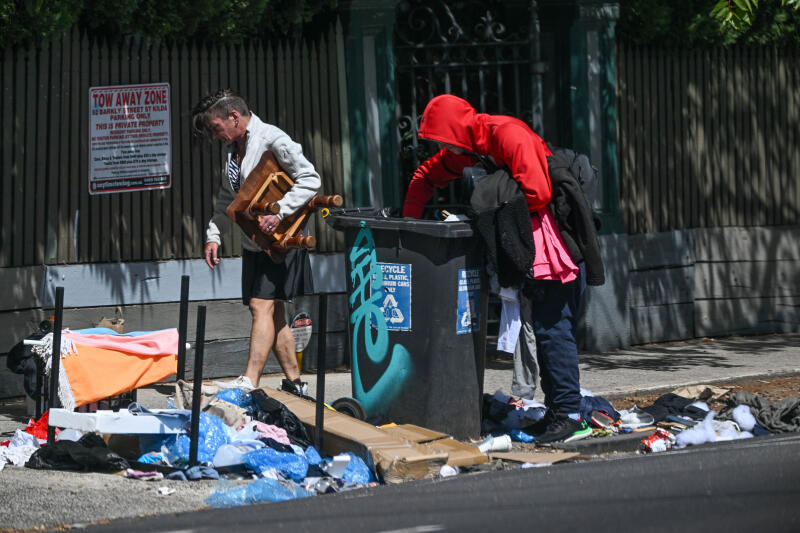
A charity boss has condemned a Melbourne council's decision to introduce laws which will allow officials to seize belongings from rough sleepers as "baffling" and "abhorrent".
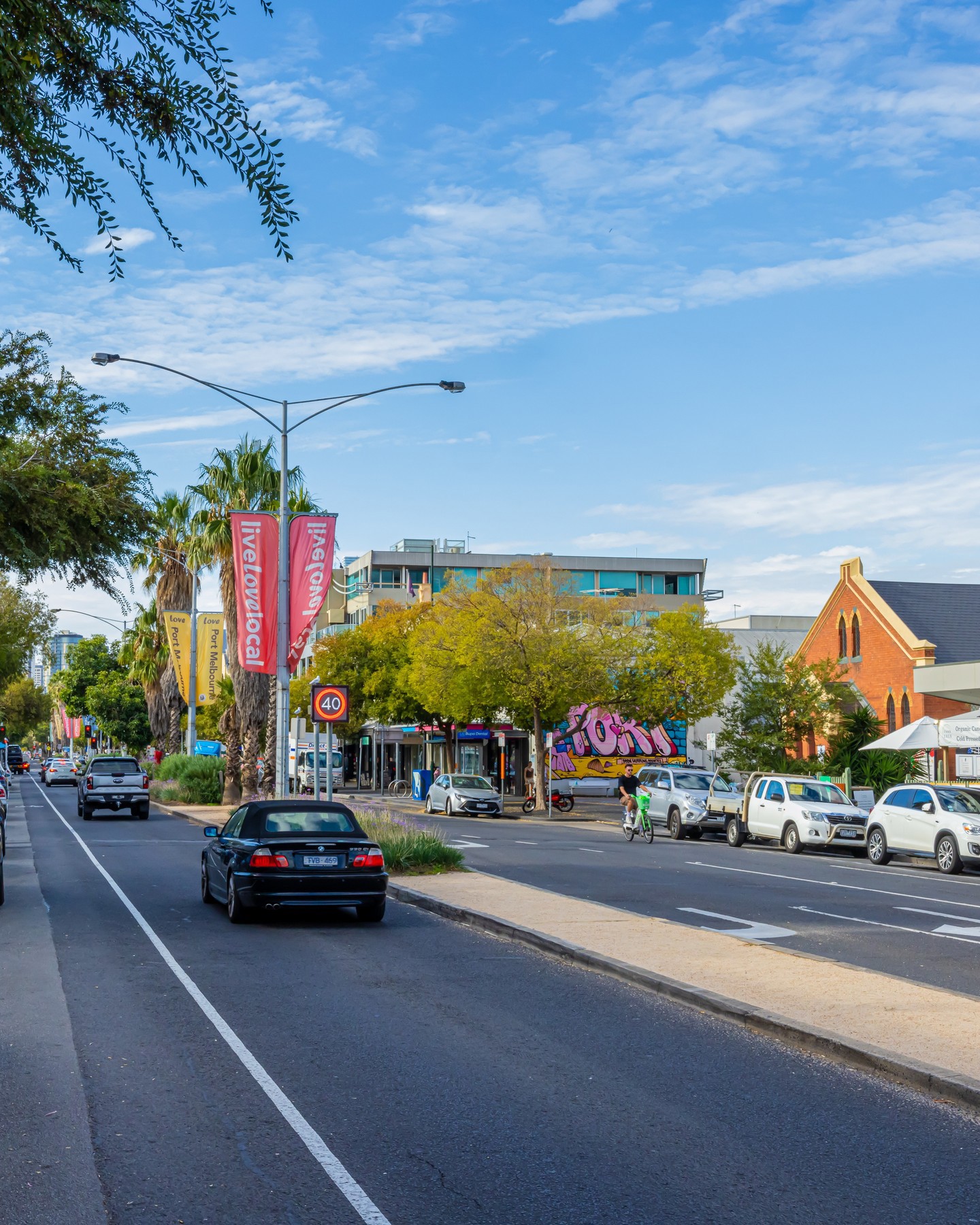
The City of Port Phillip Council, which captures suburbs including St Kilda, Elwood and Windsor, voted in favour of council officers confiscating and storing "encampment equipment" from people experiencing homelessness.
While the council claims the laws will be applied as a "last resort basis", the soon-to-be introduced powers have been met with swift backlash from homelessness advocates.
READ MORE: Lorna's chronically-misdiagnosed illness now has a new name

READ MORE: Don't fall for this negative gearing 'trap,' property investor warns
St Vincent de Paul Society Victoria group chief executive Charlie Spendlove told Nine.com.au the council is "taking the shirt off peoples' backs who are already doing it tough".
She said it simply won't change anything and that efforts would be better spent consulting with the local community about how to provide better access to crisis accommodation.
"The mayor said this amendment isn't a solution to homelessness. So what is it about? Is it about tidy streets? Just literally bundling the problem up in a box and hoping it goes away?" Spendlove said.
"The face of homelessness has changed, particularly with the cost of living and housing prices. It is a social emergency.
"So this just beggars belief."
The local law change will allow council officers to take encampment belongings, which may include sleeping bags or tents, and store them in council service centres.
City of Port Phillip Council Mayor Alex Makin said the amendment was introduced in response to "anti-social behaviour" and will only target camps which create "safety or sustained amenity impacts".
"No fines will be issued and belongings will be available for collection free of charge," Makin said.
"Our local law provisions continue to allow camping on council land if someone doesn't have a home or has complex needs.
"Our officers will receive specific trauma-informed training before the amendment comes into effect on 1 June."
READ MORE: Boost Juice founder lashes budget tax reform
s understood that around two dozen rough sleepers are known to stay in the City of Port Phillip Council area.
A council survey of 708 residents found 76.1 per cent opposed the amendment.
However, it was passed after five councillors voted in favour of it last week, while three opposed the law.
"When so many people tell you it's a bad decision, it baffles me that [they] doubled down on a decision instead of talking to the experts," Spendlove said.
"It just deepens the trauma. It's just abhorrent."
Spendlove said the council has ignored the inconvenient truth behind homelessness: it can happen to anyone at any time.
Sleeping rough is not the result of "bad choices", she said. It is often due to a series of crises.
"It is completely ignorant for the reality, each one of us… no one is immune," she added.
"It doesn't matter who you are in the world, you're only two or three crises away from being homeless."
EXCLUSIVE: Expat Annie decided to move back to the UK. She lasted just six months
Single women aged over 55 are the fastest-growing cohort of people experiencing homelessness in Australia, according to the Council to Homeless Persons.
Spendlove said she has seen heartbreaking examples of women escaping family violence in Victoria, only to end up in an encampment or sleeping rough.
In one case, a woman was found sleeping in a tent in a park with her children.
And another mother was helped after she slept in her car in a wooded area with her four children.
Spendlove warned the City of Port Phillip may have set a precedent that will harm rough sleepers all over the state.
"I'm really, really worried for Victoria, if Port Phillip [is] going to wear this badge of honour as the first council to do this… shame on them," she added.
Homelessness Australia chief executive Kate Colvin also denounced the council's decision.
She described the local law amendment as "draconian".
"When someone has nowhere safe to go, taking their bedding or moving them from one public place to another simply shifts the crisis around and makes people less safe and connected to support when they need it most," Colvin said.
"What is needed is more homes, more service capacity, and the kind of practical support that helps people move into safety and stay there."
Makin acknowledged the "diverse views" but added that "the common ground is that everyone wants improved safety in our public spaces, including for people sleeping rough".
"Support will always be offered first to address the underlying causes of behaviour," Makin added.
Other Australian councils have faced criticism over punitive attempts to curb homelessness.
The City of Perth in February engaged the Public Transport Authority (PTA) to place speakers which emitted shrill sounds 24/7 under the Lord Street overpass in East Perth in a bid to move along homeless camps.
This was disabled after outcry from advocates and politicians.
In 2023, the City of Bunbury played The Wiggles' song Hot Potato on repeat to drive rough sleepers from gathering at a shelter.
The King Street Arts Centre in Perth also faced backlash in 2015 after using a sprinkler system in a stairwell to stop people from sleeping there.
NEVER MISS A STORY: Get your breaking news and exclusive stories first by following us across all platforms.
- Download the 9NEWS App here via Apple and Google Play
- Make 9News your preferred source on Google by ticking this box here
- Sign up to our breaking newsletter here