A complaint against a car park company for passing on fine notices has been dismissed.
Tag Archives: oceania
What is a Category 5 cyclone and how strong are they?
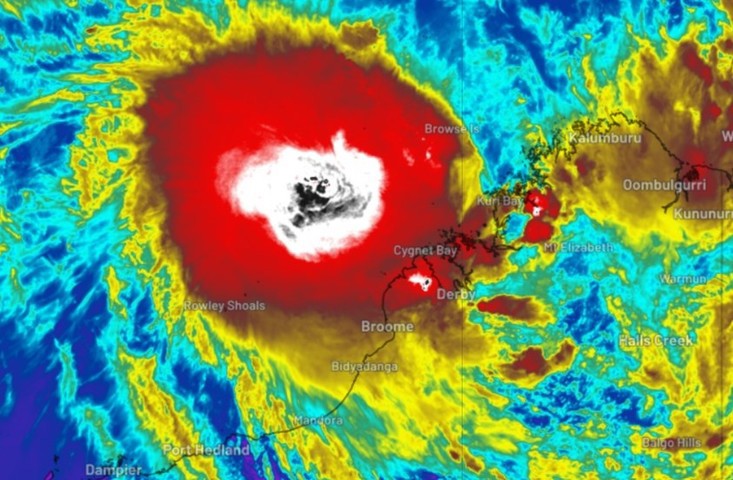
Cyclone Ilsa, an intense storm system swirling off Western Australia, is now expected to become a Category 5 cyclone, the strongest category in the rating system.
So what does this mean, and just how destructive will it get?
Here is everything we know about the rating system.
READ MORE: The devastating natural disaster that's going to get more intense
How are cyclones categorised?
A numerical scale from one to five is used to rate the destructiveness of cyclones, with five being the strongest.
The intensity ratings are based on maximum wind gusts associated with the cyclone.
These usually occur around the eye of the storm.
What is the strongest cyclone category?
Category 5 is the strongest cyclone category.
How strong is a Category 5 cyclone?
Andrea Pearce, senior meteorologist at the Bureau of Meteorology (BoM), said a Category 5 cyclone has "estimated gusts of 280km/h and above".
Isla is expected to make landfall later tonight with wind gusts in excess of 280km/h.
"The very destructive core of Ilsa, with extreme gusts up to 285 km/h is expected to impact the area," BoM said.
Category 5 cyclones history in Australia
Cyclone Darian, which formed in December well off Australia's mainland was the last Category 5 cyclone to fall in the country's area of responsibility.
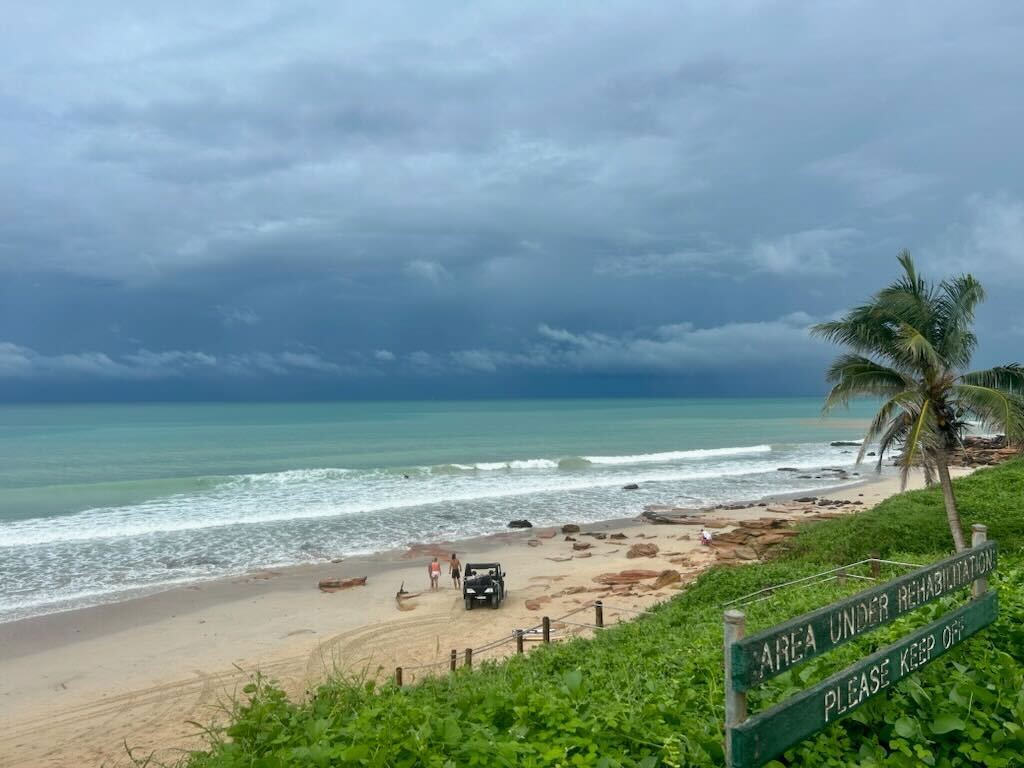
However, Cyclone Lawrence in 2009 was the last category five to make landfall.
It hit Eighty Mile Beach in WA on December 21.
"Mandora recorded a wind gust to 211km/h during landfall, but it likely produced gusts of 285km/h at its peak," Weatherzone said.
Worst cyclones in Australian history
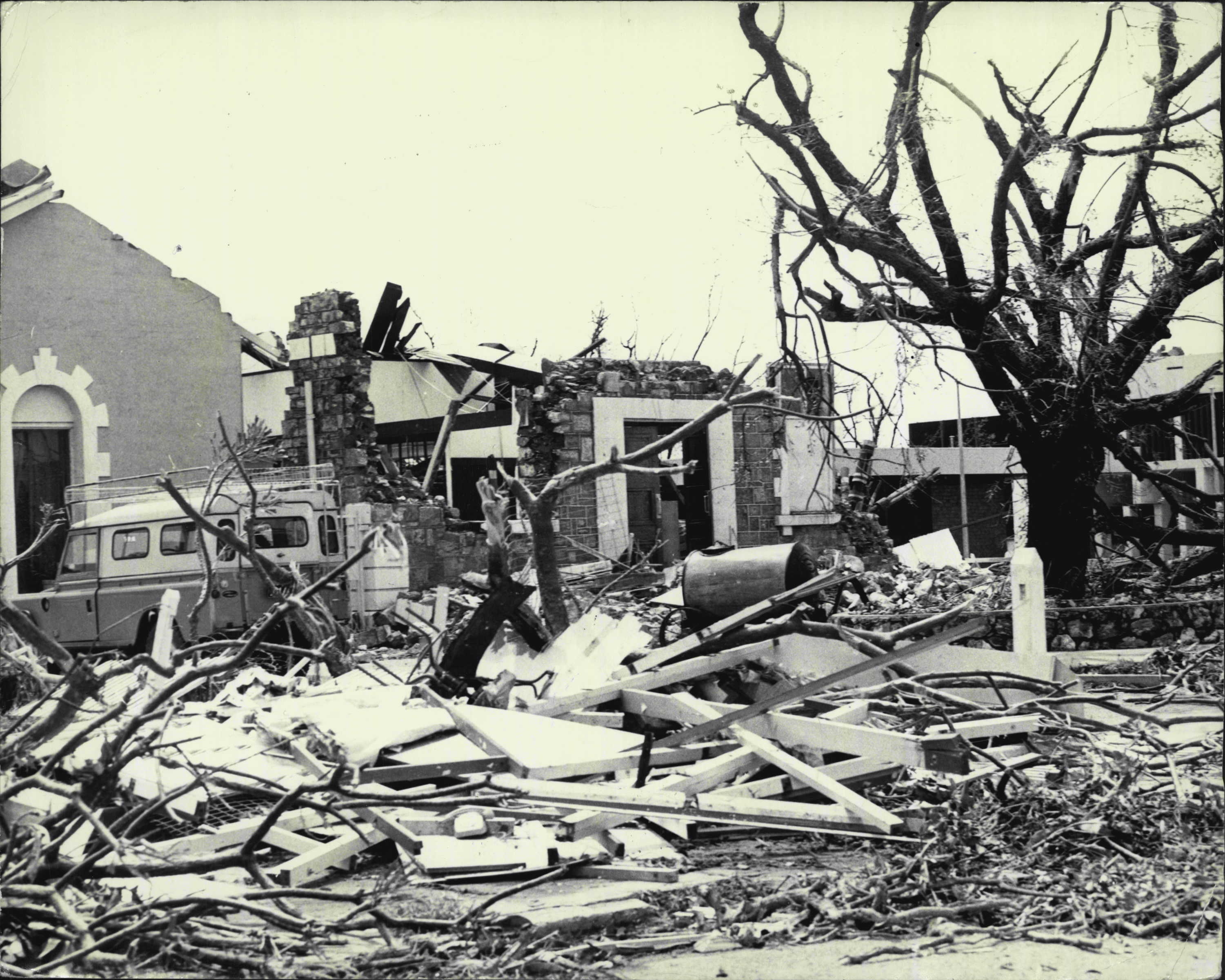
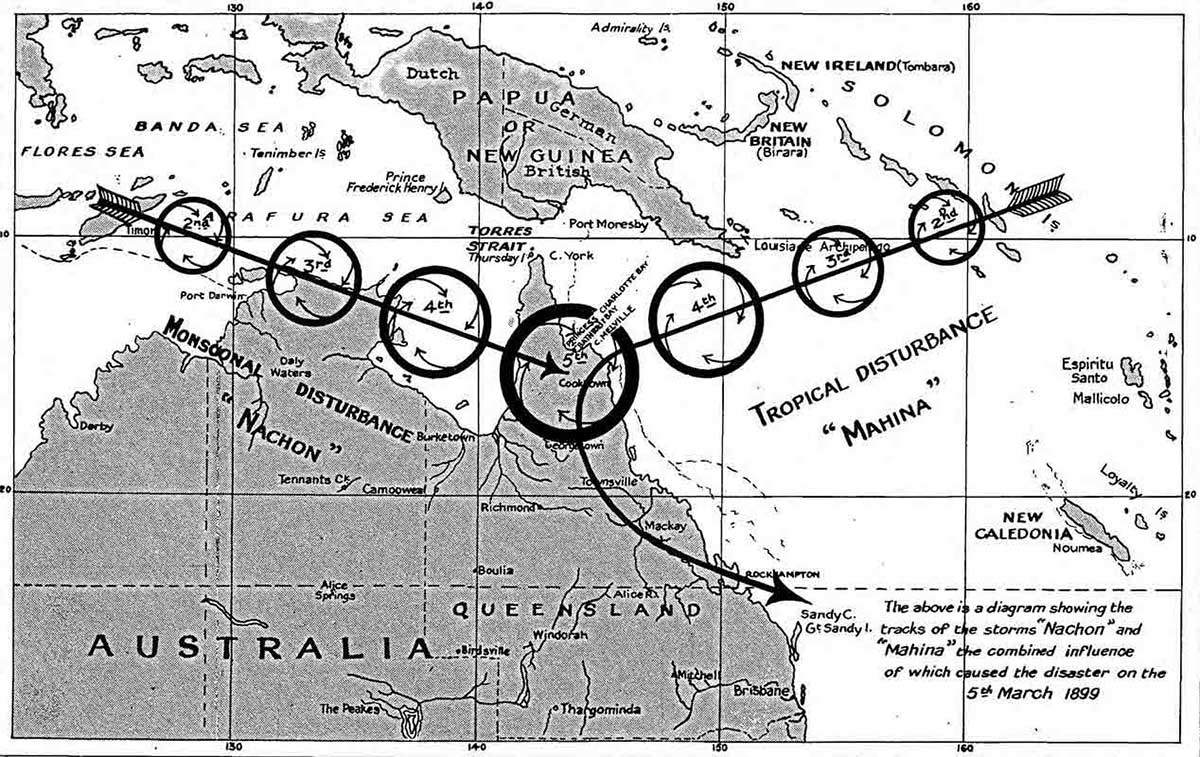
The deadliest tropical cyclone in Australian history was Cyclone Mahina, another Category 5.
It struck Bathurst Bay in Far North Queensland on March 5, 1899 – it killed an estimated 410 people when it scuttled a sheltering pearling fleet.
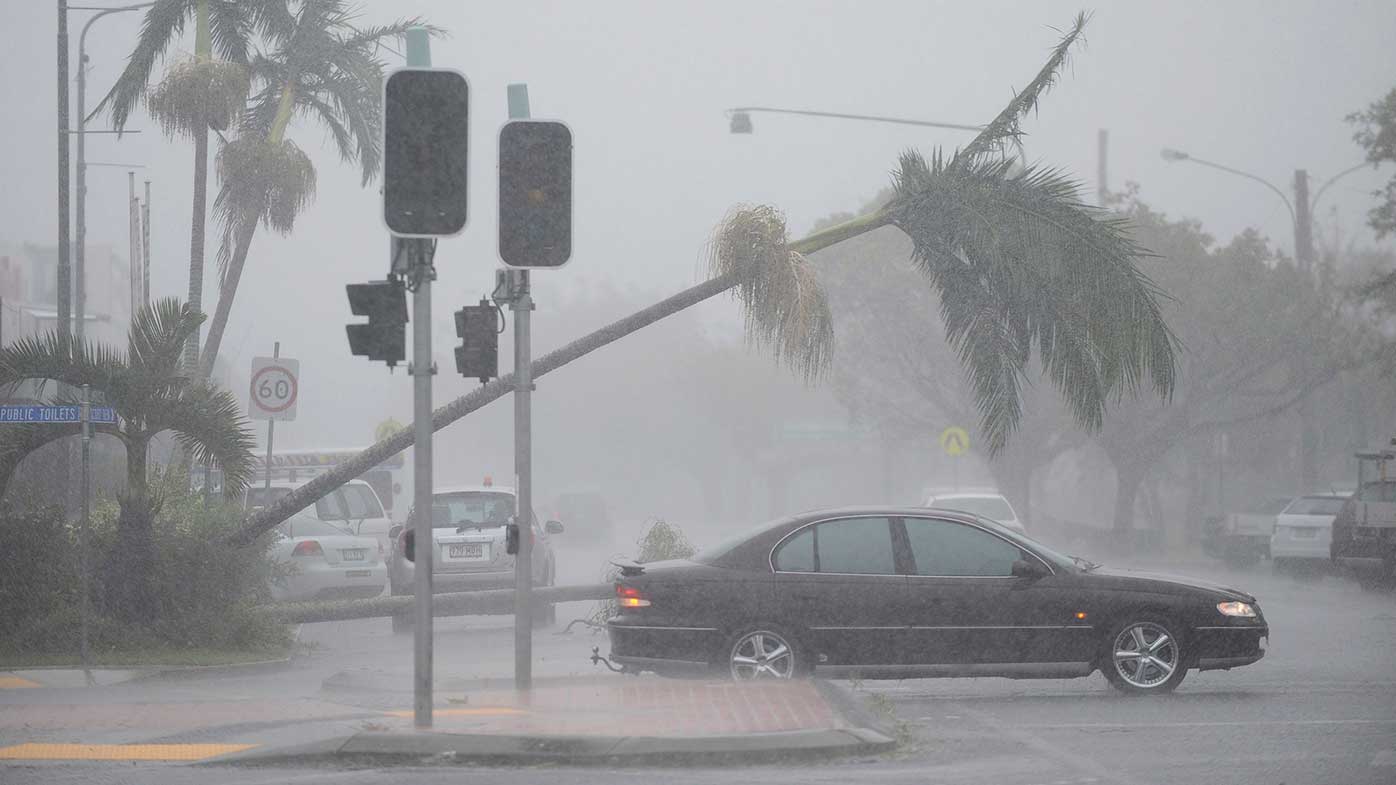
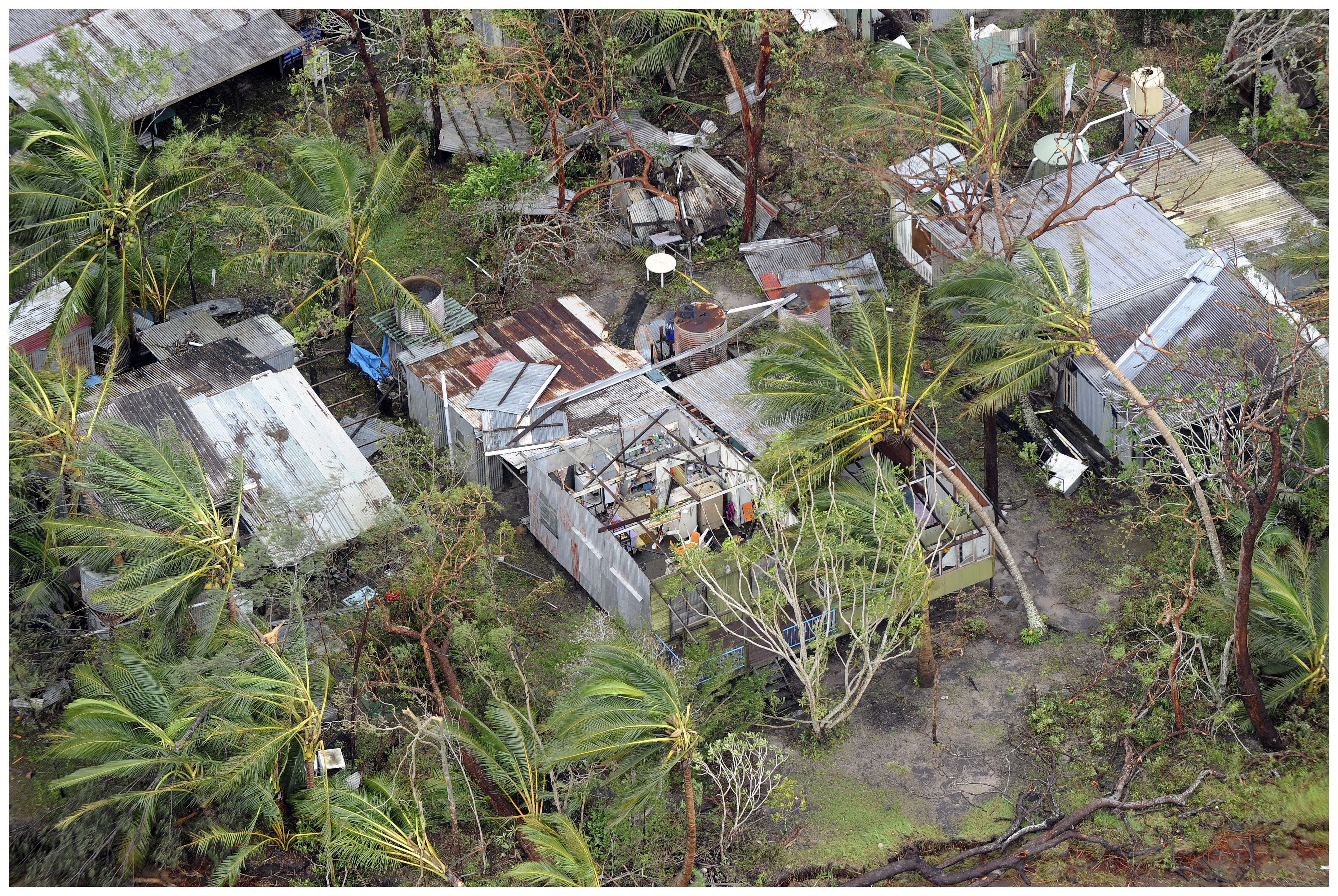
Cyclone Yasi, which hit Far North Queensland coast in February 2011, was one of the largest storms in recent history.
The slow-moving Category 5 system resulted in thousands being evacuated from Cairns.
Banana and sugar cane crops were flattened by the 285km/h wind gusts.
It was estimated to cause $3.6 billion in damage – the most costly cyclone in Australia to date.
Sign up here to receive our daily newsletters and breaking news alerts, sent straight to your inbox.
Will bird flu become the next pandemic? An expert answers FAQs
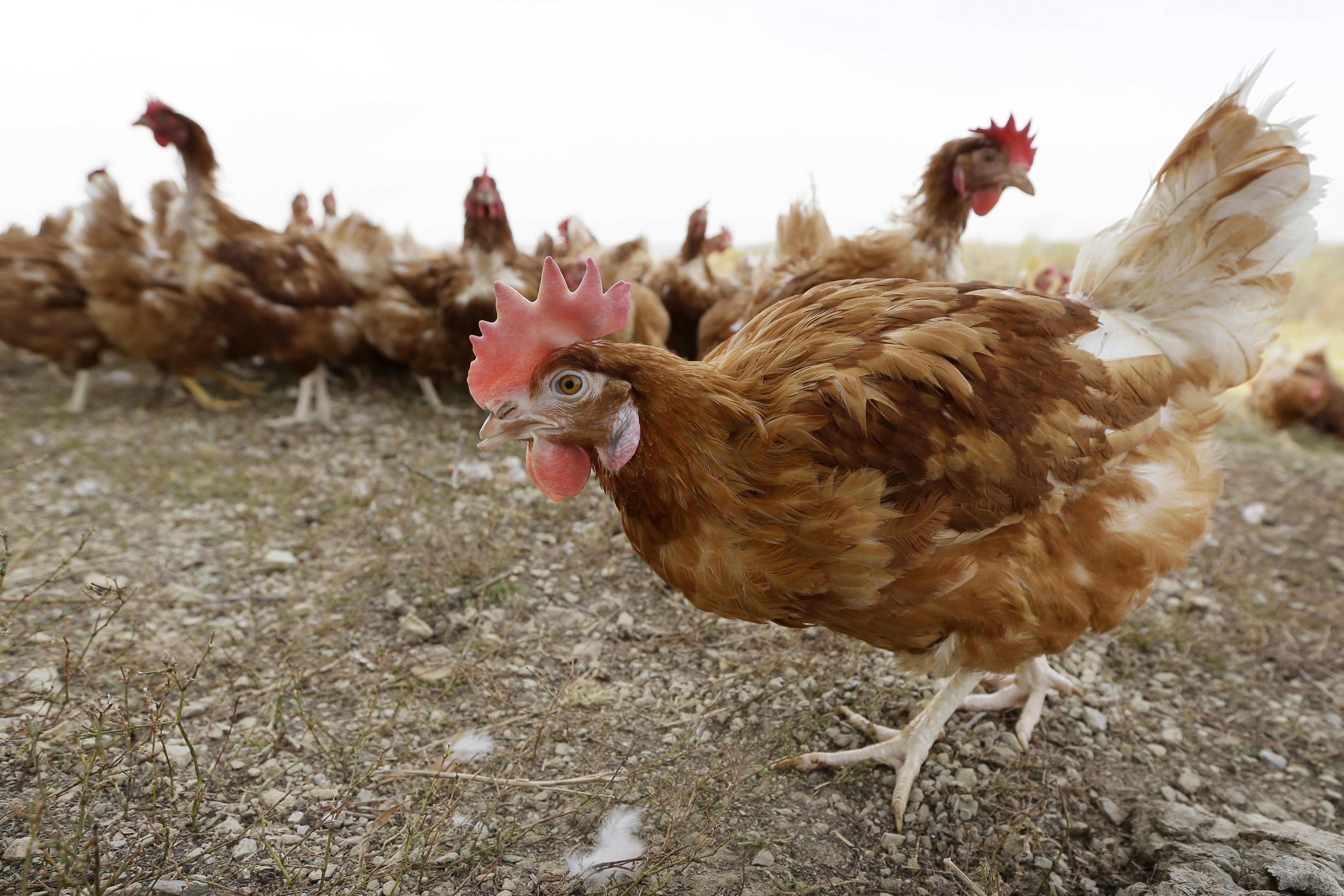
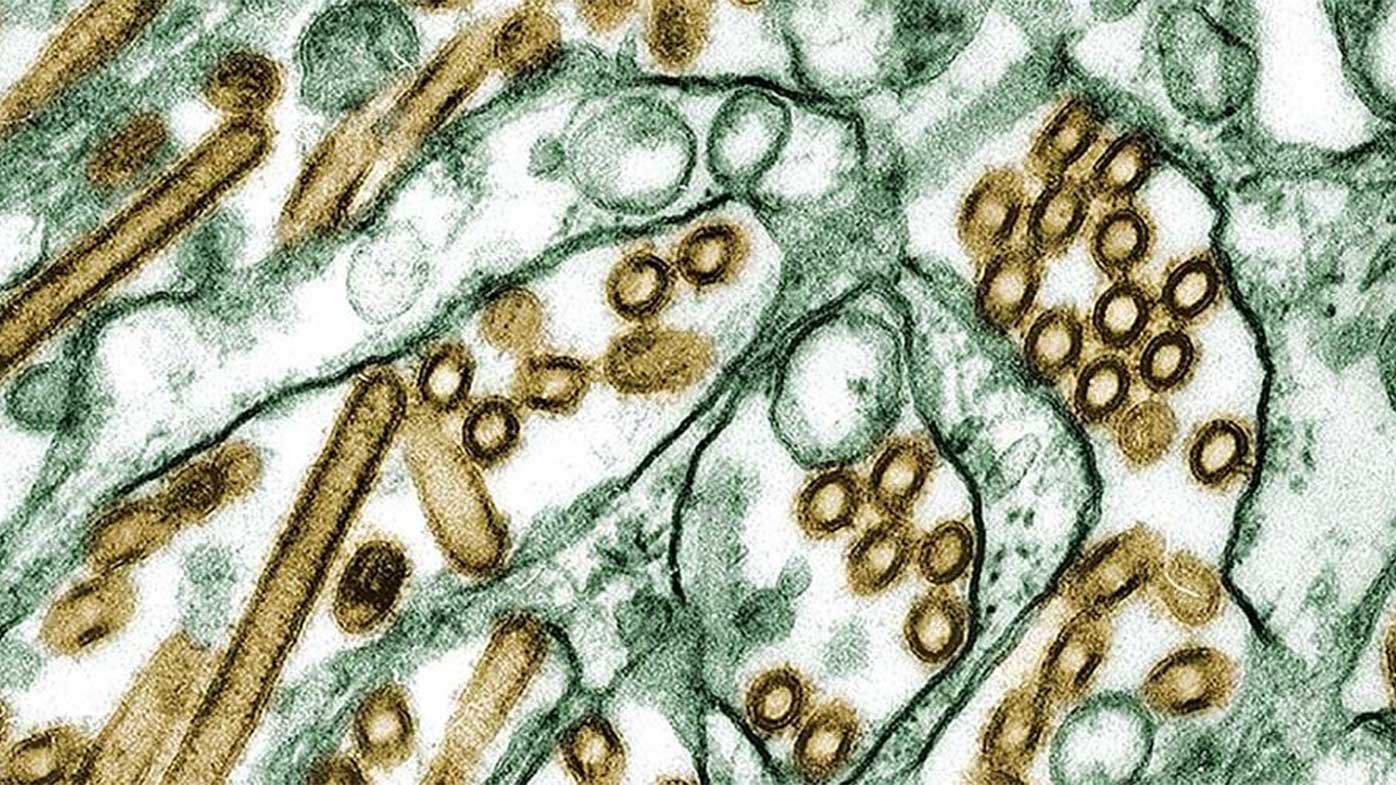
Avian influenza or "bird flu" is a highly contagious viral infection that affects wild and domestic birds worldwide.
It has recently gained notoriety for its devastating impact on the commercial poultry sector and as an emerging human public health threat, particularly after China recorded the first known human death from the H3N8 strain earlier this year.
Here are the answers to some common questions about the disease.
READ MORE: When should you get your influenza vaccine ahead of flu season?
What are avian influenza viruses?
Influenza viruses belong to the Orthomyxovirus family and are grouped into four species designated by the letters A (Alpha), B (Beta), C (Gamma) and D (Delta). Almost all influenza infections in humans are caused by influenza A and B viruses.
Influenza A viruses have been named avian (bird), swine (pig), equine (horse), canine (dog), chiropteran (bat) and human, based on their natural reservoir (the organism where they are most commonly found).
Avian influenza and other Influenza A viruses are categorized into subtypes according to the composition of their hemagglutinin (H) and neuraminidase (N) surface proteins. There are 18 known H types (H1 to H18) and 11 known N types (N1 to N11). The combination of an H type and an N type defines a specific influenza virus subtype (for example, H5N1).
READ MORE: How other nations have moved to tackle housing affordability
What do we know about avian influenza?
Bird flu was first described in the late 1800s. It's a highly transmissible and usually mild disease of wild birds such as geese, swans, seagulls, shorebirds, and also domestic birds such as chickens and turkeys. It is usually caused by influenza A viruses with an H5 or H7 hemaglutinin type, for example, H5N1 or H7N9.
While many forms of these viruses are minimally virulent — meaning they cause mild disease — some are highly virulent, meaning that they cause more serious disease. Millions of poultry deaths in Asia, Europe, the Americas and Australia have been attributed to highly virulent forms of H5N1, H5N8, H7N7 and H7N9, with H5N1 accounting for the vast majority of cases.
In Canada and the US, outbreaks of H5N1 influenza in domestic and wild birds have been reported in most regions.
READ MORE: Why is there a push to stop using gas stoves in Australian homes?
How is avian influenza transmitted to humans?
Avian influenza viruses are not easily transmitted from birds to humans or to other animals. Humans are accidental hosts — meaning that the virus does not typically circulate among people.
Humans may acquire the virus after inhaling birds' respiratory droplets or exposure of their mucus membranes to bird feces, saliva or contaminated surfaces.
Bird flu cannot be transmitted by eating cooked poultry products.
Recently discovered mutations in the neuraminidase (N) gene of H5N1 viruses isolated from humans appear to promote bird-to-human transmission. Fortunately, human-to-human transmission is extremely rare.
EXPLAINED: Who can get a COVID-19 booster dose?
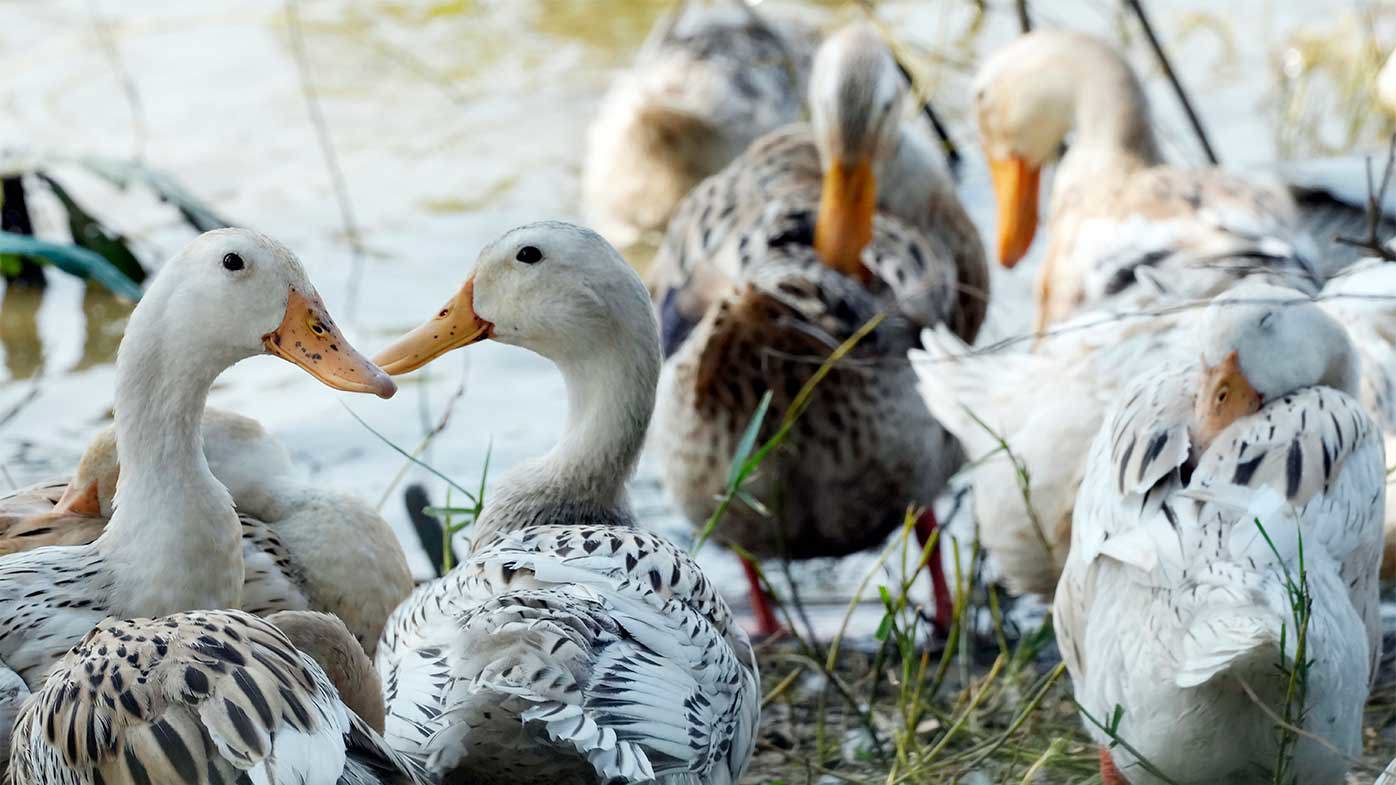
When was avian influenza first reported in humans?
The first human cases of avian influenza were reported in 1997 by public health authorities in Hong Kong. These infections were linked to poultry infected with a highly virulent H5N1 subtype. Of the 18 affected individuals, six (33 per cent) succumbed to their illness.
Since then, avian influenza has been responsible for at least 2,600 infections and over 1000 deaths in humans worldwide. In the majority of human cases, infection was acquired following exposure to live poultry rather than wild birds.
Human infections due to avian influenza viruses have primarily been caused by subtypes H5N1, H5N6, H7N7 and H7N9. All but two of the documented human fatalities to date have occurred in low-to-middle-income countries, likely as a consequence of the total case burden and lack of access to antiviral drugs.
READ MORE: What is strep A, the deadly disease that has authorities on alert?
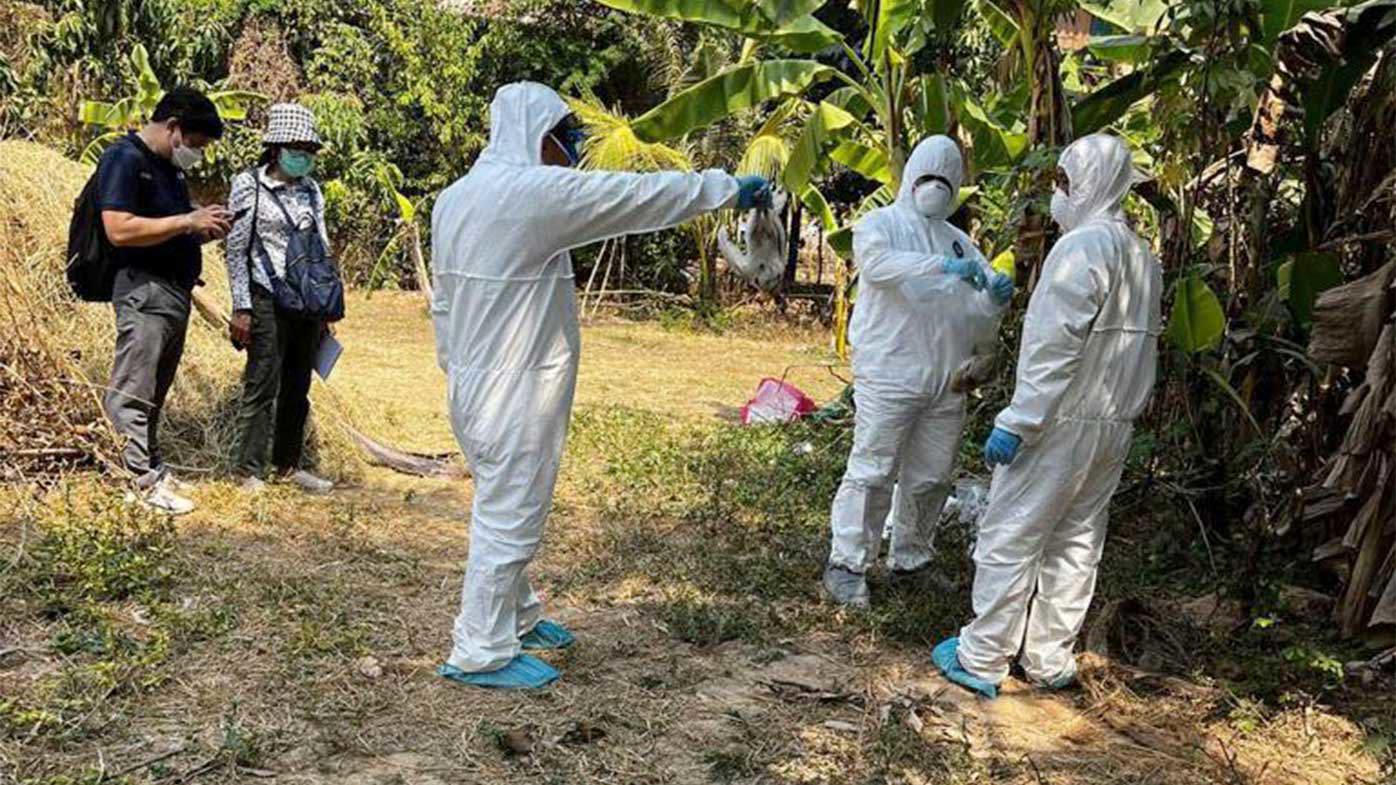
What are the signs and symptoms of avian influenza in humans? How is it diagnosed?
Early symptoms of avian influenza in humans are similar to those caused by seasonal influenza viruses such as H3N2 and H1N1. Typical symptoms include fevers, chills, muscle aches, cough, sore throat, shortness of breath, headache and fatigue.
Infections caused by highly virulent forms of H5N1 or H7N9 subtypes may follow a more severe course of illness characterised by internal bleeding, multi-organ failure and a high mortality rate.
The combination of an influenza-like illness and a recent history of exposure to live poultry should raise suspicion for avian influenza. The diagnosis is confirmed by detection of viral RNA in nasopharyngeal specimens using tests for specific subtypes.
READ MORE: 'Priority groups' urged to get free flu vaccine in NSW
What treatments are available for avian influenza?
Antiviral drugs belonging to the neuraminidase inhibitor (such as oseltamivir) and endonuclease inhibitor classes (for example, baloxivir) appear to be highly effective against most avian influenza subtypes, including H5N1 and H7N9.
However, antiviral resistance has been well documented and represents a threat to the potency of these agents in the face of constant viral evolution.
READ MORE: A deadly fungus is spreading in the US. Here's what you need to know
Is there a human vaccine against avian influenza?
Licensed vaccines exist to protect humans against avian influenza, although they are not commercially available.
In 2007, the US Food and Drug Administration (FDA) approved an H5N1 vaccine for adults ages 18 and older. These vaccines form part of the US government's Strategic National Stockpile (SNS) of medicines for deployment in the event of a public health emergency.
In 2013, the FDA approved a second H5N1 vaccine that is also part of the SNS.
Similar vaccines are licensed in other jurisdictions. All of these vaccines were shown to be safe and effective at the time of approval.
In contrast, H5N1 vaccines for use in animals are commercially available. Vaccination of poultry has been widely adopted in China and other low-to-middle income countries.
The US and Europe are gearing up for a massive poultry vaccination campaign to curtail the spread of bird flu.
How else can I protect myself against avian influenza?
Avoiding direct contact with live poultry is perhaps the single most effective measure to prevent the development of avian influenza.
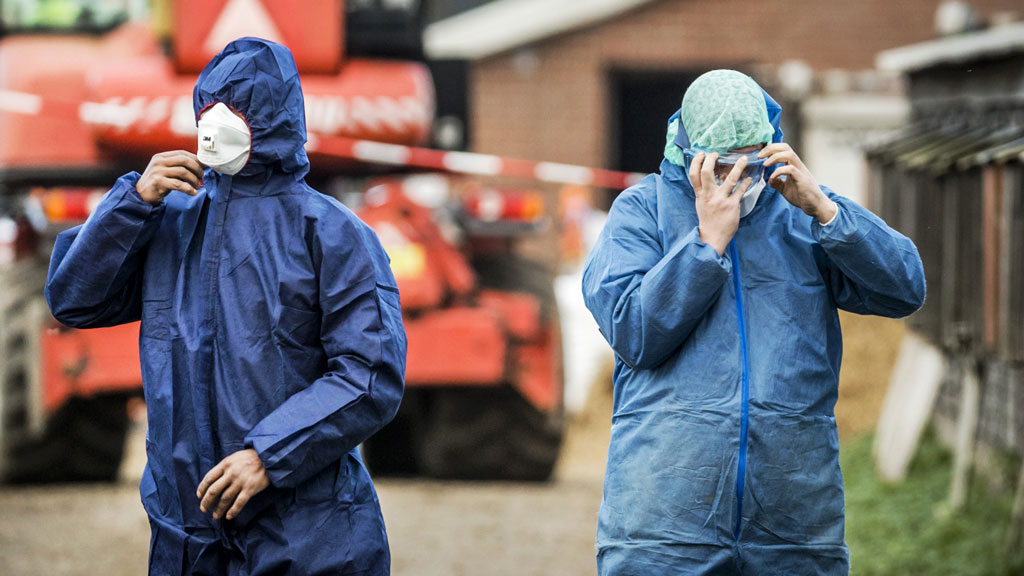
If exposure to potentially infected birds cannot be avoided, personal protective gear including gloves, gowns, face masks and eye shields should be worn. Hands should be thoroughly washed with soap and water after all potential exposures.
Alcohol-based hand sanitisers are less effective at inactivating influenza viruses compared to handwashing.
READ MORE: Post-sex pill seen as new tool to fight rising STD rates
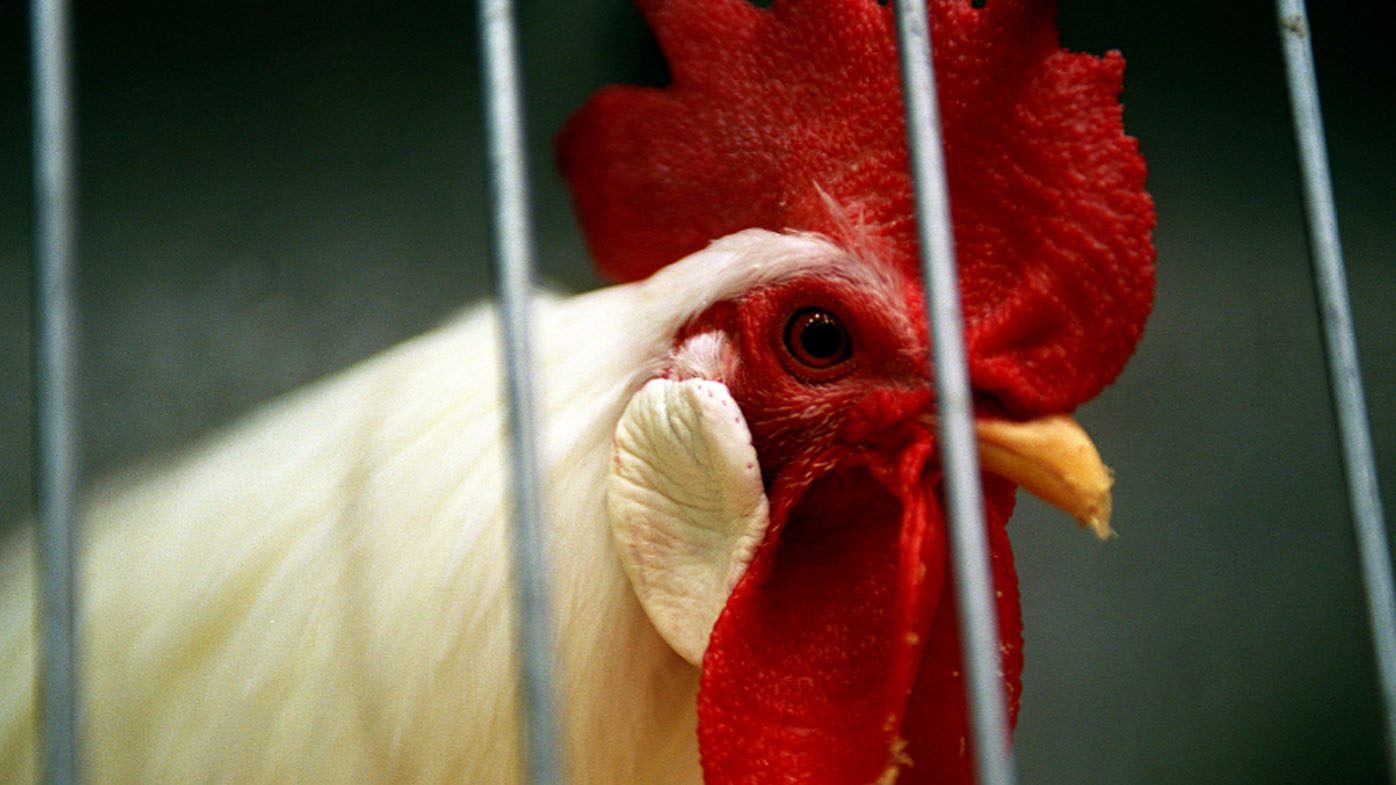
Are bird feeders safe to use?
Although there is currently a negligible risk of developing avian influenza following wild bird exposure, there are divergent opinions on the role of bird feeders in potentially spreading the disease.
The British Columbia Society for the Prevention of Cruelty to Animals recommends temporarily abandoning the practice of using backyard bird feeders.
In contrast, the US Department of Agriculture does not recommend against their use unless poultry are being farmed in the area.
Sign up here to receive our daily newsletters and breaking news alerts, sent straight to your inbox.
Is avian influenza the next viral pandemic?
There is no way to predict if avian influenza will evolve into a pandemic affecting humans.
Mitigation strategies to prevent cross-species transmission include large-scale pre-emptive vaccination of domestic birds and culling of infected flocks.
Of major concern is the potential for novel avian influenza subtypes to emerge through antigenic shift.
This phenomenon involves the reassortment of hemaglutinin and neuraminidase genes when a single host is infected with more than one viral subtype.
As such, avian influenza is a prime contender as a pandemic viral disease of animals and humans alike.
Current stockpiles of avian influenza vaccines for human use will likely be inadequate to meet societal needs should there be a surge in human infections over time.
This article is republished from The Conversation under a Creative Commons license. Read the original article.
Australia's unemployment rate surges past expectations
Australia's unemployment rate has remained flat at 3.5 per cent, with the nation's labour market largely exceeding financial expectations that it would rise.
New data from the Australian Bureau of Statistics (ABS) showed that in March 2023 around 53,000 Australians found a job.
Despite this, the number of jobs gained was not enough to shift the unemployment rate from its historically low level.
READ MORE: Australian unemployment three times higher than official statistics, pollster claims
ABS head of labour statistics Lauren Ford said the figures show it is still a job-seekers market.
"With employment increasing by around 53,000 people, and the number of unemployed decreasing by 1,600 people, the unemployment rate remained at a near 50-year low of 3.5 per cent," Ford said.
"In line with the increase in employment, the employment-to-population ratio increased 0.1 percentage point to 64.4 per cent, with the participation rate remaining at 66.7 per cent.
"Both indicators were close to their historical highs in November 2022, reflecting a tight labour market and explaining why employers are finding it hard to fill the high number of job vacancies."
READ MORE: Household incomes 'at risk of collapse' due to high inflation, rates
Today's data, which largely beat market expectations, will form the foundation of the Reserve Bank's May decision on interest rates.
In April, the RBA kept the cash rate target on hold at 3.6 per cent after 10 consecutive prior hikes, signalling a slowdown in the national economy.
However, RBA Governor Philip Lowe flagged that key economic statistics – such as the labour market – would form the basis of the bank's next decision.
Treasurer Jim Chalmers, currently in Washington DC, told Today this morning that he did not expect Australia to plunge into economic darkness despite the challenges ahead.
"It's not the expectation for us in Australia that the economy will fall into recession but we are expecting a pretty substantial slowdown in our economy as a consequence of what's happening around the world," he said.
"We have a lot going for us.
"Low unemployment, the beginnings of wages growth, really good prices for our exports on world markets.
"I'm relatively optimistic about the future of our economy and our country but it is going to get more difficult when it comes to the global conditions over the next year or so and that will impact us in Australia."
READ MORE: Australia is struggling to address the housing crisis. This is what other nations have done
Sign up here to receive our daily newsletters and breaking news alerts, sent straight to your inbox.
Crackdown on train 'buffer riding' after spike
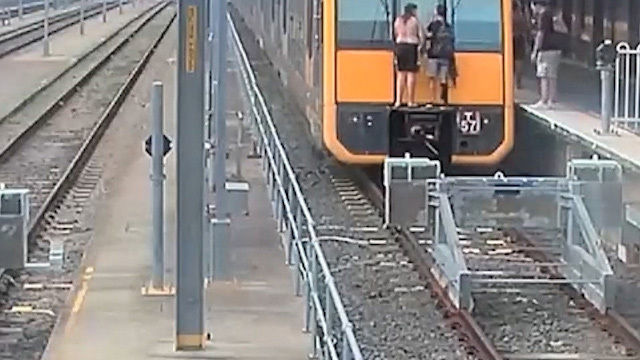
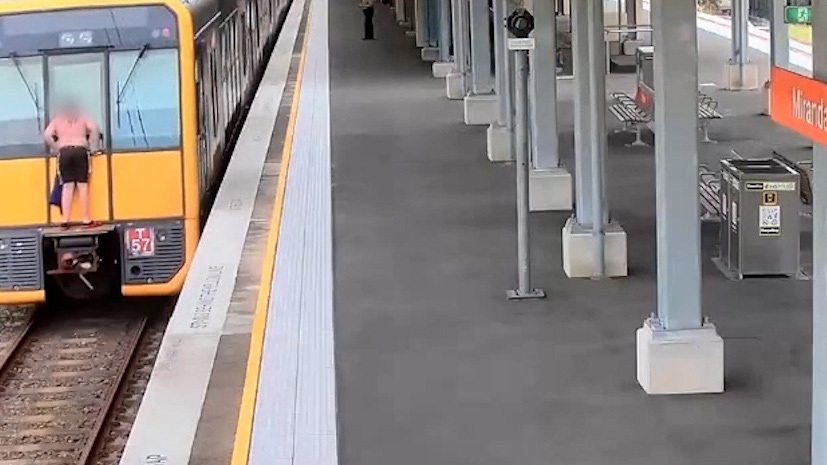
A crackdown on the potentially deadly act of clinging onto the back of speeding trains has been launched as transport bosses warn of a spike in the "extremely dangerous and stupid" crime.
Known as "buffer riding" it sees people jump onto the back of a train and cling on as the vehicle speeds off at up to 110km an hour.
Trains bosses say incidents are rising, up over 13 per cent since 2021, with school holidays also to blame for a spike.
READ MORE: Aussie incomes facing total 'collapse'
READ MORE: Cyclone getting bigger and stronger ahead of collision with coast
Eleven people have died because of illegal trespassing in rail corridors in the past five years, including people in the past year, Sydney Trains said.
Shocking footage of what appears to be young people leaping onto the backs of trains before they leave the station, and clinging on as they depart, has been released.
Sydney Trains Chief Executive Matt Longland said it is using CCTV to identify offenders, with the help of NSW Police.
"We want to warn them that this is an extremely dangerous and stupid thing to do; all it takes is one misstep and your life could be over," Longland said.
"One mistake could destroy not only your own life, but also cause untold heartache and grief to your family and friends as well.
"All too often we see lives lost by people trespassing in the live rail corridor.
"It only takes a train accelerating or braking quickly, or for it to move close to infrastructure for someone to be knocked onto the tracks.
READ MORE: The man who works through the night to return items lost on Sydney Trains
"If the fall itself doesn't kill you, the next train coming along probably will."
NSW Police's North Central Police Transport Commander, Superintendent Cath Bradbury, said the risks of taking part in the stunt, "should not be underestimated".
"The Police Transport Command works closely with our transport partners to use the necessary resources, including CCTV, to detect, identify, and target offenders," Bradbury said.
READ MORE: Police face complex search for missing woman at rubbish tip
"We also urge commuters to report 'buffer riding' and other anti-social or criminal behaviours to Crime Stoppers on 1800 333 000."
Penalties for trespassing in rail corridors can exceed $550, and rise to $5500 for trespassing on the Sydney Trains network
Passengers can report buffer riding to staff on trains or at stations.
READ MORE: How other nations have moved to tackle housing affordability
READ MORE:Bunnings arrest weeks after terrifying kidnap
Sign up here to receive our daily newsletters and breaking news alerts, sent straight to your inbox.
'The awful part is not knowing': 1984 cold case probe renewed
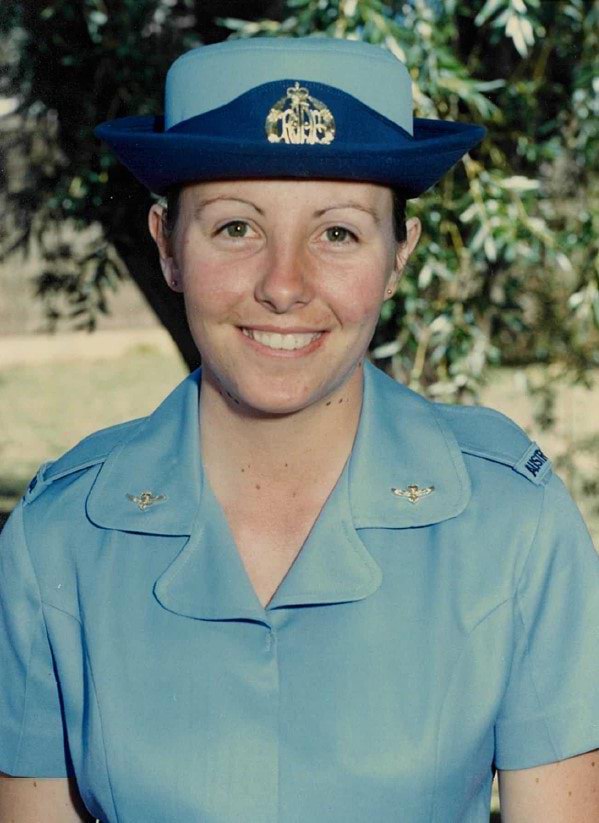
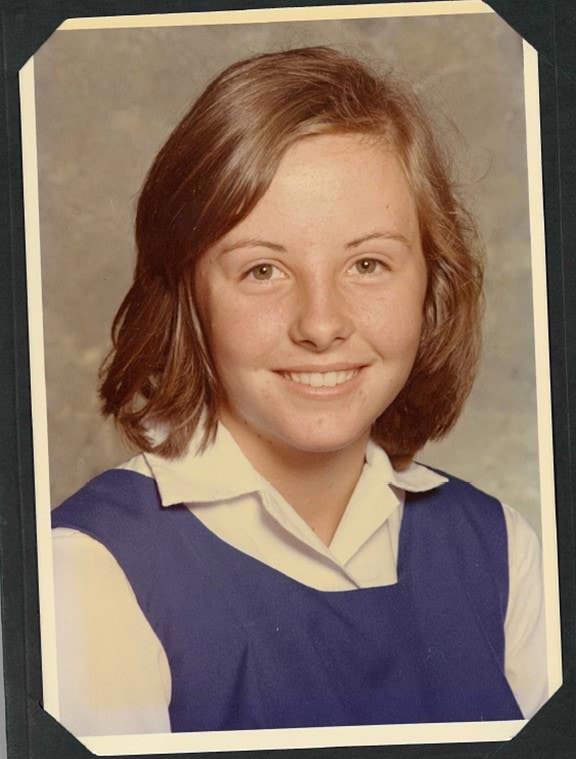
Debra Campbell vanished from her Victoria home in 1984. Now, nearly 40 years later, police are asking the public for help to finally close this suspected cold case.
Campbell was 21 years old when she went missing from her High Street home in Windsor, following an argument with her 26-year-old fiancé on Saturday, February 25, 1984.
Campbell – a member of the Royal Australian Air Force (RAAF) at the time – was reported missing after she didn't show up for her shift two days later.
READ MORE: Toddler injured in third dog attack this week in Queensland
After she couldn't be found by the RAAF, her mother reported her missing to Victoria Police.
By 1998, a coronial inquest declared that Campbell was most likely dead, however, there's been little to no evidence that suggests how she died.
Almost 40 years later, police are still investigating her disappearance, and are asking the public for assistance.
"I want to assure people that no matter how much time has passed, we are committed to finding those responsible and holding them to account," Detective Inspector of the Missing Persons Squad Dave Dunstan said.
"I have no doubt there are people with information that can help us solve Debra's disappearance and I am urging those people to come forward.
READ MORE: How other nations have moved to tackle housing affordability
"We believe we can solve this case – as we often say, we could only be one phone call away, it just needs to be the right call."
Investigators believe that Campbell's disappearance involved "foul play" and are asking the public for any information about the case as her family continues to mourn their loss.
"The most awful part is not knowing where she is or what happened to her, and that the person responsible for taking my daughter away has not been held accountable," Campbell's mother Jean said.
"I'm desperately hopeful that the re-investigation of my daughters' case may bring us answers after all these years.
"I love her and still miss her so dearly."
The 21-year-old was wearing a pair of blue jeans, a pink t-shirt with the motif of band Madness on the front in black and a pair of blue Adidas runners when she went missing.
Police say she may have been carrying a green handbag with a gold stripe on it.
READ MORE: Police face long, complex search for missing woman picked up by rubbish truck
Sign up here to receive our daily newsletters and breaking news alerts, sent straight to your inbox.
Household incomes 'at risk of collapse' due to high inflation, rates
Ahead of today's latest unemployment figures, there is a warning many households are facing a collapse in incomes due to high interest rates and inflation.
The Commonwealth Bank's chief economist, Stephen Halmarick, said there are signs the economy will struggle to cope in the second half of this year, reports The Sydney Morning Herald.
He warned the Reserve Bank of Australia (RBA) may have to begin slashing interest rates by the end of the year because the economic downturn is likely to cause a big fall in inflation and about 150,000 extra people out of jobs.
READ MORE: Global economy entering 'perilous phase', warns IMF
This week the International Monetary Fund (IMF) said the outlook for the world economy this year has dimmed in the face of chronically high inflation, rising interest rates and uncertainties resulting from the collapse of two big American banks.
The Australian economy is set to grow by 1.6 per cent this year followed by 1.7 per cent through 2024, the IMF said.
But Halmarick forecast the impact to household incomes will mean the Australian economy will grow this year slightly lower than the IMF figure.
The RBA's aggressive policy in lifting rates from 0.1 per cent to 3.6 per cent over the past 11 months has been a major factor in the economy slowing.
There was a pause in lifting rates this month but RBA officials have acknowledged they are struggling to curb inflation in the wake of the pandemic. According to board members, the central bank was excessively cautious in how it set interest rates.
READ MORE: Thousands of Aussies at risk of defaulting or becoming trapped in mortgage, RBA warns
"Growth in real household disposable income in Australia has collapsed and is now deeply negative," Halmarick said.
And the increase in nominal household income has been wiped out by soaring inflation, taxes increases and larger debt interest costs, he said.
Treasurer Jim Chalmers said this week global economic uncertainty would define the May 9 budget.
He flagged the federal government would make some hard decisions on cutting spending but would offer targeted cost-of-living relief measures.
READ MORE: Australia is struggling to address the housing crisis. This is what other nations have done
Sign up here to receive our daily newsletters and breaking news alerts, sent straight to your inbox.
Palace says Prince Harry will attend King Charles' coronation
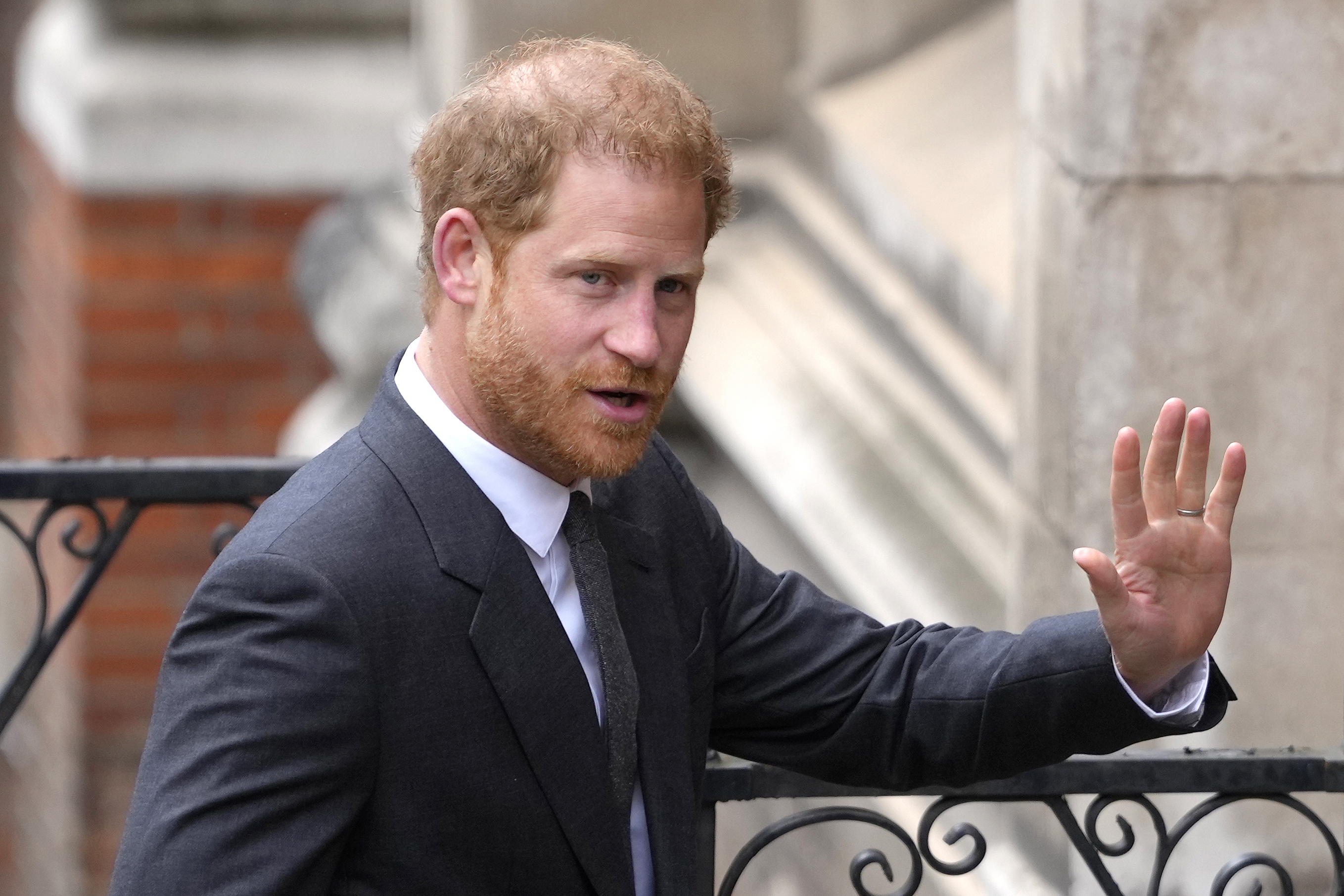
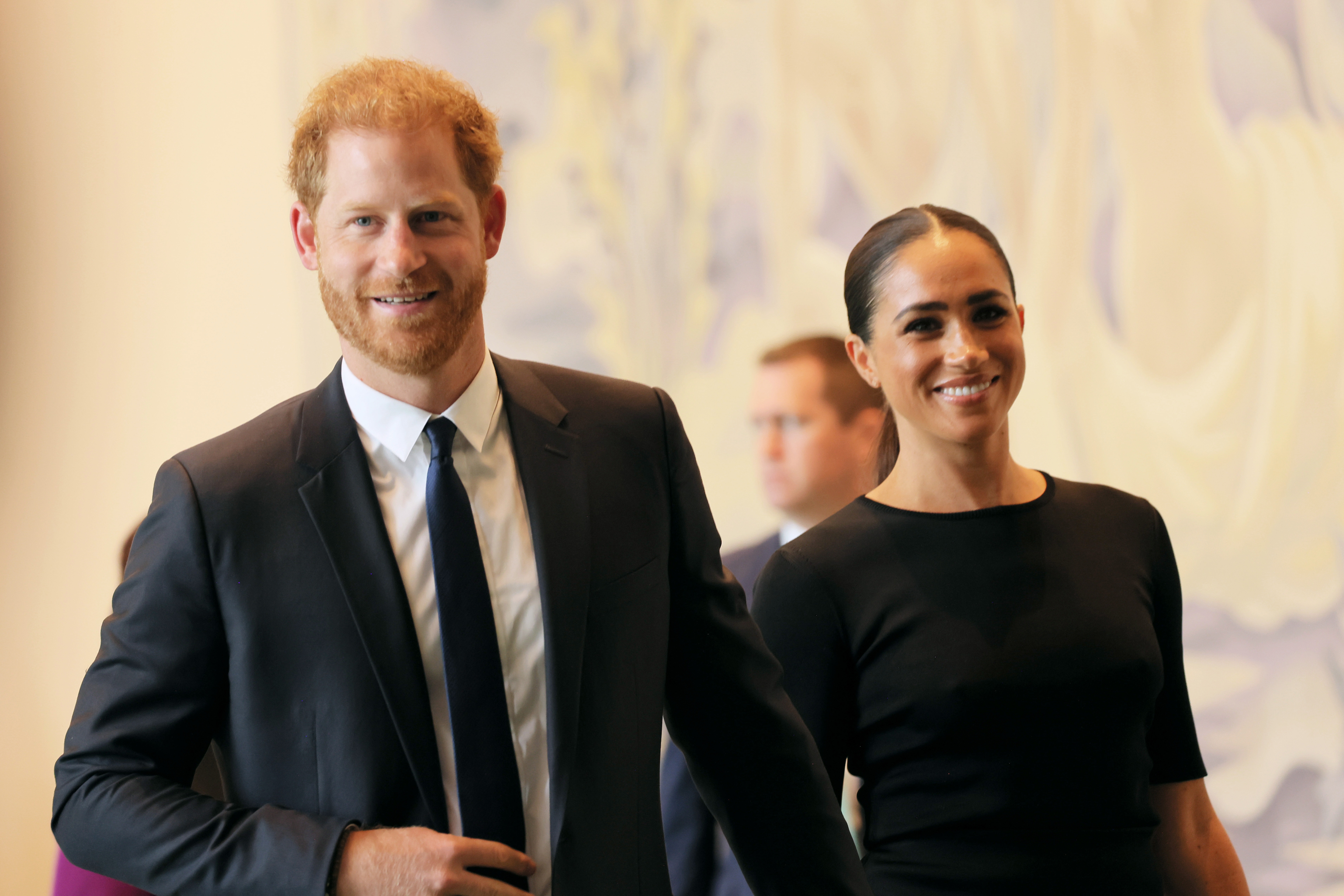
Buckingham Palace says Prince Harry will attend the coronation service of his father, King Charles III, setting aside months of speculation about his presence.
Harry's wife, Meghan, the Duchess of Sussex, will remain in California with the couple's two children, Prince Archie and Princess Lilibet, the palace said on Wednesday.
A nearly identical statement from the Sussex's representatives confirmed the news.
READ MORE: Service NSW employee charged after allegedly assisting gang in Sydney kidnapping
While the announcement should silence the "will he or won't he" debate in the media, it won't end the royal soap opera swirling around Harry and Meghan as King Charles III prepares for his May 6 coronation, coincides with Archie's birthday.
When the prince attended the funerals of his grandfather, Prince Philip, and his grandmother, Queen Elizabeth II, commentators discussed everything from whether Harry would be allowed to wear his military uniform to exactly where he was seated.
And there is always the question of whether he will meet face-to-face with his father and older brother, Prince William.
That intrigue will only be heightened after Harry and Meghan stoked their critique of the royal family in a six-part Netflix series about their decision to step back from royal duties three years ago, which was followed by Harry's decision to reveal family secrets in his bestselling memoir Spare.
Harry and Meghan, who is biracial, have alleged she faced racist attitudes from both the palace and the UK press.
The treatment contributed to their decision to leave the country.
The revelations in Spare, including details of private conversations with his father and William, fanned tensions between Harry and his family that became public when he and his wife moved to North America in 2020.
The book also included allegations that members of the royal family regularly feed the press unflattering information about other members of the House of Windsor in exchange for positive coverage of themselves.
The prince singled out Camilla, Queen Consort, accusing her of leaking private conversations to the media as she sought to rehabilitate her image after marrying Charles.
Camilla was once reviled for her long-term affair with Charles, which contributed to the breakdown of his marriage to the late Prince Diana, Harry and William's mother.
READ MORE: 'Her brain just didn't recover': Victorian schoolgirl dies after chroming with friends
The acrimony between Harry and his family once again spilled into public view last month when the Sussexes said that they had been asked to vacate their home in Britain.
Frogmore Cottage, a royal residence on the grounds of Windsor Castle west of London, was the couple's main residence before they gave up royal duties and moved to Montecito, a wealthy enclave in Southern California.
Sign up here to receive our daily newsletters and breaking news alerts, sent straight to your inbox.
Two men to appear in court after gang pad raid in Massey uncovered high-powered explosive
The pad was associated to a senior patched member of the Head Hunters Motorcycle Gang.
NASA unveils recreation of Mars where volunteers will live for a year
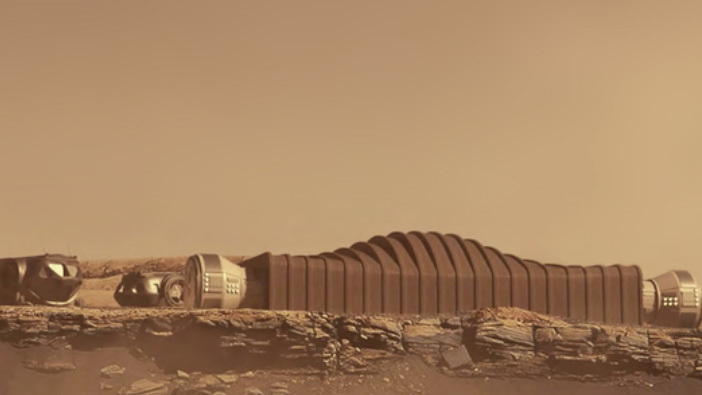
NASA has unveiled a fake "Mars' on Earth, where it plans to send four volunteers for year-long stints to help prepare astronauts for exploration of the planet.
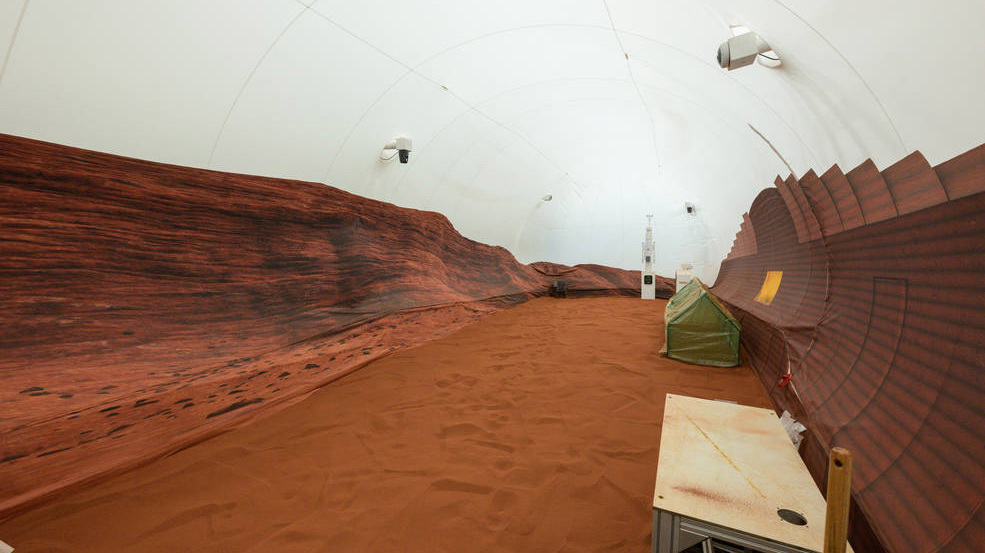
Mars Dune Alpha, the new 3D-printed habitat at Johnson Space Center in Houston has "sandbox" filled with red dust to recreate the landscape of the mysterious planet.
The volunteers – selected from public applicants – will even do simulated "Marswalks" – using virtual reality technology and treadmills.
They will also have a helicopter-like drone and a roving robot.
READ MORE: Family's year-long battle to get mould removed
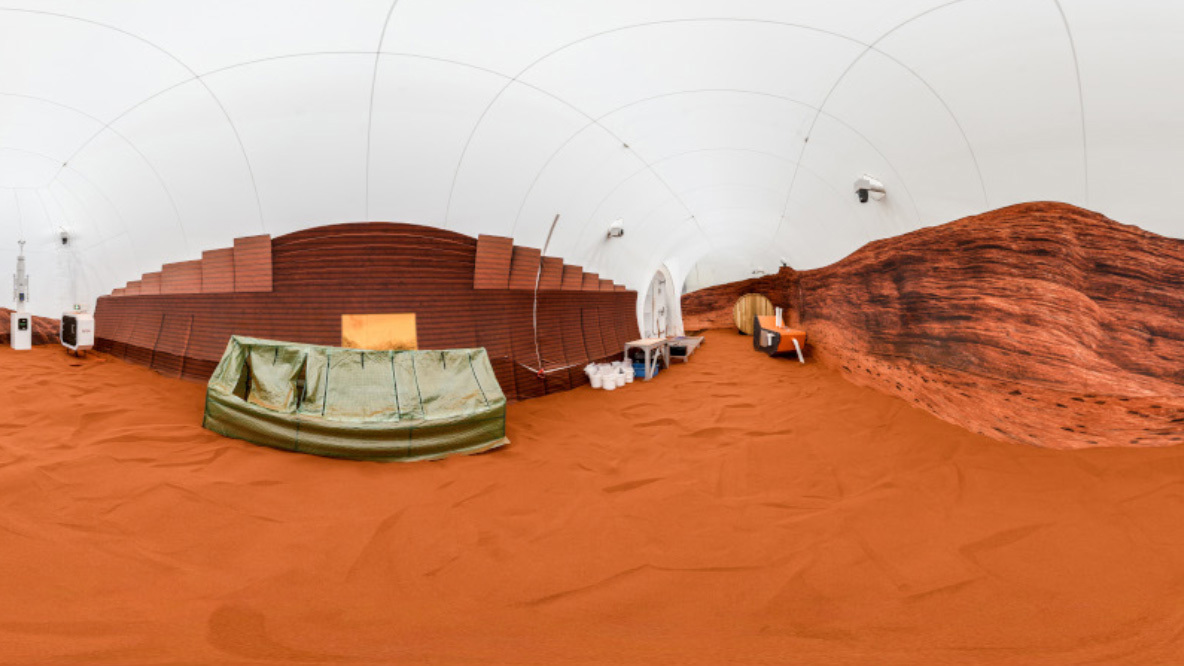
The base, which at 111sq m environment is about the size of a small house, has four private crew quarters, workstations, a medical station, common lounge areas and a galley and food growing stations
The experiment is reminiscent of 2015 movie The Martian, which saw an astronaut played by Matt Damon, stranded on Mars and forced to survive.
NASA warned the realistic habitat will force the crew to face "environmental stressors such as resource limitations, isolation, and equipment failure".
READ MORE: China preparing to invade, says neighbour's foreign minister
READ MORE: Parents issue warning after Victorian schoolgirl's death
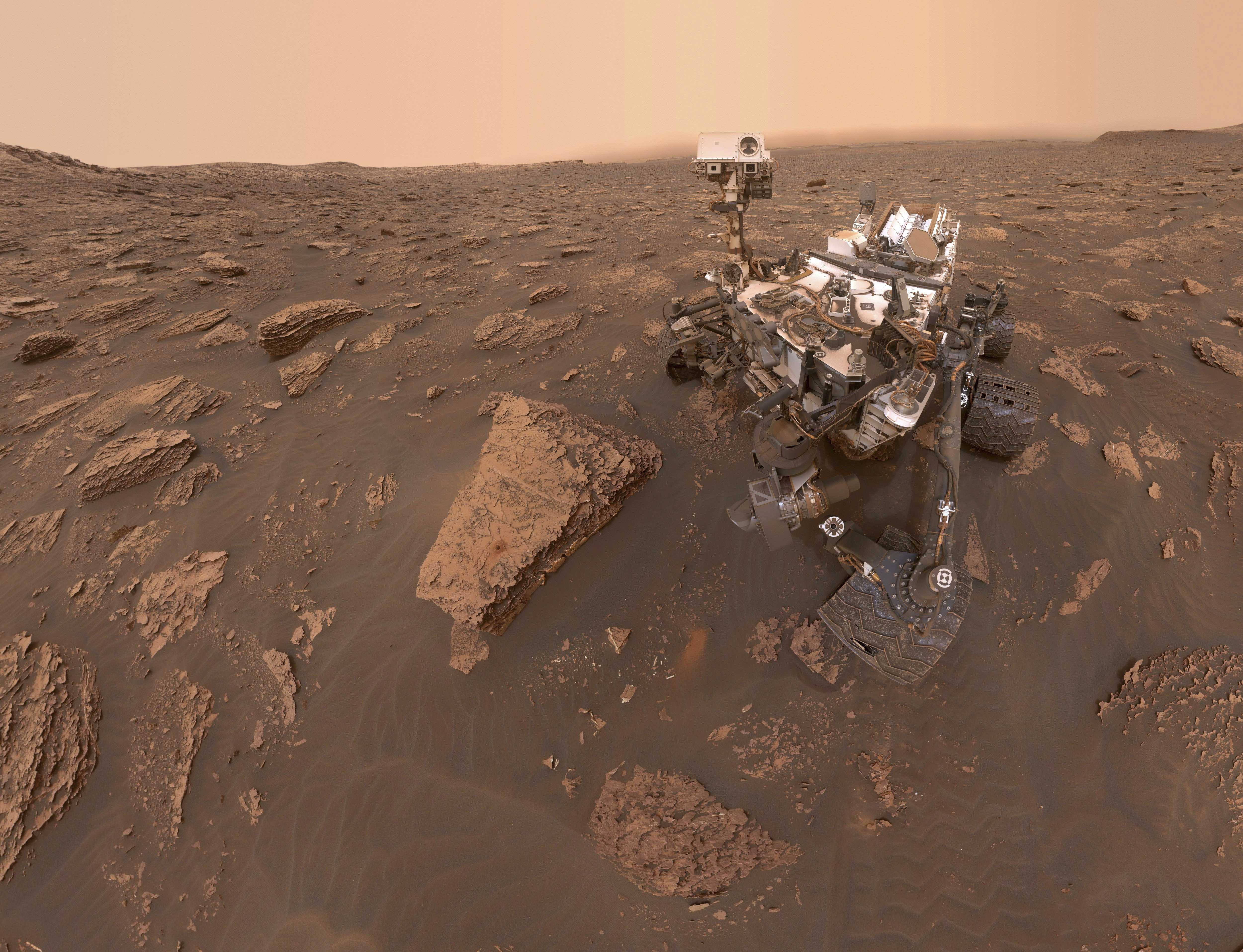
"We would have them do geology work, and then they probably would do some building tasks, and then also exploration," said Raina MacLeod, Crew Health and Performance Exploration Analog deputy project manager said.
"The robotics element is a very interesting activity that we are including for our crew.
"It's always good to have really stimulating tasks, especially on a long-duration analog study to keep the crew excited.
READ MORE: Western Australia braces for a once-in-a-decade storm
"But these activities could also be very realistic in that future Mars astronauts could utilise remote piloting drones and rovers to expand the reconnaissance radius."
READ MORE: Mystery Aussie suddenly $30 million richer
However, it won't be quite realistic, as Mars has only a third of the gravity of Earth.
Applications have now closed for the three, one-year stints, which start this winter.
It's not known how much volunteers will be paid.
Before Mars, NASA plans to return to the moon.
Sign up here to receive our daily newsletters and breaking news alerts, sent straight to your inbox.