Police say Richie Hardcore’s car has not been found and they are investigating.
Tag Archives: oceania
Property prices rise for first time in 10 months
Property prices in Australia have risen for the first time in 10 months, but supply shortages are set to continue the rental crisis.
New data from CoreLogic released today showed the median value of properties sold across Australia went up by 0.6 per cent in March.
The property research company said the figure was not reflected in all states, but tomorrow's looming interest rate decision may change that.
READ MORE: Sydney mayor says western suburbs are 'full' ahead of migrant influx
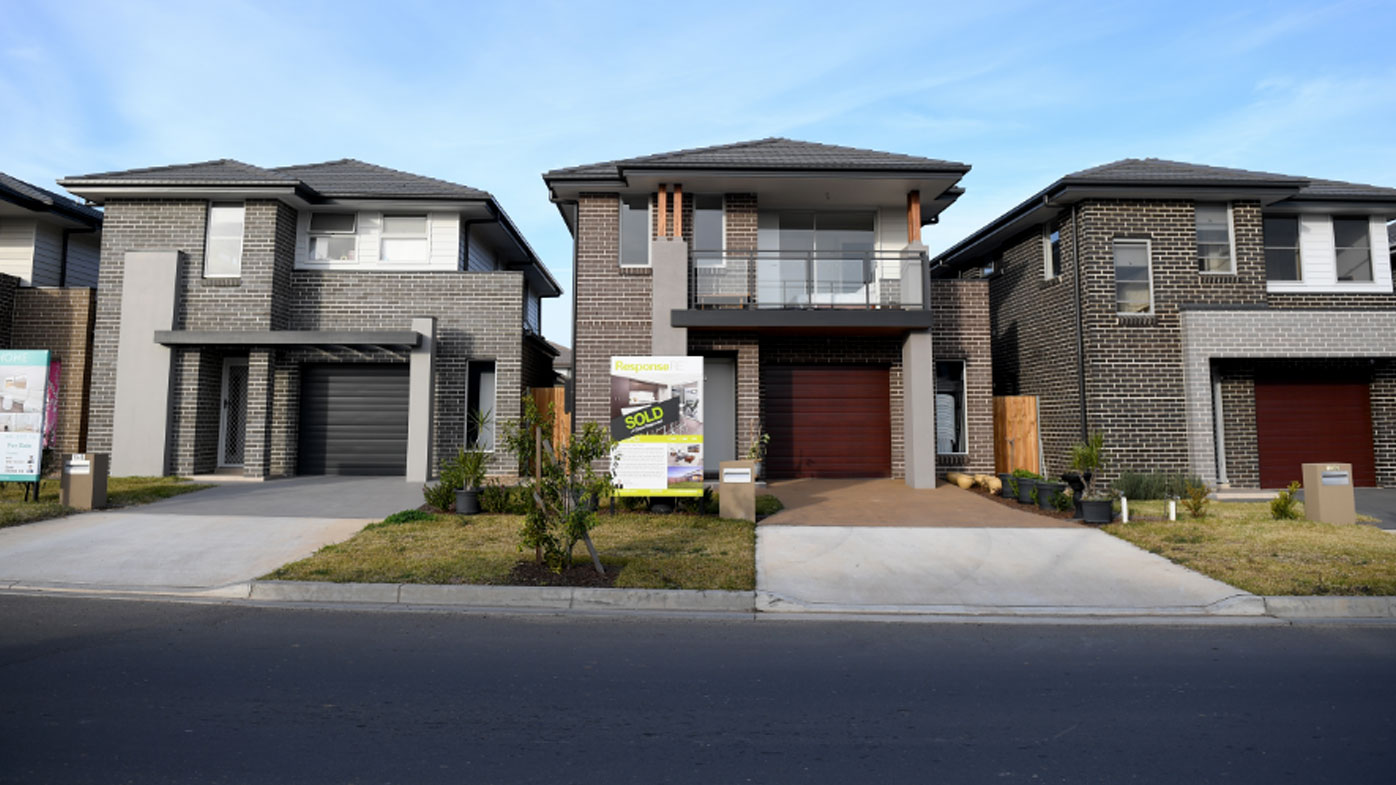
The price growth is being fuelled by the major capital cities, while smaller markets – such as Hobart and Darwin – remain in a downturn.
Sydney's average property price has returned to above $1,000,000.
Tim Lawless, CoreLogic's research director, said a recovery in the high end of the market was largely responsible for the Sydney recovery in prices.
There were also price increases in Melbourne, Perth and Brisbane, of 0.6 per cent, 0.5 per cent and 0.1 per cent respectively.
Lawless said the national bounce back in prices was driven by a combination of low stock, a very tight rental market and demand from permanent overseas migrants.
Meanwhile, a separate report has predicted Australia will be short of more than 100,000 homes over the next five years, The Sydney Morning Herald report.
The National Housing Finance and Investment Corporation (NHFIC) forecasts Brisbane alone will have a shortage 12,300 dwellings within five years while Sydney will lack about 10,000 homes.
READ MORE: Queensland to limit rent increases under housing policy overhaul
Australia is already experiencing severe housing pressures, with rental vacancy rates in every capital at or below 1 per cent.
The construction sector has also been beset by spikes in costs, delays and poor weather that impacted building schedules.
Research by NHFIC predicts 1.8 million new households over the next decade, but only 148,500 new dwellings will be added to the national housing stock this financial year.
That figure will drop to 127,500 in 2024-25.
The largest decrease will be in apartments and multi-density dwellings, the NHFIC said.
Sign up here to receive our daily newsletters and breaking news alerts, sent straight to your inbox.
Meth-addicted ex-teacher censured after shoplifting, taking car on ‘joyride’
The woman walked out of a supermarket with a trolley full of groceries without paying.
Latitude criticised for length of time they held onto data
Latitude Financial Services has been criticised for holding on to historic data of New Zealanders and a "she'll be right" attitude after the company was hit by a major data breach.
Latitude reported last week 7.9 million Australian and New Zealand driver's licence numbers were stolen in its cyberattack – 3.2 million of these were from the last 10 years.
A further 6.1 million customer records including some but not all of the Australian and New Zealand customers' names, addresses, phone numbers and dates of birth were stolen in the attack.
READ MORE: Popular Russian military blogger killed in bomb blast
New Zealand's deputy privacy commissioner Liz MacPherson claimed some of the records taken from the country's residents are up to 18 years old which "isn't okay" and reveals the broader issue of data retention.
"Data retention is the sleeping giant of data security. There are consequences for holding onto data you no longer need," she said.
"All businesses and organisations can learn from this: don't collect or hold onto information you don't need. The risk is simply too high for your customers and your organisation.
"Don't risk being a hostage to people who make it their day job to illegally extract data."
READ MORE: Property prices rise for first time in 10 months
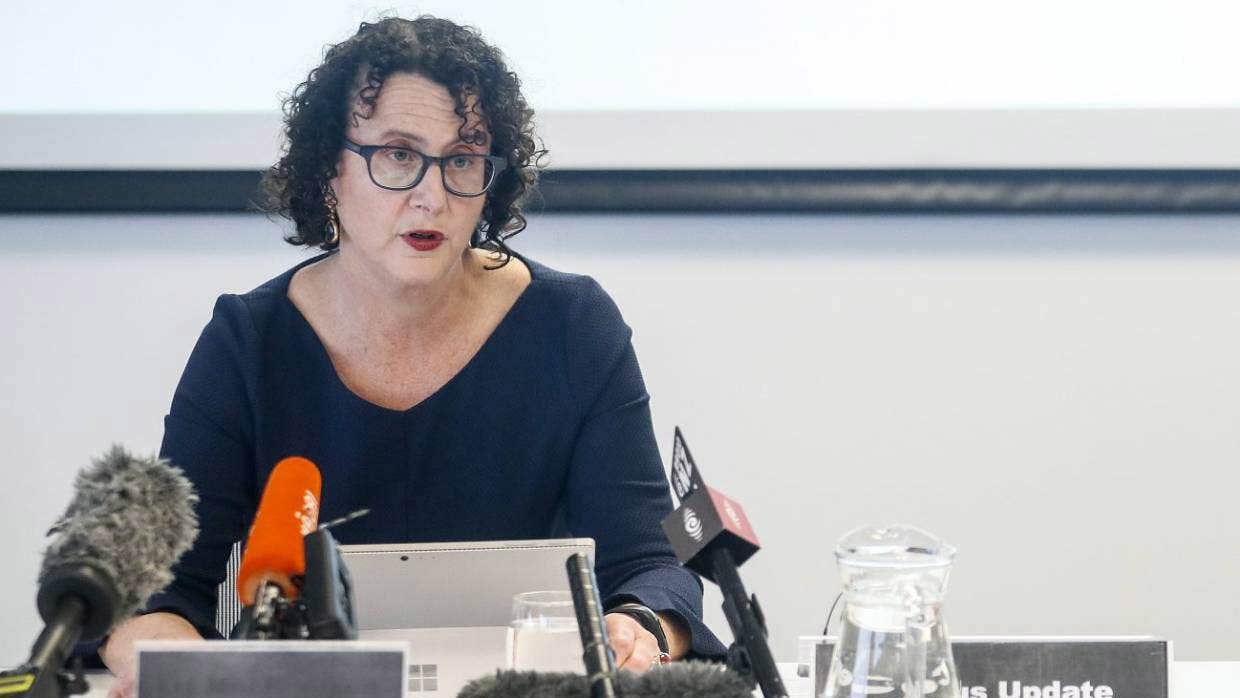
MacPherson said there is no place for a "she'll be right" attitude to cyber security.
"People make their fortunes from hacking the security of agencies," she said.
"Having sea borders does not protect your very internet-connected agency from being hacked."
She said companies should not be collecting or retaining personal information for so long unless it is for a lawful process.
"The simple discipline of deciding how long information will be retained as you collect it and acting on these decisions will save you and your customers a lot of pain," she added.
New Zealand's privacy laws say that companies cannot retain personal information "for longer than is necessary for the purposes for which it may lawfully be use".
If there is a legal reason for keeping the data, the company can continue to do so otherwise it must be erased but there is no explicit timeline of what "longer than is necessary" means.
In Australia, the Telecommunications Act says companies can keep information for identification purposes for at least two years.
And the Privacy Act says personal information should be destroyed when the company no longer needs it for "any purpose" however there is no timeframe for how long a company can keep data.
READ MORE: War-crimes warrant for Putin could complicate Ukraine peace
As Latitude and Australian and New Zealand authorities investigate the extent of the hack, MacPherson said some key questions need to be answered by the financial company.
"These include how the cyber-criminal got in, how they managed to penetrate so far and why so many records have been retained for so long," she said.
Latitude is in the process of contacting all affected customers about what was stolen and how they will be assisted.
The company announced it will pay for customers who need to replace their driver's licence.
"It is Latitude Financial's responsibility to put things right," MacPherson said.
"It is important that affected customers give Latitude a chance to make good on their commitments to provide support.
"However, if after people have worked with Latitude their privacy harms have not been resolved to their satisfaction, we encourage them people to make a complaint."
Sign up here to receive our daily newsletters and breaking news alerts, sent straight to your inbox.
Tauranga house fire: Victim says window cleaner who saved her a hero
A window cleaner ran into the house and rescued the home owner and her dog.
Online clothing retailer EziBuy enters administration
An Australian online shopping retailer has collapsed into administration after suffering a substantial decline in sales after the COVID-19 pandemic
ASX-listed Mosaic Brands announced its online retailer EziBuy would enter administration after suffering a large drop in sales.
The company acquired EziBuy before the pandemic and it was profitable in 2021 and 2022 while lockdowns caused many people to shop online.
READ MORE: China warns of 'nuclear sword' dangling over world

But in the first half of 2023, the company reported a 51 per cent drop in sales.
In light of the losses, the company decided to put EziBuy into administration and restructure the online retailer to improve its cash flow.
Katherine Barnet and Damien Hodgkinson have been appointed as administrators.
"Mosaic intends to propose a restructure to the administrator that would see EziBuy emerge as a simplified, profitable, cash generative online-only operation, and one that is more strongly aligned with the group's successful digital strategies across its other brands," Mosaic said in a statement to the ASX.
"The board believes this process to restructure EziBuy is in the best interests of the group's shareholders as it will improve the group's overall net asset position and operating cashflow."
READ MORE: Plea to PM as axe fight caught on camera in Darwin amid crime surge
Mosaic Brands also owns other women's fashion retailers including Rockmans, Noni B, Katies, Crossroads, W Lane and Autograph.
The company, excluding EziBuy, has boasted a 68 per cent increase in online sales after the pandemic.
There has also been an 18 per cent increase in in-store sales for the company's retail brands.
EziBuy offers its own range of clothing, homewares and furniture but also stocks some of its parent company's brands.
It has no physical stores in Australia but has four in New Zealand.
A plethora of fashion and homewares retailers have collapsed in recent months.
Luxury fashion brand Alice McCall fell into administration and furniture retailer Brosa also liquidated.
Other brands have moved purely online, including music icon Sanity
Sign up here to receive our daily newsletters and breaking news alerts, sent straight to your inbox.
Thomas Coughlan: Lobbying reforms substance or just ‘something’?
Will the lobbying reforms actually do anything?
Man accused of abduction and rape of school-age girl in Blenheim granted interim name suppression
Police arrested the man after an incident near the Blenheim Railway Station.
From West Auckland to Ivy League college: Meet the kid from Te Atatū going to Yale
Andre Fa’aoso has been accepted into one of the world’s top universities: Yale.
Chopper dog attack: Tauranga City Council appeals failed prosecution after dog mauled vet’s arm
Justice Timothy Brewer reserved his decision in a hearing at the High Court today