‘The messages of Māori special treatment promoted in this tour are not what we see.’
Tag Archives: oceania
Nation wants 85 per cent of men to take paternity leave
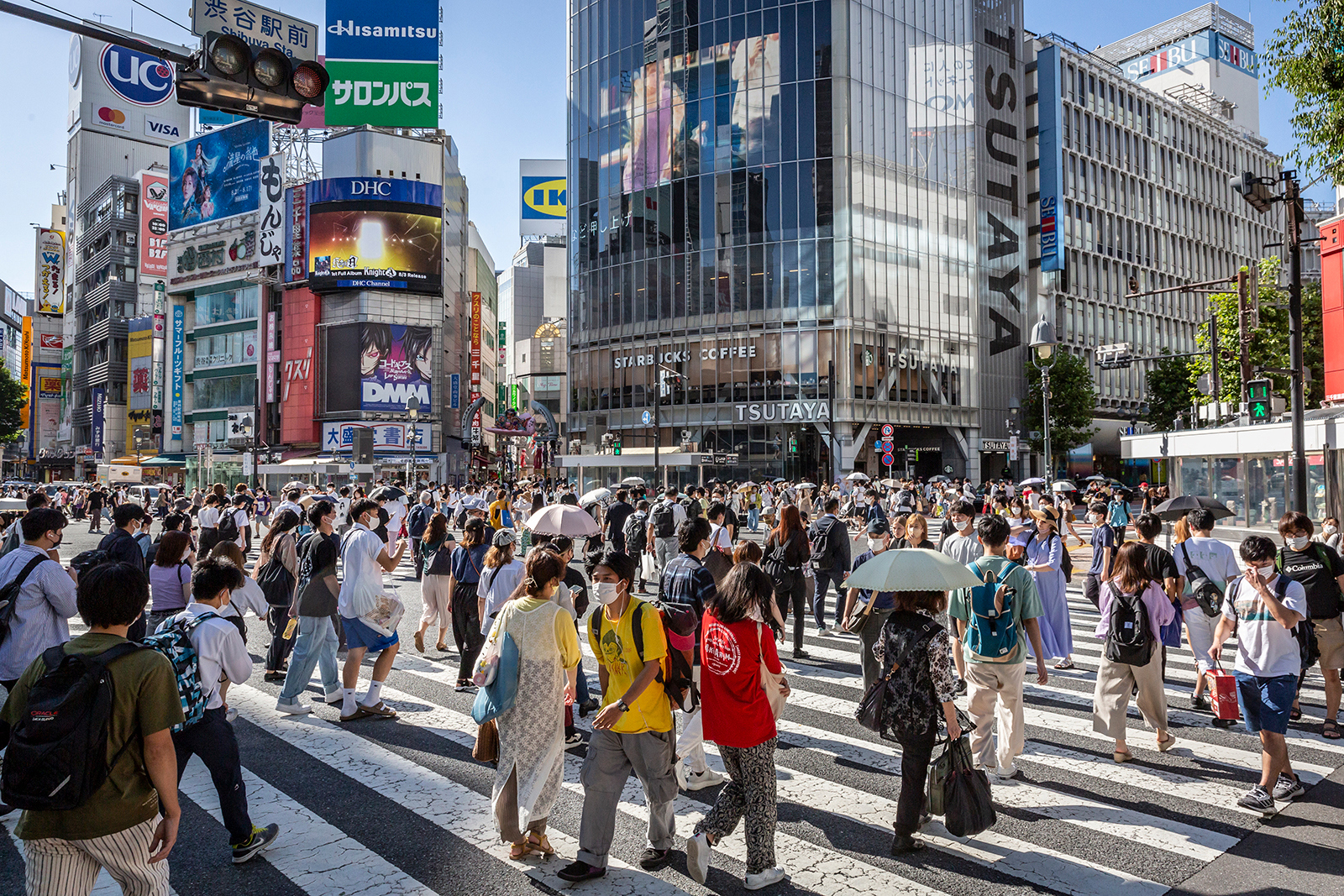
A child riding on his father's shoulders smiles as they stroll through a park lined with yellow autumn-touched leaves – that is the typical image of a Japanese "ikumen".
The term strings together the Japanese words ikuji, meaning care for children, and ikemen, referring to cool-looking men.
Japanese authorities have widely promoted the term in the past decade to combat the country's notoriously long working hours that have not only deprived workaholic fathers of family time and stay-home mothers of careers, but have helped drive the birth rate to one of the lowest in the world.
READ MORE: Iconic music chain closes final Aussie stores
To seize the "last chance to reverse" the situation, Prime Minister Fumio Kishida last week unveiled a raft of policies, including boosts to child support and a pledge to lift the number of male workers taking paternity leave from the current 14 per cent to 50 per cent by 2025, and 85 per cent by 2030.
But some in the world's third-largest economy – which has long struggled with a falling fertility rate and an ageing population – are sceptical the plan can really move the needle.
Makoto Iwahashi, a member of POSSE, a labour union dedicated to younger workers, said while the government's plan was well-intentioned, many Japanese men were simply too scared to take paternity leave due to potential repercussions from their employers.
Japanese men are entitled to four weeks of flexible paternity leave, on up to 80 per cent of their salary, under a bill passed by the Japanese parliament in 2021.
But despite the law, men remained "afraid" that taking the leave may have a negative effect on their promotion prospects or that they may be reassigned to a different position with fewer responsibilities, Iwahashi said.
While it is illegal to discriminate against workers who take maternity and paternity leave in Japan, Iwahashi said workers on fixed-term contracts were particularly vulnerable.
And anyway, "A little tweak on paternity leave won't significantly change a declining birth rate," he added.
Hisakazu Kato, an economics professor at Meiji University in Tokyo, said while big companies had become more accepting of parental leave over the years, smaller firms still had reservations.
"Small companies are afraid they will face (worker shortages) due to childcare leave, and this puts pressure on young fathers who want to take childcare leave in future," he said.
READ MORE: Shocking car break-in caught on camera

At a press conference last week, the prime minister acknowledged the concerns and pledged to consider providing allowances for small and medium-sized enterprises, with details to be announced in June at his yearly policy blueprint.
He also unveiled a plan aimed at boosting the uptake of paternity leave by encouraging firms to disclose their performance.
'Last chance' saloon
In 2022, the number of new births in Japan dipped below 800,000 for the first time since records began in 1899, the latest milestone in a trend that the government sees as increasingly alarming.
Last week, Kishida went as far as to warn that "the next six to seven years will be the last chance to reverse the declining birthrate trend".
But Stuart Gietel-Basten, a professor of public policy and social science at The Hong Kong University of Science and Technology, cautioned that a low birth rate was often a sign of entrenched cultural factors that would likely be resistant to policies changes. Such factors might range from work culture to gender attitudes, he added.
"Increasing paternity leave is a good policy, no doubt. It will certainly provide many men (and women) with a positive outcome. However, unless the prevailing cultural norms and attitudes change the impact at a macro level could be limited," said the scholar.
READ MORE: Intense weather system pushing east
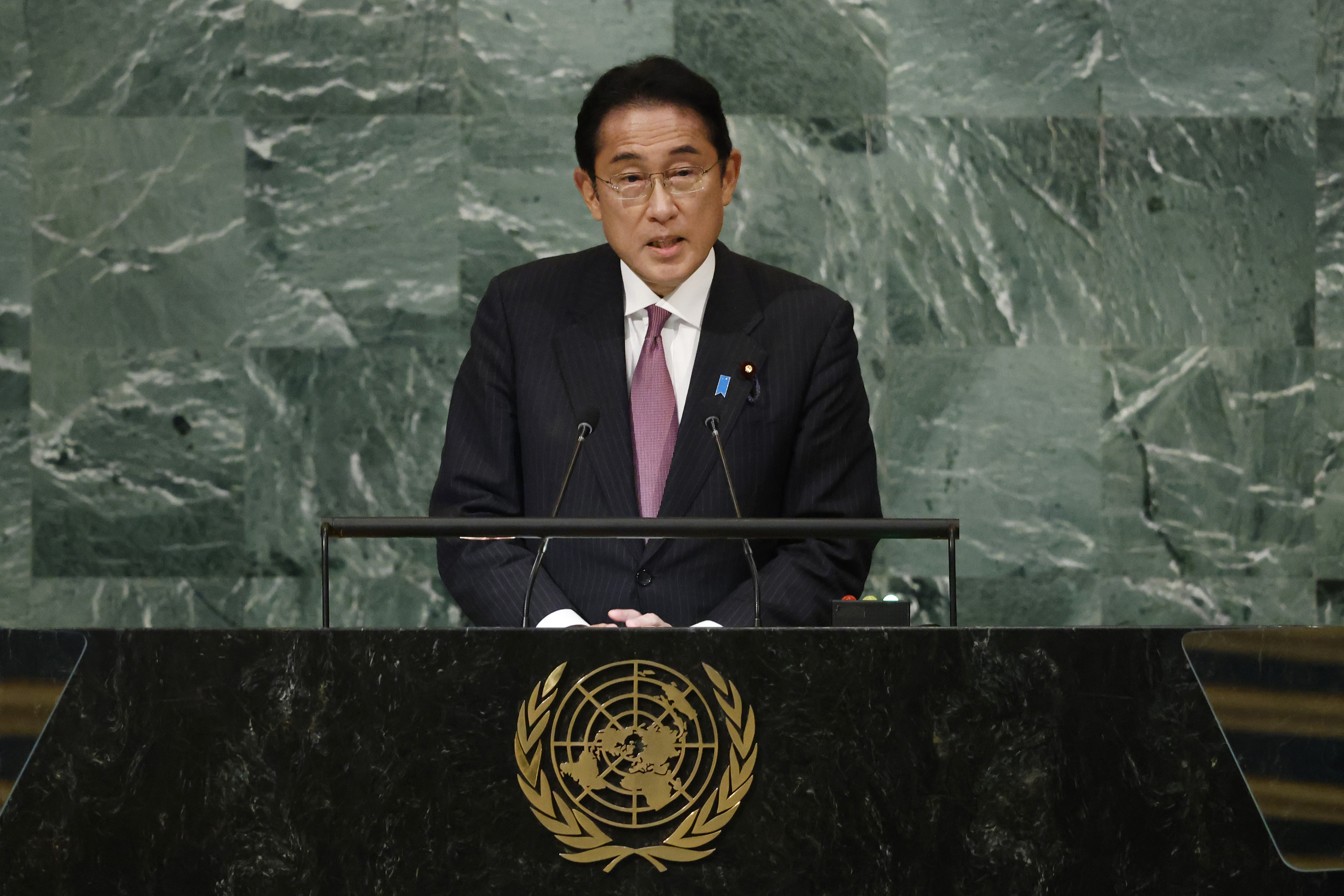
Riki Khorana, 26, who plans to tie the knot with his girlfriend in June, said the high cost of living was one of his biggest concerns in starting a family.
Working as an engineer at one of Japan's biggest conglomerates at the heart of Tokyo, the country's capital, he identified himself as a relatively high earner, yet he said he currently lives with his parents in Yokohama, Japan's second largest city south of Tokyo.
After getting married, he will move out of his parent's house but will still have to stay in Yokohama due to Tokyo's high rent.
Tokyo is the ninth most expensive city for expatriates to live in, according to US consulting firm Mercer's Cost of Living Survey.
Khorana said he planned to have two children, but if there were more effective government policies then he would consider more.
"For me, I feel like I cannot afford more than two children," he said. "There are less financially secure people who think they cannot have more than one child."
The country's fertility rate – the average number of children born to women during their reproductive years – has fallen to 1.3, far below the 2.1 required to maintain a stable population.
Over the years, experts have also pointed to a sense of prevailing pessimism among young people who, due to the pressures of work and economic stagnation, have little confidence in the future.
Last week, the prime minister said he planned market reforms that would push up wages and economic assistance for young workers. He also pledged to introduce benefits that could support freelance or self-employed workers and spoke of extra allowances for child support, education and housing.
The economics professor Kato felt the new policies were unlikely to be enough to solve the country's demographic problems.
But he saw a silver lining in encouraging paternity leave.
"I think this is a good proposal as it not only improves family policies, but also gender equality," he said.
Sign up here to receive our daily newsletters and breaking news alerts, sent straight to your inbox.
Greens co-leader Marama Davidson walks back comment linking ‘white cis men’ to violence at Posie Parker rally
The Minister for Prevention of Family and Sexual Violence faces flak over the comments.
NZ First receives $116,000 bequest from the late environmentalist Hugh Barr
NZ First has received a large donation.
Informed consent processes lacking, gynaecologists to apologise to two women
Both women will receive apologies for the inadequate consent provided by the clinicians.
Sydney dentist found guilty of sexually assaulting patients
A Sydney jury has rejected a dentist's denials that he sexually assaulted his patients and only touched himself because of a medical condition.
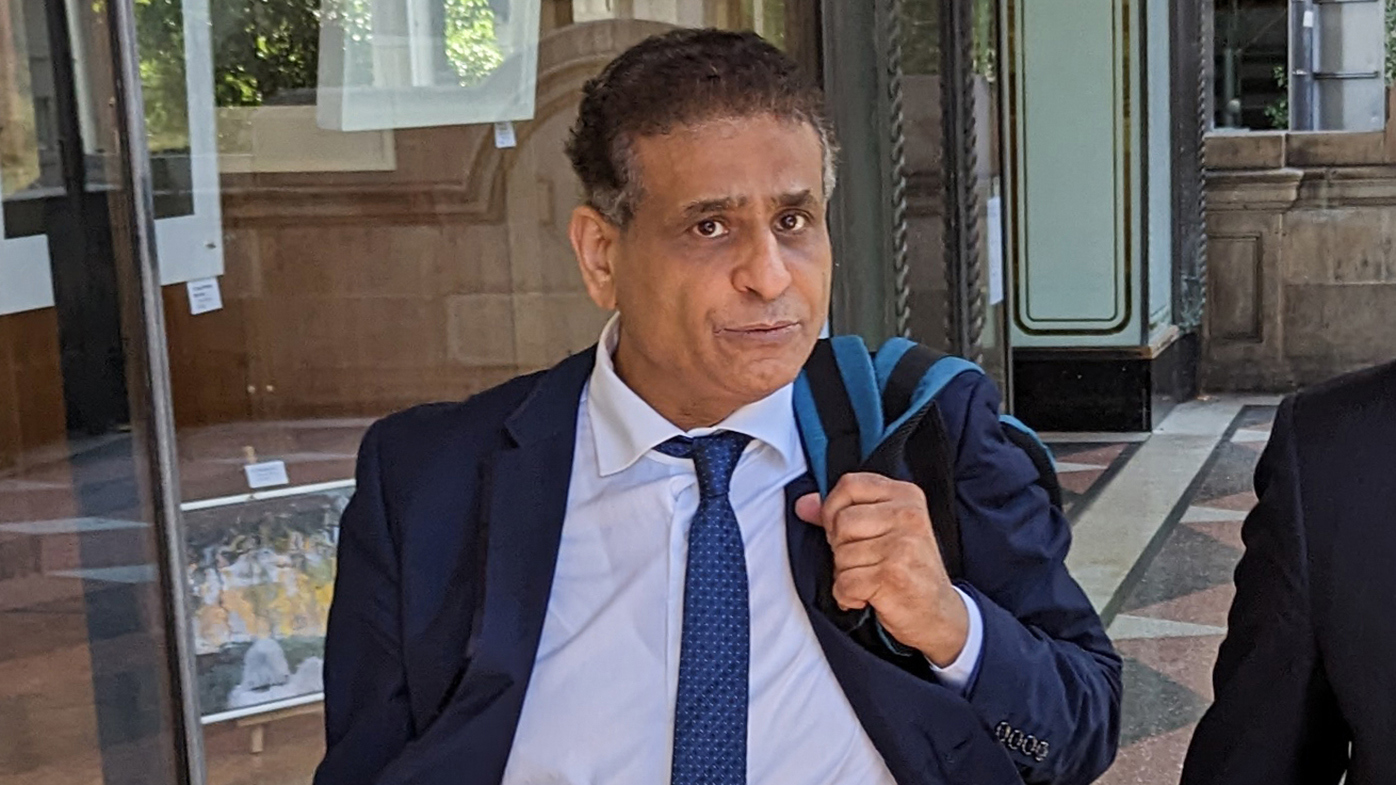
The jury heard during a trial that Bassem Magdy El-Badrawy Fouad molested five female patients, including a 15-year-old girl, at his two dental clinics in Mascot between 2015 and 2021.
He pleaded not guilty, saying that touching people was a necessary part of being a dentist and claiming that two medical issues – deep vein thrombosis and fungal infection – made him unconsciously touch himself to scratch his itchy skin.
READ MORE: Millions of customer records stolen in Latitude data breach
On Thursday, the Downing Centre District Court jury rejected these claims after deliberating for just over nine hours.
Jurors found Fouad guilty of three counts of aggravated indecent assault, four counts of sexual touching, and one count of intentionally sexually touching a child.
The jury found the 55-year-old not guilty of a further count of sexual touching.
He remains on bail and will face a sentence hearing on May 26.
Sign up here to receive our daily newsletters and breaking news alerts, sent straight to your inbox.
Snapper Bonanza fish auction raises $11,000 for Kaitaia Fire Brigade
Contestants also gave cash and a newly won TV to family whose home was damaged by fire.
Rita Ora accidentally creates new Māori idiom
She says she has been learning more Māori words from her husband, Taika Waititi.
NT communities call for 'smarter' solutions to break cycle of crime
Northern Territory residents want the government to tackle the underlying causes of crime instead of harsher prison sentences or more police on the streets, a new study has revealed.
A report by the Smarter Justice for Safer Communities campaign showed 70 per cent of respondents to a survey want to break the cycle of re-offending instead of a tough-on-crime approach.
Only 6 per cent agreed the current system is working to keep the community safe.
READ MORE: Iconic music chain closes final Aussie stores
"The Northern Territory is the only jurisdiction in this country where crime is actually rising, confirming that so-called 'tough-on-crime' approaches to justice have done nothing to break the cycle of offending or reduce the prevalence of crime in our communities," Northern Territory Aboriginal Justice Agreement governance committee co-chair Olga Havnen said.
"The public are well aware of the challenges we face and have told us they are disillusioned with the policies of the past and are ready to embrace alternative and valid justice approaches that are proven to work and can be readily scaled up in Territory communities."
The campaign, supported by the Paul Ramsey Foundation and Aboriginal-led organisations, is calling to improve justice responses, early intervention, drug and alcohol treatment, and mental health programs.
It comes after the report found an "outdated approach" to criminal justice "is particularly harmful to Aboriginal Territorians, who are disproportionately affected by poorer outcomes in the justice system".
"The state's high incarceration rates fail to provide the best outcomes for victims, offenders or communities," the report said.
"The current system does not keep Territorians safe, provide value for money to the taxpayer, or reduce harm to Aboriginal communities."
READ MORE: Shocking car break-in caught on camera

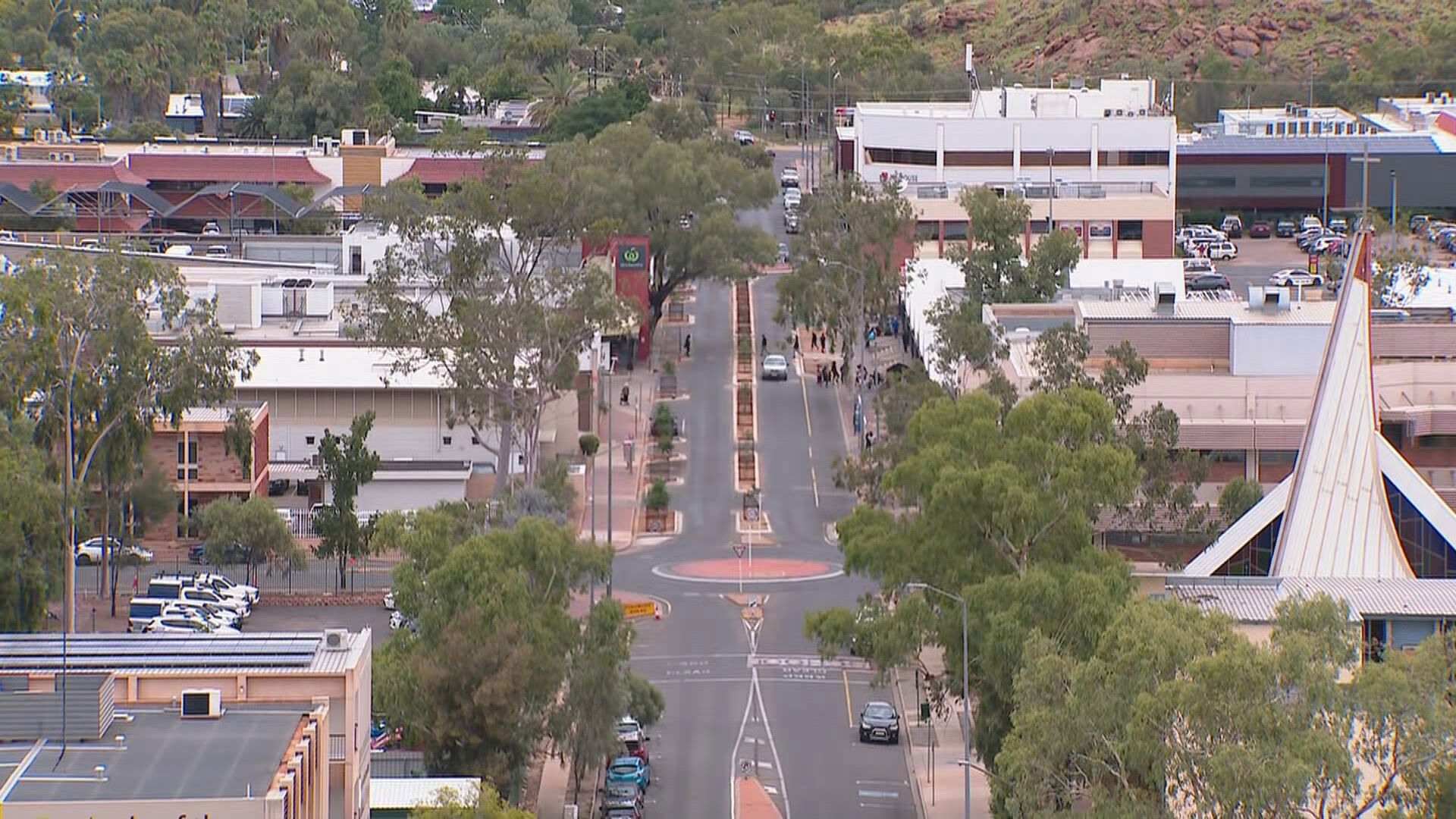
But crime rates in the top end are showing no sign of ceasing as Alice Springs locals plead for further action to control it.
NT Police have put out several calls for information about crime in Alice Springs at the weekend.
Three suspicious car fires occurred in the early hours of Saturday on Bath Street in the CBD, Gason Street and Bromley Street in Gillen.
Police also reported two break-ins on Saturday.
A business on the corner of Leichhardt Terrace and Stott Terrace was broken into where a Toyota LandCruiser was stolen and later found abandoned.
The Peter Sitzler Building on Stuart Highway was also broken into where a white Toyota Hilux and a white Toyota Prado were stolen.
Neither vehicle has yet been recovered.
Officers have appealed for any information about the break-ins and car fires.
READ MORE: Intense weather system pushing east

Alice Springs has seen a dramatic rise in crime in the past few years, with assaults especially high.
Data released in February showed an alarming spike in crime between 2021 and 2022.
Assaults went up 51 per cent in one calendar year, with 2823 reported in a town of 26,000.
Domestic violence-related assaults spiked even higher, up 65 per cent. Alcohol-related assaults were up 68 per cent.
There were 1886 reported instances of domestic violence and 1521 assaults related to alcohol.
Property damage was up 55 per cent, and commercial break-ins were up 47 per cent.
Sign up here to receive our daily newsletters and breaking news alerts, sent straight to your inbox.
Labor secures critical support from Greens on signature climate bill
The federal government has struck a crucial deal with the Greens to secure the party's support on its signature climate change bill.
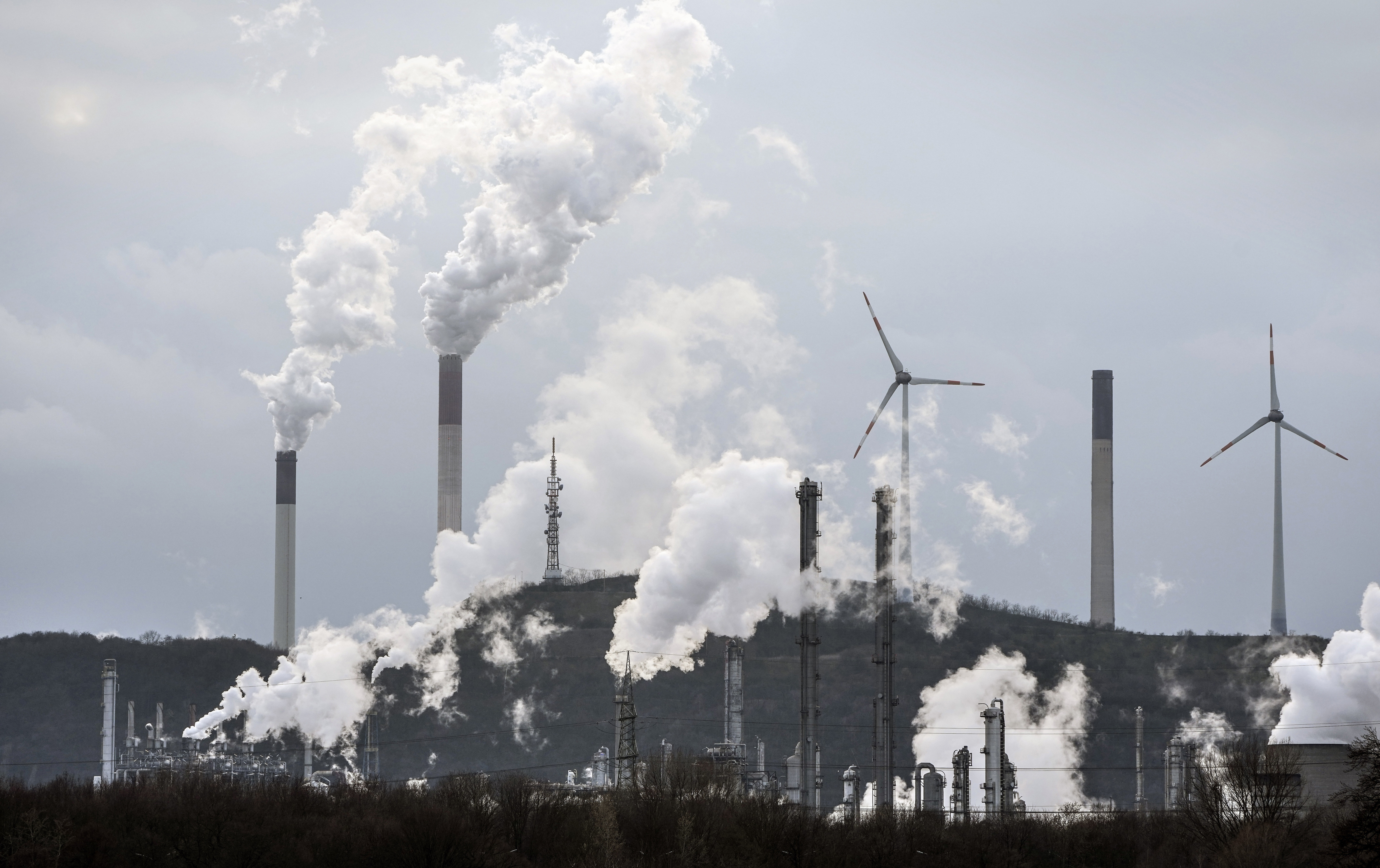
The so-called safeguard mechanism will force 215 of the country's biggest polluters to curb their emissions, which is seen as essential for Australia to reach its climate targets.
The companies will be forced to cut, or pay offsets, to reduce their emissions by 4.9 per cent each year to 2030.
READ MORE: Iconic music chain closes final Aussie stores
READ MORE: Shocking car break-in caught on camera
The agreement comes after months of negotiations, with the policy at the centre of Labor's pledge to cut carbon emissions by 43 per cent by 2030.
In exchange for its support, the Greens secured more than a dozen amendments to the bill, including a pollution trigger to test the impact of any future project.
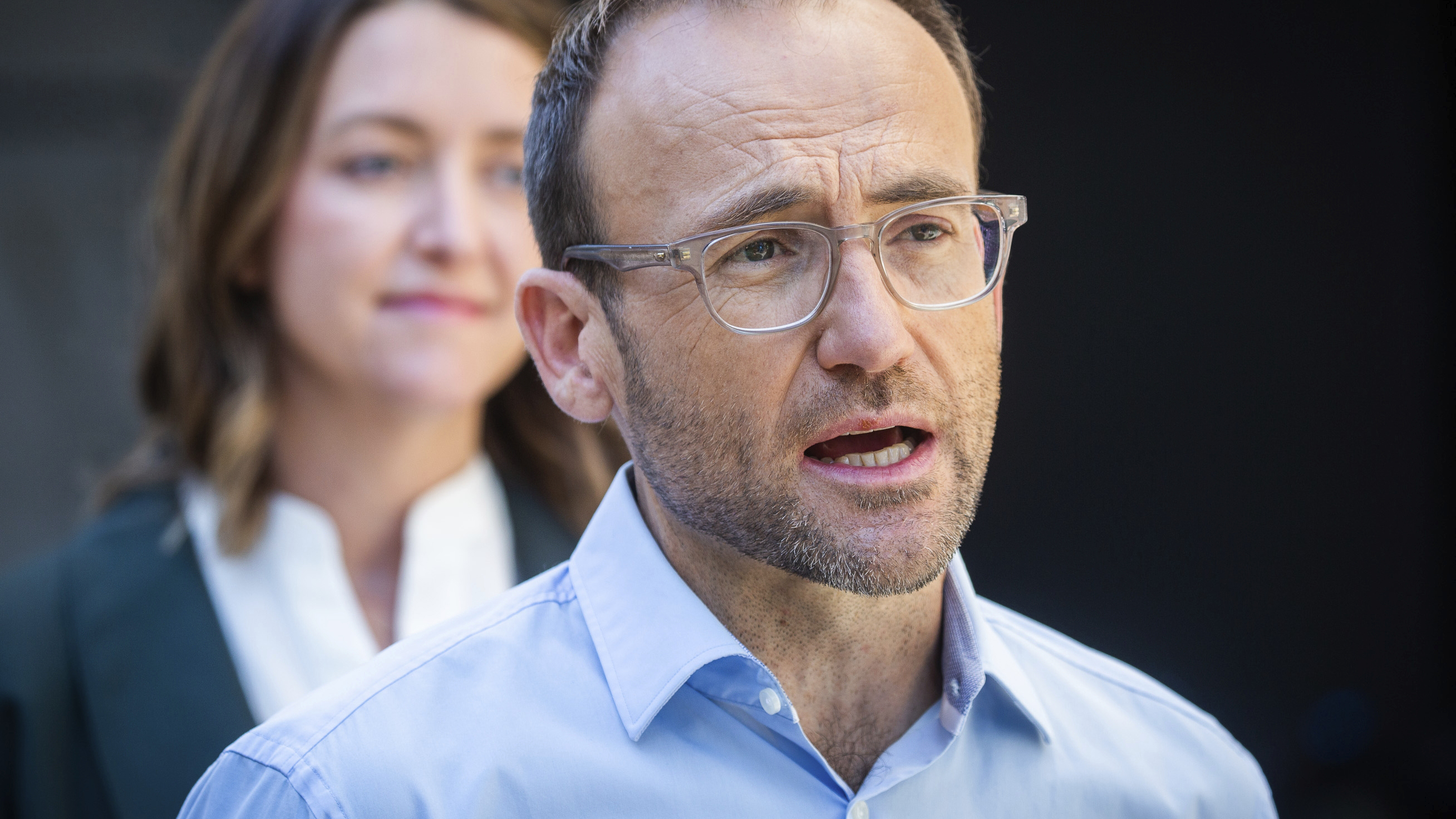
Greens leader Adam Bandt said the deal includes a hard cap on emissions, which will significantly limit "coal and gas expansion in Australia".
"Coal and gas pollution was set to soar under Labor's safeguard," he said.
"The Greens have introduced a hard cap on emissions, meaning real pollution must actually come down and the coal and gas corporations can't buy their way out of the cap with offsets.
"This puts a limit on coal and gas expansion in Australia. Pollution will now go down, not up, as it was set to under Labor.
"With our significant amendments, the Greens will be voting to pass the bill and will back the regulations but the fight against all new coal and gas continues."
READ MORE: Intense weather system pushing east
Bandt said the deal will make it impossible for 116 new coal and gas projects to open because they won't be able to get their emissions below the limit.
"The Greens have stopped about half of them but Labor still wants to open the rest," he said.
"And, so, now there is going to be a fight for every new project that the government wants to open."
Prime Minister Anthony Albanese thanked the Greens and the crossbench for their ability to participate in constructive negotiations but lashed the Coalition.
"It says a lot about the state of the Liberal and National parties in 2023 that, in spite of the election result, they have excluded themselves from any participation," he said.
https://twitter.com/AdamBandt/status/1640158163684171776?s=20
Though Bandt said negotiations had been in good faith, the Greens will continue to push for further action, with the leader taking aim at Labor's stance on coal on gas.
"Negotiating with Labor is like negotiating with the political wing of the coal and gas corporations," he said.
"Labor seems more afraid of the coal and gas corporations than the climate collapse."
Sign up here to receive our daily newsletters and breaking news alerts, sent straight to your inbox.