Luxon says he thought some of the behaviour at the counter-protest was intimidating.
Tag Archives: oceania
Trump baselessly rails against 'prosecutorial misconduct'
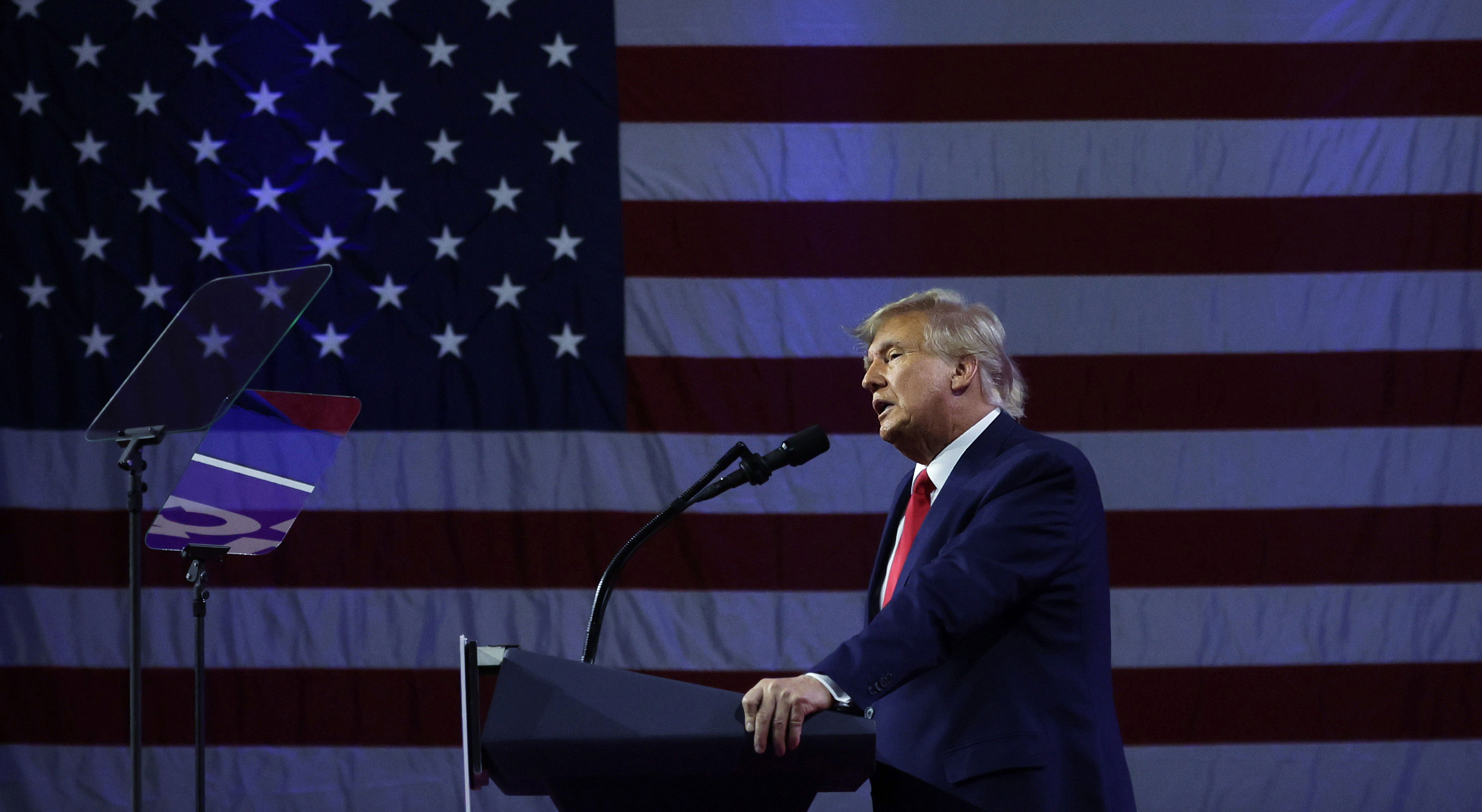
Former President Donald Trump baselessly railed against what he called "prosecutorial misconduct" at a campaign rally on Saturday night in Texas, denying any wrongdoing amid investigations in New York, Georgia and Washington.
Without evidence, Trump repeatedly described the probes as politically motivated efforts to hamper his 2024 presidential bid during his rally in Waco.
"Prosecutorial misconduct is their new tool, and they're willing to use it at levels never seen before in our country. We've had it, but we've never had it like this," he said.
"We must stop them and we must not allow them to go through another election where they have yet another tool in their tool kit."
READ MORE: What will happen if Donald Trump is arrested?
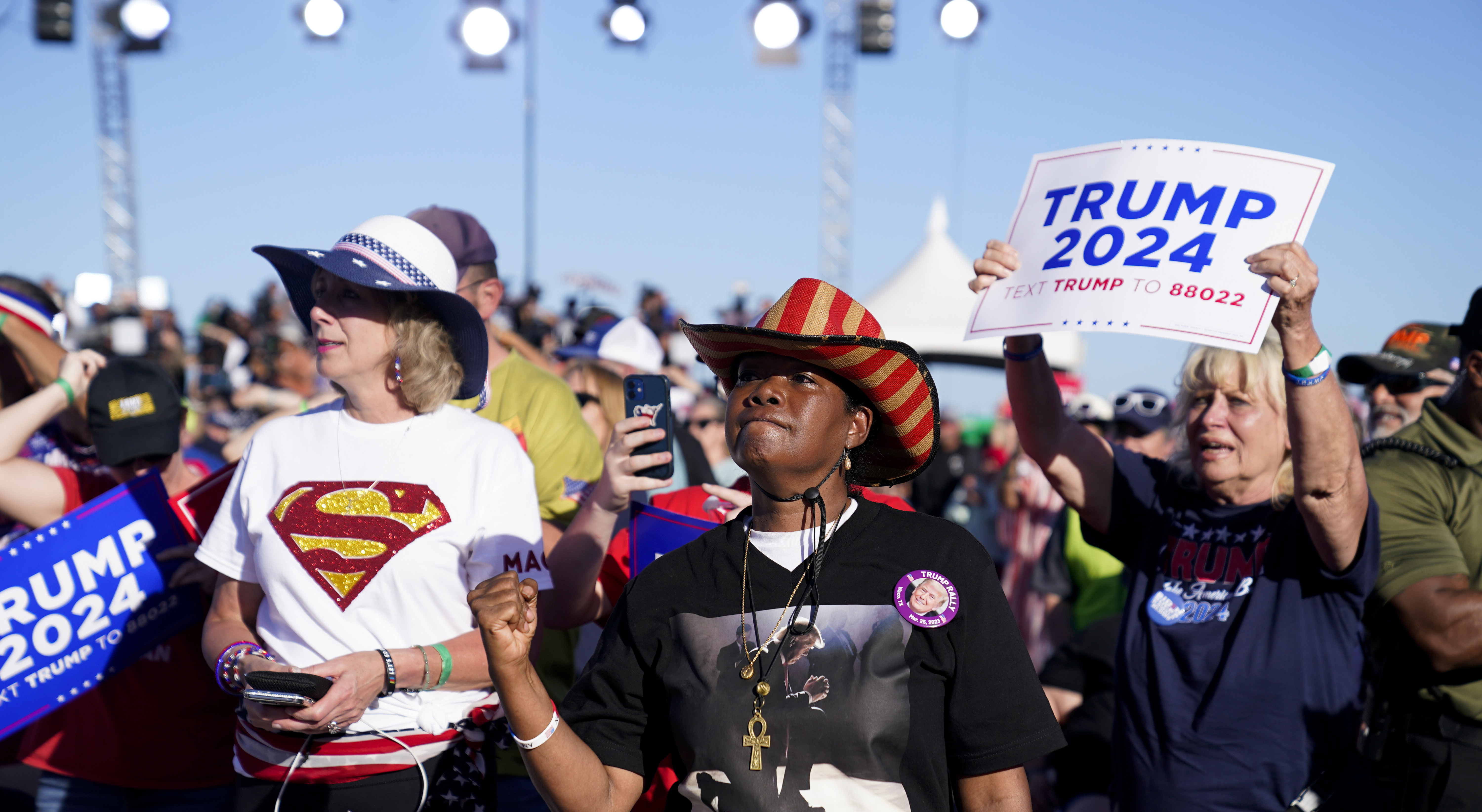
Behind Trump, supporters waved signs printed by Trump's campaign that said: "Witch hunt."
Trump called the investigations "bullsh*t," and said local prosecutors in Manhattan and Fulton County are the "henchmen" of national Democrats.
"Our opponents have done everything they can to crush our spirit and break our will," he said. "But they've failed. They've only made us stronger."
Sign up here to receive our daily newsletters and breaking news alerts, sent straight to your inbox.
The rally at the Waco Regional Airport was a return to the mega-rallies reminiscent of Trump's 2016 and 2020 campaigns, as the Republican field for the 2024 presidential race begins to take shape.
The former president's return to his favorite event staging came as he is faced with investigations in New York City over a hush money payment, in Georgia over his efforts to overturn the 2020 presidential election and by Justice Department special counsel Jack Smith over classified documents the FBI found at Mar-A-Lago, his attempts to steal the 2020 presidential election and his role in the January 6, 2021, insurrection.
Manhattan District Attorney Alvin Bragg's investigation into Trump's role in an alleged hush money payment scheme to adult film star Stormy Daniels is believed to be nearing its final stages.
READ MORE: Donald Trump's lawyer ordered to testify in criminal case
Trump, on his social media network Truth Social, has predicted his own arrest, and warned that it would lead to "potential death & destruction" and "could be catastrophic for our Country."
Trump's former lawyer Michael Cohen has admitted to paying $130,000 to Daniels just before the 2016 election to stop her from going public about an alleged affair with the former president.
Trump has denied the affair and denied it again on Saturday night, referring to Daniels in derogatory terms.
The Manhattan grand jury investigating Trump did not conclude this week.
In other probes, Trump's defense attorney Evan Corcoran appeared on Friday before a federal grand jury in Washington, where he was expected to answer questions in the classified documents probe that the former president unsuccessfully fought to hold back.
And a federal judge ordered several former Trump aides, including former chief of staff Mark Meadows, to testify before a grand jury as part of the criminal investigation into efforts to overturn the 2020 presidential election.
At the rally, Trump also attacked Florida Gov. Ron DeSantis – who appears to be inching toward his own presidential bid, with early polls suggesting he could be a formidable contender.
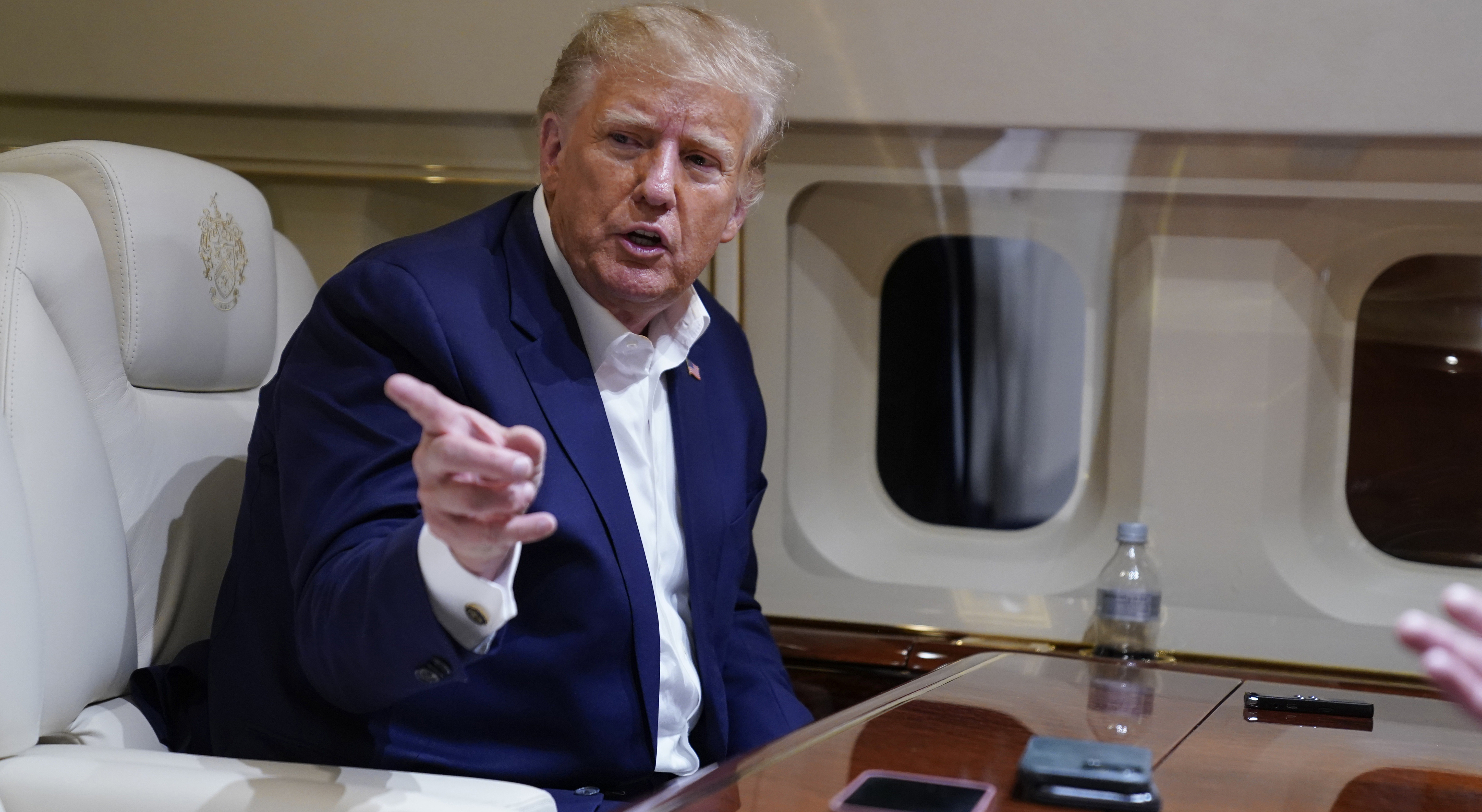
He took credit for DeSantis' victory in the 2018 Florida governor's race.
DeSantis won re-election in a landslide last year, despite Republicans' worse-than-expected performance nationwide.
He also said DeSantis deserved little credit for Florida, which he said has "been successful for decades" thanks to previous GOP governors.
Trump also said DeSantis was too aggressive in taking public safety measures early in the coronavirus pandemic, and that other Republican executives in states such as South Carolina, South Dakota and Tennessee had done better.
"I'm not a big fan," Trump said of the Florida governor. "He's a disciple of Paul Ryan. … That's why he wanted to cut Social Security and Medicare."
Trump also highlighted Russian President Vladimir Putin and Chinese leader Xi Jinping meeting this week in Moscow.
READ MORE: Judge lets 'Access Hollywood' tape into Trump rape trial
He described both as "very smart people" and said the two "talking about the world order for the next 100 years" was "one of the saddest things you can imagine."
"I get along well with Putin," Trump said, adding that the Russian president discussed Ukraine regularly.
"He wanted to get a piece," Trump said.
"Now it looks like he'll probably end up getting the whole thing."
Supporters believe investigations are politically motivated
Ahead of Trump's rally in Waco, many Trump supporters argued won Saturday that if the former president is indicted, it would only help his chances of retaking the White House in 2024, with some echoing Trump's baseless claims that the Manhattan district attorney is politically motivated.
"If 100 million people are going to vote for him, if they do indict him you're going to get 120 million people voting for him because they're just – you can't keep taking an honest man down," said Mike Gilbert, who was one of the thousands in line hours ahead of Trump's rally.
Another supporter, Debby Cravey, said Trump would be a "shoo-in" for the presidency if he gets indicted.
"One hundred percent. If they do that, he'll be a shoo-in," Cravey said.
Bobby Wilson, along with more than a dozen other Trump supporters interviewed by CNN on Saturday, said if Trump were to be indicted it would not change his opinion or support of Trump whatsoever and he would still vote for him in 2024.
"It doesn't change a thing about his integrity and everything else. We all have sin. We all have some things that we've done," Wilson said.
Todd Castro argued the probe by the Manhattan district attorney's office amounted to "persecution."
"The way I look at it, it's going to build him up even more," Castro said.
"He's going to have more press time, his face is going to be out there more often and all that and Trump's a fighter so he's going to make it through this."
The Waco rally comes 30 years after the federal and state law enforcement raid on the Branch Davidian doomsday cult's compound in Waco – a 51-day siege that resulted in the deaths of 86 people and has since come to be viewed on the far right as a symbol of government overreach.
Trump has not linked the campaign rally with the Waco siege, and a spokesperson for the former president said earlier on Saturday that Waco was chosen as the rally site because of its central location.
The location is accessible to many of Texas' population centers – less than a three-hour drive from Dallas, Houston, Austin and San Antonio.
"This is the ideal location to have as many supporters from across the state and in neighboring states attend this historic rally," Trump spokesperson Steven Cheung said in a statement.
Explained: What to know ahead of NZ’s next ‘big boost’ against Covid-19
The new bivalent booster is available from April 1. Jamie Morton answers five questions.
Arrests and drink-driving at Whangamatā Beach Hop despite most being well-behaved
The vast majority of participants were well-behaved and enjoyed a great weekend.
Roos the centre of battle between activists and industry
Kangaroos are on the coat of arms and the tail of the national airline, but every year state authorities allow licensed hunters to kill millions of them.
The government and wildlife experts say some species of kangaroos are so plentiful they need to be regularly culled to protect the land, other native species, and the animals themselves from starving during times of drought.
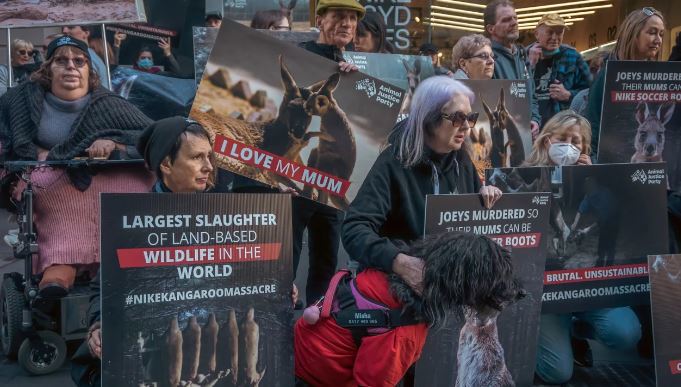
But the legal culling of a national icon has enraged some activists, who for years have campaigned for an end to a practice they say is cruel and driven by commercial interests.
READ MORE: Victorian Premier Daniel Andrews to jet off to China to discuss trade and intentional students
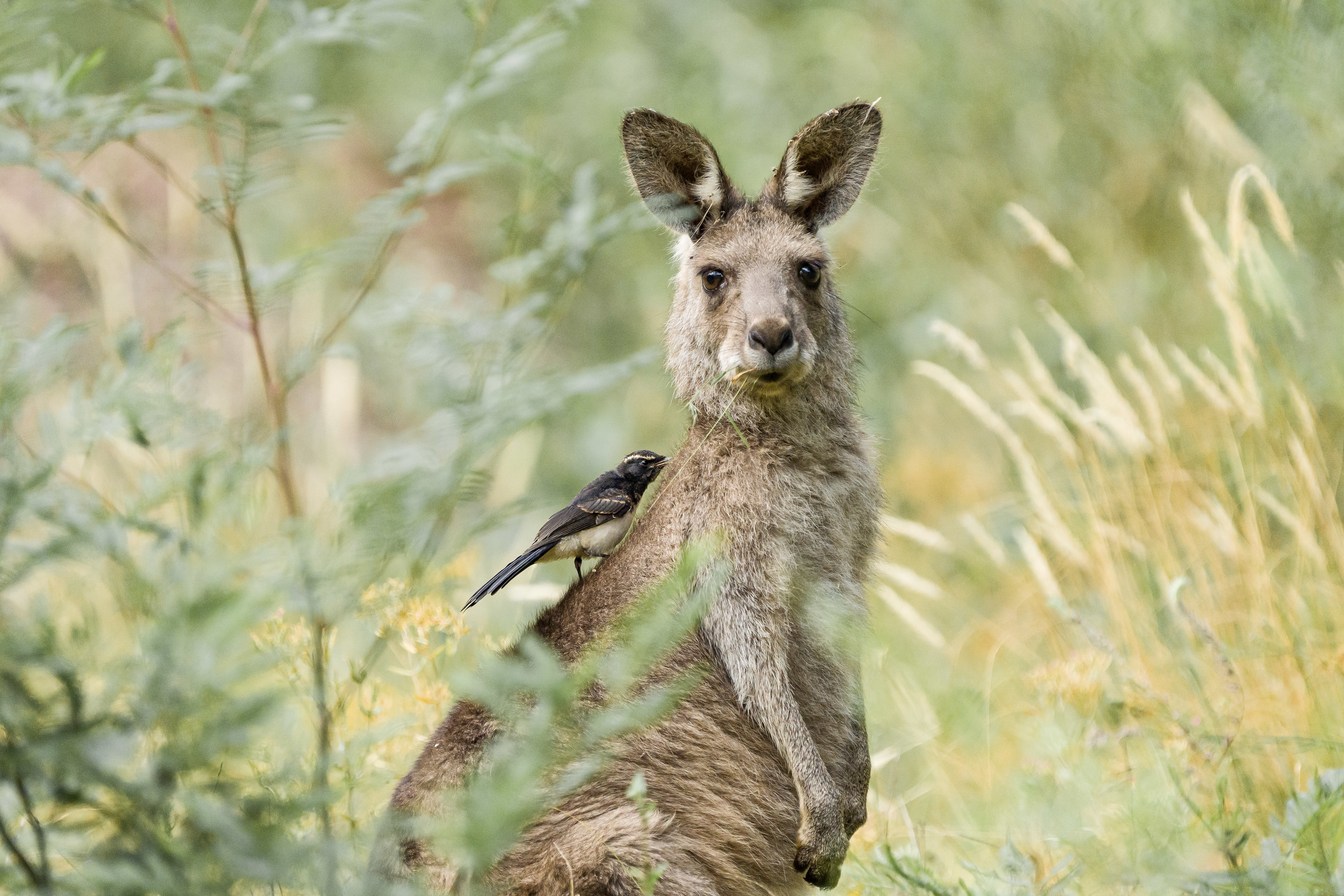
Under government programs, licensed hunters earn a fee for each kilogram of kangaroo and the carcasses are processed for meat, skin and hides for export to around 70 countries – an industry worth $200 million each year, according to the Kangaroo Industry Association of Australia (KIAA), the main commercial industry body.
For decades, kangaroo leather has been the material of choice for manufacturers of high-end soccer boots due to the material's suppleness and strength.
But this month, US sports company Nike and German rival Puma announced they were phasing out kangaroo leather, or k-leather, in favour of synthetic alternatives.
READ MORE: Man charged over alleged $34K text message scam
Neither company mentioned animal rights issues in their press statements announcing the decision and did not respond to requests for further comment.
But animal rights groups claimed it as a win after years of lobbying.
"It's a great day for kangaroos," said Mick McIntyre of campaign group Kangaroos Alive, part of an international network of activists lobbying for import bans on kangaroo products in the European Union and United States.
A bill was introduced in the US House in 2021 to ban kangaroo imports but it failed to pass.
This year, similar bills were introduced in Arizona, Connecticut, New Jersey, Oregon – where Nike is based – and Vermont, but so far, none have become law.
Protesters have also lodged petitions with the European Parliament, so far with little impact.
READ MORE: Woman killed in Melbourne crash, driver flees
The campaign against kangaroo products has caused frustration for many in Australia, not only within the government, but also among wildlife experts who say licensed culling is necessary to maintain sustainable numbers and to prevent the animals' own suffering when they compete with livestock – and each other – for scarce food and water.
"The subtleties of this, I think, are probably lost from a distance," said Jim Radford, a landscape ecologist and conservation biologist from the Research Centre for Future Landscapes at La Trobe University in Melbourne.
"If there isn't an industry for kangaroo leather and kangaroo meat, kangaroos are still going to be shot, I promise you. Landholders are still going to shoot kangaroos and it's going to be a worse animal welfare outcome than if it was done in a regulated, controlled manner."
READ MORE: At least 24 dead after tornado-spawning storms roll through Mississippi
How many kangaroos are there?
Kangaroos were once hunted by Indigenous Australians for food and by dingoes, whose numbers have been vastly reduced by baiting, trapping and shooting.
European British colonisers also built new dams and waterholes for livestock, giving kangaroos ready access to water. Now one of the only natural caps on numbers is drought, according to Radford.
"You get mass starvation and mass death," he said.
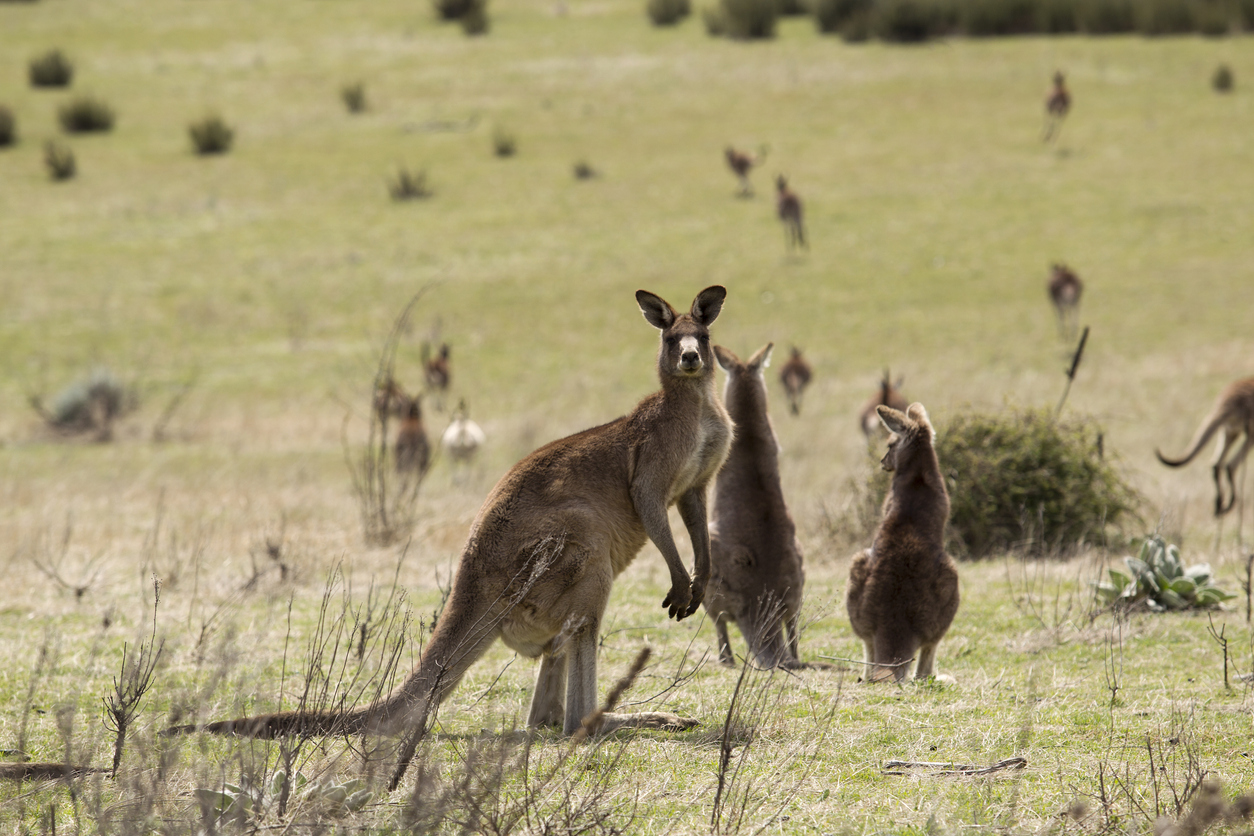
Due to the vast areas they roam, kangaroos are notoriously difficult to count, but every year state officials conduct surveys using helicopters and fixed-wing aircraft, sometimes aided by inspections on the ground.
Annual quotas are then set for the types and numbers of macropods that can be killed – in some states that's no more than 20 per cent, and in Victoria, it's strictly less than 10per cent.
According to the latest government figures, 36.5 million of the kangaroos and wallaroos subject to population control roam the five states that allow commercial harvesting – New South Wales, Queensland, Victoria, South Australia and Western Australia.
In recent years, annual quotas have not been met, and only four per cent of the total population has been eliminated, according to the Department of Climate Change, Energy, the Environment and Water.
This year, quotas in those states allow around five million to be killed.
Culls are carried out at night by licensed hunters who shine a bright light into the kangaroos' eyes, temporarily blinding them, before taking their shot.
The animals' carcasses are collected and taken to a processing center, where they're inspected, processed and prepared for sale, according to government fact sheets.
The government also sets non-commercial quotas to allow licensed farmers to kill a certain number of kangaroos on their properties, but those carcasses aren't collected or recorded.
Beyond the cruelty of shooting an animal, activists dispute population estimates and say anecdotal evidence suggests that kangaroo numbers are falling, a claim wildlife experts say is not true.
"Many of them are of conservation concern, but they're not the ones that are harvested for leather products," said Radford, from La Trobe University.
Of 60 species of kangaroos and wallabies, only six are approved for meat exports, according to the government, though in most states only four types are hunted: the red kangaroo, eastern and western grey kangaroo and the common wallaroo, a smaller marsupial in the macropod family that includes kangaroos.
The campaign against the kangaroo trade
Mark Pearson, a former elected member of the NSW Parliament representing the Animal Justice Party, has made it his mission to end the trade.
He appeared in a documentary Kangaroos: A Love-Hate Story produced by McIntyre's Kangaroos Alive in 2017, and in 2021 successfully pushed for a parliamentary inquiry into the "Health and wellbeing of kangaroos and other macropods in New South Wales."
The inquiry heard more than 400 submissions, but ultimately the state government only accepted two of 23 recommendations – to work more closely with the Indigenous community over kangaroo management and produce more information to educate the public on how it estimates kangaroo numbers and sets harvest quotas.
As the report noted, a key argument is whether kangaroo populations need managing at all – wildlife experts say yes, while campaigners like Pearson argue that without culling, their numbers would self-regulate, and with culling – based on anecdotal surveys – numbers are falling. Pearson doesn't trust the government methodology.
"If they're being managed properly, apparently, then we wouldn't be seeing dramatic drops of kangaroos in areas which aren't even particularly rural farmland," Pearson said.
A spokesperson for the NSW Department of Planning and Environment says a review of the methodology used to count kangaroos in NSW is due to be completed this year.
Campaigners also point to the killing of joeys found to be in the pouches of shot female kangaroos.
The "National Code of Practice for the Humane Shooting of Kangaroo and Wallabies for Commercial Purposes" states joeys should be killed with "a concussive blow to the head."
Pearson says older joeys who've left the pouch are also vulnerable.
"Often the one at foot will hop away because it's terrified as its mother has just been shot. Now the chances of the shooter catching that little joey and killing it is slim, so it dies from predation, starvation and exposure," Pearson said.
"The whole picture is very, very ugly."
The industry pushes back
Dennis King, the executive officer of the Kangaroo Industry Association of Australia (KIAA), sounds exasperated when asked about activists' efforts to ban kangaroo exports.
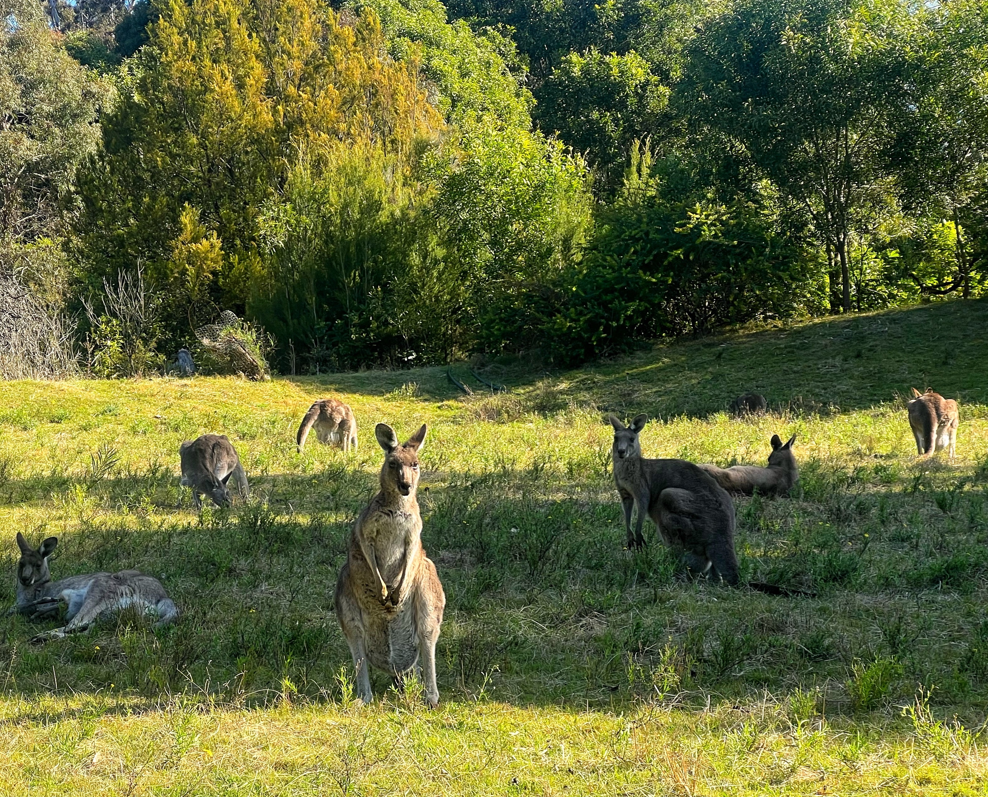
"If they took the time to understand and look at what the reality is, they would see that this is a very well-managed and highly regulated industry," he said.
"They're a wonderful animal. They are a national icon… but these government conservation programs are in place to ensure a better outcome for their wellbeing and health."
He said the kangaroos aren't killed for their skin – it's a byproduct of the much larger meat trade, and according to King that isn't going to stop because Nike and Puma are no longer buying k-leather.
King warns that if the trade disappears, farmers may struggle to hire professional shooters, who he says, contrary to activists' claims, are highly trained and can be relied upon for a clean shot.
"The harvesters are professionals. They're not there to waste bullets," he said.
The Australian government is backing the KIAA's counteroffensive, sending top Australian officials to Washington DC last month to meet with senior officials from the US Department of Agriculture and the US Trade Representative's Office to convince them of the industry's sustainability and animal welfare standards.
Australian Consul-Generals in the US have also taken the message direct to legislators in Arizona, Connecticut, New Jersey and Oregon.
King says he's planning to go to some of those states next month to speak with local lawmakers.
Kangaroo products are also included in negotiations for an Australia-EU free trade deal, and federal Agriculture Minister Murray Watt says officials are trying to expand the industry to new markets, including Taiwan, Vietnam and Thailand.
"Under government oversight, commercial operators make use of a natural resource that would otherwise go to waste during culling. This industry provides jobs and generates money in rural and regional Australia," he said in a statement.
According to AgriFutures, a government-funded research and development corporation, the most recent figures put the gross value of production of Australia's macropod industry at $30.5 million.
Is there another way?
The home of the nation's capital, the Australian Capital Territory (ACT), culls eastern grey kangaroos, but it's doing things a little differently.
Last year, the local government started trialling GonaCon, an immunocontraceptive vaccine developed by the US government to control some wildlife and feral animals, including deer.
So far in the ACT, government officials say it's been administered to around 60 female kangaroos in two reserves through a labor intensive process that sees the animals darted with an anesthetic before being injected with the vaccine.
"They're then monitored and cared for until the anesthetic wears off at which time they're free to return to the reserve," said Bren Burkevics, the ACT's Conservator of Flora and Fauna.
He said that over time, wildlife officials hope that fewer kangaroos will need to be culled – but he doesn't expect the vaccine to ever fully eliminate the need to manage numbers.
"Any culling through the use of firearms is a confronting topic," Burkevics said.
"It almost goes against everything that we aim to do from a conservation perspective. The welfare of the animal and any young are at their highest priority for us in undertaking what is a confronting program."
Unlike other Australian districts, the ACT doesn't have a commercial kangaroo industry. Last year, 645 kangaroos were culled, with a small number of skins distributed to traditional custodians, Burkevics said.
According to the ACT's Environment Minister Rebecca Vassarotti, numbers have to be controlled to protect other endangered species.
"The only reason that we do kangaroo management is for ecological and environmental imperatives," she said.
"We have mouthless moths, we have earless dragons and we have legless lizards, and they are very important for the ecosystem. So we do have to undertake management of those systems and particularly make sure that we maintain a sustainable kangaroo population."
However, fertility programs aren't a viable option in most states where kangaroos roam over large distances, according to Radford, from La Trobe University.
"Where there's a relatively small but contained population, sterilisation procedures are feasible, but they're very expensive. And they're not really going to work at a large scale," said Radford, who also ruled out other methods of control, such as poisoning, as less humane than shooting individual animals.
He said the answer to Australia's vast number of kangaroos is for Australians to eat more of them.
"A lot of people in the conservation sector eat kangaroos, and they won't eat other meat," he said.
"From an Australian perspective, we'd be much better off from a land condition and environmental perspective, if we replaced cows with macropods. The land would be in much better condition."
Campaigners like Pearson and McIntyre say they're not going to give up trying to convince consumers and companies to stop killing kangaroos.
Emboldened by Nike and Puma's move away from kangaroo leather, they say it's no longer acceptable for major brands to be involved in the industry, despite the government's assurances of its welfare standards.
"We expect the other big brands to follow suit pretty quickly because clearly it's a market advantage to be ethical," said McIntyre.
Auckland fisherman’s close call with orca on fishing trip
The orca pod swam underneath the man’s jetski while he fished in the Firth of Thames.
Redclyffe: Will it stay or will it go?
The Redclyffe station was one of 12 that had been earmarked for resilience work.
Boxing: Cherneka Johnson to defend IBF world title in Ireland
The IBF World Super Bantamweight Champion will defend her world title in Dublin.
Aurora, rocket, stunning stars: Hawke’s Bay night skies offer a rare triple treat
Local photographers prepared to brave the autumn chill rewarded with some stunning photos.
Queenslanders bracing for surge in mosquito-borne diseases
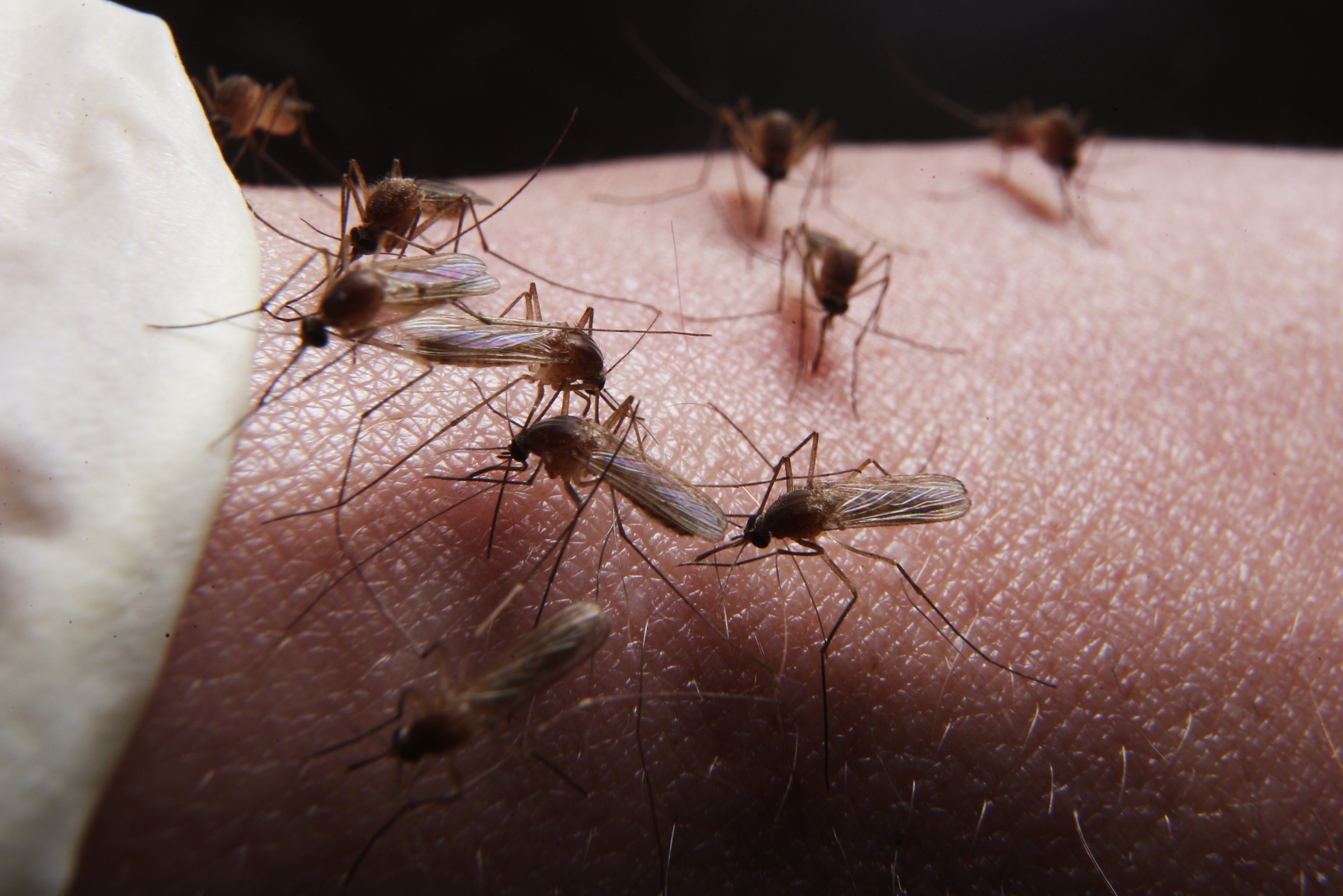
Queenslanders are being warned to brace for a surge in mosquito-borne diseases as travel returns to pre-pandemic levels.
There has been a significant spike in dengue and malaria cases across the state, according to Queensland Health.
Since January, there has been 30 cases of dengue and 17 cases of malaria that been reported.
READ MORE: Putin says Russia will station tactical nukes in Belarus
It's a significant spike from the past two years, when international borders were closed due to the COVID-19 pandemic.
In 2021, there were just 16 cases of malaria reported in the year, compared to 112 cases in 2018.
It's expected cases will surpass last year's number of 58.
There was also a sharp increase in the deadly dengue.
In 2020, there were 53 cases, compared to just one in 2021. Cases are also expected to peak above last year's number of 58.
READ MORE: What's next for Liberals after history-making election loss?
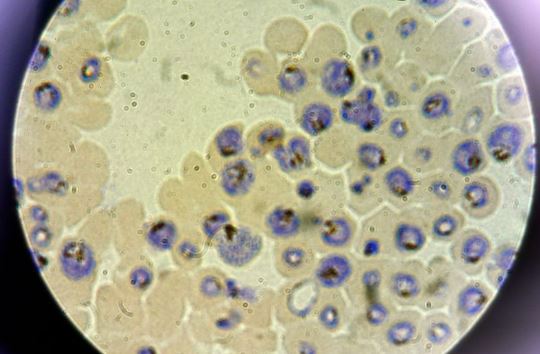
More than 200 million people are diagnosed with malaria each year, mostly in Africa and southeast Asia.
Malaria is caused by a parasite which is spread through the bite of particular types of mosquito.
Dengue is a viral infection caused by the dengue virus, transmitted through the bite of infected mosquitoes.
The blood-sucking insets are considered to the world's deadliest creature, and are estimated to cause between 750,000 – one million deaths every year.
Sign up here to receive our daily newsletters and breaking news alerts, sent straight to your inbox.