Tag Archives: oceania

North Korea fires suspected ballistic missile, Japan says

North Korea on Sunday launched a "suspected ballistic missile," Japan's Ministry of Defence reported.

The news follows a flurry of missile tests by North Korea, including the launch of a long-range ballistic missile last Thursday as leaders from South Korea and Japan met in Tokyo.

The Japan Coast Guard said in a statement published at 11.20am local time that the missile launched on Sunday appeared to have landed.

It cautioned all vessels to await further information; to not approach fallen objects; and to report anything suspicious.

READ MORE: Fears grow over North Korea's growing nuclear arsenal

This is a breaking story … more to come.

Takeover of Credit Suisse bank could see 10,000 jobs lost

The fate of Credit Suisse could be decided in the next 24 hours after a torrid week for Switzerland's second biggest bank.

Local media reported that the Swiss cabinet had gathered for a crisis meeting at 5pm on Saturday (3am, Sunday, AEDT) to discuss the ailing bank's future, as reports swirled of a possible takeover by its biggest Swiss rival, UBS and the potential shedding of up to 10,000 jobs.

A spokesperson for the Swiss finance ministry declined to comment.

READ MORE: Trump says he expects to be arrested, calls for supporters to protest

Investors and customers pulled their money out of Credit Suisse over the past several days as turmoil swept the global banking industry following the collapse of two US lenders.

Shares of the bank lost 25 per cent over the course of the week, despite an emergency US$54 billion (AU$80.65 billion) loan from the Swiss National Bank. The price of financial contracts designed to protect investors against possible losses on its bonds soared to record levels.

More than US$450 million (AU$672.04 million) was pulled from European and US funds managed by the bank between Monday and Wednesday, according to Morningstar.

The lifeline from the Swiss central bank, announced late Wednesday night after the stock had crashed to a new record low, only bought Credit Suisse some time.

Reuters and the UK Financial Times, citing people familiar with the matter, both reported that Swiss regulators were urging UBS to agree a rescue of Credit Suisse before markets open on Monday to shore up confidence in the country's banking system. The Financial Times said the boards of UBS and Credit Suisse were expected to meet separately over the weekend.

Credit Suisse and UBS both declined to comment to Reuters.

READ MORE: Bali loses patience with Russians, Ukrainians fleeing war

BlackRock, which owns 4 per cent of Credit Suisse, denied a separate report in the Financial Times that it was drawing up an alternative bid for all or part of the beleagured bank.

"BlackRock is not participating in any plans to acquire all or any part of Credit Suisse, and has no interest in doing so," a BlackRock spokesperson told CNN.

Credit Suisse, which is among the 30 most important banks in the global financial system, has been on the ropes for years following a series of scandals, huge losses and strategic missteps. Its stock is down 75 per cent over the past 12 months. But the crisis of confidence escalated rapidly this month.

The failure of Silicon Valley Bank last week, the biggest by a US lender since the global financial crisis of 2008, sent investors fleeing other players perceived as weak.

Then Credit Suisse dropped another bombshell. Publishing its annual report on Tuesday, the 167-year-old bank acknowledged "material weakness" in its financial reporting, adding it had failed to adequately identify potential risks to its financial statements.

READ MORE: Former 'Top Gun' pilot accused of helping China moved to Australian maximum security jail

Vehicles are parked outside a Silicon Valley Bank branch.

The following day, its biggest shareholder — the Saudi National Bank — made clear it would not be pumping any more money into the bank, after spending US$1.5 billion (AU$2.24 billion) last year for a stake of almost 10 per cent. That spooked investors.

In a note on Thursday, JPMorgan banking analysts wrote that a takeover by UBS was the most probable endgame.

There are reports by Reuters and Bloomberg that at least 10,000 jobs may have to go if the takeover proceeds.

UBS would likely spin off Credit Suisse's Swiss business since the combined market share would make up about 30 per cent of Switzerland's domestic banking market and mean "too much concentration risk and market share control," they added.

Veteran homelessness rising across Australia

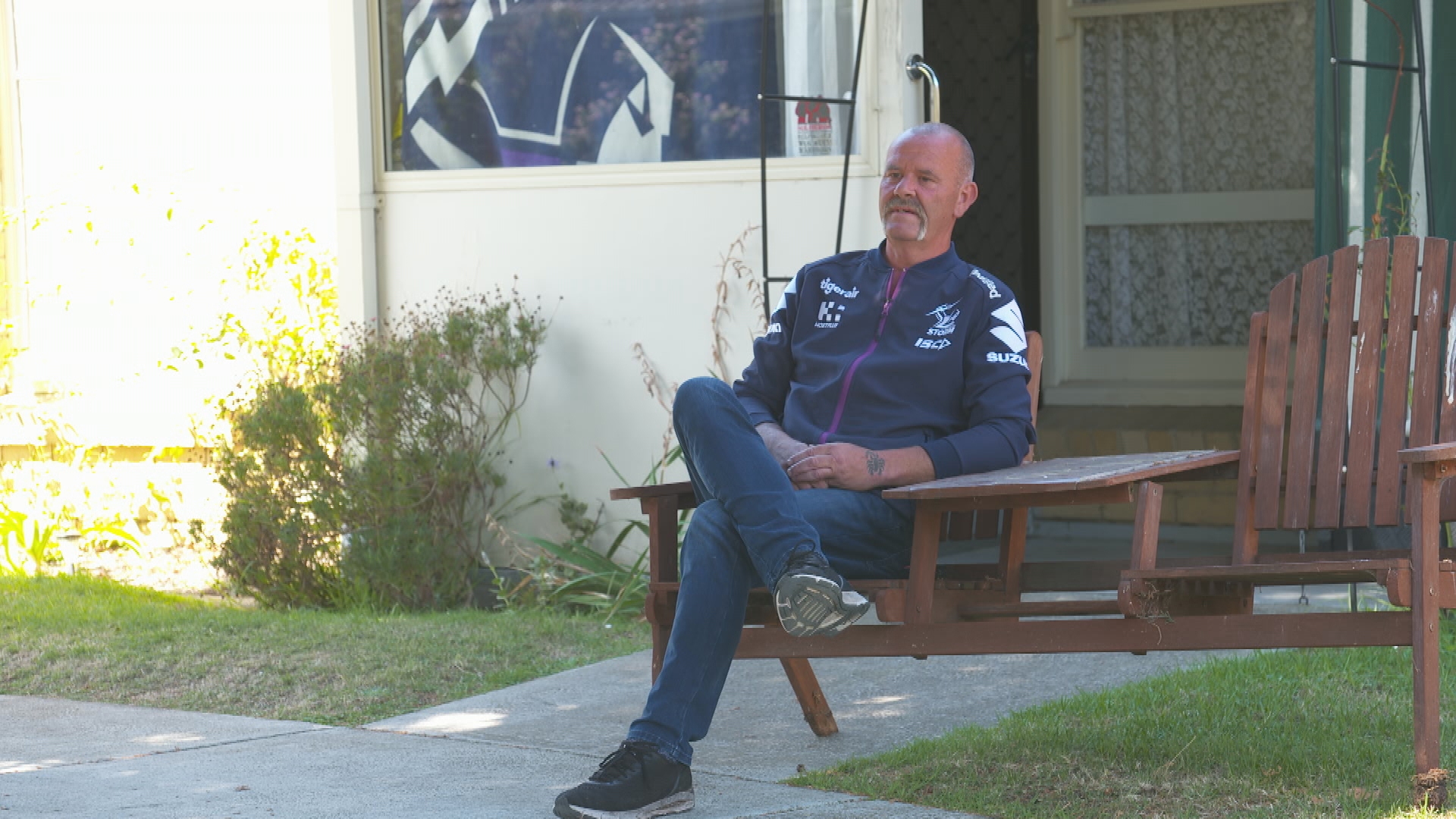
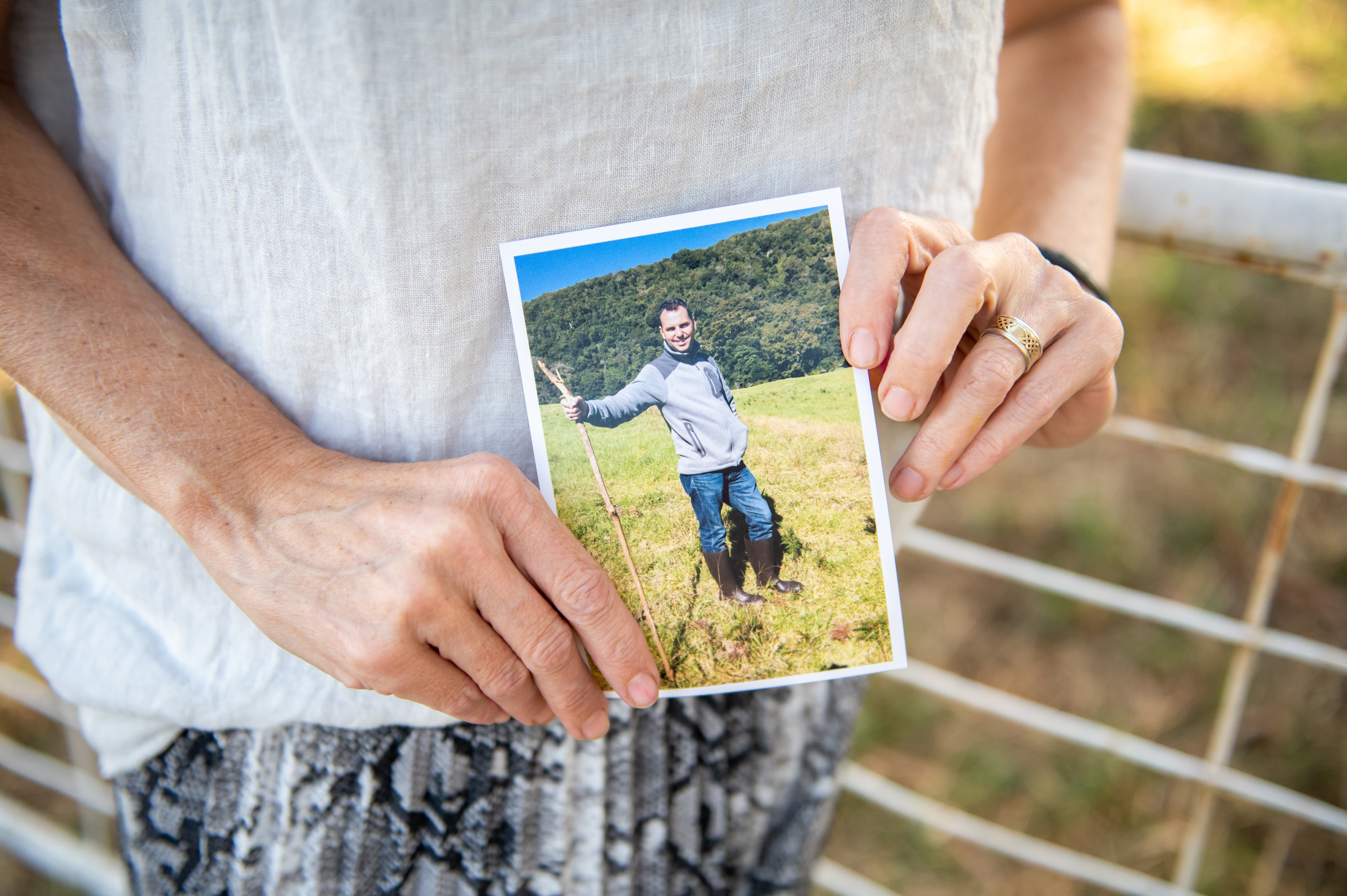
Dave Hughes spent nearly a year sleeping on creek beds and surfing from couch-to-couch when he was discharged from the Australian Defence Force (ADF).

He is just one of the 300 veterans who leave the ADF each year who experience homelessness.

For many, transitioning back into civilian life can be the biggest obstacle and leaders are now calling for more to be done.

READ MORE: Relief in sight as 'unseasonable' heatwave grips East Coast

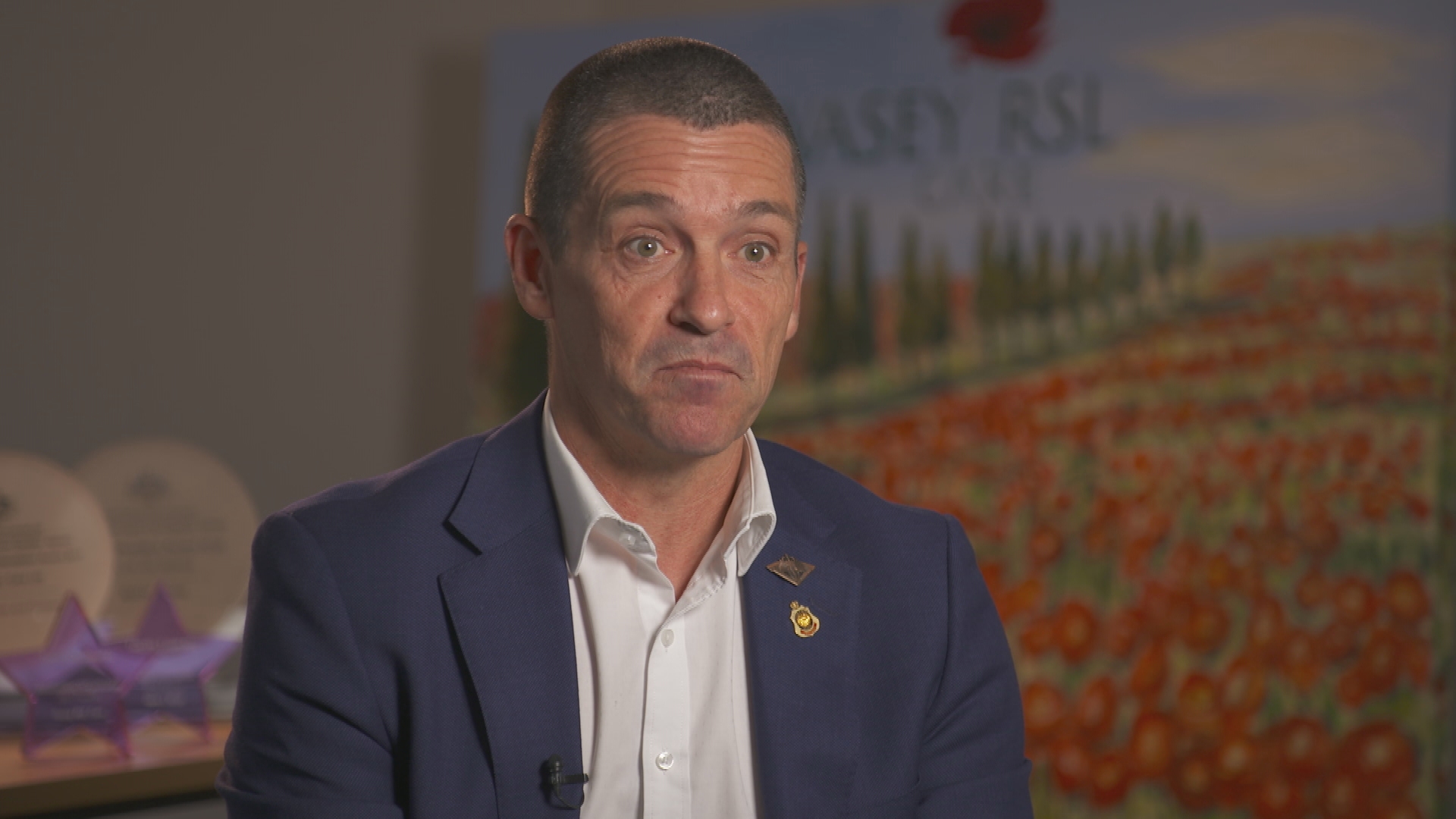
"If the veteran can't get work, it can lead to financial difficulties; this can affect the household and result in relationship problems," Vasey RSL Care Executive General Manager Chris Gray told Weekend Today.

"If the family breaks up, the veteran can find themselves staying on a mate's couch or even sleeping in their car. Ultimately, this situation can bring out latent mental health issues, or lead to problem drinking, gambling and so on."

Hughes and his close friend, Alan Murphy help veterans who find themselves in that same difficult position.

"I started surfing couches, staying at friends' places, and family. I ended up sleeping on creek beds for nearly a year," Hughes said.

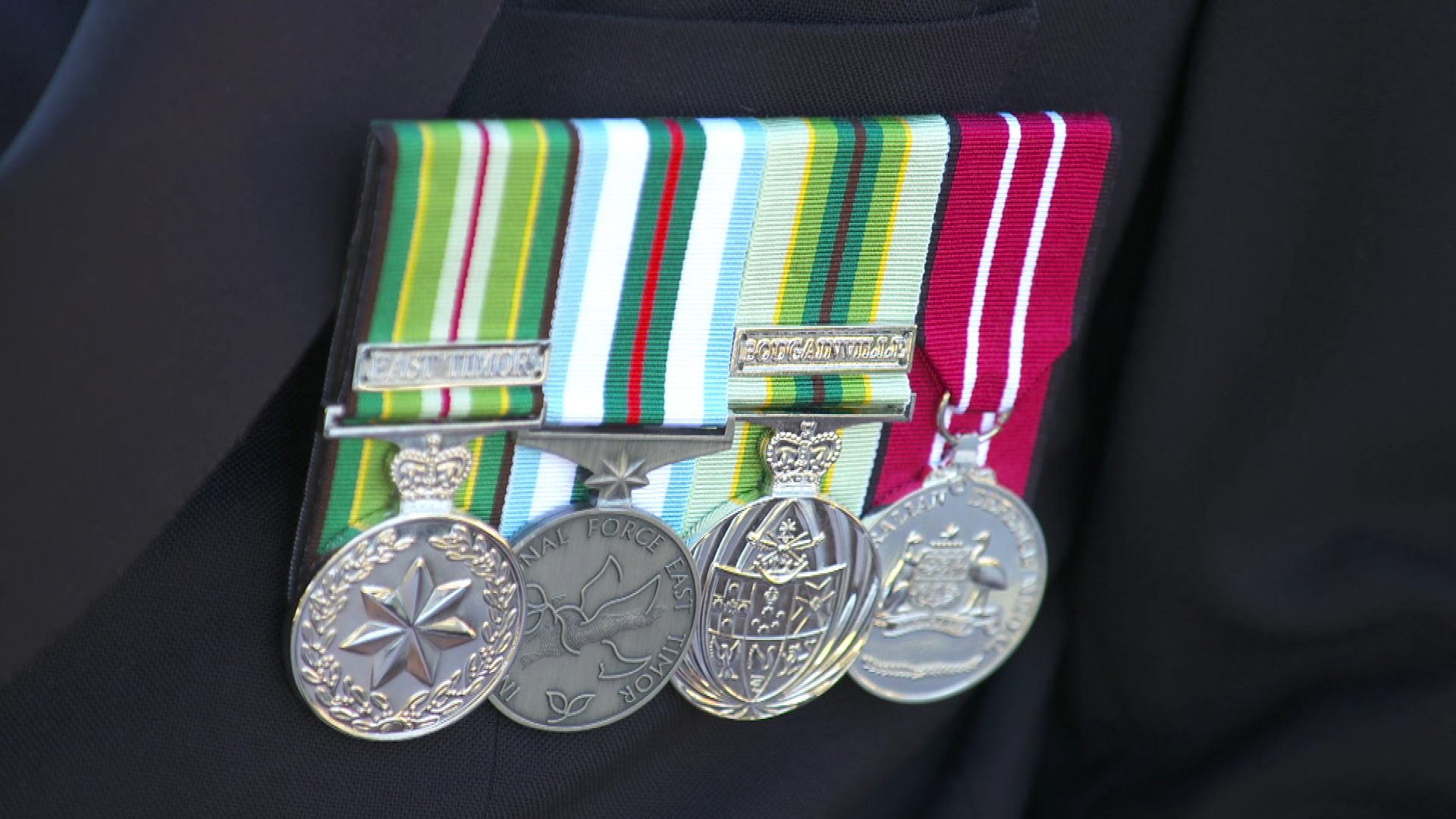
Murphy is a Vietnam War Veteran and spent more than 500 days across two tours in Vietnam.

He now lives in assisted housing among dozens of former veterans.

"The next day I was a civilian. All I had was a paper saying discharge certificate. And that was it," he said.

"I see these young guys come off the street and I just see how hard and what they've been through."

READ MORE: Trump says he expects to be arrested, calls for supporters to protest

Putting up your hand and seeking assistance can also be a difficult pill to swallow for many.

Keith Walsh spent nearly five years homeless, sleeping most nights in his car.

"You've gone from having support, unlimited support. To you have to fend for yourself," he said.

Walsh eventually got in touch with VaseyRSL, a leading provider in ex-service housing.

"If it wasn't for Vasey, I would be dead now," he said.

"It's given me a purpose to go on."

READ MORE: A seaweed blob twice the width of the US is heading toward Florida

VaseyRSL are a critical source of information for leaving when leaving the ADF, who are not only in-need of emergency housing but, equally, assistance in returning to civilian life.

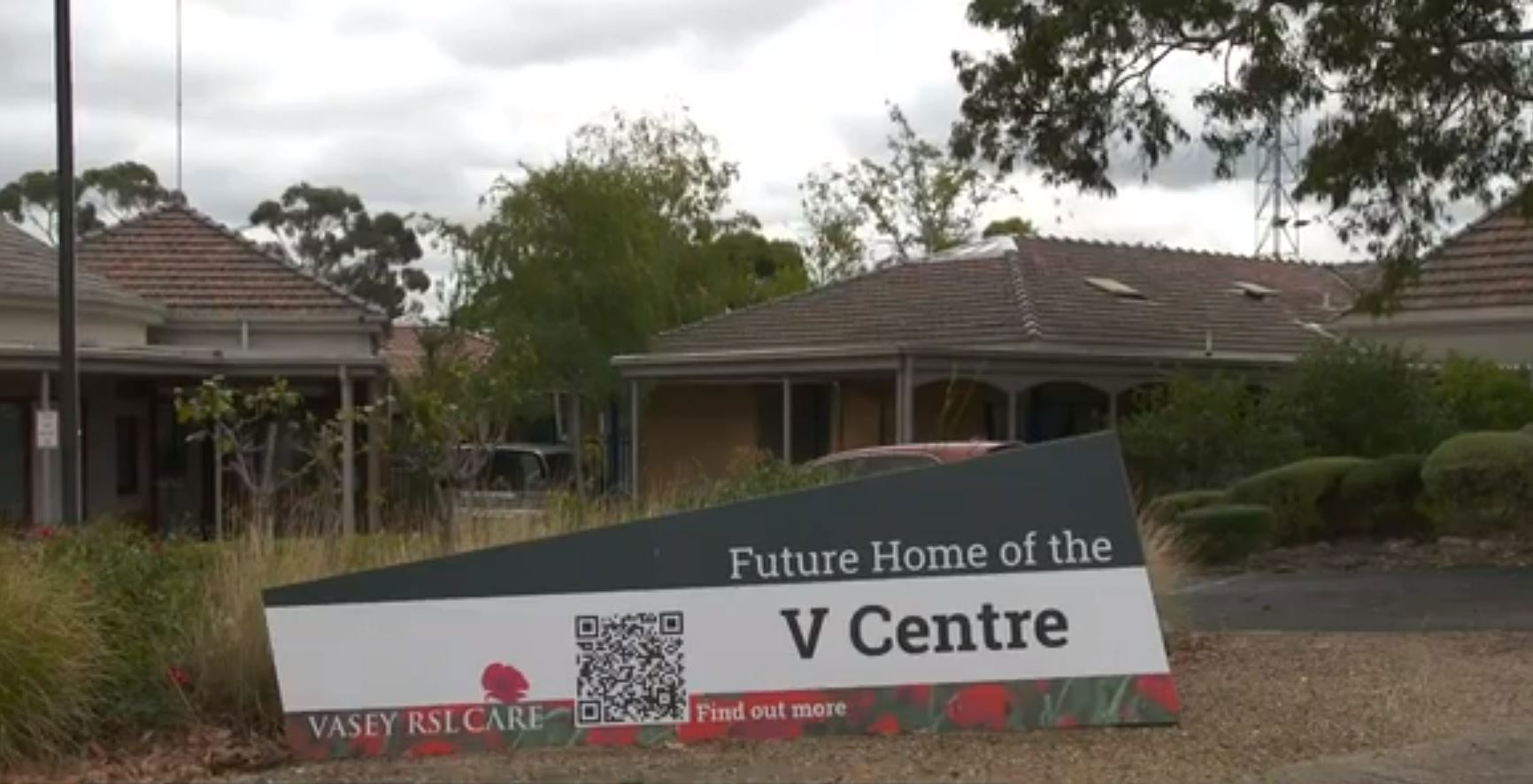
The charity is now hoping to build an industry-first wrap around service in Melbourne's northern suburb of Ivanhoe.

"There is lot's of different support but we are talking about a home and the services," chief executive Janna Voloshin said.

"We are going to put the roof over their head, get them off the street and then assist them with everything they need to get to a stage where they can live independently."

It's a solution younger veterans like Damon Valentine are desperately calling out for.

The former Army Private suffers from severe PTSD and said the exiting process from the military needs to be reformed.

"They need one in every state to do this sort of work. And hopefully, this can be the first of what will be at least nine more," he said.

For a force that prides itself on remembering those that served, many claim they feel forgotten.

READ MORE: One dead, five seriously injured in South Australia car crash

The Albanese Government says it's committing millions to fund specialist services for veterans and families but the opposition is standing in the way.

"We are establishing our $10 billion Housing Australia Future Fund and from that there will be a $30 million fund specifically for veterans homelessnes," Minister for Veterans' Affairs Matt Keogh said.

"But that whole program is currently at risk because the opposition is opposing the establishment of that fund."

While the future of the fund rests in the hands of those in Canberra, veterans say they need assistance now.

"Every little bit helps. If you're struggling you can get a feed here. You can get medical attention here… just having someone to talk to," Hughes said.

Crisis support is available from Lifeline on 13 11 14 or from Beyond Blue on 1300 22 4636.

The Defence All-hours Support Line can be reached on 1800 628 036, and the Defence Member and Family Helpline on 1800 624 608

Open Arms – Veterans & Families Counselling can be reached on 1800 011 046.

Sign up here to receive our daily newsletters and breaking news alerts, sent straight to your inbox.

Former 'Top Gun' pilot accused of helping China speaks

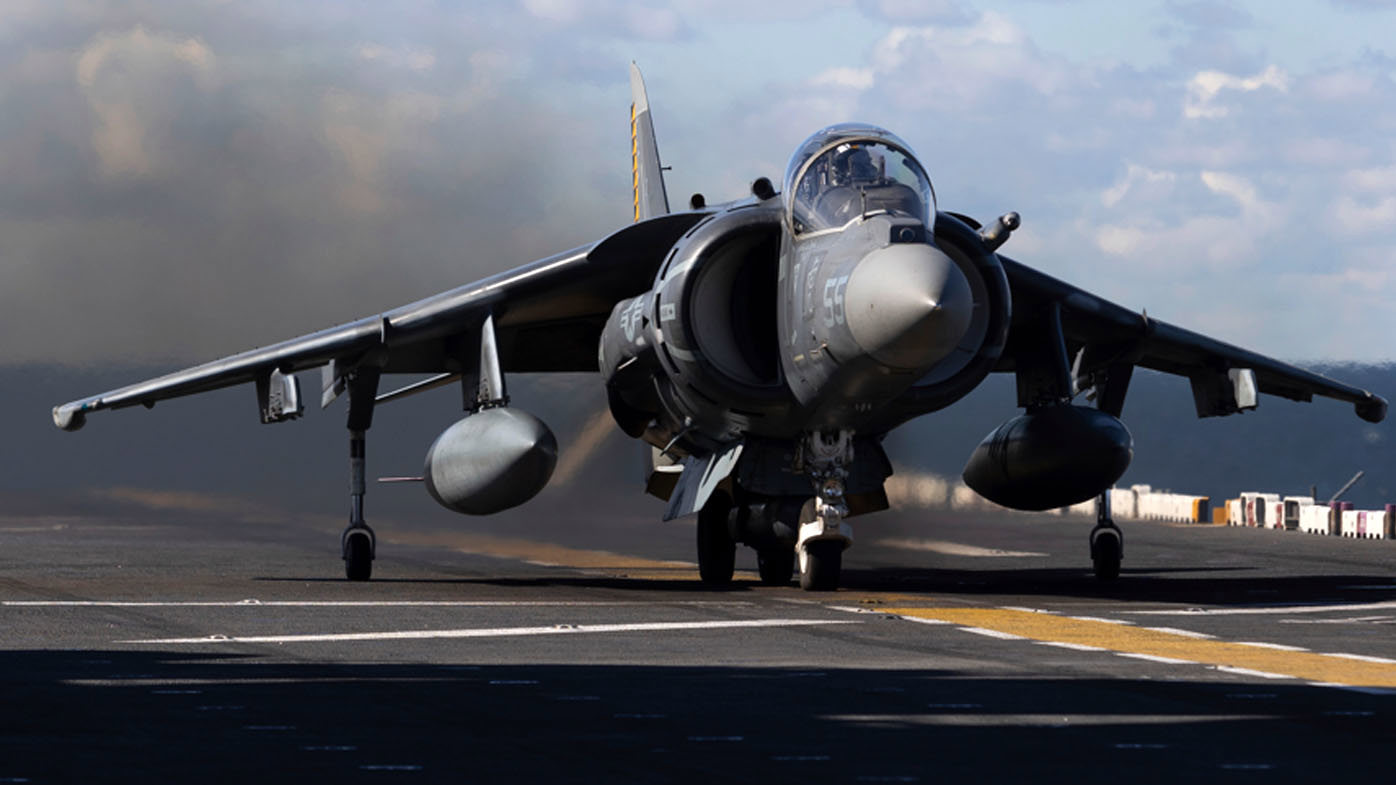
A former US fighter pilot who became an Australian citizen and is accused of helping train Chinese military pilots has been moved to a maximum security prison in New South Wales ahead of his next court appearance.

Daniel Duggan, 54, was arrested in October last year near his family home in Orange, in NSW, and was accused of providing military training to pilots working for China.

The father of six has denied the allegations, saying they were "political" posturing by the US, which unfairly singled him out.

READ MORE: US sceptical of Xi's intentions ahead of his summit with Putin

Late last year the federal government approved a request by US authorities to extradite him.

His lawyers are opposing his extradition and the case is proceeding through Sydney courts where a magistrate will decide whether Duggan, who became an Australian citizen in 2012, is eligible for extradition. A hearing is scheduled for tomorrow.

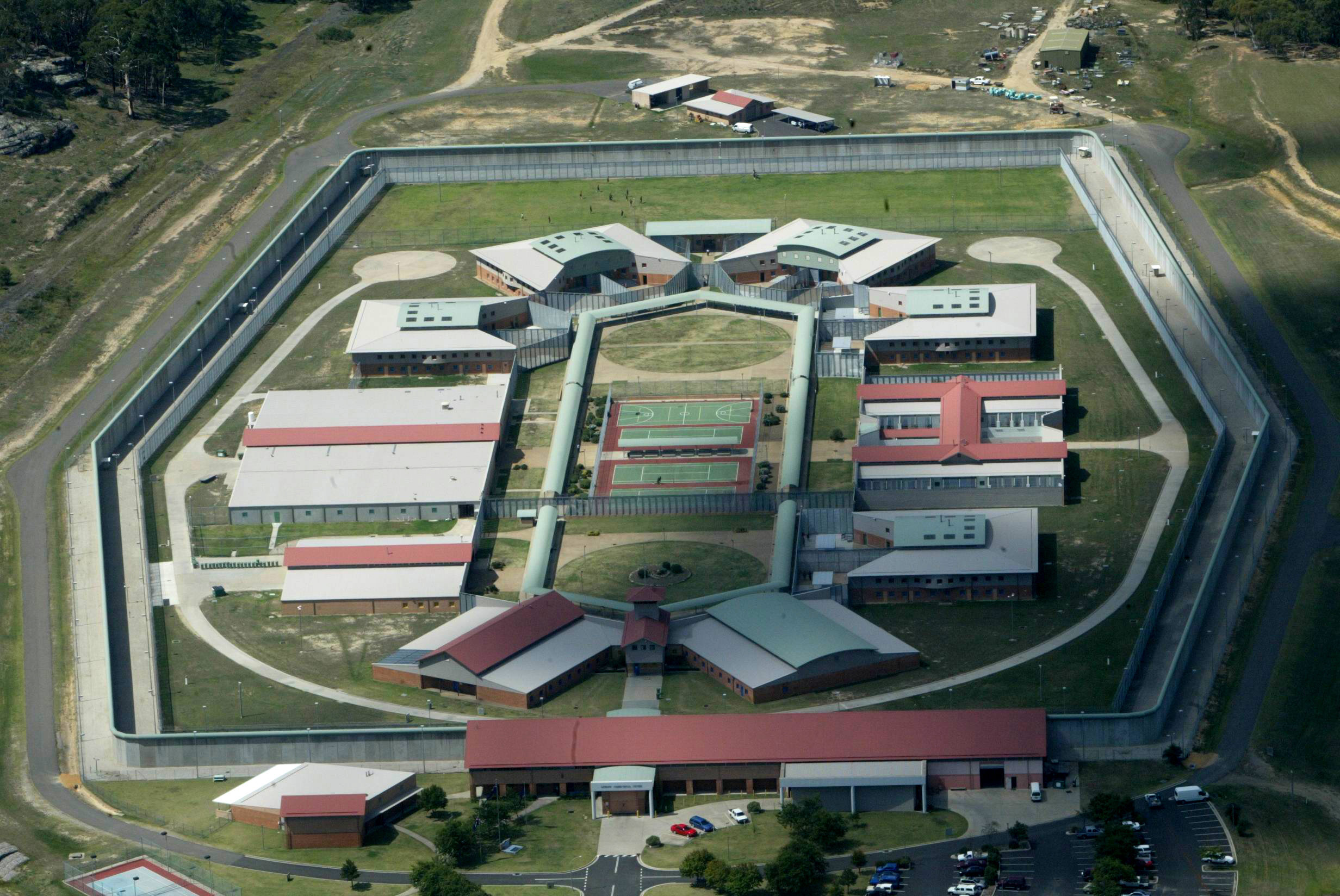
Duggan was moved from Silverwater jail in Sydney to Lithgow maximum security prison about a week ago.

His family and supporters insist he should be granted bail or released into home detention because he does not represent a flight risk.

Duggan, speaking from jail via a spokesperson, said he was in a two-metre by four-metre cell and was being held alongside convicted terrorists, rapists and murderers.

READ MORE: Elderly man attacked and robbed by intruders in Perth

"This case is a test of Australian sovereignty but is being fought by a struggling farming family in regional NSW, at great personal and financial expense.

"I reject the allegations against me 1000 per cent. The insinuation that I am some sort of spy is an outrage and I am seriously considering defamation proceedings against the officials who are peddling this garbage.

"They seem to forget that I have six wonderful Australian children who are suffering severe emotional and financial distress – traumatised at the expense of the Australian taxpayer, at the behest of the United States."

The spokesperson said it will cost his family about $1 million to fund a legal team to continue his legal battle.

Born in Boston, Duggan served in the US Marines for 12 years before migrating to Australia in 2002. In January 2012, he gained Australian citizenship, choosing to give up his US citizenship in the process.

READ MORE: Relief in sight as 'unseasonable' heatwave grips East Coast

A 2016 indictment from the US District Court in Washington, D.C., was unsealed late last year. In it, prosecutors say Duggan conspired with others to provide training to Chinese military pilots in 2010 and 2012, and possibly at other times, without applying for an appropriate licence.

US prosecutors say Duggan received about nine payments totalling about $88,000 and international travel from another conspirator for what was sometimes described as "personal development training."

The indictment says Duggan travelled to the US, China and South Africa, and provided some training to Chinese pilots in South Africa.

Defence Minister Richard Marles late last year ordered officials to investigate if any former Australian Defence Force personnel had trained members of the Chinese armed forces and also review laws about ex ADF members.

– With Associated Press

Sign up here to receive our daily newsletters and breaking news alerts, sent straight to your inbox.

Trouble in paradise as Bali loses patience with exiles

With its balmy beaches, laid back lifestyles and holiday vibe, the tropical paradise of Bali has much to offer any world weary traveller — let alone those fleeing a war zone.

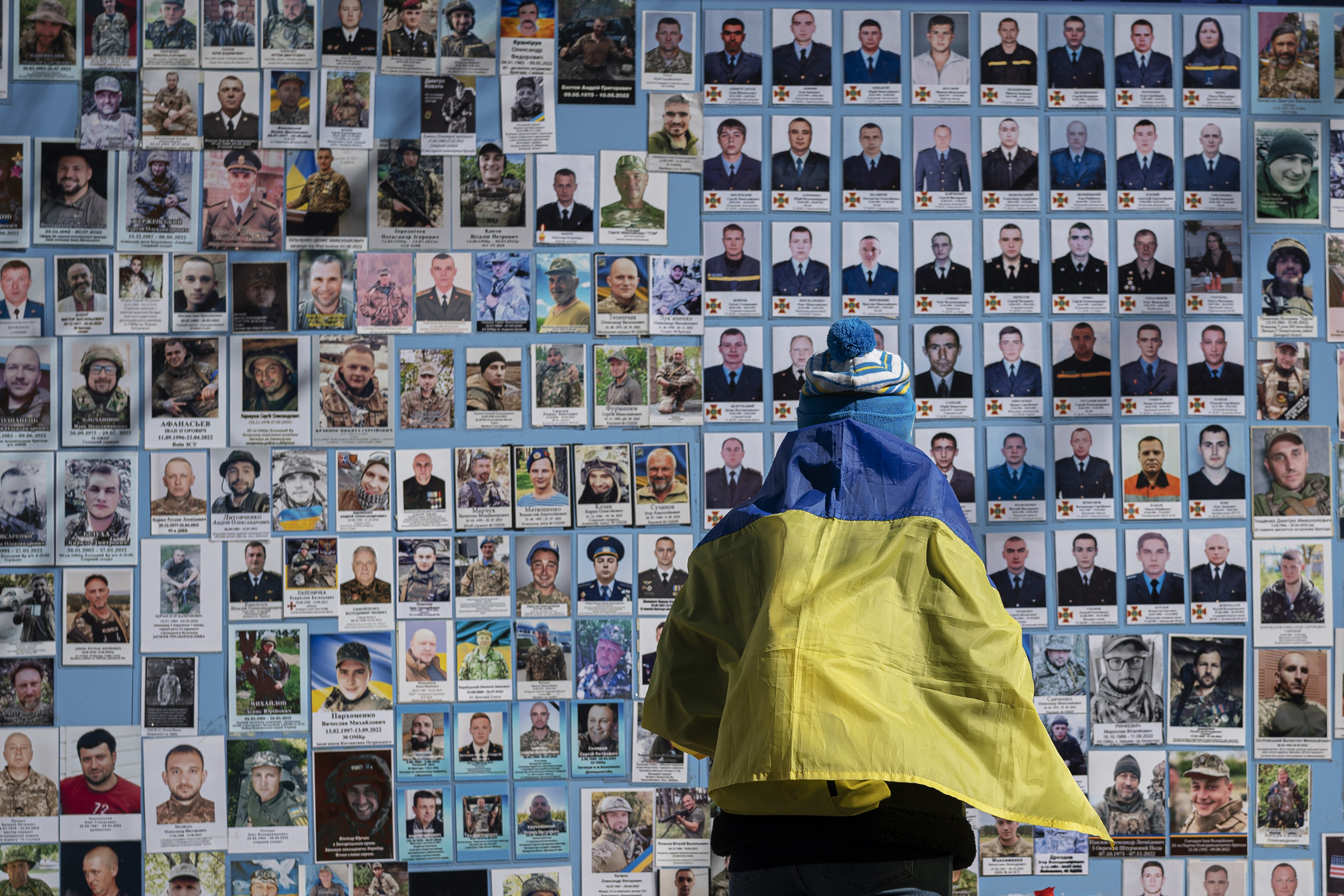
So perhaps it should be no surprise that since Russian President Vladimir Putin launched his invasion of Ukraine in February 2022, Indonesia's most famous holiday island has once again become a magnet for thousands of Russians and Ukrainians seeking to escape the horrors of war.

Some 58,000 Russians visited this Southeast Asian idyll in 2022 following its post-COVID reopening, and a further 22,500 arrived in January 2023 alone, according to the Indonesian government, making them the second biggest group of visitors after Australians.

READ MORE: Trump says he expects to be arrested, calls for supporters to protest

2. Bali, Indonesia

Adding to their number are the more than 7,000 Ukrainians who arrived in 2022, and some 2,500 in the first month of this year.

But for those fleeing the violence — or the draft — there's trouble in paradise.

Balinese authorities this week called for the end to Indonesia's visa-on-arrival policy for citizens of Russia and Ukraine, citing a spate of alleged incidents involving misbehavior and various examples of visitors overstaying their visas and working illegally as hairdressers, unauthorised tour guides and taxi drivers.

The move has been met with dismay by many Ukrainians on the island, who say that most of the incidents involve Russians and that they are being unfairly tarred with the same brush.

READ MORE: ICC adamant Putin could stand trial for war crimes

"Whenever we get reports about a foreigner behaving badly, it's almost always Russian," a local police officer in the town of Kuta told CNN, declining to be identified due to sensitivities surrounding the issue.

"Foreigners come to Bali but they behave like they are above the law. This has always been the case and it has to finally stop," he said.

Badly behaved tourists can be a touchy subject in Bali, where foreigners of various nationalities regularly make headlines for drunk and inappropriate behavior, public nudity and disrespecting sacred sites.

But the Balinese authorities appear ready to make an example of Russians and Ukrainians amid rising public debate over perceptions of their conduct.

"Why these two countries? Because they are at war so they flock here," Bali governor Wayan Koster told a news conference this week.

READ MORE: Adelaide man Bradley Frost dies in hospital after alleged bashing

The influx of Russians and Ukrainians into Bali comes despite Ukraine having banned all men aged 18 to 60 from leaving the country.

Russia has no official blanket ban, but has mobilised 300,000 reservists to join the fighting, prompting many young men to flee abroad rather than be drafted.

CNN reached out to the Russian embassy in Indonesia and Ukrainian consulate in Bali.

Russian embassy officials did not immediately respond; Ukraine's Honorary Consulate in Bali said Ukrainians in the country were mostly females there for family unification reasons rather than tourism and that they did "not want to violate the rules and regulations."

'We all get along'

While Bali was a favorite with Russian tourists even before the war, its attractions have become only more appealing in the wake of Putin's grinding invasion and subsequent mobilisation.

And it is far from the only refuge in Southeast Asia.

The island of Phuket in southern Thailand, often lauded as among the world's best beach destinations, has seen a sudden influx of Russian arrivals — many of whom have invested in property to ensure they can enjoy long-term stays.

"Life in Russia is very different now," a former investment banker from St. Petersburg who bought an apartment near Phuket's Old Town district told CNN.

He declined to disclose his identity for fear of retaliation from Russian authorities.

READ MORE: Relief in sight as 'unseasonable' heatwave grips East Coast

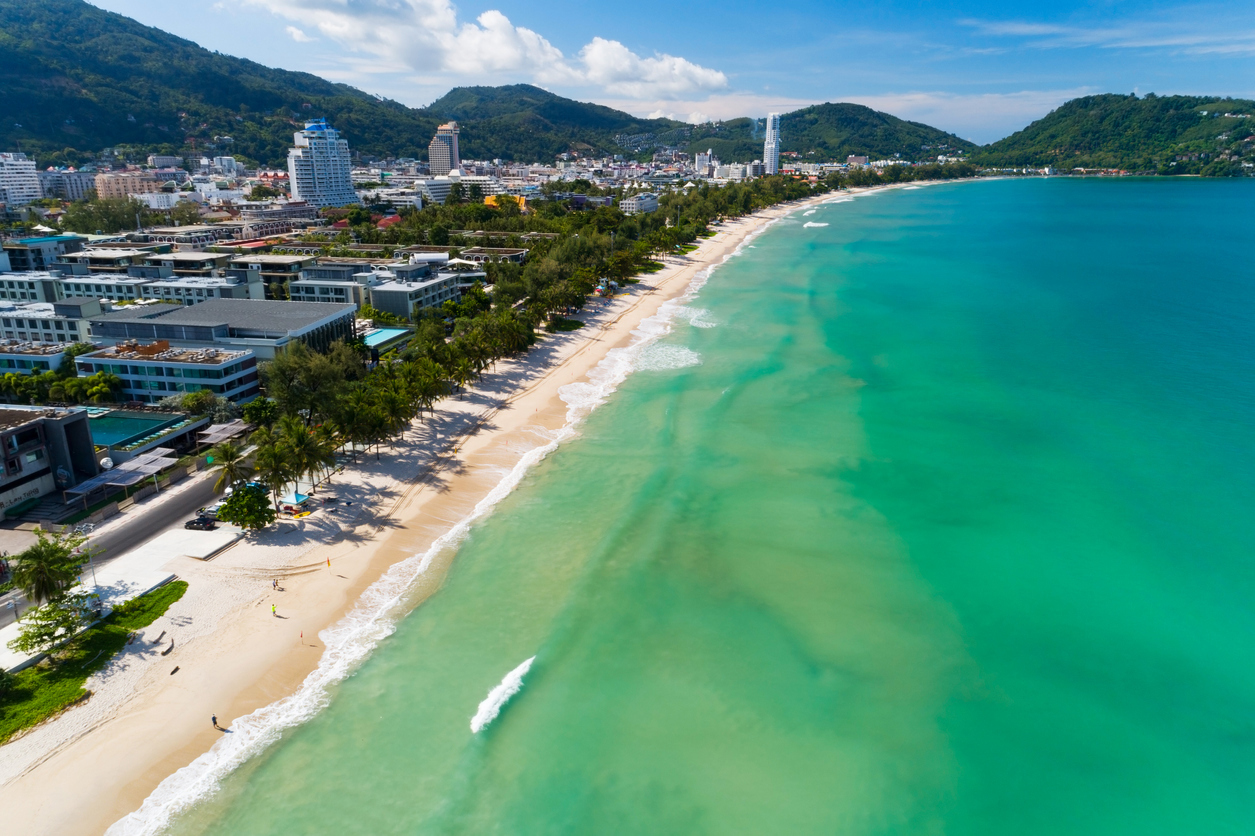
Patong, Thailand

"No one wants to stay and live in the middle of war," he said.

"It is stressful thinking about the possibility of returning to Russia and being punished… (so) it makes sense to invest in a place which costs less than Moscow and is safer."

In Bali, part of the attraction has been down to Indonesia's policy that allows nationals of more than 80 countries — including, at least for now, Russia and Ukraine — to apply for visas upon arrival. The visa is valid for 30 days but can be extended once to a total of 60 days.

That might be plenty of time for those planning lengthy vacations, but those seeking a more prolonged stay are not allowed to work. Indonesian authorities said several Russian tourists had been deported in recent months for overstaying their visas, among them a 28-year-old from Moscow who was arrested and deported after he was found to be working as a photographer.

Others who arrived hoping to find work have since returned home, risking Moscow's wrath if they are suspected of fleeing the draft.

Among the wave of Russians to have travelled to Bali was Sergei Ovseikin, a street artist who created an anti-war mural in the middle of a rice paddy field — a "mural" that reflected his stance on military conscription and the war.

"Like many others forced to leave our native country, I came to Bali as a tourist," Ovseikin said.

"Russia remains in a difficult political situation. I am against wars, no matter where they take place," he said.

"A lot of people who disagreed with the war flew to Bali — Russians, Ukrainians, Belarusians and others," he added. "We all get along well with each other… and understand that ordinary people did not start this war."

'It's beautiful … no Russian soldiers'

News of the possible change to the visa rules has rattled some of the Ukrainians on the island, many of whom left their homeland when war broke out and have been living on savings ever since, leaving and reentering every 60 days to avoid flouting the rules.

"Bali is a good place," said one Ukrainian named Dmytro.

"It is beautiful, the weather is great and it's a safe place for Ukrainians — there may be big groups of Russians, but there are no Russian soldiers."

Ukrainians on the island were a tightly knit community that largely kept away from Russians and had been surprised by the possible move, he added.

"Ukrainians respect Balinese law and culture. We do a lot for our local communities and don't represent any risk for people in Bali," Dmytro said.

"Many back in Ukraine have questions about Bali and would also love to come."

"It's very sad that Ukrainians are being put in the same (category) as Russians. Russians are the second largest tourist group in Bali and if you read the news, you'll see how often it is Russians breaking local laws and disrespecting Balinese culture and traditions," he added.

"So why do Ukrainians have to suffer when it isn't us causing problems in Bali?"

Ukraine's Honorary Consulate in Bali said in a statement to CNN that there were around 8,500 Ukrainian citizens on the island as of February 2023, holding various temporary and permanent visa permits.

"Ukrainians do not come for holiday to Bali at this current moment as our country is being invaded.

The Ukrainians coming to Bali now are for family unification (reasons) and are mostly female," said spokesperson Nyoman Astama.

"We reaffirm that Ukrainians in Bali do not want to violate the rules and regulations," Astama added.

"It is imperative to enforce the law and implement the consequences for any breach of the law as voiced now by the people in Bali."

Still, for now at least, anyone from either country still hoping for a visa on arrival can take some comfort in the fact that the central government is yet to decide on whether to grant the request by the Balinese authorities.

"We will discuss it in detail with other stakeholders," Indonesian Minister of Tourism Sandiaga Uno told local reporters on Monday.

Seaweed blob twice the width of US is heading toward Florida

A giant blob of seaweed twice the width of the continental United States is headed for the shores of Florida and other coastlines throughout the Gulf of Mexico.

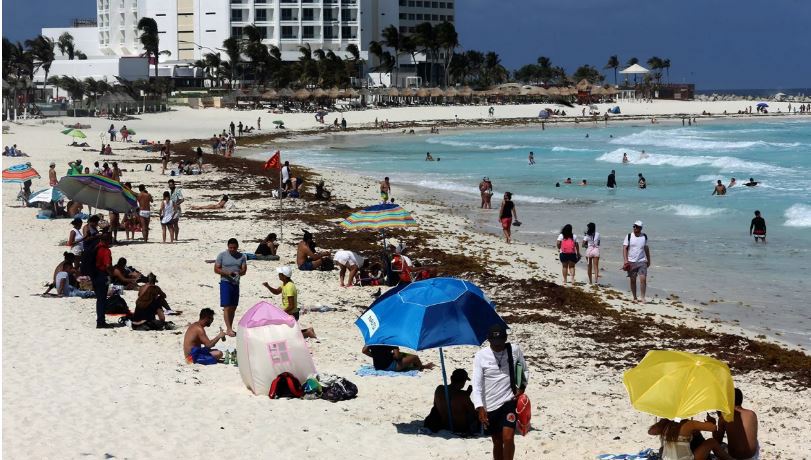
The blob is threatening to dump smelly and possibly harmful piles across beaches, dampening tourism season.

Sargassum — the specific variety of seaweed — has long formed large blooms in the Atlantic Ocean, and scientists have been tracking massive accumulations since 2011.

READ MORE: Trump says he expects to be arrested, calls for supporters to protest
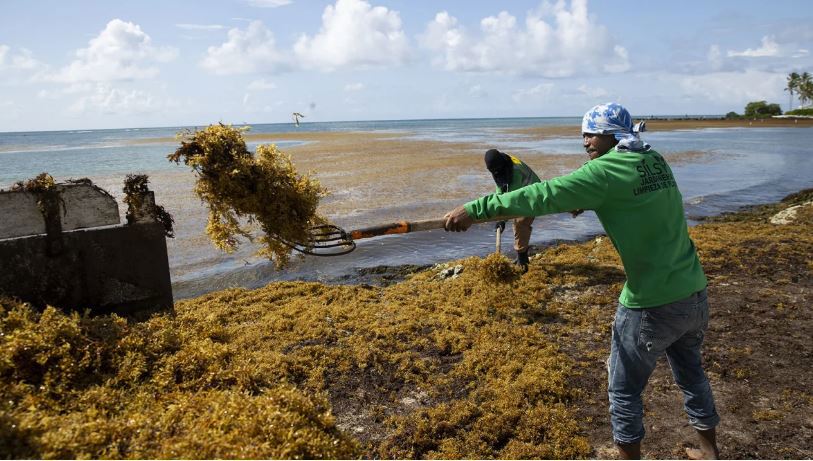
But this year's bloom could be the largest ever, collectively spanning more than 8,047 kilometres from the shores of Africa to the Gulf of Mexico.

This year's sargassum bloom began forming early and doubled in size between December and January, said Dr Brian Lapointe, a researcher at Florida Atlantic University's Harbor Branch Oceanographic Institute.

The mass "was larger in January than it has ever been since this new region of sargassum growth began in 2011," he told CNN International's Rosemary Church.

Traveling west, the blob will push through the Caribbean and up into the Gulf of Mexico during the summer.

The seaweed is expected to show up on beaches in Florida around July, Lapointe said.

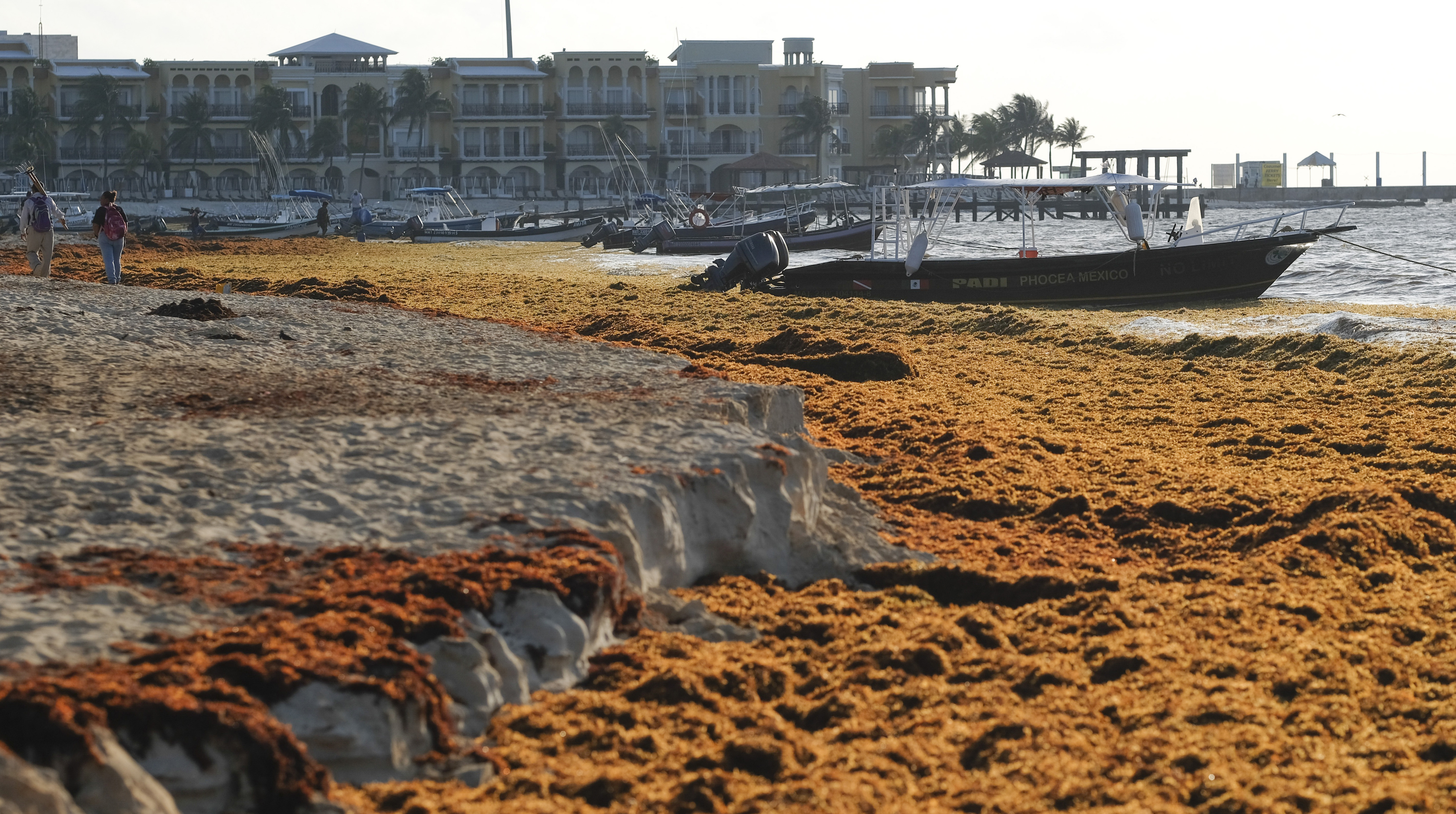
"This is an entirely new oceanographic phenomenon that is creating such a problem — really a catastrophic problem — for tourism in the Caribbean region, where it piles up on beaches up to 121 cm deep," Lapointe said.

Here's what you should know about why these masses happen and how they affect both humans and ocean life.

READ MORE: One dead, five seriously injured in South Australia car crash
What is sargassum?

Sargassum is a catchall term that can be used to refer to more than 300 species of brown algae, although Sargassum natans and Sargassum fluitans are the two species most commonly found in the Atlantic.

When adrift at sea, the algae can have upsides for ocean life.

"This floating habitat provides food and protection for fishes, mammals, marine birds, crabs, and more," according to the Sargassum Information Hub, a joint project among various research institutions.

"It serves as a critical habitat for threatened loggerhead sea turtles and as a nursery area for a variety of commercially important fishes such as mahi mahi, jacks, and amberjacks."

READ MORE: Russia scoffs but Vladimir Putin could stand trial for alleged war crimes
Is sargassum safe?

The problems with sargassum arise when it hits the beaches, piling up in mounds that can be difficult to navigate and emitting a gas that can smell like rotten eggs.

Sargassum can also quickly turn from an asset to a threat to ocean life.

It comes in such "large quantities that it basically sucks the oxygen out of the water and creates what we refer to as dead zones," Lapointe said.

"These are normally nursery habitats for fisheries… and once they're devoid of oxygen, we have lost that habitat."

Sargassum can be dangerous to humans, too, Lapointe added.

The gas emitted from the rotting algae — hydrogen sulfide — is toxic and can cause respiratory problems. The seaweed also contains arsenic in its flesh, making it dangerous if ingested or used for fertiliser.

"You have to be very careful when you clean the beaches," Lapointe said.

READ MORE: Nearly 20 machetes, guns and Tasers seized from WA apartment
Why is there a sargassum problem?

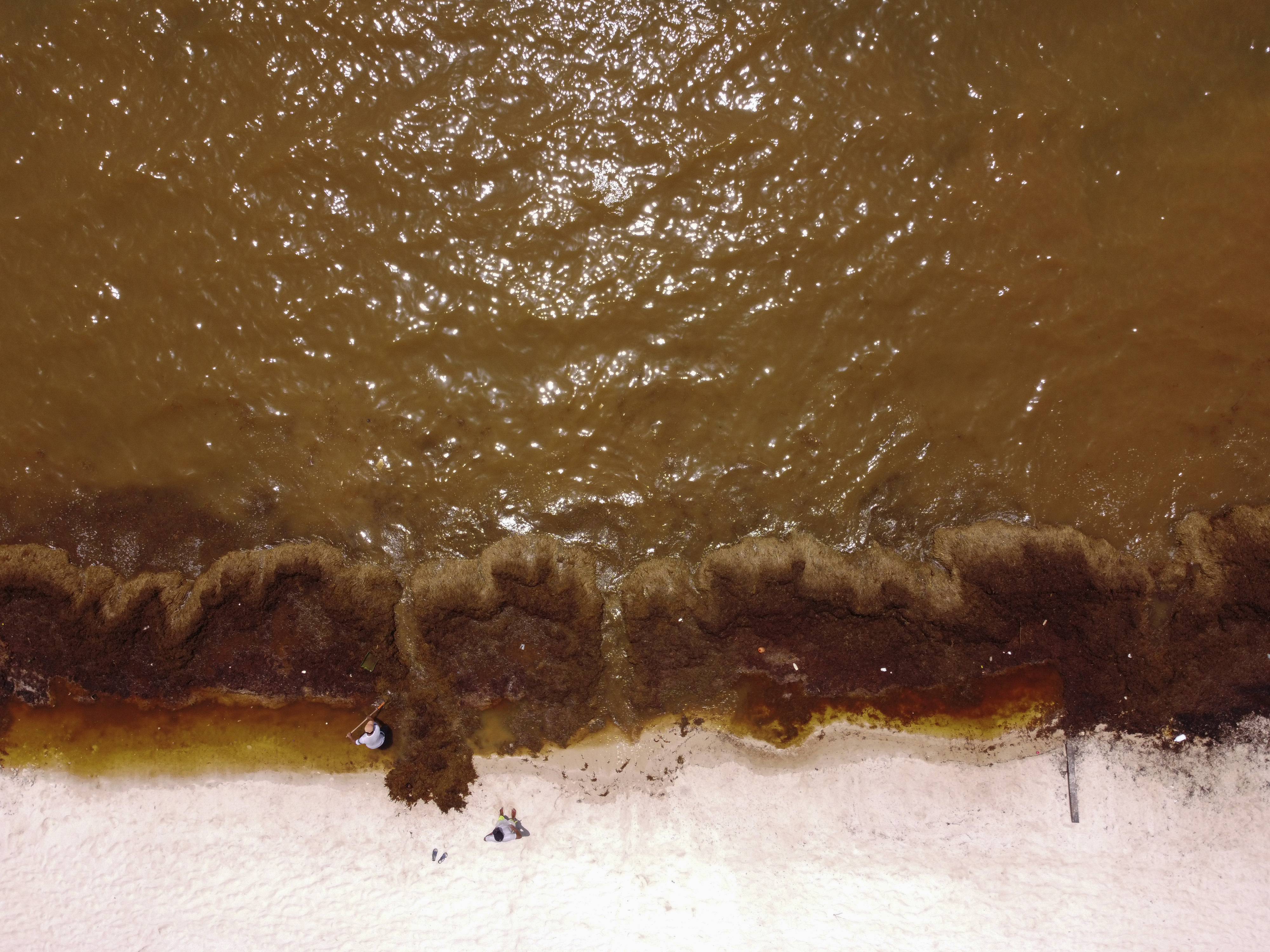
Just like plants and crops on the ground, the proliferation of seaweed can shift year to year depending on ecological factors, affected by changes in nutrients, rainfall and wind conditions, said Dr Gustavo Jorge Goni, an oceanographer at the National Oceanic and Atmospheric Administration's Atlantic Oceanographic and Meteorological Laboratory.

Sea currents are also influential on sargassum's growth and how much it accumulates, Goni added. Phosphorus and nitrogen in the sea can serve as food for the algae.

Those elements can be dumped into the ocean from rivers, which gain concentrations of phosphorus and nitrogen from human activities such as agriculture and fossil fuel production, according to the US Environmental Protection Agency.

For now, researchers are looking into ways to thwart the seaweed's impact on beaches, possibly by sinking it to the bottom of the ocean or harvesting it for use in commercial products such as soap, Goni said.

Goni cautioned that research into these sargassum accumulations is new, and it's likely scientists' understanding of how the algae grows will shift over time.

"Whatever we believe we know today," he said, "it may change tomorrow."

READ MORE: US sceptical of Xi's intentions ahead of his summit with Putin
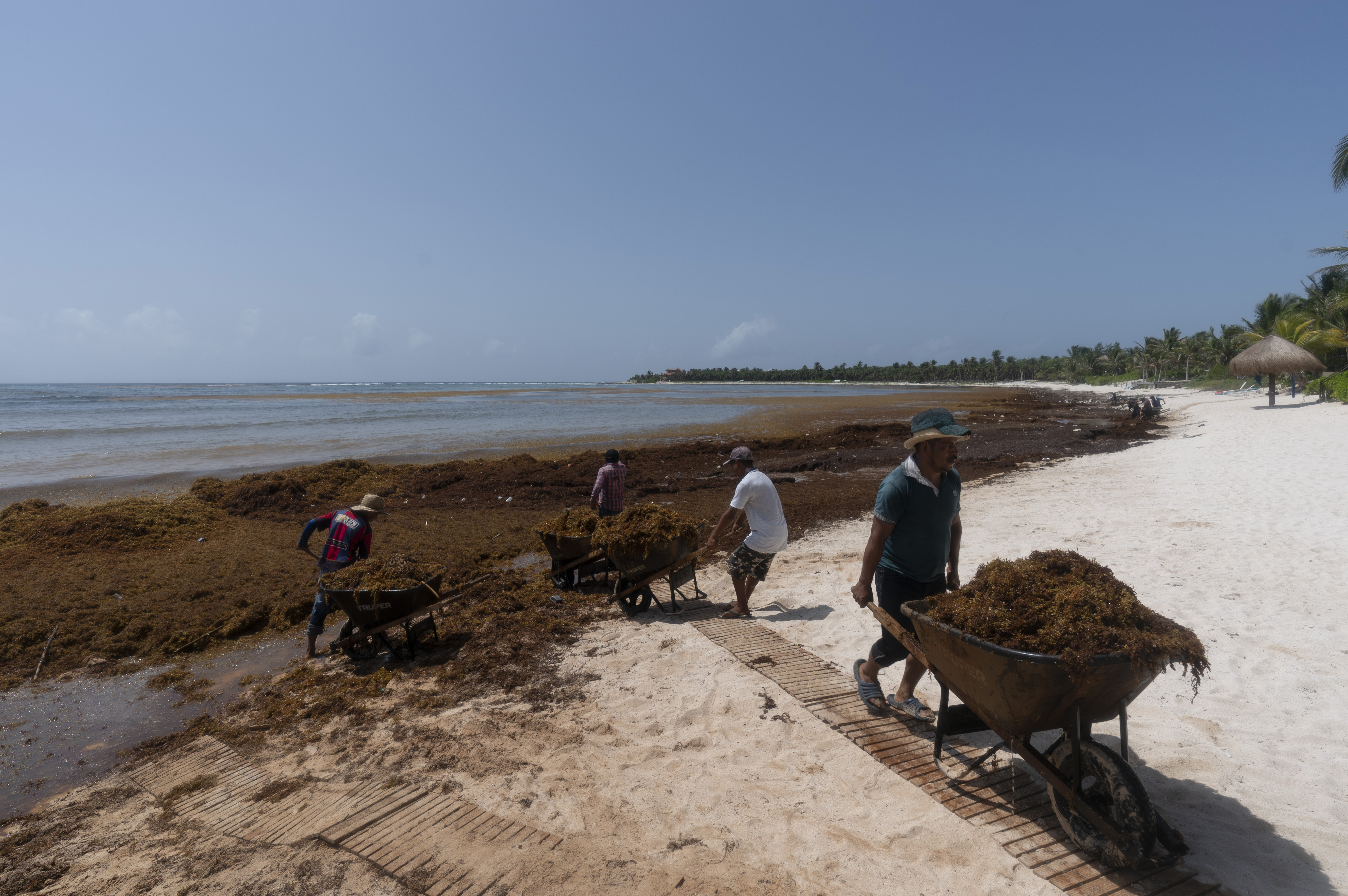
How does the buildup affect travel?

Before traveling to coastal areas this spring or summer, research whether sargassum is at your destination or might show up there, Lapointe said. Plan ahead so your vacation won't disappoint.

There are sargassum Facebook groups, with members posting about what they recently saw on beaches, Lapointe said.

"It's already affected the travel industry," he said.

Unfortunately, sargassum can build up overnight so you might not be able to predict its effects on a trip, Lapointe said.

"This is why we're trying to work on these early warning systems — high resolution in coastal areas, which takes higher-resolution satellite imagery to do a better job showing what's actually coming into a beach within the next 24 or 48 hours," he added.

Satellite images from within the last week show sargassum isn't an amorphous mass moving across the ocean, but rather teardrop-shaped blobs trailed by long, thin strands of seaweed.

Within the last week, sargassum blobs have been spotted about 346 kilometres from Guadeloupe, in between the islands of St. Vincent and Bequia, 914 metres off Martinique and off the coast of Key Largo, Florida.
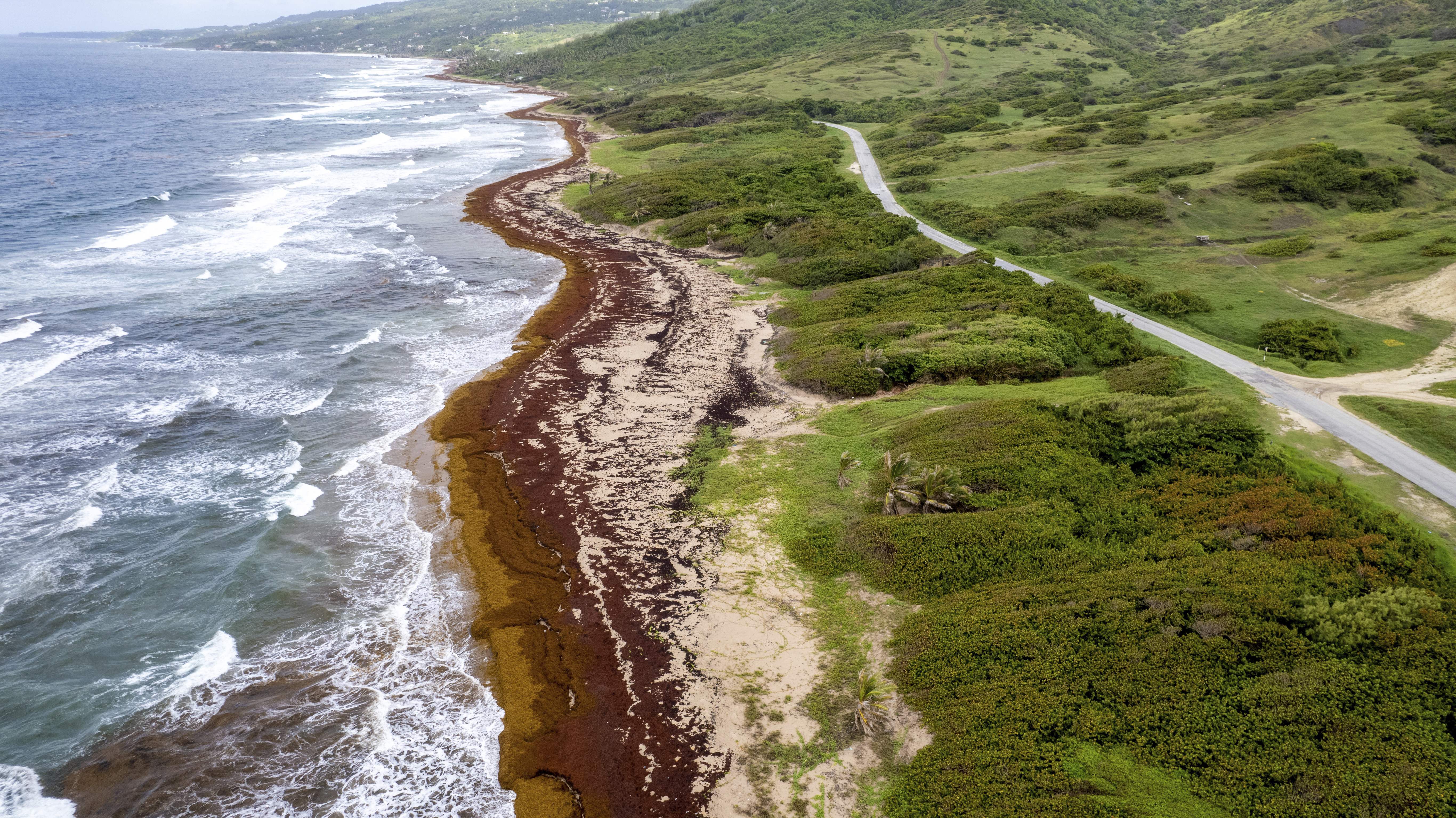
How is sargassum cleaned up?

Mounds of algae accumulated on beaches cost millions of dollars to clean up, and removal efforts can also harm marine life, according to the Sargassum Information Hub.

In Barbados, locals were using "1,600 dump trucks a day to clean the beaches of this seaweed to make it suitable for tourists and recreation on the beaches," Lapointe said.

In shallow waters, sargassum can be removed using fishing nets towed by light boats or by hand, according to the Dutch Caribbean Nature Alliance.

In the US, cleanup is often done with Barber beach rakes pulled by a tractor, Lapointe said. But once there's an accumulation of more than a foot of sargassum, the rakes don't work as well, he added. That's when front-end loader dump trucks can be helpful, but they can be harmful to beach health.

Use of dump trucks to remove sargassum can become problematic.

"Oftentimes you have sea turtle nests on beaches that are being run over by tires of this heavy equipment crushing the eggs," Lapointe said.

READ MORE: Adelaide man Bradley Frost dies in hospital after alleged bashing

What happens if sargassum isn't removed?

If sargassum isn't cleaned from beaches or is used as fertiliser, the arsenic in its flesh could leach out into groundwater, which could be a health hazard for humans, Lapointe said.

An excessive amount of rotting sargassum can also support the growth of fecal bacteria.

And in 2018, a massive bloom that ended up on the beaches of South Florida coincided with the biggest red tide ever seen on that coast, Lapointe said.

Red tides occur when toxin-producing algae blooms grow so out of control they discolor coastal waters. Red tide organisms can live on sargassum and be transported by it.

The toxins in red tides can harm marine life, and sargassum buildup on beaches can prevent sea turtle hatchlings and adults from getting to sea, Lapointe said.

READ MORE: One dead, five seriously injured in South Australia car crash

Will this happen every year?

Experts don't know whether a sargassum bloom of this size will happen every year, Lapointe said.

"It's hard to project because we don't know everything we need to know about the drivers (behind this)," he said.

"We know it's variable from year to year and that the trajectory is generally going upwards. So based on what we've seen in the past, we're thinking we could continue to see this worsen for years to come. What will it be like in 10 years? Will it be double the size it is now?"

More funding to do the research that could answer these questions is needed, he added.

Sign up here to receive our daily newsletters and breaking news alerts, sent straight to your inbox.


Relief in sight as 'unseasonable' heatwave grips East Coast

Australia's east coast has suffered through a weekend of scorching temperatures, and New South Wales is expected to feel the brunt of it today.

Temperatures are set to climb above 40C in western Sydney, but relief is in sight for the
"unseasonable" heatwave.

Milder temperatures are forecast for the days ahead.

READ MORE: Trump says he expects to be arrested, calls for supporters to protest

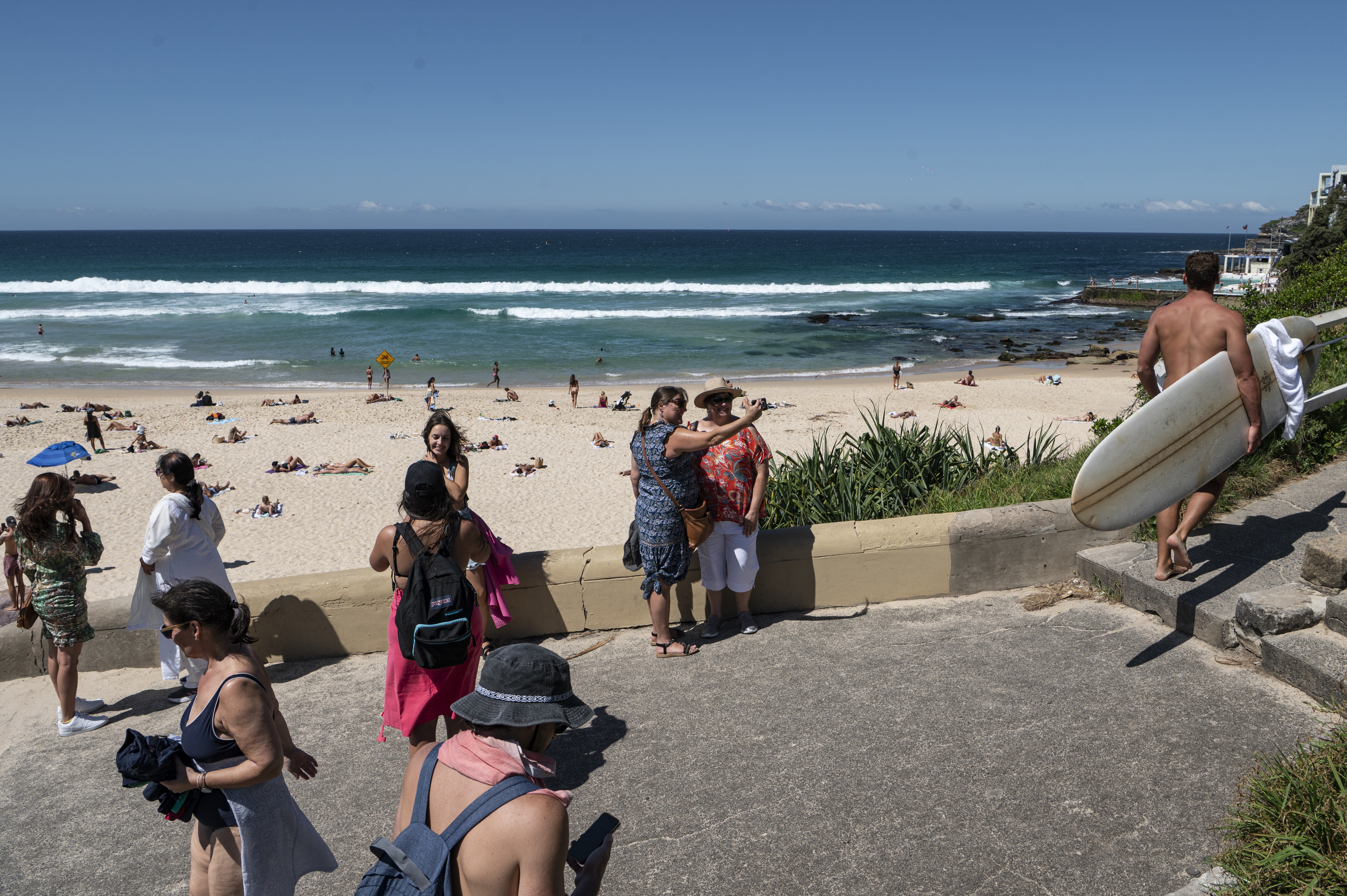
Beachgoers on a hot day in Bondi Beach, on March 17, 2023. Sydney's heatwave is expected to peak later today.

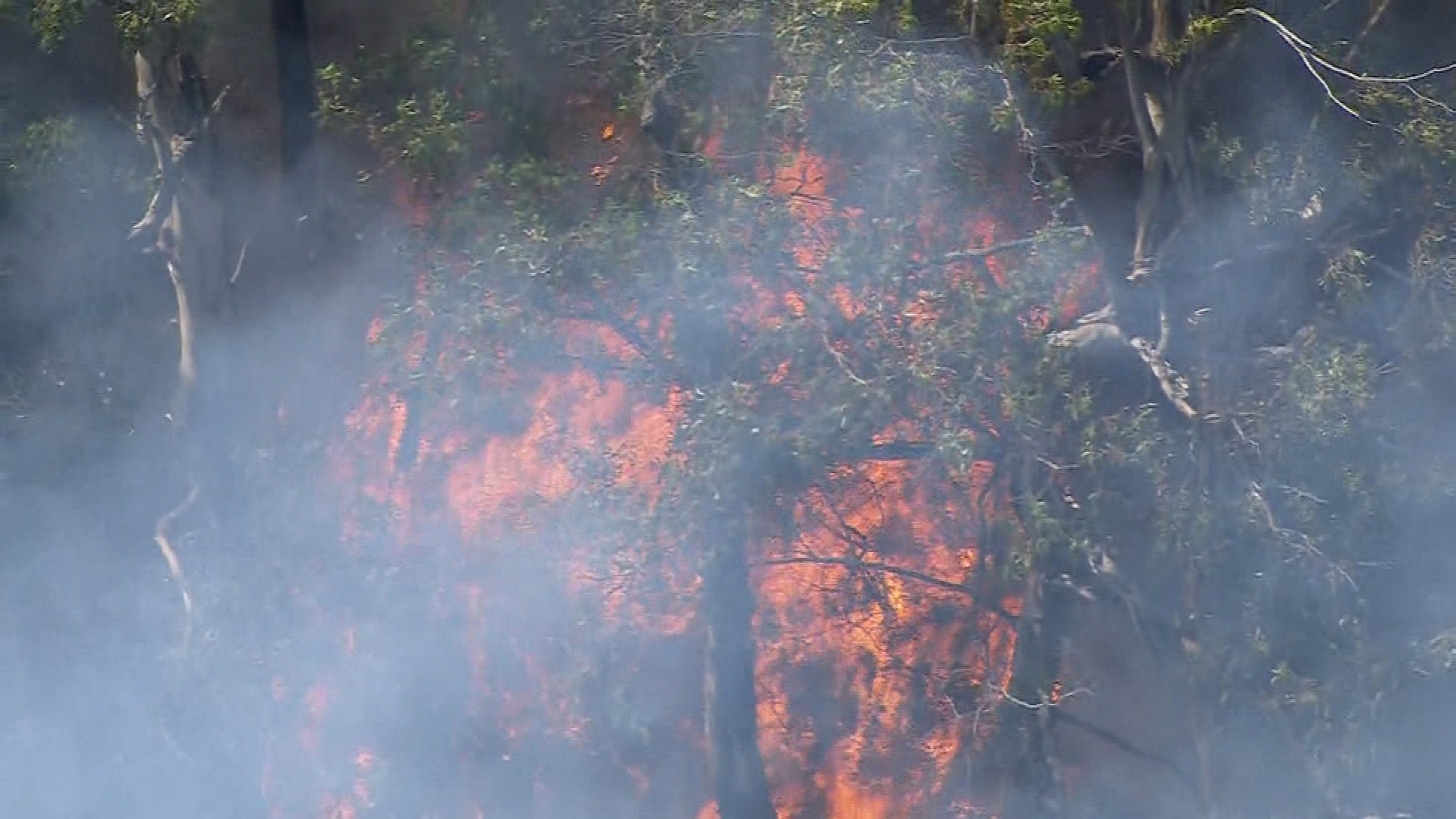
It comes after hundreds of firefighters worked to get blazes under control across Victoria and New South Wales.

Their efforts have paid off as the extreme fire risk subsides.

Bushfires along Victoria's south coast are now on advice level, while a blaze south of Canberra has also been contained.

Total fire bans have been lifted in Victoria and South Australia, however a high fire rating remains for much of New South Wales.

Weather service Weatherzone says a heat trough will move eastwards and affect New South Wales today bringing extreme temperatures for parts of the state's east, including the Sydney area.

READ MORE: Adelaide man Bradley Frost dies in hospital after alleged bashing

The trough has directed a hot airmass across Australia's east coast this weekend, creating hot, cry and windy conditions.

This past summer, though hot, was quite wet, with the nationally averaged rainfall being 26 per cent greater than the average between 1961 and 1990, particularly in the north, Weatherzone said.

Cooler conditions are expected to move over South Australia and Victoria today, with Melbourne expected to reach a high of 21C and Adelaide 27C.

Queensland is also bracing for a hot day today, with some parts of the state hitting 34C.

The scorching temperatures come days after it was confirmed La Niña, the weather phenomenon responsible for flooding rains, has come to an end.

Sign up here to receive our daily newsletters and breaking news alerts, sent straight to your inbox.

Mother-of-two dead, five seriously injured in car crash

A 51-year-old mother-of-two has died in a car crash that seriously injured five other passengers in South Australia.

A Hyundai SUV collided with a Mitsubishi sedan at Hackham on Main South Road in the early hours of Saturday morning.

Georgina Heath was found dead at the scene in the SUV, while two other passengers — a 28-year-old woman and a 30-year-old man — were taken to Flinders Medical Centre in serious but not life-threatening conditions.

READ MORE: Residents told to prepare to evacuate as Victoria burns in heatwave

A 51-year-old woman has died in a car crash that seriously injured five other passengers in South Australia.

The 35-year-old driver of the SUV was in a similarly serious condition and the 17-year-old driver of the Mitsubishi and his passenger sustained serious injuries in the crash.

South Australian Police are investigating the incident.

The woman's death marks the 34th life lost on South Australian roads this year.