Ni-Vanuatu residents have emerged battered but still standing.
Tag Archives: oceania
Cyclone Gabrielle clean-up: Tears and sweat shed as homeowners and volunteers dig in
The Cyclone Gabrielle clean-up in Hawke’s Bay is a mammoth operation.
Cyclone Gabrielle heroics: ‘I didn’t care about drowning, I just had to save my mokos’
Battling neck-high flood waters, Jim McIlroy put the live of his mokos ahead of his own.
'Cat-astrophic' mistake detected during airport security screening
The folks running Transportation Security Administration (TSA) security checkpoints at airports across the USA have some real humdingers to tell about the things they uncover. Soiled money. Inert grenades. Drugs inside scrunchies.
But cats? Live cats? Tucked inside carry-ons? It's happened before, and now it's happened again.
On Friday morning at Norfolk International Airport in Virginia, a feline was discovered inside a passenger's carry-on bag during a security screening.
READ MORE: 'It was his nature:' Hero who helped in QLD police shooting honoured
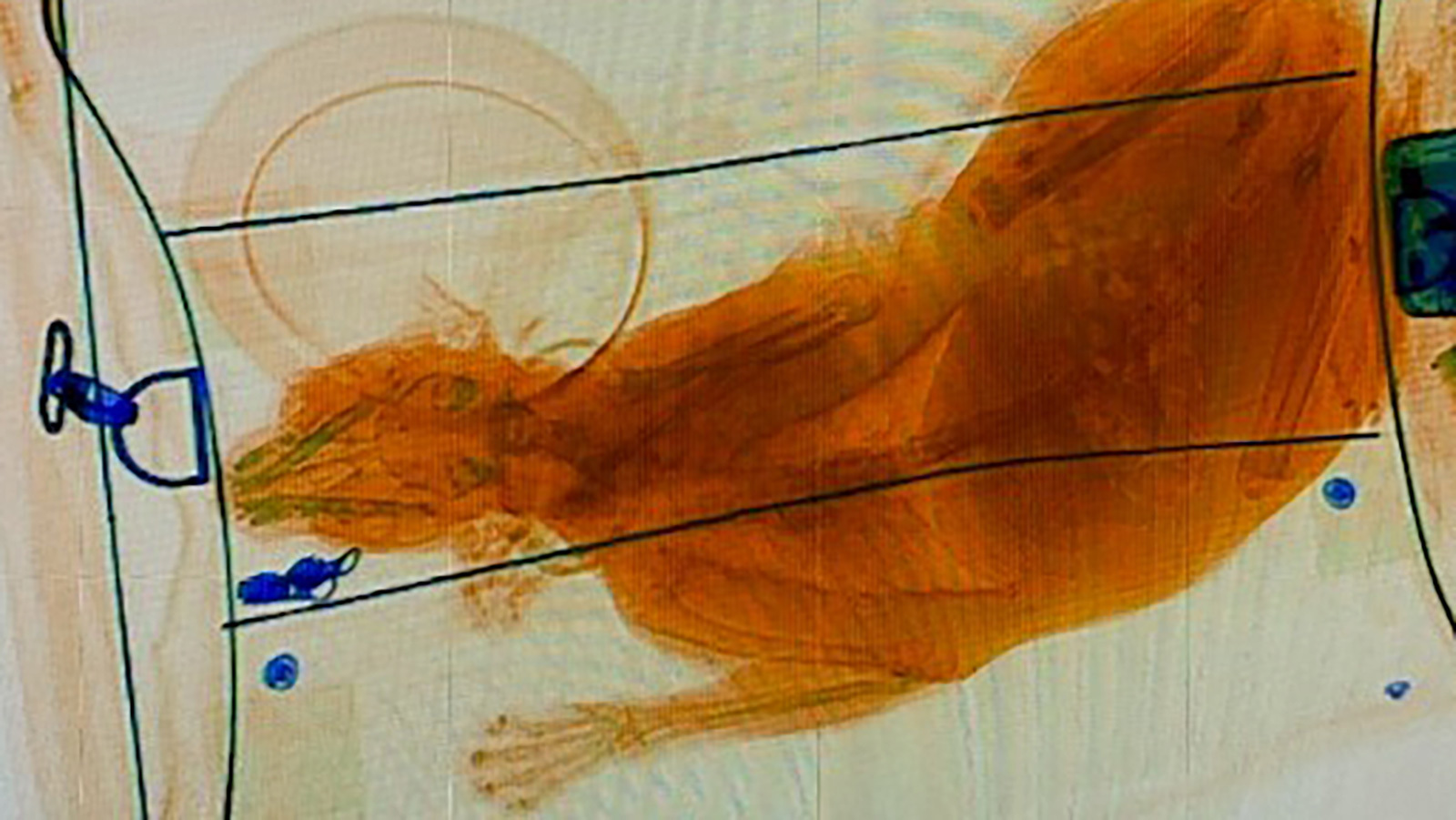
The TSA released an X-ray photo of the poor pet cat in its official Twitter feed.
The tweet came with one of the TSA usual puns: "Attention pet owners: Please do not send your pet through the X-ray unit. Cat-astrophic mistake!"
"This was a case where the passenger was travelling with their pet," Lisa Farbstein, a spokesperson for the TSA, told CNN Travel by email on Friday afternoon.
"They knew the pet was in a carry-on bag because this was a pet travel case/container.
"It appears that the individual either did not know to remove the pet from the carry-on travel case before going through the checkpoint or forgot to do so," she said.
"When that happens, they have to start all over again, meaning that the passenger and the cat have to start over at the checkpoint.
"The passenger needs to remove the pet from a carry case and carry it through the walk-through metal detector or walk the pet through the metal detector on a leash."
READ MORE: Sydney bracing for its hottest day in two years
https://twitter.com/TSA_Northeast/status/1631746216416477185
"This is typical of how people travel with small dogs. In the case of a cat, if there is no leash, we strongly recommend that the passenger requests screening in a private screening room."
She said the reason is because "cats tend to be more skittish than dogs and might wiggle, scratch, bite and jump down and try to run away".
Shane Warne's family post moving tributes on anniversary of death
Shane Warne's family has posted heartfelt messages, photos and clips of him and his children as a tribute to the cricket legend and father on the anniversary of his death.
Eldest daughter Brooke posted a video of her with Warne, the two of them laughing and playing as she jumped into his arms.
"Love you Dad, I will always remember us this way, laughing and happy," she wrote.
READ MORE: Former captain's 'bloody sad' realisation hits on anniversary of Warne's death
https://www.instagram.com/p/CpV_NkZhB0n/
"One year today, feels like yesterday you were taken but forever since I've seen you.
"I miss your big hugs so much and you telling me everything is okay, life will never be the same without you Dad, I miss you, forever our shining star."
Warne's younger daughter, Summer, posted a photo of her holding a black and white photo of her father with a message for him.
"One year ago, one of the people that I love most in the whole entire world left and went to heaven," she wrote.
"My beautiful dad, I miss you just about every second of every day. I'm still trying to navigate life without you here, trying my best to live in a world without you in it.
"I miss you when I laugh and cry because you were always the one that made my laughter grow, and my tears disappear.
"I miss the memories we will never get to have. I hold you close within my heart, and there you shall always remain, until the day that we meet again. I love you."
READ MORE: 'It was his nature:' Hero who helped in QLD police shooting honoured
https://www.instagram.com/p/CpWMJlRPt_i/
Ex-wife Simone Callahan also paid tribute in an Instagram post, sharing a video of Warne with his three children dancing and mucking around together.
"Remembering Shane, always bringing joy and love to our children Brooke, Jackson and Summer," she wrote.
"He just wanted to be the best dad, we miss you, forever in our hearts, I hope you have found comfort and peace."
READ MORE: The 50 most powerful women in Australian Sport
https://www.instagram.com/p/CpV4t32twsx/
Warne's son also posted a montage of inspirational clips about life and mortality as a tribute on the anniversary of the cricket legend's death.
The video posted to Instagram by Jackson Warne included snippets from movies like Little Miss Sunshine and shows like Bojack Horseman.
"One year ago today. Miss you mate, love Jacko," he captioned the video.
It ended with a snippet from an interview with Shane Warne himself.
In the interview, the cricket icon was asked what he would put on his tombstone.
READ MORE: Russia may run out of money in 2024 as sanctions hit hard
https://www.instagram.com/p/CpV2_5zh-in/?hl=en
"Loved by Brooke, Jackson and Summer," Warne replied.
Callahan left a comment in support.
"Dad would be so proud of you, he loved you more than you could ever imagine," she wrote.
"He always wanted to be the Best Dad, Always in your Heart."
Shane Warne died of a heart attack during a holiday in Ko Samui, Thailand.
$1 billion of cocaine seized in Australia's largest-ever bust
Police in Western Australia have stopped 2.4 tonnes of cocaine from entering Australia and arrested 12 people in the largest bust in Australian history.
The enormous volume represents half of Australia's annual consumption of the drug, and has an estimated street value of $1 billion.
"We discovered there was approximately 2.4 tonnes of cocaine destined for Western Australia," Detective Senior Sergeant David Palmer said.
READ MORE: Russia may soon run out of money: billionaire
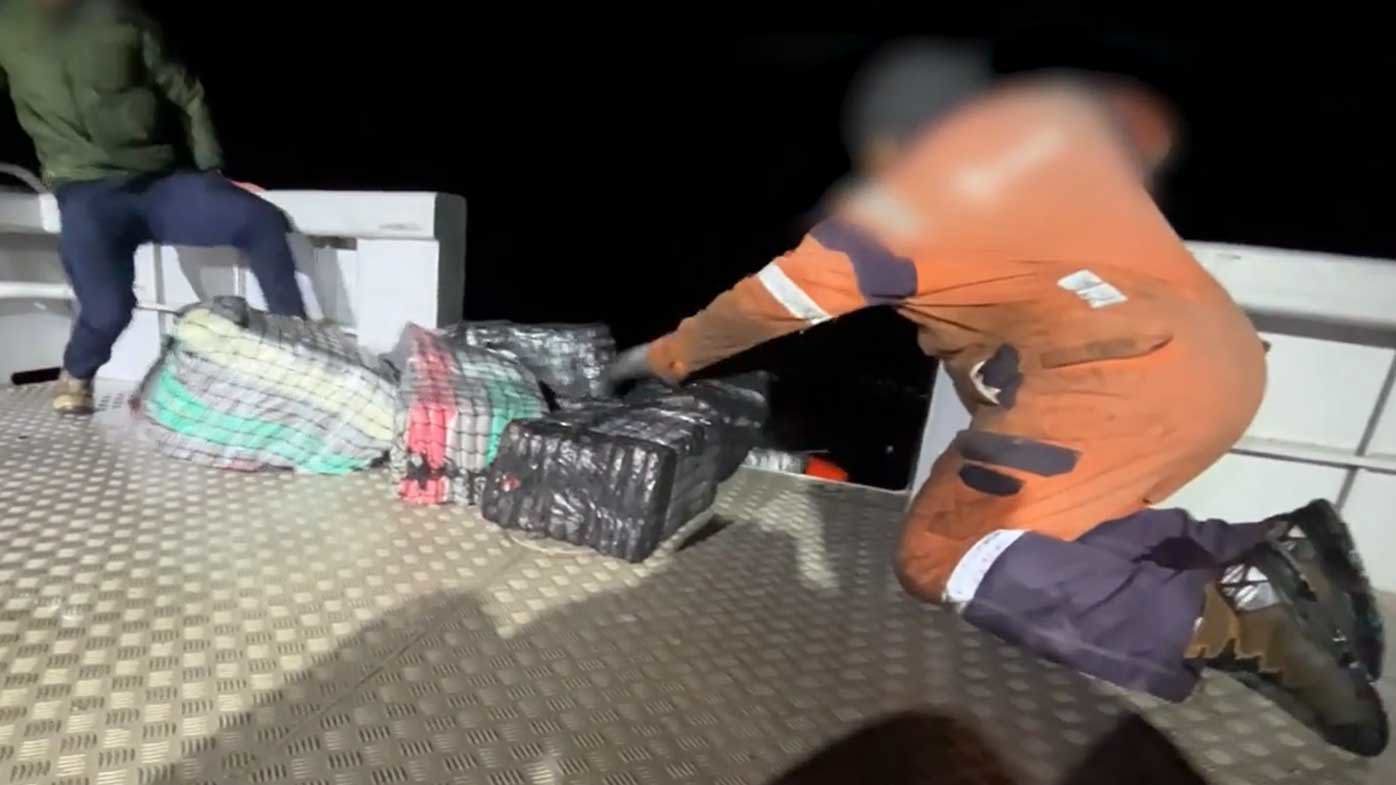
"That discovery was seized by partner agencies."
After seizing the drugs offshore, police replaced it with plaster-of-paris.
"Once dropping the substituted substance in the ocean, we knew there was going to be people that were going to attend that location to collect that," Detective Inspector Jeff Beros said.
"We were willing to wait as long as it took for those people to arrive."
They then staked out Hillarys Boat Harbour in Perth's north, and waited for the suspects to arrive with the sham cocaine.
Sign up here to receive our daily newsletters and breaking news alerts, sent straight to your inbox.
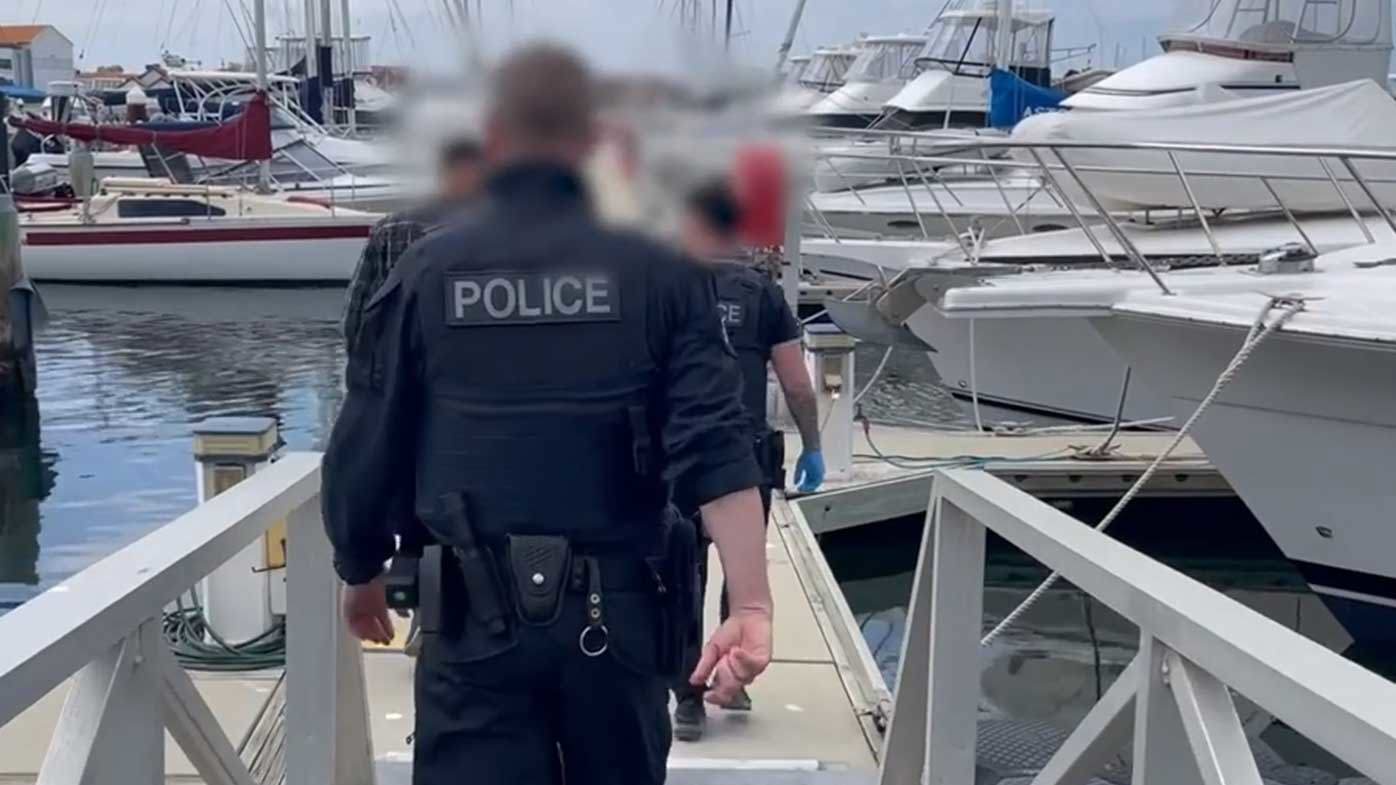
Officers have now arrested twelve people in connection with the alleged attempted drug importation.
WA Police linked the cocaine to Mexican cartels.
Police also made a cash seizure of $2 million in Coolgardie which was linked to the operation.
READ MORE: Man charged after alleged sexual assault in Melbourne park
Man charged after alleged sexual assault in Melbourne park
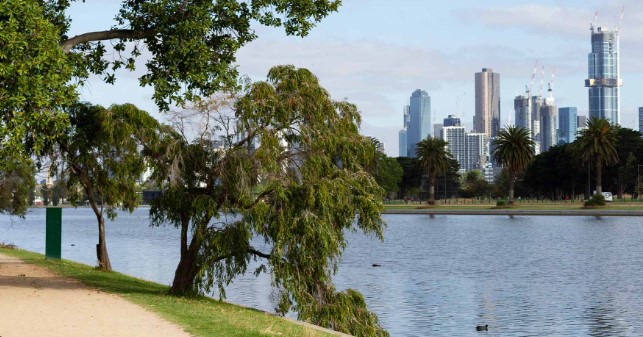
A man has been arrested and charged with sexual assault after allegedly attacking a woman through a park in Melbourne's Albert Park.
The 42-year-old allegedly physically and sexually assaulted a woman, who he approached as she sat on the embankment at Albert Park Lake about 11.15pm last night.
The woman was able to run from the alleged attacker, who then chased her through the park until she was assisted by a member of the public.
READ MORE: 'It was his nature:' Hero who helped in QLD police shooting honoured
St Kilda Police were able to track the man down, and arrested him nearby. Police say the man lives in Prahran and was on bail for a different offence.
The 42-year-old has been charged with sexual assault, sexual assault by compelling sexual touching, assault with intent to commit a sexual assault, common law assault and commit an indictable offence whilst on bail.
He remains in jail, and is set to appear in the Melbourne Magistrates' Court today.
Sign up here to receive our daily newsletters and breaking news alerts, sent straight to your inbox.
Russia may run out of money in 2024 as sanctions hit hard
Russia could find itself with no money as soon as next year and needs foreign investment, outspoken Russian oligarch Oleg Deripaska has said.
"There will be no money already next year, we need foreign investors," he said at an economic conference in Siberia on Thursday, according to comments reported by TASS, a Russian state-owned news agency.
The remarks from the billionaire — who called for an end to Moscow's war in Ukraine in the early days of the conflict last year — contrast with a more upbeat assessment of Russia's economic fortunes by President Vladimir Putin last week.
READ MORE: 17 dead, thousands evacuated after Fire at Indonesian oil depot
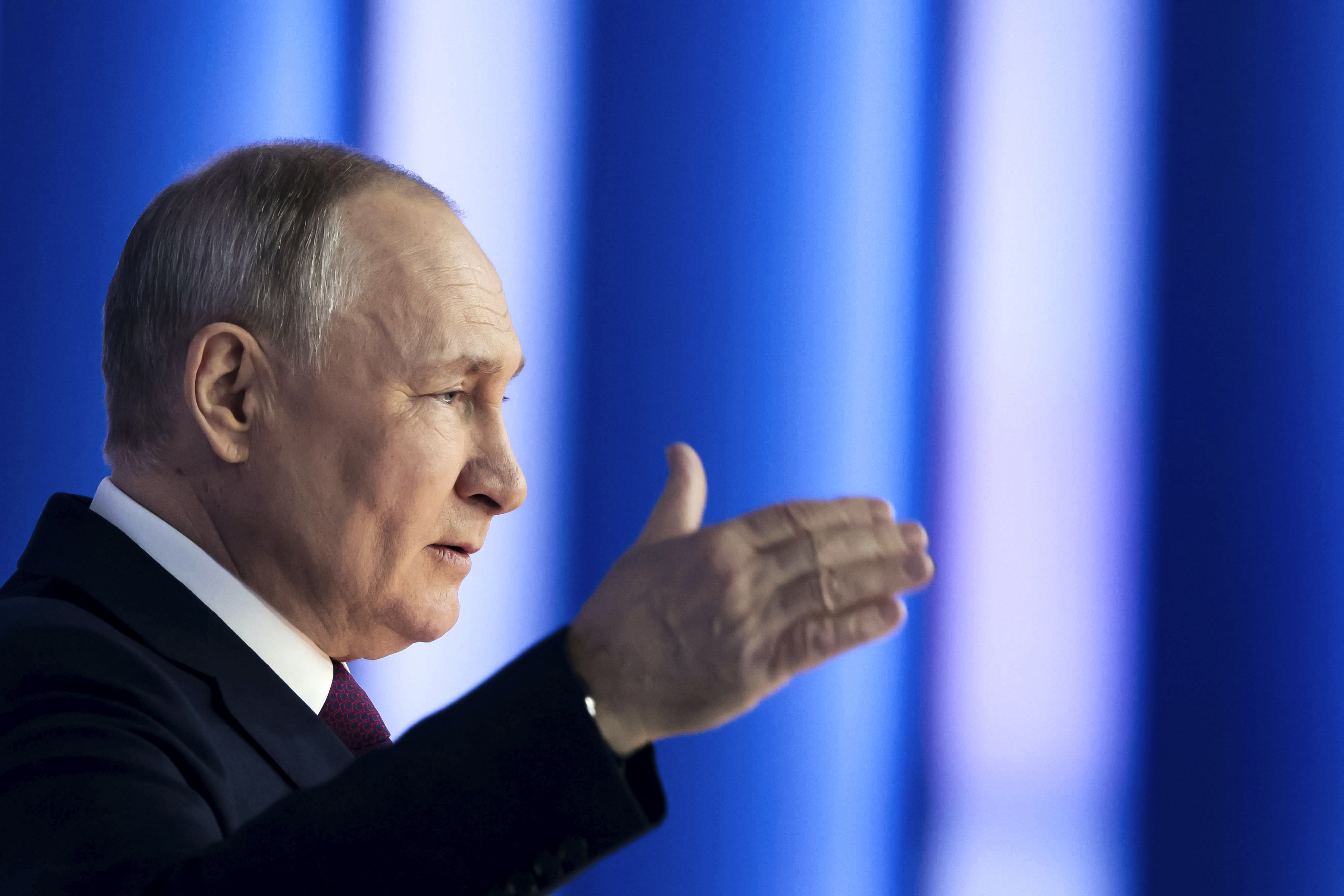
Putin praised the resilience of the country's economy in the face of unprecedented Western sanctions imposed in the past year.
Russia's economic output shrank 2.1 per cent last year, according to a preliminary estimate from the government. The contraction was more limited than many economists initially predicted.
But cracks are starting to show — Russia is cutting oil production this month — and Western sanctions could escalate further. Ultimately, Russia's economic prospects are contingent on what happens in Ukraine.
Foreign investors, especially from "friendly" countries, also have a big role to play, Deripaska said. Whether they will come depends on whether Russia can create the right conditions and make its markets attractive, he was quoted as saying.
In a bid to starve Russia of funds for its aggression, Western countries have announced more than 11,300 sanctions since the February 2022 invasion, and frozen some $300 billion of Russia's foreign reserves.
READ MORE: Shane Warne's son posts inspirational tribute on anniversary of death
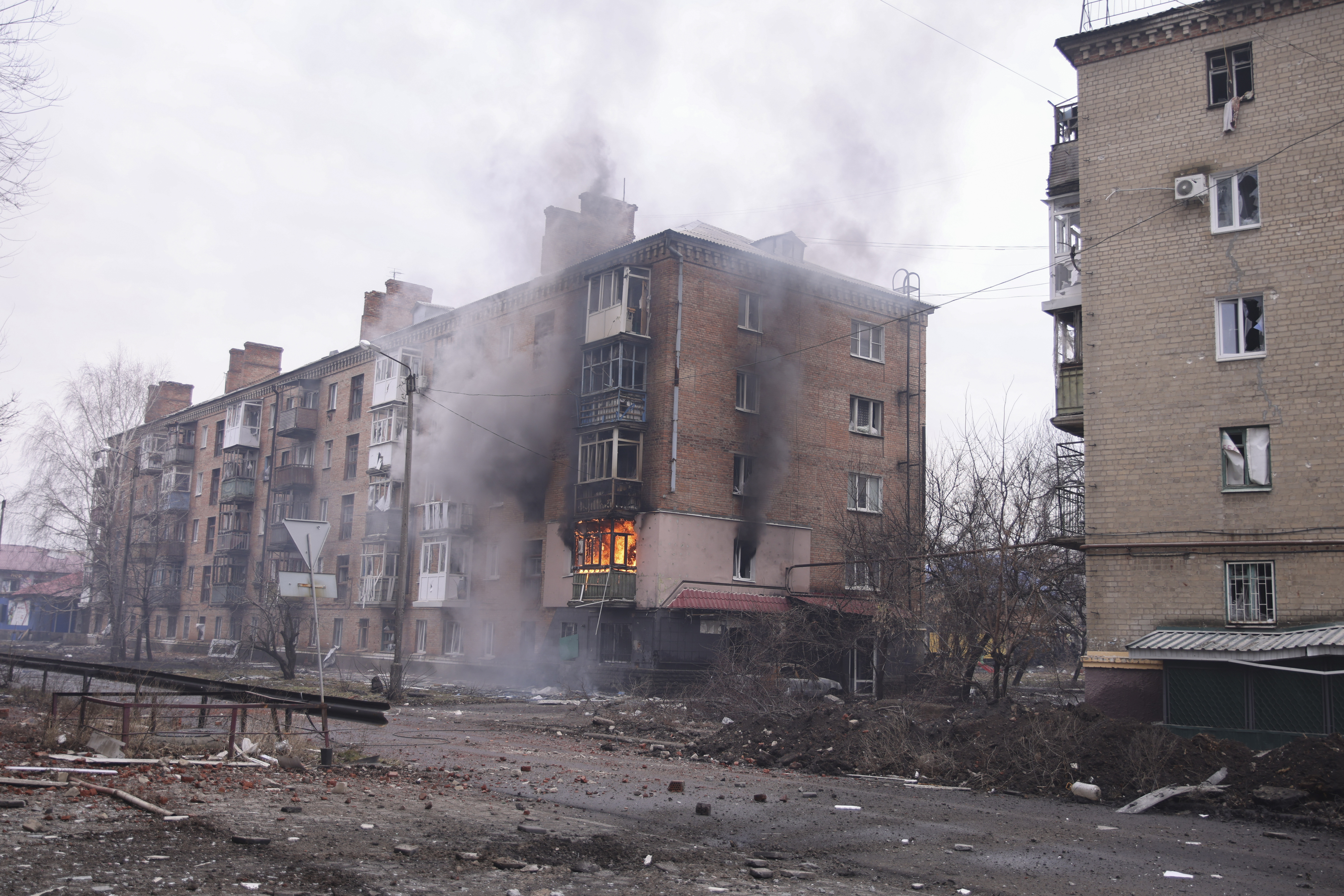
But China has thrown the Kremlin an economic lifeline by buying Russian energy, replacing Western suppliers of machinery and base metals among other products, and providing an alternative to the US dollar.
Still, Moscow has a steep hill to climb to replace revenues lost as a result of sanctions, not least from exports. Data released Friday showed that the European Union's imports from Russia fell by 51 per cent in value between February and December last year.
The bloc was one of the main trading partners for Russia before the invasion of Ukraine, with 38 per cent of Russia's exports going to the European Union in 2020.
The Russian government's revenue plunged 35 per cent in January compared with a year ago, while expenditures jumped 59 per cent, leading to a budget deficit of about 1761 billion rubles ($AUD34.4 billion).
READ MORE: Shane Warne's son posts inspirational tribute on anniversary of death
Deripaska made his fortune in the aluminum business during the chaotic scramble for assets following the collapse of the Soviet Union.
In 2018, he was sanctioned by the United States, which noted that the oligarch "does not separate himself from the Russian state." Last year, he was indicted for allegedly violating US sanctions.
Forbes estimates Deripaska's current net worth at just under $3 billion ($AUD4.4 billion).
'It was his nature:' Hero who helped in QLD police shooting honoured
The innocent neighbour who died in the Wieambilla Police shooting is being honoured with a bravery award for attempting to help the slain officers.
Alan Dare was shot in the same massacre that killed Queensland Police officers Rachel McCrow and Matthew Arnold, after he went to the Western Downs property to investigate the sound of gunshots and a visible fire on December 12.
Dare's family will be presented with a posthumous Police Bravery Medal to acknowledge his sacrifice at 1pm today at the Chinchilla Botanical Gardens.
READ MORE: 17 dead, thousands evacuated after Fire at Indonesian oil depot
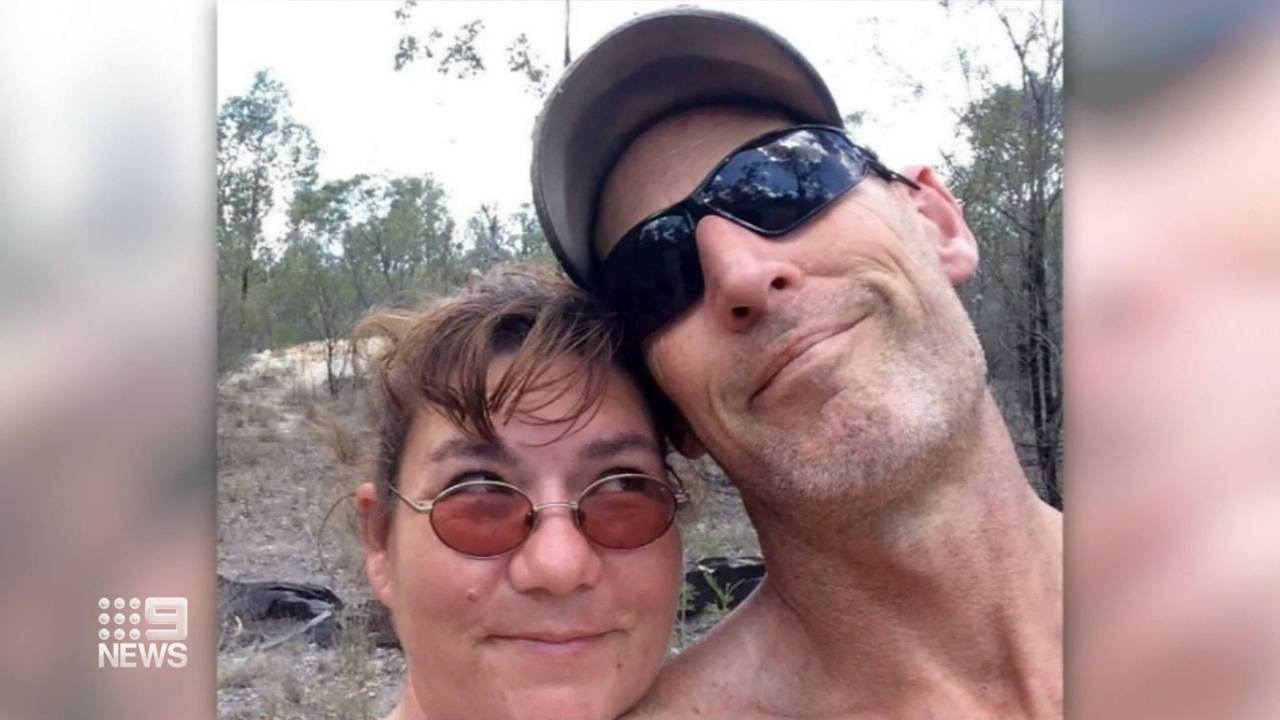
The Police Bravery Medal is usually reserved for officers who protect and serve the community in an exceptional manner, but it can also be given to civilians who were involved in an accident or incident who performed an act of bravery in assistance.
It is the highest Police Service honour a civilian can receive.
His family, who will accept the award on his behalf, said Dare was always helping people, and that it was "his nature".
The shooting was declared as a "religiously-motivated terrorist attack" by Queensland police.
Sign up here to receive our daily newsletters and breaking news alerts, sent straight to your inbox.
'Recently discovered' whale feeding strategy found in 2000-year-old texts
In 2011, researchers observed a previously unknown feeding strategy in whales, now called tread-water feeding or trap-feeding. It was thought to be a new technique developed by specific whale communities.
Trap-feeding is one of several whale feeding strategies first recorded in recent decades, including lunge feeding, lobtail feeding and the dramatic bubble-net feeding, when whales create a fence of bubbles to herd krill or fish together.
In trap-feeding, whales lie at the surface of the water with their mouths open. This allows shelter-seeking prey species such as herring and krill – which do not perceive a stationary object as a threat – to shoal into their open mouths.
READ MORE: Tourists see pod of orca trap and kill whale off WA coast
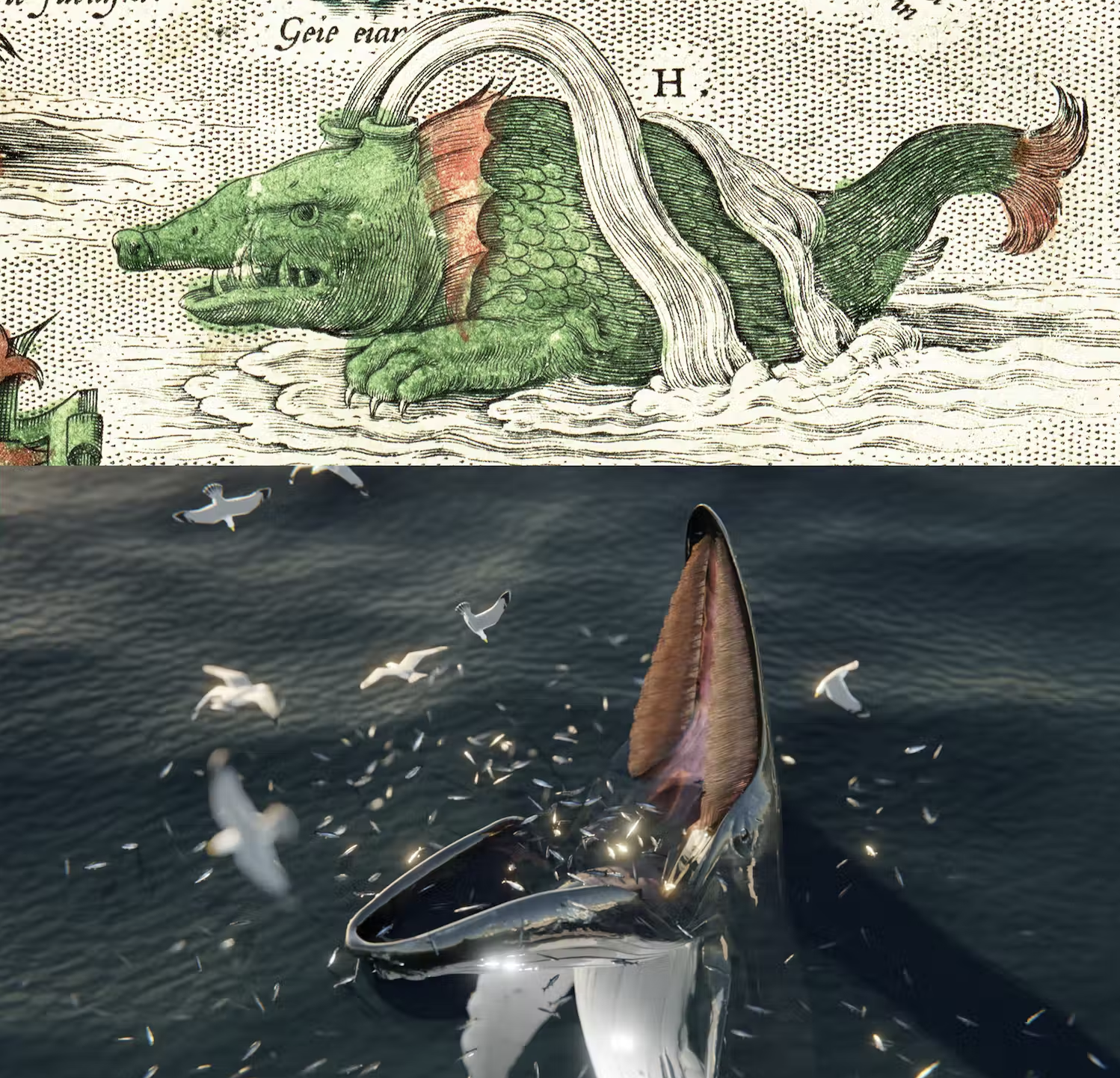
The whale then heaves its mouth closed, trapping hundreds of prey in a single gulp. This behaviour has been observed in the Gulf of Thailand in Bryde's or Eden's whales, and in Canada in humpback whales.
https://www.instagram.com/p/CJ_NfTtnLMV/?utm_source=ig_embed&
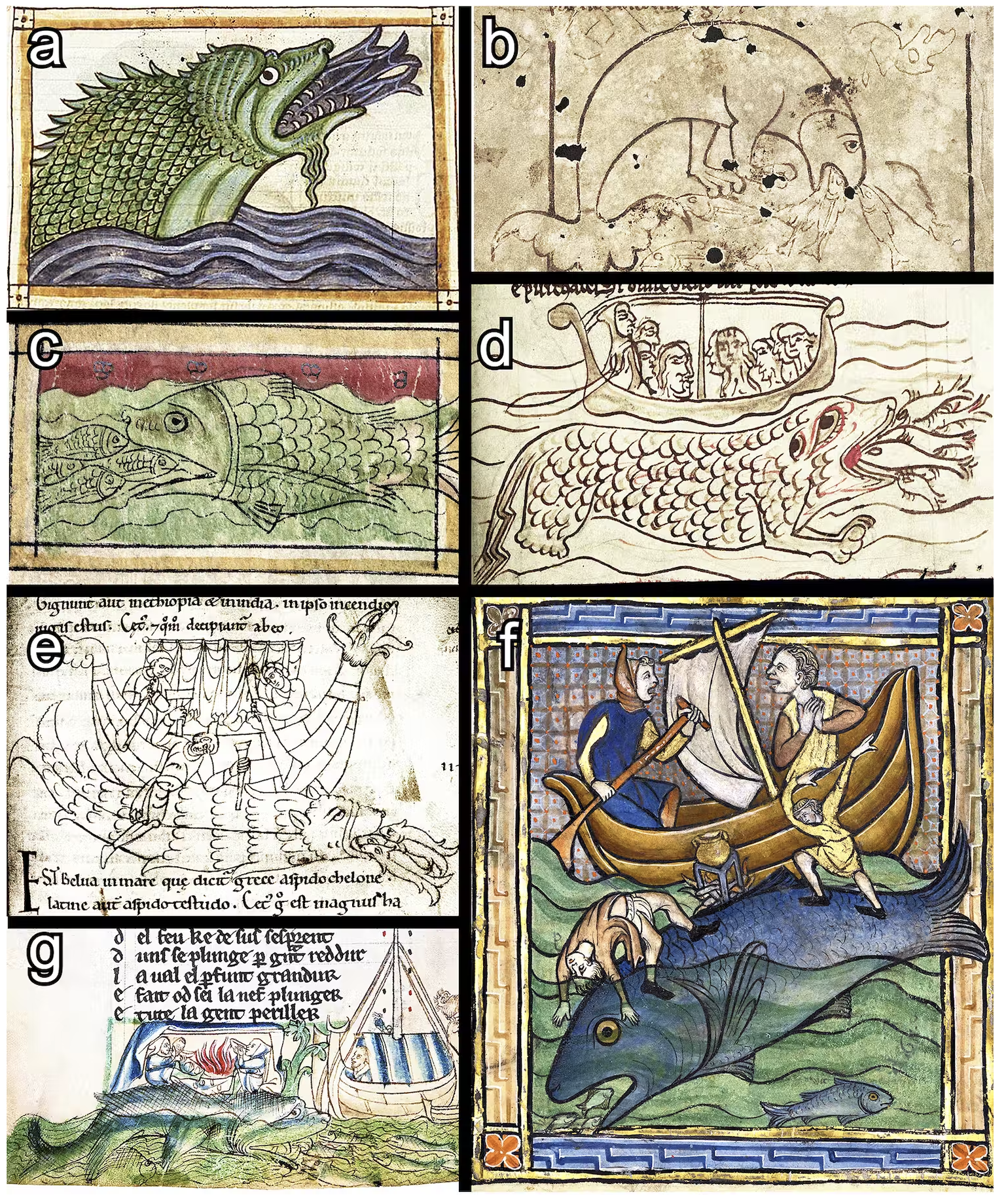
But it appears parallels to this behaviour were also documented in medieval literature, as we describe in a new paper published today in Marine Mammal Science.
The hafgufa
There are striking parallels between trap-feeding and the hunting strategy of a monstrous sea creature called the "hafgufa", described in medieval Scandinavian manuscripts.
The mid-13th-century Old Norse text Konungs Skuggsjá (the King's Mirror) says of this creature:
'when it goes to feed, it gives a great belch out of its throat, along with which comes a great deal of food. All sorts of nearby fish gather, both small and large, seeking there to acquire food and good sustenance. But the big fish keeps its mouth open for a time, no more or less wide than a large sound or fjord, and unknowing and unheeding, the fish rush in in their numbers. And when its belly and mouth are full, [the hafgufa] closes its mouth, thus catching and hiding inside it all the prey that had come seeking food' (M. Firth, Trans.).
Although this text exaggerates the creature's size, the other details match trap-feeding surprisingly closely. Even the hafgufa's belch may correspond to reports of rorqual whales expelling a surplus slurry of water and food particles as they filter and swallow their prey.
Interestingly, the creature is not described as a fantastical monster, but as a fish, a term often used interchangeably with whales in medieval sources.
Ancient parallels
If these medieval Scandinavian texts really are describing trap-feeding, it demonstrates the technique is much older than previously thought. So, we examined other pre-modern descriptions of sea creatures looking for parallels.
Many of the texts had been adapted or translated directly from earlier texts, so it was impossible to know if the community which produced them had first-hand experience of trap-feeding. However, in some texts new accurate details had been added, suggesting an eye-witness connection.
The earliest of these, an ancient work on natural history called the Physiologus, was compiled in Egypt and dates back nearly two millennia.
READ MORE: Japanese firm opens whale meat vending machines to push sales
How did we not notice this before?
But if trap-feeding was first recorded 2,000 years ago, why has it not been reported in modern times until 2011?
One possible explanation is that the devastating effect of historical whaling has caused whale numbers to remain much lower than they were in medieval and ancient times. North Atlantic humpback numbers are estimated to be only a fifth of their pre-industrial whaling levels.
Trap-feeding may be a response to higher population density. Just this month, new research on Australian humpbacks showed that whalesongs are becoming less frequent as populations recover from whaling and competition for mating becomes more intense.
The rise in whaling in the 17th and 18th centuries was accompanied by developments in technology and a corresponding prejudice against medieval society, which was increasingly seen as backwards, unscientific, and superstitious.
However, the most fantastical descriptions of the hafgufa are actually from 17th- and 18th-century writers, who conflated the creature with all kinds of other sea monsters, such as the kraken, resulting in a general confusion about the nature of this creature in modern times. One notable recent depiction of the hafgufa in the popular PlayStation game God of War Ragnarök even depicts it as a giant jellyfish!
In conducting our research, we spoke to marine biologists who assumed it would simply be impossible to determine how long whales had been trap-feeding.
So, this multidisciplinary research provides evidence from an unexpected quarter, and may highlight new avenues for researching our marine past.
It also shows that although medieval and ancient people did not have modern scientific frameworks to interpret the natural world, their observations can contain unique evidence of natural phenomena and may be more accurate than we realise.