Tag Archives: oceania

Shark mitigation strategies under investigation after fatal attack

The Western Australian government is reviewing its shark mitigation strategies after a 16-year-old was killed in a suspected bull shark attack last week. 

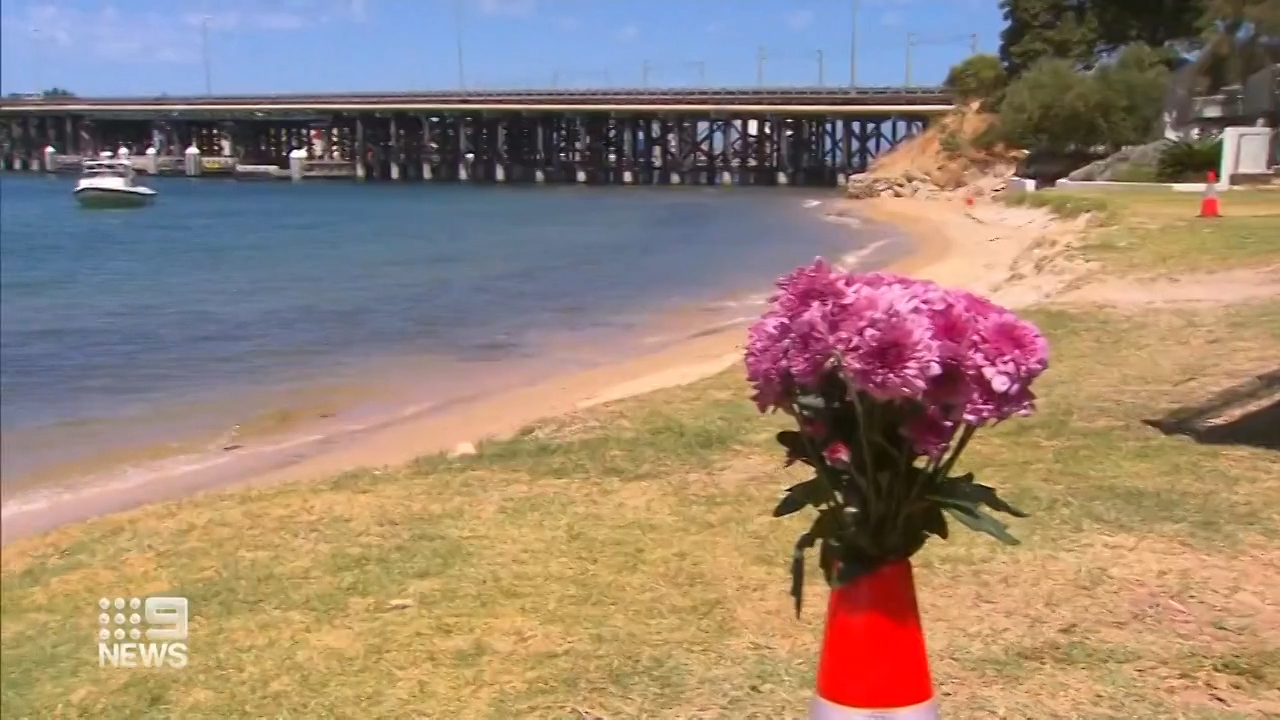
Fisheries Minister Don Punch this week confirmed a shark barrier will be installed at the Bicton Baths, a site between where Stella Berry was attacked, and a non-fatal attack occurred in 2021.

It is the first river-barrier in the state's history, but could become one of many along the Swan River.

READ MORE: Sydney boy dies by electrocution at Fiji resort
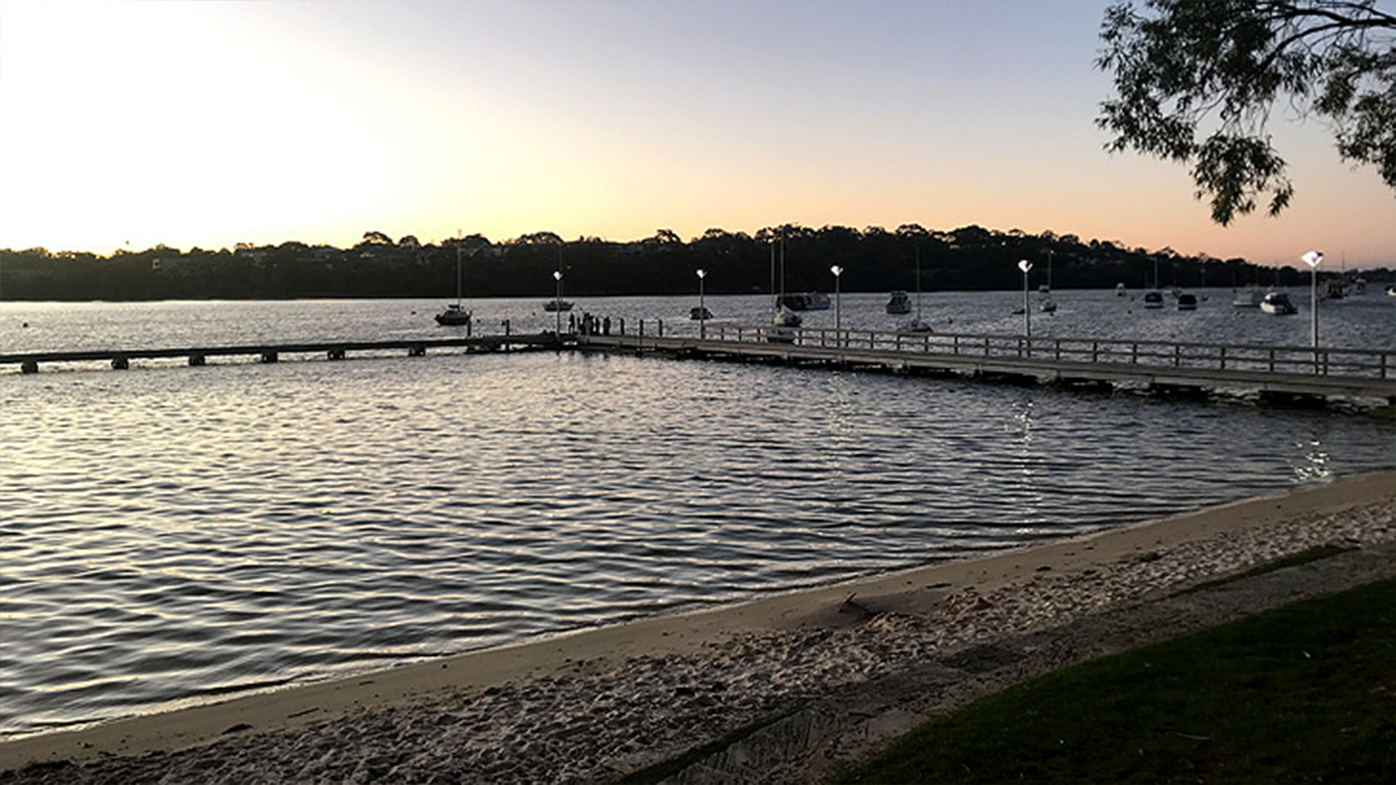
Bicton  Baths, in WA.Fisheries Minister Don Punch confirmed WA would  be get its first river barrier.

Sign up here to receive our daily newsletters and breaking news alerts, sent straight to your inbox.

"Bicton has a long history as a popular swimming spot and for that reason the government has made the decision to partner with Bicton and the Melville City Council," Punch said.

"There is complexity putting barriers into the river, we have to take into account the environment of the river, and also the fact there's a lot of traffic on the river, and a river flow.

"But we are very confident we can work with with the Melville City Council to get this barrier up and running as soon as possible.

"[Next summer] is our target."

Punch said the barrier will not trap marine life, but "will keep sharks out". 

The government will cover initial barrier costs, which is expected to fall between $200,000 and $400,000.

READ MORE: Flights grounded as violent cyclone whips up chaos

Punch added that "ongoing conversations" have been initiated with additional councils.

"I've also written to six other councils in the area, inviting them to talk with us about further opportunities for putting further enclosures in the river," Punch said.

"How many, and in what form, is something that will come out of those conversations."

The councils with beachfronts along the Swan River include: Fremantle, East Fremantle, Mosman Park, Claremont, Nedlands, and Peppermint Grove.

Punch has not ruled out introducing further control measures – such as a shark tagging program – as well.

"Shark mitigation is a complex issue and our work is firmly based on evidence and science," he explained.

"We will continue to look at what opportunities there might be to improve, and to help further build more information and advice.

"Whether tagging is part of that will come out of the review work we're undertaking, separately, to the enclosure work we've announced."

READ MORE: Dubai again plans for flying taxi takeoff within years

Year 11 student Stella Berry, 16, had been riding a jet ski at Fremantle when she jumped in the water and was mauled by what is suspected to be a bull shark on Saturday.

Berry, a Year 11 student, had been riding a jet ski at Fremantle on February 4 when she jumped in the water and was mauled.

Her death was the first fatality on the river in 100-years.

A 2.5-metre shark had reportedly been seen the night before the attack under the Fremantle bridge but hadn't been reported until days after the incident. 

Punch said Berry's death was "tragic and very unexpected".

READ MORE: Video captures moment fishers come face-to-face with bull shark

Perth residents have paid their respects at the scene of a shark attack on the Swan River which took the life of a teenager.

"We've not experienced anything like this in a century," he said.

"Our thoughts are with her family and friends.

"We'll wait for a full report of the incident, including the species of shark, from fisheries officers."

Boy chasing frogs before electrocution at Fiji resort

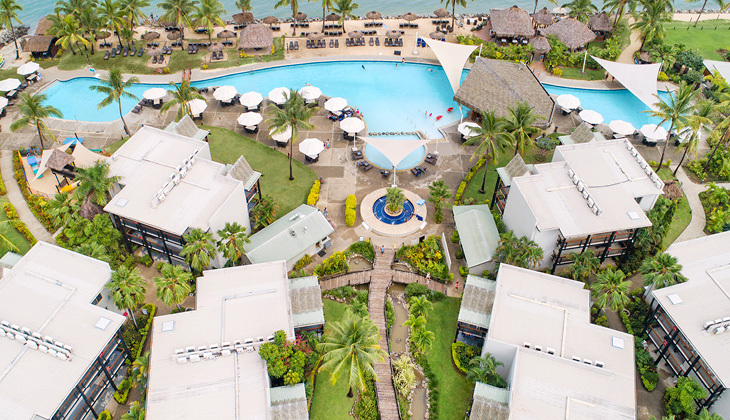
A little Sydney boy is believed to have been chasing frogs when he was fatally shocked by a live electrical current at a Fiji resort but claims have been made it isn't the first incident of its kind at the hotel.

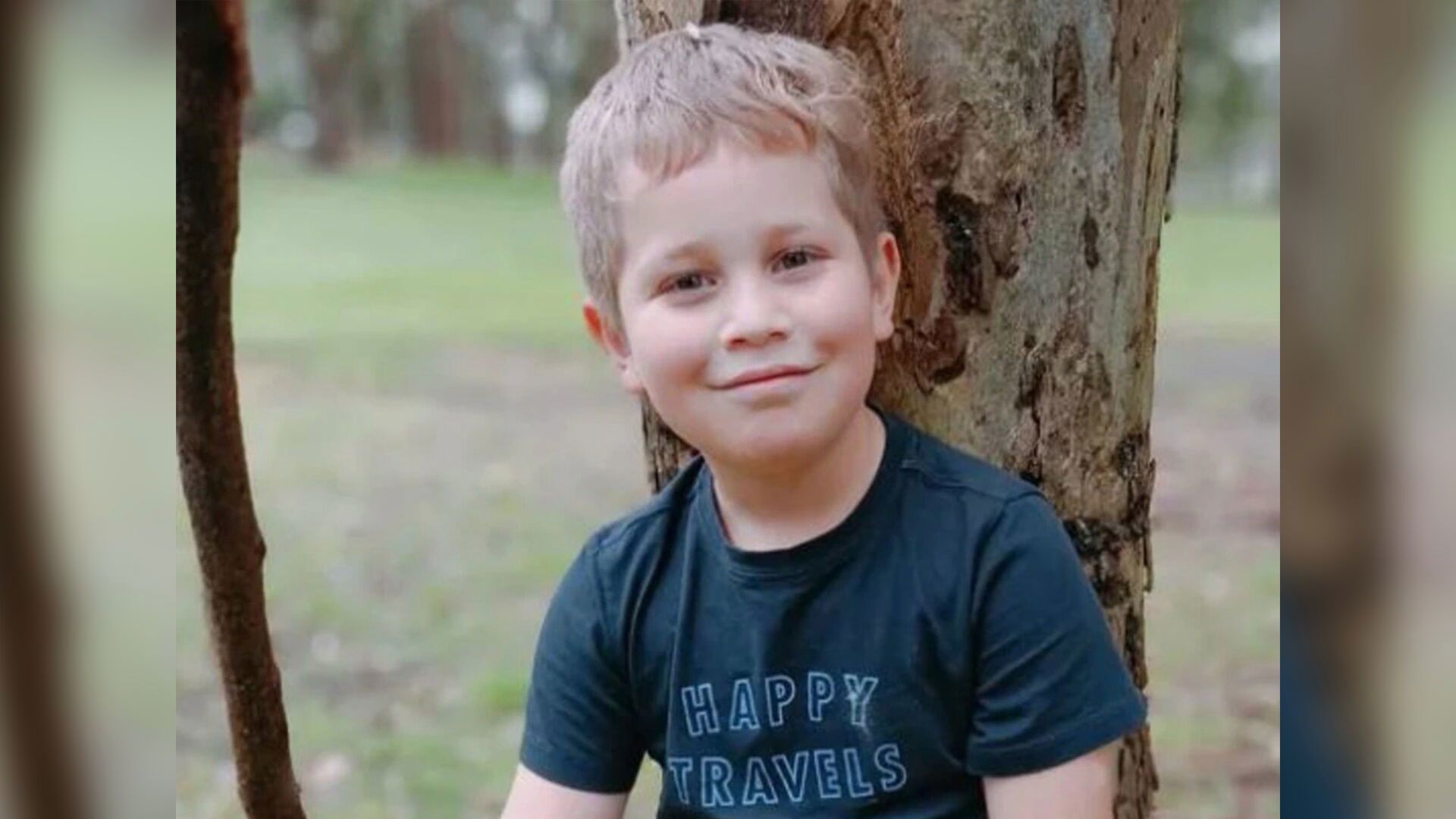
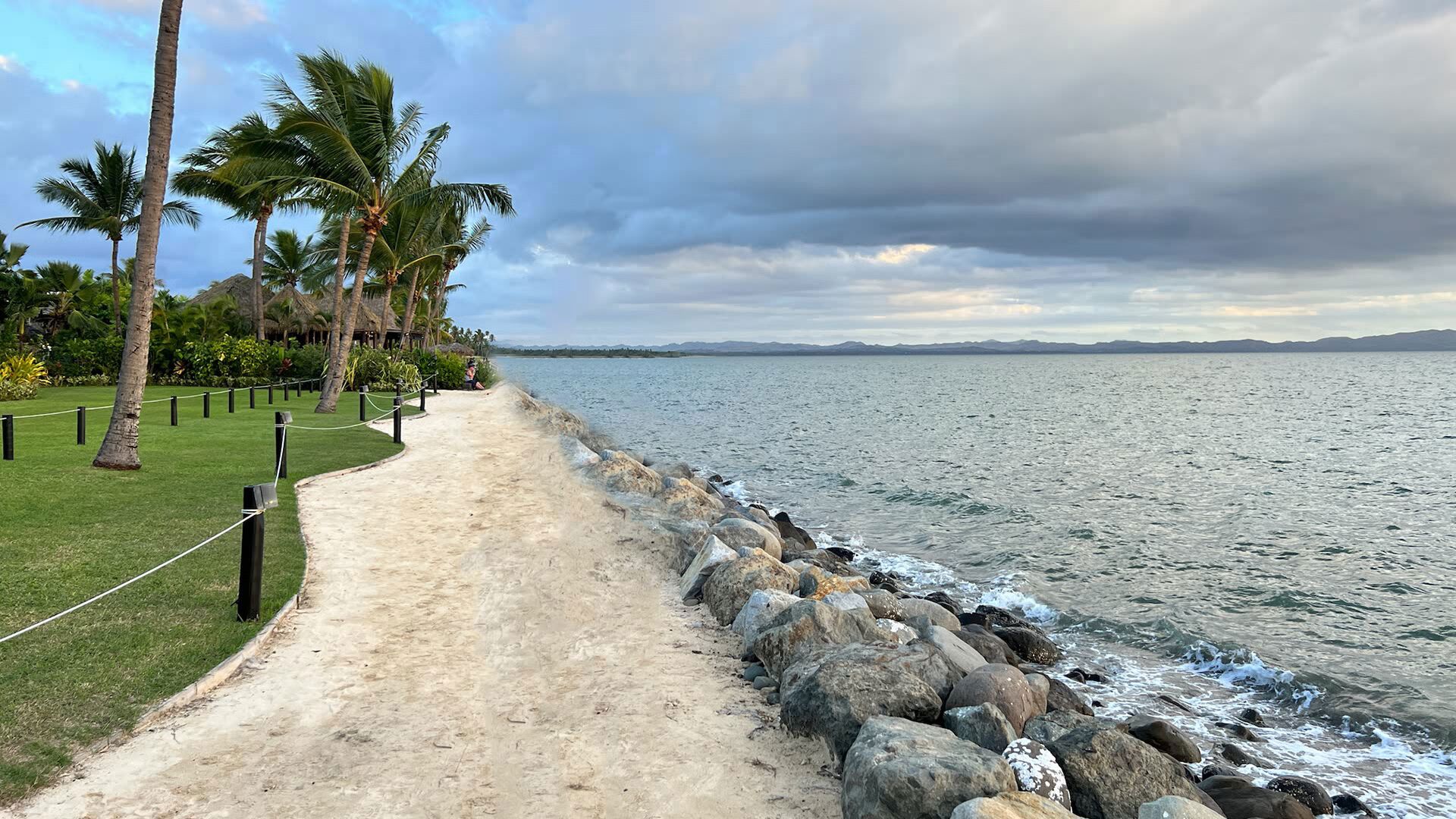
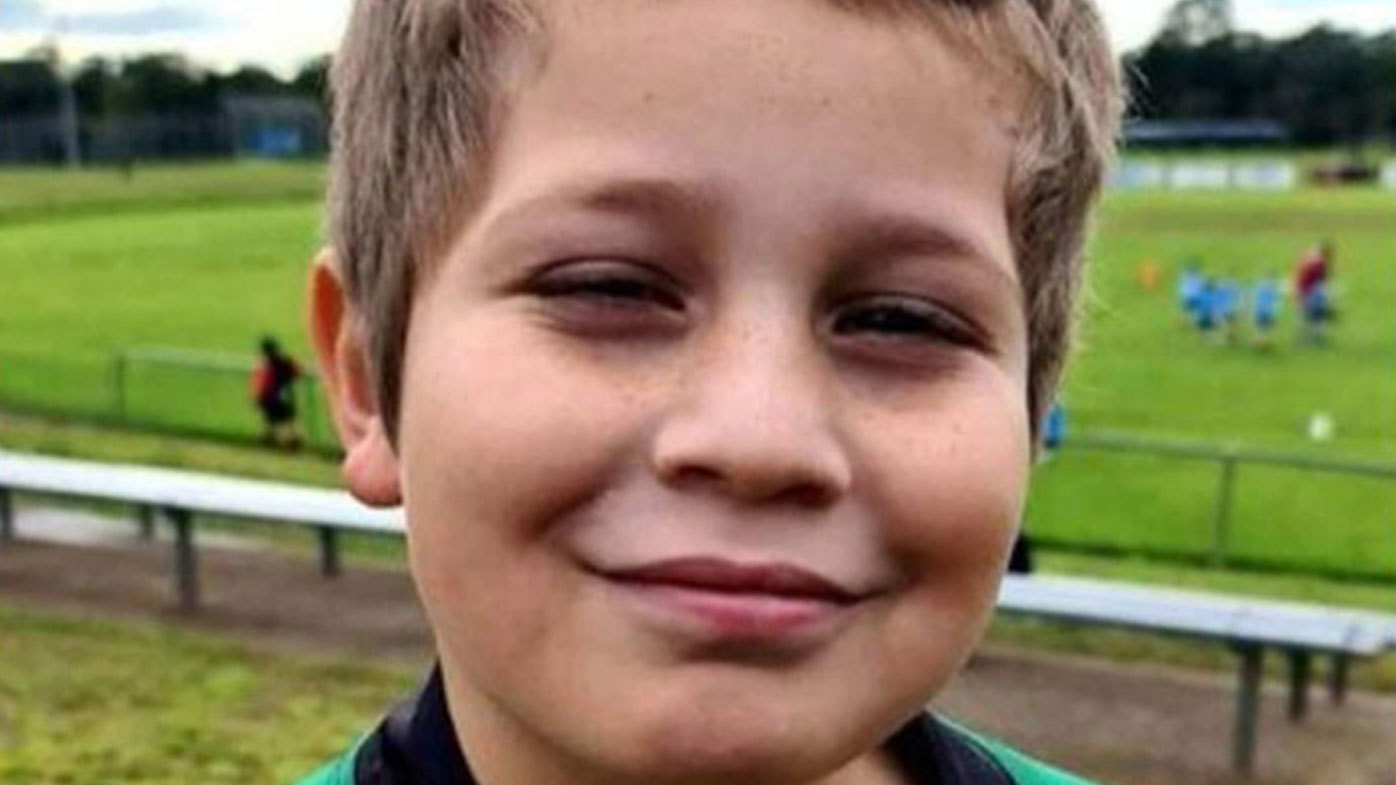
Cairo Winitana, 8, was with his family at the Club Wyndham resort on Denarau Island in Fiji when he died on Thursday evening.

Police said he was found motionless near a flower bed before being rushed to Nadi Hospital, where he was pronounced dead.

An autopsy confirmed the eight-year-old died by electrocution.

Cairo Winitana, 8, possibly electrocuted at Club Wyndham resort in Fiji.

READ MORE: State of emergency declared in New Zealand

Two guests reportedly discovered the little boy face down and unresponsive in the flower garden at the hotel.

The guests believe Winitana was chasing frogs when he was shocked by a live current coming from a lamppost.

A hotel source told 9News the electric shock was from a garden light.

Claims have been made that it isn't the first time an electric shock has occurred at the resort.

READ MORE: Flights grounded as violent cyclone whips up chaos

Photo of light fixtures at Club Wyndham, Fiji, where Sydney boy was electrocuted.

An Australian man took a photo in June last year showing allegedly light fixtures along a path that were wet after rain.

He alleges he suffered a powerful electric shock after touching one.

The man claims he alerted staff but doesn't know if the problem was fixed.

9News asked Club Wyndham for comment on the allegation but the resort declined.

Winitana's devastated parents Amber and Clarke, who are from New Zealand but live in Sydney, have grieved the loss of their little boy online.

"I loved you my son from the moment I found out I was carrying you and will love you forever more my beautiful beautiful blue eyes," his mum posted.

The little boy had been a member of the Milperra Colts since 2021 and the club today remembered the eight-year-old as a "shy, tough little kid who loved his footy".

"Our sincere condolences go out to the Winitana family and many friends," the club said.

"Once a Colt… always a Colt."

READ MORE: Dubai again plans for flying taxi takeoff within years

Cairo Winitana died by electrocution at Fiji resort.

The family now has the heartbreaking job of bringing Winitana home.

Relative Glenys Wana set up an online fundraiser to help with the costs of laying Winitana to rest in Australia.

"As you could all imagine this is a very devastating loss for our family, we humbly invite you to offer support for both Amber and Clarke as they navigate through this unimaginable nightmare they are now forced to live with," Wana said.

"We all know Clarke and Amber to be the most loving, kind-hearted and genuine people."

The New Zealand Ministry of Foreign Affairs and Trade confirmed the boy was a New Zealand citizen, but Fiji police said he was living in Australia.

The hotel said what happened was a "tragic accident".

READ MORE: Supermarket weapon to slash bills for 8.6 million

"We have expressed our heartfelt condolences to the family and our thoughts remain with them at this time," a Wyndham Destinations Asia Pacific spokesperson said.

"Our management team is currently conducting a thorough investigation into the incident and co-operating with the police and authorities."

Sign up here to receive our daily newsletters and breaking news alerts, sent straight to your inbox.

La Nina continues to weaken but hasn't finished yet

Australia's third consecutive La Niña system might be getting weaker but it hasn't finished just yet, according to the Bureau of Meteorology (BoM).

In its latest climate driver update, the BoM says that while sea surface temperatures have risen to levels usually associated with neutral ENSO (El Niño-Southern Oscillation – the weather phenomena that includes La Niña) conditions, the atmospheric conditions remain La Niña-like.

However, it is still forecast to return to neutral soon, and will remain so for much of autumn.

READ MORE: When will La Niña end and will we get an El Niño weather system this summer?

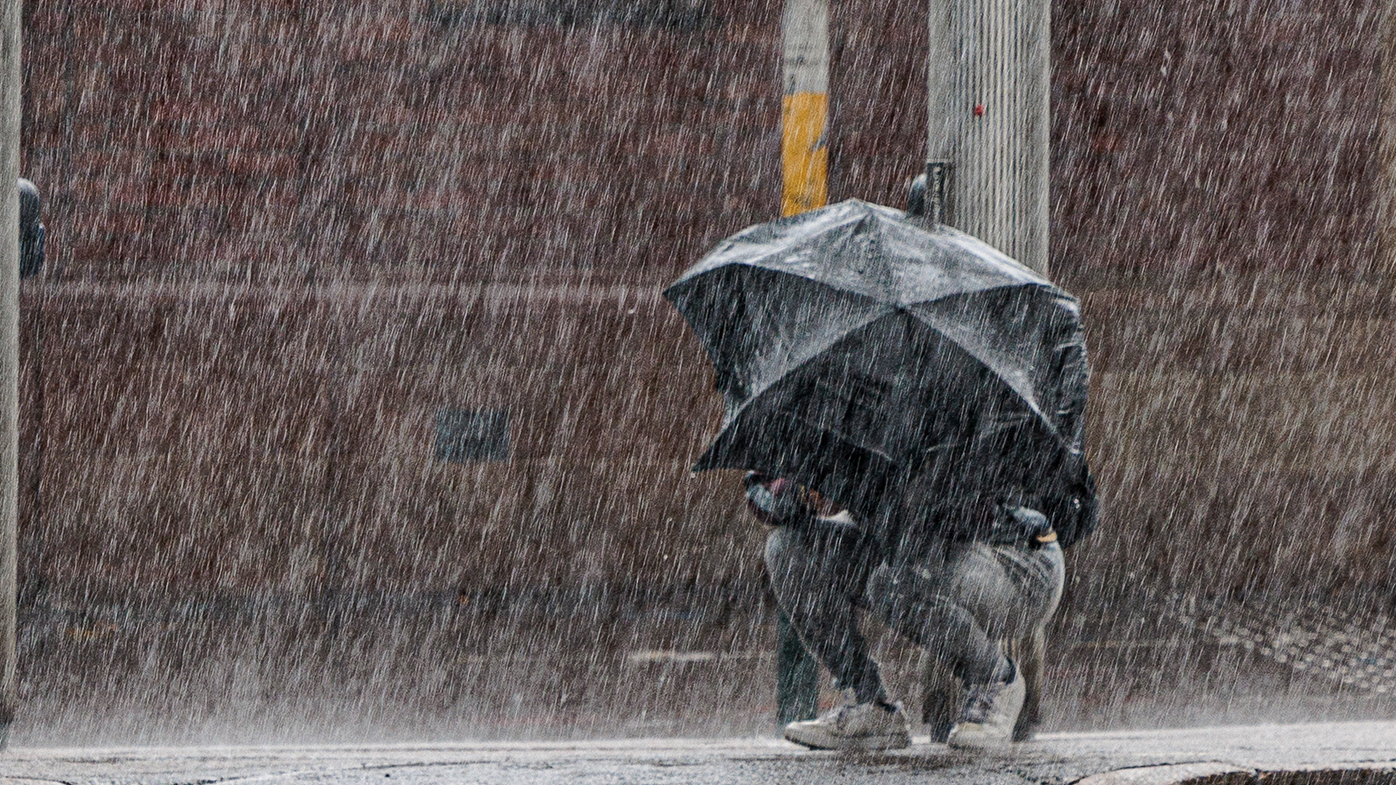
A resident sheltered under an umbrella after heavy rain hit Sydney CBD on 29 September, 2022. Photo: Brook Mitchell

"While oceanic indicators, including sea surface temperatures (SSTs), have weakened to ENSO-neutral values, the atmosphere has been slower to respond and remains La Niña-like," the BoM said.

"Even as La Niña weakens, it can continue to influence global weather and climate.

"All models anticipate SSTs in the central Pacific Ocean will warm further, but remain at neutral levels (neither La Niña nor El Niño) until at least mid-autumn."

The average of international models suggests an El Niño will come into effect around August – which would be the first one since the 2019-20 summer, when catastrophic bushfires ravaged much of Australia's east.

Sign up here to receive our daily newsletters and breaking news alerts, sent straight to your inbox.

However, the BoM said long-range forecasts should be "viewed with caution".

The weather bureau also said the Southern Annular Mode is likely to dip into negative, which tends to reduce rainfall in south-east Australia. However, it is expected to return to neutral for the coming months.

Ute plummets into hole at 70km/h after road washed away in Cyclone Gabrielle

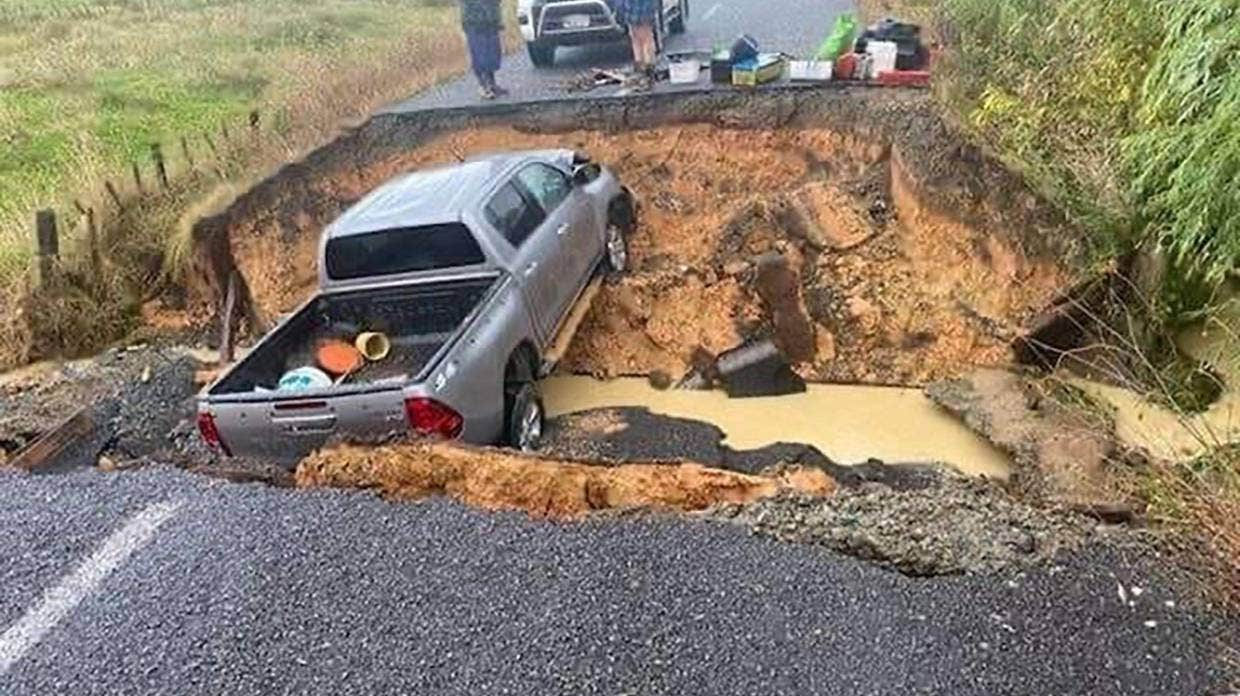
A New Zealand driver has walked away unharmed from a dramatic crash landing when the ute he was driving plummeted into a gaping hole in a road left by Cyclone Gabrielle.

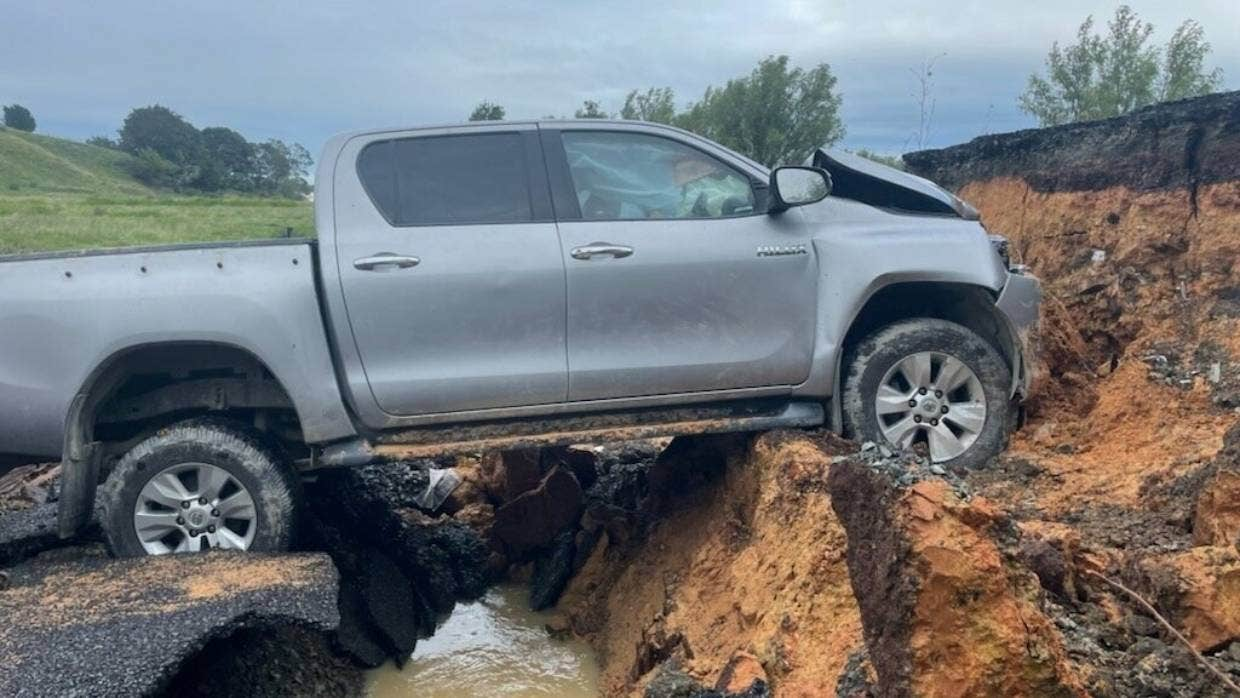
While driving down a hill at around 70km/h on Waikare Road near Te Kauwhata, the ground suddenly disappeared from under the wheels of the silver ute and it went into the air before face-planting straight into a newly-formed cliff face.

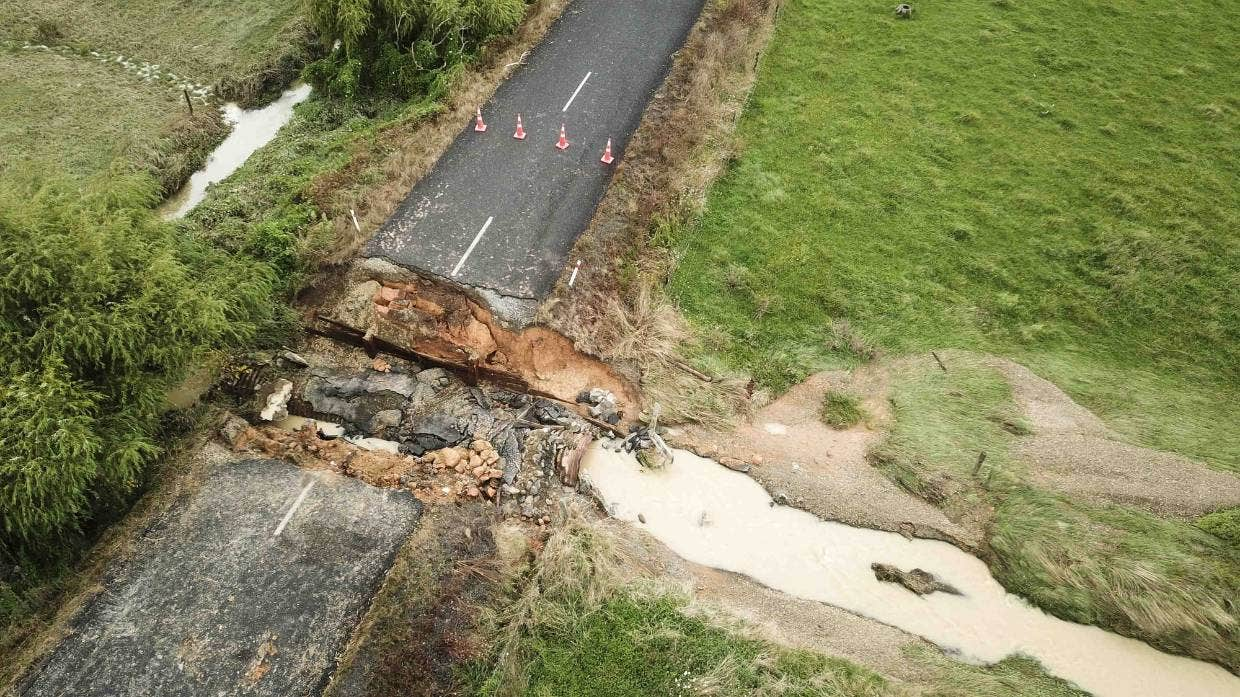
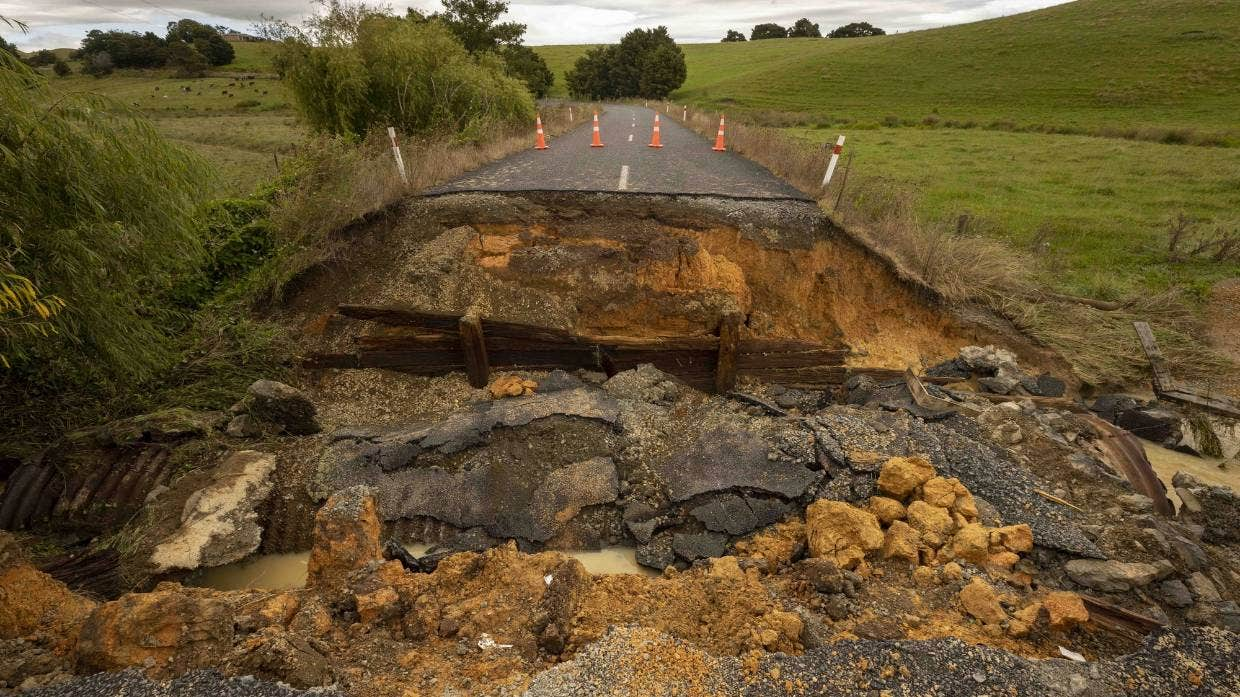
The vehicle had plummeted into a crater of cracked tar seal and debris which was said to be 6-7 metres wide and around two metres deep.

READ MORE: Sydney boy dies by electrocution at Fiji resort
The silver ute where it landed after plummeting into a washed-out section of road on Waikare Road near Te Kauwhata, Waikato.

Tim Broughton was on the way to work with his son on Tuesday morning before their journey came to a halt when they spotted the sunken ute.

With dark hanging over the land he said the driver wouldn't have spotted the gnawed-out road which had been washed away during Cyclone Gabrielle.

"We were clearing the trees off the road while on the way to work … but we couldn't get through anyway because there was a great big hole in the road – there was nothing there, it was just a straight drop," Broughton said.

"You couldn't see the top of the ute, it was right in there, the ute was sort of straddled across the culvert, the water had just blown it out and had taken the road out with it."

READ MORE: Flights grounded as violent cyclone whips up chaos

While driving at 70kph down a hill in Waikato, a driver and his ute took a dramatic crash landing straight into a ditch.

They found the driver "shaken" but unscathed by the crash landing given the vehicle's airbags had released when it hit the ditch.

"I'm pretty sure he said it was dark, and he came down the hill and straight into the hole, he said he was doing about 70km/h," Broughton said.

"He's alright, the airbags went off, and he was fine … he got out and when we got there this morning there was water running under his ute.

"It could have been a lot worse."

The vehicle, on the other hand, was a different story and would likely be written off, Broughton said.

READ MORE: Dubai again plans for flying taxi takeoff within years
Waikare Road was washed out, leaving a huge void.

Broughton and his son got a digger and "chained it (the ute) up onto the machine and lifted it out".

"I wasn't shocked because as contractors we're used to running around and sorting trees and flooding and stuff, I've just gone and looked at a farm that had 100 trees blow over, so there's a bit of mess all over the place."

The wide hole on Waikare Road doubled travel time to work for resident Kelly Harvey.

"It is annoying because it is on my way to work," she said.

Harvey's workplace was 17.5km from her home, but now she would be travelling 35km.

READ MORE: State of emergency declared in New Zealand

There was no timeframe on a repair for Waikare Rd.

Waikato District mayor, Jacqui Church, said they were "aware of the one vehicle that drove into the hole".

There was no estimation on when the road would be fixed.

They were first alerted to it at 7.05am on Tuesday.

"Crews on the ground have been heading out to assess conditions, access options and place signs as soon as practicable and safe to do so," a council spokesperson said.

"The roading team is working through a list of priorities; top priorities are to identify and restore access to isolated communities and where there are no alternative routes/detours available."

This story originally appeared on Stuff and has been reproduced with permission. 

What was found under this couch terrified police

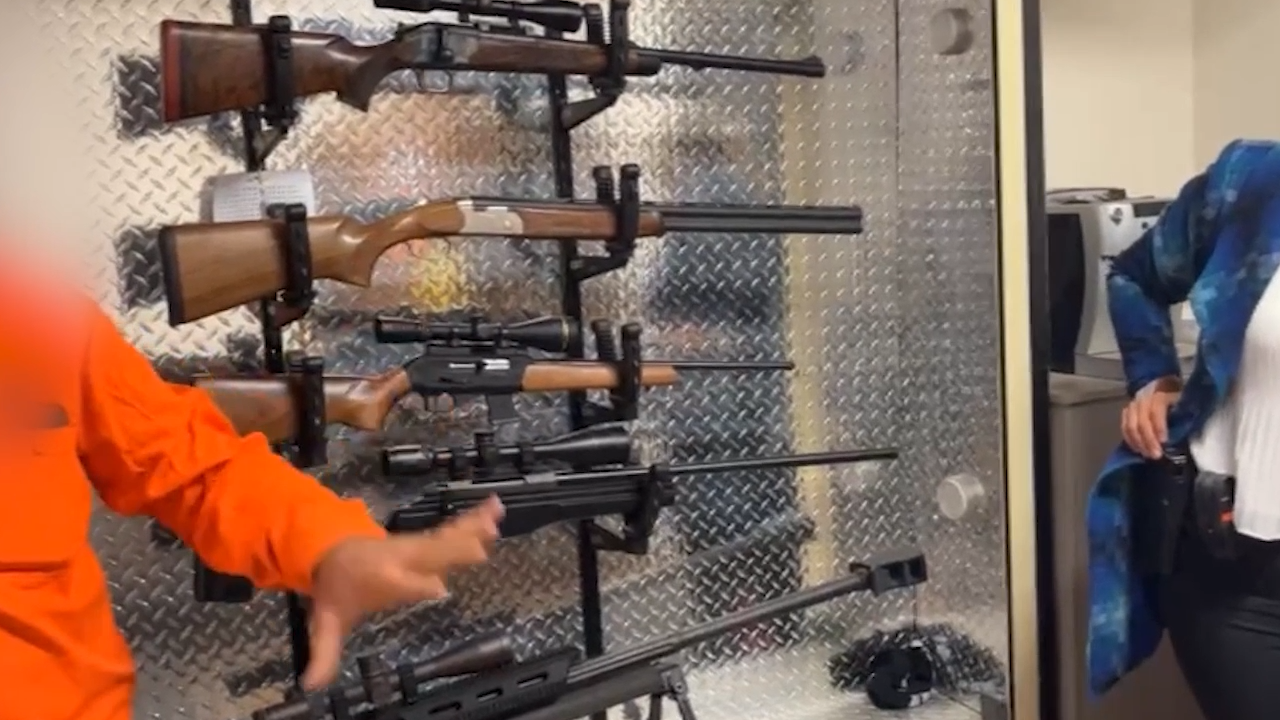
The discovery of a secret underground bunker in Perth contributed to the Western Australia government to outlaw high-powered firearms, some capable of penetrating police body armour.

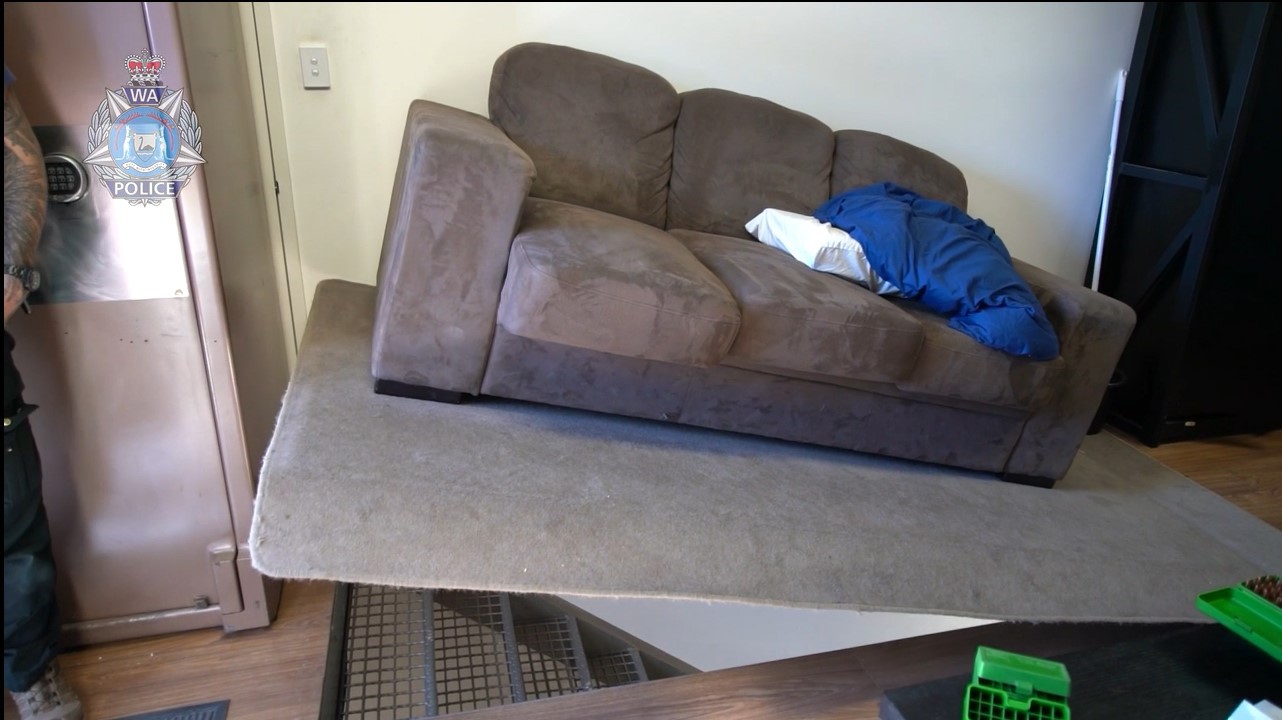
The bunker was discovered in High Wycombe last year but today is the first time we are seeing the sophisticated concealment, hidden under a rug and lounge.

When the bunker's door opened, the lounge lifted to reveal a set of stairs that led down to a shooting range with "an arsenal of very high-powered firearms being incorrectly stored".

A secret underground gun bunker found in a Perth home has triggered Police to ban long-range firearms across Western Australia.

READ MORE: Philippine Coast Guard says Chinese ship aimed laser at one of its vessels

Former professional fighter David Letizia has already pleaded guilty to firearm related charges. He was fined and lost his firearms licence.

"Unbelievably, the worst offence this individual has allegedly committed is failing to apply to the local council for approval to build the bunker and underground shooting range," WA Police Minister Paul Papalia said.

"That's how outdated and weak our 50-year-old firearms laws are here in WA, and that's why the Western Australian Police Force have asked us to completely overhaul them."

READ MORE: Heatwave to hit all of Australia, but flooding also expected

A secret underground gun bunker found in a Perth home has triggered Police to ban long-range firearms across Western Australia.

"Why he needed that many high-powered rifles in a secret underground shooting range is beyond me."

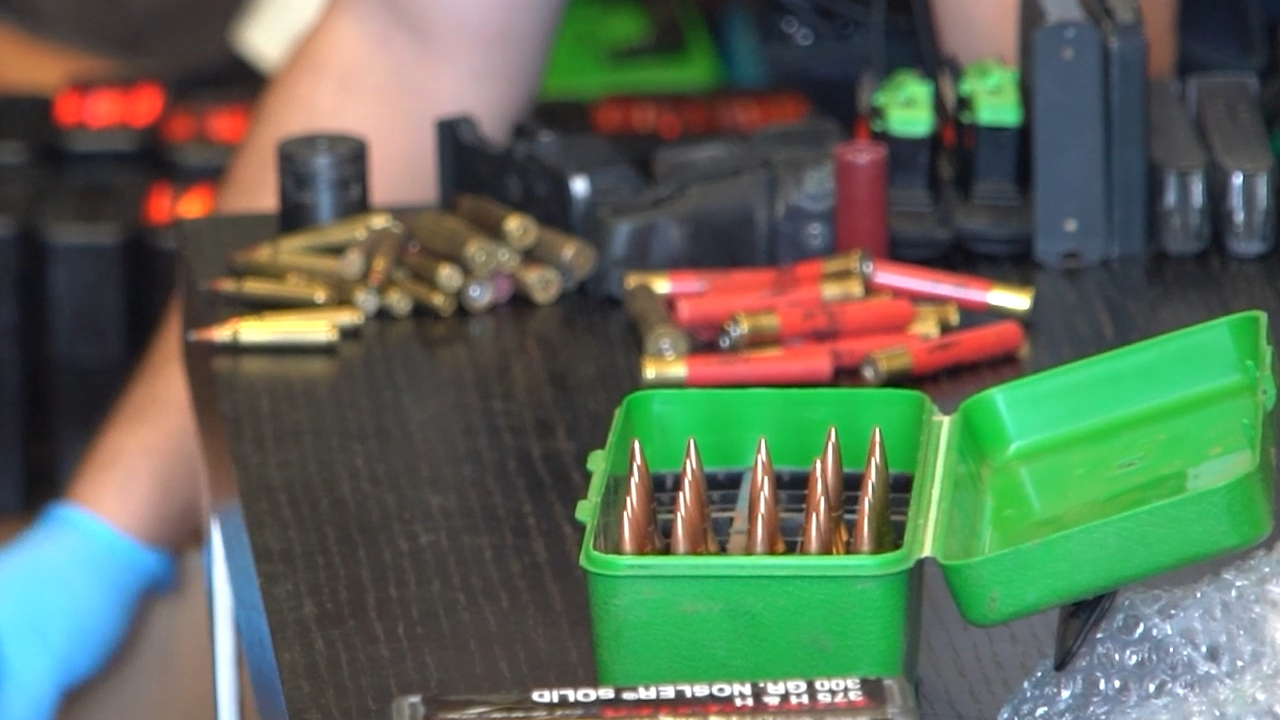
The ban will come into effect on July 1, 2023, and will outlaw firearms and ammunition designed to shoot over long ranges.

There are 56 types of guns and 19 calibres of ammunition that will be illegal.

The 248 licensed firearms currently registered in Western Australia, will have to be disposed of before then.

Papalia said the weapons were designed to hunt large animals we don't have in the country.

Some of these weapons are powerful enough to penetrate WA Police armoured vehicles. 

"Some projectiles from these firearms are capable of penetrating the body armour worn by police officers, as well as most hard surfaces of police vehicles from up to two kilometres away," Acting WA Police Commissioner Kylie Whiteley said.

Premier Mark McGowan will fund a buyback scheme for the firearms, purchasing them from their owners at their current market value.

READ MORE: Coles unveils latest plan to combat cost of living crunch

A secret underground gun bunker found in a Perth home has triggered Police to ban long-range firearms across Western Australia.

"This reform is part of my Government's commitment to overhaul WA's 50-year-old gun laws and make sure community safety comes first," he said.

"The Western Australian Police Force has informed me there is no practical need for these specific very high-powered firearms in WA."

Firearm owners can surrender their weapons at the nearest police station.

'A death that defies description': Mum admits to killing her daughters

A Queensland woman has admitted leaving her two young children in a parked car for nine hours leading to them suffering a death that "defies description".

Kerri-Ann Conley, 30, of Waterford West suburb in Logan, pleaded guilty in Brisbane Supreme Court on Tuesday to two counts of manslaughter.

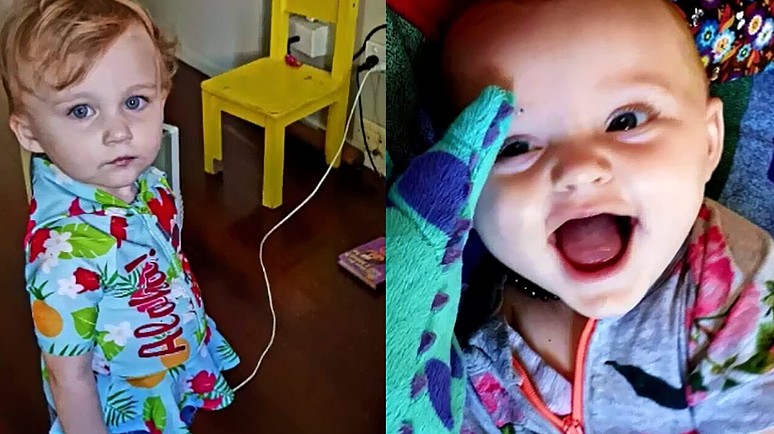
Crown prosecutor Sarah Dennis said Conley had taken her daughters Darcey-Helen, aged two-and-a-half, and Chloe-Ann, aged 18 months, to her friend's place at 11.30pm on November 22, 2019 and returned home at about 4am the next day.

READ MORE: Sydney boy dies by electrocution at Fiji resort

Conley left the children in the car because she did not want to wake them and went inside her home, sending a text message at 5.55am before falling asleep.

The car was left in direct sunlight with no shade and all doors and windows closed, leading to the car reaching an estimated temperature of 61.5C by 10.30am.

When Conley returned to the car she found the children dead and took them out of the car before trying to dispose of drugs in her house.

She called an ambulance and told paramedics she had fallen asleep but gave a false account of her movements to police when they arrived.

The paramedics found the children hot to the touch and their skin started peeling when they attempted resuscitation.

"This offending clearly represents a complete abrogation of a parent's responsibilities," Dennis said.

"The children were defenceless to the situation she put them in and unable to protect themselves from the soaring temperatures inside the car."

READ MORE: Flights grounded as violent cyclone whips up chaos

Its alleged Conley put her two young daughters, Darcey, 2 and Chloe-Ann, 1 in her black Mazda sedan after leaving a friend's house between before 5am.

Conley's barrister, Jeffrey Hunter, said there had been "no logic" to his client misleading police and her conduct in leaving the children in the car "falls below wickedness but above stupidity" in the spectrum of manslaughter.

"The picture painted by the evidence is of a chaotic, drug-addicted and in the end delinquent mother who made a tremendously stupid, arguably selfish, and admittedly massively negligent decision to leave the children in the car," Hunter said.

"There's no getting away from the fact that two children are dead. It's one thing to lose to two children but it's quite another to know they experienced death that really defies description."

Hunter said Conley had not committed an impulsive act of violence against the children and many people could say she had otherwise loved and looked after them.

Justice Peter Applegarth said Conley's sentence was "amongst the more difficult to decide" and he felt the need to reflect on it.

The sentence hearing was adjourned to a date to be fixed.

Sign up here to receive our daily newsletters and breaking news alerts, sent straight to your inbox.

Man who stabbed constable not a 'cop hater', court told

A man has told a court he finds it hard not to despise himself, apologising after stabbing a police officer at his southwest Sydney home.

Crown prosecutor Leon Apostle told the NSW District Court on Tuesday the apology was "self-serving".

A jury found Rory James Constantino, 31, guilty of reckless wounding in September for stabbing Senior Constable James Vella at Sadleir in Sydney's south-west.

READ MORE: Boy dies in Fiji resort suspected electrocution

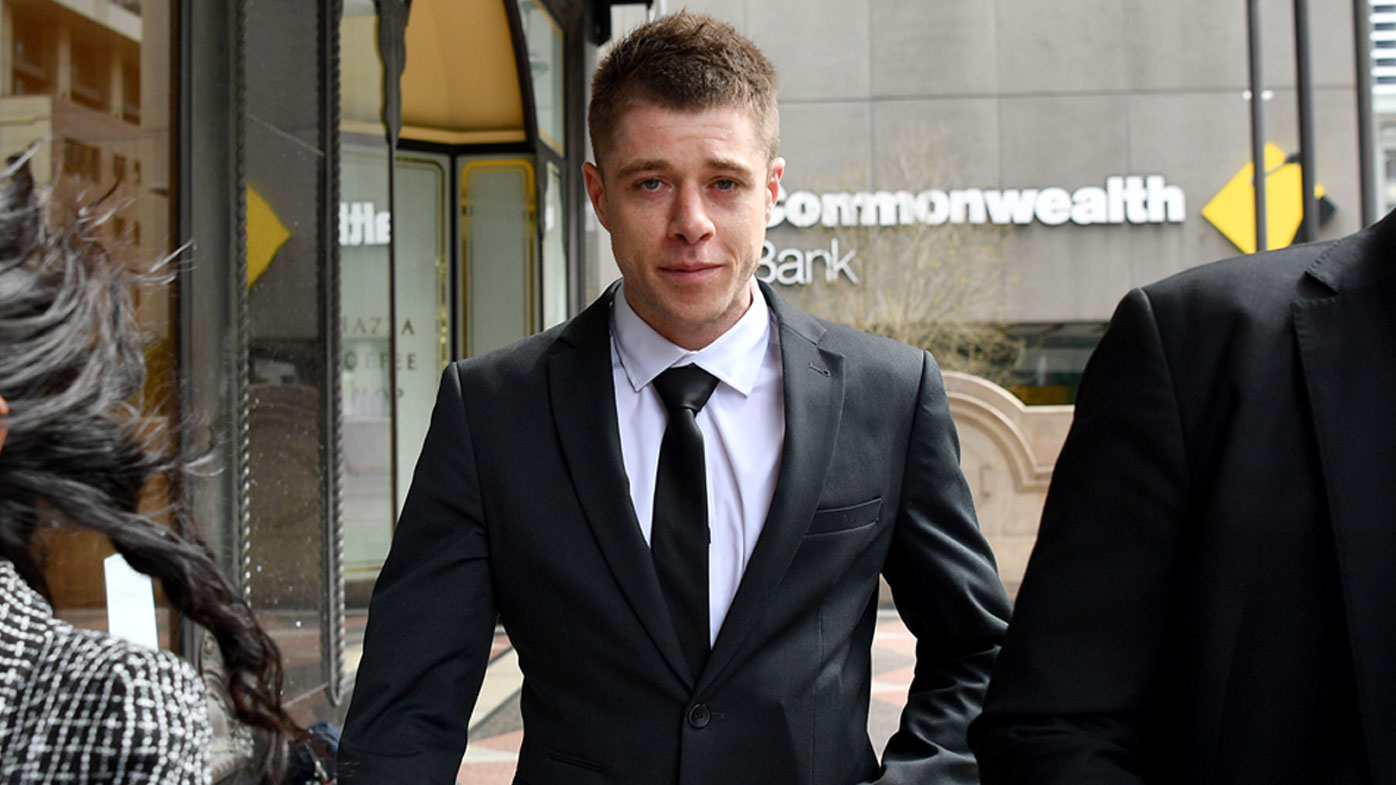
Rory James Constantino

Plainclothes officers went to arrest Constantino's father Ricky over a firearm offence in June 2019.

Constantino claimed he acted in self-defence and did not believe the officers were police when he attacked Senior Constable Vella with a bladed spear.

"This guy did not seem to be a police officer… I thought I was going to die. I literally thought these guys were going to kill me," he said in a recorded police interview.

Apostle told the jury at trial the "ludicrous suggestion" was an insult to their intelligence.

READ MORE: Sydney woman fined almost $900 for little-known road rule

The jury had dismissed the claim of self-defence, Apostle said during sentencing submissions on Tuesday, and Constantino's apology, read to the court by Judge Sarah Huggett, contained "untested evidence".

Constantino's barrister Brett Eurell told the court he had a genuine, if not misguided belief that the two men were not police, or at least a genuine doubt that they were.

"There is simply no evidence the offender knew the police were there to arrest his father, whether pursuant to a warrant or otherwise, because they had never said so," Eurell said.

Constable Jacob Vella

The unfortunate circumstances of the case was the result of fault on both sides, he said.

"One never wants to blame the victim or victims," Eurell said.

"At the time of the wounding, an unlawful arrest was occurring, or an attempt at an unlawful arrest."

"There had been, at the very least, a questionable entry into the premises," he said.

READ MORE: State of emergency declared in New Zealand

No attempt had been made to call for uniformed officers to attend and calling for backup would have satisfied Constantino the police on his doorstep were genuine, Eurell said.

Instead, the officers forced their way into the home, despite there being "no real rush".

"Clearly, it was not the last resort on this occasion," Eurell said.

"Constantino wasn't going anywhere, he was not long out of hospital being treated for leukaemia," Eurell said.

Rory James Constantino accused of stabbing Constable Jacob Vella Sadleir 2019

The younger Constantino did not have an unblemished record, his barrister conceded, however his previous matters were not violent or consistent with someone who was a "cop hater".

The two opposing barristers on Tuesday submitted to Judge Huggett differing opinions on the objective seriousness of Constantino's offending.

Apostle submitted it was at the higher end of the range, involving a decision to use a weapon in an attack that only ended when the wounded Vella overpowered Constantino.

READ MORE: Supermarket weapon to slash bills for 8.6 million

Eurell said there was no evidence before the court that Vella's injuries were substantial or life altering.

"The idea (Constantino's offending) falls above the mid-range, I don't mean this as hyperbole, it borders on the ridiculous," Eurell said.

Constantino had also offered to plead guilty to a charge that was later dropped, but would have likely carried a more severe penalty, and he should be eligible for a discount on sentencing, Eurell submitted.

Judge Huggett adjourned Constantino's sentencing until Monday afternoon.

Sign up here to receive our daily newsletters and breaking news alerts, sent straight to your inbox.

Man who allegedly shot Sydney teenager during fistfight denied bail

A man who allegedly killed a teenager when he "brought a shotgun to a fistfight" has been refused bail.

Alonzo Faaoloii, 25 at the time, is alleged to have pulled the trigger of the gun that killed 18-year-old Omar Elomar in February 2020.

Bail was argued for on the basis that electronically monitoring Faaoloii would mitigate against risk of reoffending.

READ MORE: Sydney boy dies by electrocution at Fiji resort

"He's always lived in Sydney, he has a young child, he has a de facto. He has nowhere else to go," the defence told NSW Supreme Court on Tuesday.

"There's no parity in bail," Justice Desmond Fagan said.

"We're talking about someone who's charged with murder … he brought a shotgun to a fistfight."

Five young men allegedly met at Miller Park in Sydney's south-west intending to "engage in some kind of fight arising out of a dispute" against another group of young men.

Elomar was sitting in the driver's seat when Jerome McNamara allegedly tried to pull him out of the vehicle.

An individual then aimed a shotgun close to Elomar's chest from the front of the vehicle, the judge said.

Elomar died at the scene when the gun was shot.

READ MORE: Flights grounded as violent cyclone whips up chaos

The Crown is "incapable of identifying" the shooter but suggests Faaoloii was guilty based on evidence given by Noah Albert.

Although Albert did not see Faaoloii shoot the deceased, he allegedly heard comments about "not meaning to do that".

DNA evidence found on a discharged shotgun cartridge had a "high likelihood" of belonging to Faaoloii, the Crown said.

The defence called the reliance on Albert's evidence as "highly problematic" given that evidence can be used to infer that he shot the deceased.

Albert was on trial in the Supreme Court as the alleged murderer but was acquitted last year.

"Mr Albert has made prior inconsistent statements, accepting responsibility himself as the shooter," Fagan noted.

Acquittal following a trial for Faaoloii is also likely "if there's any doubts around Mr Albert", the defence added.

Regardless, Fagan denied bail given that the Crown had a "substantial" case against the applicant.

Sign up here to receive our daily newsletters and breaking news alerts, sent straight to your inbox.

NASA rover finds 'clearest evidence yet' of an ancient lake on Mars

In the foothills of a Martian mountain, NASA's Curiosity rover found stunning new evidence of an ancient lake in the form of rocks etched with the ripples of waves — and the telltale signs appeared in an unlikely place.

The rover is traversing an area of Mars called the "sulfate-bearing unit" that researchers previously thought would only show evidence of mere trickles of water, as scientists believed the rocks there formed as the surface of the red planet was drying out.

Instead, the rover found some of the clearest evidence yet of ancient waters.

READ MORE: No signs aliens behind balloon incidents, White House says

'Clearest evidence yet' of an ancient lake on Mars found by NASA curiosity rover

"This is the best evidence of water and waves that we've seen in the entire mission," Ashwin Vasavada, Curiosity's project scientist at NASA's Jet Propulsion Laboratory in Pasadena, California, said in a statement.

"We climbed through thousands of feet of lake deposits and never saw evidence like this — and now we found it in a place we expected to be dry."

The sulfate-bearing unit is a region previously identified by the Mars Reconnaissance Orbiter as containing salty mineral deposits just beneath an 18,000-foot (5500 metres) mountain called Mount Sharp.

Scientists consider the sulfate-bearing unit to be a location rife with clues about how and why Mars morphed from a watery planet into the frozen place it is today, and researchers have long sought to explore the area in more depth.

Though the region contains rocks that were thought to have formed "when water was drying to a trickle," according to NASA, the new images from Curiosity show evidence of a shallow lake.

READ MORE: Heatwave to hit all of Australia, but flooding also expected

'Clearest evidence yet' of an ancient lake on Mars found by NASA curiosity rover

"Billions of years ago, waves on the surface of a shallow lake stirred up sediment at the lake bottom, over time creating rippled textures left in rock," according to a NASA news release.

The wave-marked rocks were found about one-half mile (800 meters) into Curiosity's ascent of Mount Sharp. As the rover climbed higher, it travelled over rocks that would have formed more recently.

That's why researchers didn't expect to see such clear markers of a large body of water.

Specifically, the rocks were discovered in what's called the Marker Band Valley, a zigzag formation of rocks that stands out against the landscape, thanks to its darker colouring.

READ MORE: Turkey earthquake survivors face despair, as rescues wane

Images from the Curiosity rover are shedding new light about the conditions on Mars.

The rover began exploring the Marker Band feature — which was found to have thin, hard rocks covering the surface in a scalelike pattern — in 2022.

Curiosity has attempted to extract samples from some of the rocks, but they proved too hard for the rover's drill, according to NASA.

But scientists are hoping the vehicle will stumble on some softer spots more conducive to sample collection as its trek continues.

The Curiosity rover has been exploring the Martian surface for about a decade, and it's been climbing the base of Mount Sharp since 2014.

Scientists are particularly interested in the mountain because its suspected past — in which the landmark was surrounded by streams and lakes — could have been host to microbial life forms.

That is, if any ever existed on Mars.

How a broken bone helped a woman realise her period pain wasn't normal

Period pain forced her to miss school, events and work, but it was only when Zoe Simmons broke her wrist that she realised what pain she'd endured for 10 years wasn't normal.

The pain medication she was given as a one-off for the broken bone gave her far more relief for the consistent abdomen pain than her wrist.

Despite struggling for years, Simmons hadn't realised she needed help in that area – she believed what she was experiencing month-to-month was simply what everyone else went through.

Because that's what she'd always been led to believe.

READ MORE: 'Women are forced to suffer in silence and just get on with it' – Should period leave be instated?

Simmons, now 27, said she felt stigma right back to when she first got her period in school at 12, when she was told at sick bay to "get over it" and that pain was a normal part of life.

The Melbourne woman only started investigating with doctors after the broken wrist at age 22, making her one of many Australians who said their period was impacting their day-to-day life. 

A massive 40 per cent of menstruating Australians said their period affected their ability to work, and 30 per cent said it impacted their ability to participate socially, a recent survey found.

Simmons said her period pain is incapacitating and occurs throughout the month. 

"Pain really just changes your life," she told 9news.com.au. 

"Your 20s are supposed to be the best years of life but my life has just been turned upside down."

Have you got a story? Contact Serena at Sign up here to receive our daily newsletters and breaking news alerts, sent straight to your inbox.