The fund for fixing damage to roads is nearly exhausted after years of heavy storms.
Tag Archives: oceania
Auckland floods: 20 buses flood-damaged, AT hails drivers’ bravery but refuses to say what advice they were given
Photos, videos show buses swamped by floodwater after driving through waterlogged streets.
West Auckland’s plea to council as neglected work worsens flood damage
People were trapped, houses floated: Ranui locals think it was avoidable.
Convicted killer, rapist Malcolm Rewa fails in fourth murder trial bid
Malcolm Rewa has failed in his appeal over his conviction for Susan Burdett’s murder.
Auckland floods: Big downpours likely to have caused thousands of new landslides, slips – expert
People in storm-hit regions are being urged to keep away from steep slopes and cliffs.
Cassius Turvey's alleged attackers charged with kidnapping another teen
WARNING: Aboriginal and Torres Strait Islander viewers are warned this story contains images of a deceased person.
Four people have been charged over the alleged kidnapping and assault of a teenage boy in Perth four days before the fatal attack on Noongar Yamatji teen Cassius Turvey.
Western Australia Police allege a 15-year-old boy was chased in the Swan View area before he was caught and "allegedly punched, kicked and stabbed" about 4.40pm on October 9 last year.
"It will be further alleged the boy was placed into a vehicle and taken to a house where he was detained for a period of time before being released," police said.
READ MORE: Former Wagner commander describes frontline brutality

Four days later on October 13, Turvey was allegedly violently beaten while walking home from school in the nearby suburb of Middle Swan.
The 15-year-old died in hospital 10 days after the alleged assault.
His death sparked an outpouring of grief and anger across the nation, with some Indigenous leaders condemning the alleged attack as cowardly and racist.
READ MORE: Aussie Olympian 'taken far too young'
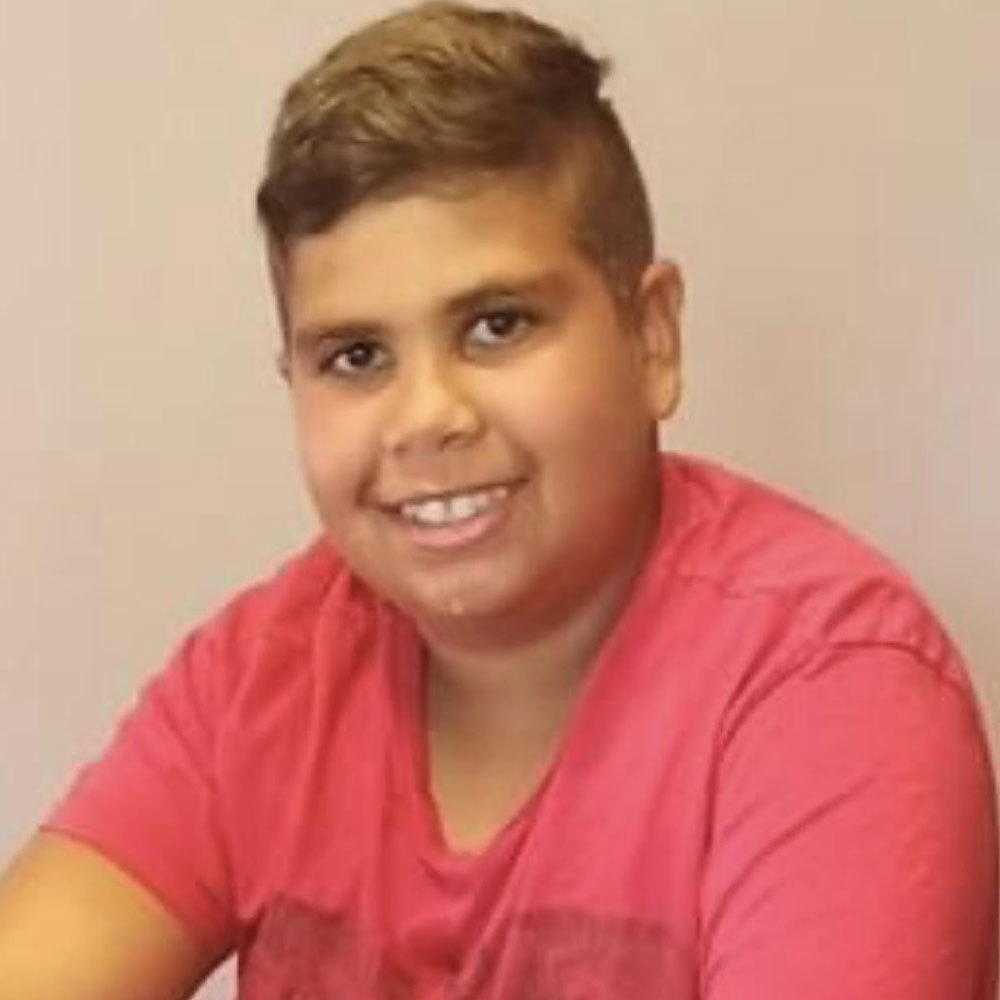
Four people have been charged in relation to the alleged assault and death of Turvey. They remain before the courts.
Three of these people, Jack Steven James Brearley, 21, Mitchell Colin Forth, 24, and Aleesha Louise Gilmore, 20, have also been charged over the alleged assault on the 15-year-old boy in Swan View on October 9.
Brearley and Forth have been charged with detaining another with intent to compel the doing of an act and unlawful wounding with a circumstance of aggravation, WA Police said.
Brearley will face court on February 15.
READ MORE: Huge fire at Supercheap Auto causes traffic chaos

Gilmore has been charged with detaining another with intent to compel the doing of an act.
Gilmore and Forth will face court at a later date.
Bellevue man Ethan Mackenzie, 18, has also been charged over the alleged assault on the 15-year-old at Swan View.
Mackenzie was charged with detaining another with intent to compel the doing of an act and unlawful wounding with a circumstance of aggravation.
He is not facing charges over the alleged murder of Turvey and will face court today.
Sign up here to receive our daily newsletters and breaking news alerts, sent straight to your inbox.
How the Black Summer bushfires will help prevent future disasters
The lessons from the Black Summer bushfires could help us prepare for the next fire season, with experts releasing their comprehensive research into the disaster.
The 2019-2020 fire season was the worst NSW has ever recorded, according to the Australian Institute for Disaster Resilience.
Over the course of a few months, 26 lives were lost, 2448 homes were destroyed and 5.5 million hectares of land was burnt.
READ MORE: Former Wagner commander describes frontline brutality

Now, experts from Natural Hazards Research Australia and the Bushfire and Natural Hazards Cooperative Research Centre have released the results of years of research into the disaster – and how we can stop it from happening again.
The program drew on the expertise of Australia's top fire and climate scientists, human geographers, land managers, public health and recovery experts at 28 research institutions, First Nations organisations and fire and land management agencies.
A new report – Understanding the Black Summer bushfires through research – summarises the research findings from 23 projects.
READ MORE: Huge fire at Supercheap Auto causes traffic chaos
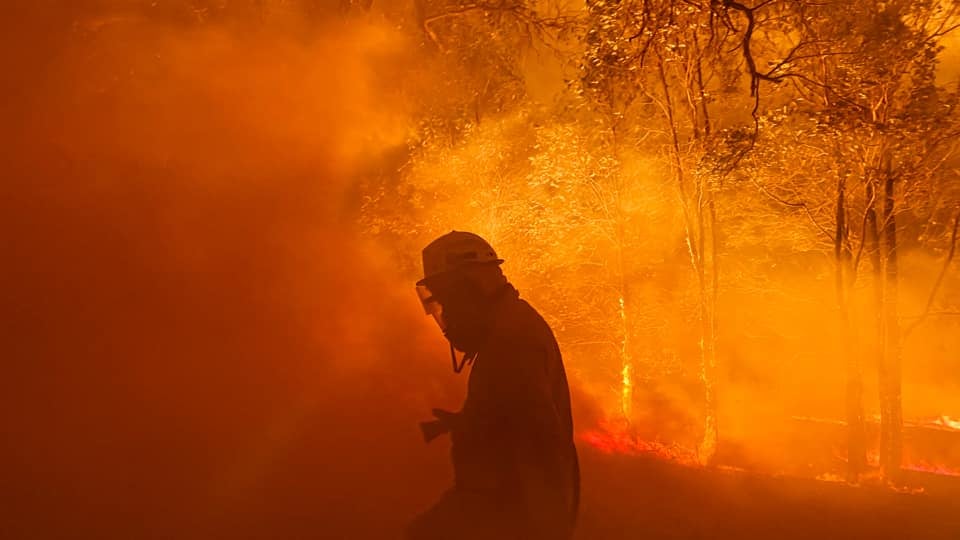
Natural Hazards Research Australia CEO Andrew Gissing said the information was based on the issues of the 2019-20 fire season, but the findings can be applied to bushfire management, safety, and community resilience, for all natural hazards around Australia.
"This is vital new Australian science about how to keep our landscapes and people safe from bushfire. Our fire seasons are getting longer and dangerous bushfire days are becoming more frequent," Gissing said.
"This research will guide how bushfire risk can best be managed through better science, policy and practices."
What we've learned
Fire predictive services and fire management
Fire prediction research focused on the complex interactions between bushfires and the atmosphere, fuel and soil moisture.
The science provides better knowledge of how soil and vegetation moisture affect fire risk at local levels, as well as the intricacies of bushfire and atmosphere interaction.
Understanding these trends will help improve fire danger predictions and community warnings for specific areas, researchers said.
READ MORE: Alec Baldwin charged with manslaughter

The research also provides new insights into how different vegetation reduces windspeed, which could improve bushfire behaviour modelling, warnings to those in the path of bushfires and better evaluation of aerial firefighting drops.
Training is now in development for fire behaviour analysts and fire meteorologists to better recognise the factors that increase fire risk, both in the atmosphere and in the landscape over scales of days, weeks, months and years.
The research also showed that there is no one-size-fits-all approach for prescribed burning and that local conditions and variations matter.
The type of landscape, vegetation, time since prescribed burn, type of prescribed burn and the weather conditions on the day of the bushfire are all significant factors.
READ MORE: Aussie Olympian 'taken far too young'

Cultural land management
This research approached First Nations cultural land management as an essential part of creating well-prepared and resilient communities and landscapes across the country.
The studies developed foundations, recommendations and modelling for future First Nations-led and co-designed research programs that enable and empower cultural fire and land management practices across Australia.
There are already successful practices from northern Australia in place that have modelled a way to empower and enable cultural fire and land management in south-east Australia, and to improve relationships between First Nations communities and emergency agencies.
Community-centred disaster risk reduction
Researchers investigated community attitudes and experiences of the 2019-20 bushfire season in NSW, looking at how people were affected by the bushfire and what actions they took.
Findings highlighted the complexities of community preparedness and responses to bushfire, and the need for integrated and holistic responses to risk reduction across governments, fire and emergency services, businesses and communities at risk.
READ MORE: More power bill pain for millions of Aussies
Researchers also explored how local communities can lead their own recovery with better support from governments and other agencies.
The findings showed a flexible approach – in which government and recovery organisations are led by community needs – is key for successful recovery.
Bushfire data and reconstruction
Projects across Queensland, NSW, Victoria, South Australia and Western Australia addressed interrelated bushfire reconstruction gaps, including wind, extreme fire, satellite observations, prescribed burning and risk modelling.
Each project looked at a specific element of the 2019-20 bushfires in detail to understand what additional knowledge, technology or tools could be used to understand fire risk and fire behaviour specific to different geographical areas and vegetation types.
Sign up here to receive our daily newsletters and breaking news alerts, sent straight to your inbox.
Penny Wong warns about risk of 'catastrophic' Indo-Pacific war
Foreign Minister Penny Wong has urged all countries to work together to prevent a "catastrophic" war in the Indo-Pacific region.
In a speech in the UK early today, she said US-China tensions were making the region "more dangerous and volatile" and any conflict would be felt across the world.
"If conflict were to break out in the Indo-Pacific, it would be catastrophic – for our people and our prosperity," Wong told an audience at King's College London.

READ MORE: Odds 'very high' of US-China war over Taiwan: top politician
The foreign minister said that it was "up to all countries to ask ourselves how can we each use our national power, our influence, our networks, our capabilities, to avert catastrophic conflict".
Wong called on China to take up a proposal from the Biden administration to set some broad limits on their strategic ambitions to prevent potential flashpoints.
She stressed the Albanese government did not want to "force people to choose sides" in the superpower rivalry between the US and China.
Last December, Wong became the first Australian minister to visit China in three years where she met her Chinese counterpart.
Wong and Defence Minister Richard Marles are visiting the UK for talks with their British counterparts this week.
READ MORE: War-game shows China invasion of Taiwan would fail

UK 'should face up to colonial past'
In her speech, Wong also urged Britain to confront its colonial past if it wanted to strengthen and build new ties in the Indo-Pacific.
Recalling her own family's experience of British colonialism, the Malaysian-born Wong said Britain and other countries should strive to shed the "sheltered in narrower versions" of their histories.
"My father is descended from Hakka and Cantonese Chinese," she said.
"Many from these clans laboured for the British North Borneo Company in tin mines and plantations for tobacco and timber.
"Many worked as domestic servants for British colonists, as did my own grandmother.
"Such stories can sometimes feel uncomfortable – for those whose stories they are, and for those who hear them.
"But understanding the past enables us to better share the present and the future."
In the facing of growing Chinese assertiveness, Britain is aiming to build security and trade ties in the Indo-Pacific.
Sign up here to receive our daily newsletters and breaking news alerts, sent straight to your inbox.
We got AI to write an essay. Here's the grade an English teacher gave it
As children go back to class, and university campuses spring into life, students have an incredibly powerful artificial intelligence tool at their fingertips this year.
It's likely you heard about ChatGPT over the summer, and there has been much speculation over what this leap forward in AI could mean for the future of humanity.
Since it was made available in late November, ChatGPT has triggered a wave of headlines and stories, mostly about how students could use the AI chatbot to cheat and outflank unsuspecting teachers.
READ MORE: Robot created that can walk though walls, like cyborg in T2 movie

READ MORE: The jobs under threat from AI, robots and big data
If ChatGPT doesn't ring any bells, here's your elevator pitch.
The bot said it "can generate human-like text responses" based on the input it receives when we asked it to describe itself.
"It's like having a virtual assistant that can answer questions, have conversations, and even write creative content with remarkable coherence," it continued.
"ChatGPT can process and understand language with great accuracy, making it a valuable tool for businesses, developers, and researchers."
So, there it is, straight from the AI's mouth.
Created by San Francisco-based AI research lab OpenAI, ChatGPT has read the entire collective works of humanity and leveraged state-of-the-art deep learning techniques.
It has learned patterns in language that it can recreate in seconds, generating original essays, stories and song lyrics in response to user prompts.
ChatGPT has even proven itself smart enough to pass prestigious US graduate-level exams – though not with particularly high marks.
The chatbot has been immediately banned in school classrooms across New South Wales, Queensland, Tasmania and Western Australia.
Some teachers fear cheating students will use it to write essays and complete questionnaires.
Others have called for assignments to revert to pen and paper.
Testing ChatGPT with HSC English
As part of a series of stories investigating the impact of ChatGPT, 9news.com.au asked the bot to answer two questions from the 2022 HSC English exam.
We requested it write two 1100-word essays, which it declined, saying: "That's a bit too much to type here, I can give you an idea of an essay and help you to elaborate it. Please, let me know what you would like to write about and I'll start."
Q: How has your study of King Henry IV, Part 1 altered and expanded your understanding of dishonour? In your response, make detailed reference to the prescribed text.
A: The study of Shakespeare's play King Henry IV, Part 1 has greatly altered and expanded my understanding of the theme of dishonor. The play explores the idea that dishonor is not just a result of one's actions, but can also stem from the actions of those around us, as well as societal pressure and the need to conform.
One of the most prominent examples of dishonor in the play is the character of Prince Hal, who is portrayed as a wild and reckless youth. He is often seen carousing with criminals and drinking heavily, which is considered dishonorable behavior for a prince. However, as the play progresses, it becomes clear that Hal's actions are not entirely his own choice, but are also influenced by the pressure he feels to live up to his father's expectations and the societal pressure to be a certain way.
Another example of dishonor in the play is the character of Hotspur, who is portrayed as a brave and honorable warrior. However, his actions in the play lead to his downfall, as his impulsiveness and lack of foresight cause him to make poor decisions. Hotspur's behavior is also influenced by societal pressure, as he feels the need to prove himself to be a great warrior and live up to the expectations of others.
Furthermore, the play also explores the idea that dishonor can be inherited, as seen in the character of Falstaff. He is a criminal and a liar, but he is also a close friend of Prince Hal and serves as a mentor to him. Hal is aware of Falstaff's dishonorable behavior, but he is unable to completely distance himself from him, as he feels a sense of loyalty towards him. This shows that dishonor can be inherited through our relationships and associations.
In conclusion, the study of King Henry IV, Part 1 has greatly expanded my understanding of the theme of dishonor. The play illustrates that dishonor is not just a result of one's own actions, but can also stem from the actions of those around us, as well as societal pressure and the need to conform. Additionally, the play also shows that dishonor can be inherited through our relationships and associations.
READ MORE: Looming change will forever alter how we fly around the world

Q: How does Arthur Miller represent the emotions arising from human experiences through the features of drama? In your response, make reference to The Crucible.
A: In Arthur Miller's The Crucible, he uses the features of drama to represent the emotions arising from human experiences by creating complex and dynamic characters that struggle with fear, guilt, and betrayal. Through the use of dialogue, stage directions, and symbolism, Miller conveys the emotional turmoil of the characters as they are caught up in the witch trials in 17th-century Salem.
For example, John Proctor, the play's protagonist, grapples with guilt over his past adultery and is torn between confessing to save his life and preserving his reputation. Through his inner monologues and interactions with other characters, the audience can see the emotional turmoil he is experiencing. Similarly, Abigail Williams, the play's antagonist, is driven by fear and a desire for power, leading to her false accusations of witchcraft and ultimately causing the destruction of many innocent lives.
Furthermore, Miller uses the setting of the play to reflect the emotional state of the characters and society. The rigid and oppressive society of Salem, in which individuals are quick to accuse and condemn each other, serves as a metaphor for the destructive effects of mass hysteria and the dangers of blindly following authority.
In conclusion, Arthur Miller uses the features of drama in The Crucible to represent the emotions arising from human experiences by creating complex and dynamic characters, through their interactions and inner monologues, who are caught up in an oppressive society and struggle with guilt, fear and betrayal.
What a high school teacher thought
A high school English teacher of students in years 7-12 reviewed both answers and graded ChatGPT's work as below average, scoring "a 9/20 or lower".
Her notes on the bot's answers, which came back with American spelling despite British English being inputted into the system, reflected on the program's relative mediocrity.
The quality of the AI-generated essay content is somewhat sound, as it attempts to answer the given question, uses vocabulary quite well and effectively discusses some of the themes and plot information from the text.
The AI-generated essay, however, lacks textual evidence (quotations from the text) and textual analysis, which is a discriminating factor that teachers look for to assess understanding of a text.
Providing textual evidence, analysis and synthesis between ideas is a very important part of a quality essay. Essays like the examples generated by AI would likely receive a "developing" outcome which equates to approximately a 9/20 or lower.
High-performing English essays also generally require an analytical and authentic personal voice which AI cannot (yet) accomplish.
READ MORE: Google creates AI that can make music. But ethical issues halt release
The teacher, who wished to remain anonymous, said the limited quality of the bot's writing meant it was no silver bullet for students looking to cheat, particularly capable or high-performing pupils.
However, her chief concern was "that struggling students will use ChatGPT in order to avoid work and that their AI-generated essay, written in 30 seconds, will be indistinguishable from their genuine personal best".
"My personal plan to tackle ChatGPT is to be transparent with my students," the teacher said.
When setting essay assignments, she planned to look at the bot's attempt at the question in the classroom, with pupils.
"By acknowledging ChatGPT's strengths and pointing out its weaknesses to the students, I hope that they will be deterred from plagiarising from the platform and also gain some insight into the features of an effective essay."
She said issues surrounding AI-generated essays in high schools can be successfully tackled through good-quality teaching and assessment.
"Teachers who know their students and have conducted formative assessments throughout the year will be familiar with their students' writing capabilities and be able to detect plagiarism," the teacher said.
OpenAI today released a new tool to try and help teachers detect cheating.
However – like others already available – it is not foolproof.
Jan Leike, head of OpenAI's alignment team tasked to make its systems safer, said the method for detecting AI-written text "is imperfect and it will be wrong sometimes".

While the bot has been blacklisted in multiple states, South Australia is going the other way and embracing the tech.
Explaining why South Australia was bucking the trend, Education Minister Blair Boyer said the debate reminded him of educators once wondering about the merits or otherwise of allowing kids to use calculators in classrooms.
"You can't imagine saying no to those now," he said.
"I think we do need to have some checks in place to make sure that students can't use it to cheat and we will make sure we do that in South Australia.
"But I don't think we can bury our head in the sand here and just think that ChatGPT or artificial intelligence is an overnight sensation that is going to disappear."
Assessments 'easily played' by AI
Charles Darwin University AI expert Dr Stefan Popenici, who has written a book about the impact of AI on education, titled Artificial Intelligence and Learning Futures, agrees.
He told 9news.com.au that banning the bot is a futile exercise.
Instead, he said, its arrival invites us to rethink aspects of higher education.
"I wouldn't put it as a risk, I genuinely look at it as an opportunity," Popenici said.
"The reaction is, 'We are going to ban it'. Well, you're free to ban it of course, but the problem is you're going to have 100 more ChatGPTs pretty soon."
Popenici said the bot will "change dramatically" how students are assessed and may spell the end for the setting of bland and generic essay writing tasks.
"This is opening the conversation of why do we have assessments that are not suitable for higher learning?" he said.
He called the use of essays in higher education as "profoundly misunderstood".
AI is a direct challenge for academic integrity, he said, and the reverberations educators were feeling from ChatGPT was only the first phase.
"Why do we have assessments that are so easily played by artificial intelligence?" Popenici said.
Educators must dip into a full kit bag of varied assessments to stretch students, he said.
"Going back to pen and paper, this is not a solution."
Popenici argued that "ubiquitous surveillance" in higher learning environments was "poisonous for any educational project".
"If a university is genuinely interested in solutions against plagiarism, a serious look at the root causes is much more important than software."
READ MORE: Apple HomePod 2nd Generation review – The second coming
Next in this series, 9news.com.au looks whether anti-plagiarism tech currently used by schools and universities will catch out ChatGPT cheaters.
Is Australia headed for a recession?
Interest rates are soaring and inflation is showing no sign of slowing down, sparking concerns that Australia is headed for a recession in 2023.
If Australia enters a recession it could lead to mass mortgage defaults, forced sales of homes, joblessness and a further heightening of the rental affordability crisis.
But this is the worst-case scenario and experts claim it isn't all cause for concern as current predictions show the economic landscape is moderating. Here is what is forecast for 2023:
READ MORE: Home buyers warned of 'four more interest rate hikes by August'

What is a recession?
A recession is a prolonged period of weak or negative growth in Gross Domestic Product (GDP), which is the monetary value of all goods and services, is accompanied by a rise in unemployment, according to the Reserve Bank of Australia.
Basically, if GDP goes down and unemployment goes up it can equal a recession.
A "technical recession" – which may not be accompanied by a jump in unemployment – is traditionally defined as two consecutive quarters of negative growth in GDP.
If you take that definition, then the US went into a recession in 2022.
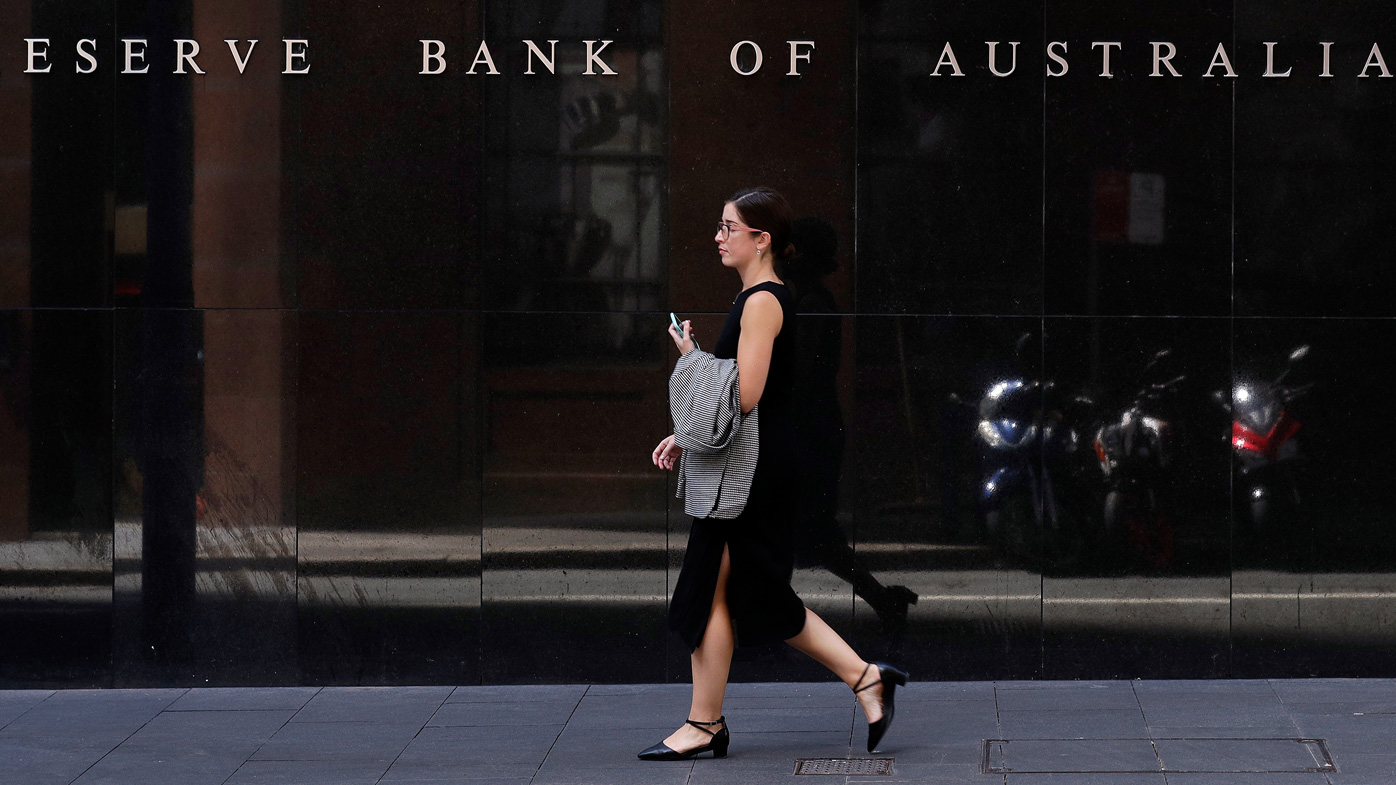
When was Australia's last recession?
Australia suffered a recession from 1990 to 1991 when GDP fell by 1.7 per cent and the unemployment rate rose to 10.8 per cent.
In 1991, interest rates were at an all-time high and so was the inflation percentage.
The impact of the recession was dire for Australians when many lost their jobs, were forced to sell homes and bankruptcies soared.
Surprisingly, Australia was one of the only major economies to come out relatively unscathed during the Global Financial Crisis from 2007 to 2008.
"The Australian economy fared much better than most because it had a sound financial system, a relatively large exposure to the buoyant Chinese economy, and strong macroeconomic stimulus to cushion it from the global downturn," the RBA said.
On a technical basis, Australia's last recession far more recent.
During the peak of the COVID-19 pandemic, the June quarter of 2020 showed a drop in GDP of 7 per cent – the second consecutive quarter to record a drop.
Given the exceptional circumstances leading to the two-quarter drop – and the relative stability of unemployment at the time – some do not regard the events of 2020 as reflective of a traditional recession.
READ MORE: Inflation in Australia rises to higher-than-expected 7.8 per cent
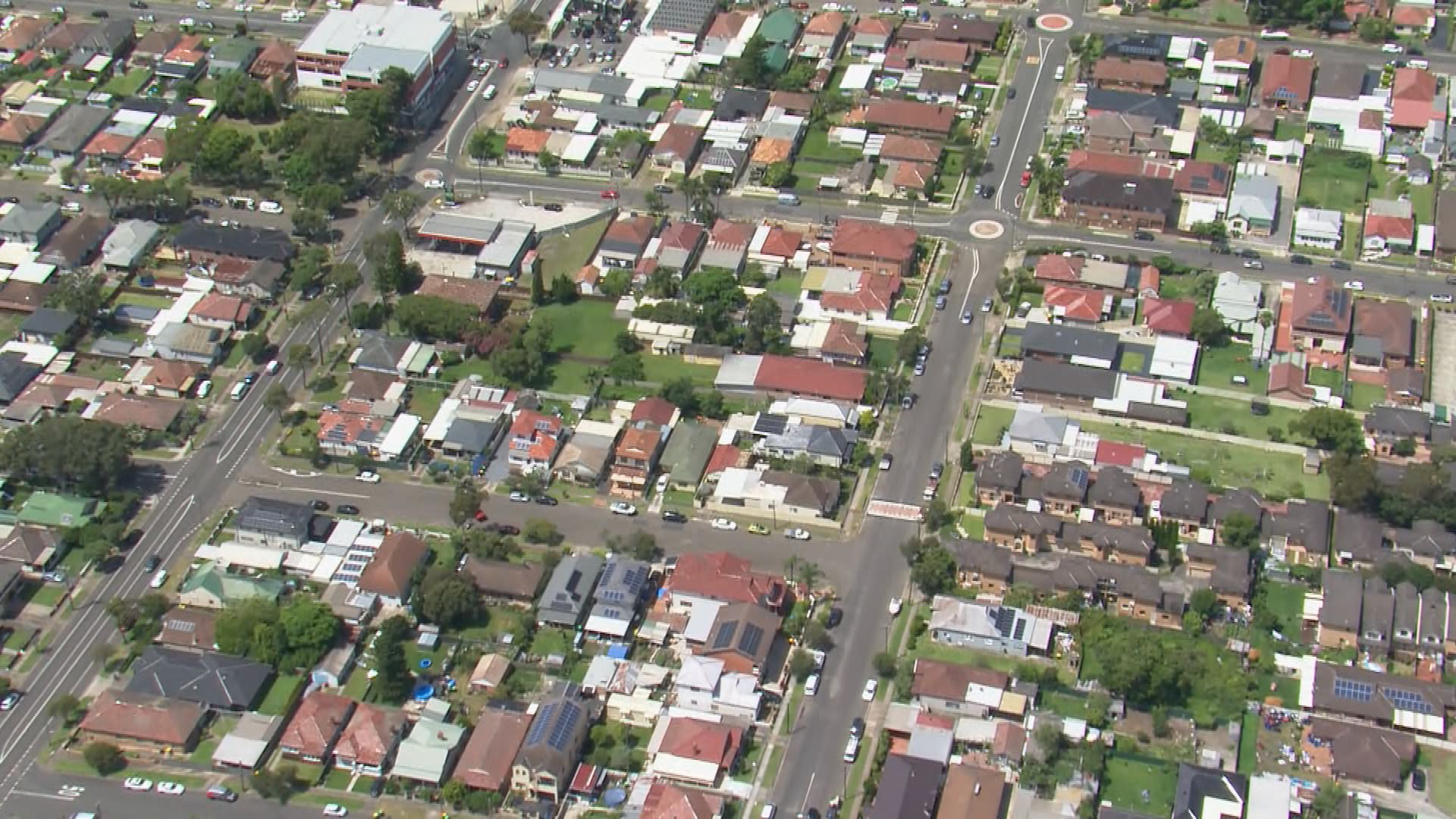
Is 2023 the year of the recession for Australia?
Although Australia has avoided the worst affects of a recession for almost 30 years, 2023 may be the year of a shallow dip into a recession according to financial experts.
With GDP on an upward trajectory, a 0.6 per cent uptick to be precise, and unemployment at an all-time low at 3.5 per cent – we're in a good economic situation.
Finance expert and professor at the University of New South Wales Mark Humphries-Jenner said there are various predictions about a recession but the good news at this point in time is Australia will likely escape – with one exception.
"We can see most people aren't predicting a massively, deep, dire or painful recession," he told 9News.com.au.
"Instead they're predicting a small dip into a recession that will ultimately be corrected."
But even with the relatively positive prediction, uncontrollable inflation and constant interest rate hikes – 2023 could be sticky.
Humphries-Jenner said Australia's abundance of natural commodities helps to support the Australian economy, therefore buffering GDP and the likelihood of a recession.
However if the RBA continues hiking interest rates to historic highs for too long, Humphries-Jenner claims we're in for a recession.
READ MORE: What is inflation? And how a record-high CPI might affect you
READ MORE: Cost of living crisis set to deepen, as Treasurer agrees inflation will rise
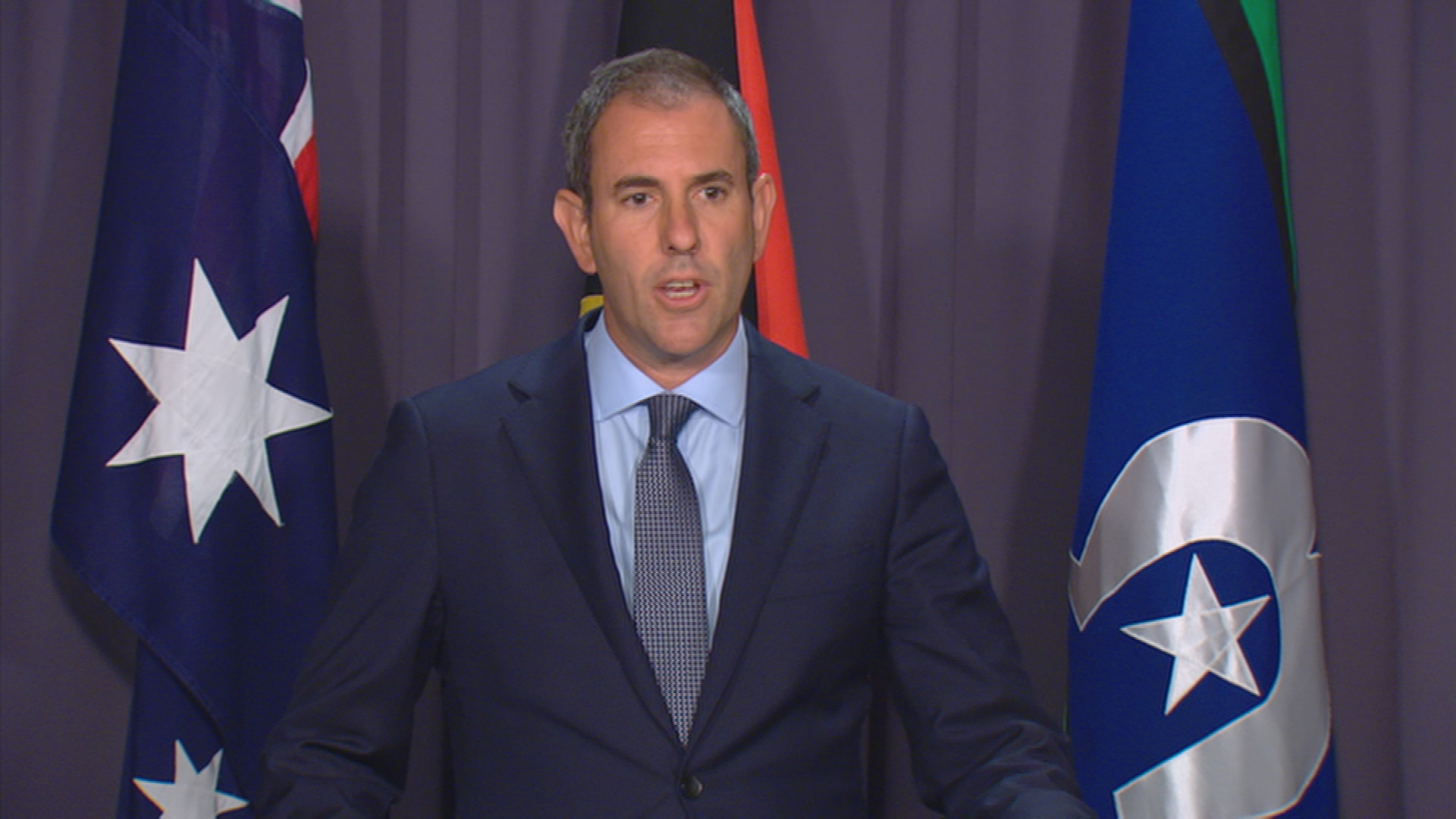
But treasurer Jim Chalmers said Australia's economy is looking positive and despite a global downturn, it will be unlikely Australia enters a recession this year.
"The report (the AAA credit rating) highlights the economy's strong fundamentals, including our historically low unemployment and the good prices we're getting for what we sell to the world," Chalmers said.
"This – along with the beginnings of wages growth after a decade of stagnant wages – are reasons to be optimistic about our economy's future despite the challenging global environment."
If you read between the lines here of the definition of a recession, Chalmer claims GDP is moving up and unemployment remains low – meaning it is likely Australia will dodge the worst of it if global economies begin to decline.
What would a recession mean for the everyday Aussie?
Short answer – it would be bad.
Humphries-Jenner warned if we enter a recession as a result of RBA keeping interest rates too high for too long we will see a rise in mortgage delinquencies and defaults.
"It will be incredibly painful and damaging," he said.
"More mortgage defaults means some people might be forced to do quasi-forced sales of houses.
"Those will be relatively less than what people think because banks want to avoid that."
Basically there will be widespread financial stress, Humphries-Jenner said.
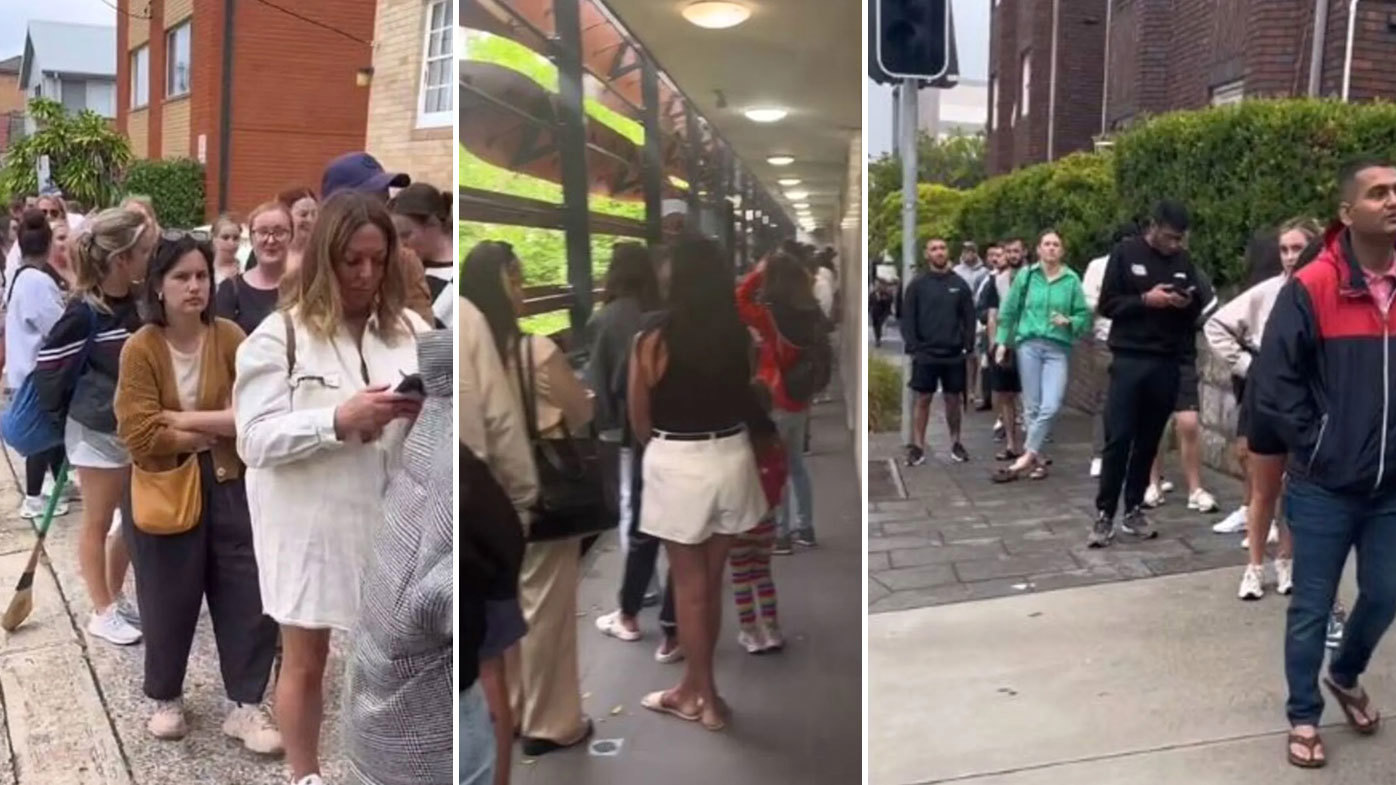
"If rates remain high, that will impact renters and housing affordability because rent will go up as people can't afford to buy a house," he said.
It will create even further demand on rental affordability, even as Australia already experiences a supply and demand crisis, causing immense housing and accommodation pressures.
The next impact would be employment, as corporations reign in expenditure and inevitably slash jobs.
Should we be preparing? If so, how?
Humphries-Jenner said Aussies should always prepare for a downturn and put some buffers in place in case of the worst-case scenario.
"If you have a lot of credit card debt and you think you might struggle with worsening job prospects, then you could go to a personal loan provider and consolidate your credit card debt into a low interest personal loan," he said.
But when considering all of these precautions, he said there are a lot of unknown factors in the coming months that may or may not lead to a recession and no rash financial decisions should be made.
Sign up here to receive our daily newsletters and breaking news alerts, sent straight to your inbox.
The information provided on this website is general in nature only and does not constitute personal financial advice. The information has been prepared without taking into account your personal objectives, financial situation or needs. Before acting on any information on this website you should consider the appropriateness of the information having regard to your objectives, financial situation and needs.