A 19-year-old woman was arrested and charged with assault in Dunedin.
Tag Archives: oceania
Energy relief in sight, despite major gas price hike
After months of skyrocketing electricity bills there may be some relief in sight – at least in the long term – with a "significant" drop in prices forecast for some Australian states.
Although from February 1 several major retailers will roll out a gas price hike of 20 per cent or more – with some providers ditching gas entirely – despite this, new analysis has shown that residents in the east could expect power bills to drop by up to half in 2023-24, according to Finder.
Treasury analysis has revealed that power prices could be slashed "significantly" – between 29 and 44 per cent depending on which state you live in – which could equate to bills lowered by up to $230.
READ MORE: Queensland mum-of-four dies while getting child ready for school
The largest fall of 44 per cent is expected in Queensland, followed by NSW at 38 per cent, while South Australians could enjoy a 32 per cent reduction, with a 29 per cent fall flagged for Victoria.
"What all of these movements in the gas and electricity markets shows is that you need to keep a close eye on your energy bills," Mariam Gabaji, utilities expert at Finder, said.
READ MORE: 'Disgraceful': 'Shonky' car park 'fines' lashed
"Compare energy plans. This is more important than ever given how quickly prices have been changing. You should do this for both your electricity and gas plans.
"If your retailer has told you your bills are going to increase, compare your options, ask them to offer you a better deal, and if they don't, just switch."
Kogan, Dodo and OVO Energy have all confirmed their services will no longer include gas.
Energy Australia said Victorian gas customers on variable market contracts will see their bills go up by roughly 26 per cent from February.
Origin Energy and AGL have also warned that their gas rates will soar by an estimated 22 per cent and 21 per cent respectively from next month.
Sign up here to receive our daily newsletters and breaking news alerts, sent straight to your inbox.
What is the 'sovereign citizen' movement?
Sovereign citizen: It's a term you've probably come across if you've seen a video of someone getting pulled over for a traffic stop and refusing to provide their details to police, claiming law enforcement has no authority over them – only to be arrested shortly after.
It's an uncentralised belief system but is generally characterised by an anti-authority idea that they are not under the jurisdiction of the government and the law does not apply to them.
The movement has received a significant influx of followers in recent years as people retaliated against lockdowns, mask mandates and vaccination requirements.
READ MORE: 'Sovereign citizen' banned from driving after police confrontation
Some may find videos of their arrests entertaining, but the beliefs can be far more dangerous than they might seem. Extremists within the movement have carried out violent crimes both in Australia and overseas.
So what exactly is a sovereign citizen? Here's what you need to know.
What do sovereign citizens believe?
Sovereign citizens – or "SovCits" – is a term for people who hold extreme anti-government views, essentially believing laws and regulations don't apply to them.
The idea is that, in the same way a country is a sovereign nation unconstrained by other nations' laws, a person is themselves a sovereign unconstrained by the laws of a government.
"It's a spectrum," David Heilpern, dean of law at Southern Cross University, told Today Extra.
READ MORE: How strong is Australia's passport, and why does it take ages to get one?
"On the one hand, there are those who want to challenge the law by raising old doctrine common law doctrines and concepts of sovereignty. That's probably a positive thing.
"At the other end, there are those who simply refuse to comply with laws that apply to you and I. They see themselves as separate and different. They say they don't consent to the jurisdiction.
"And by their own declaration, they're not bound by laws."
The exact reasoning behind this varies within the movement – no surprise given its uncentralised nature – but the idea of false governments is a common one for sovereign citizens around the globe.
One prevalent thought is Redemption Theory, which asserts the US (which is where the movement began) went bankrupt in 1933 when it abandoned the gold standard. It claims the government then began using its citizens as collateral in agreements with other nations.
READ MORE: Why the US backflipped on sending Abrams tanks to Ukraine

Redemption Theorists go on to claim each person, therefore, has a monetary value – up to millions of dollars – stored in a secret US Treasury Department account listed under someone else's name.
Some followers will also avoid entering into "contracts" with the government.
It's why many of them are pulled over for driving without a license or vehicle registration – or for just failing to produce such documents or provide their name and address when pulled over – and why you'll hear phrases like "I do not consent" during exchanges between sovereign citizens and police officers.
READ MORE: The jobs most under threat from AI, robots and big data
So are they actually exempt from taxation and able to drive without a license?
No. Just like anyone else, sovereign citizens must abide by the laws of the country they live in, including Australia.
"I was a magistrate for 22 years I saw a lot of these sovereign citizen arguments," Heilpern said.
"They hold no weight whatsoever. It's legal gobbledygook."
That means they need to have a driver's license, pay their taxes, register their vehicle, and otherwise obey the law.
In a 2021 case in Queensland, a sovereign citizen charged with two drug offences tried to argue that the charges didn't apply to him.
Sign up here to receive our daily newsletters and breaking news alerts, sent straight to your inbox.
Judge Glen Cash gave his arguments – and that of the entire movement – a scathing appraisal.
"Merely setting out the argument is sufficient to show it is nonsense," he wrote in his decision.
"It is apparent that the applicant is one of a group of people who for some years have attempted, universally without success, to avoid the operation of laws with which they do not wish to comply…
"Recognising that the arguments presented by [such] litigants are largely incoherent, if not incomprehensible, courts have been increasingly willing to dismiss their claims summarily."
So no, sovereign citizens are certainly not exempt from the law.
Where did the movement start and why can it be dangerous?
The sovereign citizen movement arose in the 1970s in America following the founding of anti-government group Posse Comitatus by William Porter Gale – a group which had "racist and antisemitic" origins, according to the Southern Poverty Law Centre, a social justice organisation in the US.
The movement rose in prominence and spread to different countries, including Australia, in the following decades, and has since received a notable boost during the pandemic.
"It's fair to say that one of the recalls of COVID was a disillusionment by a significant proportion of the public with government and with health, with law, with their connection with society," Heilpern said.
"They've gone looking elsewhere for justification for their views of 'these laws don't apply to me'."
While it's not necessarily inherently violent, extremists within the movement have committed violent crimes.
Mike Burgess, the ASIO director-general, mentioned the risk of sovereign extremists in his 2022 threat assessment speech.
READ MORE: The fractured relationship daughter had with the Queensland cop killers
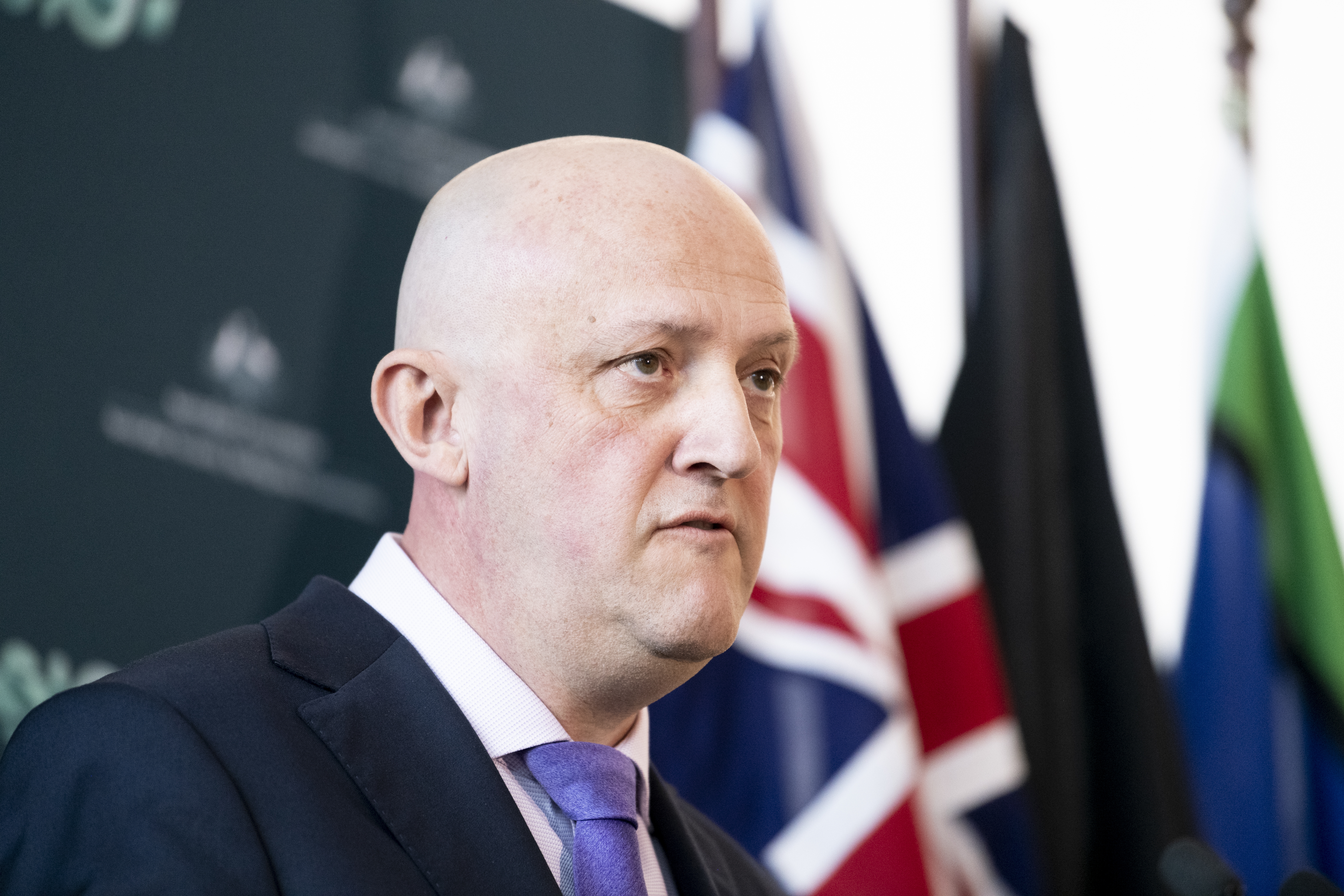
"Some of the alleged violent acts at the recent Old Parliament House protest are a case in point. The individuals involved were driven by a diverse range of grievances, including anti-vaccination agendas, conspiracy theories and anti-government sovereign citizen beliefs."
Burgess isn't the only top intelligence official to warn of the dangers of such beliefs.
Back in 2011, the FBI's Counterterrorism Analysis Section stated it "considers sovereign-citizen extremists as comprising a domestic terrorist movement", and it remains a serious issue today.
"We know there's been many cases of violence from sovereign citizens in the US including shootings of police," Roose said.
"About 15 per cent of domestic terrorism load, according to the FBI, in the US over the last five years was sovereign citizens."
https://omny.fm/shows/ben-fordham-full-show/my-sister-is-a-conspiracy-theorist/embed
Most notable in Australia was the December 2022 ambush killing of two Queensland police constables Matthew Arnold and Rachel McCrow, and neighbour Alan Dare by Gareth, Stacey and Nathaniel Train.
Gareth's internet behaviour unearthed after the shootings showed him promoting anti-government and anti-law enforcement ideologies.
"At that more extreme end, (the beliefs) can end up being pretty dangerous as we see in … the connections between those involved with the sovereign citizen or pseudo law movement and horrible incidents like we saw in Queensland involving police late last year," Heilpern said.
As well as the Trains, notable extremist sovereign citizens include Terry Nichols, who helped plan the Oklahoma City bombing, and Jerry R Kane Jr and 16-year-old Joseph T. Kane, a father-son pair who killed two police officers in a traffic stop in Arkansas in 2010.
READ MORE: What we know about executions in Iran following months of protests

For the most part, though, the movement has a legal focus, with followers using certain phrases in an attempt to demonstrate laws don't apply to them, and even conducting what's known as "paper terrorism" – filing bogus, frivolous and often excessive legal paperwork to harass and intimidate someone.
"They bombard big firms with pseudo-legal paperwork, file bogus legal claims, they talk about arresting the police or the governor general or storming parliament and taking over," Roose said.
"So there's different dimensions. It is a significant concern, as we've seen most recently up in Queensland."
Guide Dogs Australia shares pictures of first litter of 2023
A labrador has given birth to the first litter of puppies for Guide Dogs Australia this year, with the organisation releasing photos of the sleepy animals.
Febe gave birth to six healthy pups over New Year's Eve and New Year's Day – two boys and four girls, three of whom are yellow and three black. But naming the puppies proved to be a difficult task.
Each guide dog litter has all its puppy's names begin with the same letter, with the team running through the alphabet as each new litter arrives.
READ MORE: Boy remains critical after being struck by lightning at beach


Febe's puppies were due to start with X, as per the naming system, but no guide dogs can have the same name and Xanthe and Xia had already been taken.
Instead, staff named the puppies Beau, Rocket, Soda, Honey, Joyce and Jina.
READ MORE: Access to Japanese encephalitis vaccine expanded as mosquito season nears peak

Guide dogs whelping adviser Leah Willet said the mother and pups had a strong bond.
"Febe is an absolute natural at looking after them, they are currently four weeks old, and starting to explore the sights, sounds and smells of the world around them," Willet said.
The pups will spend two months with their mum before they begin their two-year journey of becoming guide dogs.
Sign up here to receive our daily newsletters and breaking news alerts, sent straight to your inbox.
Damp sheets, broken beds and poo in the corner – yours for $550 a night
A New Zealand dad and his three daughters were looking forward to attending a big concert – until they checked into their $NZD600-a-night ($AUD 550) accommodation.
What they found horrified the Invercargill family: damp sheets, pubic hair in a ball pressed into a wall, broken beds, a bathroom heater hanging by a wire and then the final insult: poo in the corner.
Abbie Low, 21, said her dad and her two teenage sisters, 18 and 15, were looking forward to attending the Red Hot Chili Peppers concert in Dunedin on Thursday night.
READ MORE: Consumer watchdog cracks down on dishonest influencers
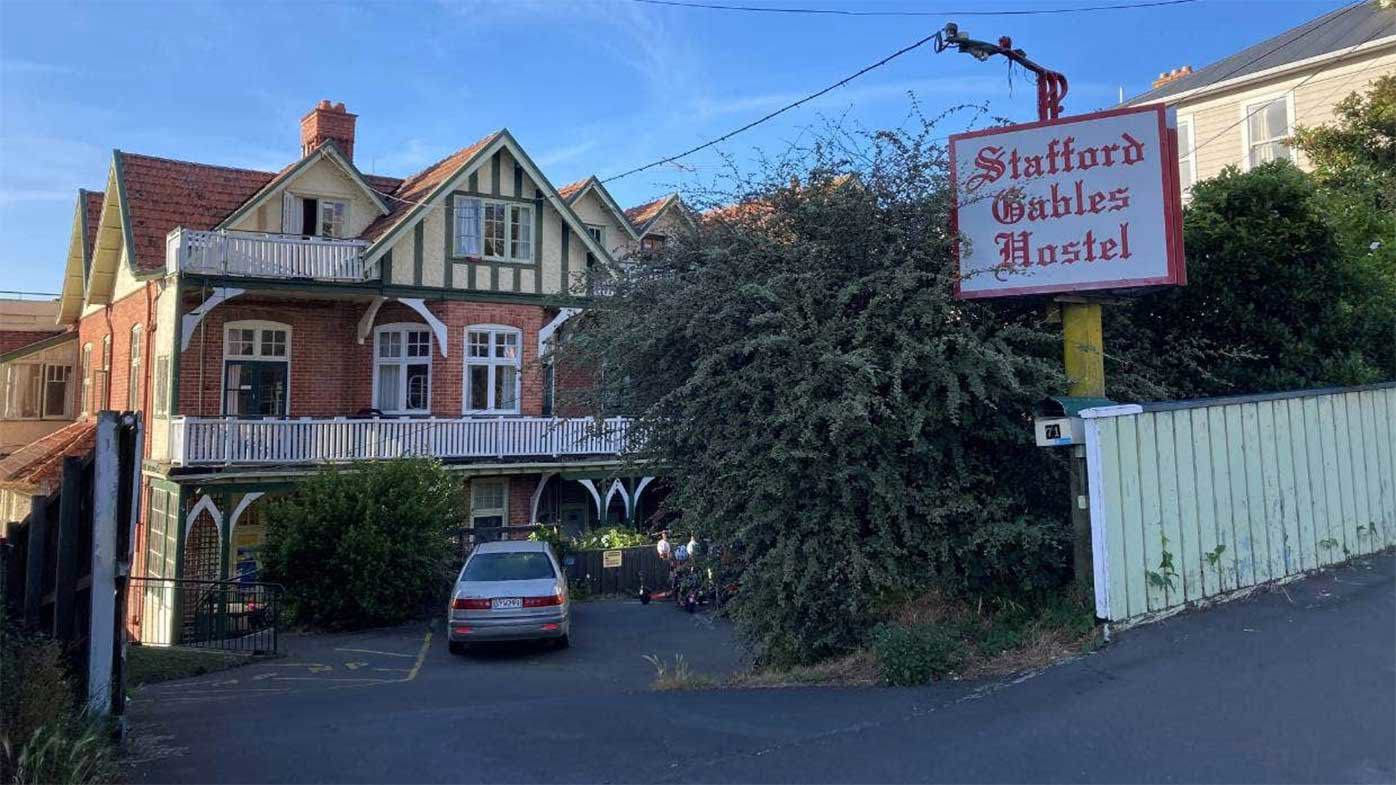
While they booked their concert tickets early in a pre-sale, they were late booking accommodation, and were dismayed to find few options left.
On Agoda, an accommodation booking site, they found a room at Stafford Gables in the central city that could accommodate them all for $NZD600 ($AUD 550) a night.
"This was the only place we could get."
Low said it was on the three-hour trip to Dunedin when she read a Stuff story about Stafford Gables rooms being listed on some booking sites for up to $NZD1000 ($AUD900) a night.
"We were saying 'we are staying at a dump, but we will be fine'."
However, when they checked in they were shocked at the state of the backpackers. "It was very messy."
READ MORE: Coles vs Woolies: Some items drop in price amidst inflation crisis
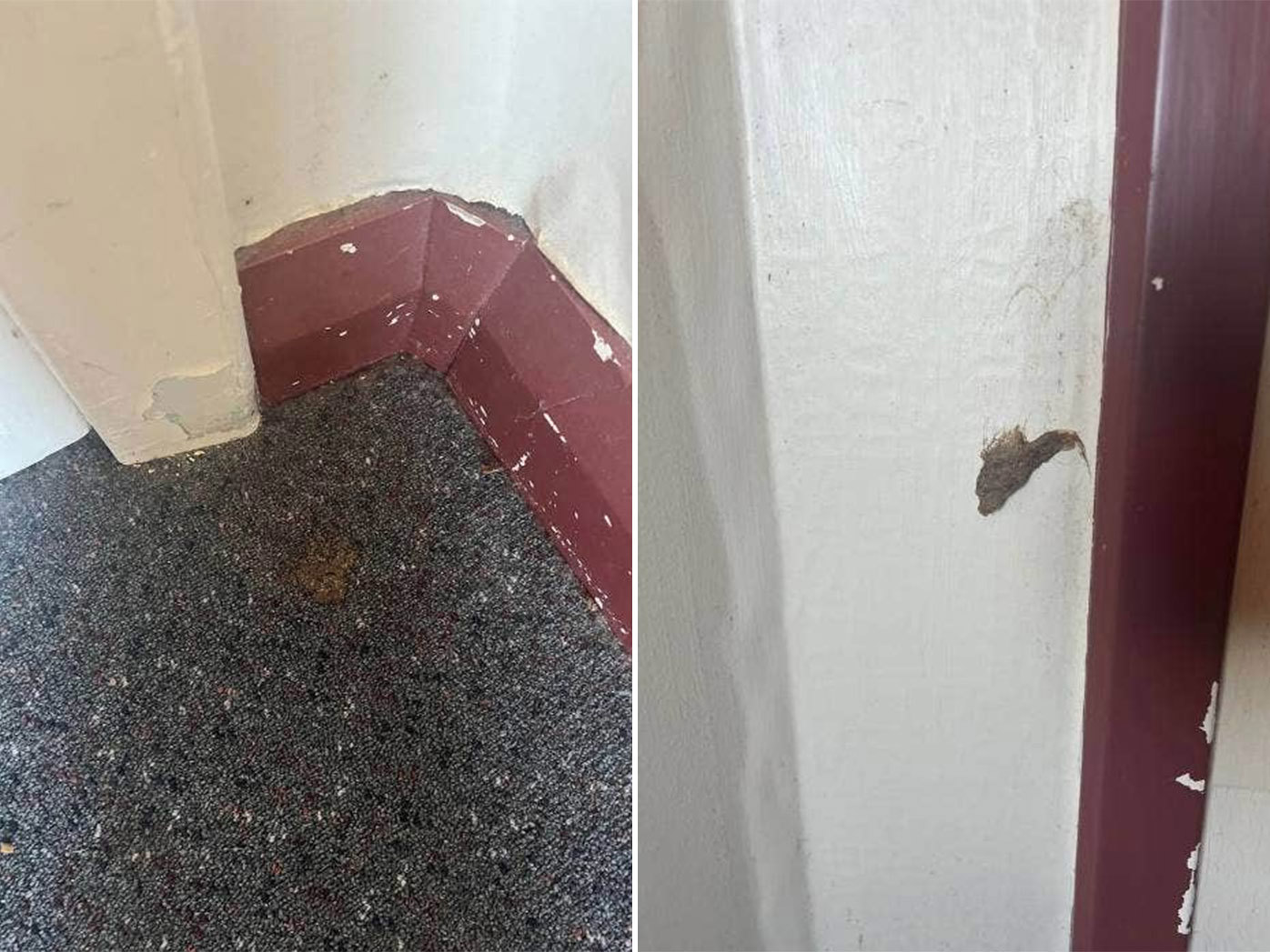
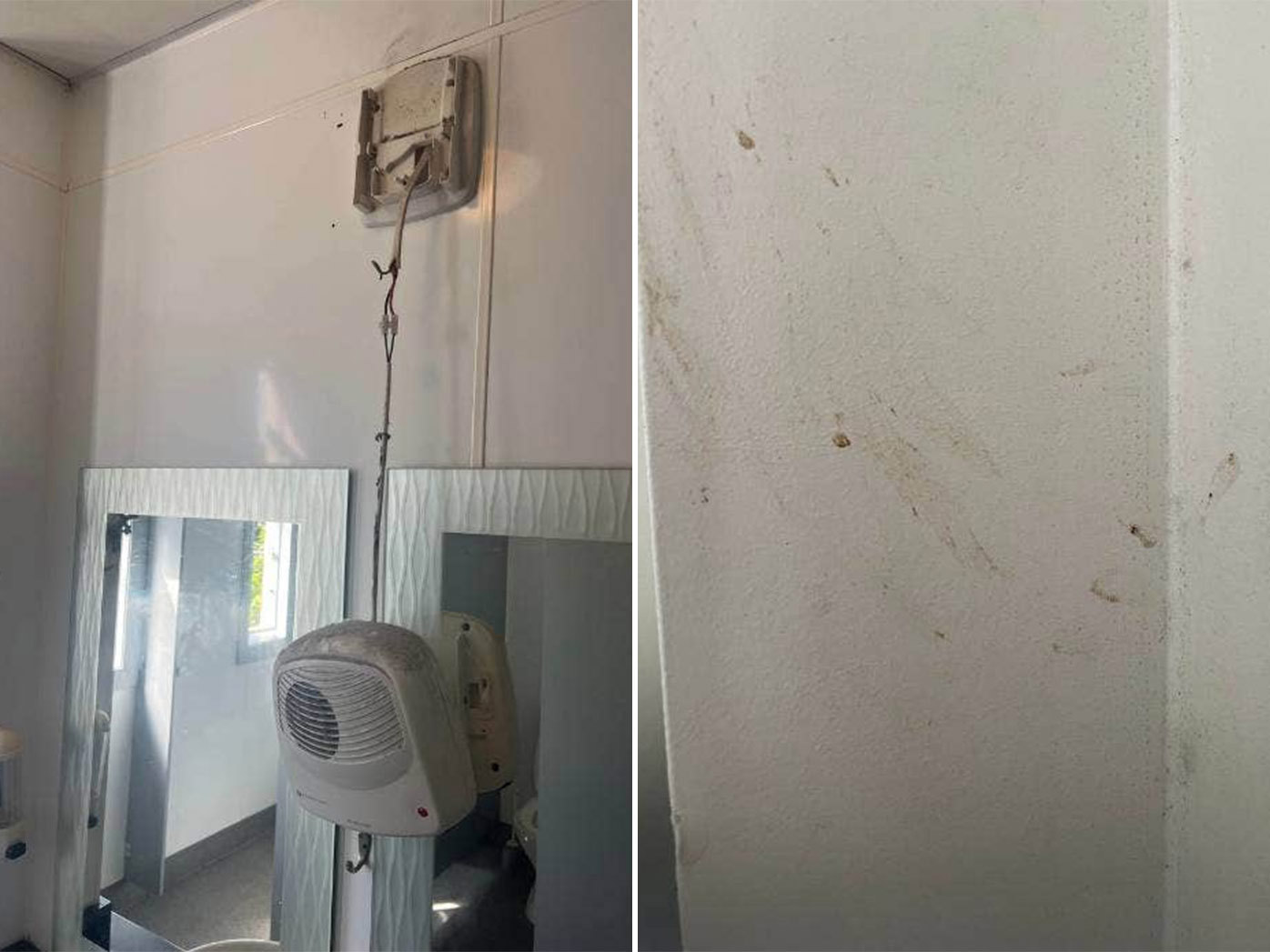
A man in reception showed them to their room, which had a shared bathroom with no toilet paper and a heater hanging off the wall by an electrical wire.
The room also had damp sheets, a ball of hair stuck on the wall, broken beds, and dirty floors and walls, but the poo in the corner was the final straw.
"It was just disgusting," Low said.
"I was expecting bad, but not expecting that kind of bad."
Her dad, who had driven to Dunedin after a night shift, said they should leave and just drive home after the concert.
Low "stormed on down" to reception, and "got my Karen voice on".
"I didn't want to be a Karen, but I was."
READ MORE: Your landlord has just slugged you with a huge rent increase – what can you do now?
She waited 10 minutes to talk to a staff member, who declined to give them a refund as they had booked through a third party website and instead offered them another room.
Stafford Gables, which does not have its own website, previously told Stuff that people should book through Agoda. The booking website described the backpackers as a "3-star property … packed with in-house facilities to improve the quality and joy of your stay".
The family loved the concert, and it was about midnight by the time they began the three-hour journey home to Invercargill.
"It seems a lot of people didn't have accommodation as there was a lot of people leaving Dunedin," Low said.
"Spending $600 for a shitty room that is not even clean, is just not worth it, and I'd rather sleep on the street."
READ MORE: Australia's public holidays for 2023 and 2024 – Make the most of your annual leave
After repeated calls to Stafford Gables to make a complaint, she received a call back, she said.
"The woman on the other end of the phone said 'the connection is so bad I can't hear you'."
On Friday morning, the same staff member told Stuff the family had been offered another room.
She said staff "may have missed a spot" when they did the cleaning, but denied a poo was left in the corner or that beds were broken.
The woman, who did not give her name, said the accommodation was acceptable, even at $NZD600 ($AUD550) a night.
READ MORE: Flea from the Red Hot Chili Peppers auctions his Aussie holiday home

"In terms of the price, every other accommodation has raised their price when town is booked up.
"The price fluctuates because of the market."
The woman said they had a contract with a booking website, but she couldn't control what they listed the property for.
On Thursday, Stuff reported that while third-party booking sites made it look like the city was full, that wasn't the case, according to Dunedin i-Site visitor centre manager Louise van de Vlierd.
There was some accommodation, including rooms from one of the city's largest hotels made available on the morning of the concert.
This story has been repoduced with permission from Stuff.co.nz.
Heartbreaking tributes for Queensland mum-of-four
A Queensland mother of four who was the "heart of the family" has died suddenly while getting her children ready for school.
Lauren Watts, 40, died suddenly on January 24 while getting one of her four children ready for their first day of school.
Her husband Drew Duncan wrote an emotional tribute to his wife, his "partner in life" and in crime.
READ MORE: 'Disgraceful': 'Shonky' car park 'fines' lashed
"You were the heart of our family and kept it beating with your love," he said.
"Unfortunately, I think you must have used up all of your own beats on everyone else."
He said Watts was an amazing mum to their four children.
The family hasn't confirmed what the 40-year-old's sudden cause of death was, only that it was sudden.
Duncan said Watts always put everyone before herself and worked incredibly hard to support her family, career and their "life together".
"We had more challenges than most, and met them head on together," he said.
"Love you, Baby. For ever and ever."
READ MORE: Missing Gold Coast woman found dead in car
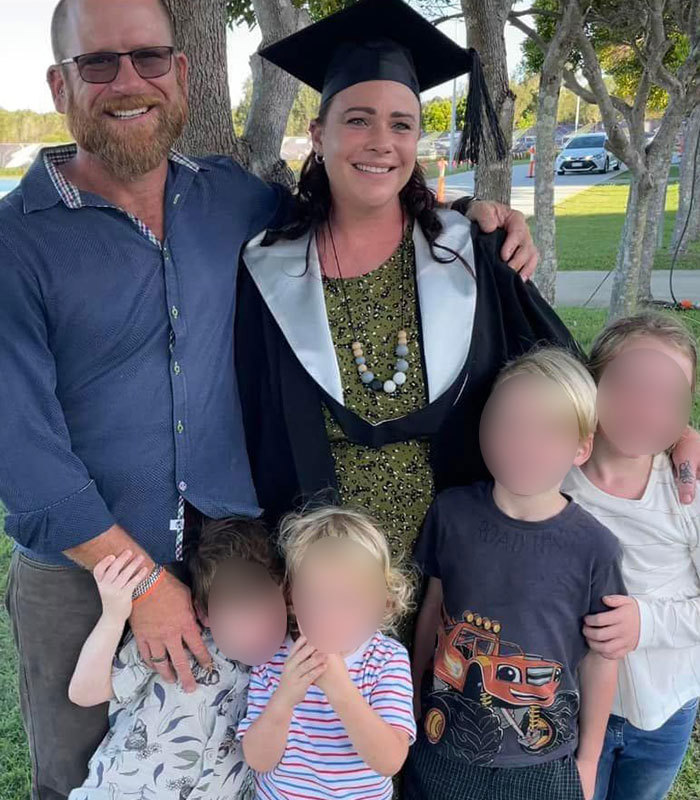
Not only have touching tributes been posted by the family but friends have also mourned the sudden loss of the "caring" mum.
"Lauren was full of life and love," friend Jacq Lawson said.
"Even through the difficulties life threw at her, she never stopped smiling and laughing.
"Her caring spirit was felt by all who knew her.
"The world is a little less sunny without your light here."
Other friends said they keep expecting Watts to just walk through the door.
A family friend has set up an online fundraising site for funeral costs and to support Duncan and the four kids.
Sign up here to receive our daily newsletters and breaking news alerts, sent straight to your inbox.
New Aussie airline Bonza starts selling tickets
Independent budget airline Bonza has started selling tickets for its maiden flights from the Sunshine Coast in Queensland next week.
The low-cost carrier will launch its inaugural flight, to Proserpine, north Queensland, next Tuesday.
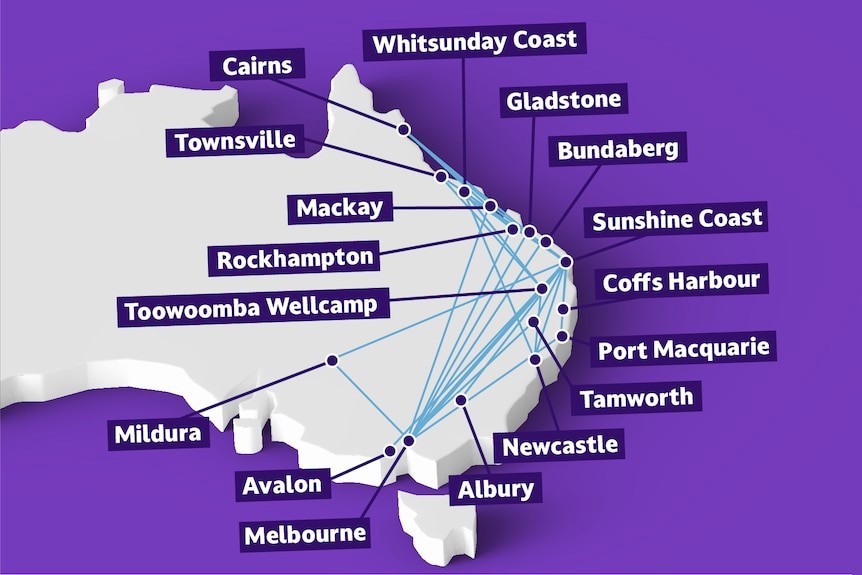
As part of its regular scheduled routes Bonza will fly to destinations in Queensland, New South Wales and Victoria. It has bases on the Sunshine Coast and Melbourne.
READ MORE: Here's why cheaper airfares could at last be on the horizon

From today, travellers can book flights to 12 destinations on 15 routes.
Flights to Coffs Harbour, Port Macquarie and Rockhampton begin at $49 and flights to Cairns and Mildura start from $79.
Other Queensland destinations include Rockhampton, Toowoomba, the Whitsunday Coast, Mackay, Gladstone and Bundaberg.
And interstate destinations include Newcastle, Albury, Mildura, Avalon, Melbourne, Coffs Harbour, Port Macquarie and Tamworth.
Low prices would be a continuing feature of Bonza's business model, said the airline's chief commercial officer, Carly Povey.
READ MORE: Boeing pleads not guilty in case over deadly Max crashes
"It's important that Aussie travellers know we're on sale, not having a sale.
"We're committed to low cost fares which will in turn, stimulate new markets for Australia's domestic tourism industry. We're confident whenever customers choose to travel, all our fares and not just our starting fares will represent great value."
Bonza said flights from its second base at Melbourne Airport will go on sale "in a matter of weeks".
Sign up here to receive our daily newsletters and breaking news alerts, sent straight to your inbox.
PM renews push for referendum on Voice amid 'overwhelming' support
New data suggests the overwhelming majority of Australian First Nations people support an Indigenous Voice to Parliament, as prime minister Anthony Albanese pushes the referendum after protests.
The study, conducted this week by global market research firm IPSOS, revealed that 80 per cent of Aboriginal and Torres Strait Islander people support the Voice, with three quarters of respondents "very sure" about their decision.
Eight in 10 out of those surveyed said they would vote yes in a referendum, while one in 10 remained undecided with the remaining respondents said they were opposed.
READ MORE: Why this Australia Day could mark the start of a pathway to change
"It's clear. Overwhelmingly, First Nations People support a Voice – a chance to have a say in the policies and laws that impact us," Alyawarre woman and Uluru Dialogue Co-Chair Pat Anderson AO said.
"Too often grass roots First Nations voices are drowned out by one or two outspoken people, Indigenous and non-Indigenous, who claim to speak for us.
"This is exactly why we need a Voice. To make sure the voices of First Nations People in our communities are heard.
READ MORE: Australia's public holidays for 2023 and 2024 – Make the most of your annual leave
"As we move towards referendum, we encourage all Australians not to be swayed by the noisy few but to be reassured that when they place their vote for yes, they walk alongside most First Nations People who want a better future for our country."
The study surveyed Indigenous Australians from all over the country between January 20 to 24 of this year.
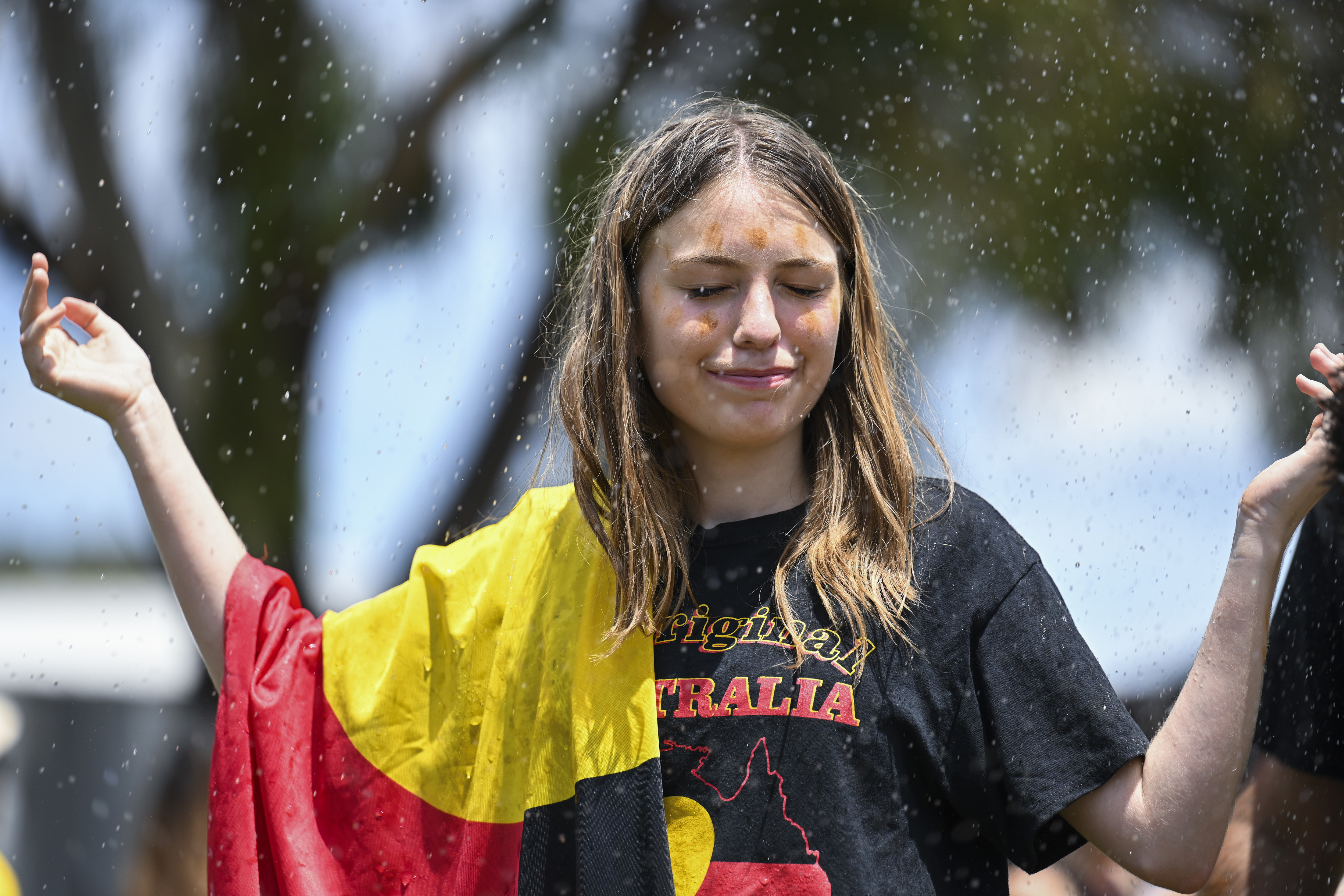
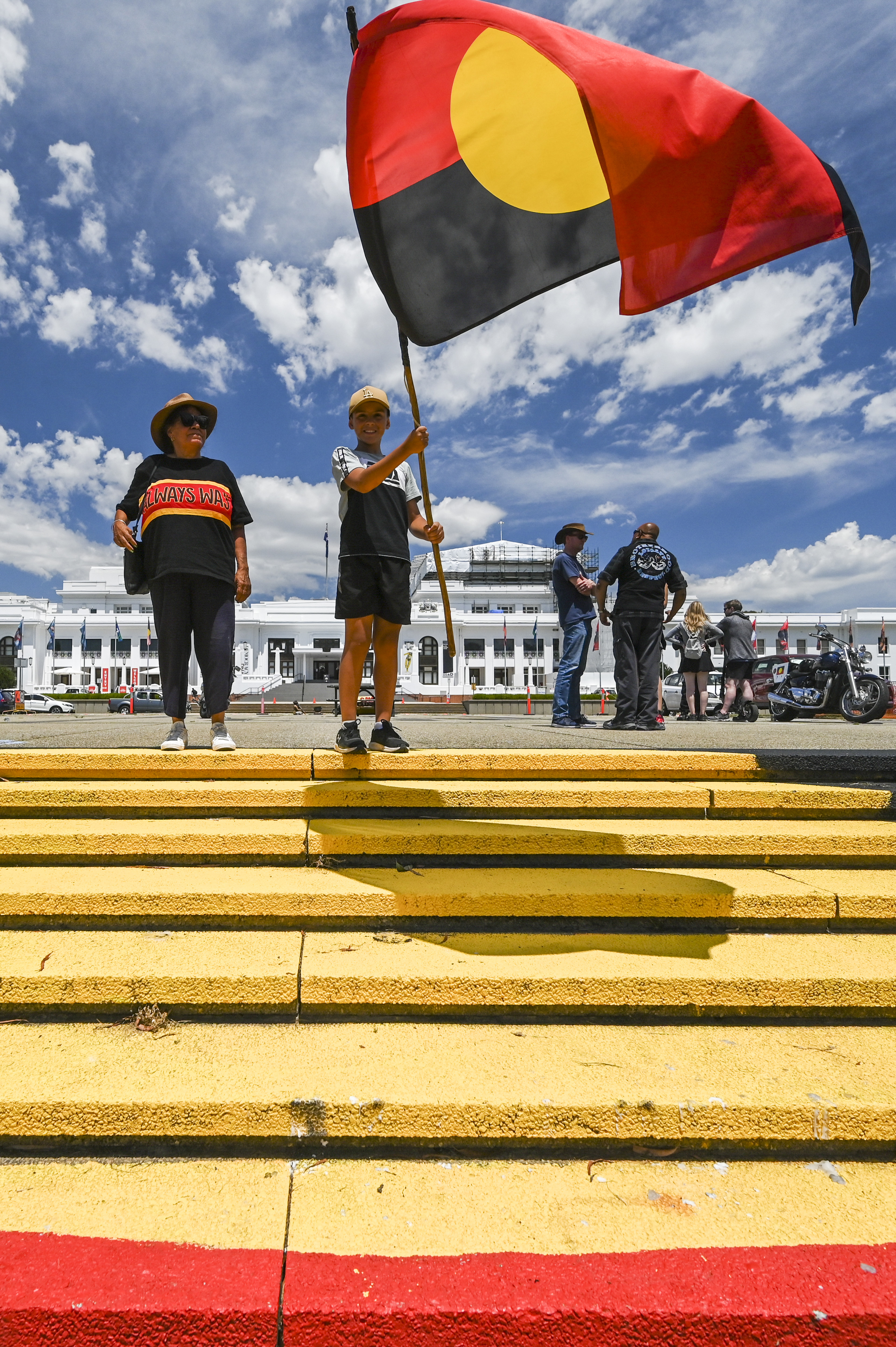
It comes after some vocal protesters yesterday pushed for something more than an "advisory body" and encouraged a no vote, during change the date rallies on Australia Day.
"Indigenous people after hundreds of consultations came together and said they wanted voice as the first thing," Albanese said.
Championed by the Albanese government as a key issue in last year's federal election, the Voice is a body enshrined in the Constitution that would enable Aboriginal and Torres Strait Islander people the opportunity to provide advice to Parliament on policies that impact their lives.

"What people will vote for if they decide to support it is they will vote for recognition of Indigenous Australians in our constitution and they will vote for consultation with indigenous people on matters that affect them."
He said hundreds of Aboriginal and Torres Strait Islander people had been consulted since 2012.
"It is not a radical proposition so I am not surprised some radicals are opposed to it because this is a mainstream proposition."
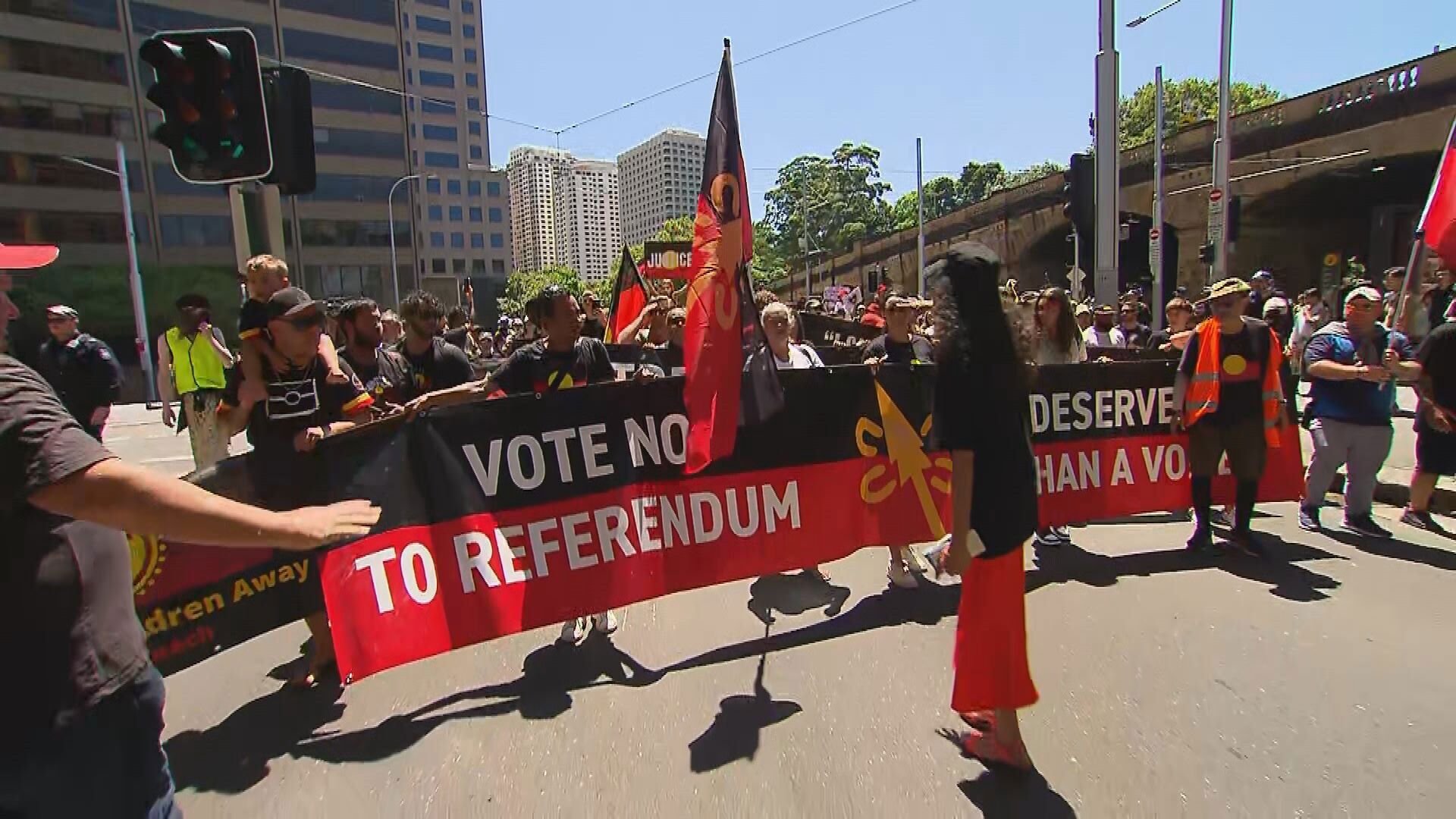
The Voice has gained steady momentum in recent years and will be the focus of the first referendum held in the country in some 20 years.
Senators Jacinta Price and Lidia Thorpe have both expressed ambivalence or opposition around the proposal.
"We are sovereign and this is our land, and we deserve better than an advisory body," Thorpe said.
Sign up here to receive our daily newsletters and breaking news alerts, sent straight to your inbox.
Sydney fisherman narrowly avoids being impaled by marlin
A teen fisherman is lucky not to have been impaled by the bill of a marlin after shock close encounter off the coast of Sydney.
Cooper "Coops" McGlashan, son of well-known angler Al McGlashan, was three miles off the heads of Sydney Harbour when he and his father hooked up to a juvenile black marlin.
Young McGlashan, just 16, had reeled the fish to the boat and was attempting to grab the leader line when the fish jumped and narrowly missed striking him with its bill.
READ MORE: Boy, 12, reels in great white shark off Florida
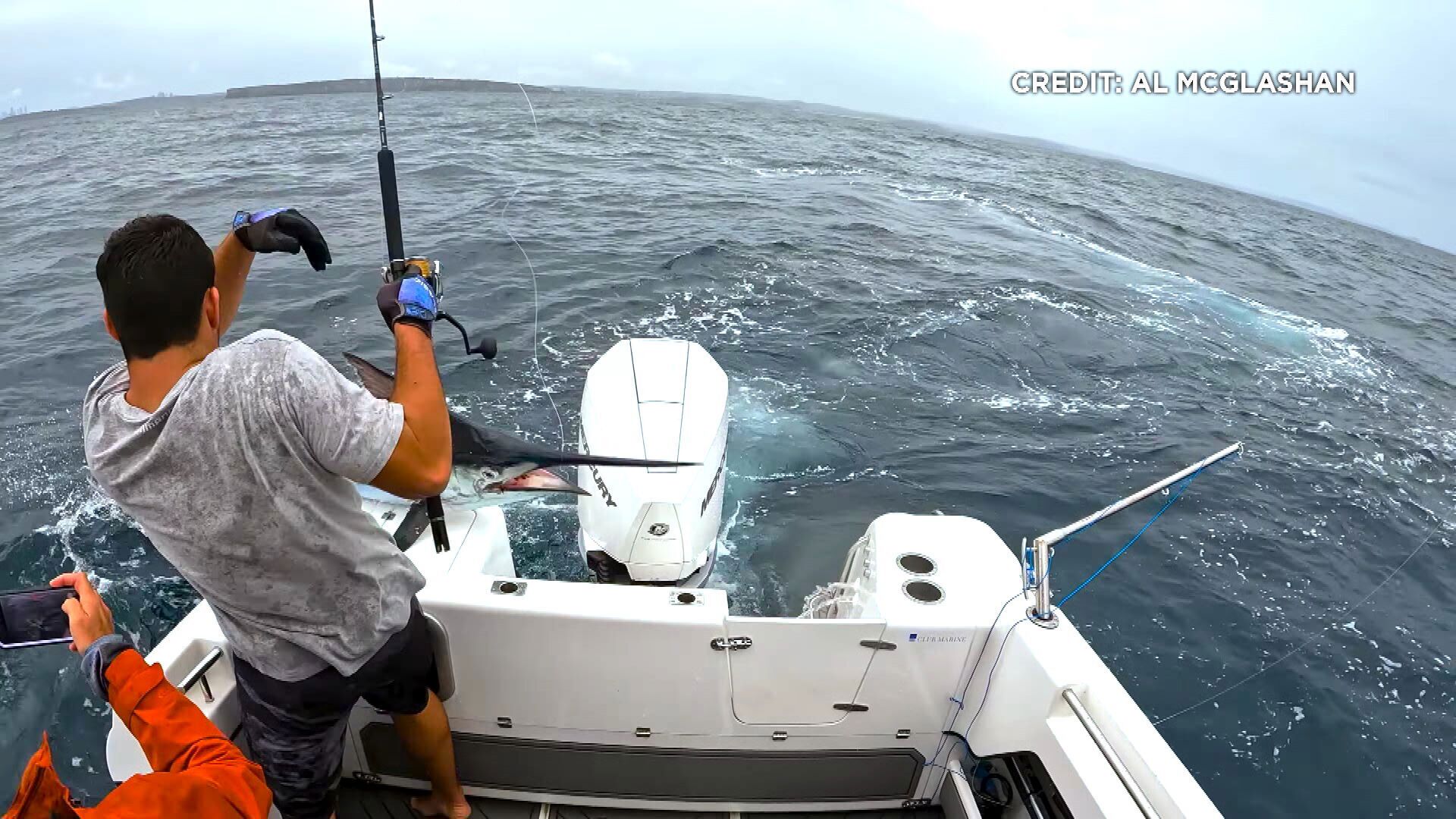
"I have grabbed the leader, but the fish has decided he wants to be in the boat and has come straight for me," Cooper told Today.
Thankfully the marlin did not hit anyone on the boat – including the pair's dog Bingo – and was safely released.
Late summer into autumn is the ideal time for anglers off Sydney to catch marlin, as warm currents of water push baitfish down Australia's eastern seaboard.
READ MORE: Victorian teen fights mako shark for two hours before wild catch
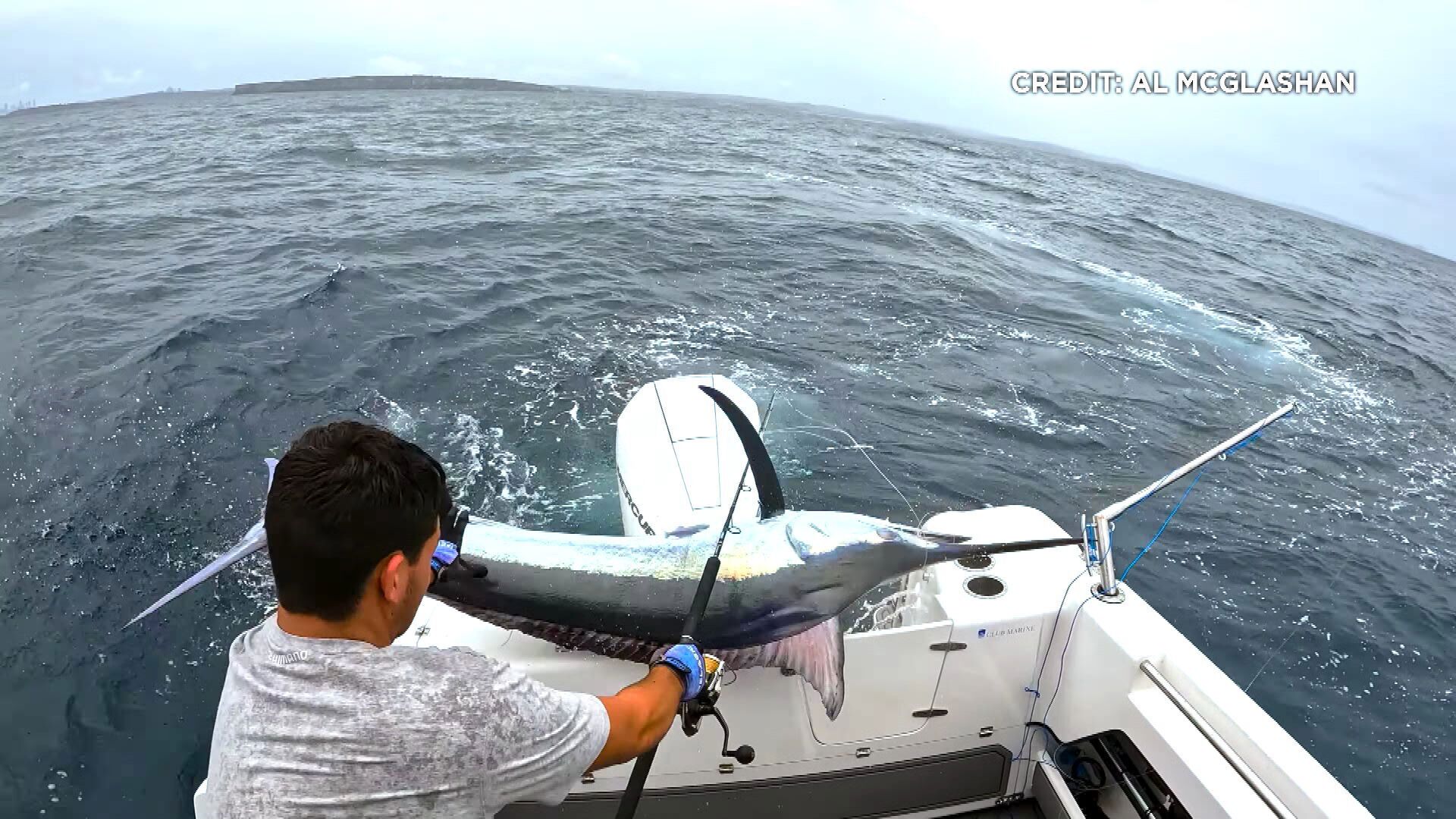
Black marlin can grow to impressive lengths of up to five metres and can weigh over 700 kg, with anglers likely to hook fish of any size from juveniles to mature adults.
Despite popular opinion a marlin's bill is not commonly used to "spear" prey, but as a slashing device to disorientate and injure baitfish when passing though a bait ball.
Reported injuries from marlin are uncommon and likely the result of anglers handling hooked fish in the confined space of a boat.
Sign up here to receive our daily newsletters and breaking news alerts, sent straight to your inbox.
Asteroid size of delivery truck coming exceedingly close to Earth
An asteroid the size of a delivery truck will whip past Earth on Friday morning in one of the closest such encounters ever recorded.
NASA insists it will be a near miss with no chance of the asteroid hitting Earth.
NASA said this newly discovered asteroid will zoom 2200 miles (3600 kilometres) above the southern tip of South America – that's 10 times closer than the bevy of communication satellites circling overhead.
READ MORE: Hundreds to strike at Sydney prison over safety concerns
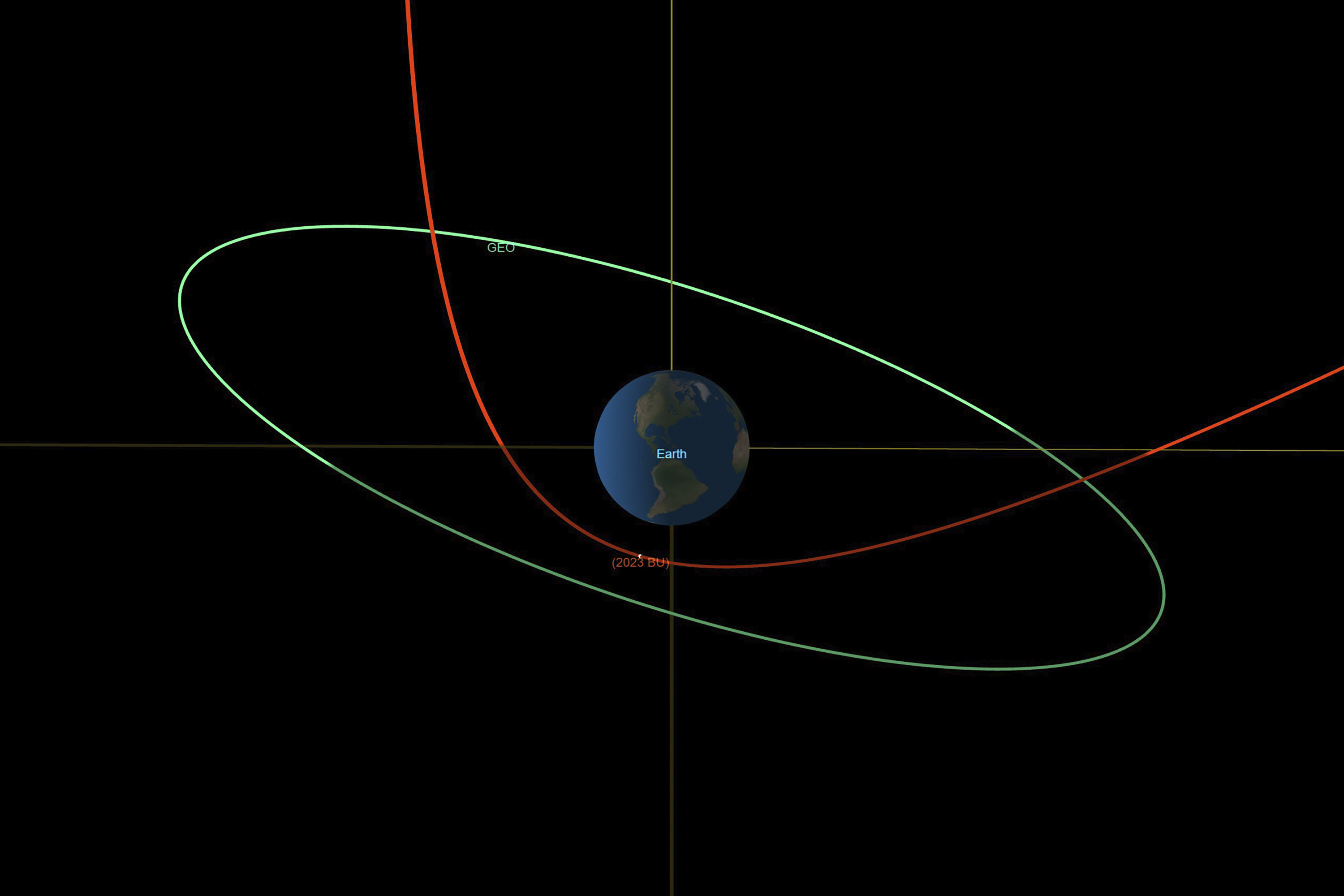
The closest approach will occur at 7.27 pm EST – or around 11.27am on Friday morning AEDT.
Even if the space rock came a lot closer, scientists said most of it would burn up in the atmosphere, with some of the bigger pieces possibly falling as meteorites.
NASA's impact hazard assessment system, called Scout, quickly ruled out a strike, said its developer, Davide Farnocchia, an engineer at the agency's Jet Propulsion Laboratory in Pasadena, California.
"But despite the very few observations, it was nonetheless able to predict that the asteroid would make an extraordinarily close approach with Earth," Farnocchia said in a statement.
"In fact, this is one of the closest approaches by a known near-Earth object ever recorded."
READ MORE: Andrew Tate appears for day two of forensic device searches

Discovered Saturday, the asteroid known as 2023 BU is believed to be between 11 feet (3.5 metres) and 28 feet (8.5 metres) feet across.
It was first spotted by the same amateur astronomer in Crimea, Gennady Borisov, who discovered an interstellar comet in 2019. Within a few days, dozens of observations were made by astronomers around the world, allowing them to refine the asteroid's orbit.
The asteroid's path drastically will be altered by Earth's gravity once it zips by. Instead of circling the sun every 359 days, it will move into an oval orbit lasting 425 days, according to NASA.
READ MORE: How to see comet that last passed Earth in the Stone Age
Sign up here to receive our daily newsletters and breaking news alerts, sent straight to your inbox.