Tag Archives: oceania

Man rushed to hospital after 'targeted' shooting at 'busy' Melbourne location

An investigation has been launched after a man was shot in a targeted shootingat a "busy" location in Melbourne's west on Friday night.

Police said the victim was sitting in a vehicle on Mt Derrimut Road in Deer Park about 9pm when the shooting occurred.

The man was shot several times and was taken to hospital with non-life-threatening injuries.

READ MORE: Hollywood blockbuster shuts Sydney Harbour Bridge

Investigators believe the shooting was a targeted attack.

"The location of the attack is known to be busy, with multiple vehicles thought to have been nearby," police said in a statement confirming Armed Crime Squad detectives are now investigating.

Anyone who witnessed the incident or has CCTV/dash cam footage of the attack are encouraged to come forward.

Gold Coast helicopter crash victim suffers 'major setback'

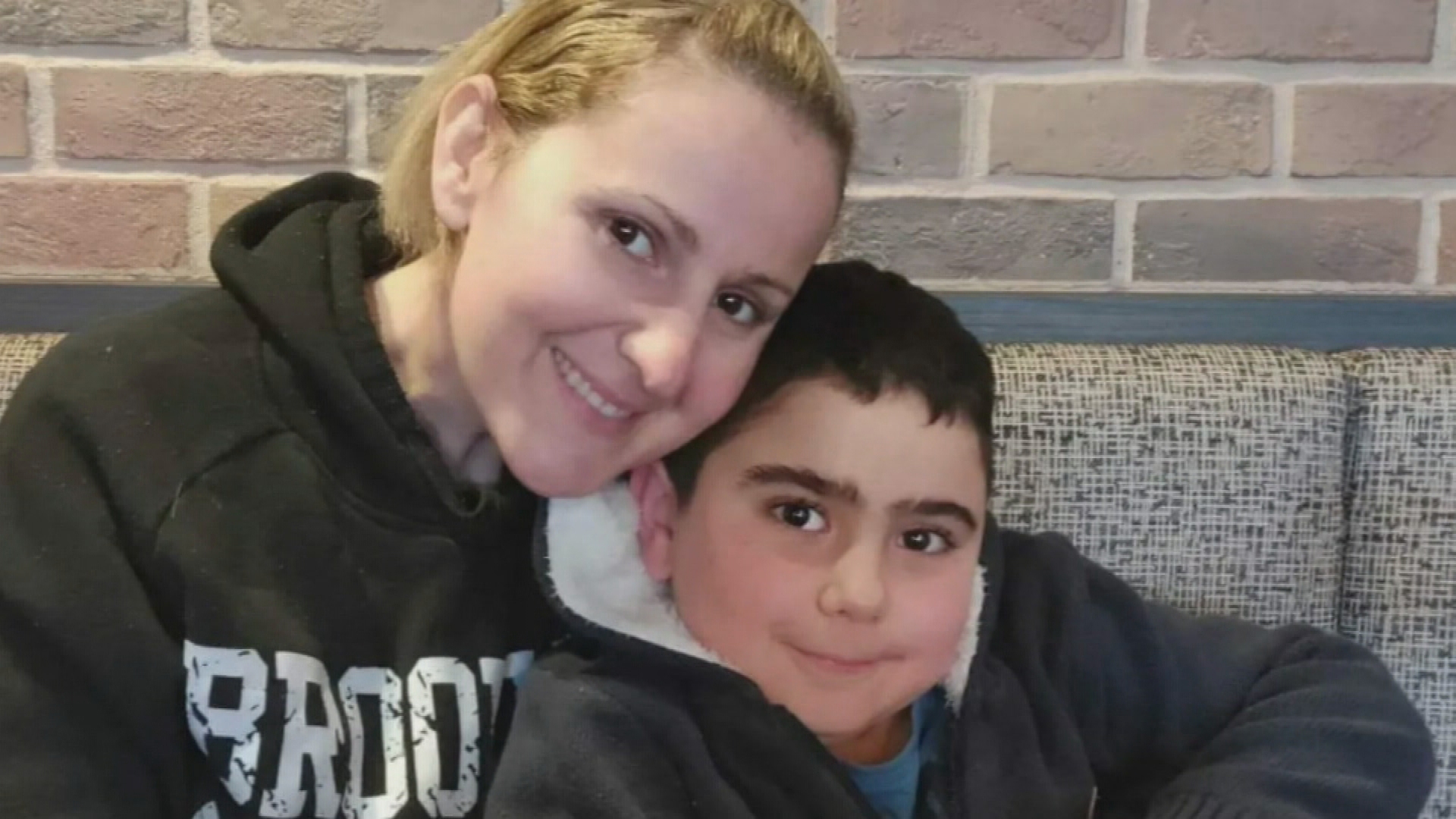
The 10-year-old Sydney boy seriously injured in the Sea World helicopter crash has suffered a "major setback" to his recovery.

Nicholas Tadros, who was taken off life-support a week ago, may now need to have his right foot amputated, after an operation scheduled for yesterday, could not go ahead.

Family friend Charlie Bakhos shared an update on Facebook yesterday, saying it was a "major blow".

READ MORE: Hollywood blockbuster shuts Sydney Harbour Bridge

Sign up here to receive our daily newsletters and breaking news alerts, sent straight to your inbox.

"Nicholas' operation couldn't be completed today and have comeback with some sad news," Bakhos said via Facebook.

"Nicholas may need to have his right foot amputated.

'He will need all your prayers over the next couple weeks before surgeons try again."

READ MORE: The tiny Australian island where snakes evolved huge jaws

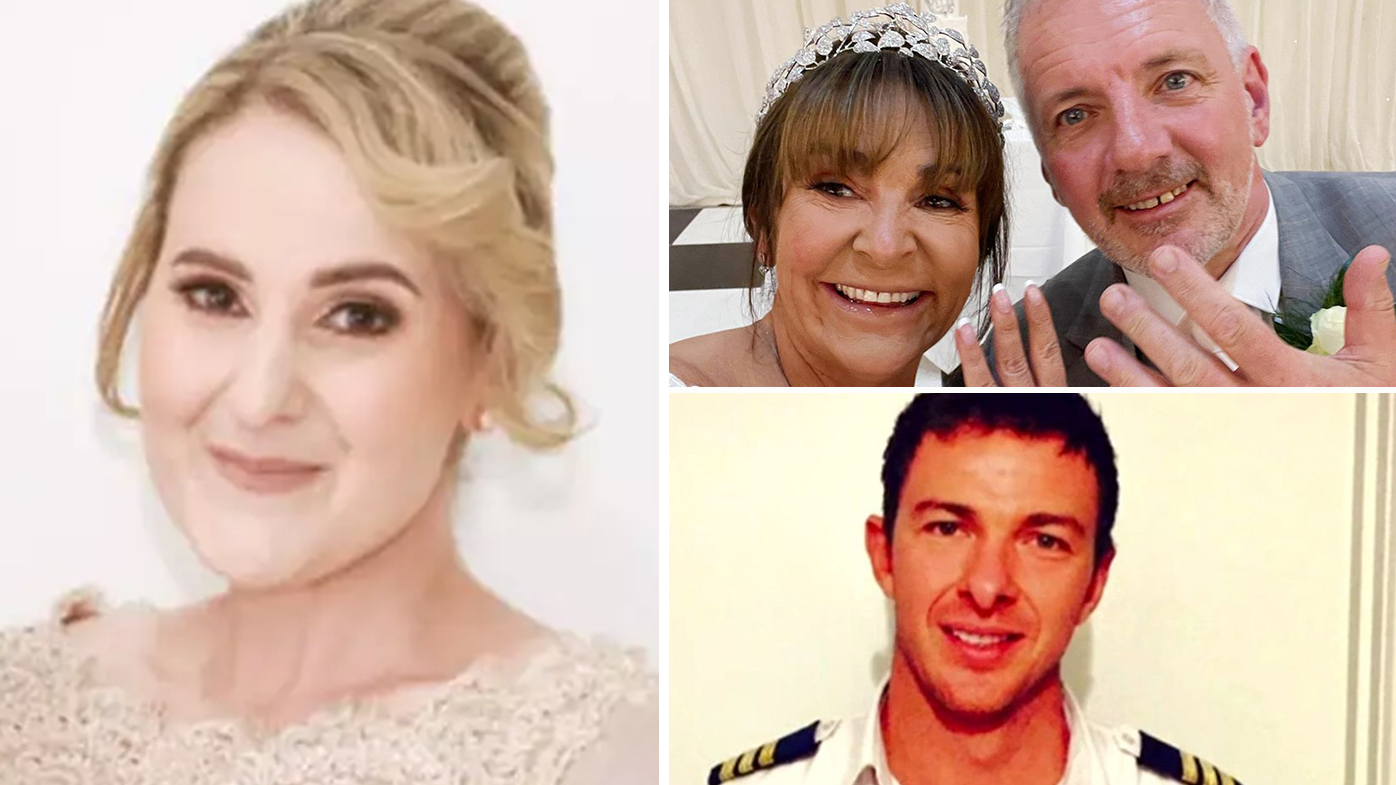
The boy's mother, Sydney woman Vanessa Tadros died in the crash on January 2 along with British nationals Ron and Diane Hughes, 65 and 57, who only recently wed.

The helicopter's pilot Ash Jenkinson, 40, who'd been working at Sea World since 2019 and mentored friends in the aviation industry, also perished in the crash.

Family and friends attended the funeral for Nicholas' mother on Monday held at Saint John the Beloved in Mount Druitt.

READ MORE: Future for Mafia after 'earthquake' arrest

"We really need to continue praying for Simon Tadros as well to get him through this tough time as he will have to face Nicholas in the coming days to let him know his mum been taken to heaven and also let him know that he may be losing a foot," Bakhos said.

"This will be a major blow to Nicholas' mental state of mind."

Fugitive's arrest like a 'quake,' but Mafia very resilient

Matteo Messina Denaro's long record as a killer — turncoat mobsters said he'd boast of enough murders to fill a cemetery — greatly burnished his credentials among his peers as a major boss in the Sicilian Mafia.

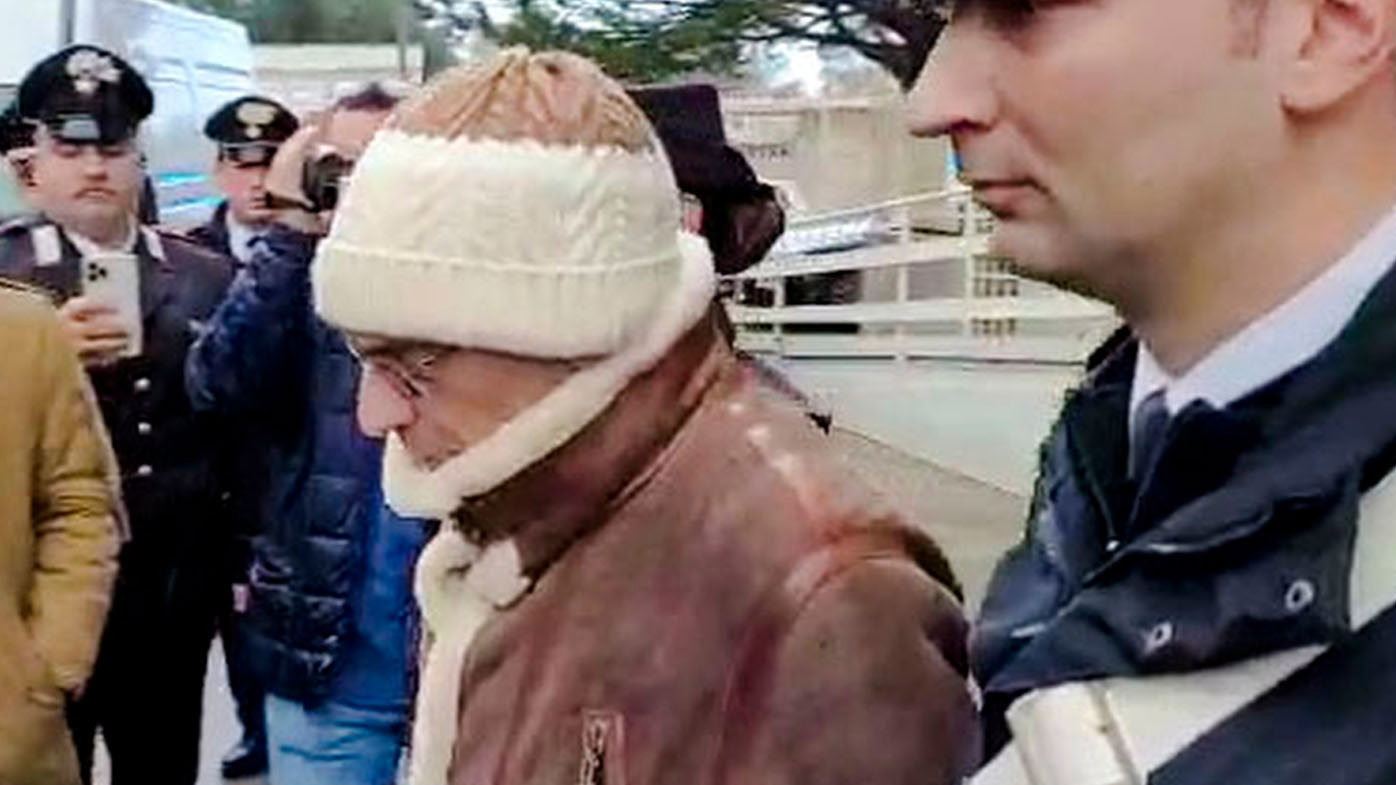
After 30 years eluding capture while still running much of the Mafia's affairs, he was arrested on Monday at a Palermo clinic, where the convicted mobster was receiving chemotherapy.

But while he was hustled off to a maximum-security prison on the Italian mainland, his capture is hardly expect to bring the demise of the Cosa Nostra, thanks to the syndicate's more than century-old roots and rules.

READ MORE: Husband of missing US woman accused of killing, dismembering her
"What will happen in detail, we can't know," Palermo Prosecutor General Lia Sava, said on Rai state radio about the future of the Mafia.

"But one thing is sure. Cosa Nostra is made up of rules. It has supported itself on these rules for 150 years, so certainly it will put into motion those rules to repair the damage, and thus create the new leadership structure needed after the arrest,″ Sava said.

While Messina Denaro wielded great influence in the Mafia, for decades Cosa Nostra has lacked a supreme capo, investigators say.

The practically mythical figure of a "boss of bosses″ ended in 1993, with the arrest in a Palermo hideout of Salvatore "Toto" Riina, who had been Italy's top fugitive for 23 years.

According to trial testimony that led to his conviction for many murders, including the 1992 bombings that killed Italy's top two anti-Mafia magistrates, Riina was in charge of Cosa Nostra's "commission" that ran illicit businesses and devised a strategy of deadly retaliation against the state for its crackdown on the mob.

"After Riina there was never an absolute boss,″ said Rome Chief Prosecutor Francesco Lo Voi, who took up his post last year after serving as Palermo chief prosecutor, helping coordinate the hunt for Messina Denaro.

READ MORE: Up to 28,000 workers set to lose their jobs
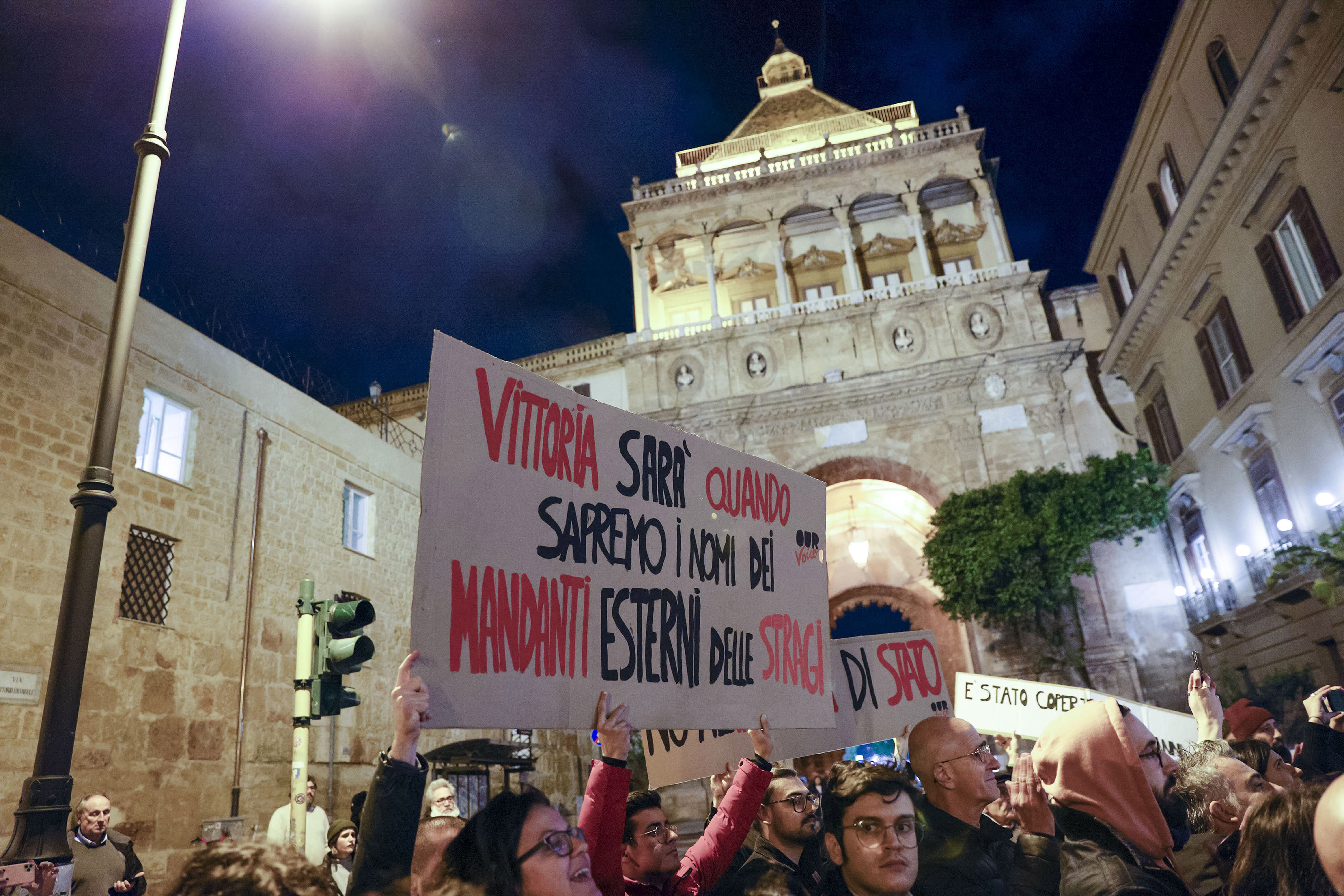
Even if the "capo di capi" figure still existed, Messina Denaro wouldn't have qualified because he came from Castelvetrano on Sicily's western edge, not from Palermo or its surrounding countryside, Lo Voi noted, citing Cosa Nostra's rules.

Still, Messina Denaro, the son of a crime boss, "was one of the most important bosses and (he) had ties with other criminal organisations in Italy and abroad,″ Lo Voi told The Associated Press.

"That's why his arrest surely represents an earthquake at this moment for Cosa Nostra,″ Lo Voi said.

Also boosting Messina Denaro's prestige was his fierce record as a murderous clan boss, holding sway over a large swath of western Sicily, Lo Voi said.

A military plane ferried Messina Denaro on Tuesday to a maximum security prison in L'Aquila, in the central Apennine mountains, where strict rules for top organised crime bosses who won't cooperate with authorities include sharply limited visitor privileges.

READ MORE: Bank's 'offensive' offer to couple fleeced of $100k in scam
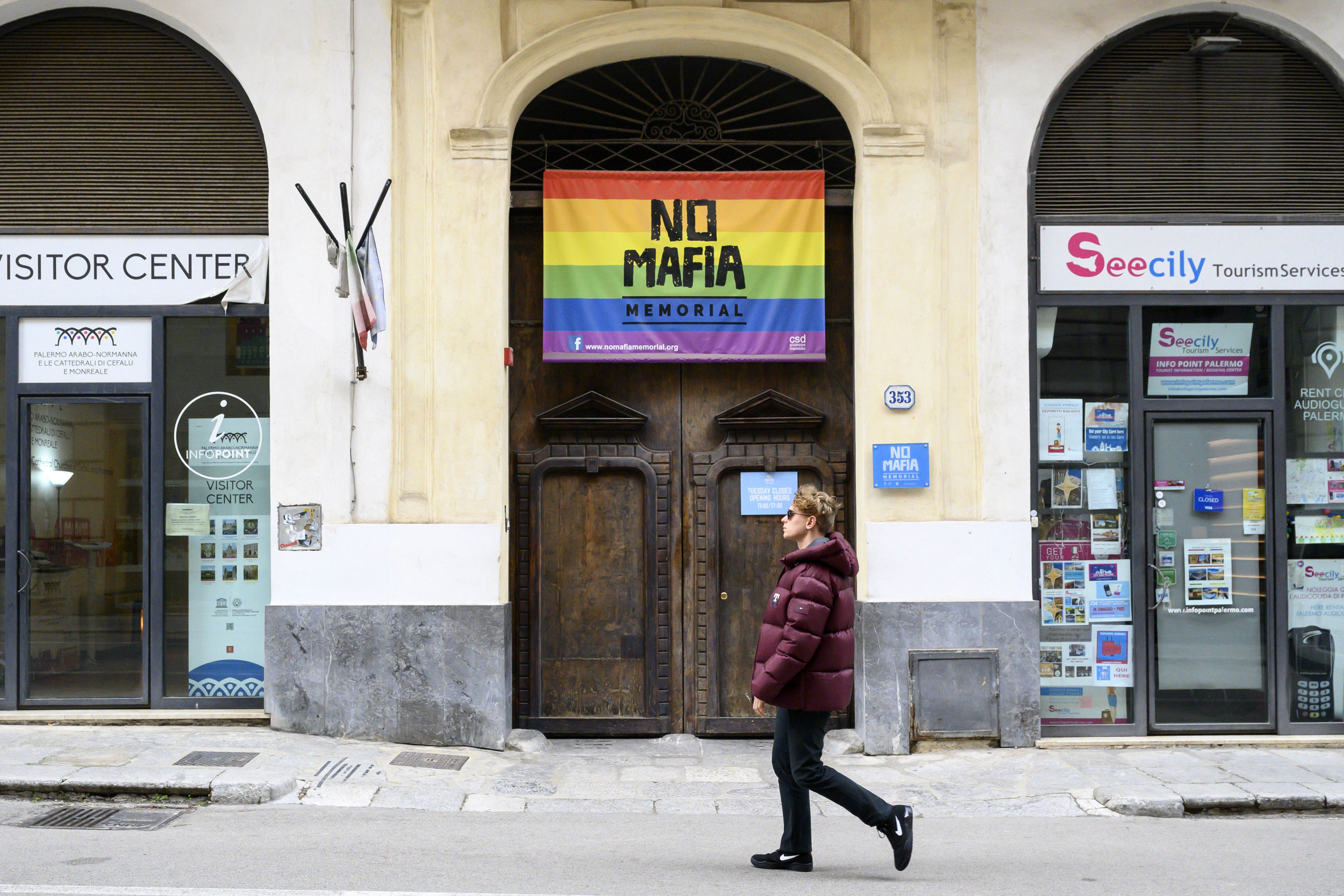
Italy's national anti-Mafia prosecutor, Giovanni Melillo, said that finally putting Messina Denaro behind bars won't change the strategy Cosa Nostra has followed for more than a decade.

That strategy is "no longer one of violence" against the state, Melillo said on state TV, referring to the 1992 bombings that killed Palermo prosecutors Giovanni Falcone and Paolo Borsellino, and the 1993 bomb attacks against Rome churches, the Uffizi Galleries in Florence and an art gallery in Milan, part of the Mafia's bid to try to get the state to drop its crackdown on Cosa Nostra.

Instead Cosa Nostra is lying low, opting to "co-penetrate the social and economic fabric" of Italy, Melillo said.

A small army of turncoats helped Italian authorities put scores of Cosa Nostra members behind bars in the last few decades, and as a consequence, gave boost to the 'ndrangheta crime syndicate in Italy's southern "toe," allowing it to eclipse the Sicilian mob in influence to become one of the world's biggest cocaine brokers.

In the 1980s, an FBI undercover operation working with Italian investigators, including Falcone, broke up a multi-million heroin ring and cocaine distribution operation involving Sicilian Mafia figures and the Gambino crime family in New York.

READ MORE: Gina Lollobrigida, Italian cinema legend, dead at 95
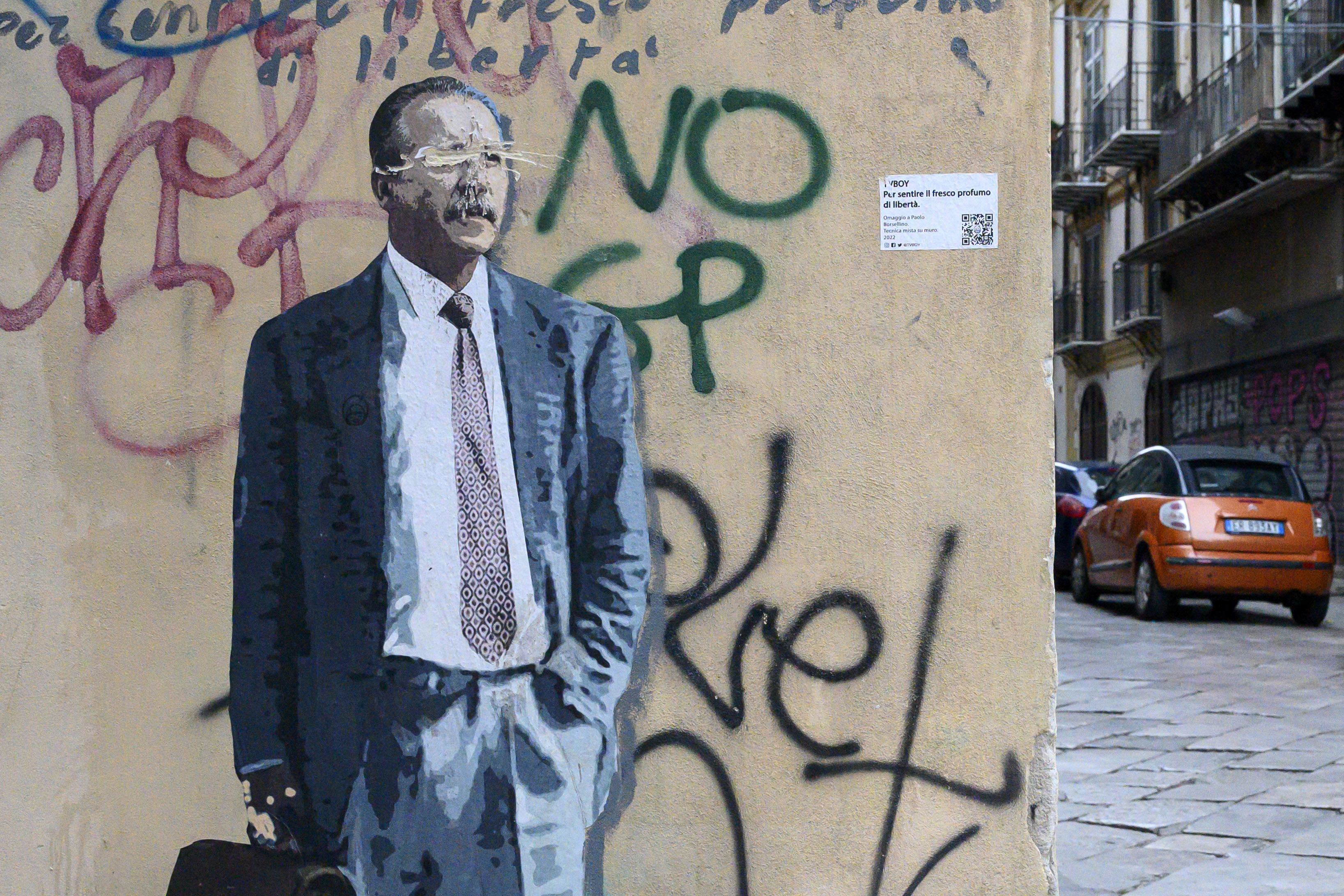
But Cosa Nostra lately "has gone back in a big way to drug trafficking," including cocaine, synthetic illegal drugs and heroin, Lo Voi said. With enough drug trade to go around, there's no real rivalry between Cosa Nostra and the 'ndrangheta, he added.

With drug trafficking, "the earnings are enormous and the activity is less dangerous than extortion," Lo Voi said.

Pressuring local businesses to pay crime clans monthly protection money, known as "pizzo," has long been a mainstay of Cosa Nostra's activity.

But some 15 years ago, grass-roots groups of young people in Palermo rebelled against their elders' longtime surrender to the practice. Forming an organisation called "Addiopizzo," or "Farewell Pizzo," they encouraged businesses to report extortionists to authorities instead of paying them.

Control of local territory is crucial for the Mafia's existence.

Lo Voi said during the COVID-19 pandemic, neighbourhood mobsters supplied residents with groceries when breadwinners lost jobs.
That complex relationship — a combination of benefit, fear and even complicity — is suspected of helping Messina Denaro elude the law for 30 years, most of that time in Sicily.

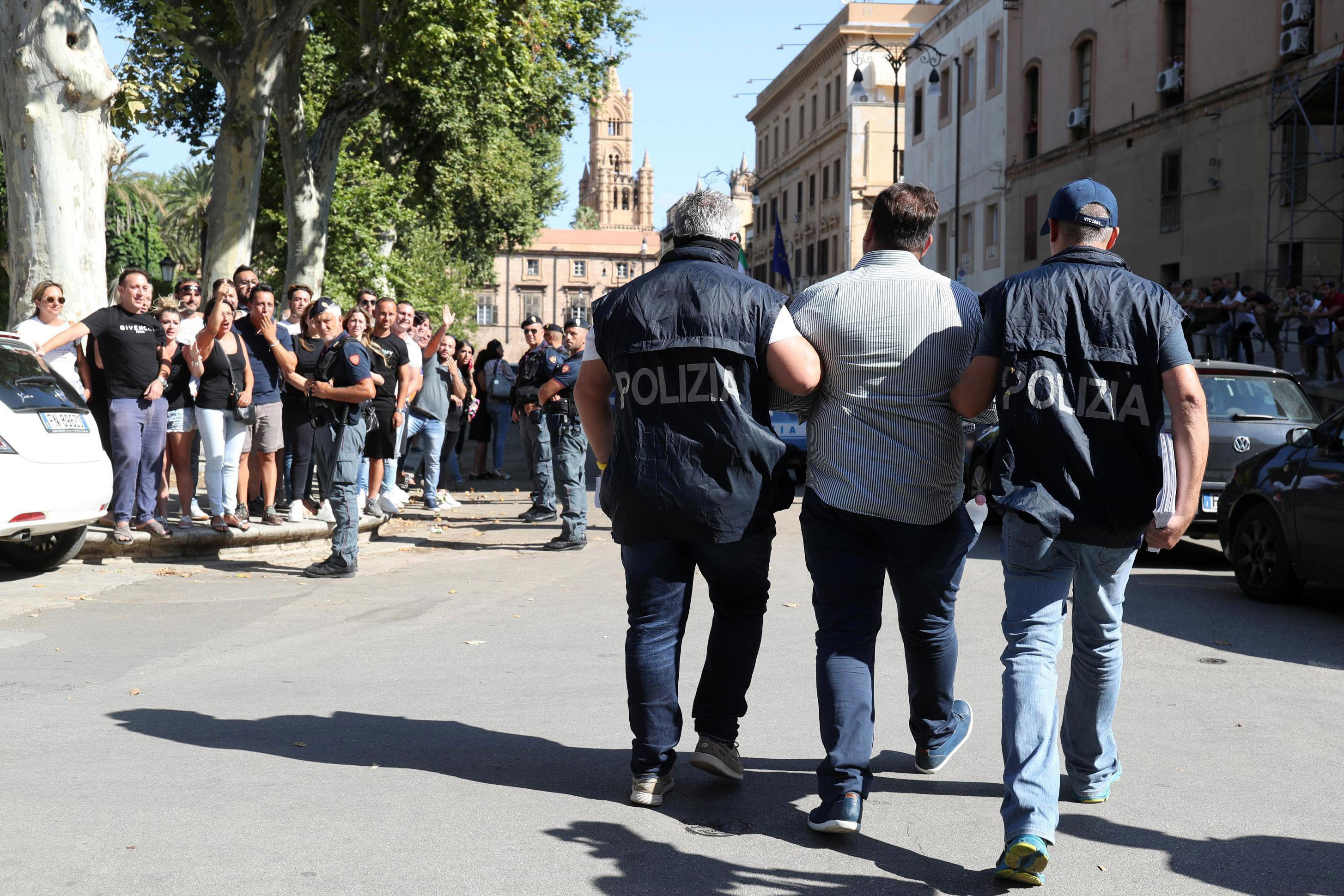
Since his capture, police have been searching his most recent hideout — a home on a dead-end alley in Campobello di Mazara, near Trapani. The owner is Andrea Bonafede, the name the fugitive used on an identity card to receive his cancer treatment.

The real Bonafede is under investigation, including at least one of the doctors who had been involved in the fugitive's treatment at the clinic beginning in late 2020, Italian news reports said.

Fellow cancer patients told La Repubblica daily that the man who wore designer scarves and hand-painted shirts freely chatted with them while receiving chemotherapy and sometimes gave them bottles of olive oil.

Six years ago, Italian authorities confiscated 13 million euros ($20 million) worth of olive groves and bottling facilities linked to Messina Denaro in the countryside near Trapani.

Shouts of "Bravi!" rose in the street outside the clinic when two Carabinieri officers brought him out of the clinic.

But others wondered about why it took decades to capture him.

"I had expected for a long time that it would happen, but it is absurd that it took 30 years,″ Salvatore Borsellino, brother of the slain prosecutor, told AP in a video interview from Palermo.

It's clear "that he enjoyed cover" on the local level, Borsellino said. "But there must have been institutional complicity" as well.
The tiny Australian island where snakes evolved huge jaws

When we think of evolution, we tend to picture slow changes occurring over very long periods of time, typically millions of years.

However, evolution can actually happen much faster, over only a few generations: think COVID-19 strains, for example. And this fast evolution isn't just restricted to viruses and microbes.

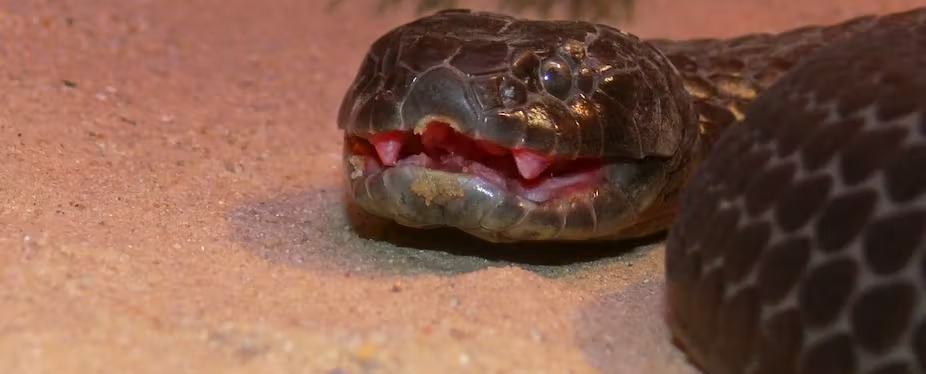
Our study, recently published in Evolutionary Biology, documents rapid evolution in tiger snakes (Notechis scutatus). In less than a century, these snakes evolved the ability to swallow whole seagull chicks, allowing them to survive on a tiny island.

READ MORE: Why do doctors want to crack down on vaping laws?

Tiger snakes on the mainland typically feed on much smaller creatures.

Marooned survivors

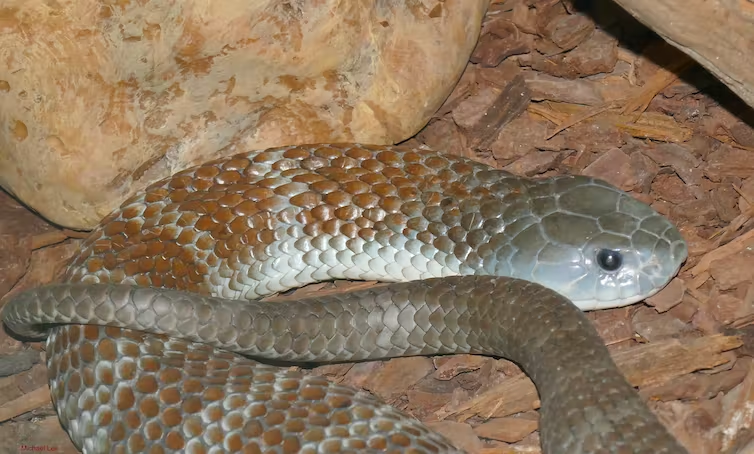
Most Australians are familiar with the tiger snake, one of our most iconic animals. The snakes in our study were from Carnac Island, a tiny islet off the coast of Perth in Western Australia.

They were introduced here less than a century ago, possibly dumped by a travelling snake performer to avoid trouble with the law.

These marooned tiger snakes are now adept at swallowing the large chicks of the seagulls that nest there. Adult snakes have little else to eat on this island in order to survive and reproduce.

READ MORE: The Australian cities 'vulnerable' to tsunamis

The heads of tiger snakes can evolve rapidly in response to feeding on large prey.

But how did they adapt so well, and so quickly?

Tiger snakes on the mainland (the ancestral stock of the snakes on Carnac Island) typically feed on much smaller creatures, especially frogs.

The secret is a process called "phenotypic plasticity", which is a phenomenon where an organism physically changes its body within its own lifetime to match the environment it is experiencing.

Myriad examples exist: from water fleas (Daphnia) that can develop a spiky "helmet" in the presence of predators, to the tadpoles of some spadefoot toads (Spea), which morph from omnivore to carnivore bodies when exposed to environments packed with small prey (including other tadpoles!).

Rearing baby snakes

Our research team took a detailed look at how the snakes from Carnac Island have adapted to survive there.

We raised some baby snakes taken from the island and some from the nearby mainland, and divided them further into two groups – one group fed on small mice, and the other on large mice.

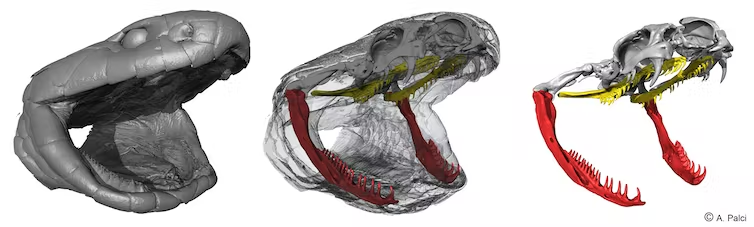
After the snakes matured, we looked into their heads using a high-resolution version of a medical CT scanner and took measurements of the different skull bones. This showed us how the island and mainland groups responded to different prey sizes.

Mainland snakes always had the same head shape, regardless of whether they were fed small or large prey. But Carnac Island snakes showed an intriguing response: those fed large prey developed a much bigger bite, with longer jaw bones (especially in the lower jaw and palate).

Previous studies had only looked at external head dimensions. We confirmed their conclusions and further revealed exactly which skull bones were responding to the drastic dietary change.

READ MORE: Why sea snakes are so much more deadly?

A 3D model image of a tiger snake skull showing the bones that increase in length in the snakes from Carnac Island after being fed large prey for a prolonged period of time: lower jaws (red) and palate bones (yellow).

Easy-gainers

The explanation behind our results can be more easily understood if we compare our snakes to people at a gym – a human example of phenotypic plasticity. As all gym-goers know, some people can quickly build up muscle from weight training, the so-called easy-gainers (who doesn't envy those!), while others struggle more – hard-gainers.

The snakes from Carnac Island are easy-gainers: they have a stronger intrinsic (genetic) capability to change their shape in response to a stimulus, in this case large prey items. This means they have a higher level of phenotypic plasticity.

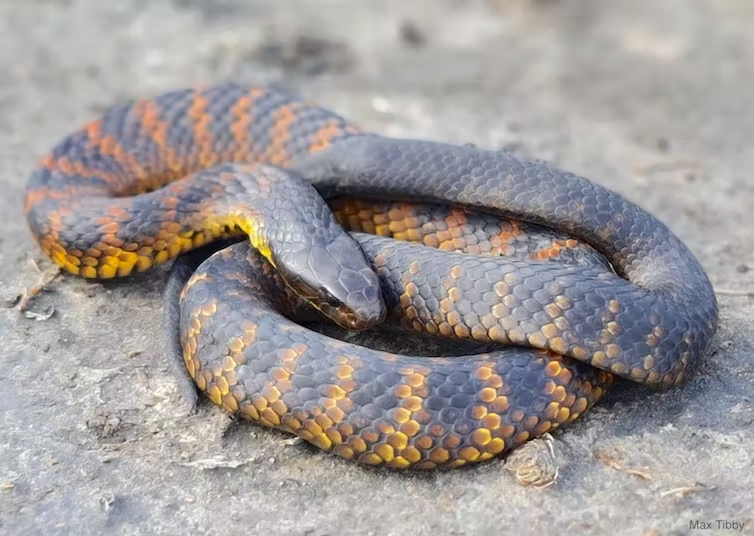
Tiger snake from Lake Alexandrina in South Australia. The skulls of tiger snakes on the mainland don't change shape when forced to feed on large prey for a prolonged period of time, unlike the skulls of snakes from Carnac Island, which grow longer jaws and palates.

Sign up here to receive our daily newsletters and breaking news alerts, sent straight to your inbox.

In any population, some individuals are more plastic than others. Of the tiger snakes marooned on Carnac Island and forced to exist on seagull chicks, the most "plastic" snakes would develop the biggest bites – and be more likely to survive and pass down their easy-gainer genes to their descendants.

Over the course of a few generations (and less than 100 years), the entire population of tiger snakes would become easy-gainers.

The march of evolution

But evolution doesn't stop there. Eventually, genetic mutations occur so that snakes are born with longer jaws; these would have a survival advantage even over the easy-gainers (who only develop longer jaws after "training"), and eventually replace them.

Thus, a wide gape becomes fixed at birth. This phenomenon is called "trait canalisation" or "assimilation".

In our study we observed examples of this as well: some skull bones were relatively longer in the Carnac Island snakes from birth, regardless of their diet.

So how much change has occurred in the Carnac Island snakes? We found that certain jaw bones can lengthen by about five per cent simply as a result of feeding on large prey for a year.

On top of this, the bones of the snakes from Carnac Island were also about 5 per cent longer at birth than those in the mainland snakes (because of "trait canalisation" mentioned above). The island snakes are indeed on a rapid path to evolve very big jaws to effortlessly swallow baby seabirds.

Our study delves deeply into how rapid evolution occurs in complex organisms, and shows how diet has profound effects, even greatly affecting individual skull bones. It also reveals the resilience of tiger snakes, and how their "easy-gainer" bodies help them adapt almost instantaneously to extreme new environments.

This is one of the likely reasons tiger snakes have been so successful at colonising islands.

This article is republished from The Conversation under a Creative Commons licence. Read the original article.

What makes earthquakes such a deadly natural disaster?

In this explainer series, 9News.com.au is examining the concerns and fears around natural disasters, probing their potential impacts on Australia.

Earthquakes are unpredictable and strike suddenly, without warning.

The powerful natural disaster has caused death and destruction around the world, prompting leaders to grapple with how to prepare to mitigate their risk and impacts.

We have broken down what we know about earthquakes, including where they are most likely to occur and where they've caused havoc in the past.

READ MORE: Explainer: The explosive truth about 'supervolcanoes'

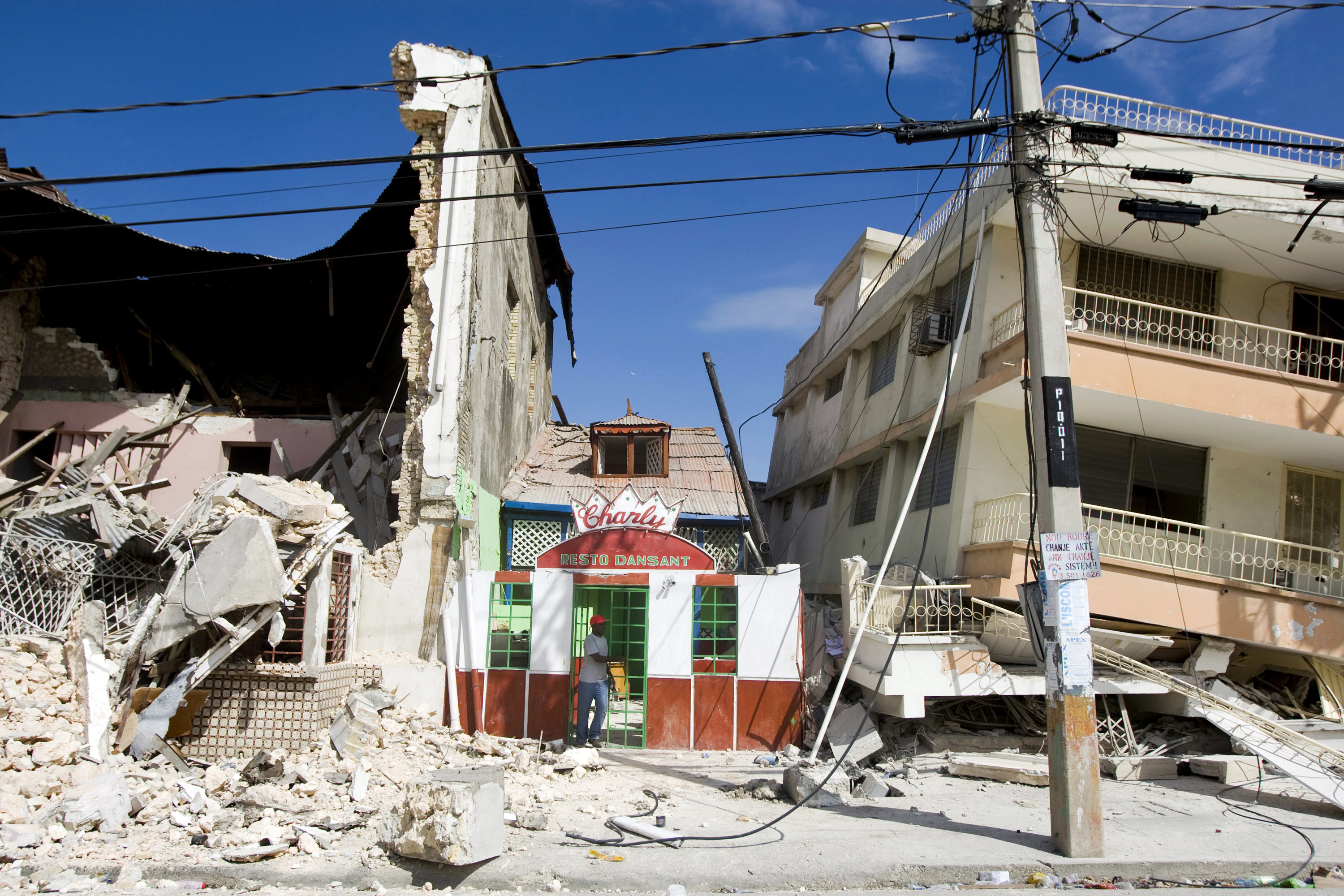
A man exits a restaurant after he looked for his belongings after the 2010 Haiti earthquake.

What makes earthquakes a deadly natural disaster?

Earthquakes pose a huge risk to human life.

According to the World Health Organisation, they have caused nearly 750,000 deaths globally between 1998 to 2017.

The extent of the destruction and harm depends on several factors, including the magnitude, intensity and duration.

Where and when they happen will also make a big difference.

Sign up here to receive our daily newsletters and breaking news alerts, sent straight to your inbox.

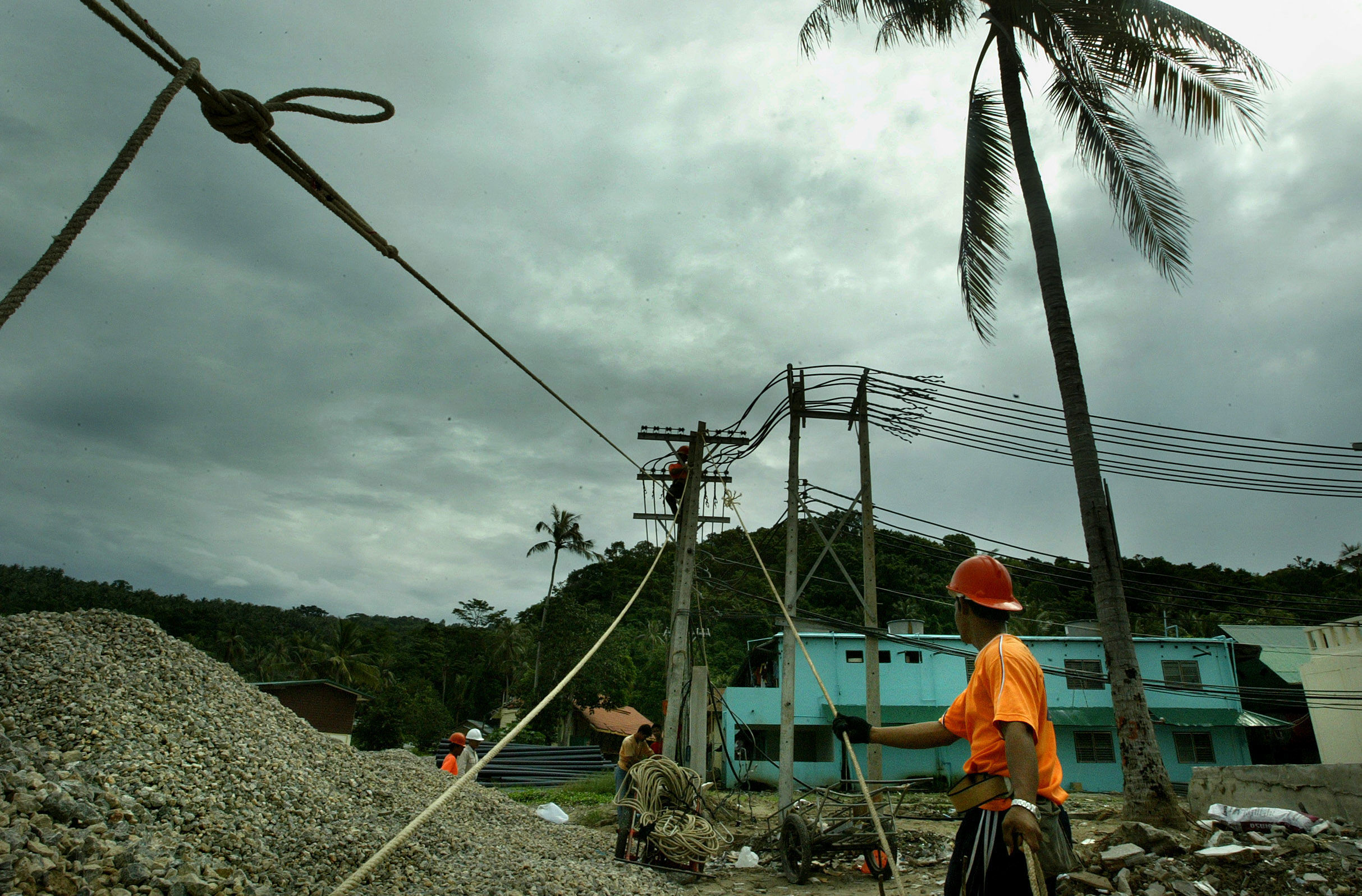
Thai constuction workers reinstall powerlines in the tsunami affected area of Phi Phi island. The island was one of the worst hit areas in Thailand by the 2004 Boxing Day tsunami.

The risk management measures put in place and the design of buildings affected by earthquakes also makes a difference.

The deadliest earthquake-related event in recent times was the Boxing Day tsunami in 2004.

Just before 8am on December 26, 2004, a 9.1-magnitude earthquake struck off the coast of northern Sumatra.

The 10-minute quake is believed by scientists to be the third-biggest in history.

At least 230,000 people died or went missing during the disaster and hundreds of kilometres of coastline were washed away, with buildings stripped to the slab or smashed apart.

Expert Dr Caroline Eakin said in terms of deaths directly due to seismic shaking, there is a common pattern.

"Earthquakes don't kill people, buildings do," Eakin said.

The worst events are those which occur at shallow depth, close to large population centres, where buildings or structures have not been constructed to withstand seismic shaking.

"Landslides triggered by earthquakes in regions of steep and unstable topography can also be particularly devastating."

READ MORE: What to do if you encounter a deadly snake, spider or jellyfish

Where are earthquakes most common in the world?

Earthquakes are the largest and most frequent at tectonic plate boundaries where two plates collide or slide past each other.

Some regions experience this natural disaster more frequently than others.

According to Geoscience Australia, earthquakes particularly occur around the margins of the Pacific Plate, which includes New Zealand, Vanuatu, the Solomon Islands, Papua New Guinea, Japan and the Americas.

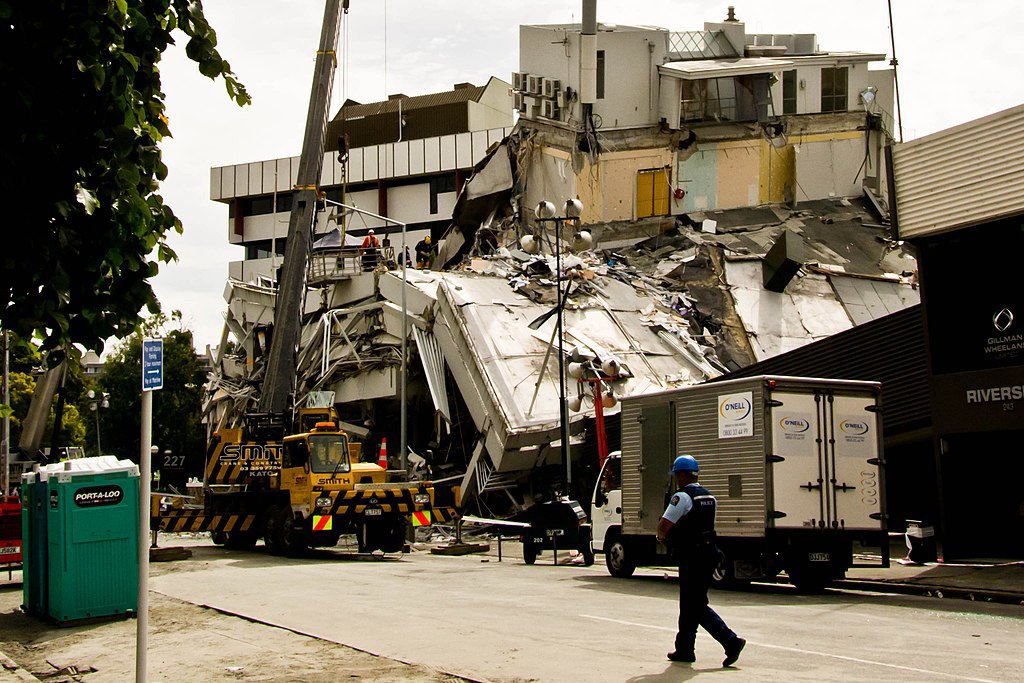
A policeman walks past a building destroyed by the 2011 Christchurch earthquake.

Earthquakes also occur along the Indonesian islands arc, where the Indo-Australian plate collides with the Eurasian plate.

Why are they so destructive?

Earthquakes can be destructive for many reasons.

These include the design and construction of affected buildings, the type of ground (for example, whether it is hard rock or soft sediment), the possibility of generating a tsunami or a landslide, and the proximity to people or cities.

"In general though the largest magnitude earthquakes in the world represent one of the biggest possible energy releases from a single event," Eakin said.

"For example, the largest magnitude-nine-plus earthquakes release more energy than the biggest volcanic eruptions (and) the largest nuclear bombs.

"However the largest magnitude earthquake ever recorded, an M9.5 in Chile in 1960, was not the most deadly due to other factors."

Why do earthquakes occur?

Earthquakes release stress which builds up in the outermost layer of the earth.

When the stress builds up enough to overcome the level of friction along a faultline, the fault ruptures.

This causes relative displacement of the ground on either side of the fault, and the motion generates seismic waves.

"On a bigger picture scale, stress builds up in the crust because the tectonic plates are moving, and the tectonic plates move because the interior of the earth is convecting," Eakin said.

Could Australia be struck by a powerful earthquake?

The largest recorded earthquake in Australia was in 1988 at Tennant Creek in the Northern Territory, with an estimated magnitude of 6.6.

It occurred in a sparsely populated area and resulted in damage to a major gas pipeline.

"Evidence from the geological record suggests a magnitude 7+ is theoretically possible, but extremely rare, perhaps only occurring every few thousands of years," Eakin said.

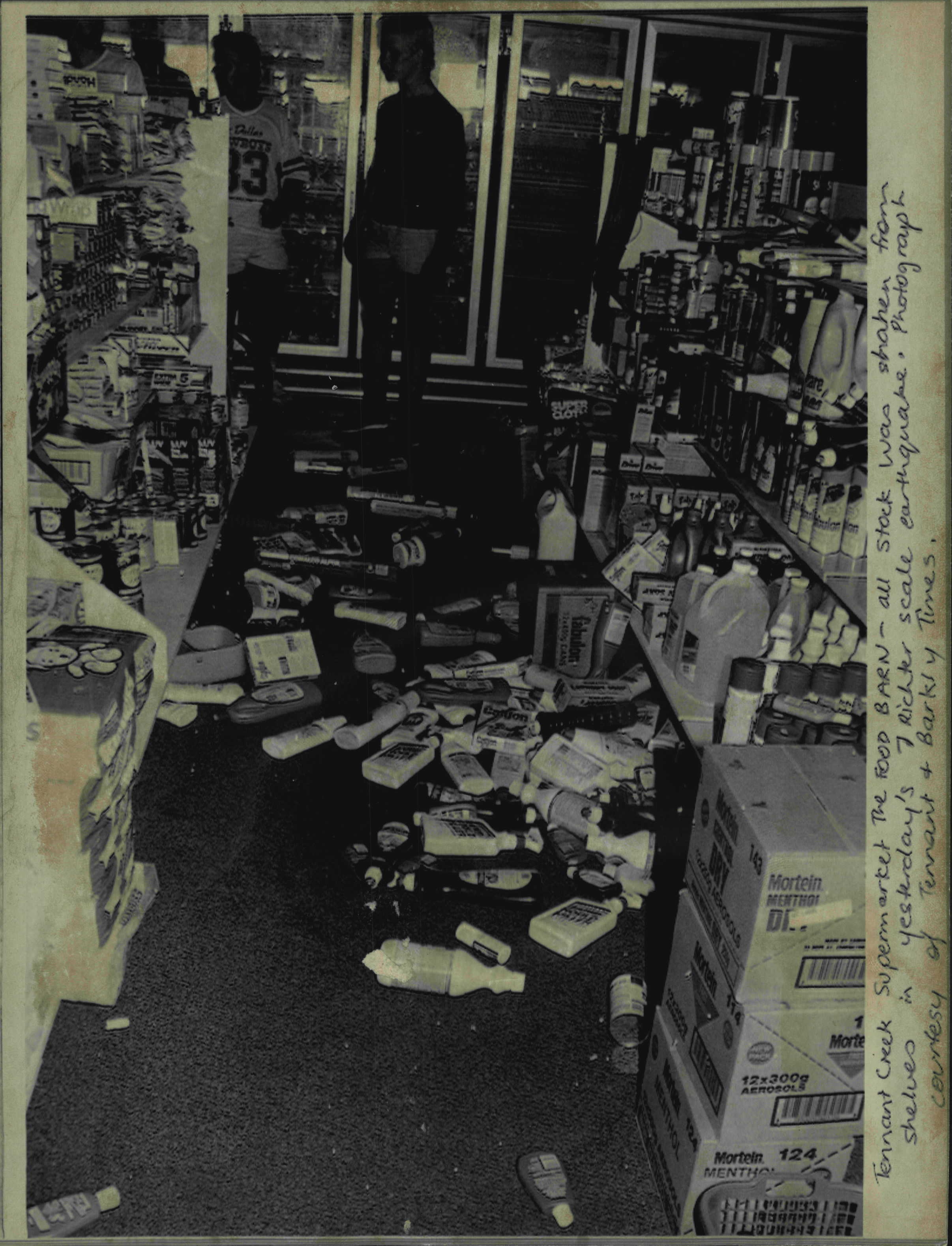
Tennant Creek supermarket the food barn - all stock was shaken from shelves in yesterday's Richter Scale earthquake.  The remote Northern Territory town of Tennant Creek yesterday suffered its fourth major earth tremor in 24 hours. The town's 3,000 residents were yesterday bracing themselves for further tremors, following the worst series of earthquakes recorded in Australia this century. The latest tremor, measuring seven on the Richter scale, toppled a brick wall and burst water mains througho

"A moderate-sized earthquake beneath a major city in Australia is more probable within our lifetime, such as the magnitude 5.9 event that was felt in Melbourne in 2021.

"Such events are likely to cause at least some building damage, especially to the more vulnerable buildings."

Eakin said for low-lying coastal populations, the biggest risk is potential tsunamis generated by large earthquakes elsewhere.

"Especially along the subduction zones and plate boundaries that surround the Australian continent," she said.

Turkey condemns Quran-burning protests in Sweden, cancels meeting

Turkey on Saturday canceled a planned visit by Sweden’s defense minister in response to anti-Turkish protests that increased tension between the two countries as Sweden seeks Turkey's approval to join NATO.

A far-right activist from Denmark received permission from police to stage a protest outside the Turkish Embassy in Stockholm where he burned the Quran, Islam’s holy book. A separate pro-Kurdish demonstration was held later Saturday in the Swedish capital.

Turkish Defense Minister Hulusi Akar said the scheduled January 27 visit by his Swedish counterpart Pål Jonson no longer held “any importance or point,” because Sweden continued to allow “disgusting” demonstrations against Turkey.

Explained: What nations are in NATO and how does the alliance work?

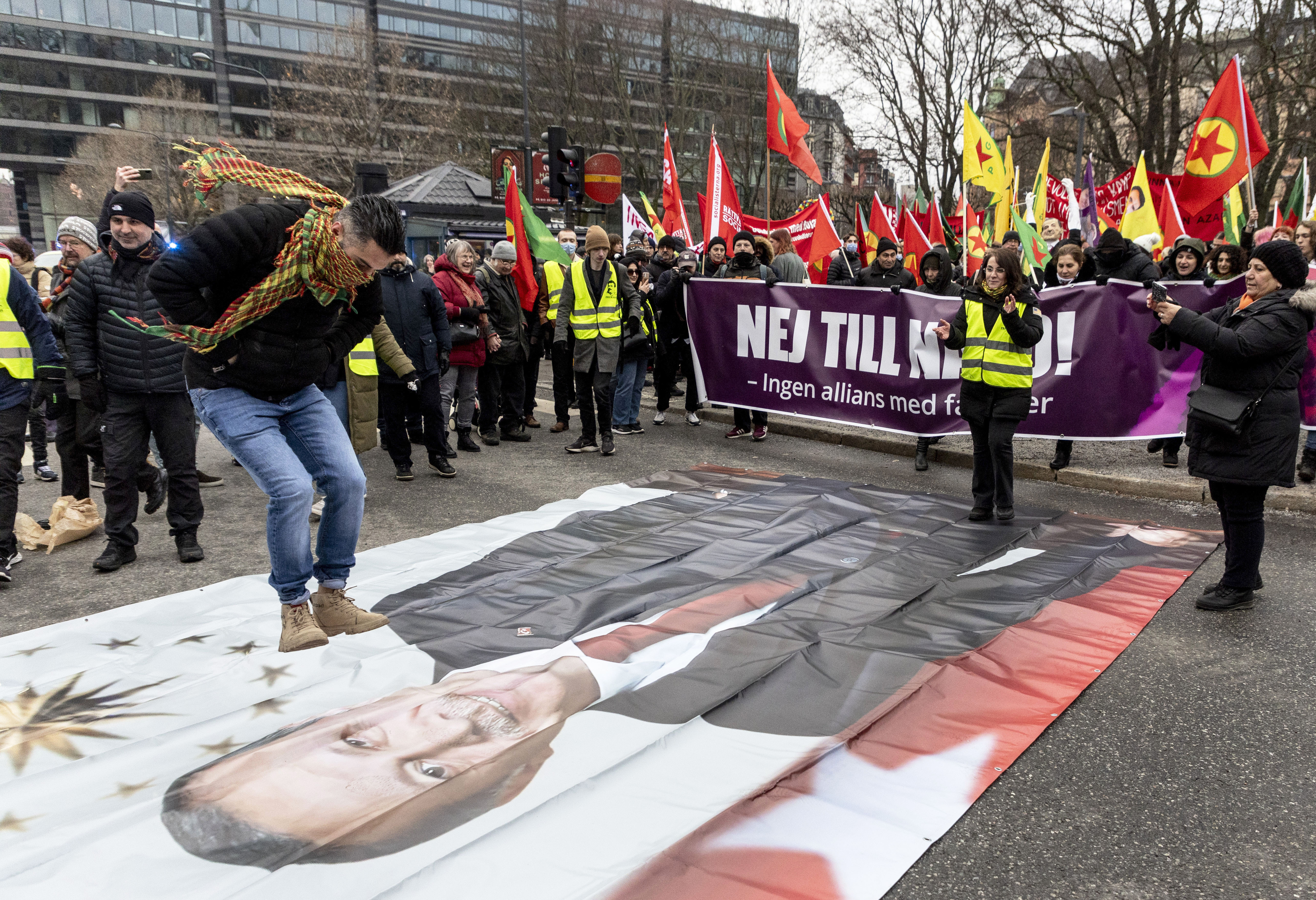
A protestor prepares to jump on a banner with the image of Turkish President Recep Tayyip Erdogan during a demonstration organised by The Kurdish Democratic Society Center in Sweden.

Jonson tweeted that he had met Akar on Friday in Ramstein, Germany, where they “agreed to postpone” the meeting in Ankara.

“Relations with Turkey are very important for Sweden and we look forward to continuing the dialogue on common security and defense issues at a later date,” he wrote.

The bid by historically nonaligned Sweden and Finland to join NATO in the wake of Russia's invasion of Ukraine has been held up by Ankara, which has accused Sweden in particular of being soft on Kurdish militants and other groups that Turkey considers security threats.

The Swedish government's efforts to improve relations with Turkey have been complicated by demonstrations by pro-Kurdish activists, which have infuriated Turkey's government. On Saturday, anti-Islam activist Rasmus Paludan added to the tensions by staging a Quran-burning protest outside the Turkish Embassy.

Police cordon off the area outside the Turkish embassy in Stockholm, Sweden, Saturday Jan. 21, 2023. Sweden is bracing for demonstrations that could complicate its efforts to persuade Turkey to approve its NATO accession. A far-right activist from Denmark has received permission from police to stage a protest on Saturday outside the Turkish Embassy, where he intends to burn the Quran, Islams holy book. (Fredrik Sandberg/TT News Agency via AP)

Surrounded by police, Paludan carried out his protest while making disparaging remarks about immigrants and Islam. About 100 people gathered nearby for a peaceful counterdemonstration.

In a separate protest later Saturday, a few hundred pro-Kurdish and anti-NATO activists marched through downtown Stockholm. Demonstrators waved flags of various Kurdish groups, including the Kurdistan Workers’ Party, or PKK, which has waged a decades-long insurgency against Turkey. The PKK is considered a terrorist group in Turkey, the European Union and the United States, but its symbols aren't banned in Sweden.

The protesters also held up flags with the face of imprisoned Kurdish rebel leader Abdullah Ocalan and walked over a photo of Turkish President Recep Tayyip Erdogan.

Swedish officials have stressed that freedom of expression is guaranteed by the Swedish Constitution and gives people extensive rights to express their views publicly, though incitement to violence or hate speech isn't allowed. Demonstrators must apply to police for a permit for a public gathering. Police can deny such permits only on exceptional grounds, such as risks to public safety.

Turkish officials condemned the Quran-burning protest and Swedish authorities for allowing it.

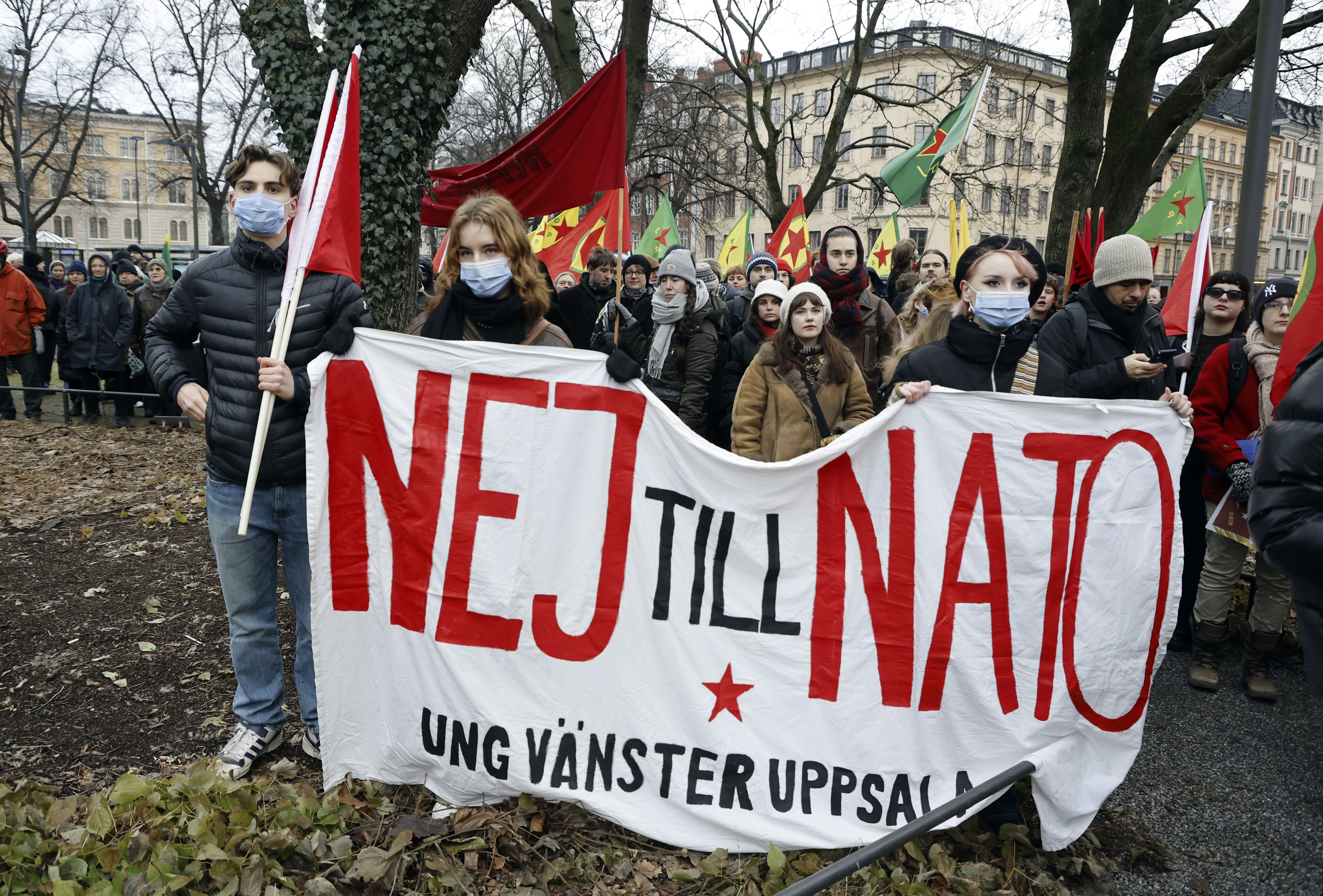
People take part in a demonstration against Turkish President Recep Tayyip Erdogan and Sweden's NATO bid arranged by The Kurdish Democratic Society Center in Sweden, in Stockholm, Saturday, Jan. 21. 2023. Sign reads in Swedish "No to NATO". Turkey has blocked Sweden and Finlands bids to join NATO, which needs approval by all member states, saying Sweden in particular needs to crack down on Kurdish and other groups that Ankara considers as terrorists. (Christine Olsson/TT via AP)

“Permitting this anti-Islam act, which targets Muslims and insults our sacred values, under the guise of ‘freedom of expression’ is completely unacceptable. This is an outright hate crime,” Turkey’s Foreign Ministry said in a statement.

Ibrahim Kalin, Erdogan’s spokesman, called it a hateful crime against humanity, while Erdogan’s nationalist ally, Devlet Bahceli, said parliament wouldn’t ratify Sweden’s NATO membership “under these conditions.”

A small group gathered outside the Swedish Embassy in Ankara to protest the Quran-burning, holding a banner with a Quranic verse on nonbelievers. A protest was also scheduled to take place in Istanbul on Saturday evening.

Earlier in January, an effigy of Erdogan was hung from a lamppost during a protest by Kurds. Turkey denounced a decision by a Swedish prosecutor not to investigate and Swedish Prime Minister Ulf Kristersson called the protest an act of “sabotage” against Sweden’s bid to join NATO. Turkey summoned the Swedish ambassador earlier this week and canceled a visit by the speaker of the Swedish parliament in reaction to the incident.

All NATO members need to ratify in their parliaments the accession requests by Sweden and Finland, which were made after Russia's war on Ukraine prompted the Nordic countries to drop their longstanding policies of military nonalignment. While Turkey says it has no objection to NATO's growth, it won't ratify the bids until its demands, which include extraditions of alleged terror suspects, are met.

___

Zeynep Bilginsoy reported from Istanbul.

Woman dies after tree branch falls on car in NSW

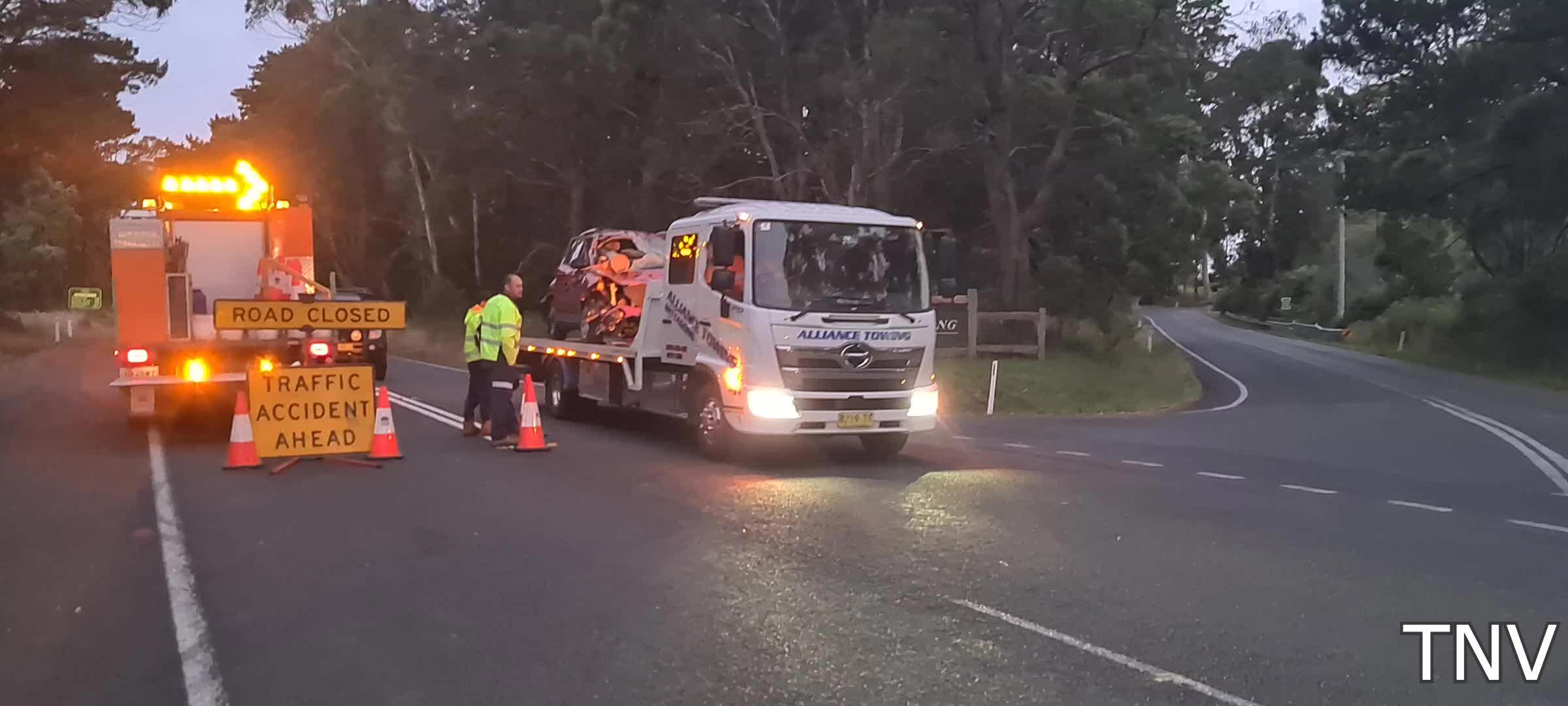
A woman was killed after a large branch crashed into her car in the NSW Southern Highlands.

A witness told local police the woman's station wagon was travelling west when a 20m branch dropped and hit her windscreen.

The driver, believed to be aged in her 50s, died at the scene and has not been formally identified.

READ MORE: Hollywood blockbuster shuts Sydney Harbour Bridge

Emergency services were called to the Illawarra Highway, between Church Street and Burrawang Road, Burrawang, 20km south-east of Bowral, at 4.30pm on Saturday.

Officers from The Hume Police District established a crime scene and are investigating the crash.

A report will be prepared for the Coroner.

Anyone with information about this incident is urged to contact Crime Stoppers: 1800 333 000.

Dolphin dies from shark attack following mauling off Sydney beach

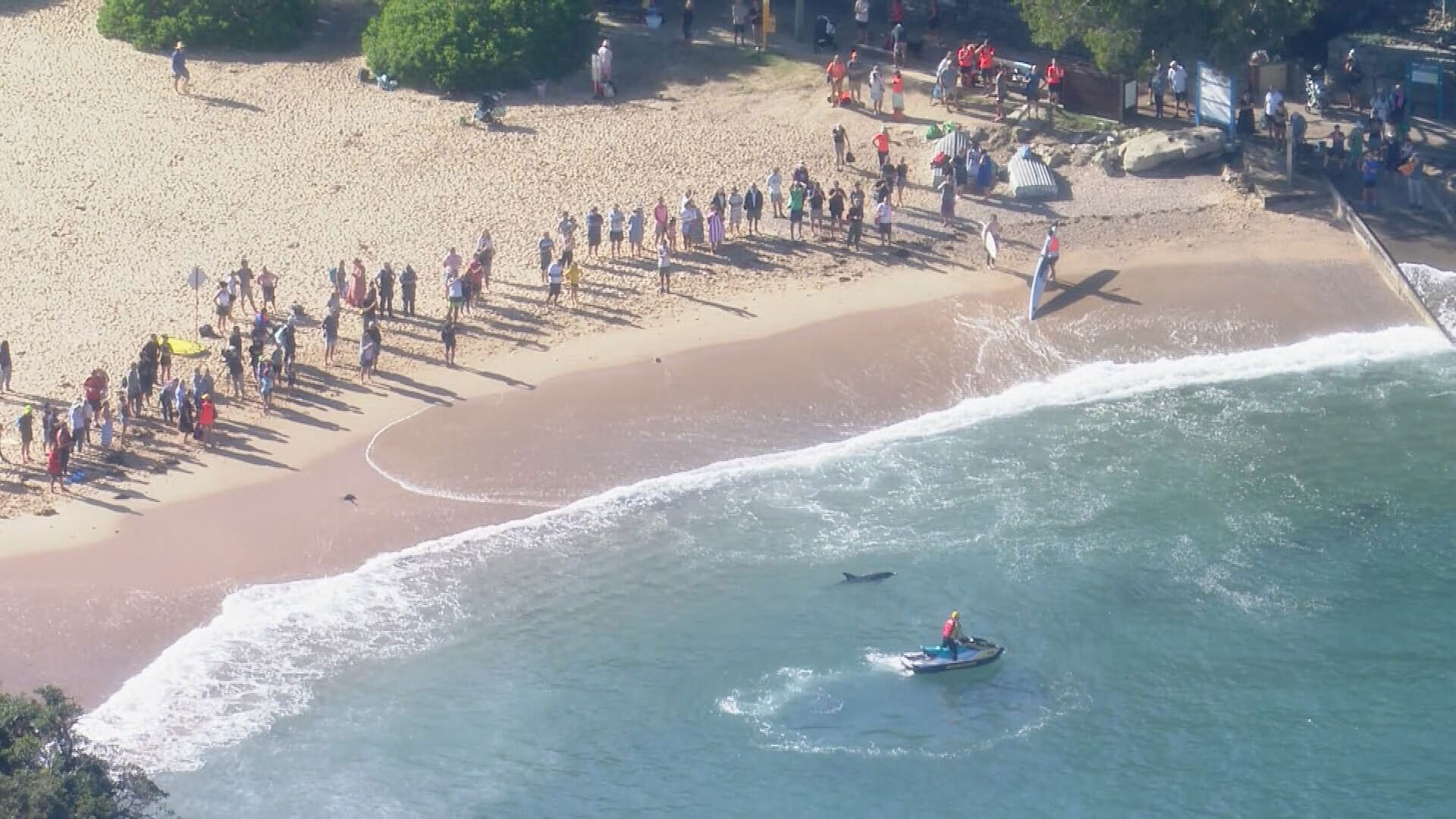
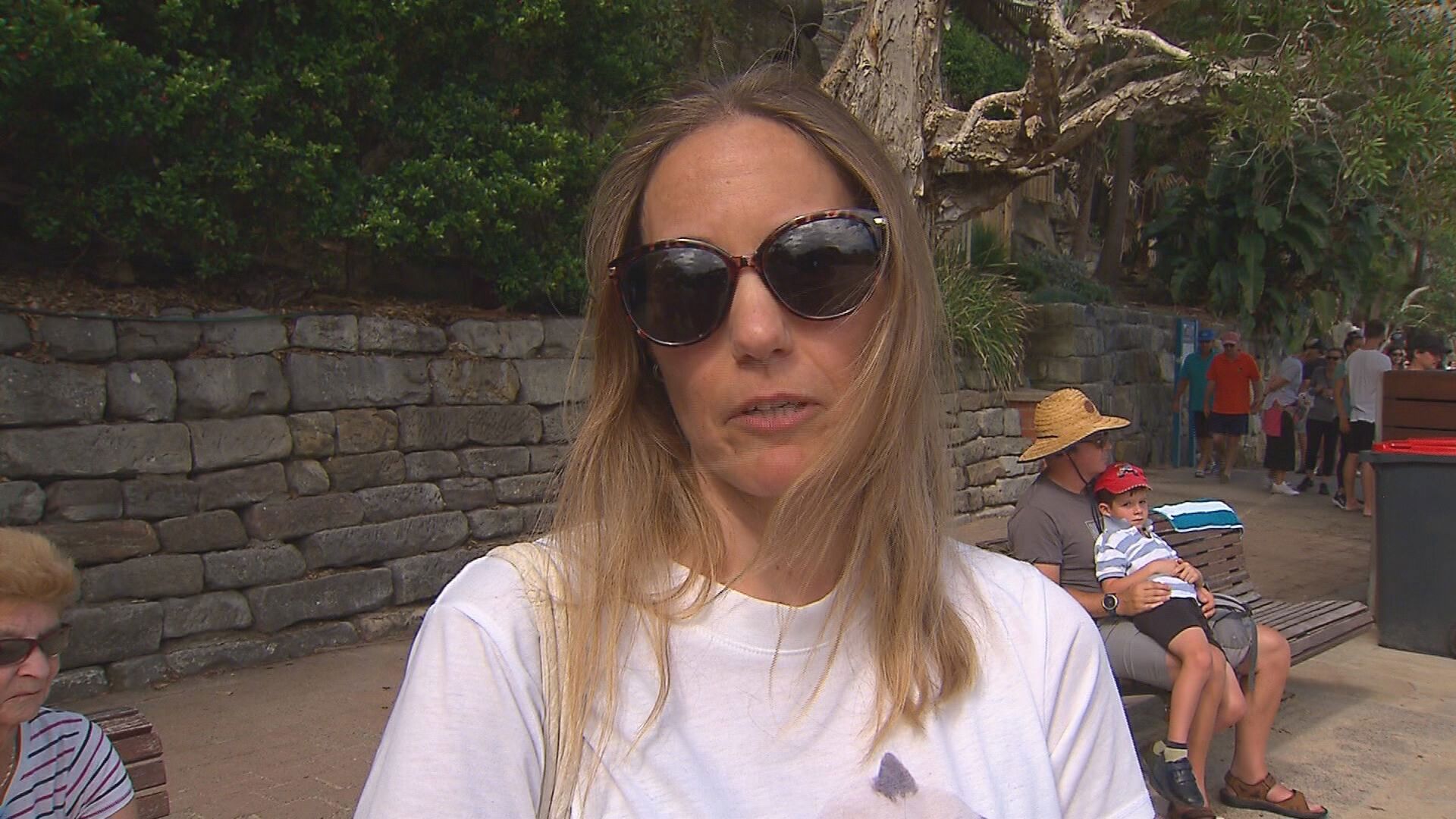
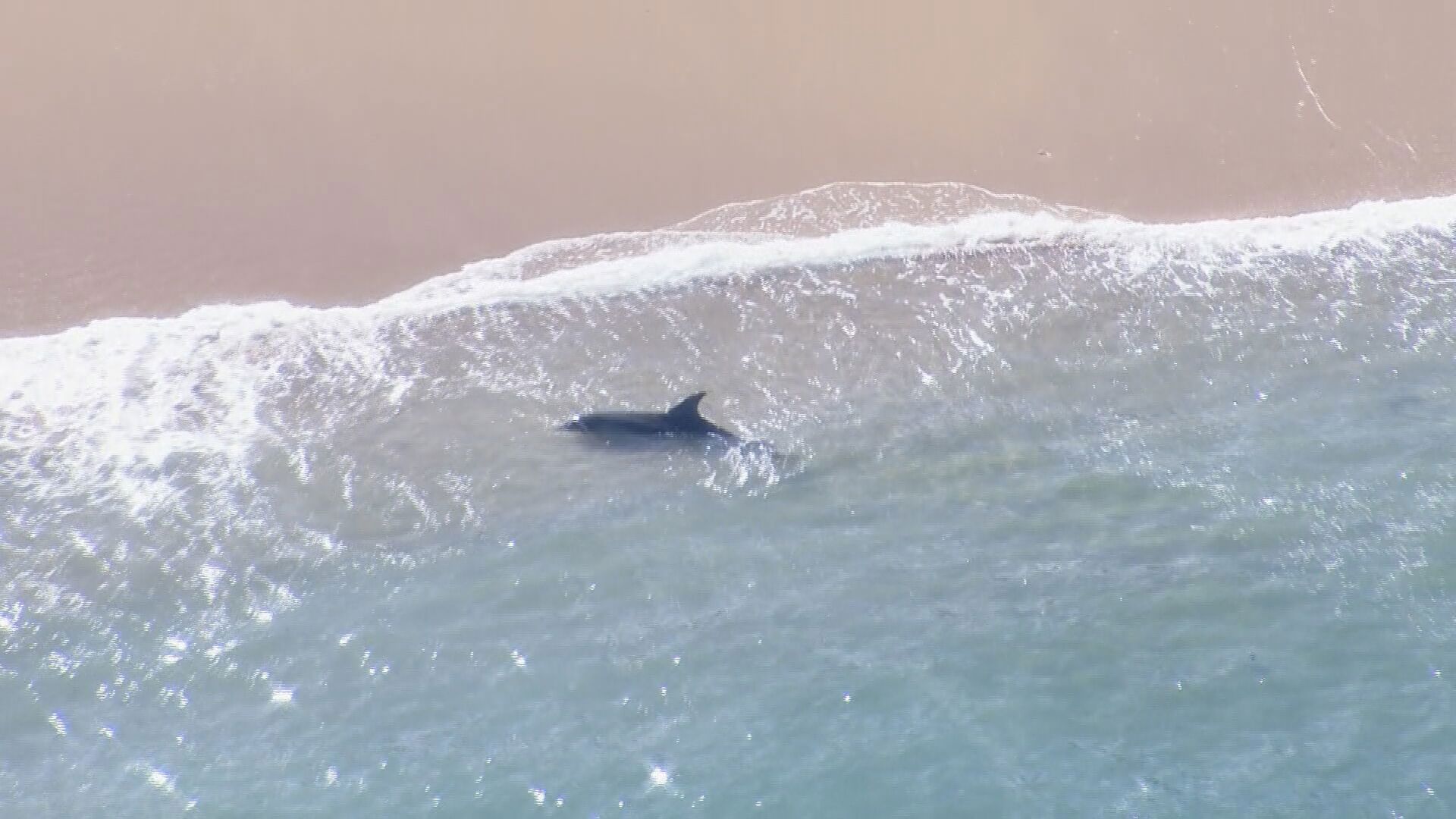
A diver has described the moment she saw a "three-metre bull shark" chasing a dolphin when she was swimming at a Sydney beach this morning.

Swimmers were cleared from Manly and Shelly Beach about 8am after a dolphin was mauled and killed by a shark.

Hundreds were on the beach for the Manly Open Surf Classic.

READ MORE: Queensland cop killers' daughter speaks for the first time

Emily Pettersson said she heard about the injured dolphin so she swam into the shallows to try and find it.

"Probably about 20 metres out front of the beach and I see the dolphin swim past on one side and I see a shadow on the right side," Pettersson said.

"So I turned around and there's probably about a three metre bull shark but it wasn't even looking at me it was just going for the dolphin."

She said she told everyone to get out of the water once she spotted the shark because it was "still a bit agitated".

"I think it (the dolphin) had been attacked by the shark, the fin was mangled, you could see it was falling off and it had a bite mark on the side of the body as well."

Pettersson said she wasn't worried about the shark being in the water.

"There would have been 200 swimmers in the water with the sharks going up and down but they're obviously not going to do anything… They are doing what they are meant to do, which is cleaning up the ocean."

Earlier, the dolphin swam incredibly close to the shore at Manly, where competitors lined the beach.

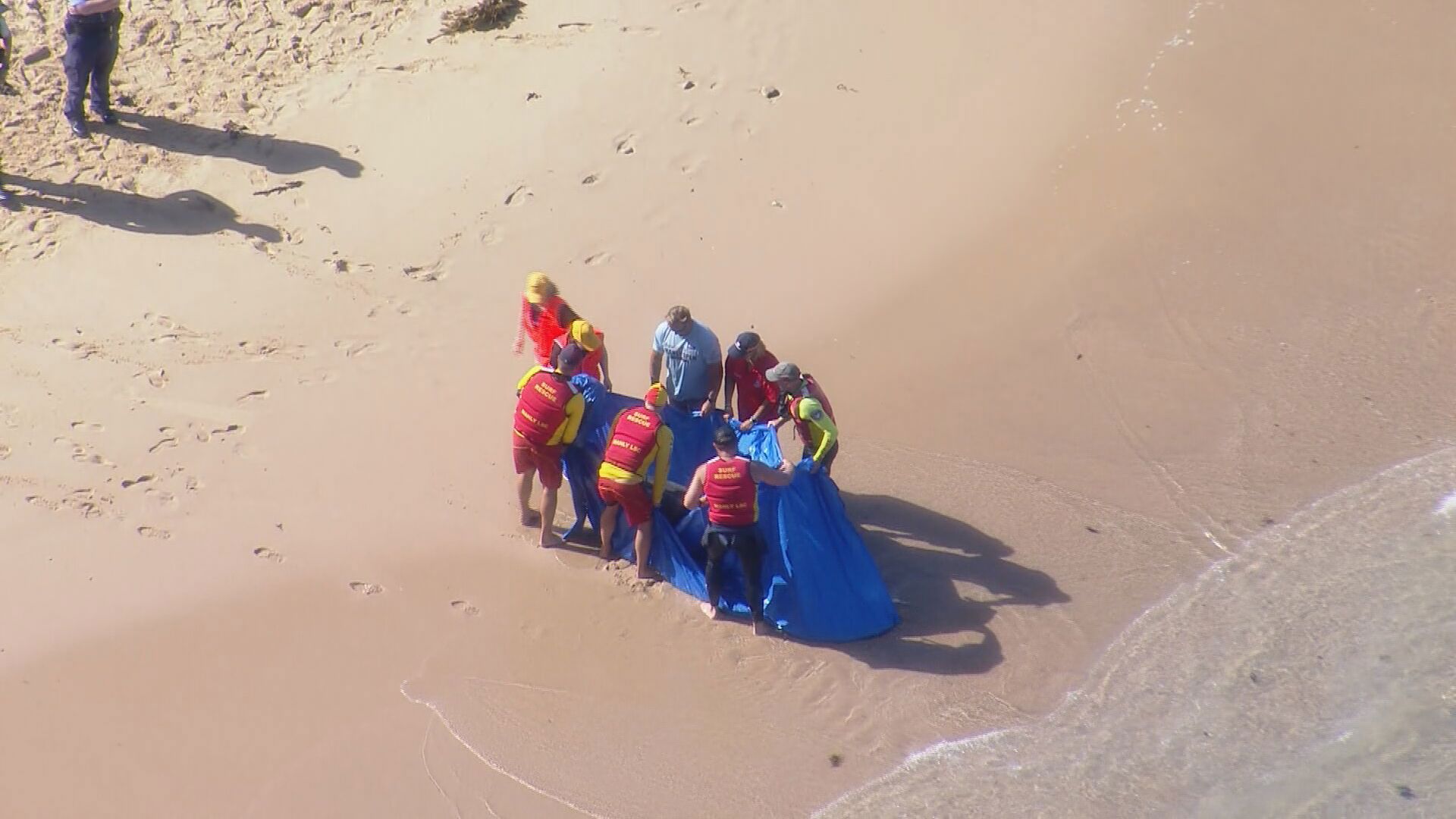
The dolphin then beached itself on the shore of Shelly Beach, where lifesavers were working to help the mammal about 9am. However, it eventually died from its injuries.

Both Manly and Shelly beaches remain closed for the rest of the day, and the carnival has been suspended.

Drones operated by Surf Life Saving NSW spotted several bull sharks in the area this morning.

Sign up here to receive our daily newsletters and breaking news alerts, sent straight to your inbox.

Suspect in killing of Toyah Cordingley has extradition delayed again

A ruling on the extradition of the man suspected of murdering Toyah Cordingley on a Queensland beach four years ago has been delayed until January 24.

The key reason for several adjournments of Rajwinder Singh's case is that the New Delhi judge who specialises in extradition cases, Nabeela Wali, is on maternity leave.

"She is the one with the expertise to be able to make decisions and move things along," a lawyer at the court told AAP without wishing to be identified.

READ MORE: Ukraine army to receive 'tank killer' armoured vehicle and Brimstone missiles

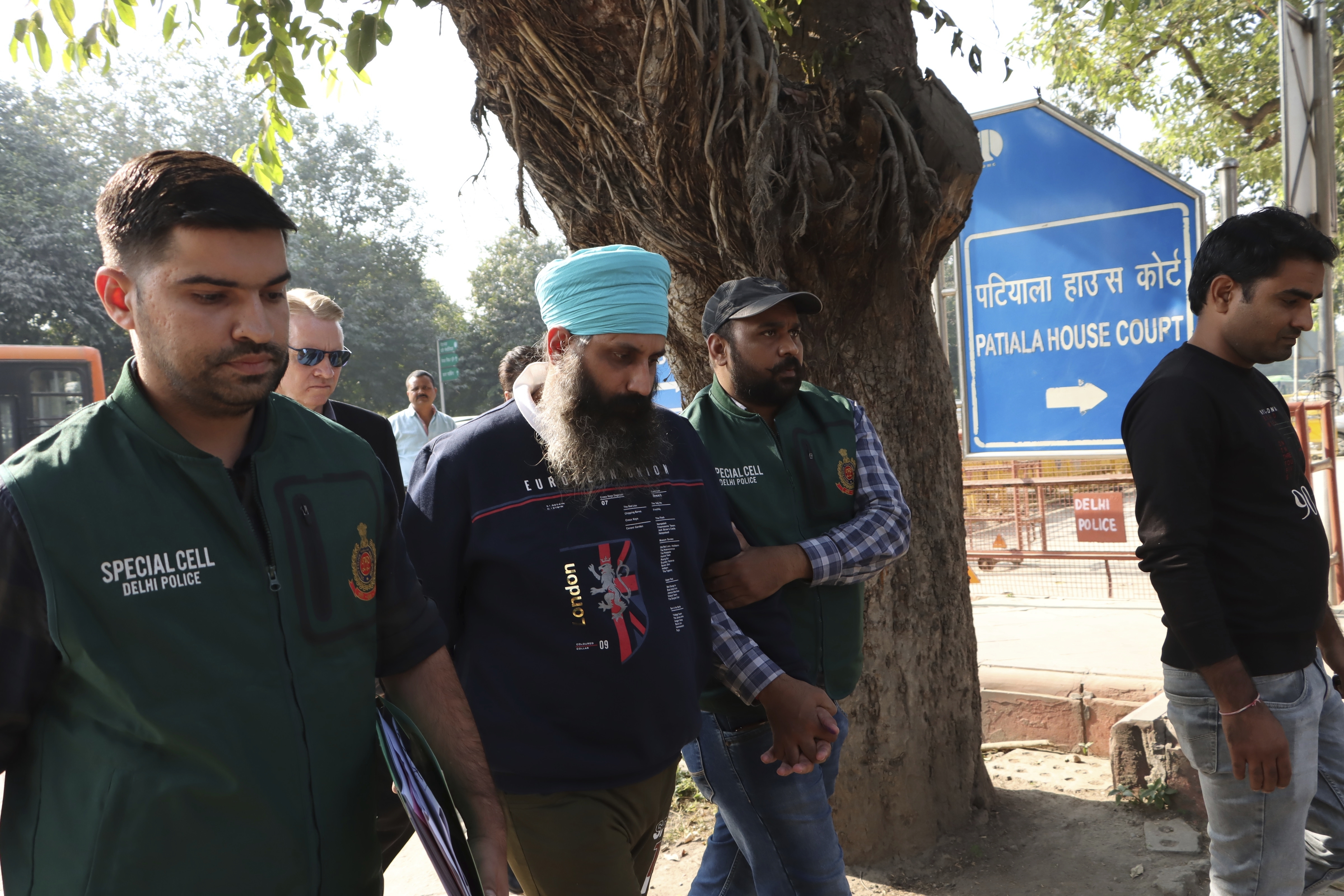
Policemen escort Rajwinder Singh, 38, after he was arrested in New Delhi, India, Friday, Nov. 25, 2022. The Indian nurse accused of killing Toyah Cordingley, 24, an Australian woman in Queensland in 2018 was arrested by Delhi Police on Friday. The Queensland Police had offered a reward of 1 million Australian dollars for information leading to Singh's arrest. (AP Photo/Dinesh Joshi)

In Wali's absence, the hearings are being held in other courts under other magistrates who have either been on leave or are unfamiliar with the case.

Since Singh, 38, is not contesting his extradition, the case was expected to move quickly by Indian standards.

All it needs is for a magistrate to submit an "inquiry report" to the Ministry of External Affairs that says it meets the criteria for extradition and letting India extradite Singh.

But this is taking a long time. In Friday's hearing, Magistrate Swati Sharma seemed unfamiliar with the case.

READ MORE: Alec Baldwin to be charged with involuntary manslaughter after fatal shooting of Halyna Hutchins

Rajwinder Singh has been arrested over the murder of Toyah Cordingley.

She asked the public prosecutor Ajay Digpaul to indicate where some of the more pertinent documents could be found in the file.

After browsing the file, Sharma gave another date – January 24 – for the next hearing, when she is expected to give her inquiry report.

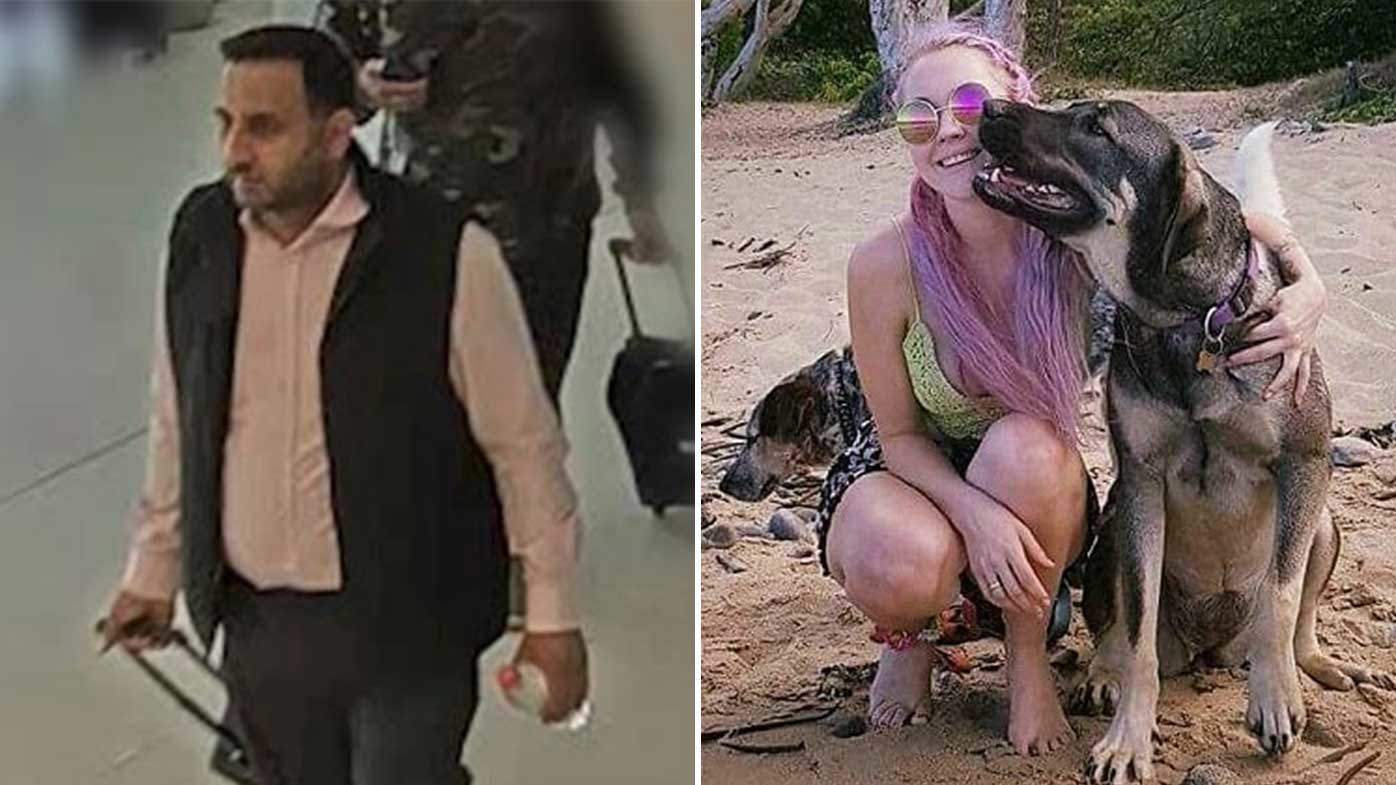
Singh, an Australian citizen, was arrested in December by Delhi police after a four-year manhunt that followed his flight from Australia just hours after Cordingley's body was found half-buried in dunes on Wangetti Beach.

Australian police want to question Singh over whether he stabbed Cordingley after an argument over her dog barking at him.

Police said the 24-year-old pharmacy worker had suffered "visible, violent injuries". Her dog was found tied up nearby.

READ MORE: Stretched homeowners feel pain of rate crunch, as mortgage cliff looms for many

Singh's lawyer asked the magistrate to consider a request to move him to another barracks in Tihar Jail because the current one was "too overcrowded with some 90 inmates".

He also wants to be given less spicy food because he says it does not agree with him.

The magistrate asked for a formal application to be made.

In an earlier hearing, Singh gave a statement making it clear he wanted to return to Australia to fight the charges and is aware that, if convicted, he could face a life sentence.

His wife and three children are in Australia, where Singh worked as a nurse in Innisfail.

The Indian government has already provisionally consented to Australia's call for Singh's extradition but the request needs to be signed off by the court.