Tag Archives: oceania

Man accused of killing two Victorian campers makes bid for secrecy

Potentially "explosive" evidence against accused double murderer Greg Lynn could be hidden from the public after a challenge by his legal team.

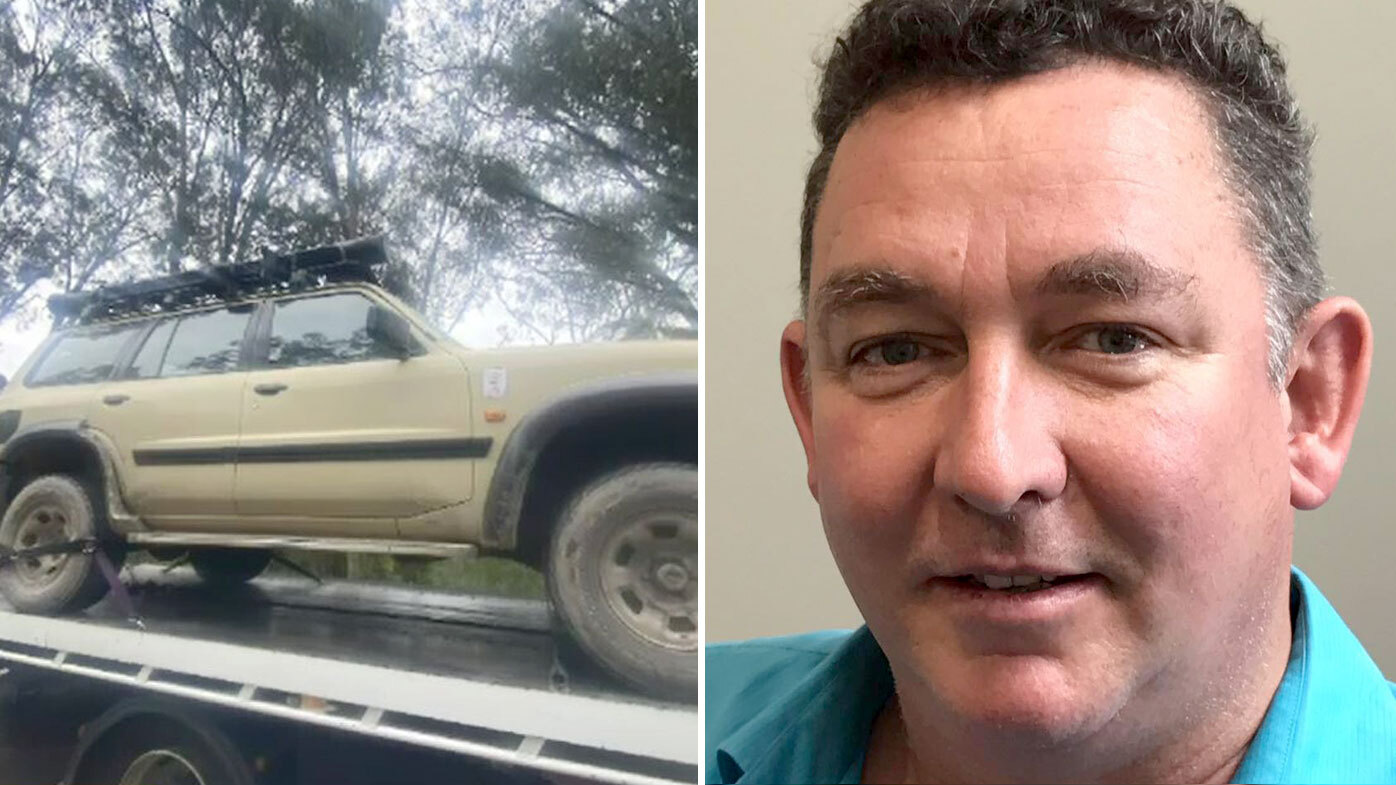
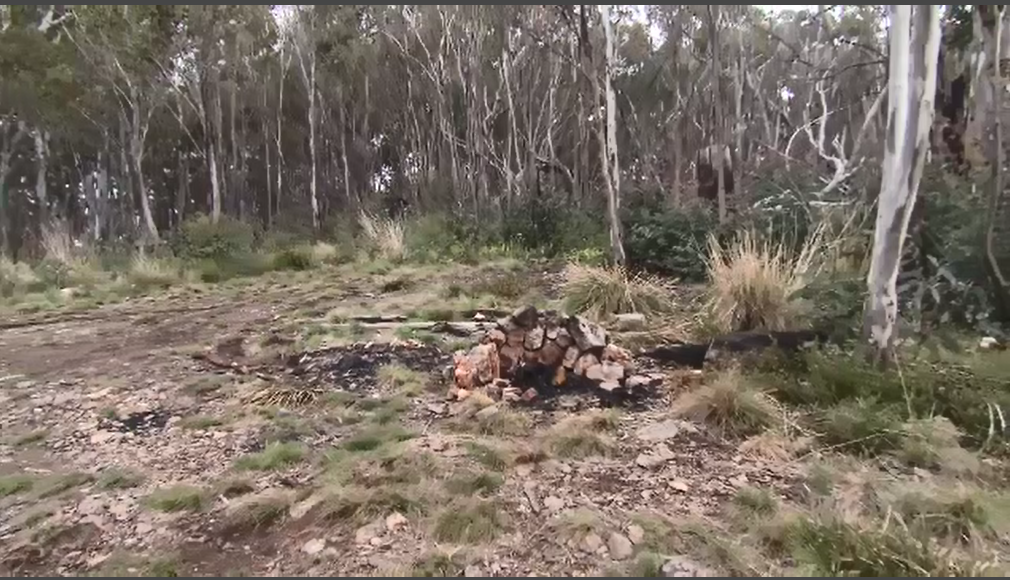
The 56-year-old is accused of killing Russell Hill and Carol Clay at their remote Wonnangatta campsite in Victoria's alpine region in March 2020.

But his legal team have made a bid to have key details in the prosecution case against him withheld from the public, including everything Lynn said to police after his arrest.

READ MORE: Two Qantas flights turn back to Melbourne over mechanical issues
They argue it could pose a real and substantial risk of prejudice to the proper administration of justice.

Lynn has pleaded not guilty to murdering the couple.

Lead investigator Detective Senior Constable Brett Florence is expected to be cross-examined by Lynn's barrister Dermot Dann when a committal hearing continues in Melbourne Magistrates Court on Monday.

Among the evidence Detective Florence and others are expected to be questioned about are Lynn's formal record of interview – taken over four days between November 22 and 25, 2021.

A statement Lynn made on July 14, 2020 and an hour-long recording of a conversation with police that same day are also sought by Lynn's legal team to be kept under wraps.

"The contents of these items of evidence are explosive, or may be seen as explosive in the eyes of readers or viewers," Dann said during a hearing on Friday, referring to the potential for sensational reporting.
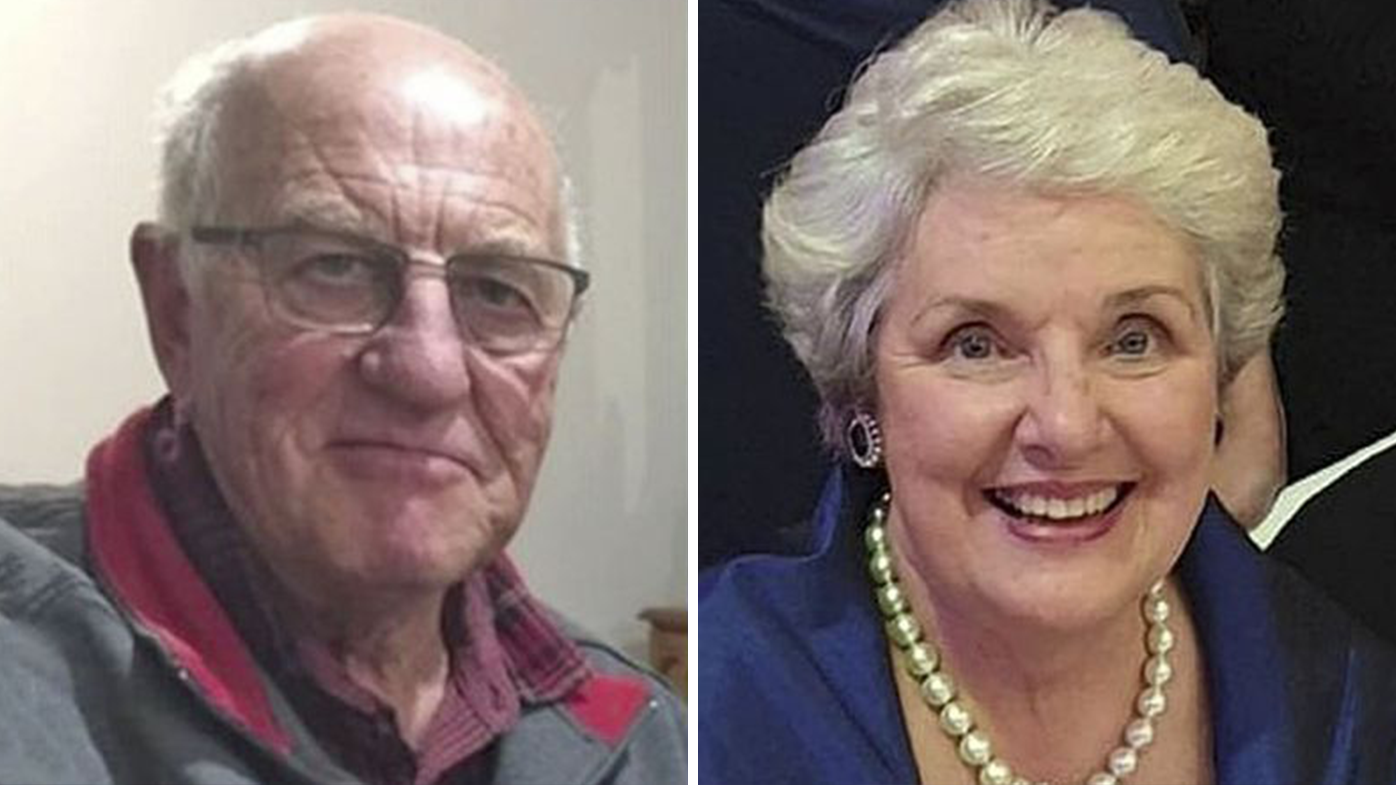
Russell Hill and Carol Clay were reported missing after going camping at a remote site in the Wonnangatta Valley area of the Victorian Alps in March 2020.

Lawyers for a number of media organisations challenged the suppression, which was not opposed by prosecutor John Dickie.

Magistrate Brett Sonnet questioned what the prejudice was in media waiting until a possible trial to report on the contents of Lynn's police interview.

But Corey Jankie, representing the ABC, said that wasn't the legal test for suppression orders, noting the legal assumption is that all material may be published.

Media reporting of the case demonstrated the substantial public interest in this case, he said.

Sam White, for the Nine Network, added that the law required only the "bare minimum" to be suppressed to prevent prejudice to an accused.

"We say the public has a right to know about the conduct of these proceedings," he said.

But Dann argued it would be impossible to disentangle potentially prejudicial parts of the interview from more benign aspects, having regard to the length of the interview, and the approaches to the right to silence and to Lynn's legal advice.
He has previously described some of the evidence against Lynn as "highly inadmissible" and flagged future challenges to its inclusion in the case if Lynn is ordered to stand trial.

Sonnet will hand down his decision on Monday.

Lynn is accused of murdering Hill and Clay at Wonnangatta on March 20, 2020 and of disposing of their bodies in remote bushland near Dargo.

Police also allege he set fire to the couple's Bucks Camp campsite to destroy potential evidence and that in May and/or November 2020 returned to their bodies and further tampered with their remains by "burning, dispersing and partially interring them".

Lynn was arrested on November 20, 2021. Remains later identified as those of the couple were discovered on November 29 that year.

'Sovereign citizen' banned from driving after police confrontation

A so-called "sovereign citizen" has been bailed but banned from driving after she was charged for not cooperating with New South Wales Police.

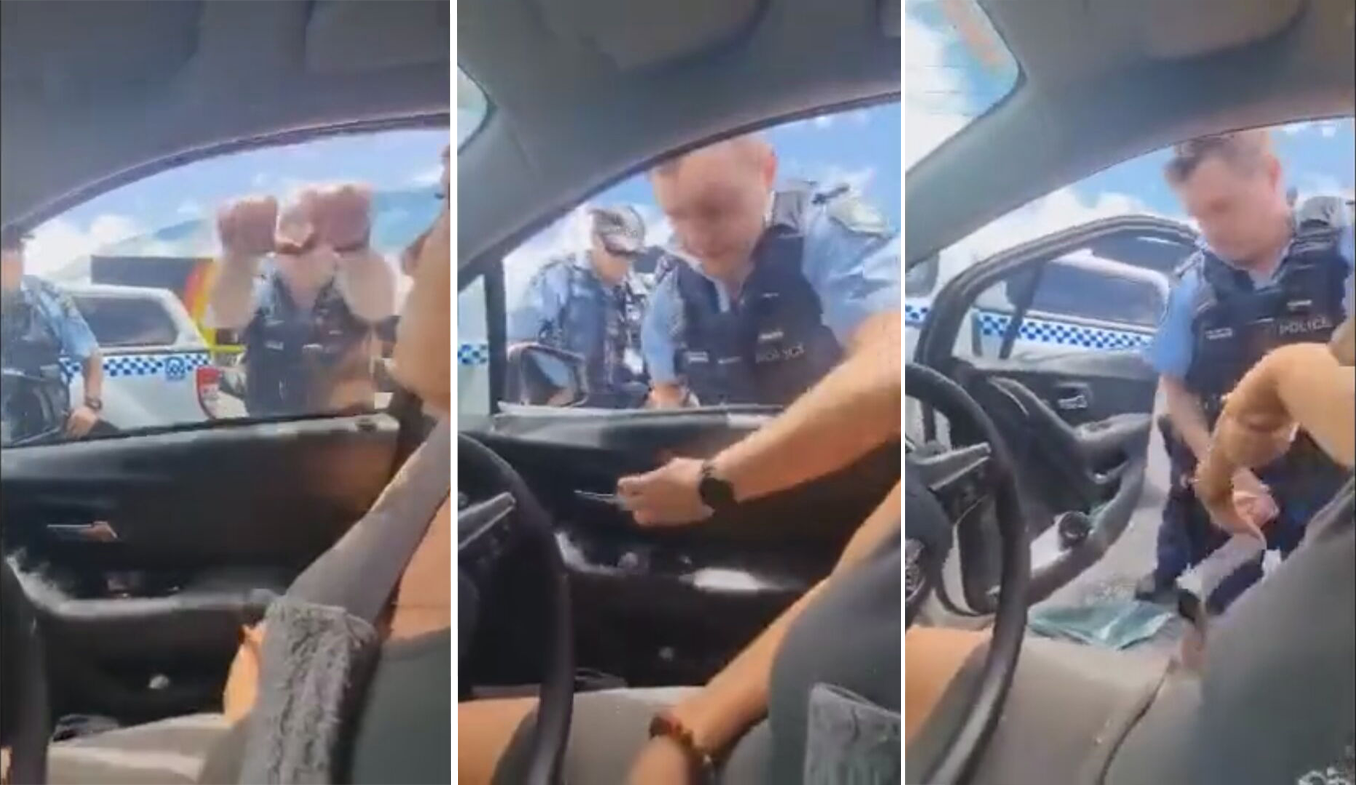
Video shows an officer smashing a car window after a man and woman refused to cooperate with police over a minor traffic stop on the Pacific Highway at Coffs Harbour just before 1pm on Wednesday.

The pair repeatedly told police they were not in their "jurisdiction" and "you have no authority here" when their names and a driver's licence were requested.

READ MORE: Alec Baldwin to be charged over fatal Rust shooting

The officer warned the pair that he would smash the window if they did not cooperate.

Police then smashed the window.

They had been stopped by officers as the car's registration had expired, police said.

NSW Police allege the 52-year-old woman was found to be "wanted on two outstanding arrest warrants for domestic violence-related offences".

She has been charged with a string of offences which included those related to the warrants, driving an unregistered card, refusing to produce a driver's licence and failing to submit to a breath test. 

READ MORE: Murray claims marathon 4am win against Kokkinakis in all-time thriller

The 52-year-old faced Coffs Harbour Local Court and was granted bail on the condition she reports to Ballina Police Station three days a week.

She has also been banned from driving.

Sign up here to receive our daily newsletters and breaking news alerts, sent straight to your inbox.

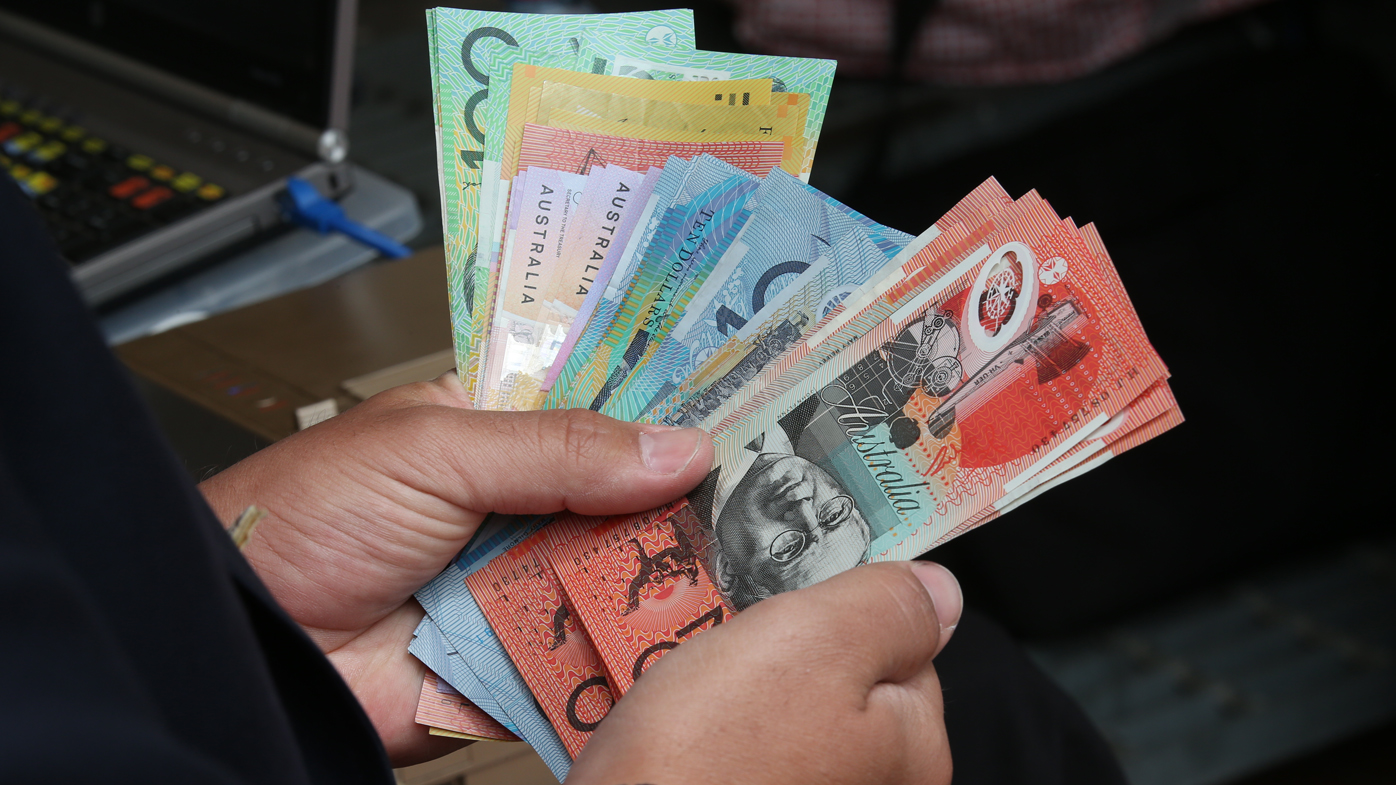
The real reason why ATMs are disappearing

Every week we will break down, debunk and demystify your rights as a shopper in Australia. This week we are looking at why it is becoming harder to find an ATM when you need one.

We all know life is getting more expensive than ever before, and how important it is to stretch every dollar you make.

That's why each week we'll answer a question surrounding what shoppers are – and aren't – entitled to when dealing with retailers and manufacturers.

MONEY MATTERS: Is it legal for a shop to only accept cash as payment?

All cashed out?

Hi Stu,

This isn't really a problem I have but more of a curiosity – one day I was out at my local shops and needed cash to pay for my haircut at a local salon that only accepted cash.

Ten years ago this shopping mall was littered with ATMs from all banks, but on this day I struggled even to find one from an independent operator.

Is it me, or are ATMs disappearing faster than they ever have before?

It's not you – ATMs (or automated teller machines) are disappearing at a rate of knots.

All of Australia's major banks, and even the smaller operators, are reducing their ATM presence in the community for a number of reasons, but we only really publicly hear of one: people aren't using them anymore.

MONEY MATTERS: How to get a refund if you've lost the box

The huge adoption of digital payments – such as contactless cards or using smartphones on EFTPOS terminals – has seen a dramatic reduction in the number of customers accessing ATMs to withdraw cash.

The latest statistics from the Reserve Bank of Australia show that on a 12-month basis, ATM withdrawals are plunging, with a 5.8 per cent drop in November of last year alone.

But there's more to it than that.

Traditionally ATMs are not a huge profit driver for banks, compared to other products or services they offer.

The machines offer a valuable service to customers who may need it, and a bank's ATM network was perhaps once a major selling point.

MONEY MATTERS: The problem with 'no refund on sale item' signs

But now customers are using them less, they are fast becoming an unnecessary expense on the bank's bottom line.

Think about all the costs that one would have to incur to run an ATM: There's the cost of the machine itself, the cash to stock it, the price of armed contractors to collect and transport the cash, various insurance requirements and if the ATM is not physically on bank property, maybe even rent on where the machine is placed.

That's largely why private ATM companies are replacing those of the big banks – they are offering the convenience of cash on hand, and covering their costs with a withdrawal fee that traditionally the big lenders would waive.

Sign up here to receive our daily newsletters and breaking news alerts, sent straight to your inbox.

The information provided on this website is general in nature only and does not constitute personal financial advice. The information has been prepared without taking into account your personal objectives, financial situation or needs. Before acting on any information on this website you should consider the appropriateness of the information having regard to your objectives, financial situation and needs.

Humongous cane toad dubbed 'toadzilla' found in Queensland

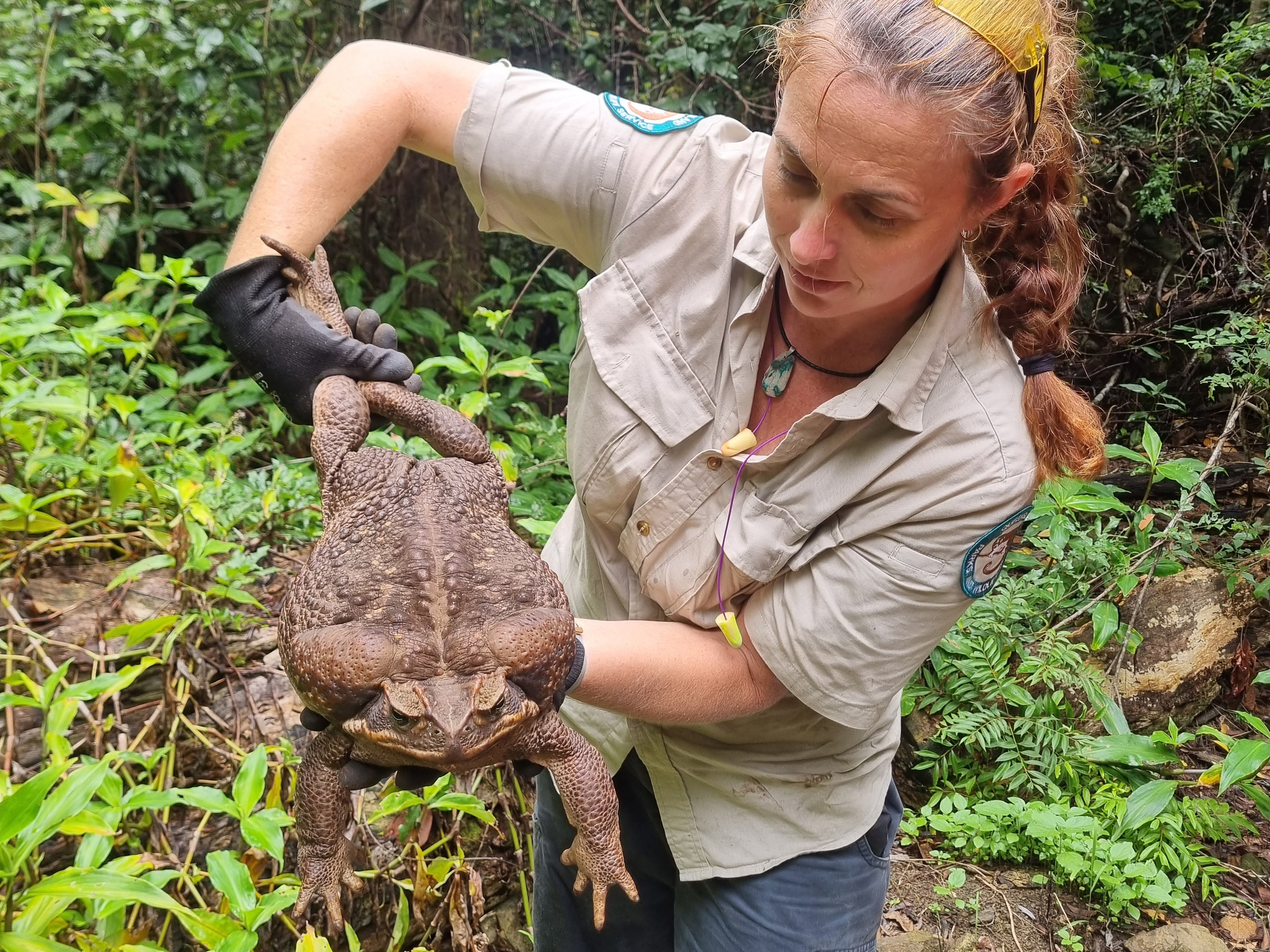
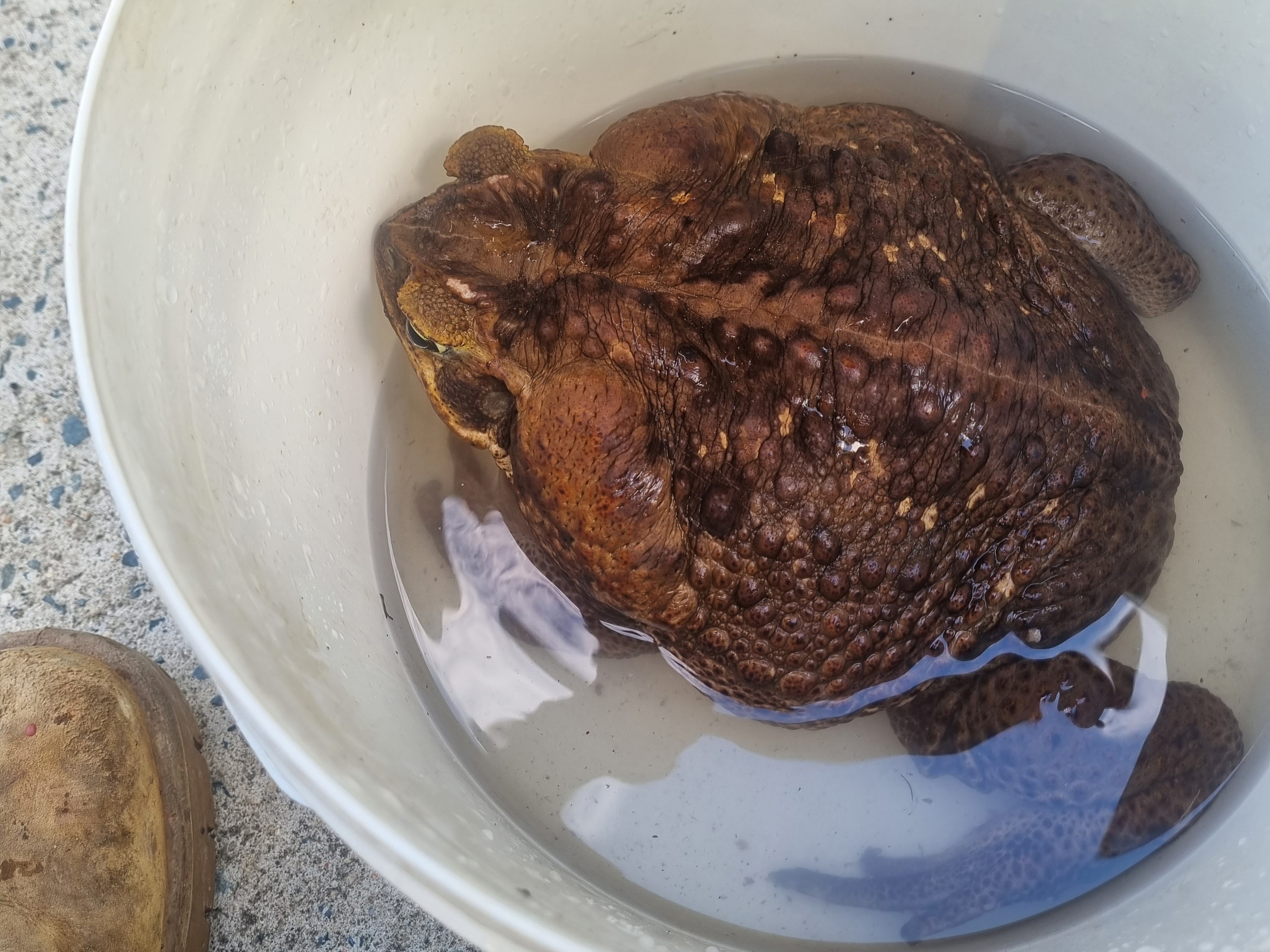
A cane toad so huge it was nicknamed 'Toadzilla' has been found in Queensland.

The mammoth creature weighed almost three kilograms – almost as much as a brick.

It was spotted by rangers in Conway National Park, near Airlie Beach.

READ MORE: Alec Baldwin to be charged over fatal Rust shooting

A cane toad so huge it was nicknamed 'Toadzilla' has been found in Queensland.The mammoth creature weighed almost 3kg - almost as much as a brick.

Ranger Kylee Gray said a snake slithering across the track forced them to stop their vehicle.

But when she stepped out of the car and looked down, she gasped.

"I reached down and grabbed the cane toad and couldn't believe how big and heavy it was," Gray said.

"We dubbed it Toadzilla, and quickly put it into a container so we could remove it from the wild.

A cane toad so huge it was nicknamed 'Toadzilla' has been found in Queensland.The mammoth creature weighed almost 3kg - almost as much as a brick.

"A cane toad that size will eat anything it can fit into its mouth, and that includes insects, reptiles and small mammals.

"We believe it's a female due to the size, and female cane toads do grow bigger than males.

"When we returned to base, she weighed in at 2.7kg, which could be a new record."

Cane toads can live up to 15 years.

READ MORE: Murray claims marathon 4am win against Kokkinakis in all-time thriller

A cane toad so huge it was nicknamed 'Toadzilla' has been found in Queensland.The mammoth creature weighed almost 3kg - almost as much as a brick.

The creature was euthanised due to the environmental risk they pose, and is set to head to the Queensland Museum.

Cane toads were introduced into Queensland in 1935 to control the cane beetle.

They are now considered a threat to the nation, under the Environment Biodiversity and Conservation Act 1999.

They usually grow up to 26cm and weigh up to 2.5kg.

Female cane toads can produce up to 30,000 eggs in a season.

A cane toad so huge it was nicknamed 'Toadzilla' has been found in Queensland.The mammoth creature weighed almost 3kg - almost as much as a brick.

READ MORE: Polarising Ardern leaves a legacy more leaders should adopt

They can kill wildlife and have caused local extinctions of some of their predators.

While they primarily feed on insects, they will also eat small vertebrates.

'Mind can't wrap around magnitude': Astronomers baffled by insane detail

A galactic photo shoot has captured more than three billion stars and galaxies in one of the biggest sky surveys ever.

A dark-energy camera on a telescope in Chile made the observations over two years, focusing on the Southern Hemisphere sky.

The National Science Foundation's NOIRLab released the survey results this week.

READ MORE: Alec Baldwin to be charged over on-set shooting

Shown in remarkable detail, most of these Milky Way objects are stars.

The count also includes small, distant galaxies that may have been mistaken as individual stars.

It's like taking a group shot and being able to distinguish not only each individual, but the colour of their shirt, said lead researcher Andrew Saydjari, a doctoral candidate in physics at Harvard University.

"Despite many hours of staring at images containing tens of thousands of stars, I am not sure my mind has wrapped around the magnitude of these numbers," Saydjari said in an email.

READ MORE: Comet not seen from Earth for 50,000 years will be visible again

This latest survey now covers 6.5 per cent of the night sky, according to the researchers.

It includes the results of a survey released in 2017 that catalogued two billion celestial objects, mostly stars.

With hundreds of billions of stars in the Milky Way, the cosmic catalogue is certain to grow.

No further updates are planned for this particular survey, Saydjari said, but upcoming telescopes will tackle even larger areas of the sky.

The jobs most under threat from AI, robots and big data

Ever since audiences laid eyes on HAL 9000 in Stanley Kubrick's 2001: A Space Odyssey, popular culture has been fascinated by the idea of an all-powerful computer intelligence and its potential to collide with humans.

And The Terminator, which hit screens in 1984, only double downed on this curious fear that robots and machines of the future might, and could, turn on us.

Global consulting firm McKinsey has predicted that hundreds of millions of jobs could be lost to robots, artificial intelligence and automation by 2030.

READ MORE: Will petrol prices reach record-breaking highs again in 2023?

Keir Dullea in a scene from the 1968 film, "2001: A Space Odyssey."

"Very few occupations – less than five per cent – consist of activities that can be fully automated," the report noted.

"However, in about 60 per cent of occupations, at least one-third of the constituent activities could be automated, implying substantial workplace transformations and changes for all workers."

But even if some sectors are destined to be heavily impacted, it does not necessarily spell the end for all workers in those fields.

Instead, workers may be given new kinds of tasks, the report said.

The recent emergence of ChatGPT, with its incredible powers to harness language and generate words, has shone the spotlight on the theme of AI overlords putting humans in the corner.

Here are some jobs right now under threat from AI, or likely to be in the near future.

READ MORE: Do legendary rogue waves of the oceans actually exist?

Science fiction action film "The Terminator" presented a dystopian future of man versus machines.

Drivers

If cars and trucks can drive themselves, there's less need for salaried humans to sit behind the wheel of a taxi or truck.

Many of the world's biggest automotive companies are investing billions to try and perfect this technology, and it is a fast-moving space.

Vivek Wadhwa, author of The Driver in the Driverless Car, estimates millions of driving jobs will be lost this decade, as vehicles achieve full autonomy.

Tesla's self-driving cars have been a trailblazer in this field, though not without incident.

READ MORE: Can Donald Trump win in a 2024 general election?

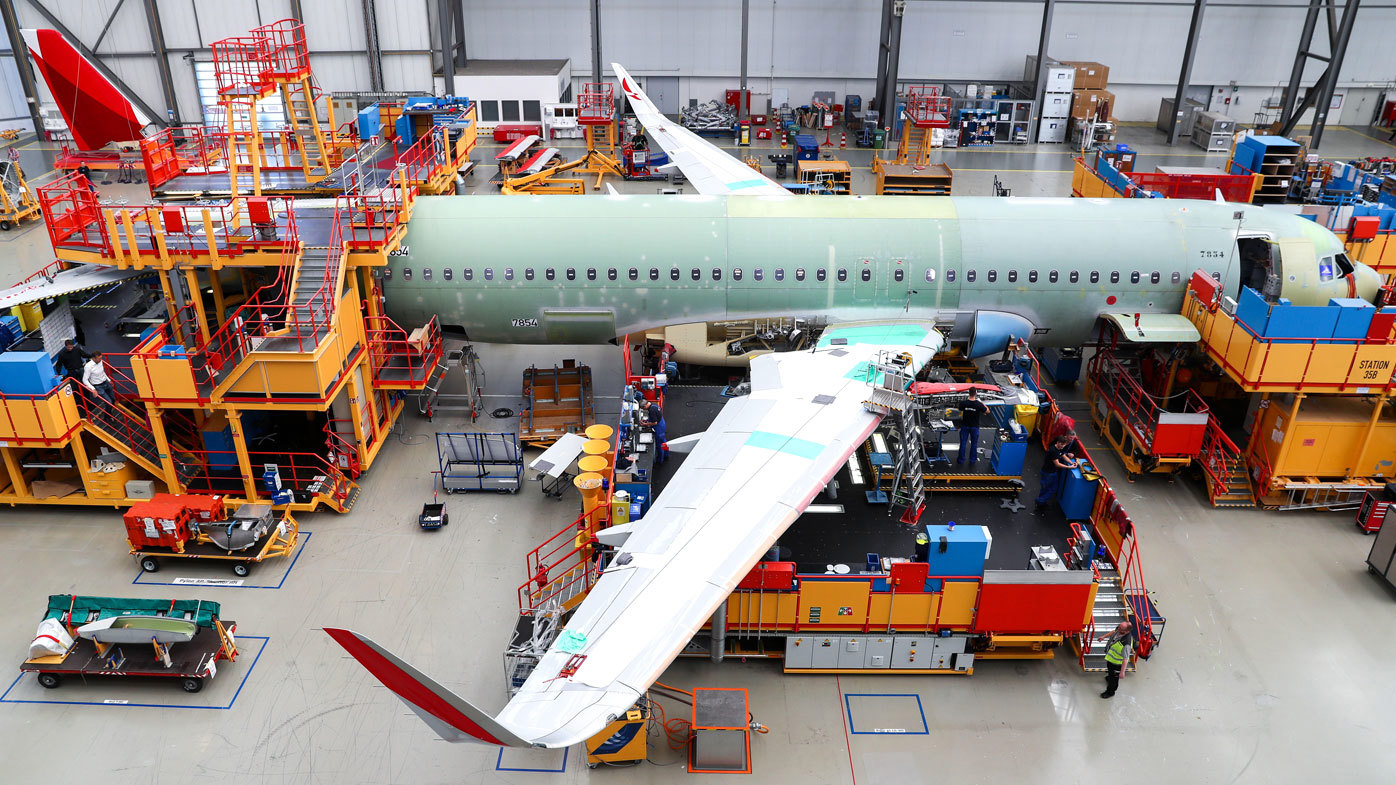
Airbus employees work on a factor final assembly line

Pilots

Autopilot technology has been assisting commercial jet pilots for years, through very basic flight handling interventions.

But Airbus may be on the brink of rolling out a much more advanced and capable version of the system, known as DragonFly.

Currently in final phases of testing, Airbus hope DragonFly will be able to take full control of the plane, if pilots cannot because of technical problems.

The system will be able to detect the issue and automatically select the most suitable airport, to redirect the plane towards it, and make an automated landing.

Writers

Some journalists and marketing and advertising copywriters will very worried by the rise of ChatGPT, an interactive chatbot powered by machine learning.

As long as users input questions and tasks into the system, ChatGPT can spit out words, stories, poems, essays and all manner of clean and concise writing.

The AI tool appears capable of writing legal contracts and other documents once penned by humans.

Created by San Francisco-based AI research lab Open AI, ChatGPT has read the collective works of humanity; It has learned patterns in language that it can recreate in seconds.

ChatGPT is not perfect, but it's certain to only going get more proficient, which is mildly terrifying for many who make a living through words.

READ MORE: What is shrinkflation? Sneaky way food companies pass cost to you

An employee at an Amazon Go grocery store.

Checkout and retail

Since 2016, Amazon has been trialling cashier-less grocery stores.

Amazon Go, a chain of convenience stores in the US and UK, prides itself on having no lines and no checkout.

Instead, customers can amble around the store, pick up the food and goods they want and leave.

The logistics of this operation involve banks of overhead cameras, pressure-sensitive shelves and artificial intelligence.

Once people leave the store, they are billed and sent a digital receipt.

Waiting staff

Restaurant owners looking to shave the cost of floor staff from their budgets are using QR codes to generate menus and take food orders.

This is becoming increasingly common, much to the annoyance of diners who want to ask a question, tweak a dish on the menu or ask about tonight's special.

For now, humans are still needed to deliver food to the table.

But with advancements in robotics, its not unhinged to imagine automated systems could eventually render that aspect of waitering obsolete, too.

Chefs and sommeliers, breathe easy.

Human Resources

Anyone who has worked in HR will understand the slog of sifting through huge piles of hopeful candidates, trying to find "the one".

Computer algorithms are already stepping in to lighten the load, mining the personal data of applicants to work out best fits for roles and companies.

Insurance underwriting

In the same way algorithms are churning through information for HR teams, computers can unlock the value of big data held by insurance companies.

For years insurance companies have used formulas to determine how much insurance a person is qualified for and at what premium.

But advanced AI is now automating the decision-making process even more, and replacing the need for humans to calculate these important money-making moves.

Delivery drivers

Self-driving cars are one thing, but the courier sector still requires a human to take packages from the vehicle and hand it to a customer.

However, that activity is now being chipped away.

Companies have been testing deliveries using airborne drones for some time, be it online shopping behemoth Amazon or pizza companies, like Dominos.

And when deep-pocketed Amazon is involved, game-changing developments are often never far away.

Polarising Ardern leaves a legacy more leaders should adopt

There aren't many political leaders, particularly in our neck of the woods, who leave on their own terms, at a time of their own choosing.

Sir Robert Menzies was the last Australian prime minister to do so in 1966, but even his departure was largely due to failing health.

New Zealand Prime Minister Jacinda Ardern has delivered the shock news that she's resigning from the post, and is getting out ASAP — leaving by at least February 7.

READ MORE: Baldwin to be charged over on-set shooting

She won't contest the October 14 election, and with flagging popularity, critics claim she's jumping before voters had the chance to turf her out.

She fought back tears to reveal that after a tumultuous and demanding five and a half years in office, she was spent.

She didn't have enough left in the tank to do the job justice, so it was time to make way for someone else. She's getting out.

READ MORE: What we know about executions in Iran following months of protests

Jacinda Ardern is a polarising figure.

She's been likened to US President Barack Obama: full of promise and hope but failing to deliver on those high expectations.

She's held up as a saint-like by some on the progressive side of politics, and gained worldwide praise for her leadership during some of New Zealand's darkest times.

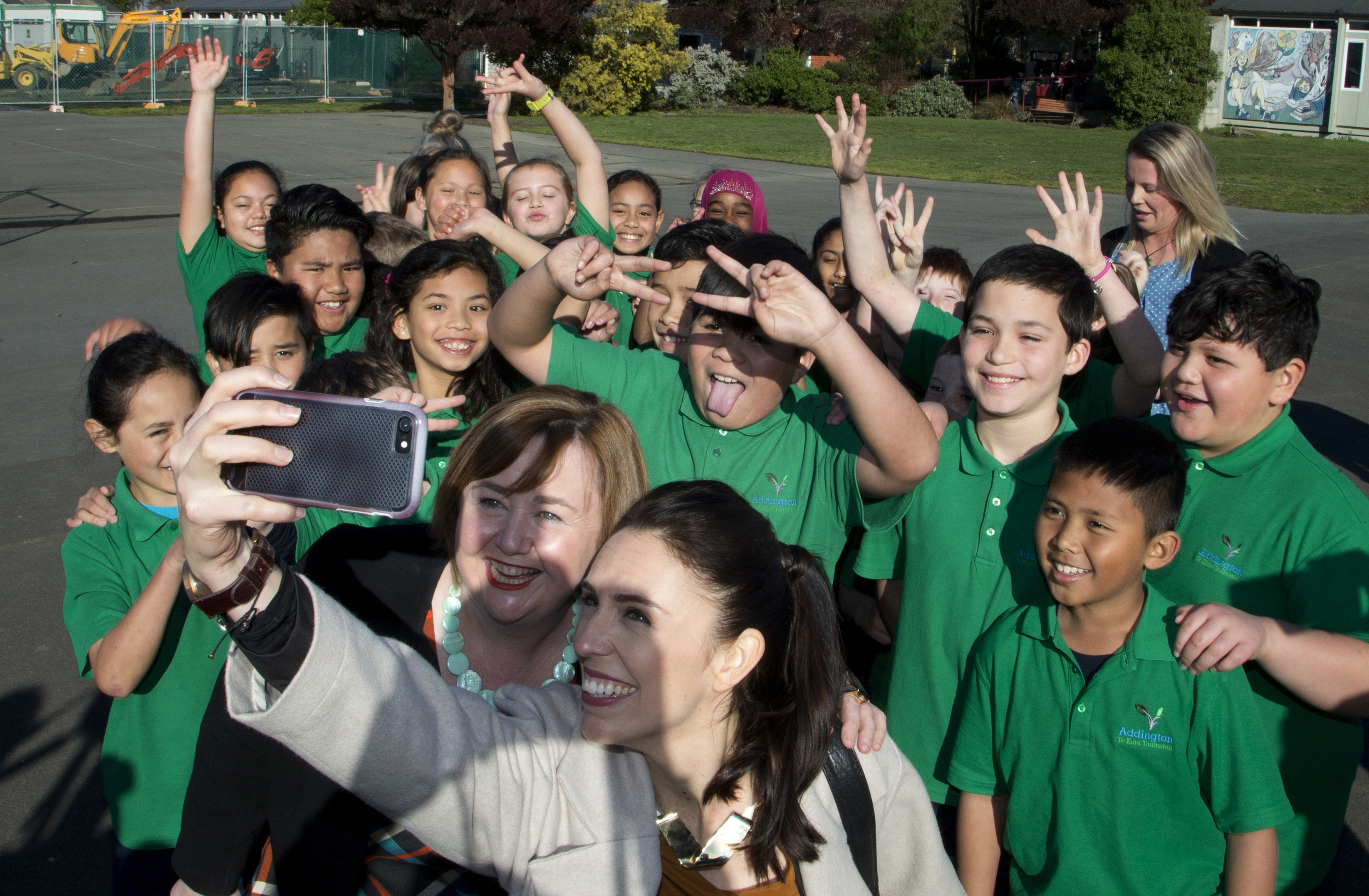
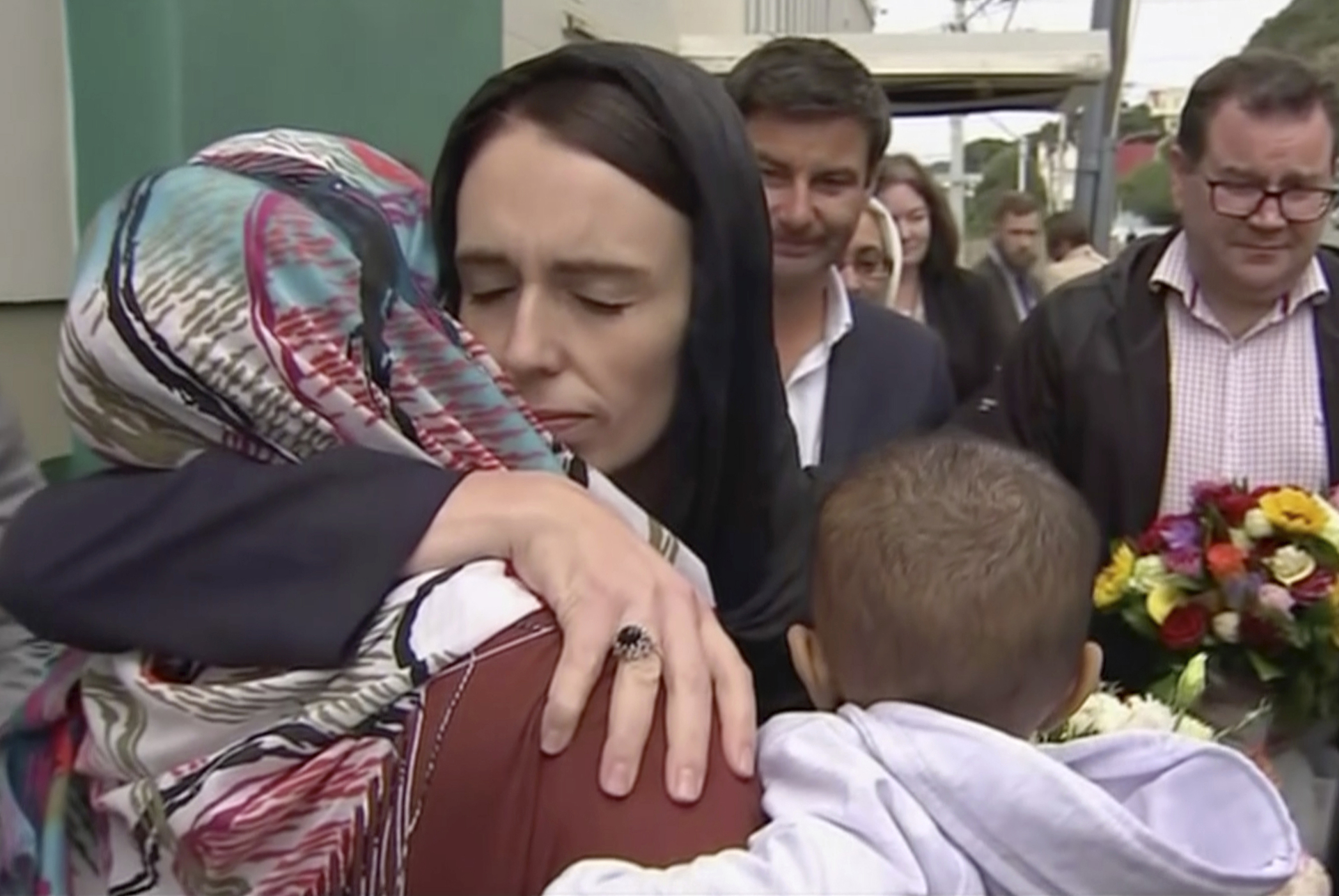
She delivered poise and grace in the wake of the country's worst massacre in Christchurch, embracing victims' families, and sharing the grief we were all feeling.

READ MORE: Why Jacinda Arden has resigned as New Zealand prime minister

It was a similar sentiment after the deadly White Island volcano disaster.

She led her country through the worst of COVID-19, and voters repaid her with a resounding win at the last election. It was a landslide victory.

In recent times though, with the New Zealand economy flagging, job shortages, and cost of living pressures biting, Jacinda Ardern has been more popular on the world stage than at home.

This is an election she would have struggled to win. Now it's up to someone else.

When she first came into office at the age of 37, Jacinda Ardern was the youngest female head of government anywhere in the world at the time.

She also became just the second woman to ever give birth while in office, famously taking her new baby girl with her onto the floor of the United Nations General Assembly.

She's now looking forward to seeing that baby, Neve, who's now four years old, start school, and she will finally marry her long term partner, Clarke Gayford, after the pandemic forced them to postpone the wedding they'd planned in January last year.

When asked how she would like to be remembered, Jacinda Ardern replied "as someone who always tried to be kind".

Kindness isn't a quality that first springs to mind when thinking of political leaders, but perhaps it's something more should be brave enough to adopt.

Deborah Knight hosts Afternoons with Deborah Knight Monday to Friday from 12pm to 3pm on 2GB.

Taxi drivers slammed after 'appalling' behaviour towards elderly man

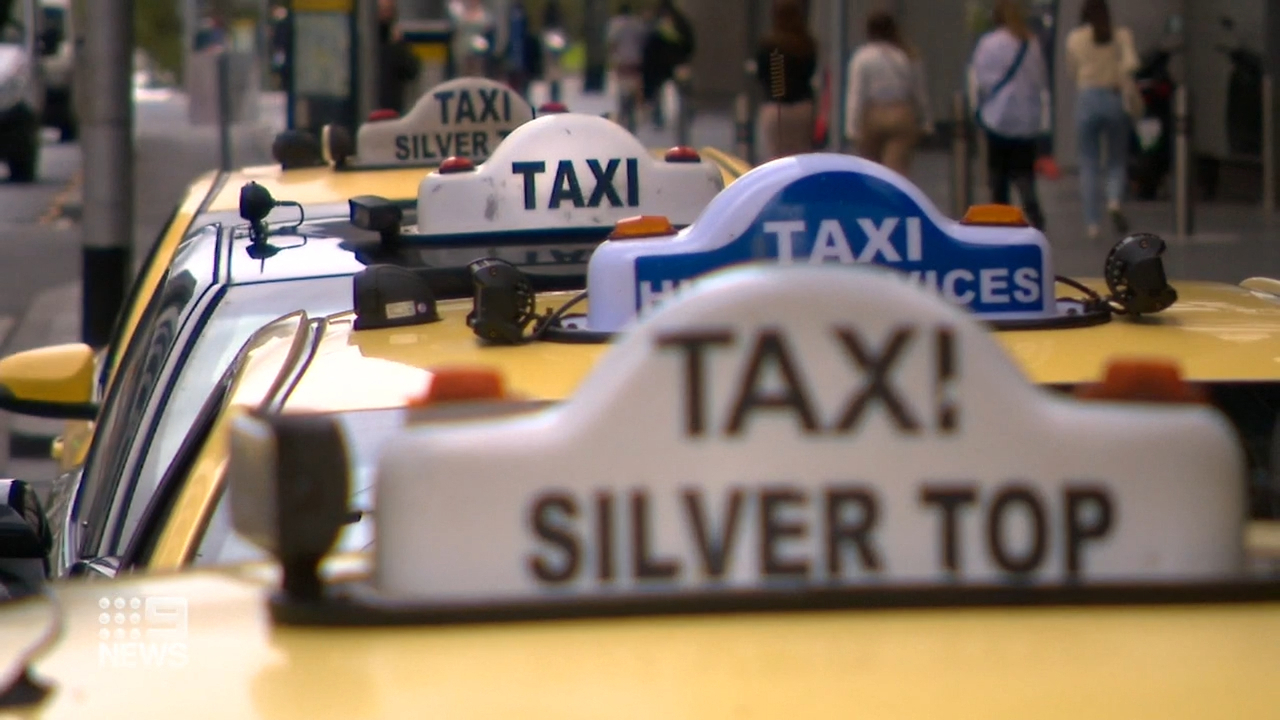
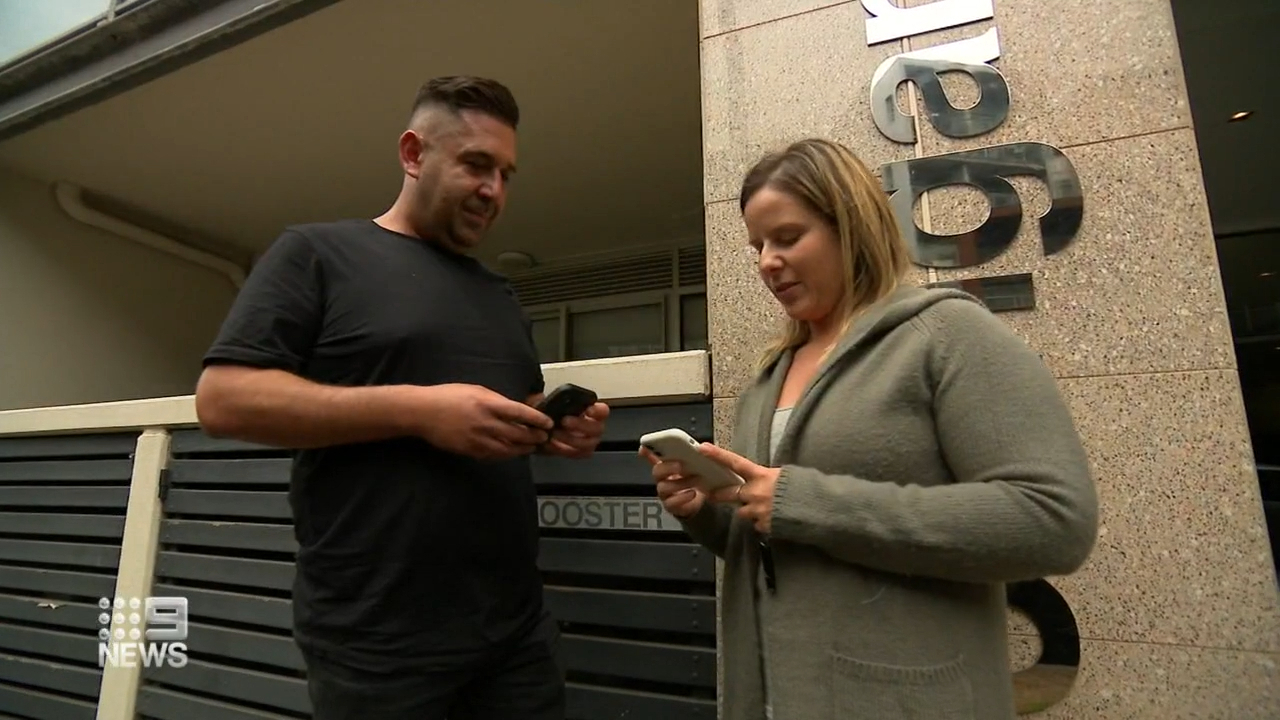
After attending the Australian Open night session on Wednesday night, Matt Alavakis tried catching a taxi on Olympic Boulevard when he witnessed a driver refuse an elderly passenger.

Alavakis described the behaviour as "appalling" and has called on more to be done to protect passengers, since negotiating or refusing fares is not necessarily illegal across Victoria.

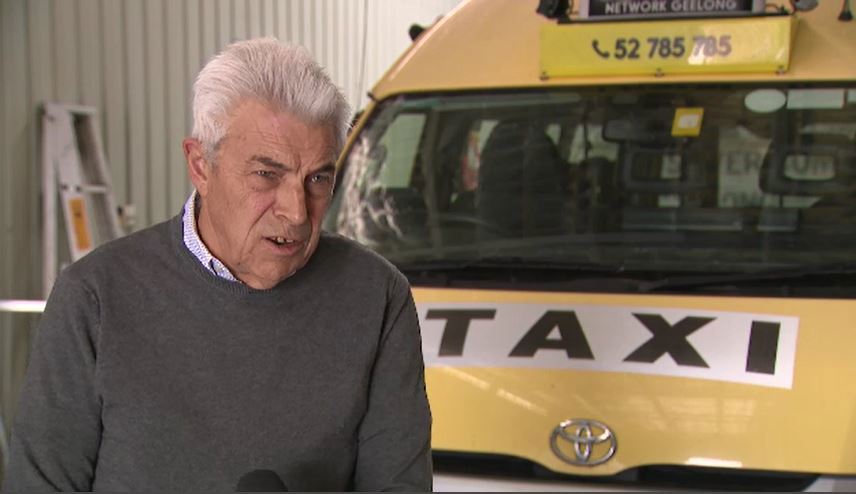
Victorian Taxi Association director Peter Valentine has since hit out at the "greedy" driver, who he said was "damaging the reputation of the industry".

READ MORE: Teen jet ski rider facing charges after alleged hooning on Victoria's Mornington Peninsula

Victorian Taxi Association director Peter Valentine has since hit out at the "greedy" driver.

"The attitude is poor and it's one of greed," Valentine said.

"I think it's put us in a disgusting state."

He said the industry regulations, which allow drivers to negotiate their own fixed fare for unbooked cabs, were "negligent".

Reforms to the regulations which allow the negotiations were introduced in 2017 to help taxi drivers compete against rideshare companies.

However that has had negative impacts on passengers, according to Alavakis.

"There was an elderly man with a walking frame who was trying to get a cab, they were refusing to take him. They were demanding money, for $60 to go into the city," he said.

READ MORE: Car giants Hyundai and Kia face compensation claims over fire hazard

After attending the Australian Open night session last night, Matt Alavakis tried catching a taxi.

"Cab drivers were refusing to take people it was appalling and disgusting.

"Even we couldn't get a cab so we ended up just walking into the city. This is not good for Melbourne and something needs to change."

A 13CABS spokesperson said they agreed that the behaviour of some drivers is "unacceptable and was causing issues for consumers".

However, the spokesperson blamed the state government for "removing regulations that outlawed things like fare refusal".

READ MORE: Police seize bedding from Idaho stabbing suspect's home

"We also encourage passengers who experience this to let us know so we can follow up and take disciplinary action," he said.

"There is a need for the state government to improve their regulatory response to address this behaviour.

"They can't keep pushing the problem onto the industry when they allowed hundreds and hundreds of unaccountable independent taxis on the road and removed regulations that outlawed things like fare refusal and negotiating the price of the trip on the rank."

Residents fed up after man allegedly damages 43 cars during rampage

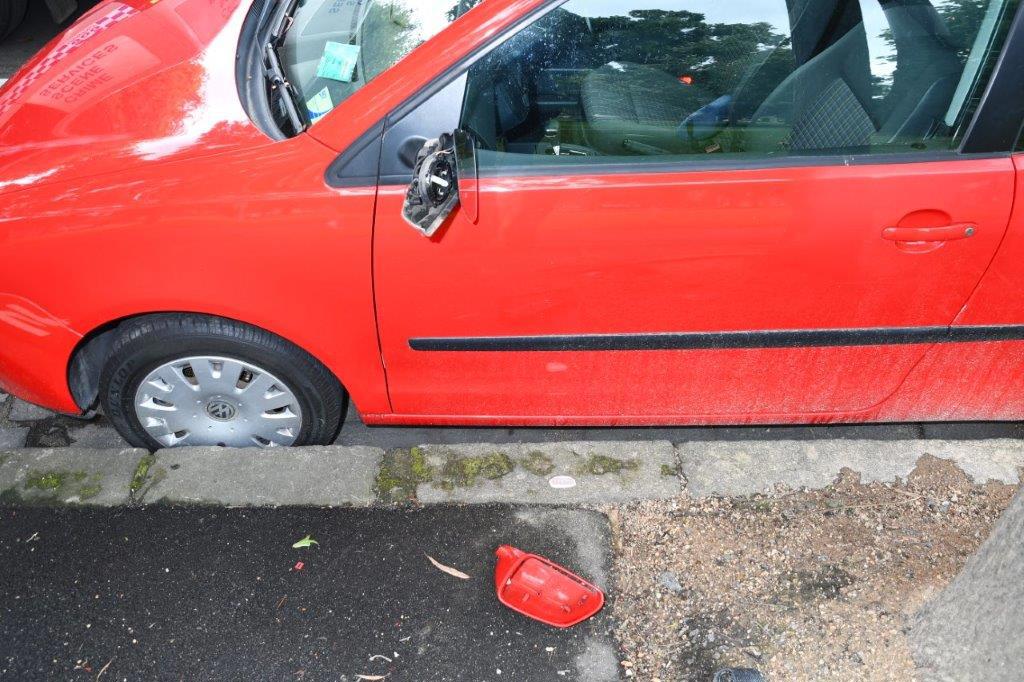
Residents living on a Melbourne street have been left with a hefty repair bill after a man allegedly damaged 43 cars in the space of 30 minutes late last year.

The cars were parked along Powlett, Albert, Simpson and Grey streets between 3.30am and 4am on December 13 when the damage occurred. Nothing was stolen during the incident.

Greg Mahoney said he is now looking at a bill of $1500 to fix the damage to his BMW, which was parked on the street.

READ MORE: Cockpit voice recorder 'quarantined' in Qantas engine failure investigation

"It's really annoying," he said.

"I probably won't get it fixed, we have tape around the side mirror. But really what motivates someone to do this?"

Victoria Police First Constable Heath Wright said it was disappointing behaviour. 

"It didn't seem like a targeted attack on specific vehicles, it was just an opportunistic attack.

"It's not what we want in our community."

READ MORE: Family pleads for killer of Melbourne grandmother to come forward

Police believe a man aged 30 to 35 years old, who is perceived to be Caucasian in appearance, with long dark hair and 180cm tall behind the vandalism.

He was wearing a beanie, an oversized khaki jumper, dark faded pants and black shoes.

Police have released photos of the man and are urging anyone with information about him or the cars being damaged to contact police.

Sign up here to receive our daily newsletters and breaking news alerts, sent straight to your inbox.