Tag Archives: oceania

The treatment that could 'eliminate' deadly superbugs for good

A team of Australian scientists may be one step closer to eradicating at least two deadly superbugs, using "innovative" technology that moves away from traditional antibiotics.

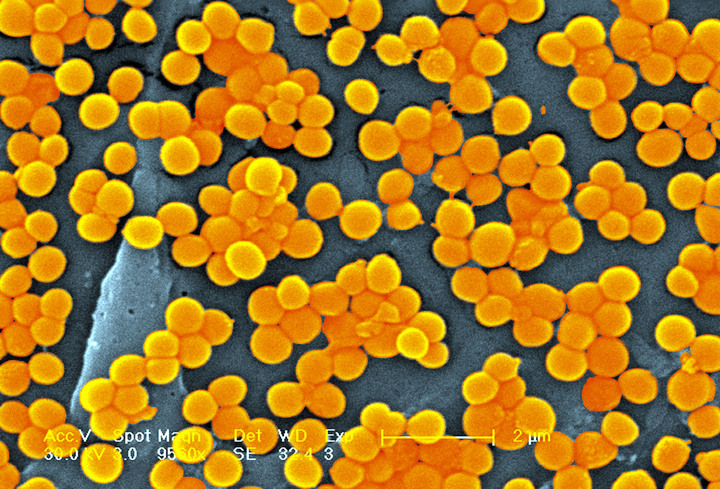
Golden staph and pseudomonas aeruginosa are considered two of the deadliest superbugs in the world, and are among eight antimicrobial-resistant (AMR) bacterial pathogens that kill an estimated 290 Australians annually.

The World Health Organisation (WHO) has branded antibiotic resistance "one of the biggest threats to global health, food security, and development", with a recent report finding common bacterial infections are becoming increasingly resistant to treatments.

But now next-generation, light-activated nanotech, developed by the University of South Australia and detailed in Pharmaceutics, has proven to do what traditional antibiotics increasingly can't.

READ MORE: Feared crime boss captured after 30 years

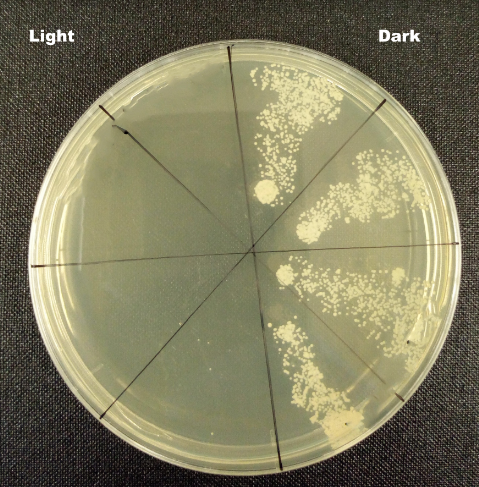
Methicillin Resistant Golden Staph Staphylococcus Aureus MrsaImage showing thedifference between
microbes (golden
Staph) incubated
with the treatment
with and without
light activation. The
left-hand side
showing complete
eradication of
bacterial colonies

Lead researcher, Dr Muhammed Awad, told 9news.com.au the technology showed a 99.9 per cent kill rate against the bacteria.

"Our photodynamic technology harnesses the energy of light to generate highly reactive oxygen molecules," he said.

"These molecules can actually attack the bacteria cells at different target sites at the same time, which prevents it from developing a specific resistance mechanism.

"In addition, these nano-carriers actually deliver the photo-active drug inside the communities of bacteria, inside their protective bio-films, which is what makes it difficult for antibiotics to kill.

"Basically, it bombards the bacteria with an all-over attack."

Both Golden staph and pseudomonas aeruginosa are transmissible, common bacteria, that are found on skin.

READ MORE: Emergency alert as rain bomb triggers mudslides in Queensland

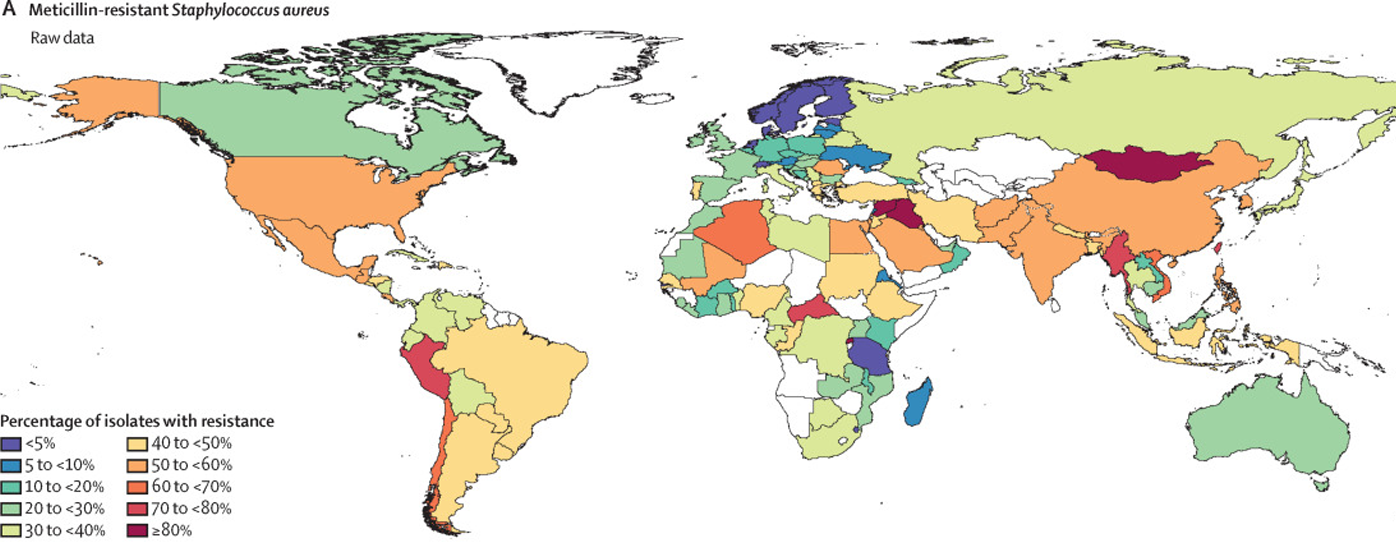
A map generated by WHO for a 2019 report on antibiotic resistance, tracked the prevalence of resistant staph infections.

However should they get into the blood stream they can cause sepsis and potentially death.

"Patients in hospitals – particularly those with wounds or catheters, or those on ventilators – have a higher risk of getting these bacteria, and while antibiotics may help, their extensive use has led to waves of microbial resistance, often making them ineffective," Awad said.

It's hoped the new technology will be a game-changer for people being treated in hospitals around Australia.

READ MORE: Liberal Senator Jim Molan dies following cancer battle

"This technology is very promising for people with localised infections, such as, chronic wounds, sinusitis, and patients with Urinary Tract Infections (UTIs)," he said.

"What we're hoping from this technology is we'll hopefully develop a spray, or a gel, that can be applied to the infected area and then we can shine a light on it."

As part of their next steps researchers will develop pre-clinical models before moving to clinical application and testing.

Sign up here to receive our daily newsletters and breaking news alerts, sent straight to your inbox.

'A rock': Loved ones of Sydney teacher killed in Nepal disaster speak

The loved ones of a Sydney teacher killed in the recent plane crash tragedy in Nepal have spoken out, saying he had "always lived his life to the fullest".

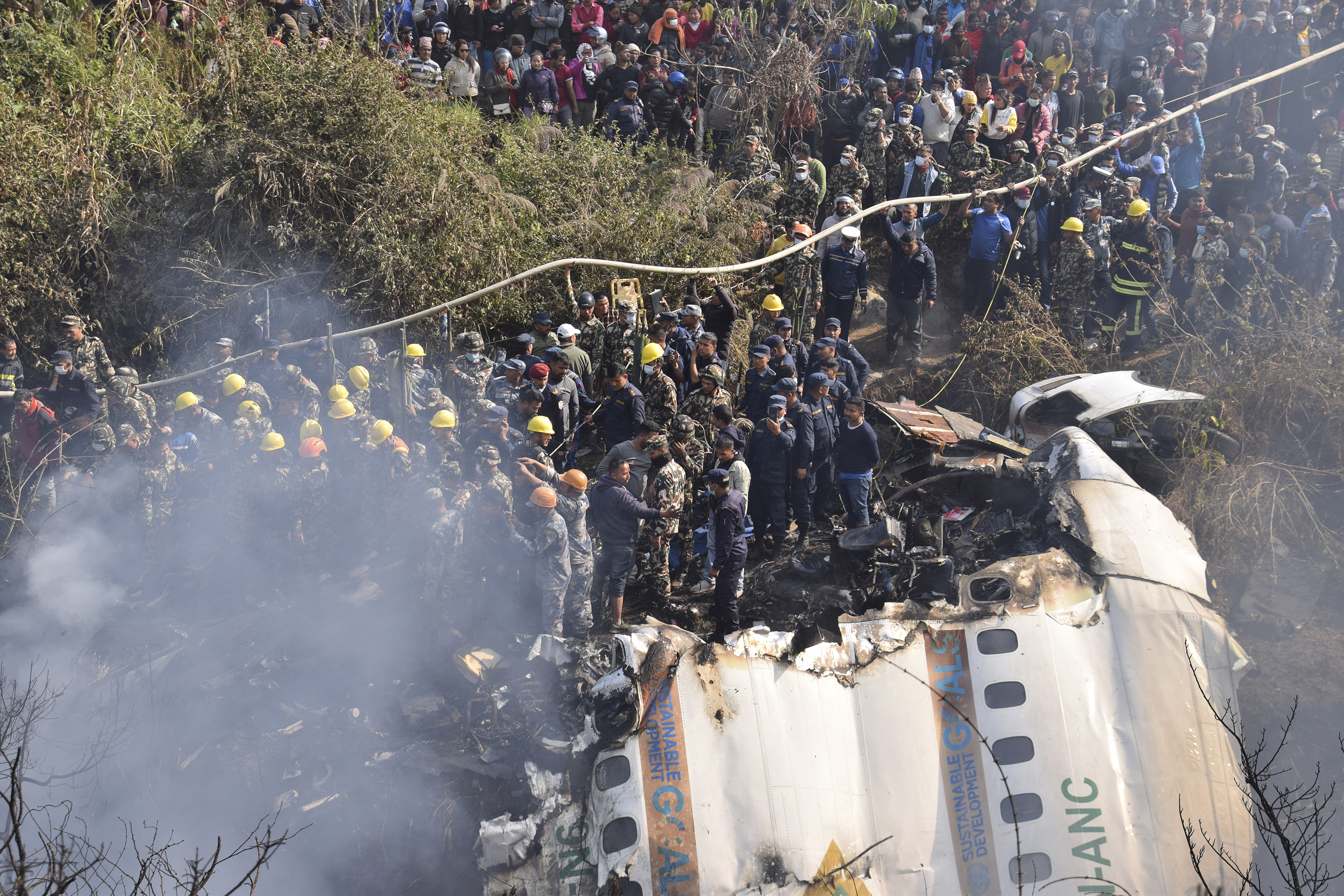
Myron Love had been holidaying through Asia when he boarded the ATR 72 Yeti airlines flight in Kathmandu.

There were 72 people on board the plane when it crashed into a gorge while landing at a newly opened airport in Pokhara on Sunday, marking Nepal's deadliest aviation accident in three decades.

READ MORE: Aviation expert's theory behind deadly Nepal plane crash

All of those onboard are believed to have died, with at least 69 bodies recovered so far.

"We would like to express our deep gratitude for the amazing support shown to us by our family and friends in this time of need," the Bailey and Love families said in a short statement.

"Myron has been a rock to both of our families for many years and he has always lived his life to the fullest.

"He has put so much into his short life that most of us couldn't fit into our lifetime."

The families requested "peace and privacy for us to grieve, and deal with this tragedy".

READ MORE: Flight radar and audio shows terrifying near-miss at JFK airport

Crash investigators looking into the disaster have recovered the flight data recorders from the wreckage.

The incident is Nepal's deadliest crash in 30 years despite the country having a long history of aviation disasters, including 42 fatal crashes since 1946.

Sign up here to receive our daily newsletters and breaking news alerts, sent straight to your inbox.

'Utterly gutted': New rabies rules leave pet owners 'hopeless'

Pet owners trying to bring their cats and dogs into Australia say they've been left hopeless and confused by sudden rule changes which will make it harder to bring their animals to the country.

Some owners say the changes, which include more checks and potentially longer quarantine times, have effectively banned them from bringing in their animals while authorities from some nations have called Australia's new rules "unfeasible".

The restrictions have also left animal welfare charities concerned.

READ MORE: Feared crime boss captured after 30 years

Urban Designer, Carlos Reyes, 35, in Melbourne, has been trying to bring his dog Zeus, a Samoyet, from Colombia for more than two years.

The Department of Agriculture, Fisheries and Forestry (DAFF) said the rule changes from March 1 aim to "protect Australia's rabies-free status".

There has not been a case of the killer disease reported for 150 years.

But DAFF says there has been an increase in "sophisticated" fraud involving animal imports such as fake rabies certificates.

Dog 'banned' from the country, owner says

Urban designer Carlos Reyes, 35, has been trying to bring his dog Zeus, a Samoyed, from Colombia to Melbourne for more than two years.

He has spent $3000 on vet checks already after emigrating to Australia and said he and others in a Facebook group on the issue are "utterly gutted" about the rules.

He feels like his dog is effectively "banned".

While he had already planned to fly Zeus via the US as Colombia is on the list of nations not approved for direct travel for animals, the rule change will make it more difficult.

READ MORE: Police dog honoured in special memorial service after unexpected death

Urban Designer, Carlos Reyes, 35, in Melbourne, has been in the process of bringing his dog Zeus a Samoyet, from Colombia for more than two years.

Even though tested and vaccinated for rabies, Zeus would now have to stay in another country, such as the US, for six months under the changes and do the lengthy vet preparations again there.

The dog remains with Reyes' parents in Colombia.

"With this change of rules, (it) sets me back to the beginning once more," he told 9news.com.au.

"I understand the biosecurity protocol but there should be consideration of how these things are rolled out."

Dog stuck in boarding kennels 

When Marcus Leung, 37, emigrated to Brisbane in December with his family, he had to leave his Pomeranian, Dogzi, in Hong Kong because there was no space in Australia's only animal quarantine facility in Melbourne until March.

Dogzi's trip had been planned for more than a year and the family spent more than $7000.

But under the new rules, its rabies test will have recently expired by the time she arrives.

Marcus Leung, 37, emigrated to Brisbane in December with his family had to leave Pomeranian Dogzi in Hong Kong.

READ MORE: Liberal Senator Jim Molan dies following cancer battle

While it used to be valid for two years, it will now only last for one and will likely need to be done again – which isn't simple, fast or cheap.

The dog, which is 14, is stuck in boarding and Leung feels "hopeless".

Other rule changes mean Dogzi faces 30 days in quarantine instead of the previous 10.

Leung called the changes "unreasonable" and "impractical".

"It's ridiculous to change this rule in such a short notice period," he said.

Do you have a story? Contact journalist Sarah Swain at ss****@******om.au

Experts say sudden changes disappointing

Dr Gerry Pahl is CEO of Petexportvet and president-elect of the International Pet and Animal Transport Association (IPATA).

He told 9news.com.au the rule changes are "disappointing" and leave many "unresolved questions".

"IPATA presented a submission showing that the global rabies risk is reducing rather than rising," he said.

"There will be pet owners that cannot afford the extra expense involved with the new rules.

"Owners with older animals will be concerned about how their pets will cope with a 30-day quarantine."

Between January and November last year, more than 7500 permits to bring animals to Australia were issued.

READ MORE: What it's like for Aussies living the American dream after 'lottery' win

Welfare concerns from RSPCA

The RSPCA said it has concerns about "exacerbated" welfare risk to pets in quarantine for longer, in a response to the new rules published online.

"The stress experienced by cats and dogs in quarantine kennels could have mental and physical impacts," it said.

The Department for the Environment, Food and Rural Affairs (DEFRA) in the UK called some of the changes "unnecessary".

Canada and the US, meanwhile, said some new rules are "not feasible".

A DAFF spokeswoman said there were no changes for people who already had permits to import pets from rabies-free countries.

Those who have a permit already from a nation with rabies will be contacted, she said.

"Under the new rules, before cats and dogs can be exported to Australia they will have to be positively identified by an official government vet in the exporting country," the spokeswoman said.

"If this is done they will only have to spend at least 10 days in quarantine.

"But if the identification can't be carried out for some reason they will have to spend at least 30 days in quarantine.

"The rules around the test used to check if animals are protected against rabies has been changed to be the same as international standards."

READ MORE: French chateau cost the same as a Sydney apartment

What is rabies?

Rabies is a viral disease which spread by animals and is always lethal.

It kills "tens of thousands" of people around the world, mainly those bitten by dogs in poor, rural parts of Asia and Africa, according to the World Health Organisation.

Vaccines exist for humans and pets.

READ MORE: Aussie pet owners charter $100k plane to get animals home
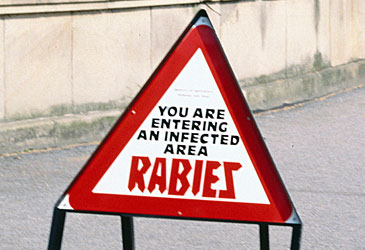
Rabies warning sign (Getty)

Australia is rabies-free, though has recorded cases of the similar Australian bat lyssavirus (ABLV), which has killed three people in since 1996.

The last animal case of rabies in Australia was reported in 1867.

Two people have been diagnosed with rabies in Australia after travelling from overseas, in 1987 and 1990.

Sign up here to receive our daily newsletters and breaking news alerts, sent straight to your inbox.
Alleged double killer 'returned to scene of murder twice'

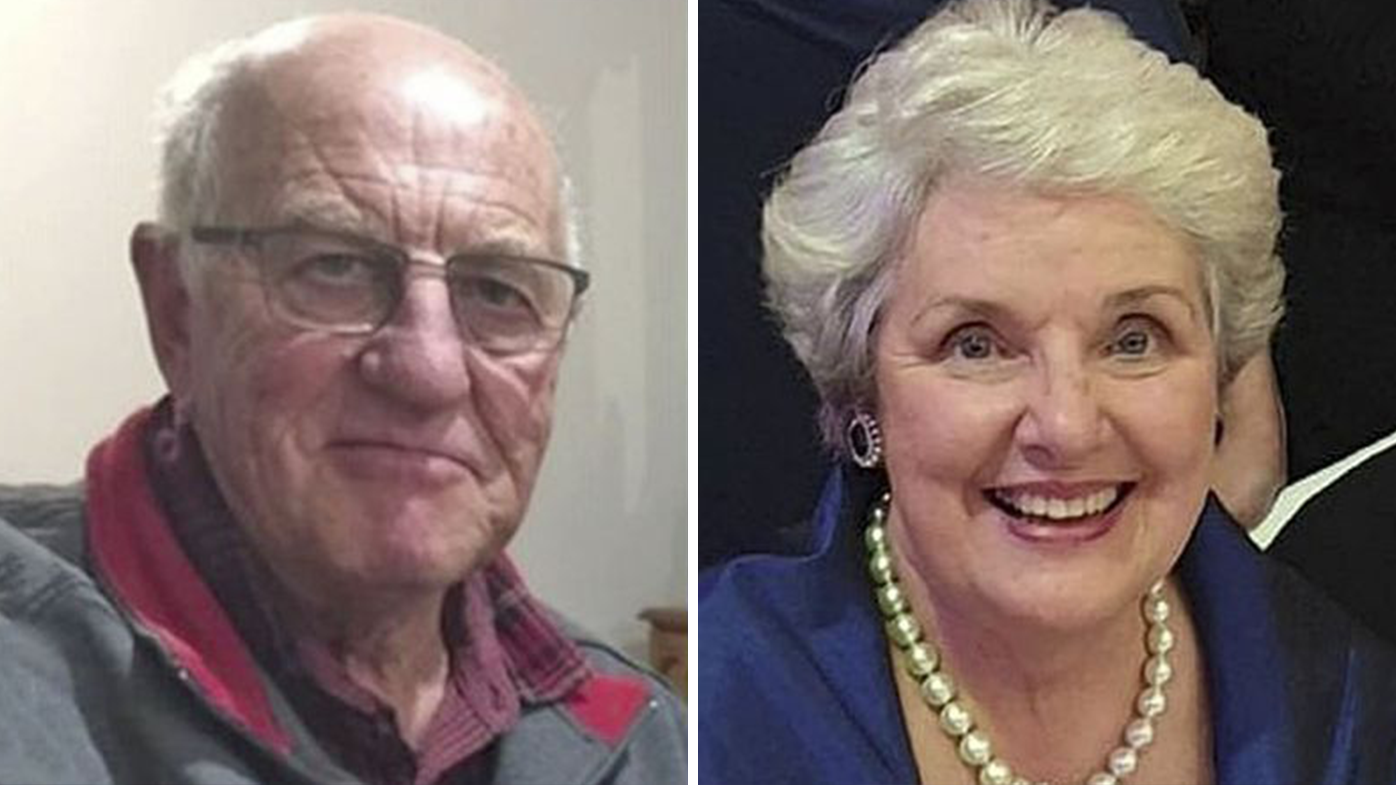
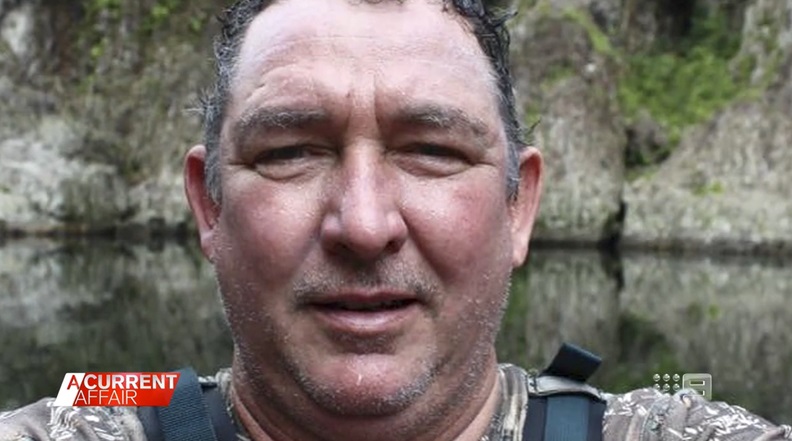
Accused double murderer Greg Lynn allegedly returned to a scene of the crime twice as police investigated the disappearance of Melbourne campers Russell Hill and Carol Clay.

The couple, childhood sweethearts who rekindled their love later in life, vanished while camping in the remote Wonnangatta area in March 2020.

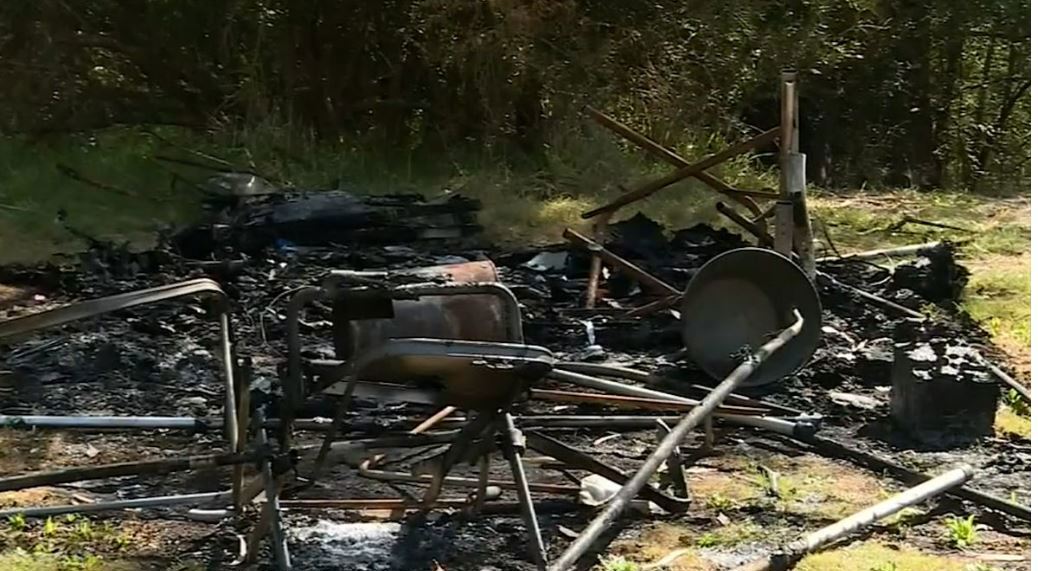
It's alleged Lynn killed them sometime after 6pm on March 20 before setting fire to their Bucks Camp campsite, where he was also set up.

AUSTRALIAN OPEN: Aussie youngster becomes instant hero

Russell Hill and Carol Clay were reported missing after going camping at a remote site in the Wonnangatta Valley area of the Victorian Alps in March 2020.

The 56-year-old former airline pilot has pleaded not guilty to two charges of murder.

A summary of police evidence, released in Melbourne Magistrates Court on Tuesday, sets out some of the allegations against Lynn but does not outline details of how or why they say he killed the pair.

But police allege the circumstances of their deaths and Lynn's behaviour afterwards is consistent with him having intended to kill them, or at least cause really serious injury.

It's alleged Lynn contaminated and staged the crime scene, intentionally destroyed evidence and removed evidence before disposing of the couple's remains.

Police allege Lynn put a gas bottle inside the couple's tent and set fire to their camp, before packing up his own campsite.

READ MORE: Major supermarkets slash prices on hundreds of products

Former Jetstar pilot Greg Lynn faces court over alleged murder of campers Russell Hill and Carol Clay.

Officers believe it's likely Lynn put the bodies in a box trailer he was towing before disposing of them as he left the area on the Dargo side of the Wonnangatta Track via Grant Junction.

"In May 2020 and/or November 2020, the accused returned to the bodies of Hill and Clay, where he further tampered with the human remains to dispose of the deceased," the document alleges.

"This involved burning, dispersing and partially interring them."

Police used listening devices and phone intercepts during their investigation and allege Lynn was overheard having conversations with himself, referring to the deaths of Hill and Clay.

Hill was reported missing by his wife on March 21 and the burnt-out campsite was found on March 27.

Clay was reported missing the following day, leading police to discover they'd been camping together.

READ MORE: Taliban figures begin buying Twitter 'blue ticks'

Their bodies were not recovered until November 29, 2021 – a week after Lynn was arrested.

The campsite was re-examined by police in March 2022 leading to the discovery of bone and lead fragments.

Clay's DNA was found on the lead, confirmed to be part of a bullet, while analysis on the bone is still underway, according to the police summary.

Lawyer argues other scenarios explain campers deaths

In a committal hearing, testing the evidence against Lynn, his barrister Dermot Dann KC referred to a potential scenario considered by police involving Hill grabbing Lynn's shotgun.

"The two were wrestling over the gun causing an accidental discharge, or causing discharge, which struck Clay in the head while positioned on the (passenger) side of Hill's vehicle," he described.

Victoria Police forensic officer Mark Gellatly said evidence found on Hill's car was consistent with that as a possibility but couldn't be ruled in or out.

"It's a possible explanation at this point," Gellatly replied.

Earlier, Detective Senior Constable Abbey Justin said she recorded an interview with Lynn in July 2020, nearly 18 months before he was charged.

READ MORE: Woolworths hikes packet chips prices as ongoing potato shortages hit supermarket aisles

For about an hour she and homicide squad detective Brett Florence spoke to Lynn in the kitchen of his Caroline Springs home about his movements on March 21, 2020.

Lynn's car was one of a dozen picked up by automatic number plate recognition cameras at the Hotham Alpine Resort in a brief period when Hill's phone was also in the area.

Justin took a photo of Lynn's car at the home. It had been repainted beige, from navy or grey at the time of the number plate recognition camera picture.

The hearing is set to continue next week.

READ MORE: Liberal Senator Jim Molan dies following cancer battle

Rat plague wiping out entire crops of Queensland sugarcane

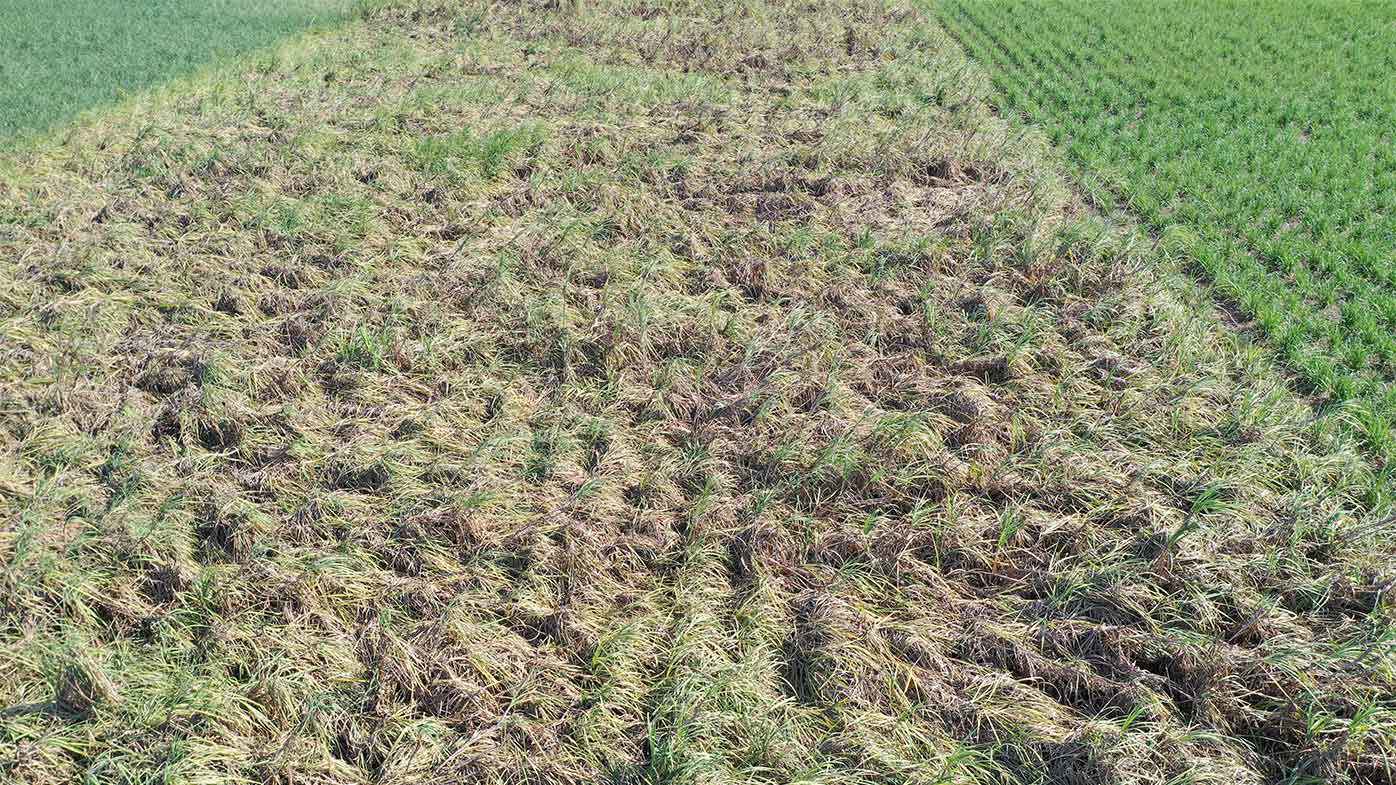
Just as sugarcane farmers in north Queensland are looking to bring in their best harvest in years, they are finding their crops disappearing in days.

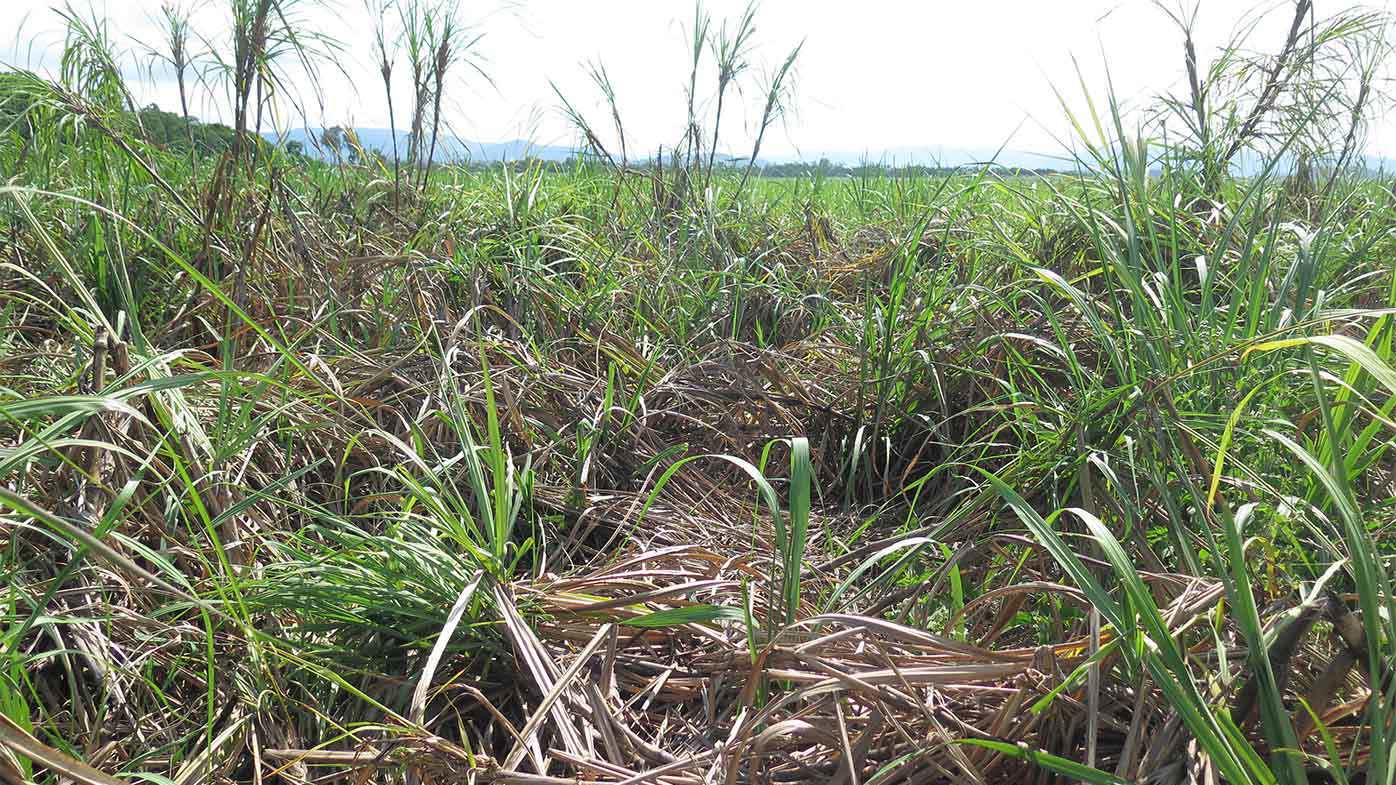
Extraordinary volumes of sugarcane are being destroyed by a plague of voracious and rapidly breeding rats.

"Within two weeks, whole fields will disappear," Herbert Cane Productivity Services manager Lawrence Di Bella told 9news.com.au.

READ MORE: Woolworths hikes packet chips prices

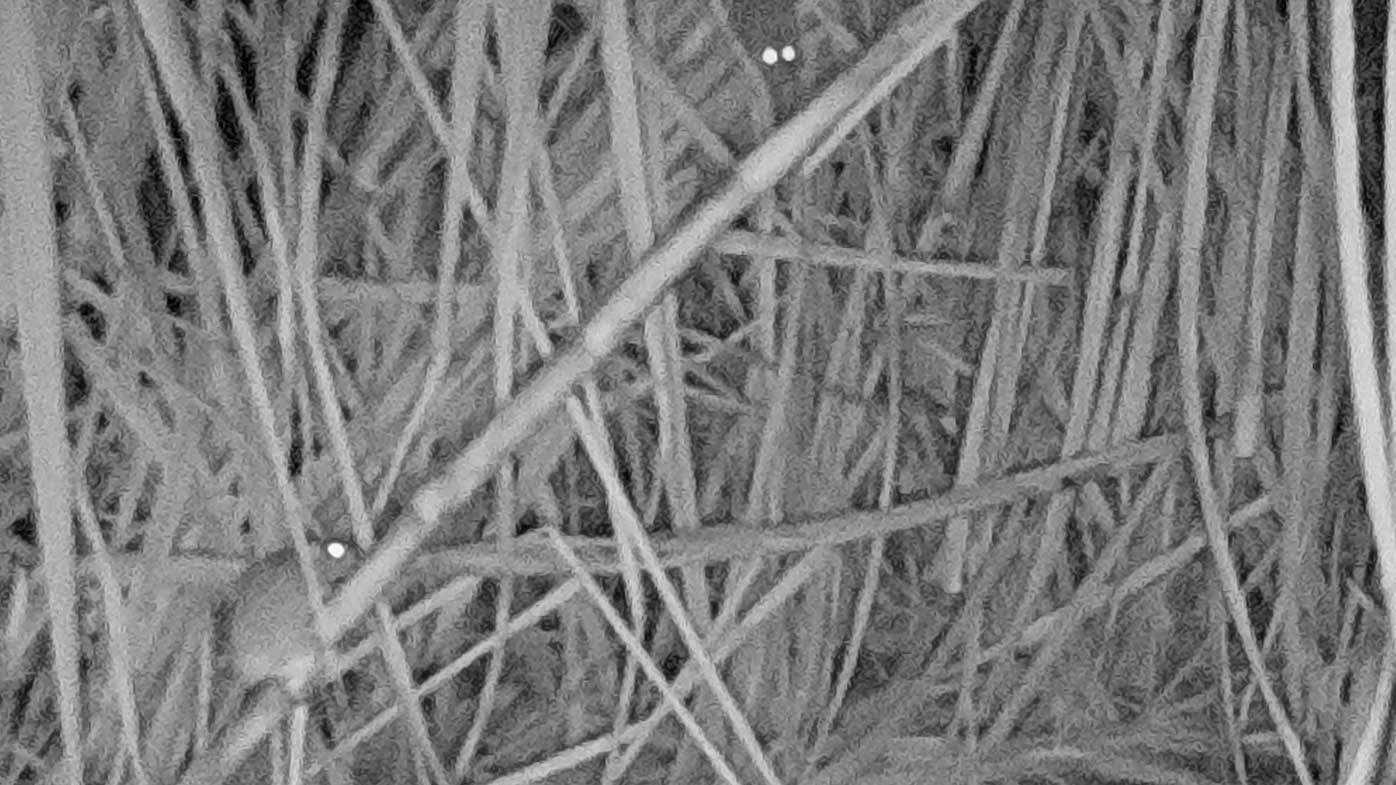
Infrared cameras show rats feasting on sugarcane at night.

"It's the worst rat year that I've seen in my working career in the industry."

Rats are thriving in what should be a good year for Queensland cane farmers.

The plague is widespread in the Herbert River Valley north of Townsville where Di Bella has his farm, as well as further north.

Wet seasons usually stifle the population of canefield rats.

READ MORE: Liberal Senator Jim Molan dies following cancer battle

Standover cane is providing a longer-term source of food for the rats.

The heavy rain will kill the rats in their burrows or otherwise impact their breeding cycles.

But after two drier years, the rat numbers have not been stifled. And now a good crop means a feast for the native rodents.

Di Bella described what it was like going out into the fields at night with infrared cameras.

"You can see the paddock is alive," he said.

"You can see little animals popping up and down everywhere in the fields."

READ MORE: Emergency alert as rain bomb triggers mudslides in Queensland

Entire crops of sugarcane are being destroyed by the rats.

In a single year, one rat can produce 460 progeny.

Delays for harvesting mean some farmers are unable to bring in their entire crop, so the rats could have a ready source of food for another season.

While baiting is one method of dealing with the rats, it is being treated as a last resort to kill the native rodents.

Rats need protein, which they aren't getting from sugarcane. So weeding and removing grass near the fields starves the rats of necessary nutrients.

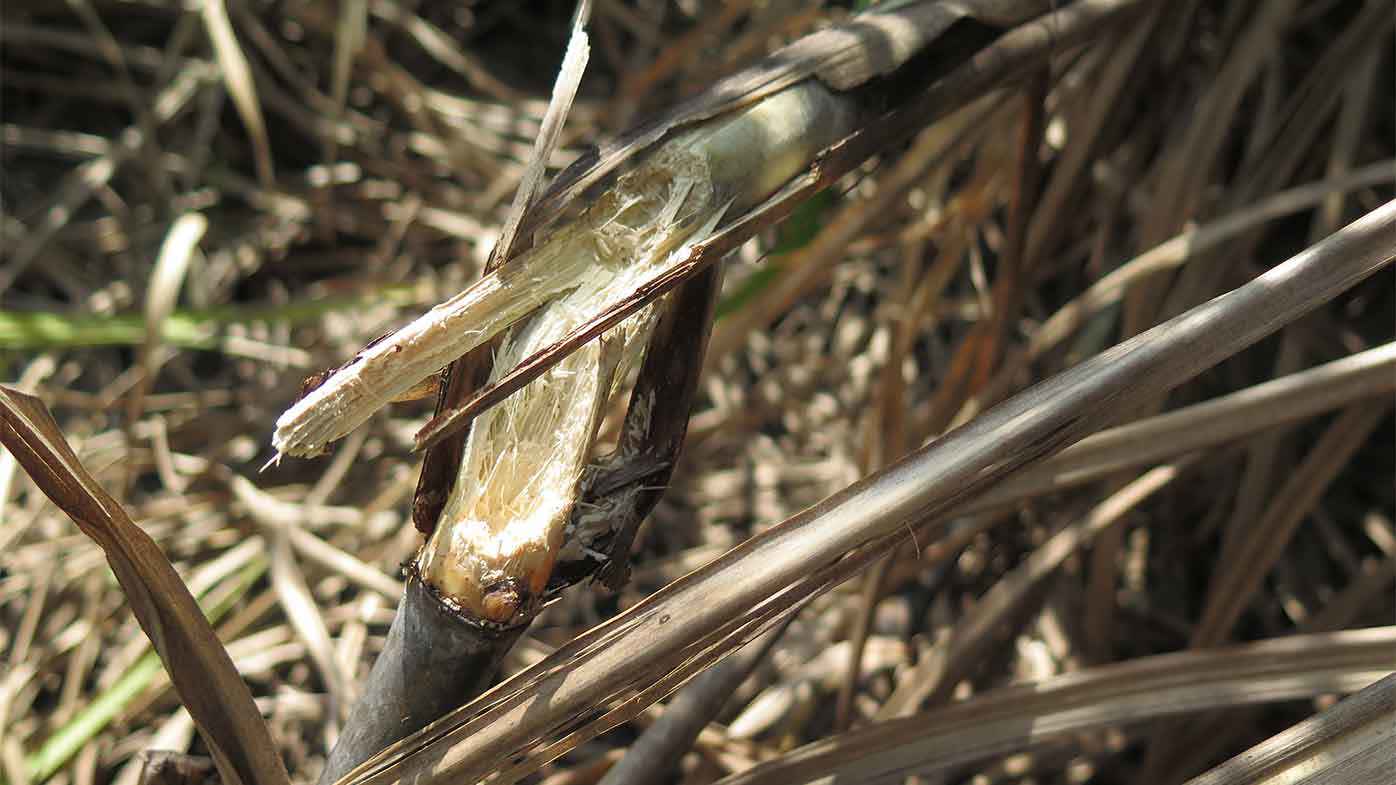
The rats cause profound damage to sugarcane.

Bait will also kill whichever native predators eat the rat carcasses.

But while birds of prey and snakes are well fed by the rat population, the predators can only eat so much.

The best hope for farmers is a substantial wet season to kill off as many rats as possible.

The plague has parallels to the 2021 mouse plague which tore through much of inland New South Wales, as well as parts of Victoria and Queensland.

A bumper crop in grain-growing regions led to a boom in mouse numbers in the country.

READ MORE: Why experts are seeing an explosion of fat, venomous snakes

Sign up here to receive our daily newsletters and breaking news alerts, sent straight to your inbox.
Meghan, Harry respond to Clarkson's apology over 'hate' article

The Duke and Duchess of Sussex have accused Jeremy Clarkson of "spreading hate rhetoric" after the former Top Gear presenter shared a detailed public apology over his controversial column in a UK tabloid.

Clarkson wrote he "hated" Meghan Markle and dreamed of her being "made to parade naked" while "crowds chant 'shame!' and throw lumps of excrement at her" – a Game of Thrones reference – in the article, which was published in the UK newspaper The Sun in December and later retracted.

He issued a lengthy apology for the article on Instagram on Monday night, saying he wrote the article in a hurry and later could not believe what he had written.

READ MORE: London cop admits to dozens of offences, including 24 cases of rape

Jeremy Clarkson and Meghan Markle

"I really am sorry. All the way from the balls of my feet to the follicles on my head. This is me putting my hands up," he wrote.

Clarkson claimed he had forgotten to mention he had been thinking of a scene in Game of Thrones, inadvertently causing him to appear like he was inciting violence.

"I was very angry with myself… I'm just not sexist and I abhor violence against women," Clarkson wrote.

"And yet I seemed to be advocating just that. I was mortified."

His apology claimed he had emailed Prince Harry and Meghan and everyone he works with to apologise for his words.

Hours after the Instagram post was made, a spokesperson for the couple issued a statement claiming Clarkson had only apologised to Harry.

"On December 25, 2022, Mr Clarkson wrote solely to Prince Harry, the Duke of Sussex. The contents of his correspondence were marked Private and Confidential," the statement reads.

"While a new public apology has been issued today by Mr Clarkson, what remains to be addressed is his long-standing pattern of writing articles that spread hate rhetoric, dangerous conspiracy theories, and misogyny.

"Unless each of his other pieces were also written 'in a hurry', as he states, it is clear that this is not an isolated incident shared in haste, but rather a series of articles shared in hate."

Top Gear's Jeremy Clarkson. (AAP)

More than 25,000 complaints were sent to The Sun over Clarkson's article, while more than 60 British MPs demanded action be taken over the piece.

Clarkson's long apology has come as Amazon reportedly cuts ties with him by not planning to continue streaming his two shows, The Grand Tour and Clarkson's Farm, after the commissioned period.

In the apology, Clarkson said ITV and Amazon, his employers, "were incandescent" after the piece was published.

At the time the article was retracted, Clarkson took to Twitter to express his regret for his words.

"I'm horrified to have caused so much hurt," he wrote.

https://twitter.com/JeremyClarkson/status/1604826179999076352?ref_src=twsrc%5Etfw%7Ctwcamp%5Etweetembed%7Ctwterm%5E1604826179999076352%7Ctwgr%5E77c613d7ce74a27ea2052fe427903dd0247344f4%7Ctwcon%5Es1_&ref_url=https%3A%2F%2Fwww.sbs.com.au%2Fnews%2Farticle%2Fa-mea-culpa-with-bells-on-jeremy-clarkson-apologises-for-meghan-markle-column%2F87rhnmdv3

Harry and Meghan said on Christmas Eve the tabloid had not been in touch with them directly, calling the newspaper's apology statement "nothing more than a PR stunt".

Sign up here to receive our daily newsletters and breaking news alerts, sent straight to your inbox.

Gina Lollobrigida, legend of Italian cinema, dead at 95

Italian screen legend Gina Lollobrigida has died at the age of 95, news agency ANSA reported, citing members of her family.

Her grandnephew, Italian Minister of Agriculture Francesco Lollobrigida, tweeted news of her death, calling her "one of the brightest stars of Italian cinematography and culture."

RAI state media also reported her death.

AUSTRALIAN OPEN: Aussie youngster becomes instant hero

Together with Sophia Loren, Lollobrigida came to symbolise the earthy sexuality of Italian actresses in the 1950s and 1960s.

After training as a painter and sculptor, Lollobrigida became a successful beauty queen and model, before making her first film appearance in 1946, with a small role in the swashbuckling adventure "The Black Eagle."

By the early 1950s, she was a huge star in Europe. She made her English-language film debut in 1953, in John Huston's "Beat the Devil," alongside Humphrey Bogart and Jennifer Jones.

READ MORE: Major supermarkets slash prices on hundreds of products

She was Esmerelda to Anthony Quinn's Quasimodo in the 1956 adaptation of "The Hunchback of Notre Dame," and the Queen of Sheba to Yul Brynner's King Solomon in King Vidor's 1959 Technicolor epic "Solomon and Sheba."

When film roles began to dwindle in the 1970s, Lollobrigida made a new career for herself as a photojournalist. She occasionally appeared in film and on TV, most famously in a recurring role in US prime-time soap "Falcon Crest" in 1984.

Last year, she ran unsuccessfully for a seat in the Italian Senate, telling newspaper Corriere della Sera before the country's elections: "I was just tired of hearing politicians arguing with each other without ever getting to the point."

Sign up here to receive our daily newsletters and breaking news alerts, sent straight to your inbox.
How lasers fired at the sky could be used to divert lightning

In a development that sounds straight out of a science fiction film, lasers fired at the sky have demonstrated success at diverting lightning during storms.

The findings from the world first study published today in Nature Photonics

International scientists tested the new-age lightning rods on the Säntis Mountain in northeastern Switzerland over 2021.

READ MORE: Week of wild weather looms for most of country

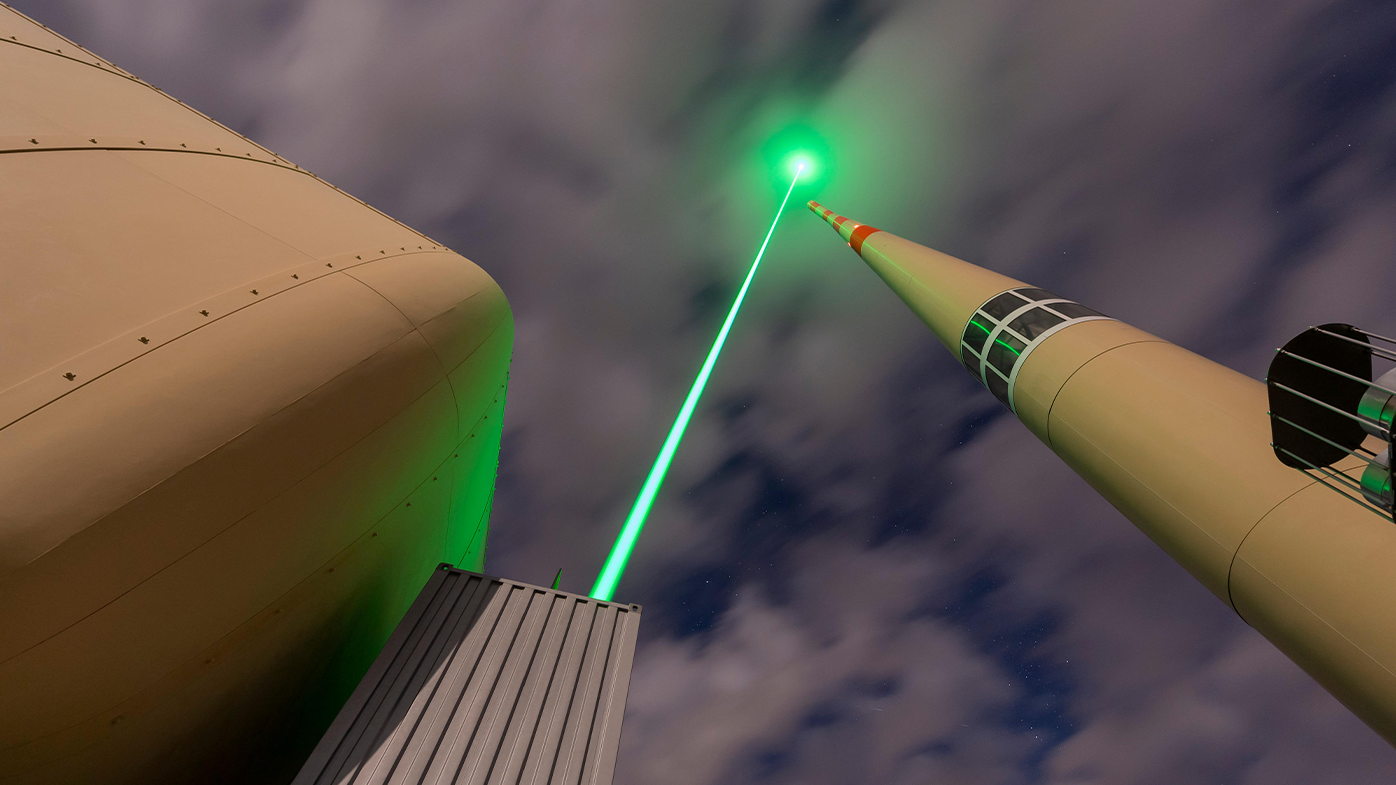
They used a laser the size of a large car that was able to fire up to a thousand pulses per second.

The researchers found that during a six-hour storm the pulsing light diverted four lightning strikes.

One of the lightning strikes was caught on a high-speed camera and the bolt was shown to follow the path of the laser for over 50 metres.

READ MORE: The Australian cities 'vulnerable' to tsunamis

The real-world experiment was a first, and the powerful laser successful diverted four strikes.

Study author Aurélien Houard told 9news.com.au the findings could help to develop better lightning protection methods for critical infrastructure and could be deployed in Australia.

The laser lightning rod in action.

"It's the first step toward a laser-based lightning protection that could virtually reach a height of hundreds of metres or kilometres with sufficient energy," he said, explaining lasers generate plasma columns that help to "guide" the bolts.

"Such giant lightning protection would be able to protect very large infrastructures such as airports, launchpads or wind farms.

"In theory this technique could be used anywhere."

He added that Säntis Mountain made the ideal location for testing as it's home to a telecommunications tower, which acts as a lightning rod in and of itself.

"About 100 lightning events are recorded every year on the mountain and most of these event start from the tower," he said.

"At other locations, you would have to wait years to see two lightnings appearing at the same place."

Researchers corroborated their observations using high-frequency electromagnetic waves generated by the lightning, to locate the strikes.

Increased readings of X-ray bursts also confirmed the successful guiding. 

Sign up here to receive our daily newsletters and breaking news alerts, sent straight to your inbox.
Perth scuba diver claims hunters are using disturbing method to catch sharks

A scuba diver has claimed trophy hunting fishers are going to disturbing lengths to catch sharks.

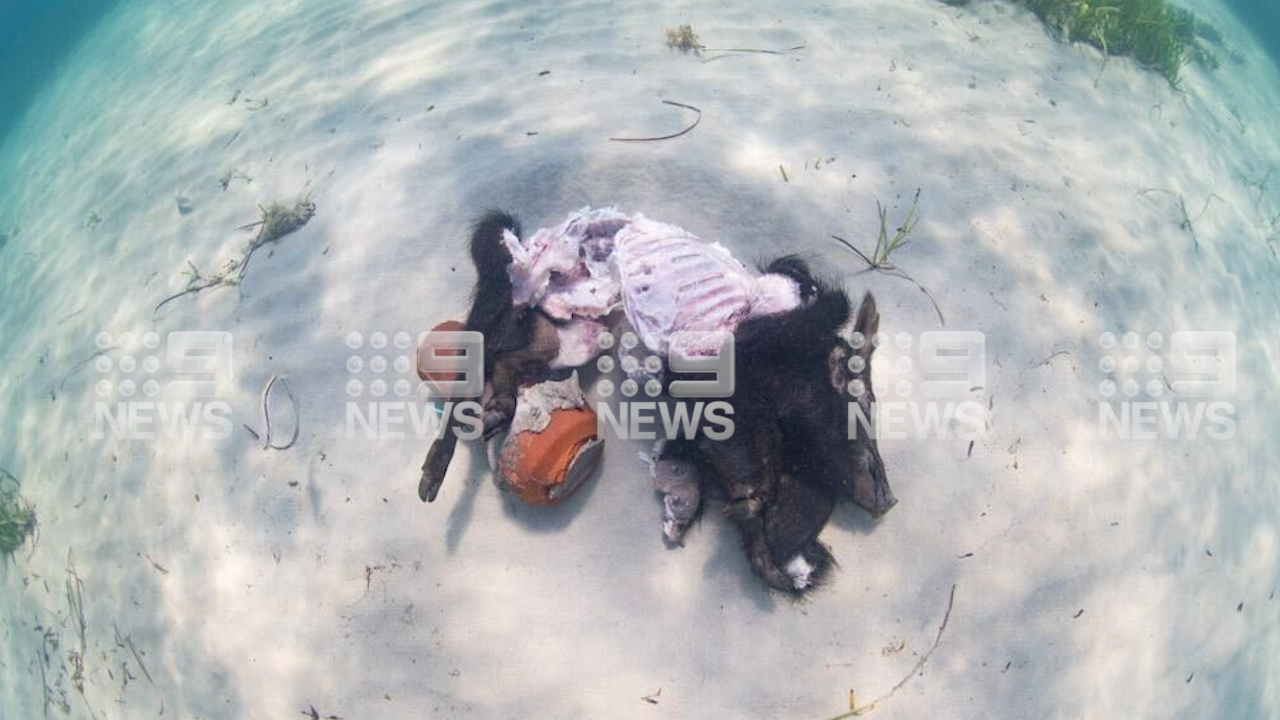
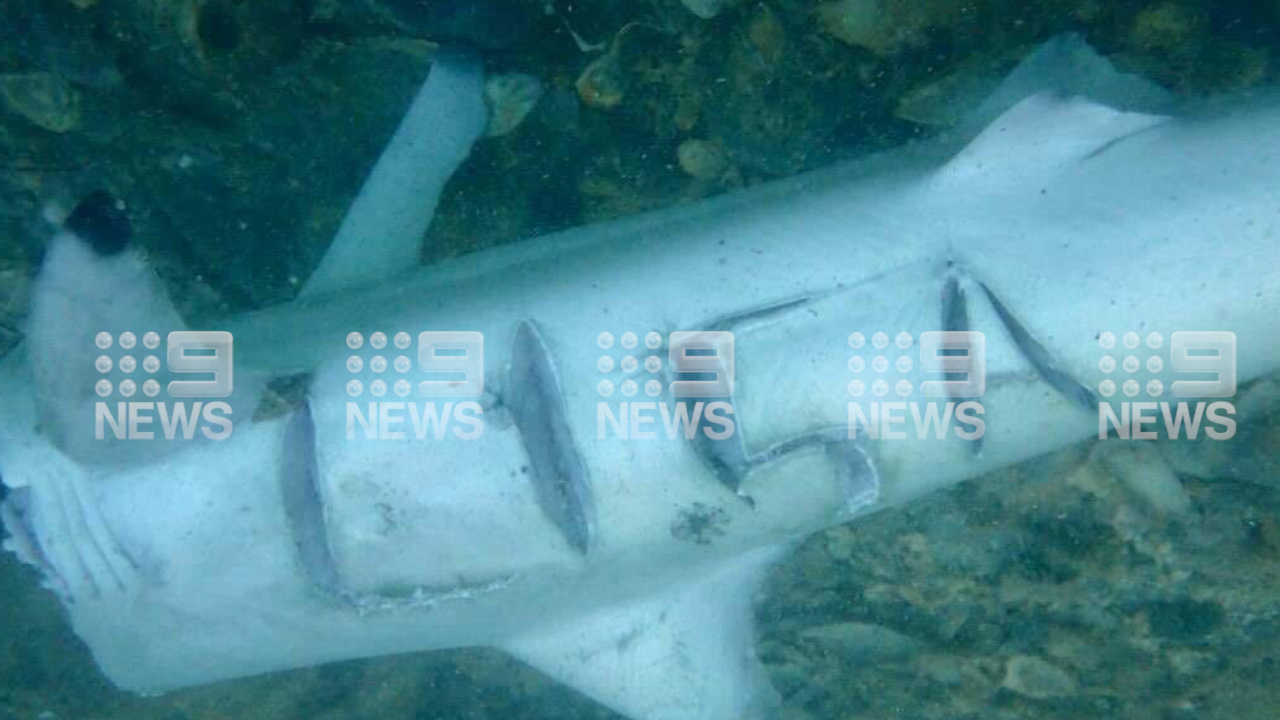
Diver and veterinarian Lisa Jane Hills told Perth radio station 6PR pig carcasses and small dead sharks are being put in the water to attract bigger sharks to shore.

Hunters are then catching the marine predators off beaches where Perth residents swim, she claimed.

READ MORE: Aviation expert's theory behind deadly Nepal plane crash

A scuba diver has claimed trophy hunting fishers are going to disturbing lengths to catch sharks.

"Majority of the time they do not come that close to the shore," she told host Gary Adshead.

"They're actually using kayaks to drop them out and using things to weigh them down like concrete.

"People aren't aware of what's going on until they see these sharks being pulled in and these people are then put in the media as heroes but really they don't give a damn about the lives of other beachgoers – it's for their ego and their Instagram."

READ MORE: Flight radar and audio shows terrifying near-miss at JFK airport

Hills said she was recently sent a photo of a shark carcass with her named carved into it.

Hills has successfully advocated bans on recreational shark fishing and hunting.

She said she was recently sent a photo of a shark carcass with her named carved into it.

The diver said she upset fishermen after a campaign to prevent helium balloons from being used for shark fishing.

https://omny.fm/shows/6pr-mornings/cowboy-shark-hunters-using-pig-carcass-and-mutilat/embed?style=Cover

"You can imagine how shocked I was when I received that," she said.

"I never thought that anyone would actually go that low."