Tag Archives: oceania

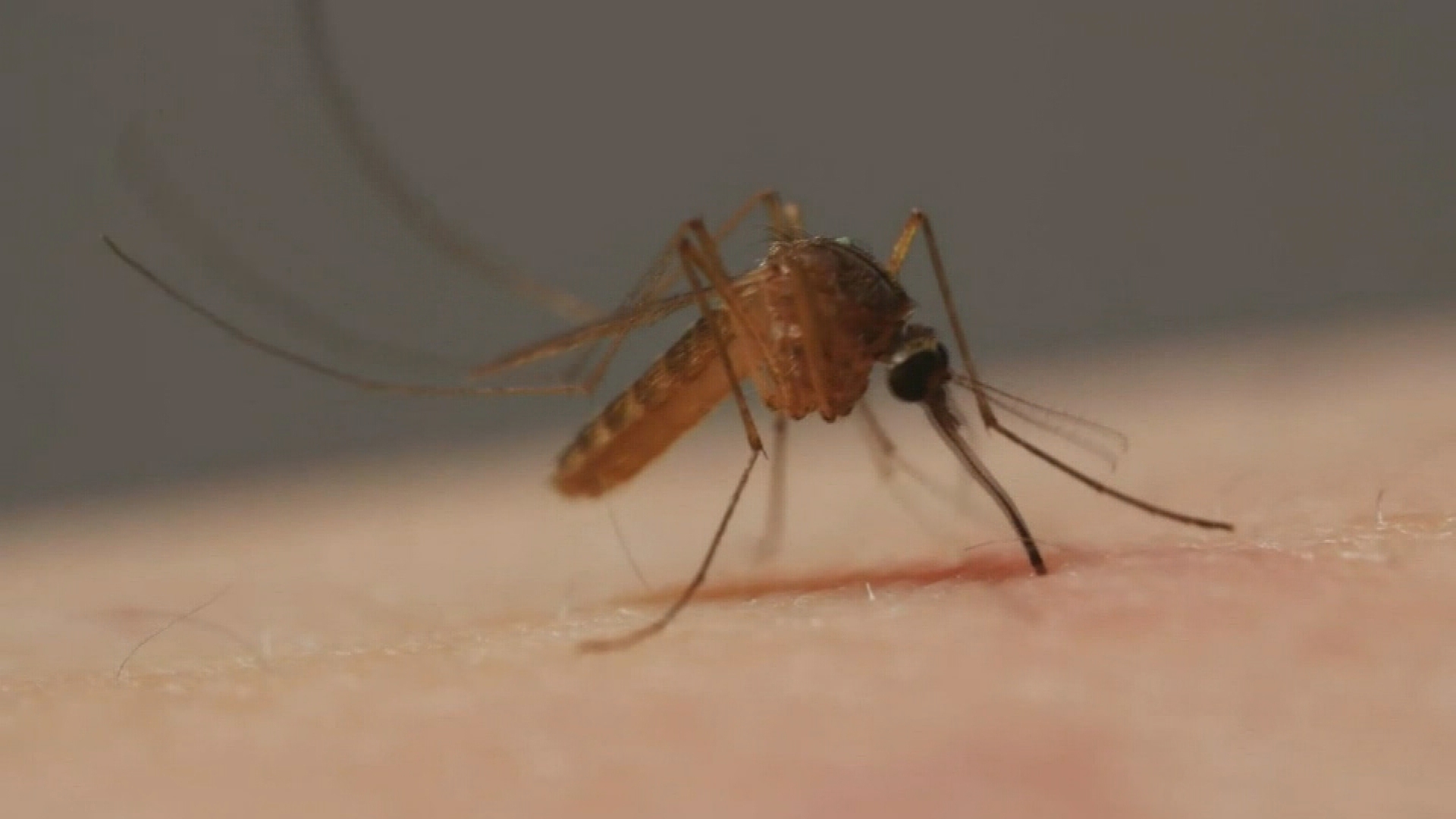
'Worst ever' mosquito season expected after increase in virus detections

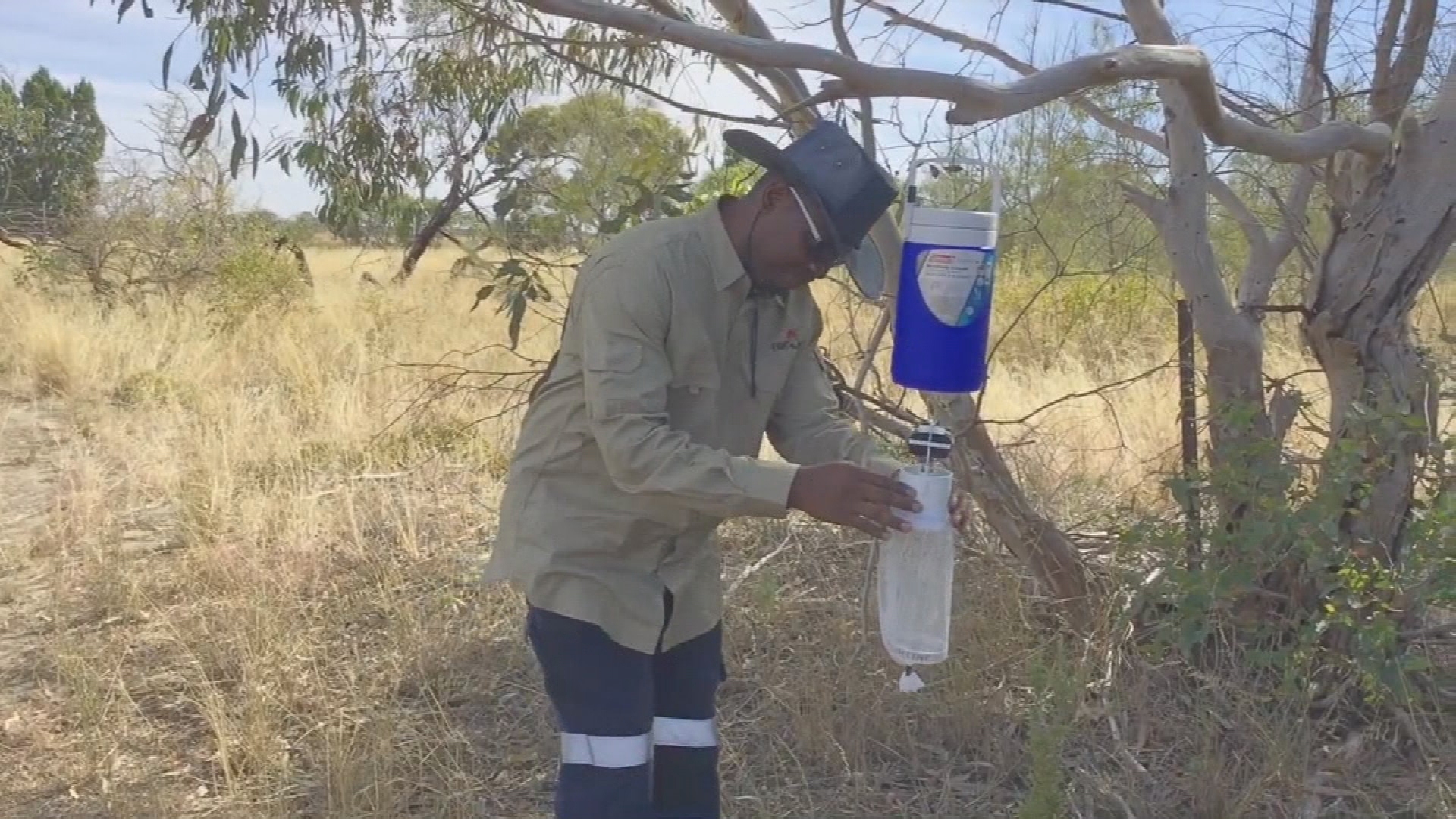
An increase in mosquito-borne viruses has been detected in South Australia, prompting a warning from health authorities to take precautions across the state, especially along the river murray.

There are five mosquito-borne viruses currently active in the state, including the most common Ross River virus and Barmah Forest virus as well as Japanese encephalitis, Murray Valley encephalitis and West Nile Virus.

SA Chief Public Health Officer Nicola Spurrier said a combination of weather elements, and the introduction of Japanese encephalitis last year, could create the "worst season" the state has ever had.

READ MORE: World Bank warns recession a looming threat for global economy
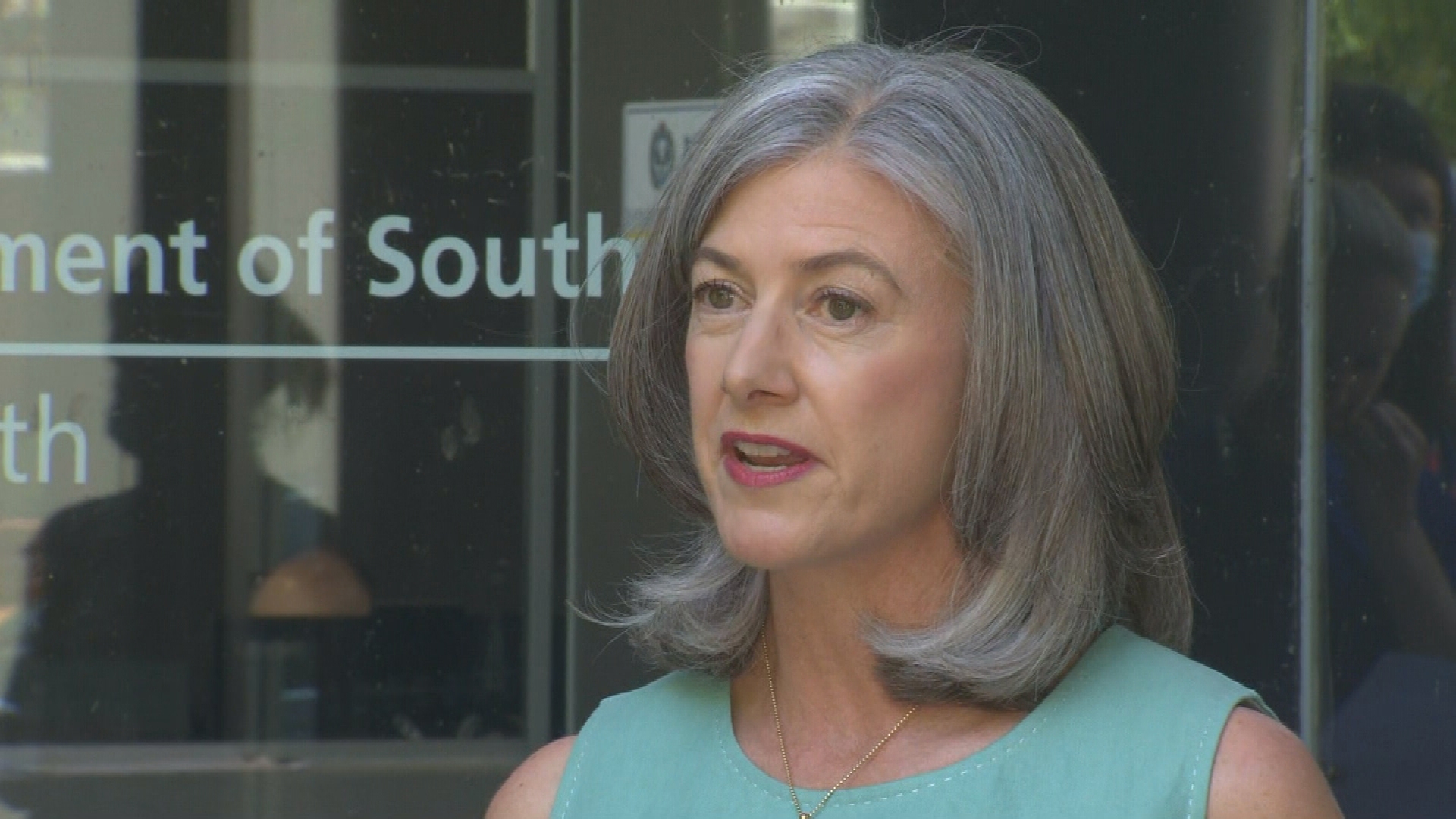
Spurrier said they had seen an increase the Ross River and Barmah Forest viruses in their mosquito detection trappings.

"We have the water, the flooding, the cold spring, wet spring and now a hot summer, we are seeing those mosquito populations really booming.

"We have now had 28 detects and previously, for the whole of last season, we only had three detects."

She said they were starting to see more people with the two most common viruses.
How to prevent being bitten

The government is pushing South Australians, especially those in the Riverland, to protect themselves from being bitten by covering up and using mosquito repellent, containing DEET or a lemon eucalyptus oil, on any uncovered areas.

"Don't just dab it on like you're using cologne, you have to cover all of your exposed skin's surfaces," Spurrier said.

"It's like sunblock, if you leave an area the mosquito will come and bite you there because you haven't covered up the smell of the skin."

She also suggested removing any excess water from around the house, using mosquito coils and replacing mosquito screens with holes.

READ MORE: What we do and don't know about six-year-old who allegedly shot teacher in US
What are the symptoms?

Spurrier said virus symptoms include a fever, headaches, fatigue, muscles aches, joint pains and a rash.

Encephalitis symptoms include a "very serious" inflammation of the brain.

"You might start to get a bit confused, have a neck stiffness and that can lead to a coma and unfortunately we do see some people dying."

Vaccinations for Japanese encephalitis after available for free for those who live or holiday near the river.
Tourism industry flounders as floods destroy dozens of WA businesses

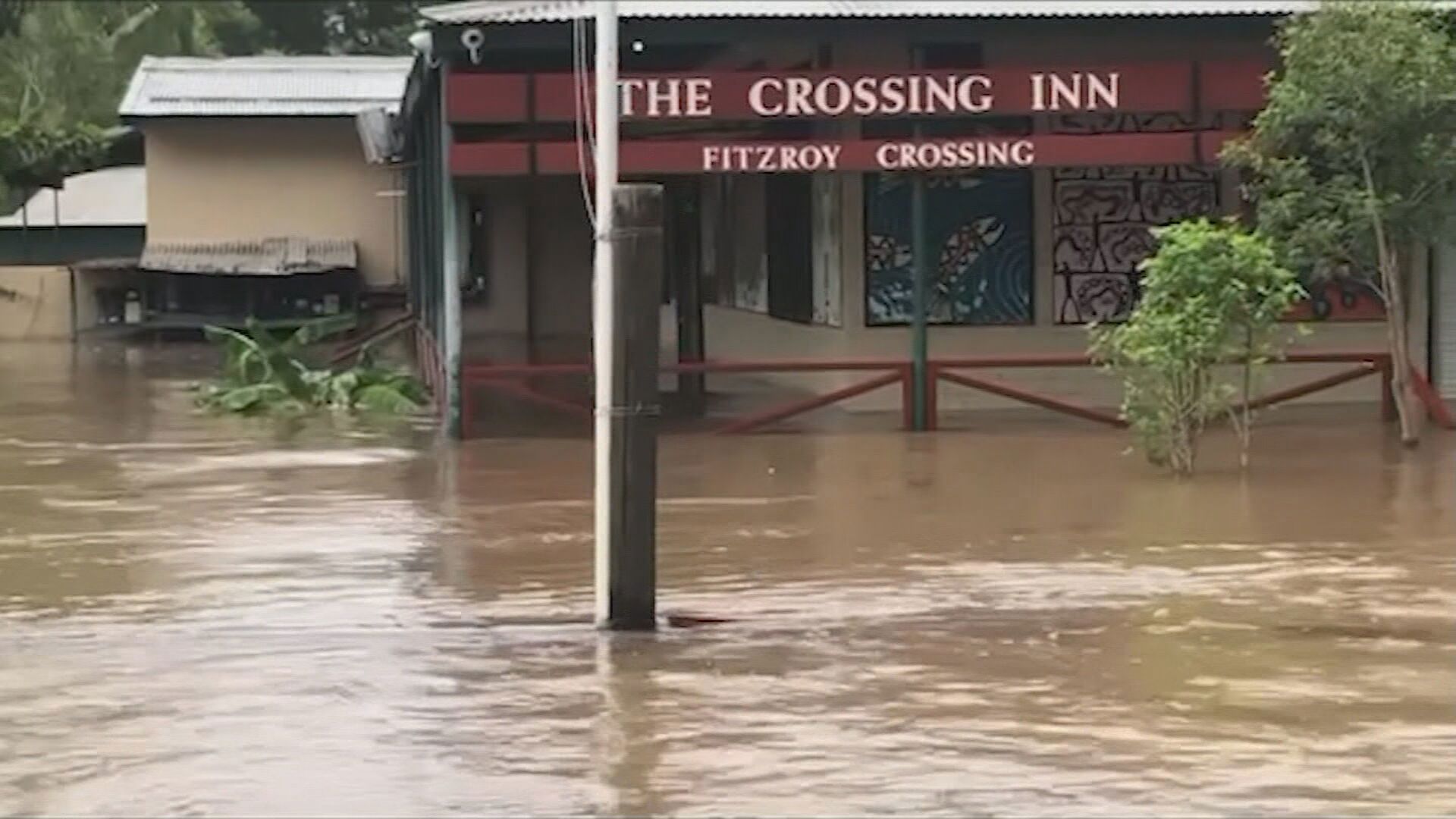
Dozens of businesses in Western Australia's Kimberley region have been destroyed as communities grapple with a once-in-100-year flood disaster.

The storm has hit the tourism sector hard with some caravan parks in the far northern town of Kununurra already experiencing cancellations ahead of the Easter holiday period.

Significant damage to the Fitzroy Bridge is cutting off visitor access, while some local roads are in desperate need of repair.

READ MORE: Is 'persistence' of ex-tropical cyclone Ellie a sign of future storms to come?

Dozens of businesses in Western Australia's Kimberley region have been destroyed as communities grapple with a once-in-100-year flood disaster.

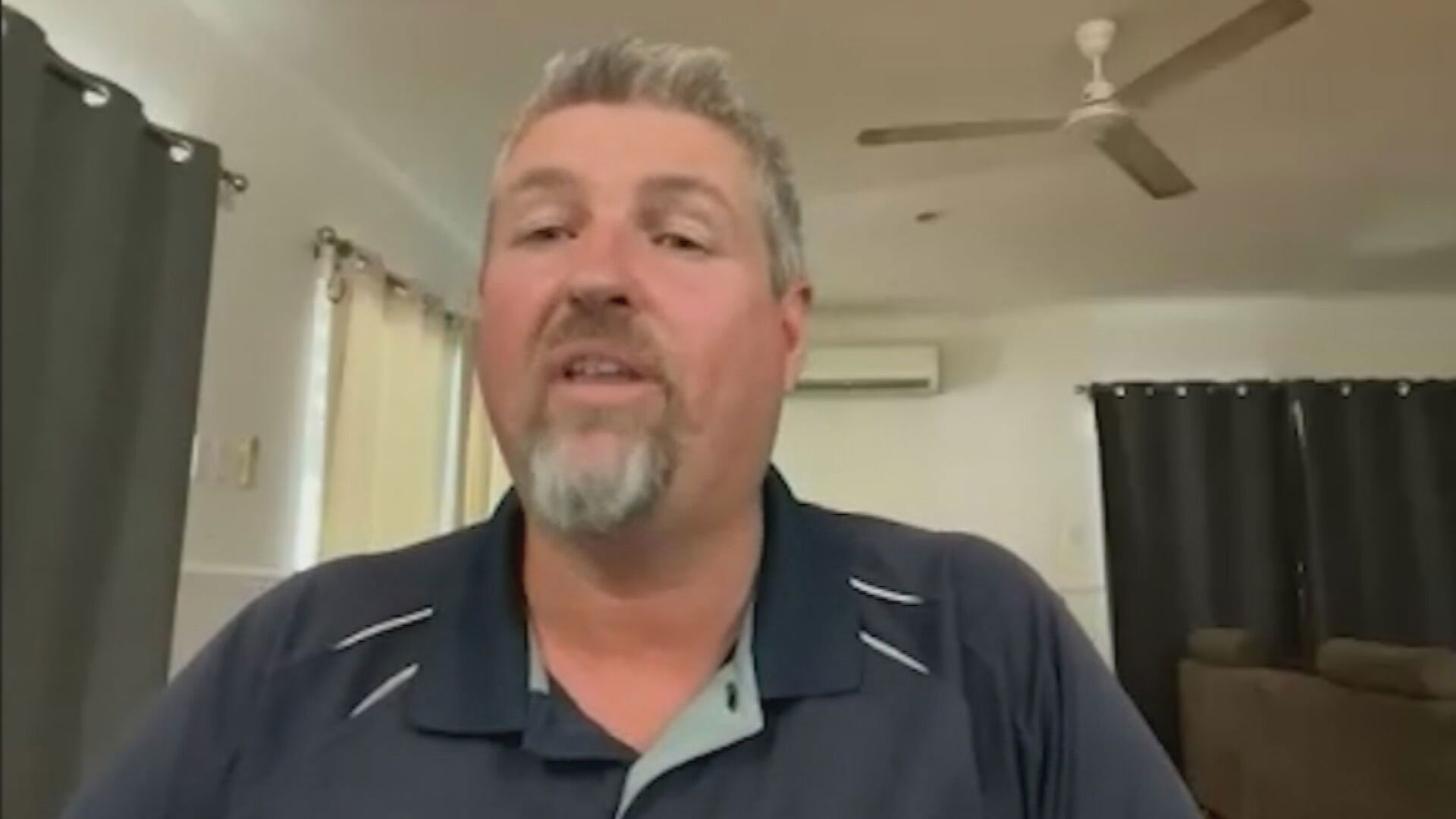
Ivanhoe Caravan Park's Greg Thompson said the damage to the bridge "is going to have an impact on people".

"It's an extra 2000 kilometres on the trip, and fuel prices and time and all that stuff, it's going to have an impact on people," he told Today.

Premier Mark McGowan said the major bridge could take a long time to repair.

"I don't want to give an estimate but I wouldn't be surprised if getting the bridge back is in the years," McGowan told Nine radio station 6PR on Tuesday.

Main Roads WA has suggested a temporary bridge while the replacement is being built.

READ MORE: A galactic merger brought a pair of supermassive black holes together

Ivanhoe Caravan Park's Greg Thompson said the damage to the bridge "is going to have an impact on people".

The Crossing Inn pub manager Wayne Bernaham said no one in the community expected the floods to be this bad.

"Our jaws are on the ground," Bernaham said.

"No one contemplated the extent to which the water would rise.

"It was impacting every business we had.

"Everything around our property that could be broken has been broken."

More help arrived on Tuesday night with 29 reservists touching down to assist the more than 200 Australian Defence Force personnel already on the ground.

Meanwhile a large barge with four trucks and 100kg of food was en route to the town on Wednesday to stock up supermarket shelves in the already cut-off coastal town.

Thawing Australia-China relations need actions, not just words

China's ambassador to Australia has acknowledged improving Canberra-Beijing relations while also taking a swipe at Japan, but his comments should be judged by concrete actions.

That is the view of 9News political editor Charles Croucher, who spoke with Today this morning about Chinese envoy Xiao Qian's rare media conference at the Chinese embassy yesterday.

Croucher says Xiao's comments about improving China-Australia relations were encouraging.

READ MORE: War-game shows China invasion of Taiwan would fail at huge cost

"The big thing to come out of it: the tone was very different than what we've heard in the past," Croucher said.

"That's indicative of where the relationship is at.

"The ambassador said the change in government here last year prompted this change in attitude from Beijing.

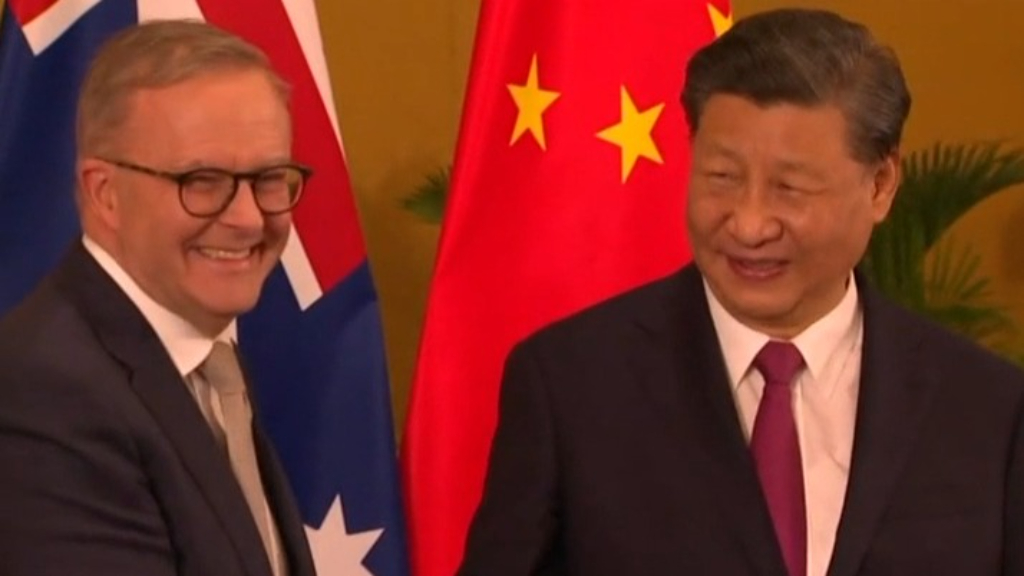
"We have seen that from the meeting between President Xi and Anthony Albanese plus (Foreign Minister) Penny Wong's visit to Beijing."

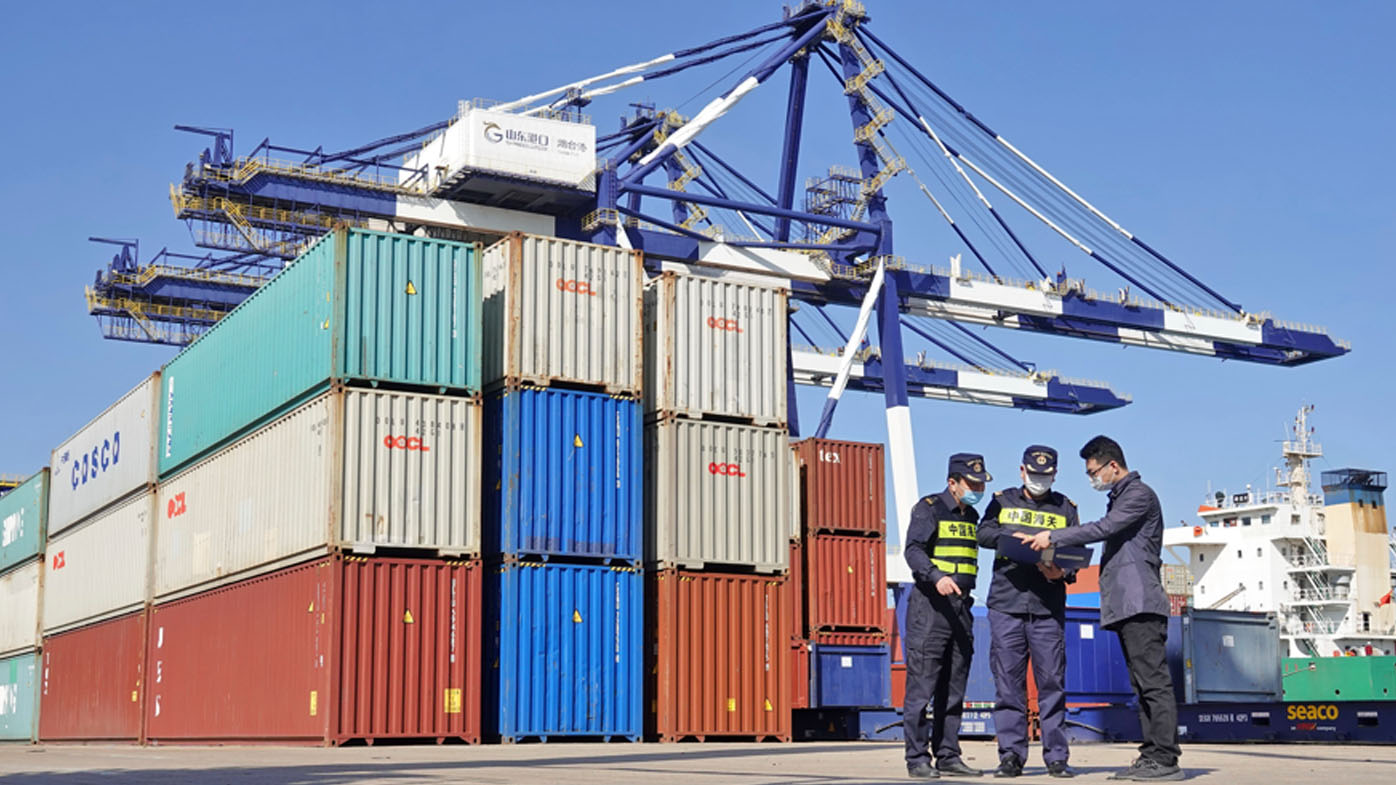
But trade bans remain on many Australian goods, while two Australians are also still in detention in China and Croucher said the change in tone needs to be followed by actions.

"What we haven't seen is the change in action. That will be the big part," he said.

READ MORE: After hype, readers get hands on Prince Harry's Spare

While Xiao said the lifting of trade sanctions was up to Chinese companies, the real power lay with the central government, Croucher said.

Last week, Chinese authorities announced they were partially lifting the ban on Australian coal imports.

"He gave the indication, particularly starting with coal, then things like wine, some of the textile products and some of the other crucial products that are shipped to China … that could be the change," Croucher said.

"If we start to see them walk the walk on that then we know there's a real change in this the relationship between Australia and China."

Xiao yesterday also took a swipe at Japan, a key ally of Australia, saying Japanese troops attacked Australia during World War II and could do the same again.

READ MORE: High-profile man charged with rape in Queensland

Anthony Albanese will fly to Thailand for his third summit in less than a week, after holding crucial talks with world leaders at the G20 event in Indonesia.

"During the Second World War, Japan invaded Australia, bombed Darwin, killed Australians and treated Australian POWs in a way that was humanly unacceptable," Xiao said.

Prime Minister Anthony Albanese was quick to praise Australia's "positive" relationship with Japan, while also pointing to improved relations with China recently.

"With China, we also want to see an improvement in relations," he said today.

"I believe that the ambassador's comments were positive and constructive about those issues."

He told reporters he'd keep promoting Australia's national interest regarding exports of products such as beef, lamb, seafood and wine to China.

The Chinese ambassador also incorrectly claimed Japan had not apologised for its World War II actions concerning Australia, and could therefore repeat them.

Australia and Japan are both members of the Quad alliance and the countries are building stronger defence and security ties.

Meanwhile, Chinese embassies suspended issuing new visas for South Koreans and Japanese overnight in apparent retaliation for COVID-19 testing requirements recently imposed by those countries on travellers from China.

The embassies in Tokyo and Seoul announced the suspensions in brief online notices.

READ MORE: China's funeral homes overcrowded amid COVID-19 surge, satellite images show

Scientists discover how ancient Romans created 'self-healing' cement

For generations, a question has stumped historians and archaeologists all over the world – how did ancient Romans build cement structures so strong they are still standing and operating today?

A study published this week by the Massachusetts Institute of Technology (better known as MIT) has finally answered how the Romans did it.

The study included scientists from Harvard University, DMAT in Italy and the Instituto Meccanica dei Materiali in Switzerland.

READ MORE: Why reclining seats are vanishing from airplanes

Ancient Colosseum in Rome, Monday, July 12, 2021.

Lime clasts – which are chunks of limestone – were previously believed to be a byproduct of poor cement mixing techniques, when actually, they help hold the cement together in interesting ways.

MIT professor and author of the study, Admir Masic, said the technique has always interested him.

"Ever since I first began working with ancient Roman concrete, I've always been fascinated by these features," Masic said.

"These are not found in modern concrete formulations, so why are they present in these ancient materials?"

The study suggests ancient Romans used lime in its reactive form, a material known as quicklime, and mixed it with limestone to create a chemical reaction that can self-heal cement, a process dubbed as "hot mixing".

READ MORE: China's funeral homes overcrowded amid COVID-19 surge, satellite images show

The study gives scientists insight into how ancient cement has been able to stay strong over time.

Ancient roman structures like Rome's Parthenon and aqueducts have huge amounts of unreinforced cement.

The structures, built as early as 128 AD, are still standing and even operating in their original forms.

The study suggests their durability comes from the hot mixing process.

It is still not known if ancient Roman builders knew that they were creating this bond, or if it was simply dumb luck – however, scientists say most ancient cement structures standing today would hold the same chemical composition made from the hot mixing process.

How does it work?

Quicklime is made up of mostly calcium carbonate.

Ancient Roman builders would mix quicklime with its lesser reactive sibling, slated lime clasts, to create a self-healing material.

When the newly bonded material is formed, the lime clasts develop tiny brittle calcium nanoparticles on their surface.

The calcium nanoparticles are highly reactive, so when tiny cracks form in the cement and water starts to trickle in, the calcium and water cause a chemical reaction, which recrystallises the cement as calcium carbonate, filling up the cracks as it builds on top of itself.

READ MORE: World Bank warns recession a looming threat for global economy

Roman Parthenon

This chemical reaction happens instantly and simultaneously, meaning cracks in the cement can "heal" themselves before they spread.

The research team proved this was how the Romans built strong cement structures by mimicking the ancient cement mixing technique.

The research team mixed two cement blocks, one with the quicklime mix, and one without it.

Within two weeks of pouring water into the replica cement with the quicklime, the cracks were fully "healed".

Cracks in the identical cement block without the quicklime never healed, and the cracks continued to spread. 

READ MORE: Thawing Australia-China relations need actions not just words

The future of building

The success of their tests has led the team to consider commercialising the self-healing potential of the cement.

"It's exciting to think about how these more durable concrete formulations could expand not only the service life of these materials but also how it could improve the durability of 3D-printed concrete formulations," Masic said.

Masic hopes this new cement mixing technique can help minimise the environmental impacts of modern-day cement creation, which contributes to 8 per cent of global greenhouse gas emissions.