Tag Archives: oceania

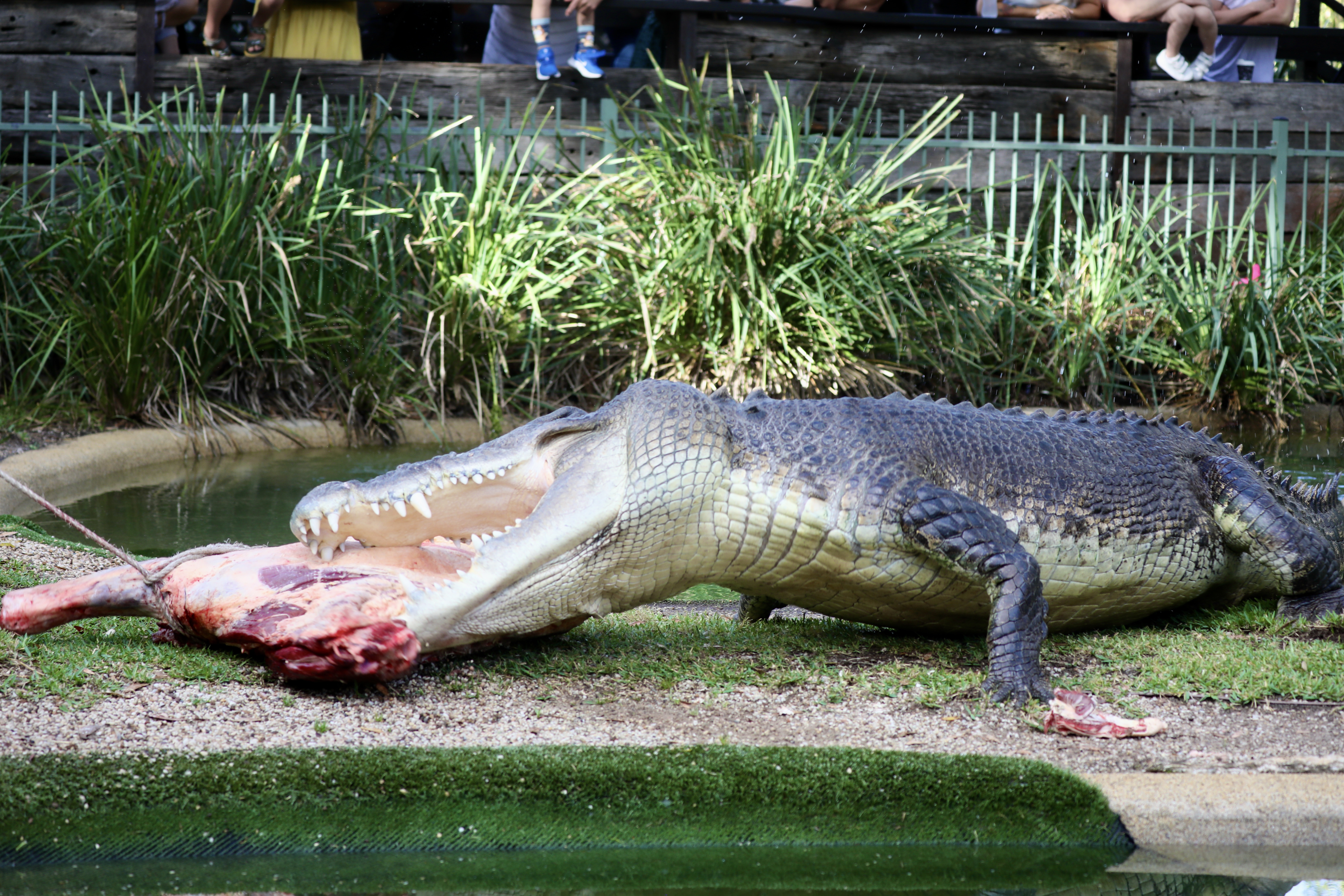
Half-tonne croc chases keepers out of den to claim birthday present

A half-tonne crocodile chased his keepers out of his den after they presented him with a particularly enticing birthday present.

Elvis the crocodile, a resident at the Australian Reptile Park, made headlines recently after undergoing an extensive dental treatment.

Now he's back, having just turned 57 and putting on a show for his fans.

TO SUB: Aged care resident's 'scary' encounter with venomous snake inside wardrobe

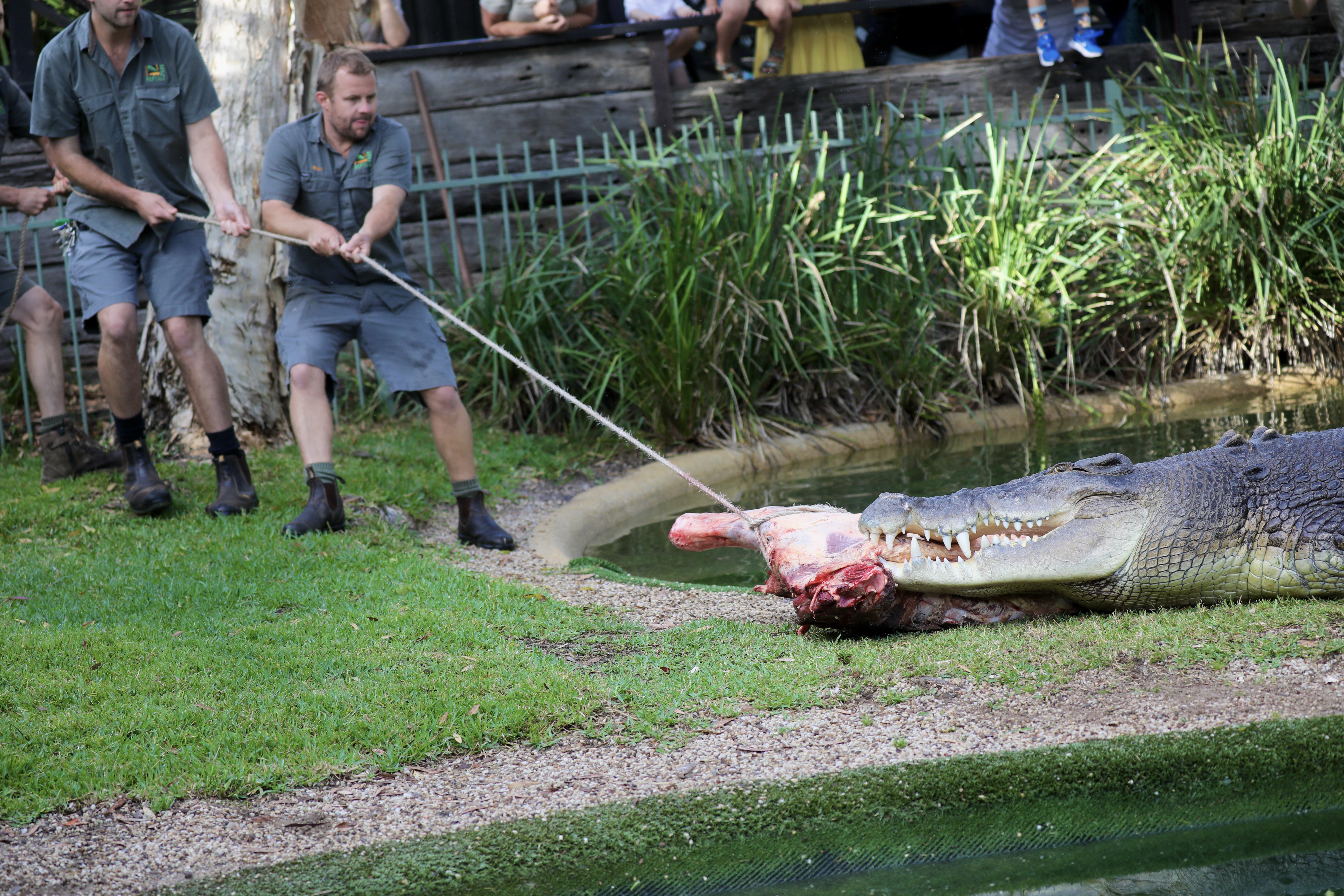
Keepers at the park presented Elvis with a quarter of a beef carcass for the milestone birthday – but didn't count on his reaction.

The 4.75-metre saltwater croc charged at them to claim the cow as his own, then pulled the beef into the water and wrestled it into a death roll.

The keepers had to scramble for safety with the big reptile nipping quite literally at their heels.

READ MORE: Off-duty police officer drowns trying to save teen

"It's not easy playing tug-of-war with a half-tonne animal like Elvis," the park's head of reptiles Jake Meney said.

"I always feel the burn in my arms in the days afterwards and since his birthday last year, he's only gotten stronger."

Operations manager Billy Collett said it was wonderful to see Elvis had recovered from his dental operation, which saw three infected teeth removed.

Aged care resident's 'scary' encounter with venomous snake

An aged care resident in Far North Queensland had a very eventful New Year's Day after finding a venomous snake in her walk-in wardrobe.

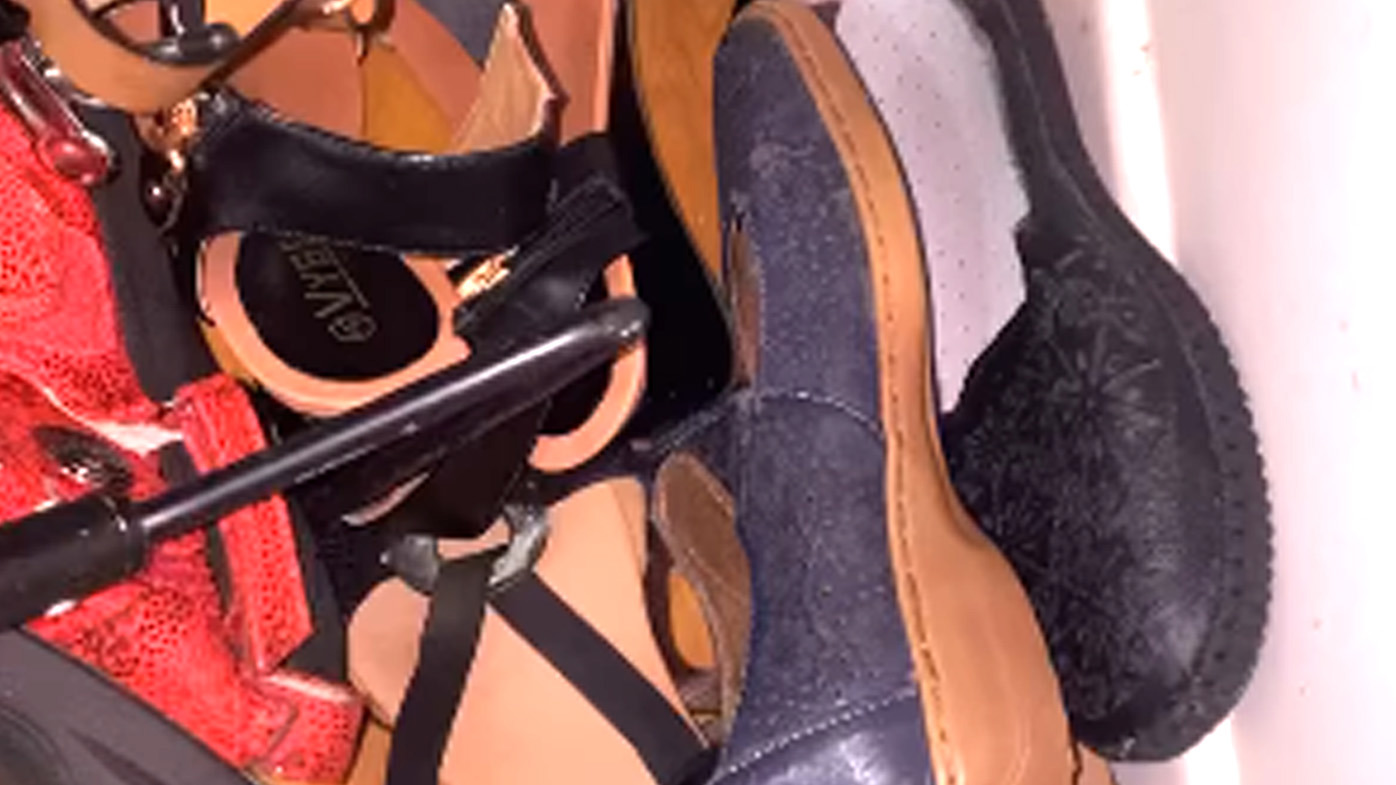
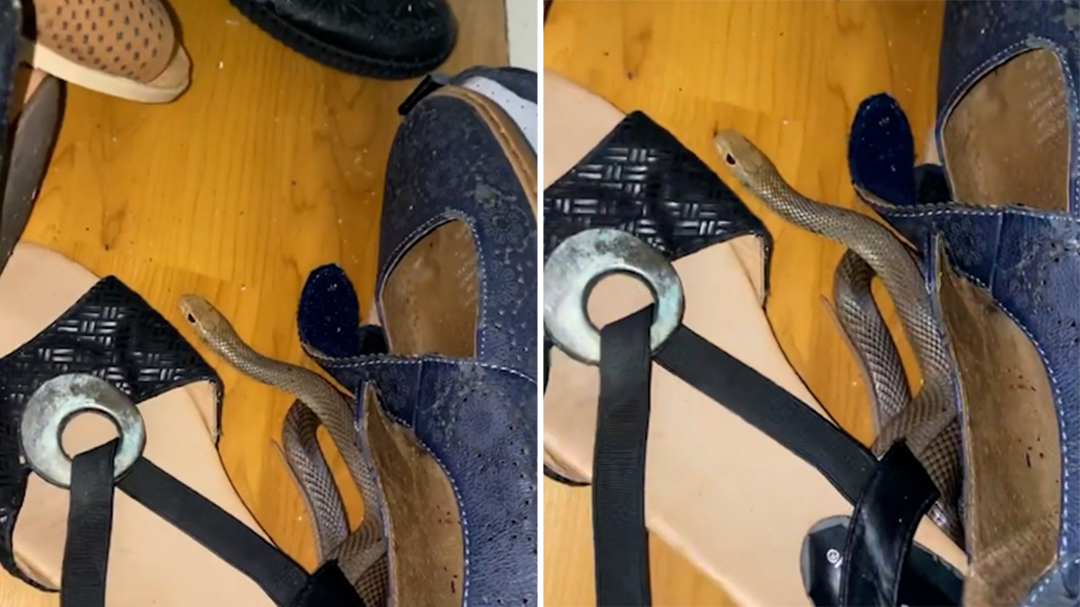
An eastern brown snake was spied hiding under piles of shoes at the unnamed village.

Jeremy De Haan, from Jeremy's Reptile Relocations in Townsville, told 9news.com.au the "scary" encounter was his first catch of the year – and it was anything, if not eventful.

READ MORE: The Aussie treasure hunters unearthing forgotten relics

The eastern brown snake slithered into the room through a door that was left open.

He said the shocked 92-year-old woman was still inside her room when he arrived.

"She got quite the fright, and so did the snake, which took to cover in her wardrobe amongst a few pairs of shoes," he said, adding the snake was a juvenile but still capable of a fatal bite.

"But it had a very calm temperament and was very shy."

READ MORE: Ukraine ushers in 2023 weathering deadly missile barrage

The eastern brown snake was 'shy' and slithered into the wardrobe once it had been spotted.

Eastern brown snakes are Australia's second most venomous land-based reptile.

It's estimated the venom from an untreated bite can kill in half-an-hour.

However, De Haan said people are often quick to judge the venomous species.

READ MORE: Australia's own snake island, where 'giant' reptiles slither

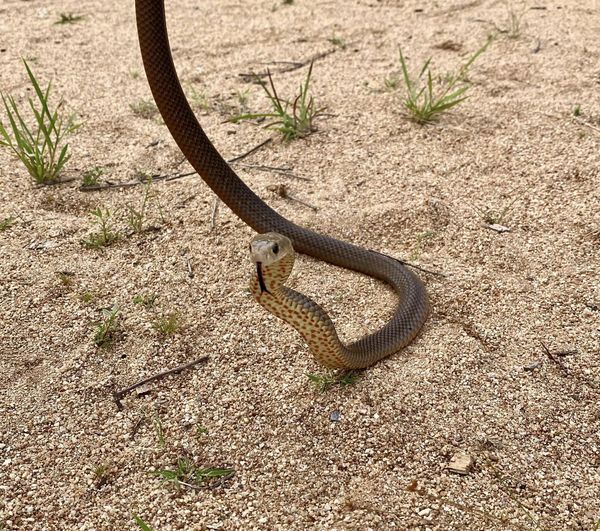
Snake catcher Jeremy De Haan snapped this photo as the eastern brown was released back into the wild, where it belongs.

"They will be the first species to retreat and flee when there's conflict, and it's only when they're cornered or threatened they will put on a defensive display.

"They bite as a last resort.

"This situation with the elderly lady is a great example of that.

"This snake could have easily bitten her and potentially taken her life but instead it was just as scared and took for the cover of a wardrobe where it felt safe in hiding."

After De Haan captured the snake, it was safely relocated to a conservation park nearby.

The encounter comes amid Australia's "snake season", which typically runs from September to April. 

The Aussie treasure hunters unearthing forgotten relics

If there's one thing every good beach metal detectorist knows it's this – cold water shrinks fingers.

It's also a fact that many people will wear rings worth tens of thousands of dollars into the surf without a second thought.

"The ocean is actually full of jewellery," Queensland metal detectorist Kazz Preston told 9news.com.au.

"You would not believe how much jewellery is sitting offshore. There are thousands of rings – all of them just lying there waiting to be found."

READ MORE: Why sailors will always fear the legendary rogue wave
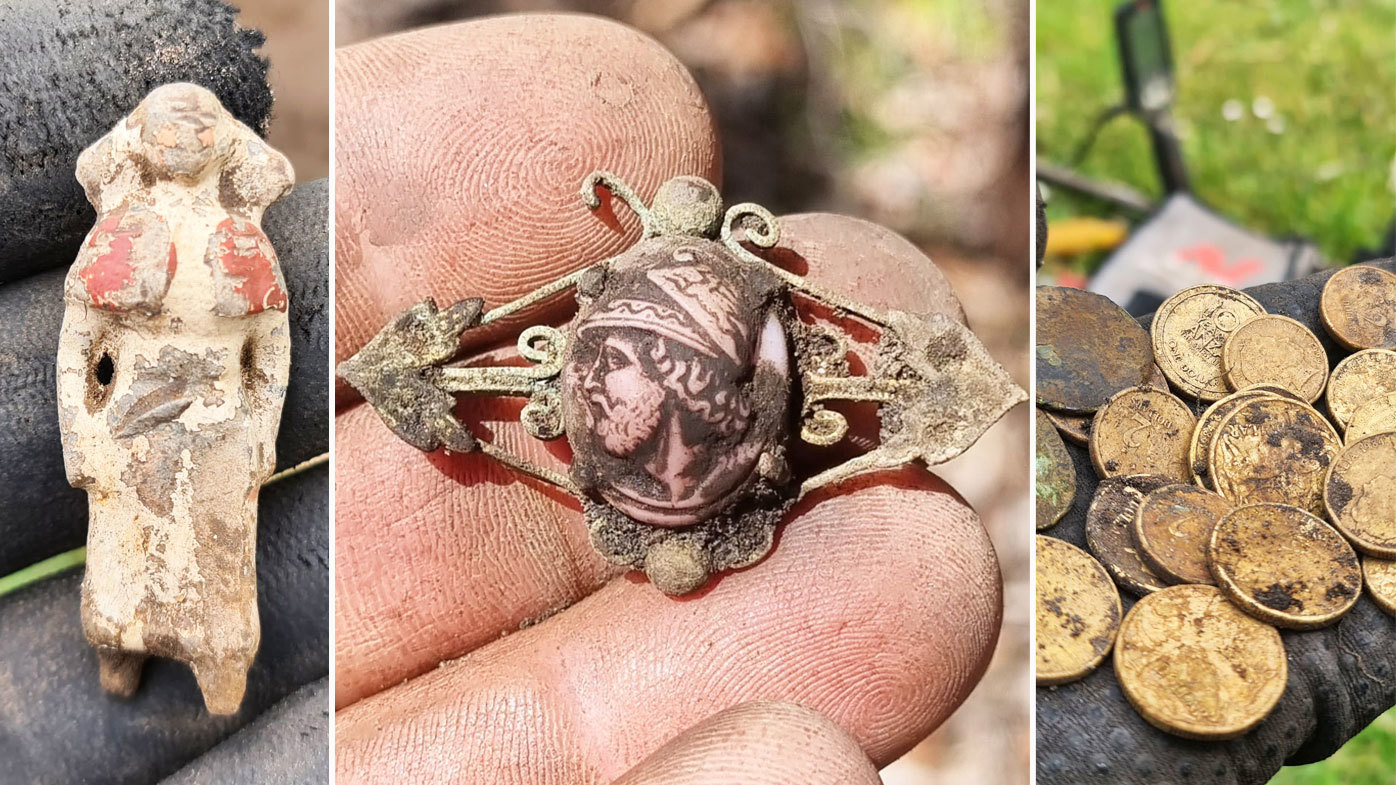
A WW1 Lead Toy Nurse found detecting at an old farm house (left) and an 1890s cameo brooch (centre) both found by metal detectorists Luke Phillips and Rhys Hall respectively.

Preston runs the Facebook group "Gold Coast Treasure Hunters", which has surged in popularity recently along with the hobby, off the back of hit TV shows such as "Aussie Gold Hunters" and Netflix's "Detectorists".

The Gold Coast grandmother also has her own metal-detecting recovery service, through which she has reunited more than a few sparkling diamond rings with their rightful owners. 

It's not just rings that go missing, either. There are countless sets of keys and mobile phones to recover. Sometimes, Preston is called out for more unusual requests, such as tracking down a loved one's lost ashes.
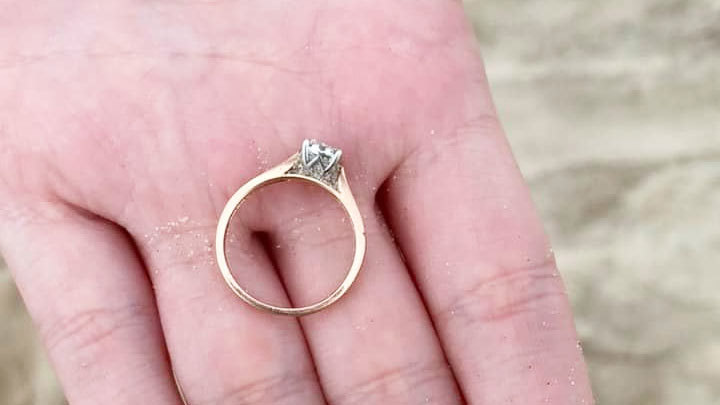
Just one of the many diamond rings Kazz Preston's Metal Detecting Recovery Services has recovered and returned to its owner.

"There is nothing like giving somebody something back that's really sentimental to them, I love it," Preston said.

Of course, not everything can be solved, and some mysteries remain elusive. 

That's been the case for a romantic green jade pendant Preston found in rural NSW at Rukenvale, near the Queensland border, three years ago.

The "love token" dates back more than 75 years, and is inscribed with the words, 'New Guinea 1945…To Lucy, Love Len."

READ MORE: Easy tips to save thousands as cost-of-living crisis deepens
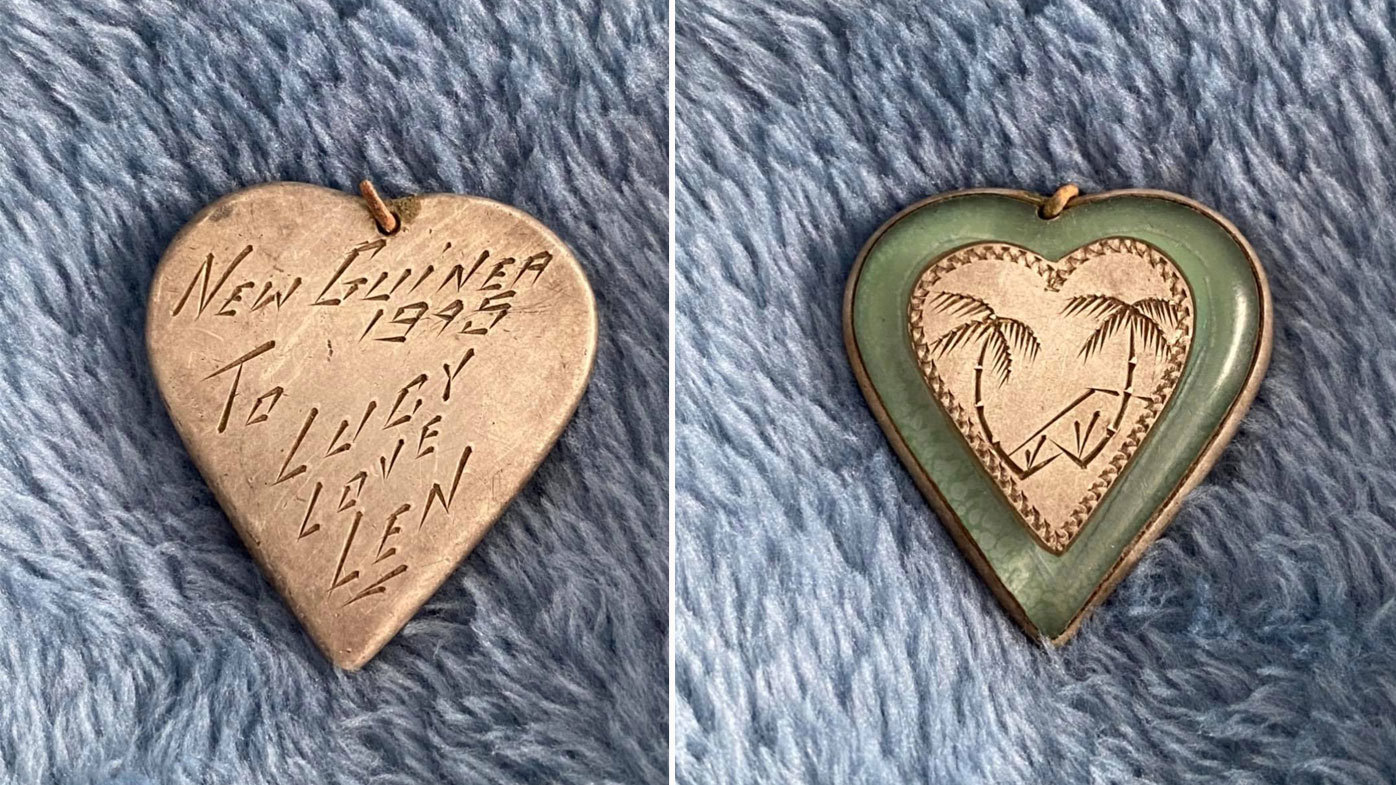
A love token from 1945 found by metal detectorist Kazz Preston, who is still searching for the owner.

Preston said she was still searching for the owner and would love to give it back one day.

Some finds could also bring unexpected sadness, Preston said.

One such haunting item is a box of burnt war medals Preston unearthed on the beach at Surfers Paradise in September last year.

"I read that some Australian soldiers burnt their medals when they pulled out of Afghanistan, in disgust over what happened," Preston said. 

READ MORE: Remember the Ikea monkey? Ten years on and he's loving life in his new home
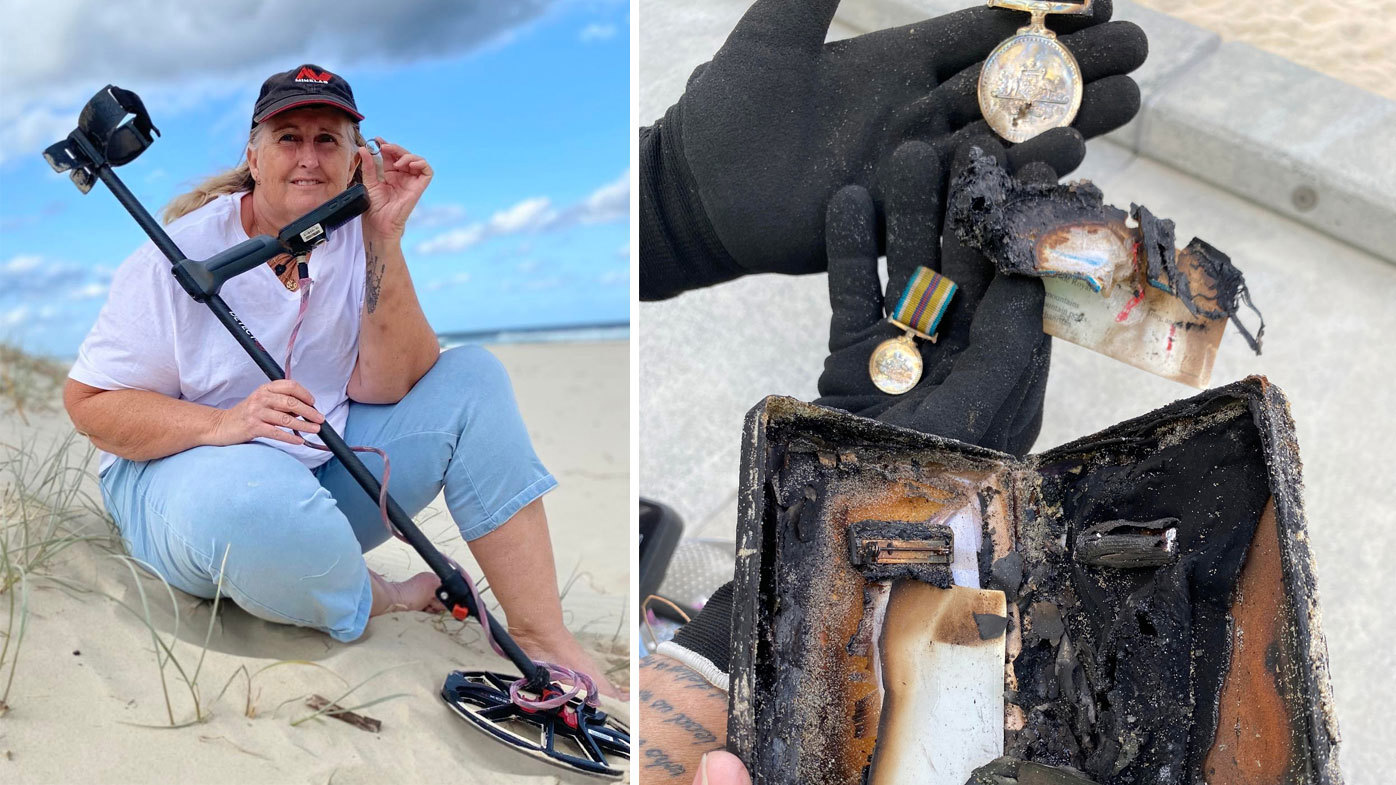
Kazz Preston pictured left and (right) the burnt war medals she found at Surfers Paradise last September.

"It's just devastating to think this soldier sat there in that same spot and set fire to his medals.

"It's the saddest find I've ever had for sure."

Preston handed the medals in to police who promised to conduct a welfare check on the soldier.

'99 per cent rubbish'

Preston commonly hands items she finds in to police, not in the least because it's the law.

There is no such thing as "finder's keepers" in Australia.

"A lot of people don't realise that if you find anything worth more than $100 you have to hand that in to the police," Preston said.

"If you keep or sell it, it's called theft by finding and it's a chargeable offence."
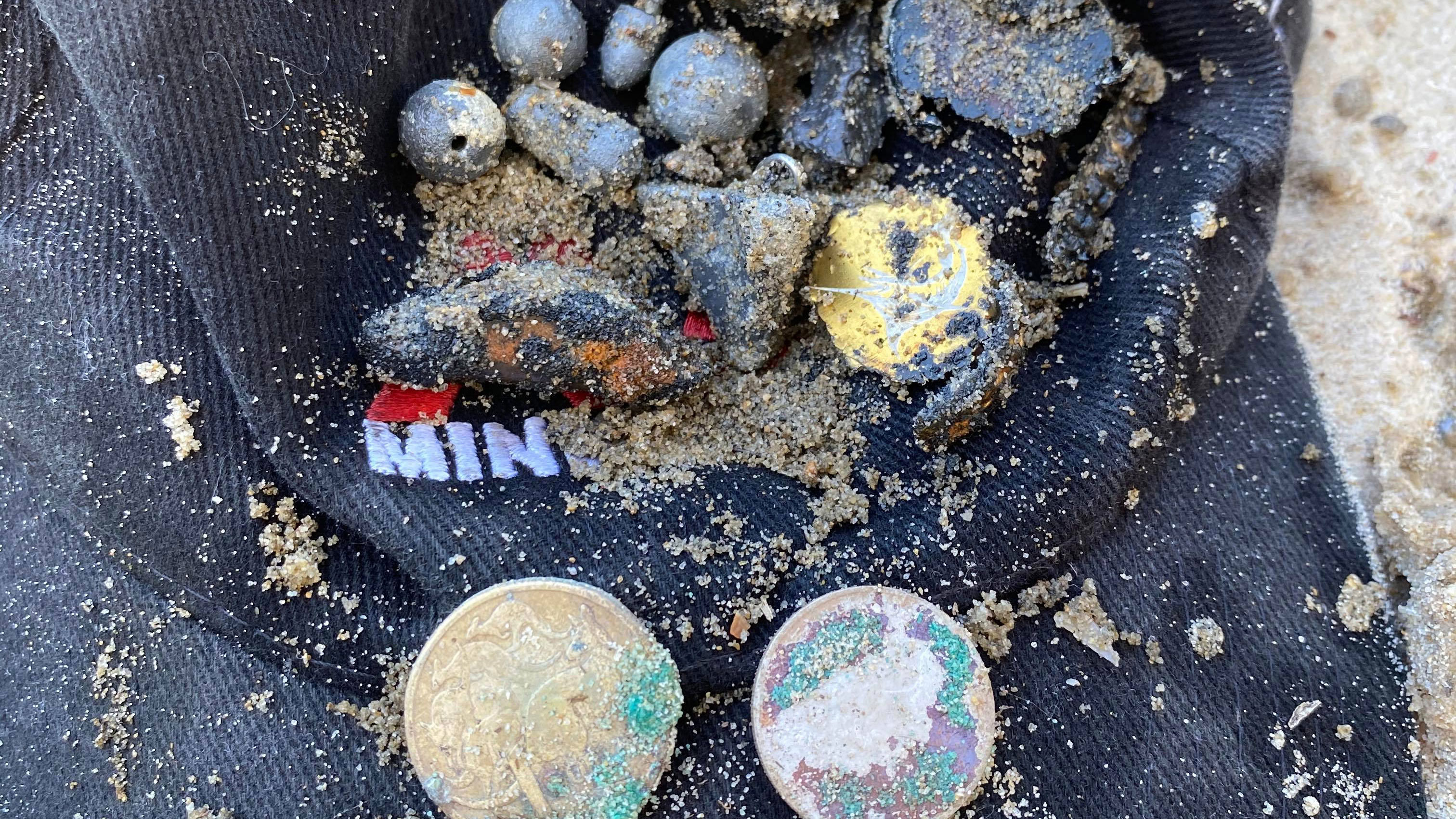
The beach is home to all sorts of hidden treasures waiting to be found, Kazz Preston says.

However, if the item is not claimed within 60 days, the person who found it can collect and keep it.

Another thing people needed to keep in mind was that metal detecting was hard work, Preston said.

"You won't get rich metal detecting – it's 99 per cent rubbish and 1 per cent treasure."

Unearthing our history

One metal detectorist who does make things look easy is Luke Phillips. 

When he first picked up a metal detector six years ago, Phillips focussed his attention on finding gold in the old minefields near his home in south-west Victoria. Within six months, he had struck it lucky by finding a few nuggets.

But Phillips said he quickly realised it was the thrill of unearthing historical items with a story behind the treasure that he was most passionate about.
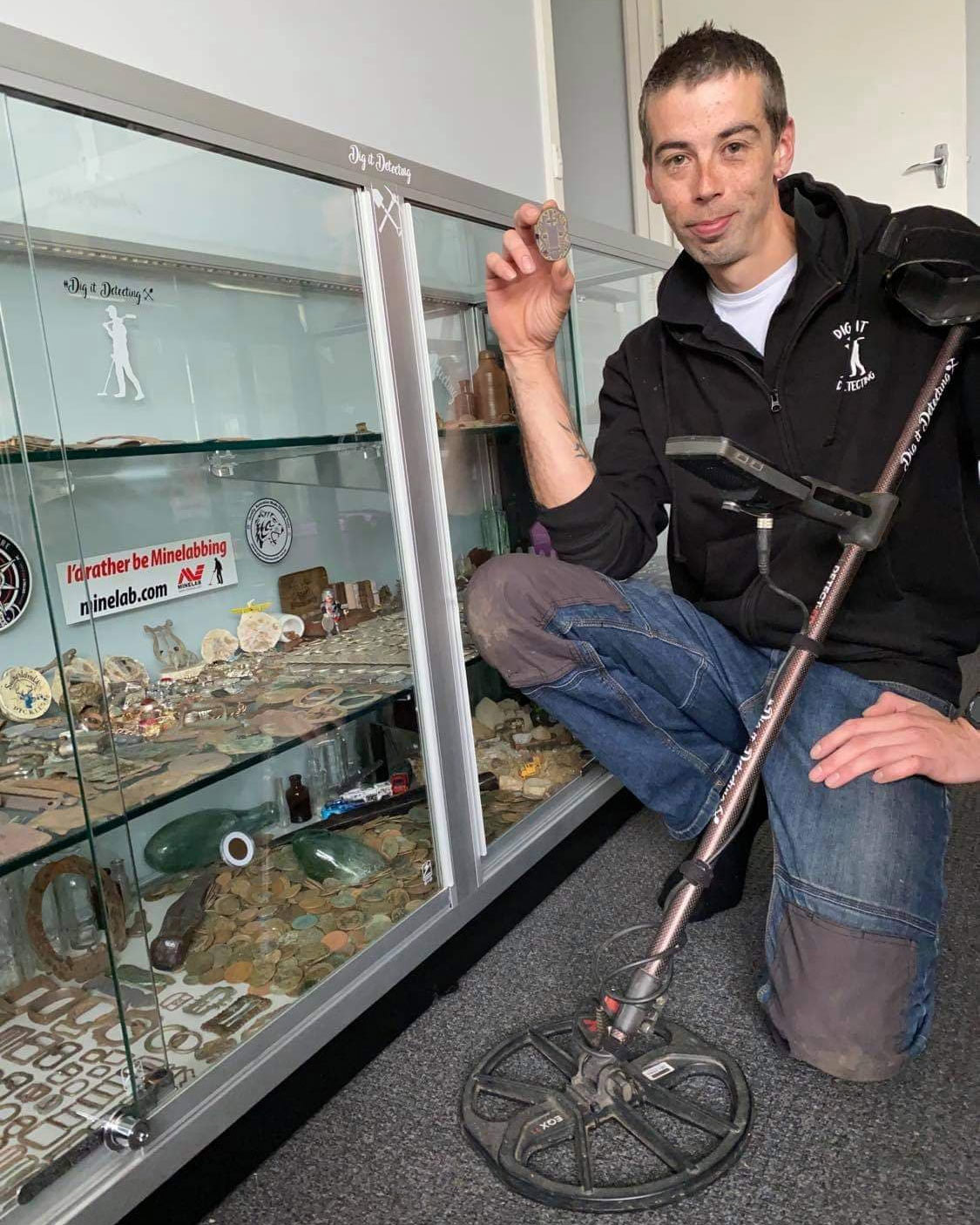
Luke Phillips, pictured with some of his finds at home in south western Victoria.

"I always get excited about that next find because you just never know what's hidden beneath your feet," he said.

"I've come across a 1583 English coin which is probably amongst the oldest (European) items found in Australia.

"Then there are Chinese coins that you can still find throughout the goldfields, they can be more than 500 years old."

A few weeks ago, Phillips unearthed the 1855 equivalent of a supermarket gift card on the grounds of a primary school.

The 170-year-old token – made by grocery merchants Hide & De Carle – would have been used as change for customers, because of a short supply of low denomination currency during the gold rush era, Phillips said.

Phillips, who is a 36-year-old father-of-two, sees himself as part of the changing demographics of metal detecting.

"Metal detecting used to be considered an older person's sport," he said. 

"It was popular with retirees and people who could afford to spend their time looking for gold and relics."

But social media had changed all that, he said.
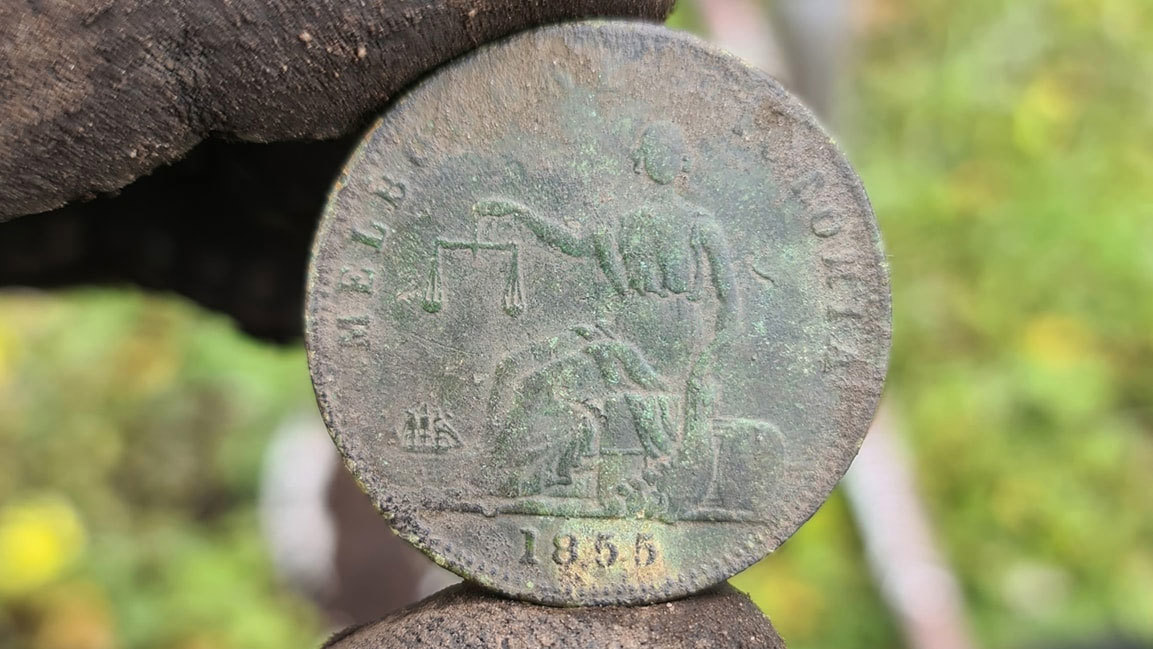
An 1855 merchant token, the equivalent of a modern day gift voucher, discovered by Luke Phillips last month.

"In the last five, six years, I have seen a massive increase in metal detecting groups on Facebook. 

"People have been wanting to get their finds, or their enjoyment for metal detecting out there socially, on different networks and platforms." 

Phillips, who has his own metal detecting Youtube channel and Instagram account – Dig It Detecting – said the hobby was also becoming especially popular with families.
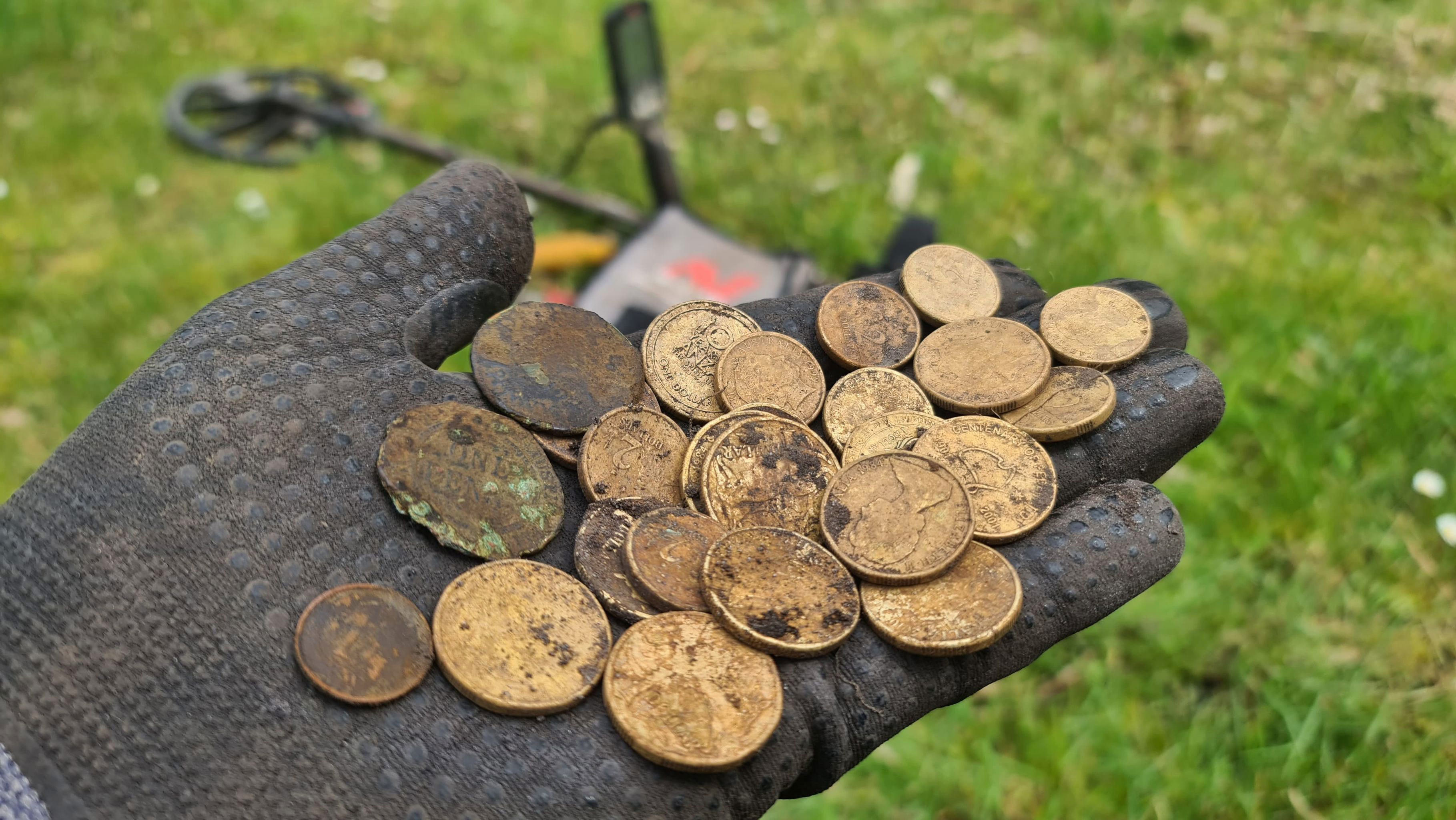
The demographics of metal detecting is changing to include younger people and families with kids, Luke Phillips says.

Phillips, who views himself as part historian and part amateur archaeologist, said he sees metal detecting as playing an important role in helping preserve Australia's history and making it accessible.

"There's a lot of amazing history lost out there just waiting to be unearthed, not to mention plenty of important pieces that still need to be saved for future generations to enjoy and learn from," he said.

'A smell for treasure'

West Australian metal detectorist Rhys Hall, who lives in the Perth Hills and runs the popular Relic Custodians Australia Facebook page, has a similar philosophy. 

The landscape gardener spends much of his spare time scouring old WW2 camps and historical sites.

"It's just amazing, I could literally walk down the road and swing a detector and who knows what I'll pull out of the ground." he said. 

READ MORE: Scientists have found new 'zombie viruses', should we be worried?
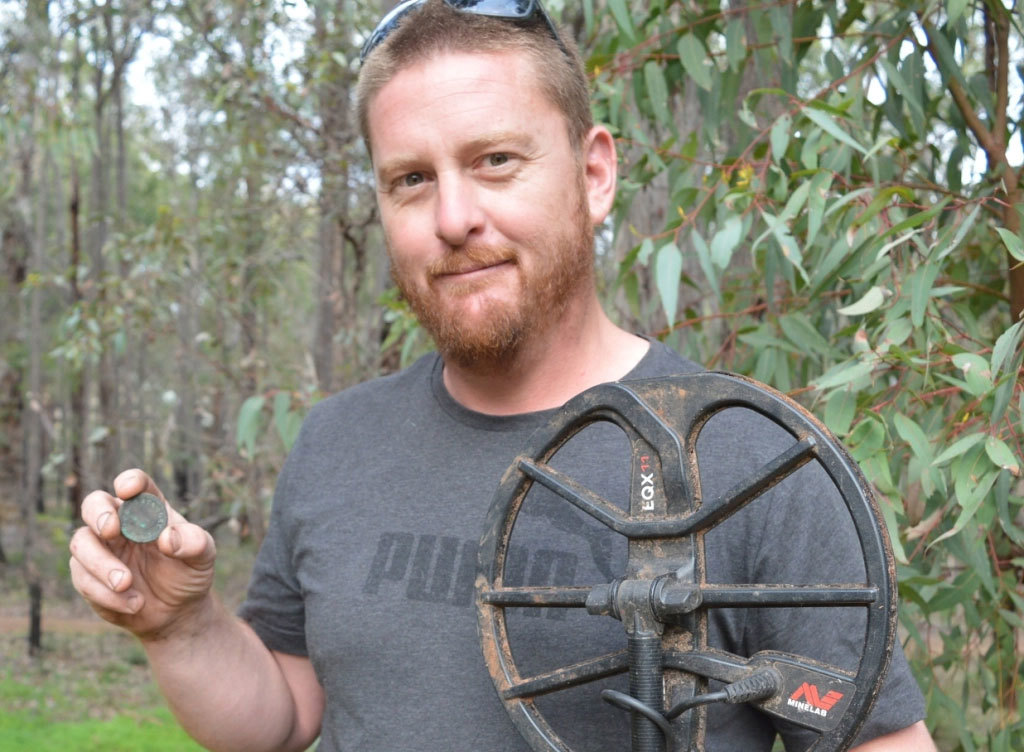
Metal detectorist Rhys Hall, pictured with a love token made by Stephen Stanley Parker - one of West Australia's first white settlers - in 1837.

One of Hall's most valuable – and historically significant finds – is a 1797 cartwheel penny, discovered amongst the ruins of an old pub.

The coin is particularly special because it is stamped with the name Stephen Stanley Parker – one of West Australia's first white settlers –  along with the date 1837.

"He (Stanley Parker) made this coin and we believe it to be a love token. He would have given it to a girl he fancied or something like that," Hall said.

A few weeks ago, Hall dug up another incredible find, a gold sovereign from 1895. 

The coin was in almost perfect condition and would have been lost not long after it was minted, Hall said.

"I bet the poor bugger who lost it was devastated, it would have been a weeks' wage back then and worth about $1000 in today's currency."
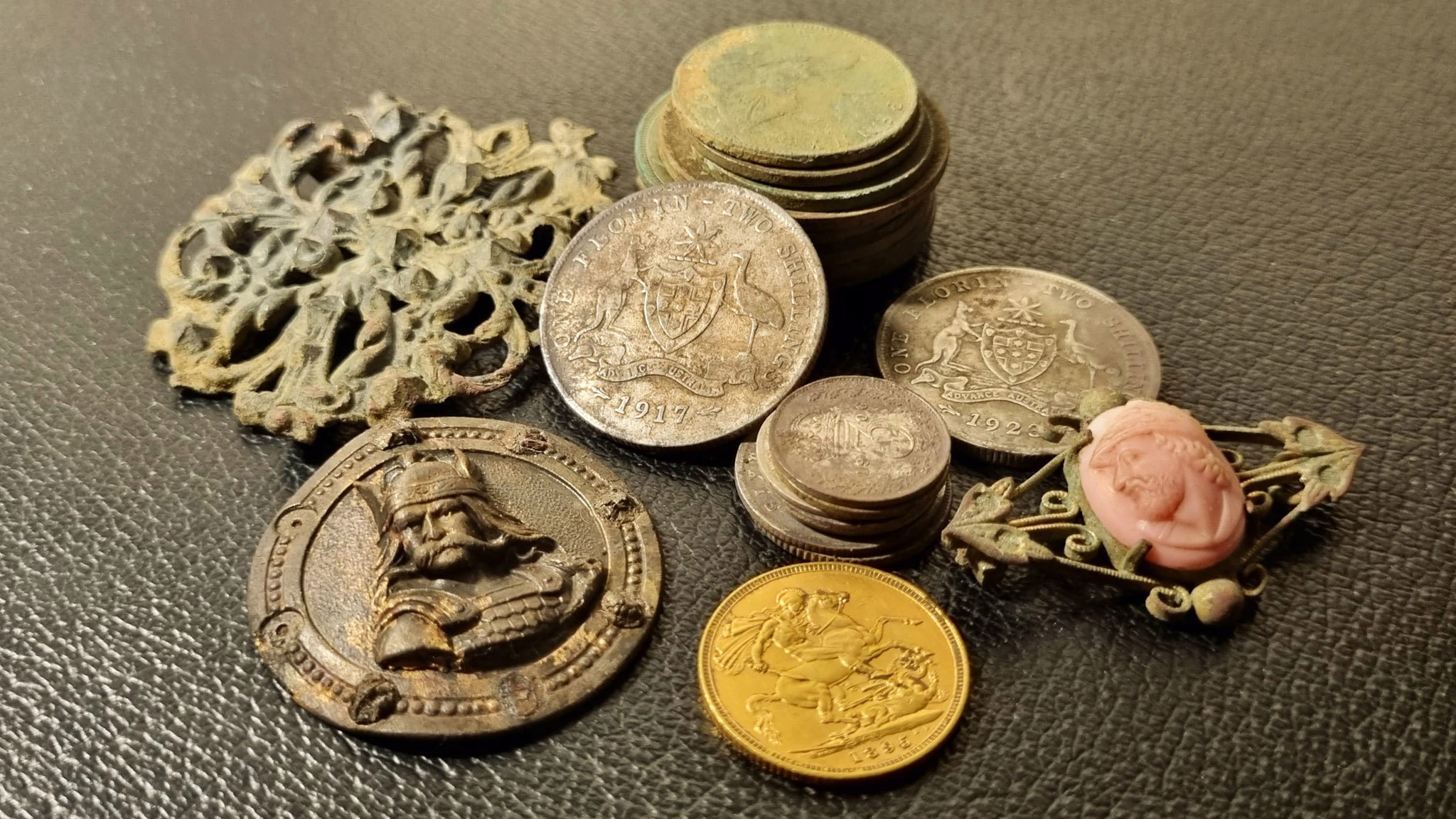
A collection of incredible relics, including an 1895 gold sovereign, found by Rhys Hall in the Perth Hills.

Having lived in the Perth Hills for his whole life, Hall said he often relied on his local knowledge, as well as consulting online historical databases such as Trove, when it came to scouting for new locations.

But Hall said his instincts sometimes also acted as a good internal barometer, in tandem with his trusty metal detector.

"After a while of doing treasure hunting you get a bit of a finer insight – a six sense I suppose you could call it – into what's there.

"You develop a bit of a smell for the treasure."

Contact reporter Emily McPherson at em********@******om.au.
Ukraine ushers in 2023 weathering deadly missile barrage

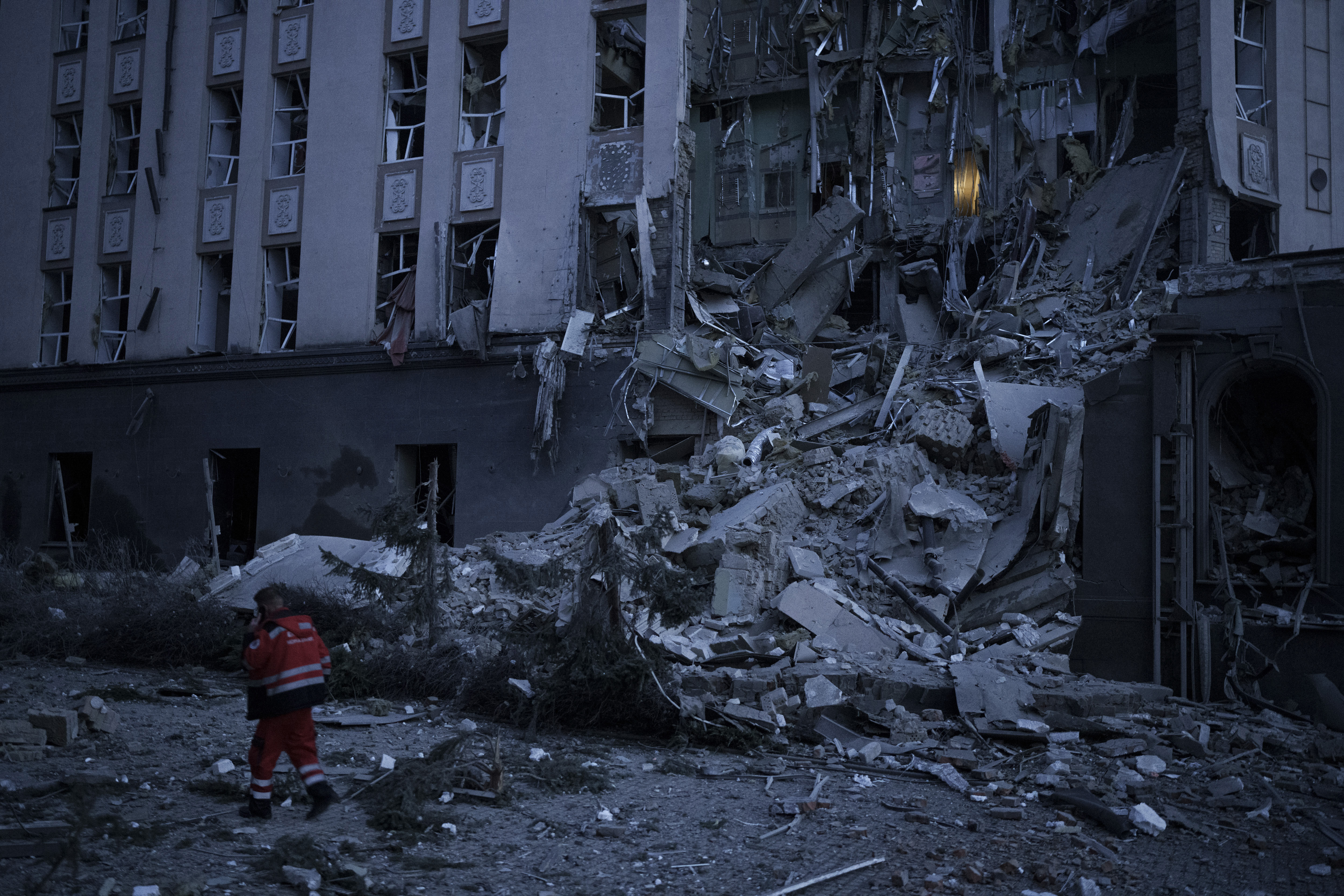
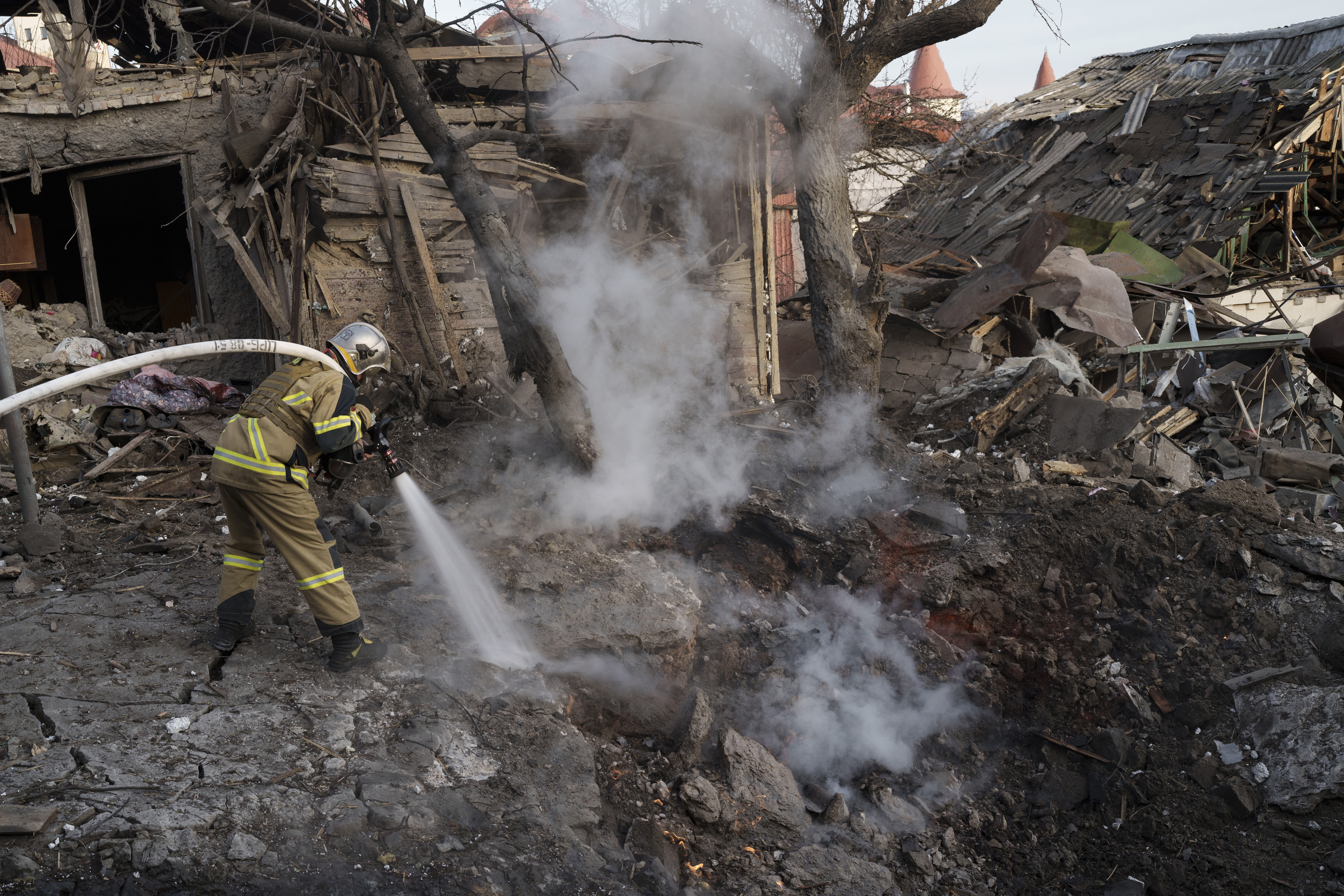
Ukrainians have woken to a grim 2023, reeling from more sirens and fresh missile attacks as the death toll from Russia's massive New Year's Eve assault across the country climbed to at least three.

Shortly after midnight local time, air raid alerts sounded in the capital, followed by a barrage of missiles that interrupted Ukrainians' small celebrations at home. Ukrainian officials say Russia is now deliberately targeting civilians, seeking to create a climate of fear and destroy morale.

Another strike at noon Sunday in the southern Zaporizhzhia region killed one person, according to the the head of the regional military administration, Alexander Starukh. But Kyiv was largely quiet, and people there on New Year's Day savoured the snippets of peace.

READ MORE: Zelenskyy says Russia waging war so Putin can stay in power 'until the end of his life'

"Of course it was hard to celebrate fully because we understand that our soldiers can't be with their family," Evheniya Shulzhenko said while sitting with her husband on a park bench overlooking the city.

But a "really powerful" end-of-year speech by Ukrainian President Volodymyr Zelenskyy on New Year's Eve lifted her spirits and made her proud to be Ukrainian, Shulzhenko said. She recently moved to Kyiv after living in Bakhmut and Kharkiv, two cities that have experienced some of the heaviest fighting of the war.

Multiple blasts rocked the capital and other areas of Ukraine on Saturday and through the night, wounding dozens. An AP photographer at the scene of an explosion in Kyiv on Saturday saw a woman's body as her husband and son stood nearby. Mayor Vitali Klitschko said two schools were damaged, including a kindergarten.

READ MORE: New COVID-19 restriction for China arrivals

The strikes came 36 hours after widespread missile attacks Russia launched Thursday to damage energy infrastructure facilities. Saturday's unusually quick follow-up alarmed Ukrainian officials. Russia has carried out airstrikes on Ukrainian power and water supplies almost weekly since October, increasing the suffering of Ukrainians, while its ground forces struggle to hold ground and advance.

Nighttime shelling in parts of the southern city of Kherson killed one person and blew out hundreds of windows in a children's hospital, according to deputy presidential chief of staff Kyrylo Tymoshenko. Ukrainian forces reclaimed the city in November after Russia's forces withdrew across the Dnieper River, which bisects the Kherson region.

When shells hit the children's hospital on Saturday night, surgeons were operating on a 13-year-old boy who was seriously wounded in a nearby village that evening, Kherson Gov. Yaroslav Yanushevych said. The boy was transferred in serious condition to a hospital about 99km away in Mykolaiv.

READ MORE: Three members of same family killed in Queensland crash remembered

Elsewhere, a 22-year-old woman died of wounds from a Saturday rocket attack Saturday in the eastern town of Khmelnytskyi, the city's mayor said.

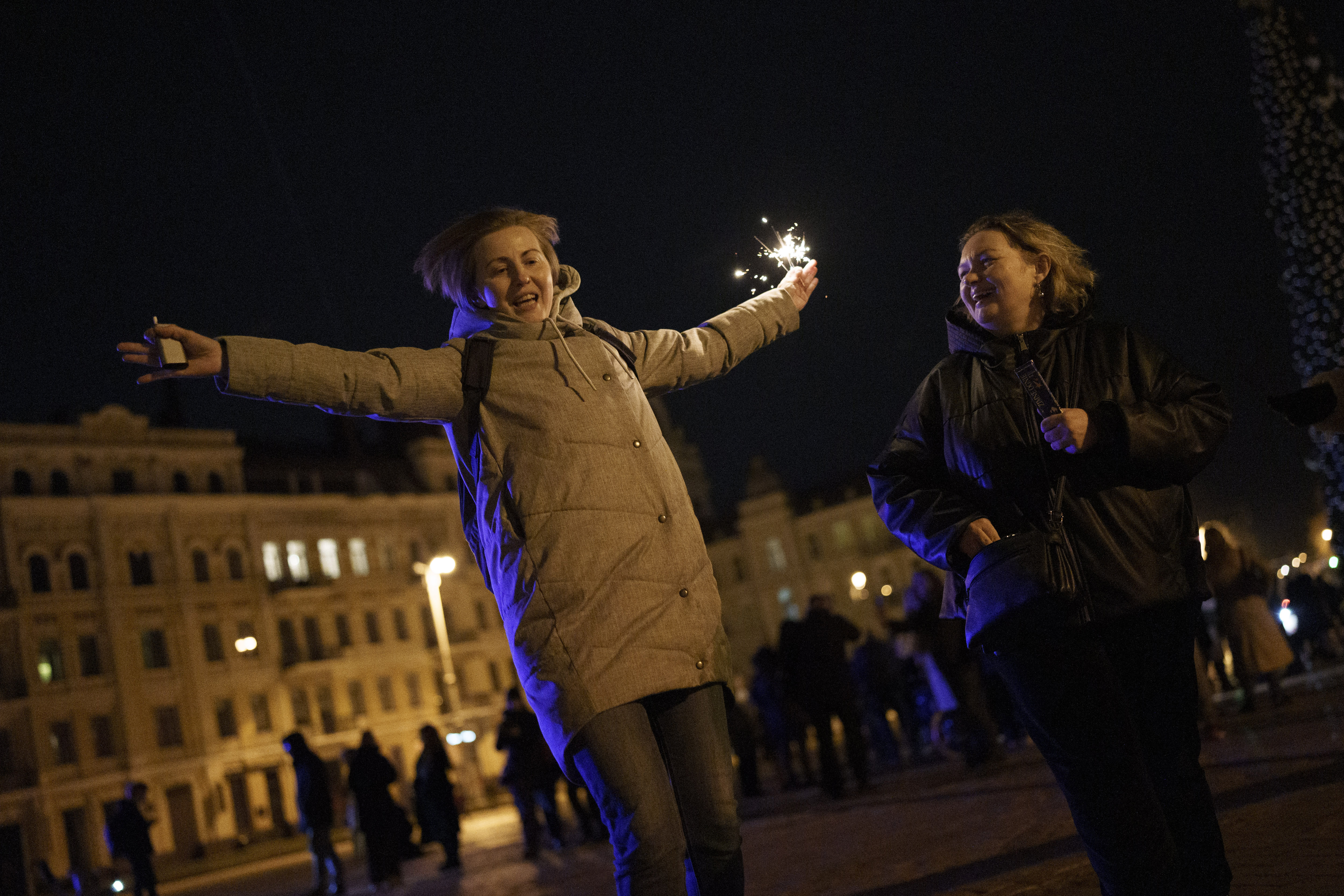
Instead of New Year's fireworks, Oleksander Dugyn said he and his friends and family in Kyiv watched the sparks caused by Ukrainian air defence forces countering Russian attacks.

"We already know the sound of rockets, we know the moment they fly, we know the sound of drones. The sound is like the roar of a moped," said Dugin, who was strolling with his family in the park. "We hold on the best we can."

While Russia's bombardments have left many Ukrainians without heating and electricity due to damage or controlled blackouts meant to preserve the remaining power supply, Ukraine's state-owned grid operator said Sunday there would be no restrictions on electricity use for one day.

"The power industry is doing everything possible to ensure that the New Year's holiday is with light, without restrictions," utility company Ukrenergo said.

It said businesses and industry had cut back to allow the additional electricity for households.

Three members of same family killed in Queensland crash remembered

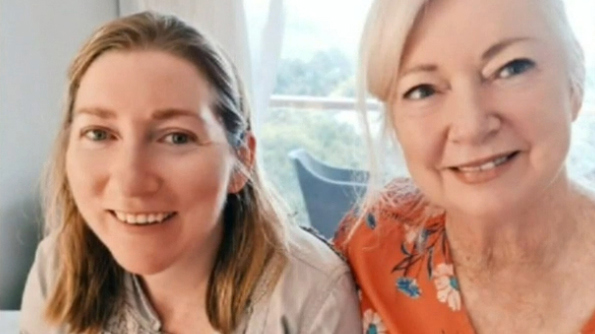
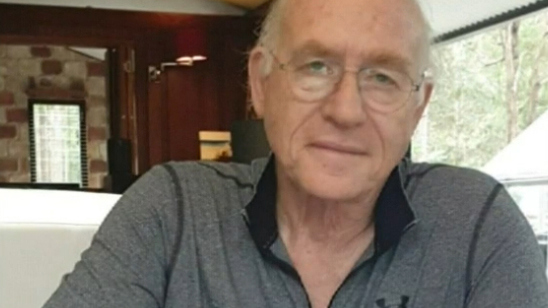
The family killed in a horror crash on Friday in the Gold Coast hinterland are being remembered as "beautiful, community-loving people."

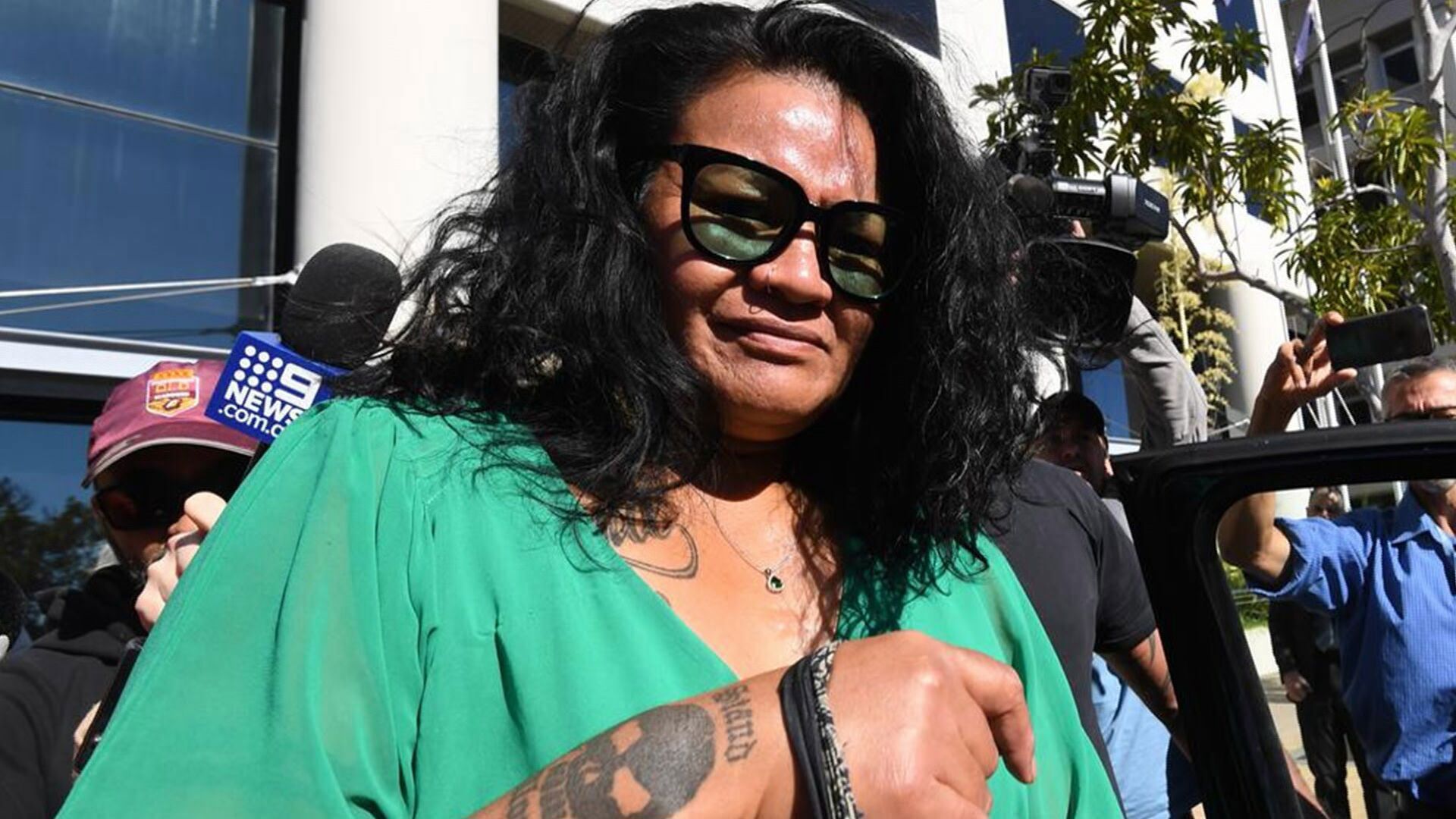
Christopher Fawcett, Susan Zimmer and their daughter Stephanie died after allegedly being hit by Broncos NRL player Payne Haas' mother Joan Taufua, who had allegedly failed to stop for police.

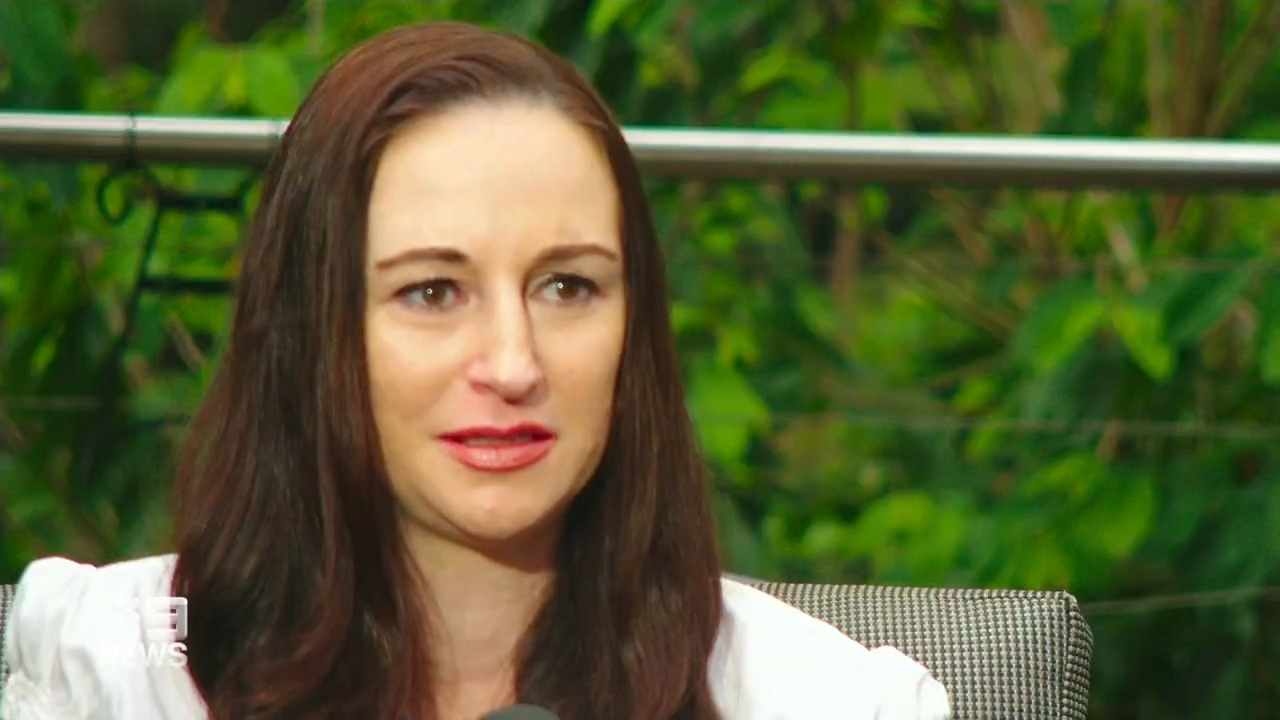
Zimmer's daughter Claudine Snow said she dropped to her knees after the phone rang on Friday night when her husband called to break the news.

READ MORE: Top secret cabinet documents from 2002 released

Christopher Fawcett, Susan Zimmer and their daughter Stephanie died after allegedly being hit by Brisbane Broncos NRL player Payne Hass' mother Joan Taufua who had failed to stop for police.Christopher Fawcett, Susan Zimmer and their daughter Stephanie died after allegedly being hit by Brisbane Broncos NRL player Payne Hass' mother Joan Taufua who had failed to stop for police.

The trio were on the way to the shops in Bonogin, near the Gold Coast.

"He said, 'They're all gone', I said what do you mean, 'They're all gone?'" she said.

"My mum is my best friend. And I sometimes forget and I go to call her and then realise she's gone.

"I have an 11-month-old baby boy who won't ever remember his aunty or his grandma."

The family killed in a horror crash on Friday in the Gold Coast hinterland are being remembered as "beautiful, community-loving people."Christopher Fawcett, Susan Zimmer and their daughter Stephanie died after allegedly being hit by Brisbane Broncos NRL player Payne Hass' mother Joan Taufua who had failed to stop for police.

New Year's celebrations have been replaced with funeral planning, with Snow saying she just wants her family to be remembered as "the beautiful people they were."

"This didn't need to happen and this shouldn't have happened," Snow said.

Taufua, 46, allegedly doesn't hold a licence and had allegedly moments earlier sped off from police.

Queensland Police didn't pursue the car, and the incident is being investigated.

No charges have yet been laid.

Charity plea as junk litters streets outside shops

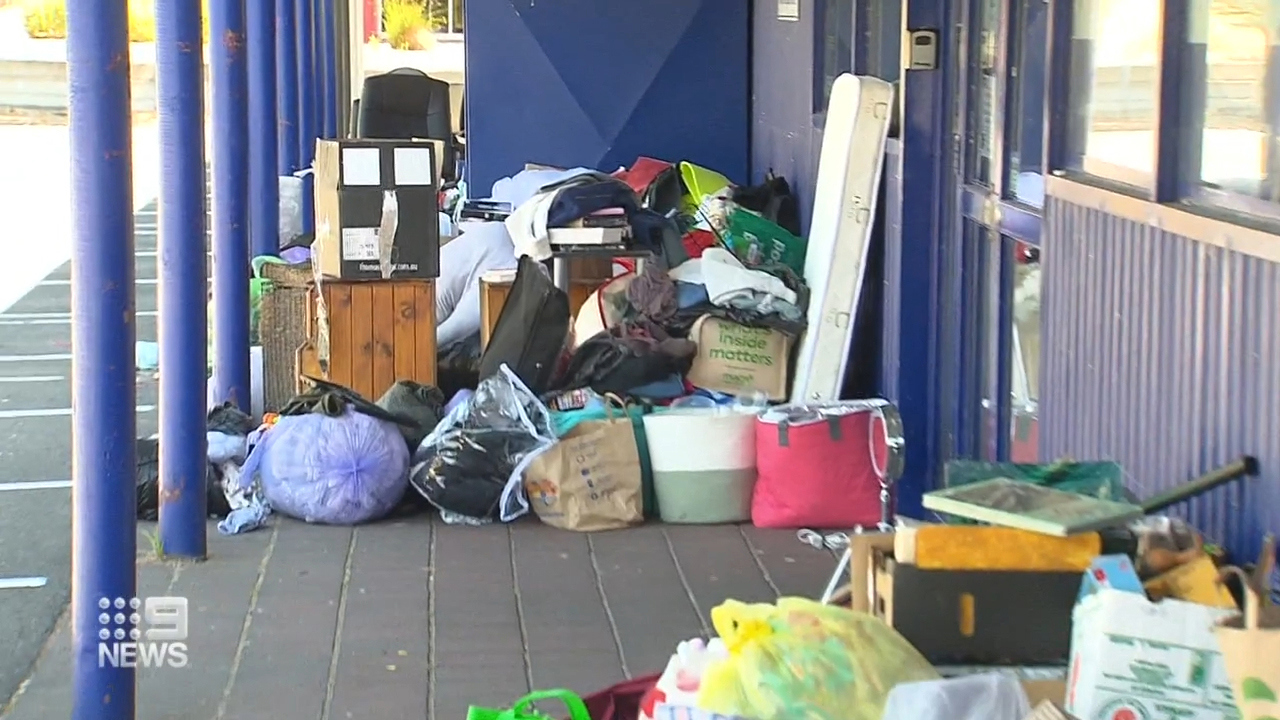
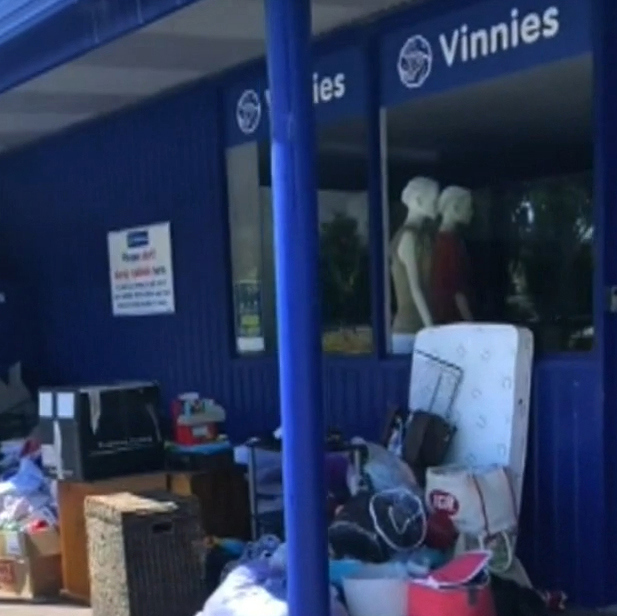
Dirty clothes, toys and household waste are just some of the items of trash left littered outside multiple Vinnies stores across Adelaide over the festive period.

Along with the useless items were donations that would have been of use to the charity if they hadn't have been left outside and exposed.

And rather than helping charities make money, it costs them to get rid of the junk – plus wastes volunteers' time to sort it out.

READ MORE: Where Aussies want to go in 2023 – and how to get the best deal

Dirty clothes, toys and household waste are just some of the items of trash left littered outside multiple Vinnies stores across Adelaide over the festive period.

Vinnies CEO Evelyn O'Loughlin pleaded with people to either wait until shops were open to donate good quality items, or throw it away at the right place, such as at a council tip.

"It costs us tens of thousands of dollars to dispose of unwanted or unuseable items, that of course is money that could be better spent on supporting people in need across the state, " she said.

READ MORE: How you can help Australian families in need this Christmas

In the past three months Vinnies has seen a 25 per cent increase in requests for assistance from people in need.

Dirty clothes, toys and household waste are just some of the items of trash left littered outside multiple Vinnies stores across Adelaide over the festive period.

READ MORE: Apples and bananas move hungry Aussies 'to tears'

The organisation says dealing with a mess takes away valuable resources.

It's a problem for other charities too, and all ask that people only donate items they know will be accepted, in the correct way.

First baby born in 2023 revealed

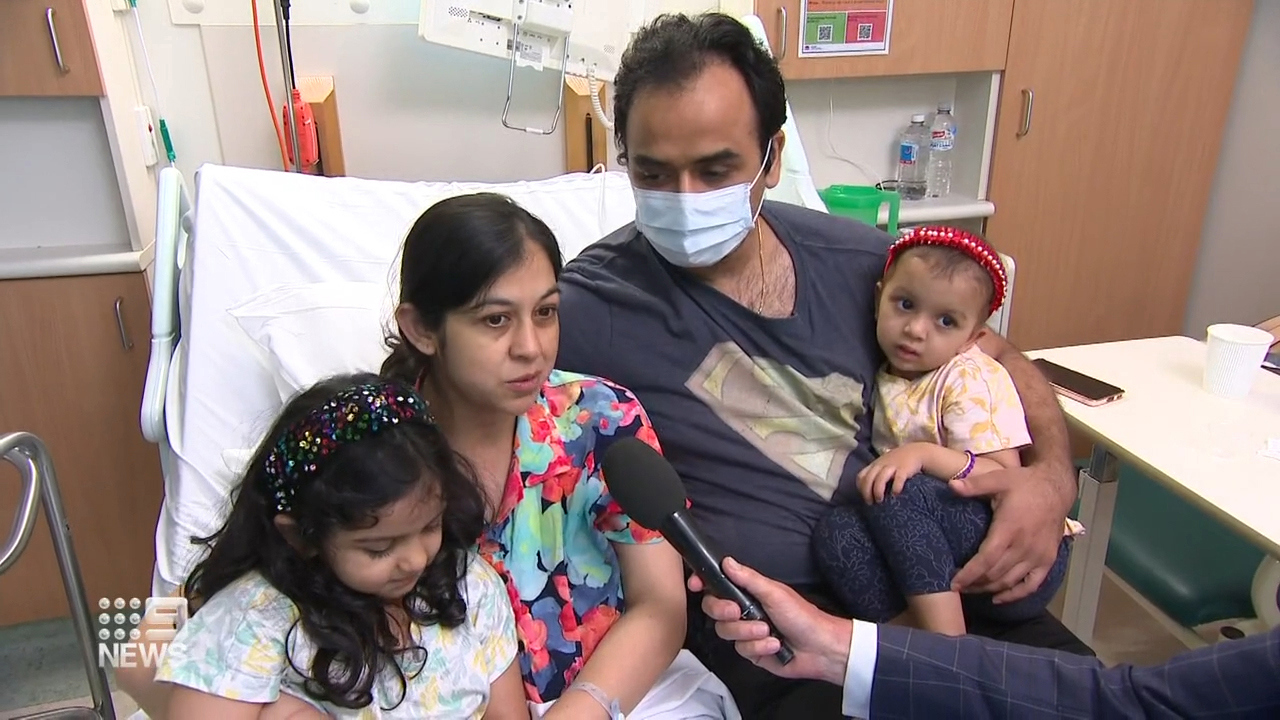
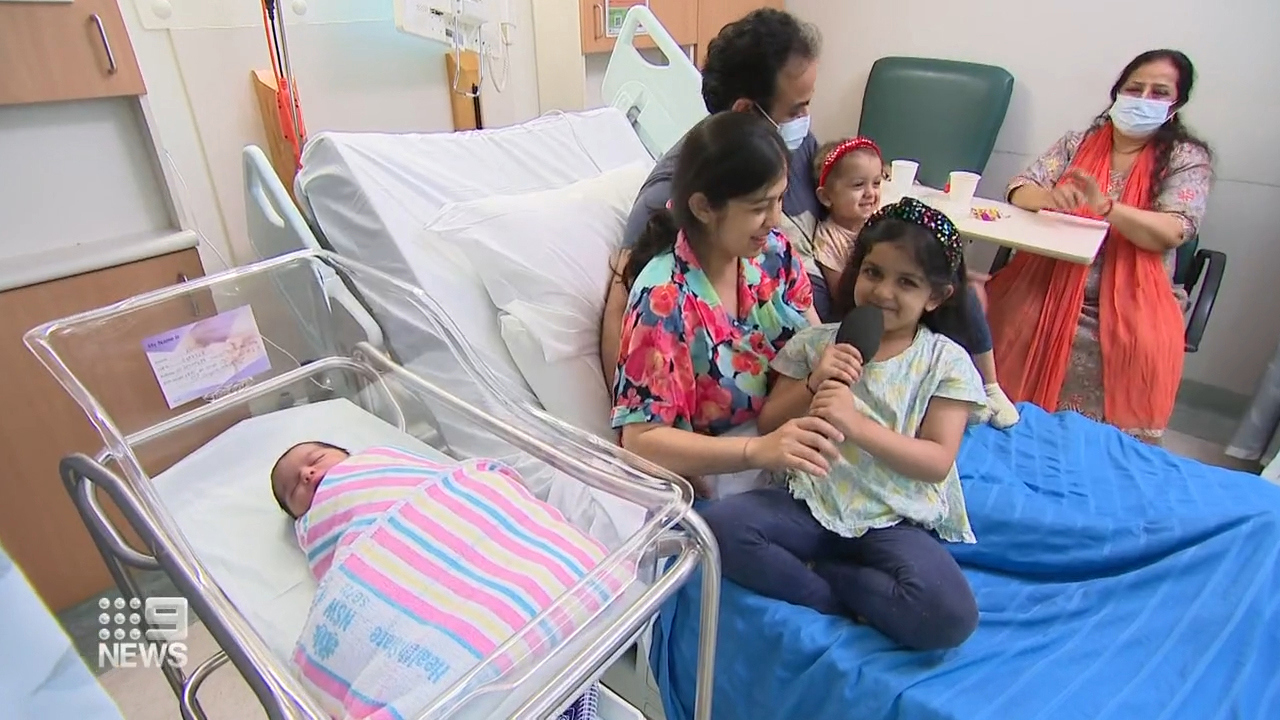
Australia's first baby of 2023 entered the world via Westmead Hospital in Sydney as the new year's fireworks were hitting their crescendo of cacophony.

Kiran Sabharwal gave birth to the city's newest Sydneysider, a boy, at 12.10am.

As one of NSW's youngest residents, he'll join the 8.2 million others calling the state home.

READ MORE: Pre-departure COVID-19 testing introduced for travellers from China 

Australia's first baby of 2023 entered the world via Westmead Hospital in Sydney as the new year's fireworks were hitting their crescendo of cacophony.Kiran Sabharwal gave birth to the city's newest Sydneysider, a boy, at 12.10am.

The new arrival, the third for the family, doesn't yet have a name.

He arrived after an eight-hour labour and weighed 2.8kg.

Mrs Sabharwal said she didn't hear any fireworks outside as she prepared to give birth.

Australia's first baby of 2023 entered the world via Westmead Hospital in Sydney as the new year's fireworks were hitting their crescendo of cacophony.Kiran Sabharwal gave birth to the city's newest Sydneysider, a boy, at 12.10am.

"We had fireworks of our own," she joked.

New dad, Karan Sabharwal said they're well prepared.

"The bassinet is ready, we've got the swing, we've got some clothes, all set, all set," he said.

Top secret cabinet documents from 2002 released

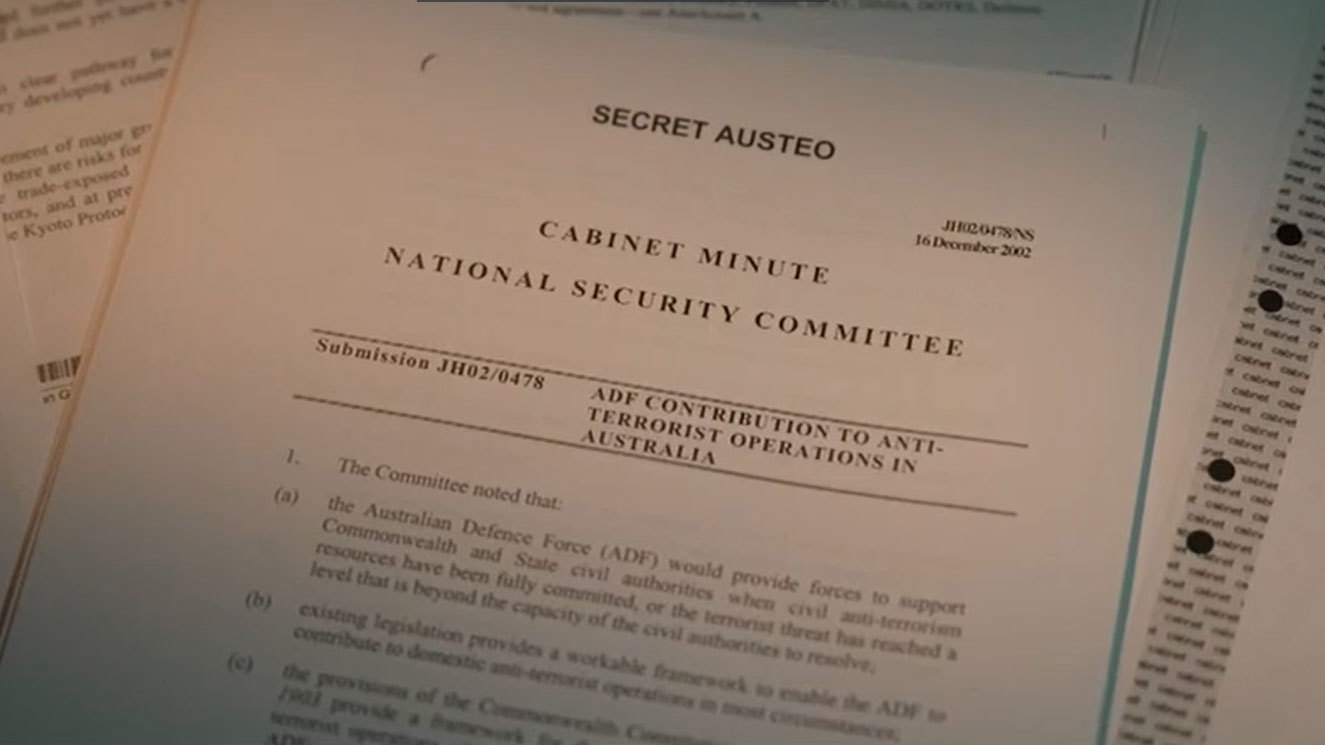
Previously top secret cabinet documents were unsealed today, revealing what went on behind closed doors in former prime minister John Howard's cabinet room 20 years ago.

Around 240 previously secret cabinet records from the year 2002 have been released by the National Archives of Australia.  

The trove of documents gives an insight into the issues that were being considered at the highest levels of government.

READ MORE: New Year's tragedy as rodeo rider killed during Queensland show

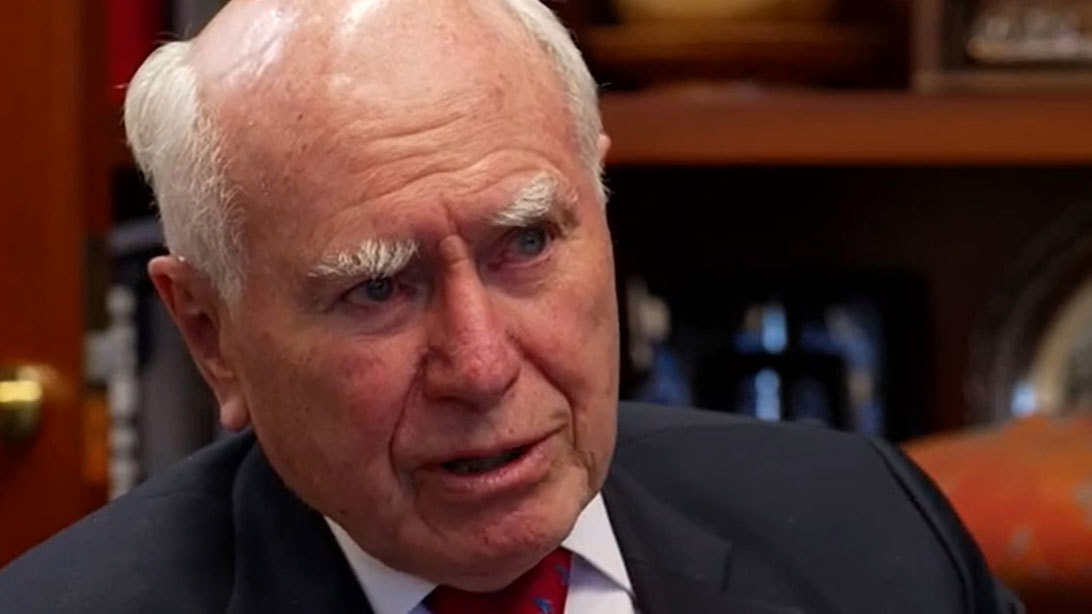
Former prime minister John Howard recalls the events of 2002 and his cabinet's actions at the time.

"These records tell the story of what the government was thinking about," Simon Froude, from the National Archives of Australia, said.

In 2002, the nation and its decision makers were entering a frightening new era as the world tried to come to terms with 9/11.

Fears of a terror attack close to home would soon be realised. 

"The world had been turned on its head," Howard recalled to 9News of the turbulent time.

His cabinet was facing some of its toughest decisions.

"Once you'd had 9/11, it was clear that what could be done in the United States could be done here," former coalition minister Amanda Vanstone told 9News.

National security was front of mind, with Australian troops on the ground in Afghanistan and John Howard visiting ground zero in New York in January.

US president George Bush had warned of an "axis of evil" and, in June, he set his sights on Iraq with the Australian prime minister by his side.

READ MORE: Billionaire's fireworks party starts blaze near Queenstown

Hundreds of cabinet documents from 2002 have been declassified.

In September, Howard briefed his team regarding conversations about Iraq – which was believed to be maintaining so-called "weapons of mass destruction" – but details are not included in the cabinet documents released. 

When asked if he recalled that briefing, Howard said he did.

"It followed a telephone call I'd had from the president in which George Bush confirmed he'd seek a new resolution from the United Nations to authorise a potential attack.

"I knew that at some point in the not too distant future, we'd have to decide whether or not we'd make a contribution."

Six months later, Australia joined the invasion of Iraq in the hunt for weapons of mass destruction that were never found.

"I don't have any regrets about the decision we took," Howard said.

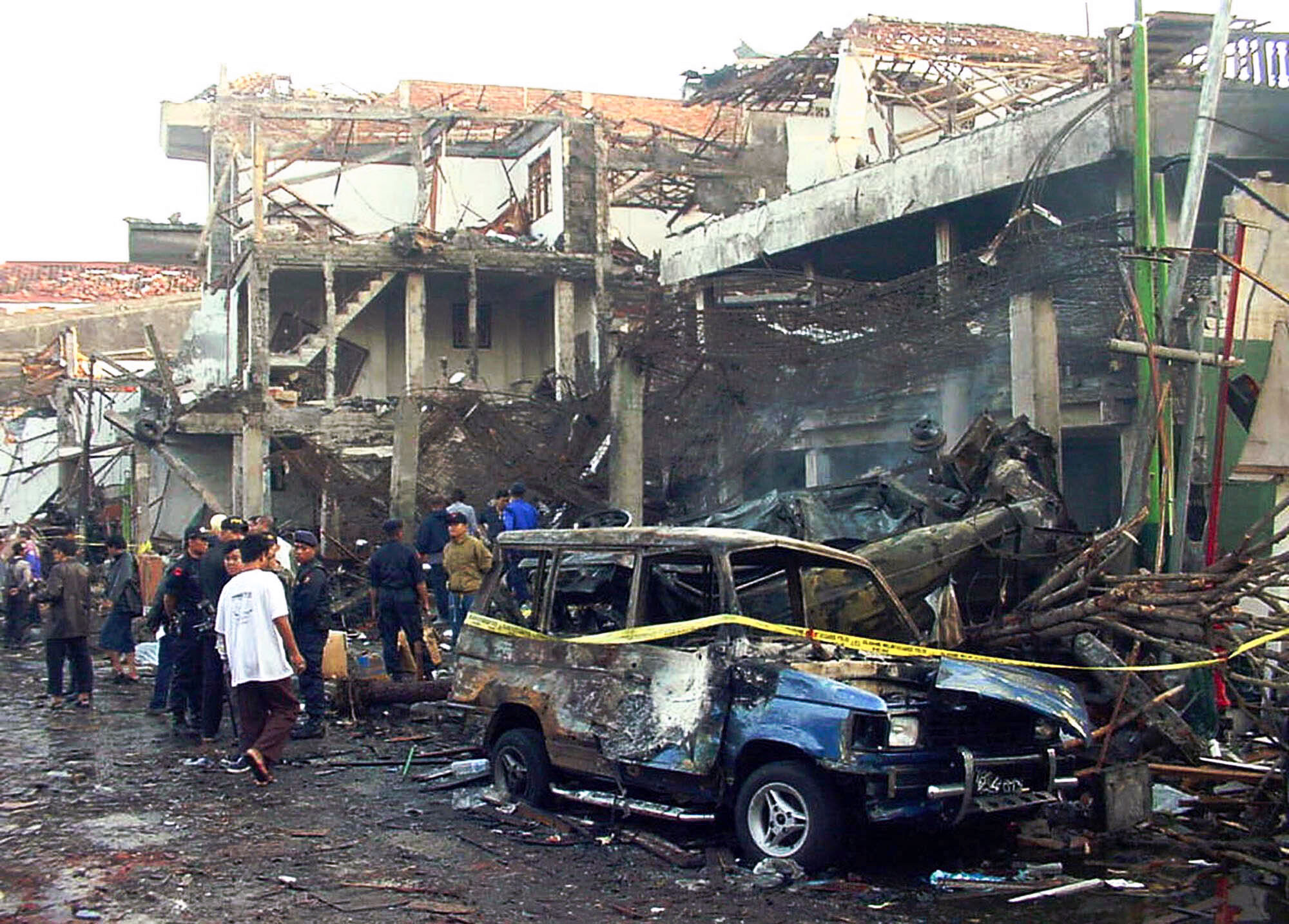
In October 2002, 88 Australians died in the Bali bombings.

The wreckage from the Bali bombings

"I'm sure every cabinet minister – every member of parliament – was focused on what we could do to keep Australians safe," Vanstone said of the time.

Osama Bin Laden released chilling audio tapes linking the attack to Australia's involvement in Afghanistan, as cabinet noted evidence the Al-Qaeda leader had an interest in Australia prior to the September 11 terrorist attacks, indicating US allies and Australia, in particular, have been singled out as substantial terrorist targets.

Another cabinet policy in 2002 pursued the offshore processing of asylum seekers, launched after the Tampa refugee crisis the previous year. 

Cabinet agreed to fast-track a detention centre on Christmas Island.

The Coalition was also trying to decide whether to sign up to the Kyoto protocol, an international agreement to reduce emissions.

"Back then, in 2002, the environment was a second-order issue politically," University of NSW Associate Professor David Lee said.

"Now it's front of mind with floods, bushfires, and other climate events around the world."

Despite warnings from its own scientists that global warming was getting worse, cabinet decided against ratifying the agreement after the US refused too.

Howard said he had no regrets about the actions his cabinet took in this regard.

"Still in my opinion it remains the right decision," Howard said.