Tag Archives: oceania

Firefighters warn of grassfire danger this summer after floods

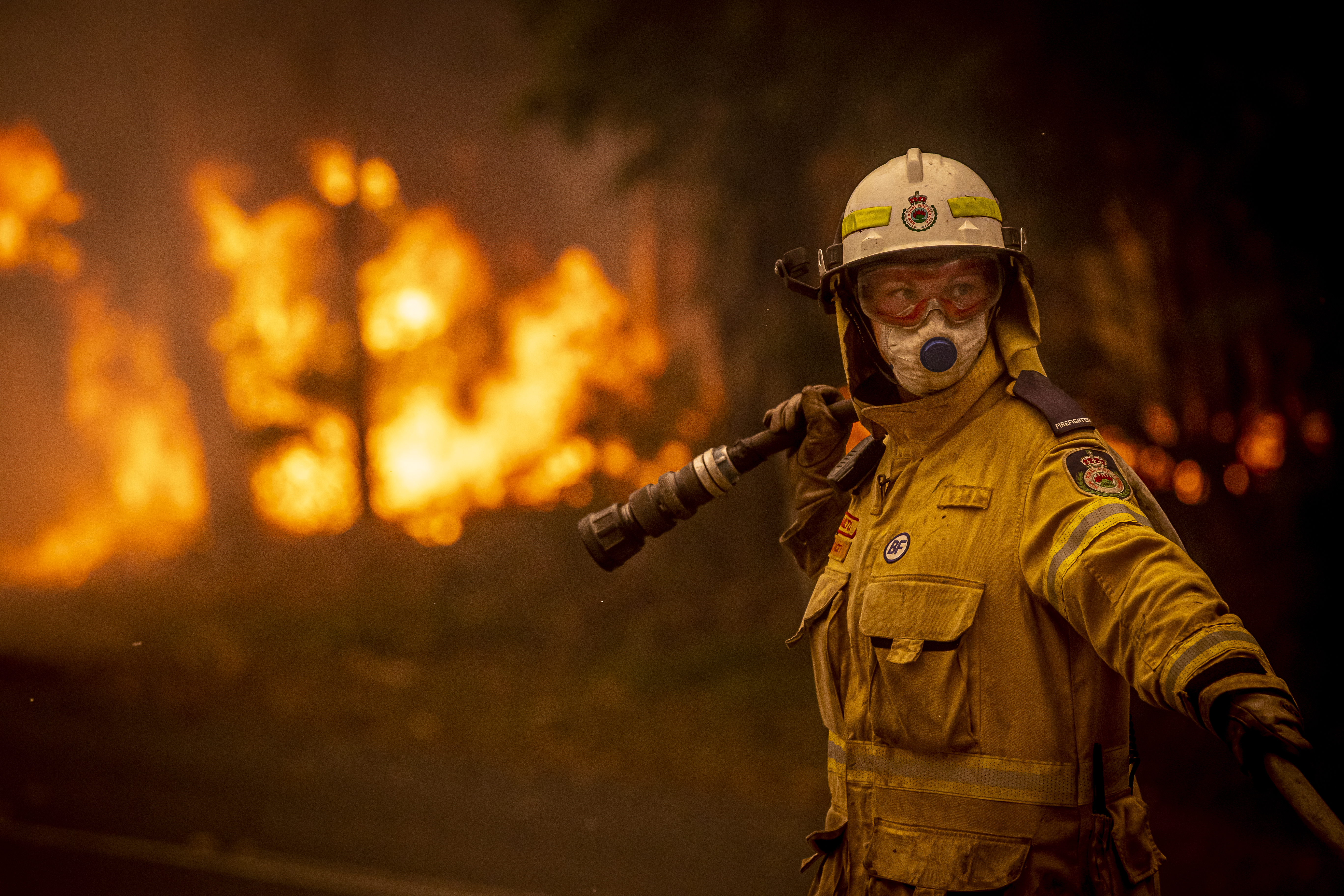
Firefighters are concerned about grassland areas in New South Wales after flooding across the state caused "incredible" growth, which has increased the bushfire risk.

The state is coming to the predicted end of two years of the wet La Nina weather system, with land beginning to dry out during Australia's bushfire season.

NSW Rural Fire Service Commissioner Rob Rogers told Today the risk was a lot higher than it had been for the last couple of summers.

READ MORE: How Australia is protected against tsunami threat

"The second half of January, we're concerned about the grassland areas in the west of the state just because there's so much rain that's fallen out there and the grass growth is incredible," Rogers said.

"People only need to see what their lawn grows like, imagine the whole western part of NSW."

Rogers said they had done a lot of things since the 2019-20 Black Summer bushfires and had new plans in place.

READ MORE: The devastating natural disaster that's going to get more intense

"We've replaced 400 fire trucks. We've got new aircraft," he said.

"We're a lot better prepared than we were but that relies on the community doing their part, doing those things around their own home.

"If you see a fire, don't assume someone else has reported it, reported it to triple zero straightaway because the seconds make all the difference in firefighters getting on top of the fires."

He advised residents to do simple things like cleaning gutters, having a long hose that will reach around the home and having a bushfire survival plan.

The top three tech stories of 2022

Technology infiltrates every part of our lives, from the smartphones we carry with us everywhere to the cars we drive being full of gadgets and gizmos to make them safer and more enjoyable to drive.

In 2022 though, it wasn't the gadgets themselves that topped the headlines.

Samsung's newest folding phones, Apple's latest iPhone and many other gadgets didn't make the cut when it comes to the biggest tech stories of the year.

READ MORE: Why Australia isn't imposing China travel restrictions just yet

The iPhone 14 Plus has gone on sale several weeks after the standard model.

It's not the first time gadgets didn't top the list; reflect on the 2016 Census debacle and in 2018 the Facebook data woes following the Cambridge Analytica scandal.

The top three tech stories of this year all come from just the last few months of 2022.

3: Elon Musk buys Twitter

He's one of the richest men in the world (depending on how his share portfolio is performing), but a $60 billion purchase of one of his favourite apps wasn't smooth sailing for Elon Musk.

He first touted the purchase of Twitter earlier in the year, and then quickly backtracked following concerns about the number of fake accounts on the social media app.

Perhaps a legal fight was going to cost too much or perhaps he saw the value despite his concerns – whatever it was, Musk finally completed his purchase of Twitter in late October, walking into Twitter headquarters carrying a sink – tweeting "let that sink in".

READ MORE: How Elon Musk declared war on Apple

Elon Musk, the new owner of Twitter.

Massive staff cuts, huge policy changes and even a poll to decide if Donald Trump should be allowed back onto Twitter were the immediate changes he made, going on to ban some journalists and make changes to the "blue tick" verification system moving the business closer to a subscription platform for the future.

It escalated most when he tweeted another poll, asking if he should step down as Twitter CEO.

The vote went against him, and he's now got the task of finding a new CEO for his pet project.

All the while, his other business Tesla has suffered from a steep decline in its stock price.

All eyes will be on Musk as we move into 2023.

2: AI – the fancy profile photos and powerful ChatGPT artificial intelligence

You might have seen some fancy pictures being shared by your friends on social media, works of art to some, cartoon-like images to others.

The use of Artificial Intelligence (AI) to reshape your own profile photo or to create digital artworks was a big trend late in 2022.

READ MORE: The Australian cities 'vulnerable' to tsunamis

The rise of AI took a big leap forward when research project ChatGPT gained traction.

It's a platform that allows users to ask questions and get written answers, allowing anyone to ask ChatGPT to write an essay on any topic, quite possibly the most advanced computer intelligence we've seen.

Users have taken to social media to demonstrate ChatGPT writing class lesson plans for teachers, attempting medical diagnoses based on symptoms, rewriting poorly worded emails or even writing a real estate advertisement.

The possibilities are endless.

We are at just the start of the AI revolution; what ChatGPT offered was a deep and powerful insight into the future.

1: Hack month as Optus and Medibank hit

A data breach on the scale of Optus, with 9.8 million customers having their personal identifying data hacked was unheard of in Australia.

As that had barely washed up, Medibank revealed they too had suffered a data beach this time of 9.8 million users, including potentially health care and claims data.

Two of the biggest individual breaches in Australia falling back-to-back created a month-long spotlight on data security and privacy in Australia.

Optus' handling of the crisis was met with concerns from customers who either heard very little or got mixed messages, while Medibank over-communicated with its users.

The outcome is that millions of Aussies are now at a much higher risk of scams going forward.

READ MORE: Warning over 'mysterious' threat hiding on our beaches

Customers inside an Optus store.

The federal government will implement stricter data security laws, with much larger fines on the cards as a likely deterrent.

We've never seen data breaches the scale of Optus of Medibank before, we can only hope we never see one again.

State-by-state guide: Where and when to watch the fireworks

New Year's Eve is the last day of the year, every year.

And yet the event still manages to sneak up on most Australians as we slowly digest our Christmas dinners.

But there's events on in every major city (and many smaller cities and towns) which don't need much planning. All you need to do is rock up.

Here's the big New Year's Eve events on in each major city in Australia.

Sydney

Sydney prides itself on its New Year's Eve celebrations more than any other event in the city.

From 8.30pm, projections will be made on the pylons of the Harbour Bridge ahead of the 9pm fireworks.

This year's 9pm fireworks are themed around celebrating the history and experience of local Indigenous storytellers.

READ MORE: 'Best ever' Sydney New Year's Eve celebrations promised this year

People are seen at Mrs Macquarie's Point in preparation for New Years Eve Fireworks last year.

Ahead of the midnight fireworks, a rainbow waterfall will cascade from the bridge in celebration of 2023 World Pride.

For the midnight spectacular, there will be explosions from the Opera House as well as four CBD rooftops.

READ MORE: Australia's most Googled searches of 2022

Most of the free ticketed spots are already at capacity.

However there will be more released on Friday and New Year's Eve for Observatory Hill, Pirrama and Giba parks in Pyrmont as well as Embarkation Park in Potts Point.

Melbourne

Melbourne has designated several spots in the CBD as "celebration zones" for New Year's Eve.

They include Treasury Gardens, Flagstaff Gardens and the Docklands Celebration Zone across the esplanade from Marvel Stadium.

Revellers are warned that Flagstaff, Melbourne Central, Kings Domain and Parliament train stations all close 15 minutes before midnight.

The early fireworks begin at 9.30pm and the midnight fireworks begin at, well, midnight.

READ MORE: A guide to train and road delays in Melbourne over summer

Revellers watching the New Year's Eve fireworks in Docklands, Melbourne.

Brisbane

Fireworks will be held at South Bank at 8.30pm and midnight.

Some good vantage points if you don't want to shell out for a pricey dinner or venue ticket include Kangaroo Point Cliffs, Captain Burke Park or the Clem Jones Promenade.

READ MORE: What will the weather on Christmas Day be like?

Brisbane's fireworks seen from South Bank.

Adelaide

A family-friendly New Year's Eve event will be held at Rymill Park/Murlawirrapurka in Adelaide.

The event starts at 6pm with live music and roving performers.

A hybrid fireworks and lights show will take place at 9.30pm before the big fireworks show at midnight.

Tickets will be released on December 14. The tickets are free but you still need to book them.

Perth

There will be fireworks displays down on the Swan River.

Elizabeth Quay is being touted as the best vantage point for the fireworks at 9pm, with roving performers and circus acts also around.

The City of Perth recommends Yagan Square, Perth Cultural Centre, Northbridge Piazza and James Street as good vantage points for the midnight fireworks.

READ MORE: State-by-state guide to COVID-19 recommendations for fourth wave

Canberra

Fireworks in Canberra.

Fireworks are being held in the capital at 9pm and midnight.

Revellers are recommended to bring a picnic to Regatta Point, Patrick White Lawns, Rond Terrace or Bowen Park.

Hobart

Fireworks in Hobart are mostly positioned around the Derwent River and Sullivans Cove.

The fireworks are set for 9.30pm and midnight.

Hobart's fireworks are well known for the presence of the many sailboats in the harbour from the Sydney to Hobart race during the festivities.

Darwin

The big event in the Top End is a free show at the Darwin Waterfront.

Entry is free and no tickets are required.

Fireworks are at 9pm and midnight.

Bananas in Pyjamas will appear at 5pm, and Birds of Tokyo will perform at 7.30pm.

The event is alcohol and tobacco-free.

How the weather is looking across the country for New Year's Eve

It's one of the most dazzling nights of the year, but a light show of a different kind is likely to spill across at least three states as cloud and rain makes a return for New Year's Eve.

A low sitting off the coast of South East Queensland is fuelling dubious conditions along the east coast, with the Bureau of Meteorology (BoM) warning of strong wind and cloudy conditions for coastal areas over coming days.

It comes as Sydneysiders woke to drizzly rain this morning after a brief dry spell, and the monsoon plays out over the far north.

Let's take a look at what the weather is doing around the country tomorrow.

READ MORE: Legendary English designer Vivienne Westwood dies

https://twitter.com/BOM_Qld/status/1608315235366227970

Sydney

While rain has developed across the Harbour City, there's a silver lining on the horizon.

The BoM forecasts the rain will stick around until tomorrow, but showers will start to clear ahead of festivities.

A low of 19C is forecast with a high of 27C. 

READ MORE: How Australia is protected against tsunami threat

Transport bosses have blamed storms for the New Year's Eve rail meltdown.

Brisbane

A medium chance of showers is forecast for Brisbane tomorrow, with temperatures ranging from 21C to 28C.

However isolated showers will fall across parts of Queensland, due to the low pressure system.

"Some isolated showers are on the cards for the east coast from Bundaberg down to Hobart earlier in the evening, but most will dry up by midnight," Weatherzone said.

READ MORE: Three winning entries in $100m lottery

Three-hour rainfall forecast over midnight on New Year's Eve.

Darwin

The weather service warned showers could also play out across much of the Northern Territory, into Far North Queensland.

"The monsoon will still be active over northern Australia, so nature's fireworks with thunderstorms will have to suffice for many from Exmouth to the Red Centre and up to Townsville," it said.

A minimum temperature of 25C is forecast with a maximum of 31C.

Melbourne

It will be a humid night for Melbournians with a medium chance of showers and storms forecast tomorrow.

Thunderstorms are more likely about the northern and eastern suburbs.

A low of 17C is expected, and a high of 29C.

Hobart

In Hobart there's a slight chance of a shower but rain is tipped to become more likely in the afternoon and early evening.

The BoM has forecast a low of 15C and a high of 26C.

Adelaide

The last day of the year will be hot and sunny for Adelaide.

A low of 14C forecast for the South Australian capital, but temperatures will climb to a sweltering 31C.

Perth

Similar conditions will play out across Perth, which will be sunny.

The temperature will range from 16C to 27C.

Pelé's promise to dad changed football history

Pelé, the legendary Brazilian footballer and undisputed king of the sport, has died aged 82.

The former champion striker and only professional player to win three FIFA World Cups passed away after a month in hospital.

Pelé had been undergoing treatment for colon cancer and a respiratory infection caused by COVID-19 at the time of his death.

READ MORE: Pelé, Brazil's mighty king of 'beautiful game,' has died aged 82

Brazil's soccer legend Pele greets the crowd ahead of a Spanish league soccer match, in the Santiago Bernabeu stadium in Madrid, Jan. 16, 2005.

In early December it was reported the sporting icon had been moved to palliative care in Sao Paulo after he stopped responding to chemotherapy.

However, a number of his close family members disputed the reports.

Pelé was diagnosed with cancer in September 2021.

Born Edson Arantes do Nascimento on October 23, 1940, in Tres Coracoes, Minas Gerais, Brazil, Pelé was the eldest of two children to mother Celeste and father João Ramos.

João Ramos, known by his nickname Dondinho, was a professional footballer who played centre forward with Brazillian clubs Fluminense FC and Atletico Mineiro.

"The greatest goal I ever scored was a one-two with Celeste – we named him Edson Arantes do Nasciment," Dondinho said.

Pelé was named after American inventor Thomas Edison but he is best known by the nickname Pelé. He gained the nickname as a schoolboy.

"Pelé's been my nickname since I was at school in Sao Paulo, I don't know why. The kids just started to call me it and I got mad at them, I fought with them," Pelé told FourFourTwo in 2005. 

"I was five years old and I was frustrated."

Pelé was just a child when his father taught him to play the sport he would one day conquer on an international stage. 

Brazil's 17-year-old Pele, left, weeps on the shoulder of goalkeeper Gilmar Dos Santos Neves, after Brazil's 5-2 victory over Sweden in the World Cup final soccer match, in Stockholm, Sweden on June 29, 1958. (AP Photo/File)

As his family struggled financially, Pelé made do without a proper football.

He would kick around a grapefruit or rolled-up socks stuffed with newspaper. 

Through childhood he had aspired to become a pilot, however, when he was nine he witnessed his father's despair at Brazil's defeat to Uruguay at the 1950 World Cup.

He made him a promise then and there.

"It was the first time I saw my father cry. He was devastated," Pelé recalled. 

"I promised him, 'One day I will win you the World Cup.'"

Six years later, Brazilian club Santos signed the then 15-year-old Pelé. He scored four goals on debut.

"The start of it all, you know when I put on the Santos uniform, the white shirt, I wore it with affection, with a lot of love," he told the FIFA documentary Academies – Santos.

"I killed any team. When Santos came on the field, the other fans, the other team trembled." 

By 1957 the then 16-year-old was given a starting place in the Santos team.

He would end the season as the competition's top goal scorer.

A year later, in 1958 Pelé was named in the national squad that headed to Sweden for the 1958 World Cup. 

Many thought at just 17 he was too young to bear the expectations of a nation.

"When I went to the '58 World Cup, they thought I had a big responsibility, that it was a very difficult thing. But it was different. I wasn't too worried," Pelé said.

He considered the first goal he scored, which was against Wales, was important.

"For me, it was the goal that opened the doors for my career, no doubt," he said.

"Those goals you don't forget."

READ MORE: Tributes flood in for 'most divine' Pele, who has died aged 82

Brazil beat home side Sweden 5-2 in the final of the World Cup. Pelé scored two goals. 

The win cemented Pelé as the youngest-ever winner of a World Cup.

European clubs such as Manchester United, Real Madrid, Inter Milan and Juventus soon circled the teenager, vying for his signature.

In 1961, Inter reportedly put forward a million-dollar bid for the striker.

Yet, a play by Brazil's then President Janio Quadros declared Pelé a national treasure to prevent him leaving the country.

"The difference in those days was that the money they offered was not so big that you couldn't refuse it. Later in my career, Real Madrid made an excellent offer and [Giovanni] Agnelli from Juventus wanted to give me a share of Fiat in return for me signing – Fiat had opened a plant in Brazil and they wanted to use me to promote it," he said in 2005.

"It's funny because I tease the Brazilian players now. I see them kissing the badge on their shirt and they say, 'I love Manchester, I love it.'

"Then the next year, they move and they say, "I love Roma, I love it.'

"They don't love the club, they love the money, that's why they moved. That's OK, but at some point you've got to decide what you love: the team, or the money?"

READ MORE: Three winning entries in $100 million Powerball to end the year

In 1962, Pelé was part of the Brazilian team to again take home World Cup glory.

He won a third with Brazil in 1970.

A year before in 1969 the icon scored his 1000th goal from a penalty kick for Santos against rival Brazilian club Vasco da Gama.

By 1974, after 19 seasons with Santos, Pelé retired from the Brazilian club and the national team.

He would step out of retirement two years later and sign with the New York Cosmos in the United States.

With the sport in its infancy in the US, Pelé's presence proved a major drawcard. On and off the pitch.

A-listers from both the sporting arena and Hollywood, including Muhammad Ali, Elton John, Mick Jagger, Robert Redford and Barbra Streisand, were among crowds at his matches.

"Absolutely everybody wanted to shake his hand, to get a photo with him," Jagger, the music icon, said of Pelé's presence at Studio 54. 

"Saying you had partied with Pelé was the biggest badge of honour going."

In 1977 Pelé finally retired from the sport. He was in the centre of the pitch in New Jersey after playing his final match. He held his hand high in victory.

The next day a Brazilian newspaper ran with the headline: "Even the Sky Was Crying".

During his playing career with Brazil and Brazilian clubs Pelé scored a total 1283 first-class goals. He scored a total of 77 for Brazil.

Pele is hoisted on shoulders of his teammates after Brazil won the World Cup final against Italy in 1970

He won three World Cups, two World Club Championships and nine Sao Paulo State Championships.

Pelé held the position of Brazil's Sports Minister from 1995 and 1998.

In 2000 the late former President of South Africa, Nelson Mandela, presented Pelé with the Laureus Lifetime Achievement Award.

"He began life in poverty and rose to the highest level of fame. To watch him play was to watch the delight of a child combined with the extraordinary grace of a man in full," Mandela said.

In 2014, Pelé was awarded the first ever FIFA Ballon d'Or Prix d'Honneur for his contribution to world football.

Since exiting the game, there has been a list of future championship footballers bestowed the moniker "the new Pelé".

These include Ronaldo, Ronaldinho, Robinho, Neymar and Gabriel Jesus. Lionel Messi and Cristiano Ronaldo were also among the list.

"People look for the new Pelé because it's a dream, a kind of ambition for any club or national team to have people like him," Carlos Alberto Parreira, who was Brazil technical director between 2012 and 2014, told ESPN.

"People in Argentina look for a new [Diego] Maradona, people in Germany look for a new Franz Beckenbauer, and in Brazil they look for a new Pelé.

"You put your hopes so high, you are always looking to have someone like him.

"But I don't think you will again have a new Pelé. It is so difficult to replace such huge talent."

Off the pitch, Pelé was married three times.

He first tied the knot in 1966 to Rosemeri dos Reis Cholbi. They had three children together.

The couple divorced in 1982.

He married again in 1994, taking psychologist and gospel singer Assiria Lemos Seixas as his wife.

The couple had twins.

By 2008 the couple's marriage ended.

Pelé went on to have two more children, bringing the number of his brood to seven.

Pelé married in 2016, taking businesswoman and entrepreneur Marcia Aoki as his third wife.

Pelé suffered his first health scare during the 1970s.

He had surgery to remove a kidney after complications from a broken rib.

In 2015 he was hospitalised in Brazil due to an enlarged prostate.

Four years later in 2019, at age 78, he again had surgery to remove kidney stones.

Pelé was diagnosed with bowel cancer in September 2021.

He is survived by his wife and seven children.

Legendary English designer Vivienne Westwood dies

Vivienne Westwood, an influential fashion maverick who played a key role in the punk movement, has died at 81.

Westwood's eponymous fashion house announced her death on social media, saying she died peacefully.

A cause of death was not disclosed.

READ MORE: Pelé, Brazil's mighty king of 'beautiful game,' has died aged 82

Fashion designer Vivienne Westwood has died in London at 81 years old.

Westwood's fashion career began in the 1970s with the punk explosion, when her radical approach to urban street style took the world by storm.

But she went on to enjoy a long career highlighted by a string of triumphant runway shows in London, Paris, Milan and New York.

The name Westwood became synonymous with style and attitude even as she shifted focus from year to year. Her range was vast and her work was never predictable.

READ MORE: Why Australia isn't imposing China travel restrictions just yet

Vivienne Westwood seen attending a protest march at the Fracked Future Carnival on March 19, 2014 in London, England.

As her stature grew, she seemed to transcend fashion, with her designs shown in museum collections throughout the world.

The young woman who had scorned the British establishment eventually became one of its leading lights, and she used her elite position to lobby for environmental reforms even as she kept her hair dyed the bright shade of orange that became her trademark.

Why Australia isn't imposing China travel restrictions just yet

A leading infectious disease expert has defended the government's decision not to impose COVID-19 restrictions on travellers from China.

A growing list of countries, including the United States and Italy, is imposing travel restrictions on Chinese visitors.

However, Prime Minister Anthony Albanese yesterday said Australia's travel advice hasn't changed and that health authorities are monitoring the situation.

READ MORE: Pelé, Brazil's mighty king of 'beautiful game,' has died aged 82

Infectious diseases expert Professor Robert Booy said Australia shouldn't be panicking about the COVID-19 surge in China.

Infectious Diseases Paediatrician Professor Robert Booy, from the University of Sydney, said there's no need to be alarmed about the surge in cases in China just yet. 

"We have the best immunity almost in the world," he told Today.

"We're on the fourth wave in Australia right now, and it's actually the lowest, and least causative of death, in Australia.

"The reasons countries like Italy and US have introduced it (restrictions) and stopped people coming, is because they have ten times the death rate in the first year of the pandemic.

"They are much more twitchy."

Booy's comments come amid concerns the rate of infections in China could fuel the emergence of yet another variant.

READ MORE: How Australia is protected against tsunami threat

A patient is turned away from the emergency room due to full capacity at the Baoding No. 2 Central Hospital in Zhuozhou city in northern China's Hebei province on Wednesday, December 21, 2022. Passengers in protective gear are directed to a flight at a Capital airport terminal in Beijing on December 13, 2022.

The disease has been spreading rapidly through China since pandemic restrictions were loosened earlier this month.

Almost 250 million people in China may have caught COVID-19 in the first 20 days of December, Bloomberg News and the Financial Times have reported.

Every infection gives the virus another chance to mutate.

READ MORE: Three winning entries in $100m lottery

COVID-19 seen under the microscope.

"Because millions of people are currently being infected in China, and the coronavirus crisis mutates as a rule, there will be a mutation eventually that will evade immunity, maybe as a sub-variant," Booy explained.

"We haven't had a new variant for over a year. It tells us that Omicron and COVID especially maybe on the way out. That is the good news.

"The bad news with so many people getting infected in China we could get that mutation that we haven't seen before."

Medical personnel wait for passengers coming with an Air China flight from Guangzhou, China, in a COVID-19 testing area set at Rome's Leonardo da Vinci international airport in Fiumicino, Thursday, December 29, 2022 after Italy made coronavirus tests mandatory for all airline passengers arriving from China.

Booy said there are sensible measures Australia can take now to help safeguard the country from the virus.

"We can require people to have a RAT (rapid antigen test) before they get on a plane in China. A rapid antigen test within 24 hours of coming to the airport," he said.

"We can ask them all to wear masks, we can exclude people with symptoms.

"We can do simple, practical things right now, which can protect the Australian public."

The Australian cities 'vulnerable' to tsunamis

In this explainer series, 9news.com.au is examining the concerns and fears around natural disasters, examining potential impacts on Australia.

For thousands of years, myths and legends have swirled around large destructive waves that have crashed onshore, claiming lives and destroying homes.

The civilizations at the time believed these waves were sent from higher powers, but science now tells us they could have been tsunamis; a Japanese term comprised of two words,"tsu", which means harbour, and "nami", which means "wave".

Here we break down what we know about tsunamis, including where in Australia they are most likely to occur, and where they have hit in the past.

READ MORE: The explosive truth about 'supervolcanoes'

Parts of California were hit with a tsunami warning, which resulted from a 8.9 earthquake in Japan on March 11, 2011. In this photo large waves are seen breaking on the south side of the Moss Landing Harbor jetty.

What is a tsunami?

The National Oceanic and Atmospheric Administration (NOAA) defines a tsunami as "a series of waves caused by earthquakes or undersea volcanic eruptions."

"As the waves travel inland, they build up to higher and higher heights as the depth of the ocean decreases," it explains.

"The speed of tsunami waves depends on ocean depth rather than the distance from the source of the wave."

READ MORE: Why sailors will always fear the legendary rogue wave

Bronte Beach, Sydney

Professor Phil Cummins, a senior seismologist at Geoscience Australia, told 9news.com.au it's important to understand a tsunami isn't just one wave.

Instead he prefers using the analogy of ripples in an ocean. 

"I define a tsunami as an ocean disturbance, caused by a rapid displacement of a large body of water," he said.

"If you threw a stone into a pond there would be a single disturbance, but there would be many ripples that go through the pond.

"Those ripples, are part of that disturbance."

There are two types of tsunamis; local and Far Field, or distant tsunamis, which are generated from a long way away.

READ MORE: The devastating natural disaster that's going to get more intense

A tsunami which struck southern China around a thousand years ago nearly wiped out civilization in what is now one of the most densely populated regions of the planet, according to a new study by Chinese scientists.

What was the largest tsunami in history?

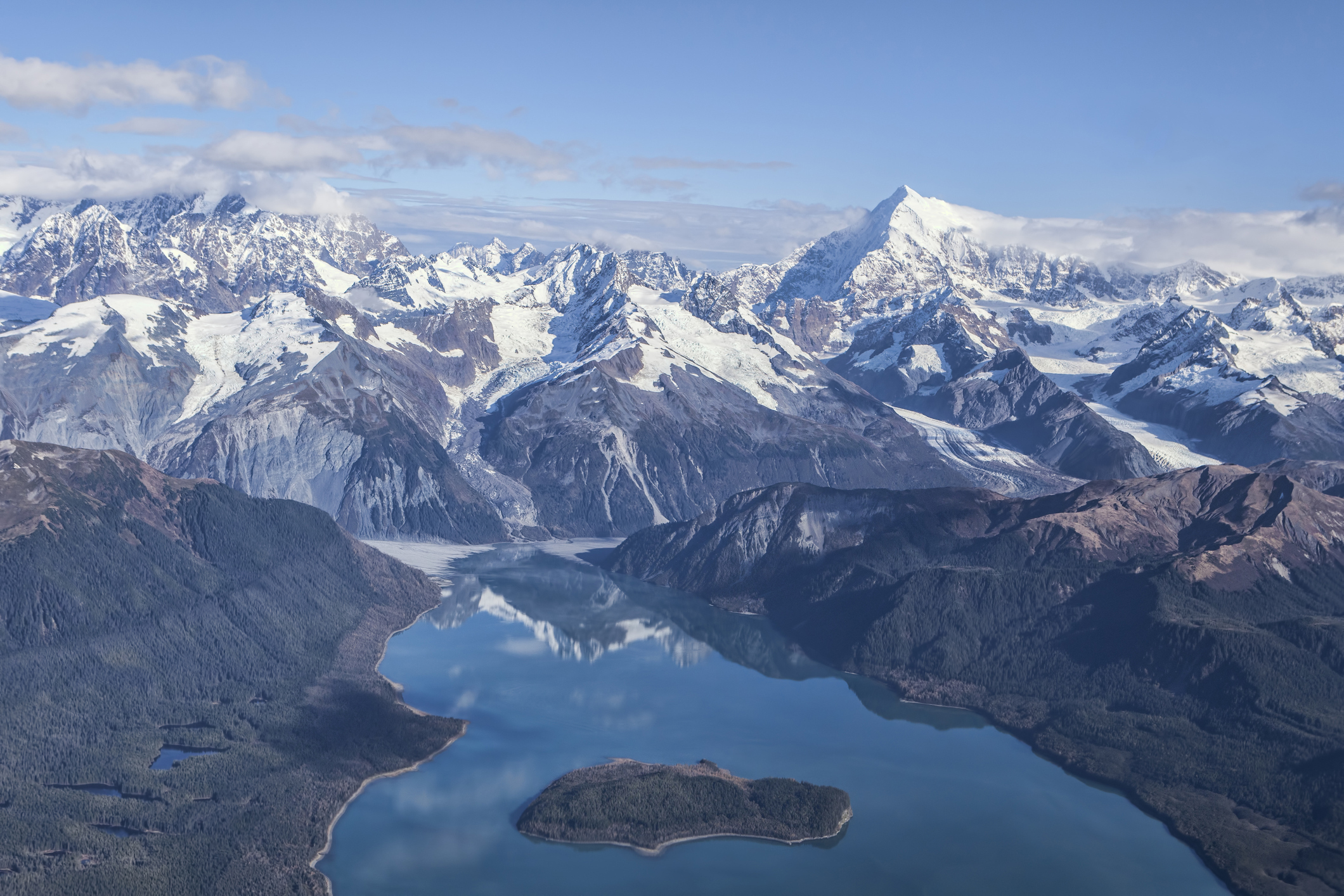
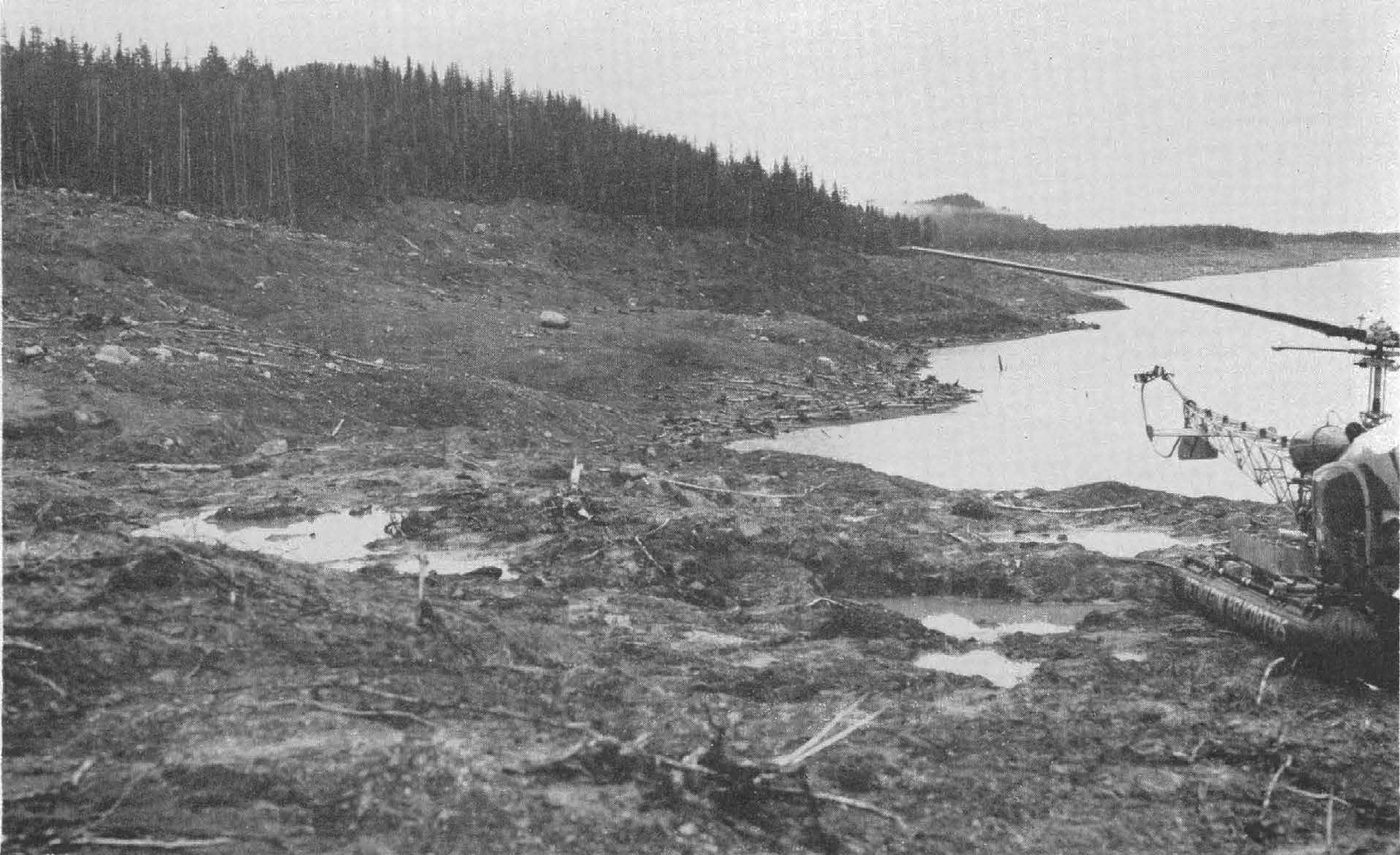
The largest recorded tsunami occurred in a place called Lituya Bay in Alaska on July 9, 1958. 

An 8.3 magnitude earthquake occurred along the Fairweather Fault and triggered a debris avalanche.

The rushing fall of rocks and debris created a colossal wall of water measuring more than 500 metres tall.

Five people died in the disaster, but Howard Ulrich, a father who was out fishing with his son, managed to survive. 

EXPLAINED: Where have all the Christmas beetles gone?

Aerial of Lituya Bay with Mt. Fairweather range in the background on a sunny day.South side of Lituya Bay, soon after the tsunami. This trimline is 54-metres above sea level and 304-metres from the high tide mark.

"They had the anchor out, and he couldn't pull it in in time," Cummins said.

"The father turned to his son and told him to pray, and somehow they lived.

"A boat can survive a tsunami, as it can just float over it."

When was the last tsunami in Australia?

According to the Bureau of Meteorology's (BoM's) records, the last tsunami waves to hit Australia arrived on March 11, 2011.

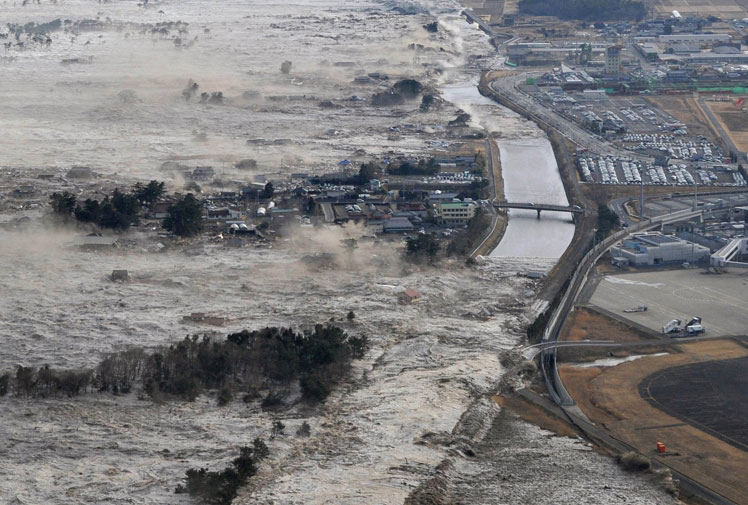
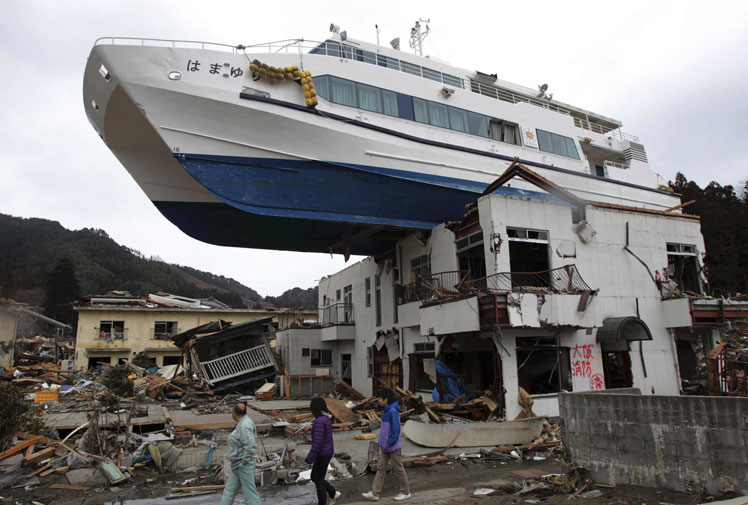
These were linked to the Tōhoku earthquake in Japan, which triggered destructive tsunami waves up to 40-metres high in the Asian country.

It's estimated more than 18,000 people died in the natural disaster, which also sparked the Fukushima nuclear meltdown.

The effects in Australia were far less severe.

A 56 centimetre wave was observed at Norfolk Island, a 35 centimetre one at Port Kembla in New South Wales, and a 23 centimetre wave at Spring Bay in Tasmania.

"Unusual currents were noted at Port Kembla and Sydney Harbour," BoM said.

"(And) several swimmers were washed into a lagoon at Merimbula, NSW".

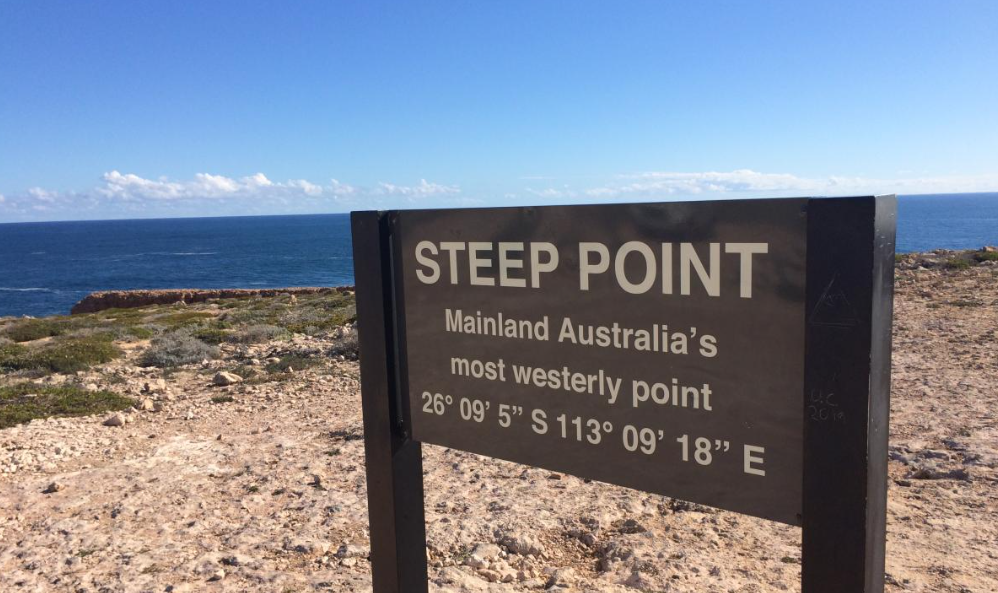
Also of note, is an eight-metre tsunami observed in Steep Point, Western Australia in 2006.

This occurred after a earthquake in Java, Indonesia.

READ MORE: US officials announce nuclear fusion breakthrough

Steep Point in WA saw an eight-metre tsunami in 2006.

"That was the largest run-up ever measured in Australia," Cummins explained.

"The run-up, is the maximum height the wave measured on land.

"It was somewhere around seven to eight metres."

The wave destroyed "several campsites" and there was evidence of inundation up to 200 metres inland.

And on May 23, 1960 small tsunami waves were also observed across Queensland, NSW, South Australia, Victoria and Tasmania.

This was linked to an earthquake in Chile.

"It was certainly observable in Sydney Harbour without instruments," Cummins said. 

"I think it was about a metre on the tide gauge. It tore boats from their moorings and caused strong currents." 

Where in Australia is a tsunami more likely to occur?

Cummins said there are two areas around the country's coast deemed most at risk of tsunamis.

"The one that worries me most is the south-east coast, that urban area around Sydney," he said.

"That could potentially be affected if there was a large earthquake south of New Zealand, which could also affect the eastern coast of Tasmania.

"Sydney is more vulnerable, simply because there's more people, a lot close to the beach, and the density of construction."

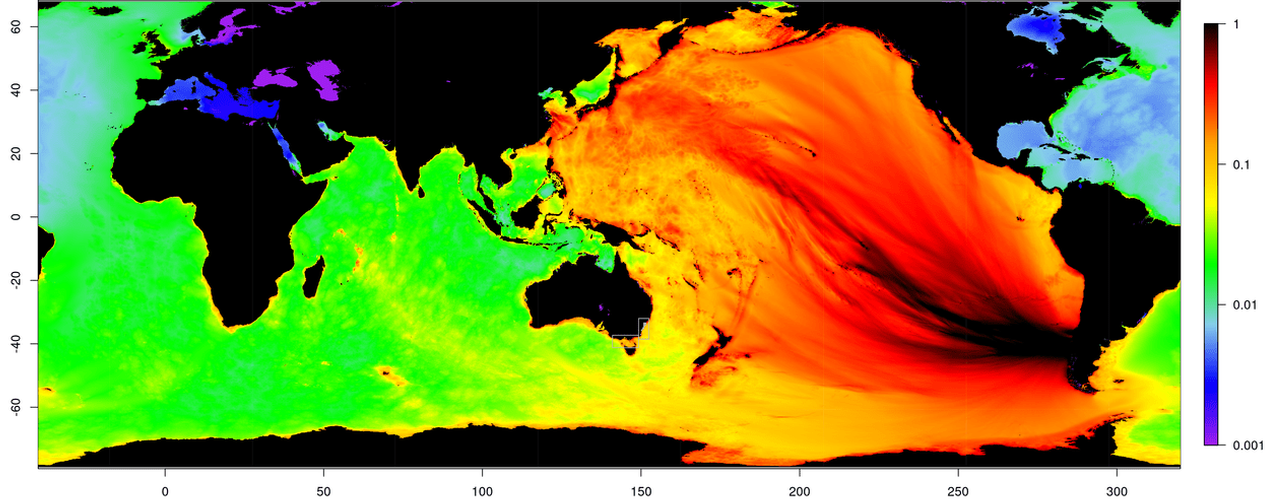
Example scenario from PTHA18 depicts an event similar to the Chile Tsunami in 1960.

READ MORE: What is strep A, the disease that has killed nine children in the UK?

Cummins added that the north-western coast of Australia has experienced the most frequent tsunami waves in the past, but two factors minimise the impact.

"As it so happens that coast is also affected strongly by tropical cyclones," Cummins said.

"First of all there aren't that many big cities, but secondly, the settlements tend to have moved up the beach a bit to avoid storm surges associated with cyclones.

"So, I don't think the risk is so high on the north-west coast even though it does experience the most frequent tsunamis."

How vulnerable is Australia to tsunamis?

While Australia is at risk of tsunamis, Cummins said the country is in a relatively safe position due to its distance from neighbouring countries and subduction zones, which are where two plates collide.

"The main sources are south of New Zealand, because normally it's a subduction zone that causes the very large thrust earthquakes, which causes very large tsunamis.

"There's subduction south of New Zealand and north."

How long would it take for a tsunami to hit Australia?

Should the worst case scenario occur and a strong earthquake hit off the coast of New Zealand, Cummins said the mainland would have about two hours warning before the waves started to arrive.

"That's a pretty quick time for it to hit," he said, before adding some good news.

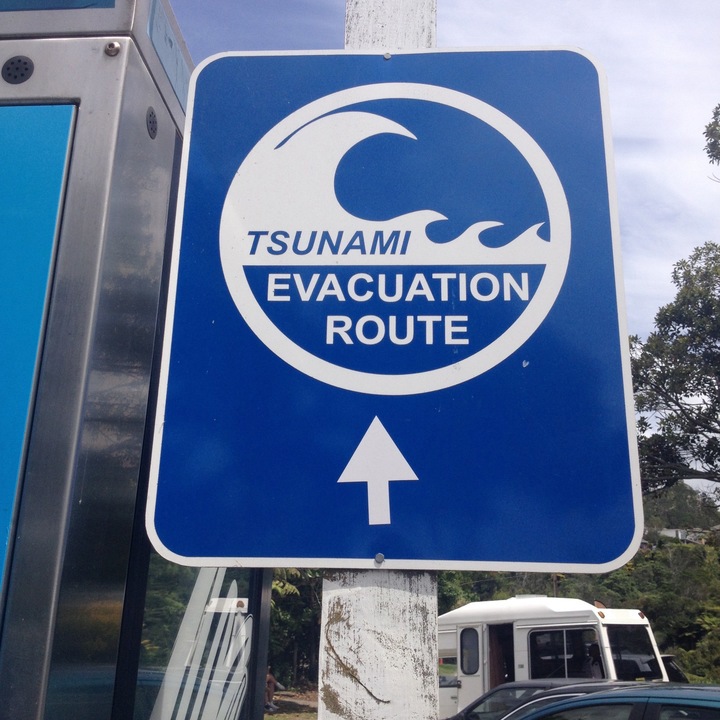
A tsunami warning sign shows an evacuation route in Cathedral Cove in New Zealand.

"But so far we haven't recorded a really large earthquake, even historically, in those areas."

The other potential tsunami source would be South America.

"You do have a lot of warning for that particular source," Cummins said.

"These days we would be well aware it's on its way, and a pretty good idea of even the height.

"You'd have at least 12-hours warning. That's plenty."

Is there a warning before a tsunami?

The short answer to this is yes, at least in Australia.

Local tsunamis, which are experienced in countries like Japan, Indonesia and New Zealand, can arrive in as up to as little as 30-minutes, but Australia doesn't face this threat.

Our country is also protected by the "world class" Joint Australian Tsunami Warning Centre (JATWC), which provides 24 hour tsunami monitoring, assessment and warnings.

READ MORE: Scientists have found new 'zombie viruses', should we be worried?

https://twitter.com/BOM_au/status/1588704954474459141

"For us, another thing that can be done is to use the GPS satellites," Cummins explained.

"As it turns out a tsunami, even though it may only be a metre or so high in the open ocean, disturbs the atmosphere.

"As that disturbance propagates upwards it gets to be quite large and affects the ionosphere, and that affects the signals of the GPS satellites.

"That may be helpful for Australia, as we have more time to deal with it."

Cummins added earthquakes themselves can serve as warnings for local tsunamis.

"There are rules for various countries," Cummins explained.

"But 'strong, long, and get gone', is what New Zealand says.

"If there's strong shaking that lasts for a long time, get up hill."

World's 'most luxurious' cruise ship with Picasso onboard docks

The world's "most luxurious" cruise ship has docked in Sydney for the first time today, nearly three years after COVID-19 shutdown Australia's $6 billion industry.

The Seven Seas Explorer by Regent Cruises cost $680 million to build, using an acre of marble, which includes a $9 million art collection featuring pieces by Picasso and Chagall.

The 412 square metre ship weighs 56 thousand tonnes, has 366 suites – all with balconies – a sports deck, a spa centre, multiple restaurants and cocktail lounges with unlimited drinks.

READ MORE: The $400m crisis: How investment scams almost doubled in 12 months

Prices for 18 nights on the ship from Sydney to Bali start from $22,260 per person, according to Regent Cruises' website.

Asia Pacific Vice President Lisa Pile said the ship was a game changer in the luxury cruise market.

"She's different from the rest because she's the most seductive ship in the world," Pile said.

READ MORE: Spate of suspected Irukandji stings at Queensland holiday hotspot

Pile is predicting 2023 and 2024 will be record years for the cruise line.

"When you're walking past and you spot a Picasso… They're not fakes, they're the real deal," she said.

"We call it the most unrivalled space at sea…and we have the highest staff to guest ratio nearly a one on one to staff guest ratio."

Cruises from Sydney to Bali and Tokyo are still available.

The ship will set sail to Auckland, New Zealand today.