Most regions are set to see rain by Thursday, with heavier bursts in the west.
Tag Archives: oceania
Unemployment data: Why economists fear stagflation risk for NZ jobs – The Front Page
Liam Dann says underutilisation and job growth data will be crucial signs.
Alarming footage shows ‘couch riders’ driving down dark Canberra street
A Canberra driver has captured a bizarre and alarming sight: two young people appearing to "drive" a couch down a dark, wet road last night.
The video, which was uploaded to a local Canberra Facebook page, appears to show the riders steering two escooters while seated on the two-seater couch in drizzling rain.
Cars can be seen driving past in the opposite direction.
LIVE UPDATES: Iran threatens to blow up ceasefire if 'Project Freedom' enacted
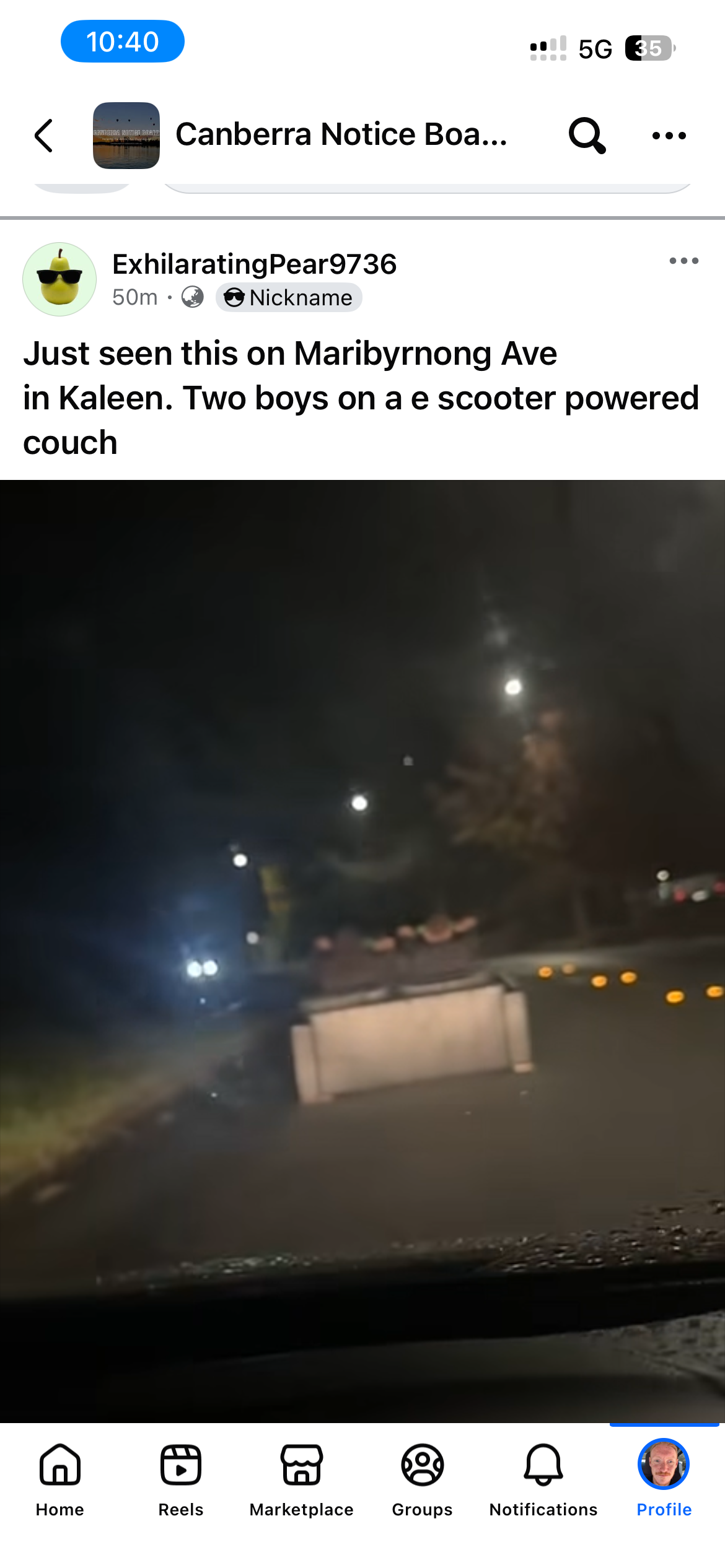
ACT Police told nine.com.au they received a report of two youths riding scooters while sitting on a sofa on Maribyrnong Avenue in Kaleen at about 9pm last night.
The busy road has a sign-posted speed limit of 60km/h.
"Police are concerned with e-scooter riders who are putting themselves and others at risk with dangerous behaviour," an ACT Police spokesperson said.
"E-bike and e-scooter riders are vulnerable road users, they are at a higher risk of serious injury or death in the event of a collision."
The speed shown on the odometer of the car that's filming trailing behind the couch posts a speed hovering around 28km/h.
The couch riders do not appear to be wearing helmets and no reflectors or rear lights are attached to them or the couch.
The video was uploaded to a local Canberra group on Facebook last night by an anonymous poster, who said they had just seen the boys on Maribyrnong Avenue.
READ MORE: Rat faeces virus leaves three dead on cruise ship in the Atlantic
While some locals who commented on the video saw the funny side of the act, others were concerned for the couch riders' safety and that of fellow road users.
Escooters are legal in Canberra for riders over the age of 12, but only on footpaths, bicycle paths and residential streets where there are no footpaths.
Safety precautions such as helmets and appropriate lights and reflectors are mandatory and passengers not are permitted.
Police have asked anyone with information about the e-scooter sofa riders to contact Crime Stoppers via the Crime Stoppers ACT website.
NEVER MISS A STORY: Get your breaking news and exclusive stories first by following us across all platforms.
- Download the 9NEWS App here via Apple and Google Play
- Make 9News your preferred source on Google by ticking this box here
- Sign up to our breaking newsletter here
Millions in path of wintry blast this week
A spell of warm and sunny weather across south-eastern Australia is forecast to come to a shuddering halt this week.
Tasmania, Victoria and southern NSW will feel much chillier by Thursday when a blast of cold winds from the deep Southern Ocean rolls in, reports weather data firm Weatherzone.
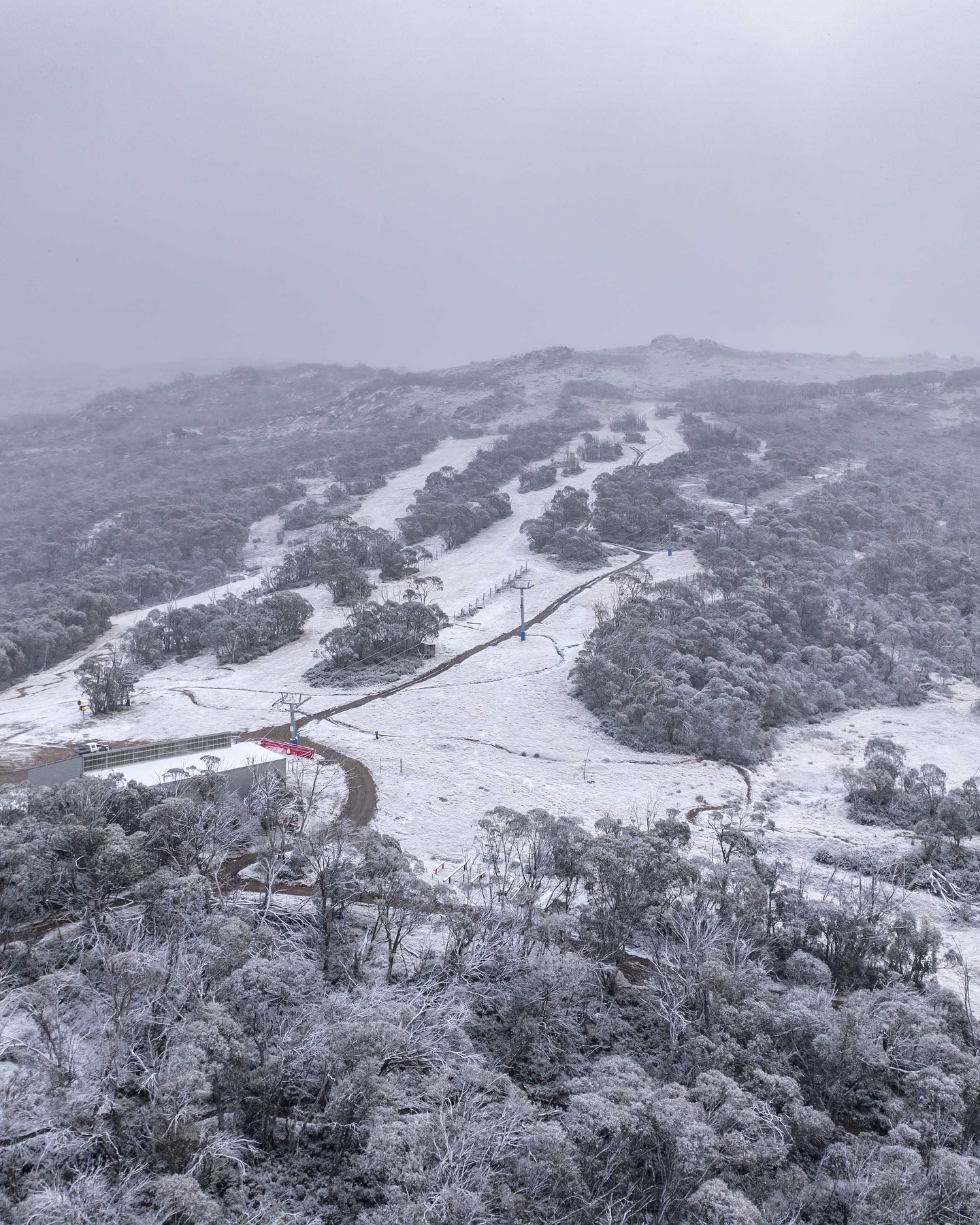
The weather system will begin its march on Wednesday, and over the following 24 hours, snowfalls can be expected in parts of the NSW Snowy Mountains, the Victorian Alps and the Tasmanian Highlands.
LIVE UPDATES: Trump announces 'Project Freedom'
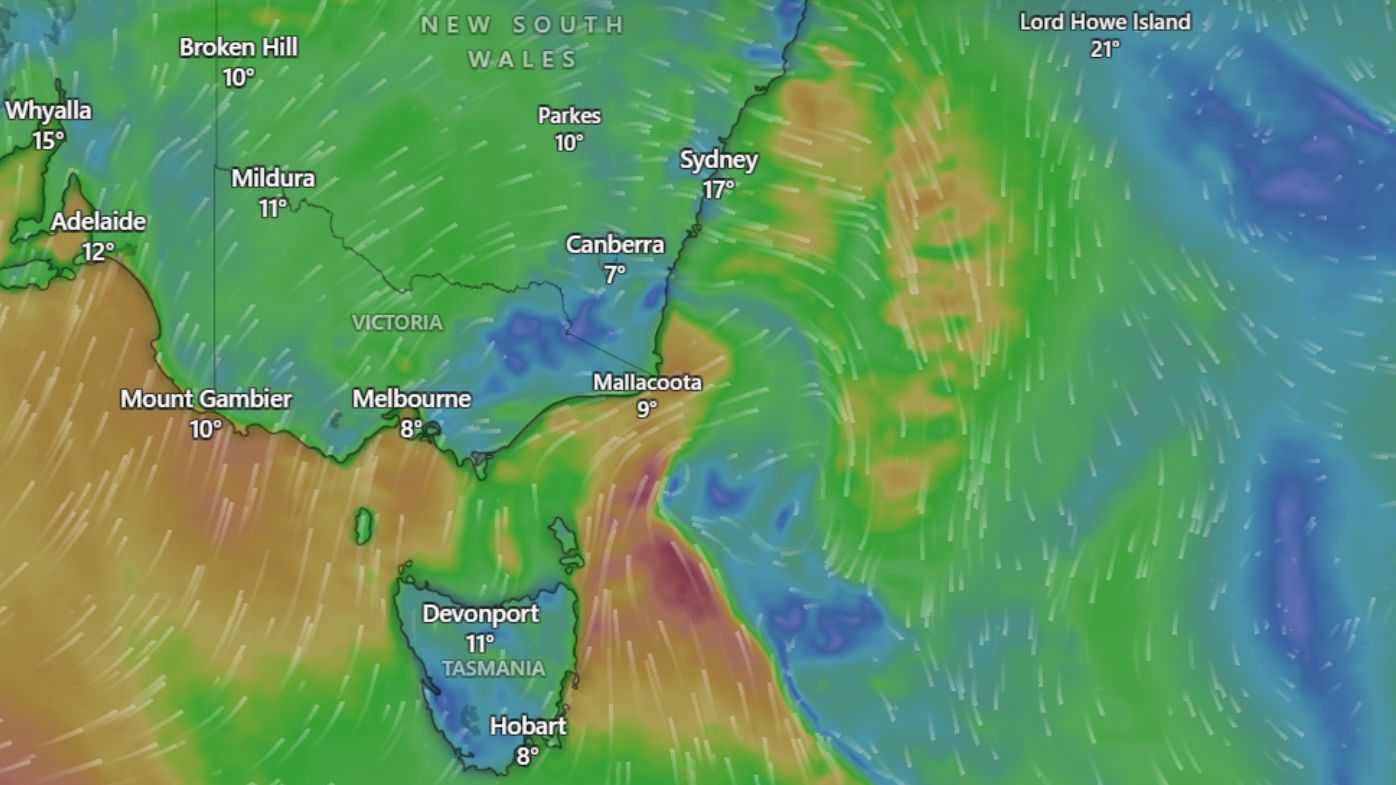
The latter two could record falls as low as 800 metres, forecasters say.
A second cold front is due to arrive early Friday, extending the plummeting temperatures and gusty winds through the day, while snowfalls will be limited to higher ground.
But skiers and snowboarders shouldn't expect an early start to the winter sports season.
"Snow accumulations across the two days should amount to approximately 10-20cm across the Victorian and New South Wales major resorts and about 3-8cm across the Tasmanian Central Plateau and the higher peaks in south-west Victoria," according to Weatherzone.
"This should be ample snow cover for snow play, snowball fights and maybe a slide on a toboggan."
READ MORE: More signs El Niño is coming to Australia over winter
Residents in south-eastern capital cities should be reaching for the winter woollies by Thursday when the mercury drops markedly.
Canberra is heading for a chilly maximum temperature of 8 degrees, Hobart 11 degrees, Melbourne 12 degrees, while Sydney can expect a far more pleasant 19 degrees.
Anyone heading outdoors should prepare to add an extra layer of clothing, with cold, gusty winds accentuating the chill factor.
The wintry blast is forecast to be brief, with seasonal average temperatures returning by the late weekend.
NEVER MISS A STORY: Get your breaking news and exclusive stories first by following us across all platforms.
- Download the 9NEWS App here via Apple and Google Play
- Make 9News your preferred source on Google by ticking this box here
- Sign up to our breaking newsletter here
Trump teases ‘very interesting’ UFO files in new document dump
US President Donald Trump says the Pentagon is preparing to release some "very interesting" UFO files uncovered by his administration, generating a mix of buzz and scepticism as he hints at new revelations around questions of alien life.
Trump started stoking interest in February, directing federal agencies to release their records related to extraterrestrial life and UFOs. Since then, he has built suspense with tantalising updates, teasing an imminent release of documents never before shared by the US government.
"We're going to be releasing a lot of things that we haven't," Trump said on Wednesday at a White House event celebrating NASA astronauts.
READ MORE: 'Real uncertainty': Albanese warns fuel crisis could worsen

"I think some of it's going to be very interesting to people."
Trump has relished in portraying himself as the president who spills the secrets. In the first week returning to office, he ordered the release of records related to the assassinations of President John F Kennedy, Senator Robert F Kennedy and Martin Luther King Jr. The disclosures revealed little beyond what was already known.
In the buildup to that release, Trump said "the American people deserve transparency and truth".
Now, as he turns to the sky, the president has struck a similar tone, suggesting answers to decades-old questions may be on the way.
His February directive on social media called for transparency around "alien and extraterrestrial life, unidentified aerial phenomena (UAP), and unidentified flying objects (UFOs)".
"The first releases will begin very, very soon," he told supporters in April at a Turning Point USA event in Phoenix.
"So you can go out and see if that phenomena is correct. You'll figure it out."
READ MORE: Mother, father and brother killed in 'grisly' alleged triple murder
Expert cautions against raising expectations
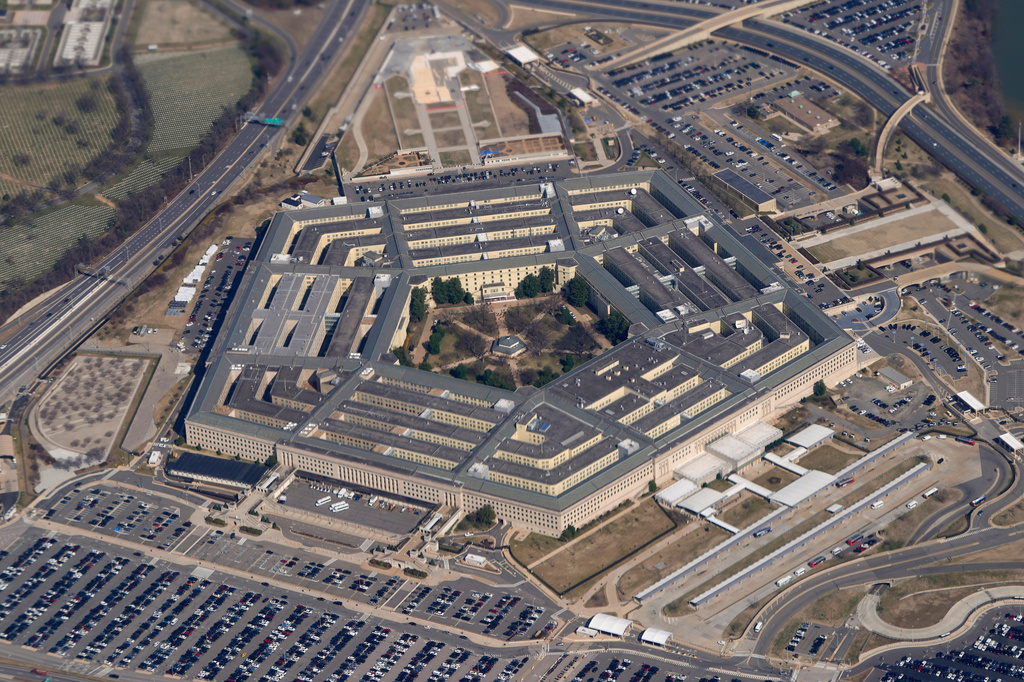
Even before Trump's directive, the Pentagon was years into a process to declassify and release government documents related to UFOs, now often referred to as unexplained anomalous phenomena, or UAP.
Citing concerns over national security, Congress created an office in 2022 to investigate UAP and declassify as much material as possible. The office's 2024 debut report revealed hundreds of new UAP incidents but found no evidence that the US government had ever confirmed a sighting of alien technology. A second report covering more recent sightings is expected to come soon.
That agency, the All-domain Anomaly Resolution Office, is now working with the White House to release "never-before-seen UAP information", according to a Pentagon statement.
The office's previous director, however, said Trump's promises were bluster, a "shiny object" to distract Americans from the war with Iran. Sean Kirkpatrick, a physicist and former career intelligence officer who led the office until 2023, said he has seen the government's records and believes there are no bombshell revelations to be found.
READ MORE: Beloved surfer killed in Sydney shark attack
"Readers should not get their hopes up that there's going to be some document with photos, interviewing the aliens when they came down," he said. "Because that just doesn't exist."
Videos purporting to show alien technology tend to have mundane explanations, he said. Modern infrared cameras used by the US military often capture jet engines and other hot objects in a long thermal bloom, which, Kirkpatrick said, explains viral videos of speedy, pill-shaped objects.
Pentagon not forthcoming on UAP reports, GOP-led panel says
On Capitol Hill, those types of videos have caught the attention of a small group of Trump-aligned Republicans who insist the Pentagon is holding back secrets.
The Task Force on the Declassification of Federal Secrets has been conducting its own investigation into reports of mysterious aircraft near US military installations, which the panel says pose a threat to national security and the armed forces.
Last autumn, the task force heard testimony from current and former service members who described UAP encounters. In one case, a senior Navy officer said he was off the coast of California in 2023 when he saw a glowing "Tic Tac" shaped object emerge from the ocean and link up with three similar objects. They sped away in an instant, he said.
Trump's interest in the subject has energized congressional Republicans, including Florida Representative Anna Paulina Luna, an Air Force veteran who co-chairs the task force. Luna has criticised what she calls "more than adequate" transparency from the Pentagon.
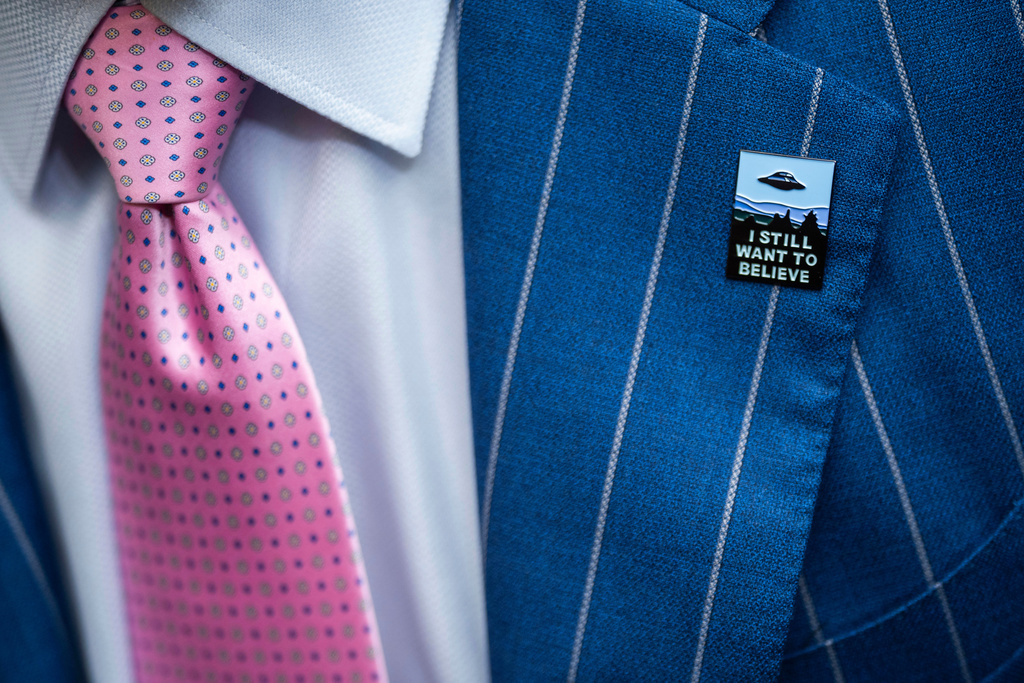
In a March letter to Defence Secretary Pete Hegseth, Luna demanded dozens of UAP videos identified by whistleblowers and labelled with names such as "Spherical UAP in clouds". Her deadline for Hegseth came and went, and no videos were produced.
Trump's entry to the UFO fray drew applause from Luna, who last year told podcaster Joe Rogan that she has seen evidence of "interdimensional beings." The Pentagon "can't hide from our docs request anymore!" Luna said on social media after Trump's directive.
- NEVER MISS A STORY: Get your breaking news and exclusive stories first by following us across all platforms.
- Download the 9NEWS App here via Apple and Google Play
- Make 9News your preferred source on Google by ticking this box here
- Sign up to our breaking newsletter here
One Nation vows to come back stronger despite Liberal win
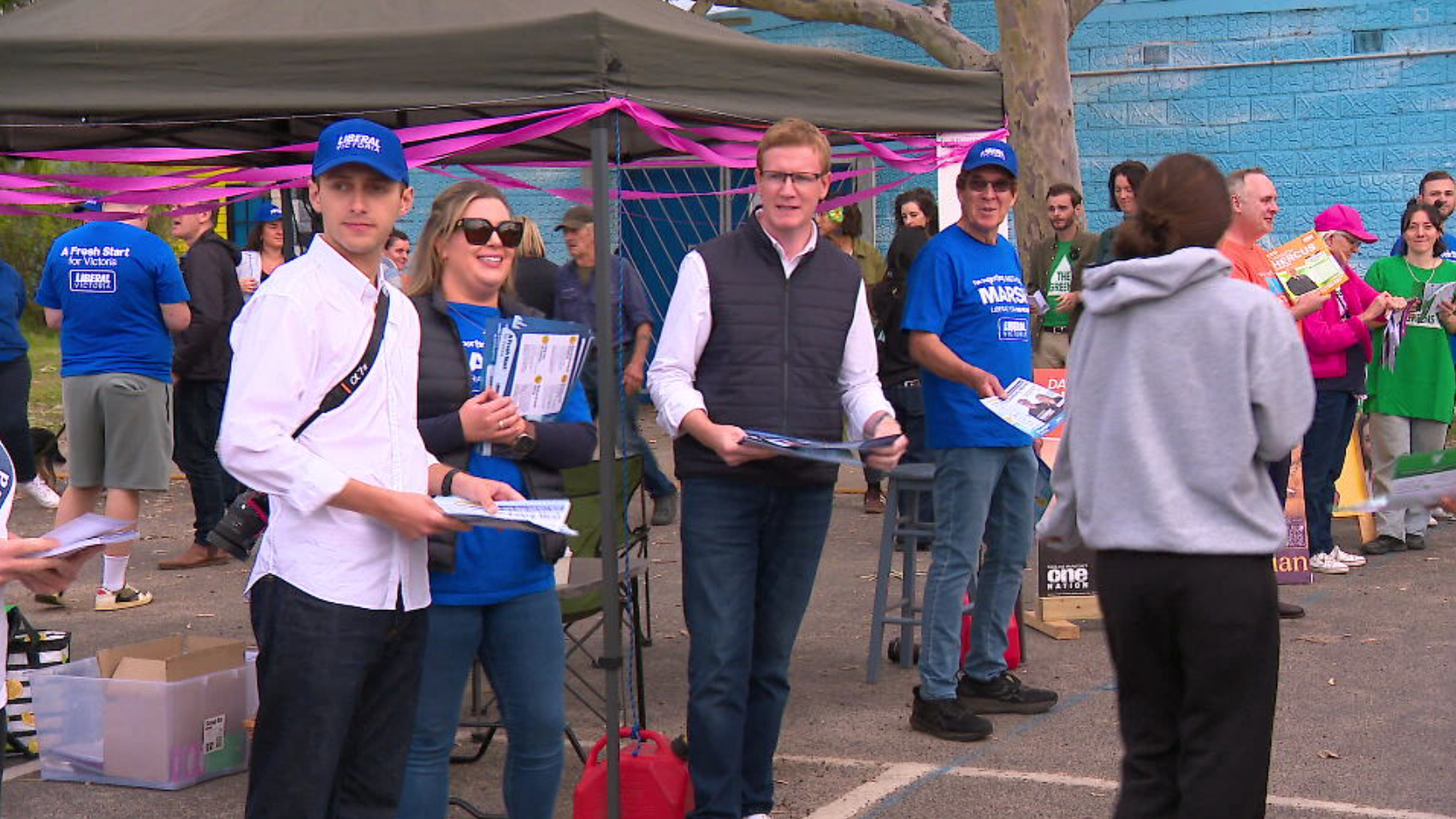
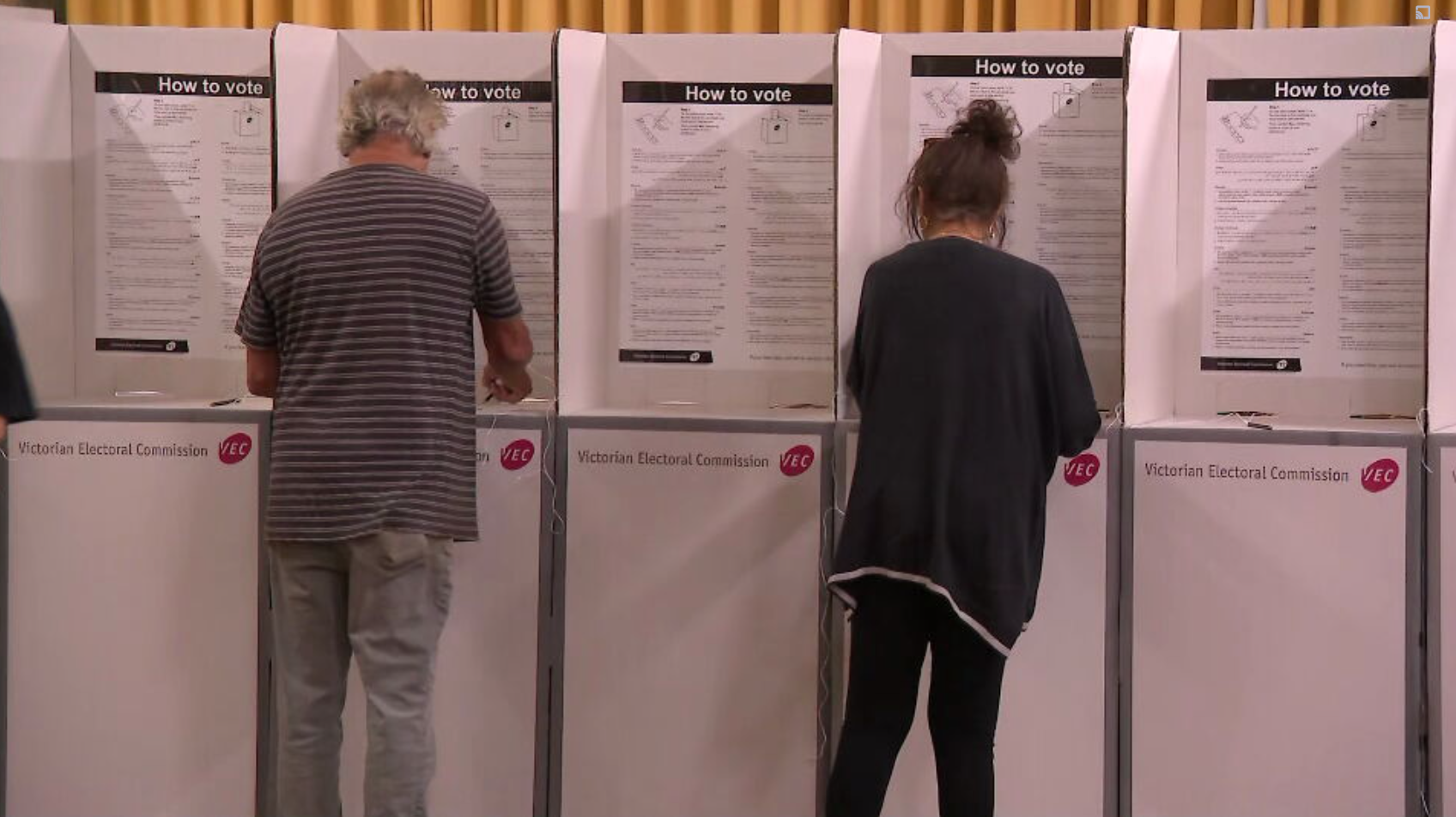
One Nation has its eyes on success in the seat of Nepean ahead of the November state election, despite the Victorian Liberal Party gliding to victory in yesterday's byelection.
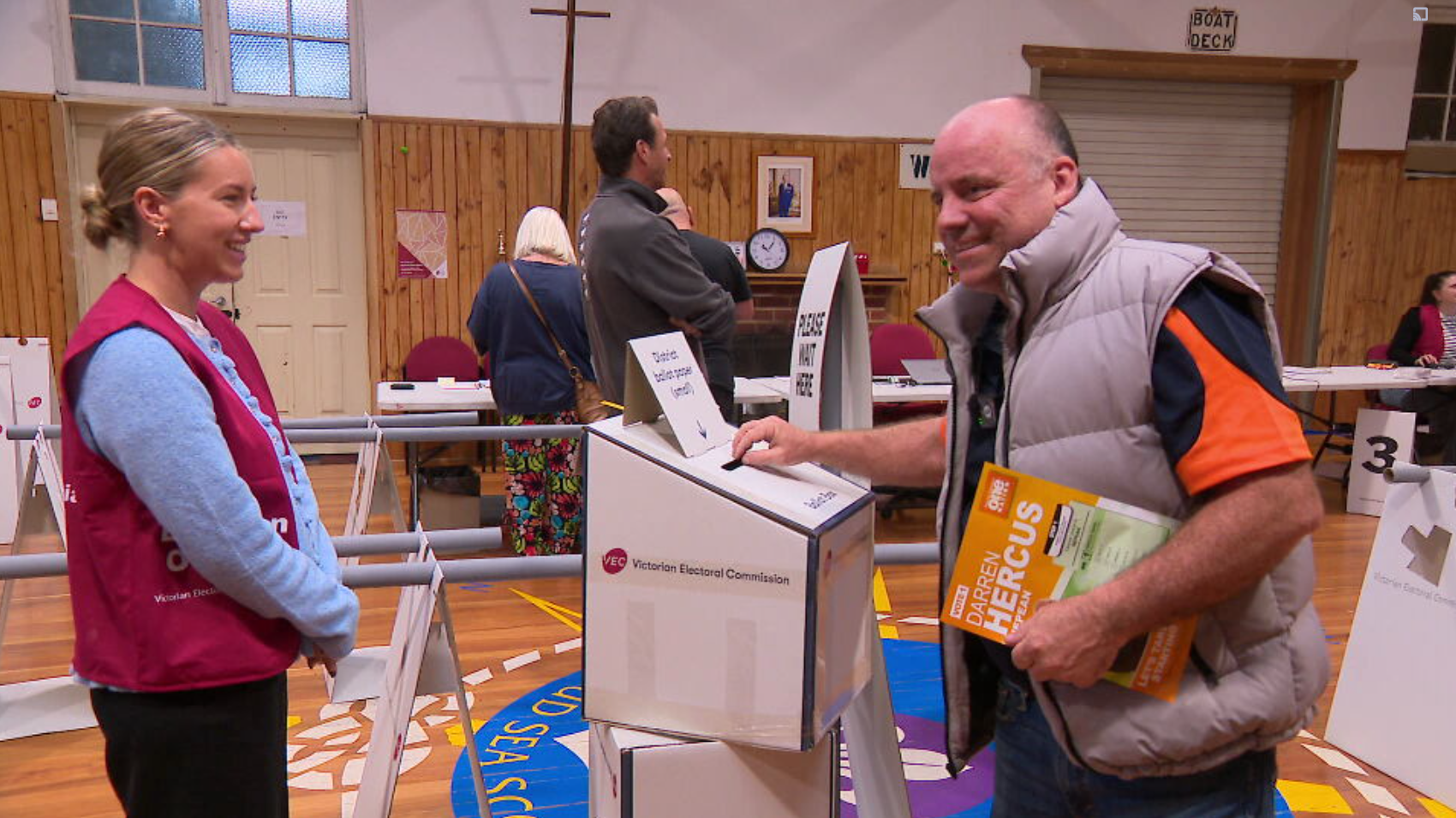
Liberal candidate Anthony Marsh rose to the top of the ballot on the Mornington Peninsula yesterday but suffered a haircut on the primary vote, with One Nation candidate Darren Hercus picking up one in four first-preference votes.
The former Mornington Shire Council Mayor succeeds former deputy Liberal leader and ex-pro tennis player Sam Groth, who retired from politics in February.
READ MORE: Two charged after Melbourne restaurant torched in arson attack
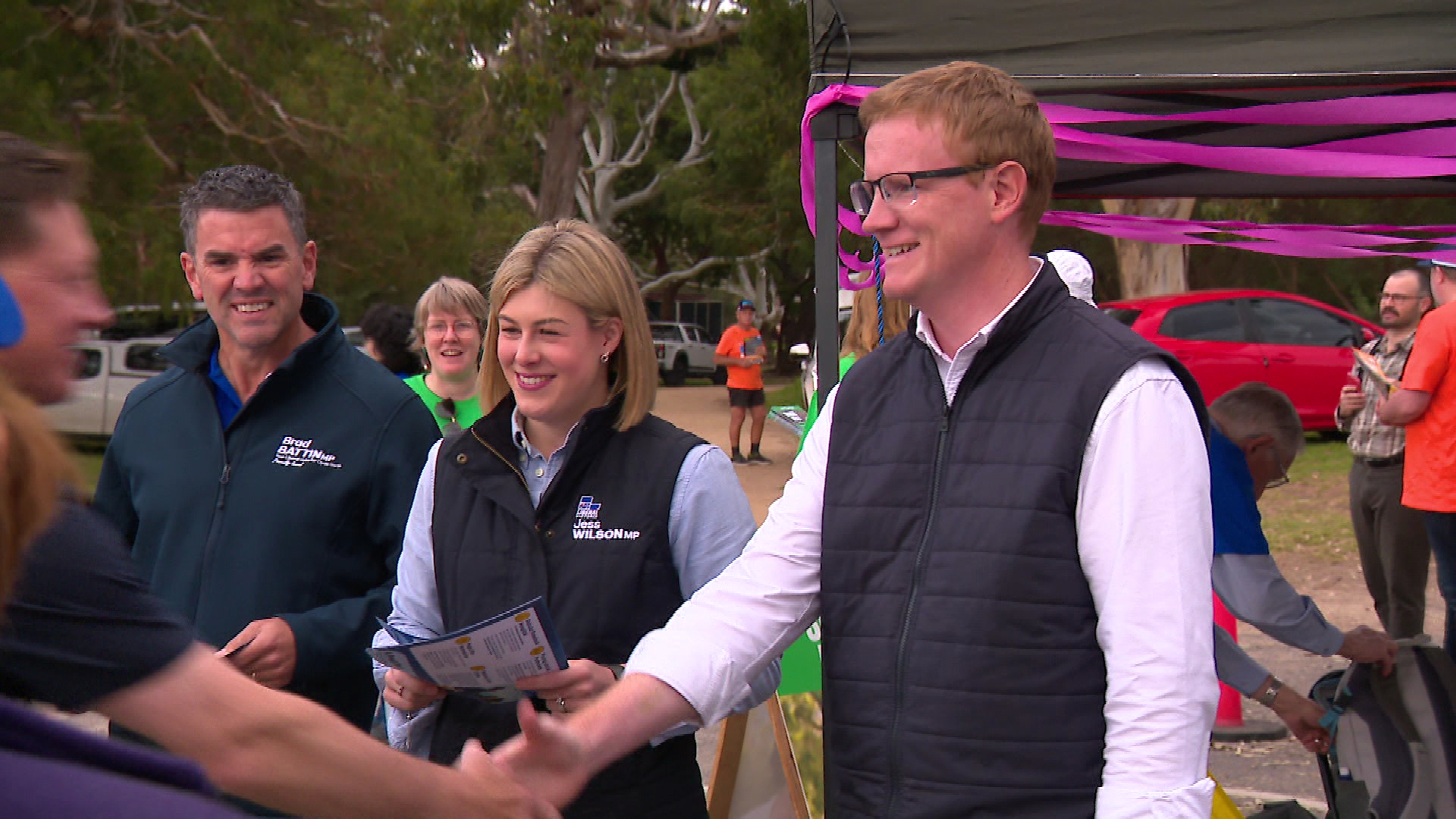
With almost 80 per cent of the vote now counted, Marsh has picked up 38.5 per cent of the first preference vote.
That represents an almost 10 per cent slump in first preference support for the Liberals compared with the last election.
Most of those votes went to One Nation candidate Darren Hercus and Independent Tracee Hutchison, who each saw first preference swings of more than 20 per cent towards them.
But it wasn't enough to tip the Liberals from the seat, who led by more than 10,000 votes once preferences were distributed.
"It is the honour of my life to be standing here in front of you as the next member for Nepean," Marsh told Liberal Party supporters after a clear result was declared around 9pm.
"It's been a hard-fought campaign, I think we're day 67 in and to stand in a room full of blue after what was an incredible day, I am so honoured and privileged again to be in this role."
READ MORE: Jefferson Lewis charged with murder after death of five year-old girl
The by-election had been regarded as Wilson's first test ahead of the state election in November.
"I say thank you to the residents down here on the peninsula for putting your trust in Anthony and in me," Wilson told supporters last night.
"I will not let you down, I will fight for you every day.
"I have met thousands of you over the past few weeks. I have looked you in the eye and I have said 'as your next premier, I will deliver for you'."
BREAKING NEWS: Man arrested after three people die in attack in Sydney home
The by-election was also touted as a major litmus test for One Nation, which has gained a large groundswell of voter support in the last six months owing to a strong appetite for change.
Pauline Hanson is yet to comment on last night's performance, but data shows around one in four Nepean voters put One Nation first on their ballot yesterday.
There'll be no break from campaigning, with Hercus and Hutchison both vowing to contest the seat when voters return to the polls for the state election.
"Twenty-four, 25 per cent, that's huge," Hercus said.
"It's a big swing. The Liberal Party have done well but we're in the game now. We're a serious contender."
Marsh said elections were a competition.
"I take nothing for granted, I'll fight each and every day between now and November," Marsh said.
Federal counterparts in Farrer were watching the vote closely ahead of their own by-election next weekend.
Speaking to Weekend Today, former Nationals leader David Littleproud said it was difficult to draw comparisons from the strong Liberal result in Nepean.
"It will be a challenge, I think federal and state issues are different," Littleproud said of the Farrer by-election.
"By-elections send very different messages to general elections, but every election sends a very strong message for everyone to learn from, as it was for the Liberals in this state seat as well."
NEVER MISS A STORY: Get your breaking news and exclusive stories first by following us across all platforms.
- Download the 9NEWS App here via Apple and Google Play
- Make 9News your preferred source on Google by ticking this box here
- Sign up to our breaking newsletter here
Mother, father and brother killed in ‘grizzly’ alleged triple murder
A mother, father and their adult son have been killed in what police allege was a gruesome triple murder in Sydney's south-west.
Charles Feng and Ruvena Lam's oldest son, Jacky Feng, who was arrested outside their Rosemeadow home, has been charged with murdering his parents and youngest brother and trying to kill another brother.
Senior police said officers were confronted with a "very grizzly crime scene".
READ MORE: Murder charges laid after death of five-year-old girl in NT
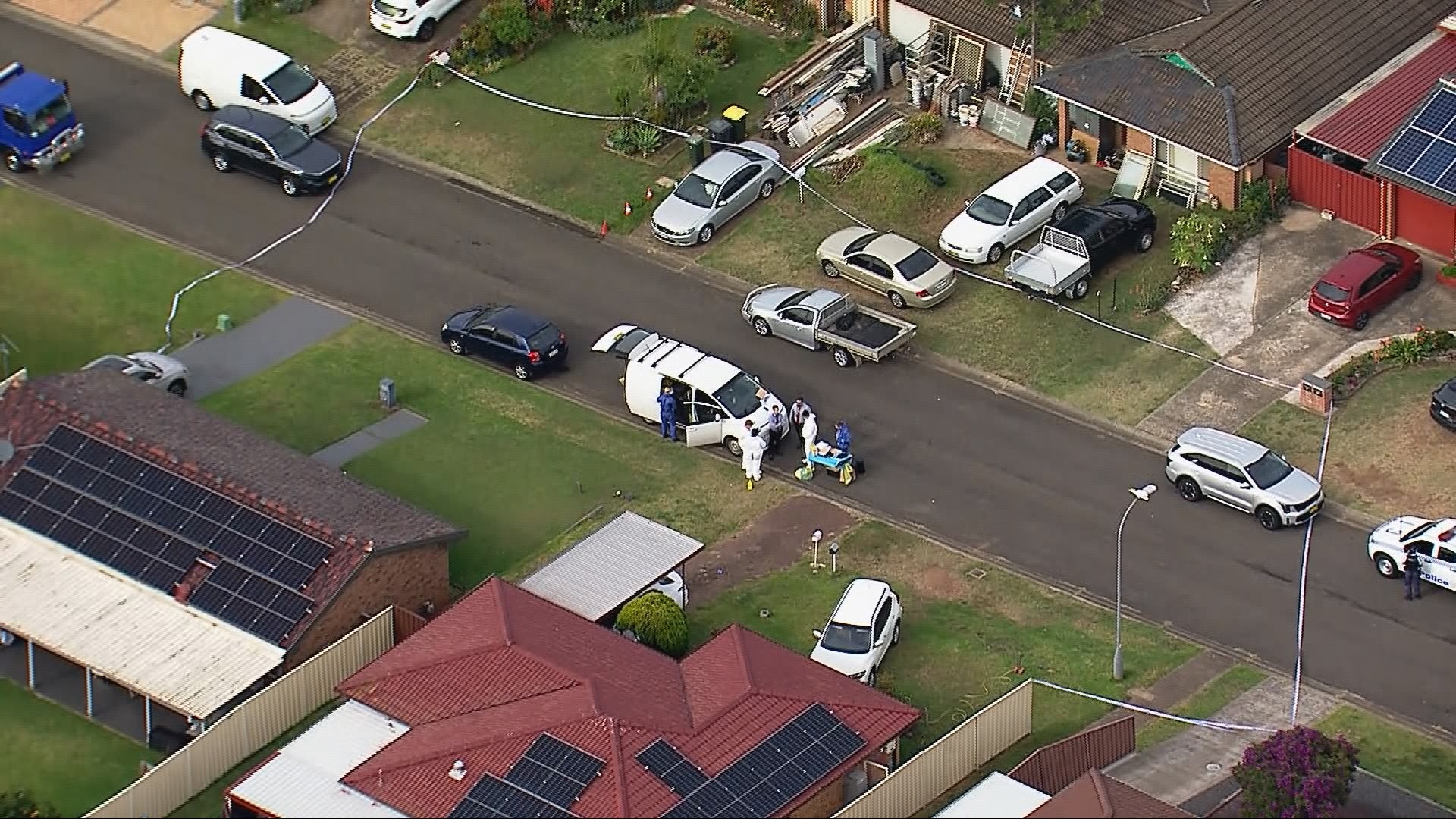
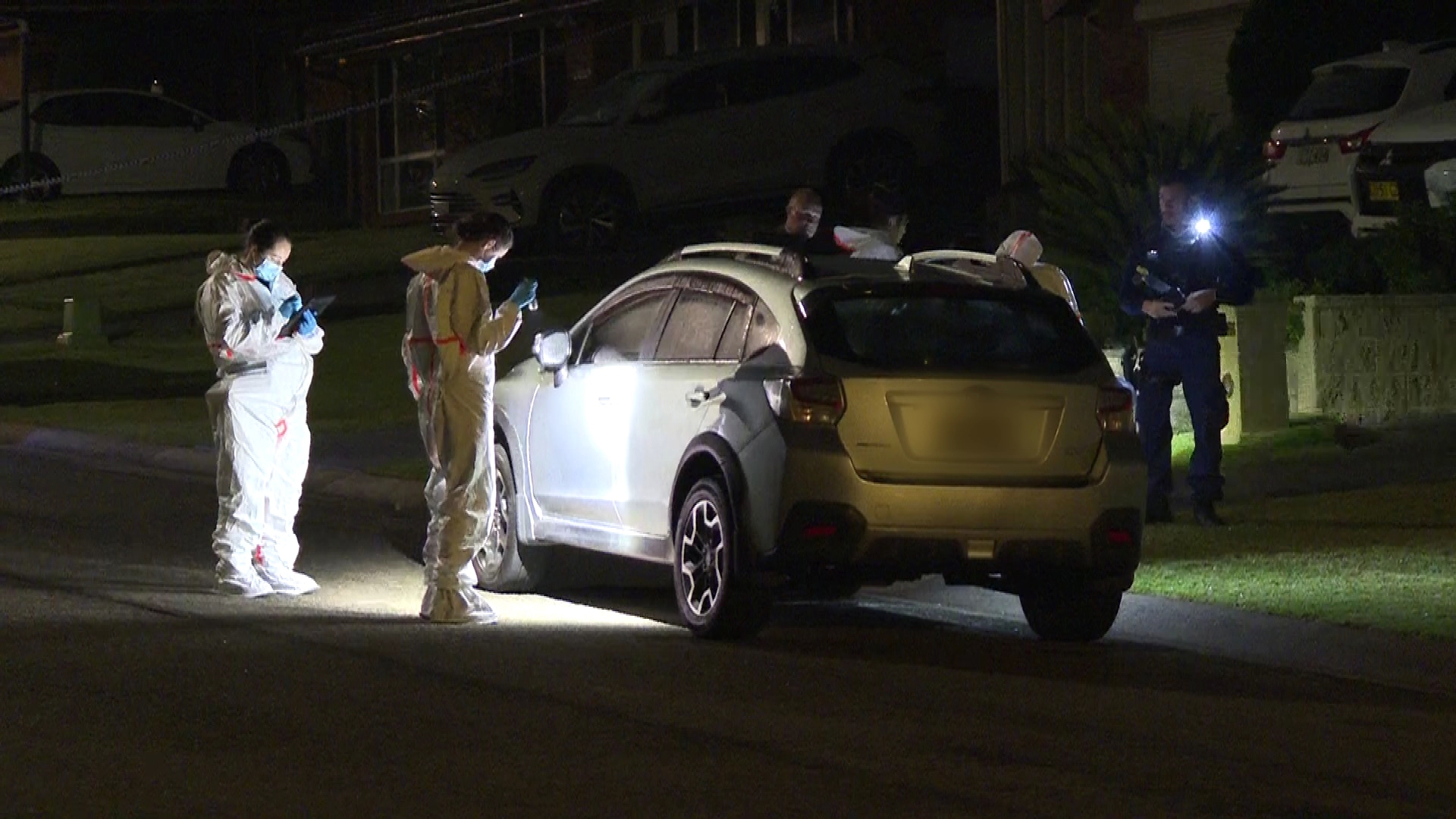
At 1.30am today officers found 65-year-old mother Ruvena Lam injured and started CPR before discovering the full scale of the tragedy on Juliet Close.
"Police then went inside the house, and found a 64-year-old male who was still alive with serious blunt force head injuries," Superintendent Grant Healey said.
That man was 64-year-old Charles Feng.
Neither he nor his wife survived.
Police then found their youngest son, 25-year-old Justin, dead in the granny flat.
"This is an incredibly rare incident and it is incredibly tragic," Healey said.
WORLD: Donald Trump says he has received Iranian peace proposal to end war
A third brother, aged 30, was injured but was able to call Triple Zero.
He is out of hospital but unable to go home.
Police alleged the 32-year-old accused left the scene this morning before officers arrived but came back an hour later and was arrested.
He was charged this afternoon with three counts of three counts of murder (DV) and one of attempted murder (DV) and refused bail to appear before Campbelltown Local Court tomorrow.
Forensics are still searching for multiple alleged murder weapons including a hammer.
They towed away the suspect's car, as they hunted for a motive.
Healey said emergency services were faced with a "horrendous" scene.
"They were confronted with a very bloody scene," he said.
He said the family was not well known to police and never for domestic violence incidents.
"This is a very tragic incident, there was no way for us to predict this kind of thing to occur," he said.
Support is available from the National Sexual Assault, Domestic and Family Violence Counselling Service at 1800RESPECT (1800 737 732)
NEVER MISS A STORY: Get your breaking news and exclusive stories first by following us across all platforms.
- Download the 9NEWS App here via Apple and Google Play
- Make 9News your preferred source on Google by ticking this box here
- Sign up to our breaking newsletter here
Masterton river search: Police respond to call for help near Dixon St
Search and Rescue teams have been called to the Masterton river.
Auckland driver fears crash after e-bike stunt riders swarm traffic
Dashcam video shows riders running red lights and mounting the footpath.
Riot footage shows chaos in Alice Springs shop as five arrested
Police have revealed jaw dropping footage of rioters looting a service station amid unrest in Alice Springs.
Five people have been arrested over the riotous behaviour, which started over the alleged murder of five-year-old girl Kumanjayi Little Baby.
Jefferson Lewis has now been charged.
READ MORE: Donald Trump claims he is reviewing Iranian proposal to end the war
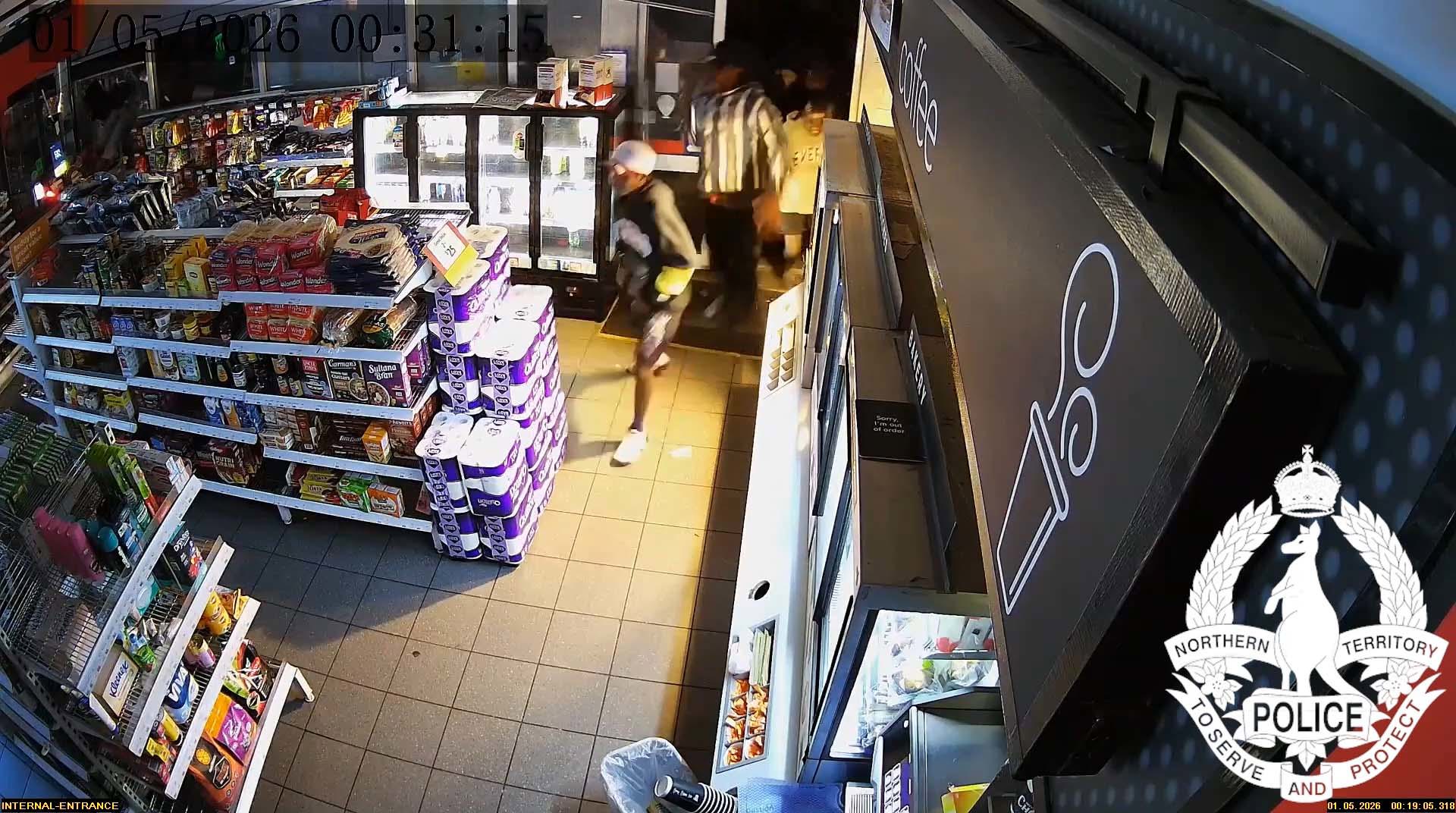
Police say the service station on Bagot Street, The Gap, as well as a supermarket on Gap Road were targeted by rioters on Thursday night.
Footage shows one man opening what appears to be a locked door of the service station.
Dozens of people pour in and start grabbing items from the shelves.
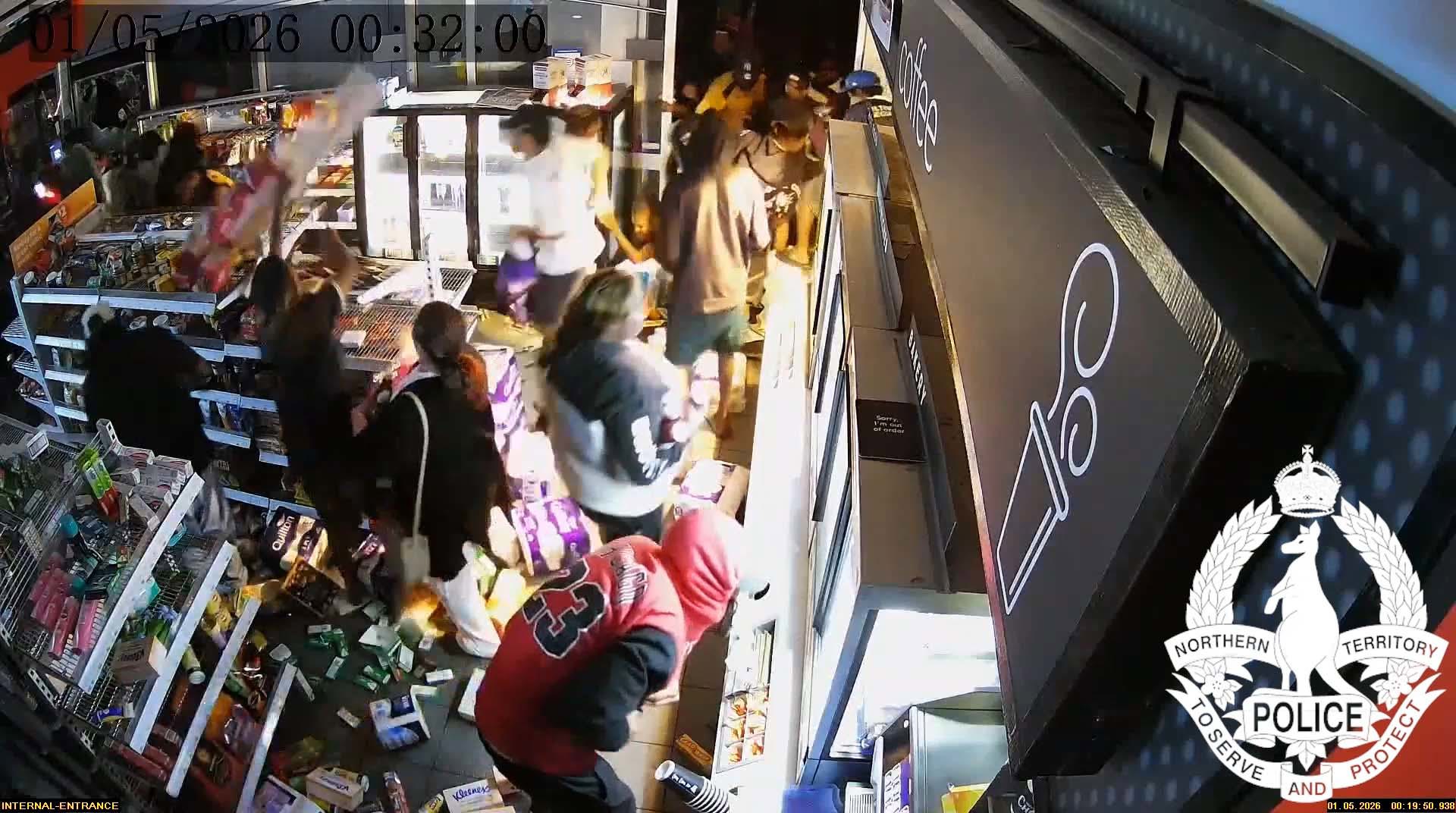
Some then start tossing shelving over in the packed shop.
The service station is directly opposite Alice Springs hospital.
The burglary happened on the night of Thursday's riot, sparked after Lewis was allegedly hunted down and beaten in what detectives said was vigilante retaliation.
"What you will see is criminal behaviour plain and simple," NT Police Commissioner Martin Dole said.
Police say about $105,000 worth of property was stolen and $80,000 of damage was caused.
Five people – aged 18, 26, 34, 46 and 49 – have been arrested and are expected to be charged.
READ MORE: Victorian Liberals hold onto Nepean after gliding to by-election victory
Police say more arrests are expected.
Lewis was today charged with one count of murder after the death of five-year-old Kumanjayi Little Baby.
A large crowd assembled outside of Alice Springs Hospital on Thursday, with a car allegedly being set on fire, as well as reports of paramedics and police being assaulted.