Tag Archives: oceania

How can you recycle soft plastics in Australia?

Following the collapse of Redcycle's soft plastics recycling scheme, many Australians are now wondering what they can do with their used plastic items.

Redcycle, which operates the bins which were commonplace in Woolworths and Coles stores across the country, "temporarily paused" operations on November 9 due to an unmanageable volume of items being recycled every day.

So with the option to drop soft plastics off at major supermarkets now gone, what should Aussies do with them?

Here's what you need to know.

READ MORE: Soft plastics were meant to be on the way out. What went wrong?
REDcycle bin in supermarket

Can I still recycle soft plastics in Australia?

Unfortunately, Redcycle is telling people in Australia to simply put soft plastics into regular home garbage bins now its recycling program has been suspended, meaning those items will end up in landfill.

"Please dispose of your soft plastics in landfill, as there will be no recovery from Coles and Woolworths stores at this time," it says on its website.

There are some much smaller recycling programs out there which you could use instead, although they're not available all around the country.

One such scheme is Curby, which operates in four councils in New South Wales: Central Coast, Willoughby, Mosman and City of Newcastle.

READ MORE: We consume a credit card's worth of plastic every week
Can I put them in my home recycling bin?

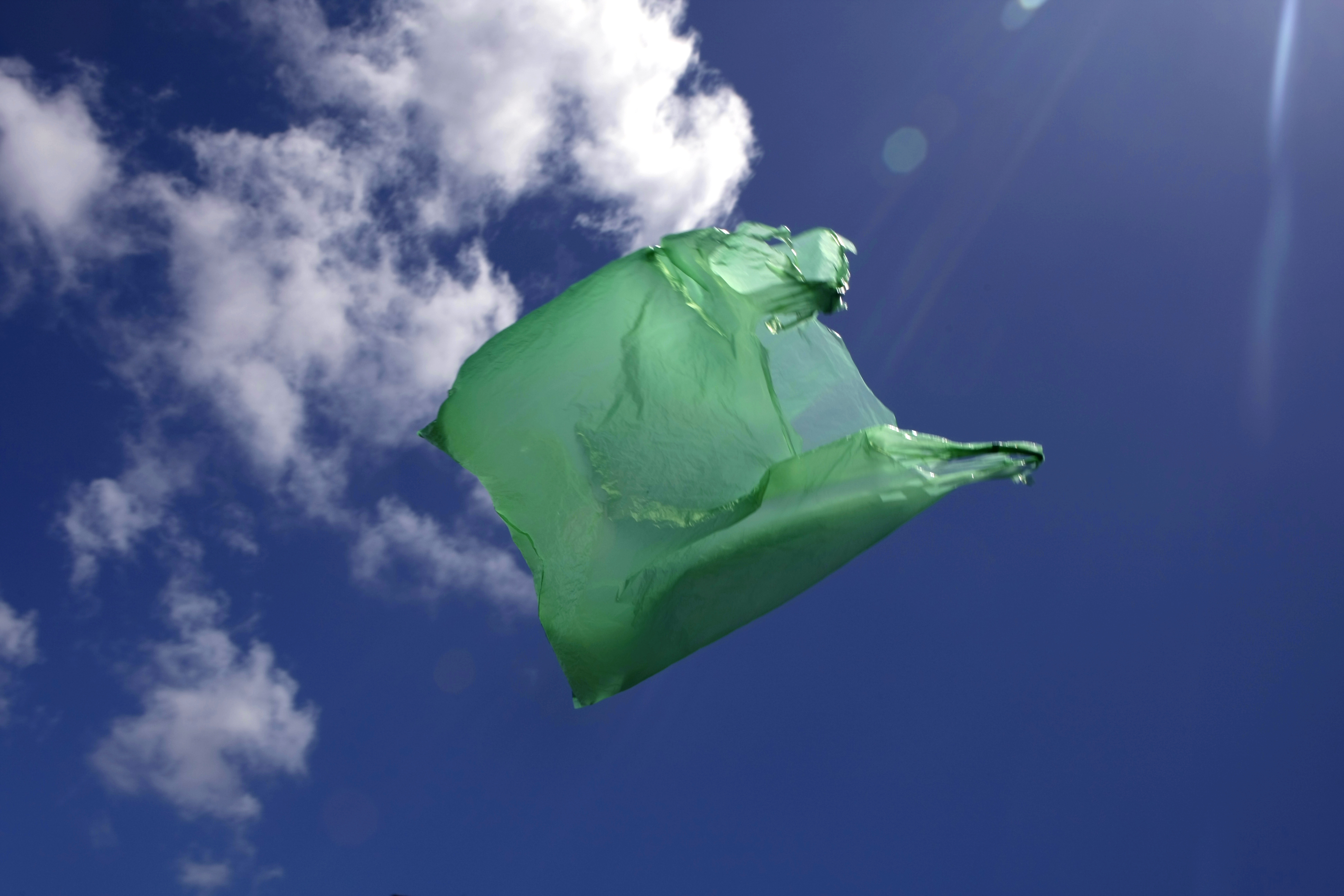
No. Whatever you do, don't put soft plastics in your regular recycling bin along with other items like glass bottles, cardboard and aluminium cans.

Soft plastics are a bit of a nightmare for the machinery used by councils to sort recycling, often becoming tangled and damaging it.

It is worth checking with your local council to see if they have a soft plastic recycling program, but don't hold your breath – most of Australia's local governments don't have any such scheme.

When will soft plastic recycling bins be back at Woolworths and Coles?

We're not sure – no date has been given by any of Redcycle, Woolworths or Coles for when soft plastic recycling will return in store.

Redcycle said it's hoping to bring its program back "as soon as possible", while both supermarket giants said they are exploring options in the area without committing to a timeframe.

EXPLAINED: What nations are in NATO and how does the alliance work?

Woolworths in Marrickville Metro

How much plastic do Australians use?

A lot – more than anyone else in the world, in fact.

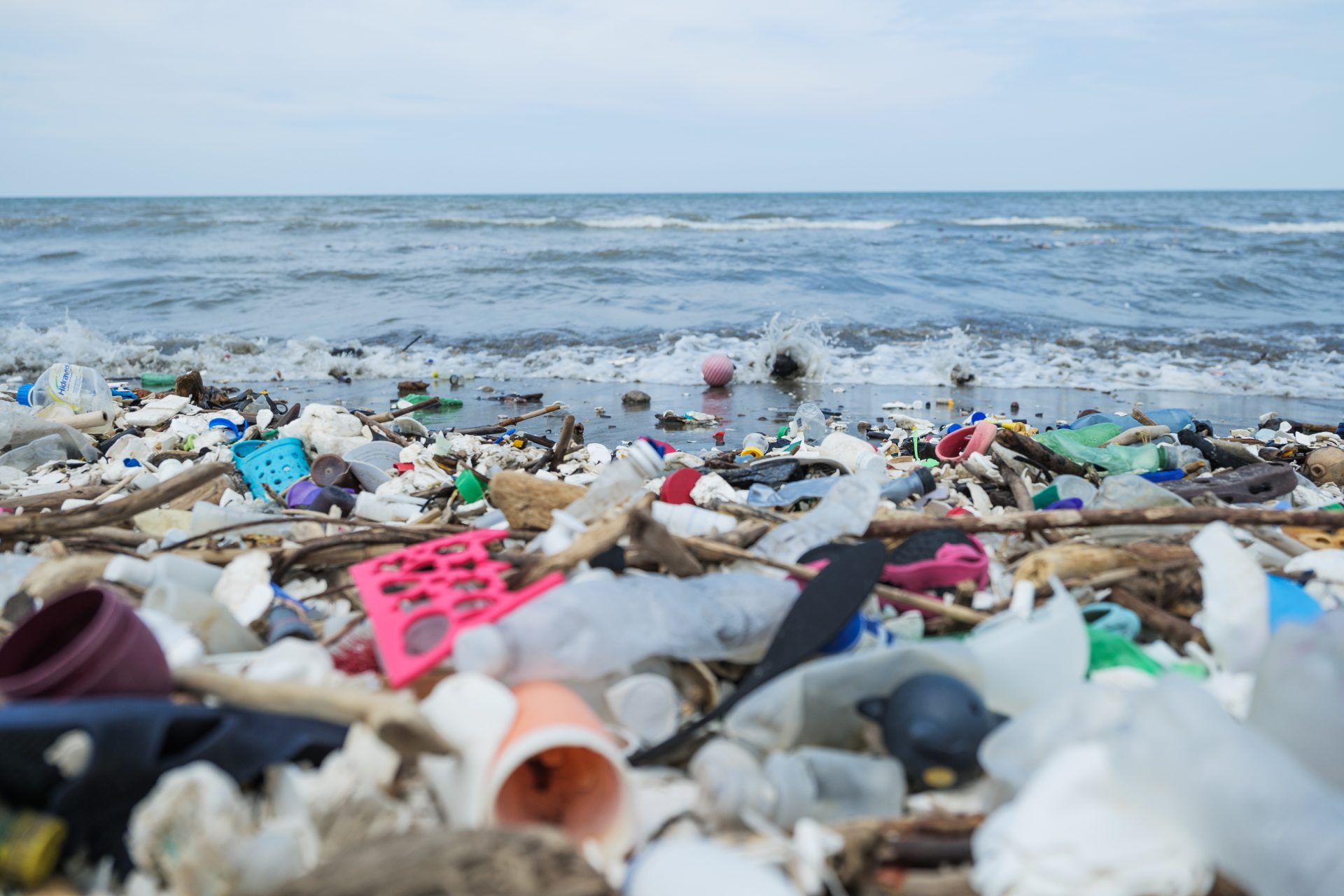
According to research by the Minderoo Foundation, Australia leads the world in plastic use, with an average of 60kg used per person, per year.

Making things worse is the amount that ends up getting reused. For four years, just 16 per cent of plastics in Australia has been recycled.

Different data, this time from the Australian government's National Plastics Plan, the nation goes through 70 billion pieces of soft plastics each and every year – that's almost 3000 pieces per person.

READ MORE: Australia's fourth COVID-19 wave, what you need to know
Is the government doing anything about it?

When Redcycle paused its recycling program, Federal Environment Minister Tanya Plibersek was quick to weigh in.

"This is really concerning. Australians want to do their bit and recycle where they can," she wrote on Twitter.

"Big companies like Coles and Woolworths generate a lot of this material, it shouldn't be beyond them to come up with a viable solution. We're happy to work with them to achieve this."
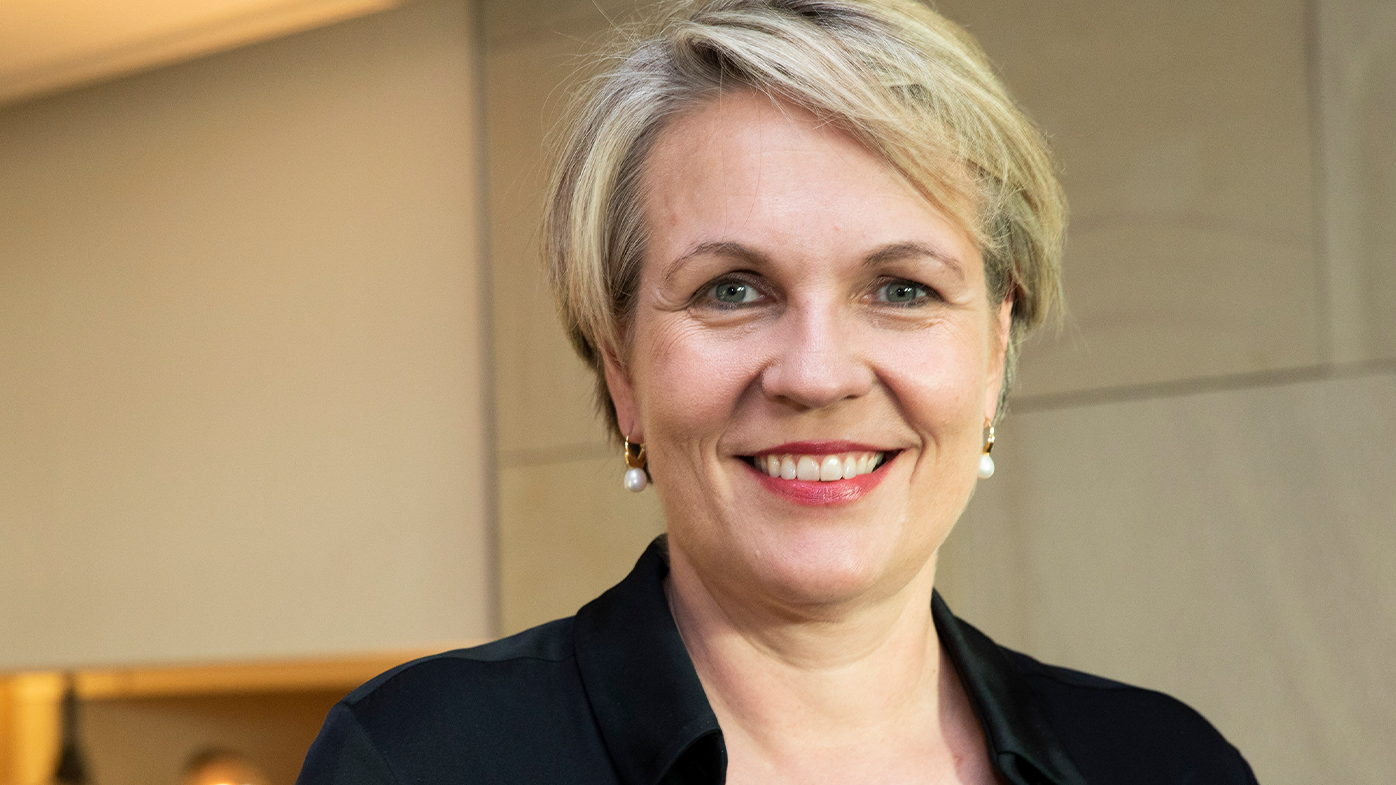
Financial Review 70th Platinum dinner, Tanya Plibersek Deputy Leader of the Labour Party at the Hyatt Regency, Sydney, 9 March 2022. Photo Jessica Hromas

The federal government had previously provided the Australian Food and Grocery Council for it to work on developing more sustainable uses for recycled plastics.

More recently, the government signed up to the High Ambition Coalition to End Plastic Pollution – an international push to end plastic pollution – and committed to recycling all plastics in the country by 2040.

In October, state and federal ministers also set a number of targets for 2025. These include making packaging 100 per cent reusable, recyclable or compostable, ensuring that 70 per cent of plastic packaging is recycled or composted, and ending unnecessary single-use plastics.
Musk restores Trump's Twitter account after online poll

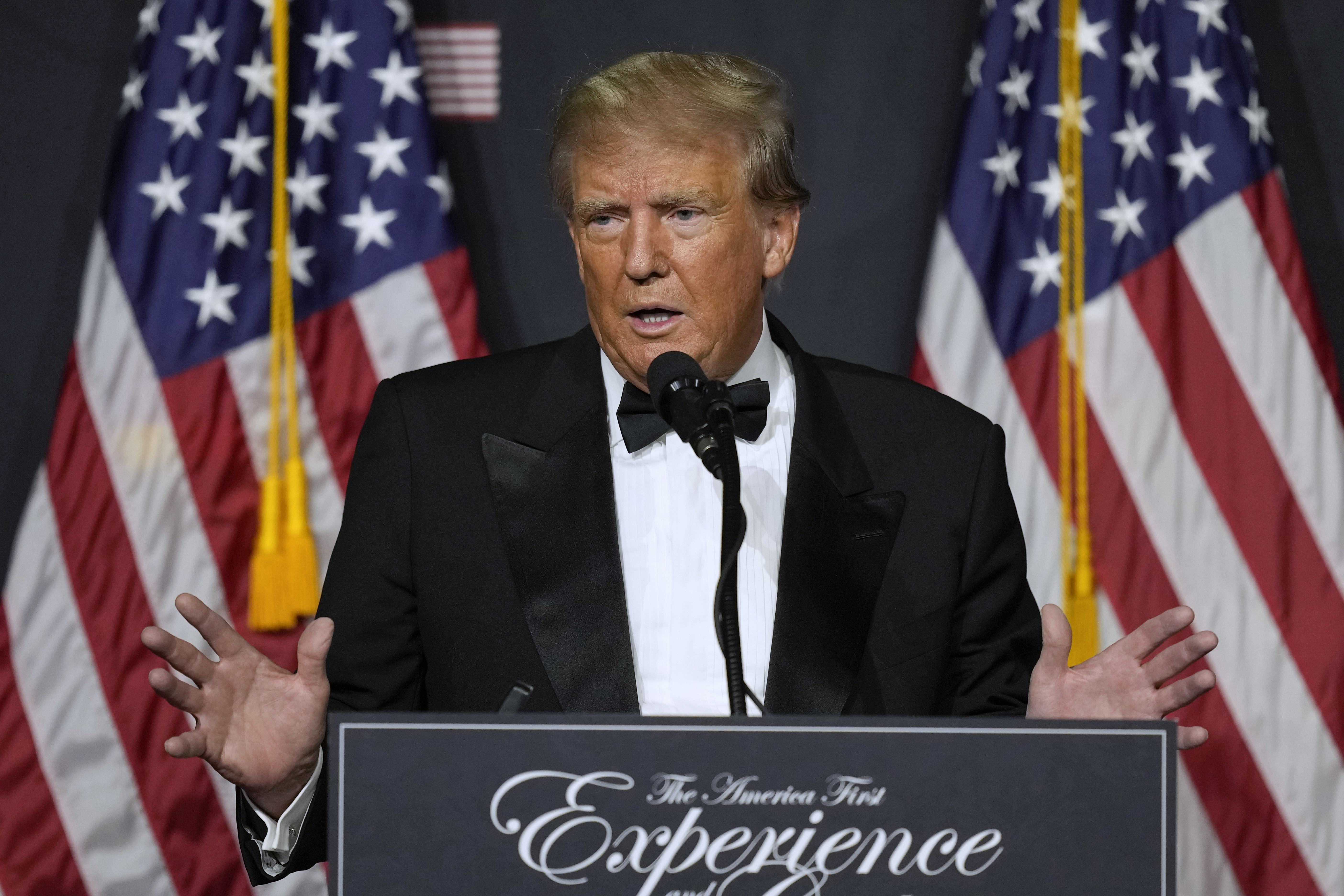
Elon Musk reinstated Donald Trump’s account on Twitter on Saturday, reversing a ban that has kept the former president off the social media site since a pro-Trump mob attacked the US Capitol on January 6, 2021, as Congress was poised to certify Joe Biden’s election victory.

Musk made the announcement in the evening after holding a poll that asked Twitter users to click “yes” or “no” on whether Trump's account should be restored.

The “yes” vote won, with 51.2 per cent.

READ MORE: Medibank hacker releases more private health information

https://twitter.com/elonmusk/status/1594131768298315777

“The people have spoken. Trump will be reinstated. Vox Populi, Vox Dei,” Musk tweeted, using a Latin phrase meaning “the voice of the people, the voice of God.”

Shortly afterward Trump's account, which had earlier appeared as suspended, reappeared on the platform complete with his former tweets, more than 59,000 of them.

However his followers were gone, at least initially.

It is not clear whether Trump would actually return to Twitter. An irrepressible tweeter before he was banned, Trump has said in the past that he would not rejoin even if his account was reinstated. He has been relying on his own, much smaller social media site, Truth Social, which he launched after being blocked from Twitter.

READ MORE: Weather 'extremes' to play out across Australia's east coast

Former President Donald Trump speaks at Mar-a-Lago Friday, Nov. 18, 2022 in Palm Beach, Fla.

And on Saturday, during a video speech to a Republican Jewish group meeting in Las Vegas, Trump said that he was aware of Musk’s poll but that he saw “a lot of problems at Twitter,” according to Bloomberg.

“I hear we’re getting a big vote to also go back on Twitter. I don’t see it because I don’t see any reason for it,” Trump was quoted as saying by Bloomberg.

“It may make it, it may not make it,” he added, apparently referring to Twitter's recent internal upheavals.

The prospect of restoring Trump's presence to the platform follows Musk's purchase last month of Twitter — an acquisition that has fanned widespread concern that the billionaire owner will allow purveyors of lies and misinformation to flourish on the site. Musk has frequently expressed his belief that Twitter had become too restrictive of freewheeling speech.

His efforts to reshape the site have been both swift and chaotic.

READ MORE: With Twitter in chaos, here are some ways to protect your account

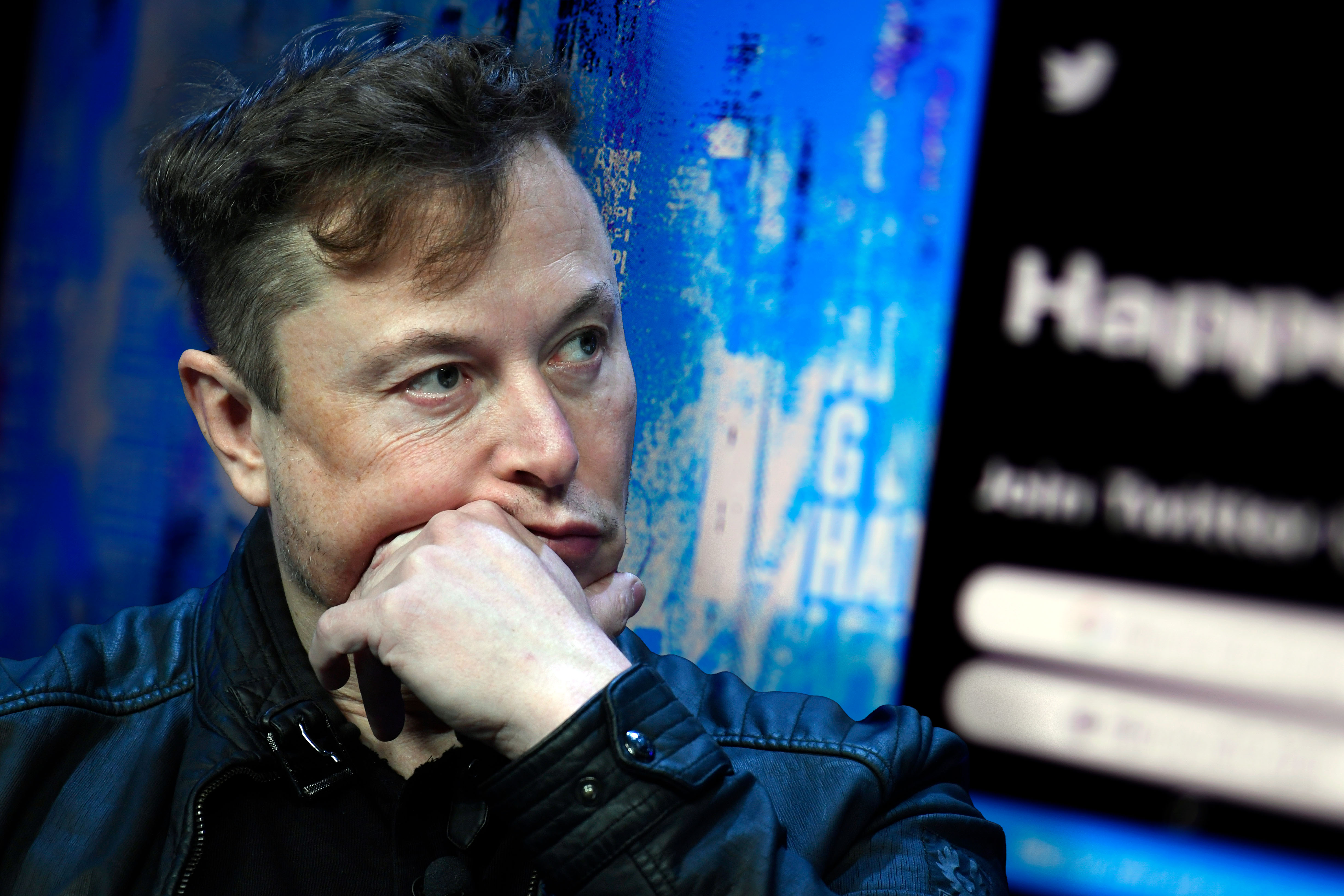
Elon Musk, the new owner of Twitter.

Musk has fired many of the company’s 7,500 full-time workers and an untold number of contractors who are responsible for content moderation and other crucial responsibilities.

His demand that remaining employees pledge to “extremely hardcore” work triggered a wave of resignations, including hundreds of software engineers.

Users have reported seeing increased spam and scams on their feeds and in their direct messages, among other glitches, in the aftermath of the mass layoffs and worker exodus. Some programmers who were fired or resigned this week warned that Twitter may soon fray so badly it could actually crash.

Musk's online survey, which ran for 24 hours before ending Saturday evening, concluded with 51.2 per cent of more than 15 million votes favoring the restoration of Trump's Twitter' account.

It comes four days after Trump announced his candidacy for the presidency in 2024.

Trump lost his access to Twitter two days after his supporters stormed the Capitol, soon after the former president had exhorted them to “fight like hell."

Twitter dropped his account after Trump wrote a pair of tweets that the company said cast further doubts on the legitimacy of the presidential election and raised risks for the Biden presidential inauguration.

After the January 6 attack, Trump was also kicked off Facebook and Instagram, which are owned by Meta Platforms, and Snapchat. His ability to post videos to his YouTube channel was also suspended. Facebook is set to reconsider Trump’s account suspension in January.

Throughout his tenure as president, Trump’s use of social media posed a significant challenge to major social media platforms that sought to balance the public’s interest in hearing from public officials with worries about misinformation, bigotry, harassment and incitement of violence.

But in a speech at an auto conference in May, Musk asserted that Twitter's ban of Trump was a “morally bad decision” and “foolish in the extreme.”

Earlier this month, Musk, who completed the U$44 billion takeover of Twitter in late October, declared that the company wouldn't let anyone who had been kicked off the site return until Twitter had established procedures on how to do so, including forming a “content moderation council.”

On Friday, Musk tweeted that the suspended Twitter accounts for the comedian Kathy Griffin, the Canadian psychologist Jordan Peterson and the conservative Christian news satire website Babylon Bee had been reinstated.

He added that a decision on Trump had not yet been made. He also responded “no” when someone on Twitter asked him to reinstate the conspiracy theorist Alex Jones’ account.

In a tweet Friday, the Tesla CEO described the company’s new content policy as “freedom of speech, but not freedom of reach.”

He explained that a tweet deemed to be “negative” or to include “hate” would be allowed on the site but would be visible only to users who specifically searched for it. Such tweets also would be “demonetized, so no ads or other revenue to Twitter,” Musk said.

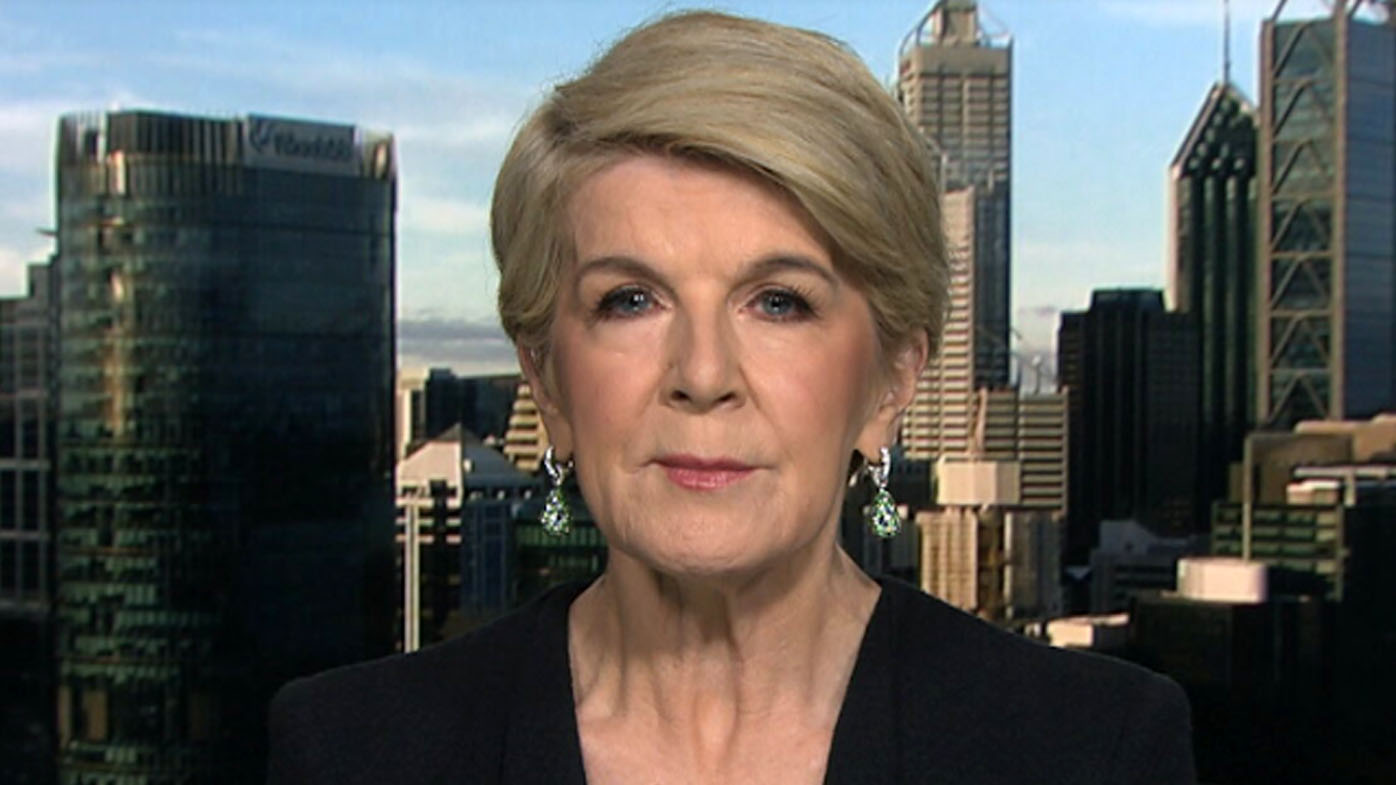
Julie Bishop warns Australia faces 'tricky' balancing act over China

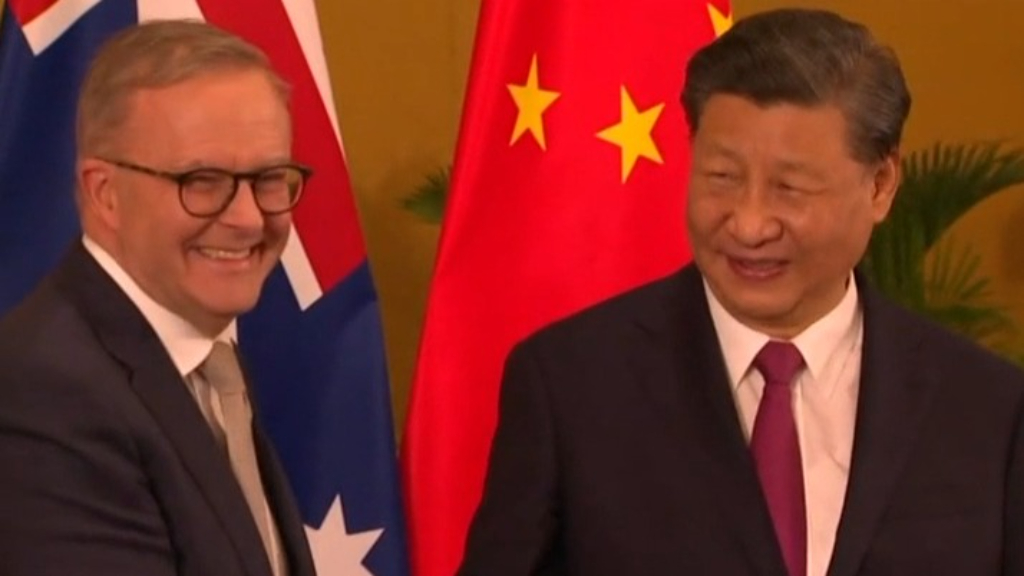
Former foreign minister Julie Bishop has warned Australia faces treading a "tricky fine line" in repairing relations with China after Anthony Albanese's meeting with Xi Jinping.

She was speaking on Weekend Today this morning after the prime minister returned home from nine days of international summits during which he met with Chinese President Xi.

Bishop said the meeting was a "very positive first step" in repairing Australia-China relations but it left Canberra with a tricky balancing act.

READ MORE: Medibank hacker releases more private data

"The meeting certainly presented an opportunity to end that diplomatic deep freeze to which Australia had been subjected for so many years … I suspect if there is to be further engagement, then China will impose some conditions. That's what they usually do.

"Of course, Prime Minister Albanese will now have to tread that very fine line between engaging positively with our largest two-way trading partner and protecting Australia's national interests.

"That will include up holding international law in our region. So it's a tricky fine line for Australian diplomats to tread."

While China is Australia's biggest trading partner, there are major security and diplomatic differences.

READ MORE: Moment man is plucked from crocodile-invested waters

Anthony Albanese will fly to Thailand for his third summit in less than a week, after holding crucial talks with world leaders at the G20 event in Indonesia.

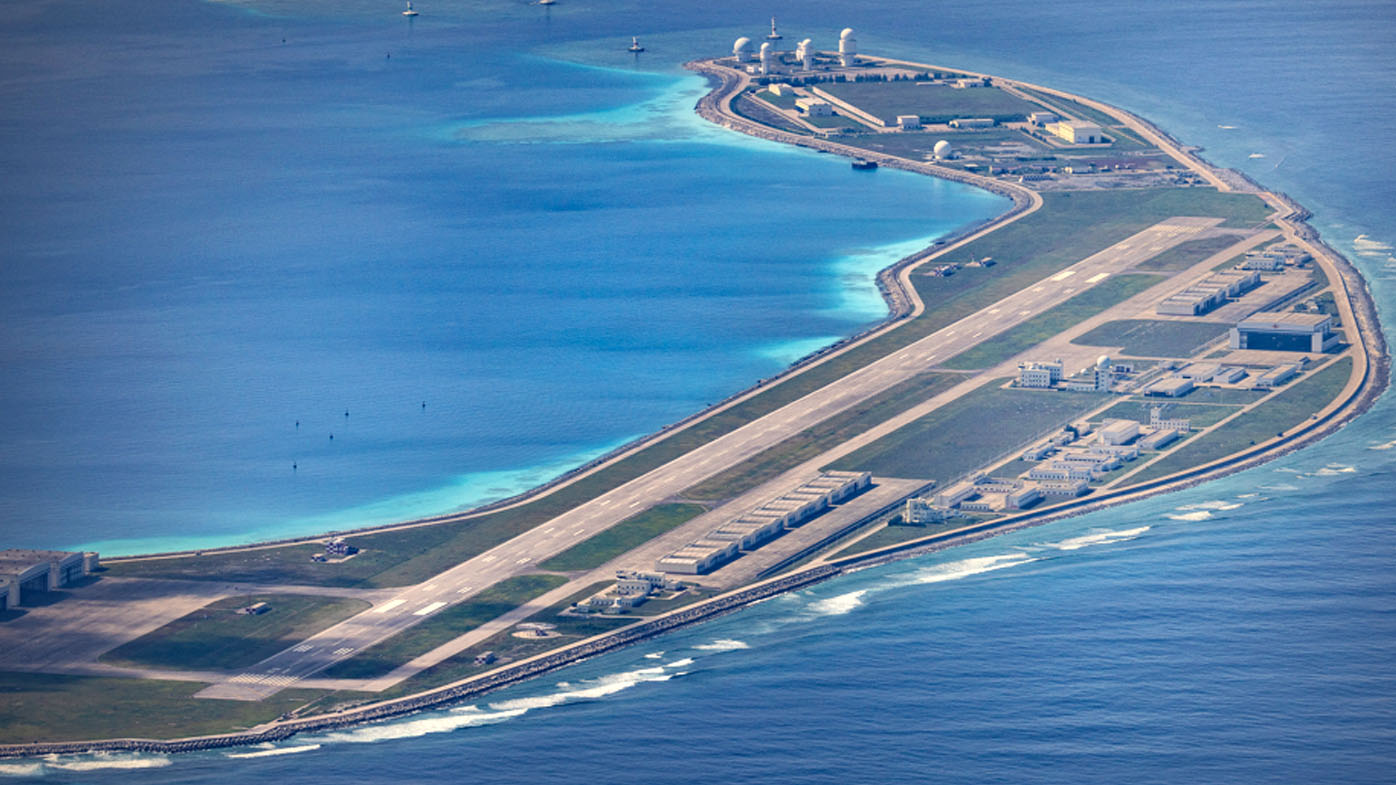
Canberra and Beijing remain at loggerheads over China's growing assertiveness in the South China Sea and its ambitions in the Pacific, including the signing of a controversial security deal with the Solomon Islands.

Since 2020, China has imposed trade sanctions against a range of Australian goods. The federal government has also criticised China's human rights record.

Bishop said outside the economic sphere both nations have differing views of the world.

"We are connected deeply economically through our trading relationship. But we have a very different view of the world."

Earlier, Albanese told Nine's political editor Charles Croucher he won't be getting ahead of himself when it comes to any future visits to China.

READ MORE: Weather 'extremes' to play out across Australia's east coast

"We've had no contact between the leaders since 2016. So having a meeting in itself is a positive thing, it follows engagement between our defence ministers, between our foreign ministers," he told Croucher.

"There of course remains a range of issues which are outstanding, but I'm positive that we can work through in the interests of both Australia but also in the interests of China."

The meeting with Xi was held on the sidelines of the G20 summit in Bali last week and was the first meeting between an Australian leader and Chinese president in six years.

Medibank hacker releases more private health information

The hacker, or hackers, behind the Medibank cyber attack have re-emerged after several days of online silence, releasing more private health information on the Dark Web.

Having released information last Monday and stating they would "hope something meaningful happens on Wednesday", an assumed reference to the Medibank AGM, the hacker this morning released their largest batch of data to date.

Up to 1496 records have been exposed across four separate files they released.

EXPLAINED: What to do if you have been hacked

Medibank store with email to customers

9News is choosing not to reveal the name of those files, or the health conditions they relate to, but can say that the conditions would fall into some of the most deeply personal areas of healthcare.

Today's release takes the total number to over 2700 records released, and while there are names repeated within the files, it's likely over 2500 Australian's are affected by these leaks of stolen data.

Threats to individuals for ransom or extortion have not yet been circulated, however as time rolls on and Medibank sticks strong to it's decision not to pay the ransom, the Cyber Security community believes a direct to consumer attack is the most likely next step for the hackers.

Medibank continues to reach out to affected customers, offering direct support, while the AFP continues their investigation into the hackers.

Funeral held for first of two Polish men killed in missile blast

A funeral was held Saturday for one of two Polish men who died in a missile explosion near the border with Ukraine, deaths that Western officials said appeared to have been caused by a Ukrainian air defence missile that went astray.

White roses were placed on the wooden casket of Boguslaw Wos, described by the Polish state news agency PAP as a 62-year-old warehouse manager.

A pallbearer carried a black-and-white photo of him, while another carried a crucifix bearing his name.

READ MORE: Man rescued from crocodile-infested waters in WA

A Polish Border Guard official carries a photograph of Boguslaw Wos, one of two Polish men killed in a missile explosion, ahead of his funeral, in Przewodow, Poland, Saturday, Nov. 19, 2022. A funeral for Wos was held on Saturday. Western officials said the deaths appeared to have been caused by a Ukrainian air defense missile that went astray as the country was defending itself against a barrage of Russian missiles directed at Ukraines power infrastructure. (AP Photo)

Wos and another man died Tuesday in Przewodow, a small farming community six kilometres from the border with Ukraine as that country was defending itself against a barrage of Russian missiles directed at Ukraine's power infrastructure.

Officials from Poland, NATO and the United States say they think Russia is to blame for the deaths no matter what, because a Ukrainian missile would not have gone astray in Poland had the country not been forced to defend itself against Russian attacks.

READ MORE: Weather 'extremes' to play out across Australia's east coast

A Polish investigation to determine the source of the missile and the circumstances of the explosion has been launched with support from the US and Ukrainian investigators.

The Pentagon sent a small team of forensics and explosive ordnance experts to the missile impact site, a senior defense official said Friday on condition of anonymity, because they were not authorised to discuss details.

A chunk of space rock tells us about the birth of the Solar System

At about 10pm on the night of February 28, 2021, a fireball streaked through the sky over England.

The blazing extraterrestrial visitor was seen by more than 1000 people, and its descent was filmed by 16 dedicated meteor-tracking cameras from the UK Fireball Alliance and many dashboard and doorbell cams.

With the time difference to Australia, the Global Fireball Observatory team at Curtin University was the first to dig into its cameras' data, quickly realising there may be very special meteorites to find around the town of Winchcombe, Gloucestershire.

READ MORE: Carnival Corporation reintroduces masks for passengers onboard

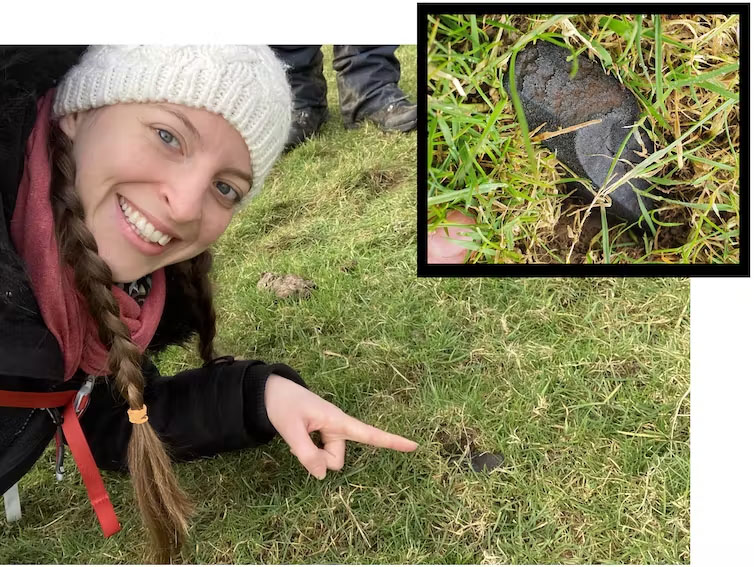
Mira Ihasz finds part of the Winchcombe meteorite

The next morning's news told people in the area to look out for black rocks in their garden.

The Wilcock family discovered a pile of dark powder and small rocky pieces on their driveway.

They called in specialists from the Natural History Museum who confirmed it was a meteorite and collected the space rubble for further analysis, all within 12 hours of it landing.

More fragments were collected from the surrounding area over the next month.

All told, the samples added up to around 600 grams of exceptionally pristine asteroid rock from the outer Solar System.

We have been studying this precious find with colleagues from around the world for the past 18 months.

As we report in a new paper in Science Advances, it is a very fresh sample of an ancient rock formed in the early years of the Solar System, rich in the water and organic molecules that may have been crucial in the origin of life on Earth.

How to catch a fireball

Meteorites are rocks from space that have survived the fiery descent through our atmosphere.

They are the remnants of our (very) distant past – around the time the planets were formed, holding clues to what our Solar System was like billions of years ago.

There are more than 70,000 meteorites in collections around the world.

But the Winchcombe meteorite is quite a special one.

Why? Well, of all the meteorites ever found, only around 50 have ever been seen falling with enough precision to calculate their original orbit – the path they took to impact the Earth.

Figuring out the orbit is the only way to understand where a meteorite came from.

The Global Fireball Observatory is a network of cameras on the lookout for falling meteorites.

It is a collaboration of 17 partner institutions around the world, including Glasgow University and Imperial College in the UK.

This collaboration grew out of Australia's Desert Fireball Network, run by Curtin University.

Of the few meteorite samples with known origins, more than 20 per cent have now been recovered by the Global Fireball Observatory team.

READ MORE: Why a Sydney mum sued Kmart over daughter's horrific accident

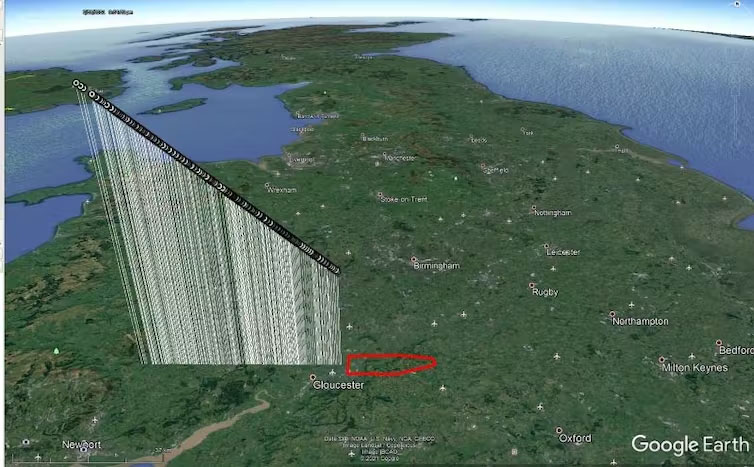
Google earth calculations

Tracking the Winchcombe meteorite

The Winchcombe meteorite was one of the most well-observed yet.

All these observations helped us determine this special sample came from the main asteroid belt, between Mars and Jupiter.

Observing a fireball from a network of cameras means we can recreate the rock's path through the atmosphere and not only calculate its orbit, but also its fall to the ground.

In an email to the UK team seven hours after the fireball, my colleague Hadrien Devillepoix pointed out the unusual amount of fragmentation, and the orbit, could mean we would be looking for a less common type of meteorite.

A space rock generally stops burning by the time it reaches about 30km altitude.

The rest of the fall is affected by high-altitude winds, so predicting where the meteorite will land is not always easy.

The team at Curtin played a major role in predicting the fall area from the fireball data.

We recreated the flight path of the space rock to tell people where to search for meteorite fragments.

Although many samples were found in Winchcombe town, the largest whole piece was recovered in a field during a dedicated search, found within 400 metres of the predicted position.

The building blocks of life

Winchcombe is a very rare type of meteorite called a carbonaceous chondrite.

It is similar to the Murchison meteorite that fell in Victoria in 1969.

They contain complex carbon-based molecules called amino acids, which are regarded as the "building blocks of life".

These meteorites are thought to have formed in the early Solar System, billions of years ago.

They formed far enough from the Sun that water hadn't completely evaporated, and was around to be incorporated into these meteorites. They may have been responsible for bringing water to Earth later on.

Carbonaceous chondrites are known to contain water, though most samples have been contaminated by long contact with Earth's atmosphere.

Some pieces of the Winchcombe meteorite are hardly contaminated at all because they were recovered within hours of its fall.

These samples are incredibly pristine, and contain almost 11 per cent water by weight.

READ MORE: 'Colossally mismanaged': Inside crypto giant's failure

A home-delivered space rock

Space agencies go a long way to find space rocks this fresh.

In 2020, Japan's Hayabusa2 mission delivered a few grams of material from a carbonaceous asteroid called Ryugu back to Earth.

Next year, NASA's OSIRIS-REx will bring home a somewhat larger chunk from asteroid Bennu.

The speed with which samples of the Winchcombe meteorite were discovered, combined with the precise observations which let us determine its original orbit in the asteroid belt, make it similar to materials returned by space missions.

The triangulation of the Winchcombe fireball, orbital analysis, recovery, and the geochemical techniques used to investigate this space rock's history required a huge amount of teamwork.

Alongside the scientific secrets it will unlock, the story of the Winchcombe meteorite is a fantastic demonstration of the power of collaboration in unravelling the mysteries of our Solar System.

This article by Eleanor K. Sansom, a research associate at Curtin University, originally appeared on The Conversation and has been reproduced with permission. Read the original here.

North Korea unveils Kim's daughter at missile launch site

North Korea has unveiled the little-known daughter of its leader Kim Jong Un at a missile launch site.

The sight attracted keen attention on a fourth-generation member of the dynastic family that has ruled North Korea for more than seven decades.

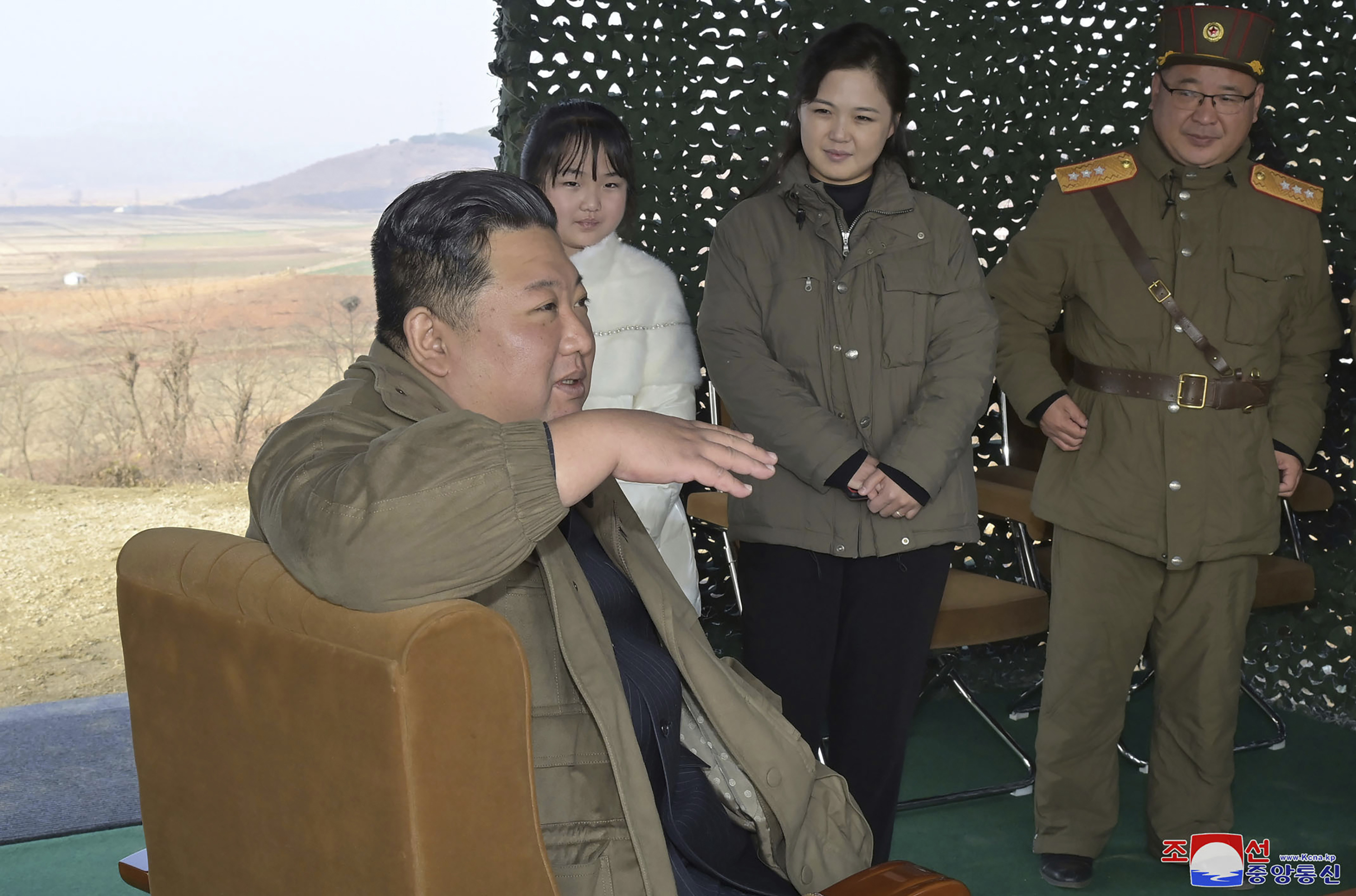
The North's state media said on Saturday that Kim had observed the launch of its new type of intercontinental ballistic missile with his wife Ri Sol Ju, their "beloved daughter" and other officials the previous day.

READ MORE: Holmes gets more than eleven years in prison for Theranos scam

North Korea has unveiled the little-known daughter of its leader Kim Jong Un at a missile launch site.

Kim said the launch of the Hwasong-17 missile — the North's longest-range, nuclear-capable missile — proved he has a reliable weapon to contain US-led military threats.

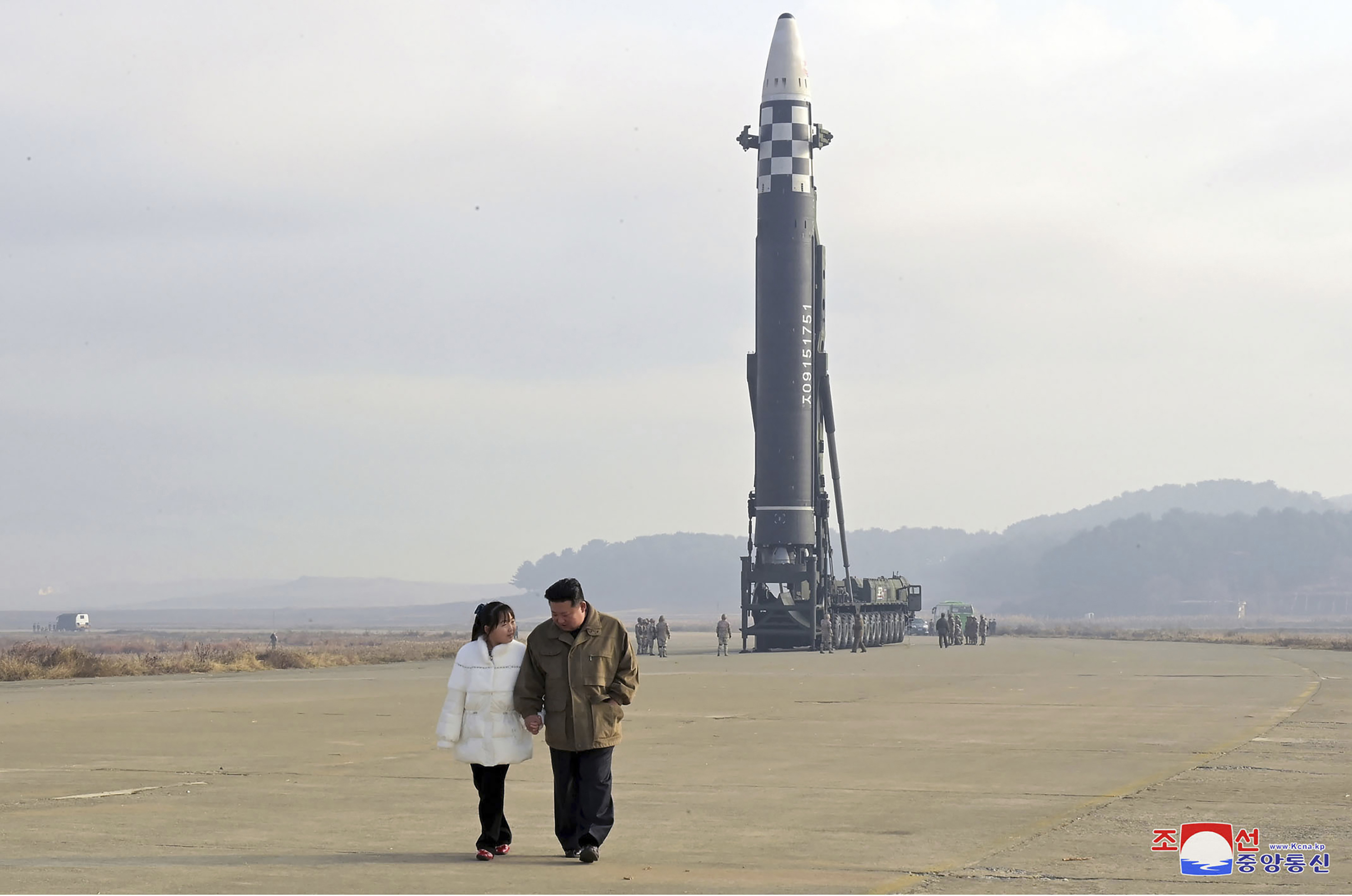
The main Rodong Sinmun newspaper also released a slew of photos of Kim watching a soaring missile from a distance with his daughter.

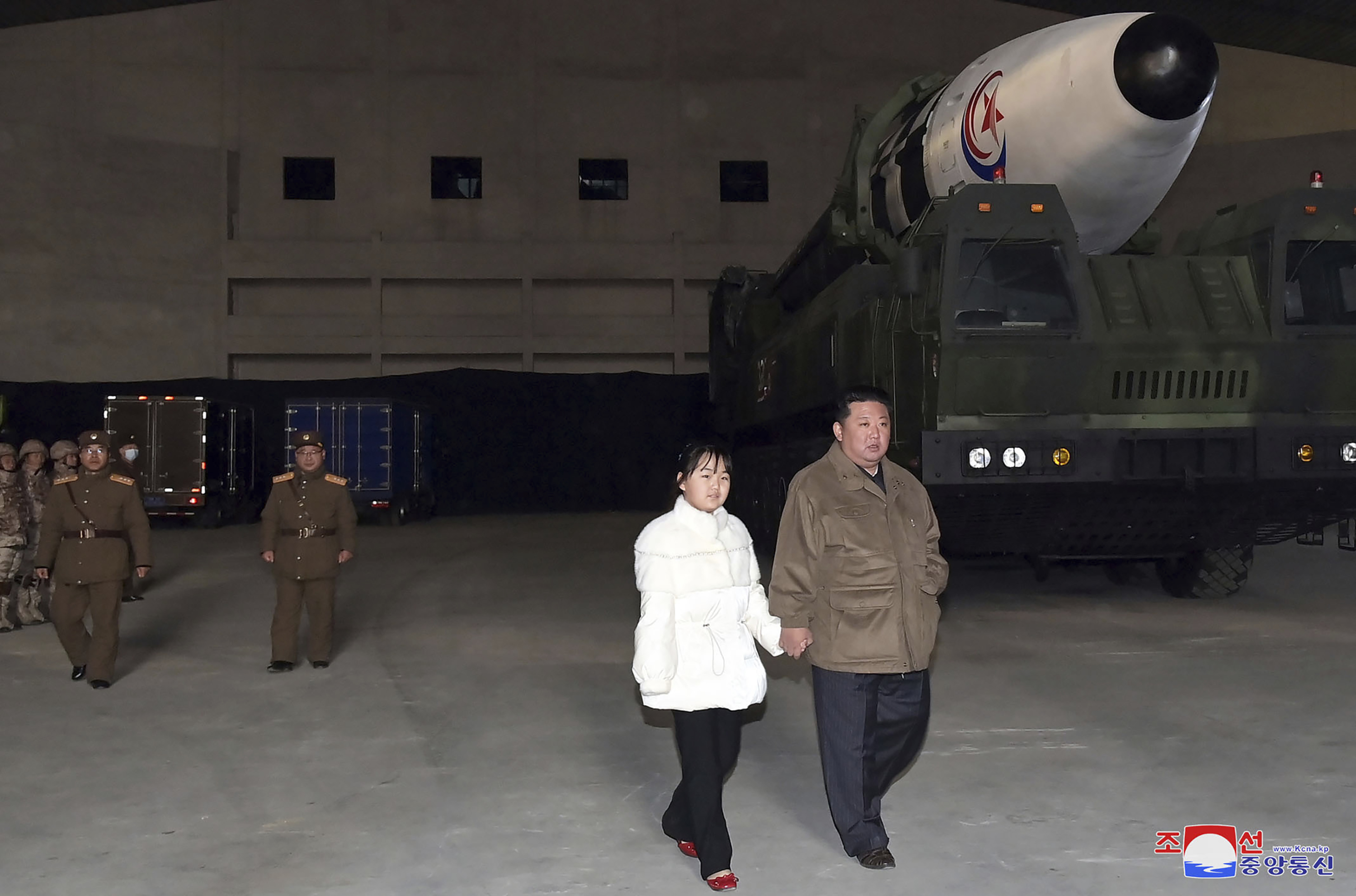
Other photos showed her with her hair pulled back, wearing a white coat and a pair of red shoes as she walked in hand-in-hand with her father by a huge missile atop a launch truck.

It's the first time for North Korea's state media to mention the daughter or publicise her photos.

KCNA didn't provide further details about her such as her name and age.

Much of Kim's private life is still unknown. But South Korean media reported Kim married Ri, a former singer, in 2009, and that the couple have three children who were born in 2010, 2013 and 2017.

It wasn't known which child Kim took to the launch site.

But in 2013, after a trip to Pyongyang, retired NBA star Dennis Rodman told the British newspaper the Guardian that he and Kim had a "relaxing time by the sea" with the leader's family and that he held Kim's baby daughter, named Ju Ae.

READ MORE: Special investigator named to lead Donald Trump probes

The sight attracted keen attention on a fourth-generation member of the dynastic family that has ruled North Korea for more than seven decades.

The identities of Kim's children are a source of strong outside interest as the 38-year-old ruler hasn't publicly anointed an heir apparent.

When he disappeared from public eye for an extended period in 2020 amid unconfirmed rumors about health conditions, global media frenzy flared over who was next-in-line to run an impoverished yet nuclear-armed country.

Many observers said at the time that Kim's younger sister, Kim Yo Jong, would step in and run the country if her brother was incapacitated.

The Kim family has governed North Korea with a strong personality following built around key family members since Kim's grandfather, Kim Il Sung, founded the country in 1948.

The family's so-called Paektu bloodline, named after the North's most sacred mountain, allows only direct family members to rule the country.

"It's much too soon to infer anything about succession within the Kim regime," said Leif-Eric Easley, a professor at Ewha University in Seoul.

"However, publicly including his wife and daughter in what Kim claims as a historically successful missile test associates the family business of ruling North Korea with the nation's missile programs."

READ MORE: 'Destabilising our region': Albanese condemns North Korean launch of missile designed to hit US

It's the first time for North Korea's state media to mention the daughter or publicise her photos.

"This may be an attempt to compensate for how few economic accomplishments Kim has to support his domestic legitimacy," Easley said.

Analyst Cheong Seong-Chang at the private Sejong Institute in South Korea said if Kim continues to take this daughter to key public events, that could signal that she would become Kim's successor.

"Under North Korea's system, the children of Kim Jong Un would have the status of a prince or princess, like in a dynasty. As the Rodong Sinmnum newspaper publicised the photo of the daughter, who took after Kim Jong Un and Ri Sol Ju so much … she has no choice but to live special lives," Cheong said.

Other observers say Kim taking his family to a missile test site indicated he was confident in the weapon's successful launch, or that he might have tried to burnish an image as a normal leader including his family in his affairs.

The disclosure of the Kim family child has taken many North Korea watchers by surprise.

It was only in 2010 when Kim, then 26, was first publicly mentioned in state media as he took a spate of top posts before he inherited power upon his father Kim Jong Il's death the next year.

Kim Jong Il was also 31 when he won a key post in the ruling Workers' Party in 1973 — an appointment seen as a key step in the path to succeeding his father Kim Il Sung.

Kim Jong Il's position as successor was made public at the party congress in 1980.

But Cheong said Kim Jong Il privately told associates in 1992 that Kim Jong Un, his third and youngest son, would succeed him.

Cheong said Kim's aunt and her husband, who had defected to the United States, told him that a song praising Kim Jong Un was played and that Kim Jong Il said Kim Jong Un was his successor on his son's 8th birthday.

"Kim Jong Un may have his daughter, who resembles him the most in his mind, as his successor," Cheong said.