Tag Archives: oceania

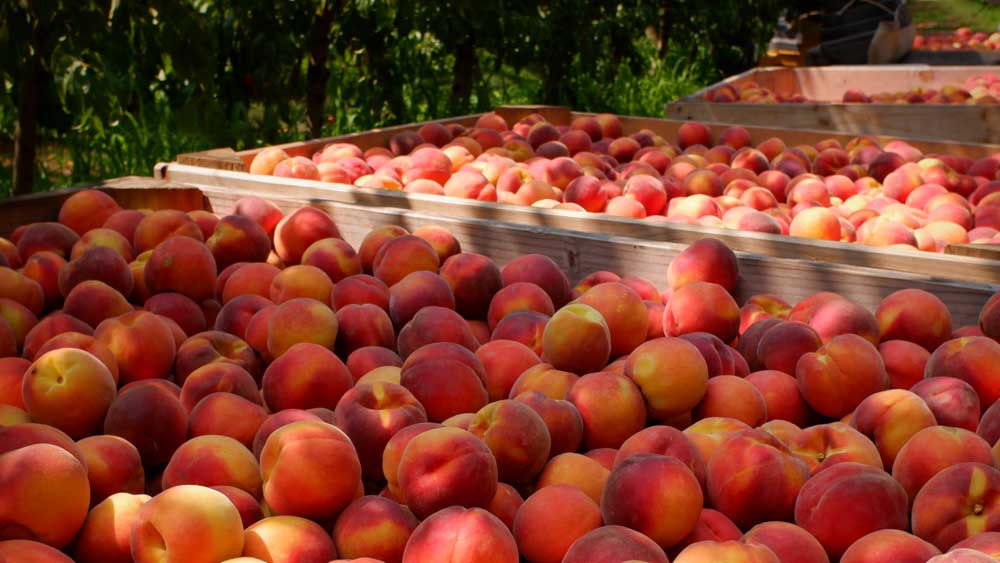
Floods blamed for summer stonefruit shortage

Farmers are warning of a shortage of peaches, nectarines, plums and apricots this summer.

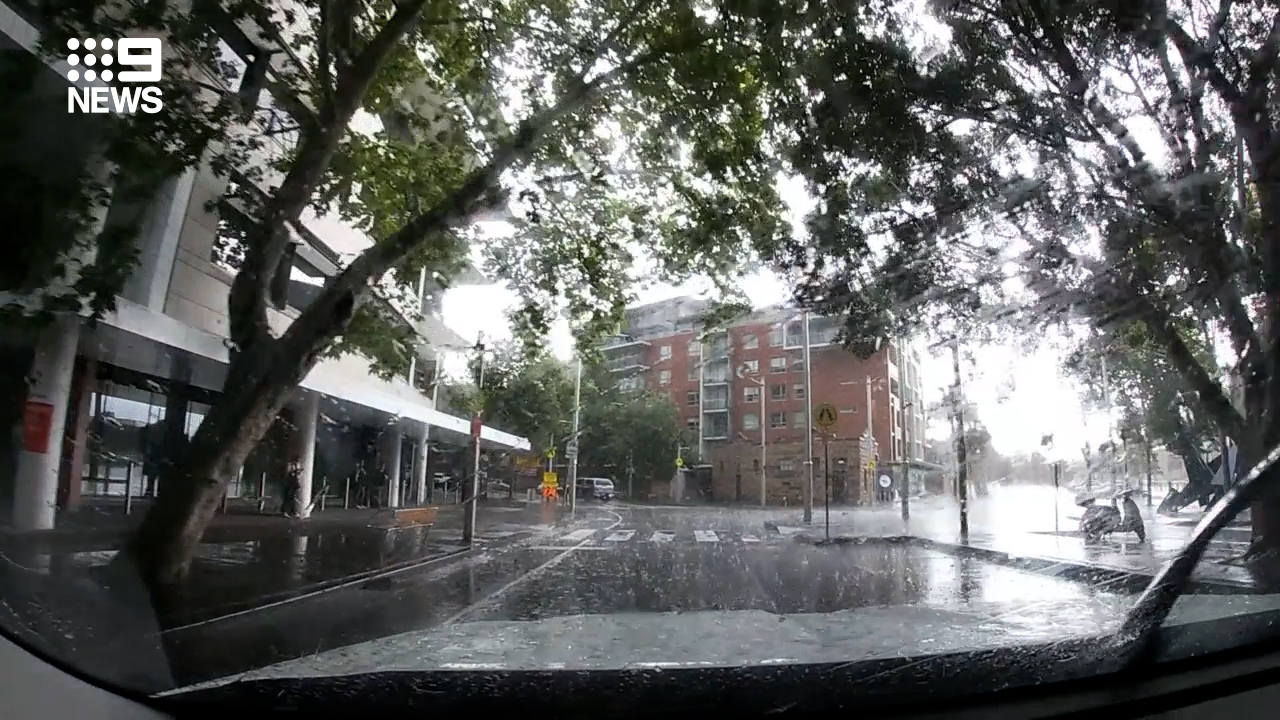
Widespread floods, cooler weather and drenching rain has impacted the crop of stonefruit across New South Wales, Victoria and South Australia.

Despite heavy rain in Queensland, the crop in the Sunshine State has held up well, peak body Summerfruit Australia said.

READ MORE: Evacuation orders for Condobolin as Forbes reaches flood peak

Australian summer peach harvest in Victoria

"We are hopeful that when summer has set in, the sun will shine, and growers will go back to working in better production conditions, enabling them to continue to provide Australians with sweet, high-quality fruit," Summerfruit Australia CEO Trevor Ranford said.

Stonefruit are most commonly grown in areas around Orange in NSW, Shepparton, Swan Hill, Cobram and Mildura in Victoria and Renmark and South Australia, all regions hit with devastating weather.

"It's a tough season for growers, and it would be great to see Aussies show their compassion and understanding if they see less stone fruit on shelves," Ranford said.

"Like our farmers, we want people to remain optimistic and to know that the situation will improve as rainfall across the nation decreases."

"Fantastic quality fruit" is expected to hit shelves in coming weeks ahead of peak production in January.

READ MORE: Market bosses backtrack on ban on Aussie-themed products

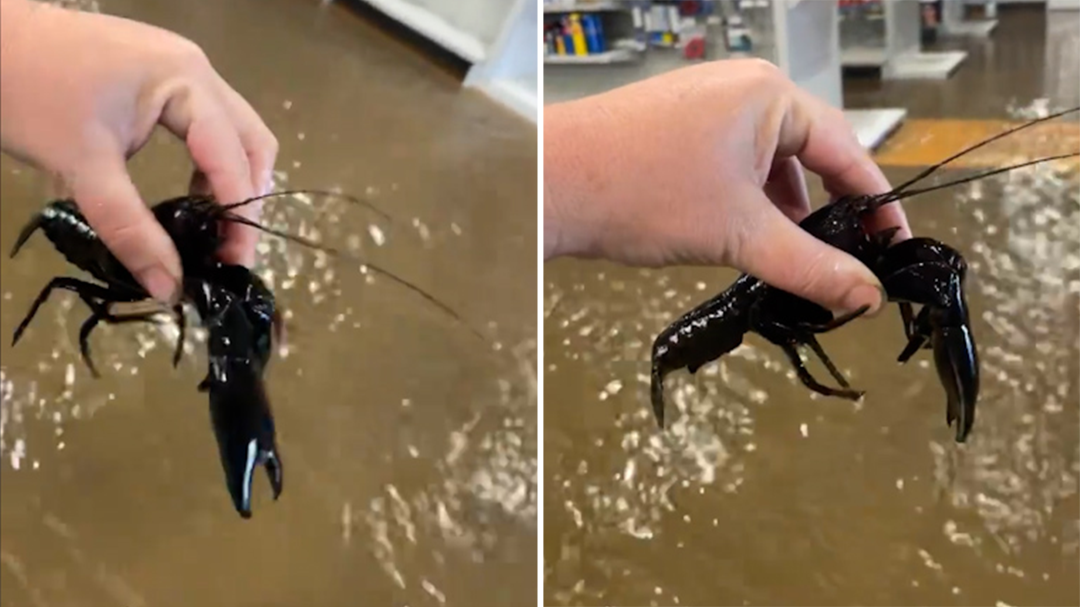
Mitre 10 owner catching 'monster' yabbies in her flooded store

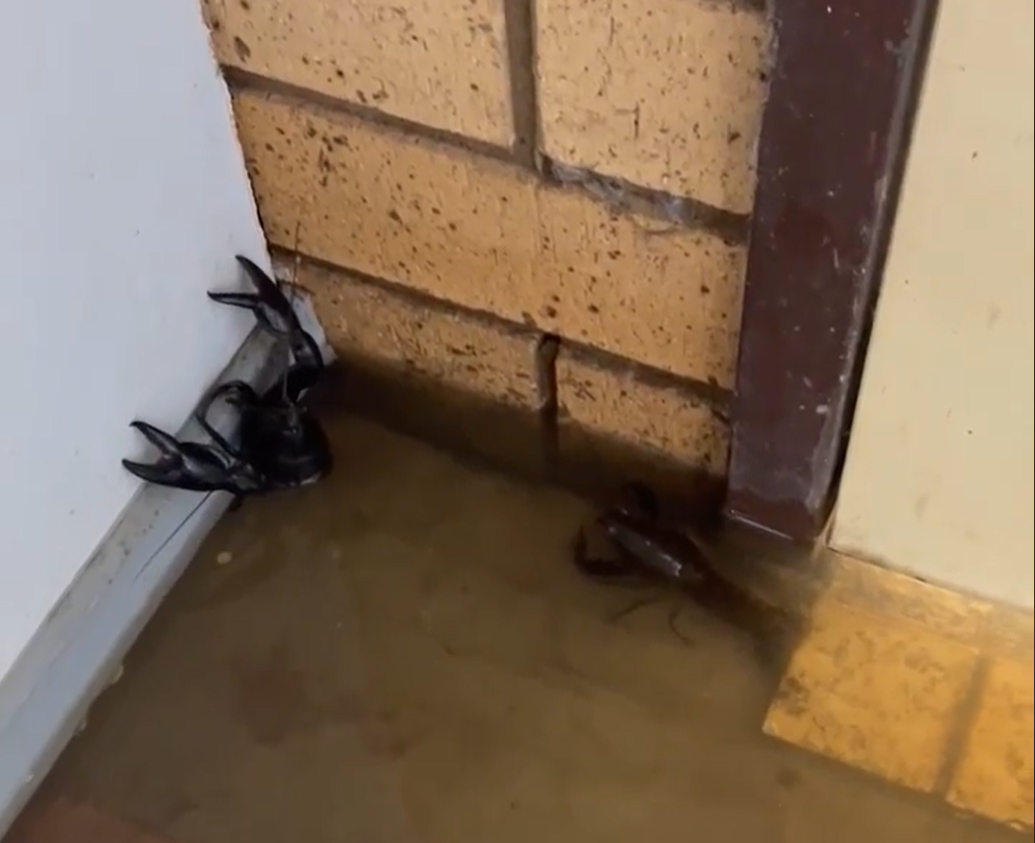
As the flooding crisis continues in regional NSW, a hardware store has been inundated with yabbies.

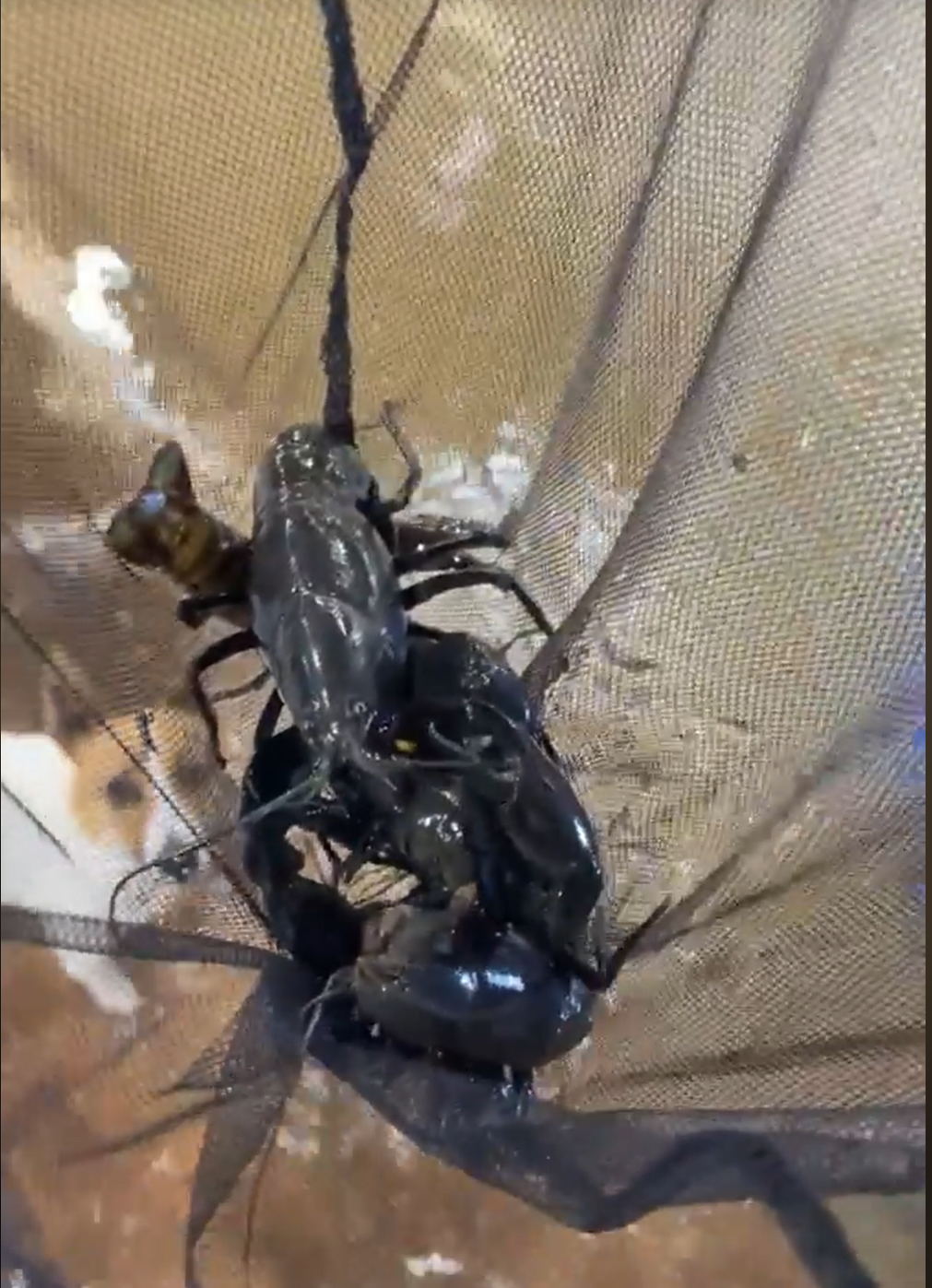
Forbes Mitre 10 owner Jacinda Acheson has shared footage showing how her flooded store more closely resembles a dam than its usual state, with a series of yabbies swimming around.

Acheson has told 9News more than 50 yabbies have ended up displaced in her shop.

READ MORE: Evacuation orders for Condobolin as Forbes reaches flood peak in NSW

"They were in here everywhere The water washed them in," she said.

Acheson said she had been working to get them all back to their rightful home in the river.

"I've been catching them all morning and releasing them out the back as the water recedes.

"Poor buggers are just as confused as we are, getting washed out of their homes."

Acheson has shared videos publicly on Facebook of her counting and laughing at the yabbies.

READ MORE:
Forbes locals evacuate by boat as Eugowra clean-up begins

"Oh my god, buddy, you're a ripper!" she can be heard talking to a yabby in one video.

"He's a monster."

The shop owner said she was glad if the videos were able to bring some enjoyment to others.

"My thoughts are with everyone in our communities and the heartbreak they are feeling. If I can make people laugh and forget about their sorrows for just one minute it's better than doing nothing."

Forbes is enduring its second flood emergency in two weeks, with water from the Lachlan River still rising in the Central West town.

Up to 500 homes are believed to have been impacted by the floodwaters.

Developments are fast-moving and NSW residents can check the most up-to-date warnings at the SES website.

Illicit donkey skin trade a 'ticking time bomb' for disease spread

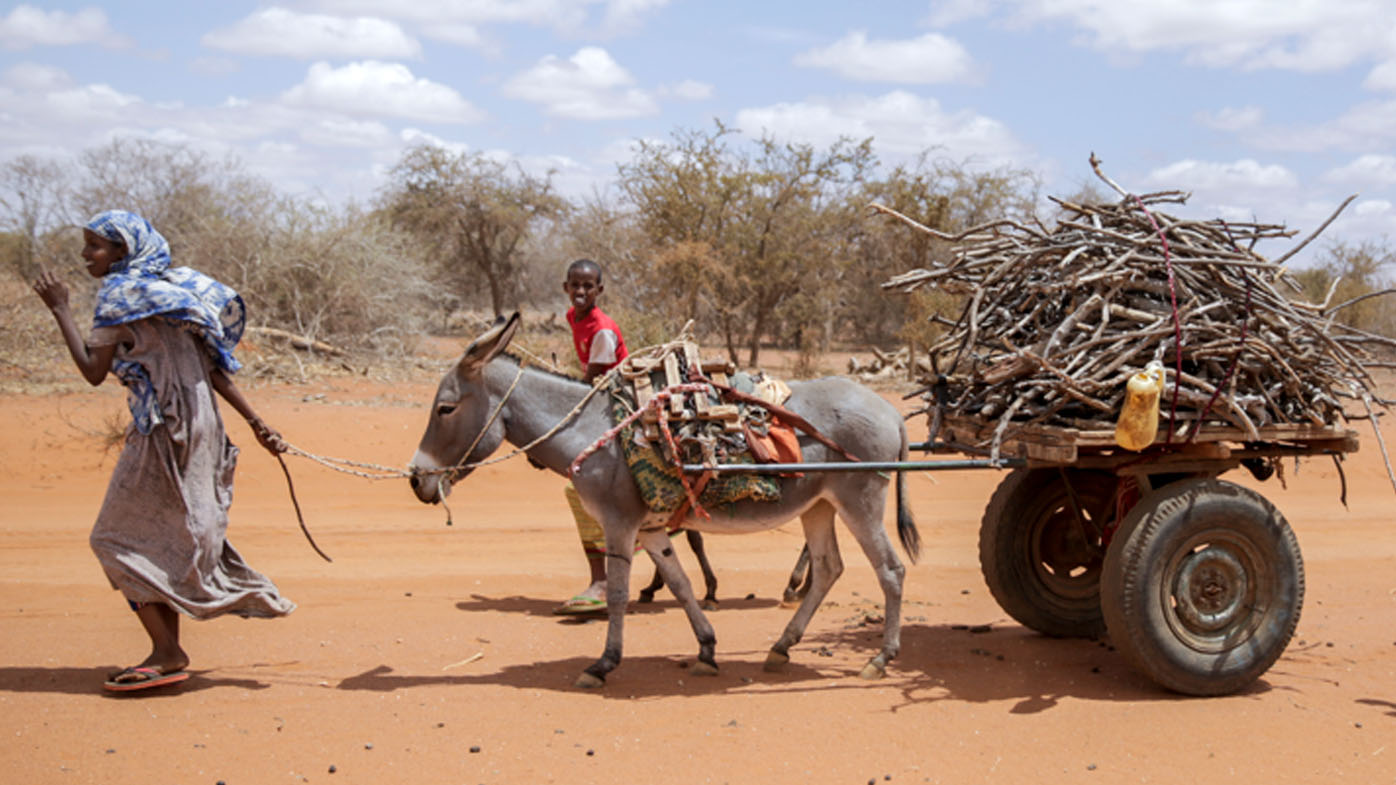
The illegal global trade in donkey skins is a "ticking time bomb" for the spread of infectious diseases among humans, a new report warns.

An estimated 4.8 million donkeys are slaughtered every year for their skins which go on to be made into ejiao, a traditional Chinese remedy.

The substance is believed to boost the immune system and ward off infections and disease. But there is no scientific evidence to support this.

READ MORE: At least two-thirds of Australian kids have had coronavirus: study

Now The Donkey Sanctuary, a UK charity, is warning the growing but illicit trade risks spreading zoonotic diseases, infections that are able to jump from animals into humans, in the same way as the COVID-19 virus.

It pointed to a new report that highlights the widespread presence of different pathogens and antibiotic resistant germs in donkey skins shipped across the world.

Testing on 108 donkey skin samples from an abattoir in Kenya found 88 of them to be carrying Staphylococcus aureus bacteria, the main cause of skin infections such as abscesses and boils.

And the researchers said that 44 samples were positive for an antibiotic resistant strain of the germ, and three of the samples contained Panton-Valentine leukocidin, a cytotoxin known to cause invasive necrotising disease in humans.

The bulk of the trade depends on illegal backyard slaughtering, which raises the risk of donkey skins being contaminated by disturbed soil or other infectious agents.

READ MORE: Alarm over mosquito-borne diseases as rain fuels 'bumper' season

And where multiple species are slaughtered at the same site there is a further risk of cross-contamination.

After slaughtering, the skins are shipped. with little regulation or monitoring, to South East Asian countries and China where they are turned into traditional medicines.

Researchers warn there is a biosecurity risk for nations receiving the donkey skins because diseases may not present until after the skins are shipped to them, "leading to potential outbreaks of diseases in local, native equine populations".

Marianne Steele, chief executive of The Donkey Sanctuary, urged global health authorities to crack down on the illegal trade.

"If nothing else, the recent lessons of COVID-19, and the current outbreak of avian flu, should make us sit up and take notice of the emerging threats that zoonotic diseases pose."

Autistic Australians condemn 'despicable' visa decision

Australia's autism community has expressed outrage at a government decision to deny a Cairns family permanent residency after their child was diagnosed with the condition. 

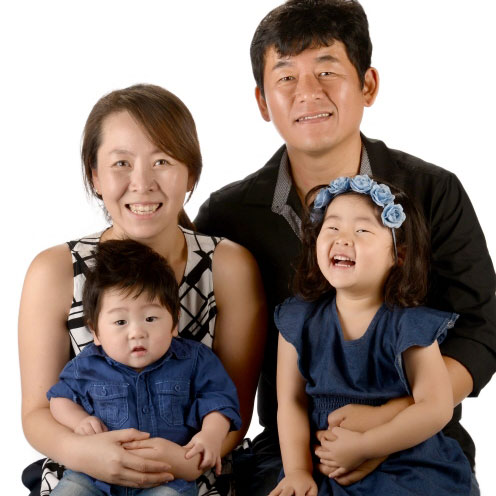
As reported by 9news.com.au on Tuesday, seven-year-old Seongjae Lim was born in Australia but has been deemed a burden on the taxpayer, causing the Department of Home Affairs to deny his family's application for skilled regional visas.

The Korean family is now facing deportation – after living in Australia for more than a decade – unless Immigration Minister Andrew Giles or Home Affairs Minister Clare O'Neil choose to intervene in their case.

Australian actress Chloe Hayden, who is herself autistic, threw her support behind the Lim family, calling on the government to allow them to stay in Australia in a post on social media.

READ MORE: The 'forgotten people' waiting half a century to get their Australian visa

Heartbreak High star Chloe Hayden.

Hayden, who played autistic teen Quinni to widespread acclaim in the recent Netflix reboot of Heartbreak High, told 9news.com.au the government was looking at autism in the wrong way.

"Being autistic isn't a burden, and anyone who believes otherwise – especially the Australian government – needs to seriously cop on and pull their head out," she said.

"Our government believes that people only hold worth if they can provide capitalistic value, refusing to look towards both the incredible, brilliant, out-of-the-box humans that autistic people are, and perhaps most importantly, not pushing a capitalistic standard onto human beings as a whole."

Hayden said she was worried cases like this would discourage many families from getting the help they need.

"This isn't going to just affect this one family, this affects all disabled and ill Australians and immigrants as a whole," Hayden said.

"This situation is going to discourage parents from seeking medical help for their children because of a real and genuine fear of being deported." 

READ MORE: How lockdown triggered Jade's late autism diagnosis

The family has lived in Australia since 2013 and say they consider it their home.

Other Australians with autism were also quick to express their despair over the case.

"As an actually autistic Australian citizen who was born in Australia I am disgusted," Nicole, from Tasmania, wrote in a post on Facebook.

"It is extremely ableist and I do not stand by it in the slightest. Not only does it deny the valuable contributions that autistics make to our society, it also tells Australian autistics that we are not welcome in our own country."

"As an autistic person, to deny a family residency over their child's autism diagnosis is despicable," Megan wrote in a comment on an online petition for the family, which has so far attracted more than 20,000 signatures.

Seongjae's mother Yoojin Yang and father Hyusin Lim run a local restaurant in Cairns.

Yoojin said she and her family considered Australia their home.

"We are asking the minister to give us a chance to live in Australia," Yoojin said.

Yoojin said she was extremely worried about how Seonjae and the whole family would cope if they had to move back to Korea.

"Seonjae's main language is English, but many Koreans don't speak English very well," she said.

"I am worried because we won't have a job or any income if we need to go back to Korea. We would have to start all over again."

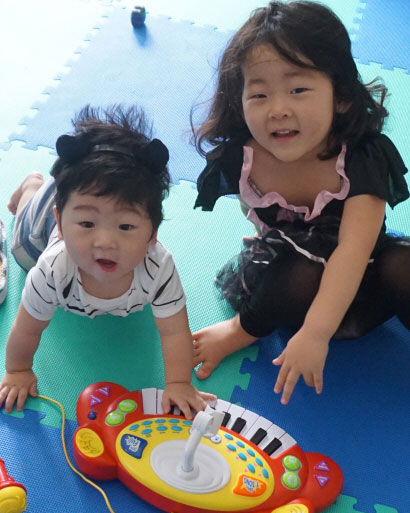
Seongjae Lim, pictured as a toddler with his older sister.

Autism Awareness Australia's Chief Operating Officer, Elizabeth Sarian, said what the Lim family was facing was "heartbreaking but not uncommon". 

"Australia is the only home young Seongjae has ever known and he is making great progress here with the supports he's receiving," Sarian said. 

"Uprooting him to a foreign country, where he doesn't speak the language and everything is unfamiliar would be a huge setback.  

"We urge Minister O'Neil to review the family's appeal and allow them to stay in their home, and further to review and amend these archaic laws that see disability as a burden to our society. It's simply un-Australian." 

In July this year, the Administrative Appeals Tribunal upheld the government's decision to reject the family's visa application.

In upholding the decision, the AAT cited a report from a Medical Officer of the Commonwealth which found Seonjae had moderate autism spectrum disorder and was likely to require long-term support services.

The family is living on a bridging visa while waiting on the result of their application for a ministerial intervention.

A spokesperson for Giles told 9news.com.au earlier this week he could not comment on individual cases due to privacy reasons.

"All non-citizens who wish to enter or remain in Australia must satisfy the requirements of the Migration Act 1958 (the Act) and Migration Regulations 1994," a spokesperson for the Department of Home Affairs said.

Woman told illness 'in her head' had one of nation's most common killers

Naomi Fitzakerley, 48, spent years trying to get answers about why she was always so out of breath, had a constant cough and suffered regular chest infections.

While the mother-of-three was a smoker – she says she took up the habit aged 16 to cope with a tough childhood – she always thought there was something more behind her worsening health issues.

Being a smoker is one of the biggest risk factors for COPD (Chronic Obstructive Pulmonary Disease) but Fitzakerley was never tested for it, despite multiple trips to the doctor.

One GP even told her her symptoms were 'all in her head'.

READ MORE: NSW pharmacists given new powers to prescribe basic medicines
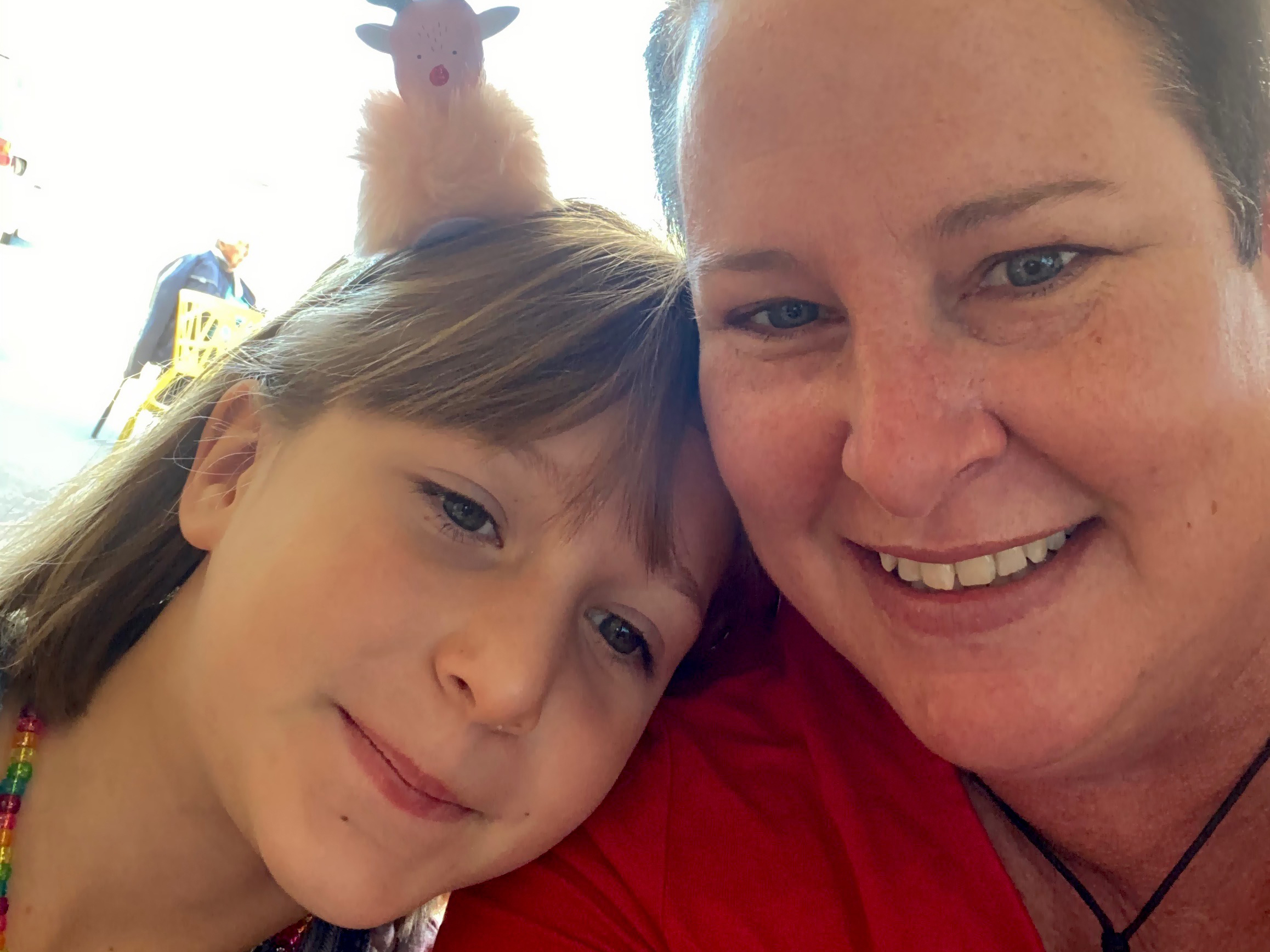
Naomi Fitzakerley, 48 from Adelaide was diagnosed with COPD a few years ago.

COPD takes the lives of more than 7000 Australians every year, making it the nation's fifth leading cause of death.

"Nobody bothered looking further," Fitzakerley said.

But two years ago – and just after she gave up smoking – she was finally tested for COPD by a respiratory specialist and told that's what was wrong.

She was so badly affected by then she struggled to even blow into the spirometry test to see how her lungs were working.

The condition is the number one cause of avoidable hospitalisations in Australia, according to the Australian Institute of Health and Welfare (AIHW).

READ MORE: Chinese president confronts Trudeau at the G-20

Doctors brushed off symptoms

As well as being a smoker, Fitzakerley had other risk factors for the disease, which has symptoms including being short of breath and a constant cough with mucus or phlegm.

She was born prematurely with a hole in her heart, suffered multiple lung issues as a child, and started smoking at a young age – all warning signs.

She said her health gradually started getting worse before she had her third daughter, now 11.

"When I was pregnant I was finding it so hard to breathe, and the coughing fits… I just wouldn't be able to stop," she told nine.com.au.

"A couple of years ago it had got to ridiculous stages where I'd had six lung infections within the year."

Fitzakerley said she was "shattered" to get the diagnosis, because she's still a relatively young working mother.

She previously worked in community health with patients who were in the later stages of COPD.

"I had visions of my clients and they were all on oxygen," she said.

And while she's upset she'll never get to fulfil her bucket list dream of scuba diving because she's not allowed, she's finally on medication which has improved her breathing.

Other treatments for the disease include pulmonary rehab involving exercise and education on managing breathing.

Stopping smoking is key.

Fitzakerley said she just wants to stay well enough to spend time with daughters Christine, 27, Chanel, 24, and Cate, 11.

READ MORE: Australia records 50C temperature swing in just hours
Naomi Fitzakerley, 48 from Adelaide was diagnosed with COPD a few years ago.

She's now backing a call by Lung Foundation Australiato improve diagnosis and treatment for Aussies with the condition and push for research to help prevent it,

"We need services catered to people that are going to have to live with it for a very long time but also raise families and still work," Fitzakerley, said.

"With research we can find better treatments, so I can work for the next 30 years and that I can be there for all of my daughters' milestones."

READ MORE: How to handle the stress of having your data exposed in a hack

Not just a smoker's disease

While the main risk factor is smoking – lifelong smokers have a 50 per cent probability of getting COPD, a quarter of sufferers over 45 have never smoked.

It affects one in seven Aussies over 40.

There's no cure, but it can be successfully managed.

READ MORE: Australia's fourth COVID-19 wave – What you need to know

Christine Jenkins, Professor of Respiratory Medicine at UNSW and The George Institute for Global Health is backing Lung Foundation Australia's call for action.

She said the condition is often diagnosed late, and the stigma faced by smokers, or ex-smokers like Fitzakerley is common, she said.

"COPD is a very common disease. It can affect anybody," Professor Jenkins said.

READ MORE: Mum-to-be told she'd developed asthma. She had lung cancer

She said early exposure to toxins such as cigarette smoke or air pollution - even in the womb – can cause people to develop it later in life.

Other risk factors include working in industrial or farming jobs.

And while COPD can be terminal, many patients can live for many years if it is managed.

READ MORE: 'Petrified' Aussies with long COVID fear end of isolation rules

Lung Foundation Australia's Blueprint for COPD demands more government action on prevention, early risk identification and diagnosis, plus management of the condition.

The Australian Government told nine.com.au it's investing in raising awareness and treatment of chronic conditions such as COPD.

"This investment is guided by the priorities identified in the National Strategic Action Plan for Lung Conditions (Action Plan) with funding of $4 million (2019/20 -2023/24)," a spokesman, said.

That includes money for improving awareness and understanding of lung conditions; the development and delivery of education and training resources for health professionals to improve the diagnosis, management and care of people with lung conditions; and supporting the delivery of best-practice training to primary health care practitioners, the government, said.

It said it has invested $229 million in respiratory disease research, including more than $2 million for COPD.

READ MORE: Poland, NATO say missile landing wasn't Russian attack

Do you have a story? Contact journalist Sarah Swain: ss****@******om.au
Chinese president confronts Trudeau at the G20

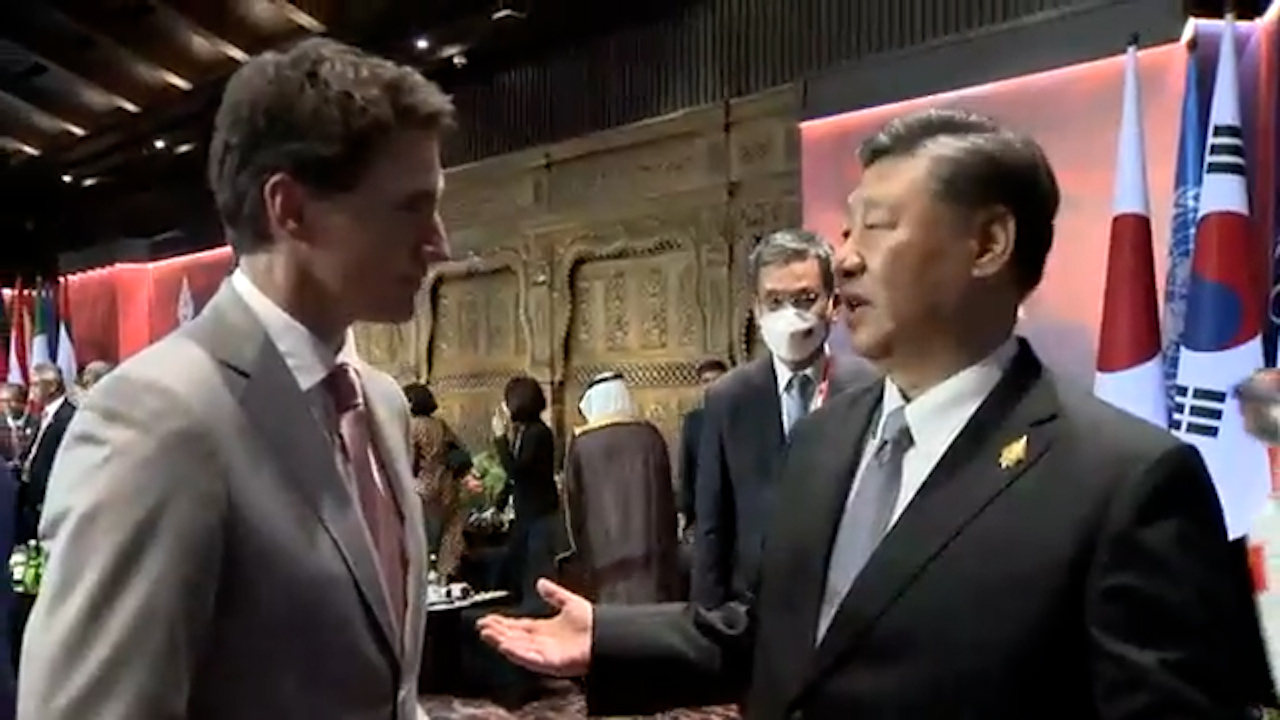
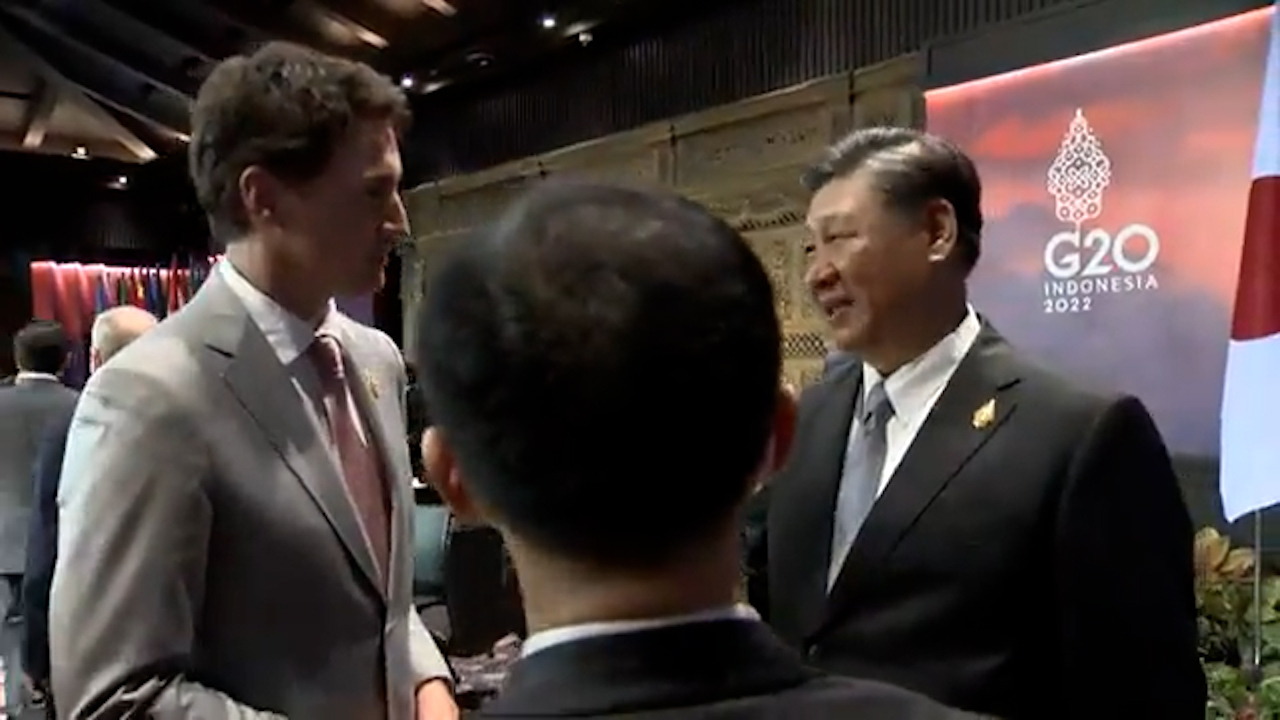
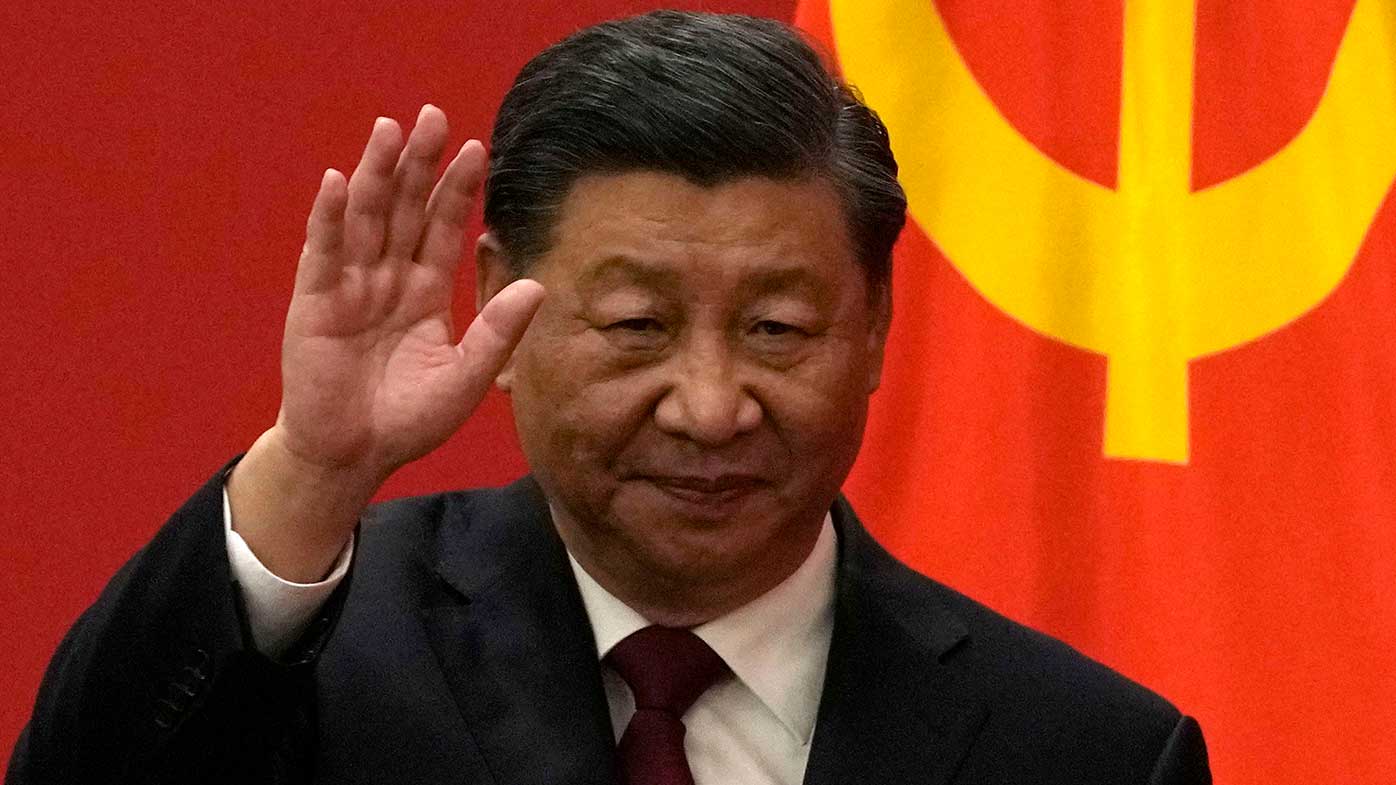
Chinese President Xi Jinping chastised Canadian Prime Minister Justin Trudeau at the G20 summit on Wednesday for leaking details of a prior meeting during which Trudeau expressed concern about Chinese interference in domestic affairs.

The two had a brief encounter at an event in Indonesia that news outlets were able to record. A television camera was behind a Chinese interpreter in clear view as the two spoke.

"Everything we discussed has been leaked to the paper; that's not appropriate," Xi told Trudeau through the interpreter.

READ MORE: Australia records 50C temperature swing in just hours

"And that's not … the way the conversation was conducted, if there is sincerity on your part," Xi said, at which point Trudeau interrupted and stepped toward Xi.

"In Canada, we believe in free and open and frank dialogue and that is what we will continue to have," Trudeau said.

"We will continue to look to work constructively together, but there will be things we will disagree on."

Xi looked around as Trudeau replied.

"Let's create the conditions first," Xi responded through the interpreter.

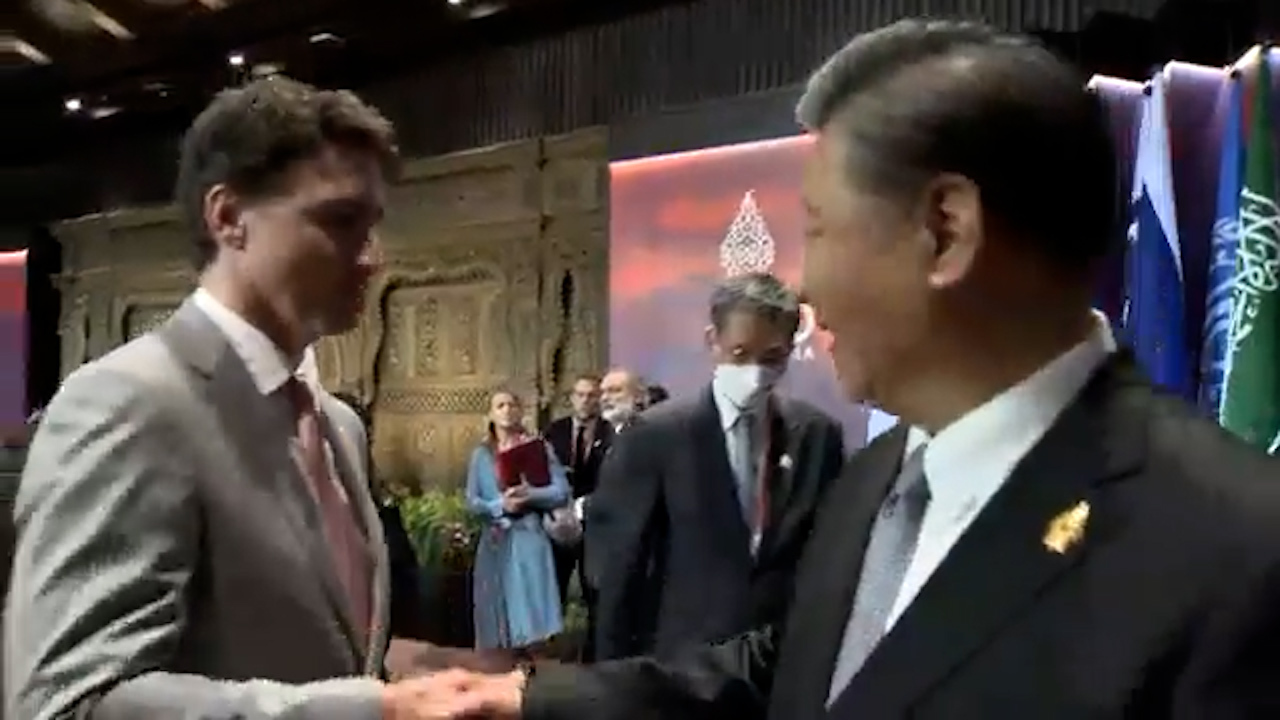
The two shook hands after the brief encounter.

READ MORE: Perth boy, 13, in hospital after police dog takedown

Trudeau first spoke with Xi at the G-20 last Tuesday.

A senior Canadian government official said the two spoke about Russia's invasion of Ukraine, North Korea and climate change, and that Trudeau also raised "our serious concerns around interference activities in Canada."

The official spoke on condition of anonymity as they were not authorised to speak publicly about the matter.

Asked later at a news conference about the confrontation, Trudeau said "not every conversation is always going to be easy, but it's extremely important that we continue to stand up for the things that are important for Canadians."

Foreign Minister Mélanie Joly also said she discussed Chinese interference with her Chinese counterpart at the G20.

Joly remarked last week that China is an increasingly disruptive, global power and warned businesses against deepening their ties, saying there were "geopolitical risks".

READ MORE: Man charged over Hamilton Island golf buggy crash that killed wife

Canadian police charged a Hydro-Québec employee on Monday with espionage for allegedly sending trade secrets to China.

And Beijing's ties with Ottawa nosedived after Canadian authorities arrested a top executive from Chinese tech giant Huawei who had been charged with fraud by the US.

China jailed two Canadians shortly after Canada arrested Meng Wanzhou, Huawei Technologies' chief financial officer and the daughter of the company's founder, on a US extradition request.

They were sent back to Canada last year, the same day Meng returned to China after reaching a deal with US authorities in her case.

Many countries labelled China's action "hostage politics," while China has described the charges against Huawei and Meng as a politically motivated attempt to hold back China's economic and technological development.

READ MORE: Albanese pushes trade and defence pacts in G20 diplomacy spree

Canada has banned wireless carriers from installing Huawei equipment in its high-speed 5G networks, joining allies in shunning the company that has close links with the ruling Communist Party and its military wing, the People's Liberation Army.

Guy Saint-Jacques, a former Canadian ambassador to China, said he thinks Xi purposely berated Trudeau in front of the camera.

"When you look at him, he is red in the face, he is moving his arms," Saint-Jacques said.

"He looks agitated. Clearly, he was not pleased with Trudeau for leaking to press the detail of the meeting. Interesting he said it's not the way the meeting went."

READ MORE: Six takeaways from Donald Trump's 2024 presidential announcement

Xi Jinping has replaced several people viewed as potential threats to his leadership.

Saint-Jacques also noted that Xi's translation was interrupted by Trudeau and that Xi looked annoyed by that.

"The prime minister wanted to reply and probably knew he wouldn't have time, that after Xi delivered his tirade he would leave," Saint-Jacques said.

"It's clear that Xi has not much regard for the prime minister. It shows it will be very difficult to restore limited dialogue with China."

Saint-Jacques said Xi likely wanted to send a message to Trudeau that Canada won't dictate the terms of the relationship and that Trudeau had better take notice.

The former ambassador said it was as if Xi was saying, "You have to smarten up if you want to maintain any kind of relationship with us."

"It's very unusual to see Xi Jinping engaging in this kind of public exercise to criticize someone," Saint-Jacques added.

Australia records 50C temperature swing in just hours

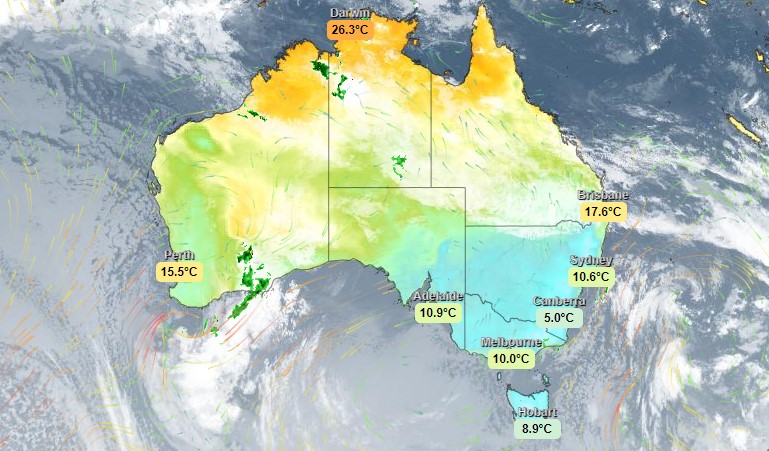
Australia's south-east has woken to an unusually chilly November morning as a strong "polar vortex" stretches up from Antarctica.

It was 10.2C in Sydney shortly after 5am today, while in Melbourne it was slightly lower at just 9.7C.

In the national capital it was just 3.9C, and in Hobart 8.5C.

READ MORE: Lachlan River to hit 70-year flood peak this morning

Adelaide at the same time was 9.4C.

Temperatures will rise throughout the day, but hardly to summery heights.

Sydney is set to reach a top of 20C, Melbourne 17C.

Adelaide will reach 23C, Canberra 18C.

The Bureau of Meteorology said the chill across the national south-east was from a complex low pressure system in the Tasman Sea.

READ MORE: Five teens charged with murder in Melbourne's north

It is generating a cold southerly airstream over the south-east, along with widespread low clouds.

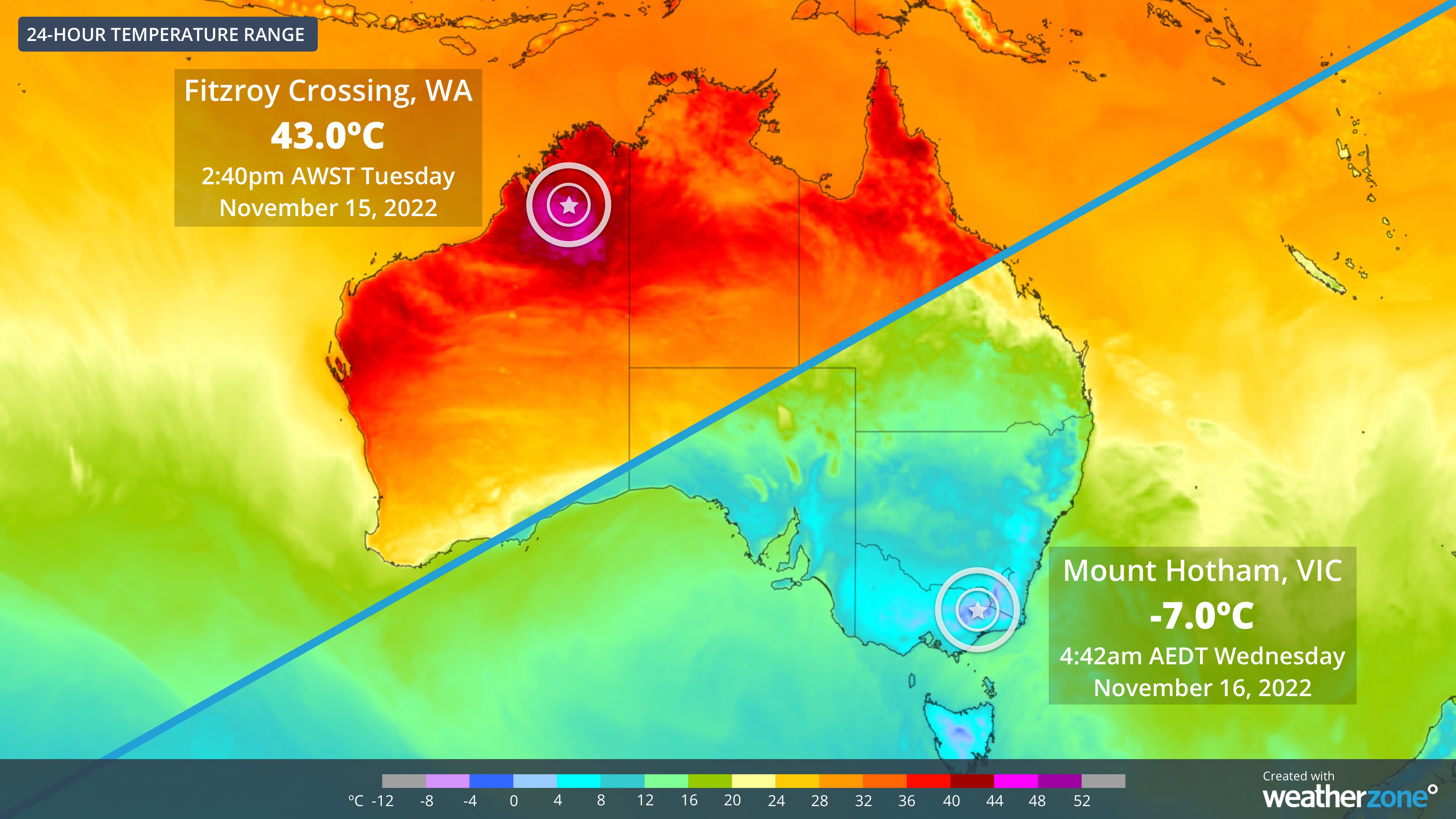
It comes the day after Australia recorded a massive 50C temperature swing in just hours throughout the country.

At 2.40pm AWST (5.40pm AEDT) on Tuesday, Fitzroy Crossing in northern Western Australia recorded a 43C high.

READ MORE: Poland, NATO say missile landing wasn't Russian attack

And at 4.42am AEDT on Wednesday, Mt Hotham in Victoria registered a freezing -7C.

Mt Hotham, in fact, hit its coldest November day on record.

Weatherzone, who reported the massive temperature swing nationwide, said "dynamic" weather wasn't uncommon in Australia at this time of year.

It said the national differences were due to "stifling hot air masses building up over the tropics and regular pulses of much colder air sweeping over southern Australia".

Albanese pushes trade and defence pacts in G20 diplomacy spree

Australia's extensive trade ambitions are front and centre after a day-long diplomacy spree aimed at the leaders of some of the world's most powerful economies.

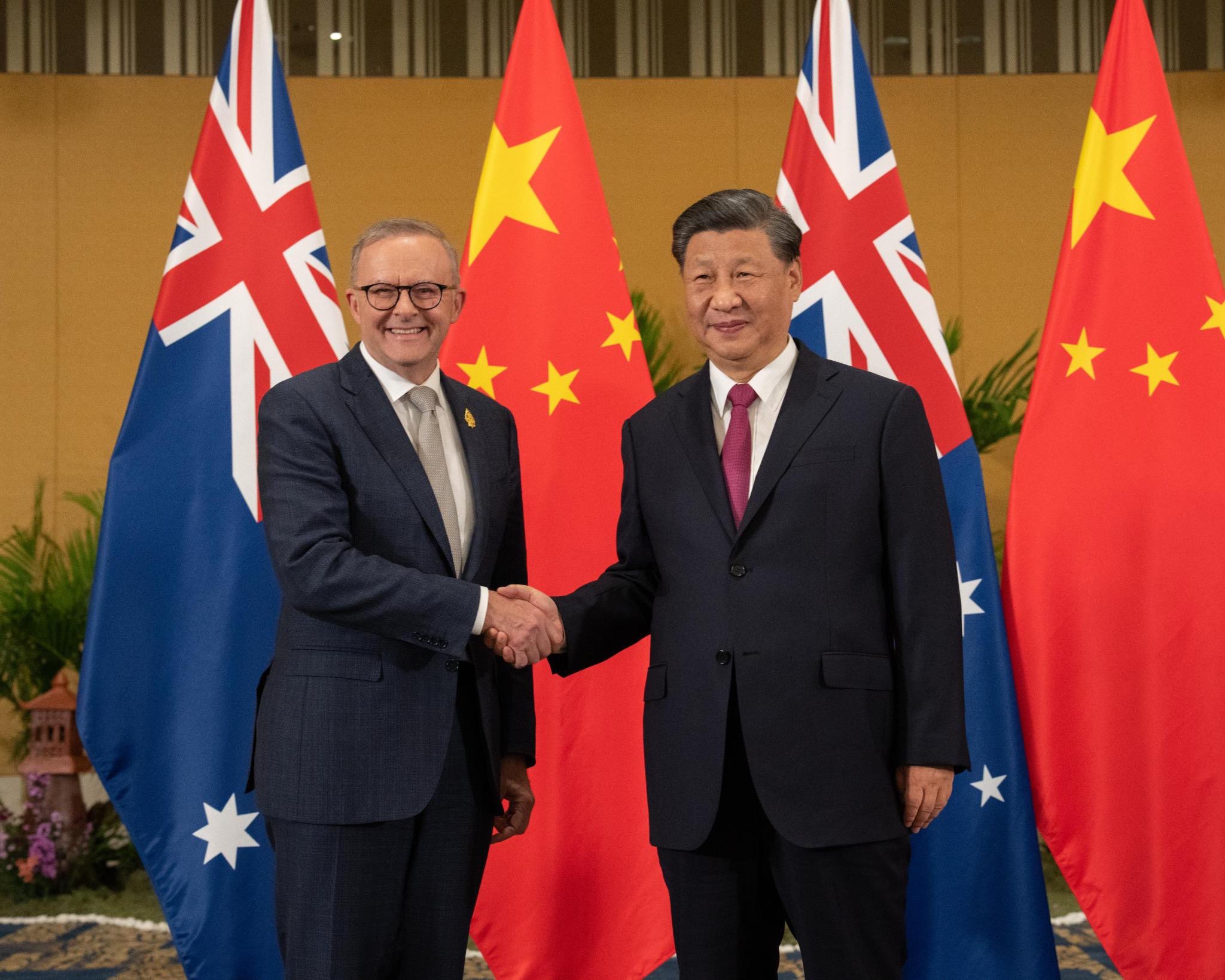
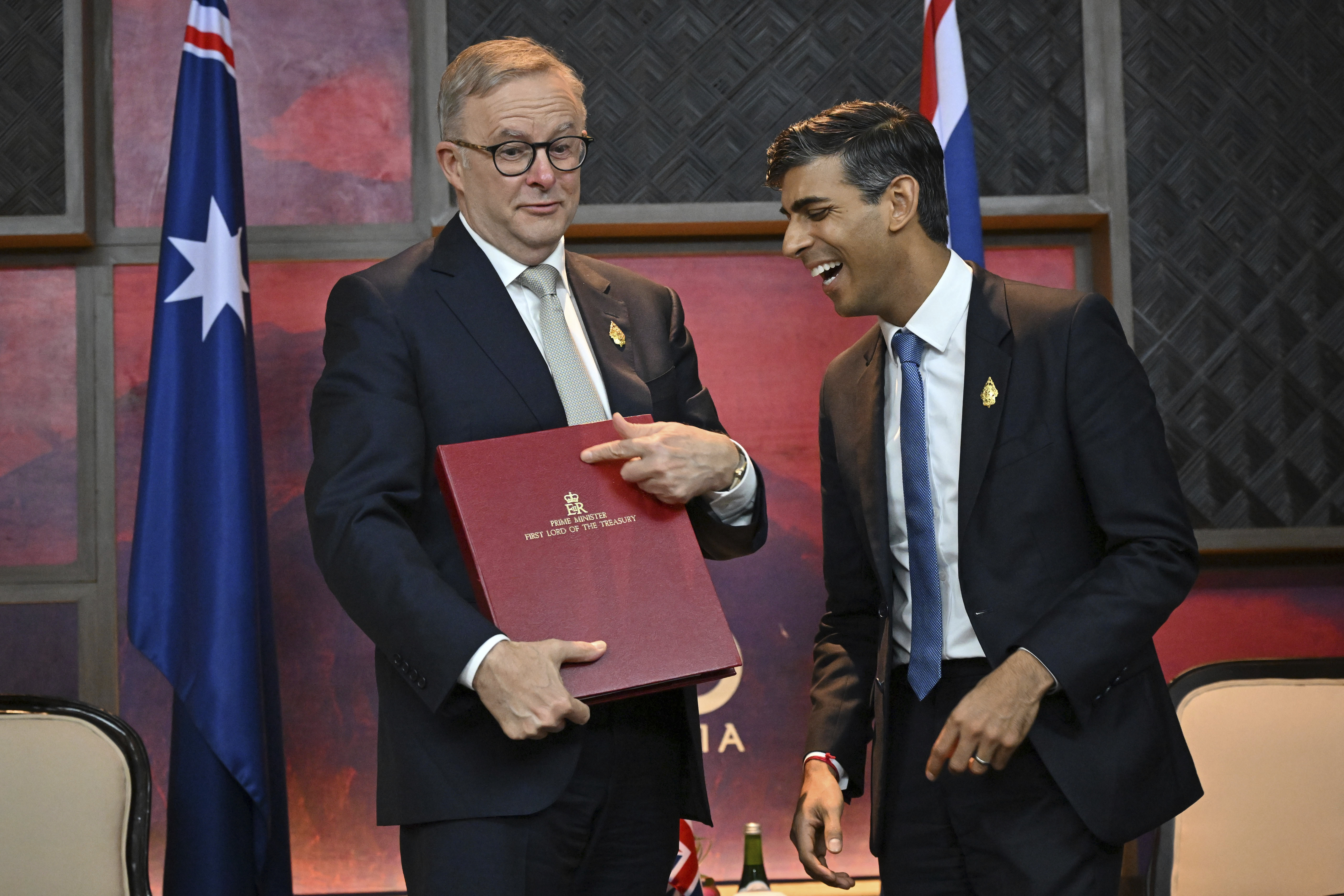
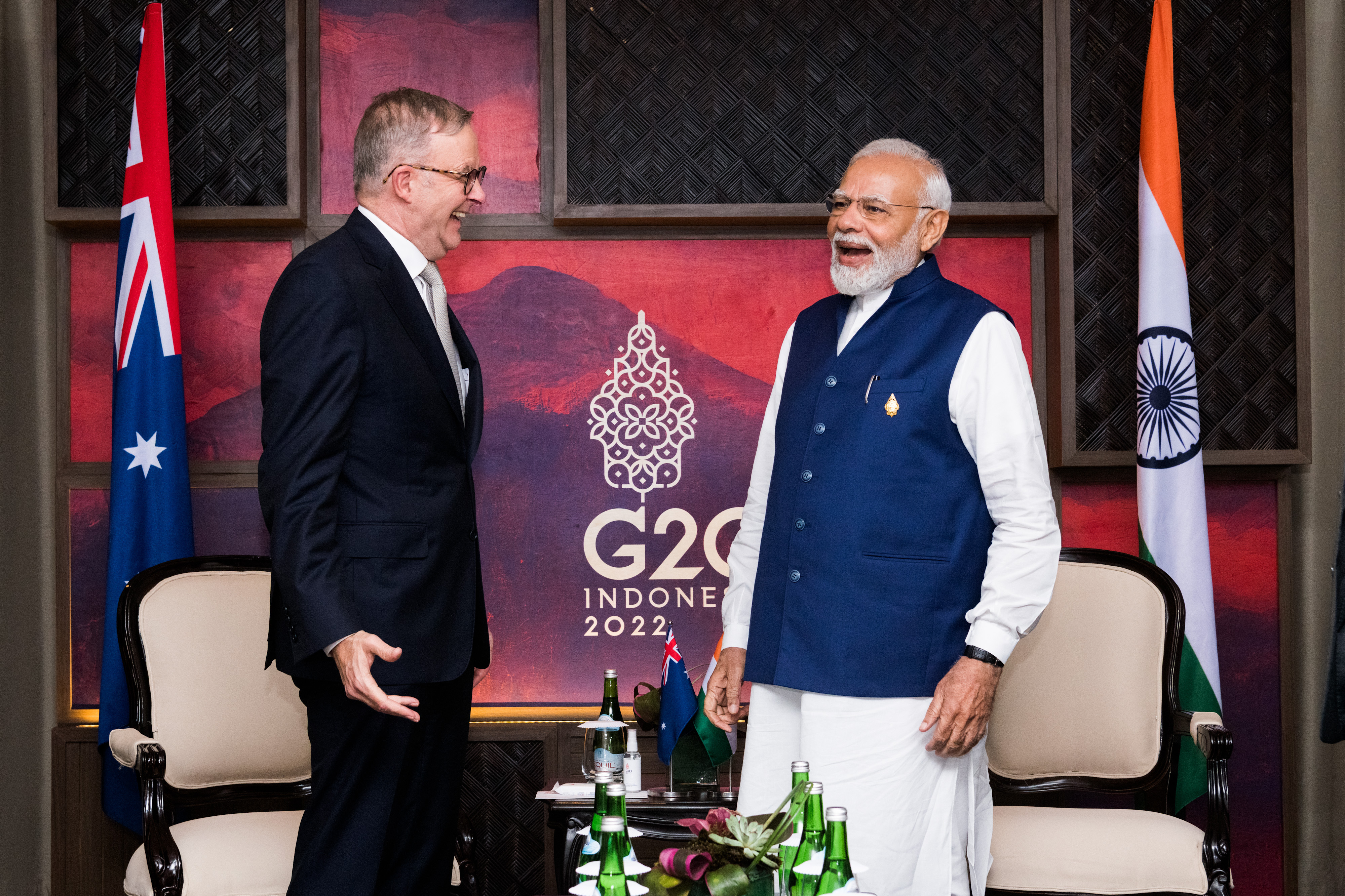
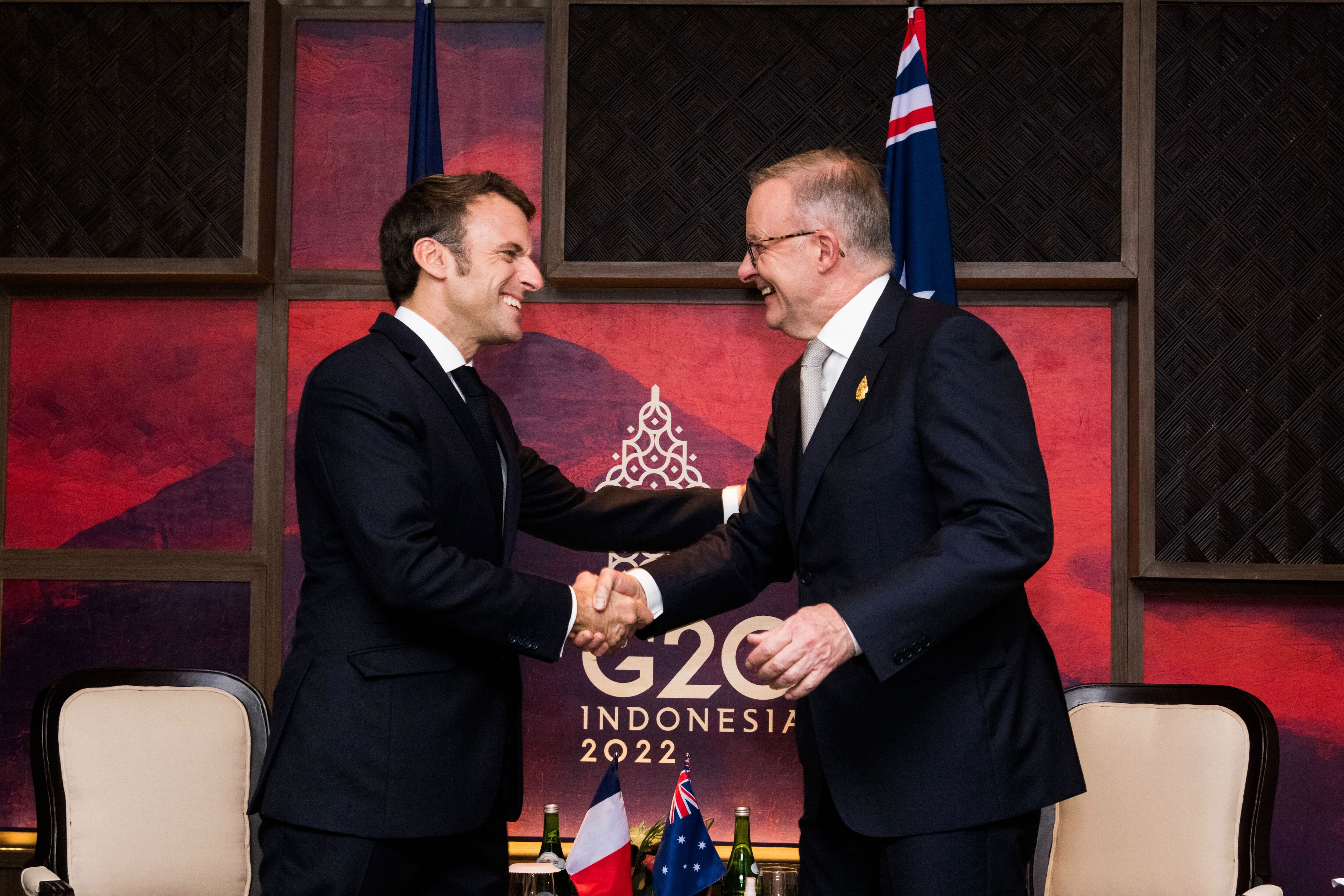
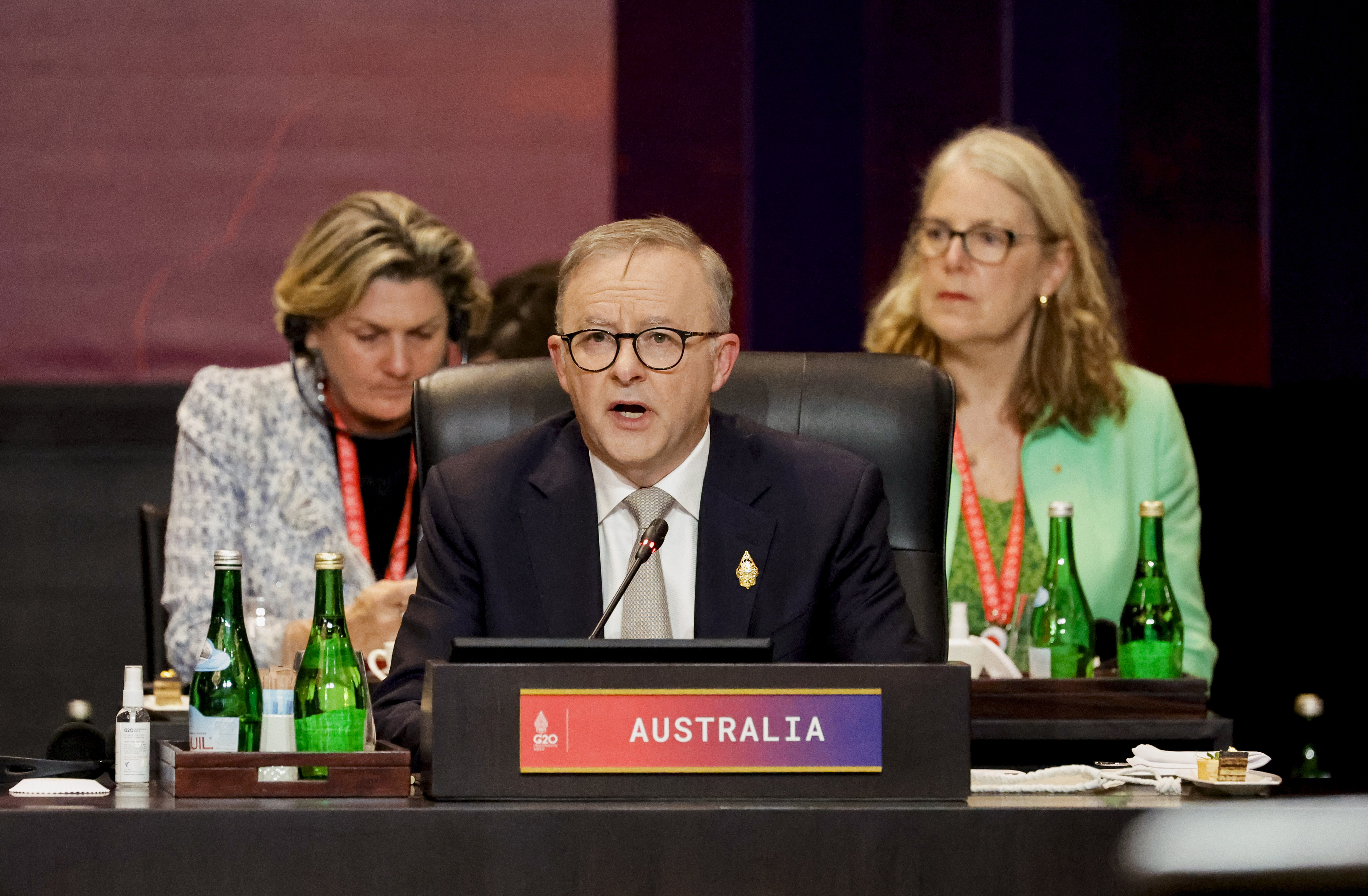
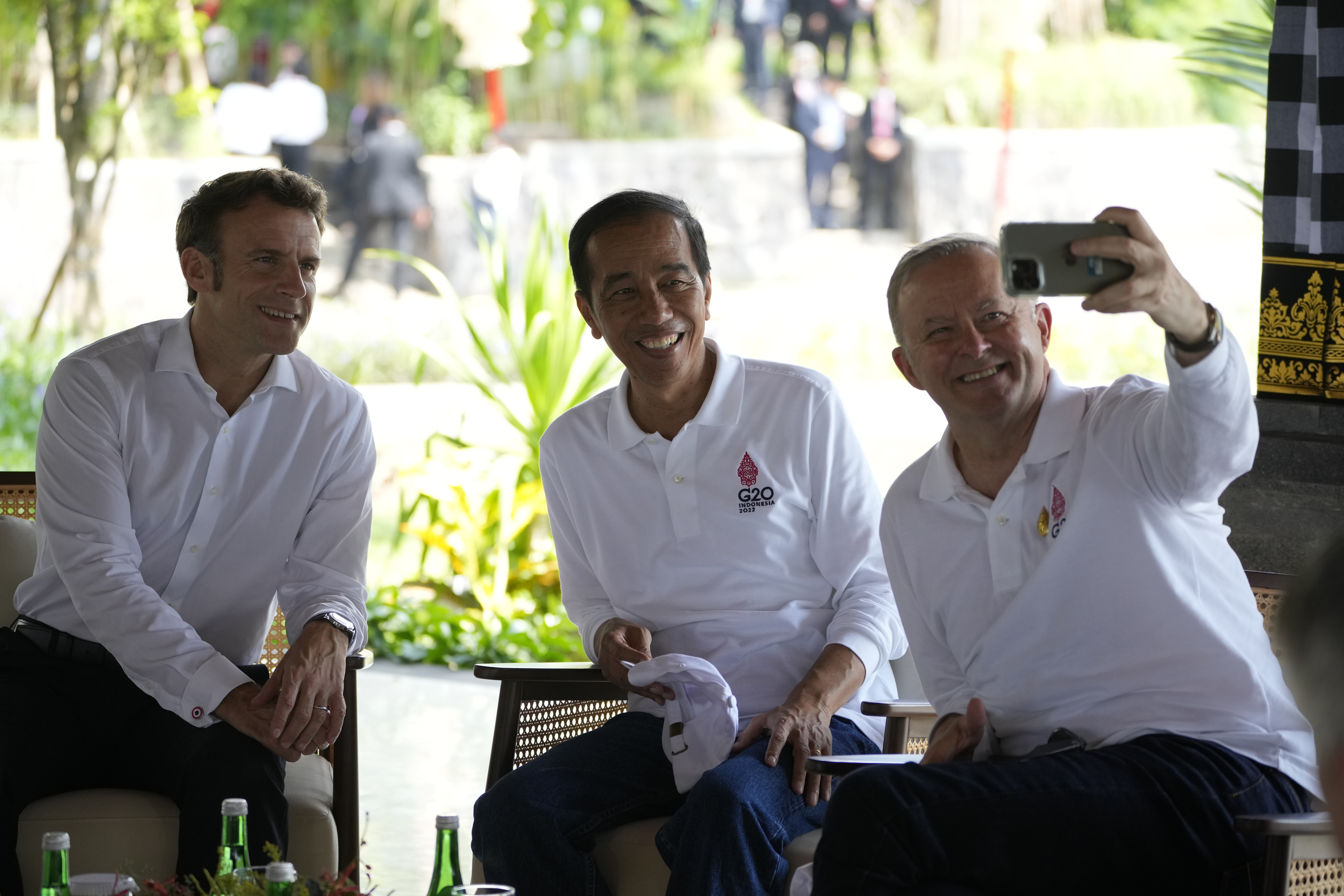
Prime Minister Anthony Albanese pushed trade and defence ties in a string of formal meetings with the leaders of the European Union, France, the United Kingdom and India on the last day of the Group of 20 summit in Bali on Wednesday.

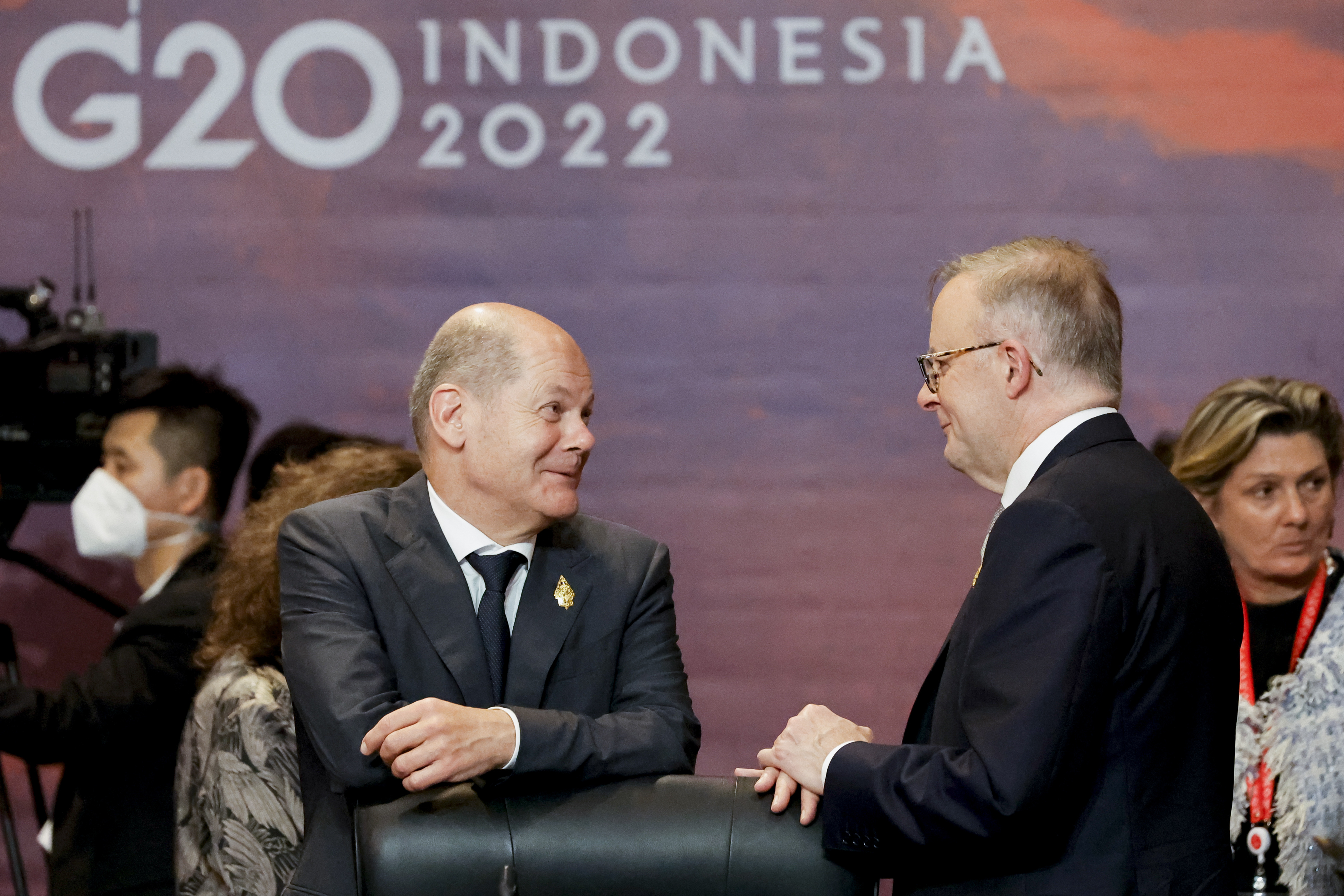
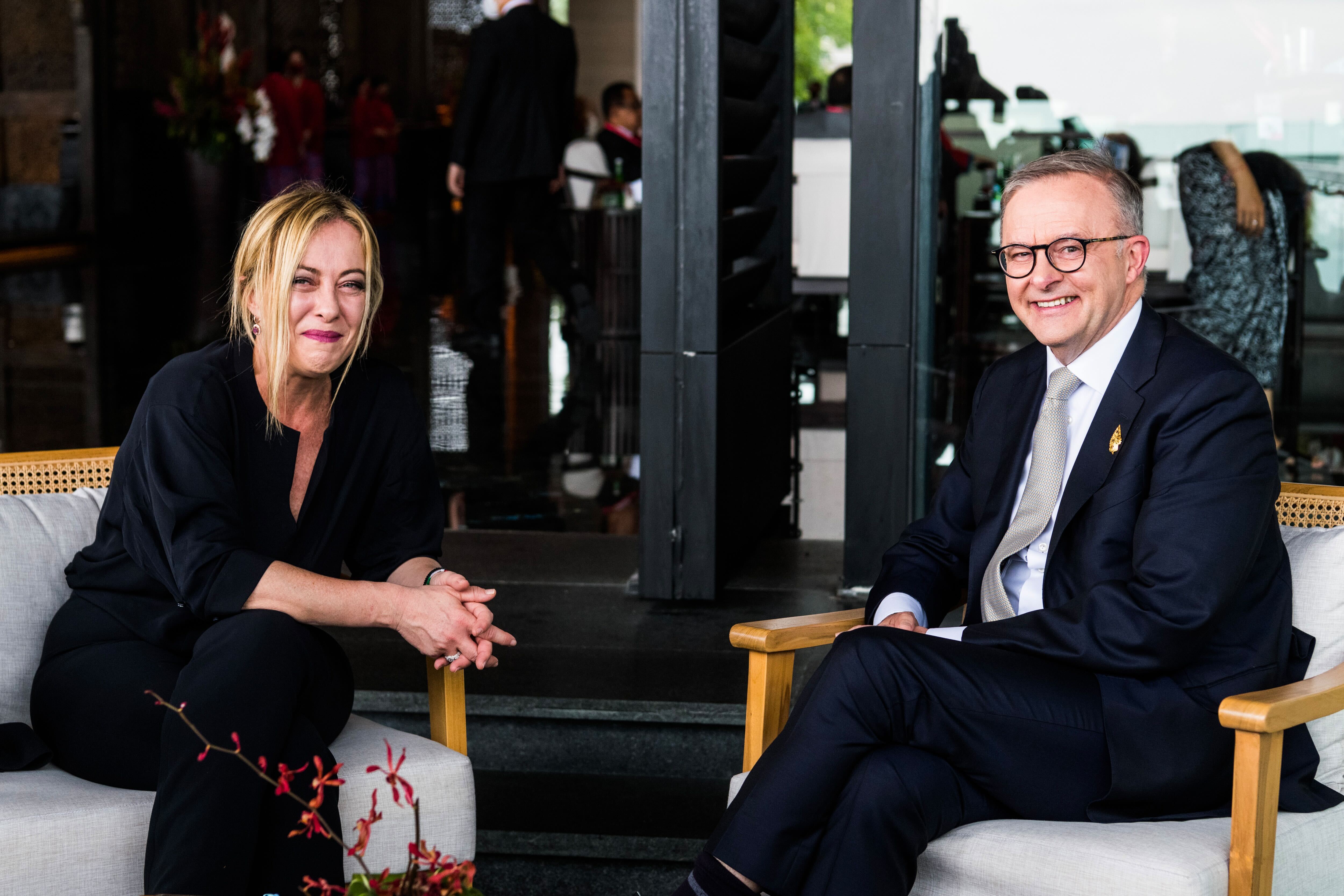
He'd previously met with German Chancellor Olaf Scholz and new Italian Premier Giorgia Meloni for less formal chats, where trade was also on the agenda, following the landmark renewal of in-person leader-to-leader relations with China the previous day.

READ MORE: Gina Rinehart spotted at Trump 2024 presidential bid announcement 

Australian diplomats are in the process of tying up or negotiating trade deals of varying levels involving all of those countries.

Chief among them is a free trade agreement with the European Union that both sides want completed by the middle of next year, something Albanese said he reinforced with the string of European leaders.

Negotiations are back on track after a freeze following French President Emmanuel Macron labelling then-prime minister Scott Morrison a liar regarding a $90 billion French submarine contract torn up as a result of the AUKUS agreement.

But major sticking points remain, principally how much access Australia's powerhouse agriculture sector will get to the more protectionist EU.

READ MORE: Adelaide man claims he wasn't parked when fined 

European demands for product-labelling rules that could threaten Australian-made prosecco and other products are also a hot topic.

Albanese said he was "very hopeful" they could be resolved.

"I must say that [European Commission President Ursula von der Leyen] and [European Council President Charles Michel] were both very positive about the prospect of success," he said.

READ MORE: Chinese president confronts Trudeau at the G-20

"These things, though, need to be worked through and they also need to be ratified by each individual country, which is why I've sought out, and with all of the European leaders who were here, be they Pedro Sanchez of Spain, Olaf Scholz of Germany, the Italian Prime Minister, the French President.

"With all of them, I also reiterated the importance of the Free Trade Agreement between Australia and Europe."

READ MORE: Man caught taking selfie with oncoming traffic on Sydney motorway 

In a joint statement on Wednesday, von der Leyen and Michel said the leaders had agreed to prioritise getting a trade deal done that "generates new, commercially meaningful market access opportunities across all goods, services, investment and procurement".

"We agreed to intensify negotiations on an ambitious trade agreement," von der Leyen said, on Twitter.

"We will also work on a new partnership on raw materials."

The EU leaders said there'd been improvements on tariff, services and investment offers in the last round of negotiations, held in October.

They also welcomed Australia's strong support of Ukraine and condemnation of Russia, as well as improvements in its climate change action ambitions.

Newly signed trade agreements with India and the UK were also up for discussion when Albanese met with the countries' leaders.

The prime minister said he spoke regularly with new UK PM Rishi Sunak as they sat alongside each other throughout the summit but also held a formal sit-down.

"We spoke about the Free Trade Agreement, which has been ticked off by the parliamentary committee today, and that we're hoping to come into force in the first quarter of next year," he said.

"We also spoke about AUKUS and the importance of those arrangements as well. And it was a very constructive meeting."

Sunak has been under increasing pressure back home in recent days over his support of the trade deal with Australia, which was signed under former prime minister Boris Johnson, while Sunak's successor, Liz Truss, was foreign secretary.

Sunak called the trade deal "one-sided" as he was campaigning to replace Johnson over the summit and former environment secretary George Eustice, who helped negotiate the deal, said his side gave away "too much" and it was "not actually a very good deal for the UK".

But the UK prime minister has this week defended the deal, while pledging to prioritise national benefit over speed with future agreements.

Indian Prime Minister Narendri Modi highlighted trade, education and maritime cooperation after their meeting, while Albanese stressed a focus on Indo-Pacific security.

The Australia-India Economic Cooperation and Trade Agreement was signed in April, with final arrangements still to be made.