A large low on Sunday could bring widespread rain and storms to much of NZ.
Tag Archives: oceania
Palmerston North school mourns ‘tragic’ loss of parent who died on family trip
A Givealittle page has been created to raise funds to pay for Kimberly Ashcroft’s funeral.
Melbourne boy’s big claim after meeting Meghan, Duchess of Sussex
Exclusive: "If I have kids when I grow up, I would probably show them the photo."
Those are the words of seven-year-old Joshua, who managed to snap an elusive selfie with the Duchess of Sussex amid the thrumming chaos of Prince Harry and Meghan's first visit to Australia in six years.
The Sussexes may no longer be working royals, but they have certainly captured the attention of hundreds of young fans.
EXCLUSIVE: Brutal reality of night shift workers like Monique and Jarrod
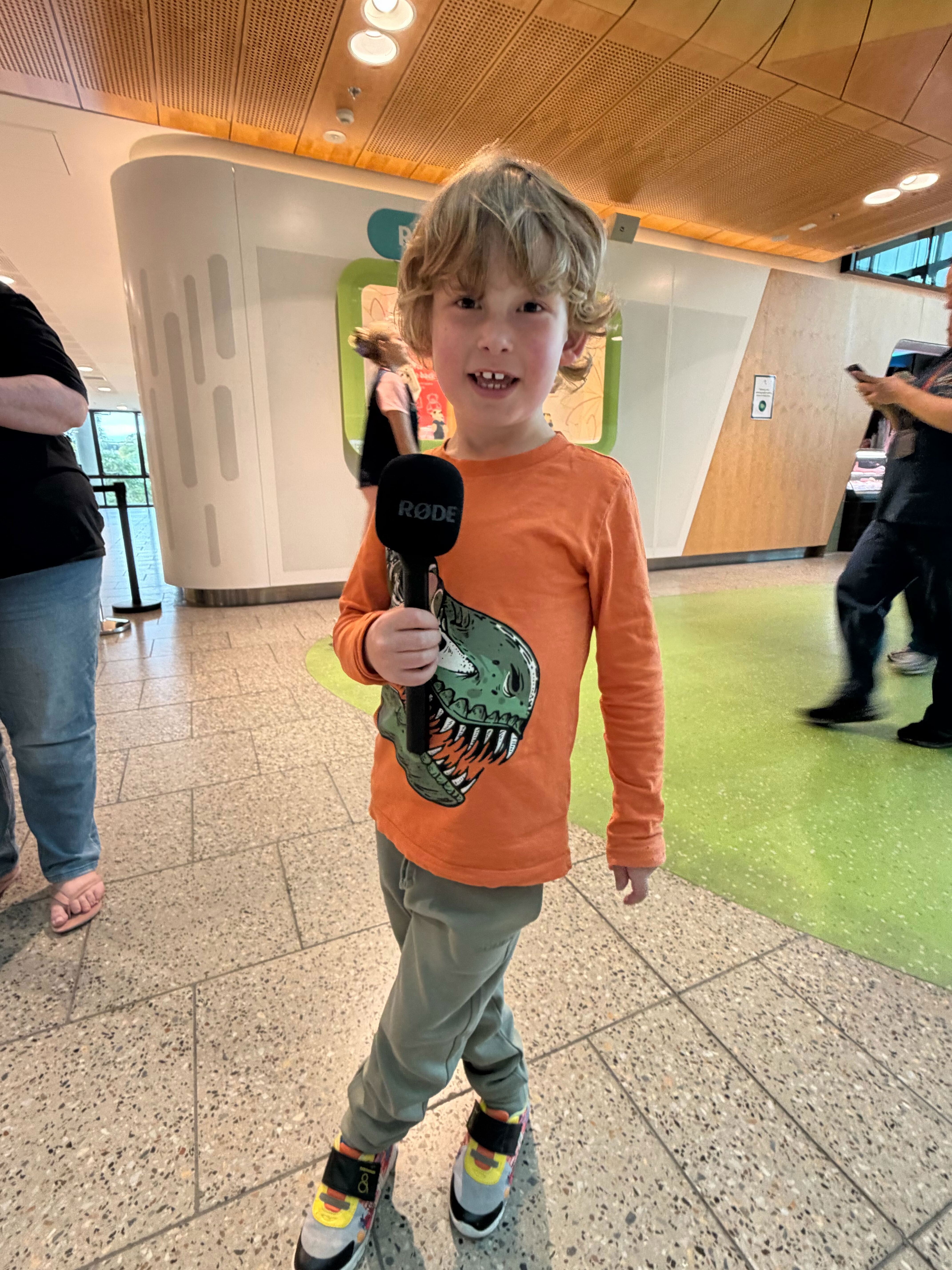
Joshua waited alongside his mum at The Royal Children's Hospital Melbourne for the couple to arrive at the inaugural engagement of their privately-funded four-day visit.
While a throng of hundreds of staff, patients, journalists and royal fans would have paid good money for a photo with arguably one of the most famous women in the world, Joshua was handed the golden ticket.
"That was good. Mummy likes it," Joshua told Nine.com.au.
"I got a handshake from her.
"Unfortunately, I couldn't get to see Harry."
His mum added that Joshua did his British-born grandmother proud.
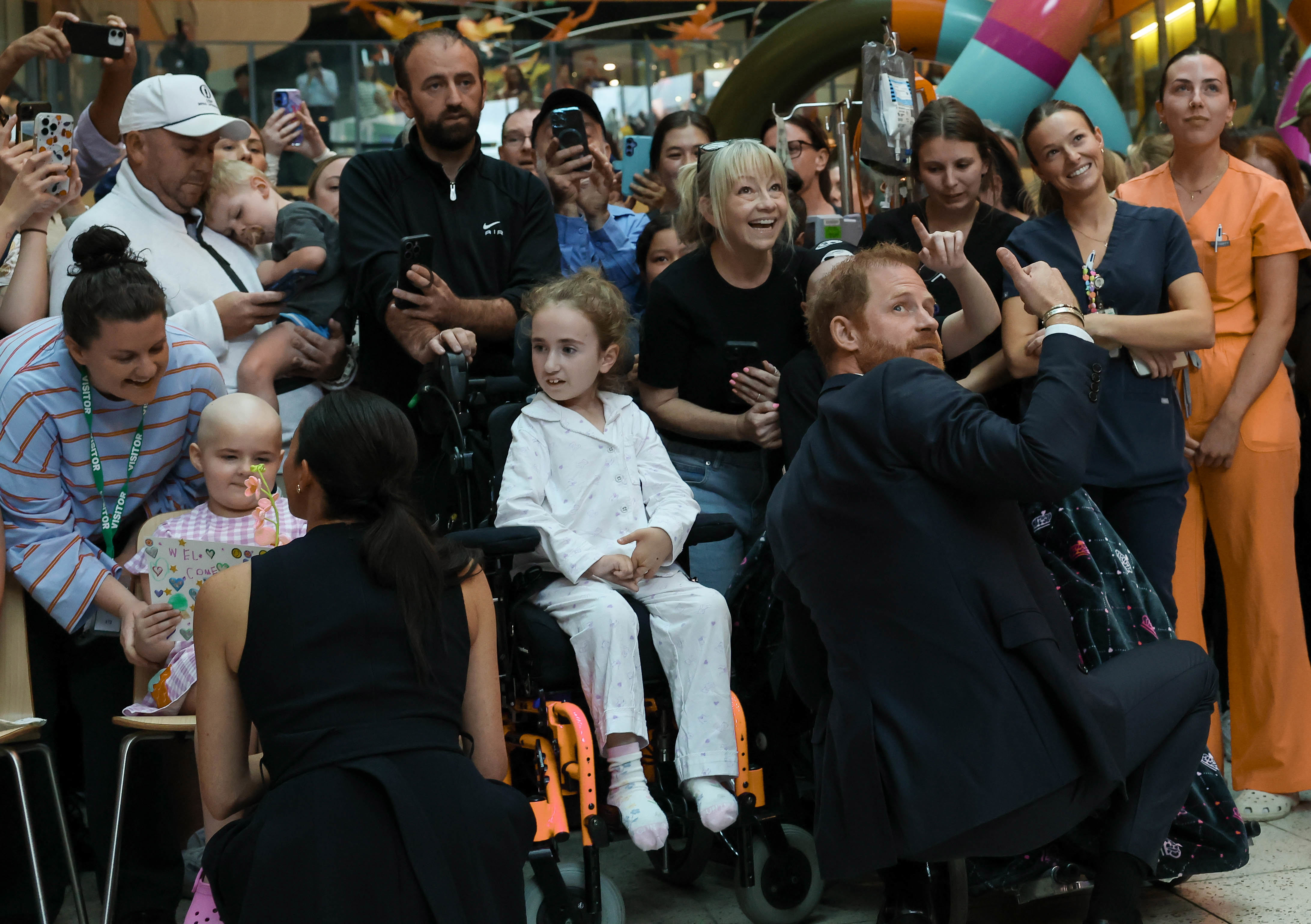
During the couple's walk through the foyer of the children's hospital, Harry and Meghan dedicated at least 10 minutes speaking with young patients, dishing out warm hugs and posing for photos.
Meghan stopped and spoke to Adnan and his daughter Enora, a patient at the hospital, for several moments.
READ MORE: 'I wish I could charge $5': New grim reality for Aussie business owners
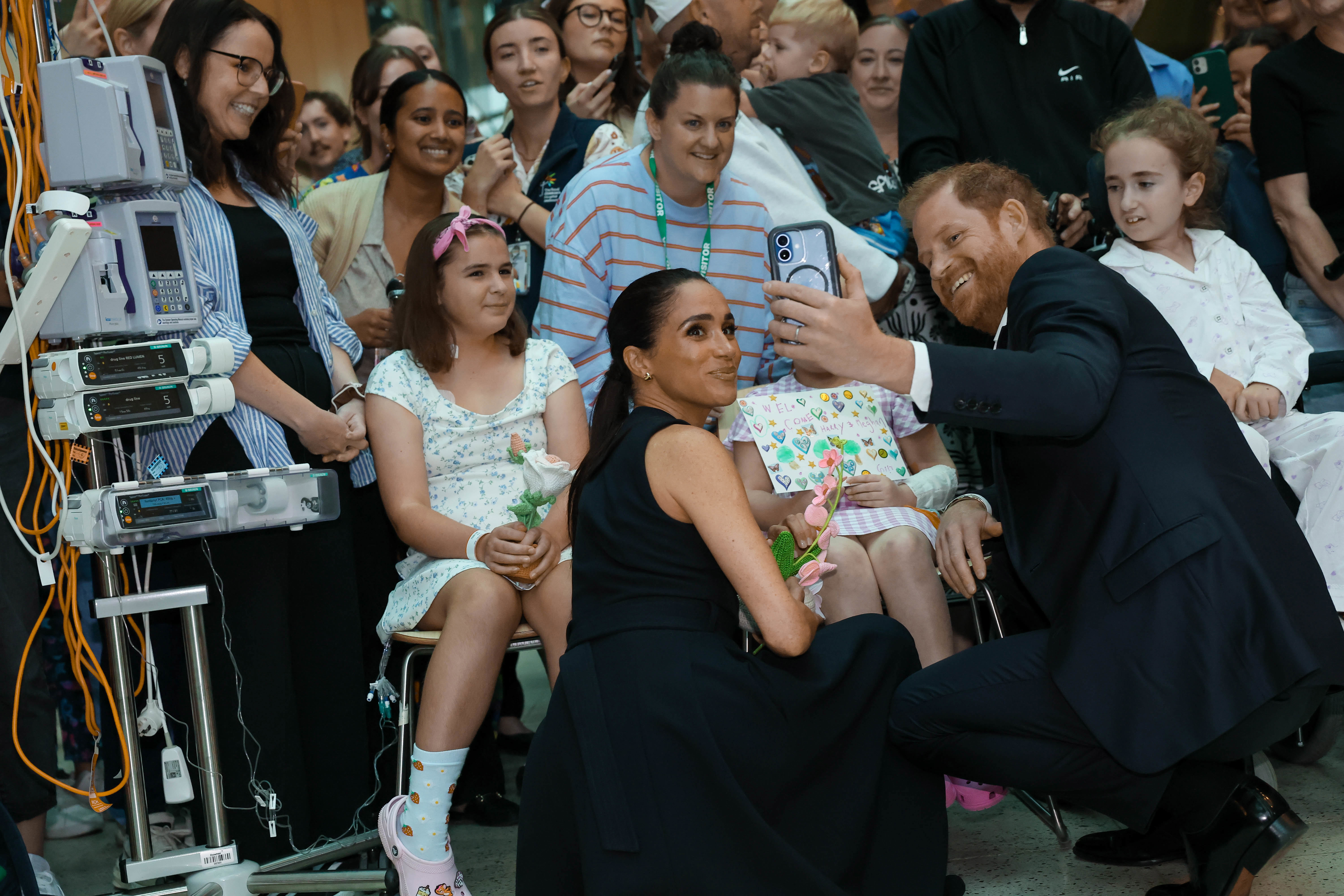
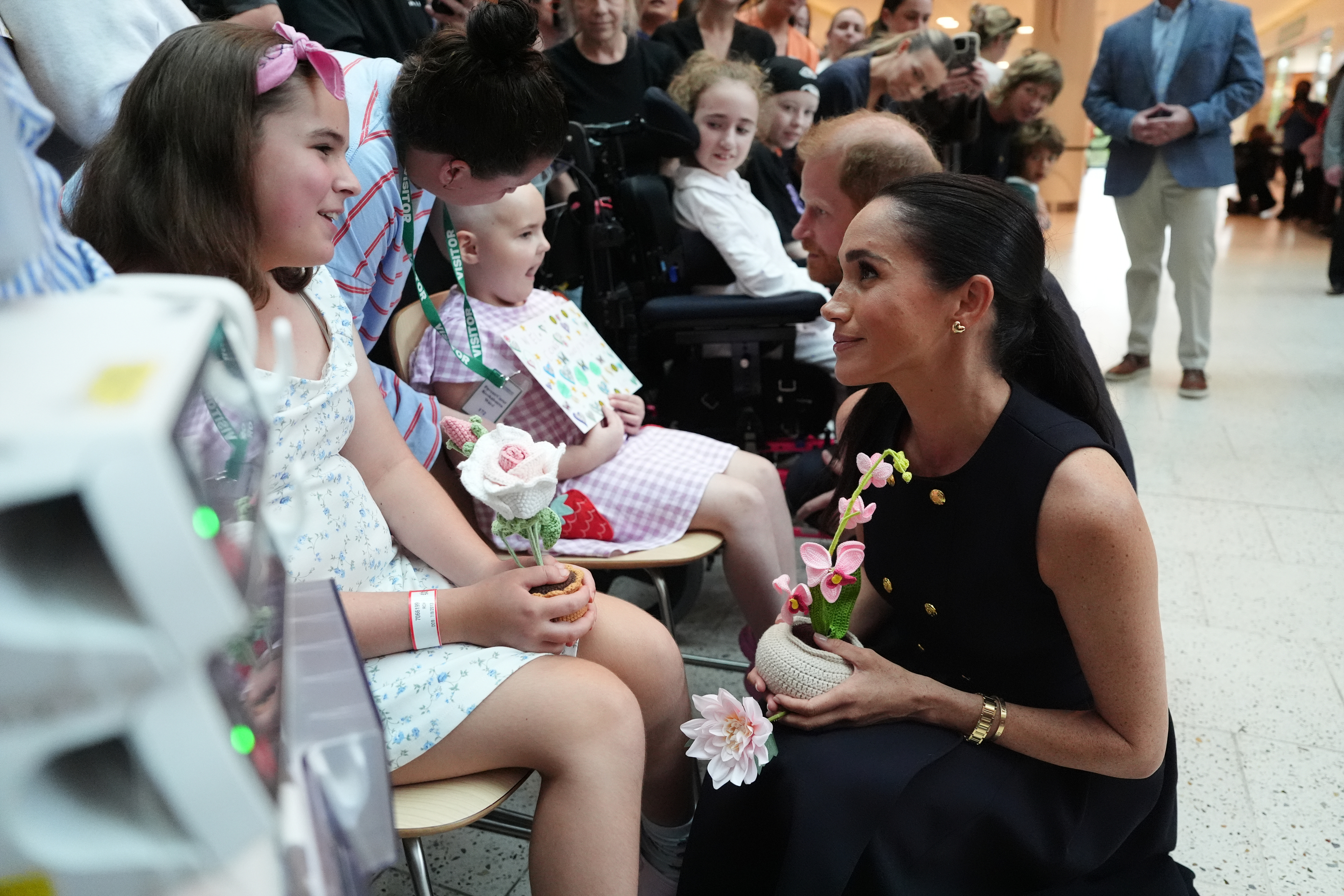
Adnan said it was wonderful for Enora to meet a "princess".
"It's amazing because she's always treated like a princess, so to be able to see another princess come into a hospital and greet her before she's released straight home…. it's good, very joyful, [she was] really friendly," he said.
As parents of their own two young children, Archie, six, and Lilibet, four, Adnan said it took "courage" for Harry and Meghan to visit sick kids.
"It's been a tough journey, but knowing that she's going to get better and she has done the surgery and she's in recovery, now she's in rehab," he added.
"By today, hopefully we'll go home and we'll put a smile on her face and she can stay home with her siblings."
READ MORE: 'Won at capitalism': Family saves $10k by eating from supermarket dumpsters
EXCLUSIVE: 'Lost my identity': Strict rule destroyed Carla's retirement plans
Another young patient who has undergone multiple heart surgeries told nine.com.au it was "really nice" to see the Sussexes take the time to speak to him.
"They were really friendly, they had a lot of enthusiasm," he said.
"We spoke to Meghan… me and Mum just told her I've been here since birth.
"I've I had 11 holes in my heart when I was born and I had two open heart surgeries here, so meeting them made everything worth it."
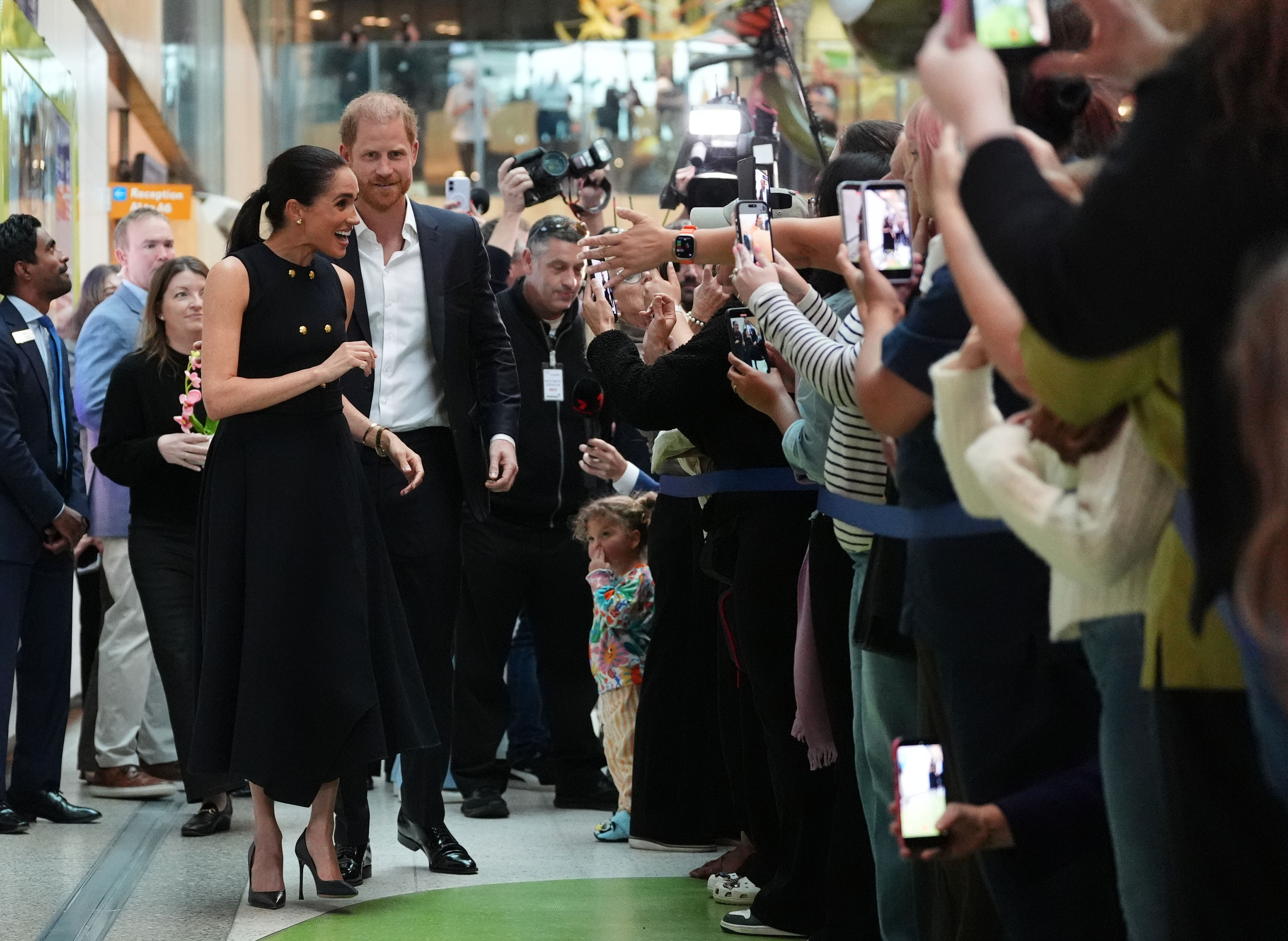
After greeting fans in the foyer, the made making their way into a private part of the hospital to see other patients.
The hospital was opened by Harry's late grandmother Queen Elizabeth II in 1963, and she returned in 2011 after it underwent major renovations.
One nurse, who missed spotting Harry and Meghan because she was seeing patients, told nine.com.au she was also working when the late Queen visited The Royal Children's Hospital Melbourne 15 years ago.
Harry's parents, now-King Charles III and the late Princess Diana, also visited the hospital during their royal tour of Australia in 1985.
Harry and Meghan will spend the next two days in Melbourne, before jetting to Canberra and Sydney.
NEVER MISS A STORY: Get your breaking news and exclusive stories first by following us across all platforms.
- Download the 9NEWS App here via Apple and Google Play
- Make 9News your preferred source on Google by ticking this box here
- Sign up to our breaking newsletter here
Tiniroto Rd safety fears grow as rural Gisborne residents report hundreds of potholes
A resident says the community logs three to four near misses on the road every week.
New stamps released for ANZAC Day focusing on peace efforts
As conflict simmers in the Middle East, Australia Post has released two new commemorative ANZAC Day stamps centred not on warfare, but peace and post-war recovery.
Based on rare World War I peace bond posters, the stamps are titled Preparing for Peace: World War I Posters.
The $1.70 domestic stamp features a returned World War I serviceman embracing his wife and child and reads 'For Home and Country: Buy Peace Bonds'.
LIVE UPDATES: US forces 'sitting ducks' in the Strait of Hormuz, warns expert

It is based closely on a 1918 American 'Victory Liberty Loan' poster, with the only difference being the Australian digger's slouch hat.
The $3 international stamp depicts a returned soldier walking towards a peacefully Australian rural landscape and reads 'His Future – Make It Sure! Buy Peace Bonds'.
The stamp is based on a poster by renowned Australian poster artist James Northfield which was published in 1919.
NATIONAL: Retail giant behind Kmart, Bunnings scraps delivery fees for six months

The posters aimed to encourage Australians to buy peace bonds to support the post-war recovery efforts.
Both stamps are available from today in post offices and online.
NEVER MISS A STORY: Get your breaking news and exclusive stories first by following us across all platforms.
- Download the 9NEWS App here via Apple and Google Play
- Make 9News your preferred source on Google by ticking this box here
- Sign up to our breaking newsletter here
Trump learns the fate of $14 billion lawsuit over Epstein birthday letter
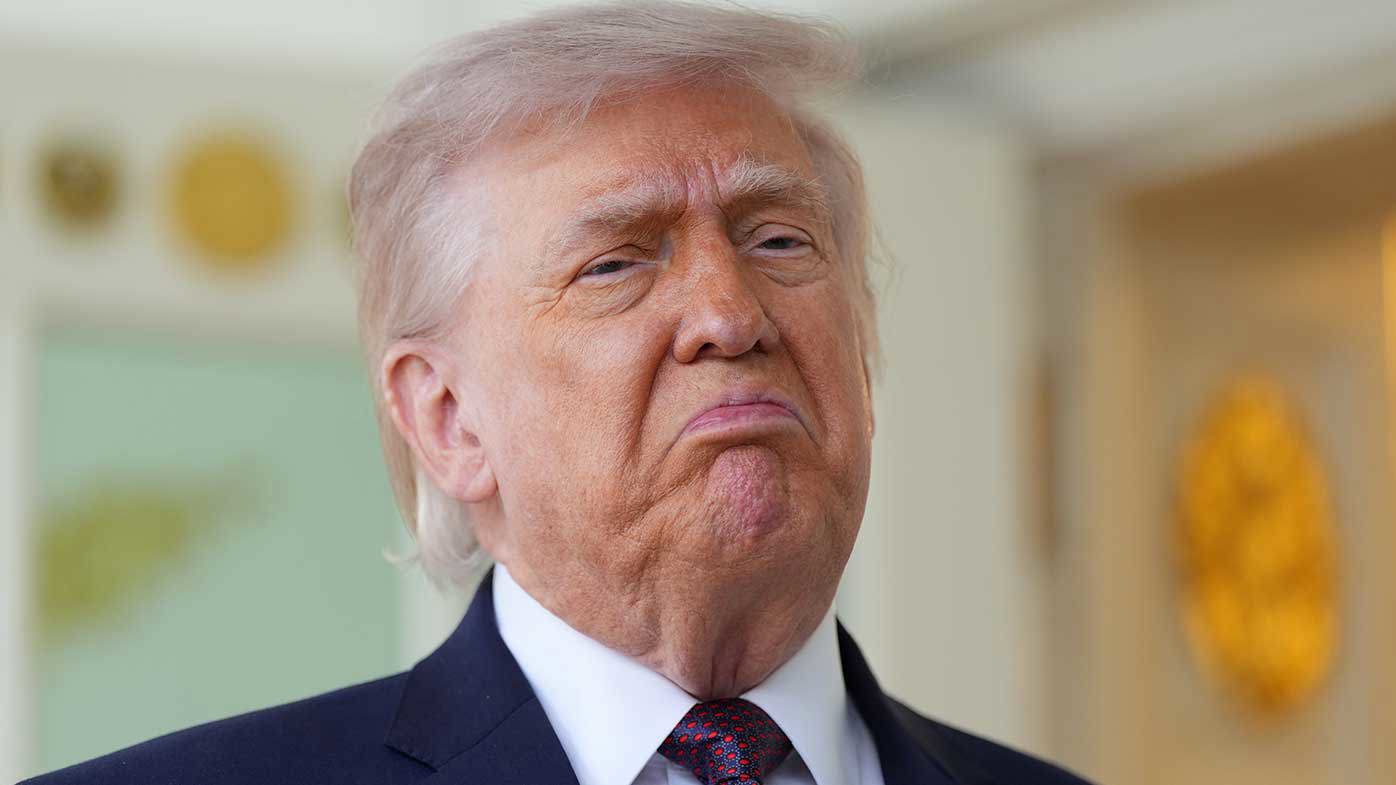
Donald Trump's $14 billion lawsuit against Rupert Murdoch and the Wall Street Journal over their reporting of his connection to Jeffrey Epstein has been dismissed by a judge.
Florida Judge Darrin Gayles ruled that Trump had not "plausibly alleged" the article was published with actual malice.
"The Complaint comes nowhere close to this standard," Gayles wrote.
READ MORE: Why the end of the war won't solve the oil crisis
"Quite the opposite."
The judge noted that Trump, the Department of Justice and the FBI were given an opportunity to comment in the article, and the president did so.
As a result, the lawsuit was dismissed without prejudice, meaning he can re-file it with amendments.
At the centre of the lawsuit was an article first published by the New York broadsheet and then widely covered elsewhere.
READ MORE: Top Democrat demands Donald Trump submit to a dementia test
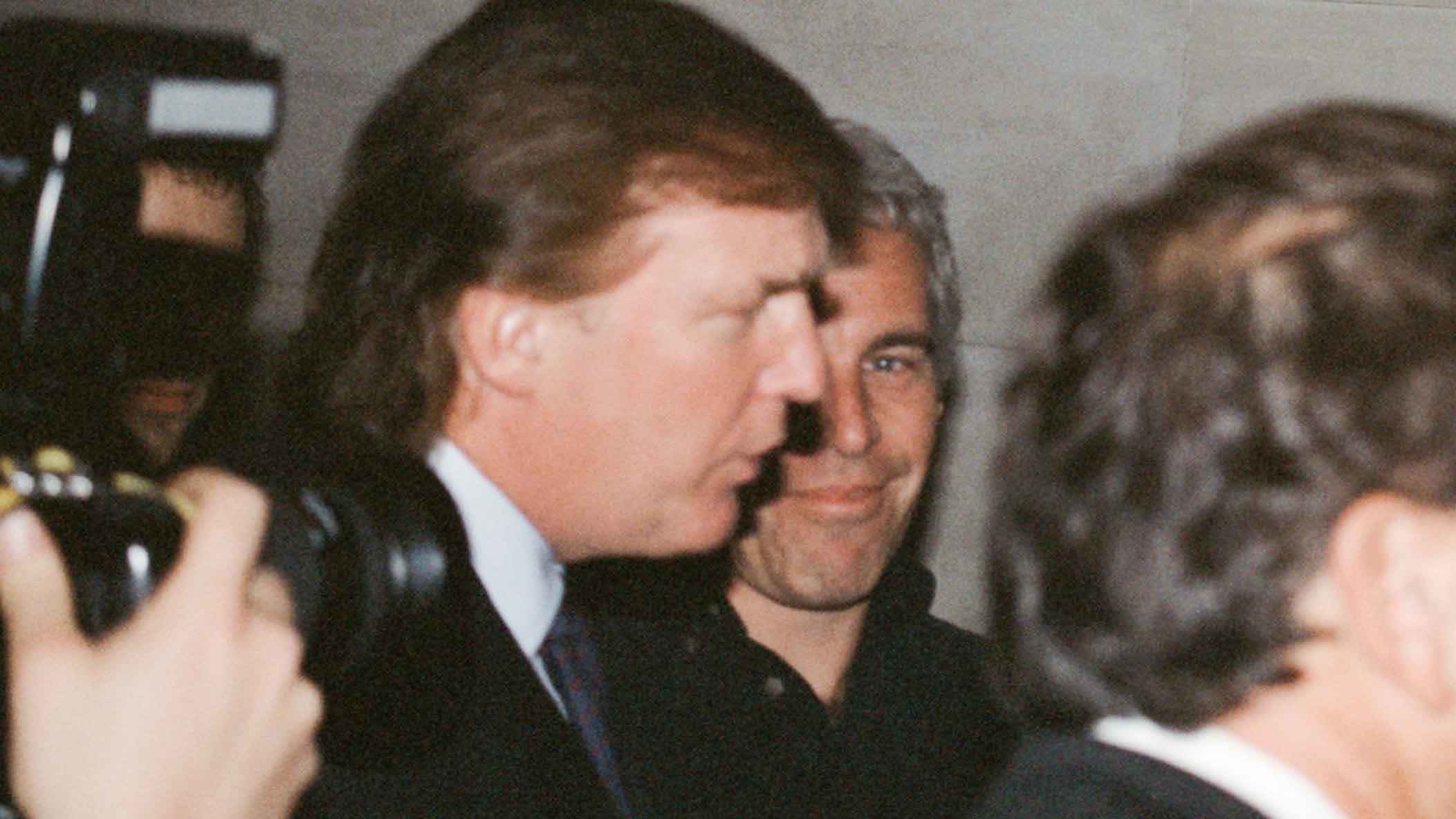
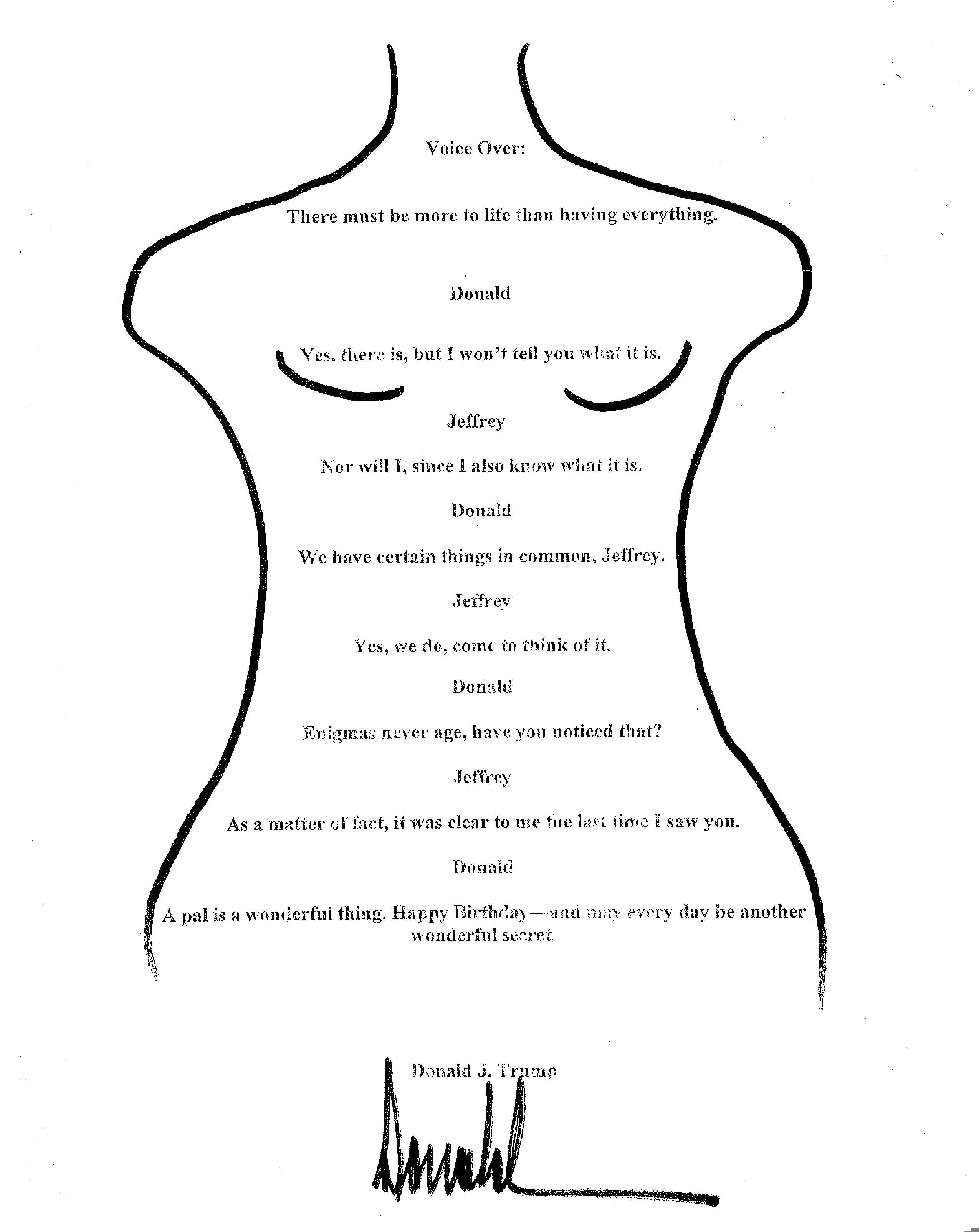
The newspaper reported that Trump wrote a letter to Epstein for his 50th birthday.
The letter was framed by a sketch of what appeared to be a naked woman with Trump's signature in place of public hair.
The letter was written in the form of a dialogue between "Donald" and "Jeffrey".
"Enigmas never age, have you noticed that?" Donald says in the script.
"A pal is a wonderful thing. Happy Birthday – and may every day be another wonderful secret."
The birthday book had been compiled by Epstein's accomplice Ghislaine Maxwell, and featured contributions from other powerful friends of the paedophile.
READ MORE: Draft announcement of Epstein's death dated the day before
Trump had denied to the Wall Street Journal that he had written the letter, and insisted that it never existed.
But Congress's House Oversight Committee later released a copy of the letter.
Gayles gave Trump until April 27 to file an amended lawsuit if he chose to do so.
One of Trump's lawyers said they would do so, describing it as a "powerhouse lawsuit".
Trump has filed many defamation lawsuits against major media outlets during his second term in office.
A $22 billion lawsuit against the New York Times was tossed by a different Florida judge in September last year.
READ MORE: Trump rages at some of his biggest former backers
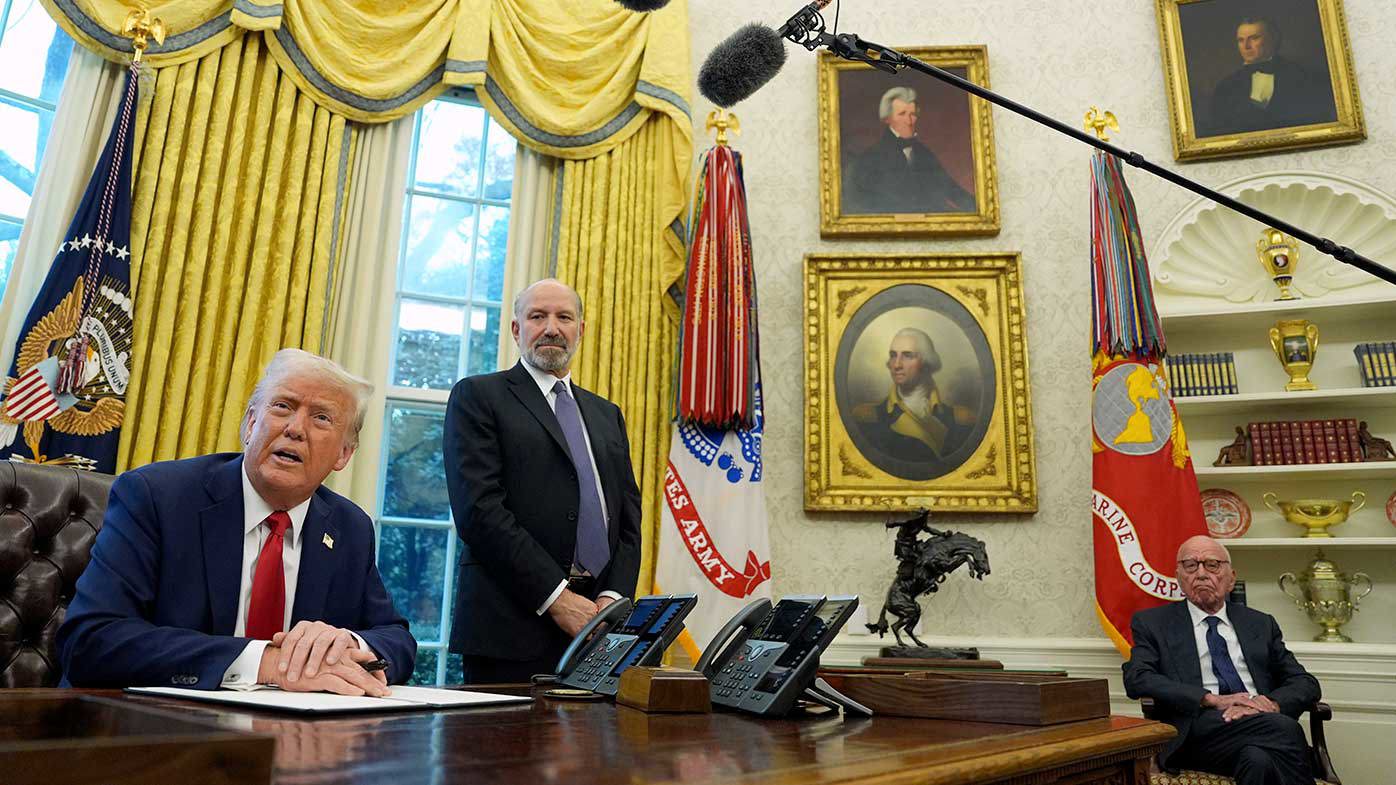
Lawsuits against ABC News and the CBS show 60 Minutes were both settled out of court.
But this lawsuit targeting Rupert Murdoch was a striking move from the president.
Trump has a long history with the Australian media mogul's US publications.
Trump's rise as a celebrity property developer and then as president may not have happened without the implicit support of Murdoch's Fox News and the New York Post.
Jeffrey Epstein died in a federal prison cell in New York during Trump's first term as president.
The cause of death was given as suicide.
READ MORE: Kamala Harris 'thinking about' another run for president
NEVER MISS A STORY: Get your breaking news and exclusive stories first by following us across all platforms.
- Download the 9NEWS App here via Apple and Google Play
- Make 9News your preferred source on Google by ticking this box here
- Sign up to our breaking newsletter here
Trump tips food delivery driver $140 for McDonald’s order
US President Donald Trump has tipped a food delivery driver at the White House in a televised moment he used to plug his tax policies.
DoorDash delivery driver Sharon Simmons handed Trump an order from McDonald's before he invited her to talk to reporters about tax breaks on tips for workers, reports CBS.
Simmons, a grandmother who was making her first White House delivery, said the "no tax on tips" policy has been a financial boost at a time when her husband was ill with cancer.
LIVE UPDATES: US blockade of Strait of Hormuz begins
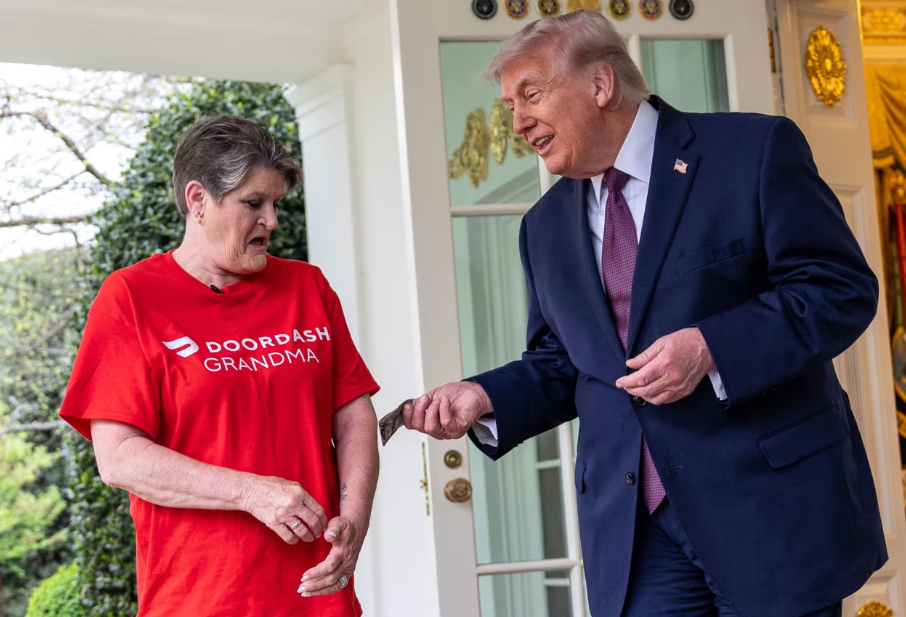
She said the "no tax on tips" policy, which enables workers to keep more of their tips, gave her $11,000 more than she would have earned otherwise.
Trump described the policy as "very special", which Simmons agreed with.
She was less forthcoming when Trump asked her: "And I think you voted for me, do you think?"
"Um, maybe," Simmons replied.
"I heard you're a great supporter, we appreciate it," Trump said.
When Trump began taking questions from reporters, one asked SImmons whether the White House tipped well.
Um," she smiled, "potentially."
"Great," Trump replied, handing her US$100 ($140) cash.
"Yes, very," Simmons said.
NEVER MISS A STORY: Get your breaking news and exclusive stories first by following us across all platforms.
- Download the 9NEWS App here via Apple and Google Play
- Make 9News your preferred source on Google by ticking this box here
- Sign up to our breaking newsletter here
Their deaths could and should have been prevented
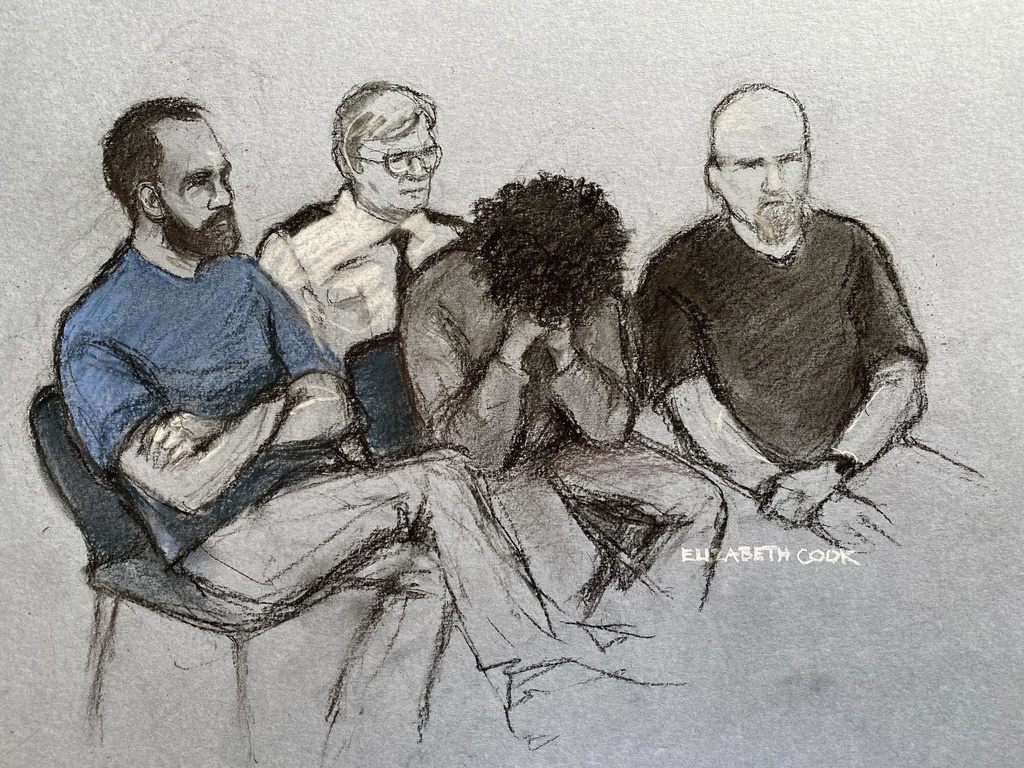
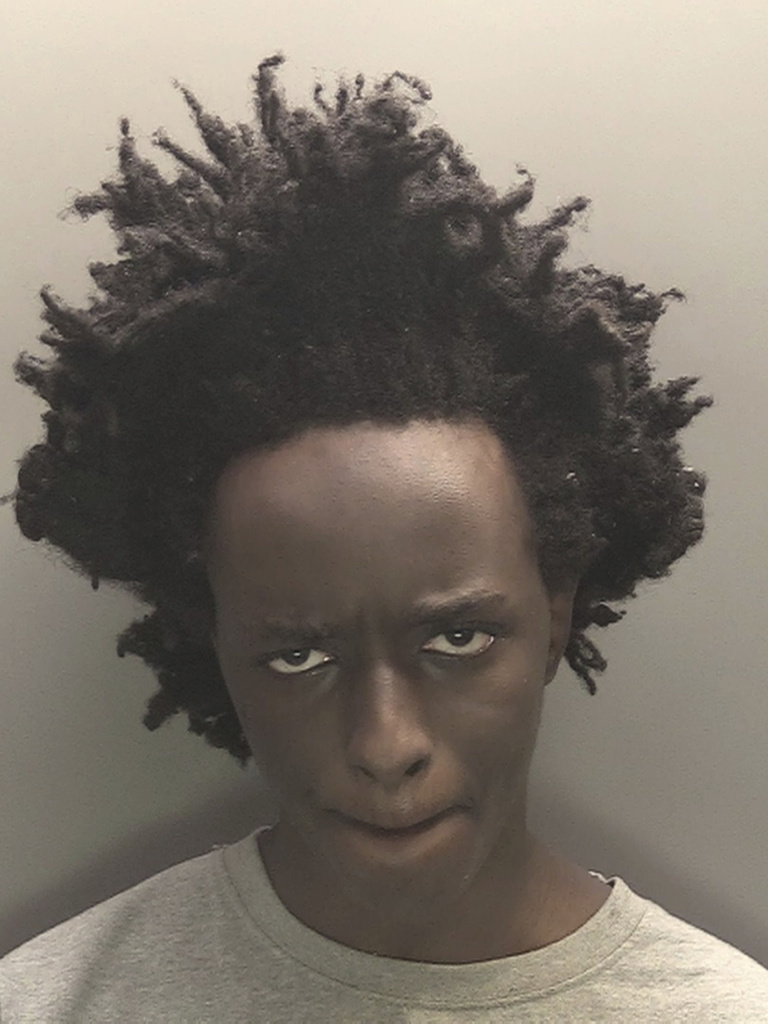
A mass killing by a British teen who fatally stabbed three little girls and seriously injured 10 other people at a Taylor Swift-themed dance class in 2024 "could and should have been prevented" if his parents and state agencies had acted as his well-known fixation on violence escalated, according to a report.
Adrian Fulford, a retired judge who led a nine-week inquiry, issued a 763-page report on Monday that catalogued the many times parents or authorities could have intervened in Axel Rudakubana's life to ultimately prevent him from carrying out killings that he said were unprecedented in the UK for their "extreme and very particular depravity".
"One of the most striking conclusions from this inquiry's extensive investigation is the sheer number of missed opportunities more than many years to intervene meaningfully, which directly contributed to the failure to avert this disaster," Fulford said.
READ MORE: Trump's risky blockade begins after Iran's terrifying threat
"The consequences were catastrophic."
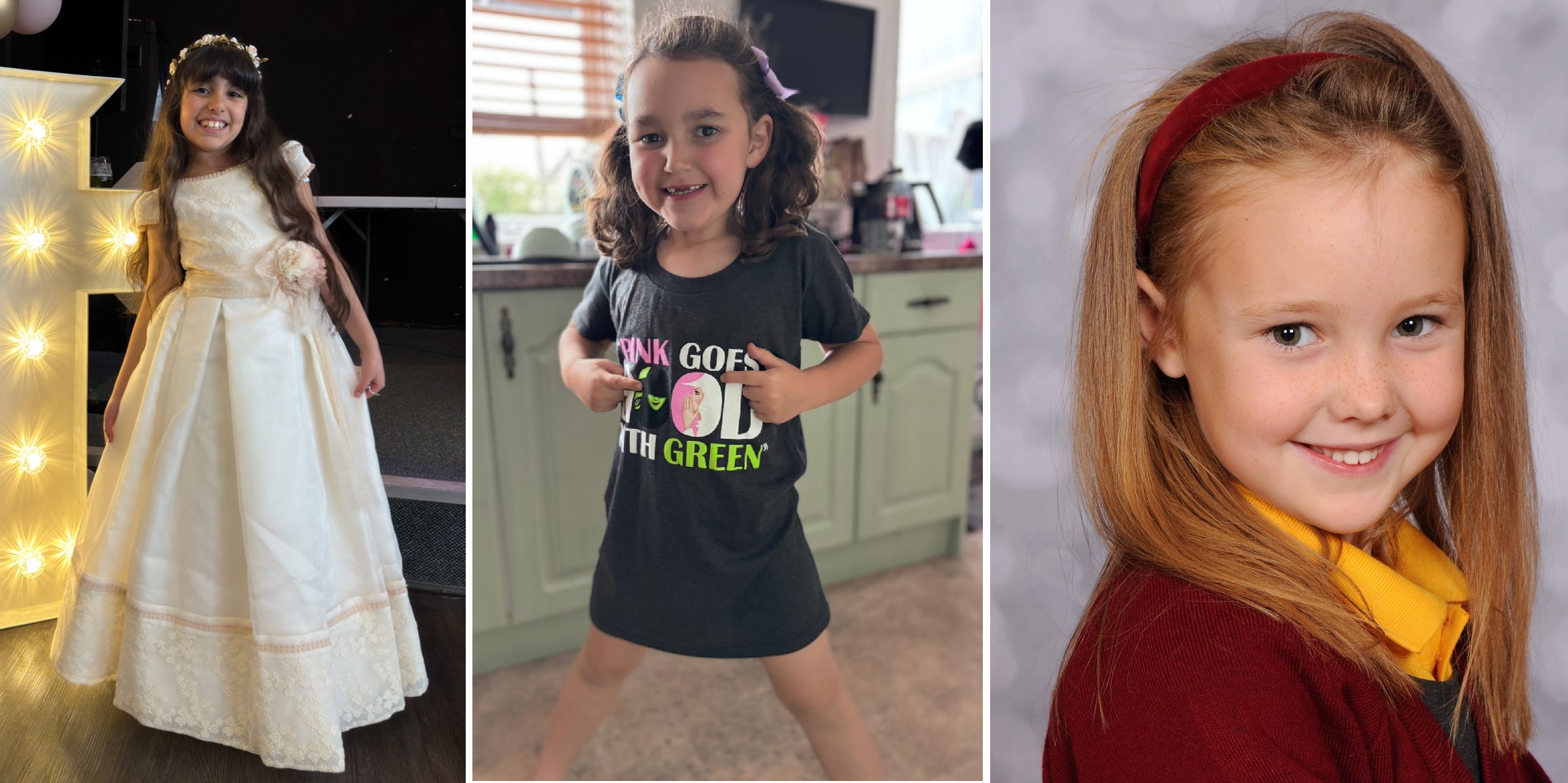
Rudakubana, who was 17 when he carried the attack in north-western England, is serving a life sentence with no chance of parole for 52 years for killing Alice Da Silva Aguiar, 9, Elsie Dot Stancombe, 7, and Bebe King, 6, and wounding eight children and two adults.
The attack in the town of Southport shocked the country and triggered days of disorder after far-right activists seized on incorrect reports that the attacker was a Muslim migrant who had recently arrived in the UK. Rudakubana was born in Wales to Rwandan Christian parents.
The report made 67 recommendations to prevent future atrocities and British Prime Minister Keir Starmer promised changes to correct the "systematic failures that led to this terrible event".
"The report today is truly harrowing and profoundly disturbing," Starmer said.
"While nothing will ever bring these three little girls back, I'm determined to make the fundamental changes needed to keep the public safe."
Police, social workers and educators were well aware of problems with Rudakubana.
READ MORE: Major police operation unfolds in city CBD
At age 13, he was convicted in 2019 of assaulting another child at school with a hockey stick and placed under supervision of a local service for youth offenders.
He was referred to the government's anti-extremism program, Prevent, three times between 2019 and 2021 for expressing interest in school shootings, the 2017 London Bridge terror attack, the Irish Republican Army and the Middle East. Each time, the case was closed because he was not considered susceptible to becoming a terrorist.
During that same period, local police were called to his home five times more than unspecified concerns about his behaviour. He was given mental health and educational support, but later appeared to have stopped engaging with social workers. He was expelled after bringing a knife to school and hardly ever showed up at a subsequent school.
Fulford highlighted an incident two years before the rampage when Rudakubana was caught on a bus with a knife in March 2022 and told police he wanted to stab someone and admitted trying to make poison.
READ MORE: Pope hits back at Trump's extraordinary attack
Taken together, they should have sparked an arrest that would likely have led to a search of his house that would have discovered he had bought seeds to make the biological toxin ricin and downloaded terrorist material on his computer, Fulford said.
But he was not arrested and was released to his parents, who feared him and repeatedly failed to report the various knives he had purchased, his troubling behaviour and threats he had made.
After the July 29, 2024 rampage, police searched his home and discovered ricin and a document described as an al-Qaeda training manual.
NEVER MISS A STORY: Get your breaking news and exclusive stories first by following us across all platforms.
- Download the 9NEWS App here via Apple and Google Play
- Make 9News your preferred source on Google by ticking this box here
- Sign up to our breaking newsletter here
Vigilante faces court after violent bid to stop thieves from stealing his ute
A Queensland tradie who smashed the windows of his own car in a bid to stop thieves from stealing the vehicle has been bailed after spending the weekend in jail.
Asmir Dzambic spent two days locked up on dangerous driving charges after taking the law into his own hands to stop a thief behind the wheel of his car.
CCTV footage shows Dzambic taking to the windscreen of his company's ute with a baseball bat after thieves returned days after stealing his car keys.
READ MORE: Trump's risky blockade begins after Iran's terrifying threat
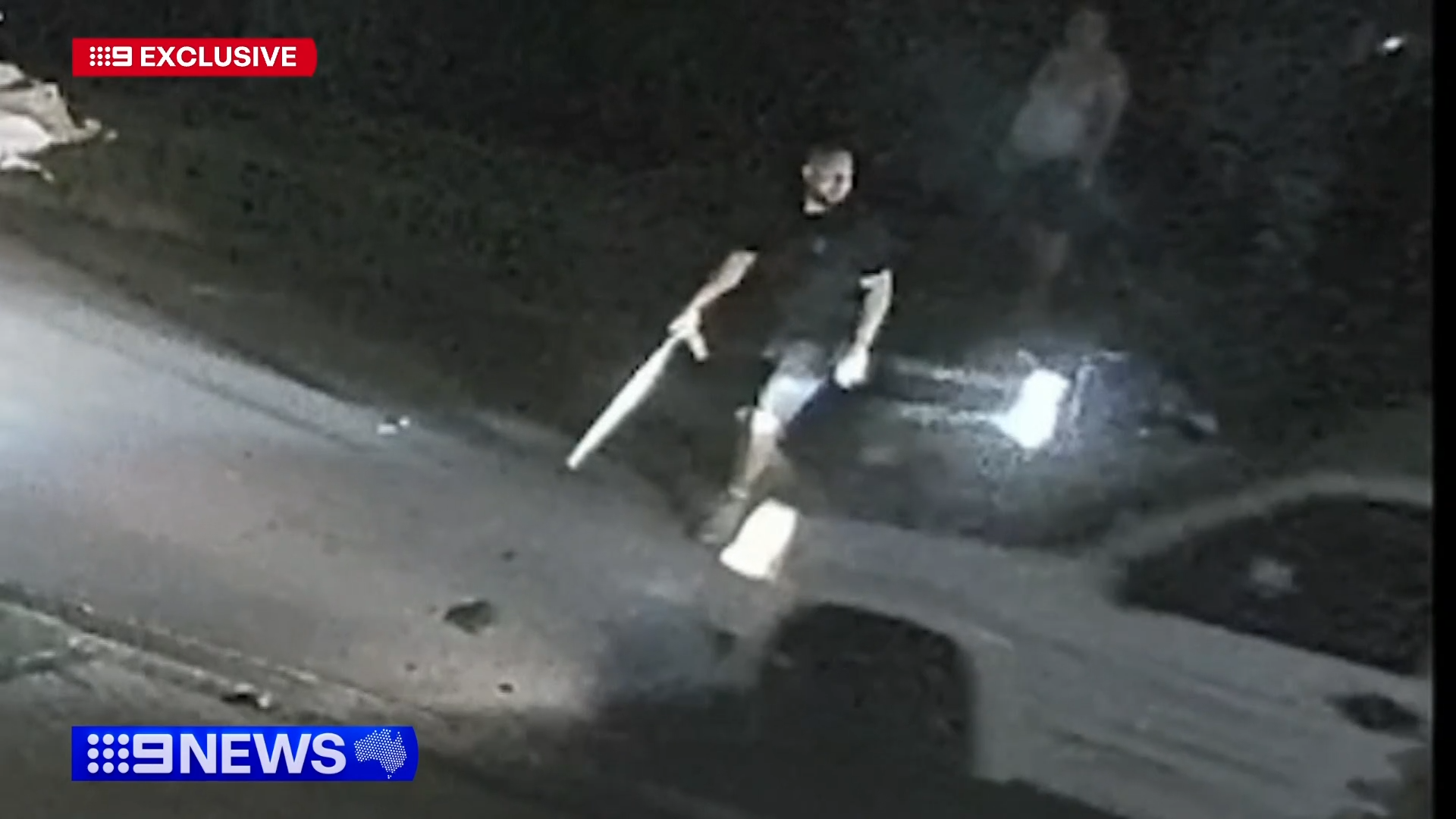
The court heard tens of thousands of dollars worth of tools, as well as keys to other company cars, were stolen from Dzambic's demolition business on Tuesday.
He reported it to police, and fearing the thief would return, planted tracking devices in his vehicles.
So when the crook came back two nights later, Dzambic was waiting.
Dzambic's lawyer was today visibly furious, telling the court his client wasn't wearing a black bat suit but perhaps if he was, he wouldn't be the only one behind bars.
The car thief remains on the run.
NEVER MISS A STORY: Get your breaking news and exclusive stories first by following us across all platforms.
- Download the 9NEWS App here via Apple and Google Play
- Make 9News your preferred source on Google by ticking this box here
- Sign up to our breaking newsletter here
Aussies moving back in with family – or exes – to combat rising cost-of-living
Australians are moving back in with family – or even ex-partners – as soaring costs make solo living too expensive.
New research from comparison website Finder reveals 4.1 million Aussies have turned to shared living arrangements to ease financial pressure, with some even rekindling old domestic setups in the process.
A survey of more than 1000 people found nearly one in five (19 per cent) have either moved in with others or delayed moving out purely to save money.
LIVE UPDATES: Peace plans shattered as Trump weighs more strikes
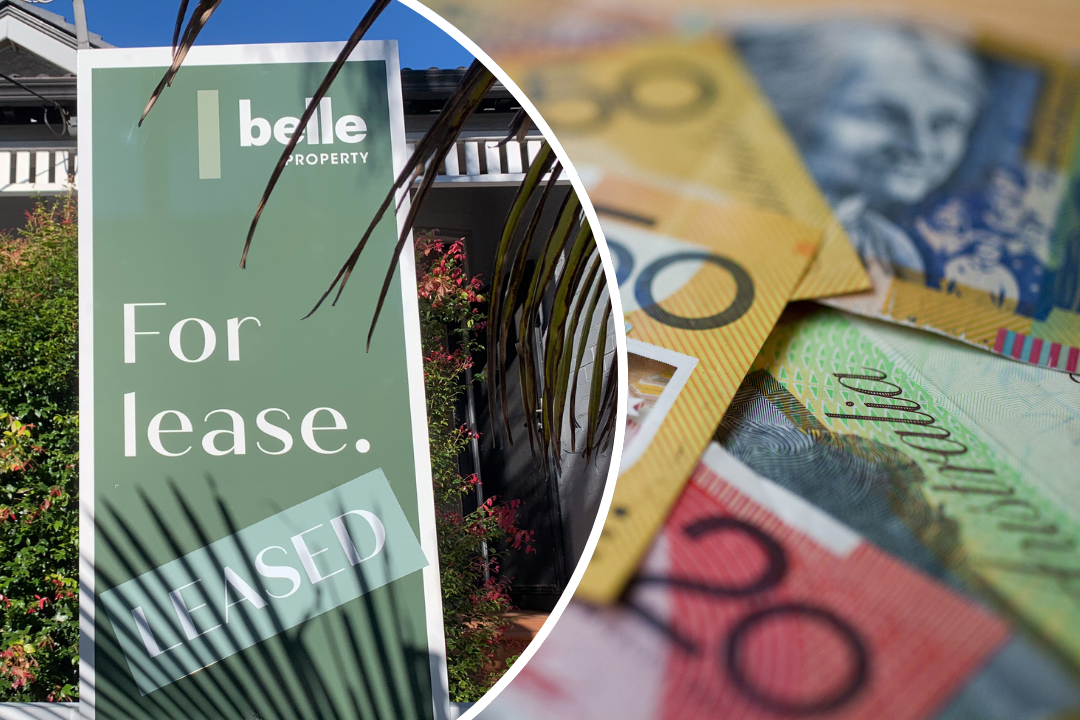
About 10 per cent of respondents said they had returned to – or never left – the family home, leaning on parents or grandparents as a financial cushion.
Others have turned to siblings or friends to split the bills, while 3 per cent admit they've had to move back in with an ex-partner.
Finder personal finance expert Taylor Blackburn said the trend reflects a growing reality where independence is becoming harder to afford.
"Between soaring rents, rising interest rates and general cost-of-living pressures, the ability to live alone is slipping out of reach for many," Blackburn said.
The data shows younger Australians are bearing the brunt, with almost four in 10 Gen Z respondents (39 per cent) having entered or stayed in shared living arrangements for financial reasons in the past year.
READ MORE: 'Blown to hell': Donald Trump announces US blockade of Strait of Hormuz
According to Blackburn, what was once seen as a temporary compromise is fast becoming the default.
"Unconventional living arrangements are becoming the norm as people prioritise affordability over comfort," he said.
He's urged Aussies to build a financial buffer wherever possible, warning that a lack of savings can quickly limit options when unexpected costs hit.
"Maintaining even a modest emergency fund can be the difference between staying in control and being forced into living situations you never imagined," he said.
NEVER MISS A STORY: Get your breaking news and exclusive stories first by following us across all platforms.
- Download the 9NEWS App here via Apple and Google Play
- Make 9News your preferred source on Google by ticking this box here
- Sign up to our breaking newsletter here