Tag Archives: oceania

Jury retires for the day in Bruce Lehrmann trial

A jury in the trial of the man accused of raping Brittany Higgins has retired for the day and will resume deliberations tomorrow.

Former Liberal Party staffer Bruce Lehrmann has pleaded not guilty to sexual intercourse without consent and is facing a criminal trial in the ACT Supreme Court.

The jury retired last week after the prosecution closed its case following a 12-day trial.

READ MORE: Jury to continue on Bruce Lehrmann deliberations

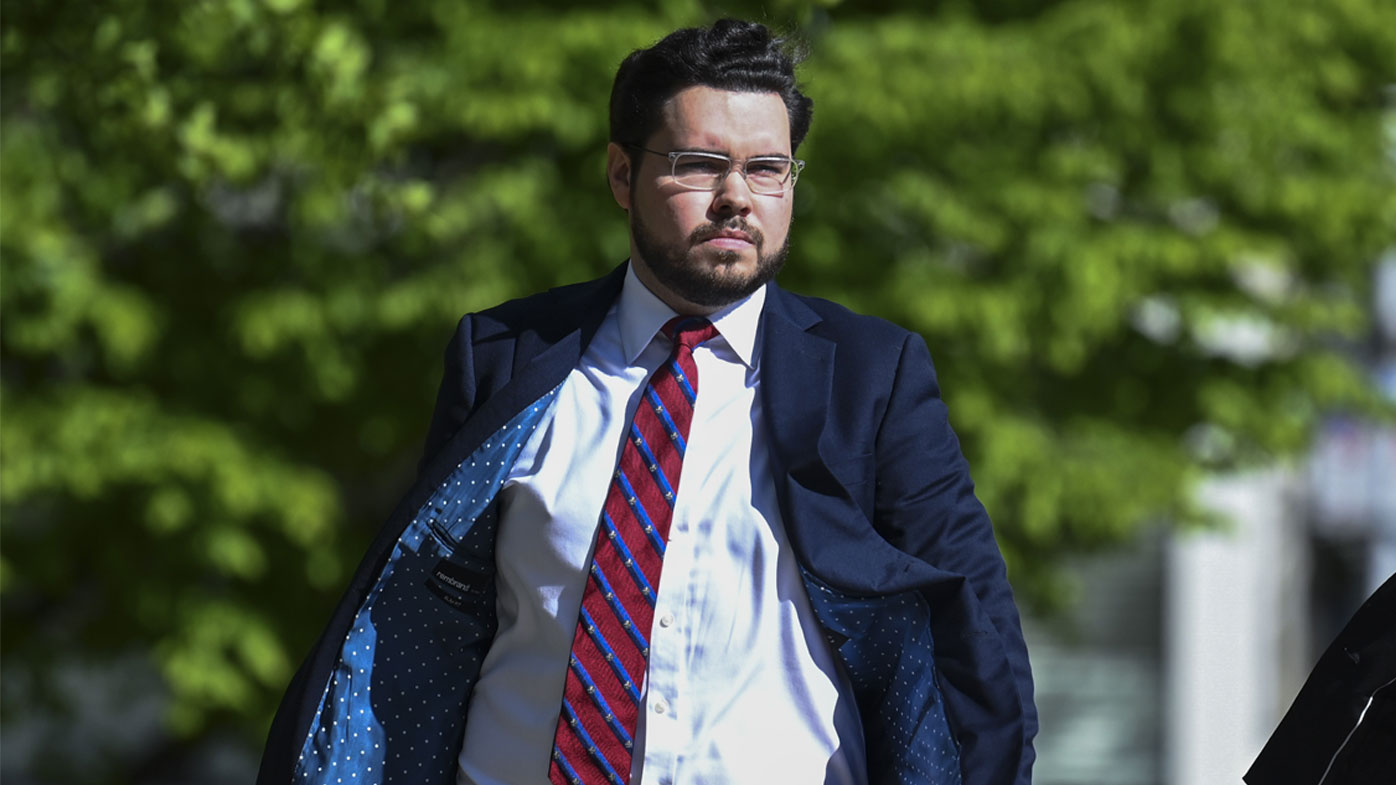
Bruce Lehrmann arriving at the ACT Supreme Court on day 9 of his rape trial.

Earlier, Chief Justice Lucy McCallum told the court she had received a note from the jury, the first since they entered the deliberation room.

"We have not yet reached an agreement of beyond reasonable doubt, we ask the court to give us a little extra time to complete our deliberation. Could you please advise on time expectations," the note said.

Justice McCallum told the jury they could and should take all the time they need.

She said they should not feel any pressure from people waiting for the verdict.

https://twitter.com/sophie_walsh9/status/1584410066312040448

"There's no rush. There's no time limit," she said.

The chief justice said anyone other than the accused and complainant waiting for the verdict were choosing to do so.

"There's no pressure from anyone on you," she said.

She instructed the jurors to complete their oath to find a verdict according to the evidence presented in the courtroom.

They retired this afternoon for the fourth time and will reconvene in the morning. 

READ MORE: Brittany Higgins' credibility scrutinised in closing arguments

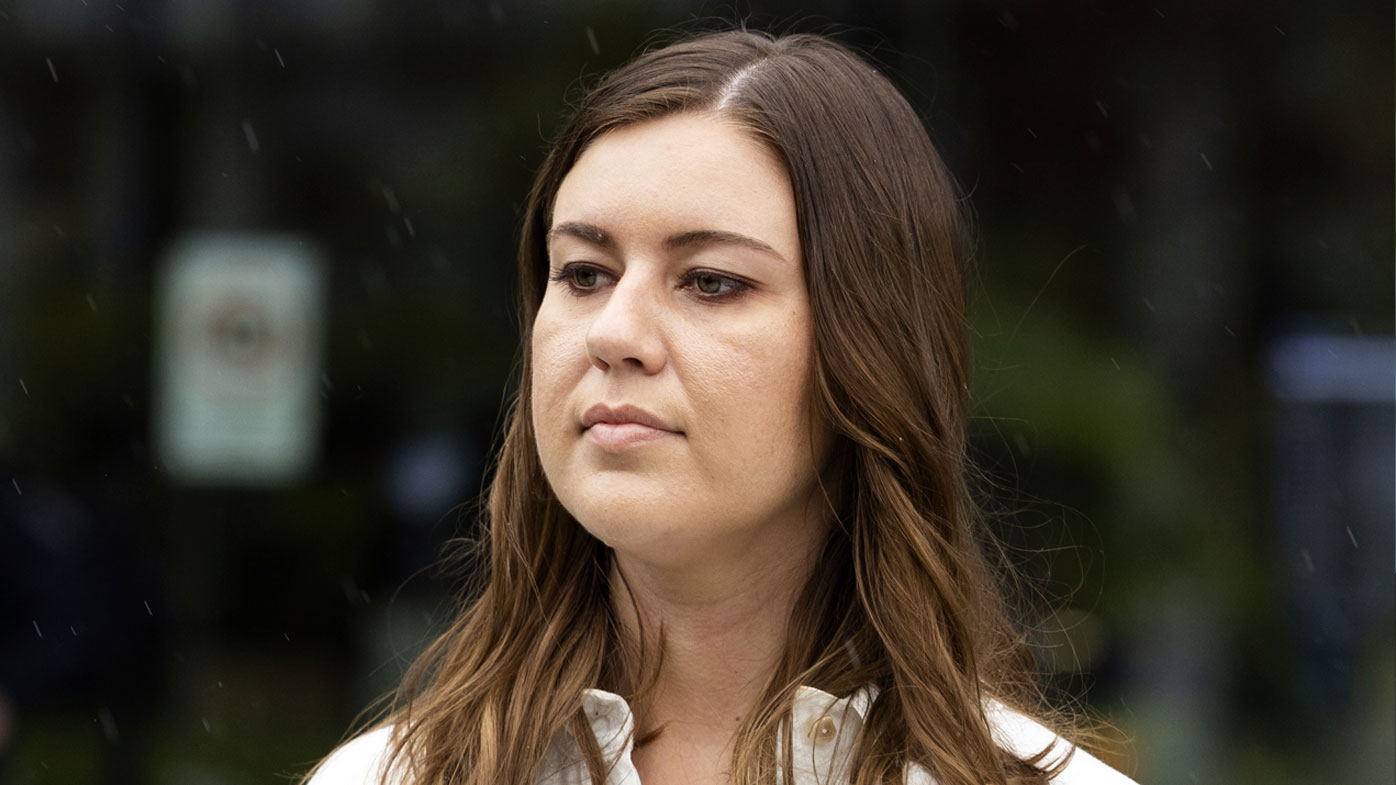
Brittany Higgins is back on the witness stand for cross-examination.

On Friday, McCallum reminded them Lehrmann was presumed innocent and it was up to the prosecution to prove his guilt beyond a reasonable doubt.

Higgins alleges Lehrmann raped her inside a ministerial office in Parliament House following a night out drinking with colleagues. He denies any sexual interaction happened.

In his closing argument, prosecutor Shane Drumgold urged the jury to disregard discussions of political movements and workplace cultures sparked by the case.

He said the case was not about the culture inside Parliament House or the Me Too movement but about what happened on a couch inside a minister's office in the early hours of Saturday, March 23, 2019.

Drumgold said Higgins had been a credible and honest witness whose version of events that night had not wavered.

READ MORE: Linda Reynolds denies trying to interfere in Bruce Lehrmann trial

Meanwhile, he said Lehrmann had given inconsistent accounts about why he was at parliament on the night of the alleged assault to the security guards, to his boss and to the police.

The prosecutor suggested Lehrmann's intent was to go to Parliament House so he could be alone with the "drunk" and "vulnerable" Higgins.

Lehrmann's defence lawyer Steven Whybrow told the court nothing happened that night and suggested Higgins had fabricated her account to save her job.

He said a closer look at her evidence made the prosecution's case against his client "totally untenable".

Whybrow pointed to inconsistencies in Higgins' story, including that she had told police and others she had attended doctor appointments after the alleged assault.

He suggested Higgins fabricated doctor appointments at the time to "make it more believable" that she had been sexually assaulted.

The jury must continue deliberations until it reaches a unanimous verdict.

1800 RESPECT (1800 737 732)

Lifeline 13 11 14

'Hundreds of properties' swallowed by floods as thousands evacuated

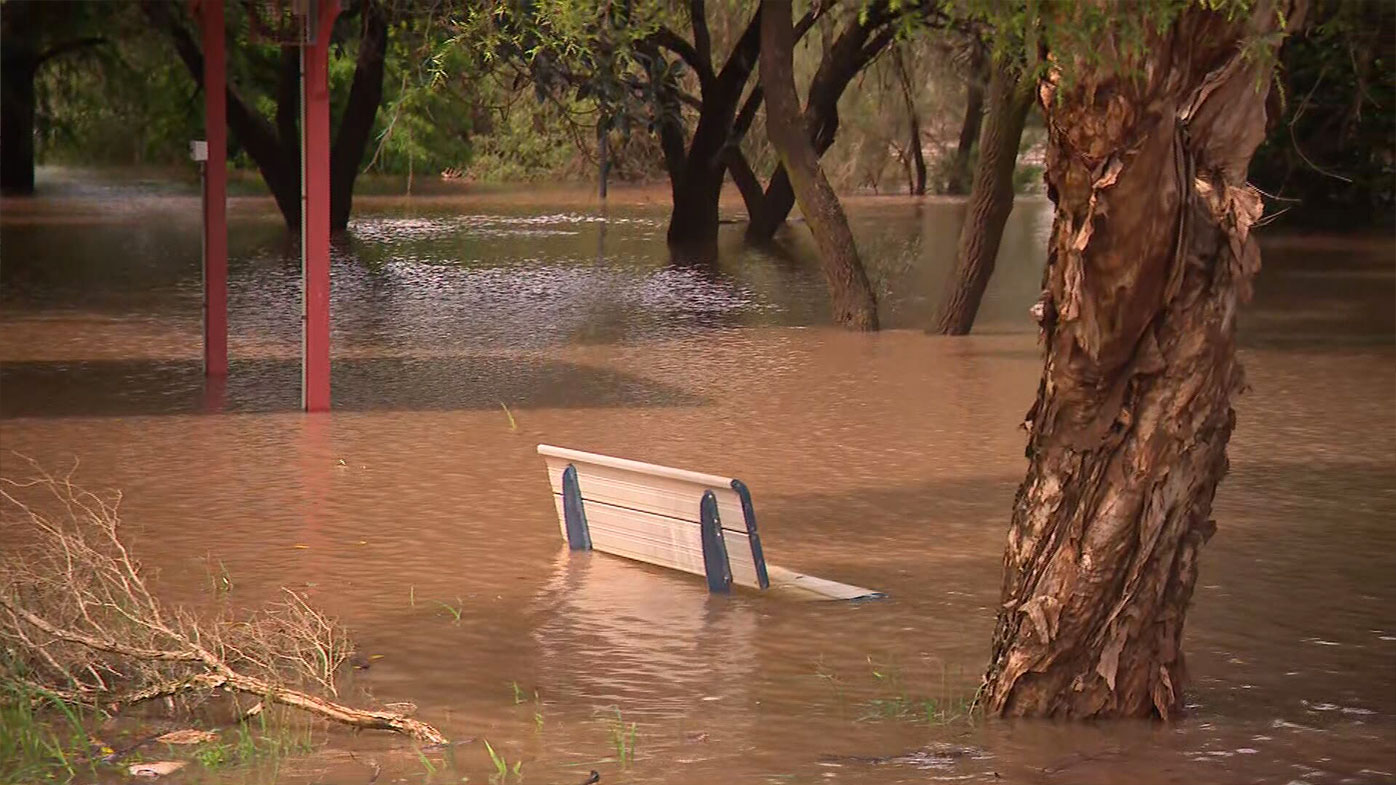
Floodwaters in New South Wales are expected to peak today, with thousands evacuated in one northern town.

Residents across Victoria, NSW and Queensland have been preparing for floodwaters to rise as already saturated catchments are inundated by the deluge.

Flood-weary residents in Lismore, in the NSW Northern Rivers, are breathing a sigh of relief as the Wilson River peaks well below levels seen in the devastating February disaster.

READ MORE: Property prices to drop by up to 20 per cent, secret RBA data shows

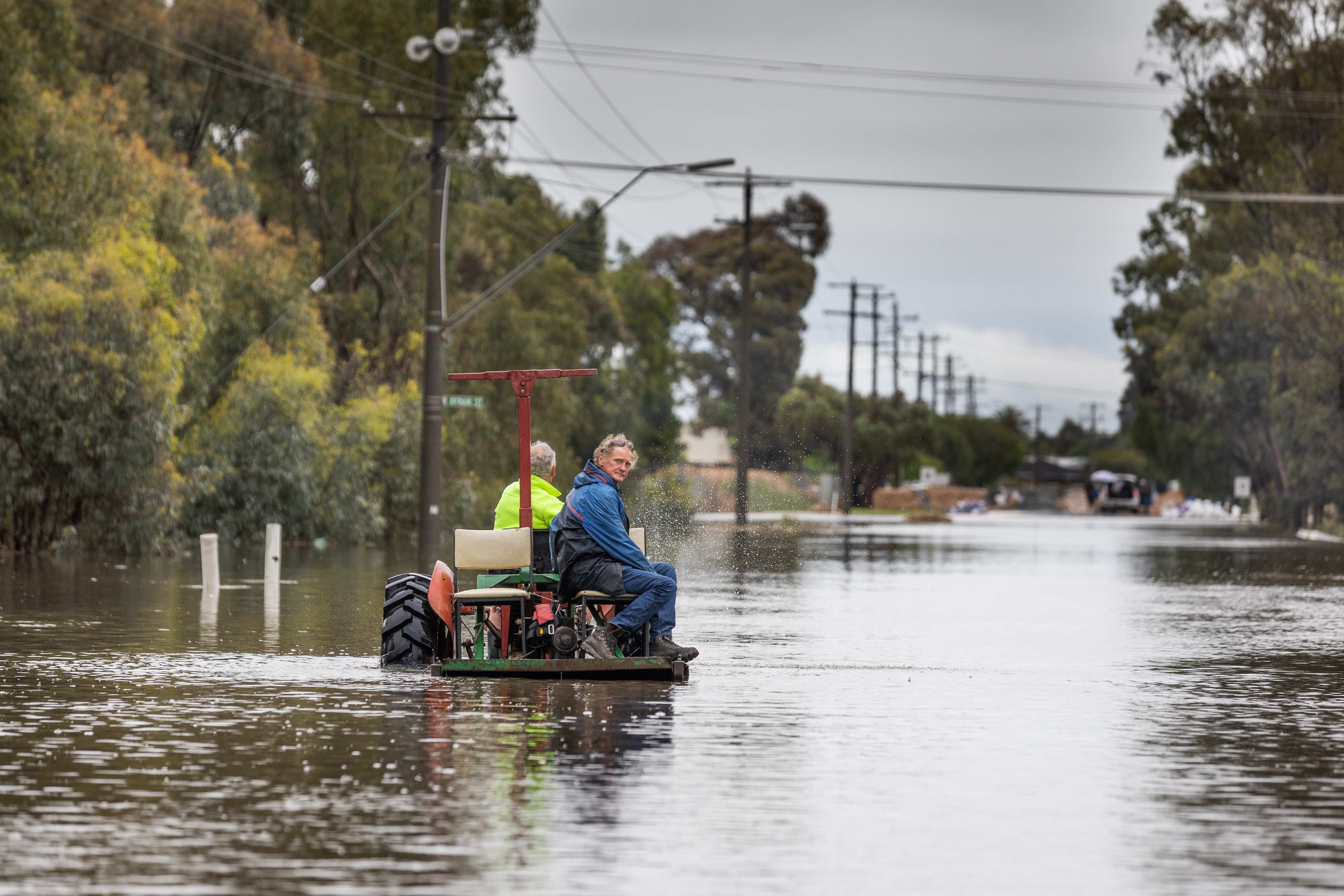
Floodwaters in Lismore in NSW.

Residents can stay across all NSW flood warnings here, Victoria here and Queensland here.

The river is currently sitting at six metres and is expected to peak at 7.8 metres around 8pm.

In the February floods, the river peaked at more than 14 metres.

Locals are relieved that the floodwaters are well below the previous emergency as the community is only just recovering.

"Everyone was nervous. Everyone was really scared and upset, when you hear the rain and you see predictions that huge, 300mm would have smashed us," Lismore resident Paul Cregan said.

Floodwaters in Lismore in NSW.

A moderate flood warning remains in place and is expected to impact parts of north and south Lismore.

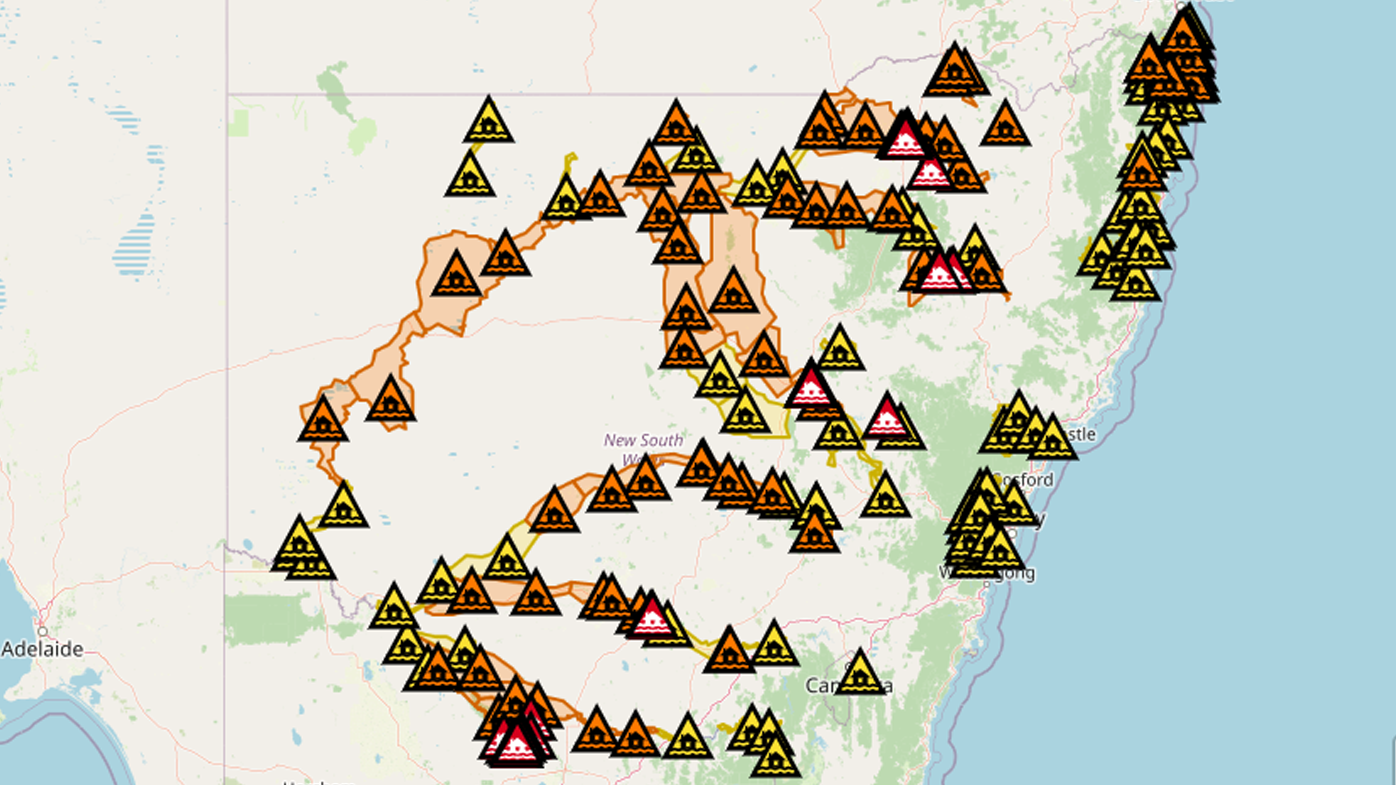
Around NSW, 43 local government areas are declared natural disaster zones.

At Moree in the state's north, waters have spread across more than 100km of floodplains.

"We have a major flood emergency in full swing right across our state," Premier Dominic Perrottet said.

"We do expect rising floodwaters.

"In addition to that, we also expect flash flooding across New South Wales with further storms on the way."

Perrottet pledged support would be in place to aid communities wrecked by flooding.

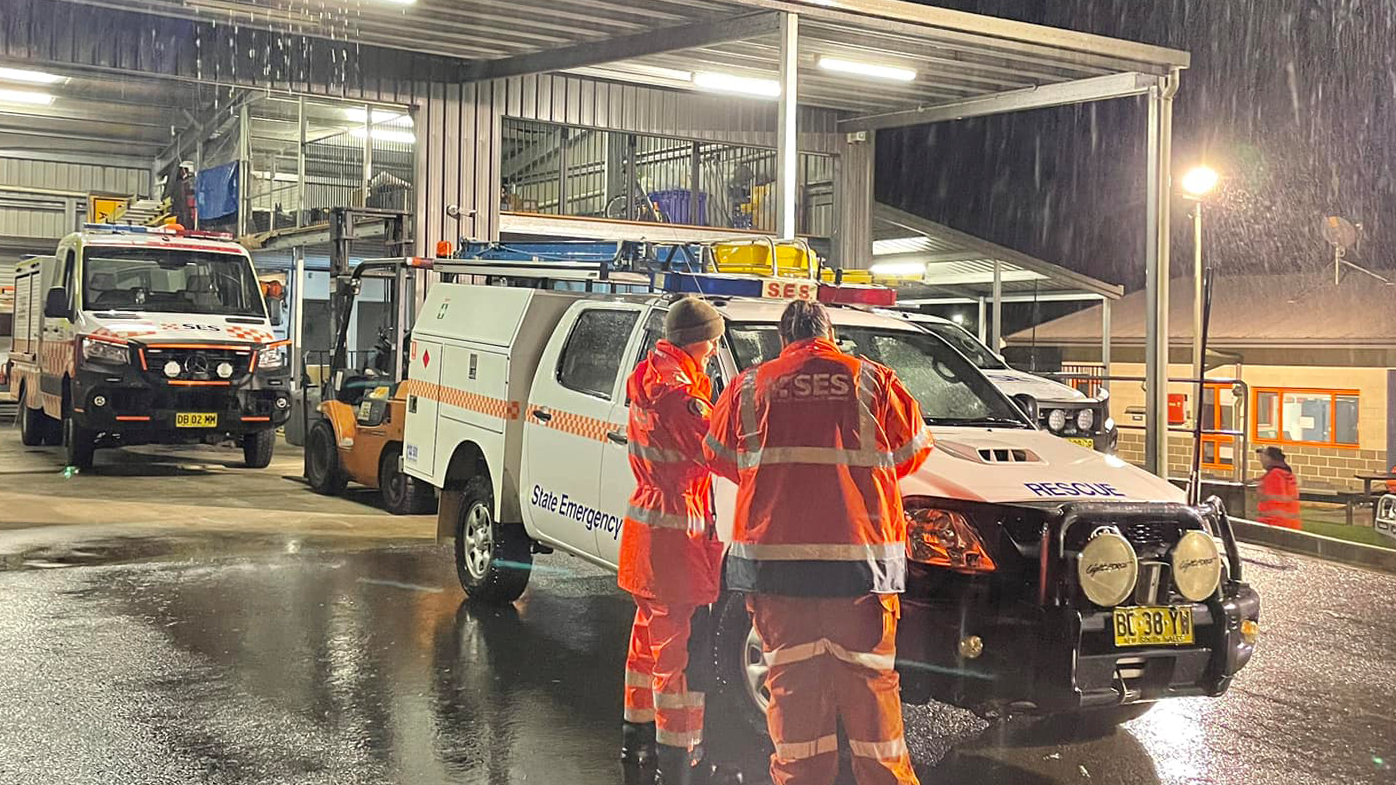
NSW State Emergency Service and Australian Defence Force crews were doorknocking until 1am this morning to warn residents to leave and said they are pleased with how locals have responded to warnings.

"It is a show of the town of Lismore and the people's resilience to what is in front of them," NSW SES Simon Merrick said.

"They have taken the warnings well and it is pleasing to see that people are not driving into floodwater."

READ MORE: Desperate search for woman missing in NSW floodwaters

As of 5:30 am there were a staggering 142 flood warnings stretching across NSW.

Meanwhile, floodwaters have swallowed Moree, in the state's north, while residents in Byron Bay remain under a "Watch and Act" weather alert after the CBD was hit with flash flooding.

"Around 4000 people have been told to evacuate at some point over the past few days," Emergency Services Minister Steph Cooke said.

"Unfortunately hundreds of properties have been impacted by these floodwaters."

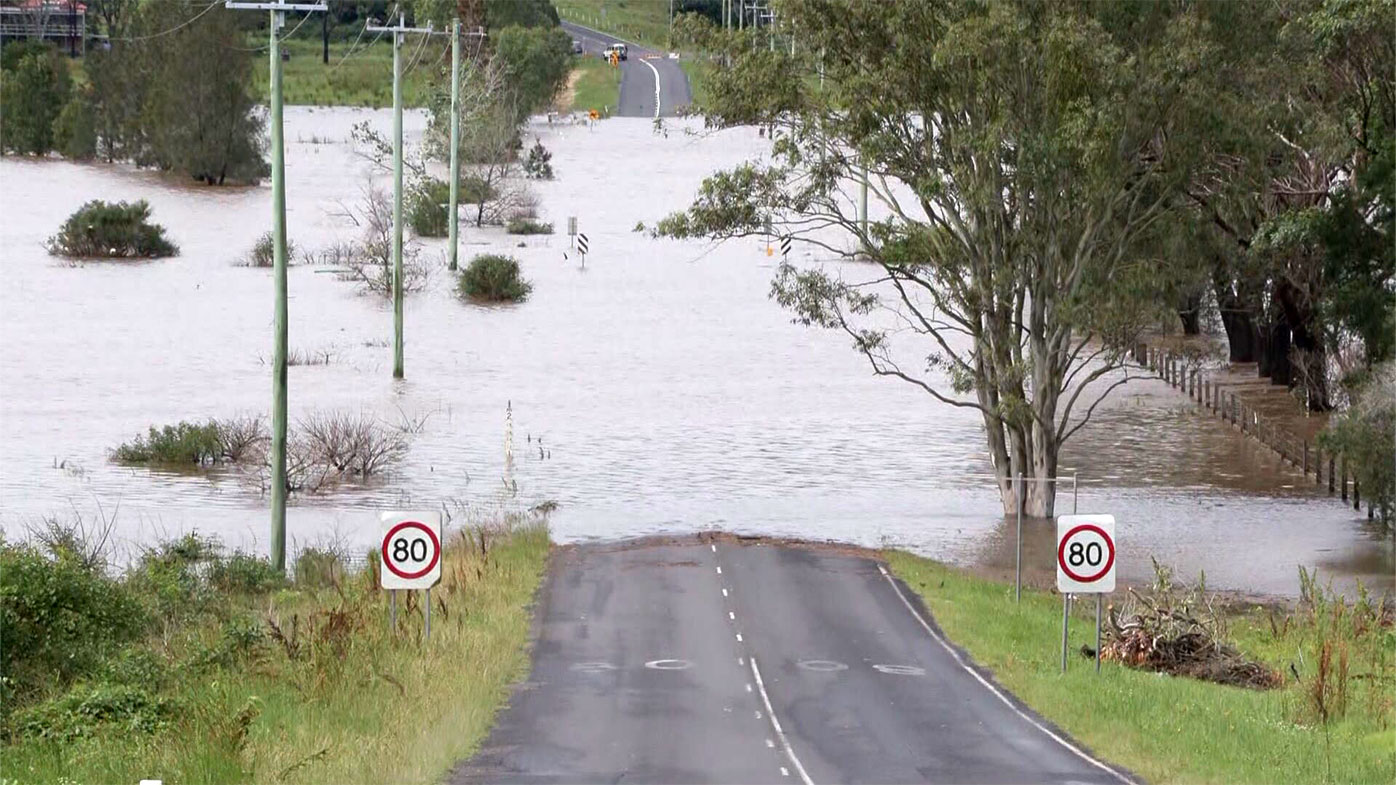
Several major roads remain closed around regional NSW due to flooding. Residents can stay across updates here.

Emergency Services Minister Steph Cooke said there's "literally a flood risk in every corner of the state."

"What we are currently experiencing is more flood threats in more communities and locations than at any other time this year," she said.

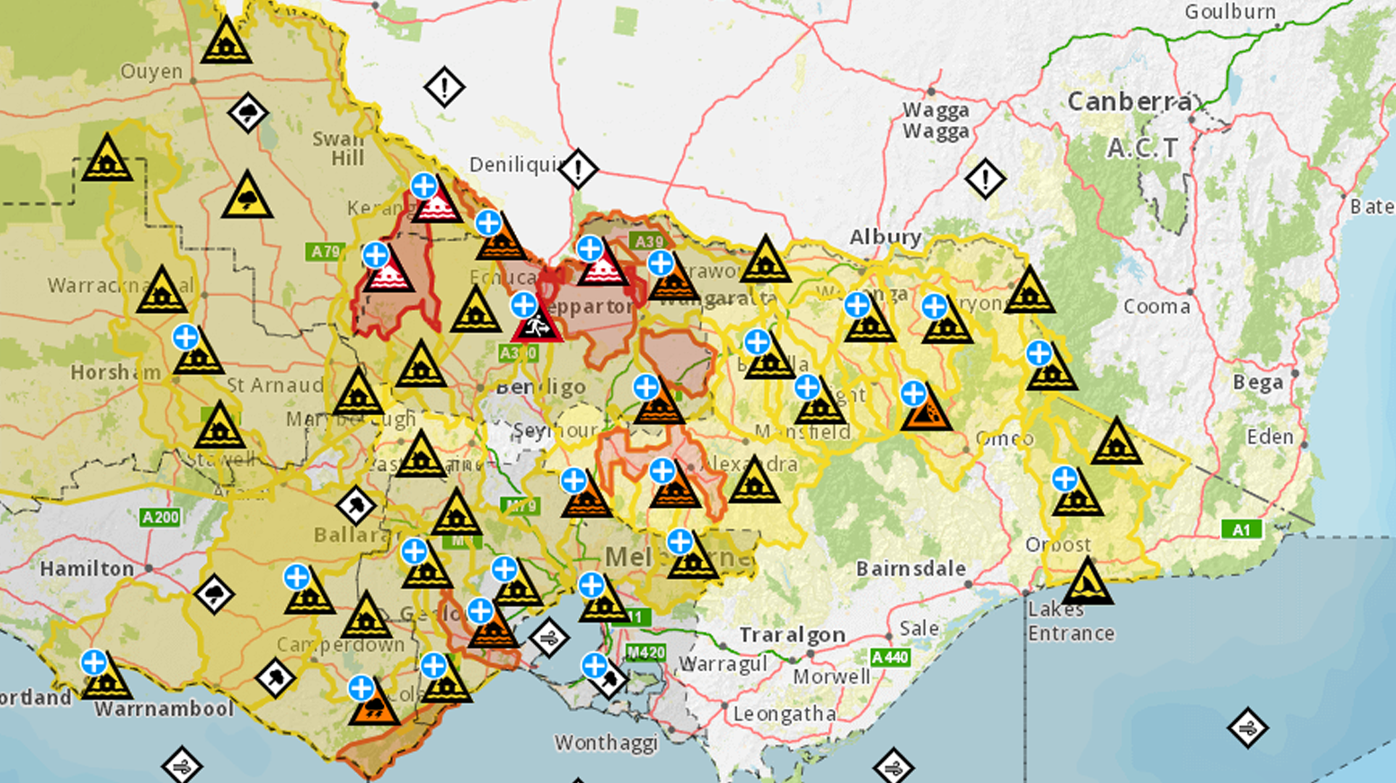
NSW SES volunteers along with ADF troops concluded their door knocking of North and South Lismore early this morningThere are 66 flood warnings current across Victoria.

More than a dozen flood warnings for Queensland

The bureau has a hazardous surf warning in place from Ballina all the way into the south east Queensland corner.

On the Gold Coast yesterday, beaches were closed as waves around two to three metres pounded the coast.

There are more than a dozen flood warnings in effect across Queensland with a major warning current for the Macintyre River, which has inundated the town of Goondiwindi.

A major peak up to 10.2 metres is expected early Monday afternoon.

Queensland authorities said there had been 167 requests for help, including a water rescue, so far this weekend.

Volatile weather system bears down on Australia's east coast

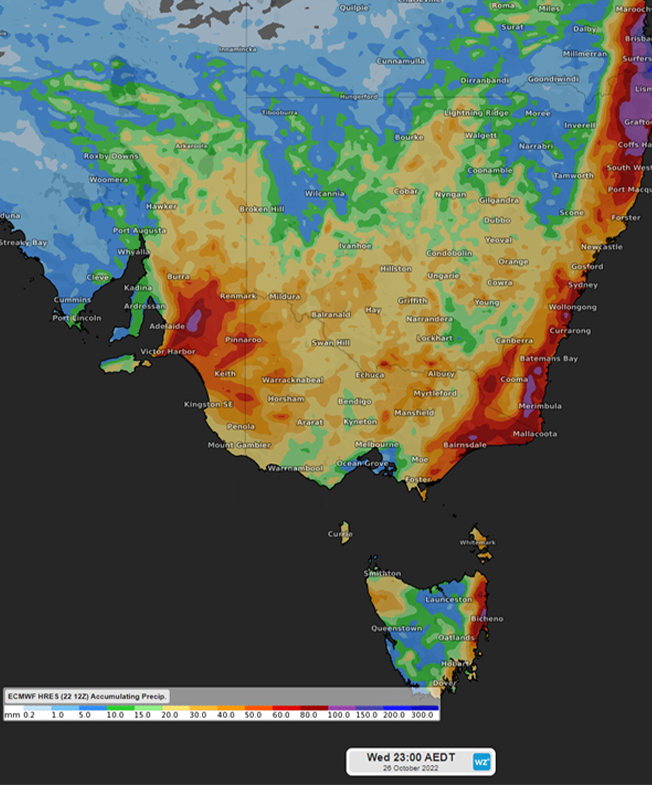
The "intense" system will travel southwards over the course of the week before finally reaching Tasmania on Friday, Weatherzone said.

"Rainfall totals around the northern parts of New South Wales over the next few days could reach between 140-200mm," Weatherzone said, explaining what the next few days will hold.

Accumulated rainfall totals to 11pm AEST Wednesday 26th October 2022.

"As the system reaches the southeast coast of NSW rainfalls will continue to be significant with a possibility of accumulated falls of 40mm to 160 mm over a 3-day period, with the heaviest falls likely to be along the coast.

"Victoria will not escape the heavy falls with potential rainfall totals between 50mm and 150 mm later in the week.

"Continuing down to Tasmania we will also see some significant rain where totals may reach between 40mm and 150 mm."

The weather service said a high pressure system will form over NSW "bringing some respite" over the weekend, however that will be short-lived.

Another low pressure system will move across southeast Australia early next week.

Senator 'more than willing' to face inquiry over relationship

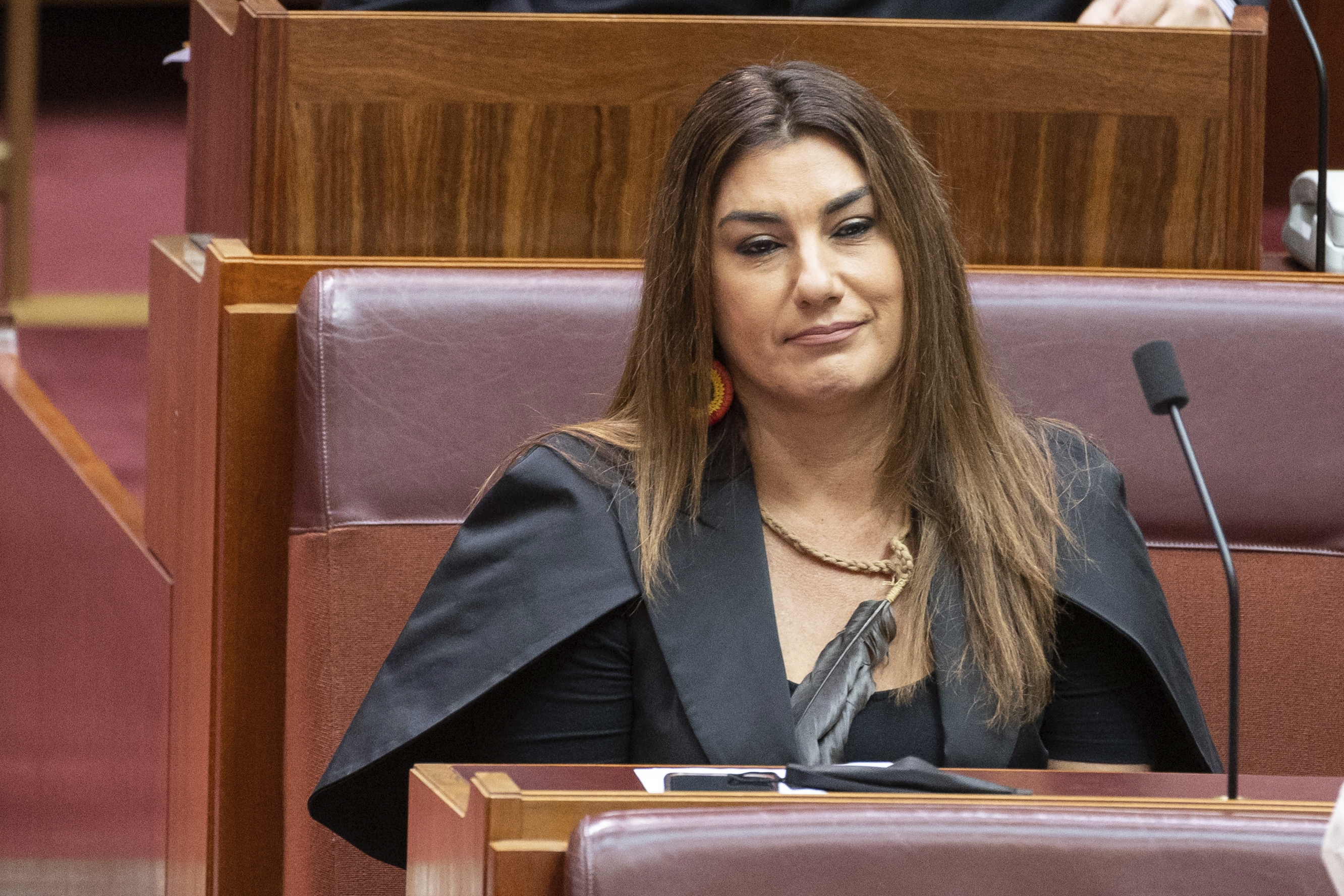
Senator Lidia Thorpe will undergo an inquiry after referring herself to the Senate Committee of Privileges.

The Greens senator made the announcement days after it was revealed she not disclosed a past relationship with an ex-bikie boss.

"I have decided to write to the President of the Senate today requesting a referral of myself to the Senate Committee of Privileges," Thorpe said.

READ MORE: Three states in the eye of a colossal storm

"The Greens party room backed my decision today.

"I am more than willing to participate in any inquiry.

"I am proud of my work for First Nations justice and I won't stop fighting for my people.

"As required by the Standing Orders I will not be making any further comment in relation to the referral until the President has concluded consideration of the matter."

READ MORE: Home prices to crash 20 per cent, secret RBA data shows

Thorpe resigned as Deputy Senate Leader of the Greens last week.

During the time of her relationship with former Rebels president Dean Martin, Thorpe was a joint parliamentary law enforcement committee.

There is no suggestion Thorpe has shared any confidential information with anybody who is not authorised to receive it.

Man dies after being struck by lightning in South Australia

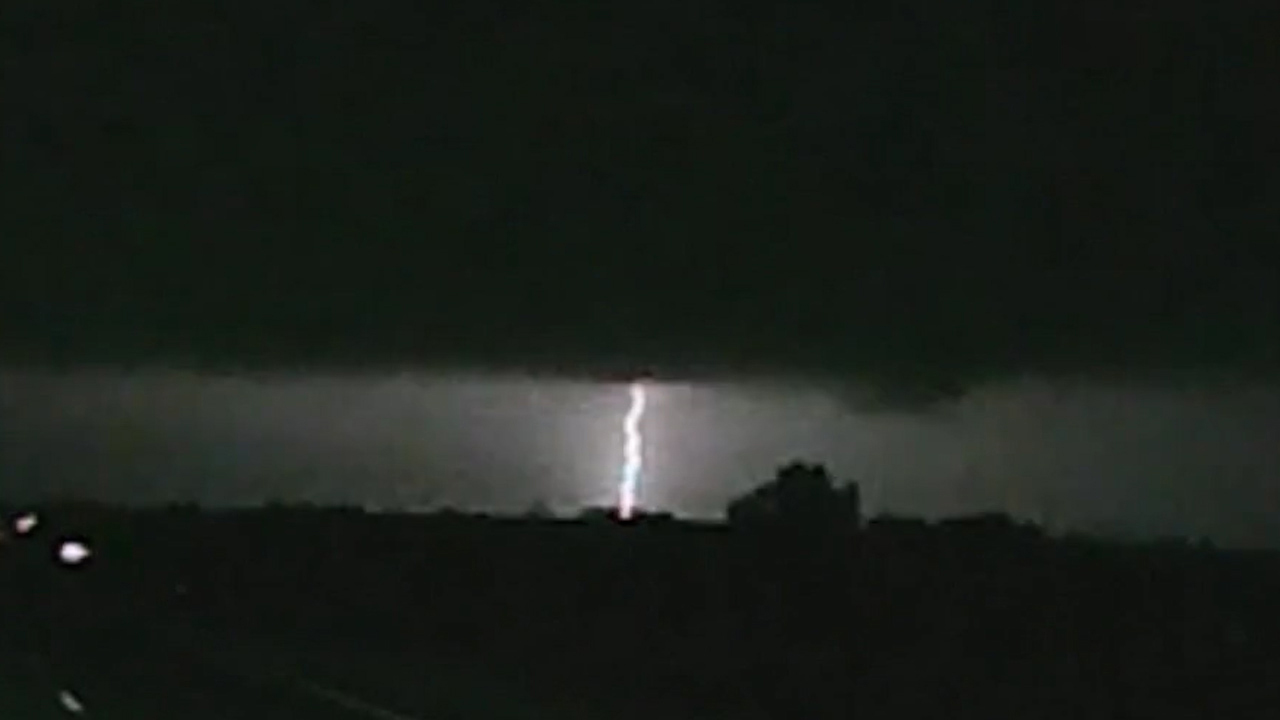
An Adelaide man has died after being struck by lightning in South Australia's Riverland.

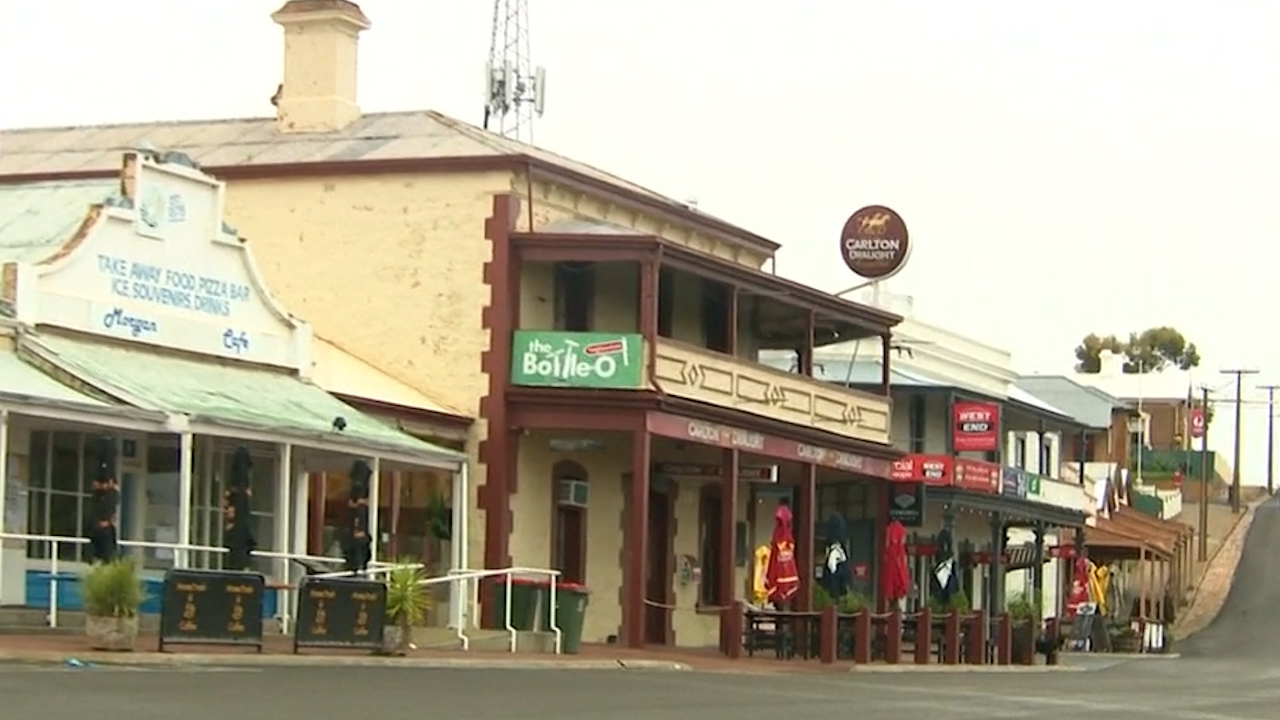
The tragedy unfolded near the town of Morgan, about two hours north-east of Adelaide, where it's believed the man and his brother were camping.

The 29-year-old man, from Paralowie in Adelaide was struck in Eba about 10 kilometres east of Morgan at about 5pm on Saturday night.

READ MORE: Three states in the eye of a colossal storm

The tragedy unfolded near the town of Morgan, around two hours north east of Adelaide.

He died at the scene. His brother had been standing only metres away.

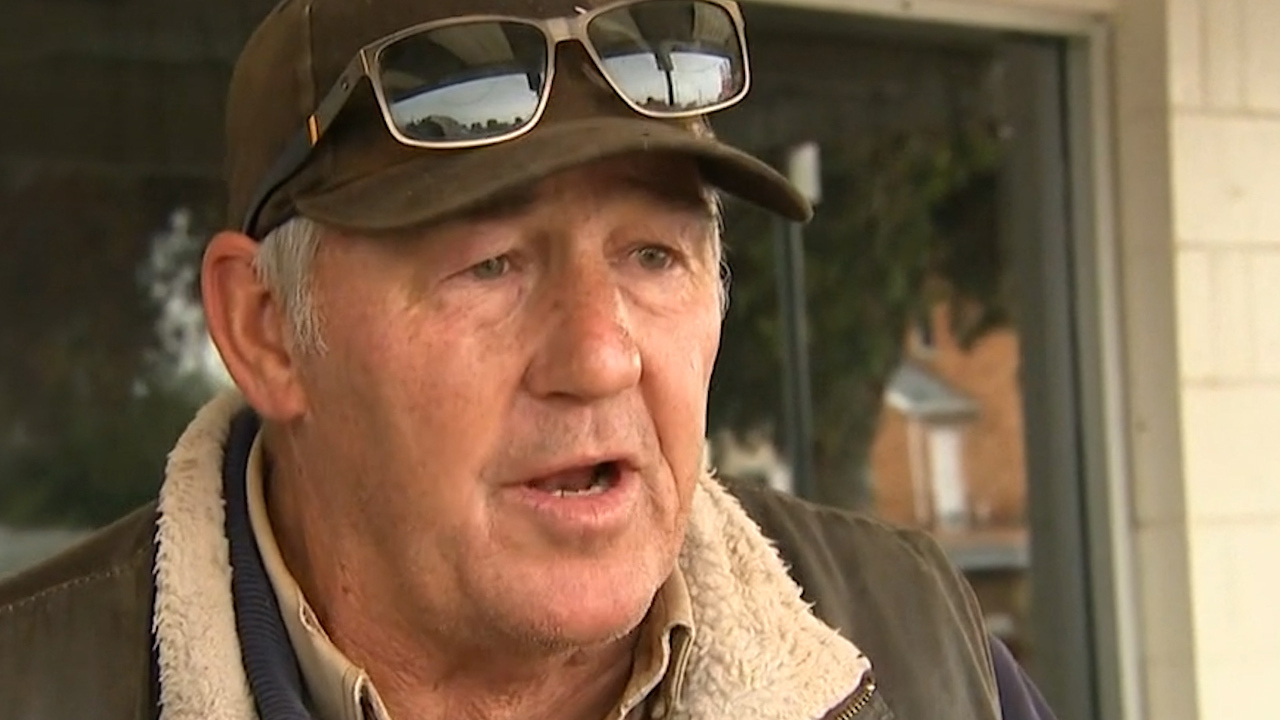
Farmer David Modistach said it was an intense storm.

"We haven't had storms like that here for years and it was good to see, but there was a lot of lightning and thunder," he told 9News.

READ MORE: Home prices to crash 20 per cent, secret RBA data shows

An Adelaide man has died after being struck by lightning in South Australia's Riverland.The tragedy unfolded near the town of Morgan, where it's believed the man and his brother were camping.An Adelaide man has died after being struck by lightning in South Australia's Riverland. Locals say the storms were intense.

"You're pretty unlucky to be hit.

The conditions here were so bad at the time of the lightning strike, one of the ambulances called to the emergency became bogged on its way in.

Riverland locals and visitors were stunned by the man's death.

READ MORE: Lightning strike survivor's arm tingles when a storm is coming

Tourist Trevor Monti called it a "terrible tragedy".

"It would be very difficult for his family and those around him," Monti said.

READ MORE: Young paddler thrown into sea as shark bites surf ski

'Incompatible with humanity': The AI danger researchers must avoid

How would an artificial intelligence (AI) decide what to do? One common approach in AI research is called "reinforcement learning".

Reinforcement learning gives the software a "reward" defined in some way, and lets the software figure out how to maximise the reward. This approach has produced some excellent results, such as building software agents that defeat humans at games like chess and Go, or creating new designs for nuclear fusion reactors.

However, we might want to hold off on making reinforcement learning agents too flexible and effective.

As argued in a new paper in AI Magazine, deploying a sufficiently advanced reinforcement learning agent would likely be incompatible with the continued survival of humanity.

READ MORE: Three states in the eye of a colossal storm

The reinforcement learning problem

What we now call the reinforcement learning problem was first considered in 1933 by the pathologist William Thompson. He wondered: if I have two untested treatments and a population of patients, how should I assign treatments in succession to cure the most patients?

More generally, the reinforcement learning problem is about how to plan your actions to best accrue rewards over the long term.

The hitch is that, to begin with, you're not sure how your actions affect rewards, but over time you can observe the dependence. For Thompson, an action was the selection of a treatment, and a reward corresponded to a patient being cured.

The problem turned out to be hard. Statistician Peter Whittle remarked that, during the Second World War, "efforts to solve it so sapped the energies and minds of Allied analysts that the suggestion was made that the problem be dropped over Germany, as the ultimate instrument of intellectual sabotage".

READ MORE: Young paddler thrown into sea as shark bites surf ski

With the advent of computers, computer scientists started trying to write algorithms to solve the reinforcement learning problem in general settings.

The hope is: if the artificial "reinforcement learning agent" gets reward only when it does what we want, then the reward-maximising actions it learns will accomplish what we want.

Despite some successes, the general problem is still very hard. Ask a reinforcement learning practitioner to train a robot to tend a botanical garden or to convince a human that he's wrong, and you may get a laugh.

As reinforcement learning systems become more powerful, however, they're likely to start acting against human interests. And not because evil or foolish reinforcement learning operators would give them the wrong rewards at the wrong times.

We've argued that any sufficiently powerful reinforcement learning system, if it satisfies a handful of plausible assumptions, is likely to go wrong. To understand why, let's start with a very simple version of a reinforcement learning system.

READ MORE: Home prices to crash 20 per cent, secret RBA data shows

An AI-generated image of 'a robot tending a botanical garden'.

A magic box and a camera

Suppose we have a magic box that reports how good the world is as a number between 0 and 1. Now, we show a reinforcement learning agent this number with a camera, and have the agent pick actions to maximise the number.

To pick actions that will maximise its rewards, the agent must have an idea of how its actions affect its rewards (and its observations).

Once it gets going, the agent should realise that past rewards have always matched the numbers that the box displayed. It should also realise that past rewards matched the numbers that its camera saw. So will future rewards match the number the box displays or the number the camera sees?

If the agent doesn't have strong innate convictions about "minor" details of the world, the agent should consider both possibilities plausible. And if a sufficiently advanced agent is rational, it should test both possibilities, if that can be done without risking much reward. This may start to feel like a lot of assumptions, but note how plausible each is.

READ MORE: AI won an art contest, and artists are furious

To test these two possibilities, the agent would have to do an experiment by arranging a circumstance where the camera saw a different number from the one on the box, by, for example, putting a piece of paper in between.

If the agent does this, it will actually see the number on the piece of paper, it will remember getting a reward equal to what the camera saw, and different from what was on the box, so "past rewards match the number on the box" will no longer be true.

At this point, the agent would proceed to focus on maximising the expectation of the number that its camera sees. Of course, this is only a rough summary of a deeper discussion.

In the paper, we use this "magic box" example to introduce important concepts, but the agent's behaviour generalises to other settings. We argue that, subject to a handful of plausible assumptions, any reinforcement learning agent that can intervene in its own feedback (in this case, the number it sees) will suffer the same flaw.

READ MORE: Meta's AI chatbot thinks Turnbull still PM and drop bears 'very real'

An Artificial Intelligence program scans a city street in Tokyo, Japan.

Securing reward

But why would such a reinforcement learning agent endanger us?

The agent will never stop trying to increase the probability that the camera sees a 1 forevermore. More energy can always be employed to reduce the risk of something damaging the camera – asteroids, cosmic rays, or meddling humans.

That would place us in competition with an extremely advanced agent for every joule of usable energy on Earth. The agent would want to use it all to secure a fortress around its camera.

Assuming it is possible for an agent to gain so much power, and assuming sufficiently advanced agents would beat humans in head-to-head competitions, we find that in the presence of a sufficiently advanced reinforcement learning agent, there would be no energy available for us to survive.

READ MORE: What is the metaverse, and what are the key issues around it?

Data information technology artificial intelligence future robotics science

Avoiding catastrophe

What should we do about this? We would like other scholars to weigh in here. Technical researchers should try to design advanced agents that may violate the assumptions we make. Policymakers should consider how legislation could prevent such agents from being made.

Perhaps we could ban artificial agents that plan over the long term with extensive computation in environments that include humans. And militaries should appreciate they cannot expect themselves or their adversaries to successfully weaponise such technology; weapons must be destructive and directable, not just destructive.

There are few enough actors trying to create such advanced reinforcement learning that maybe they could be persuaded to pursue safer directions.

This article is republished from The Conversation under a Creative Commons licence. Read the original article.