Public Interest Journalism funded through NZ On Air Working alongside Māori in business has made Asia NZ director Nick Siu feel “respected” as a “guest” on Aotearoa’s whenua, and he can also take pride in assisting New Zealanders…
Tag Archives: oceania
Former All Black prop Carl Hayman caught drink-driving, four times over the limit
Former All Black prop Carl Hayman has been convicted of drink-driving after being caught behind the wheel while more than four times over the legal alcohol limit.The 42-year-old admitted to not being “in a good place”, when he was…
Niwa picking hotter-than-average temperatures for early summer
Niwa is forecasting above-average temperatures for the next three months, as another La Niña system keeps a “firm grip” on the steering wheel of our regional climate. Its latest long-term outlook, covering November to January, predicted…
Climate activists target 'Girl with a Pearl Earring' in 'obscene' act
Climate activists targeted Johannes Vermeer's masterpiece "Girl with a Pearl Earring" with glue and liquid on Thursday, but one of the world's most iconic paintings was not damaged in the latest of such publicity-seeking stunts.
A video posted on Twitter showed one man pouring a can of red substance over another protester who appeared to attempt to glue his head to the glass-protected painting.
The second man stuck his hand to the panel holding the centuries-old painting.
READ MORE: Rich nations slammed as world heads for 'global catastrophe' on climate

"The condition of the painting has been investigated by our conservators. Fortunately, the glazed masterpiece was not damaged," the museum said.
One of the men, wearing a T-shirt emblazoned with the words "Just Stop Oil," shouted "How do you feel when you see something beautiful and priceless being apparently destroyed before your eyes?
"Do you feel outrage? Good. That is the feeling when you see the planet being destroyed before our very eyes."

He went on to say that the painting is protected by glass as one visitor to the museum shouts: "Shame on you!"
Other visitors also showed their disapproval.
Police in The Hague said they had arrested three people for "public violence against property".
READ MORE: Protesters cover King Charles III waxwork with chocolate cake
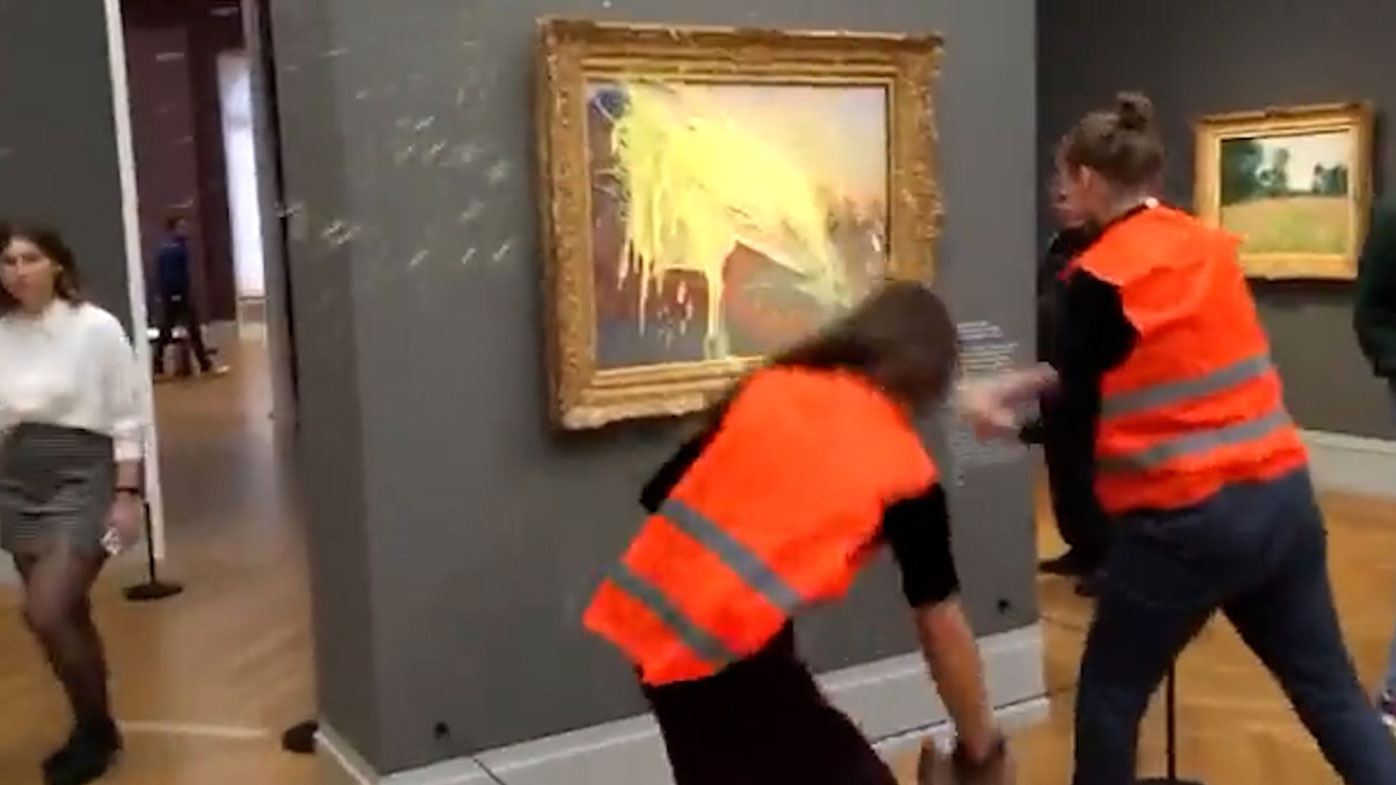
Earlier this month, climate protesters threw mashed potatoes at a Claude Monet painting in a German museum and a similar protest happened in London, where protesters threw soup over Vincent van Gogh's 'Sunflowers' in the National Gallery.
In both those cases, the paintings were not damaged.
"Art is defenseless, and the Mauritshuis firmly rejects attempts to damage it for any purpose whatsoever," the museum said.
It refused further comment since it argued it would only give the protesters further publicity.
Covid 19 lockdown protests: Brian Tamaki and Destiny Church co-defendants set down for two-week trial
A judge has set aside two weeks to hear evidence in the case against prominent lockdown protesters Brian and Hannah Tamaki and several members of their church. However, when that two-week fixture will take place remains to be determined….
Worker still in hospital month after shooting at Napier construction site
A man allegedly shot in the leg after finishing work on a Napier construction site remains in hospital a month on from the incident.The hunt for the person responsible continues and no arrests have been made.The incident happened…
Prince Harry's long-awaited memoir, 'Spare,' set for January release
Prince Harry's highly anticipated memoir will be entitled "Spare" and is set for a January 10 release.
The 416-page book will include Harry's recollection of Princess Diana's funeral in 1997, when the 12-year-old prince walked behind his mother's coffin, Penguin Random House said in a press release.
Its title appears to nod towards Harry's perceived role within the royal family, from which he and his wife Meghan, Duchess of Sussex stepped back as working royals in early 2020.
Since then, the couple have relocated to the US, and worked to make themselves financially independent by signing a number of media deals. They have also revealed some tensions with Harry's siblings and his father, King Charles III.
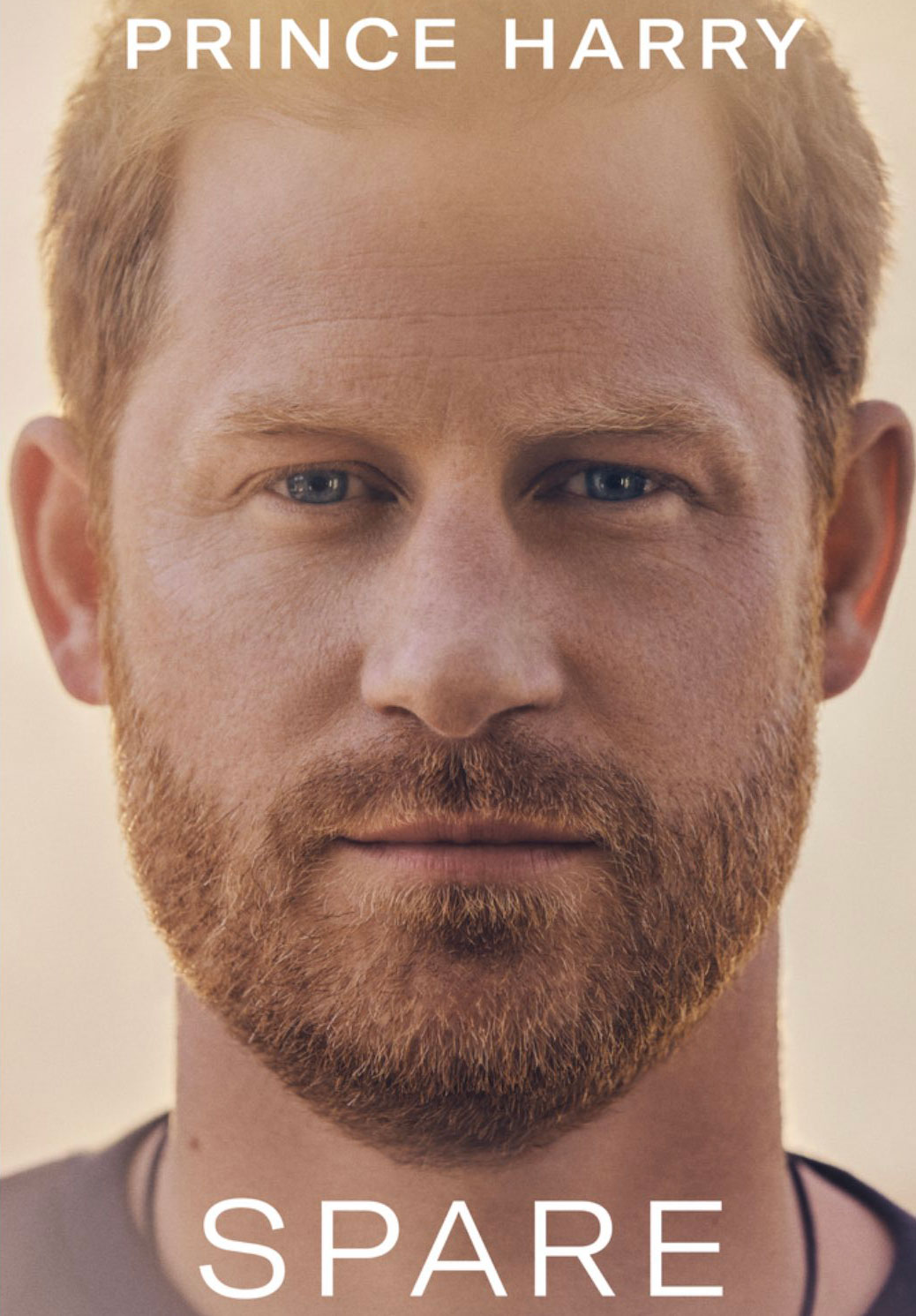
"For Harry, this is his story at last," Penguin Random House said. "With its raw, unflinching honesty, SPARE is a landmark publication full of insight, revelation, self examination, and hard-won wisdom about the eternal power of love over grief."
Harry announced the book in June 2021 and it was originally due to be published in late 2022, but the release was pushed back.
The prince reunited with his family following Queen Elizabeth II's death last month, attending a number of memorial events including her state funeral in London. It is unclear whether Harry updated the book to reference the late monarch's death and the mourning period that followed.
Harry will donate proceeds from the book's sales to "several charities," the publisher said. It added he has already donated $1,500,000 to Sentebale, a group that supports children affected by HIV/AIDS in Lesotho and Botswana, following his support for a cause to which his mother, Diana, was closely connected.
He has also pledged £300,000 British charity WellChild, which supports children with serious illnesses.
It is unclear whether the content of the book will calm or exacerbate Harry's complex relationships with the rest of the royal family.
In a podcast interview last year, Harry said he was caught in a cycle of "pain and suffering" in the clan and hinted that he is heavily critical of the way his father, Charles, raised him.
"When it comes to parenting, if I've experienced some form of pain or suffering because of the pain or suffering that perhaps my father or my parents had suffered, I'm going to make sure I break that cycle so that I don't pass it on," Harry told Dax Shepard, actor and host of the "Armchair Expert" podcast.
A Netflix documentary series featuring Harry and his wife, Meghan, is also expected to release soon, though a release date has yet to be formally announced. Britain's Telegraph newspaper cited friends of the Sussexes as insisting it would still be going out in December, as per the original plan.
It follows a multi-year production deal that the couple signed with the streaming giant in 2020.
A runny nose to a coma then being 'paralysed in a nightmare'
A Melbourne man did not recognise himself when he woke up, unable to walk and with a hole in his face, weeks after he was put into a coma within 90 minutes of going to hospital with COVID-19.
It started with a runny nose in the depths of Melbourne's stage four lockdown in September last year, but a case of COVID-19 almost killed Theo Ikosidekas.
The 32-year-old lay unconscious in a hospital bed, fighting for life for two weeks, and had to spend months more working to regain a semblance of his former life after that.
A year on, Ikosidekas is finally considered back to "normal", but he is haunted by post-traumatic stress disorder (PTSD) after his harrowing health battle.
READ MORE: Hunt on for mystery winner after record $160 million lotto draw

He has moved back in with his parents who, along with a psychologist, are helping him manage his PTSD.
The 32-year-old is confident he will move past the mental battle and is thankful he can return to work and his social life.
"I'm 100 per cent back and I couldn't be happier about it," he said.
His heath battle has taught him not to put anything in life off.
"You don't know what you're going to have next year," he said.
Rich nations slammed as world heads for 'global catastrophe'
The world, especially richer carbon polluting nations, remains "far behind" and is not doing nearly enough – not even promising to do enough – to reach any of the global goals limiting future warming, a United Nations report has found.
That "highly inadequate" inaction means the window is closing, but not quite shut yet, on efforts to keep future warming to just a few more tenths of a degree from now, according to Thursday's Emissions Gap report from the United Nations Environment Program.
"Global and national climate commitments are falling pitifully short," United Nations Secretary-General Antonio Guterres said on Thursday.
"We are headed for a global catastrophe."
READ MORE: Three winning entries split record $160 million Powerball jackpot
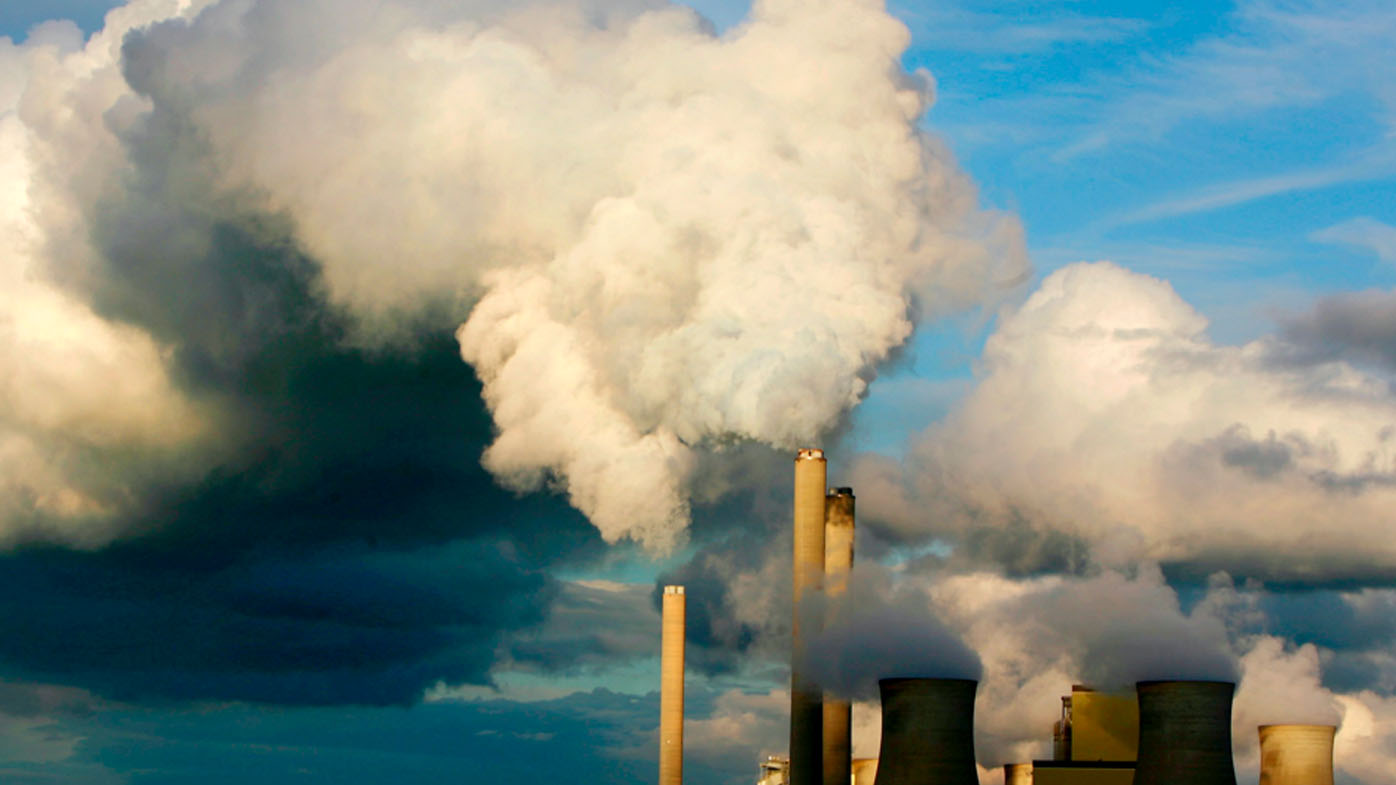
The world is weaning itself from fossil fuels too slowly, the report and experts said.
"The report confirms the utterly glacial pace of climate action, despite the looming precipice of climate tipping points we're approaching," said climate scientist Bill Hare, head of Climate Analytics that also examines what countries are promising and doing about carbon emissions in its own analysis.
Instead of limiting warming to 1.5 or 2 degrees above pre-industrial levels – the global goals set by the 2015 Paris agreement – the way the world is acting now, warming would hit 2.8 degrees by the year 2100, the UN report said.
Countries' concrete pledges would bring that down to 2.6 degrees. The world has already warmed 1.1 degrees since pre-industrial times.
"In all likelihood we will pass by 1.5," UNEP Executive Director Inger Andersen told The Associated Press in an interview.
"We can still do it, but that means 45 per cent emissions reductions" by 2030.
READ MORE: Melbourne woman discovers crash, calls triple zero without realising brother has been killed
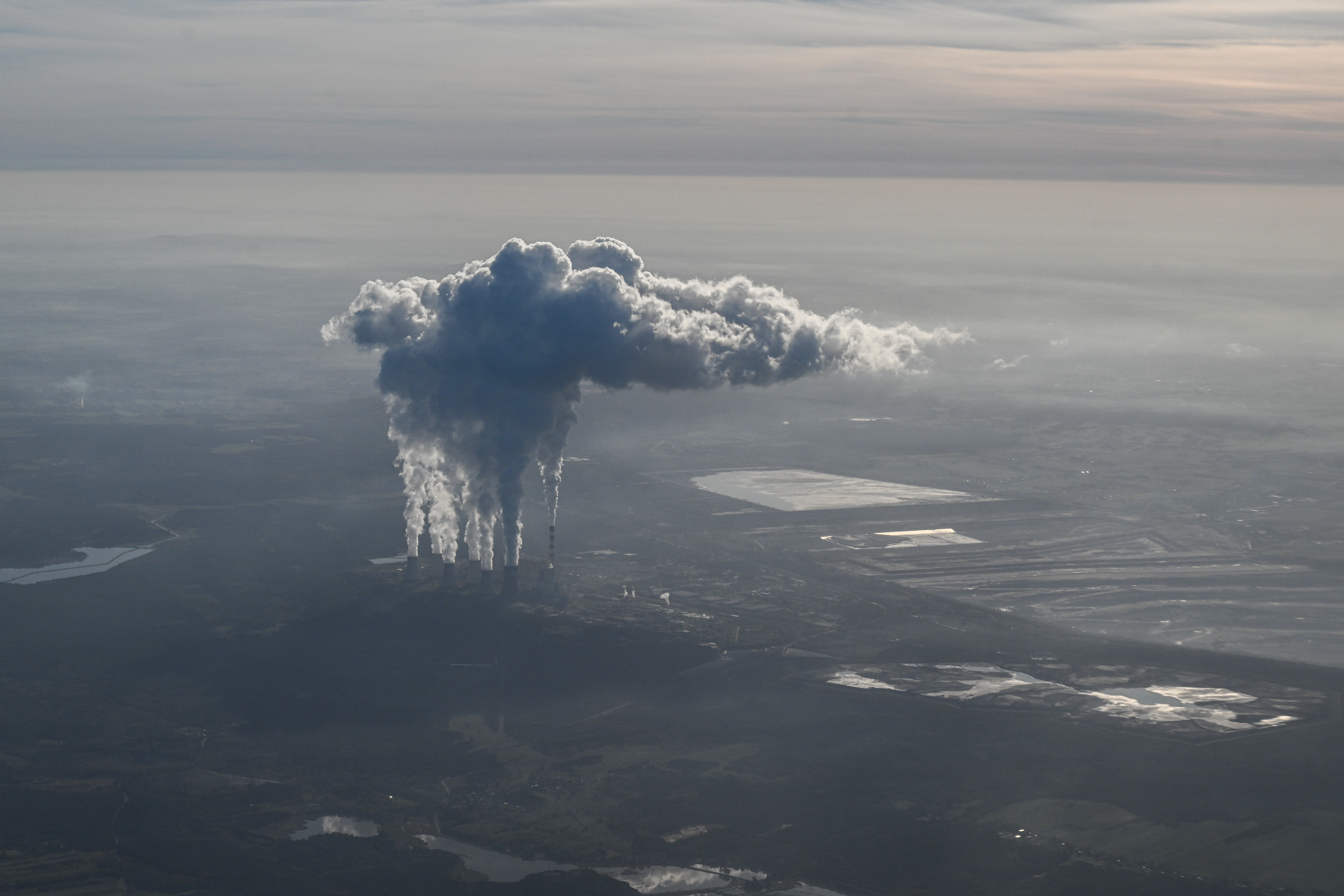
World Meteorological Organisation Secretary-General Petteri Taalas said the UN weather agency has calculated that there's a 50 per cent chance the world will likely hit the 1.5-degree mark temporarily in the next five years and "in the next decade we'd be there on a more permanent basis".
"It's really about understanding that every little digit (tenth of a degree of warming) that we shave off is a lesser catastrophic outlook," Andersen said, describing the world as "sliding from climate crisis to climate disaster".
The emissions gap is the difference between the amount of carbon pollution being spewed between now and 2030 and the lower levels needed to keep warming to 1.5 or 2 degrees.
"The emissions gap is a by-product of a commitments gap. A promises gap. An action gap," Guterres said.
READ MORE: 'I thought I was fine': Optus hack victims still learning of data breach
Stanford University climate scientist Rob Jackson, who chairs the independent Global Carbon Project that tracks carbon dioxide emissions around the world but wasn't part of the UN report, said "another decade of fossil emissions at current rates and we'll zip past 1.5C".
"The way things are going though we'll zip past 1.5C, past 2C and – heaven help us – even 2.5 or 3C," he said.
"We're failing by winning too slowly," Jackson said in an email.
"Renewables are booming and cheaper than ever. But COVID stimulus plans and the war in Ukraine have disrupted global energy markets and led some countries (to) revert to coal and other fuels. This can't continue in a safe climate."
In 10 days, yearly international climate negotiations will begin in Sharm El Sheikh, Egypt, and in the run up to the United Nations conference, several reports highlight different aspects of the world's battle to curb climate change.
On Wednesday, a different UN agency looked at countries' official emission reduction targets. Thursday's Emissions Gap report looks at what countries are actually doing as well as what they promise to do in the future in various pledges.
The G20 nations, the richest countries, are responsible for 75 per cent of the heat-trapping pollution, Andersen said, adding "clearly the more those G20s lean in, the better we will be".
The report said "G20 members are far behind in delivering" on their promises to reduce emissions.
Taking out the special cases of Turkey and Russia, current polices by G20 nations fall 2.6 billion tonnes a year short of the 2030 goal, the report said.
Both Turkey and Russia's targets for 2030 have higher pollution levels than current policies project and using their projections would make the G20 emissions gap artificially low, the report said.
READ MORE: Budget reply: Opposition criticises Labor's 'missed opportunity' on cost of living crisis
"It's critical that China, as well as the US and other G20 countries, actually lead," Andersen said.
She hailed the newly passed US$375 billion ($577 billion) American climate- and inflation-fighting law as an example of action instead of just promises.
The report said that by 2030 the US law should prevent 1 billion tonnes of carbon emissions, which is much more than other nations' efforts made this year.
"What we're calling for is an accelerated pace because there are good things happening out there in a number of countries, but it's just not fast enough and it's not consistent enough," Andersen said.
Overall to get to the emission cuts needed, the world needs to transform to a low-carbon economy, something that needs global investments of US$4 trillion to US$6 trillion a year, the report said.
Hobby beekeeper makes final plea to save her bees from being killed
Sue Bish became a hobby beekeeper four years ago after hearing the insect was struggling for survival.
But on Sunday, she'll be forced to say goodbye to the hives in her backyard at North Lambton in Newcastle.
"I'm just going to miss it, it's horrendous," Bish said.
READ MORE: Three winning entries split record $160 million Powerball jackpot
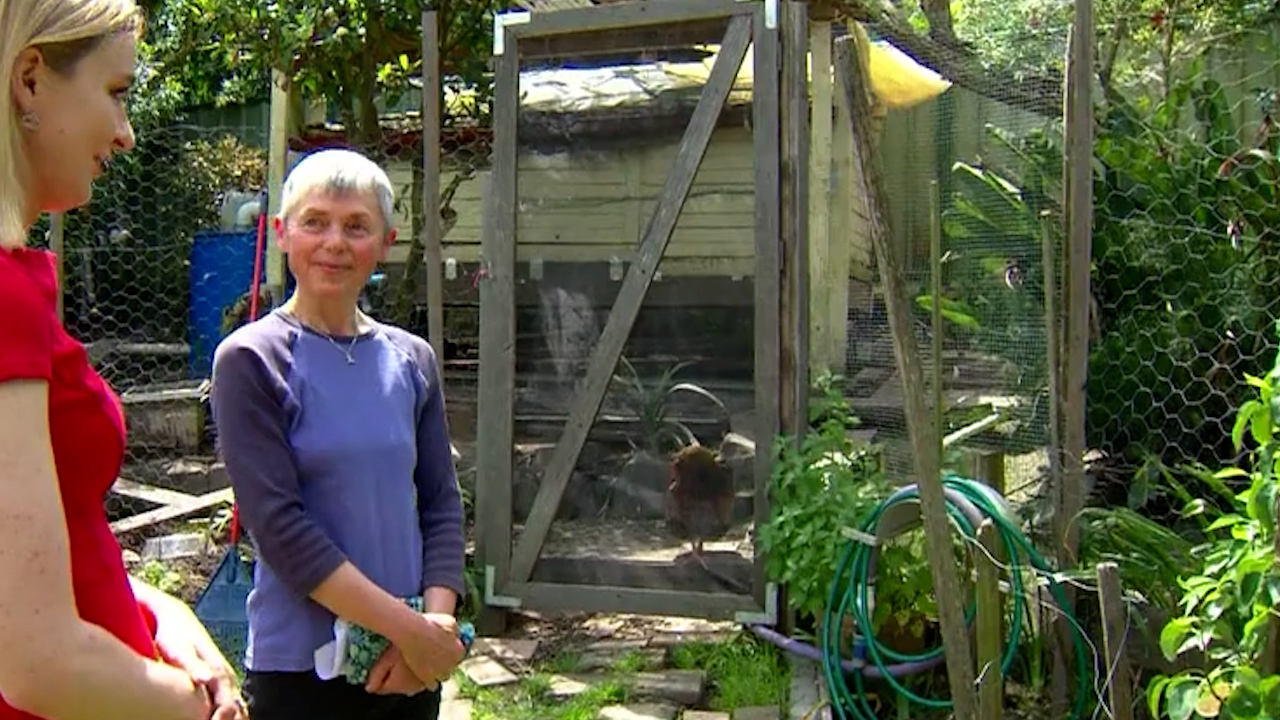
"I've been sitting up here with the bees, it's like losing a friend, a pet. I know it sounds crazy, there's thousands of bees in a hive, but you hear the buzz, I help them with little bits of cleaning they do in the hives."
As part of a mandate enforced by the Department of Primary Industries' varroa mite eradication program, more than 160,000 bees will be euthanised at her property, which sits in the identified red zone.
Sue's calling for individual testing of hobby hives in red zones.
"Once you're in a red zone, it's just death, there's no testing anymore," says Bish.
But the DPI is standing firm in its position on the existing mandate.
NSW varroa mite response coordinator Chis Anderson said the eradication of hives in the red zone was more than 90 per cent complete.
"Any hive that's in the red zone is likely to become infested if it's not already infested, and one of the issues with our surveillance is that sometimes it can take time for the mites to build up to a level where they're detectable," he said.
READ MORE: Melbourne woman discovers crash, calls triple zero without realising brother has been killed
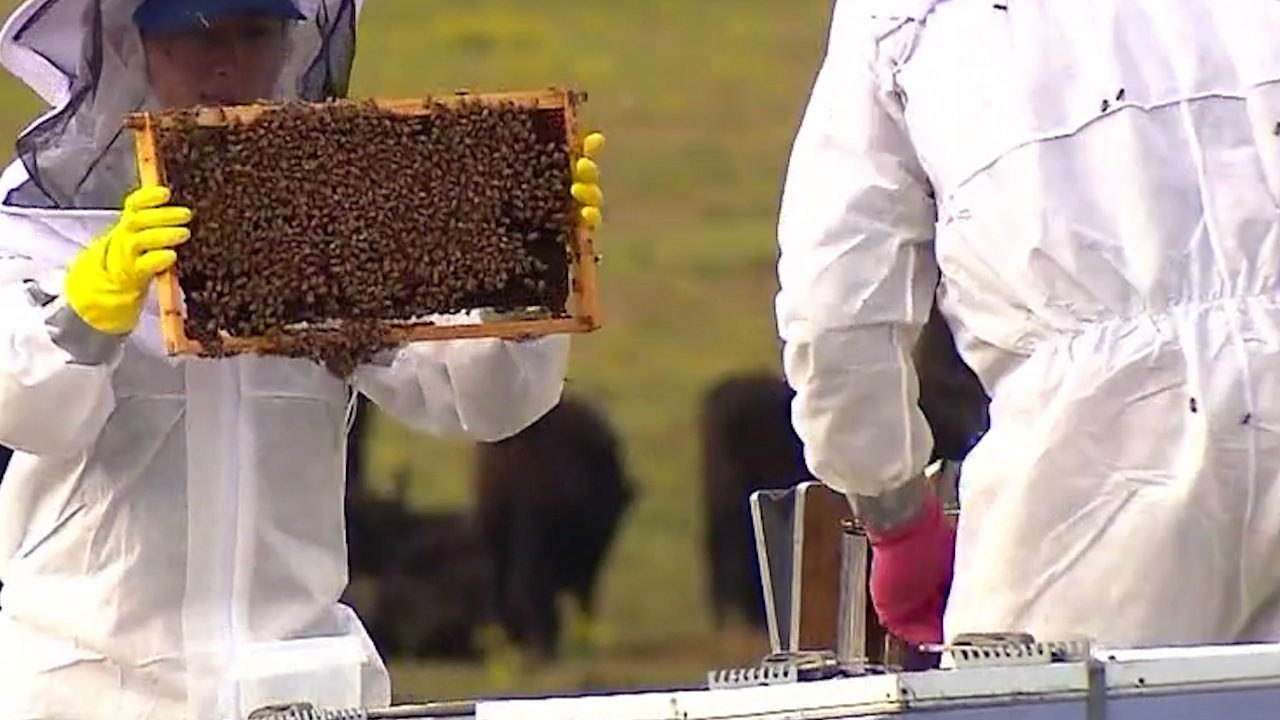
But additional restrictions on those in the red zones means keepers like Bish will still need to wait at least three years before they can set up hives again.
Mandated hive euthanasia in red zones across New South Wales is expected to be complete by the end of next week.
The department said it was focused on removing wild European honey bees and conducting further surveillance in purple zones.
Anderson encouraged beekeepers in need of one-on-one support to reach out to councillors, through the DPI website.