Groundswell NZ took to the streets across the country today to protest against the Government’s farm emissions pricing plan, but the number of protesters has been called “embarrassing” as the tractor convoys of past weren’t recreated.Almost…
Tag Archives: oceania
Car groomer awarded more than $15,000 for unfair dismissal after two weeks on the job
A newly employed car groomer fired after a heated argument with his boss about pay rates and paid breaks has been awarded more than $15,000 in compensation.Calib Waitokia applied for the position advertised by Funoluwa Magbagbeola…
Winston Peters' trespass from Parliament declared 'unreasonable' and 'irrational'
A court has found former Speaker Trevor Mallard trespassing New Zealand First leader Winston Peters from Parliament was unreasonable and irrational.It was after Peters visited the anti-mandate occupation in May.Mallard quickly…
Hillcrest homicide: Darren Couper named as co defendant of North Shore murder
A second man charged with murder after an “altercation” at an Auckland home can now be named. Kevin Patrick Hay, 50, died on August 16 after police were called to an Ocean View Rd home in Hillcrest on Auckland’s North Shore about…
Stolen vehicles: Police arrest 15 young people after fleeing driver incidents across Auckland
Fifteen young people have been arrested overnight after a cluster of stolen vehicles across Auckland led to the alleged culprits fleeing police. At about 11.23pm last night, the first incident occurred near Papakura with spikes…
'Distressed and dismayed': Greymouth hate crime victim worried after offenders discharged without conviction
The artist behind the creation of Greymouth’s famous pink church is “dismayed” and “distressed” by the court’s decision on four men who attacked his home with antisemitic and homophobic graffiti while he slept inside.On October…
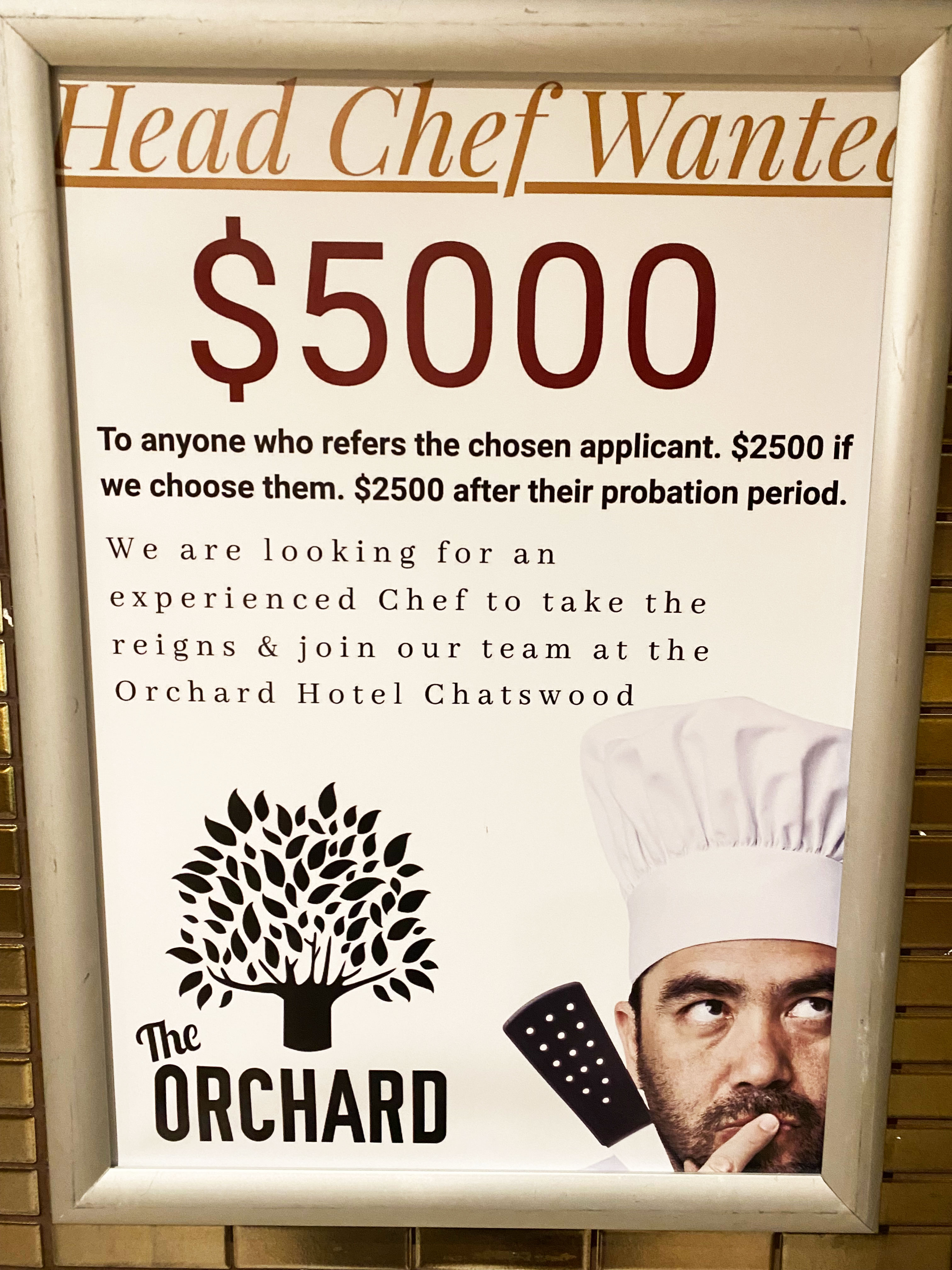
Sydney pub offering $5k referral bonus for a head chef
Desperate hospitality industry bosses are having to get creative in a bid to nab in-demand staff as a national worker shortage continues to bite.
At the Orchard Hotel in Chatswood, Sydney, posters advertising a $5000 referral reward for a head chef have been on display.
Owner Matt Docker said it was the first time his business had ever offered money for a referral.
LIVE UPDATES: Former NRL player jailed for role in $150m cocaine ring
Do you have a story? Contact reporter Emily McPherson at
Migration surge on the way
A pandemic-induced halt in migration has led to roughly 200,000 hospitality jobs being up for grabs across the country.
However, some relief could be on the way thanks to a recent surge in visa approvals.
Last week, Immigration Minister Andrew Giles said more than two million visa applications had been processed since June, including 1.35 million visitor, student and temporary skilled visa applications.
The government had committed $36.1 million to hire 500 staff to help process a remaining backlog of about 880,000 visa applications, Giles said.
Green said the industry was fervently hoping things would get back to normal soon.
"The actions that we're seeing with these incentives are born out of frustration," Green said.
"And a lot of the operators are actually really frustrated because we were trying to trade out of the last two-and-a-half years of losses of revenue.
"Venues want to be open, particularly as we head into the busy Christmas party season, and have sufficient staff to be able to do that."
Hunga eruption: NZ team finds new activity at nearby volcanoes
A volcano that produced the planet’s largest explosion in nearly 140 years now appears to gone into a period of dormancy, says a Kiwi scientist in Tonga who’s just finished surveying it. But there are signs of fresh activity at…
A thousand days of COVID-19: How the pandemic unfolded in Australia
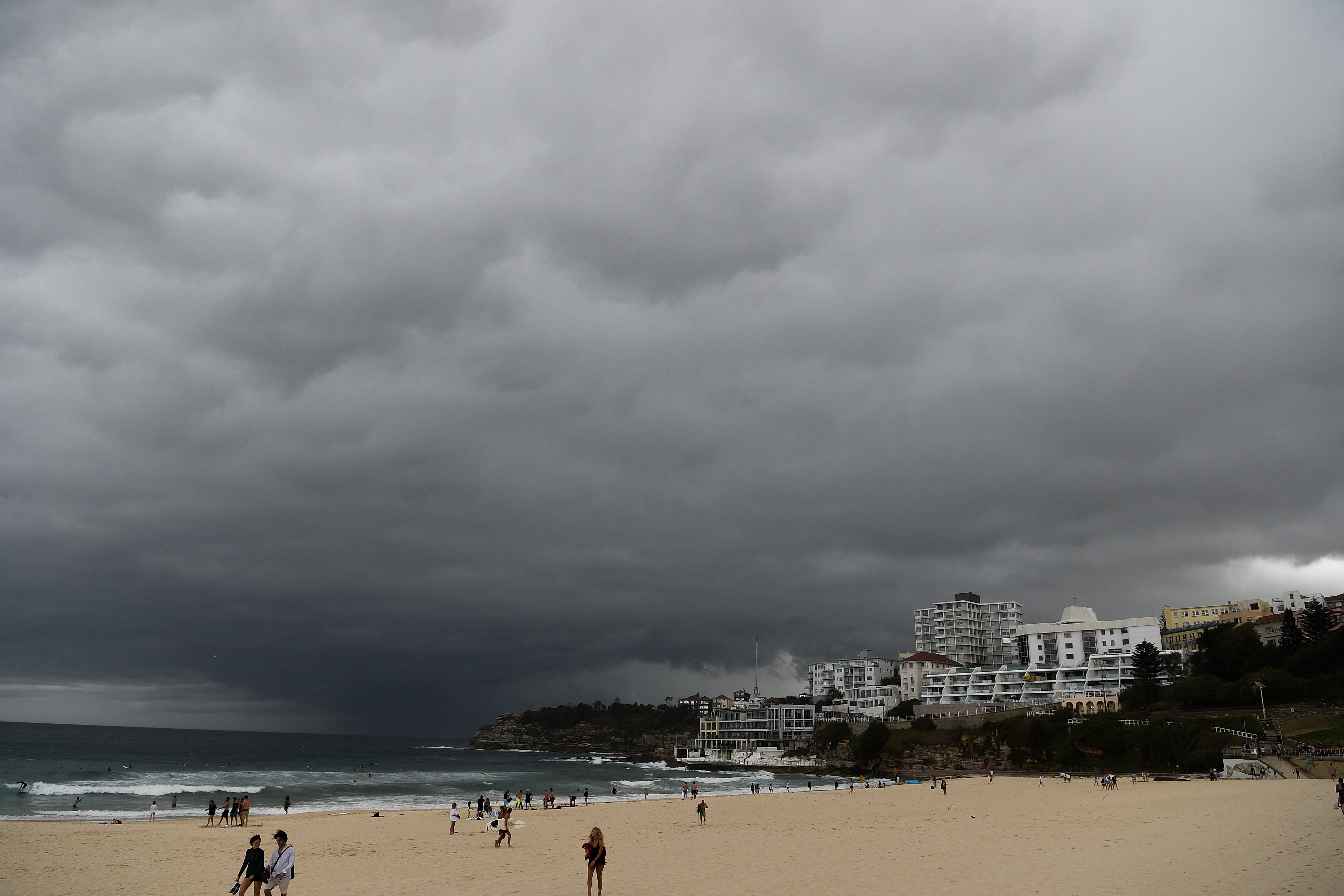
On January 20, 2020, the smoke was still clearing from the intense bushfires that had ravaged the country. The east coast had been battered by intense hailstorms and flash flooding. And an obscure and as-yet unnamed disease came to Australia.
That date feels like yesterday and a million years ago at once, but today marks 1000 days since authorities confirmed Australia's first COVID-19 case.
On that day, the 2019 novel coronavirus, as it was then called, was listed as a human disease under the Biosecurity Act of 2015.
LIVE UPDATES: 'Not safe to return' to Victorian town
Discussion was underway as to whether the government would take the drastic step of stopping the three direct flights coming in from Wuhan to Sydney every week.
And five days later four men tested positive to the virus in Sydney, the first cases in Australia.
With so little known of the virus, the initial advice to Australians was to avoid contact with people with flu-like symptoms, cook meat and eggs thoroughly, avoid contact with live wild or farm animals and not travel to Wuhan.
At that point, the idea of a national lockdown was unthinkable. But 100 days later, things had changed dramatically.

On day 100 of Australia's pandemic, the nation had been in lockdown for more than a month.
On April 29, 2020, cases were in decline and the prospect of lifting COVID-19 restrictions was being discussed.
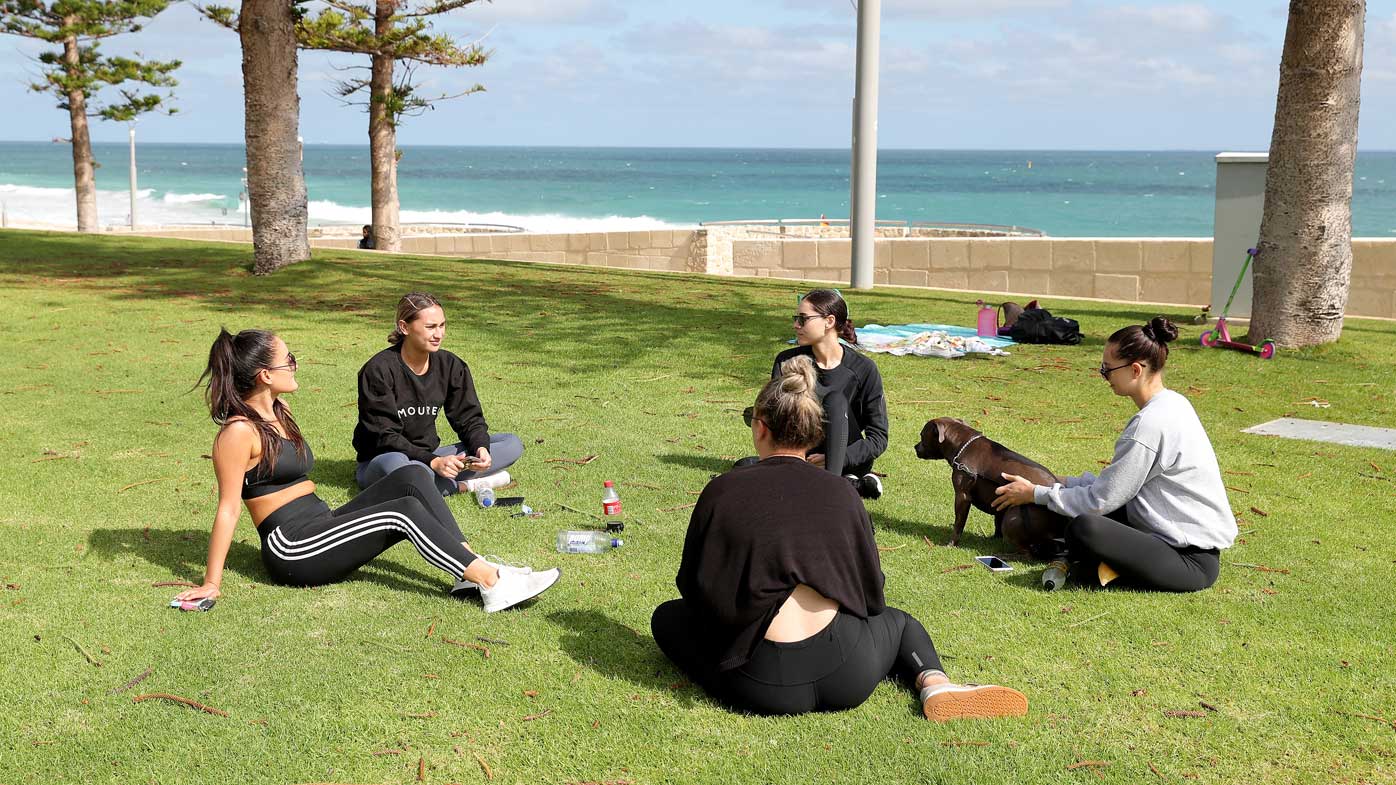
That day only 19 new cases were diagnosed in the entire country. In Western Australia, there was only one case. In South Australia, there was none at all.
But on that day, more Americans had died of COVID-19 than had died in the Vietnam War.
Meanwhile, billionaire Andrew Forrest announced he had spent $320 million on the capacity to test COVID-19 for all Australians.
At the time, a shortfall of testing capacity was a serious concern worldwide.

August 7, 2020 was one of the most dramatic days of the pandemic in Australia.
All non-essential businesses in Melbourne were closed as full lockdown kicked in in the city.
Meanwhile, thousands of people streamed across the border from NSW to Queensland after a border closure was announced.
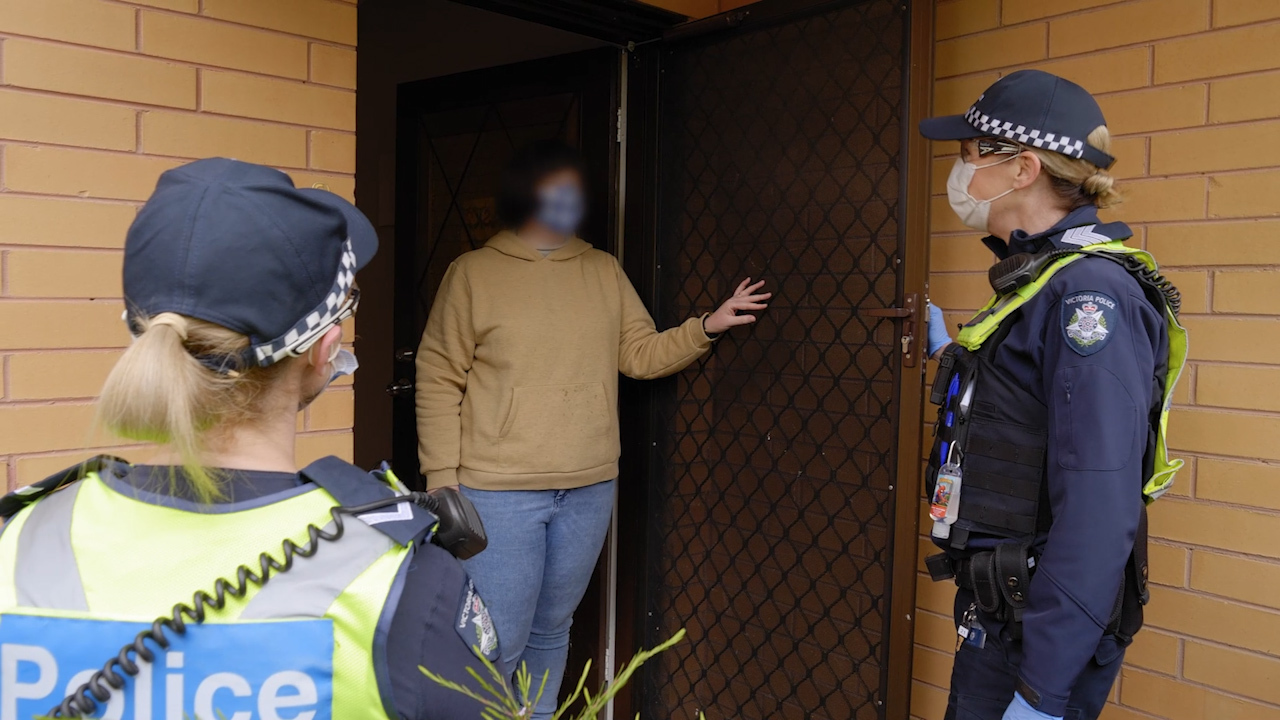
The closure was announced following the diagnosis of 12 COVID-19 cases in NSW.
People returning to the ACT from Victoria were told they could not drive through NSW to get home.
And Australia's chief medical officer warned there was no guarantee a COVID-19 vaccine would ever be developed.

On November 15, 2020, the phrase said around the country with praise was "double donut day".
After a nightmare stretch in lockdown, Victoria marked a 16-day streak with no new cases of COVID-19 or deaths that day.
NSW and Queensland also recorded no new COVID-19 cases.
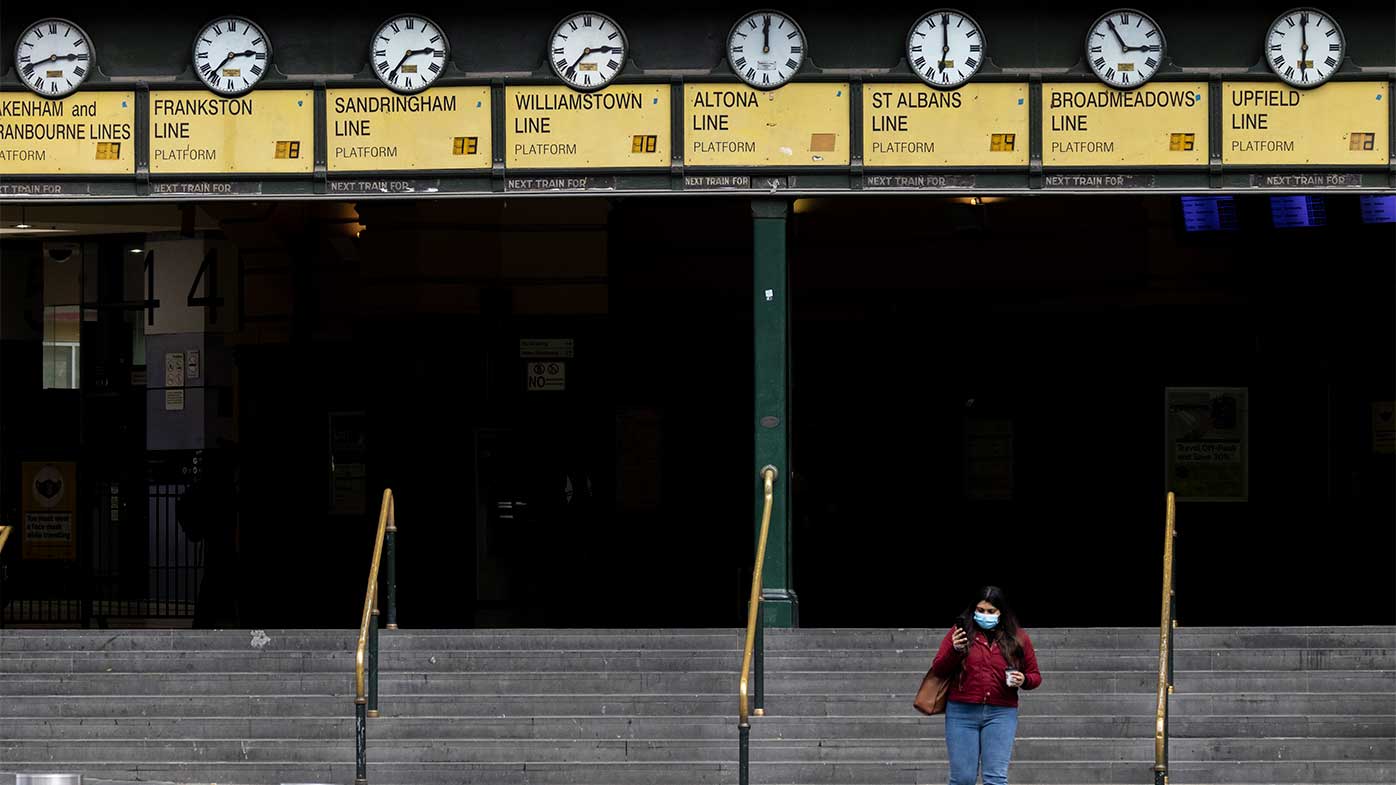
But in the following days, a cluster in South Australia would snap borders shut again.
As Australia was exiting coronavirus conditions, the virus was spreading rampantly in the United States.
But change was in the air. Donald Trump had lost the election two weeks earlier, partly on the back of America's botched handling of the pandemic.
And days earlier, Pfizer had announced its COVID-19 vaccine was 90 per cent effective.

The rollout for the COVID-19 vaccine in Australia was on its second day on February 23, 2021.
"It is the beginning of the end of this pandemic," Victorian Premier Daniel Andrews said.
Opposition Leader Anthony Albanese rolled up his sleeve the day after Prime Minister Scott Morrison did so.
"They're safe. They're effective. Do it for Australia," Albanese said.
With limited stocks, the vaccine was only available to the elderly and vulnerable and those in high-risk jobs.
That day, the COVID-19 death toll hit 500,000 in the United States. New president Joe Biden marked the milestone with a moment of silence.

A hundred days later, the optimism from months earlier had been replaced with dread.
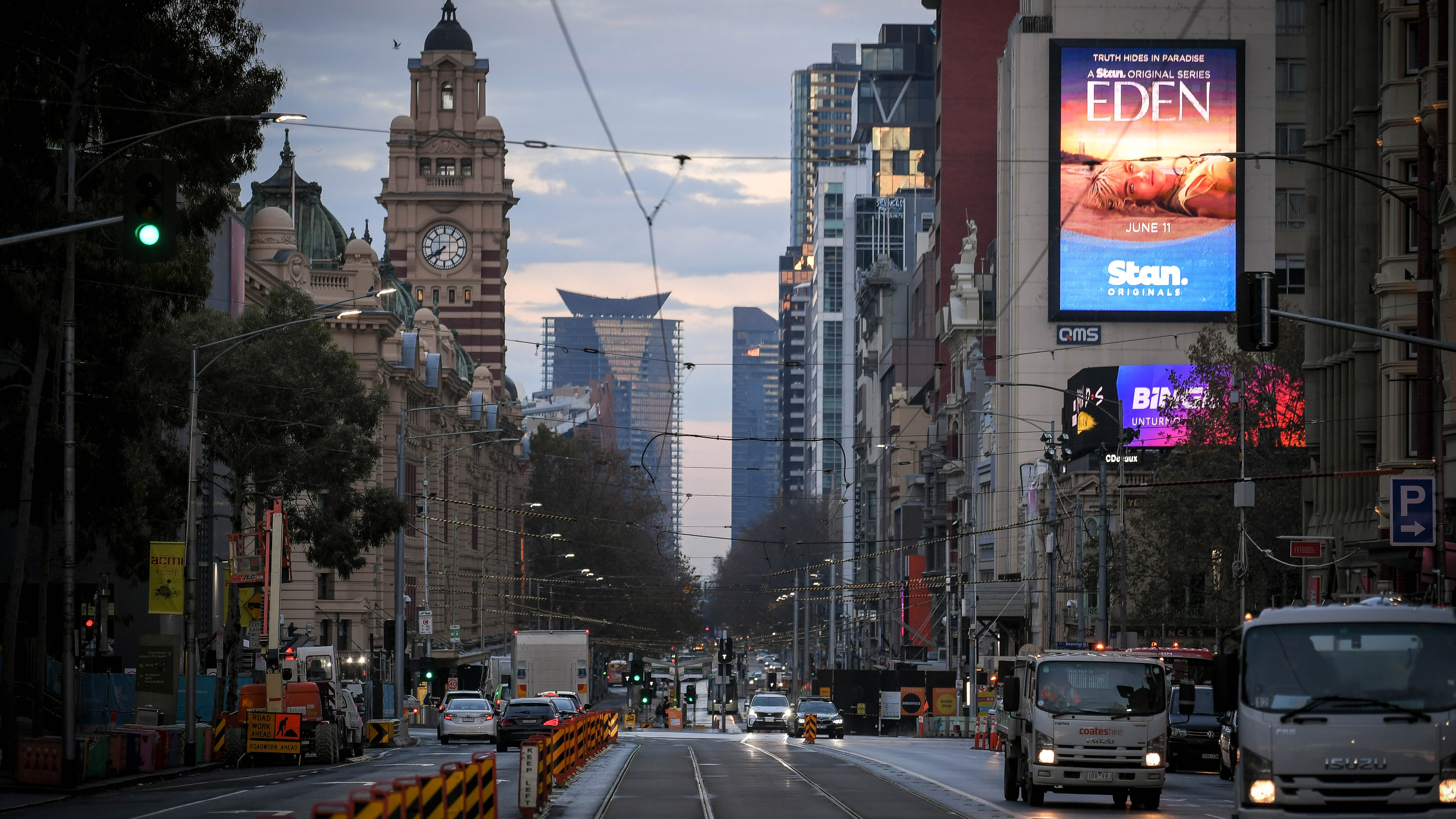
Melbourne was in lockdown again despite just three new cases on June 3, 2021. But infectious experts suggested the restrictions could end early if cases remained low.
In South Australia, Chief Health Officer Nicola Spurrier was widely mocked for saying spectators at AFL games should not touch the ball if it was kicked into the crowd.
"This is an object touched by I don't know how many sweaty men on a football field – if you do catch the ball, just sanitise your hands immediately after," she said.

By September 11, 2021, several states had been deep in lockdown for months.
Australians had gone from obsessing over new case numbers to a new figure – the vaccination rate.
Earlier that week, the NSW government had announced the hard lockdown would end when 70 per cent of the population was double vaccinated.
Day 600 marked regional Victorians' first days out of lockdown.
https://twitter.com/DanielAndrewsMP/status/1436224114897817628
Meanwhile, NSW Premier Gladys Berejiklian announced she would no longer be holding daily press conferences on the pandemic.
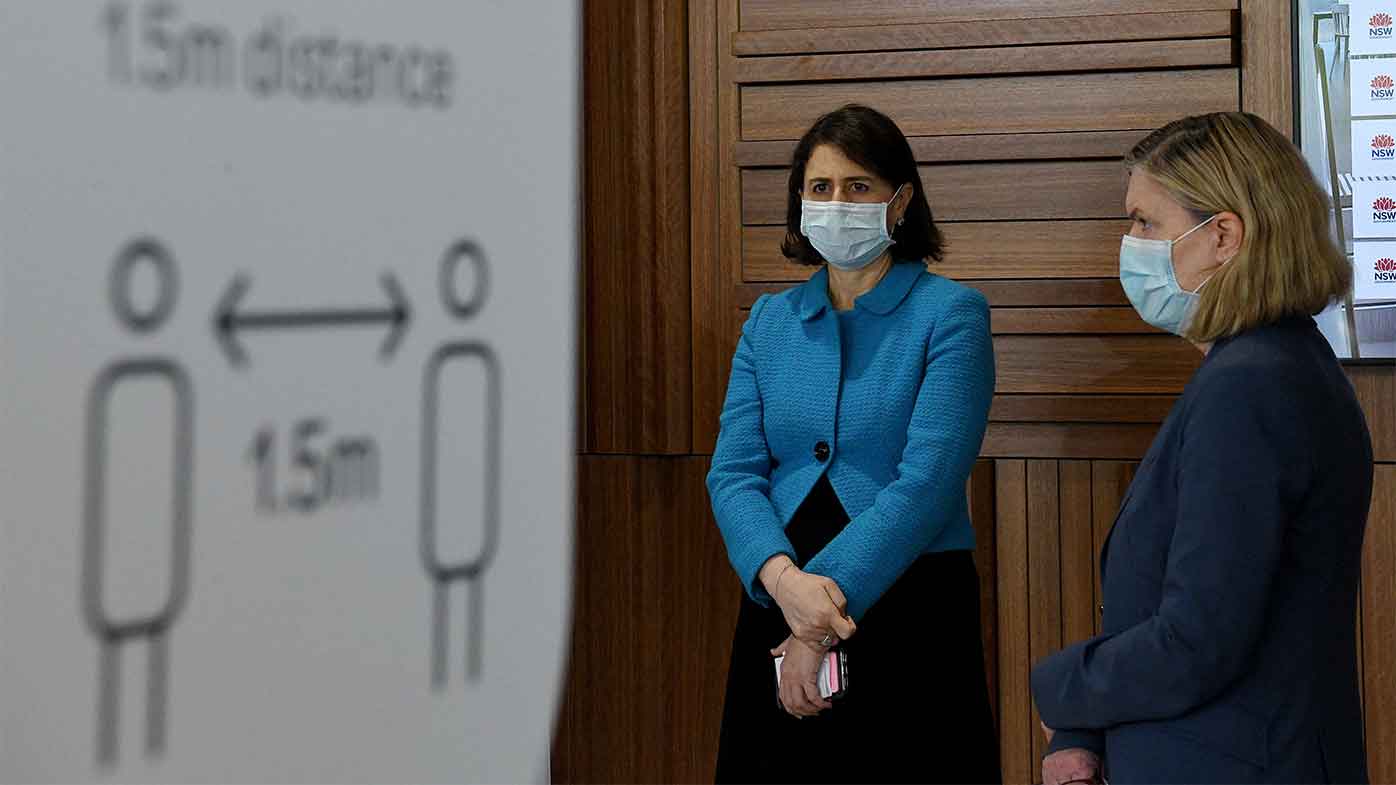

On Day 700 of the pandemic, most Australians had been vaccinated, but a new variant had taken hold.
On December 20, 2021, Omicron was beginning to spread rapidly around the country.
The Omicron surge overwhelmed PCR testing capacity around the country.
In the following week, the massive backlog of testing samples meant most people who had caught COVID-19 had recovered by the time they got their result back.
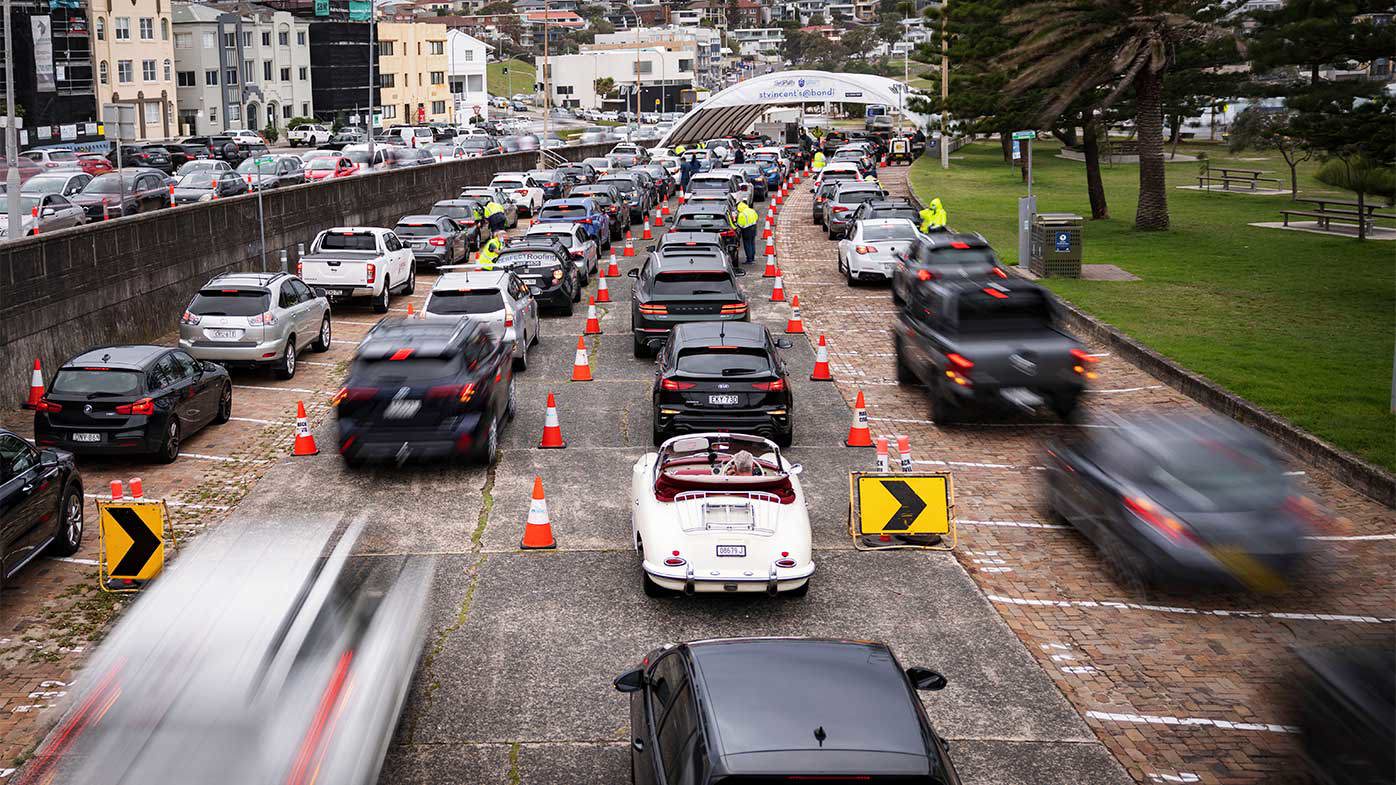
Health authorities were considering whether to allow the diagnosis of COVID-19 through rapid antigen tests.
But a rush on pharmacies meant rapid antigen tests were not on shelves.

By March 30, 2022, tens of thousands of Australians were catching COVID-19 every day.
But by then, the public mood had shifted away from concern over the disease.
Instead, the eyes of the nation were on northern NSW, which was being overwhelmed with flooding.
In South Australia, the government announced that unvaccinated teachers would be allowed to return to classrooms.

On July 8, 2022, a surge in COVID-19 cases combined with a winter flu put hospitals under incredible strain.
In Victoria, a one-year-old suspected to have COVID-19 died in an emergency department during the ramping crisis.
"COVID is not over," NSW Premier Dominic Perrottet said that day.
But the crisis of COVID-19 was not keeping people indoors. Airports around the country were overwhelmed by a surge of travellers and a shortage of staff.

A thousand days after COVID-19 first came to Australia, the virus is no longer being treated like an exceptional disease.
As of last week, people who test positive for COVID-19 are no longer required to isolate, and are allowed to go about their lives as normal.
Health authorities ask people who are symptomatic to stay at home, but they are no longer legally required to.
Nearly all pandemic-related restrictions have ended.
And states are no longer releasing their COVID-19 numbers on a daily basis.
"At the moment, we have very low rates of both cases, hospitalisations, intensive care admissions, aged-care outbreaks and various other measures," Chief Medical Officer Professor Paul Kelly said last month.
In the past 1000 days, 15,487 Australians have died from the disease, and more than 10 million cases have been reported.
World's second most deadly land snake curls up in public toilets
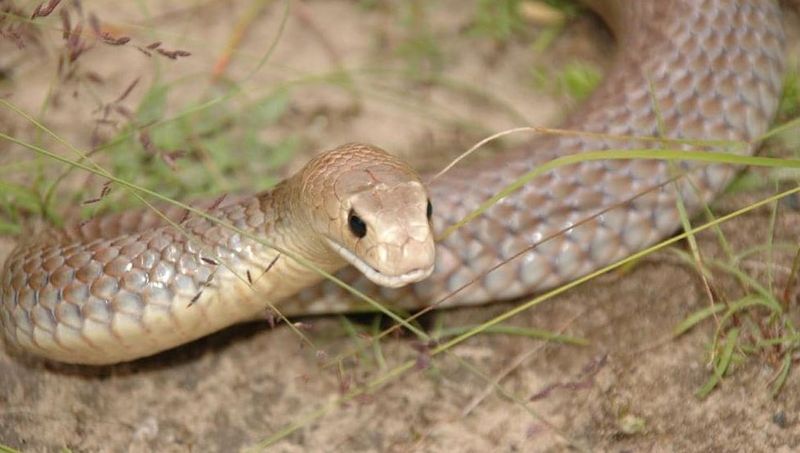
A member of the public had an unfortunate run-in with the world's second most deadly land snake as they attempted to relieve themselves in a Queensland pubic toilet.
A eastern brown over a metre long was seen slithering inside the facility, located at Alex Surf Club, earlier this week.
Pictures shared by Sunshine Coast Snake Catchers show the venomous reptile curled up on a sanitary bin.
READ MORE: States staring down barrel of floods crisis amid 'highly unusual' system
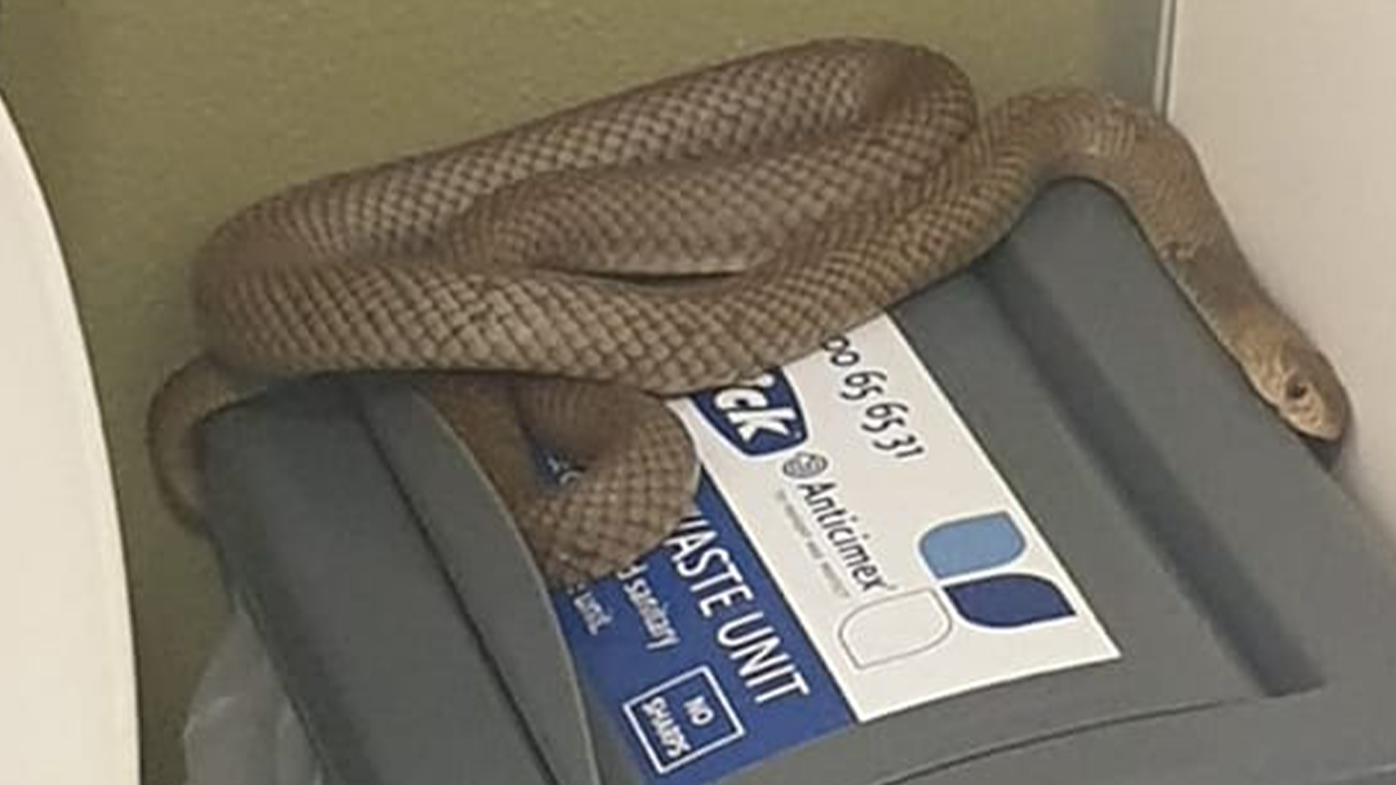
Heather McMurray attended the job, with word of the unusual incident quickly spreading to owner Stuart McKenzie.
"It was a healthy snake about 3.5 foot long," he said.
"It was relocated to natural bushland."
The company explained wet weather is fueling an already busy snake season, as it's displacing reptiles from their natural habitats, forcing them to seek shelter indoors.
"(There's) been plenty of snakes on the move before the wet weather," it wrote.
"Thanks to all the members of the public who kept a safe distance and kept an eye on the snake."
READ MORE: Police officer pinned to tree by stolen car
Australia is in the grips of it's third consecutive La Niña event, with record-breaking floods currently unfolding across Victoria and New South Wales.
Earlier this week NSW SES issued a warning to anyone tempted to play in floodwater as swollen rivers recede slightly, explaining snakes are often flushed into riverways.
""(They) get flushed out of their riverside winter nests during floods and are looking for something to cling to in the water – including people jumping off wharves," the unit said.
"It sounds like a heap of fun, until someone comes unstuck.
"The river is still rising and will be up for a few weeks yet. So be careful, don't be a goose, stay dry and out of trouble."
Australia's snake season generally runs from September to April as reptiles seek mates, and breed and feed.
READ MORE: Warning issued as venomous snakes spotted swimming through floodwater