Tag Archives: oceania

'We were all scared to break anything because it's Nintendo'

Few characters strike fear into the hearts of creatives like Super Mario.

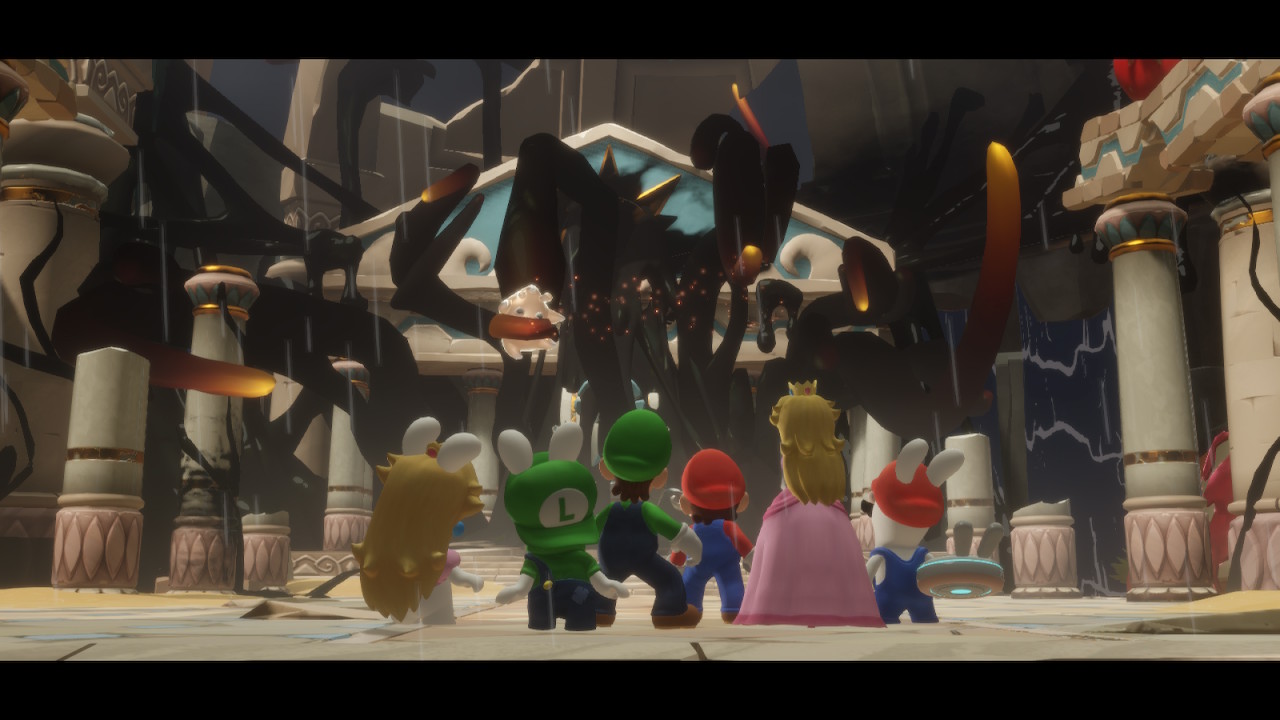
Even Grant Kirkhope, who penned themes now synonymous with Banjo Kazooie, GoldenEye and Mario + Rabbids: Kingdom Battle – was feeling the pressure returning for Ubisoft's sequel, Mario + Rabbids: Sparks of Hope.    

"We were all just scared to break anything because it's Nintendo," Kirkhope told 9news.com.au.

"It's Mario for God's sake, so we're all super frightened not to break it."

The video game, which is released on October 20, is already out in the wild. 

And as preview embargoes lift, Kirkhope's nerves are being put to rest by critics. 

"Everyone I've talked to today said they feel like it's a step up from the last game and that's, that's what we want to hear," explained the composer.

"You think you've written a good piece of music but I don't really know until someone else tells me it's good… (but) everyone's kind of spotted that extra little bit of magic on top."

"I feel like it was a harder ride on this game than the first game, but it was better for it."

"The team just knocked it out of the park."

According to Kirkhope, the game's director, Davide Soliani deserves most of the credit. 

"Davide is the emotional Italian. He was always crying, all the time," Kirkhope laughs.

"He was super keen to make sure that this game was head-and-shoulders above the last one, right?

"Right across the board; animation, programming, you know, everything. Artwork, music, sound effects, the whole lot.

"He was really conscious of pushing that to everybody.

"We're all pulling our hair out going, 'Oh my God,' you know, what can we do next? Because he was like, 'No, it's not right. Can you do it again?' But it made it better in the end.

"A lot of people said in the first game, you can really feel the passion and I think that's not something you can manufacture." 

"The team's got to feel it. It's got to be in your heart."

Unlike the original game, which surprised the world in 2017 when it was revealed for the Nintendo Switch, Kirkhope didn't have to do the heavy lifting alone in Sparks of Hope. 

Famed composers Gareth Coker (Halo: Infinite, Ori and the Will of the Wisps) and Yoko Shimomura (Kingdom Hearts, Final Fantasy, Super Mario RPG) also made music for the sequel. 

"When they first announced that I was like, is this going to work?," admits Kirkhope.

"But it really has worked out fantastically.

"Everyone I've talked to said the soundtrack felt like a really cohesive thing and you're always kind of worried that the three composers might not be cohesive. But it's worked out so well. I can't complain.

"I really feel it's the best music of my career and I'm not saying that lightly.

"Nobody else might think that except me."

That enthusiasm was written all over Kirkhope's face as I asked him what his favourite piece of music was in the game.

"There's a Bowser battle in the game later and Roma, the Audio Director said, 'What if we do it like the Rocky movies, that sound, a bit like the Mandalorian? And I was like, wow, that sounds like an awesome idea.

"So I just really lent into that crazy, and it's got the big brass and it's a bit Rocky V, you know, it just sounds great for the battle and that's one of the pieces that we recorded in Japan which turned out fantastic.

"I put a lot of effort into that and Davide cried when he heard that one.

"It's always a good marker when Davide cries.

"He cried less this game than in the last game so I guess he's getting a bit used to me by now."
Despite a thirst to learn from the greats like John Williams, Kirkhope, who shot to fame during his time working for Rare during the N64 era humbly describes himself as a "one trick pony."

Proud as he is of his work, Kirkhope says it doesn't matter if a player notices the effort he and the team poured into Sparks of Hope, as long as gamers have fun with it now – or in 30 years like today's TikTok stars who have breathed new life into the music he wrote for GoldenEye's pause screen.

"I was the grandfather of Trap music and I don't know what trap music is," Kirkhope laughs. 

"Who'd have thought? Even Banjo Kazooie, when I wrote that I never thought that we would be talking about that 20 years later.

"You think six weeks if you're lucky. Six months if you're lucky!

"Rare was such a special company in those days that we were all firing on all cylinders back then. Everybody was and it just permeates yet again.

"The Stamper brothers who ran the place, they were such great people to work and – a bit like Davide – that passion permeates through the rest of you, You can't escape it.

"Have good fun with it, have a good laugh at the Rabbids and all the rest of it and that's good by me."
Shock video captures man jumping between rooftops in Melbourne CBD

Shocking footage has captured the reckless moment a man jumping between rooftops separated by a road in Melbourne CBD.

Video taken from a nearby building and sent to 3AW shows a man leaping between two rooftops over Flinders Lane on the weekend.

The man appears to only just make the significant distance between the two buildings.

READ MORE: Warning towns could be cut off for a week as thousands flee Victoria floods

Flinders Lane is believed to be about 10 metres wide.

A group of others can be seen watching on as the man attempts the shocking stunt.

Police have warned that "anyone who engages in this type of behaviour faces significant risk of injury or even death".

"They may also face charges of trespass among other offences," a police spokesperson has said.

Police have urged anyone who witnesses the type of behaviour to call Triple Zero.www.crimestoppersvic.com.au

Men reunite with rescuer who saved them from shark-infested waters

Three boaters clung to a makeshift raft of ice chests and fended off shark attacks and jellyfish stings in the waters near Empire, Louisiana, until they were rescued 28 hours later, all thanks to a miraculous text message.

The three longtime friends set out on October 8 to fish red snapper like they had many times before.

But rough seas soon began disturbing their fishing boat, lapping water inside the vessel.

READ MORE: Warning towns could be cut off for a week as thousands flee Victoria floods

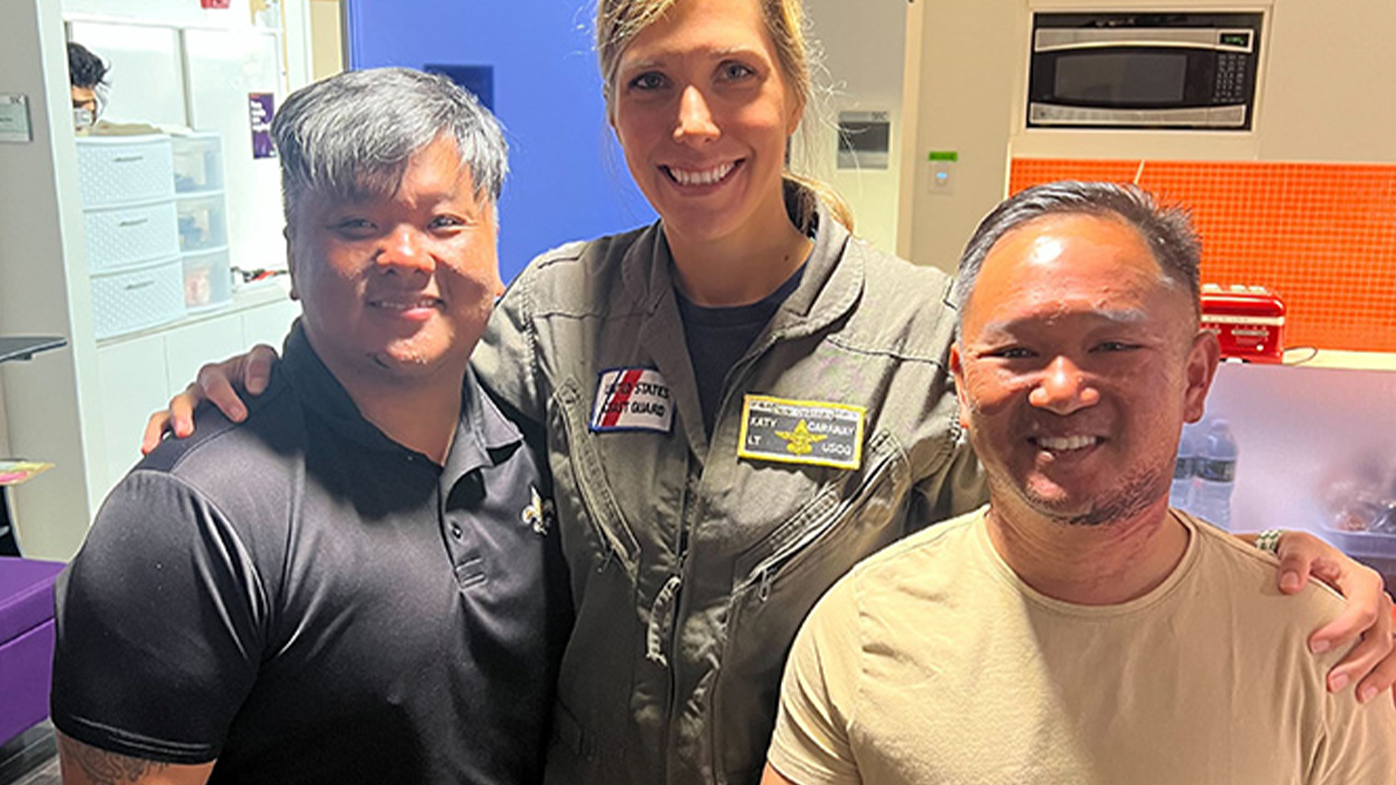
Coast Guard Lt. Katy Caraway reunites with survivors Phong Le, left, and Luan Nguyen.

"The minute we saw the back of the boat start taking on water, I knew it right then and there," Phong Le told NBC's "Today" show on Wednesday.

"It was like the perfect storm for the perfect accident."

The front of the boat was tied to an oil rig, but the waves worsened, crashing aboard the boat.

The men had about two minutes to react before their 7.3 metre centre console boat sank around 10 am, according to an interview with "Good Morning America."

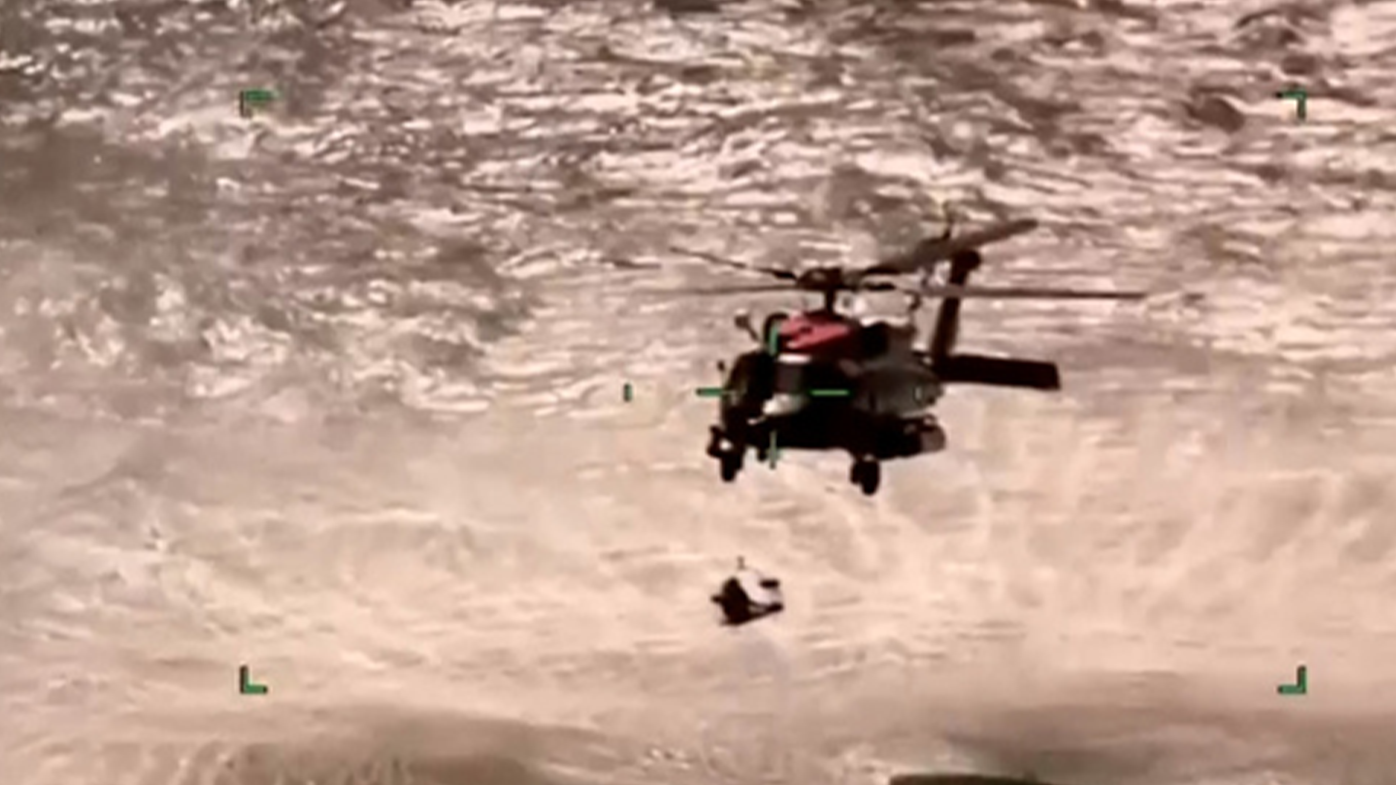
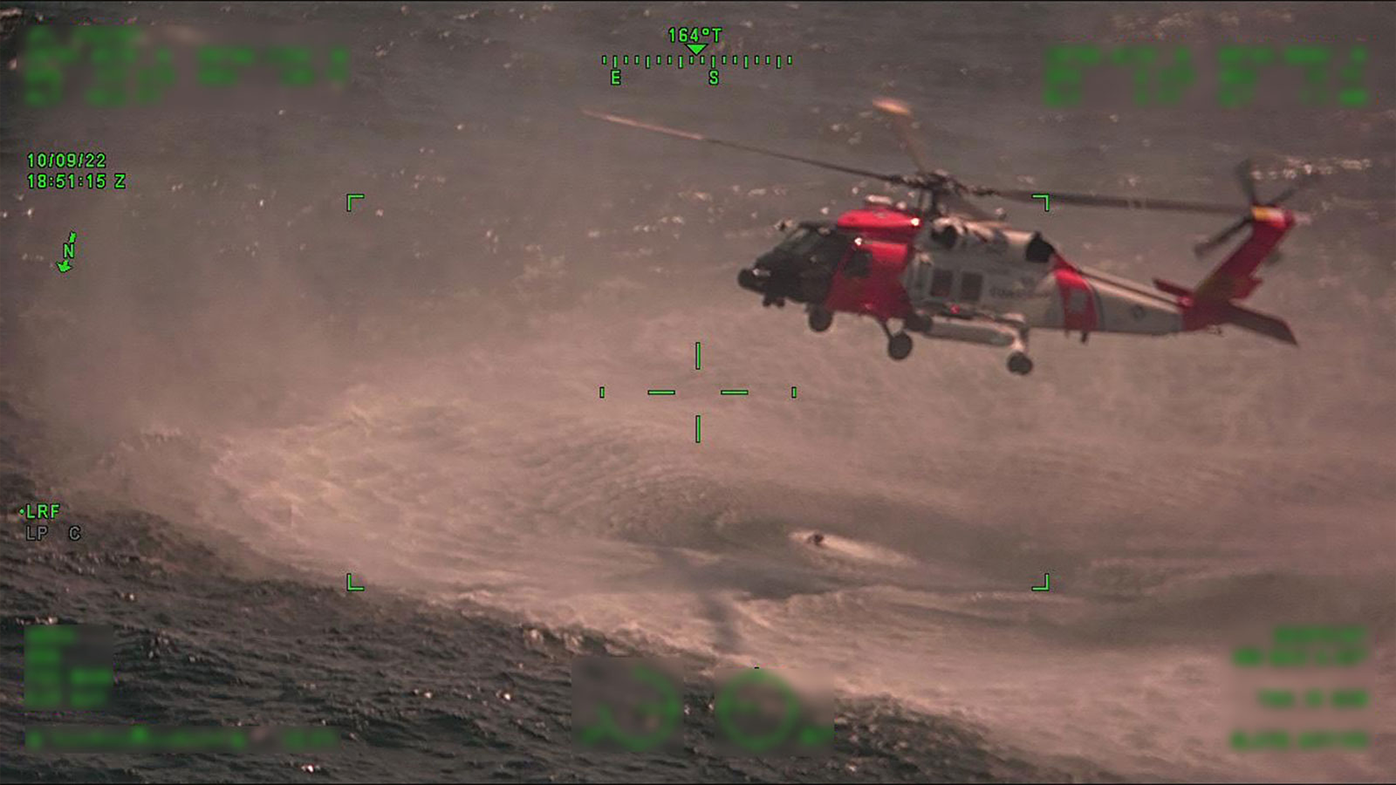
A Coast Guard Air Station New Orleans MH-60 Jayhawk hovers over their rescue swimmer during a rescue, approximately 25 miles offshore from Empire, Louisiana, on Oct. 9.

The men quickly created an improvised raft, tying two ice chests together with Le's bandana.

"Every time I go fishing, I wear a bandana because I lose a hat every time," Le said.

They tried to propel themselves toward the oil rig to call for help.

"Every oil rig has some kind of phone, or something on there, so we figured we could get on there and we could make a distress call," Le said.

But they never made it.

A shark attacks

As the sky grew dark, the three men clung to the coolers, the moon providing some comfort.

"Good thing there was full moon out because we had light," Luan Nguyen told NBC.

"We couldn't barely see anything, so we just drifted at night."

Until an unwelcome visitor arrived. A shark battered into Nguyen and a fight for survival ensued.

READ MORE: Russian warplane slams into unit block

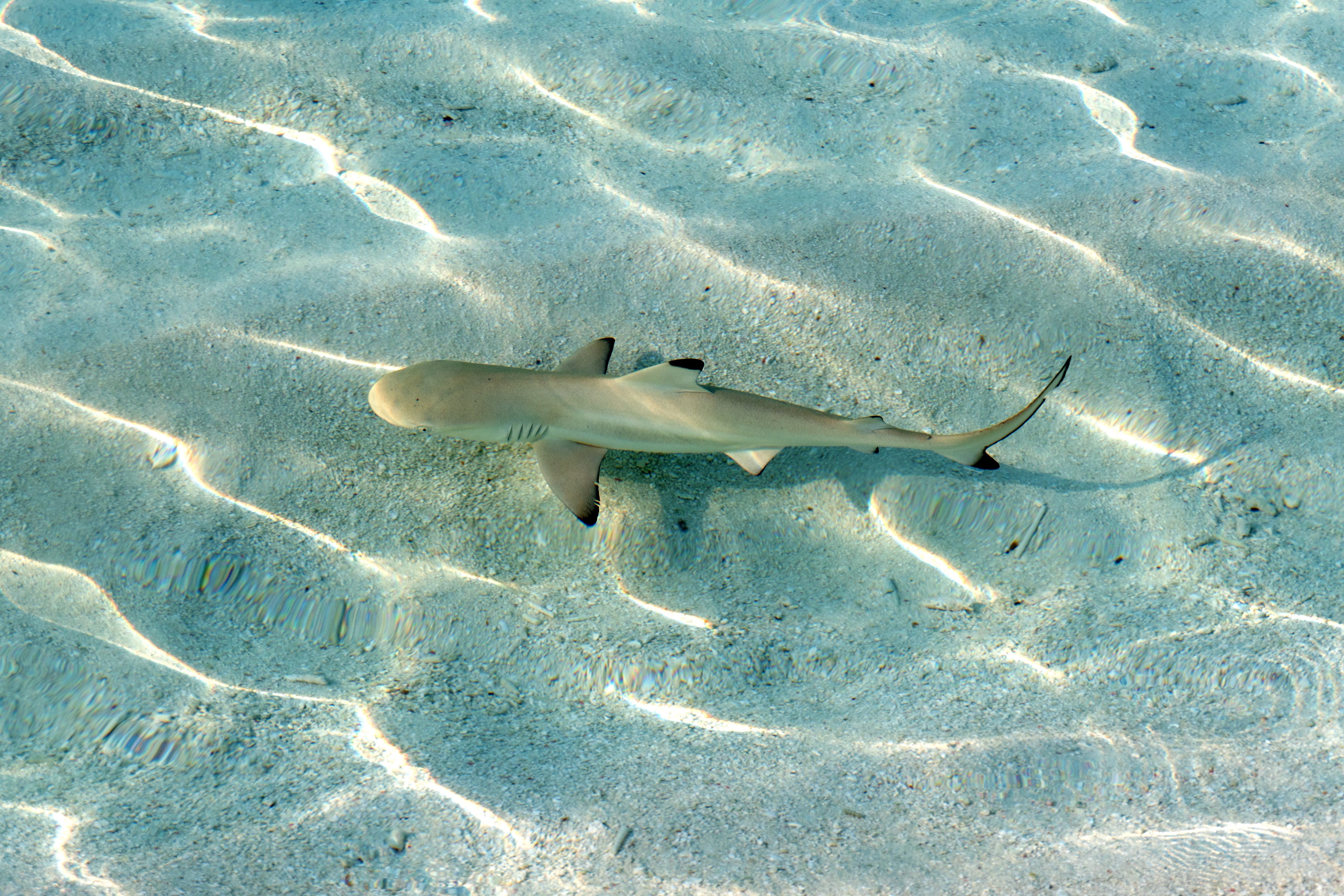
It is believed the woman was attacked  y a 1.6 metre black-tip reef shark off the coast of Kealakekua Bay.

"The shark hit the life vest and I tried to push him off. He wouldn't go away, so I jabbed him in his eyes," Nguyen told NBC.

"I put my thumbs in his eyes and he took off. I got a little couple scars, but you know."

Other sea creatures made their presence known too, making things even harder for the floating men.

READ MORE: Aussies travelling in coming months warned

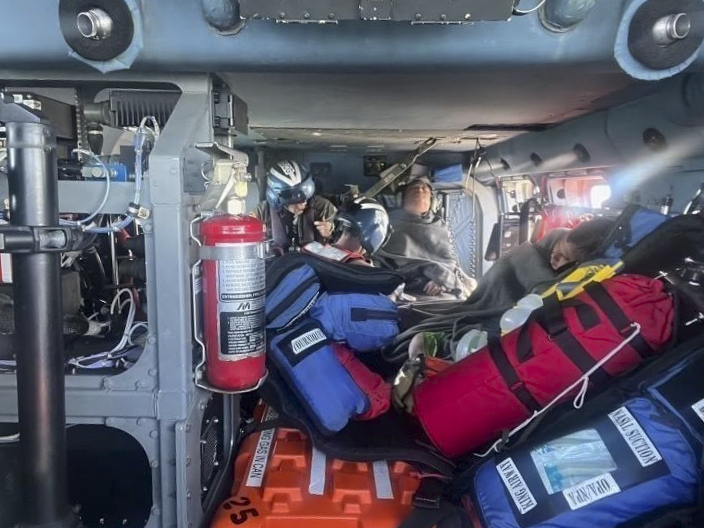
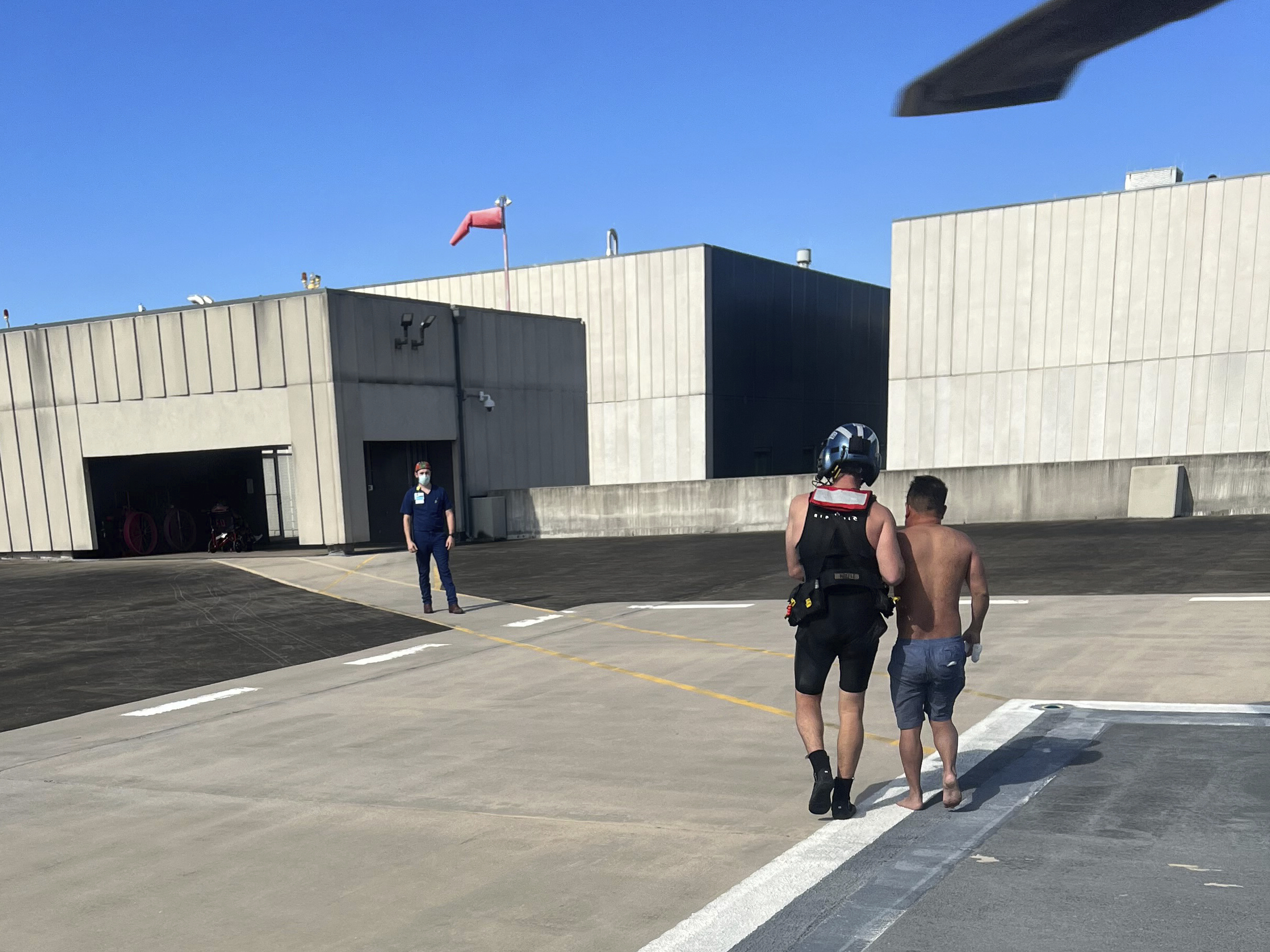
In this image provided by the U.S. Coast Guard, a Coast Guard Air Station New Orleans MH-60 Jayhawk aircrew treats three rescued boaters for injuries Sunday, Oct. 9, 2022, approximately 25 miles offshore from Empire, La. Three men whose fishing boat sank in the Gulf of Mexico off the Louisiana coast were rescued after surviving for more than a day despite being attacked by sharks that inflicted deep cuts on their hands and shredded one of their life jackets, according to their rescuers. In this image provided by the U.S. Coast Guard, a Coast Guard Station New Orleans rescue swimmer escorts a rescued boater into University Medical Center New Orleans on Sunday, Oct. 9, 2022, in New Orleans, La. Three men whose fishing boat sank in the Gulf of Mexico off the Louisiana coast were rescued after surviving for more than a day despite being attacked by sharks that inflicted deep cuts on their hands and shredded one of their life jackets, according to their rescuers.

"Every 15 to 20 minutes, you were constantly being stung by jellyfish," Le told NBC.

"In the middle of the night, I woke up with this jellyfish this big just in my lap," Le added, motioning during the interview that the jellyfish was about as wide as he was.

The men stayed mostly silent through it all, bobbing in the water.

"It was very cold, so we were just trying to stay warm, just trying to hold each other and stay warm," Le said.

They were spotted from the air

Le separated from the group the next morning. He wanted to swim about eight kilometres to a shrimp boat and call for help, he told NBC.

But when he got about a kilometre out, the shrimper left, he said.

Trying to figure out his location, Le took out his cell phone, protected by a waterproof case – it had less than five per cent battery and was in airplane mode to save the charge.

"I opened up my phone and that's when all of a sudden, all of the text messages came in," Le said.

"The whole time I didn't have no signal but out in the middle of the Gulf of Mexico, I had a signal."

Le didn't waste time. He said he screen-grabbed his location on a map and texted it to a friend. The phone died soon afterward.

The friend received the message and contacted the Coast Guard with the boaters' location.

The men didn't know it, but before the miraculous text message went through, the Coast Guard was already on their way, Lieutenant Katy Caraway from Air Station New Orleans told CNN on Thursday.

READ MORE: Bizarre item washes up on Queensland beach

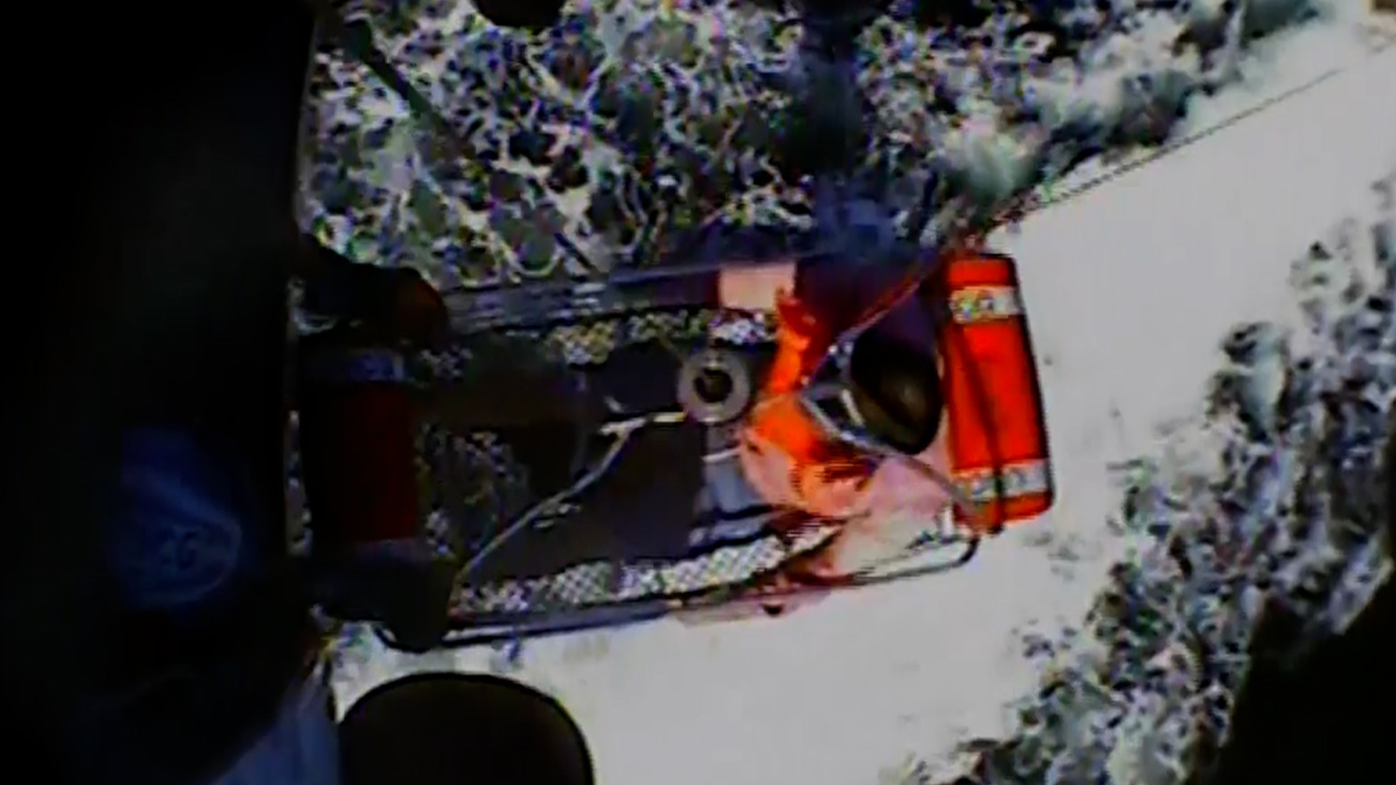
The three were pulled from the water and then winched onto a helicopter hovering above.

She was the co-pilot of a Jayhawk helicopter that helped rescue the men.

Five minutes into their flight, Caraway said they got the radio transmission that there was new information they could use in the search. It took them 25 minutes to get to the location sent in the text message.

After 15 to 20 minutes of searching the waters, a pilot from a Coast Guard airplane, cruising at an altitude of 300 metres spotted one of the men waving from the water, Caraway said.

"Le, he was the first survivor that we picked up and he was actually the one who got separated from the rest of his group because he had tried swimming to a shrimp boat to call for help," Caraway told CNN.

A rescue swimmer jumped from the helicopter and swam over to check on Le, Caraway said.

"He didn't talk much at all," she said. "He was completely exhausted."

Caraway moved into position, dropped the rescue basket and hoisted Le up to the helicopter.

The pair sustained injuries to their hands during the ordeal, which lasted more than 24 hours.

It was about that time that the helicopter crew heard that the other two boaters had been found nearly a kilometreaway, Caraway said.

They flew to the response boat to help.

Two boaters were rescued from sharks

Coast Guard Seaman Andrew Stone was on a 14-metre response boat when the call came in about the other two men, he said.

"They were getting harassed by sharks when we pulled up," Stone said.

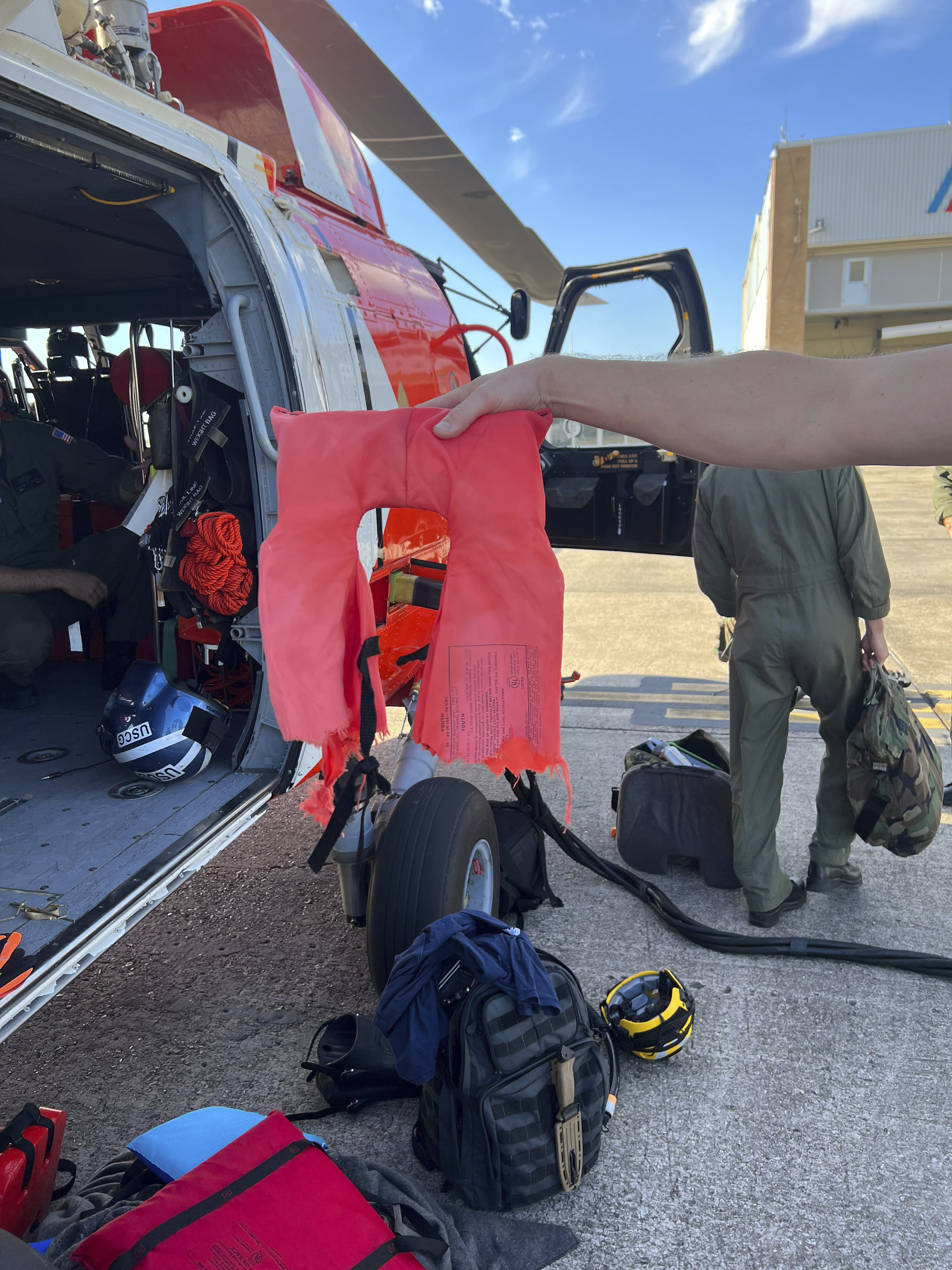
Nguyen was bleeding into the water, his hands covered in bites from blacktip sharks, about a metre in length, Stone told CNN on Tuesday.

In this image provided by the U.S. Coast Guard, a Coast Guard Air Station New Orleans aircrew member holds up a torn life jacket from a recent rescue off the coast of Empire, La., on Oct. 9, 2022. Three men whose fishing boat sank in the Gulf of Mexico off the Louisiana coast were rescued after surviving for more than a day despite being attacked by sharks that inflicted deep cuts on their hands and shredded one of their life jackets, according to their rescuers.

"His orange life preserver had been ripped about halfway down by the fish," Stone said.

Stone pulled Nguyen onto the boat first.

"I just remember him picking me up, pulling me out of the water, was like 'wow, I made it,'" Nguyen told "Today" with tears in his eyes.

Petty Officers Joshua Mcanally and Cooper Butcher pulled the second man from the water, Stone said.

"These guys were suffering from pretty severe exposure. They were very dehydrated, hungry, of course," Stone said.

The boaters were also sunburned and suffering hypothermia when they were rescued Sunday, he said.

"The water temperature of the Gulf, where they were, (was) 78 degrees, which sounds warm, but anything below your body temperature will start robbing heat," Stone said.

The Coast Guard crews reunited the men pulled from the water with Le, who was already on the helicopter, he said.

The rescue 'takes the cake'

Members of the Coast Guard train for these kinds of events, but this rescue was anything but ordinary, Caraway said.

"People like this who have been in the water for a long time, who have been displaced from their vessel with no form of communication, it is almost impossible to find them and recover them," Caraway said.

"This takes the cake for the rescue."

"The likelihood of finding these individuals before the text message," Caraway added, "was slim to none. After the text message, it was still very slim."

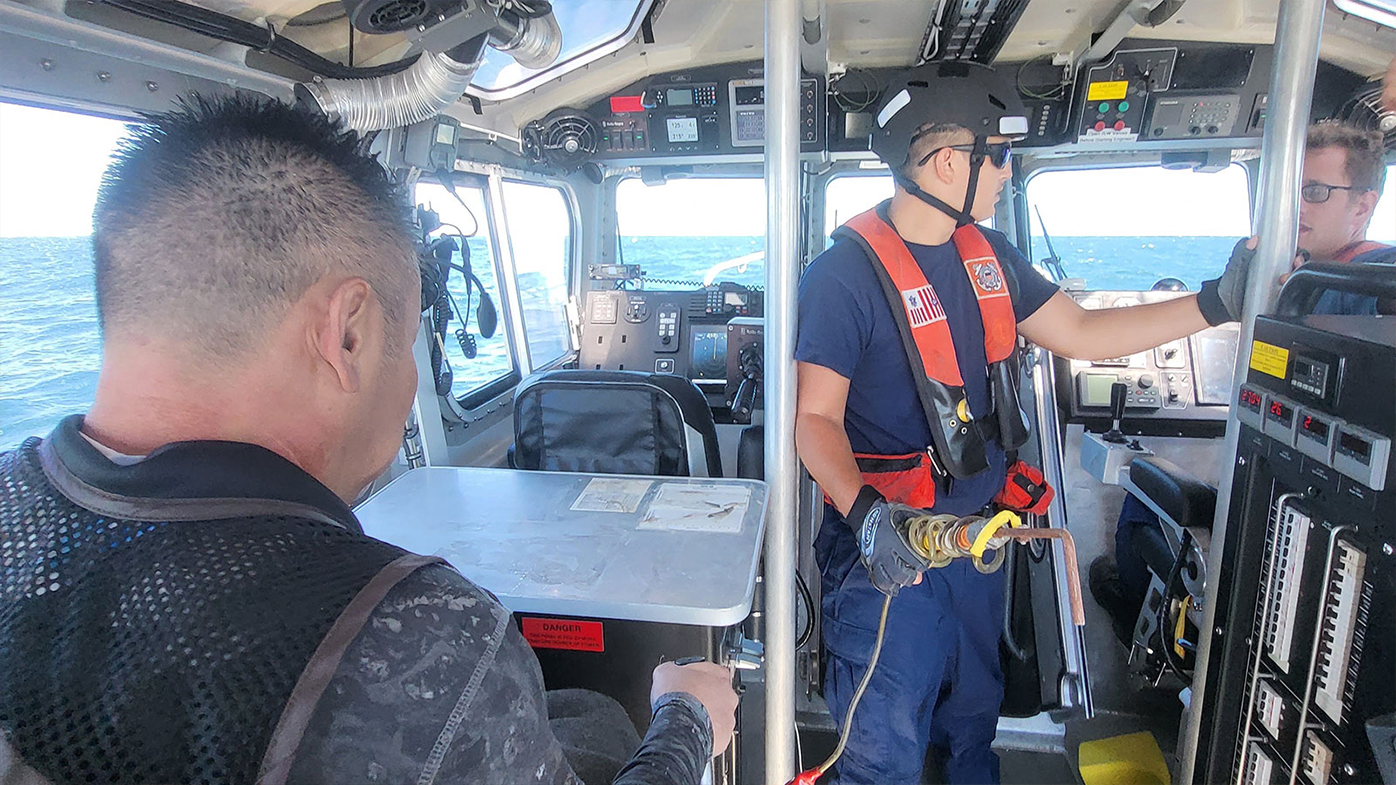
A Coast Guard Station Venice boatcrew treats two boaters for shark bites and hypothermia.

In all, about 30 Coast Guard members were involved in the search effort.

"To bring these people home, it's something we train for every week and to do it textbook operationally and actually save three survivors … was just probably the best feeling that you can have as a Coast Guard operator," Caraway said.

Coast Guard Sector New Orleans is planning a gathering for the survivors and all response units who were part of the rescue.

"I just look at it as doing my job," Caraway said.

"I'm just happy that they will be able to spend the rest of their lives with their families."

What are 'kamikaze' drones and how do they work?

They are precise, small in size, able to engage a target in relatively large numbers like a swarm of wasps and above all, they're cheap.

In Russia's invasion of Ukraine, drones have cemented their reputation as a potent, hard-to-stop and cost-effective weapon to seek out and destroy targets while simultaneously spreading the kind of terror that can fray the resolve of soldiers and civilians alike.

They're also quickly surpassing missiles as the remote weapon of choice because they can be put into any combat theatre in greater numbers much more cheaply.

READ MORE: 'Kamikaze' drones strike fear in Ukraine's capital, killing four

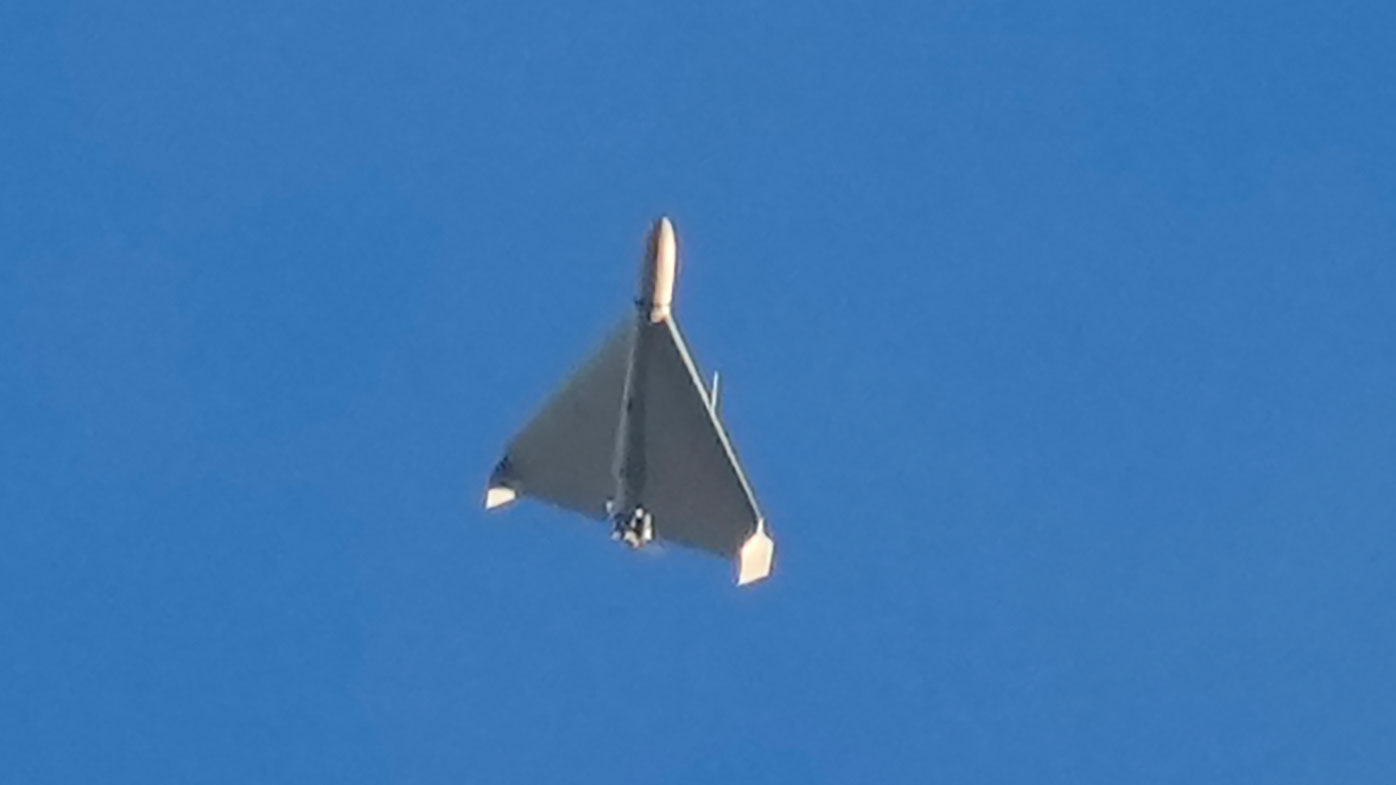
A drone flies in the sky seconds before it fired on buildings in Kyiv

Russia's unleashing of successive waves of the "kamikaze" Iranian-made Shahed drones over Ukraine has multiple goals — taking out key targets, crushing morale, and ultimately draining the enemy's war chest and weapons as they try to defend against them.

How do wartime drones work?

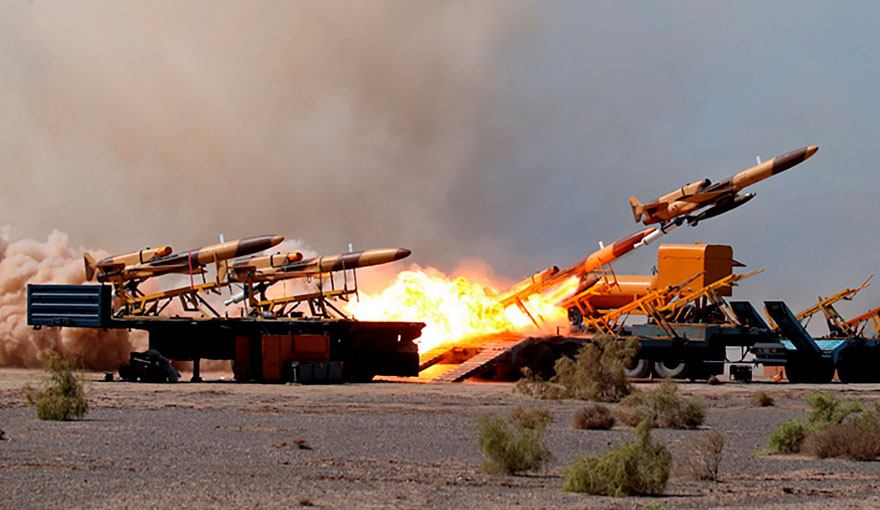
The Shahed drones that Russia has rebranded as Geran-2 are packed with explosives and are pre-programmed to loiter overhead until they nosedive into a target.

That's reminiscent of Japan's World War II-era kamikaze pilots who would fly their explosive-laden aircraft into US and other allied warships and aircraft carriers during the war in the Pacific.

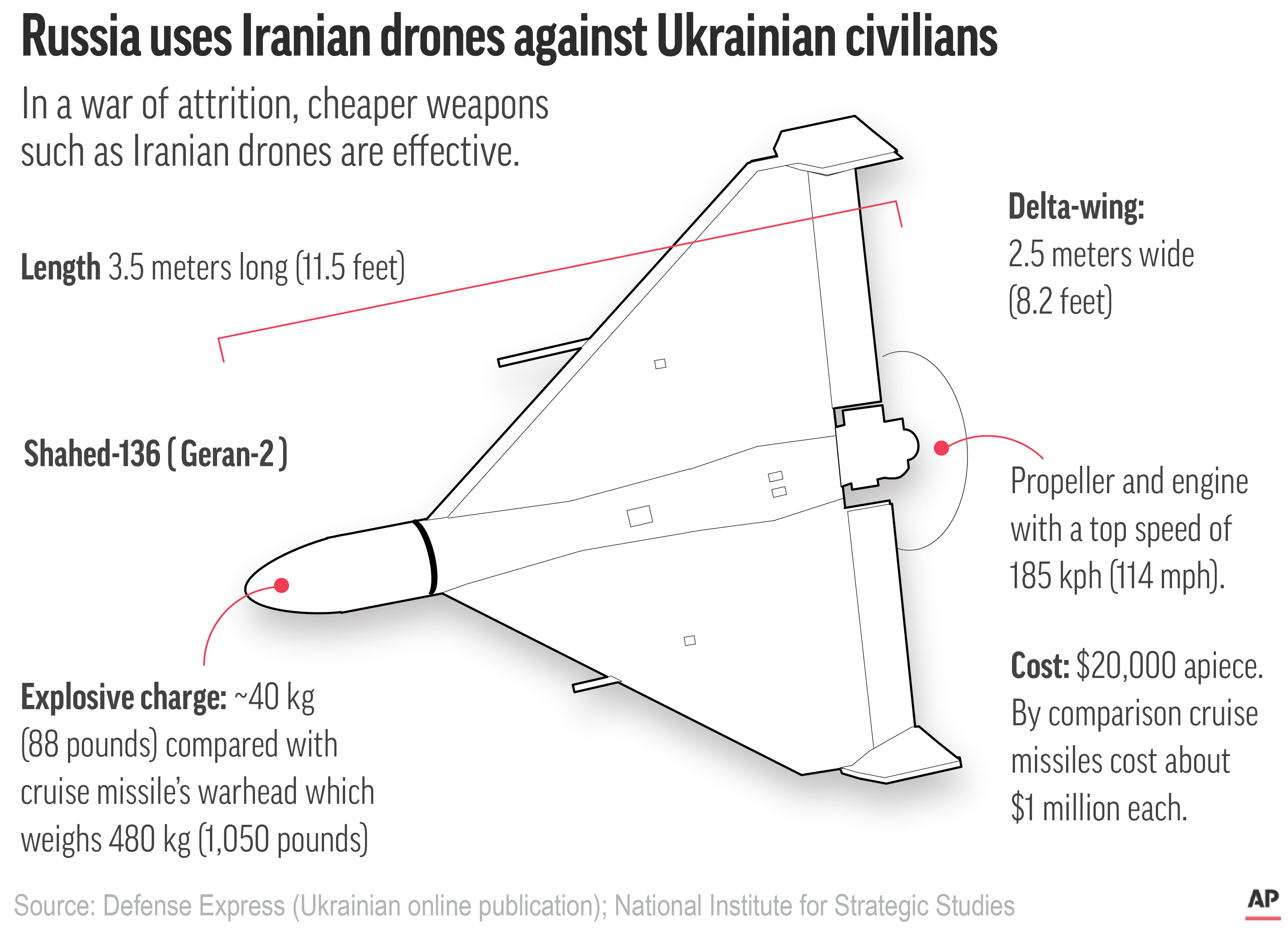
According to the Ukrainian online publication Defence Express, which cites Iranian data, the delta-wing Shahed is 3.5m long, 2.5m wide and weighs approximately 200kg.

It's powered by a 50-horsepower engine with a top speed of 185km/h.

Behnam Ben Taleblu, senior fellow at the Washington-based think tank Foundation for Defence of Democracies, said the drone has already been deployed in Yemen and in a deadly oil tanker attack last year.

He said its range is about 1000km.

READ MORE: 'Rain, and lots of it' coming as multiple weather events set to hit

Russia has hit Ukraine with a wave of attacks, dive-bombing the capital, Kyiv, with what appear to be Iranian-made drones.

The new drone technology does not need trained personnel to be sacrificed nor a huge amount of money spent on building sophisticated aircraft to reach a target.

In Monday's attack on the Ukrainian capital of Kyiv, the city's mayor, Vitali Klitschko, said 28 drones made up waves of successive attacks.

Fired from a truck launcher in rapid succession, the drones can fly low and slow, better able to avoid radar detection.

They can also swarm a target, overwhelming defences particularly in civilian areas.

But according to Mykola Bielieskov, a research fellow at Ukraine's National Institute for Strategic Studies, the Shahed only carries a 40kg explosive charge, which pales in comparison to the explosive force that a conventional missile's 480kg warhead can deliver at a much longer range.

"It is difficult to hit serious targets with such drones," Bielieskov said.

READ MORE: At least four dead after Russian fighter jet crashes into apartment block

Small punch but low cost

At a mere $US20,000 ($30,000) apiece, the Shahed is only a tiny fraction of the cost of a more conventional, full-size missile.

For example, Russia's Kalibr cruise missiles, which have seen widespread use in eight months of war, cost the Russian military about $US1 million ($1.6 million) each.

At such a low cost, the Shahed can be deployed in massive numbers to saturate a target, whether it's a fuel depot or infrastructure and utilities like power or water stations.

Despite its small size, the Shahed's explosive charge appears powerful enough to do damage.

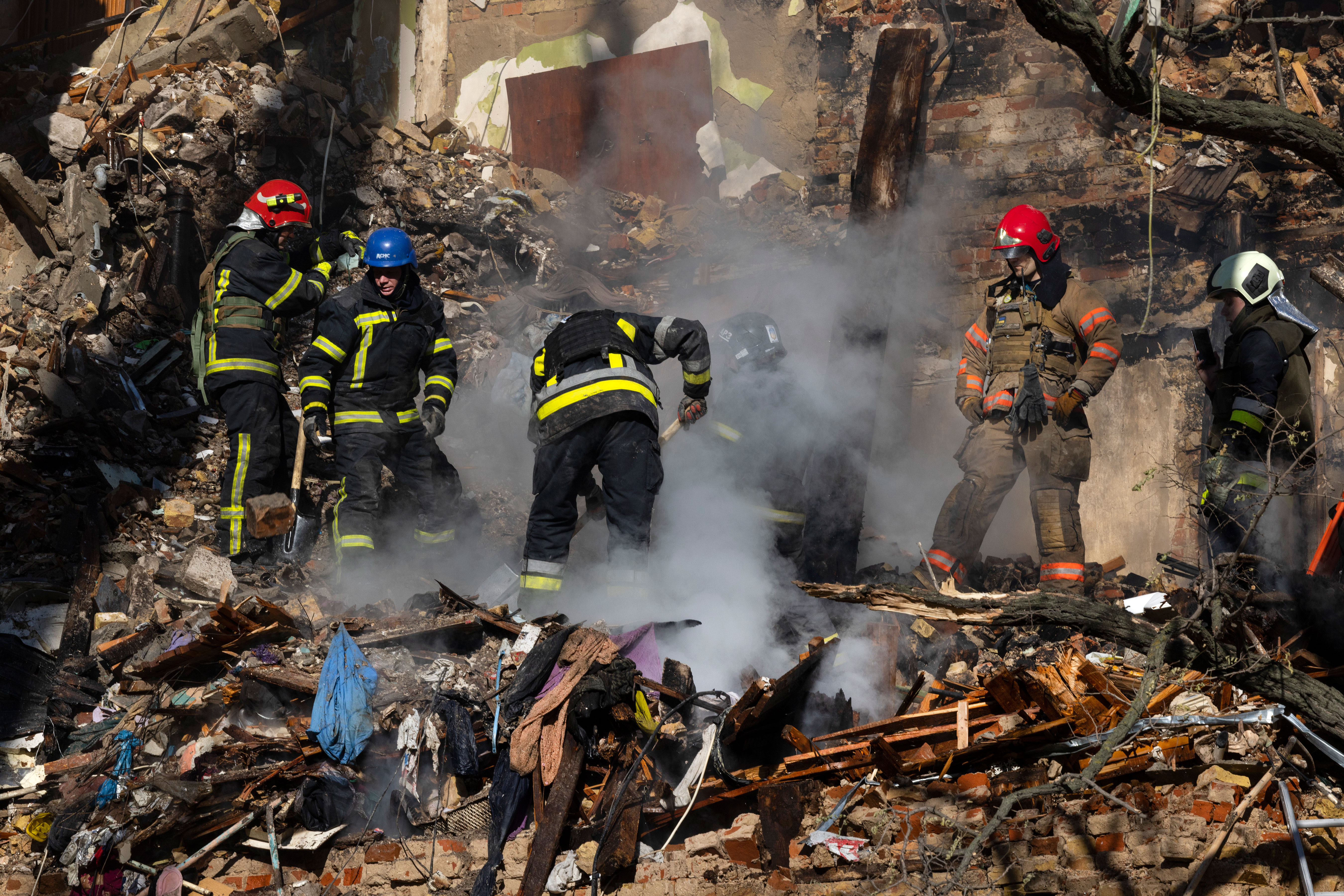
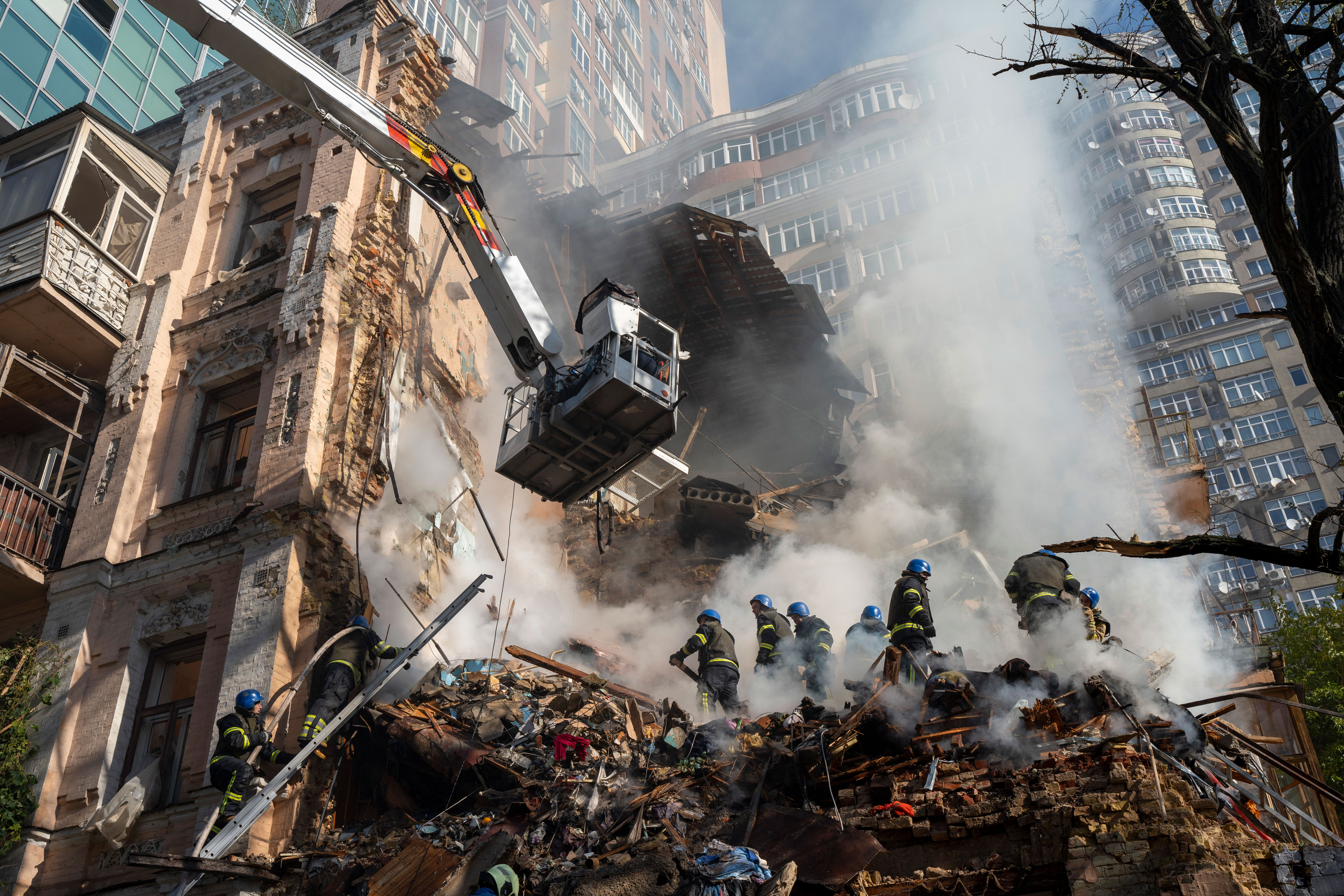
In Monday's attacks, one drone struck an operations centre while another slammed into a five-storey residential building, ripping a large hole in it and collapsing at least three apartments, resulting in the deaths of three people.

READ MORE: Australian company's drone jammers helping Ukraine fight Russia

Critical infrastructure was hit in the Kyiv, Dnipro and Sumy regions, with electricity cut in hundreds of towns and villages

Bielieskov, from Ukraine's National Institute for Strategic Studies, said the Russian military is opting to use Shaheds on civilian targets instead of the battlefield because Ukrainian forces have "learned how to fight them effectively," managing to intercept a little more than half of them.

With no immediate end in sight, the financial burden of the conflict will weigh heavier on Moscow, which isn't receiving billions in weapons transfers from Western nations like Ukraine is.

As the conflict essentially becomes one of attrition — who can withstand that human, material and financial burden the longest — finding cheaper but still potent weapons will be key.

For Moscow, the Shahed appears to be such an alternative.

"Shahed-136 is a cheap version of a cruise missile, which Russia can't produce fast," said Bielieskov.

Taleblu said Russia will likely continue to boost its long-range strike capabilities with Iranian drones and reportedly even missiles.

"This should raise alarm bells for Europe and the world," he said.

Russian officials haven't issued any data about the number of missiles fired during the conflict, but Ukraine's defence minister recently alleged that Russia has used most of its high-precision missile arsenal — from 1844 on the eve of Russia's invasion to 609 by mid-October.

A war of nerves

The incessant buzzing of the propeller-driven Shahed drones — dubbed "mopeds" by Ukrainians — is equally potent for the terror it can induce in anyone under its flight path.

That sound exacerbates anxiety and chips away at morale, for no one on the ground knows exactly when or where the weapon will strike.

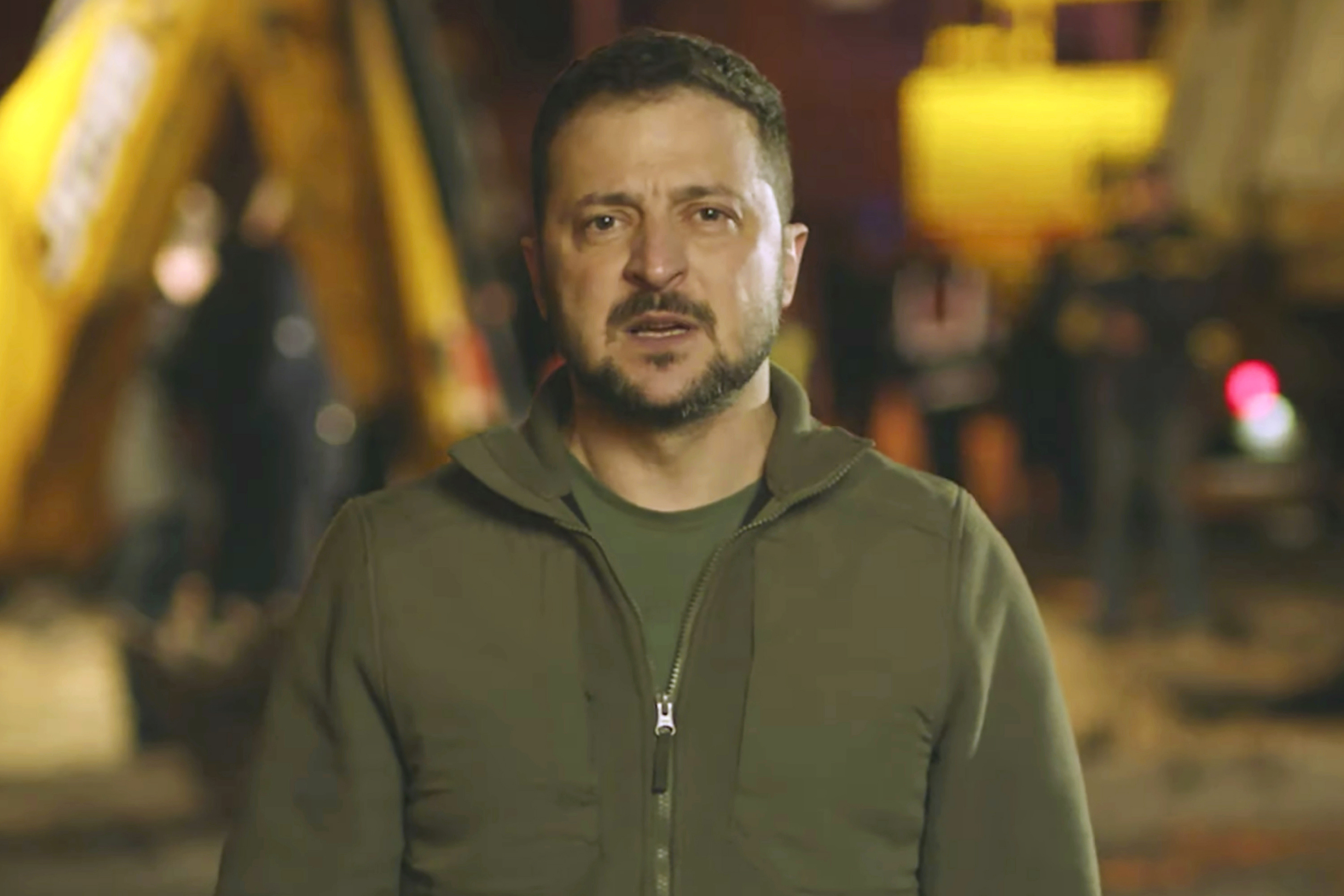
Ukrainian President Volodymyr Zelenskyy seized on the drones' terror element, posting on social media: "The whole night, and the whole morning, the enemy terrorises the civilian population."

"Kamikaze drones and missiles are attacking all of Ukraine," he added.

Bielieskov conceded that Shahed drone strikes stir up fears that Ukraine's air defences are inadequate to meet the threat.

But he said their use — even in large numbers — isn't enough to reverse Ukraine's battlefield gains.

Sky-borne terror weapons are nothing new — Nazi Germany employed them during World War II in the form of the V-1 flying bomb or "buzzbomb," the earliest type of cruise missile in the shape of a small aircraft that targeted British cities.

Eight decades later, the much smaller Shahed can be guided to its target at a much cheaper cost, potentially enabling Russian forces to launch many more drones than the 9500 "buzzbombs" that Nazi Germany unleashed on Britain.

'Rain, and lots of it' coming as weather events pass over nation

Australia is bracing for "rain and lots of it" as multiple weather system pass over the nation over the next seven days.

A low pressure system and a trough is currently building in Australia's centre, drawing in moisture.

Flood-hit communities across Victoria, New South Wales and Tasmania are on edge as the low threaten to spill more heavy rain into already saturated catchments.

READ MORE: Warning towns could be cut off for a week as thousands flee floods

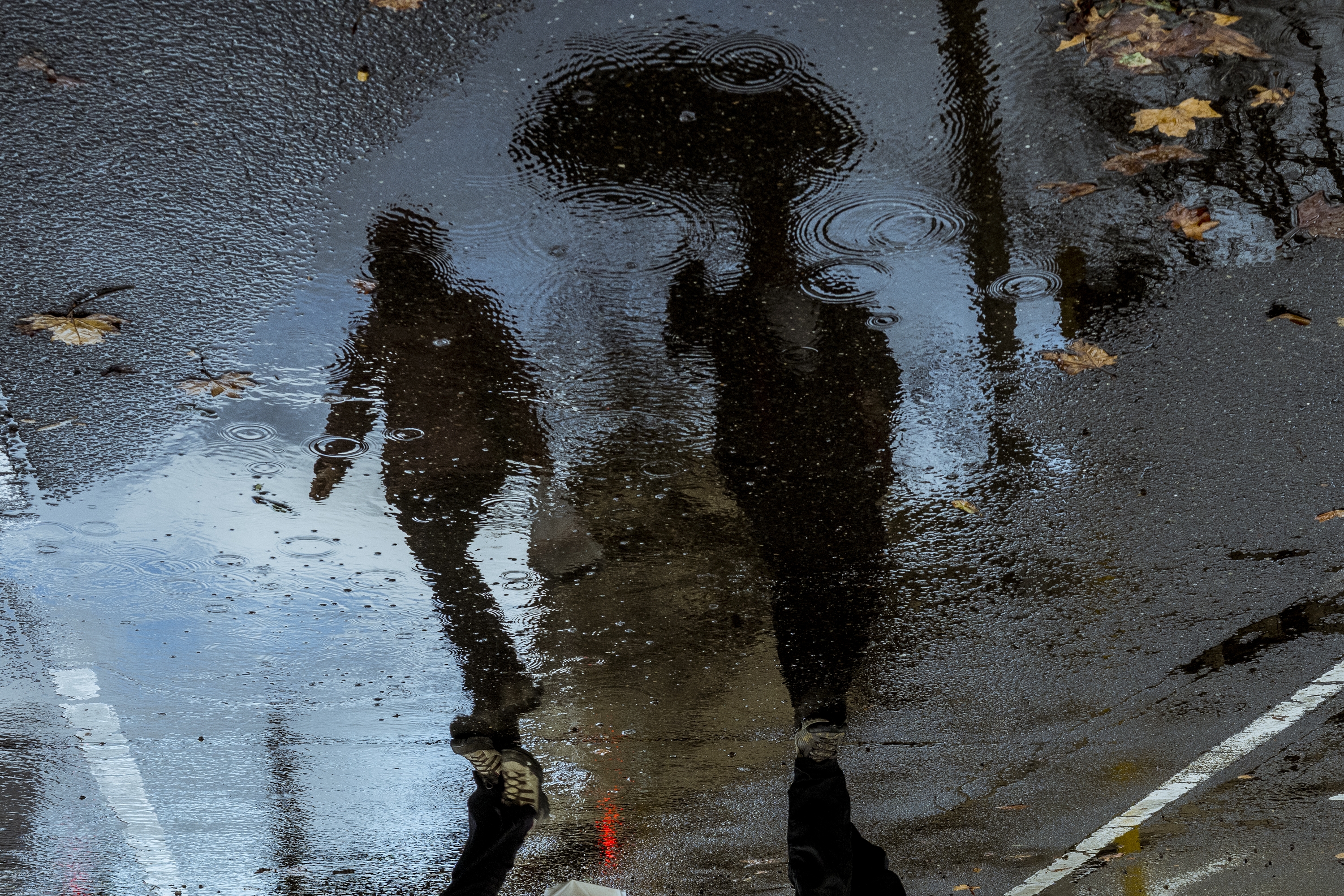
17/07/22 Wet weather hits Carlton on a particularly cold, wet and windy day. Photograph by Chris Hopkins

Heavy rain will start to fall over the eastern states from tomorrow.

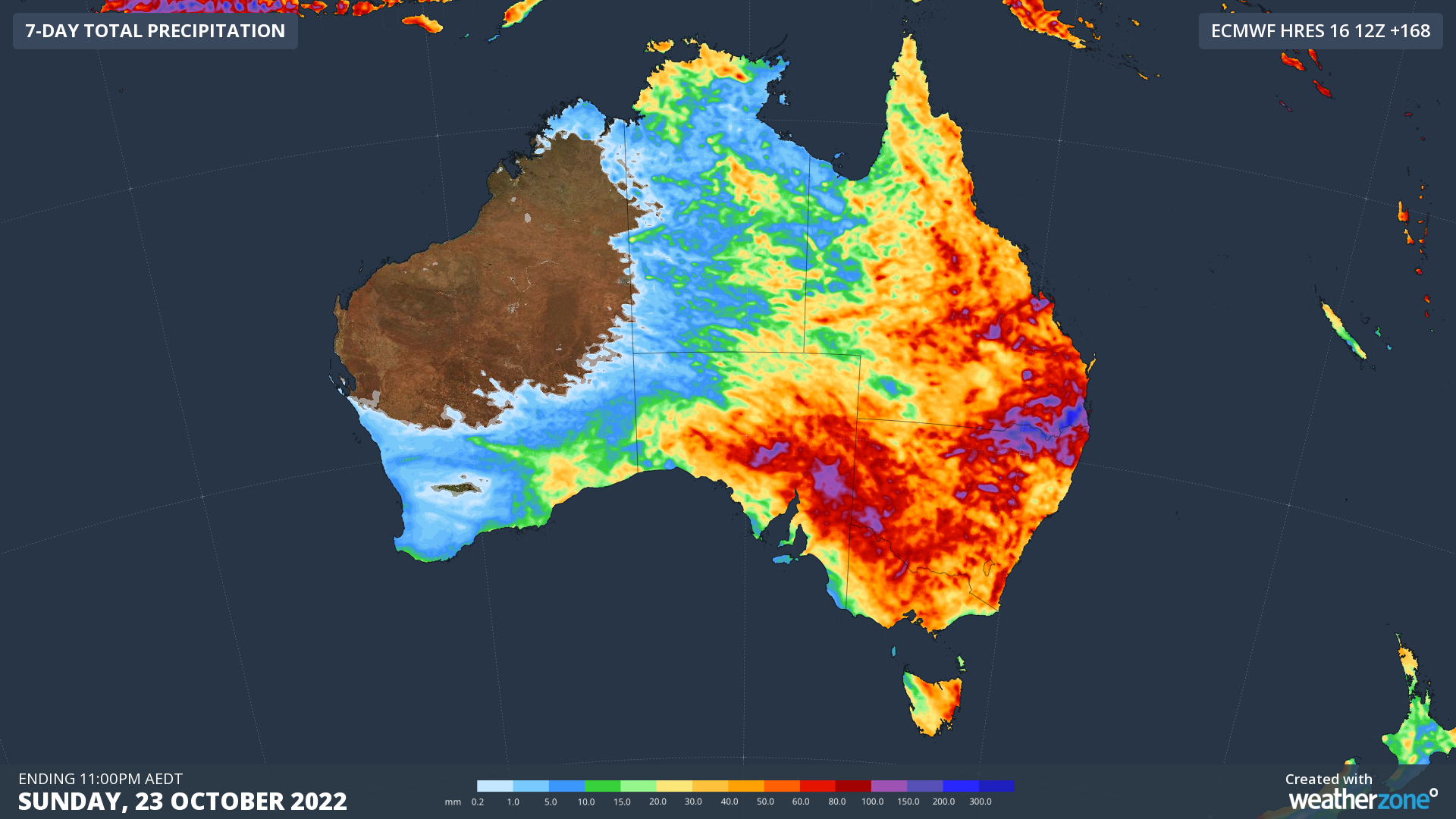
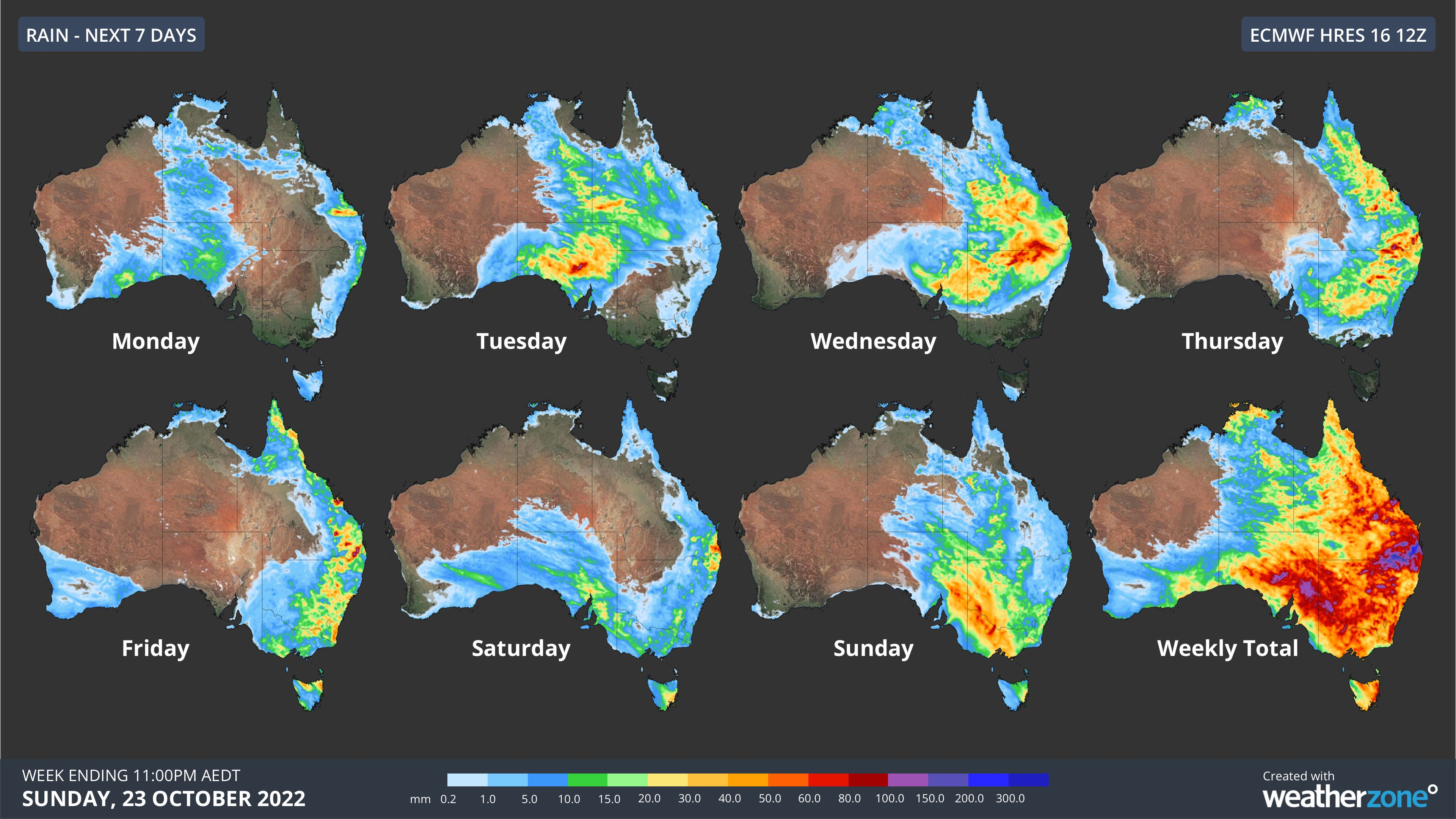
"The map below shows what's in store for Australia this week. Rain, and lots of it, over a number of states and territories," Weatherzone said.

"This week's rain will be widespread and involve intense thunderstorm activity on numerous days.

"Thunderstorms will be particularly dangerous over Qld and NSW between Wednesday and Friday when daily severe storm activity is likely in both states."

READ MORE: At least four dead after Russian fighter jet crashes into apartment block

Forecast accumulated rain this week, according to the ECMWF-HRES model.

Sean Kearns from the NSW SES has urged people to stay up to date about evolving warnings in the next 24 to 28 hours.

About 3000 people just around Moama are currently under orders to prepare to evacuate. A total of 300 people at Moama have already been evacuated.

People have been urged to prepare their homes for flooding.

Western NSW communities such as Forbes, Warren, Wee Waa, Deniliquin, Bourke and Tilpa are a particular focus.

The SES has carried out six flood rescues in the past 24 hours, and people have been reminded once again to not drive through floodwaters.

Kearns said flooding could be expected for "the next several weeks", whether or not blue skies were above.

Jane Golding from the Bureau of Meteorology is speaking now on what NSW can expect in coming days.

READ MORE: UK Prime Minister Liz Truss under pressure after historic tax cut U-turn

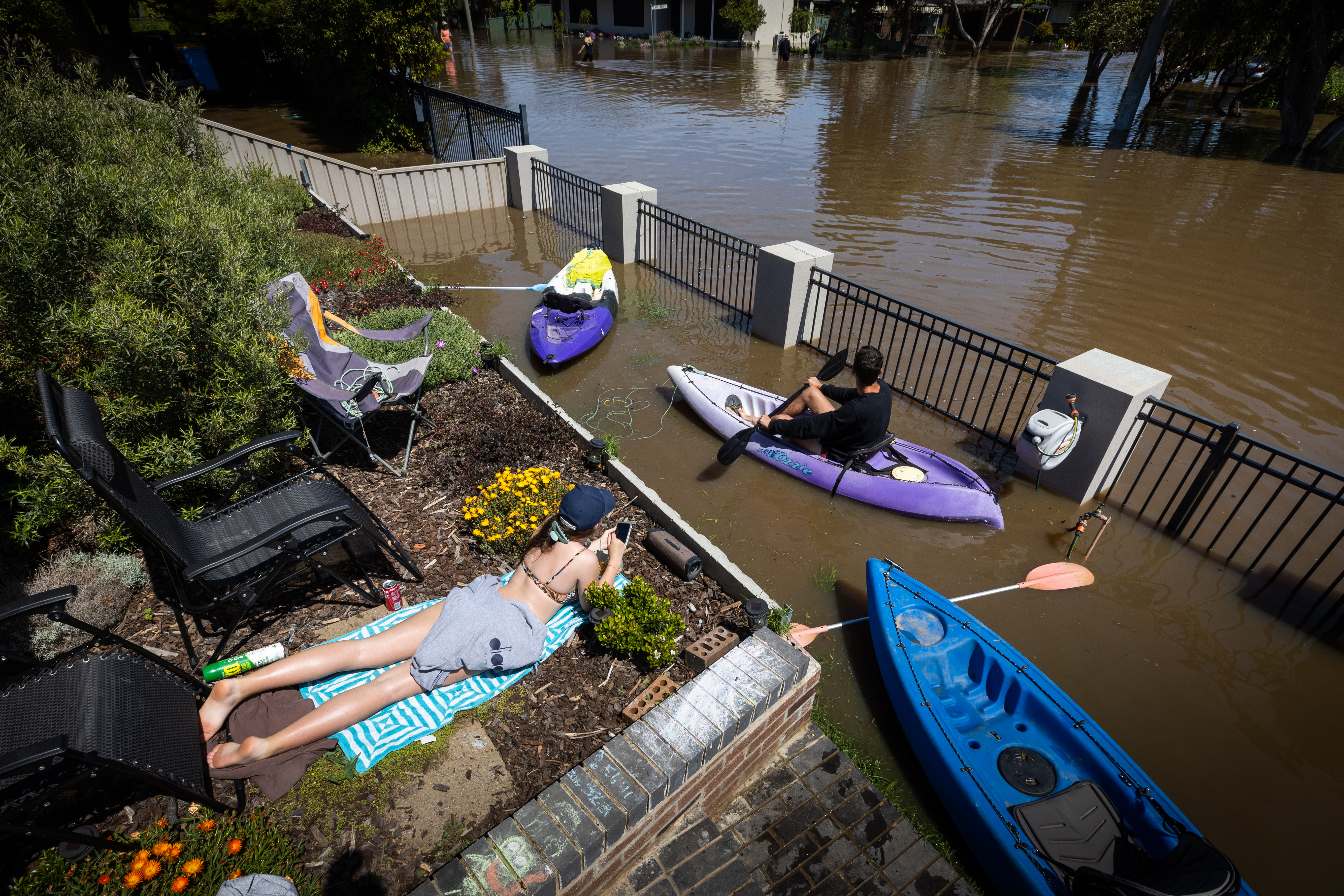
The sun returns and a spot of tanning and paddling is the order of the day in South Shepparton, as the river could be in flood for a week.

Intense rain leading to flash flooding, thunderstoms, and hail are all on the cards for later this week, particularly west of the Great Dividing Range.

"Currently we have major flood warnings out for the Macquarie River, Warren is still experiencing major flooding as it has been for several weeks," Golding said.

"The Bogan River, three locations in particular along the Bogan are expected to experience major flooding.

"The Lachlan River, major flooding is expected."And the Murray, Edwards, Echuca, Moana, Barwon, again, that water is making its way down through the Murray. And the Barwon-Darling as well."

The ADF has been called in to help flood victims in NSW, Emergency Services Minister Steph Cooke says.

READ MORE: How Victoria's floods crisis will affect the cost of living in Australia

Forecast daily rainfall during the next 7 days, according to the ECMWF-HRES model.

A total of 180 personnel will be sent into at-risk communities, particularly in the western regions of NSW.

The main focus for firefighters is on the Moama region, where the RFS has set up two base camps that will accommodate 550 people.

Senior meteorologist at the Australian Bureau of Meteorology (BoM) Dean Narramore cast a cloud over the forecast, warning another system could start to develop from Sunday.

"Over the next week unfortunately we could see widespread 50-100mm falls through southern inland Queensland, all of inland NSW, northern Victoria and inland South Australia ," Narramore said.

"It's not good news for our many flood-affected areas."

READ MORE: 'Frightened, wet and exhausted' native animals filmed desperately fleeing floodwaters

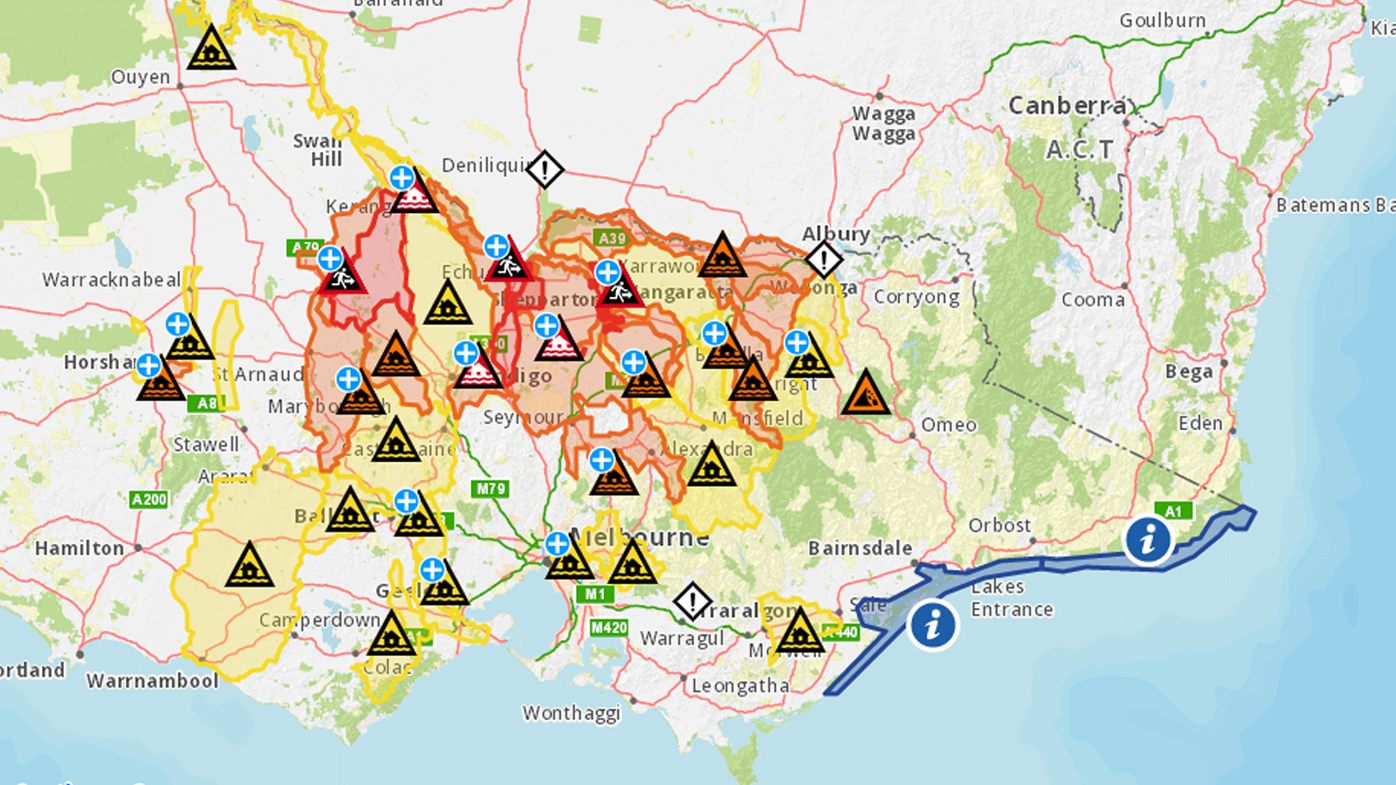
As of 5am there are 60 flood warnings in place across Victoria.

For Victoria the "impact days" will be Thursday through to Saturday, Narramore said.

The warning comes as the state's flood crisis continues.

There are currently 60 warnings in place across the state, 34,000 homes are at risk, and a suite of evacuation orders have been issued.

Emergency Management Victoria Commissioner Andrew Crisp said authorities are working closely with the BoM to protect communities.

"We will continue to do all we can," he said.

"We are dealing with a lot at the moment.

"We are starting to look at cleanup in the Maribyrnong and Seymour, we are still dealing with response, and we certainly have an eye on the weather.

"In Victoria we will see another weather system move into the state from tomorrow…we will plan to whatever they (BoM) are forecasting."

Four dead after Russian fighter jet crashes into apartment block

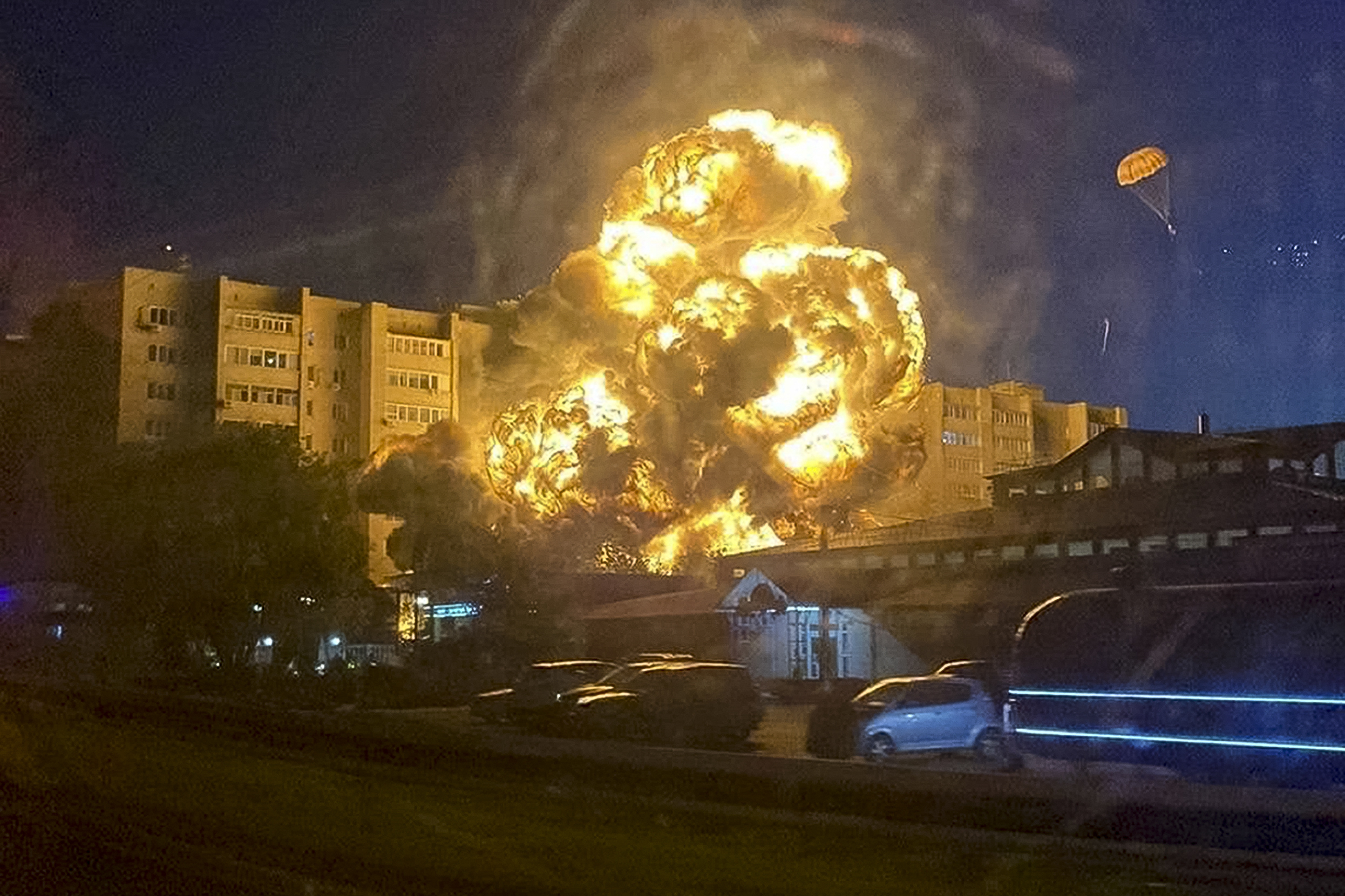
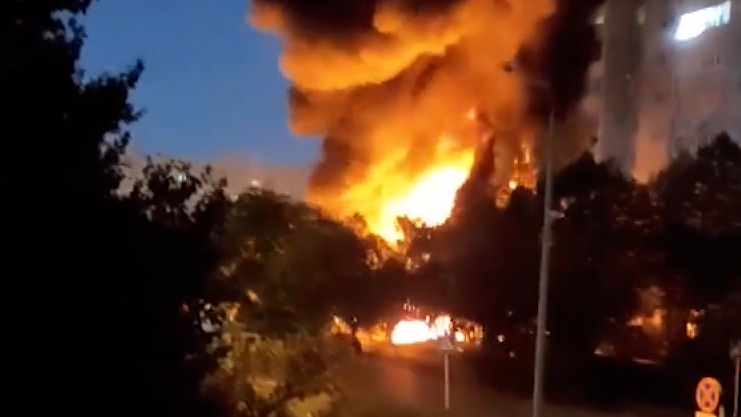
A Russian warplane has crashed into a residential area in a Russian city on the Sea of Azov after suffering engine failure, killing at least four people and leaving six others missing after a massive blaze that engulfed several floors of a nine-story apartment building.

The incident was due to one of the engines catching fire, reported RIA Novosti, which cited Russia's defence ministry.

"According to the report of the ejected pilots, the cause of the plane crash was the ignition of one of the engines during take-off. At the site of the crash of the SU-34 in the courtyard of one of the residential quarters, the plane's fuel ignited," the ministry said in a statement to RIA.

READ MORE: UK PM 'not hiding under a desk' after historic tax cut U-turn

"A SU-34 aircraft crashed while climbing to perform a training flight from the military airfield of the Southern Military District," the ministry added.

Authorities said at least four residents were killed, six were missing and 25 others were injured, including eight people who were in grave condition. The authorities reserved emergency rooms at local hospitals and scrambled medical aircraft.

At least 17 apartments were affected by the fire, and about 100 residents were evacuated and provided with temporary accommodations.

An eyewitness told Russian state media TASS that firefighters and ambulances have arrived at the scene.

READ MORE: Chinese President Xi Jinping's warning to the west

"Plane crashed in our city … Ambulances and firefighters are coming from all over the city, helicopters are in the air," said the eyewitness, as quoted by TASS.

The residential building has nine floors, according to another resident who spoke to TASS. A separate eyewitness said an entire house was on fire.

The Russian Ministry of Emergency Situations told RIA that the area of the fire caused by the crash is 2000 square metres wide.

READ MORE: Explosions rock Kyiv a week after Russian strikes

The Su-34 is a supersonic twin-engine bomber equipped with sophisticated sensors and weapons that has been a key strike component of the Russian air force. The aircraft has seen wide use during the war in Syria and the fighting in Ukraine.

Monday's accident marked the 10th reported non-combat crash of a Russian warplane since Moscow sent its troops into Ukraine on Feb. 24. Military experts have noted that as the number of Russian military flights increased sharply during the fighting, so did the crashes.

Veniamin Kondratyev, the Governor of Krasnodar Krai region, said in a statement that he is on his way to the city.

"Emergency services are already working on the spot — all regional fire and rescue garrisons are engaged in extinguishing the fire," he said in a statement on his Telegram channel.

READ MORE: 'Kamikaze' drones strike fear in Ukraine's capital, killing four