Tag Archives: oceania

Russia military range shooting leaves 11 dead, 15 wounded

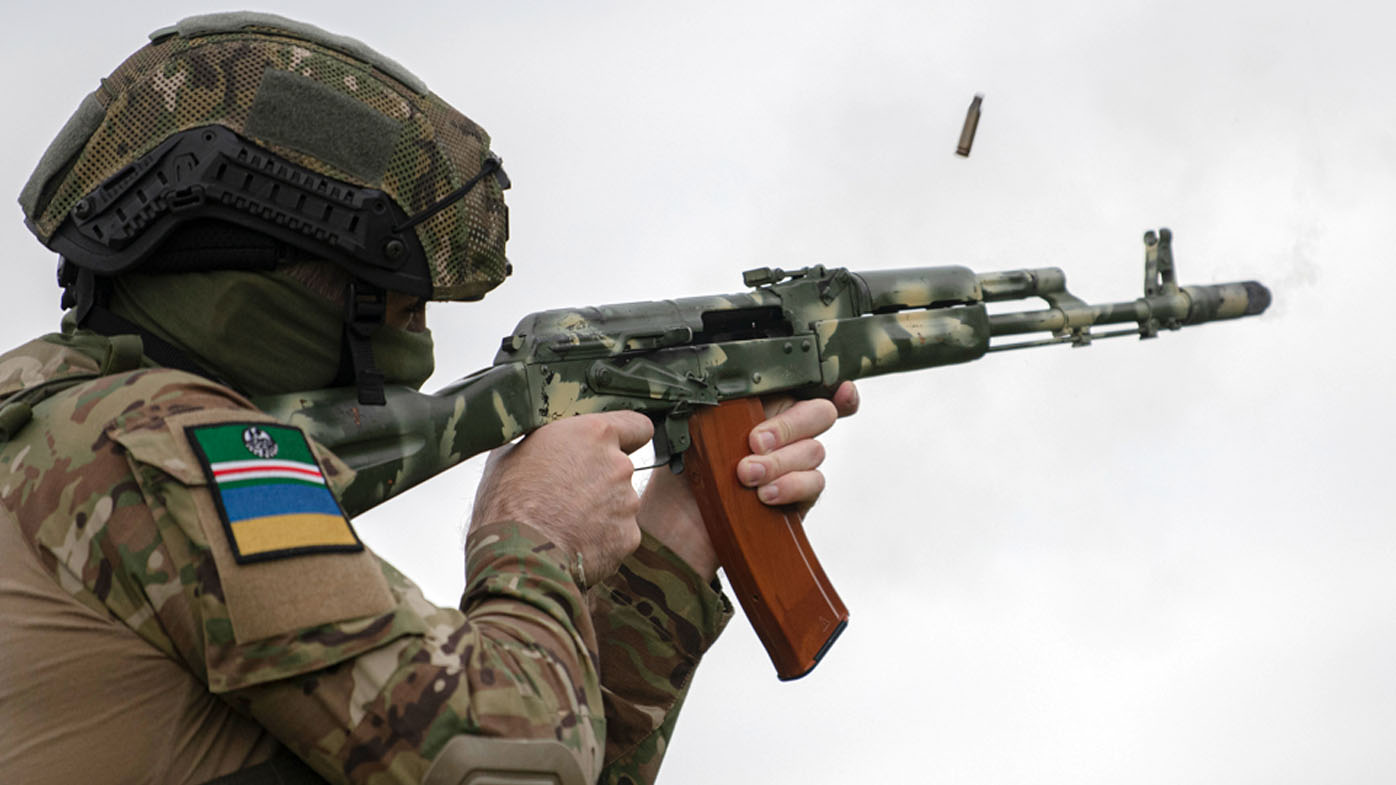
Two men fired at soldiers on a Russian military firing range near Ukraine on Saturday, killing 11 and wounding 15 before being slain themselves, the Russian Defense Ministry said.

The ministry said in a statement that the shooting took place in the Belgorod region in southwestern Russia that borders Ukraine.

It said two men from an unnamed former Soviet republic fired on volunteer soldiers during target practice and were killed by return fire.

READ MORE: Ukraine's Kyiv area hit by Iranian-made kamikaze drones

The ministry called the incident a terrorist attack.

The shooting comes amid a hasty mobilisation ordered by President Vladimir Putin to beef up Russian forces in Ukraine — a move that triggered protests and caused hundreds of thousands to flee Russia.

Putin said Friday that over 220,000 reservists already had been called up as part of an effort to recruit 300,000.

He promised the mobilisation would be wrapped up in two weeks.

The mobilisation was troubled from the start, with authorities issuing confusing signals about who should be called up for service in a country where almost all men under age 65 are listed as reservists.

READ MORE: UN demands Russia reverse 'illegal' annexations in Ukraine

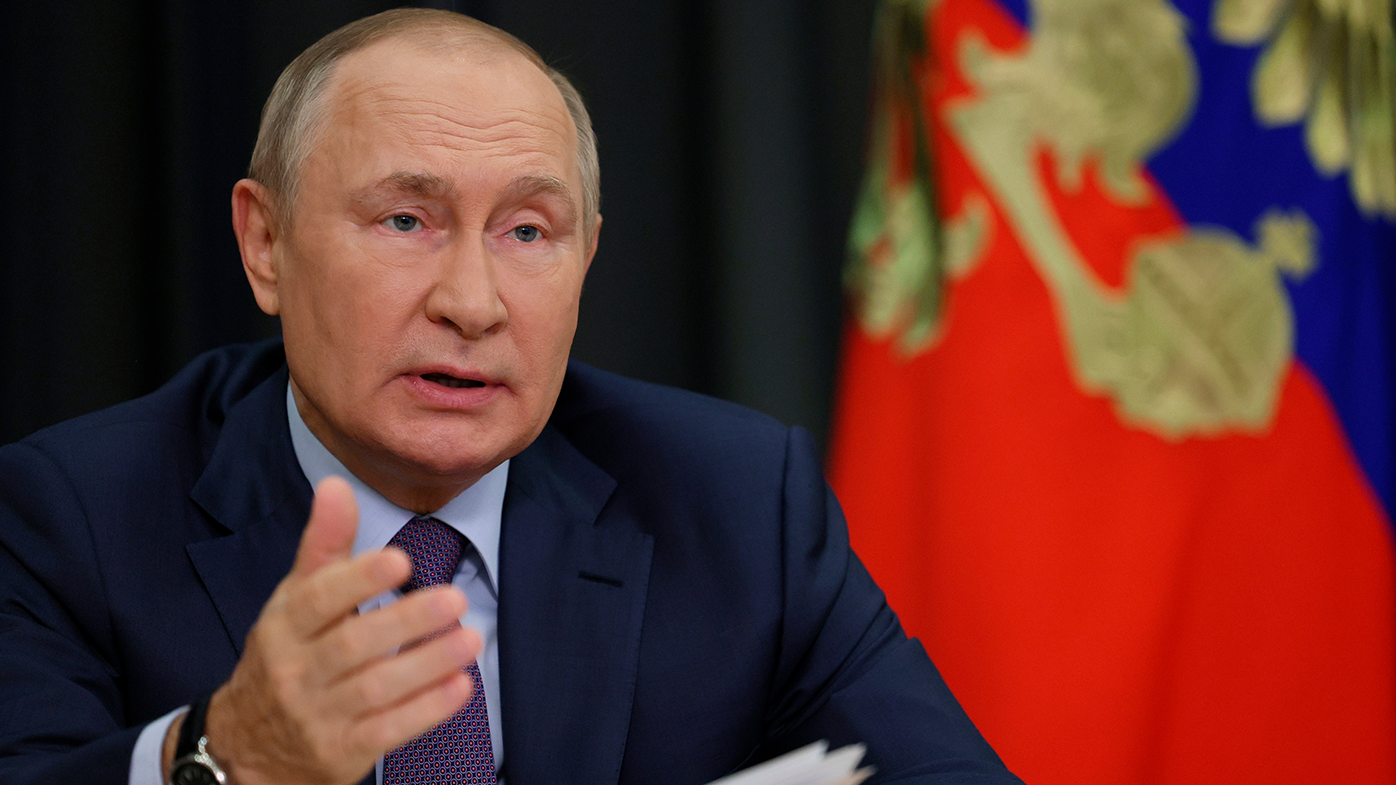
Russian President Vladimir Putin gestures as he attends a meeting on agricultural issues via videoconference in the Bocharov Ruchei residence in the Black Sea resort of Sochi, Russia, Tuesday, Sept. 27, 2022. (Gavriil Grigorov, Sputnik, Kremlin Pool Photo via AP)

Even though the Russian leader declared that only people who had recently served in the military would be subject to the call-up, activists and rights groups reported military conscription offices rounding up people without any army experience — some of whom were also unfit for service for medical reasons.

Some of the freshly called-up reservists posted videos of themselves being forced to sleep on the floor or even outside and given rusty weapons before being sent to the front lines.

Russian media reports said some of those who were mobilised were sent to combat without receiving proper training and were quickly killed.

Authorities have acknowledged the mobilisation was often poorly organised and promised to improve the situation.

READ MORE: Xi Jinping changed China. Today, he'll change it again


Clean up begins in small Victorian town ravaged by floodwaters

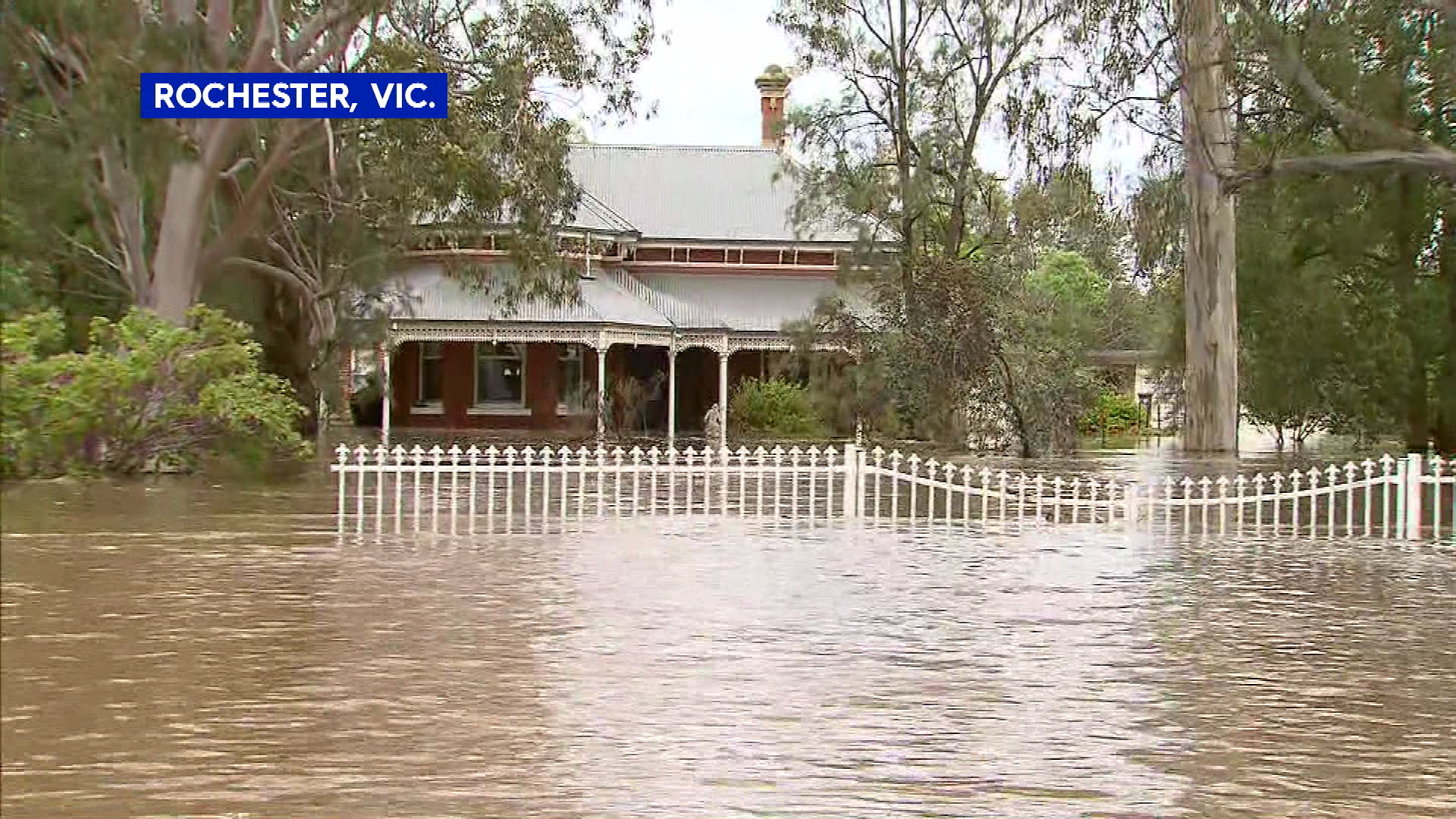
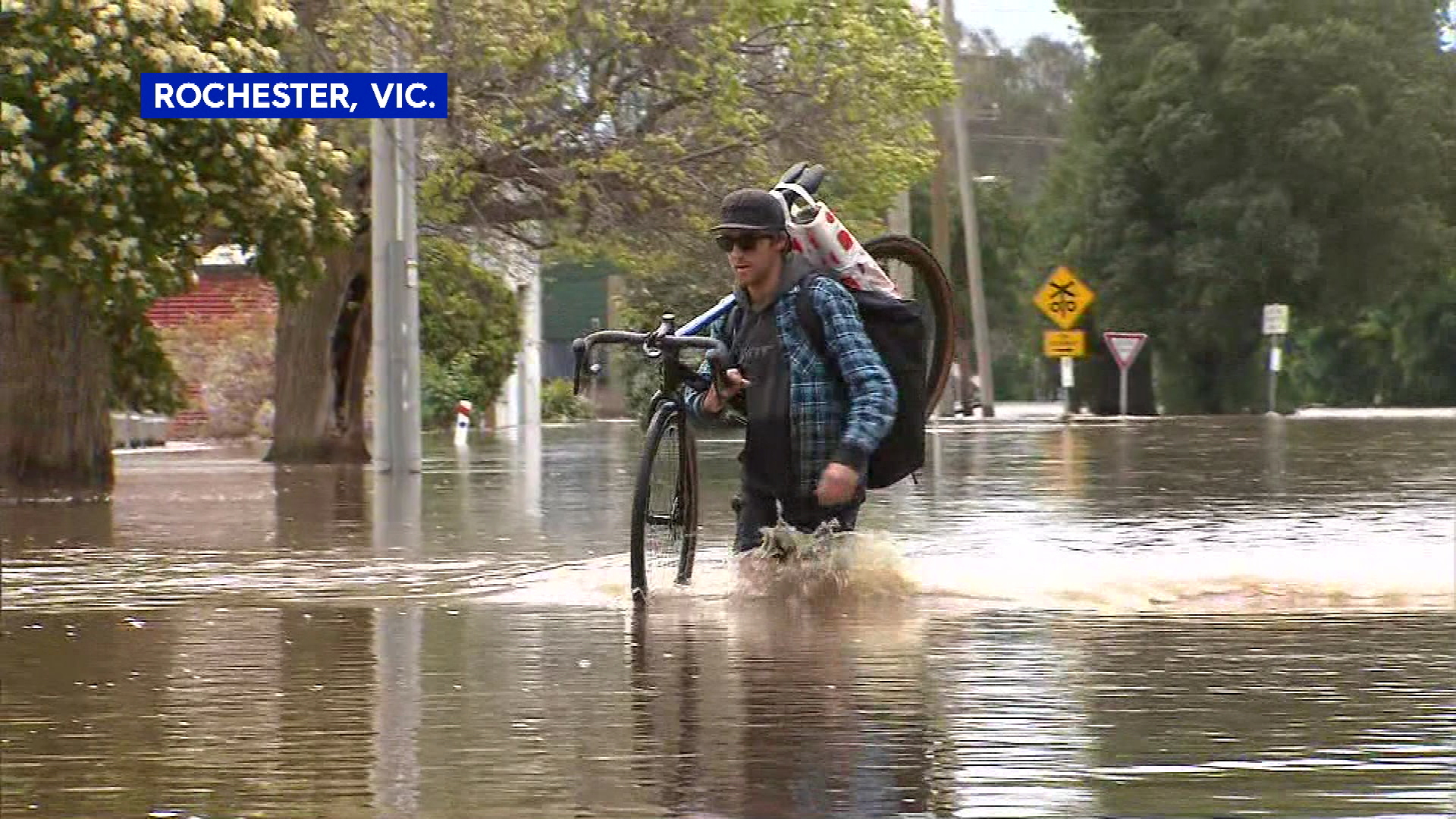
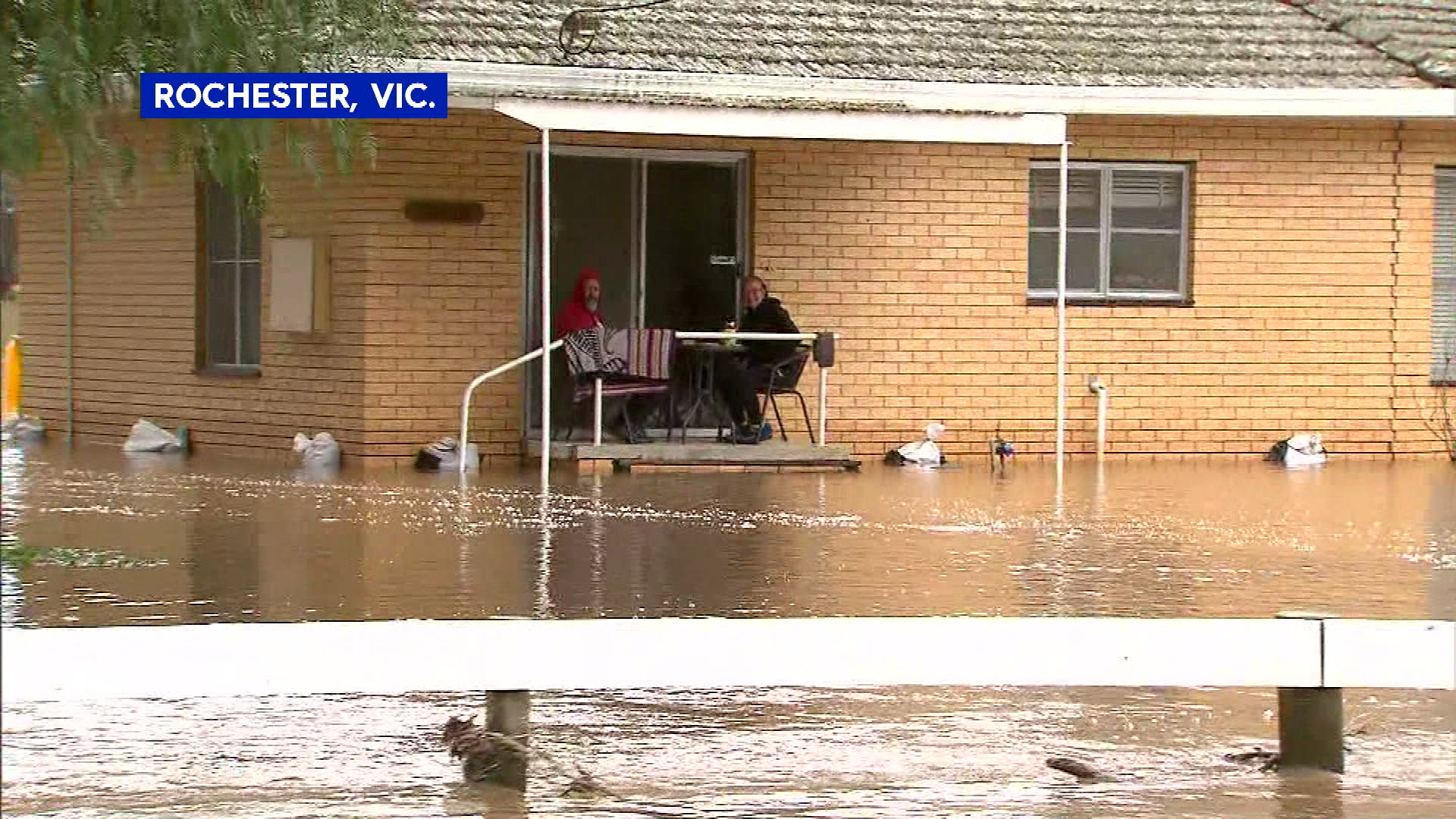
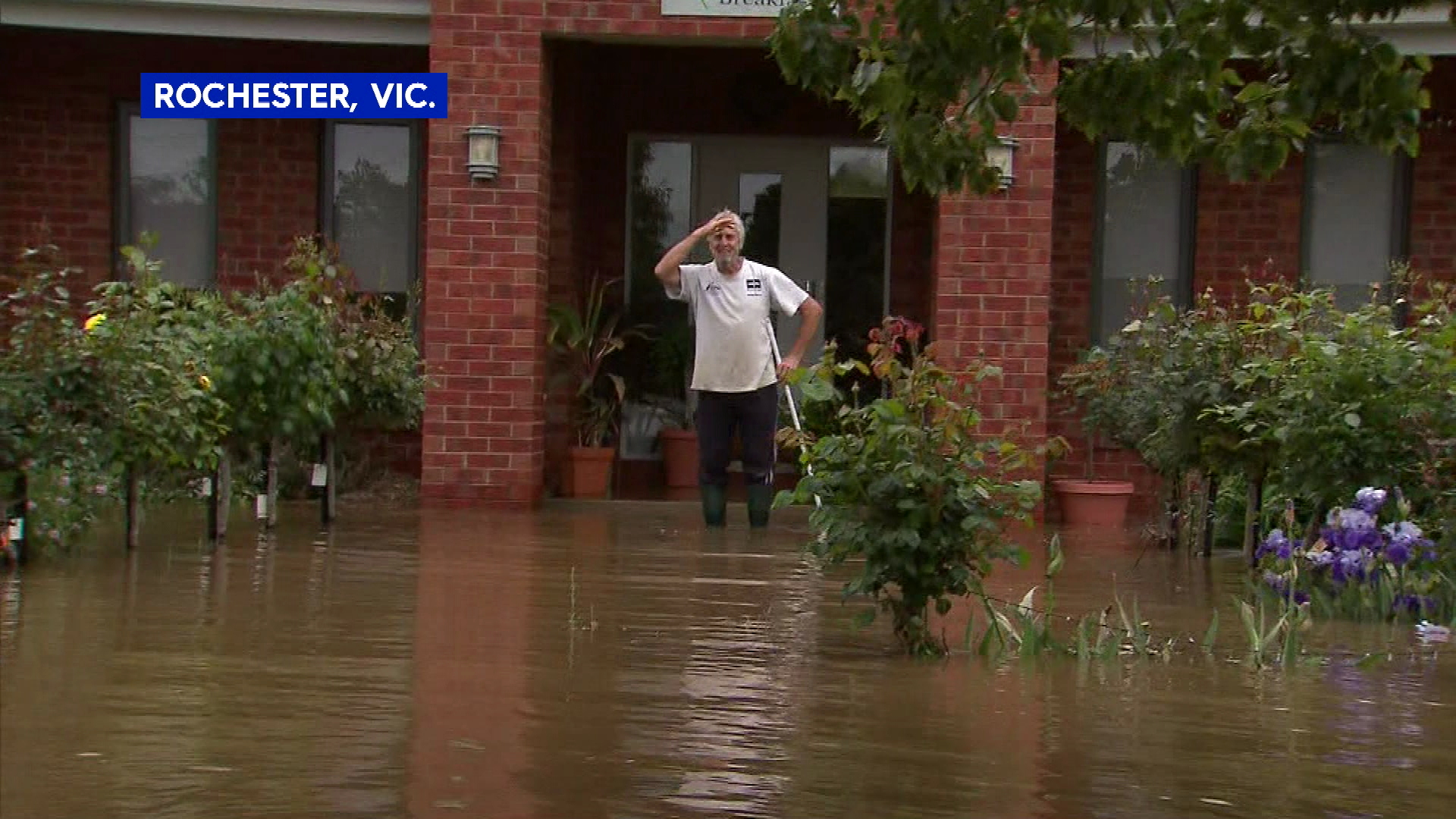
A mammoth clean-up is set to get underway in the small Victorian town of Rochester, which has been completely inundated and cut off from other communities during the state's flooding crisis.

The floodwaters claimed the life of 71-year-old man Kevin Wills yesterday and have led to more than 160 rescues taking place in the town of just 3113 people.

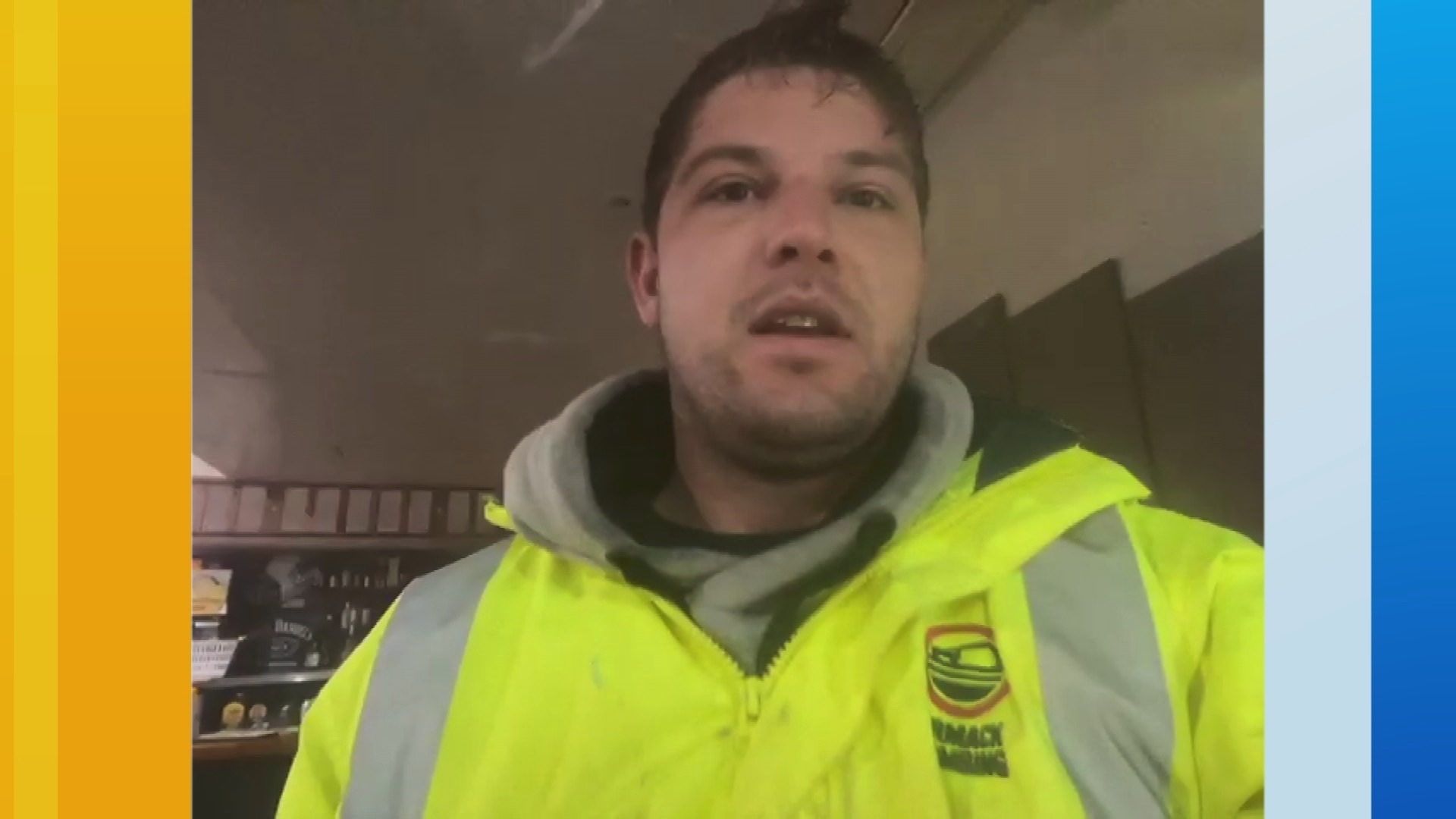
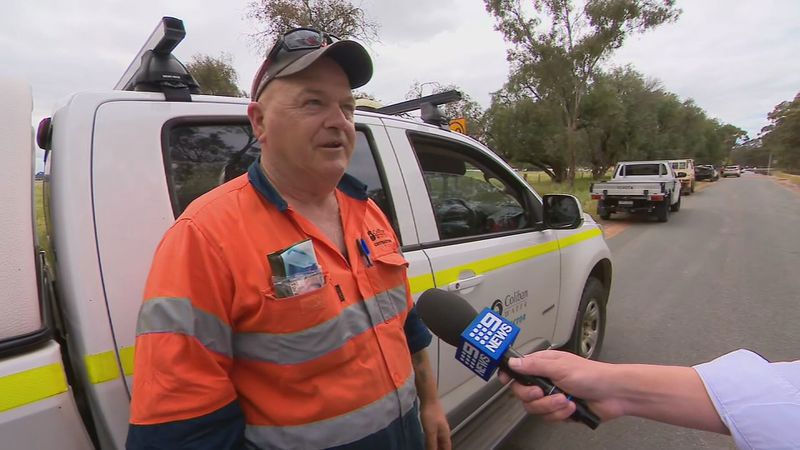
Resident Darcy Craig, who sheltered in the town's flooded pub overnight, has told Today the past 48 hours have been a horrifying waiting game for the tight-knit community.

READ MORE: More warnings as floodwaters continue to inundate Victoria

"It's devastating," he said.

He said the main shock occurred yesterday, and that water levels peaked at about 3am on Sunday before now slowly beginning to recede.

"I've come out this morning and had a look. It's down to below ankle height, which is good," he said.

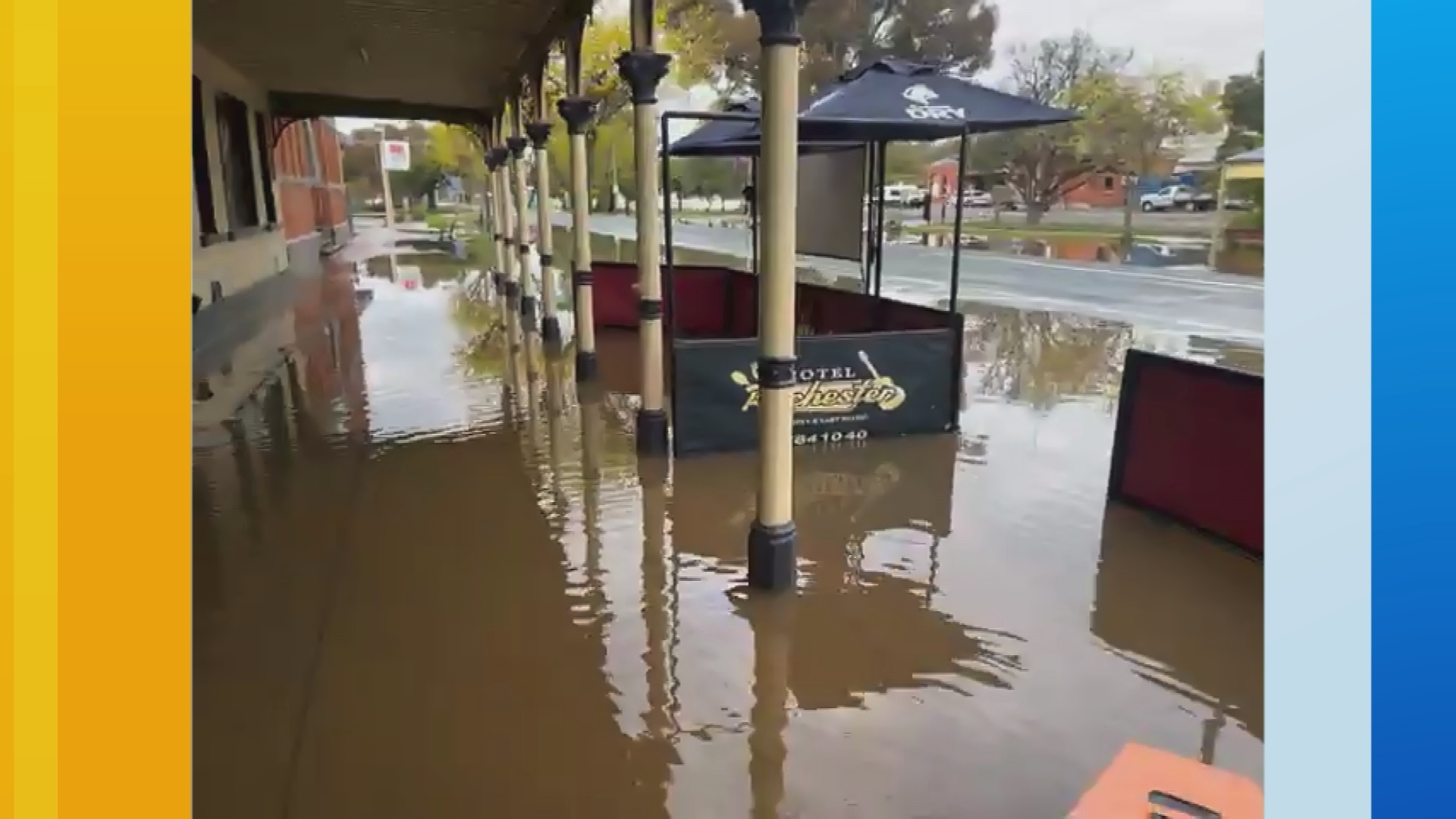
He showed footage of the town's local pub filled with water in all its rooms.

READ MORE: Why more Aussies are getting trapped in a 'mortgage prison'

Craig said the flooding had been "just another kick in the guts" for the rural township as businesses were still getting back on their feet following the impacts of the COVID-19 pandemic.

"The tight-knit community has only really – especially from the business side of things – only really just got over COVID and started opening doors again, started having functions."

Craig said the Rochester community was strong but would need all the help it could get to recover from the floods.

"They are a really resilient community here," he said.

READ MORE: Victorian residents furiously create sandbags as flood crisis continues

"I was just talking to the guy yesterday from Mitre 10 and he was saying they're going to help out a heap with getting people back on their feet.

"The more hands, the better. It's what's going to get it done and get it done the quickest, especially for businesses to be able to open again and trade again."

Craig has four units in the town that were flooded yesterday.

He visited them in a tinny yesterday to witness the damage himself.

Resident Brian Gemmill was reduced to tears when he discovered he had lost everything yesterday.

READ MORE: Victoria could see 'some of the largest evacuations' in the state's history

"Four feet now, everything's gone," Gemmill said.

The Rochester resident was comforted by a man who faced the same loss.

Dozens of residents have been evacuated on buses an hour away to Bendigo, more communities across the state's north continue to flood.

Residents can find the latest warnings and evacuation orders on the VicEmergency website and weather updates on the Bureau of Meteorology website.

Xi Jinping changed China. Today, he'll change it again

Every decade or so, China's political system is wrenched by change. Some of these events are headline-grabbing – the Tiananmen massacre of 1989 or the brutal crushing of the Falun Gong spiritual movement in 1999.

Others are more subtle, such as the eruptions of 2012, when China's current leader, Xi Jinping, took power. That year included the toppling of a major Communist Party leader, the disgrace of a senior political adviser and the revelations that the family of the country's beloved premier accumulated billions in wealth during his tenure.

By contrast, this year seems quiet. There are reports that Chinese leader Xi Jinping is being challenged by his premier Li Keqiang, or that he is under pressure because people are fed up with the country's relentless zero-COVID strategy. But, even if true, these are relatively paltry cracks in the façade.

READ MORE: UK spy chief says China's tech aims are a 'threat to us all'
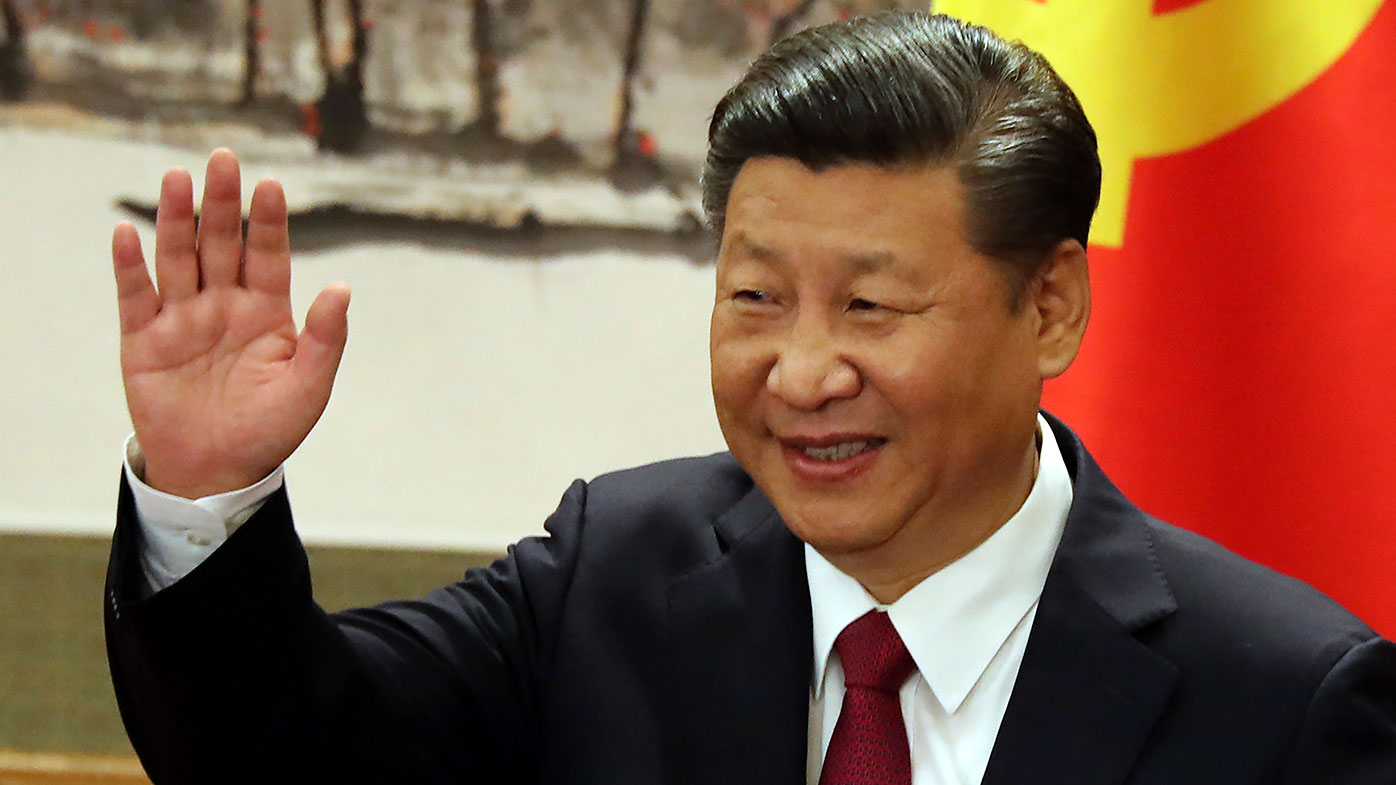
Xi Jinping is going to Uzbekistan for his first foreign trip since COVID-19.

And yet 2022 actually marks a huge upheaval in Chinese politics – one that we're going to feel over the coming years. This will come in the form of clashes with democratic countries over foreign policy, a slower-growing economy and political uncertainty.

This upheaval isn't being driven by attacks on Xi but by Xi's own actions, which have upended a 30-year consensus over how to choose top leaders. That's because Xi is poised at the Communist Party congress, which begins today, to take an unprecedented third term in office, destroying a system put in place a generation earlier.

The evolution of China's term limits

The system was meant to protect China from the turmoil of the Communists' first decades in power. That era started with the founding of the People's Republic of China in 1949 and lasted until the death of its first leader, Mao Zedong, in 1976.

Mao ran roughshod over other leaders, subjecting China to wild swings in policy that caused tens of millions of deaths, fomented revolution abroad, and left the country poor.

The person who took over from Mao was Deng Xiaoping. During the 1980s Deng also imposed his will on China, casting aside leaders he didn't like. But as he approached the end of his life in the 1990s (he died in 1997), Deng set in place a system of centralised power softened by term limits.

READ MORE: Taiwan leader tells China war 'absolutely not an option'
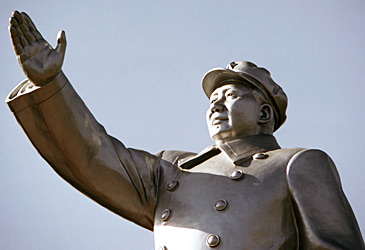
Statue of Mao Zedong in Changsha (Getty)

Under Deng's system, the top leader's power came from holding three positions at the same time. In order of importance, they are: general secretary of the Communist Party, which meant the leader ran the political party that runs the country; chair of the Central Military Commission, meaning control of the military; and the title of "president" of China, which is a ceremonial post that means the person is head of state and thus gets a 21-gun salute abroad.

To make sure that this person didn't abuse this immense power, Deng set up an informal rule that the person get only two five-year terms. The leader would be appointed at a Communist Party congress – a national meeting held every five years. They would then be reelected at the next party congress five years later and retire at the third.

Then along came Xi

This system worked for Deng's two hand-picked successors, Jiang Zemin and Hu Jintao. Jiang retired more or less on schedule in 2002, as did Hu in 2012.

If Xi had followed this system, he would retire at the party congress this week. Not only that, but in fact we would have known his successor in 2017, just as we knew a decade earlier, in 2007, that Xi was going to succeed Hu.

Another part of Deng's system of orderly succession was telegraphing halfway through one leader's term who their successor would be. That was meant to forge consensus and prevent wild swings in policy.

READ MORE: Penny Wong warns of 'catastrophic' impact of Indo-Pacific war
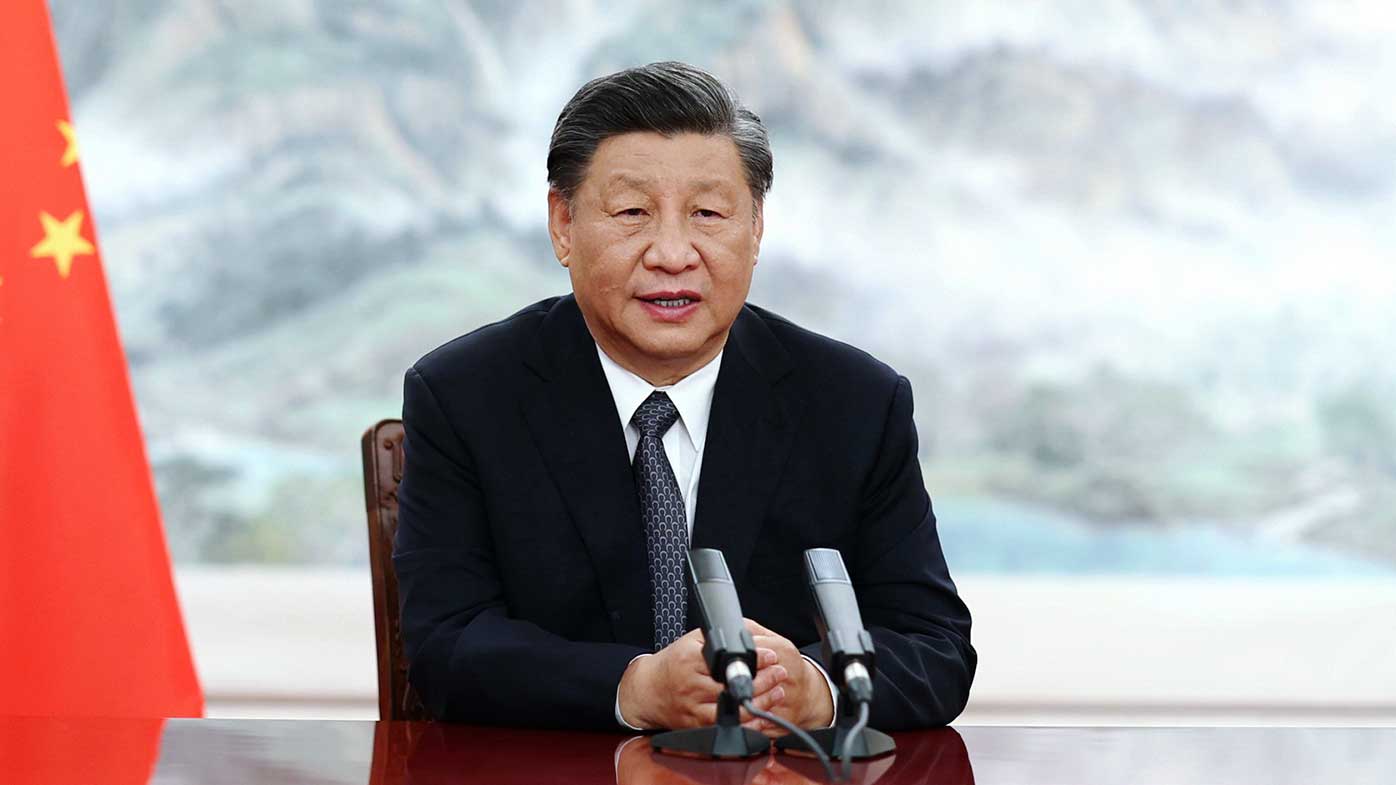
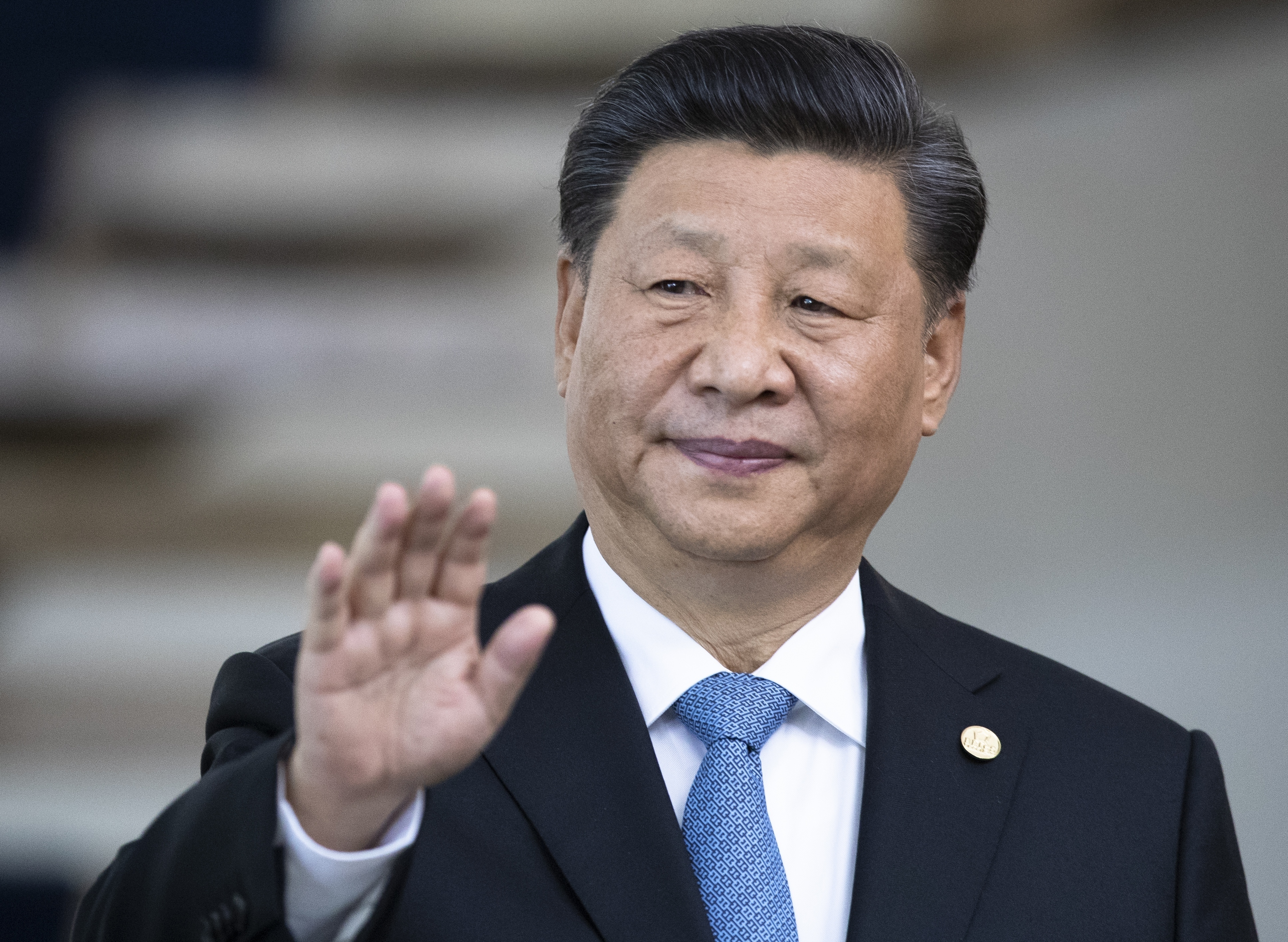
Xi Jinping has been president of China since 2013.

But no successor was appointed in 2017, meaning we knew around then that Xi wanted a third term. His intentions became clearer in 2018 when China's parliament lifted term limits on the presidency.

Even though ceremonial, the post had term limits enshrined in the constitution. Changing the constitution to lift those limits made clear that come 2022, Xi was going to go for a third term as supreme leader.

What China will look like under Xi

So in some ways what is happening this year was set in motion years earlier, but it's still hugely significant. This will play out in ways that people around the world will experience in three important ways.

The first is in continued tension and conflict in foreign policy. Under Xi, China began projecting power beyond its borders. Under his watch, China massively built up its military presence in the South China Sea, constructed military bases in South Asia and Africa and instructed its diplomats to use very blunt, aggressive language in dealing with other countries – something known as "wolf warrior" diplomacy.

Most importantly, China took a new, harder-line approach toward Taiwan. In August, his administration released a white paper that carries a marked change in tone from previous white papers in 1993 and 2000.

Unification with Taiwan is now described as "indispensable" for Xi's key overarching policy goal of "the rejuvenation of the Chinese nation". That likely means more tensions with democratic countries over Taiwan and an increased threat of Chinese invasion.
Second is slower economic growth. Xi's government has initiated few market-oriented reforms, leaving huge swaths of the economy still in state hands. That's contributed to slowing economic growth during his decade in power and growing youth unemployment.

Over the past few decades, one thing that the world economy could count on was strong Chinese economic growth. That may no longer be the case.

Finally, China faces political uncertainty for the first time in decades. Even though Deng's system lasted only a generation, it did give China a period of political stability that it hadn't enjoyed in more than a century.

Older, not wiser

Superficially, this is still the case: Xi rules supreme, with no challenger in sight. China seems to be very, very stable.

But what of the future? Xi is 69 and cannot rule forever, but is not expected to anoint a successor at the party congress this week. Most analysts believe he will take a fourth term, too.

As Xi ages, and further tightens his grip, his circle of friends and advisors will inevitably shrink, as will his ability to process new information and new ideas.

We've already seen this in the Xi administration's decision to blindly follow its "zero-COVID" policy, despite overwhelming evidence that it is now counter-productive. Will this sort of inability to correct course become the norm?
In this situation, it's not out of the question to foresee a period of slow but steady decline setting in, with the leadership around Xi unwilling to engage in economic reforms or allow the sort of freewheeling intellectual life that in previous decades had allowed China to flourish.

Instead, repression is likely to continue, not only for parts of the country with large minority population, such as Xinjiang, but in the country's ethnic Chinese heartland.

During its nearly 75 years in power, the Chinese Communist Party has shown a remarkable ability to adapt. That's included massive course corrections, which set China on its current path to prosperity. Such changes, however, only took place during periods of crisis when the leadership was forced to make painful choices.

This week's party congress, however, signals the opposite: a government set to keep doing what it's been doing for the past decade, even though the country badly needs a change.
Why more Aussies are getting trapped in a 'mortgage prison'

As property prices continue to drop across Australia and interest rates trend upwards, some borrowers are finding themselves trapped in their current mortgages with no way out.

It's estimated the median house price in Sydney could drop by more than $175,000 by the end of 2023 while in Melbourne it could fall by more than $156,000, according to NAB forecasts.

This could trap new homebuyers with smaller deposits in a sticky situation, known as a mortgage prison, as the property market slumps.

Here we unpack what a mortgage prisoner is and how to get out if you are trapped.

EXPLAINED: Why are Australia's interest rates still rising?

What is a mortgage prisoner?

Mortgage prisoner is the apt term for a borrower trapped in their current mortgage who is unable to refinance their loan.

There can be a mix of factors leading to a borrower becoming trapped in their current loan including their home declining in value, interest rate hikes, or income changes.

Finance Brokers Association Australia director Peter White said banks assess a borrower's "serviceability" or how much you can afford to pay at a different rate.

For example, interest rates could sit at 5 per cent but the lender will look at your ability to pay up to 8 per cent.

Not only are the current interest rate rises driving more people into the trap but White said banks have "the nasty habit of repricing the back book".

"They look at existing customers and put their home loan rate 0.45 to 0.7 per cent above what other people are paying," White said.

This means people who are already in a mortgage prison become even further entrapped and White warned more and more people are getting stuck.

Why are more people becoming mortgage prisoners?

Interest rate rises are the common denominator for property prices falling and therefore more people getting trapped in their home loans.

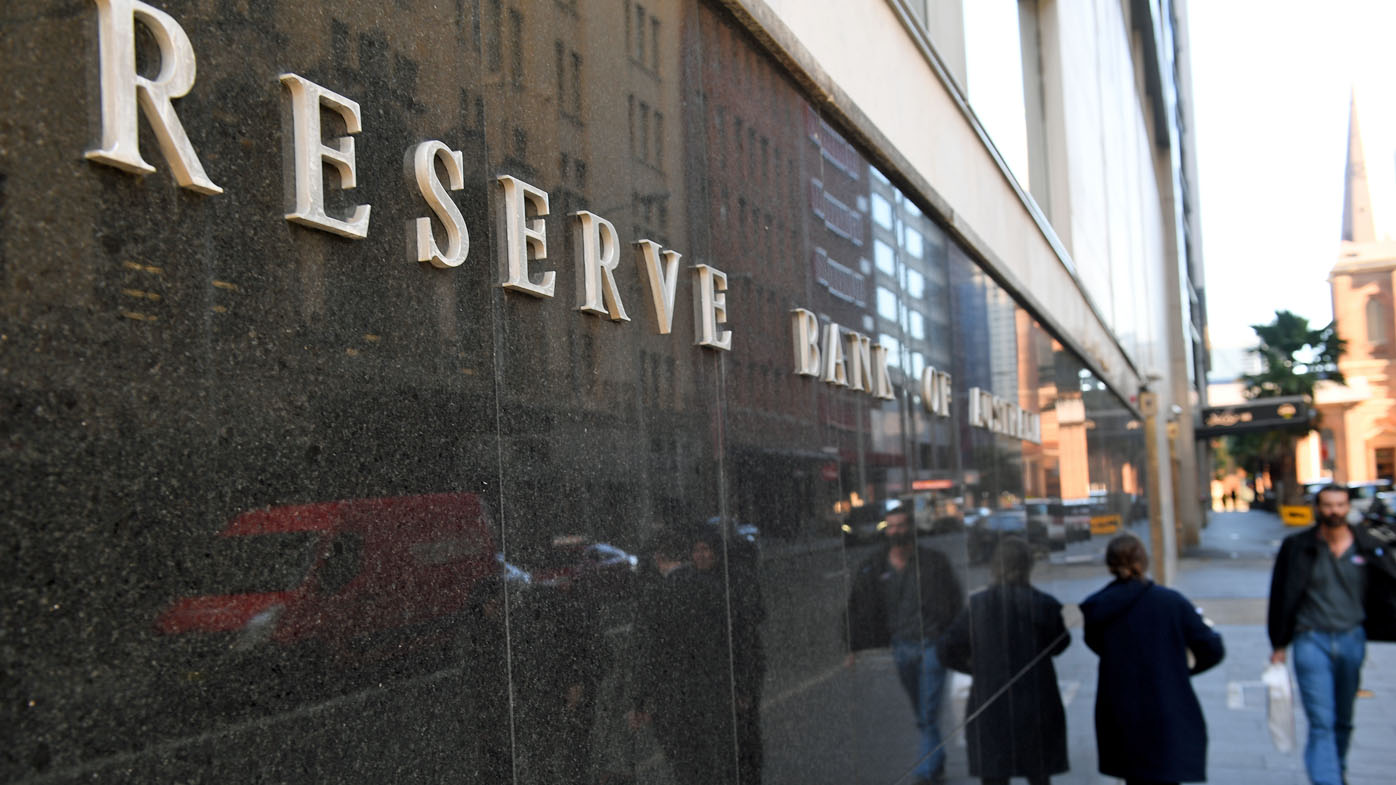
The Reserve Bank of Australia has hiked interest rates six times consecutively. The cash rate now sits at 2.60 per cent as an attempt from the central bank to settle spiralling inflation.

READ MORE: Most Aussie homeowners worried about meeting mortgage repayments

So now with interest rates expected to continue to rise and property prices continuing to drop, more borrowers' loan-to-value ratios will be pushed out.

The loan-to-value ratio refers to the value of a home compared to the amount of money borrowed on a home loan.

For borrowers with a small deposit, if the value of their house declines and their equity (or more simply, how much of the house they own) falls below 20 per cent then the loan-to-value ratio could change.

The higher the loan-to-value ratio means the borrower becomes a higher risk and the lender is less inclined to allow them to refinance their loan.

"They are likely to have to pay lenders mortgage insurance, a cost that can run into the tens of thousands of dollars and could easily negate savings made from refinancing," RateCity.com.au said.

"In some cases, lenders might decide not to take them on at all due to their equity position."

Why are property prices falling?

Basically, as interest rates rise, mortgages become more expensive.

People will have less of the bank's money to spend and will compete for cheaper properties meaning the market needs to match that – equalling a property price drop.

READ MORE: Cost of living pressures become the biggest source of stress

The auction clearance rate has edged higher for two months in a row as home sellers reduce their price expectations to meet those of cautious buyers.

NAB forecasts that property prices will decline by 20 per cent across Australia's capital cities and the RBA is set to hike the cash rate again.

"Every time the RBA hikes rates, the maximum amount people can borrow from the bank takes a hit, and with a number of rate hikes potentially waiting in the wings, the drops in property prices are likely to continue," RateCity.com.au research director Sally Tindall said.

"In the boom, a 'fear of missing out' drove property prices higher. Now a 'fear of getting in', is having the reverse effect.

Will interest rates keep rising?

Short answer – yes.

The RBA is still trying to battle inflation and says it will "do what is necessary to achieve that", which means more interest rate hikes are on the horizon but by how much is not yet known.

"The size and timing of future interest rate increases will continue to be determined by the incoming data and the Board's assessment of the outlook for inflation and the labour market," governor Philip Lowe said after the latest hike.

White predicts interest rates will rise another 75 basis points up to 3.35 per cent meaning home loans will hit around 5 per cent.

With the continual rises and property prices fluctuating, White added borrowers can get "trapped very quickly" if they're not aware.

So, what do you do to avoid becoming a mortgage prisoner and what do you do if you are?

Tindall said anyone stuck in a mortgage prison should still be negotiating with their lender for a better rate on their loan.

"This will help them make their monthly repayments, and potentially extra so they can break out of mortgage prison faster."

White said fixing your rate is an option to keep the future secure for a while which is what some borrowers did during the pandemic while interest rates remained low.

Otherwise, White recommended "just riding the wave" through the rate hikes but most importantly he said to seek independent financial advice from a mortgage broker as there is no one size fits all answer.

READ MORE: Another country could be poised to join Russia's war on Ukraine

Mortgage rates

"There is no easy answer to this. It's about getting the best guidance you can and working out the best outcome," he said.

"You need to look very critically and in detail about your circumstances and what you want to do, for example renovating, going on a big holiday, buying a new car, all those things you need to weigh up.

"That's where getting a professional to help is important."

The information provided on this website is general in nature only and does not constitute personal financial advice. The information has been prepared without taking into account your personal objectives, financial situation or needs. Before acting on any information on this website you should consider the appropriateness of the information having regard to your objectives, financial situation and needs.