A woman who alleged a leaky gas heater in her rental caused her and her children to suffer nausea, dizziness and coughing has been awarded $7000 in damages and compensation in relation to a list of faults with the home.But the landlord…
Tag Archives: oceania
Man dies in hospital after being assaulted in Lower Hutt
Police have launched a homicide investigation after a man was assaulted and died in Lower Hutt.The attack took place at about 10pm last night at a home on Mason Street, Detective Senior Sergeant Rebecca Cotton said.Police were…
Pictures of the week: Robot artist addresses House of Lords in UK
Ai-Da Robot, the world's first ultra-realistic humanoid robot artist, spoke about the theme of whether creativity in the UK is under attack from technology and also the role of machine learning, machine creativity and artificial intelligence.
Pedestrian hit by car dies in Palmerston North; one dead in West Coast crash
A pedestrian has died in Palmerston North after being hit by a car, while a person has also died in a separate car crash on the South Island’s West Coast.The man in Palmerston North was hit around midnight when a vehicle driving…
How Cuban Missile Crisis brought world to edge of nuclear war
US President Joe Biden said this month threats by Russian President Vladimir Putin to use tactical nuclear weapons in Ukraine put the threat of nuclear conflict at its highest since the Cuban Missile Crisis, which began 60 years ago today.
Events in 2022 and in October 1962 have similar parallels – a belligerent Russia, a US president under pressure to respond to aggression, two nuclear superpowers facing off.
Sixty years ago, the flashpoint was Cuba and the deployment of Russian nuclear missiles to the island – just 180km from the US mainland.
READ MORE: Would Russia really use tactical nuclear weapons in Ukraine war?
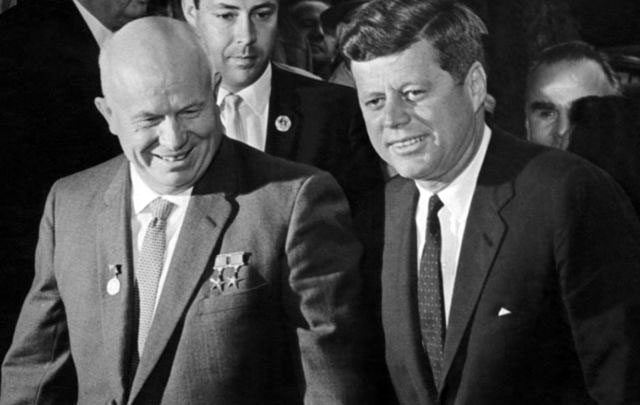
Here is a look at how the dramatic events unfolded over a tense 13 days.
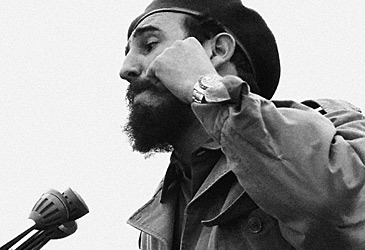
The island of Cuba – close to the American mainland and controlled by Moscow-backed communist Fidel Castro – was a sensitive issue for the US government at the height of the Cold War in the early 1960s.
Weeks before the crisis blew up on October 16, 1962, US President John F. Kennedy had issued statements vowing never to permit the Soviets to put "offensive weapons" less than 200km from Florida.
Kennedy had drawn that red line because he was convinced that Soviet leader Nikita Khrushchev, for all of his characteristic bluster, would never be so foolhardy as to do it.
But then the Soviets did it.
In fact, as the US government was mulling over the possibility of a Soviet missile installation in Cuba, Soviet ships were carrying troops, ballistic missiles, tactical nuclear weapons, nuclear-armed cruise missiles and a force of military planes with nuclear bombs.
READ MORE: North Korea confirms nuclear missiles tests to 'wipe out' enemies
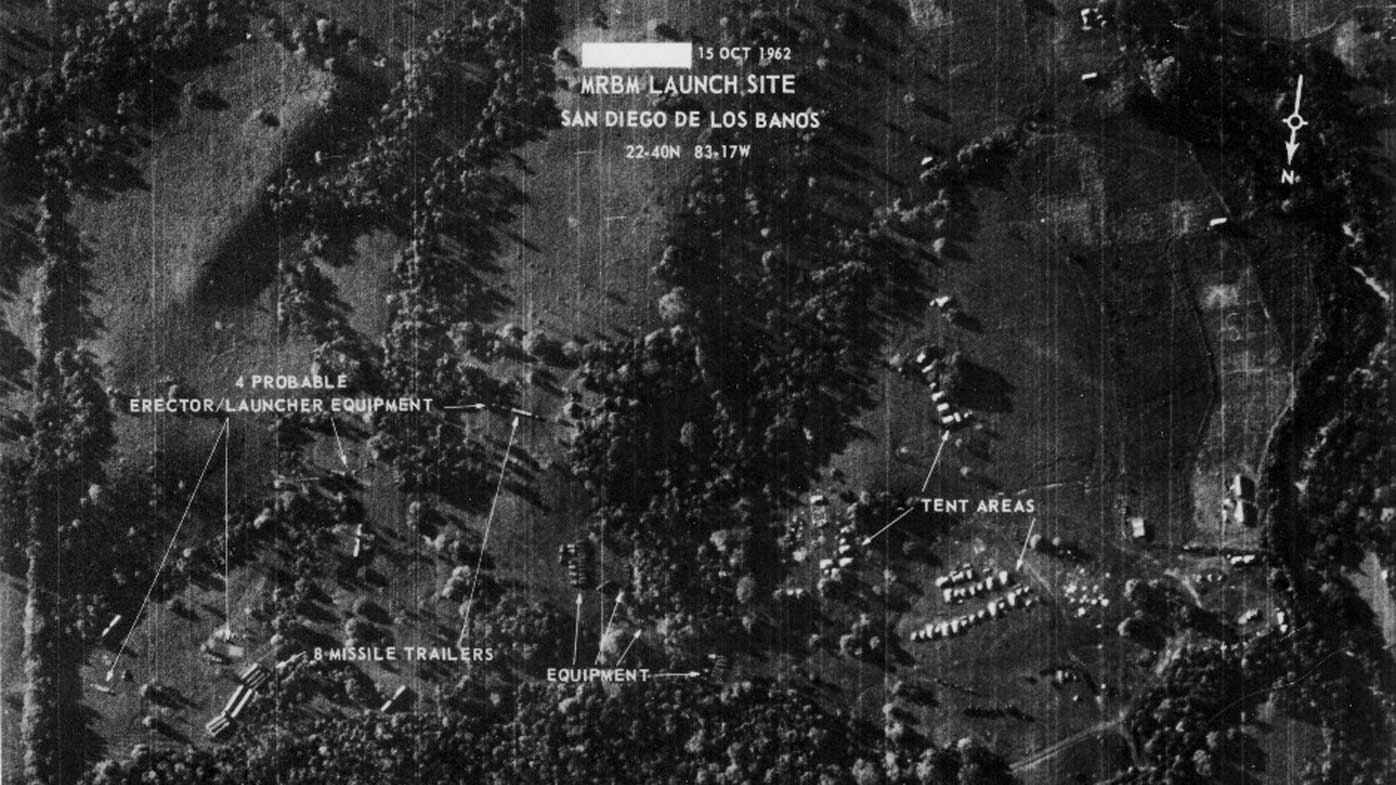
When Kennedy found out, thanks to pictures taken by a U-2 spy plane, he realised, that he had no choice but to act tough.
The US military gave Kennedy three options: a limited air strike; a big air strike; an invasion of Cuba.
Reluctantly, Kennedy endorsed a fourth option designed by his advisors, a group known to history and later Hollywood as "the ExCom".
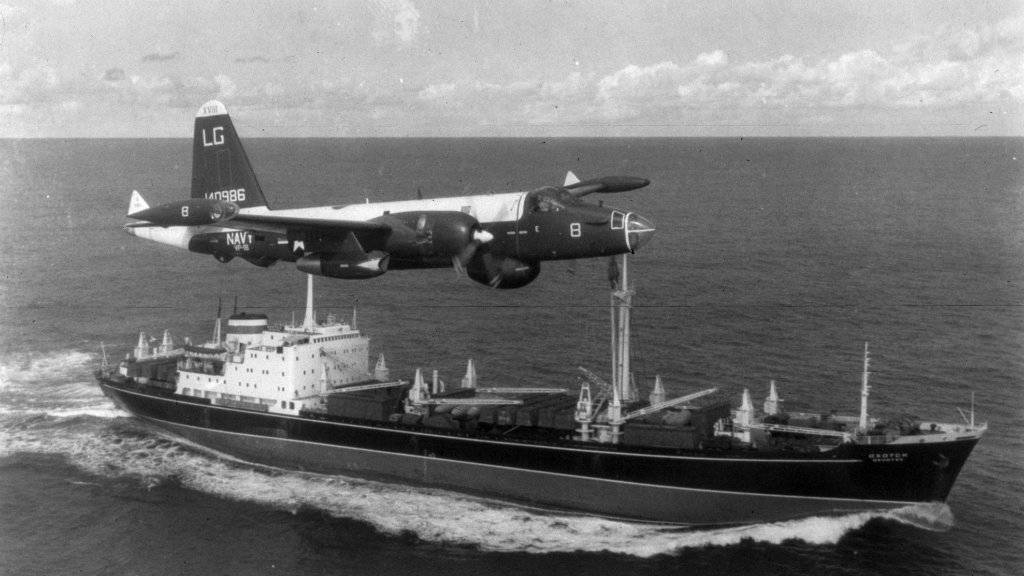
Kennedy would institute a naval blockade – called a quarantine – and insist that Khrushchev remove all of the offensive weapons already on the island.
But just implementing the blockade, an act that was to delay the approach of war, actually involved the possibility of nuclear confrontation because the US Navy had no idea how the Russians would respond.
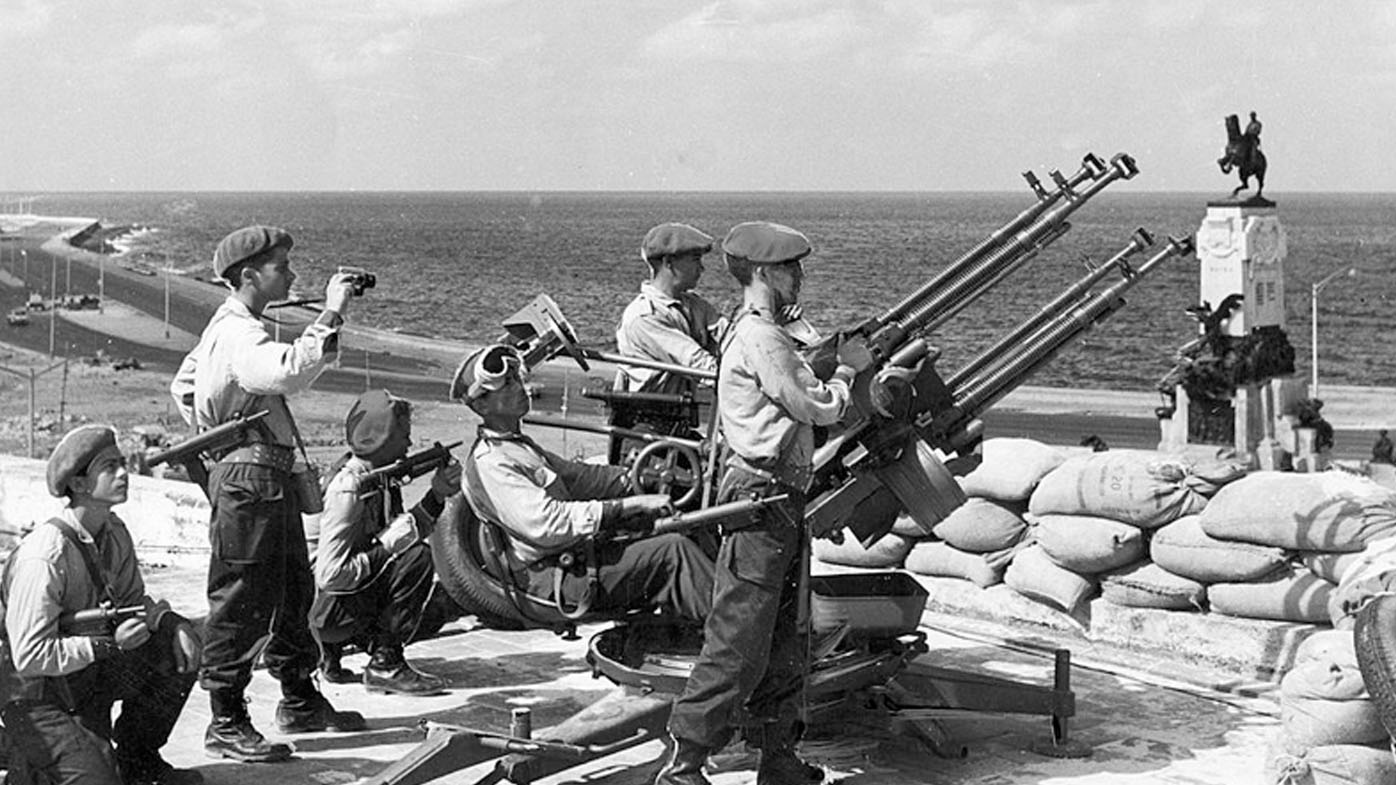
On Friday, October 26, 1962, fears of a US invasion were so great that Cuban leader Fidel Castro ordered American reconnaissance planes to be shot down.
The end game came in the form of a public US promise the next day not to invade Cuba and a private – long denied – promise to remove US missiles from Turkey in return for a Soviet pledge to pull out their nuclear missiles from Cuba.
How the 1962 Cuban Missile Crisis unfolded
October 16: Photos taken by a US spy plane that show nuclear-armed missiles on Cuba are shown to President John F. Kennedy.
October 18: Kennedy receives an assurance from the Soviet government that his country is providing only defensive aid to Fidel Castro's Cuba.
October 22: In a TV address, Kennedy says the weapons are a "clear and present danger" to the US and its allies.
October 23: US naval forces deploy around Cuba to enforce their blockade
October 25: Russian freighters bound for Cuba turn back.
October 26: Nikita Khrushchev writes to Kennedy offering to remove the missiles if the US lifts the blockade and pledges not to invade Cuba.
October 27: Kennedy receives a second letter from the Soviet government demanding much tougher terms. A US spy plane is shot down over Cuba and its pilot dies.
October 28: Russian state radio announces Khrushchev will withdraw the missiles in exchange for a non-invasion pledge by the US.
– Reported with CNN
Actor Robbie Coltrane, Harry Potter's Hagrid, dies at 72
Robbie Coltrane, the baby-faced comedian and character actor whose hundreds of roles included a crime-solving psychologist on the TV series Cracker and the gentle half-giant Hagrid in the Harry Potter movies, has died. He was 72.
Coltrane’s agent Belinda Wright said he died Friday at a hospital in his native Scotland, and but did not immediately other details.
She called him "forensically intelligent" and “brilliantly witty” in just one of many tributes made to him.
READ MORE: Rain easing but floodwaters set to rise across weekend

Harry Potter author J.K. Rowling, who decades ago had said Coltrane was her first choice to play Hagrid, tweeted Friday that he was “an incredible talent, a complete one off.”
“I was beyond fortunate to know him, work with him and laugh my head off with him,” she wrote.
Born Anthony Robert McMillan in Rutherglen, Scotland, Coltrane was in his early 20s when he began pursuing an acting career and renamed himself in honour of jazz musician John Coltrane.

He already had a notable screen career, with credits including Mona Lisa, Nuns on the Run and Kenneth Branagh's adaptation of Henry V when he broke through on his own as a hard-bitten detective in Cracker, the 1990s TV series for which he won best actor at the British Academy Television Awards three years running.
He went on to appear in all eight Harry Potter movies as the young wizard's mentor and had a wide variety of other parts, including a Russian crime boss in the James Bond thrillers GoldenEye and The World is Not Enough and Pip's guardian Mr Jaggers in a 2012 adaptation of Dickens' Great Expectations.
More recently, he received rave reviews for playing a beloved TV star who may harbour a dark secret in the 2016 miniseries National Treasure.
READ MORE: Woolworths says 2.2 million customers exposed in MyDeal data breach

On Friday, his Nuns on the Run co-star Eric Idle tweeted that he had been talking about Coltrane, “wondering where he was,” when he learned of his death.
“Such a bright and brilliant man. A consummate actor, an extraordinarily funny comedian and an amazing actor. He was also a very good friend,” Idle wrote.
Wright said Coltrane is survived by his sister Annie Rae, his ex-wife Rhona Gemmell and his children Spencer and Alice.
Former Hikurangi School principal Bruce Crawford dies shortly after retirement
Northland’s primary education fraternity is mourning long-serving educator Bruce Crawford.The former principal of Hikurangi School passed away on Thursday morning.Te Tai Tokerau Principals’ Association president and Horahora School…
Rare Hector's dolphin in Northland for first time in 100 years, DoC confirms
A Hector’s dolphin seen in Northland was the first confirmed sighting of that species on the region’s east coast in a century.The Department of Conservation confirmed two sightings of the dolphin in Mangonui Harbour last weekend….
Woolworths say 2.2 million customers exposed in MyDeal data breach
Woolworths says the data of 2.2 million customers of a website it owns has been exposed.
MyDeal, which is majority owned by Woolworths, today "identified that a compromised user credential was used to gain unauthorised access to its Customer Relationship Management (CRM) system resulting in the exposure of some customer data".
The company is in the process of contacting the estimated 2.2 million impacted people by email, Woolworths said in a statement.
READ MORE: Rain easing in Victoria after thousands of homes inundated
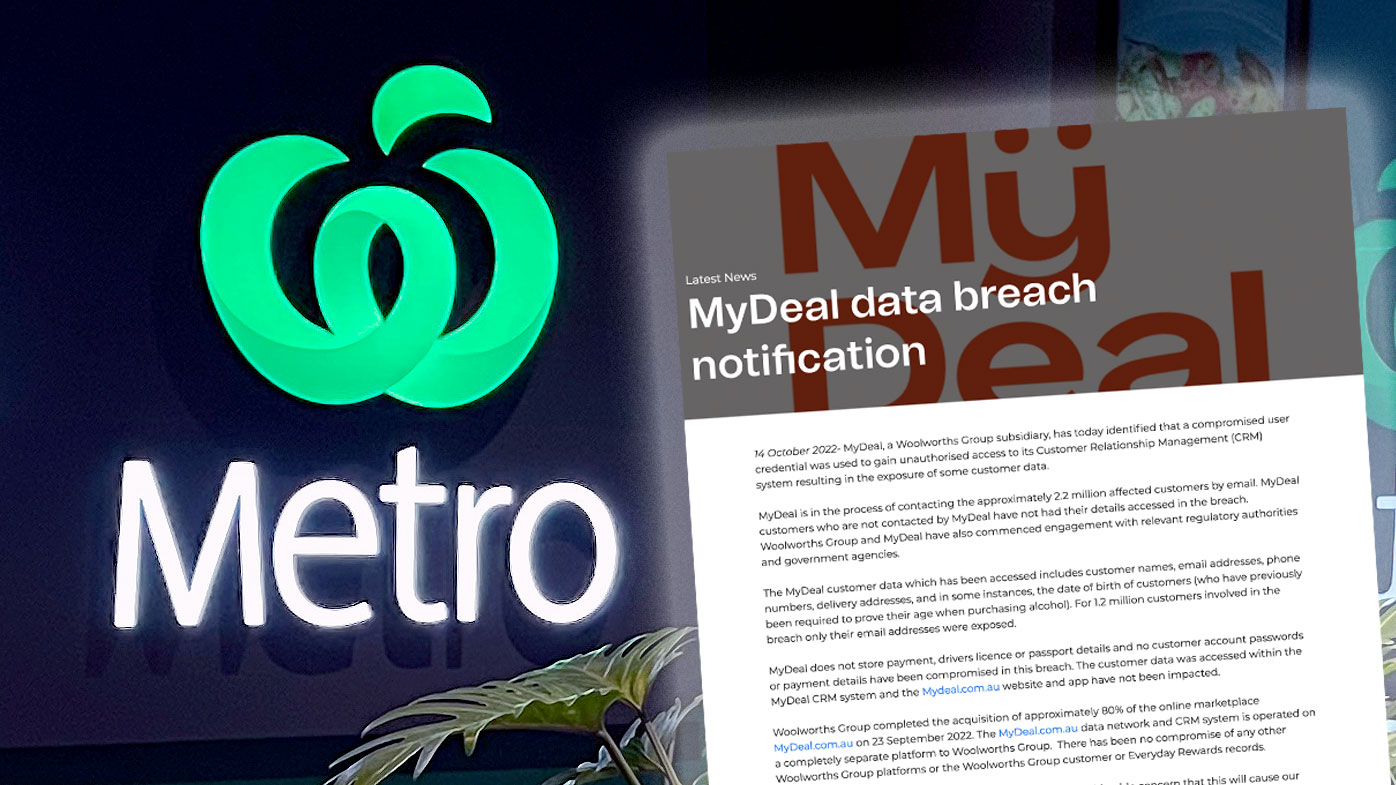
The data that has been accessed includes customer names, email addresses, phone numbers, delivery addresses, and in some instances, the date of birth of the customer for anyone who has had to prove their age when buying alcohol.
For 1.2 million customers, only their email addresses were exposed, the company said.
READ MORE: Man gives evidence at long-awaited inquest into mother's death
"MyDeal does not store payment, drivers licence or passport details and no customer account passwords or payment details have been compromised in this breach," Woolworths said.
It said the Mydeal.com.au website and app had not been impacted.
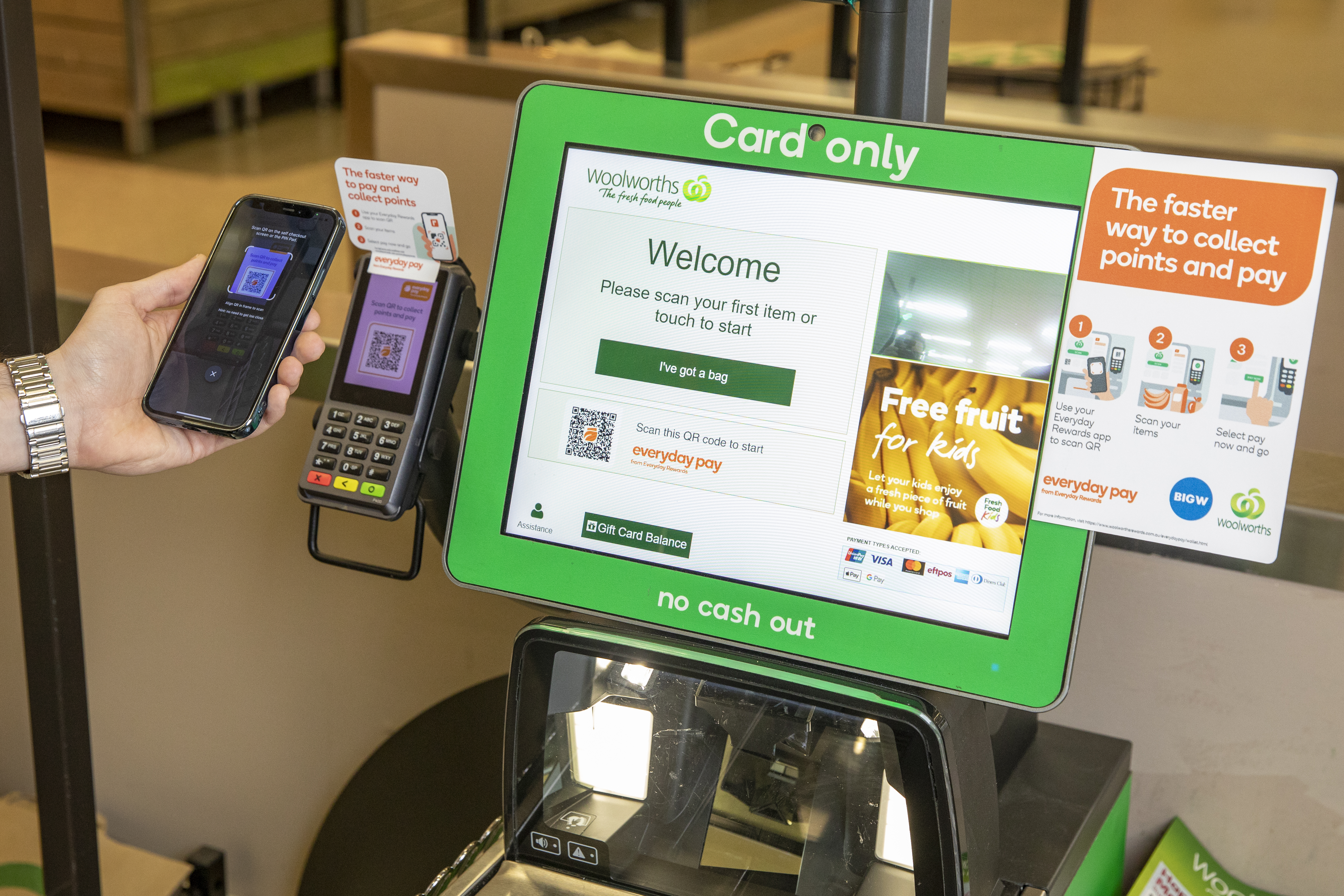
There has also been "no compromise of any other Woolworths Group platforms or the Woolworths Group customer or Everyday Rewards records".
"We apologise for the considerable concern that this will cause our affected customers," MyDeal CEO Sean Senvirtne said.
"We have acted quickly to identify and mitigate unauthorised access and have increased the monitoring of networks.
"We will continue to work with relevant authorities as we investigate the incident and we will keep our customers fully informed of any further updates impacting them."
Woolworths Group chief security officer Pieter van der Merwe said the company's "cyber security and privacy teams are fully engaged and working closely with MyDeal to support the response".
Customers who are not contacted have not had their details accessed, Woolworths said.
The major data breach comes just weeks after 9.8 million Optus customers had their data hacked.

An estimated 2.1 million of those customers had personal identification details stolen, including 150,000 passport and 50,000 Medicare numbers.
The government watchdog has since launched an investigation into the company's handling of the cyberattack.
Telstra also experienced a "small breach", while Medibank also reported detecting unusual activity but said they haven't been hacked.
Armed police surround house in Glendene, West Auckland
Armed police have surrounded a house in the West Auckland suburb of Glendene and are calling for the occupants to “come out with your f***ing hands up”. A witness on the scene said the house was surrounded by about 15 armed officers…