The top-polling candidates have set out their day-one priorities if they win the Auckland mayoralty – Efeso Collins nominating climate action and Wayne Brown understanding the council’s finances.Both candidates refused to name any…
Tag Archives: oceania
Te Mata Mushrooms site goes up for sale in Havelock North
Hawke’s Bay company Te Mata Mushrooms is selling its entire property on the outskirts of Havelock North, just weeks after laying off the bulk of its staff.The company has put its 22.5-hectare section up for sale along Brookvale…
School holiday traffic: Travellers face slow start on Auckland roads
Traffic is at a stand-still along parts of Auckland’s motorway network, with the beginning of the school holidays and bad weather contributing to delays for motorists.Waka Kotahi NZTA’s live traffic map shows traffic is crawling…
Sacked ship's cook gets extra $15,000 in distress compo for dismissal from Niwa vessel
A former cook on a government research vessel has succeeded in getting more compensation by taking her fight up a level, but it’s still well short of the $100,000 she wanted.Kim Ashby’s distress compensation increased by $15,000…
Damning report finds 'devastating' flaws at Queensland hospital
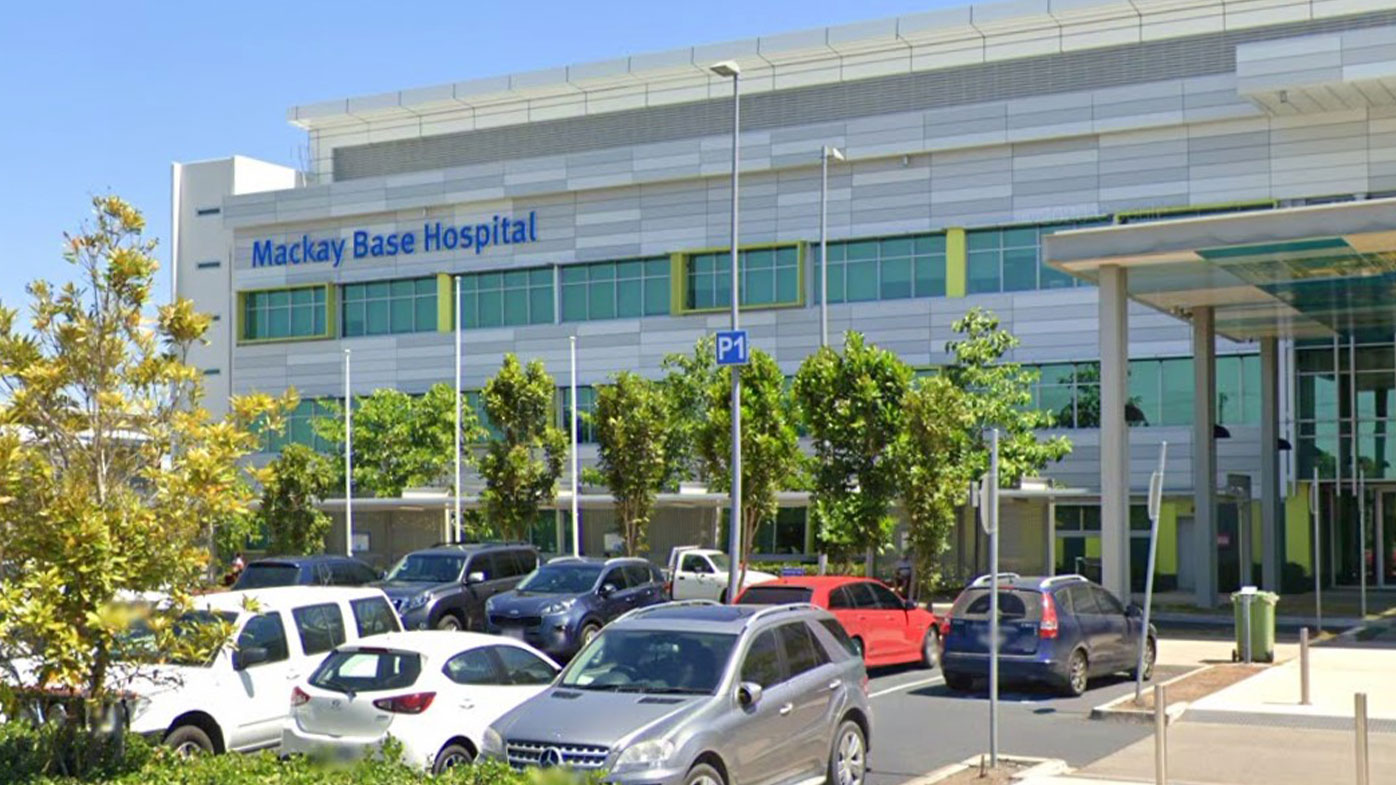
Substandard and inadequate care led to the deaths of three infants and left women with lifelong physical and emotional injuries after being treated at Queensland's Mackay Base Hospital, a damning report has found.
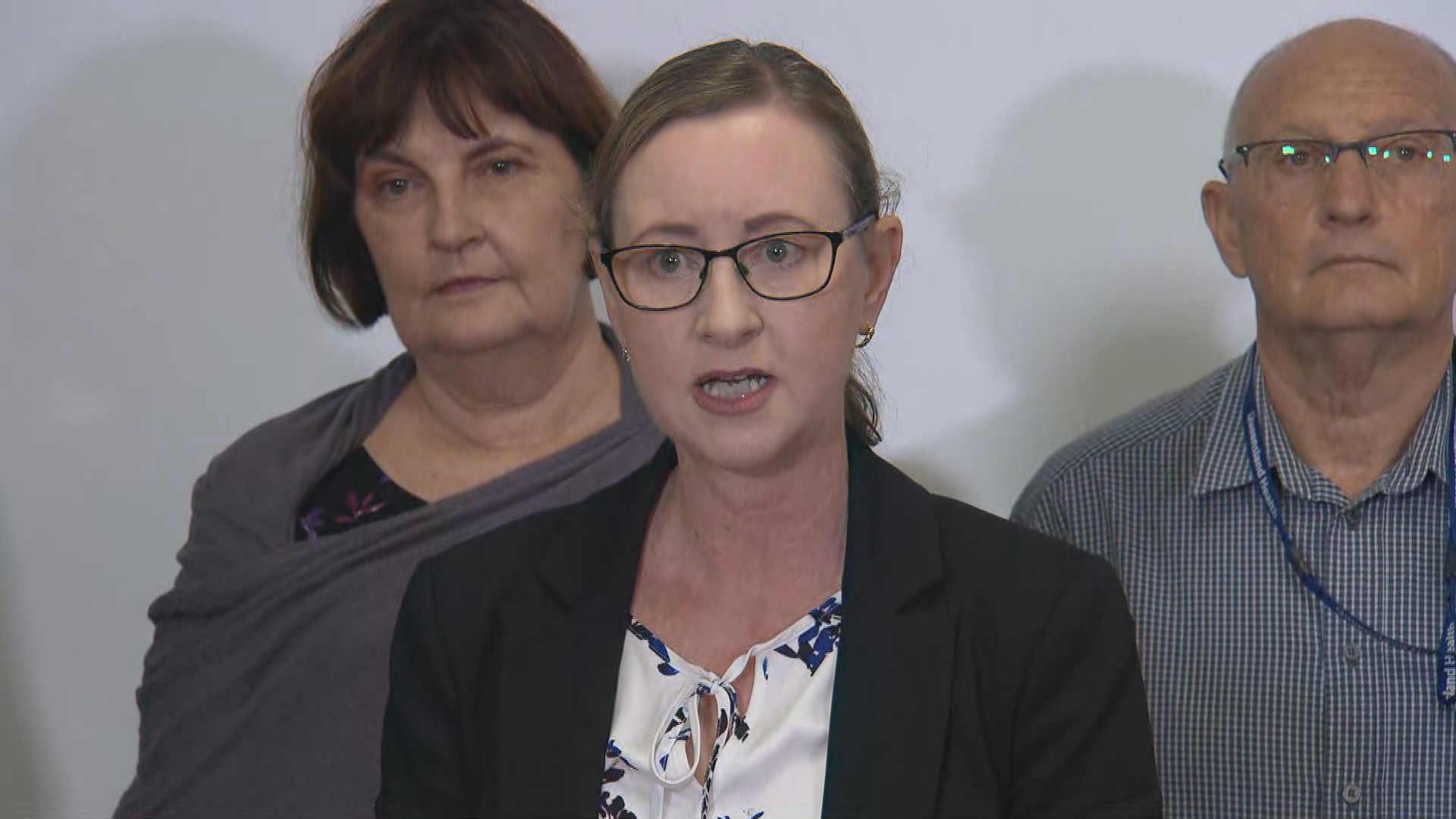
Health Minister Yvette D'Ath nearly broke down in tears as she revealed the findings of an investigation into Mackay Base Hospital's obstetrics and gynaecology services.
"No family should ever have to experience the devastating loss of a child and certainly not under these circumstances," she said.
READ MORE: Queen Elizabeth's cause of death revealed
"To all the women and families who have been impacted by these failings, I offer my sincerest, unreserved apology."
Twenty-six women, including the mothers of the three infants, suffered below standard care which led to the harm, D'Ath added.
Those women have been offered compensation.
The report found there were "many examples of care that was below an acceptable standard of care for a Queensland hospital".
Investigators said there were many examples of "substandard clinical care, poor clinical incident monitoring, poor management of safety and quality, complications and clinical deterioration and poor human resource management".
"Systemic failures at all levels throughout the organisation allowed poor practice and bad behaviour to flourish, making O&G (obstetrics and gynaecology) care at Mackay Base Hospital less safe," the report read.
https://twitter.com/JessMillward9/status/1575646942696116224
Women suffer 'lifelong physical and mental harm', report says
D'Ath said over 170 women came forward to detail their experience at the hospital while the investigation interviewed 81.
"Many with difficult tales of things that had gone wrong, and many who have sustained lifelong physical and mental harm," the report detailed.
D'Ath said the women who came forward "shone a light on failings that have been hidden for far too long".
READ MORE: The four scams Optus customers need to watch out for
Staff tried to raise concerns but were dismissed
The report found the staff at the hospital had tried to raise concerns but "were dismissed by senior staff", in particular after October 2020.
"Staff raised issues. Staff were ignored. That, I have serious concerns about," D'Ath said.
D'Ath said the staff who dismissed concerns have been referred to the health ombudsman office.
She added other individuals referred to in the report are no longer employed at the hospital and there has been a change in leadership.
Investigators said they recognised most health professionals want to do the best for their patients however there were collective failings at Mackay Base Hospital, by both staff and leadership.
"They should never forget that the success of an organisation is only made possible by the combined efforts of many, with responsible and responsible leadership from above," the report said.
READ MORE: Biden warns of 'substantial loss of life' after Hurricane Ian
'Our health system can and must do better'
Investigators made 120 recommendations and D'Ath said 47 have been implemented.
"We owe it to the women who have come forward as part of this investigation to make improvements to clinical governance here in Mackay and elsewhere across the state," she said.
D'Ath said the report shows the health system broadly in the state "must do better".
The report began on November 1 last year and looked at the maternity and gynaecological departments at the hospital between July 1, 2019 and October 31, 2021.
Lumpy skin disease kills 100,000 cattle in India
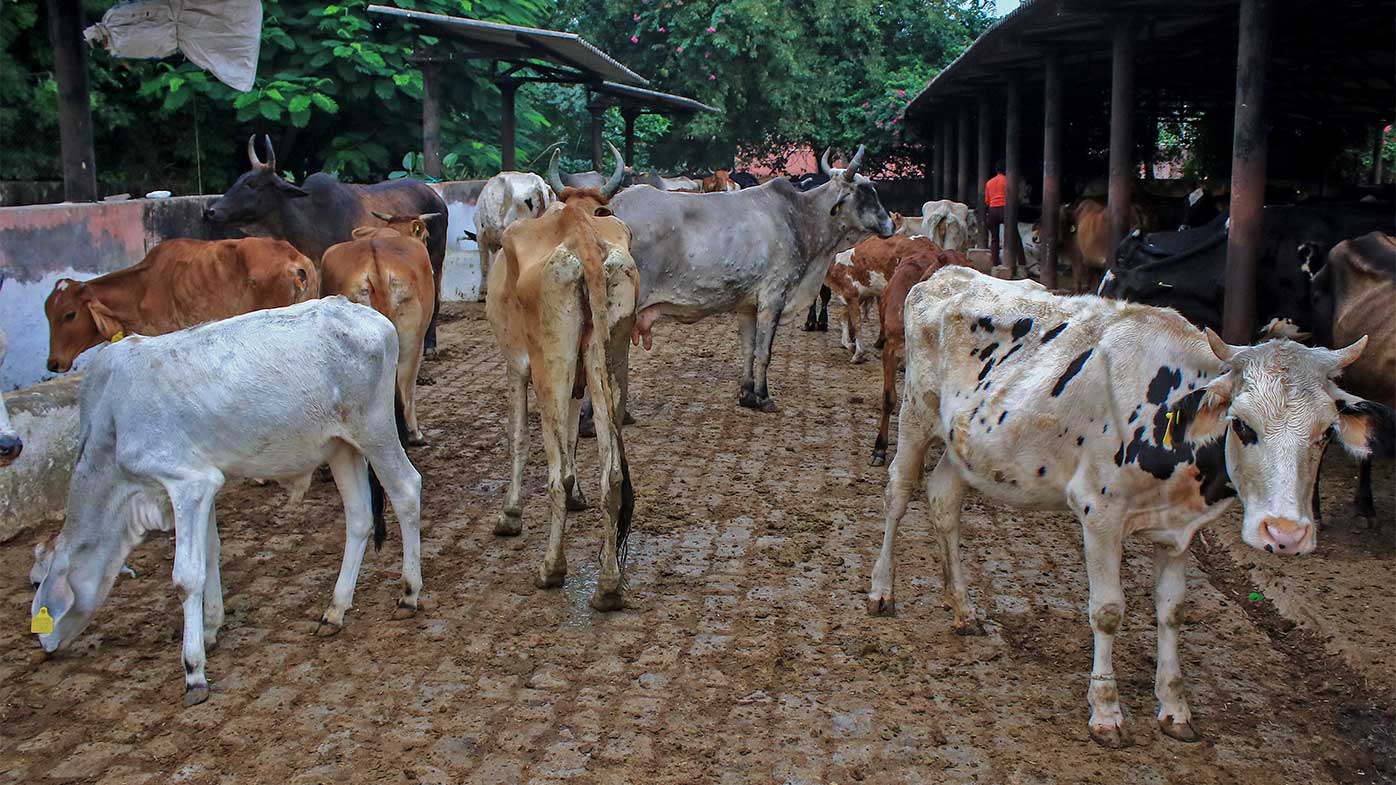
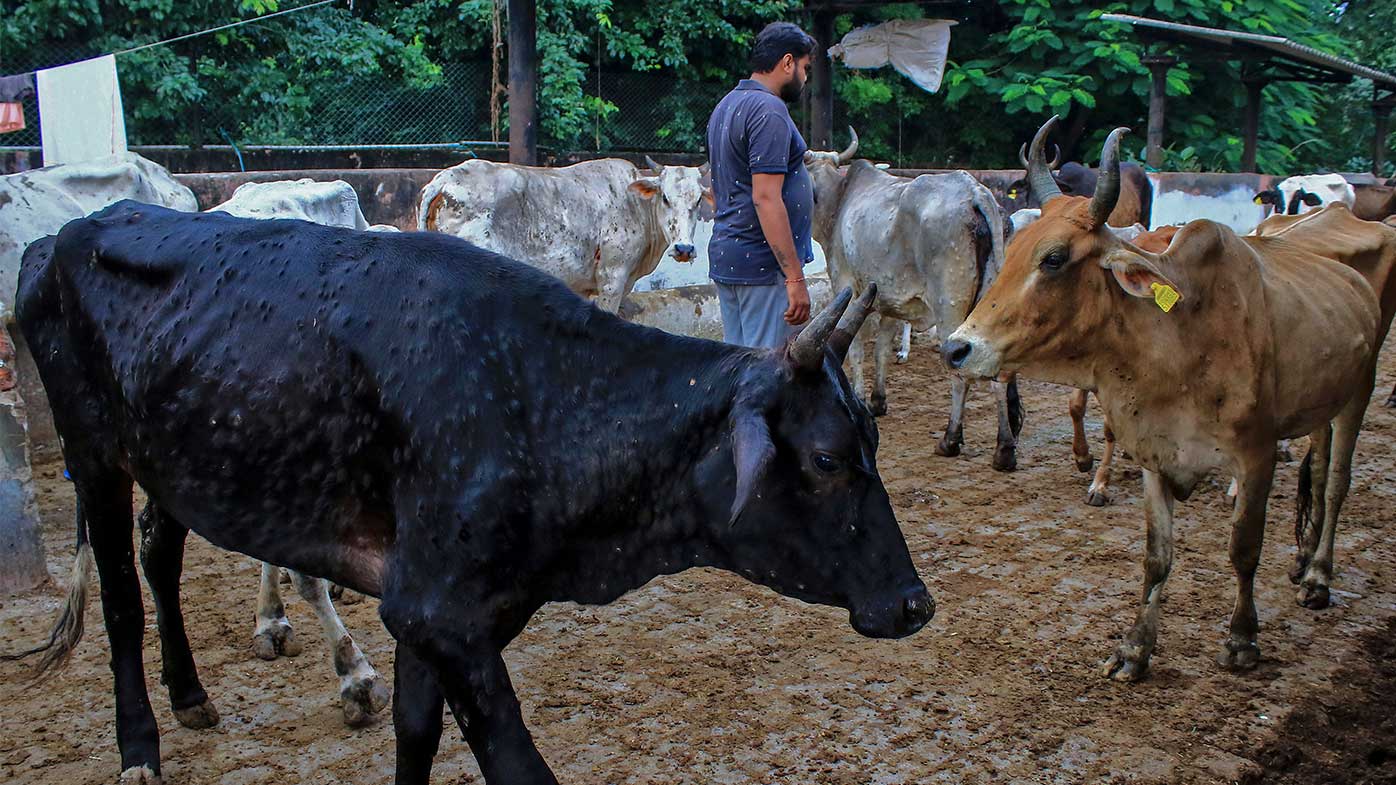
A viral disease has killed nearly 100,000 cows and buffaloes in India and sickened over 2 million more.
The outbreak has triggered devastating income losses for cattle farmers since the disease not only results in deaths but can also lead to decreased milk production, emaciated animals, and birth issues.
The disease, called lumpy skin disease, is spread by insects that drink blood like mosquitoes and ticks. Infected cows and buffaloes get fevers and develop lumps on their skin.
LIVE UPDATES: COVID-19 infection isolation rules axed
Farmers have experienced severe losses from extreme weather events over the past year: a record-shattering heat wave in India reduced wheat yields in April, insufficient rainfall in eastern states like Jharkhand state shriveled parched winter crops such as pulses, and an unusually intense September rainfall has damaged rice in the north.
And now, the virus has spread to at least 15 states with the number of cow and buffalo deaths nearly doubling in three weeks, the Press Trust of India news agency reported.
The contagion spreading among cattle is having a disproportionate impact on small farmers, many of whom have insulated themselves from the shocks of climate change by rearing cattle for milk, said Devinder Sharma, an agriculture policy expert in northern Chandigarh city.
“It's a serious, serious issue and this (disease) … has been growing since the last couple of years,” he said, adding that the government figures were likely an undercount of the actual death toll from the disease.
READ MORE: Biden appears to forget congresswoman had died
The first cases in South Asia were detected in 2019, and it has since spread to India, China, and Nepal. It was first recorded in Zambia in 1929 and has extended through Africa and more recently to parts of Europe.
Dairy is among the largest agricultural commodities in India, employing 80 million people and contributing to five per cent of its economy, per federal data. It's the world's largest milk producer, making up more than a fifth of global production — but exports are only a fraction of this.
To try and protect the industry, authorities are vaccinating healthy cows using a shot designed for a similar disease while efforts are underway to develop a more effective vaccine.
India's vast hinterland is now punctuated by mass graves of cows. In some places, the carcasses rot in the open and the pained cries of sick animals are resound in villages. Western Rajasthan state has seen the worst impact: 60,000 cattle dead and nearly 1.4 million sickened.
“The disease is contagious. It’s now shifting from the west to the east,” warned Narendra Mohan Singh, a director at Rajasthan state’s Animal Husbandry Department.
READ MORE: Vaccine to help fight foot and mouth disease a step closer
In bordering Uttar Pradesh state, India's most populous, the trade and movement of cattle with neighboring states has been curbed. But farmers like Amarnath Sharma in Milkipur village say they have been left in the dark. Three of his five cows are sick and, while he has heard about the viral disease, he doesn't know how to help his livestock.
“If these animals don't get treatment, they'll die,” he said.
Farmers in affected states, like the Himalayan Himachal Pradesh, have also urged the government for financial aid.
Meanwhile, a study of the lumpy skin disease virus' genetic makeup found that it was very different from previous versions, said Vinod Scaria, a scientist at the Institute of Genomics and Integrative Biology in New Delhi.
Viruses evolve all the time and not all these changes are harmful to health. But Scaria, who is one of the study's authors, said it exposed the need for continuous monitoring and tracking of diseases since it wasn't clear how the virus evolved in the past two years.
“If you had continuous surveillance, you would be prepared," he said.
Melissa Caddick's husband accepts she was a fraudster
Melissa Caddick's husband has told her inquest he accepts his wife was a fraudster but still holds the corporate watchdog responsible for her death due to their "cruelty".
Anthony Koletti returned to the NSW Coroners Court on Friday for a fourth day of evidence.
He was taken to a statement he wrote to the court on July 2021 about the Australian Securities and Investments Commission's search warrant.
READ MORE: The four scams Optus customers need to watch out for
"I believe she died as a direct result of ASIC's negligence, cruelty and inhumanity," Koletti wrote.
"Is that something you still say on your oath today?" Dean Jordan SC on behalf of ASIC asked.
"Yes," Koletti said.
"I suggest your maintenance of that assertion demonstrates your complete loss of objective perspective in relation to ASIC," Jordan, said, adding it also showed he had "completely lost the plot".
"No," Koletti said.
However, he did accept the search warrant was justified at the time.
READ MORE: Husband denies helping Melissa Caddick disappear
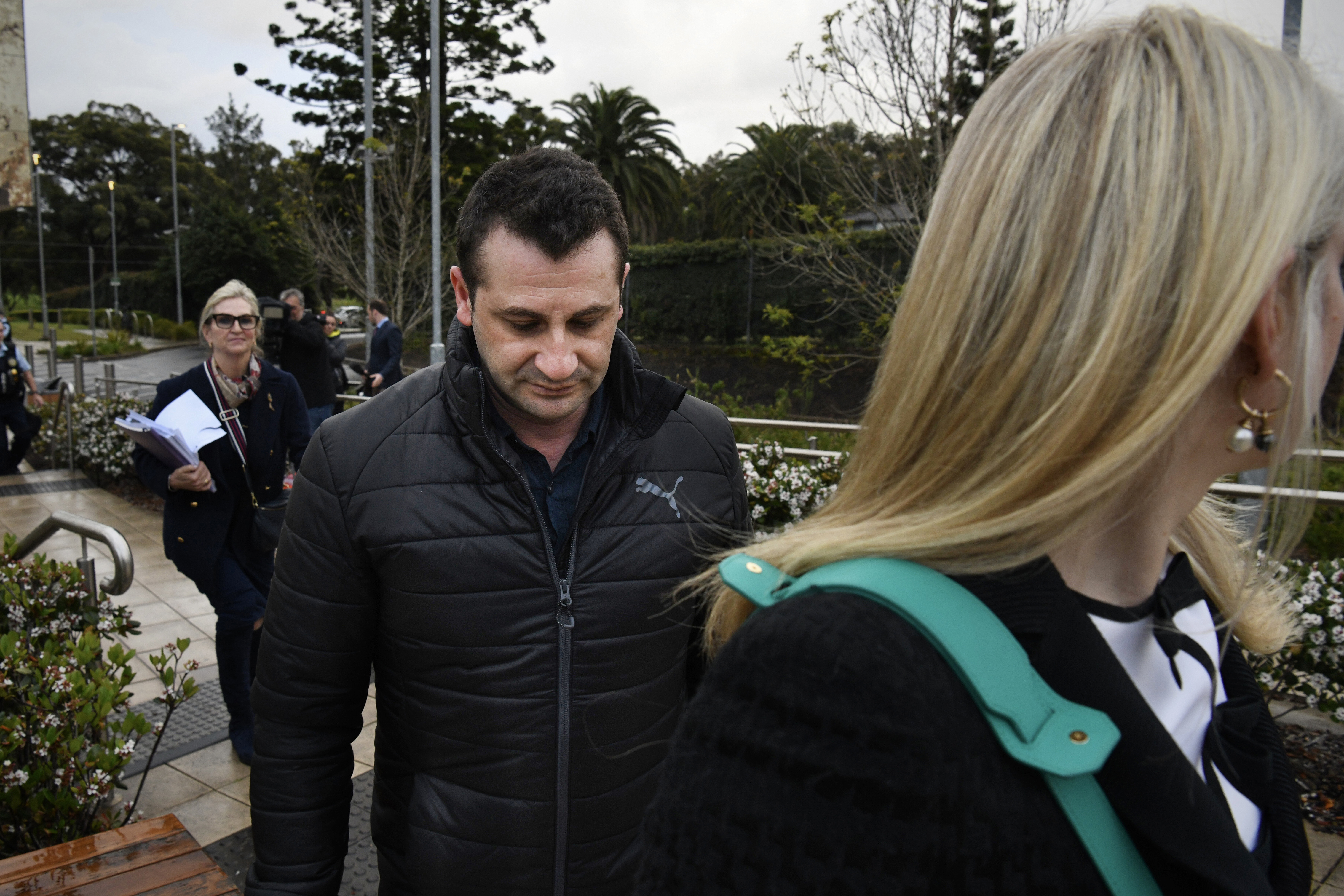
For years Koletti believed his wife was a "straight shooter," a competent and highly organised financial adviser.
But he now accepted the fact she was pretending to be honest and diligent while stealing millions from her family and friends.
"You now accept you too were deceived by Ms Caddick?" Jordan said.
"Yes," Koletti said.
"How did you eventually come to understand Ms Caddick was a fraudster?" Jordan asked.
"By paying attention to the court proceedings and listening to Her Honour," Koletti said.
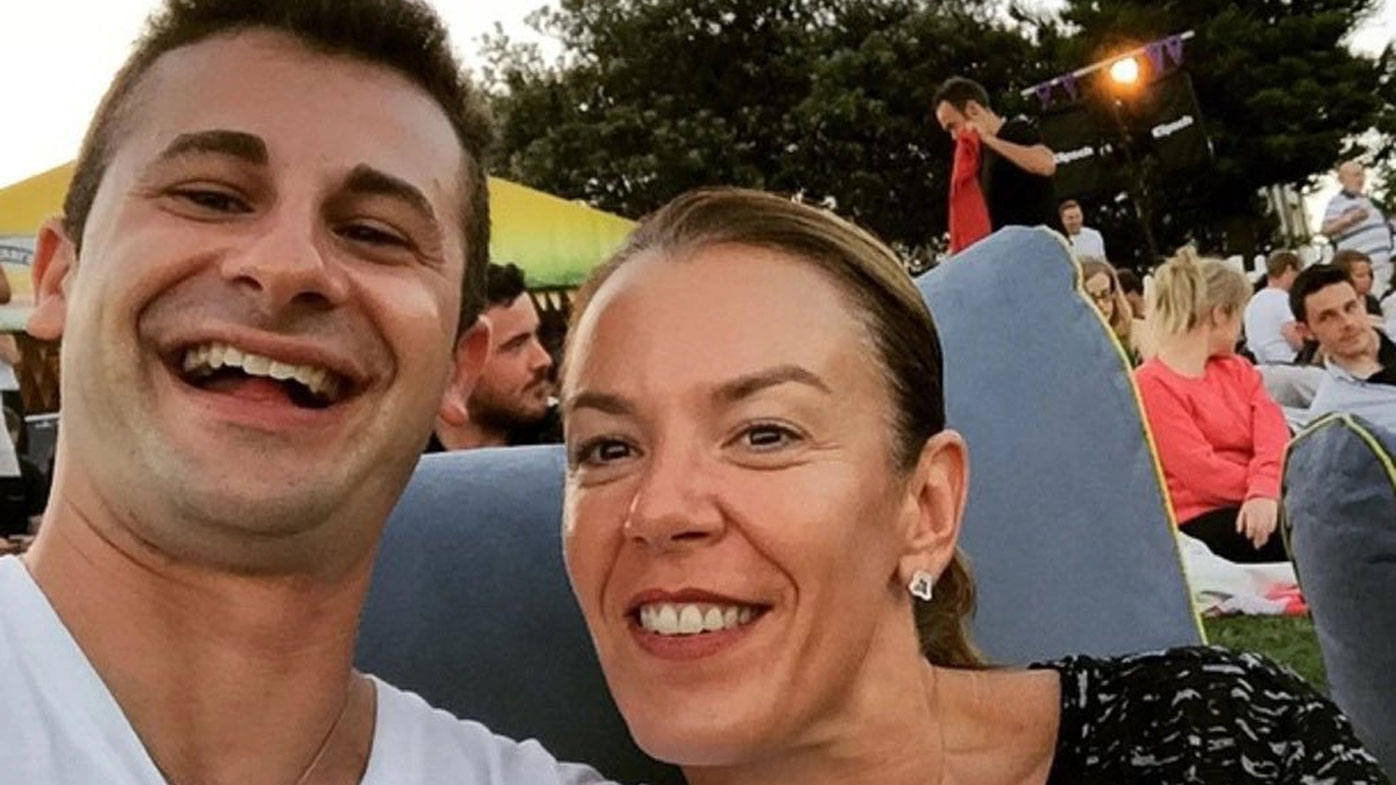
He also wrote in a statement that he and Caddick were denied food, water and medical attention they all "desperately needed for 14 hours during the search".
On Friday he conceded this was not the case.
Caddick's family hold ASIC responsible for her disappearance, with her brother personally accusing Isabella Allen, the project manager of the investigation.
"How do you feel being responsible for Melissa's death," Adam Grimley told Allen, she said in earlier evidence.
Allen said she didn't feel responsible as she was just doing her job.
READ MORE: Warning over 'substantial loss of life' but Hurricane Ian is not done yet
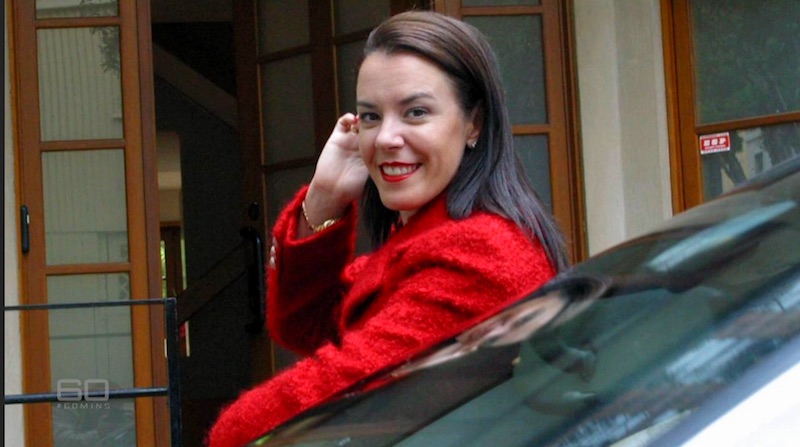
Koletti maintains he had no inkling his wife was defrauding family and friends of millions of dollars, nor did he ask her why federal police and ASIC were suddenly searching their Sydney eastern suburbs home on November 11, 2020.
It was the last verified sighting of Caddick before she vanished without a trace.
Caddick's Ponzi scheme victims, mostly family and friends, lost $20-$30 million she used to fund her lavish lifestyle.
In February 2021, her decomposing foot encased in a shoe washed ashore at Bournda Beach on the NSW South Coast.
READ MORE: Husband left Melissa Caddick note and gift after raid
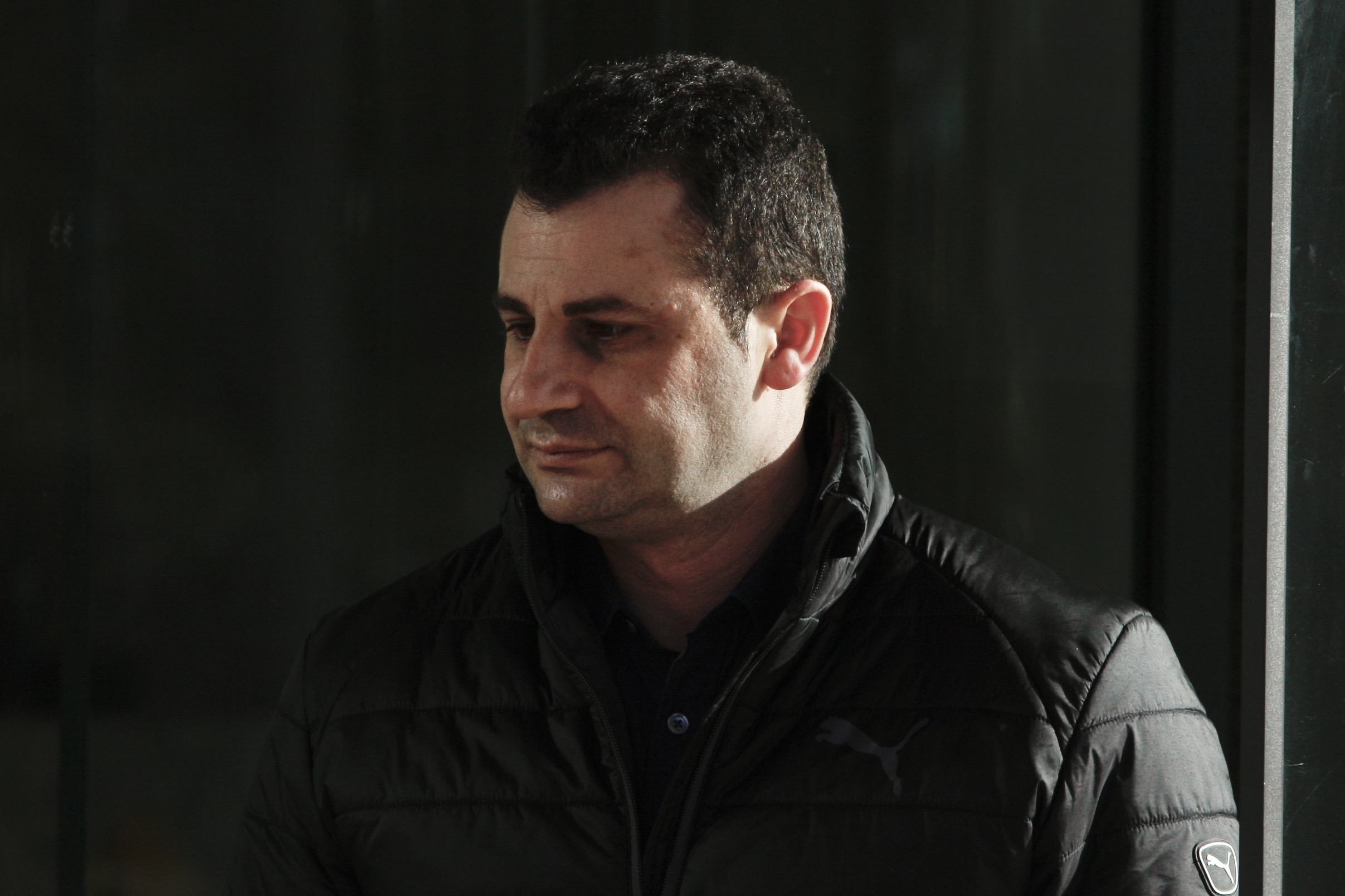
On Thursday forensic psychiatrist Dr Kerri Eagle said she had assessed Caddick as having a "narcissistic personality disorder" but emphasised the caveat of never having interviewed her, and purely basing her diagnosis on statements and other records.
Facing exposure as a fraud and not appearing as brilliant as she projected, the intense humiliation could cause her to feel there was no other outlet than suicide, Eagle said.
The inquest continues.
Crisis support is available from Lifeline on 13 11 14.
'Freaked me out': Great white shark washes up on New Zealand beach
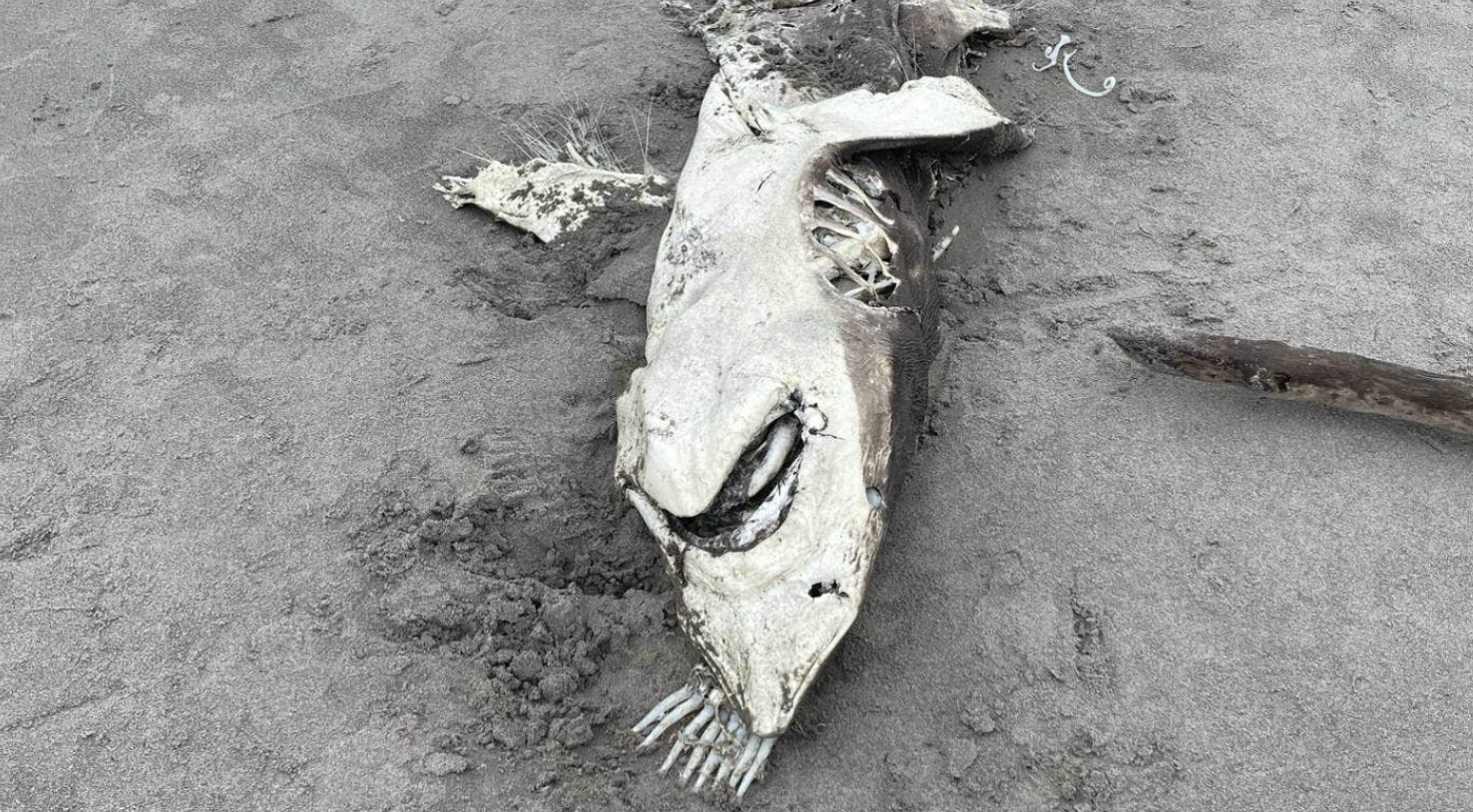
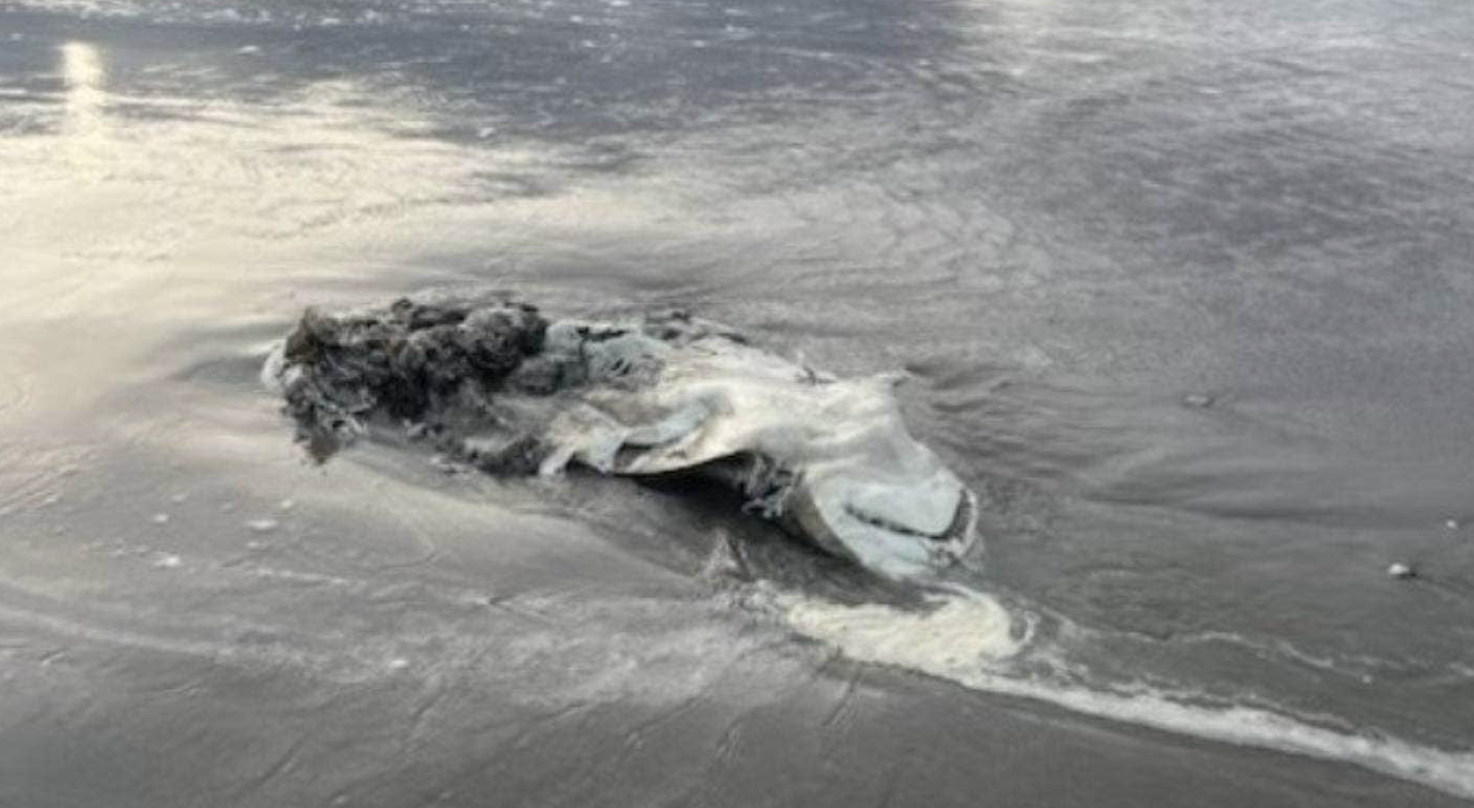
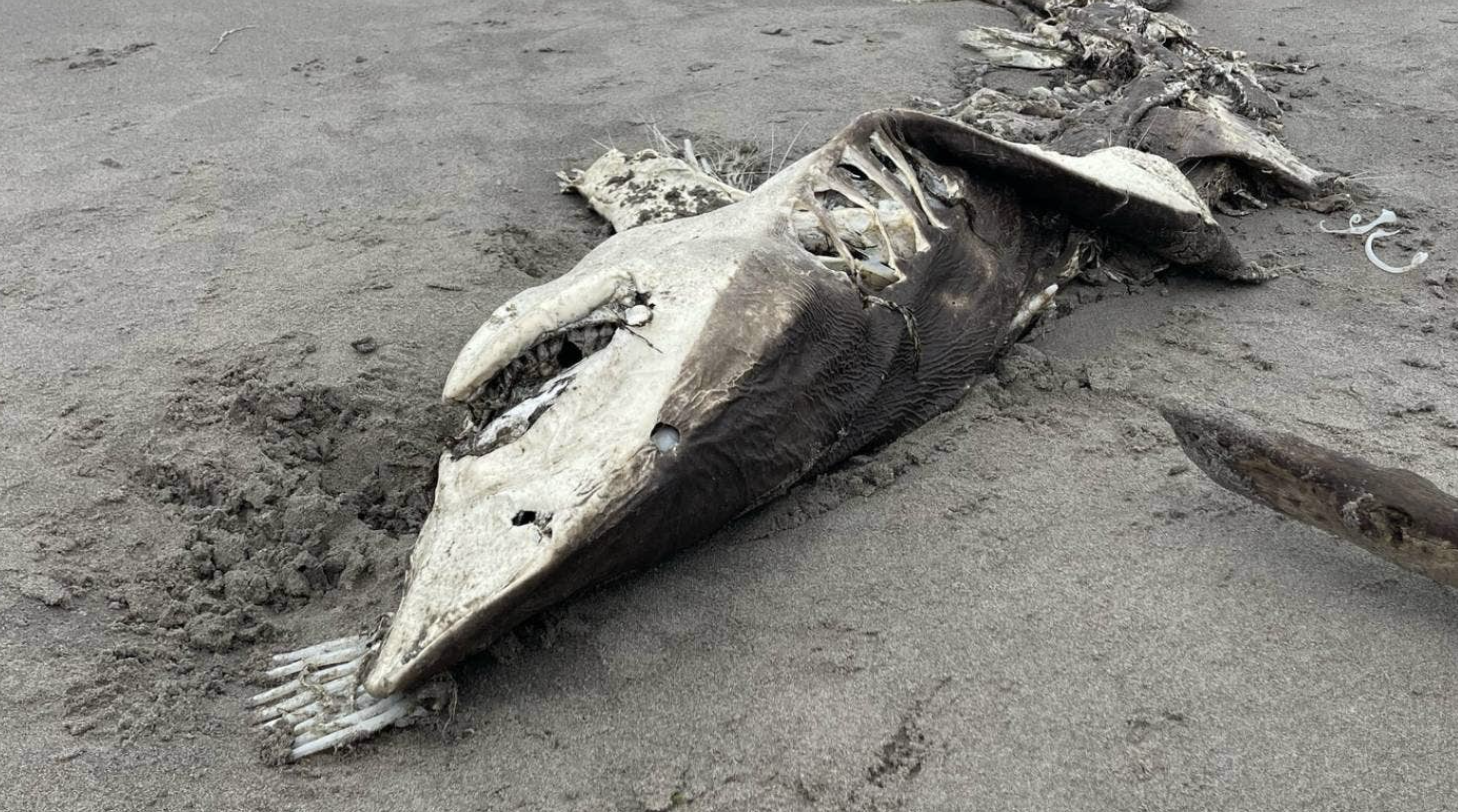
The carcass of a great white shark washed up on a beach in New Zealand's Mount Maunganui earlier this week.
The discovery was made after a pod of orcas were spotted in Tauranga Harbour the day before.
The shark was initially spotted by surfer Tao Mouldey, who said he'd had it "pointed out to him" on Wednesday evening.
READ MORE: Queen Elizabeth's cause of death revealed
"It was just lying on the beach at about 6pm," he told SunLive.
"It freaked me out a bit.
"I was a bit hesitant to get back out in the water.
"You hear about sharks a lot more out at Matakana (Island), but not at the main beach."
According to multiple passers-by, the shark was missing its tail and was described as "badly decomposed".
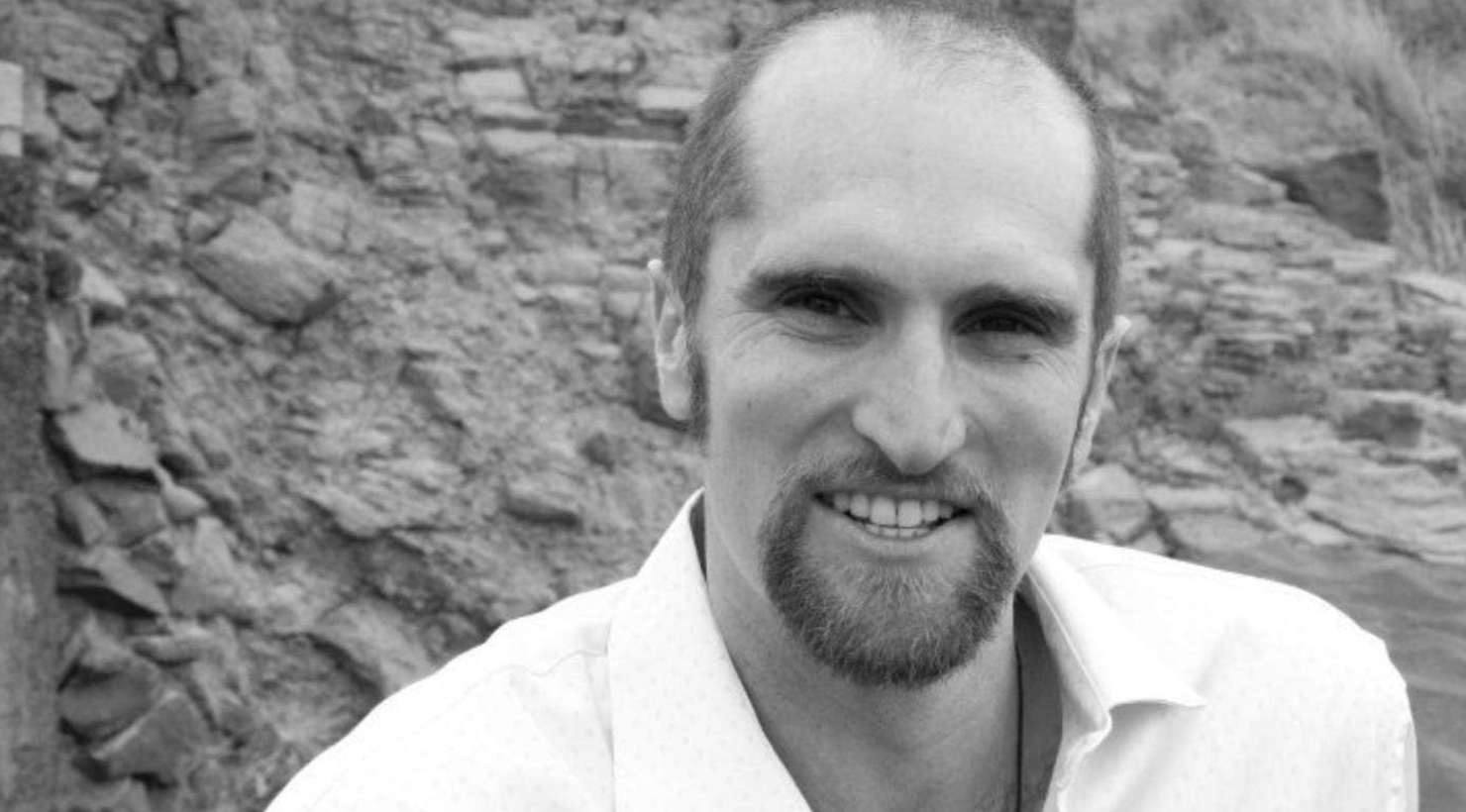
Waikato University researcher and marine ecologist Phil Ross said the missing tail could indicate the shark had been attacked by an orca, but he admitted he could not be "completely certain" without seeing the carcass himself.
READ MORE: The four scams Optus customers need to watch out for
"I went down as soon as I could," Ross said.
"I walked up and down the beach to see it for myself, but it seems as though it had washed away.
"It was discovered around the Oceanbeach Road and Marine Parade roundabout. I would have been pretty keen to take a look at it.
"Sharks of this nature are amazing for research.
"We're currently conducting a long-term study on shark populations after an increase in sightings."
READ MORE: Biden warns of 'substantial loss of life' after Hurricane Ian
The research program is a collaboration between the hapū in Tauranga Harbour, shark experts from the Department of Conservation and other organisations around the country.
"There has been an increase of interactions between people and sharks," Ross said.
"We want to know what is happening with the shark population and whether we are seeing an increase in Tauranga's Harbour or if it is a case of having more people in and around the water."
READ MORE: Suspect arrested over death of Aussie personal trainer
Ross said his initial assumption is that the shark population has increased off the Bay of Plenty.
"It is very hard to say, and scientists are always very reluctant to draw conclusions too early," he said.
"This research is a long-term project."
He added that despite increased reports of sharks in Tauranga's waters, he would "still feel comfortable" swimming with his family.
"Sharks have always been here," he said.
"It's not a cause for concern, however what we should keep in mind is being sensible about how we go into the ocean.
"We should not mix or swim nearby where people are fishing with burly trails.
"If a shark is following a burly trail with a purpose of finding food at the end of that trail, I would not want to be at the end of the trail.
"It's about having a good separation between fishing and people."
This article originally appeared on Stuff and has been reproduced with permission.
Optus to cover cost of replacement passports for hack victims, PM says
Optus will cover the costs of replacement passports for customers who had their personal information leaked during the cyberattack, according to the prime minister.
Anthony Albanese said he and Senator Penny Wong requested Optus to cover the cost of replacing customers' passports if their details were compromised in the cyber attack and the telco has agreed.
"Optus has responded to my request that I made both in the parliament and that Senator Wong made in writing to Optus, they will cover the cost of replacing affected customers' passports," he said.
READ MORE: What do I do if my details have been hacked in the Optus data leak?

"I think that is entirely appropriate."
It was announced earlier this week that several state governments would provide free driver's licence replacements for victims of the Optus cyber attack.
'Operation Guardian' to identify and protect cyber attack victims
It comes as the Australian Federal Police launched "Operation Guardian" to identify and protect the 10,000 Optus customers who had 100 points of identity leaked after the cyber attack.
Assistant commissioner Justine Gough said the operation will primarily focus on the 10,000 customers whose data was leaked before tackling the other 9.8 million customers possibly impacted.
The operation will do the following:
- Identify and protect the 10,000 individuals who had their personal data and identification information released online
- Monitoring online forums on the internet and dark web to check for anyone exploiting the information
- Working with the financial sector to detect criminal activity associated with the data breach
- Looking at trends from ReportCyber to determine links between exploited Optus customers and subsequent criminal activity
- Identifying and disrupting cyber criminals
READ MORE: Here are the main factors causing passport processing delays
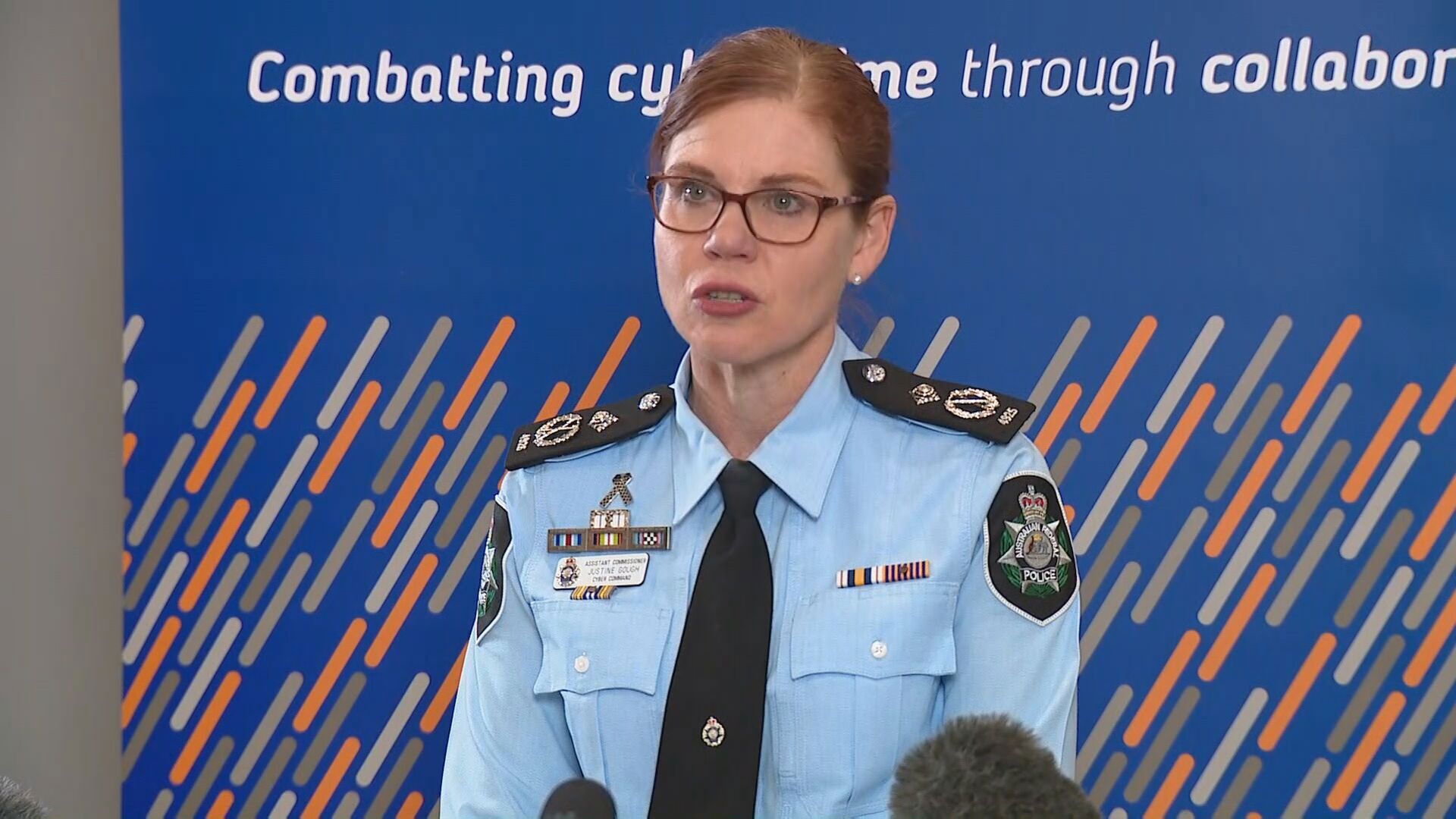
Gough said Optus is fully cooperating with the operation.
"The AFP and law enforcement across Australia are taking this crime very seriously," she said.
'Long' investigation to identify hacker and exact number of impacted customers
Gough said it will be a "long and complex" investigation to identify the hackers responsible for the cyber attack on Optus and for releasing the personal data of thousands of people.
However, new details emerged during the press conference about how the hacker has hidden their identity.
"We are aware that the offender has used obfuscation techniques to hide their identity," she said.
READ MORE: The four scams Optus customers need to watch out for

Not only will it be a long investigation to identify the hackers, Gough anticipates it will take some time to figure out the exact number of Optus customers with exposed driver's licences or passports.
She could not answer how many customers' driver's licences, passport numbers and Medicare numbers were compromised in the hack.

"We are still going through a large dataset," she said.
'Do not click on any links'
Gough has reinforced that Australians should make sure not to click any suspicious links in text messages and be careful when answering calls purporting to be Optus.
"Australians should look out for suspicious and unexpected activity across online accounts, including telco, bank and utility accounts, and make sure that they report suspicious activity to their bank accounts immediately," she said.
READ MORE: Suspect arrested over death of Aussie personal trainer
"Do not click on any links in any emails or SMS claiming to be from Optus.
"If someone calls claiming to be from Optus, police, bank or another organisation, and offers to help with the data breach, consider hanging up and contacting the organisation on its official contact details."
Coronavirus isolation periods to end
Australians who test positive to COVID-19 will no longer be forced to isolate for five days as the government works to remove almost all pandemic-related restrictions.
Following a meeting of national cabinet today, Prime Minister Anthony Albanese said from October 14 all state and territory COVID-19 isolation mandates will end.
Each state and territory will implement the change to isolation rules through specific state-based legislation. Here's what we know about the changes.
LIVE UPDATES: Australia ends last remaining COVID-19 rule
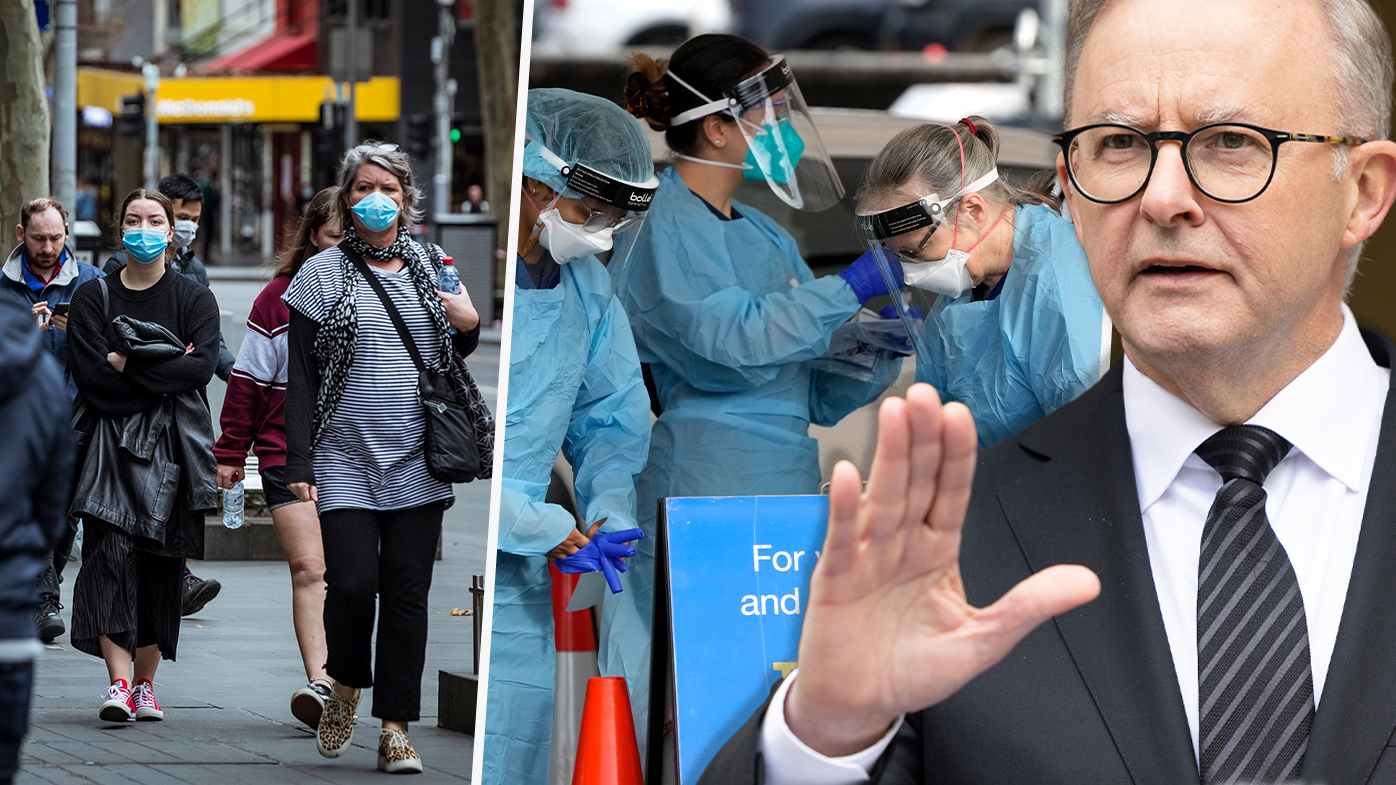
When will Australia's COVID-19 isolation period end?
October 14.
From this date, every state and territory will end its public mandate for five days of isolation for people who test positive to COVID-19.
There is an exception for those who work in high-risk settings such as health and aged care.
Those employees will still need to isolate.
READ MORE: Queen Elizabeth's cause of death revealed
Does this mean people can go to work, school while positive with COVID-19?
It means people will no longer be mandated by law to stay at home for five days if they test positive to the virus.
Theoretically it means that people could attend work and school, unless they are in a high-risk setting such as health and aged care.
However, much like having the flu, it is still advised for workers not to attend work if they're sick.
What about the Pandemic Leave Disaster Payment for people who test positive?
That will also end on October 14.
However there will still be some "targeted financial support" for casual workers, on the same basis as the current payment, and for workers in aged care, disability care, Indigenous healthcare and hospital care sectors.
READ MORE: The four scams Optus customers need to watch out for
Does this mean COVID-19 is becoming less infectious?
No.
Chief Medical Officer Professor Paul Kelly said COVID-19 is no less infectious.
Despite this, he said it's time to end "COVID exceptionalism" – that is, treating COVID-19 as a viral respiratory disease that is somehow greater or more impactful than others, such as influenza.
"We will almost certainly see future peaks of the virus into the future, as we have seen earlier in this year," he said.
"However, at the moment, we have very low rates of both cases, hospitalisations, intensive care admissions, aged-care outbreaks and various other measures."
Could mandatory COVID-19 isolation periods return?
Yes.
The government has left the door open to reinstating mandatory isolation periods if Australia sees an unprecedented number of hospitalisations.