1. We need to get more people into the central city Auckland’s central city has been facing an existential crisis common to central cities around the world. Heart of the City interim chief executive Steve Armitage says the area…
Tag Archives: oceania
RBA hikes interest rates for sixth consecutive month
The Reserve Bank of Australia (RBA) has lifted the nation's cash rate target for a sixth consecutive month as the central bank battles to lower spiralling inflation.
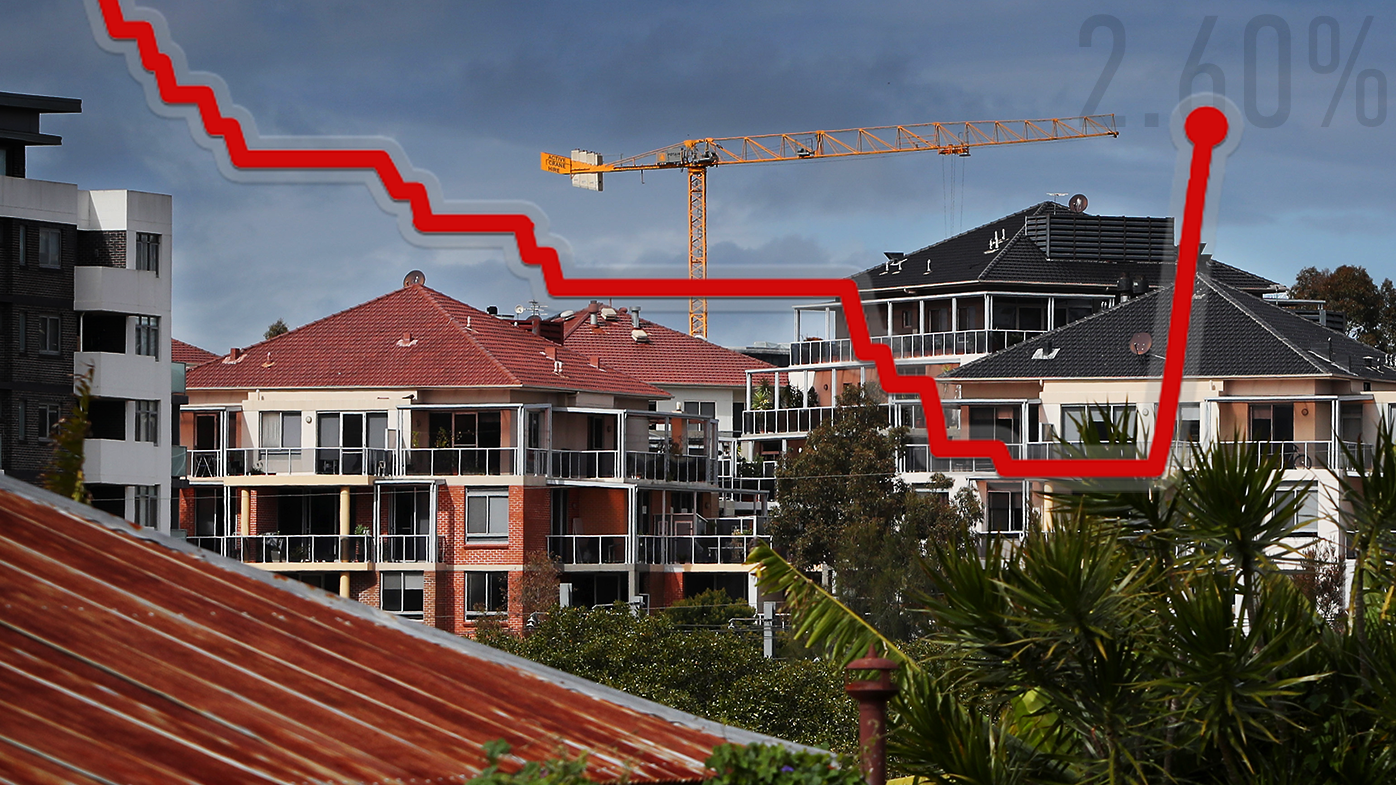
Following a meeting of the RBA board today, Australia's interest rate was lifted by 0.25 per cent or 25 basis points from 2.35 per cent to 2.60 per cent.
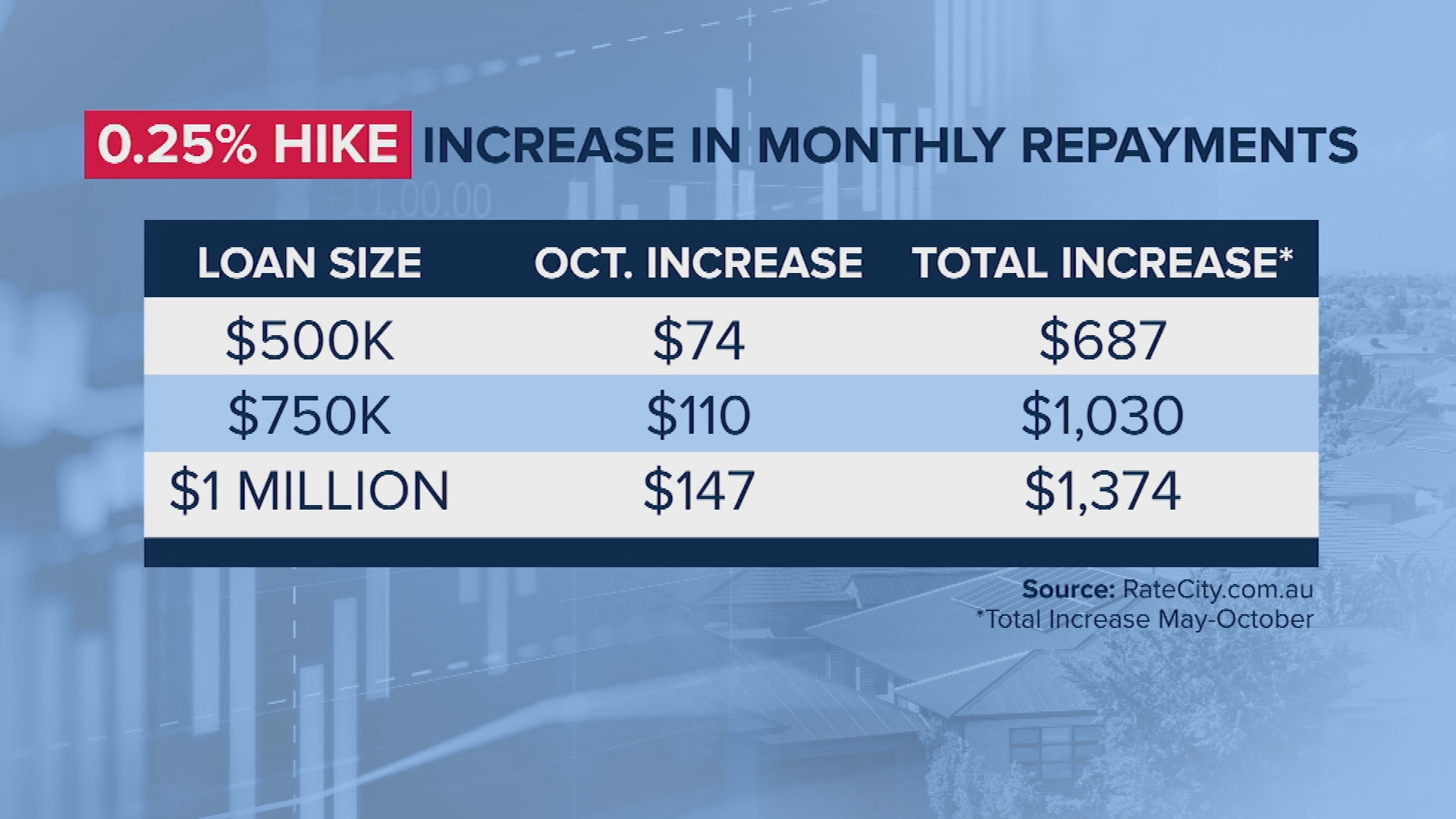
For the average borrower with a $500,000 loan, today's hike represents an extra $74 a month or an eye-watering $687 since rates began increasing in May.
LIVE UPDATES: Why are Australia's interest rates continuing to rise?
Borrowers with bigger loans – for example $1 million – today's decision will mean a monthly increase of $147, or an eye-watering $1,374 extra since May.
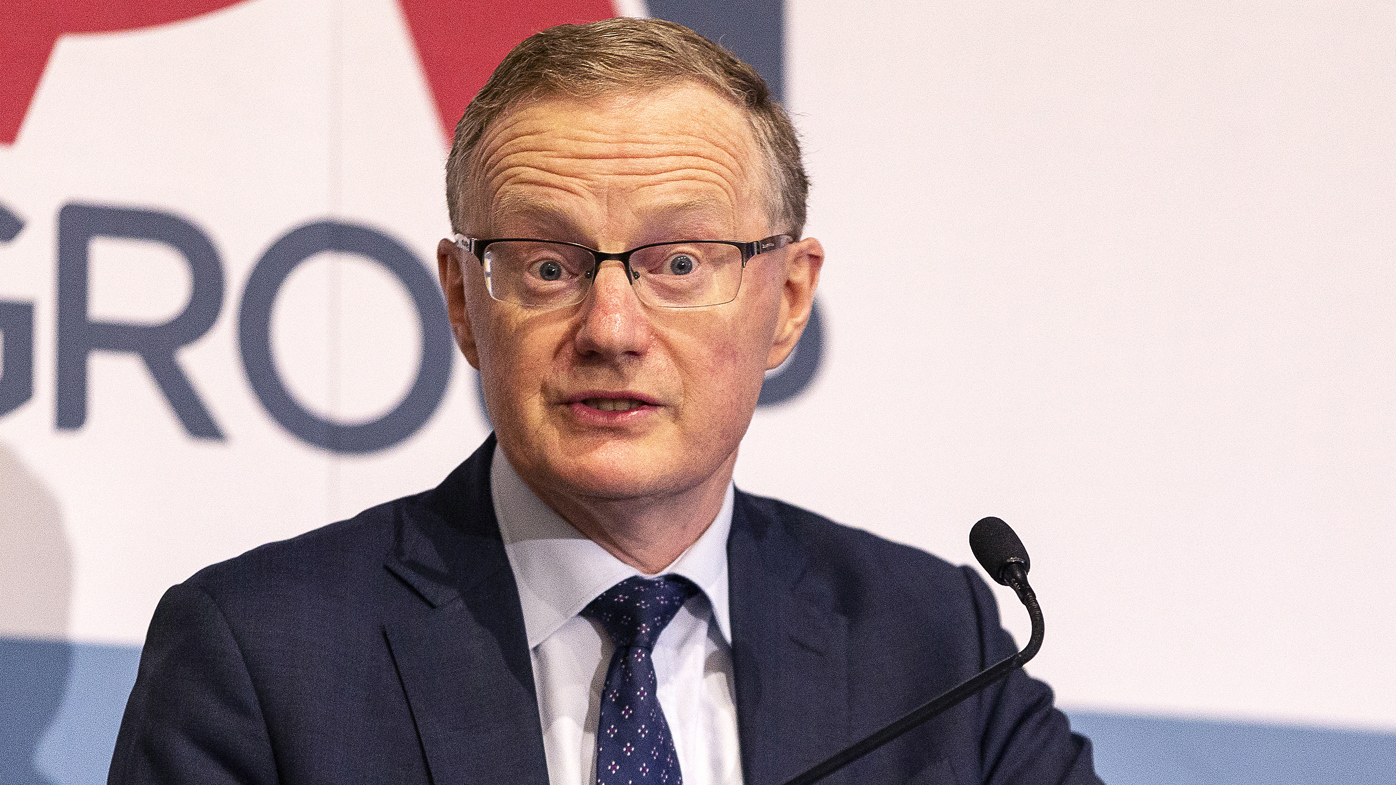
RBA Governor Philip Lowe said the Board decided to increase rates by a smaller-than-expected 25 basis point jump given the rapid increase in the cash rate over the past six months.
"The Board is committed to returning inflation to the 2–3 per cent range over time. Today's increase in interest rates will help achieve this goal and further increases are likely to be required over the period ahead," Lowe said in his monetary statement.
"The cash rate has been increased substantially in a short period of time. Reflecting this, the Board decided to increase the cash rate by 25 basis points this month as it assesses the outlook for inflation and economic growth in Australia."
READ MORE: Nick Kyrgios moves to have assault charge dismissed on mental health grounds
While borrowers were expecting the size of the RBA's rate hikes to slow, experts say there is little relief in sight for already-stretched household budgets.
"ANZ, NAB and Westpac are forecasting the cash rate to climb over 3 per cent by year's end, and Westpac is taking it a step further by tipping the cash rate to peak at 3.60 per cent in February," Canstar finance expert Steve Mickenbecker said.
"This outcome could see the average variable rate skyrocket to 6.48 percent or more than double the rate in April, just before the current rate rising cycle began."
Mickenbecker said the flow-on effect of rapid consecutive rate rises will heap stress on those who recently bought into the market.
READ MORE: Buxton crash driver bailed to seek mental health support before trial
"Higher interest rates are a shock to a whole generation of borrowers, but until the Global Financial Crisis and COVID, the cash rate was at 5 per cent or above for 15 of its 19 years," he said.
"Borrowers will have to get used to dealing with higher interest rates as the norm.
"Even though inflation remains way above the Reserve Bank's target, it may still find a case for a conservative pause in cash rate rises.
"Recession is rearing its ugly head overseas, and with wage inflation way below price inflation and interest rate hikes, recent borrowers in particular are going to be under extreme stress."
READ MORE: Stretched renters close to maxed out, report suggests
Brendan Paul, senior portfolio manager at investment firm Atrium, said Australians are particularly at risk due to the high level of debt held by ordinary households.
"If, as expected, cash rates rise over 4 per cent by May 2023 this will mean mortgage rates of six to seven per cent," he said.
"Although not as high as in 2008, we now have a lot more debt so the cost of servicing this debt as a percentage of disposable income is as high as it's been for 30 years.
"It's also the speed that's important here. The percentage of household income required to service debt is forecast to jump from circa 15 per cent to 20 per cent in just over six months.
"The US is somewhat insulated from this effect due to most of their mortgages being fixed rate.
"Conversely, in Australia the speed of mortgage rate increases and the larger loan amounts have the potential to cause a significant rise in mortgage default rates."
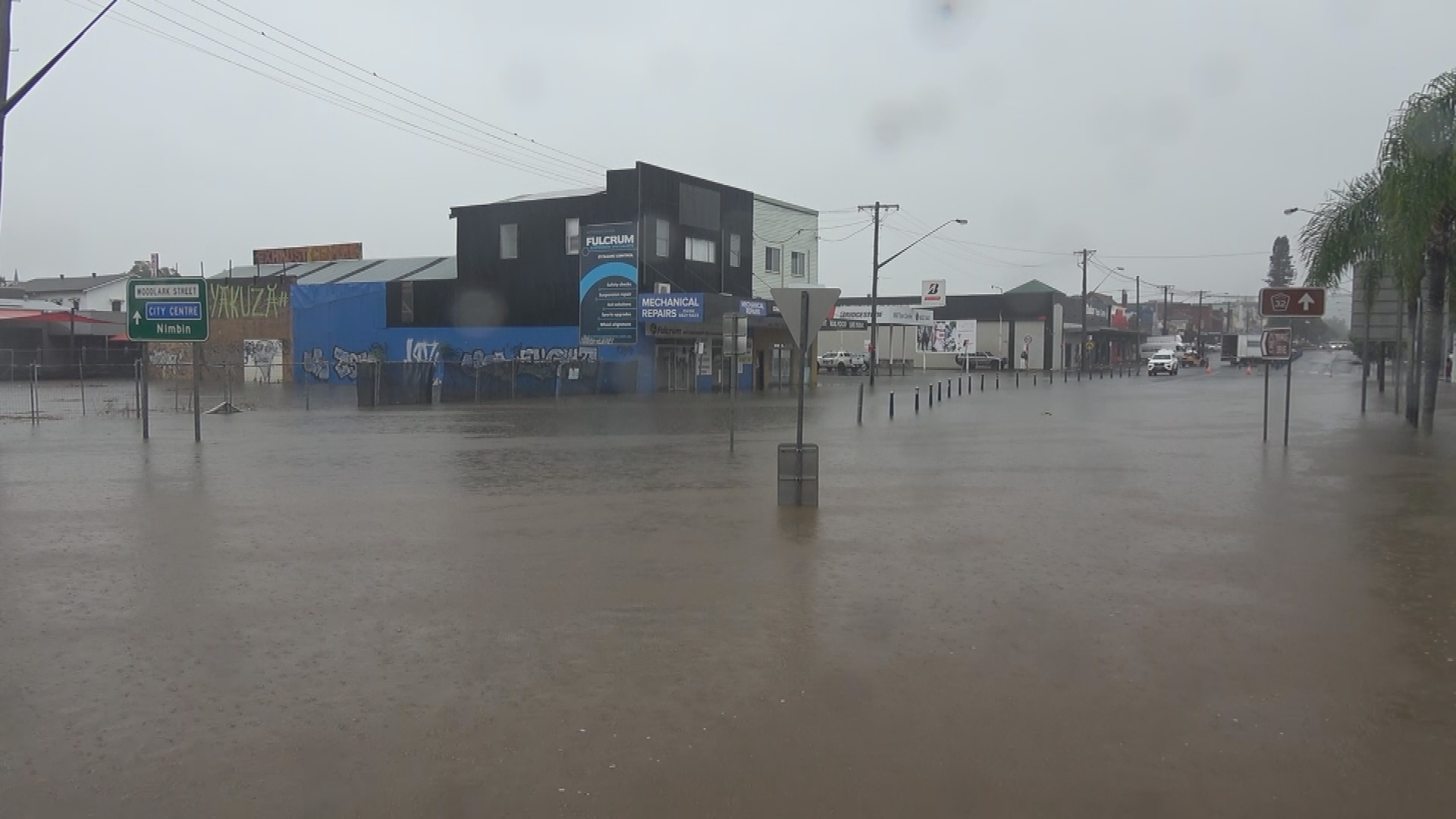
Kids from flood-affected towns express trauma in play
In a new series, NBN News is highlighting the efforts to rebuild the flood-ravaged Northern Rivers community. Here, Josephine Shannon and Olivia Grace-Curran examine the trauma children as young as three are expressing through play.
Preschoolers who experienced one of the worst natural disasters in Australian history are reenacting their families' frantic escapes from floodwaters in the playground as their young brains continue to process the catastrophe.
Early-learning educators in the Northern Rivers are reporting children between three and five communicating the February and March flooding with one another through art, craft and play.
Assistant Director at Evans Head-Woodburn Preschool, Kath Gillespie, said the event and subsequent displacement have had a huge impact on the age group.
READ MORE: Lismore residents want the option to relocate their homes
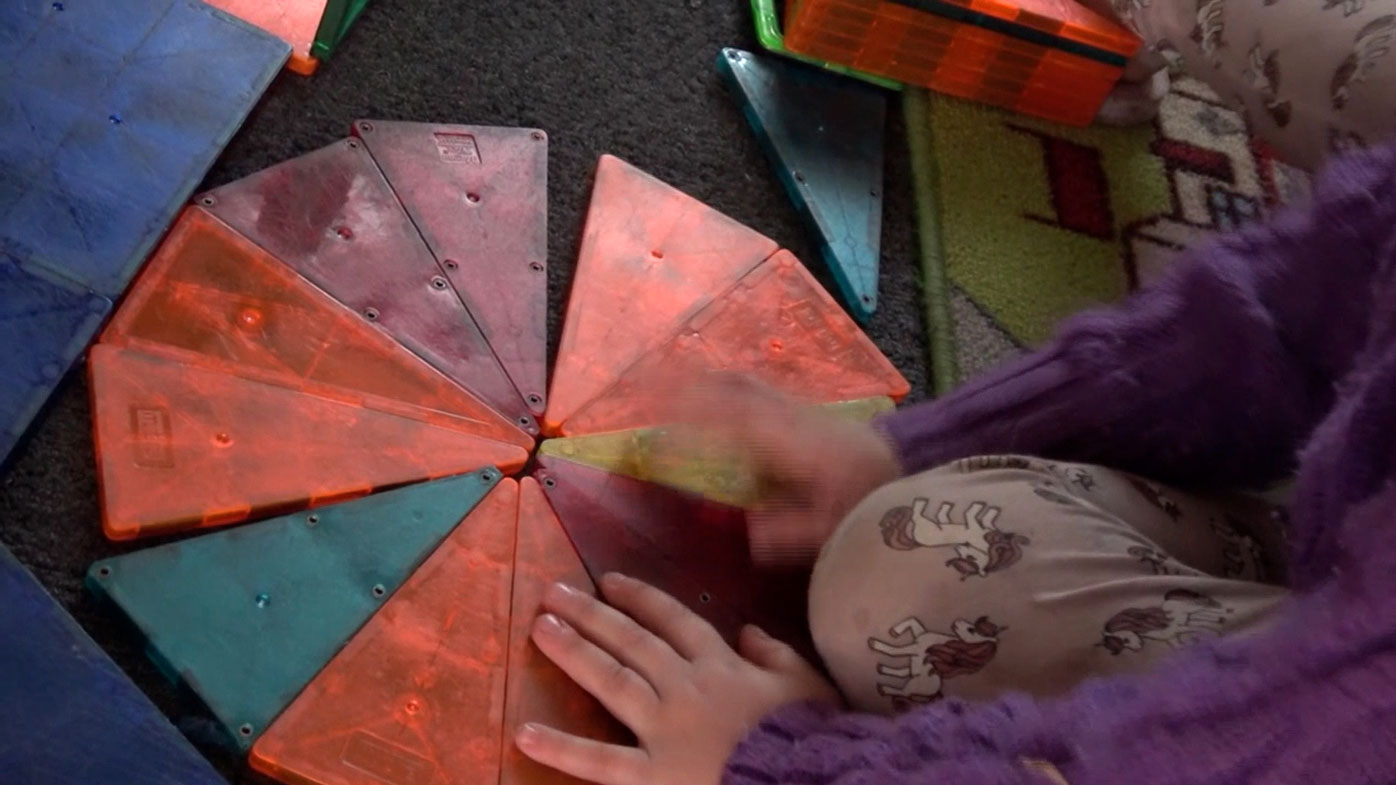
"If they're not talking about [the flood], they're often enacting it… they'll be knocking buildings over… building up a tower, knock that over because 'my house got knocked over'," Gillespie said.
"Or if they're playing… 'quick, jump in the boat, quick everyone, jump in the boat! The flood is coming!
"We do see a lot of that coming out in their play and that's how they're processing it, their trauma."
At East Lismore Community Preschool, Director Sonya McPherson says it's a similar story.
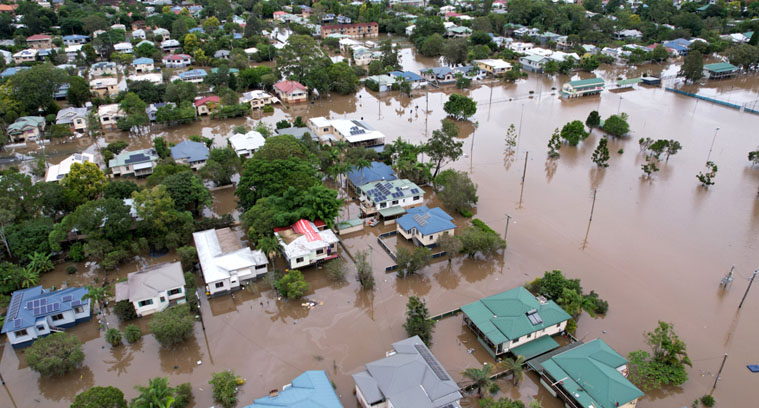
Children are often building "walls" around their pretend towns and taking their friends to safety as they evacuate from the "flood".
"We see it weekly in drawings, in how they play. They will draw where the river is, where the river came to their nan's house… where their old house was," McPherson said.
"They talk about things that they miss that they've lost… places that they can't go anymore.
"You'll have a child say 'when is my birthday?'… and ask, "Is it going to flood again before my birthday?"
READ MORE: Flood devastated Northern Rivers schools face years before recovery
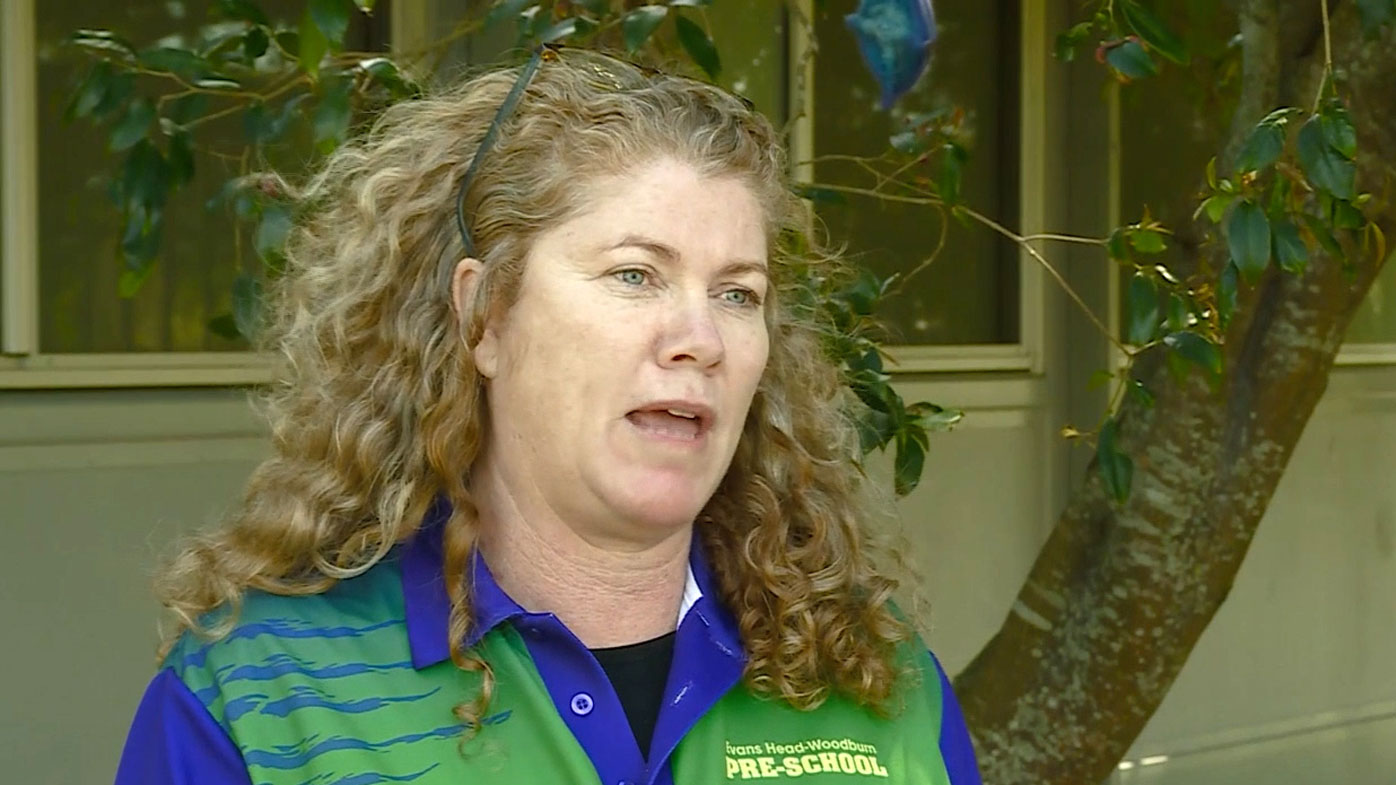
Half the kids at preschool lost everything in floods
Around 40 children – or half the enrolments – at Evans Head-Woodburn Preschool lost everything in the floods.
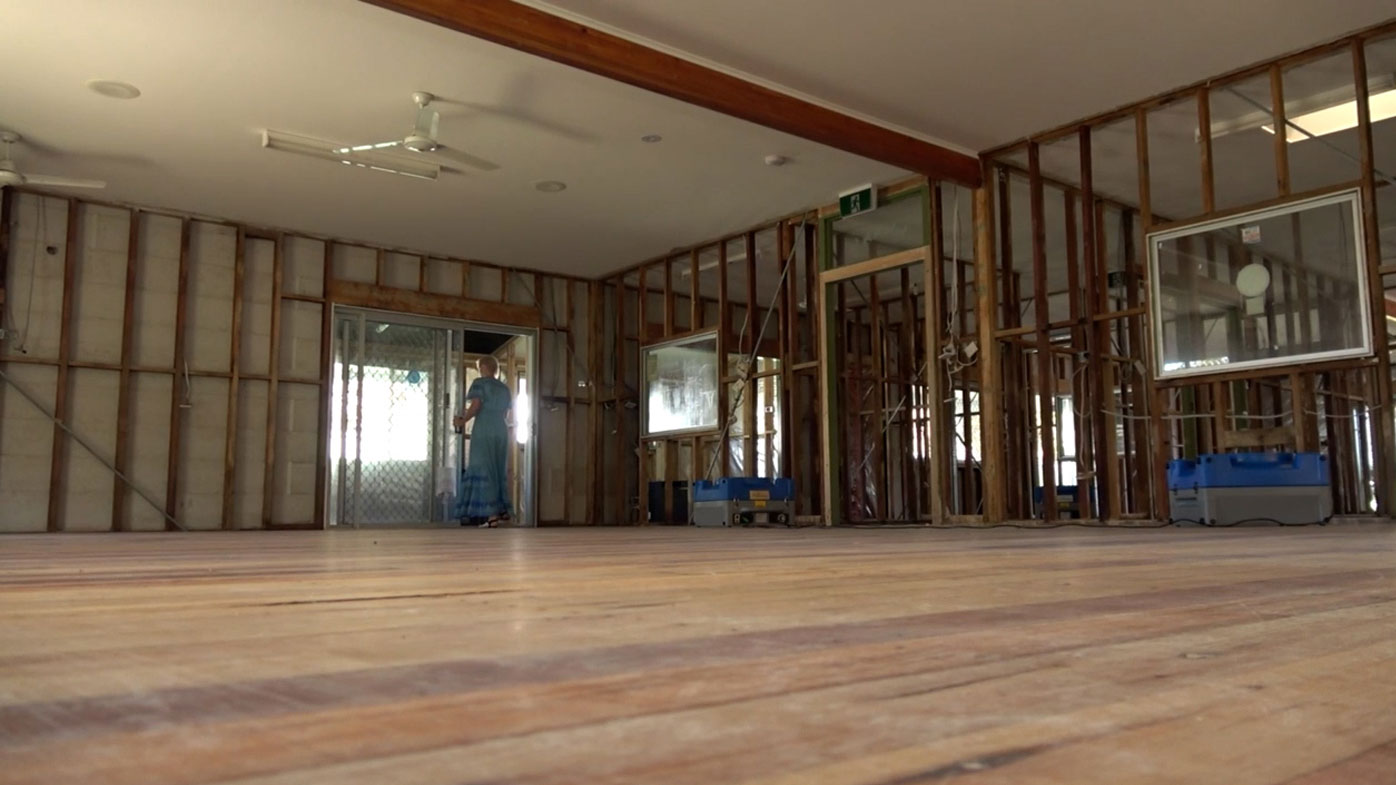
Many of them were rescued from their roofs with just moments to spare and, seven months on, continue to call caravans and temporary accommodation home.
"This is the world that they know right now and it's made such a big impact on them," Gillespie said.
"It was hard, really terrifying for little kids, their parents had to leave them on the roof while they went down to a neighbour's house. That's pretty harrowing when you're only three and four.
"There's some really horrible, sad stories."
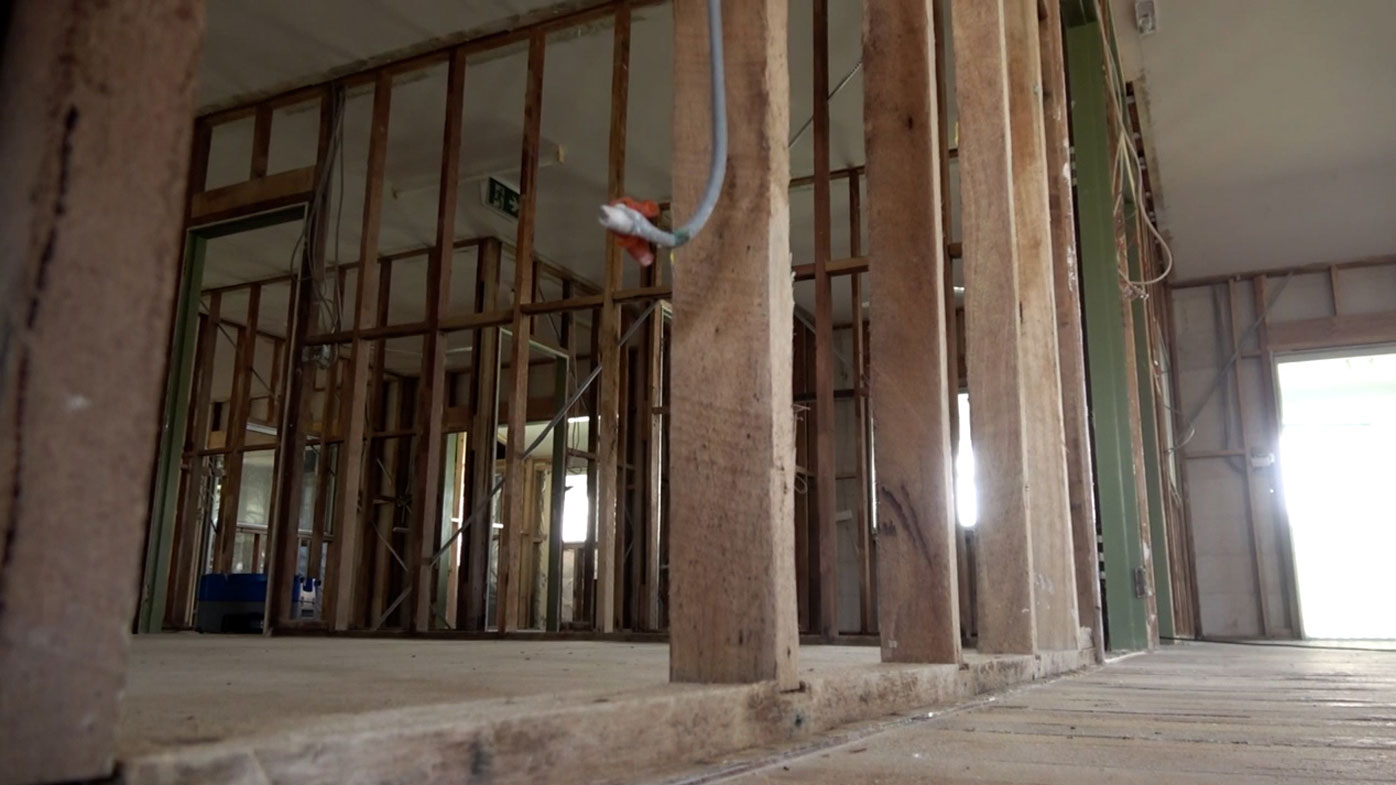
Play therapy key as young children learn to process flood trauma
Play therapy has become a key tool in helping young children in the Northern Rivers communicate their emotions following the February and March events.
"Helping them to manage their emotions, helping them to understand it's okay to be anxious or sad or upset, and then how to work through that," Gillespie said.
"We're helping those kids to process through the play that they do."
Parents are reporting behavioural and personality changes in their Northern Rivers children.
Leanne Clifford says the disaster has changed her once-fearless daughter.
"From a little girl that was so independent, sleeping in her own room wanting to do everything herself, [Evelyn] now has a very hard time leaving Mummy to go to preschool and wants to sleep in our bed every night," Clifford said.
"My little independent third child… we've now nicknamed her our 'velcro' child – she is stuck to me non-stop."
Clifford says although their home did not flood, her family housed multiple flood victims and her children were living with people who'd lost everything.
"We tried to alleviate [the children] seeing as much trauma as possible, especially the traumatised adults that were coming into our home… But they do see so much and [Evelyn] quite literally has been stuck to my leg the entire time."
READ MORE: NSW residents warned to prepare for flooding as heavy rain hits
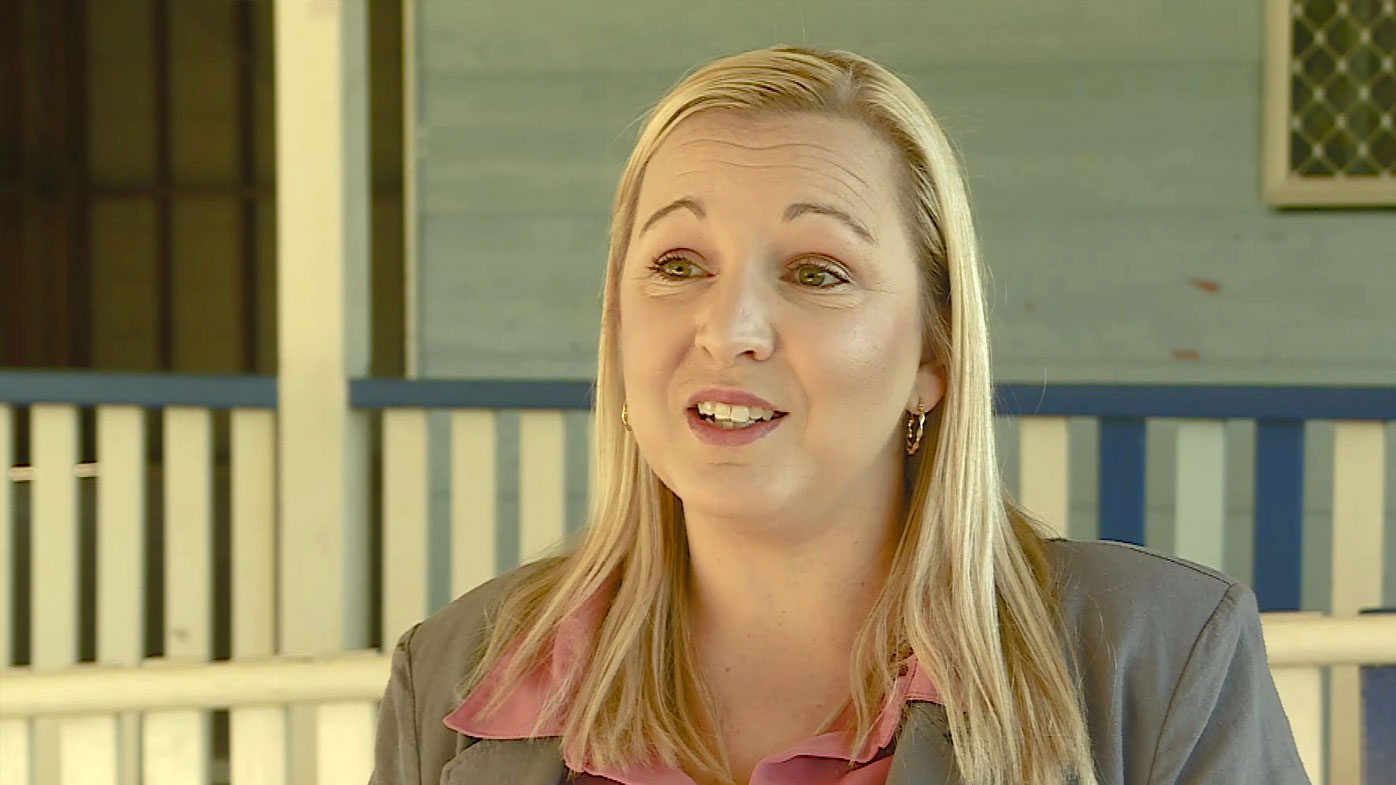
Toys taken to 'safety' as children reenact flood disaster in play
Clifford says her daughter's priority when playing now includes ensuring her toys are out of harm's way.
"When Evelyn plays with her dolls and her teddies, she does ensure that they are playing on the high bunk bed not the low bunk bed," Clifford said.
"[My] friend says her child, when it rains, paces from the front door to the back door to the front door… she said that's what she was doing when the floods came up to her home… The children are copying what we did. It's what they saw us do."
The Northern Rivers Preschool Alliance, a not-for-profit organisation representing state-funded preschools on the Far North Coast, saw 11 of its preschools go under in the disaster.
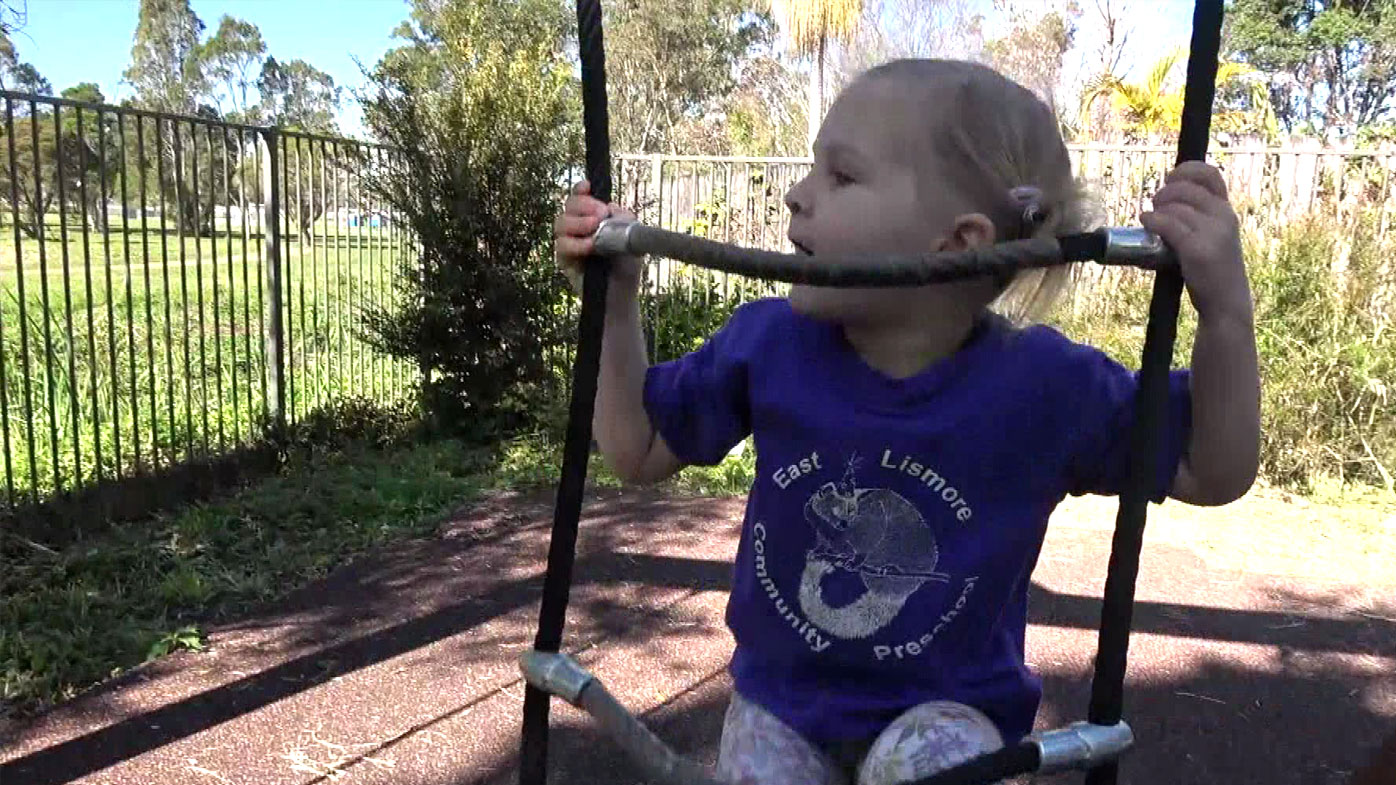
President Sonya McPherson says buildings suffered varying levels of damage.
"Some were a complete loss, some were a partial loss but preschools as non-profits… we don't have lots of finances to replace stuff. The funding we make goes straight back into the community."
McPherson estimates 1000 children between preschool, early learning and long daycare were subsequently displaced by the February and March disaster.
"They're three to five years old, developing humans soaking up everything… it will shape them forever," she said.
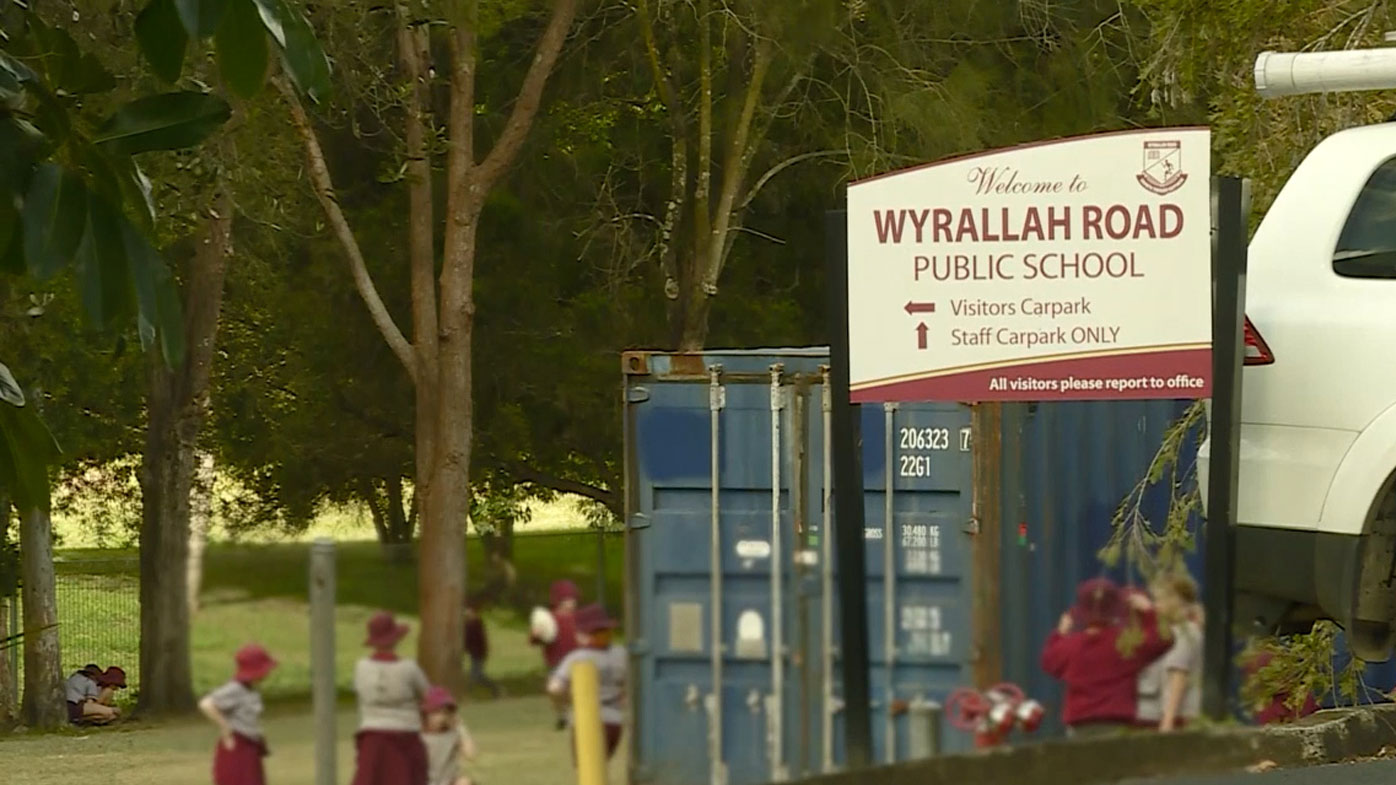
East Lismore Preschool is temporarily operating out of demountables at Wyrallah Road Primary School.
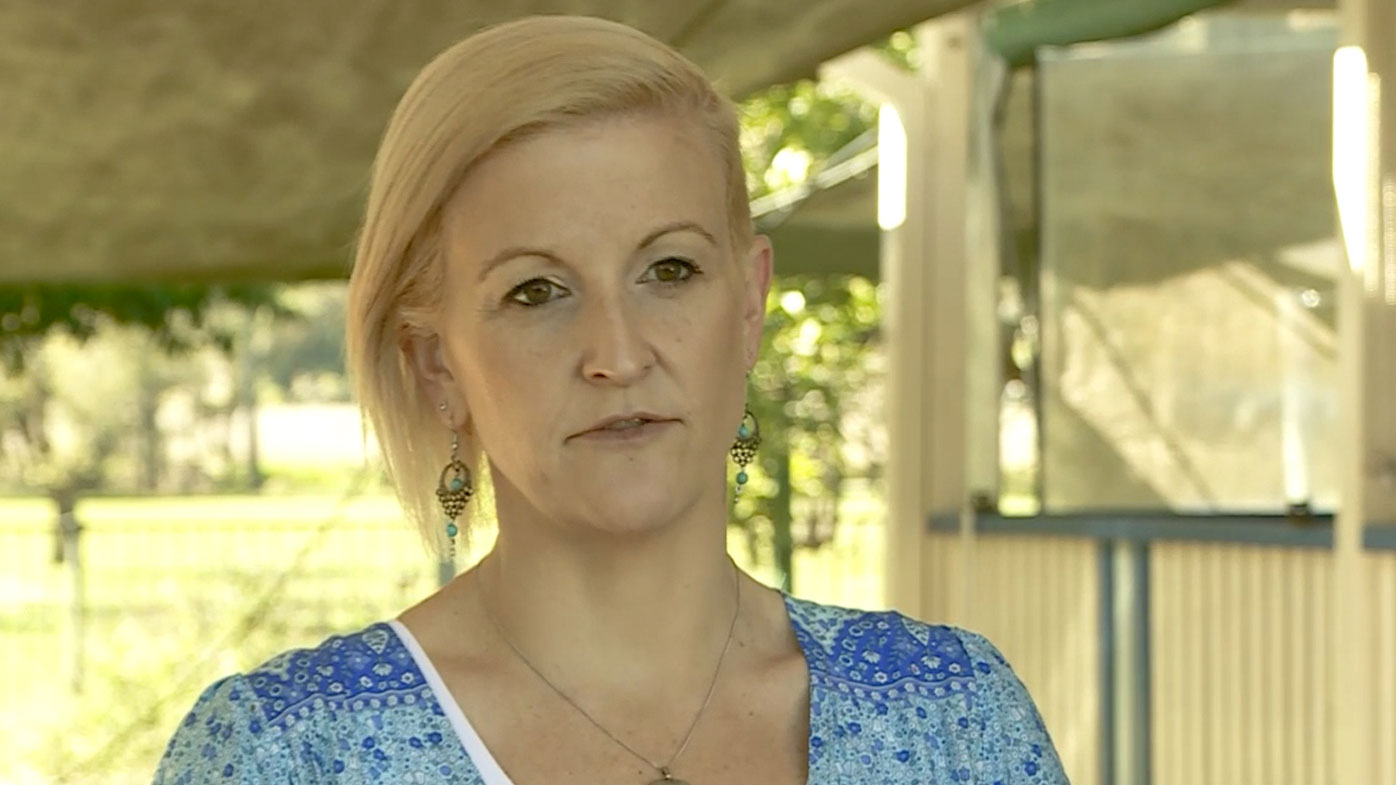
The flooding has seen a 15-20 per cent drop in enrolments, however, even with a fall in numbers, their temporary space is proving a squeeze.
"We have got 101 [children] and that is really difficult. It is really full and it is really crowded in a demountable," McPherson said.
"It's been incredibly tough because we've got about a third of the space in comparison to [our old preschool]."
McPherson says the preschoolers often compare their old East Lismore site to their temporary site at Wyrallah Road.
"They speak often about at my old preschool we had X and use to do X."
"You're talking about nearly 40 years of handcrafted wooden resources lost, teaching resources, an entire library," she said.
Northern Rivers preschools calling for more assistance
The state government has offered up to $9 million to preschools in flood-affected LGAs with grants of up to $30,000.
Preschools are grateful for the funding but admit it hasn't gone far in terms of rebuilding and are now calling for more assistance.
"[It's] been really tough comparatively to the primary schools and the secondary schools," McPherson said.
"There's still huge gaps of what we're missing in comparison to what we had before."
But it's not just resources that have gone.
"We've lost some of our staff, they've needed to leave because they don't want to live in a flooded area anymore."
McPherson says she is regrettably having to turn down local parents who are attempting to return to work post-flood.
"I get somewhere between 3-5 calls a day requesting preschool for children that I can't fill… parents are desperate to return to work full-time or part-time and are unable to do so because there is nowhere for their children to go," she said.
It's unclear when East Lismore Preschool will be able to return to its original site.
"We've only just had a building report, it's about 142 pages long worth of damage. We're estimating the middle of next year," McPherson said.
Fears of what a third La Nina will do to flood-fatigued towns
The threat of the third La Nina is keeping the Northern Rivers in a state of constant anxiety.
"Every time it rains there's lots of children you have to support," McPherson said.
"One quarter of our team lost their homes, so they're attempting to be strong and [reassure] kids that they're safe and okay while they're also trying to internally reassure themselves.
"They're just as triggered by the rain as the children are.
"The [town] hasn't come back… the sadness has just saturated the town… the sparkle has not come back.
"The sense of community is still really disconnected and people are sad."
McPherson says it is a race against time to raise East Lismore Community Preschool and fears what another major flood will do to it.
"[Water] came in 152cm into a building it had never touched before. If it happens again before we can raise the building, I have no idea what we are going to do."
Why are Australia's interest rates still rising?
The Reserve Bank of Australia has lifted interest rates for the sixth consecutive month, albeit by a smaller-than-expected 25 basis points.
For borrowers this is still bad news – mortgage repayments will go up, leaving less money in the household kitty for other essentials such as groceries and fuel.
Most of us know that interest rates are used by the RBA to control inflation. But things don't seem to be getting any cheaper – so why are interest rates still rising?
READ MORE: Optus confirms more than 2 million customers had data exposed
What actually are interest rates?
Australia's interest rate – or cash rate target – is decided by the Reserve Bank of Australia (RBA) on the first Tuesday of each month between February and December.
A press release detailing the change or hold in interest rates is sent out at 2.30pm on this day, which is why you may receive a flurry of news alerts around this time.
In extremely general terms, this interest rate determines the cost of unsecured overnight loans between banks.
READ MORE: Aussie dad dies after hospital gives him painkillers, left to wait
If the interest rate is between banks, why should the ordinary Aussie care about it?
Very simply, if it costs more money for a bank to borrow and lend money it is inevitable that some of that cost will be passed on to the customer.
With this in mind, many view the RBA's interest rate decision to be a barometer for how cheap or expensive bank loans will be to repay for Australians.
Home loans are naturally the biggest loan the ordinary Australian will ever take out in their lifetime.
It makes business sense that any change in the official cash rate is likely to have some flow-on effect to those with variable rate mortgages.
Banks don't have to pass on interest rates changes to loan holders, but can and do. They are a money-making business after all.
READ MORE: Ukraine claws back more territory from Russia
How are interest rates used to control inflation?
Interest rates are the RBA's primary tool in controlling inflation in Australia.
On a very conceptual level, a higher interest rate means mortgage repayments are more expensive.
More expensive mortgage repayments mean households will cut back on spending in other areas of their life, for example buying clothes or electronics or cars (among a thousand other things).
If Australians cut back on general spending, the level of inflation should reduce because businesses competing for the dollar of a now-thrifty general public might need to lower their prices.
READ MORE: House prices keep falling as borrowers brace for next rate hike
Interest rates have gone up six months in a row. But prices at the shops are still high?
That's not a question. But I see where you're coming from.
On a historical basis Australia's current interest rate is still reasonably low, but that thought doesn't help heat people's homes at night.
The best measure we have for measuring Australia's level of inflation is the Consumer Price Index, or CPI.
That's currently just over 6 per cent. The RBA has flagged that it wants inflation in the 2 to 3 per cent range. Basically inflation is still too high.
That's another kettle of fish which you can read about in this explainer here.
READ MORE: Inside fraudster Melissa Caddick's luxury home
Why are property prices falling?
The science of the property market is an imperfect one, and many debate how much influence the cash rate has on house prices.
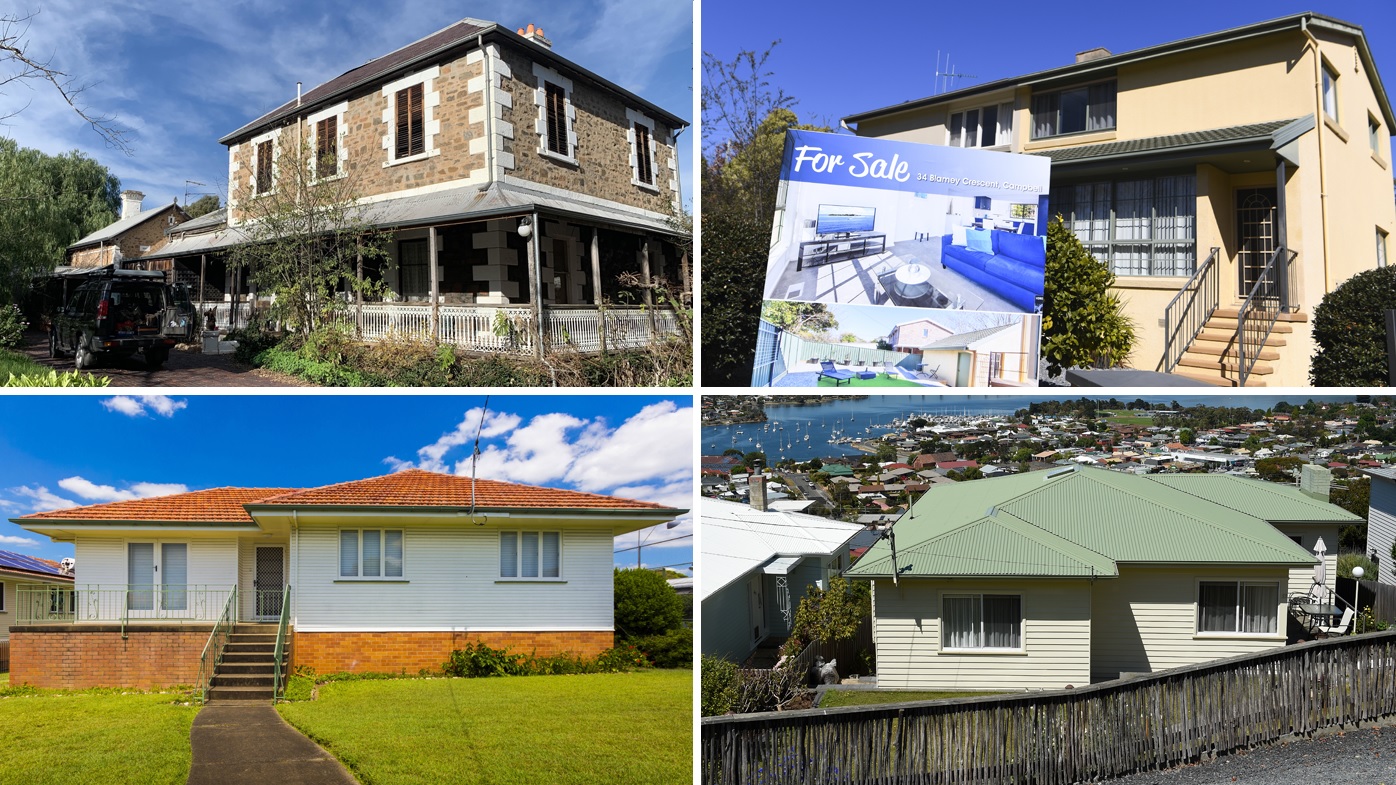
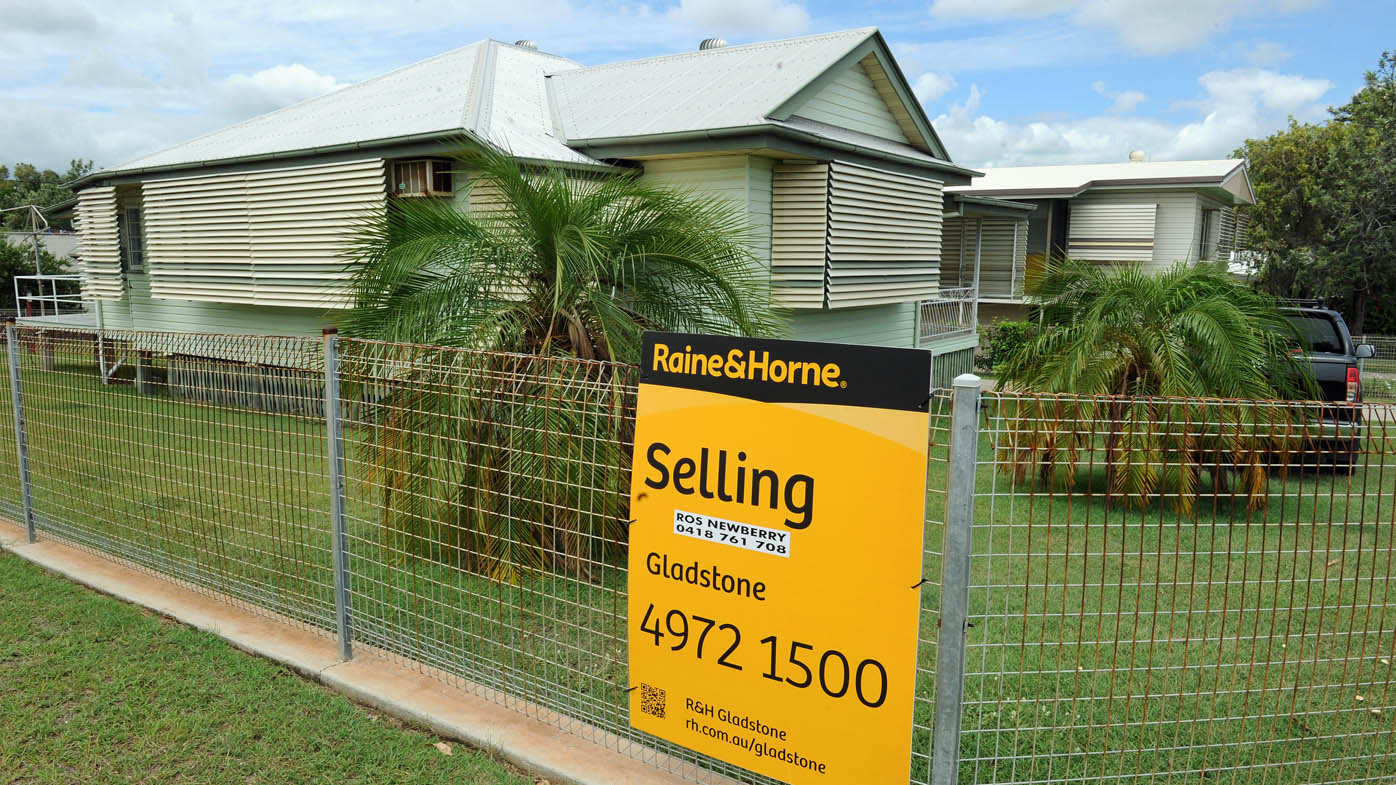
But house prices have unmistakably dropped from their January 2022 peak, in some places by as much as $104,000.
That's after six consecutive rate rises from the RBA since May.
Again, in extremely simple terms which don't account for thousands of variables, the higher interest rates go, the more expensive mortgages become.
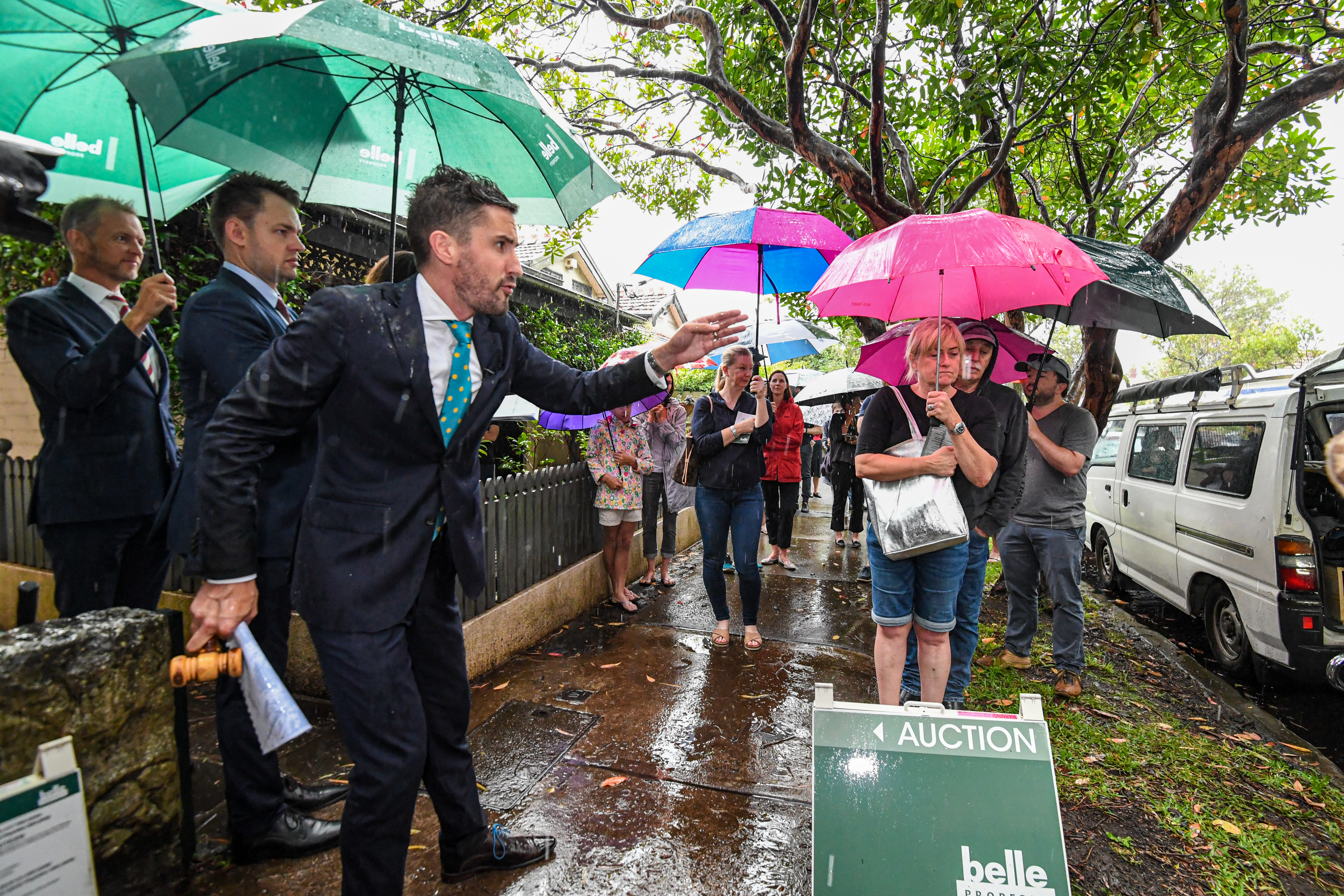
In turn, people will have less of the bank's money to spend at auction and will likely compete for lower-valued homes.
Nearly two dozen new Aussie species declared endangered
Nearly two dozen species have been declared vulnerable, endangered, or critically endangered as the Federal Government today released its "Threatened Species Action Plan" in a bold bid to save them.
The action plan comes months after the damning State of the Environment Reportfound Australia has lost more mammal species than any other continent, and 19 ecosystems are showing signs of, or are near, collapse.
Minister for the Environment and Water Tanya Plibersek announced new listing decisions for 20 threatened species and three threatened ecological communities, noting many species were in areas badly affected by the Black Summer bushfires of 2019/2020.
READ MORE: Optus confirms more than 2 million customers had data exposed
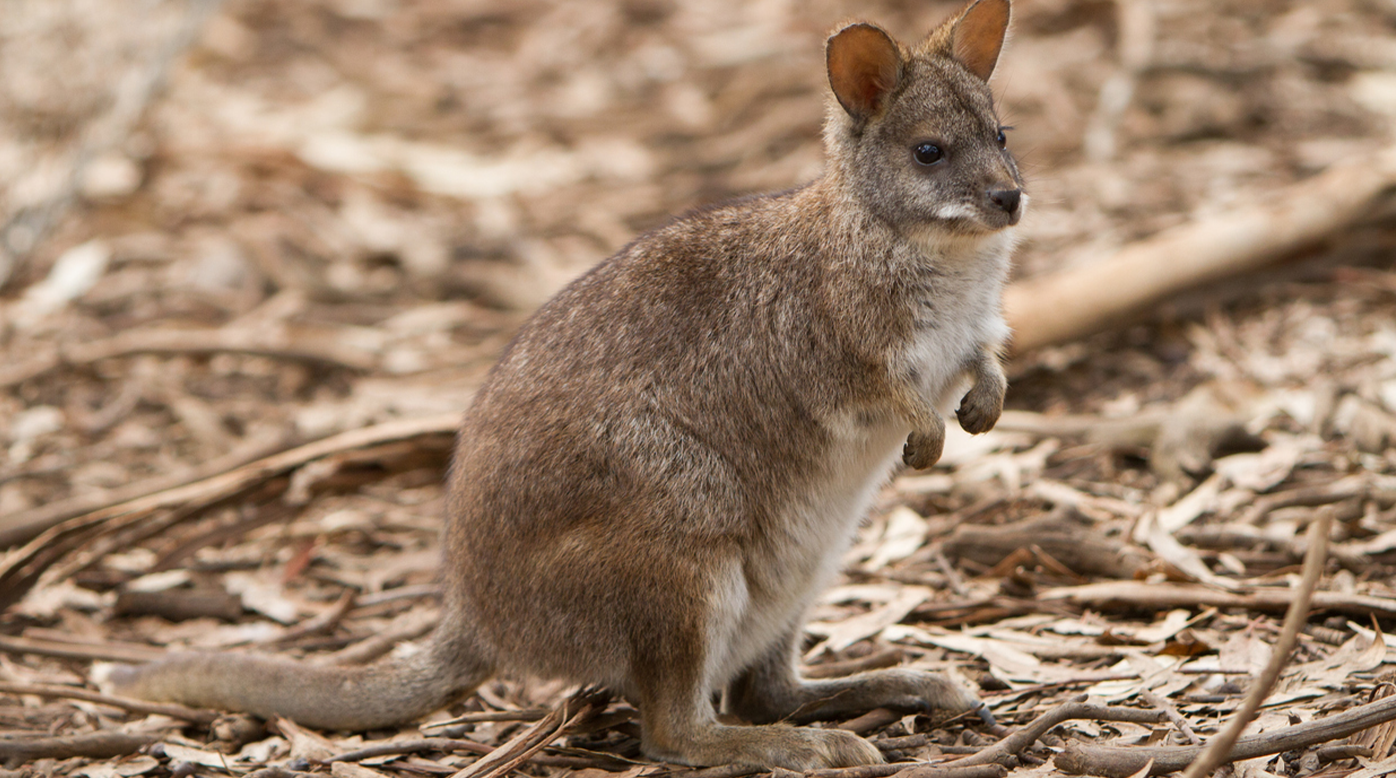
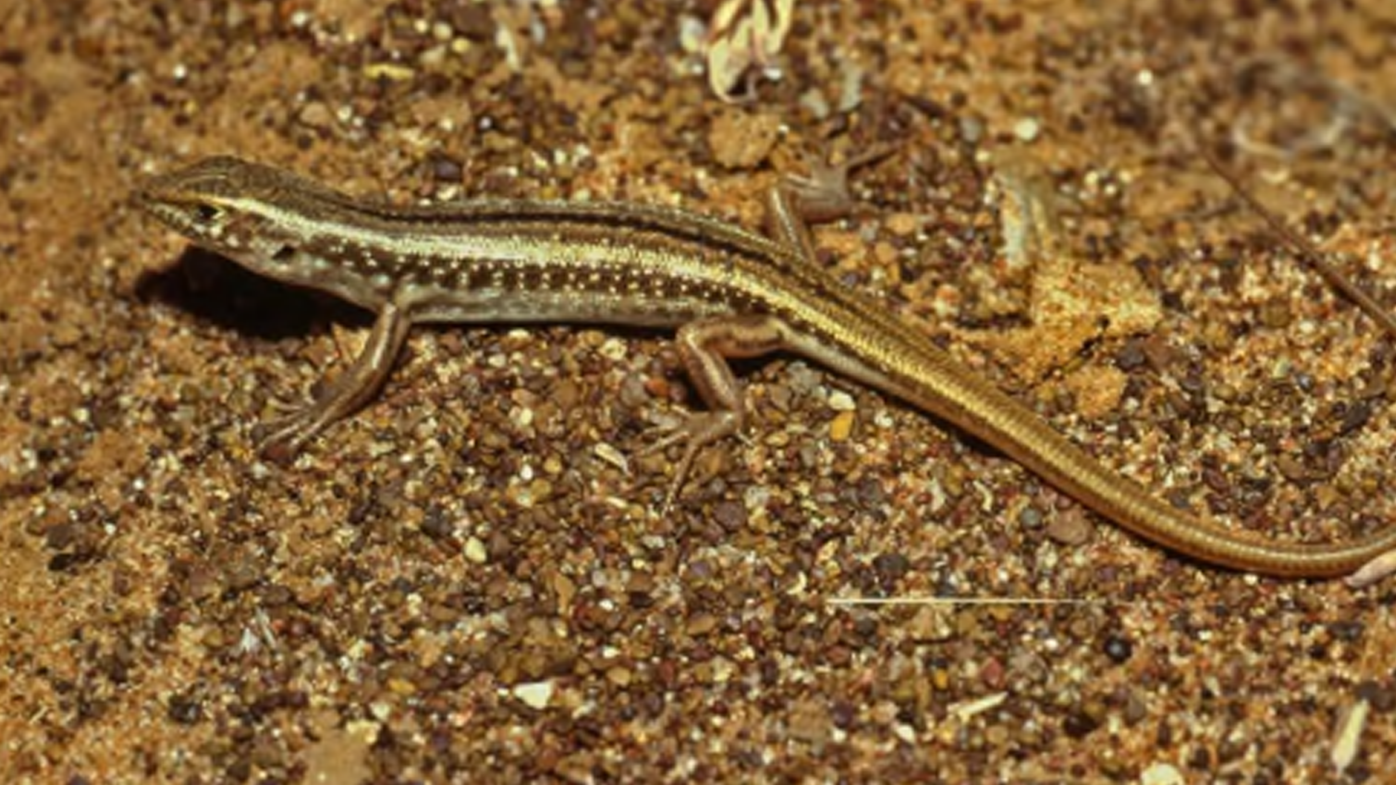
The new animal species declared vulnerable to critically endangered include: the Parma Wallaby, Grey Snake, Key's Matchstick Grasshopper, Gravel Downs Ctenotus – a small lizard, Oxleyan Pygmy Perch, Malanda Rainbowfish, and the Western Beautiful Firetail.
More than a dozen plant species have been deemed at risk, including the critically endangered Headland Commersonia.
There's only one population of this trailing shrub in Byfield National Park, northeast of Rockhampton. It's estimated there are less than 250 individuals remaining.
When it comes to ecosystems the Mount Kaputar land snail and slug community in northern NSW has been declared endangered.
This ecosystem is home to the iconic Kaputar giant pink slug.
READ MORE: Aussie dad dies after hospital gives him painkillers, left to wait

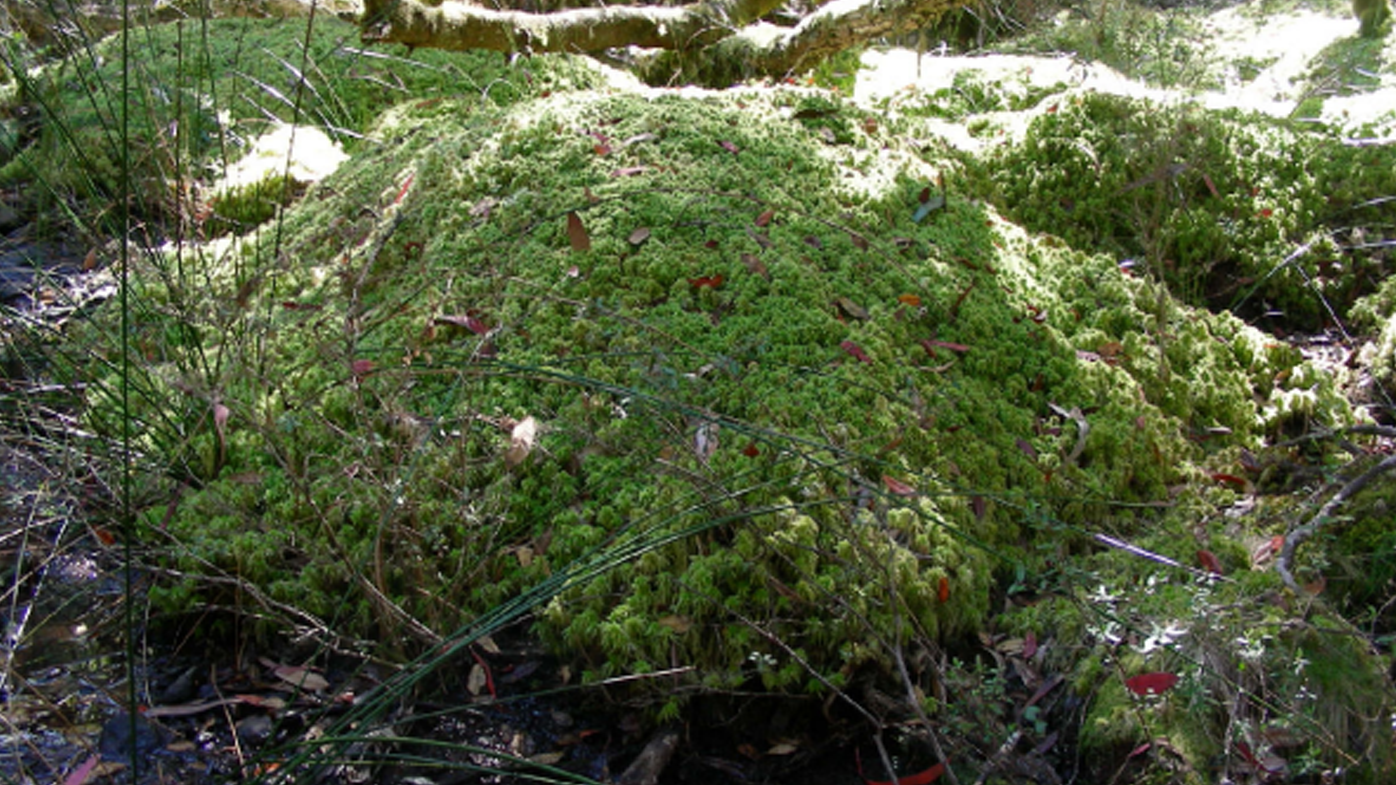
The eucalypt forests and woodlands on the floodplains of the eastern watershed of the Great Dividing Range have also been deemed endangered, while Ben Halls Gap Sphagnum Moss Cool Temperate Rainforest is critically so.
Of the species with new listing descriptions, 15 species and the three ecological communities were added to the the Environment Protection and Biodiversity Conservation Act list of threatened species.
Four species were upgraded to a higher threat listing and one species retained its current category.
READ MORE: Ukraine claws back more territory from Russia
In total, the action plan flagged 110 species for prioritisation including the ones listed above.
"While all species and natural environments are important, focusing on a limited number of species can help target effort and resources so that tangible outcomes can be achieved, measured and shared," the Department of Climate Change, Energy, the Environment and Water (DCCEEW) said.
The priority species and places listed above were identified by independent scientists.
A full list of the 110 priority species can be found here.
'Need for action has never been greater'
Plibersek conceded the Action Plan has ambitious targets, which includes preventing any new extinctions of plants and animals as well as a goal to conserve at least 30 per cent of the nation's landmass.
"The Threatened Species Action Plan strengthens our commitment to stopping the extinction of Australia's plants and animals" she said in a statement.
"These are the strongest targets we've ever seen.
"The need for action has never been greater.
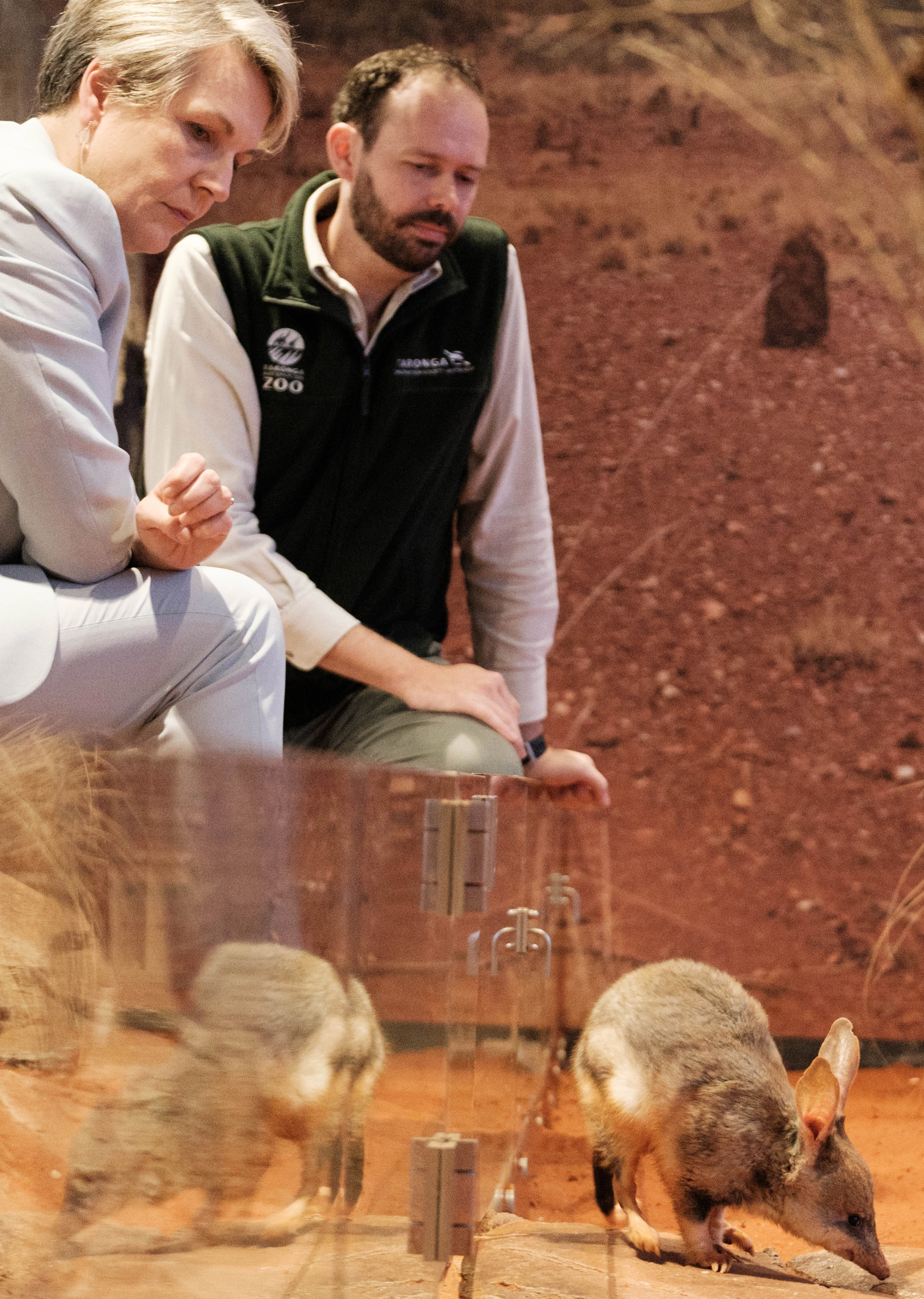
"Our current approach has not been working. If we keep doing what we've been doing, we'll keep getting the same results.
"Australia is the mammal extinction capital of the world.
"I will not shy away from difficult problems or accept environmental decline and extinction as inevitable."
The government said $224.5 million would be committed to the Saving Native Species program to boost the outcomes.
However some experts are concerned the action plan does not go far enough.
"It's great this government is taking its international obligations more seriously than the previous one," James Watson, a Professor of Conservation Science at The University of Queensland, said.
"But Australians must understand that securing 30 per cent of land and sea will not secure species unless there is far greater investment in the actual management of these places.
"That this won't achieve much at all if land clearing, logging and inappropriate fishing continue unabated.
"It is also concerning that only 110 species are prioritised. There are over 1700 species on the Federal Endangered List, and the vast majority receive no attention.
"Unless all listed species get funding and attention, there will be extinctions and we will continue to sleepwalk deeper into the extinction crisis."
NSW mum, 22, diagnosed with stage four breast cancer
When Jasmin Kaschan felt a lump in her right breast, she was just a few weeks away from giving birth to her now four-month old daughter.
It never occurred to the 22-year-old mother-of-two from Nelson Bay, New South Wales, that it could be cancer.
"She noticed the lump in the shower, but she just put it down to having already had a baby and being about to have another one," her sister Jayde Kaschan told 9news.com.au.
READ MORE: Mum claims hospital bungle cost her chance of early cancer diagnosis
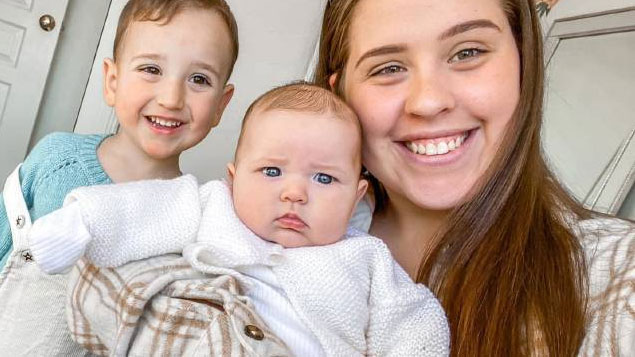
"She thought it could be a blocked milk duct, or her body getting ready to start breastfeeding, so unfortunately she never mentioned it to anyone."
It was only last month that Jasmin finally went to the doctor, which led to a whirlwind of tests and a devastating diagnosis of stage four breast cancer.
"Three weeks ago, I was playing with my two beautiful kids and everything felt normal.. fast forward 3 weeks to today, I'm sitting in hospital fighting stage 4 breast cancer that has spread throughout my body," Jasmin shared in an emotional post to Facebook.
"Fighting this with so much love and support from people around me. This will be by far the toughest journey I'll ever go through in life but I'm so determined to fight this horrible disease for my babies. This is only the beginning of my journey."
Do you have a story? Contact reporter Emily McPherson at
Jasmin went to see a GP, who ordered a blood test, ultrasound, and a CT scan.
"When the CT scan came back, that's when the doctor said, 'You need to come in and can you please bring a support person,'" Jayde said.
The CT scan showed cancerous lumps in Jasmin's right breast, under her right arm and in her liver.
Further scans revealed the cancer had also spread to both of her hips, her shoulders and her spine.
While doctors have deemed it too late for surgery, Jasmin has already started a gruelling 12 weeks of chemotherapy.
"lt all happened very fast. She saw the GP on the Monday, by Thursday she was diagnosed," Jayde said.
"The following Monday, she was admitted to hospital and chemo was started straight away."
Jayde said the entire family was still in shock.
"She is 22 years old, she never thought it could be cancer," she said, adding that Jasmin was "putting on a brave face".
"I know how sad I am. I know the things that I'm thinking, so I couldn't even imagine what she's sitting in hospital thinking."
One of the most wretched moments came when her sister needed to stop breastfeeding her baby daughter, Luella, Jayde said.
"That was a really sad day in hospital, when she started chemo. She did her last feed and we were all in tears. It was horrible."
Friends have started an online fundraiser for Jasmin, who is currently on maternity leave but will be unable to return to her job at Coles in Salamander Bay.
Most common cancer for young women
Statistics from Cancer Australia show that while the incidence rate of breast cancer is far lower for younger women, it is still the most commonly diagnosed cancer in women aged 20–39.
This year, about 1000 Australian women aged between 20 and 39 years old are expected to be diagnosed with breast cancer.
Jayde said she and Jasmin both hoped that by sharing her story, particularly during Breast Cancer Awareness month this October, that it would help remind young women of the risks.
"Please everyone, check your breasts once a month, every month, no matter what your age," Jayde said.
Jadye said she and Jasmin had lost a cousin to breast cancer just last year.
"It was the same with her. She found a lump when she was breastfeeding her son. She she fought it for seven years," Jayde said.
"I really want to spread the awareness to young mothers that are breastfeeding, always get it checked. If you're not sure, get it checked."
Sarah Powell is the CEO of Pink Hope, an organisation aimed at preventing breast and cervical cancer through awareness.
Powell said it was common to hear stories of women, and sometimes even doctors, dismissing lumps which turned out to be cancerous because they thought it was due to breastfeeding.
'We encourage all women to be checking their breasts from a really young age, when they are in their 20s," she said.
"Although it's very rare to get cancer at that stage, if you're more familiar with your body and you're in this habit of checking your breasts, as soon as something changes, that's when you need to present to your GP."
Dubai Palm mansion sells for record $126 million
As Russian oligarchs flee to Dubai, a four-level waterside villa has sold on the iconic Palm for a staggering price.
Suitcases containing children's bodies were moved before discovery
Warning: This story contains details some readers may find disturbing.
A year before the bodies of two children were found in suitcases, the remains were moved between storage units at the same Auckland facility, Stuff understands.
A person with knowledge of the move said there were dead flies and rats in the unit – but there was no smell or clues to raise the alarm.
At a press conference in August, Detective Inspector Tofilau Faamanuia Vaaelua said the children, a boy and a girl who were primary school-aged, were believed to have been dead for "a number of years", possibly three or four, before they were found.
READ MORE: Man shot dead in front yard of Brisbane home
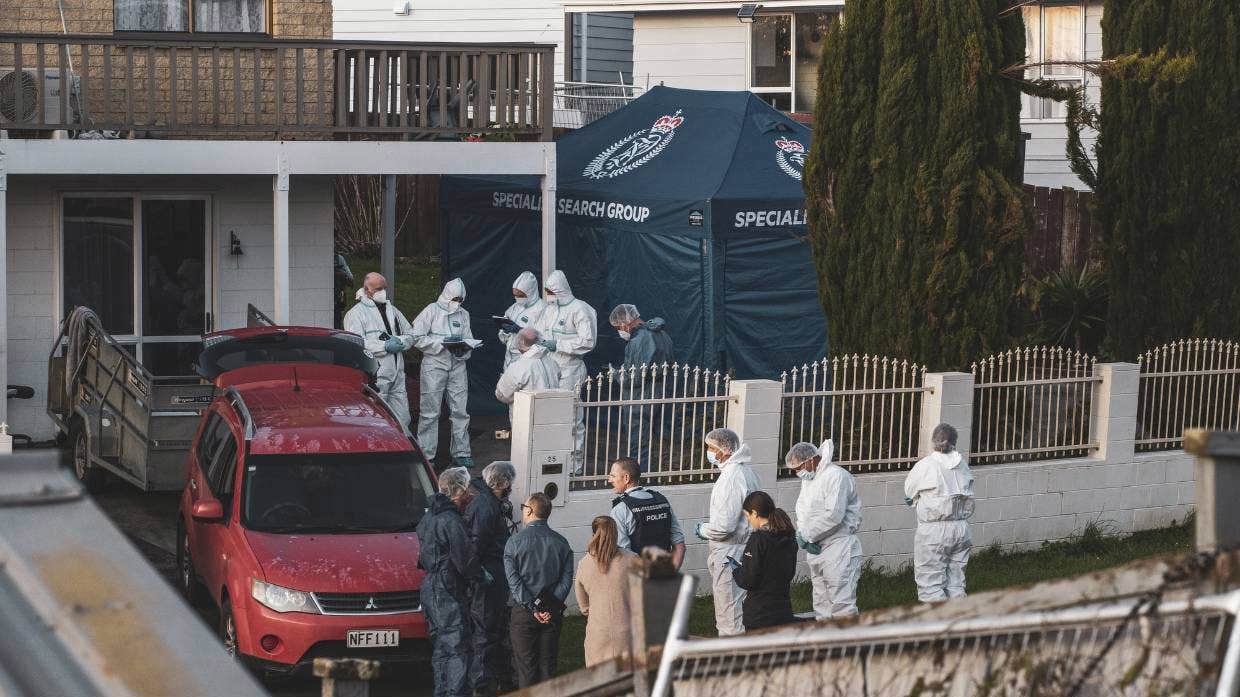
A 42-year-old woman was subsequently arrested in South Korea on two counts of murder in September. The woman denied responsibility for their deaths, shouting "I didn't do it", to waiting Korean media.
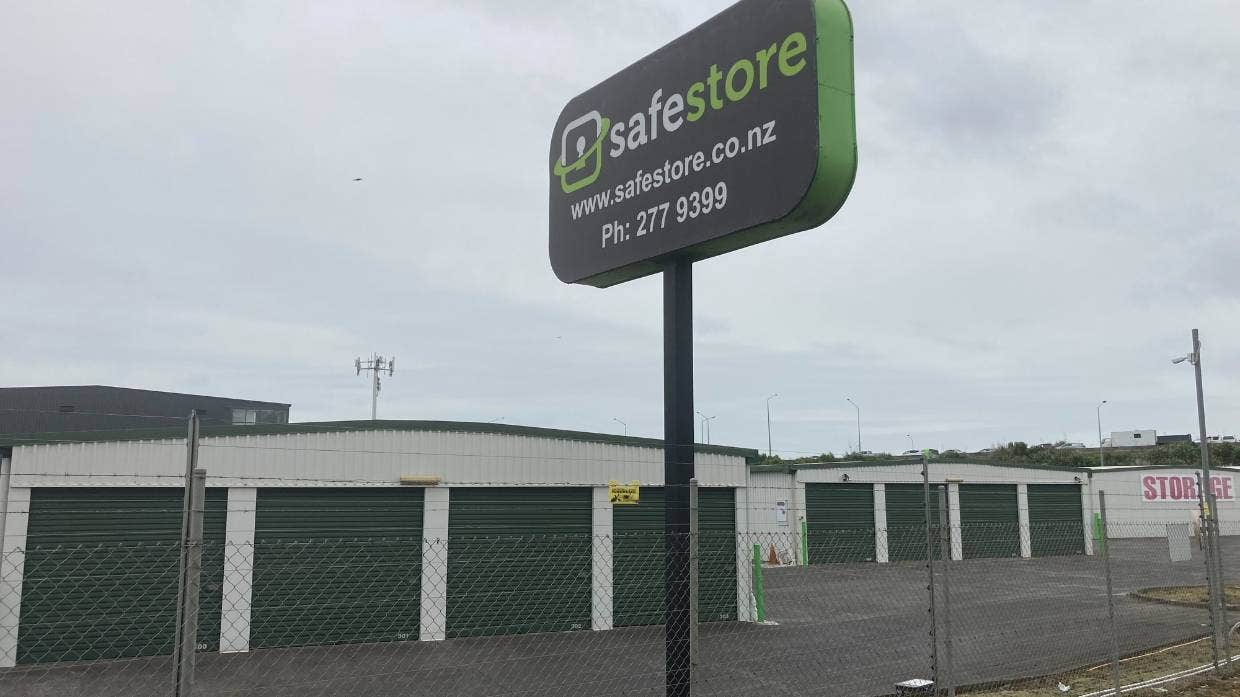
Stuff understands the suitcases were moved in the second half of 2021 between different storage units at the same SafeStore Papatoetoe facility.
A spokesman from SafeStore said the company did not want to comment "as the police have asked so as not to compromise any investigation in progress".
After being moved at the site, the suitcases holding the children's remains were then sold in a storage unit auction with other items, including toys and furniture, and moved to a Clendon Park home in August 2022 before being discovered by the unwitting family who won the auction.
A police spokesperson said they could not comment on questions put to them by Stuff.
Neighbours described seeing members of the family opening a suitcase, then standing back as if in shock.
READ MORE: Auckland woman missing for second time in a week
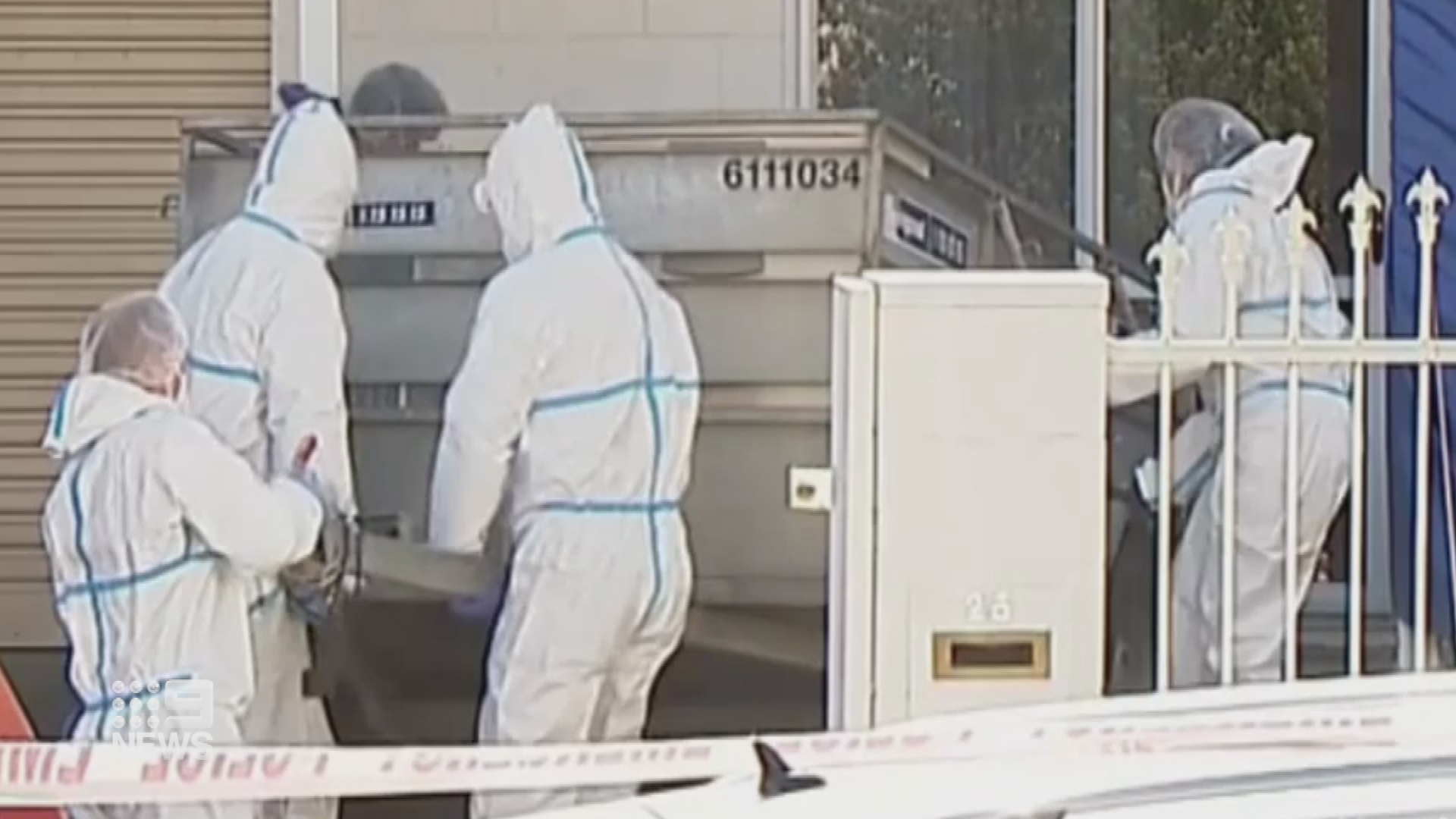
Police and forensics descended on the home shortly afterward.
A neighbour said the remains were brought back to the property on the trailer before whatever was containing them was opened, releasing what they described as a "wicked smell" which could be detected from next door.
As a former worker at Manukau crematorium, the neighbour recognised the nature of the smell instantly.
"I knew straight away, and I thought, 'Where is that coming from?'" he said.
Police are yet to make a formal application for the woman's extradition, which has to be done before October 30 as per the New Zealand-South Korea extradition treaty.
After that, an extradition review would be conducted at the Seoul High Court, which would decide whether to extradite the woman to New Zealand.
Stuff reported in August that the father of the children had died in 2017, a year before the mother is thought to have arrived in South Korea.
The children were aged 5 and 8 at the time of his death.
This article has been reproduced with permission from Stuff.co.nz.
Hospital breached duty of care resulting in death of father-of-six
A Perth mother was forced to watch on helplessly as her son waited for medical treatment which arrived too late, resulting in his tragic death.
Michelle Nelson-Cox lost her 35-year-old son Barry Nelson to a heart attack in 2018 and claims hospital staff ignored her calls for help.
The father-of-six was rushed to Joondalup Health Campus with chest and arm pain.
READ MORE: Optus confirms more than 2 million customers had data exposed
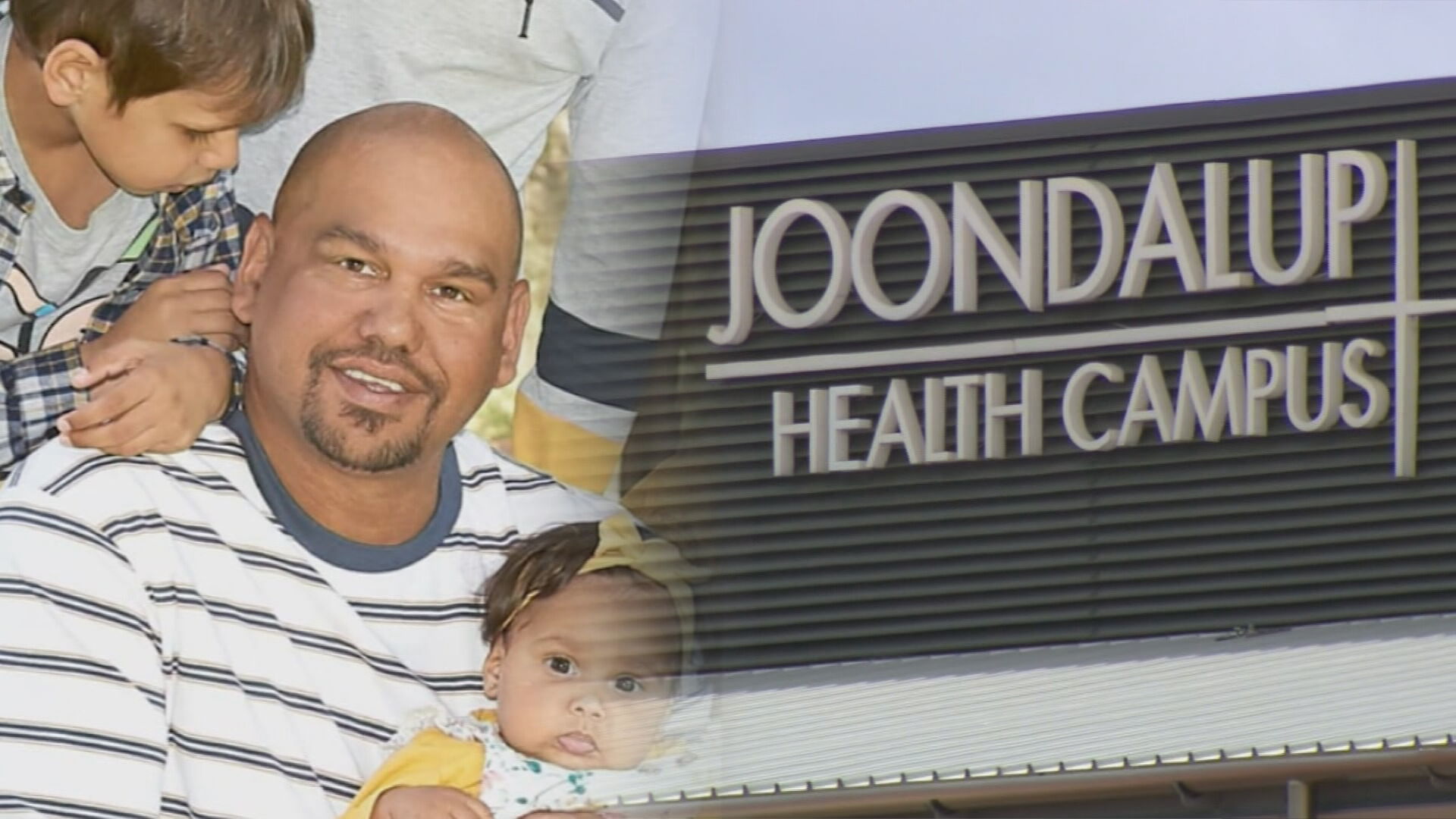
His mother repeatedly told staff about the family's history of heart attacks, including his younger brother who had survived two.
She asked the staff to test his heart but instead, Barry was given painkillers.
Nelson-Cox said they waited at the hospital for 4.5 hours until Barry was given an ECG.
"I just wanted to get the machines and do the procedure myself," she told 9News.
Staff believed he was having an allergic reaction to a recent cortisone injection in his shoulder but hours later he went into shock.
Barry was rushed to another hospital but couldn't be saved.
"He said, 'we're very sorry we couldn't save him', and I just broke, I just collapsed," Nelson-Cox said.
READ MORE: Ukraine claws back more territory from Russia
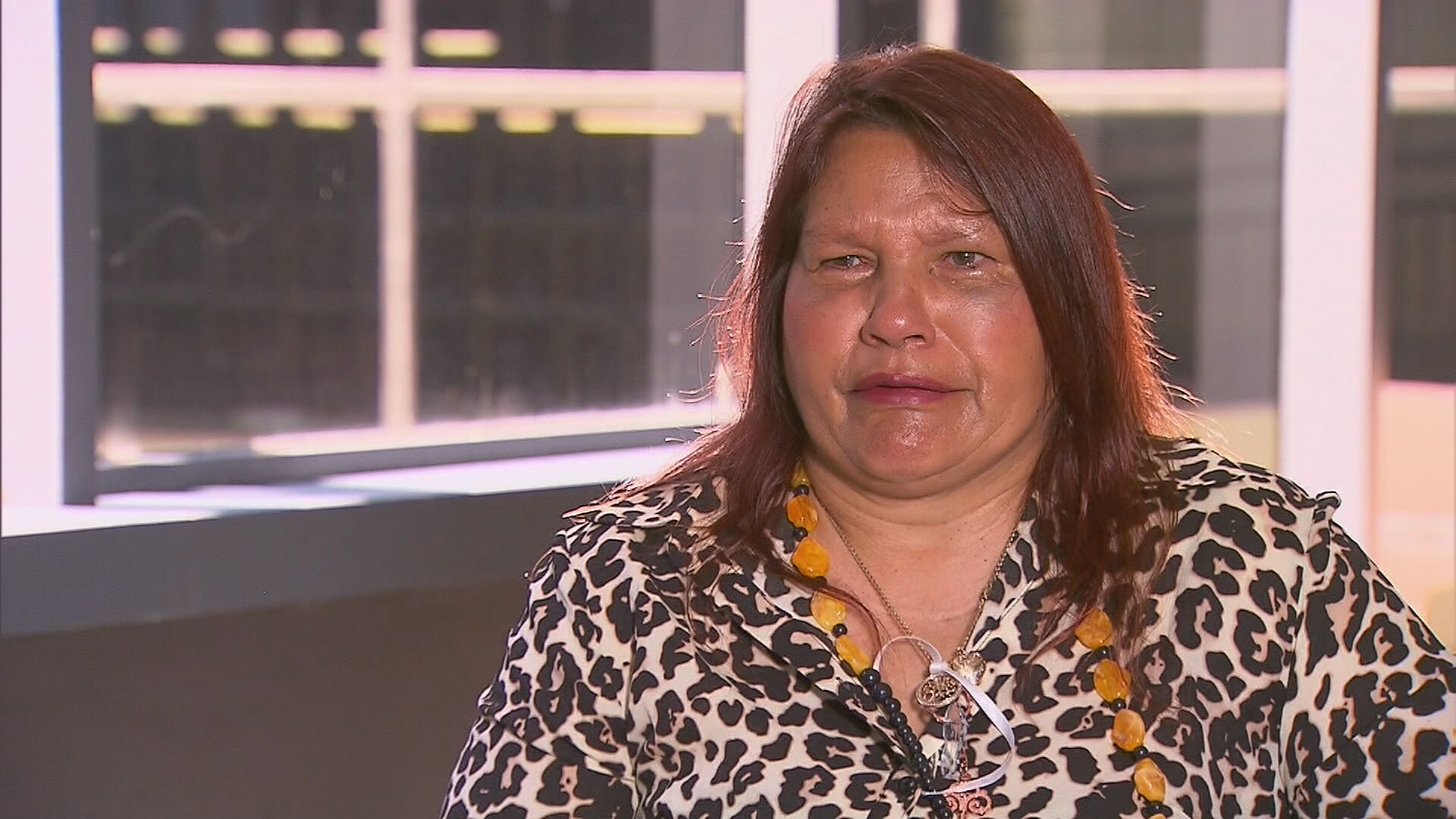
"I think its important to talk about Barry and what happened to him and as Michelle pointed out, that her message is that it hasn't happened to anyone else, and to know people can speak up and try and make a change," Briee Rogers from Slater and Gordon said.
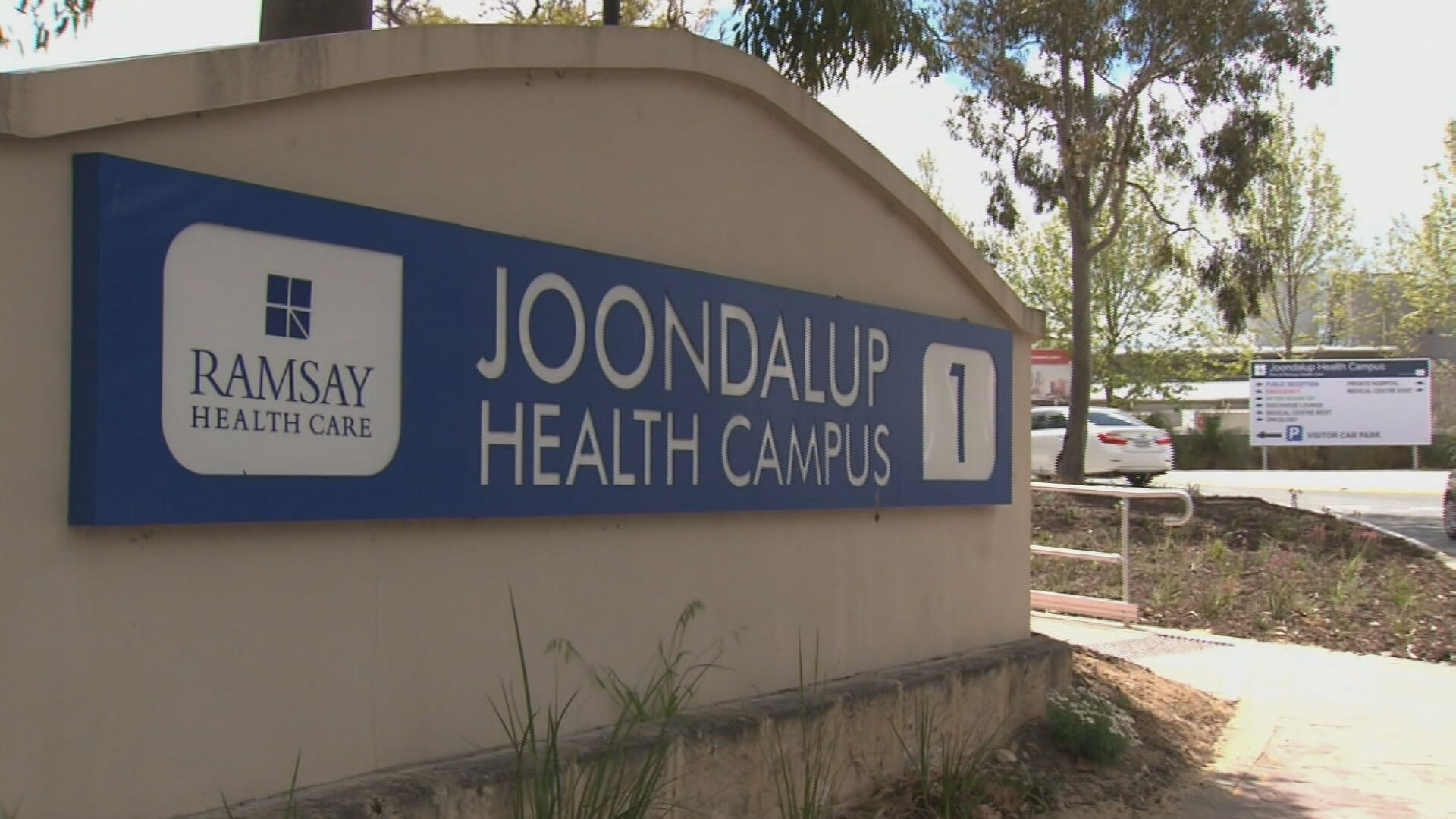
Joondalup Health Campus is run by Ramsay Health under a public-private partnership.
Ramsay Health admitted it breached its duty of care and will eventually pay compensation to Nelson-Cox and her family.
"(Joondalup Health Campus) reiterates its apology to Nelson's family and acknowledges the grief and anguish caused by his loss," Joondalup Health Campus said in a statement to 9News.
WA Health has apologised to the family, calling the outcome catastrophic.
READ MORE: More floods possible as Australia set for week of heavy rain
The department found one of the reasons for the delayed diagnosis was that Barry was Aboriginal.
WA Health has recommended the hospital increase staff awareness of Indigenous risk factors.
Nelson-Cox claimed her son was discriminated against during his treatment, saying "I witnessed systemic racism at its rawest".
9News put the claims of racism to Ramsay Health and asked what changes had been made but no comment was provided while legal discussions are underway.
King Charles III in first engagement since Queen's death
King Charles III and his wife Camilla, the Queen Consort, visited Scotland on Monday in their first joint public engagement since the royal mourning period to remember Queen Elizabeth II ended.
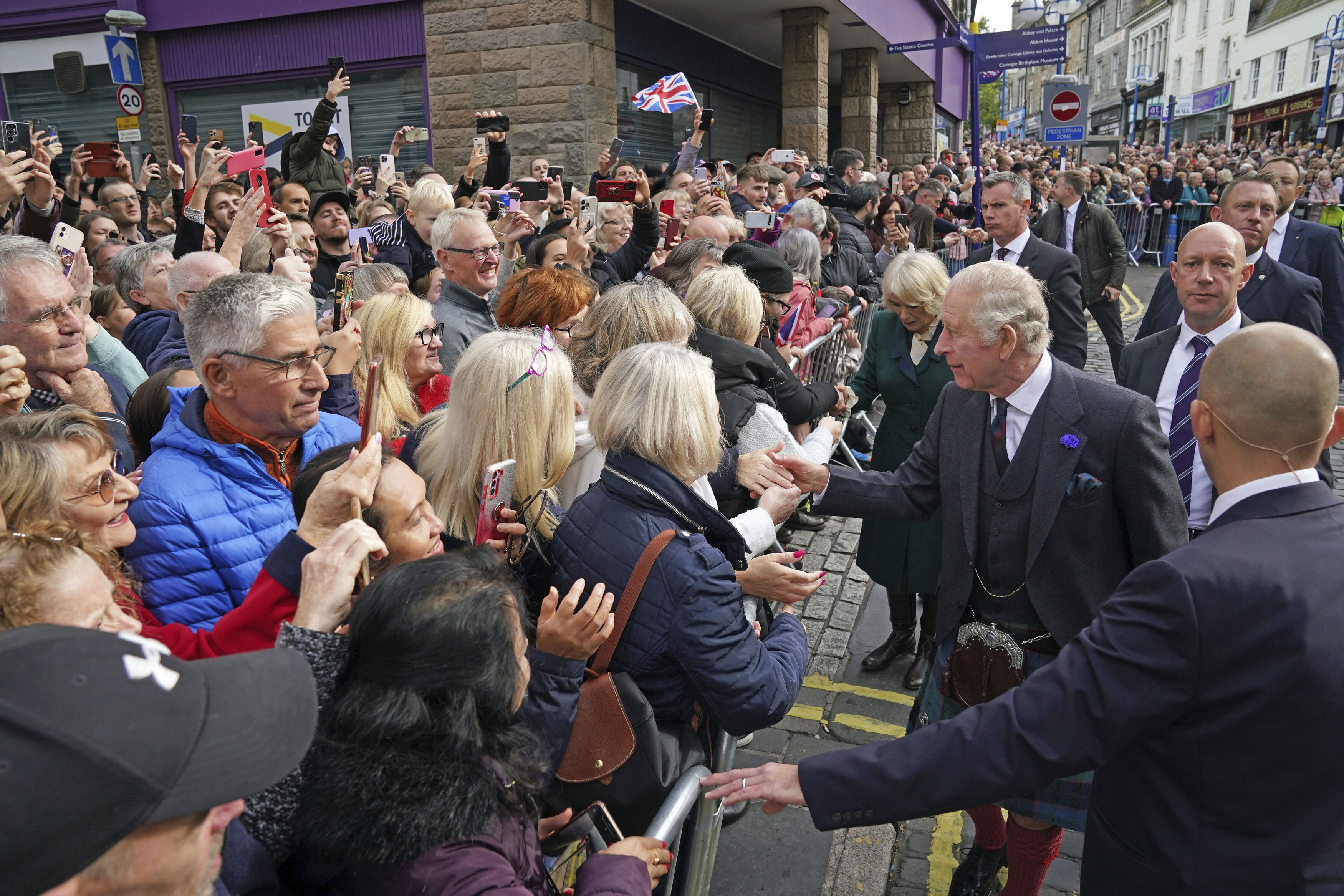
Hundreds turned out on the streets of Dunfermline in Fife, north of Edinburgh, hoping to get a glimpse of the new monarch. Charles, who wore a kilt for the visit and spent time shaking hands with well-wishers after he greeted Scottish First Minister Nicola Sturgeon and other leaders.
The royal couple were visiting to formally give city status to Dunfermline, the birthplace of another King Charles: Charles I, who reigned in the 17th century before his execution, was the last British monarch born in Scotland.
READ MORE: King Charles III decides not to attend climate summit
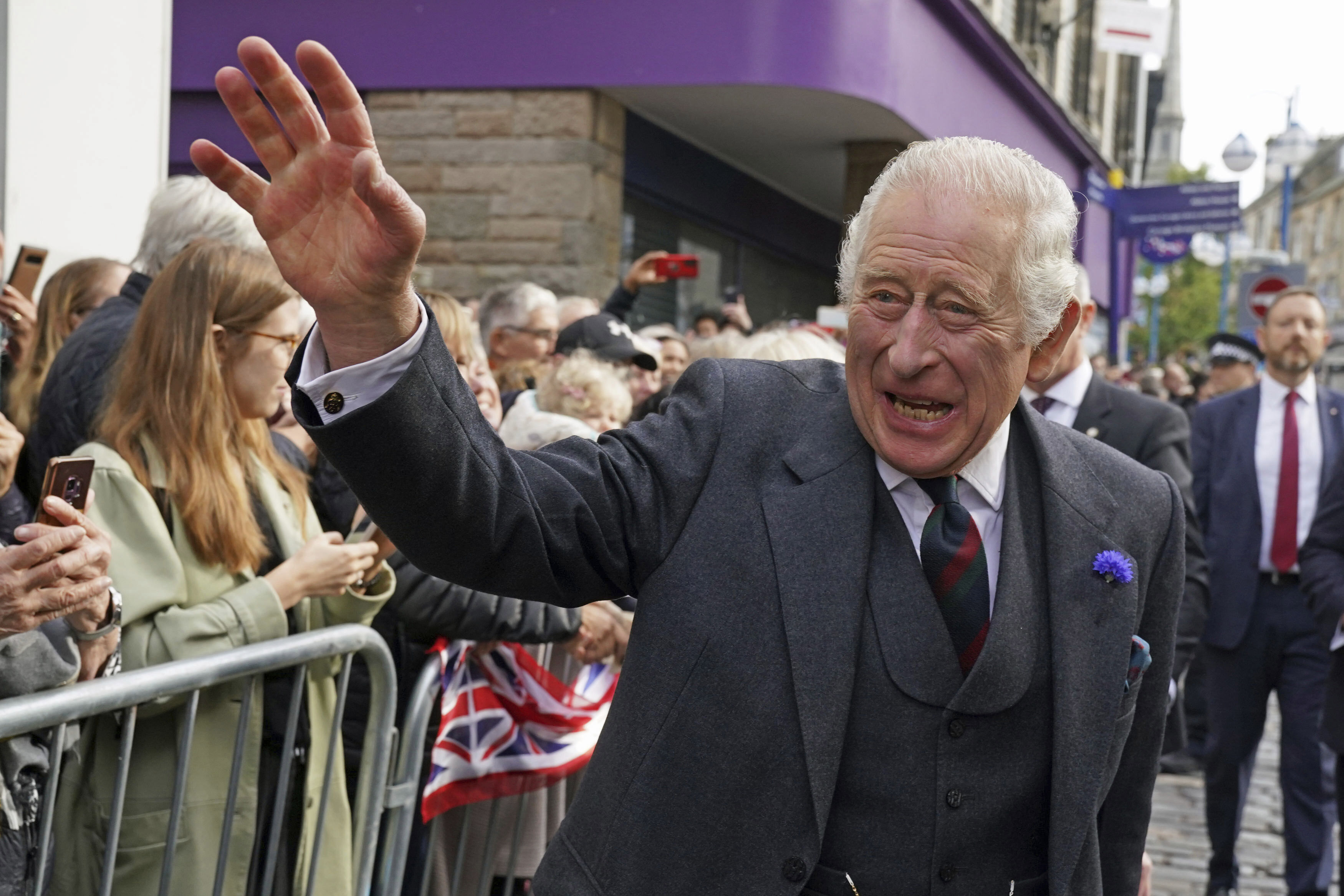
Dunfermline was among eight towns that won city status as part of Platinum Jubilee celebrations earlier this year to mark Elizabeth's 70 years on the throne.
"There could be no more fitting way to mark my beloved mother's extraordinary life of service than by granting this honour to a place made famous by its own long and distinguished history, and by the indispensable role it has played in the life of our country," Charles said in a speech.
"We gather to celebrate this great occasion but also to commemorate the life of Her late Majesty, whose deep love for Scotland was one of the foundations of her life," he added.
Later on Monday (Tuesday morning AEST), Charles and Camilla will host a reception for around 300 guests at Edinburgh to celebrate the British South Asian community.
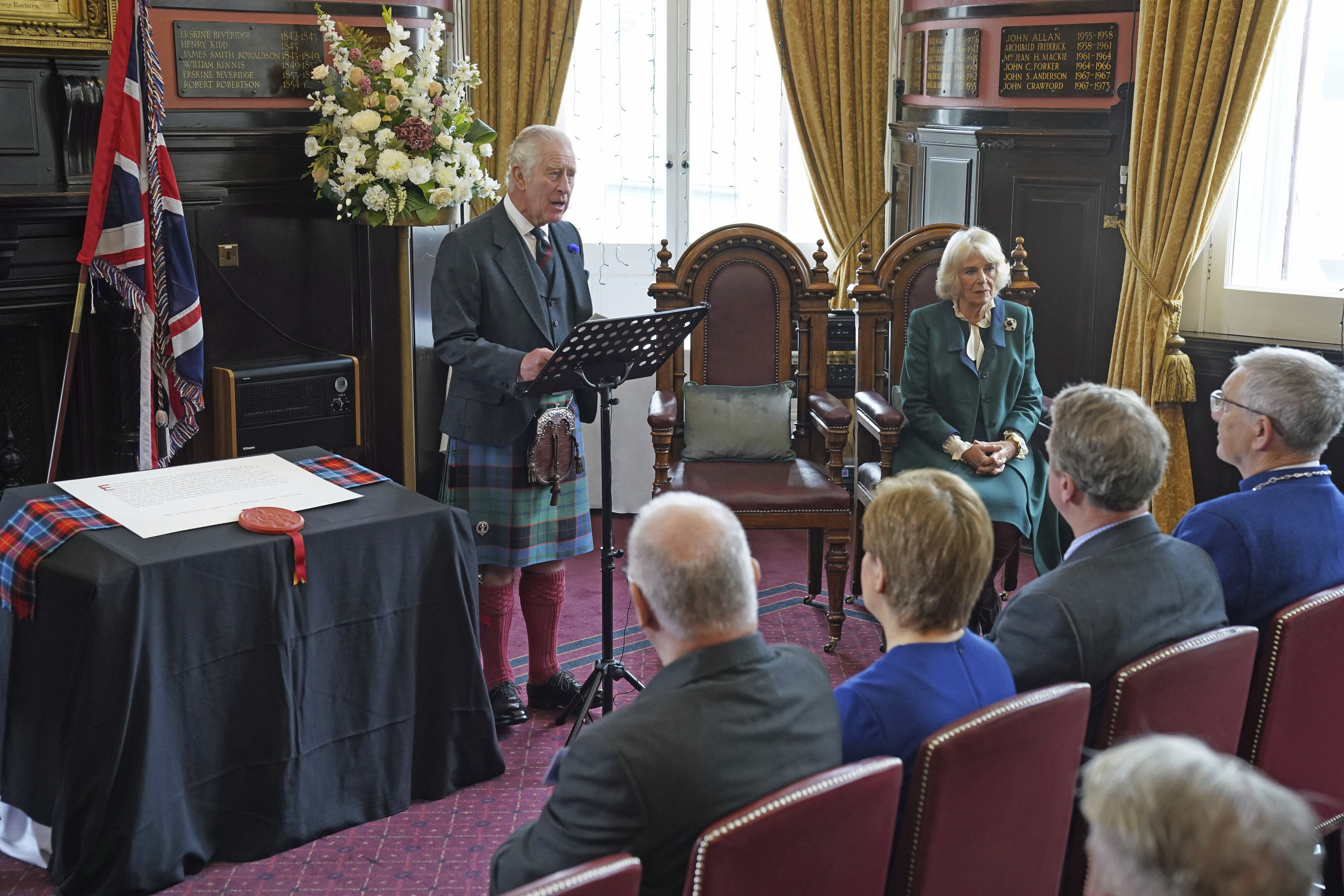
The royals will meet British Indians, Pakistanis, and many others and pay tribute to the contributions they made to the UK.
Charles, 73, became sovereign immediately upon the death of his mother Elizabeth in Balmoral Castle, Scotland, on September 8. Britain held 10 days of national mourning, while the royal family extended the mourning period for a week after the Queen's funeral on September 19.