Health officials are today reporting 1941 new cases of Covid-19 and 46 virus-related deaths – however only 12 of these occurred in the past week.Three of the people whose deaths reported today were in their 20s and two were in their…
Tag Archives: oceania
Stars hit red carpet for Emmys
Celebrities have hit the red carpet for television's biggest awards night, The Emmy Awards, at Microsoft Theater in Los Angeles.
'Public backlash' over Prince Harry, Andrew uniform ban
A British Royal commentator has said "inconsistencies" around controversial royals being allowed to wear their military uniforms has caused controversy among those mourning Queen Elizabeth II's death.
Buckingham Palace confirmed today only "working" royals would be permitted to wear their military uniforms for the funeral service, so that excludes Prince Andrew and his nephew Prince Harry.
But commentator, Victoria Murphy said the senior royal would be exempt from the ruling for certain events.
LIVE UPDATES: Majority want to stick with monarchy: poll
READ MORE: Day-by-day guide from now until the Queen's funeral
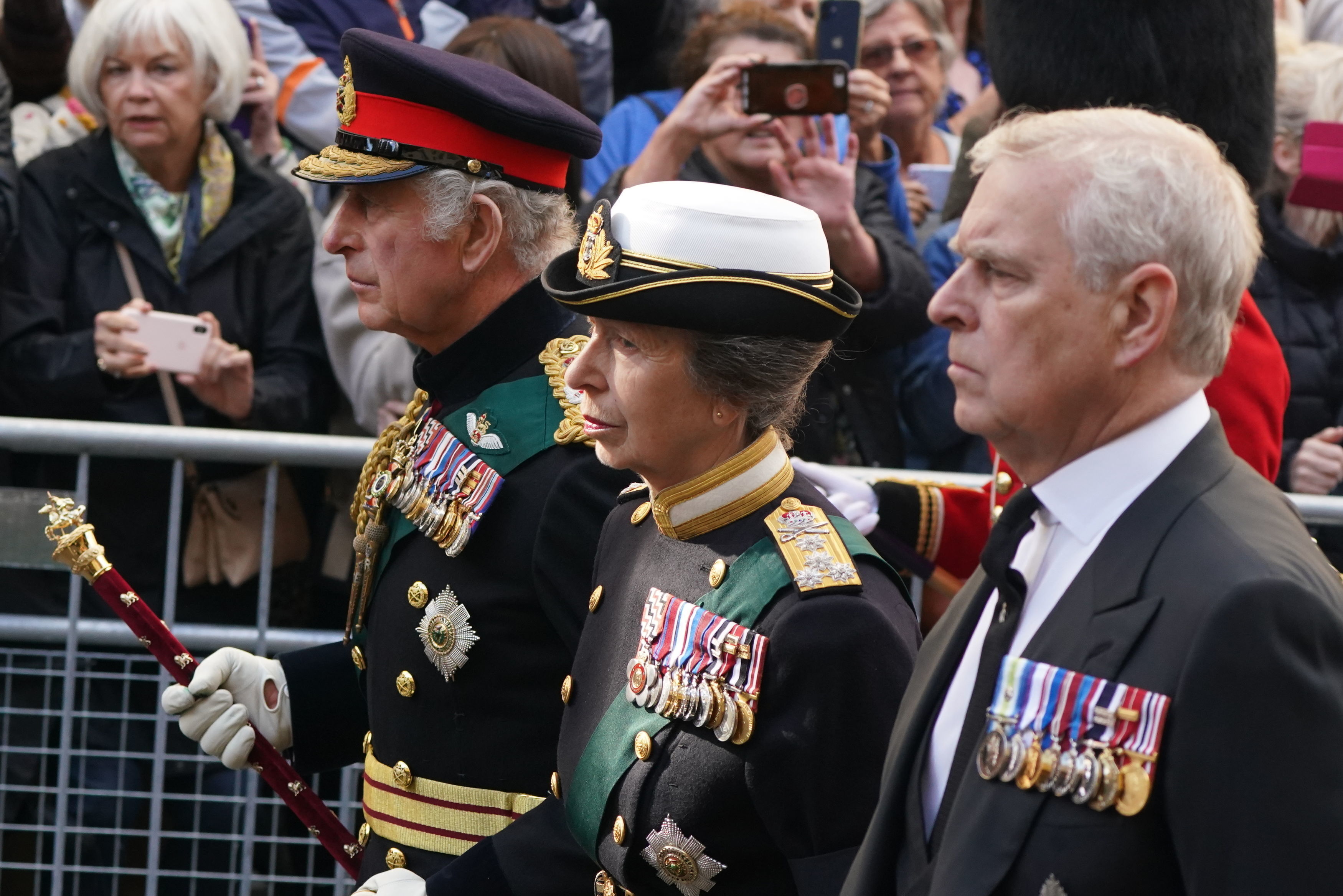
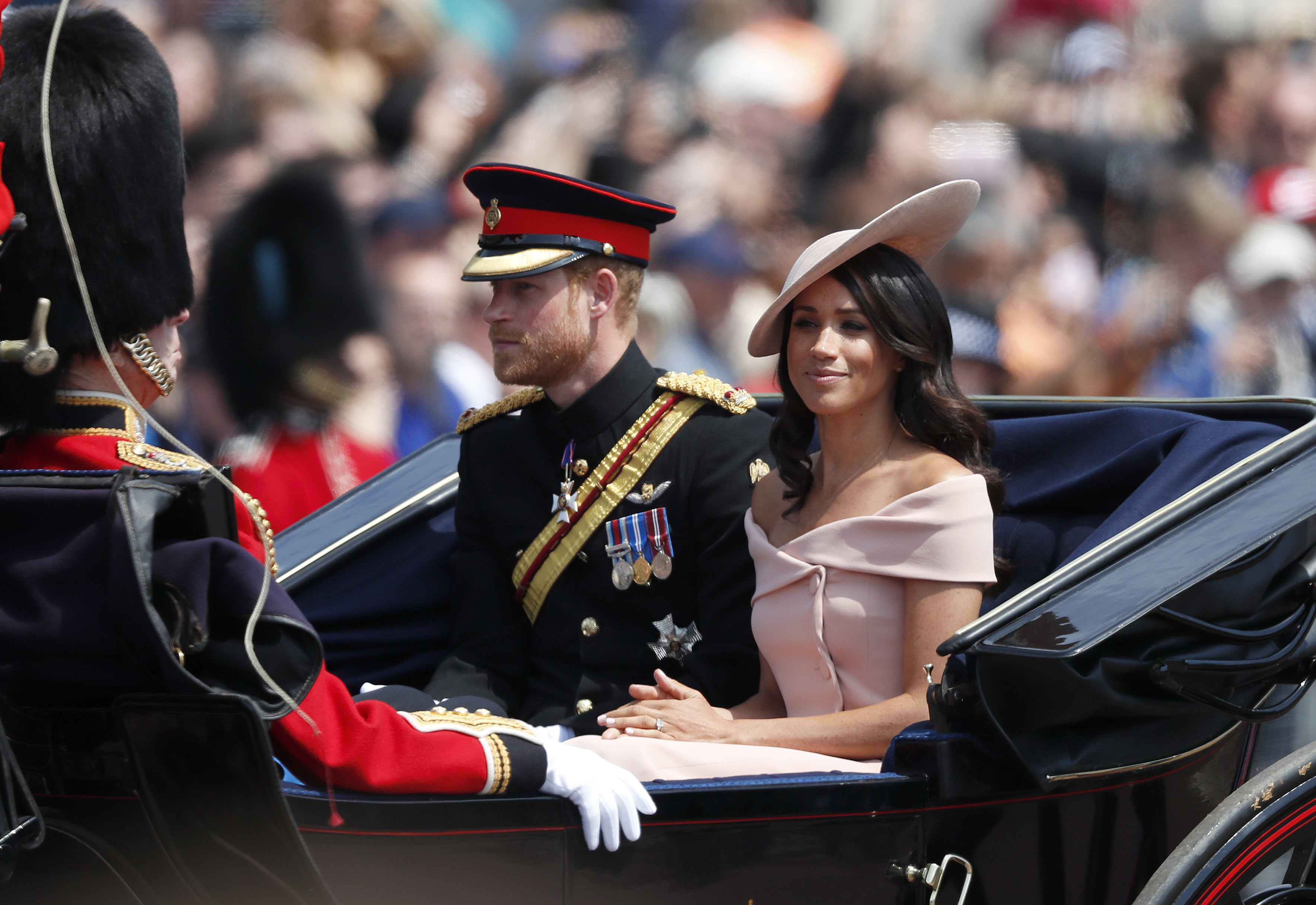
At this stage the Duke of York will wear his military uniform at a vigil in London prior to the Queen's funeral.
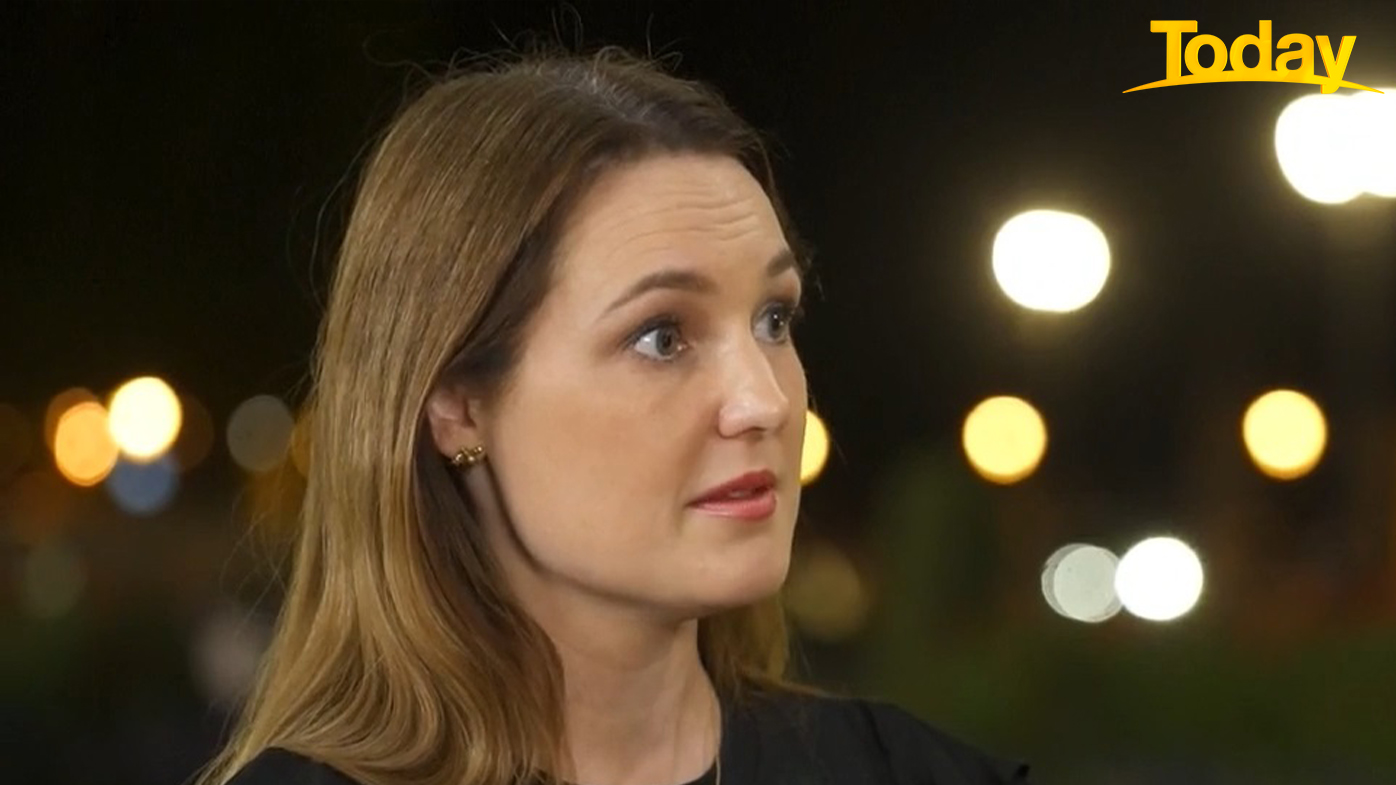
"The palace said that for certain events moving forward, working royals are going to wear military uniform so that obviously excludes Prince Andrew and it excludes Prince Harry," Murphy told Today.
"But what they also said was that there's going to be an exemption for Prince Andrew when there's the vigil at Westminster Hall.
Murphy said the decision had caused controversy and there had already been debate around its fairness.
READ MORE: Strict rules in place for saying farewell to the Queen
READ MORE: Everything you need to know about Australia's National Day of Mourning
"It's caused backlash. I'm not surprised because there is an inconsistency there with the exemption for Andrew and not for Harry," she said.
Prince Harry and his wife Meghan Markle parted ways with the British Royals shortly after their marriage, citing concerns for their safety and the traditions upheld by the family.
Prince Andrew was forced to step down from his duties following an investigation into his dealings with convicted sex trafficker Jeffrey Epstein.
Russia struggles for response to Ukrainian blitz
As Russian troops were retreating in north-eastern Ukraine amid a fierce counteroffensive by Kyiv, residents in Moscow were celebrating the 875th anniversary of the city's founding. Fireworks boomed and President Vladimir Putin inaugurated a huge Ferris wheel, a new transport link and sports arena.
The Russian capital's festive holiday weekend stood in stark contrast to the military debacle unfolding in Ukraine that seemed to catch the Kremlin by surprise in the nearly seven-month-old war.
The rapid and reportedly chaotic troop withdrawal in the Kharkiv region, in which some weapons and ammunition were left behind, was a huge blow to Russian prestige.
LIVE UPDATES: Queen lays in rest in Scotland for 24 hours
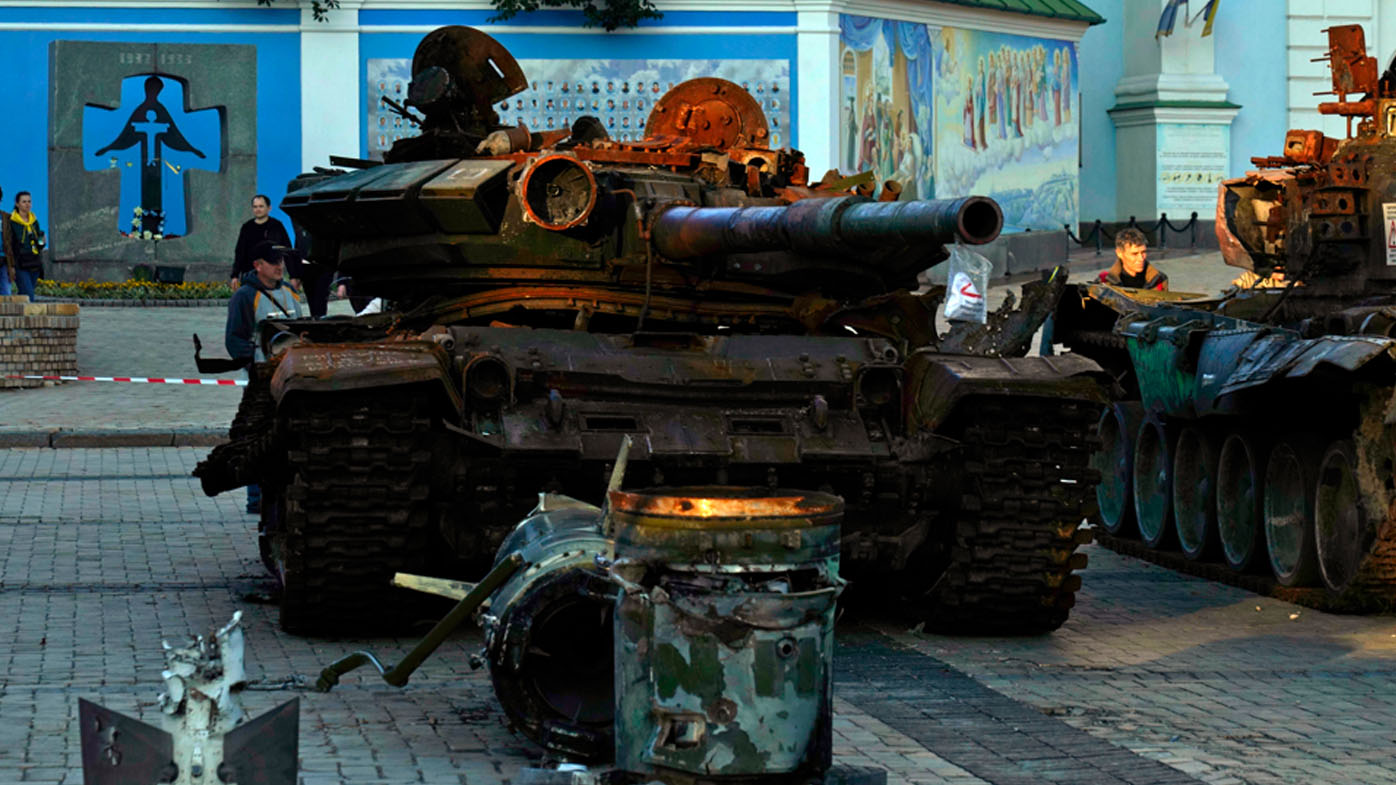
It was its largest military defeat in Ukraine since Moscow pulled back its forces from areas near Kyiv after a botched attempt to capture the capital early in the invasion.
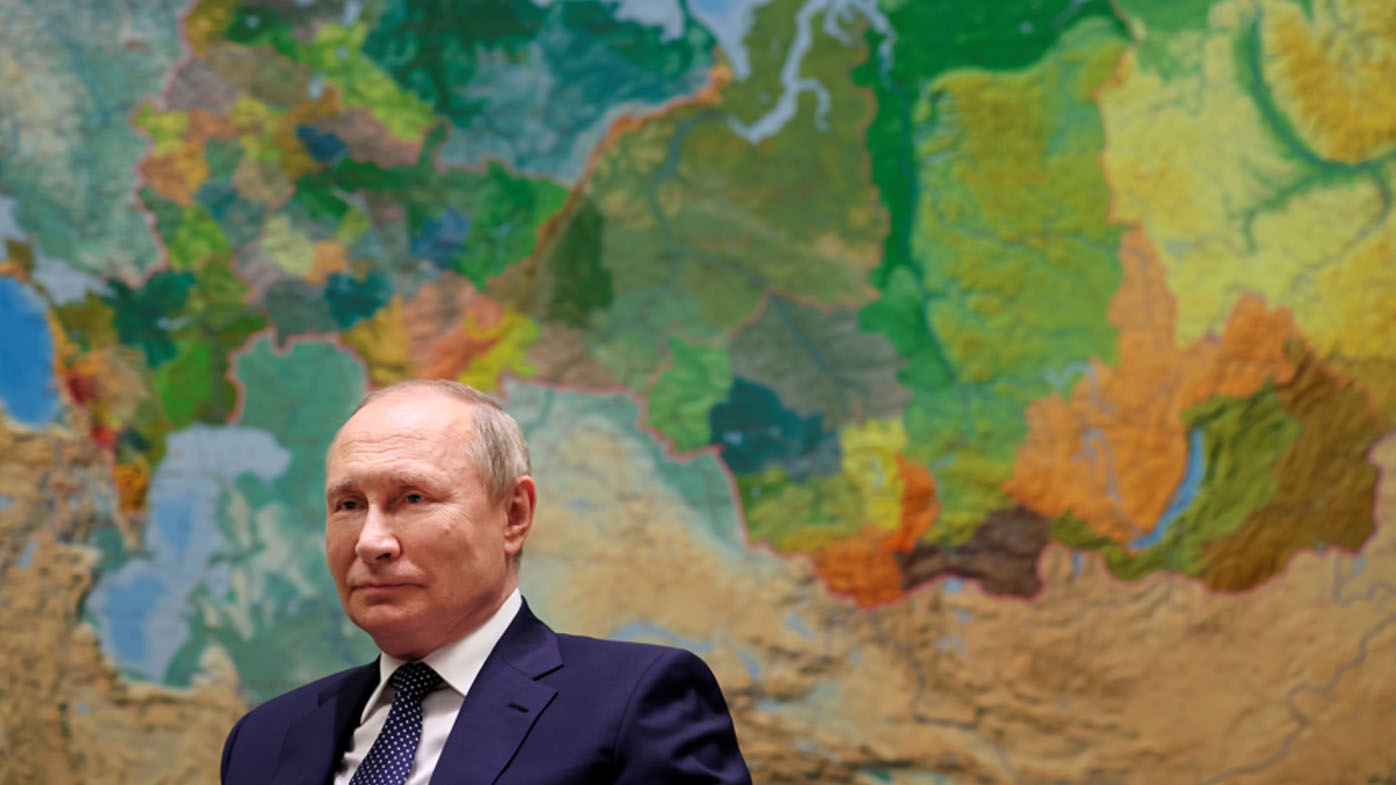
As he attended the holiday celebrations that included the inauguration of the Ferris wheel – bigger than the iconic London Eye and now Europe's largest such amusement ride – Putin said nothing about the key moment in Ukraine.
Indeed, the Ukrainian counter offensive appears to have left the Kremlin struggling for a response.
The Defence Ministry declared the troop pullback was intended to strengthen Russia's forces in the Donbas, a somewhat weak excuse, given that Russia-held areas in the Kharkiv region provided a key vantage point for Moscow's operations in the Donetsk region to the south.
The ministry hasn't offered any specifics about the pullback, but it released a map on Sunday showing the Russian troops that were pressed back along a narrow patch of land on the border with Russia – a tacit admission of big Ukrainian gains.
READ MORE: Russia announces troop pullback from Ukraine's Kharkiv area
Russian state television and other government-controlled media followed suit, avoiding a direct mention of the retreat while extolling the performance by Russian forces in individual combat episodes.
A Defence Ministry video showed a Russian helicopter gunship attacking Ukrainian troops trying to cross the Oskil River in a previously quiet part the Kharkiv region, an acknowledgement of the broad scale of the ongoing Ukrainian attack.
Many in Russia blamed Western weapons and fighters for the setbacks. "It's not Ukraine but all of NATO who is fighting us," wrote Alexander Kots, a war correspondent for the pro-Kremlin newspaper Komsomolskaya Pravda.
The new Ukrainian blitz, which has boosted the country's morale as the war passed 200 days on Sunday, could set the stage for further gains in the east and elsewhere.
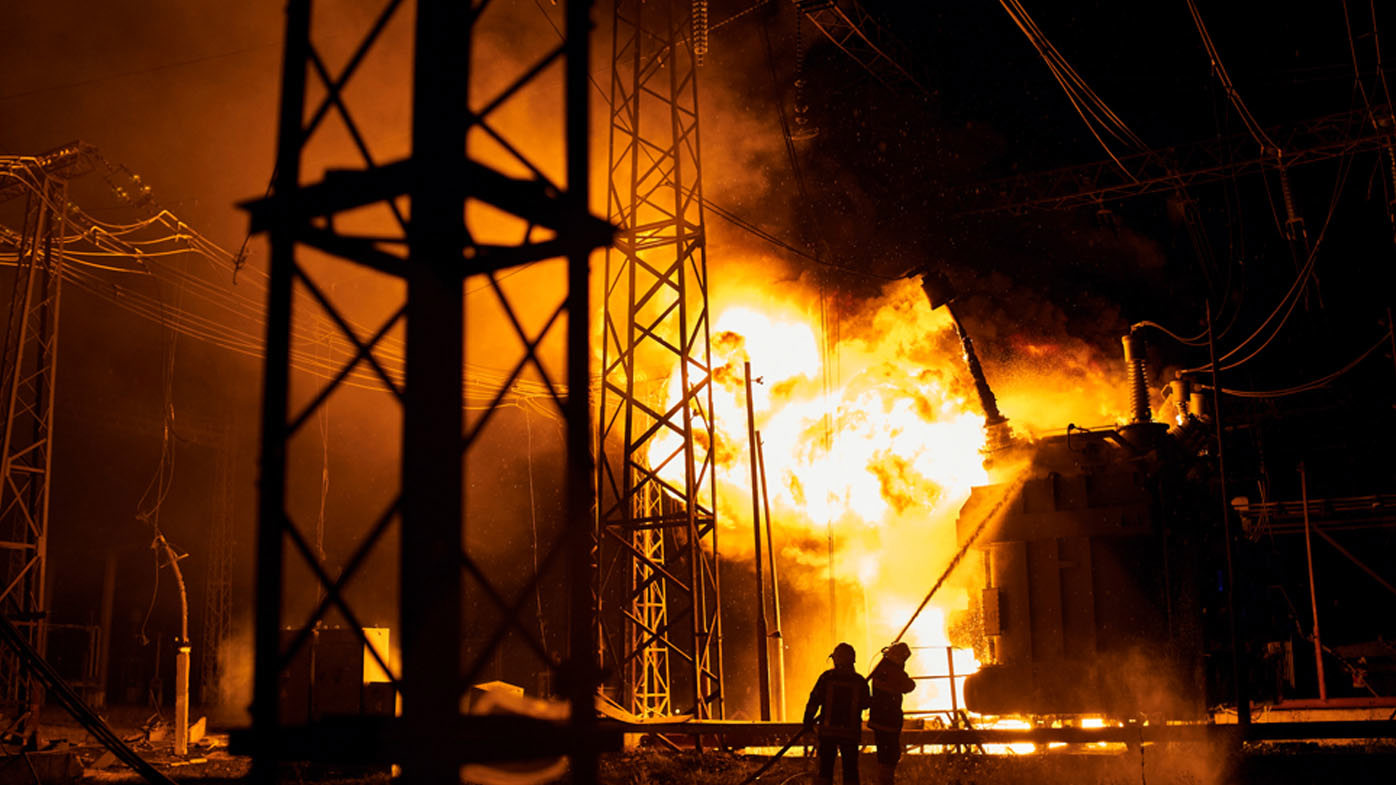
But it also could potentially trigger an even more violent Moscow response, leading to a new and dangerous escalation of hostilities. On Sunday night, Russian missiles struck key Ukrainian infrastructure targets, knocking out power in several regions.
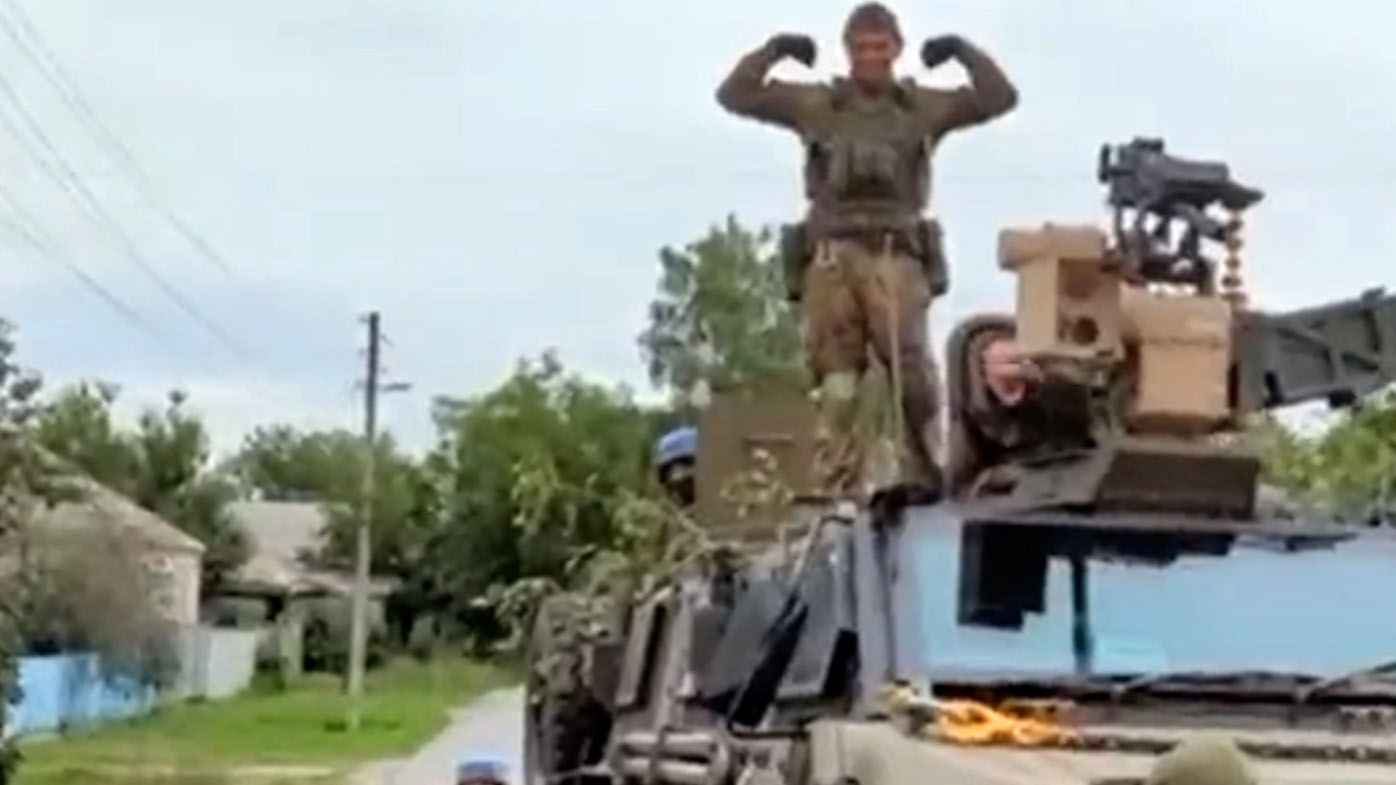
READ MORE: Australian-supplied military vehicles help Ukrainian offensive
"The Kremlin seems stunned, and has not yet come up with a plan as to how to try and spin this, so to a large extent the media are ignoring the bad news until they get a directive," said Mark Galeotti, a professor at University College, London, who specialises in Russian security affairs.
He described the situation a "sign that the state's control over the narrative is cracking."
In a stark reflection of internal tensions provoked by Kyiv's successes, the Kremlin-backed regional leader of Chechnya, Ramzan Kadyrov, openly criticised the Russian Defence Ministry for "mistakes" that made Ukrainian gains possible.
The criticism from Kadyrov, who has sent Chechen units to fight in Ukraine and repeatedly pushed for tougher action in bellicose language, has revealed new rifts over the course of action in Ukraine.
On another flank, liberal politician Boris Nadezhdin warned on broadcaster NTV that Russia won't be able to defeat Ukraine, and he called for negotiations.
Nadezhdin's statement, made during a carefully orchestrated talk show, appeared to reflect widening doubts in some quarters of Russian officialdom about the future of the Ukraine operation and could be part of efforts to float possible policy shifts.
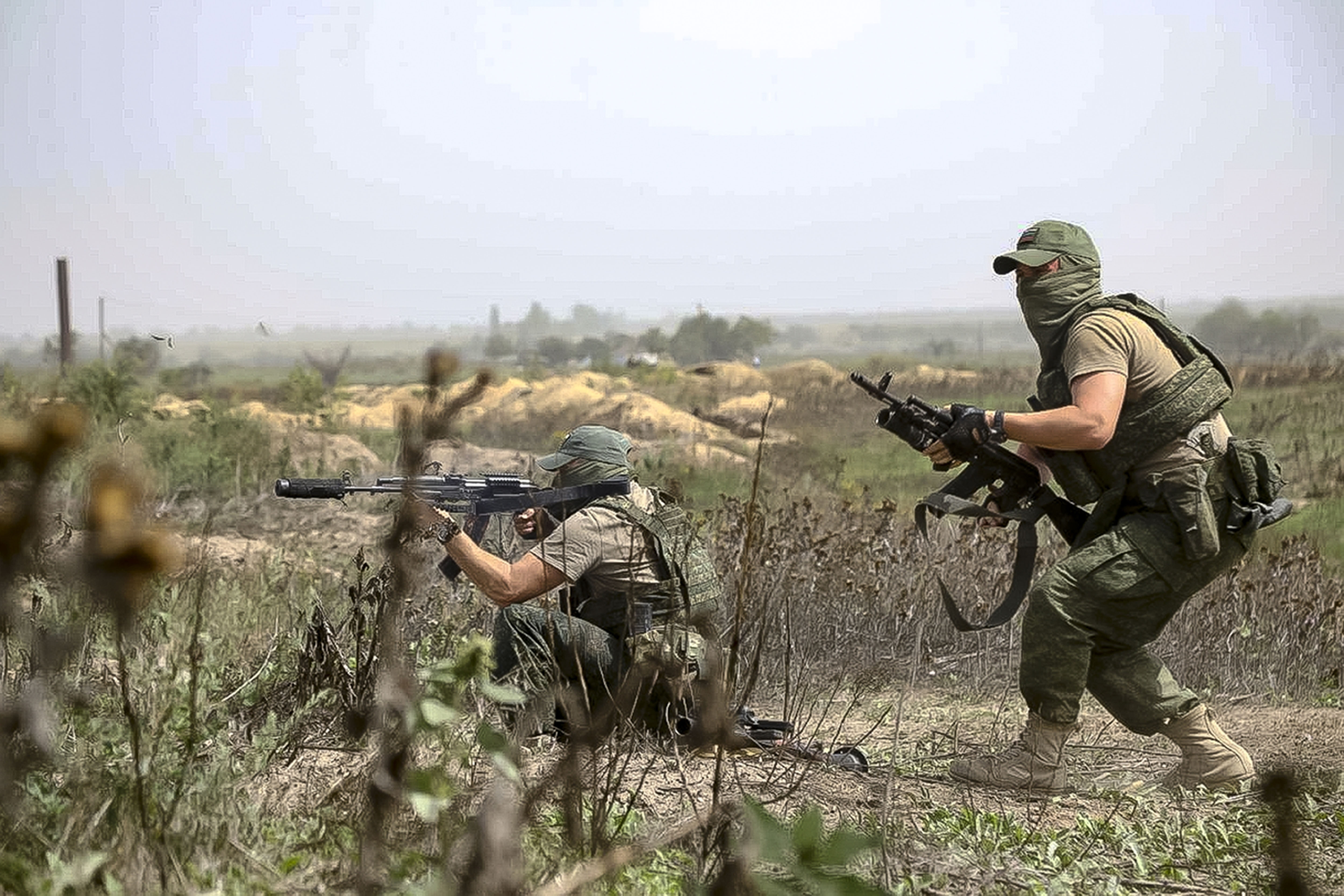
The Ukrainian blitz and the Kremlin's failure to mount a quick response has infuriated Russian nationalist commentators and military bloggers, who chastised Defence Ministry brass for failing to foresee and fend off the counteroffensive.
Igor Strelkov, a Russian officer who led Moscow-backed forces in the early months of the separatist conflict in eastern Ukraine after it erupted in 2014, denounced top Russian military officials as "morons" for underestimating Kyiv.
Strelkov pointed out that a sizable Russian force blunted Ukrainian attacks in late August and early September in the country's south. But he said the number of troops in the Kharkiv region was woefully insufficient to handle a counteroffensive.
Ukraine has conducted a broad mobilisation with a goal to reach an active military of 1 million fighters, but Russia has continued to rely on a limited contingent of volunteers, fearing that a mass mobilisation could fuel broad discontent and cause political instability.
Russia has not said how many of its troops are involved in the war, but Western estimates at its start put the invading force at up to 200,000. Western observers said the recruitment of new volunteers and the use of private military contractors failed to compensate for the heavy losses.
While Moscow hasn't reported its own losses since March when it said that 1351 soldiers had been killed in the war's first month, Western estimates put the toll as high as 25,000 dead, with the wounded, captured and deserters bringing overall Russian losses to more than 80,000.
Can King Charles keep fractious realm united?
Queen Elizabeth II has been likened to the invisible glue holding the United Kingdom together.
Some think the reign of King Charles III will see those bonds come unstuck, giving new momentum to Scotland's push for independence.
But the fact the queen died last week at her beloved Highland retreat, Balmoral Castle, has made Scotland the focus of commemorations watched around the globe in the first days after her death. That has served as a reminder of the monarchy's deep ties to Scotland — and could provide a boost for the union.
LIVE UPDATES: 'You could see the grief etched on the King's face'
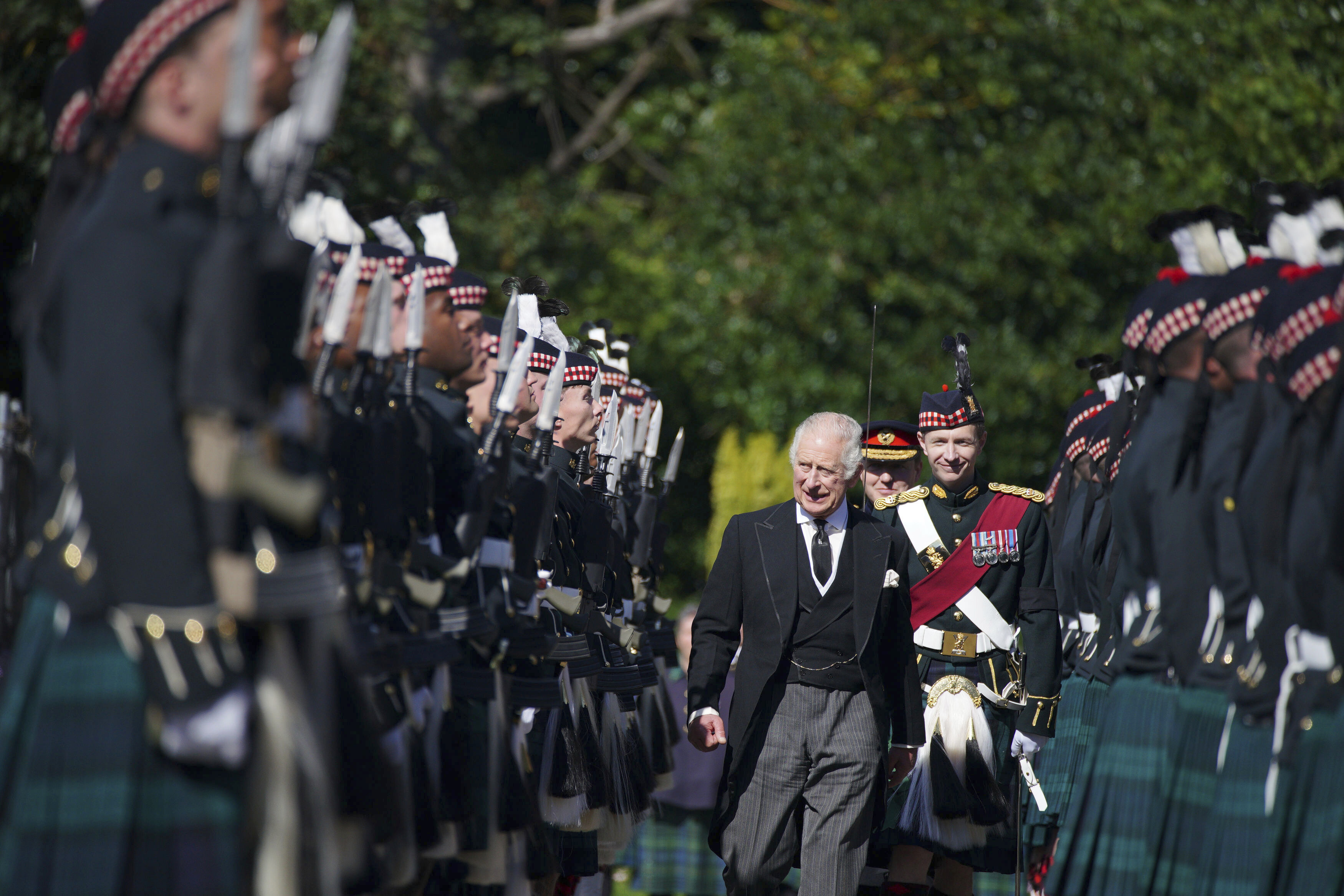
Scottish historian Tom Devine said because by "extraordinary serendipity" the queen died in Scotland, "it was possible for the world to see the relationship between the queen and this country."
"It was a fitting end to a life of service and a life of concern for the four nations — not simply one nation — of the UK," he said.
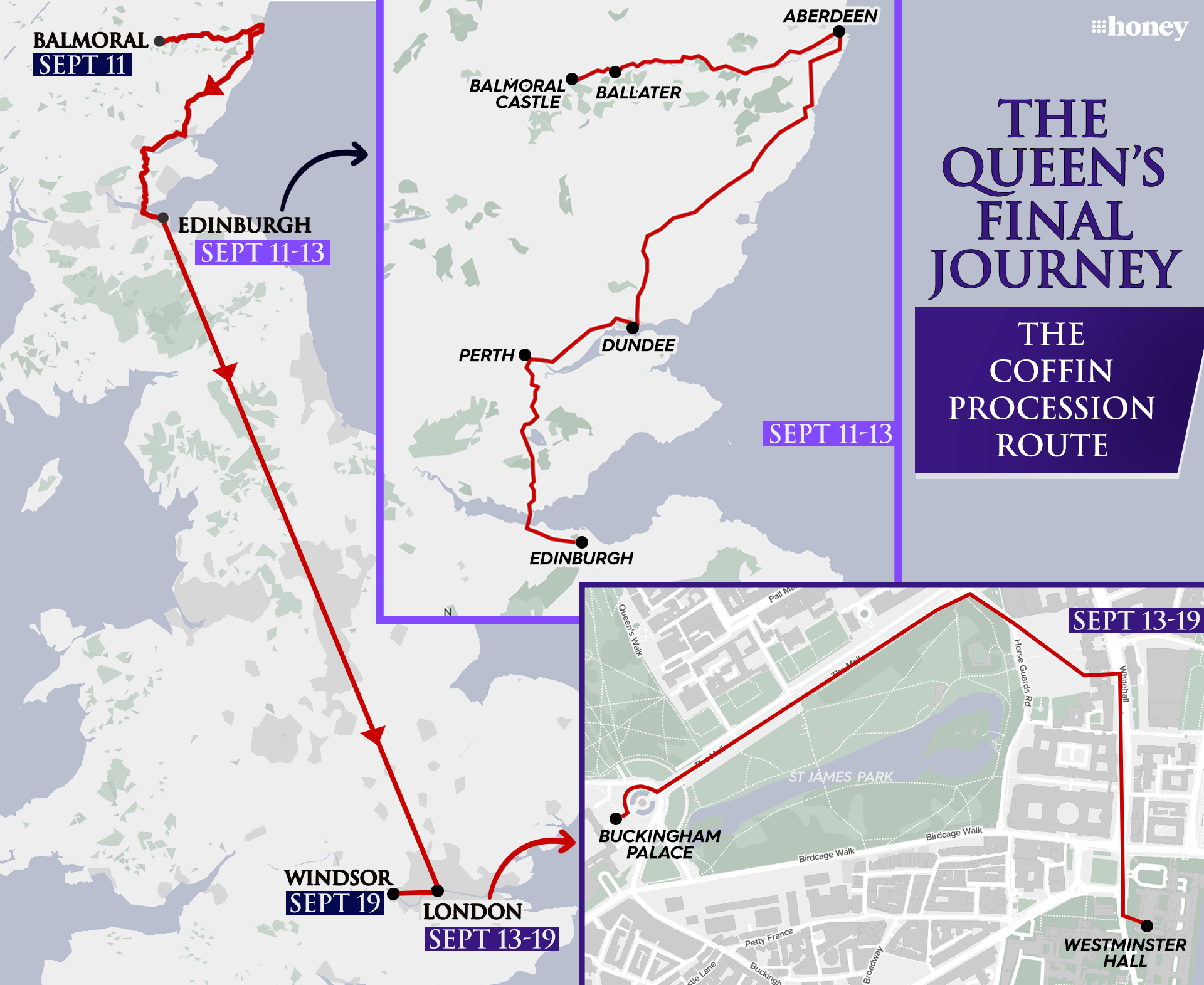
In a touching display of respect, thousands of people on Sunday lined the 280km route from Balmoral to Edinburgh as the queen's coffin was driven in a slow procession to the Scottish capital. Overnight, the coffin was carried along Edinburgh's medieval Royal Mile to St Giles' Cathedral, where thousands more are expected to pay their respects over the next day.
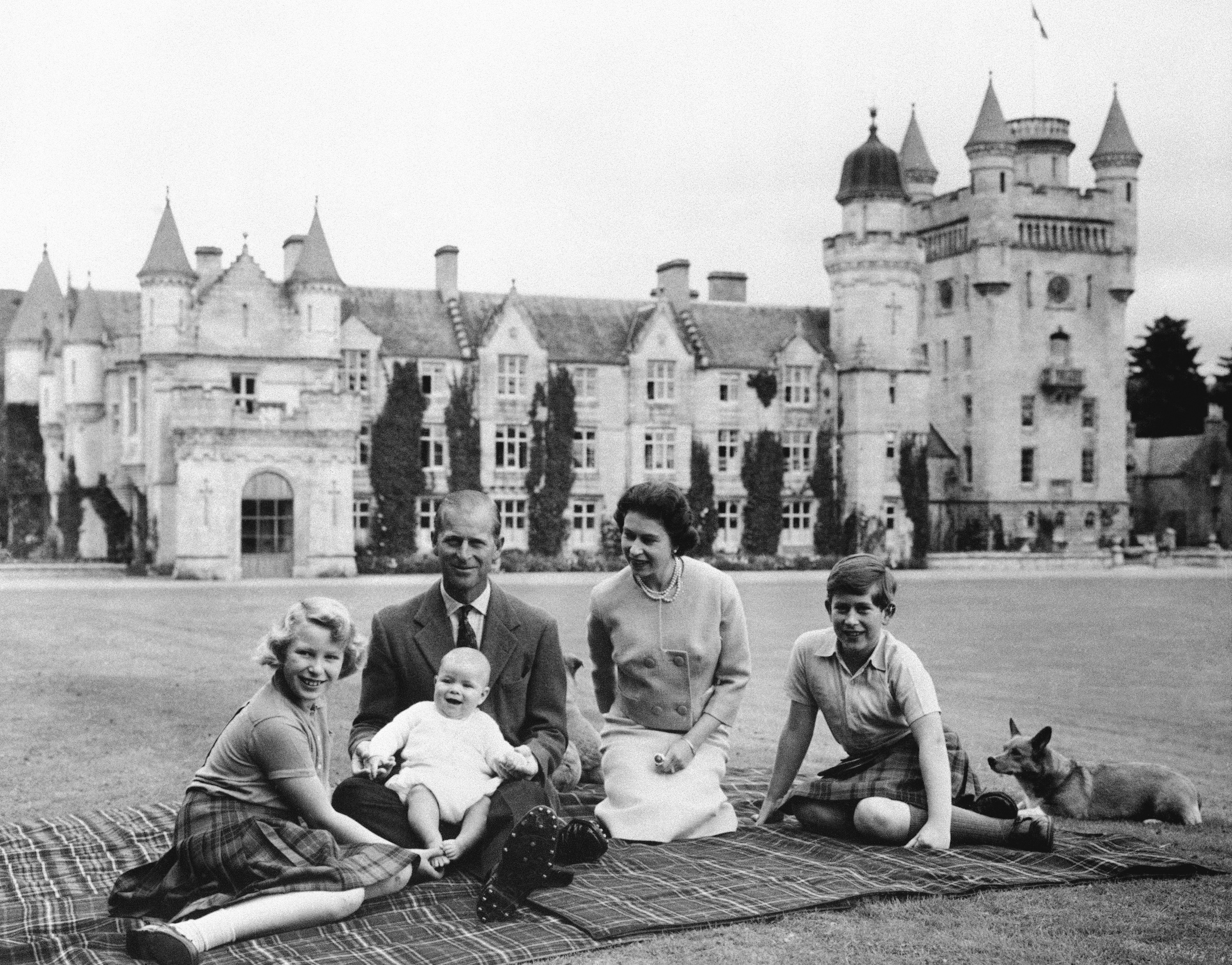
The queen had deep ties to Scotland. Besides spending her summer months at Balmoral, her mother, the late Queen Mother, was Scottish and as a child the queen grew up playing on her grandparents' estate of Glamis Castle in central Scotland.
READ MORE: Royal siblings hold historic vigil for Queen Elizabeth II
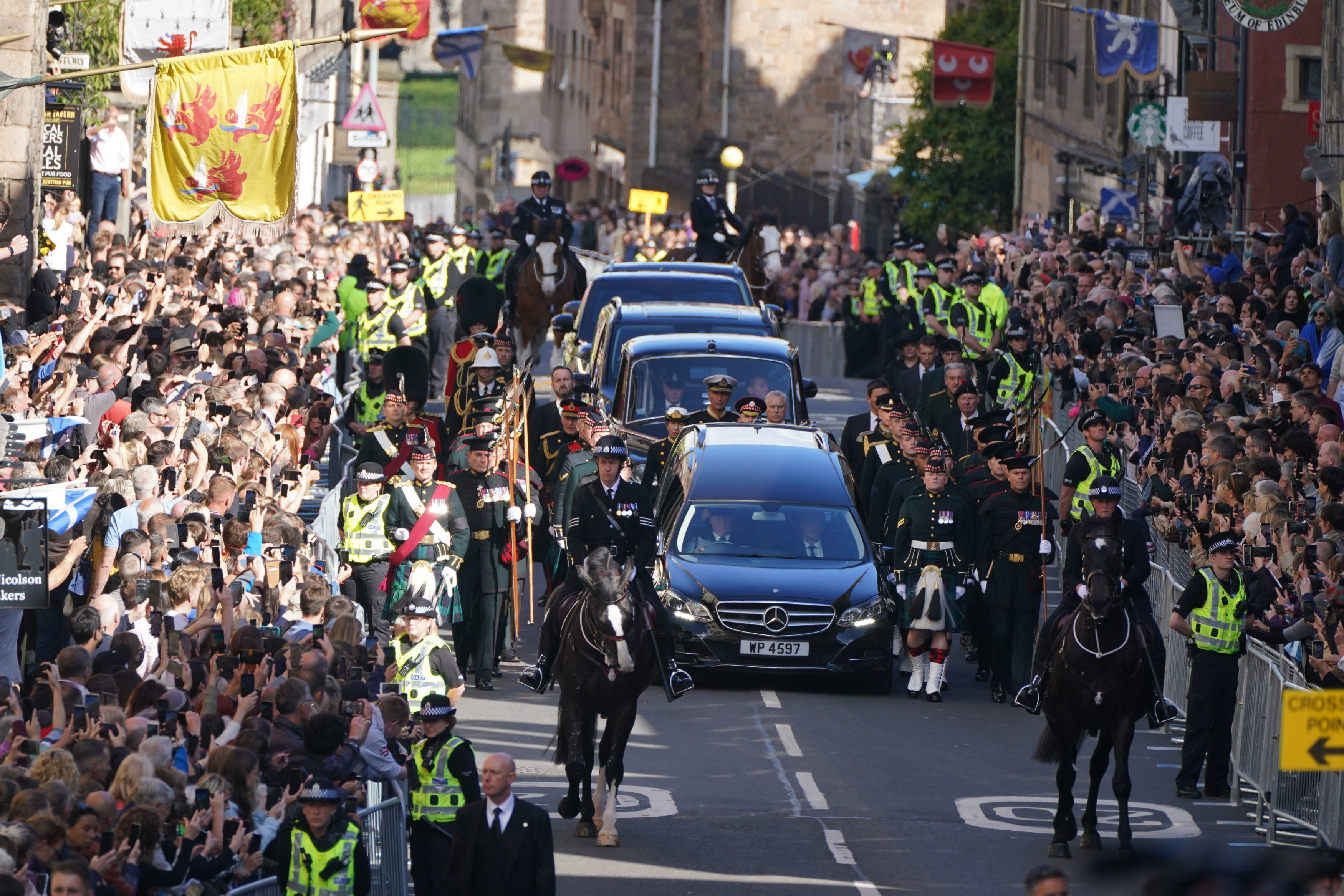
So far there have been only tiny protests by anti-monarchist demonstrators. One woman was arrested in Edinburgh on Sunday for breaching the peace after brandishing a profane sign calling for the abolition of the monarchy.
King Charles III has moved quickly to stress that he will be a monarch for the whole of the UK, undertaking a national tour during his first days on the throne. He is in Scotland today accompanying his mother's coffin, and he plans to visit Northern Ireland and Wales later in the week, attending memorial services in Belfast and Cardiff.
Scotland, Wales and Northern Ireland are all part of the UK but have distinct histories and complex ties with England, which dominates the UK in both population and politics.
Some Welsh nationalists have objected to Prince William being recently given the title of Prince of Wales — a title first given to the heir to the throne after the English conquest of Wales in the 14th century.
READ MORE: Heckler thrown to ground after calling out at Prince Andrew
The status of the monarchy has always been fraught in Northern Ireland, where there are two main communities: unionists who consider themselves British and nationalists who see themselves as Irish.
That split fueled decades of violence known as "The Troubles," and remains a deep divide. But in a sign of how far Northern Ireland has come on the road to peace, representatives of the Irish Republican Army-linked party Sinn Fein are attending commemorative events for the queen in Belfast.
Sinn Fein vice president Michelle O'Neill praised "the significant contribution Queen Elizabeth made to the advancement of peace and reconciliation between the different traditions on our island, and between Ireland and Britain during the years of the peace process."
Scotland and England have been governed under the same monarch since 1603, and formally unified in 1707. But Scotland has distinct educational and legal systems and, since 1999, its own parliament.
READ MORE: What happens now to the Queen's fortune
Relations now between the Conservative UK government in London and the pro-independence Scottish administration in Edinburgh are tense.
Former Prime Minister Boris Johnson, who left office last week, was unpopular in Scotland, where a majority opposed his pet project: Brexit. Johnson led the UK out of the European Union after a 2016 referendum in which the country as a whole backed leaving — but Scotland voted to stay in the bloc.
Devine said Johnson's government had displayed "a reduction in respect for Scotland as an historic nation."
"That attitude of disrespect considerably annoyed the Scottish electorate over the last few years," he said. "But there is a still a very strong sense here that the monarchy — especially in the person of the queen — maintains that respect."
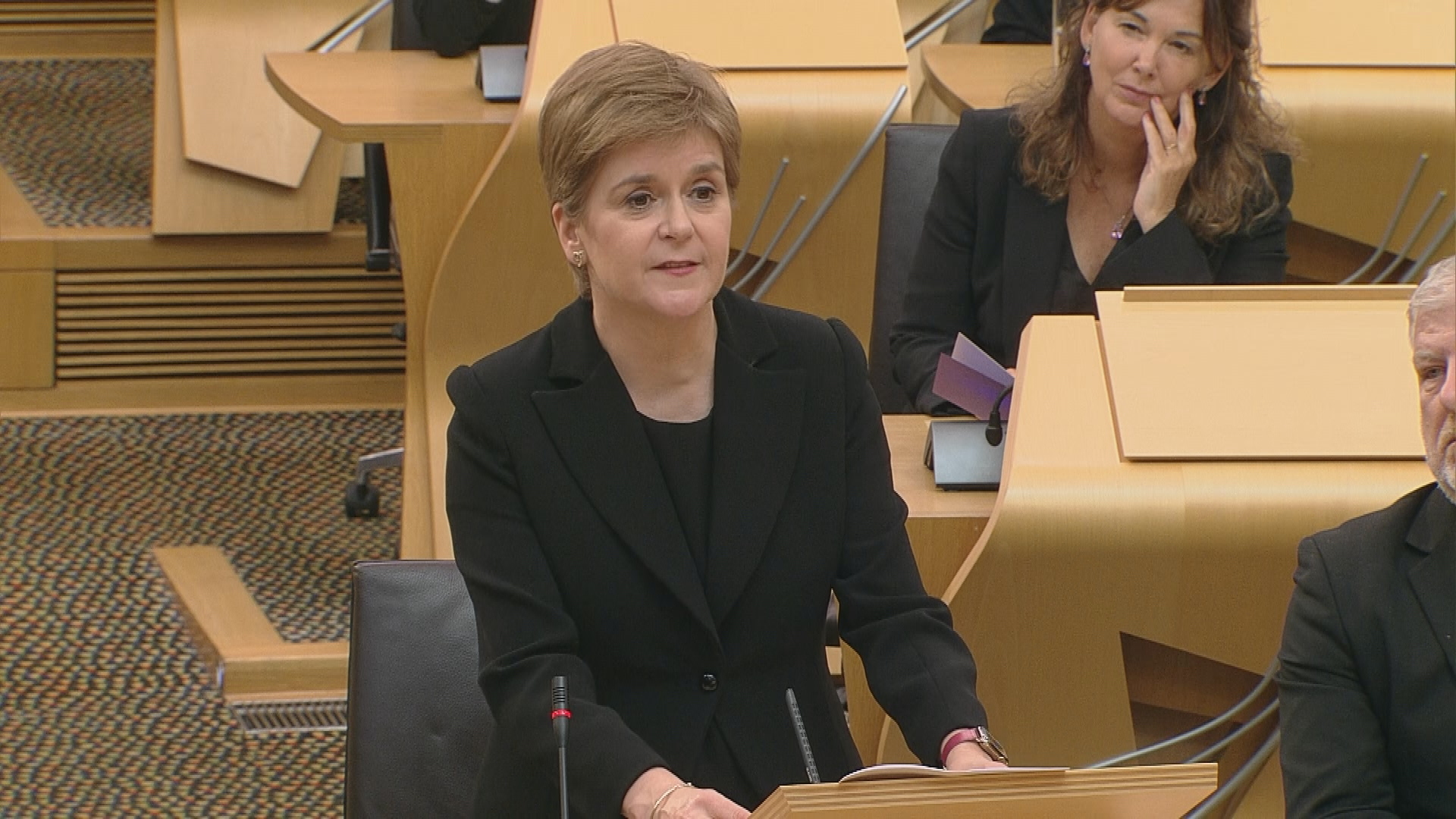
In 2014, Scotland held a referendum on whether to remain part of the UK Voters rejected independence by 55 per cent to 45 per cent in what was billed as a once-in-a-generation choice. But the Scottish National Party government in Edinburgh is pushing for a new independence referendum, arguing that Brexit has radically changed the political and economic landscape.
Scotland's First Minister Nicola Sturgeon has pledged to hold such a vote in October 2023. But new Prime Minister Liz Truss, like Johnson, says her government will not agree, and without its approval a referendum would not be binding.
Amid the political deadlock, Sturgeon has appealed to the courts for the power to call a referendum on her own. The UK Supreme Court is to start hearing the case next month.
As monarch, Charles is required to remain politically neutral. His mother caused a stir in 2014 when she remarked that Scots should "think very carefully" before voting — a remark widely seen as opposing independence.
Even after that comment, the queen remained widely respected by people on both sides of Scotland's independence debate. Sturgeon, the pro-independence first minister, praised Elizabeth on Monday as "the Queen of Scots" and "the great constant – the anchor of our nation."
Pauline Maclaran, an expert on royal culture at Royal Holloway University of London, said "it will remain to be seen if Charles can command the same loyalty" as his mother.
"There will be a honeymoon period for Charles, I think, where everybody — out of respect, but also their own feelings — will lay off the usual demands for independence," she said.
But Maclaran felt that period would not last.
"I think they (demands for Scottish independence) will come back. And I think the whole question will be how much can Charles build his bonds with them? What bonds does he have? That will then be one of his tests, that's for sure," she said.
EXPLAINED: Australia's National Day of Mourning for Her Majesty The Queen
Royal siblings hold historic vigil for Queen Elizabeth II
Queen Elizabeth II's children have held a historic public vigil by her coffin in Edinburgh.
King Charles III, Princess Anne, Prince Andrew and Prince Edward travelled to St Giles Cathedral just ahead of sunset to take up their posts.
The four stood in silence, as members of the public continued to file through the cathedral to pay their respects to the late Queen.
READ MORE: Day-by-day guide from now until the Queen's funeral
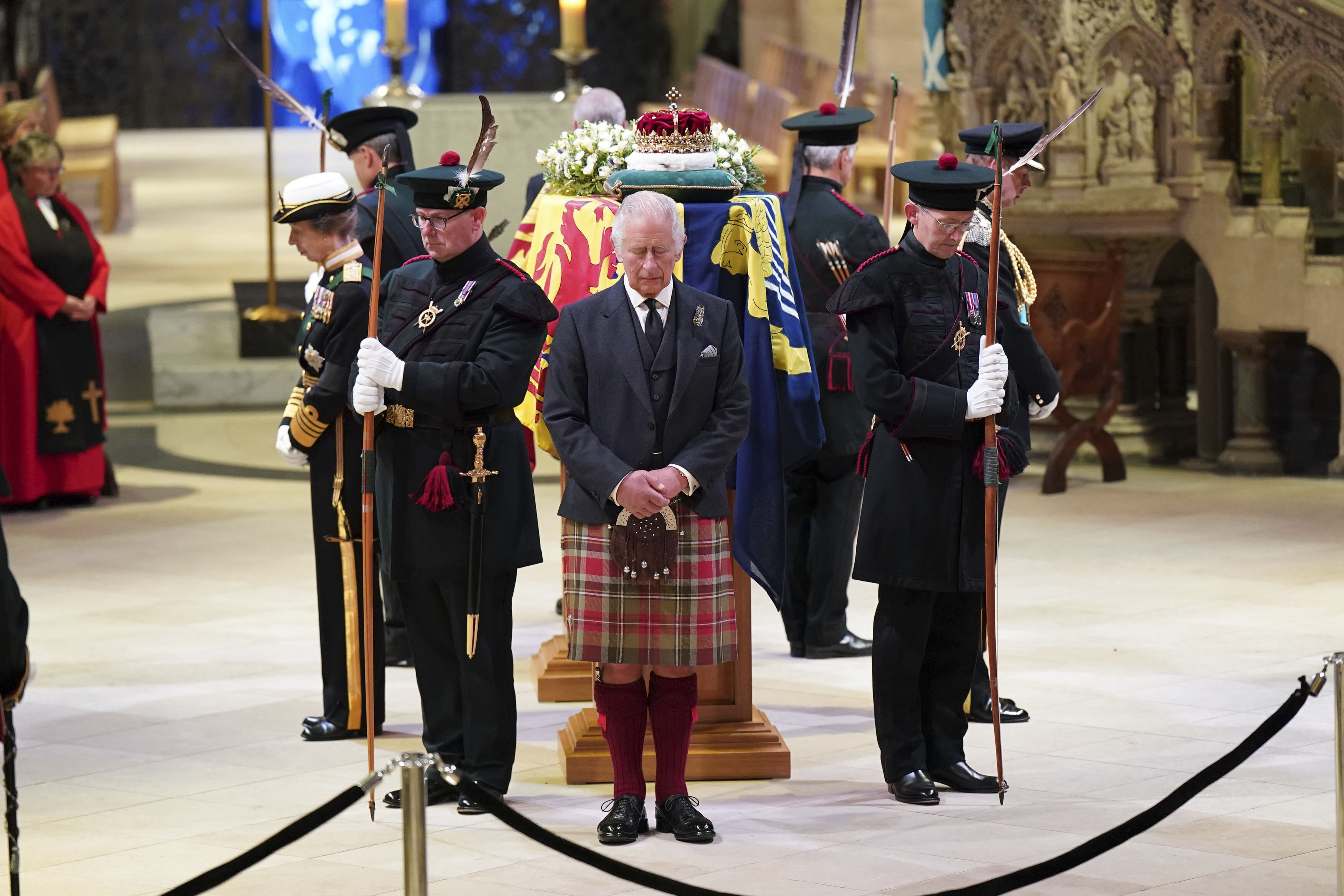
Charles was visibly emotional as he stood with his head bowed.
Princess Anne and Prince Edward both wore military dress, while King Charles III wore a traditional Scottish kilt and black suit jacket.
Prince Andrew also wore a civilian suit, having been stripped of his military titles earlier this year.
READ MORE: King Charles III pledges to follow the Queen's 'selfless duty'
But he displayed his own military medals on his breast.
The Vigil of the Princes has been held now just three times since 1936.
The first was held for King George V at Westminster Hall in that year, with King Edward VIII and his brother, the future King George VI, Queen Elizabeth II's father, in attendance.
READ MORE: Aussie who drove the Queen in 1954 remembers 'shy' monarch
The second was held for Queen Elizabeth, the Queen Mother, in 2002.
Then-Prince Charles, Prince Edward and Prince Andrew were part of the ceremony.
Today's vigil marked the first time a woman had taken part in the person of Anne, the Princess Royal, Elizabeth II's second-eldest child.
Princess Anne will accompany the Queen's coffin to London when it leaves Edinburgh.
Massive crowds in Edinburgh
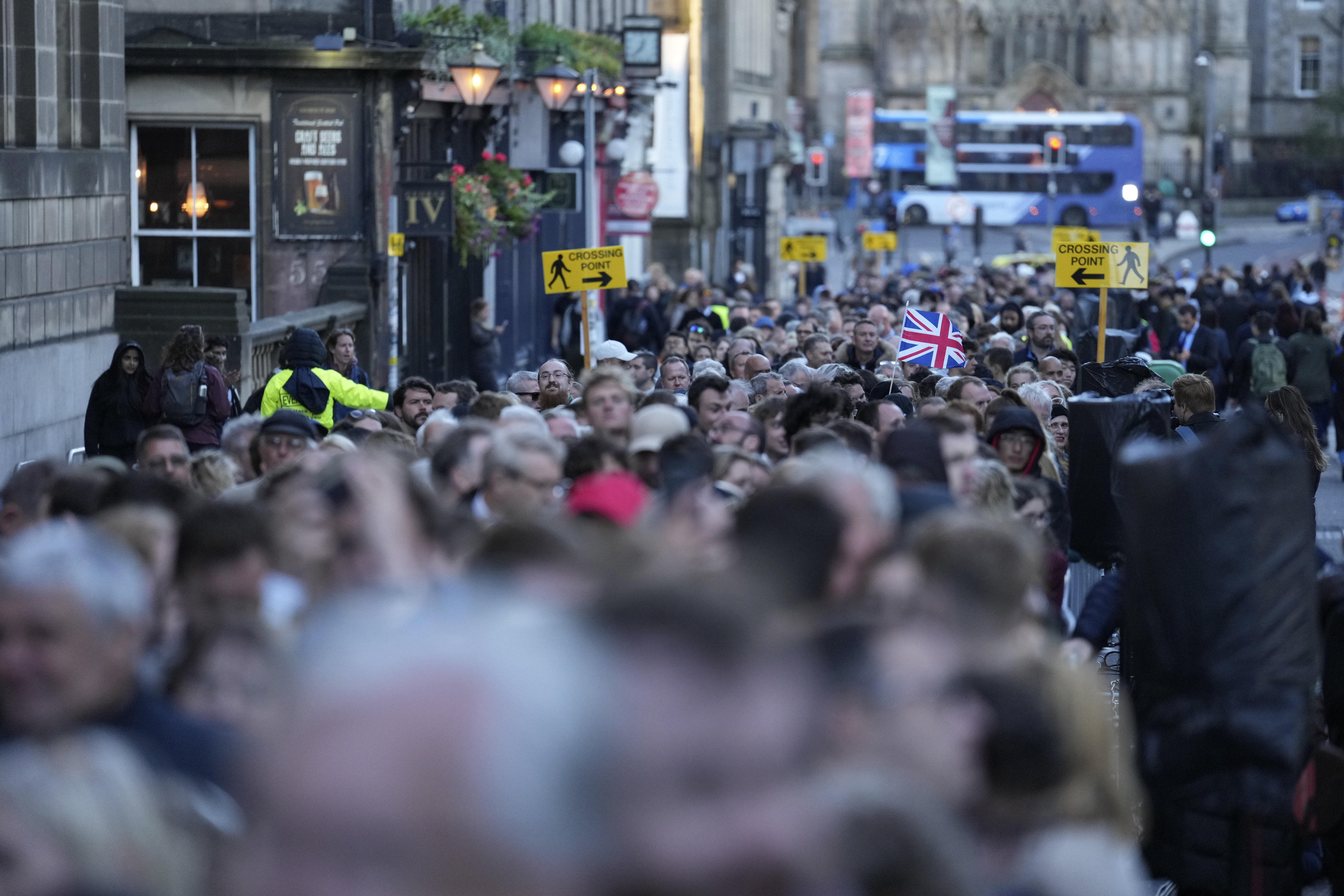
Thousands of people lined the streets of Edinburgh earlier as King Charles III and the royal siblings escorted Queen Elizabeth II's coffin to the cathedral.
One heckler got into a scuffle with mourners after calling out Prince Andrew, and was quickly ushered away by police.
Once inside St Giles, the coffin was placed on a wooden stand, and the Duke of Hamilton and Brandon placed the Crown of Scotland on top.
Even the crown is steeped in history — it was made in 1540 for Scottish King James V from an earlier version that was damaged.
It is crafted from Scottish gold encrusted with 22 gems and 20 precious stones along with freshwater pearls from Scotland's rivers.
Prince Harry posts heartfelt tribute to the Queen
Prince Harry has shared a touching tribute to his grandmother, the Queen.
Queen's coffin to be put on public display in Edinburgh today
Queen Elizabeth II's coffin will be put on display in the Scottish capital of Edinburgh today for 24 hours, allowing the public to pay their respects to the late monarch.
King Charles III will start the day with a trip to Westminster Hall where both Houses of Parliament will express their condolences.
He and his wife Camilla, the Queen Consort, then fly to Edinburgh where they will head straight to the Palace of Holyroodhouse.
LIVE UPDATES: Surprise appearance from Queen's children
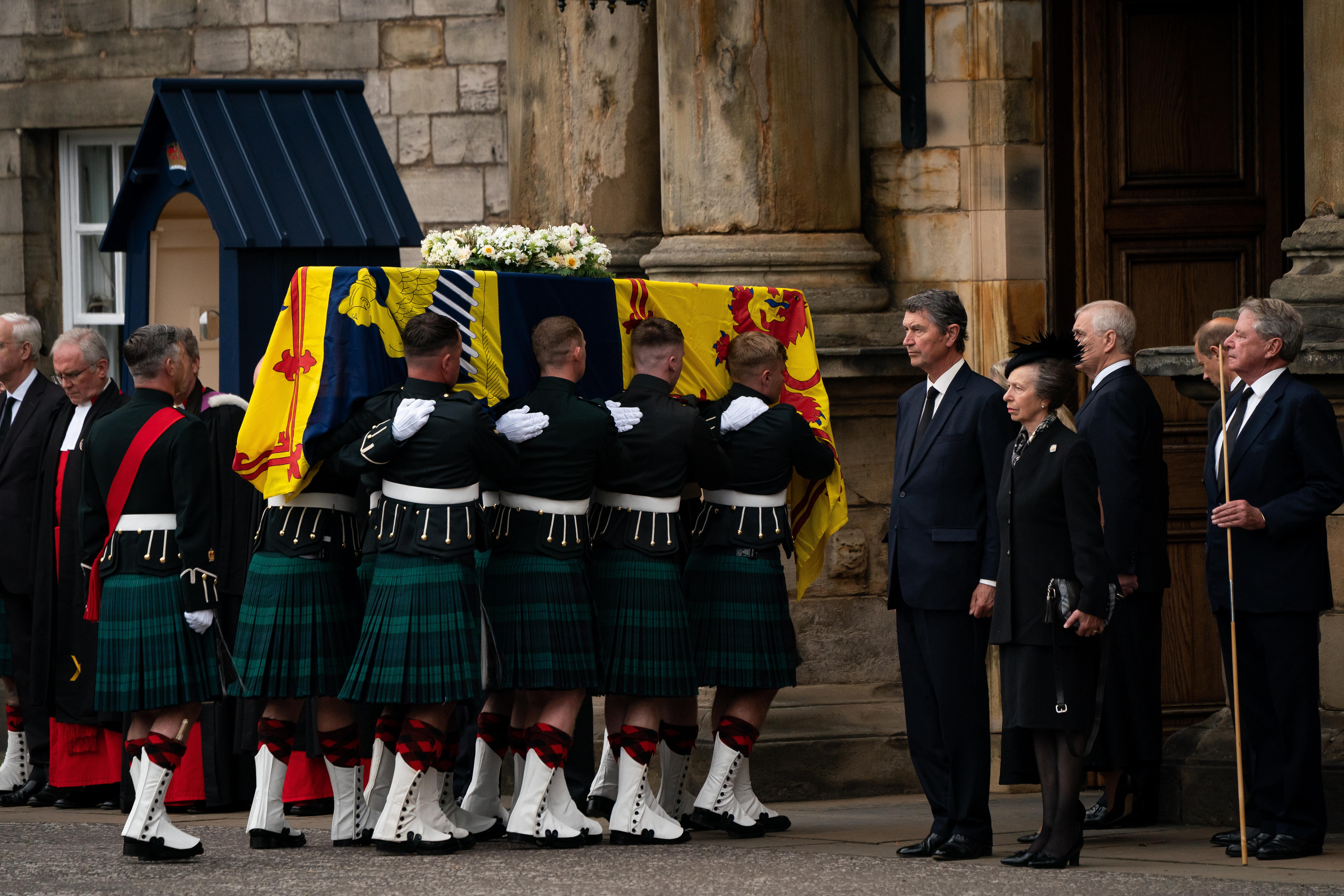
At 2.35pm (11.35pm AEST) the Queen's coffin will proceed to St Giles' Cathedral for a service of prayer and reflection attended by the King and Queen Consort and royal family members, as well as a congregation made up "from all areas of Scottish society", according to a senior palace official.
Afterwards, the coffin will rest there for 24 hours to allow the Scottish public to see it, in a tradition known as lying in state.
Following the service, the King will return to Holyrood where he will have an audience with Scottish First Minister Nicola Sturgeon, followed by a meeting with the presiding officer of the Scottish Parliament.
Charles, accompanied by Camilla, will later go to the Scottish Parliament to receive a motion of condolence.
That evening, at 7.20pm (4.20am Tuesday AEST), the King and members of the royal family will mount their own guard, or vigil, of the Queen's coffin.
READ MORE: What we know about plans for the Queen's funeral
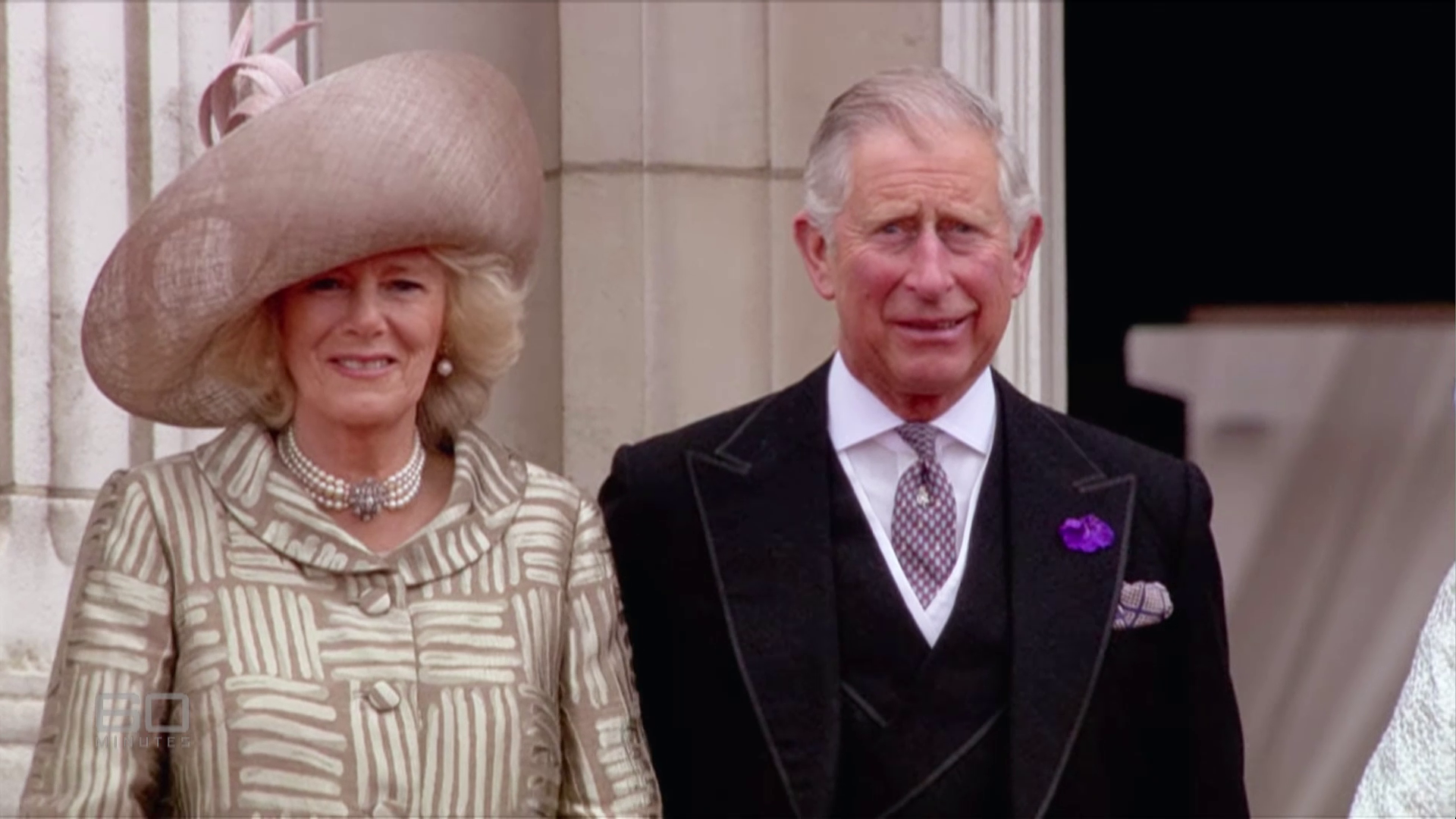
Tomorrow, the King and Camilla will make a trip to Belfast, Northern Ireland.
The couple will visit Hillsborough Castle and view an exhibition on the Queen's long association with Northern Ireland.
The King will then meet the secretary of state for Northern Ireland in addition to other party leaders, and receive a message of condolence led by the speaker of the Northern Ireland Assembly.
Back in Scotland, the Queen's only daughter Princess Anne will prepare to accompany her mother's body as it is flown back to London.
Advertising Standards Authority bans TV ad for Black Phone film
A television advertisement for an R16 film showing kids with bloodied faces and a boy being locked in a basement by a masked abductor has been banned after complaints from parents who said it left their children scared, horrified…
NCA bomber Dominic Perre a 'stain on society'
National Crime Authority bomber is Dominic Perre a callous, violent, evil, and remorseless man, his victims say.
Nine family members of murdered Detective Sergeant Geoffrey Bowen and maimed lawyer Peter Wallis described their grief during sentencing submissions in the South Australian Supreme Court on Monday.
Perre, 65, sat with his right arm in a sling, appearing to fall asleep for most of the 90-minute hearing.
LIVE UPDATES: Surprise appearance from Queen's children
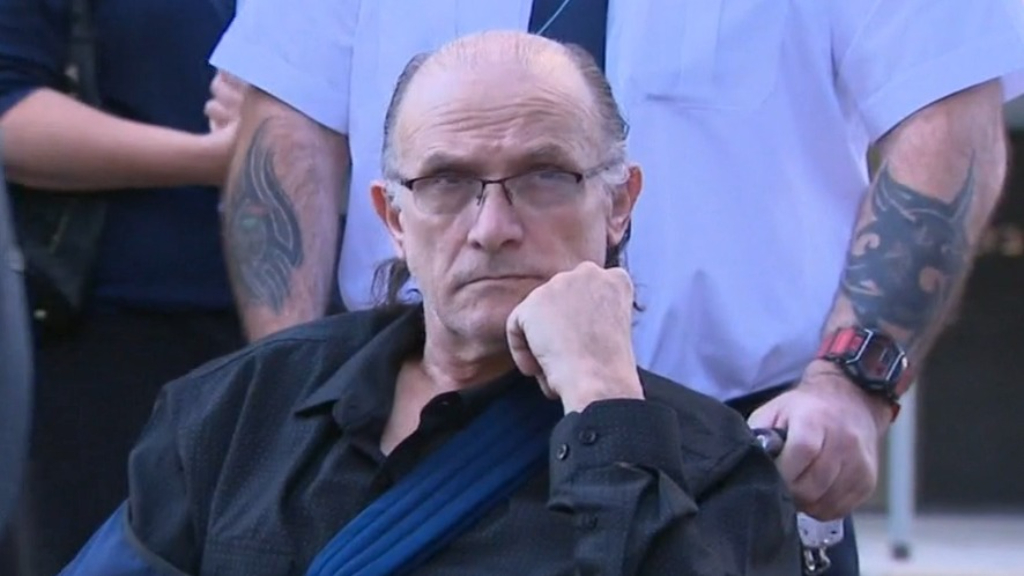
Perre was found guilty in June of murder and attempted murder over the 1994 NCA bombing and is serving a sentence for unrelated drug and gun offences.
He is expected to be sentenced on October 7.
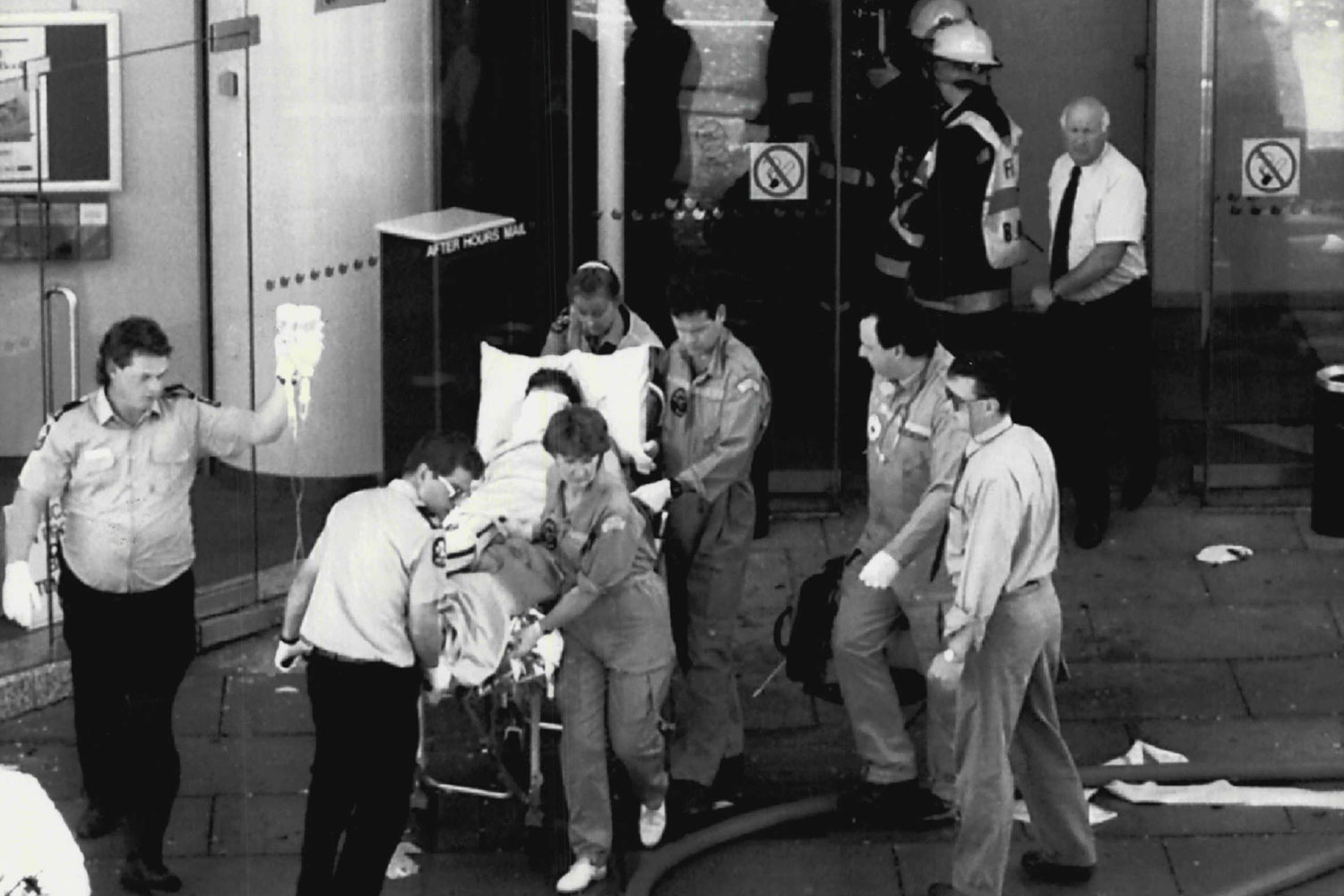
Genevieve Wallis, the only victim to present her statement in person, said she was eight years old in 1994 when her father, lawyer Peter Wallis, lost an eye and suffered burns in his office where the bomb exploded.
She said she was terrified after the bombing which left her father traumatised, depressed and debilitated.
"The bombing had torn any sense of safety, belonging and privilege of being a child and it sickens me that a blatant disregard for human life was sickened can exist within another human,'' Ms Wallis said.
Geoffrey Bowen's son Simon, who followed his father's footsteps into the police force, was seven when he experienced the worst day of (his) life in March 1994.
"I struggle with the motive and relevance of your actions," Bowen said.
"You cause so much irreparable damage and suffering all so you can grow some dope and walk about South Australia like a would-be gangster with your big black glasses.
READ MORE: Strict rules in place for saying farewell to the Queen
"You have never accepted or taken responsibility for your actions even in the face of overwhelming evidence in a court of law.
"You are a stain on society … you have forever embarrassed and disgraced your family, your ancestors and generations to come."
Geoffrey Bowen's widow Jane Bowen-Sutton said her husband was killed on their ninth wedding anniversary and she had experienced never-ending grief.
"My life is defined as before and after the bombing," Bowen-Sutton said.
"That day I told my seven and five-year-old sons that their much-loved dad had been killed and we would never see him again. I've relived that conversation for 28 years.
"I grieve for the loss of Geoff and the loss that he never had the opportunity to see his much-loved sons grow into thoroughly decent men they are today."
"There is no closure for us, no acceptance of Geoff's death, no forgiveness for this evil, abhorrent, cowardly act."
READ MORE: Man murdered in Brisbane gym ambush
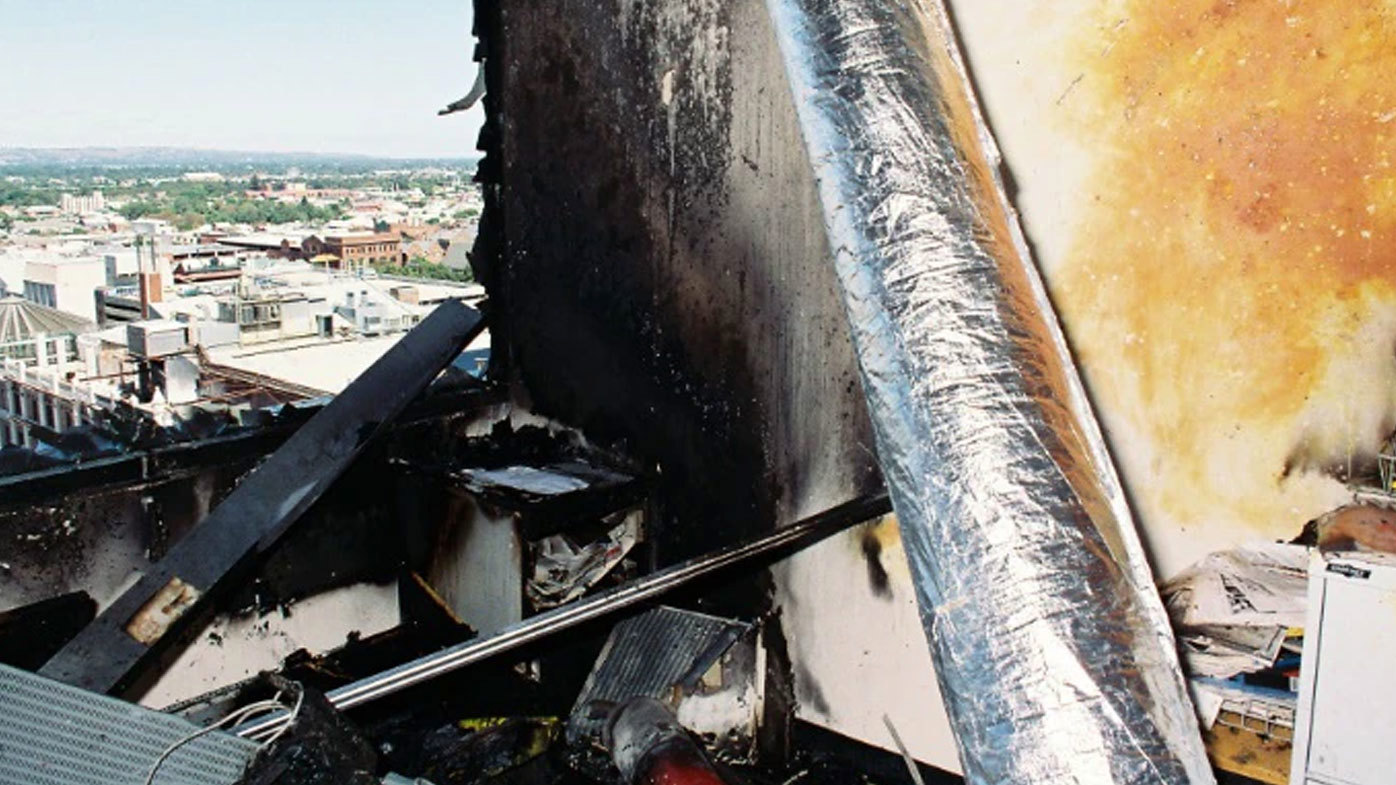
Geoffrey Bowen died from horrific injuries, including the loss of his left arm, while Wallis lost an eye and suffered severe burns on March 2, 1994.
Perre was immediately identified as a suspect but the first set of charges were dropped in September 1994.
Wallis died in 2018 soon after Perre was charged.
Prosecutor Lisa Dunlop called for no parole period in sentencing Perre which could see a maximum of two consecutive life sentences.
Defence lawyer Gilbert Aitken did not oppose a non-parole sentence but said Perre's health was failing following open heart surgery after he collapsed at the verdict hearing in June.
Aitken told the court that Perre sympathised with the families of the victims but maintained his innocence.
Perre has lodged an application in the Court of Criminal Appeal to appeal the murder conviction.