Tag Archives: oceania

Lydia and Wehan spent $50k on an ex-ambulance van instead of a house

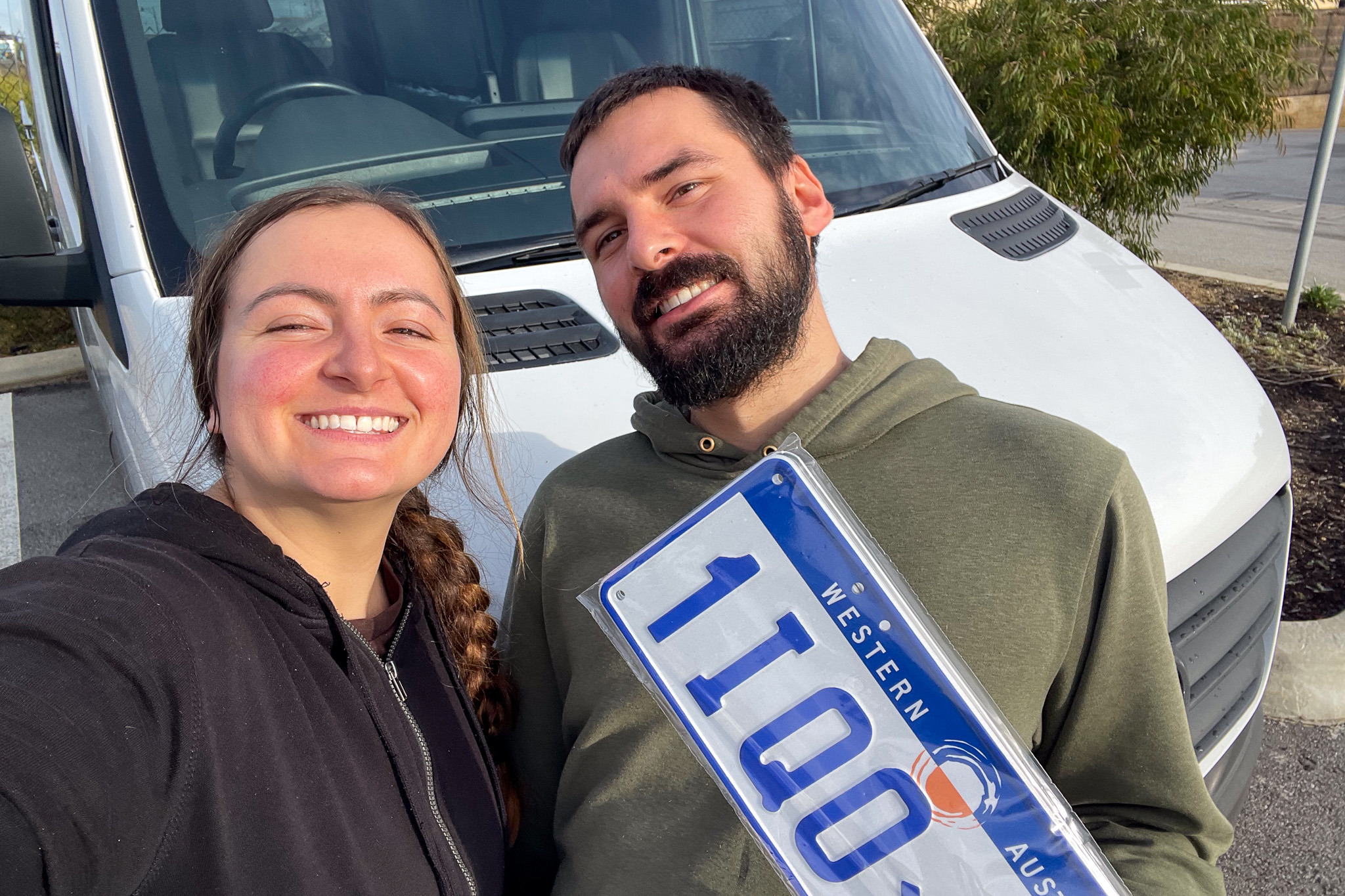
Lydia and Wehan had a plan: travel Australia in a campervan for a few years, save up some money and buy a house.

The Western Australian couple just didn't anticipate just how difficult it would be to tick off all three items on their agenda.

Heading home after four years on the road, they discovered that re-entering the property market was not on the cards.

The solution? Stay on the road, and deck out an old patient transport van for $50,000 instead of a house.

READ MORE: 'Won at capitalism': Family saves $10k by eating from supermarket dumpsters

Lydia and Wehan living on the road

READ MORE: 'I wish I could charge $5': New grim reality for Aussie business owners

"We previously had a four-bedroom, two-bathroom house in Perth, lived in that for probably a few years and then decided to take the leap, sell the house and fit out a van," UK-born Lydia told Nine.com.au.

"We also both had long commutes. It would be an hour train ride for me, leaving in the dark and coming back in the dark.

"And it just didn't feel rewarding or fulfilling, and when we sat down and talked about it, we both said: We want to travel, we want to see more, we want to get out there."

During their multiple laps around Australia in a different campervan, Lydia, 29, and Wehan, 28, ticked off every state and territory while living an impressively frugal lifestyle.

The pair spent around $64 per day, averaging under $2000 per month, during their last 595-day journey.

Most of the bigger expenses – particularly in recent weeks – are related to fuel and van insurance.

At first, they had planned to save enough cash to buy property again.

But that dream was quickly extinguished.

The median house price in the WA capital now sits at about $1.3 million, double what they paid in their early 20s.

Do you have a story? Contact reporter April Glover at our breaking newsletter here

The super-K flu strain is spreading fast – and that’s ‘extremely dangerous’

There's a horror flu season on the horizon as the new super-K flu strain spreads across Australia, and it may have already claimed several lives.

The fast-moving strain first emerged in the US, where it killed dozens of children before leaping to Australian soil.

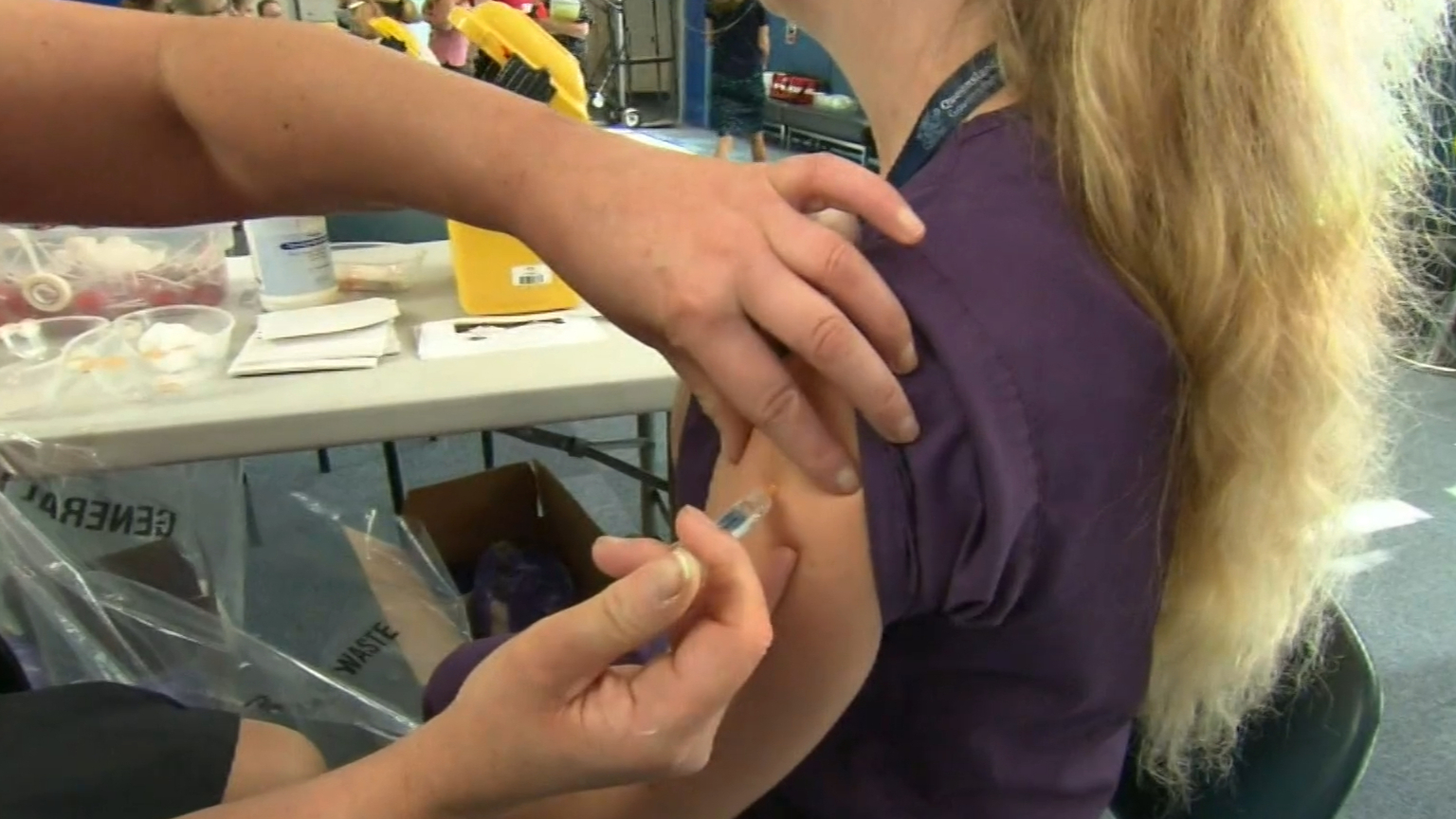
The Royal Australian College of GPs (RACGP) has urged Australians to book in their annual flu shot as seasonal influenza and super-K strain infection numbers rise.

LIVE UPDATES: Donald Trump says Iran wants him to 'keep bombing'

Dire warning as 60 people potentially killed by Super-K flu strain

Bupa chief medical officer Dr Nic Woods said super-K has already driven unusually high per-winter flu activity, including a spike in recorded deaths in 2026.

"We cannot afford to be complacent or ignore the warning signs," he said in a statement.

"Super K is spreading earlier and faster than flu strains seen in previous seasons."

Woods said high flu activity combined with low vaccination rates will make this flu season "extremely dangerous and potentially deadly" for high-risk groups, like children and the elderly.

Here's everything you need to know about the new flu strain that experts are so worried about this flu season.

READ MORE: Ben Roberts-Smith arrested as part of war crimes investigation

What are the symptoms of super-K flu?

Though the super-K flu strain has undergone significant mutations, they mostly affect how the virus behaves and spreads, not its symptoms.

That means the symptoms of super-K flu are very similar to typical seasonal influenza symptoms.

Common symptoms include a cough or sore throat, headache, fever or chills, extreme tiredness, and body aches.

Symptoms usually come on suddenly and can worsen rapidly.

READ MORE: Former Olympic cyclist Rohan Dennis accuses media of peddling 'false narrative' after wife's death

Aussie state records worst flu season in a decade

How long does the super-K flu last?

The duration of a super-K flu infection can vary, much like a typical seasonal flu.

Some people only experience mild symptoms for a few days, while others may experience symptoms for a week or more.

When am I most contagious with the super-K flu?

You can be contagious before symptoms begin with any flu, including the super-K strain.

Most adults can be contagious from the day before symptoms start and remain contagious for three to five days.

Children tend to remain contagious longer, usually for the first seven to 10 days of their illness.

How bad is the super-K flu strain?

This is a difficult question to answer.

Research currently suggests that the super-K strain spreads very quickly, faster than typical seasonal influenza, which can make it challenging to contain.

However, the super-K strain does not appear cause more severe disease per infection.

That means while you may be more likely to come into contact with the strain this flu season, it is not guaranteed to cause more severe symptoms.

But the CSIRO reported that historically, flu seasons dominated by strains from the H3N2 have been linked to more severe outcomes at the population level.

That's why many scientists and health experts are urging Australians to get vaccinated.

READ MORE: Kittens thrown from moving car in Melbourne

Does the flu shot work against super-K flu?

Because the super-K strain has mutated significantly, last year's flu vaccine may not be as effective at preventing super-K infection compared to existing flu strains.

However, the 2025 flu shot can still reduce the severity of symptoms.

Early data has shown that you're less likely to need a visit to the emergency department if you catch the super-k strain but have already received the flu shot.

But only one in three Australians were vaccinated against influenza last year.

This year's flu vaccine includes protection against the 'Super-K' variant, so the RACGP, CSIRO, and health organisations are urging Aussies to get jabbed.

How long should I stay home if I have the flu?

Anyone with the flu, be it super-K or another strain, should stay home and avoid close contact with others until they've recovered.

At a minimum, stay home for at least 24 hours after your fever breaks.

Avoid contact with pregnant women, infants, older people, and anyone with a compromised immune system while contagious.

NEVER MISS A STORY: Get your breaking news and exclusive stories first by following us across all platforms.

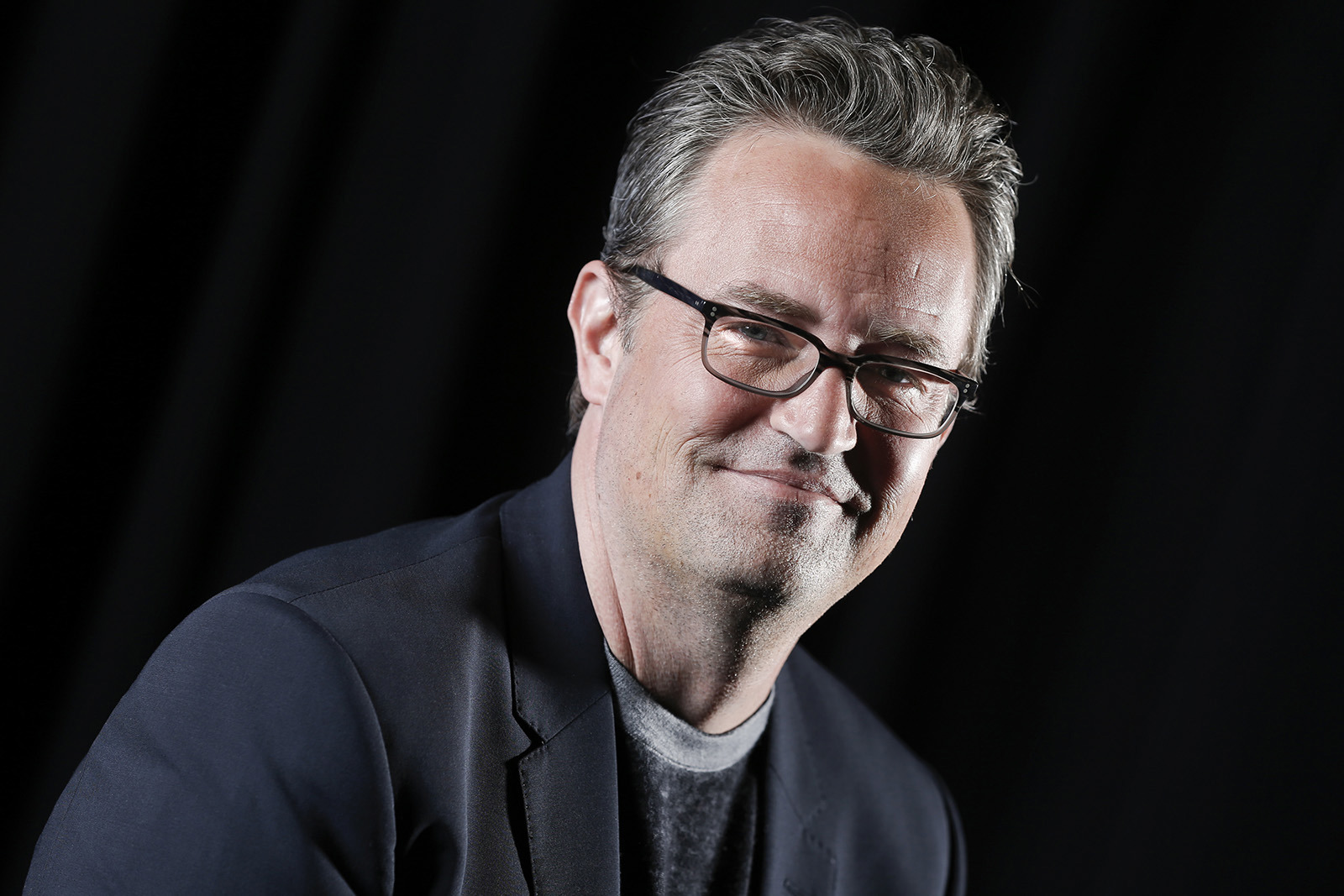
‘Ketamine Queen’ gets 15 years prison for selling drugs that killed Matthew Perry

A federal judge on Wednesday handed down a sentence of 15 years in prison to a woman who pleaded guilty to selling Friends star Matthew Perry the ketamine that killed him in 2023.

US District Judge Sherilyn Peace Garnett gave the sentence to 42-year-old Jasveen Sangha. She became the third defendant sentenced of the five people who have pleaded guilty in connection with the overdose of the 54-year-old actor.

Perry's role as Chandler Bing on sitcom Friends in the 1990s and 2000s made him one of the biggest television stars of the era.

READ MORE: Parents accused of starving daughter may not face retrial after convictions quashed

Sangha is the only one whose plea deal included an acknowledgment of causing Perry's death.

Prosecutors had recommend a 15-year sentence. They cast her in court filings as a "Ketamine Queen" who had an elaborate drug operation catering to high-end clients to give herself a jet-setting lifestyle despite a life of privilege.

Sangha's attorneys said in their sentencing filing that the time she has spent in jail since her August, 2024 indictment should be sufficient. They pointed to her lack of a previous criminal record and exemplary behaviour as an inmate, as well as the unlikelihood she would return to a life of drug dealing.

Perry was found dead in the hot tub at his Los Angeles home. The medical examiner ruled that ketamine, typically used as a surgical anesthetic, was the primary cause of death.

Jasveen Sangha becomes the fifth and final defendant charged in the overdose death of Matthew Perry to strike a plea agreement with federal prosecutors.

Perry had been using the drug through his regular doctor as a legal off-label treatment for depression. But he sought more than the doctor would give him.

That at first led him to Dr. Salvador Plasencia, who admitted to illegally selling Perry ketamine and was sentenced to two-and-a-half-years in prison after prosecutors asked for three years. And it later led Perry to Sangha, who sold him 25 vials of ketamine, including the fatal dose, for $US6000 ($8500) in cash four days before his death, prosecutors said.

Another doctor, who admitted to providing Plasencia the ketamine he sold to Perry, was sentenced to eight months of home detention. Perry's assistant and his friend, who admitted acting as the actor's middlemen, are awaiting sentencing.

The judge said she is calibrating how to sentence each of the five defendants to make sense as a whole.

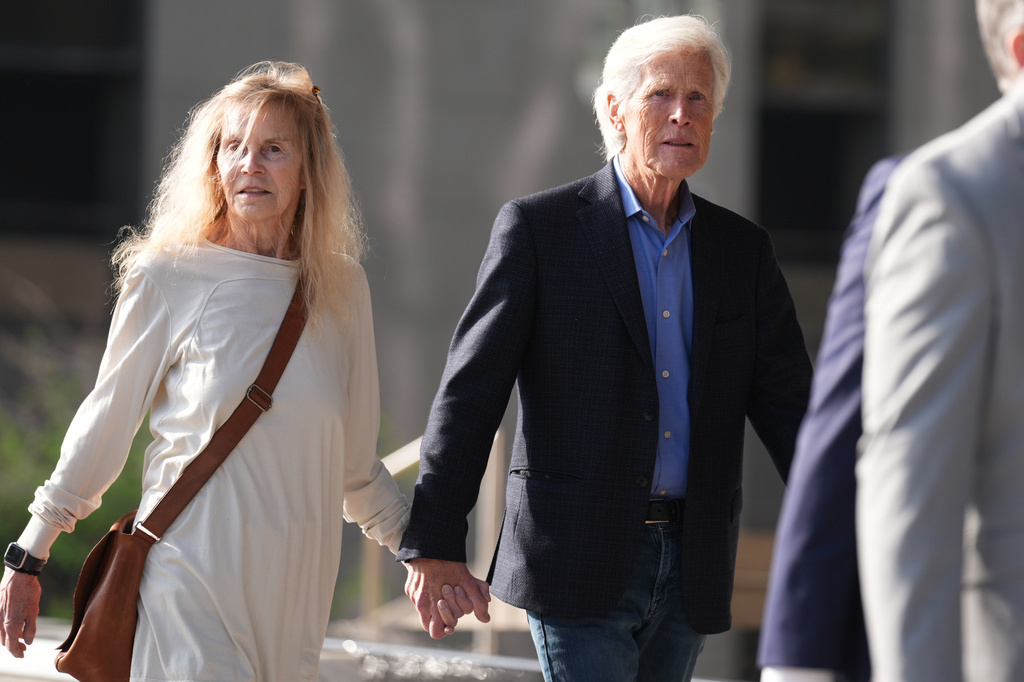
Matthew Perry's mum Suzanne Morrison and her husband Keith Morrison

Sangha pleaded guilty in September to one count of using her home for drug distribution, three counts of distribution of ketamine, and one count of distribution of ketamine resulting in death. She also admitted to selling drugs to another man, 33-year-old Cody McLaury, who had no connection to Perry, before his overdose death in 2019.

The prosecution said that despite Sangha's plea, she continued drug dealing, showing her lack of remorse.

Their sentencing filing says that in 2020, when she learned that the ketamine she sold McLaury contributed to his death, "She didn't care and kept selling".

In 2023, the filing says that when she learned she sold Perry the drugs that caused his death, "Her reaction was the same: she didn't care and kept selling".

NEVER MISS A STORY: Get your breaking news and exclusive stories first by following us across all platforms.

Accused Gilgo Beach serial killer admits to strangling eight women

A Long Island architect who led a secret life as a serial killer pleaded guilty on Wednesday to murdering seven women and admitted he killed an eighth in a string of long-unsolved crimes known as the Gilgo Beach killings.

Rex Heuermann, 62, entered the pleas in a courtroom packed with reporters, police and victims' relatives, some of whom wept as he detailed his crimes for the court. He will be sentenced to life in prison without the possibility of parole at a later date.

Heuermann's guilty pleas – to three counts of first-degree murder and four of intentional murder – bring finality to a case that bedevilled investigators, agonised victims' relatives and tantalised a true-crime obsessed public for years.

READ MORE: Parents accused of starving daughter may not face retrial after convictions quashed
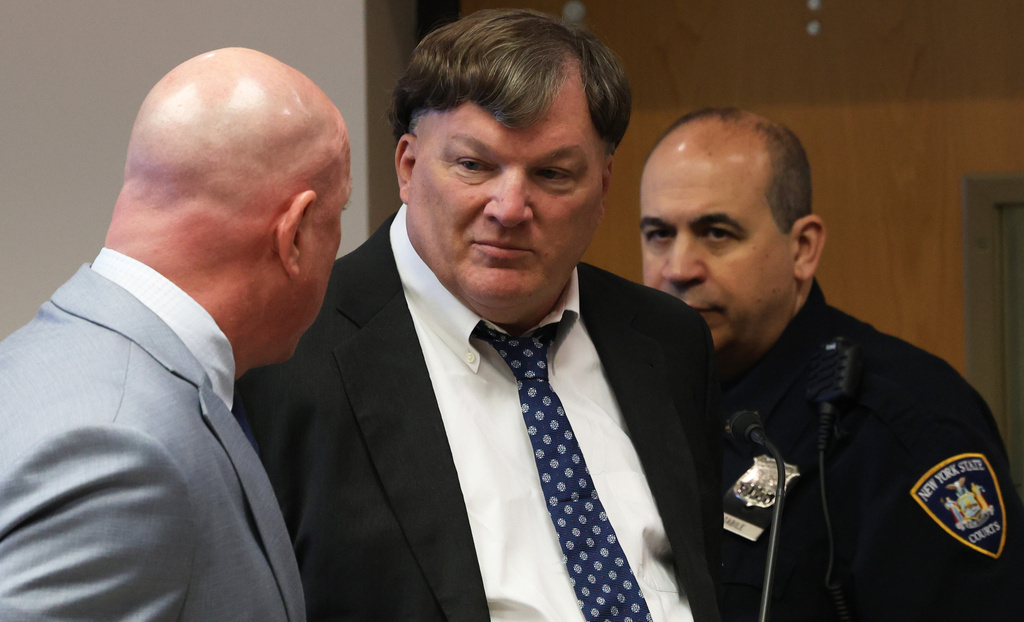
Rex A. Heuermann

Although he wasn't charged in her death, he also admitted that he killed Karen Vergata in 1996.

Heuermann strangled the women, many of them sex workers, over a 17-year span and buried their remains in remote locations, including along an isolated beach highway across the bay from where he lived, authorities said.

Suffolk County District Attorney Ray Tierney has scheduled a news conference for later on Wednesday.

He will be joined by victims' family members and members of the Gilgo Beach Homicide Investigation Task Force, which cracked the case with the help of clues that included DNA lifted from a discarded pizza crust.
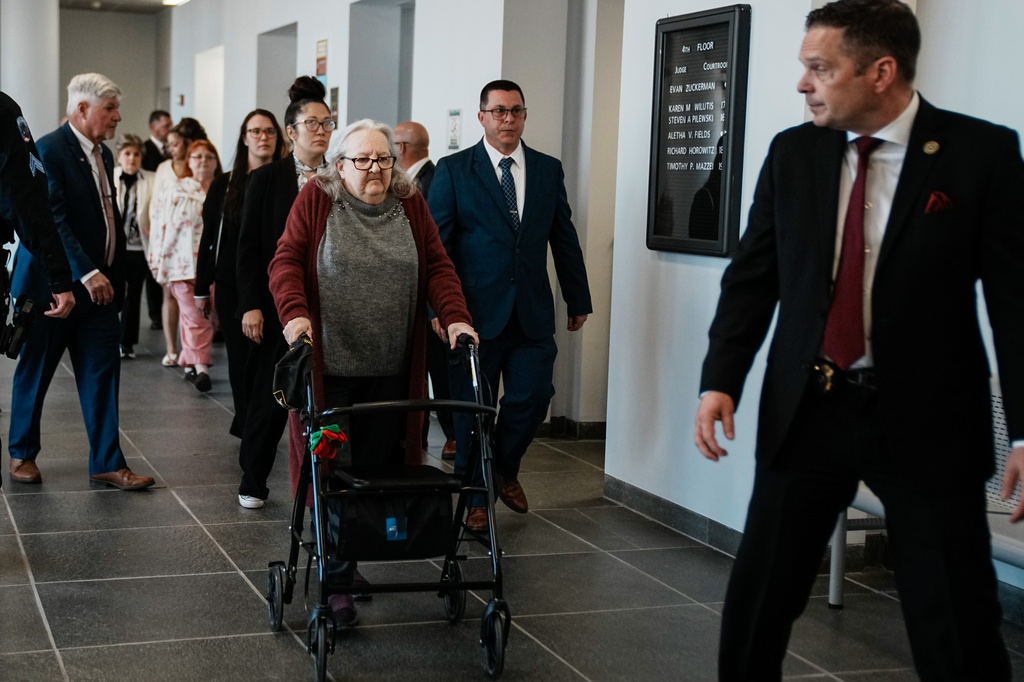
Elizabeth Baczkiel, mother of victim Jessica Taylor

The investigation began in earnest in 2010 after police found numerous sets of human remains while searching for a missing woman along Long Island's South Shore, setting off a search for a potential serial killer that attracted global interest and spawned a Hollywood movie.

A message seeking comment was left on Tuesday for Heuermann's lawyer, Michael Brown.

Major public interest

There has been intense interest in the case, and reporters, investigators and members of the public packed the hearing. Reporters and camera operators swarmed Heuermann's ex-wife, Asa Ellerup, and their daughter as they walked into the building.

"It's a difficult day," said Robert Macedonio, an attorney for Ellerup.

"No one can envision ever in their life standing here in a courthouse on a line surrounded by media having their ex-husband accused of seven, potentially eight homicides. It's unimaginable. There's no way to prepare for it."
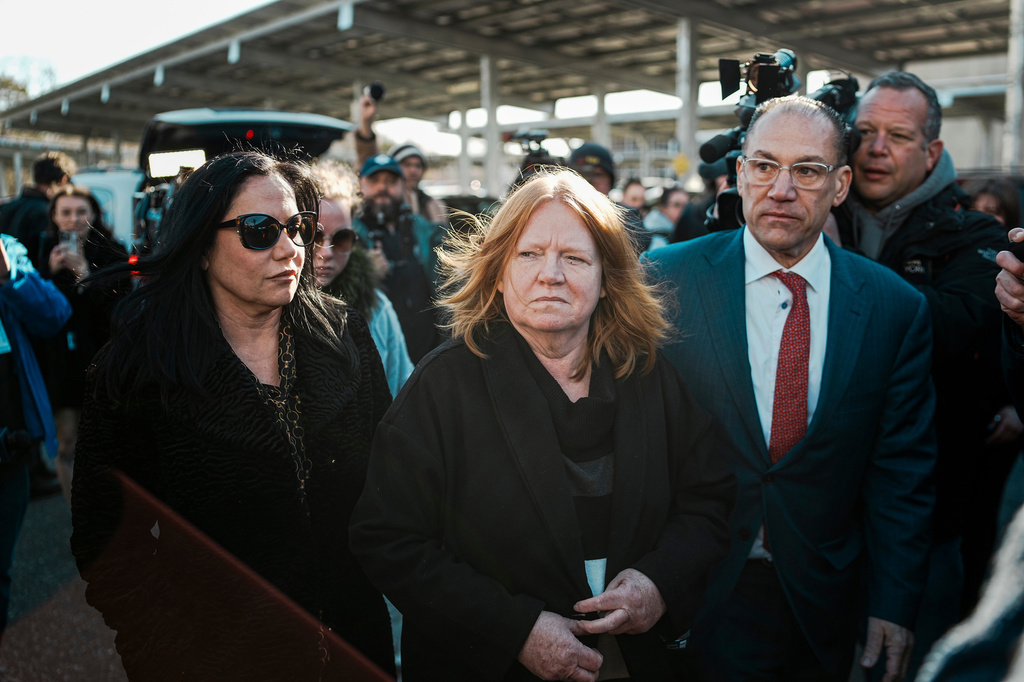
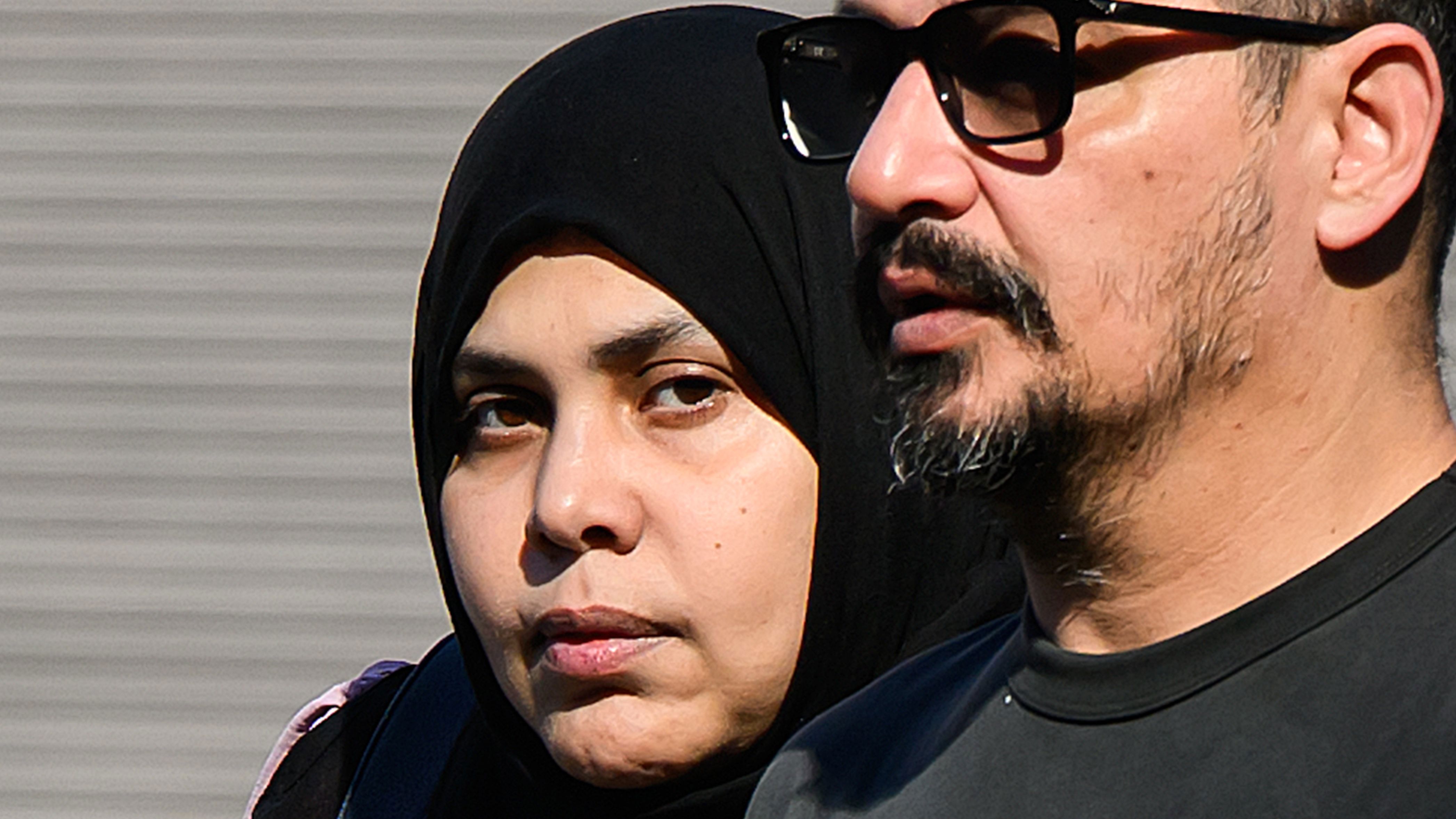
Asa Ellerup, Robert Macedonio

In the courtroom, about half the seats were blocked off for victims' family members and law enforcement officers.

Heuermann, wearing a black blazer and white button-down shirt, gave brief answers to Tierney, the prosecutor, when asked if he understood and agreed to the charges he was pleading guilty to.

He never looked back at the packed courtroom gallery, keeping his gaze fixed straight ahead.

A shocking find

The Gilgo Beach investigation began in earnest in 2010 after police found numerous sets of human remains along a remote beach highway on Long Island's South Shore, setting off a search for a potential serial killer that attracted global interest and spawned a Hollywood movie.

Investigators used DNA analysis and other evidence to identify victims. In some cases, they were able to connect them to remains found elsewhere on Long Island years earlier.

Remains of six victims — Melissa Barthelemy, Maureen Brainard-Barnes, Amber Lynn Costello, Valerie Mack, Jessica Taylor and Megan Waterman — were found in the scrub along Ocean Parkway near Gilgo Beach. The remains of another victim, Sandra Costilla, were found more than 100 kilometres away in the Hamptons.
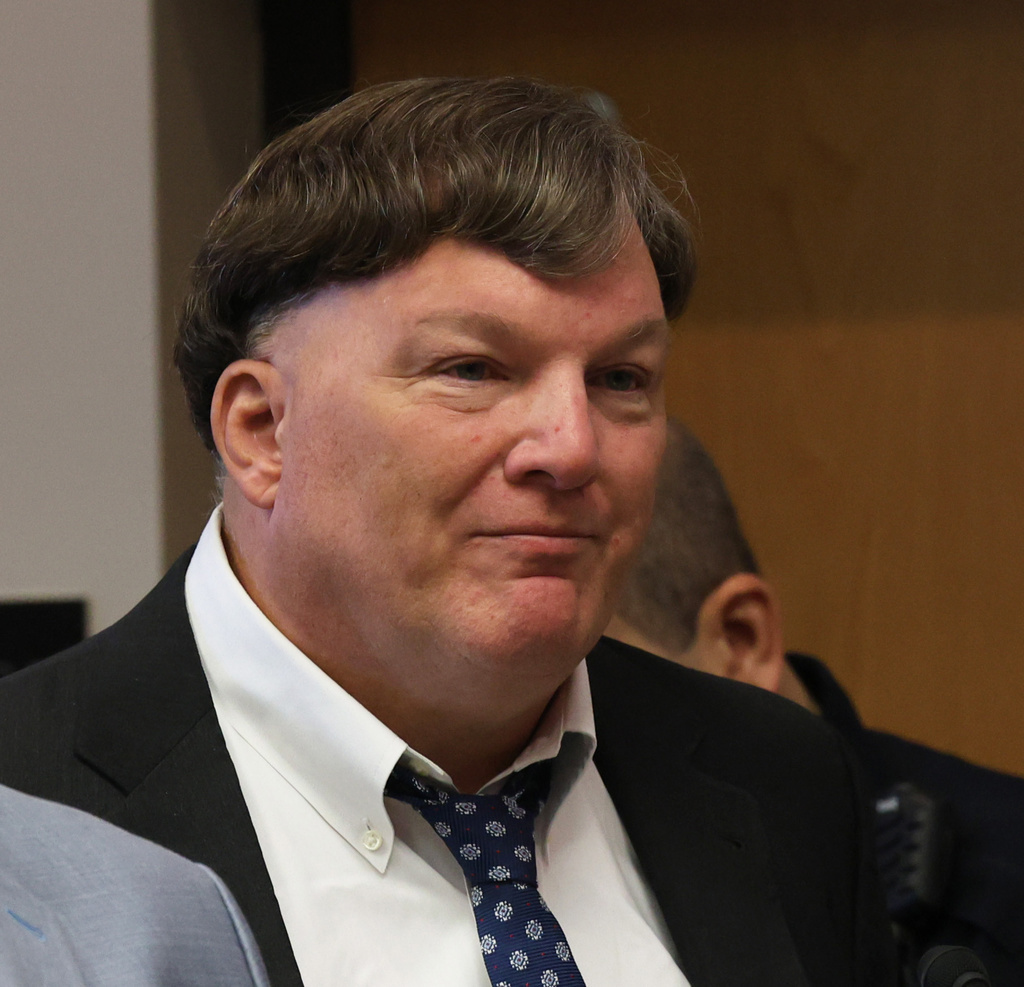
Rex A. Heuermann

Police also identified the remains of Vergata, which were found on Fire Island, more than 32 kilometres west, in 1996, and near Gilgo Beach in 2011.

But despite the attention, including a documentary series and the 2020 Netflix film, Lost Girls, the investigation dragged on for more than a decade, punctuated by fleeting leads and dashed hopes.

A fresh look yields results

In 2022, six weeks after a new police commissioner formed the Gilgo Beach task force, detectives identified Heuermann as a suspect by using a vehicle registration database to connect him to a pickup truck that a witness reported seeing when one of the victims disappeared in 2010.

Heuermann lived for decades in Massapequa Park, about a 25-minute drive across a causeway spanning South Oyster Bay to the sandy stretch where the women's remains were found.

Some of the victims were believed to have disappeared from that community and their mobile phones were found to have pinged towers in the area, authorities said.

After the truck discovery, a grand jury authorised more than 300 subpoenas and search warrants, allowing the task force to dig in to Heuermann's life.
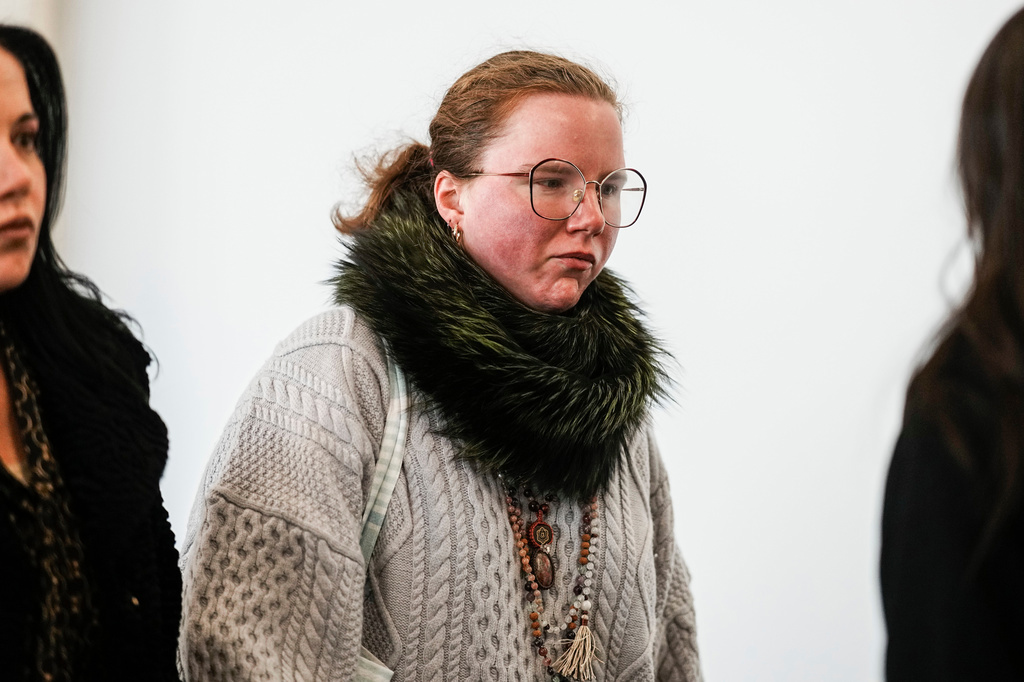
Victoria Heuermann

Detectives collected billing records for burner phones he allegedly used to arrange meetings with the victims, retested DNA found with the bodies and scoured Heuermann's internet search history, which showed that he had viewed violent torture pornography and exhibited an intense interest in the Gilgo Beach killings and the renewed investigation. Mobile phone data showed Heuermann was in contact with some victims just before they disappeared, investigators said.

To obtain Heuermann's DNA, a task force surveillance team tailed him in Manhattan, where he worked, and watched as he threw the remnants of his lunch — a box of partially eaten pizza crusts — into a rubbish bin on the footpath.

Investigators rushed in, grabbed the box, and sent it to the crime lab, which matched DNA from the crust to a male hair found on burlap used to restrain one of the victims. He was arrested in July 2023.

After Heuermann's arrest, detectives spent more than 12 days searching his yard and home, where they found a basement vault that contained 279 weapons.

On his computer, investigators said, they found what they described as a "blueprint" for the killings, including a series of checklists with reminders to limit noise, clean the bodies and destroy evidence.

Last year, a judge rejected Heuermann's bid to exclude DNA evidence obtained through advanced techniques that prosecutors say proves he's the killer.

NEVER MISS A STORY: Get your breaking news and exclusive stories first by following us across all platforms.

Riders returned to safety after hours stranded on Gold Coast rollercoaster

Riders on a theme park rollercoaster were left stranded in mid-air after the ride became stuck on the tracks at a Gold Coast theme park.

Village Roadshow Theme Parks confirmed there was a ride stoppage on the DC Rivals HyperCoaster at Warner Bros Movie World this afternoon, after a ride sensor was activated.

"At all times throughout the stoppage, the guests on board were safe and our team were in constant communication with them," a spokesperson said.

READ MORE: 'How dare you?': Some of Trump's biggest supporters turn on him

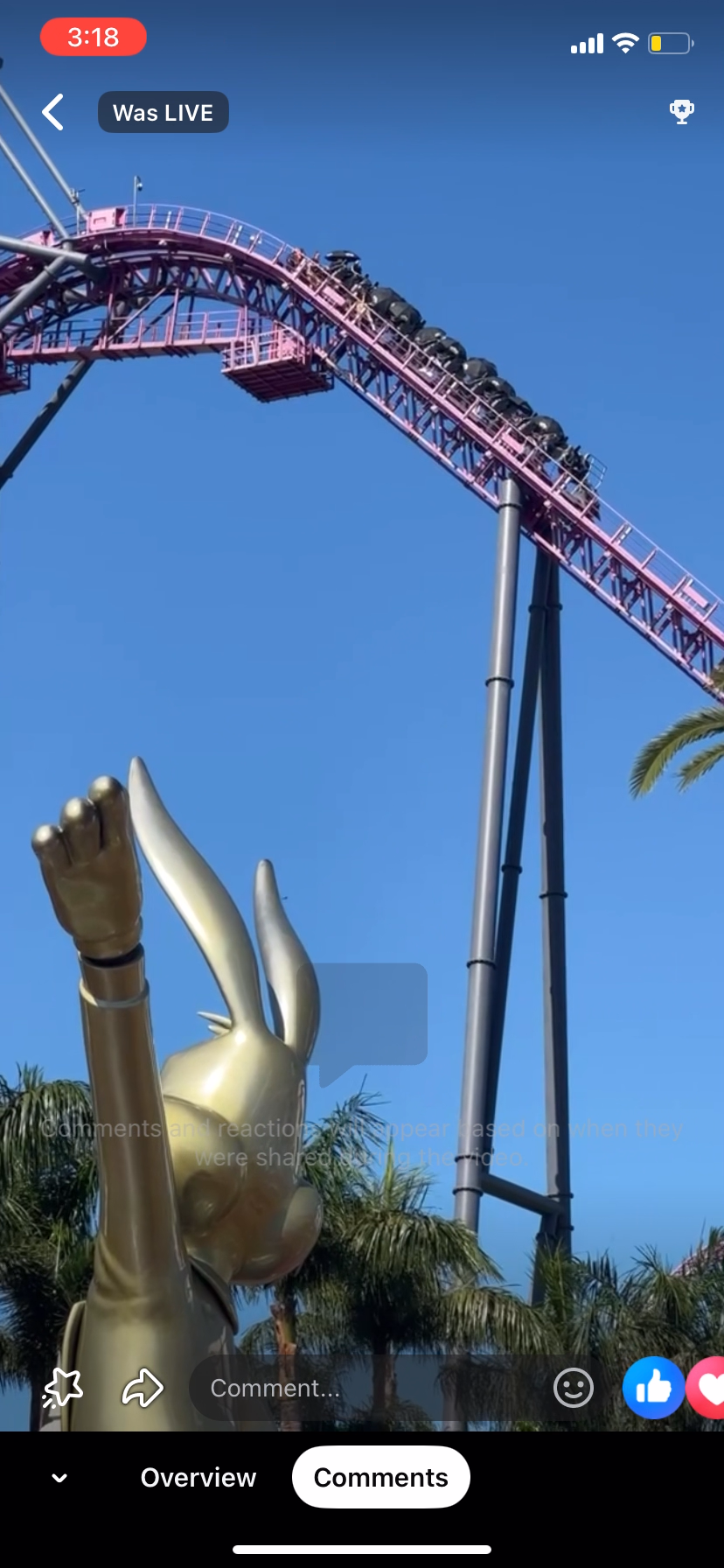
DC Rivals Hypercoaster stuck

About a dozen riders were able to exit the ride about two hours after it became stuck near the top of the rollercoaster track.

"The guests on board exited the ride from the safe stop zones with the help of our team, before walking down the lift hill," the spokesperson said.

"The safety and wellbeing of our guests is our highest priority and ride stoppages are proof rides systems and operators are doing as they are designed and trained to do to keep our guests safe."

A video posted to Facebook showed the rollercoaster stuck near the peak of the track, with dark umbrellas protecting passengers from the heat.

The DC Rivals HyperCoaster is regarded as the "tallest, longest and fastest HyperCoaster in the southern hemisphere".

The ride travels at speeds up to 115km/h and reaches heights of almost 62 metres.

READ MORE: Loans for electric cars surge 90 percent in one month amid fuel crisis

"They've got the umbrellas out, it's very hot today," witness Shane Treloar said in a video posted to Facebook.

"Something's happened to the rollercoaster and they've got stuck. They've got the rescue crew up there, I'd say.

"It's hot on the ground, could you imagine being up there? Very hot."

The mercury was forecast to reach 30 degrees on the Gold Coast today.

Riders were stranded mid-air on the the same rollercoaster in January 2024 after a scarf became tangled in the wheels.

Nearby theme park Dreamworld was the scene of the country's deadliest theme park disaster in October 2016, when four riders were killed following a mishap on the Thunder River Rapids Ride.

NEVER MISS A STORY: Get your breaking news and exclusive stories first by following us across all platforms.
Chilling question asked before two girls thrown in Sydney river

"Do you want to go to heaven?" 

It was the last question a young girl heard before she was thrown into a river wearing her princess dress and school shoes.

She had been standing on a bridge over the Georges River in Sydney's south west with another girl in September 2023 when Hoda Elabady posed the query, according to court documents.

READ MORE: Nationals leader unveils plan to create an 'Australia on steroids'

Hoda Elabady (left) arrives at Parramatta District Court, Sydney, Tuesday, April 7, 2026. (AAP Image/Bianca De Marchi)

"No, I have a bright future," the child replied, revealing her dream to be a police officer when she grows up.

Elabady then picked her up and threw her into the water 1.8 metres below the bridge, a court was told.

The 39-year-old then asked the second girl whether she wanted to "go to God" before also throwing her from the bridge. 

She faced a NSW District Court today after pleading not guilty to two counts of attempting to drown the girls with intent to murder. 

Elabady could not be held responsible for her actions due to her severe mental illness, her lawyer previously argued.

She lives with schizophrenia and was experiencing acute psychosis which involved hallucinations telling her to kill the girls and die by suicide.

Elabady had watched from above, anger plastered on her face, as the two girls struggled to remain above the water, Judge Huw Baker said.

"Please let us back up," one of the girls yelled.

Instead the woman attempted to die by suicide, sustaining significant injuries to her legs and lower body, the court was told.

Standing on something submerged in the river, with nothing but a stick to help them stay afloat, the girls hugged each other and tried to signal for help.

A passer-by finally heard their calls at midday and pulled them from the water before they were taken to hospital, Judge Baker said.

READ MORE: Aussies trapped in Fiji as cyclone wreaks havoc: 'Didn't feel safe'

"(We) recognise the bravery of the two young girls who, for a very terrifying two hours, were in the water in the Georges River in what can only be described as the most horrific and terrifying circumstances," he said.

The judge found Elabady had tried to drown the children but could not be held criminally responsible for her actions because of her mental illnesses. 

She is believed to have been living with an untreated mental impairment since she was 17 years old, according to mental health experts cited in court.

Elabady's mental health deteriorated in the months before the incident, the court was told.

She began telling others she had been talking with an angel and one day said the "evil touched me" before revealing a mark on her thigh.

One of the specialists had "absolute medical confidence" she did not know what she had done was wrong, Judge Baker noted.

She currently shows no overt symptoms of psychosis and, with ongoing treatment, he said she would not pose a risk to herself or the community.

If you or someone you know is in need of support contact Lifeline on 13 11 14 or Beyond Blue. In the event of an emergency dial Triple Zero (000).

NEVER MISS A STORY: Get your breaking news and exclusive stories first by following us across all platforms.
Motorcycle rider allegedly clocked at 300km/h during police pursuit

A motorbike rider has allegedly been clocked by police speeding at 300km/h on a Victorian freeway.

Officers first detected a motorcycle speeding along the Princes Freeway in Lara about 10pm yesterday.

The police helicopter was called in a short time later as the the rider weaved through streets in North Geelong, Corio and Ocean Grove, allegedly hitting speeds of up to 300km/h.

READ MORE: Loans for electric cars surge 90 percent in one month amid fuel crisis

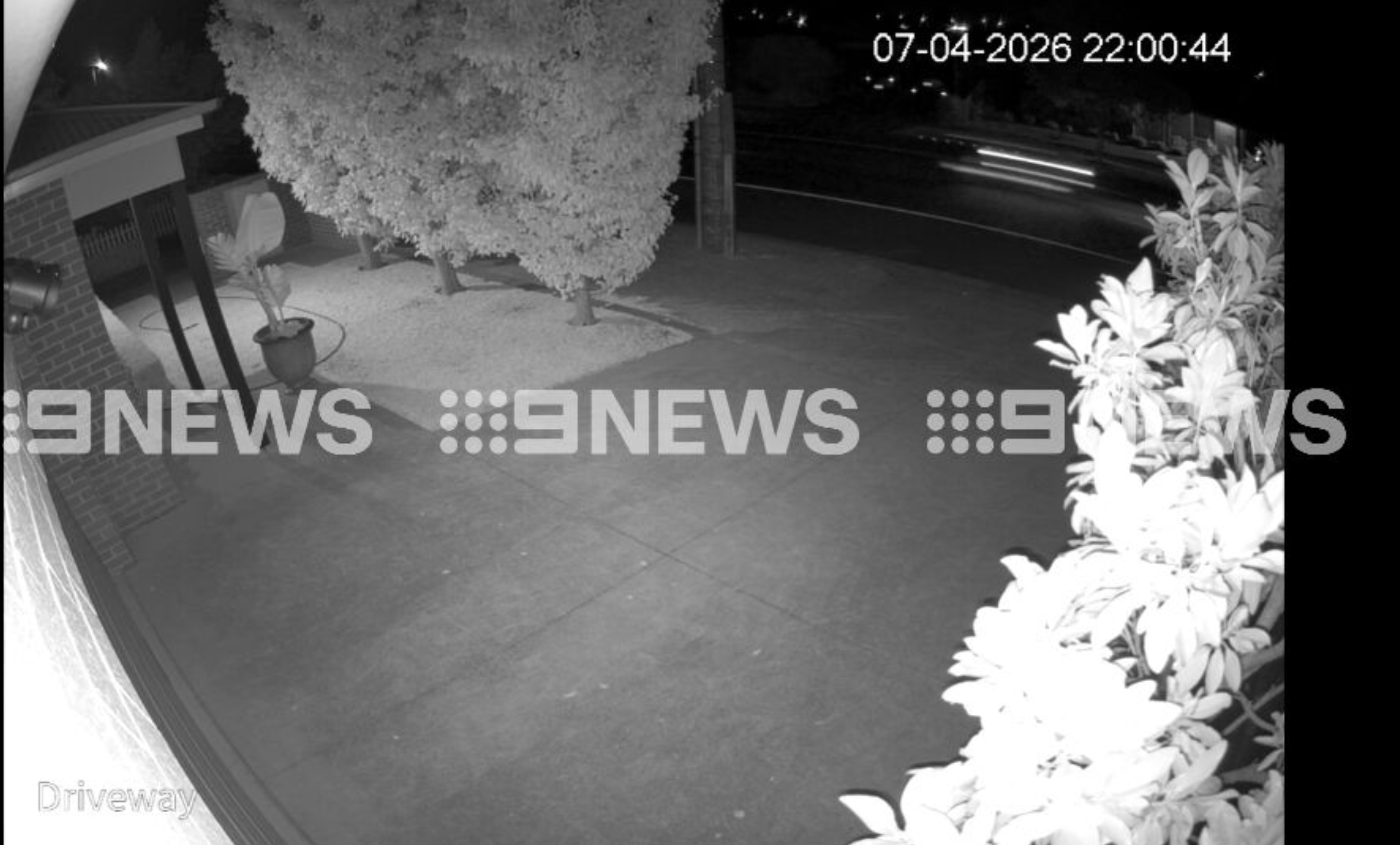
motorcycle 300 km/h chase

The motorcycle can be heard, and briefly seen, on CCTV from a nearby home flying down a local road.

It came to a stop outside a home on Christies Road in Leopold about 10.30pm and a 27-year-old man was arrested.

He has since been charged with dangerous conduct endangering life as well as several other traffic offences.

The man was bailed to appear before Geelong Magistrates' Court on May 8.

The motorcycle was impounded at a cost of $1305.

The police pursuit coincided with a Victorian Liberal Party pledge to crack down on offenders involved in car chases if they are elected at the November state election.

There's currently three offence types related to police pursuits, with varying penalties ranging from fines to jail time.

The Liberal Party pledged to add a fourth offence, which would lower the threshold to lock offenders up.

READ MORE: Pope says Trump's war threat 'truly unacceptable'

Brad Battin

The police union threw its support behind the proposal.

"Their punishment should better reflect the serious danger their actions have placed our police and the community in," police union secretary Wayne Gatt said.

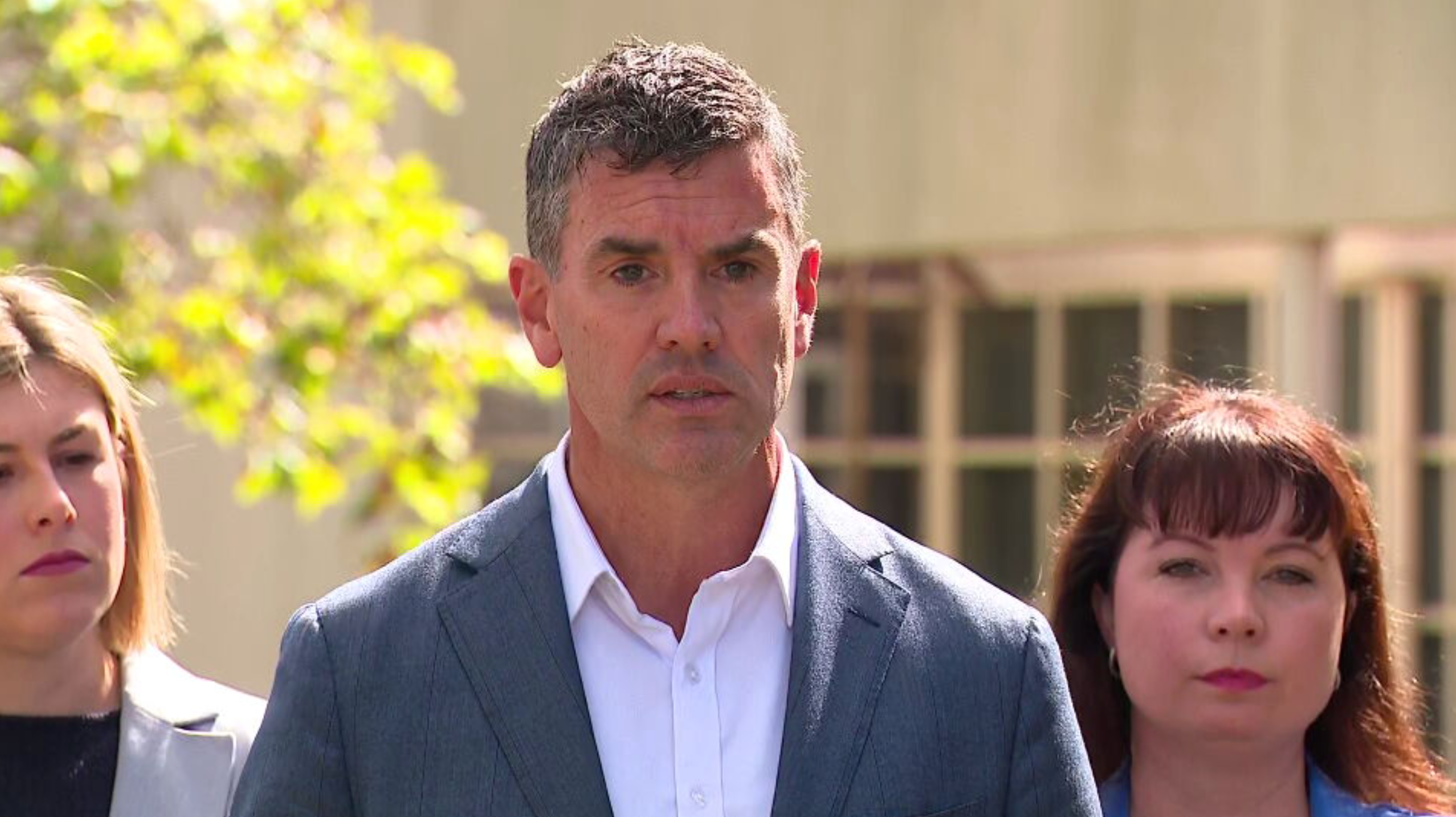
"We cannot have people where they continue, like last night, to drive on highways and freeways at 300km/h, putting the community at risk without consequence," shadow police minister Brad Battin said.

Transport Infrastructure Minister Gabrielle Williams called the pledge a "back-of-the-envelope policy".

"To be frank, this is already effectively law in Victoria, so it's a bit embarrassing for Jess Wilson and the Liberals that this is the policy position they've come out with today," she said.

NEVER MISS A STORY: Get your breaking news and exclusive stories first by following us across all platforms.