Live DJ nights will return to The Foundry for the first time since October’s incident.
Tag Archives: oceania
Foxton Shannon Rd crash: One dead after car hits power pole
The single-vehicle crash into a power pole was reported just before 4pm.
Why full bins are being left on the streets this week
Thousands of Melbourne households will be forced to cram their rubbish into full bins this week, as kerbside collectors from several councils walked off the job today over pay and conditions.
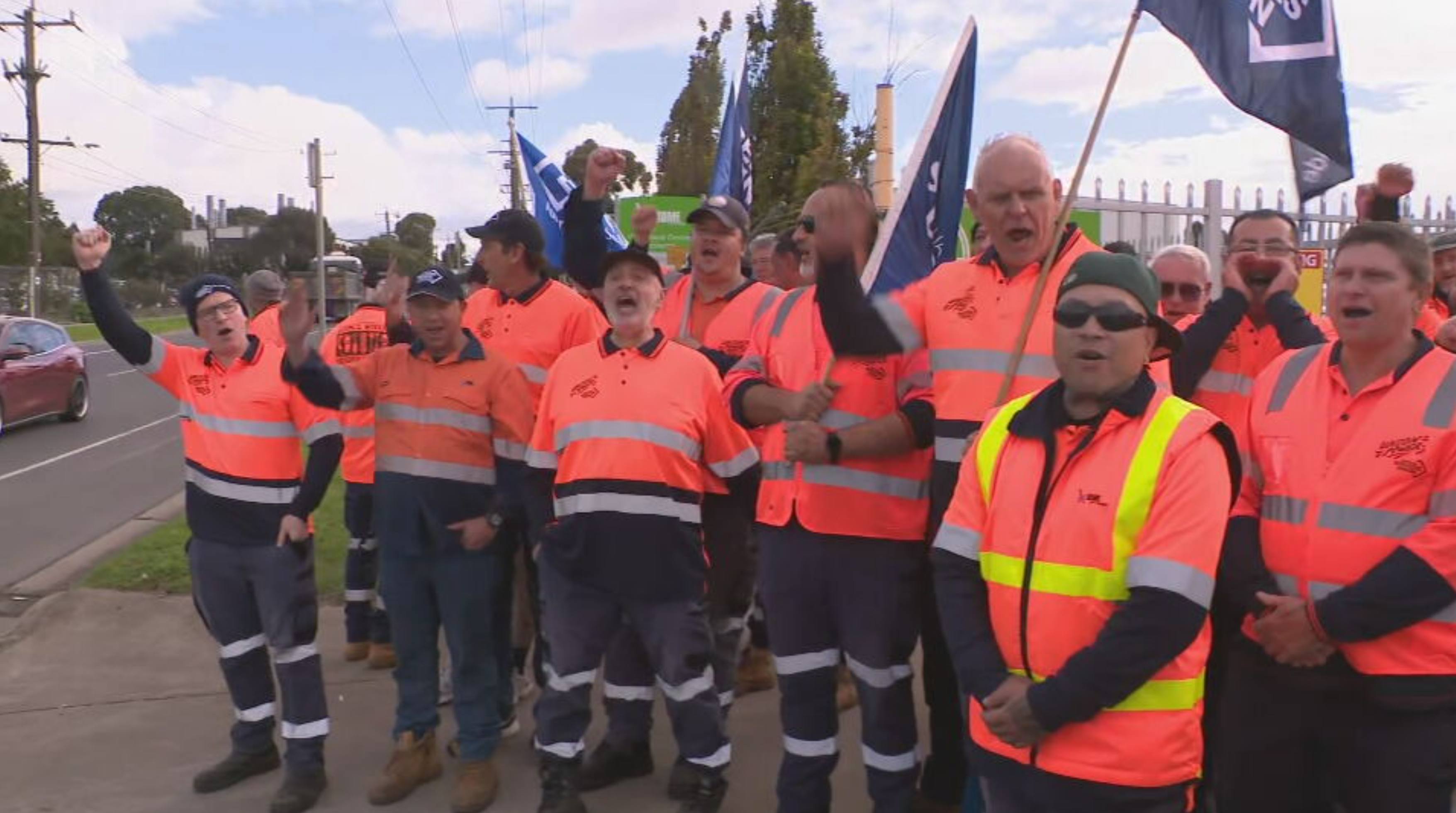
Waste collectors from Hume, Darebin and Merri-bek councils began strike action this morning, seeking a 10 per cent pay increase this year, followed by 4 per cent increases every year over the next three years.
"They have watched their wages fall by 10 per cent in real terms over the last four years," Australian Services Union (ASU) National Branch Secretary Tash Wark said.
READ MORE: Australian flight attendant dies after road accident in Fiji
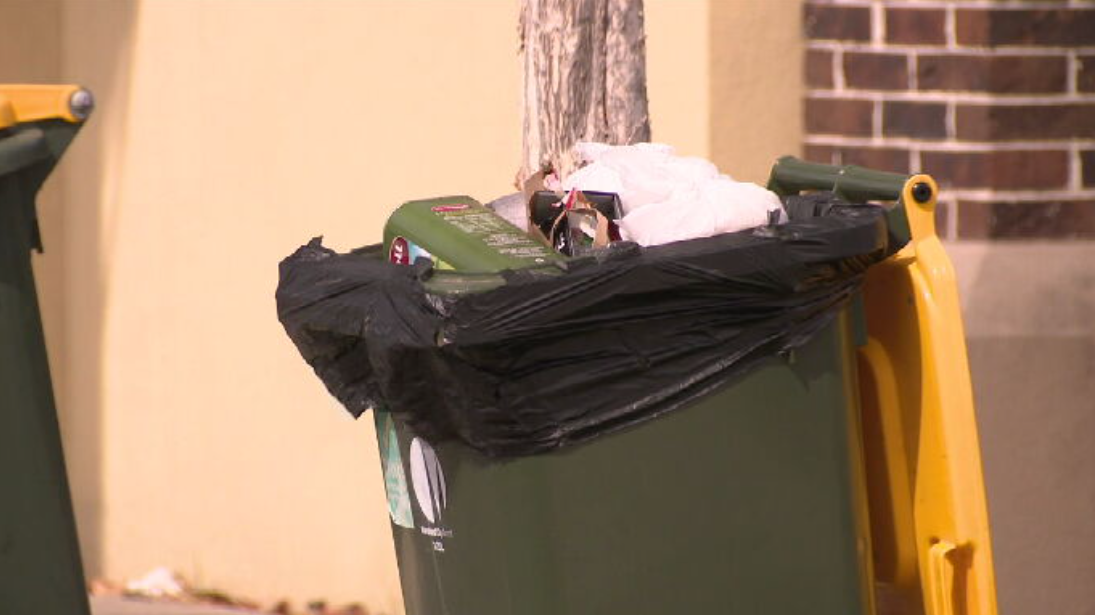
Household bins and public bins across Melbourne's north weren't emptied today, forcing residents to wait another week until they are collected.
The City of Hume was the worst hit, with around 70 workers walking off the job.
Merri-Bek and Darebin councils were able to bring in in casual staff to minimise the impact on ratepayers.
Wark said residents in Hume would "have to wait".
"We're sorry about that, but we need to make sure our members are seen and heard."
Council worker wages have fallen between seven and 12 per cent since 2021, according to the union.
"ASU members have had a gutful of being left behind while the rate capping policy has really torn down wages in local government," Wark said.
"They're striking today to seek a 10 per cent pay rise, which only goes part of the way to make up from the cost of living and inflation they've been subjected to in the last few years."
READ MORE: Former Olympic cyclist Rohan Dennis accuses media of peddling 'false narrative' after wife's death
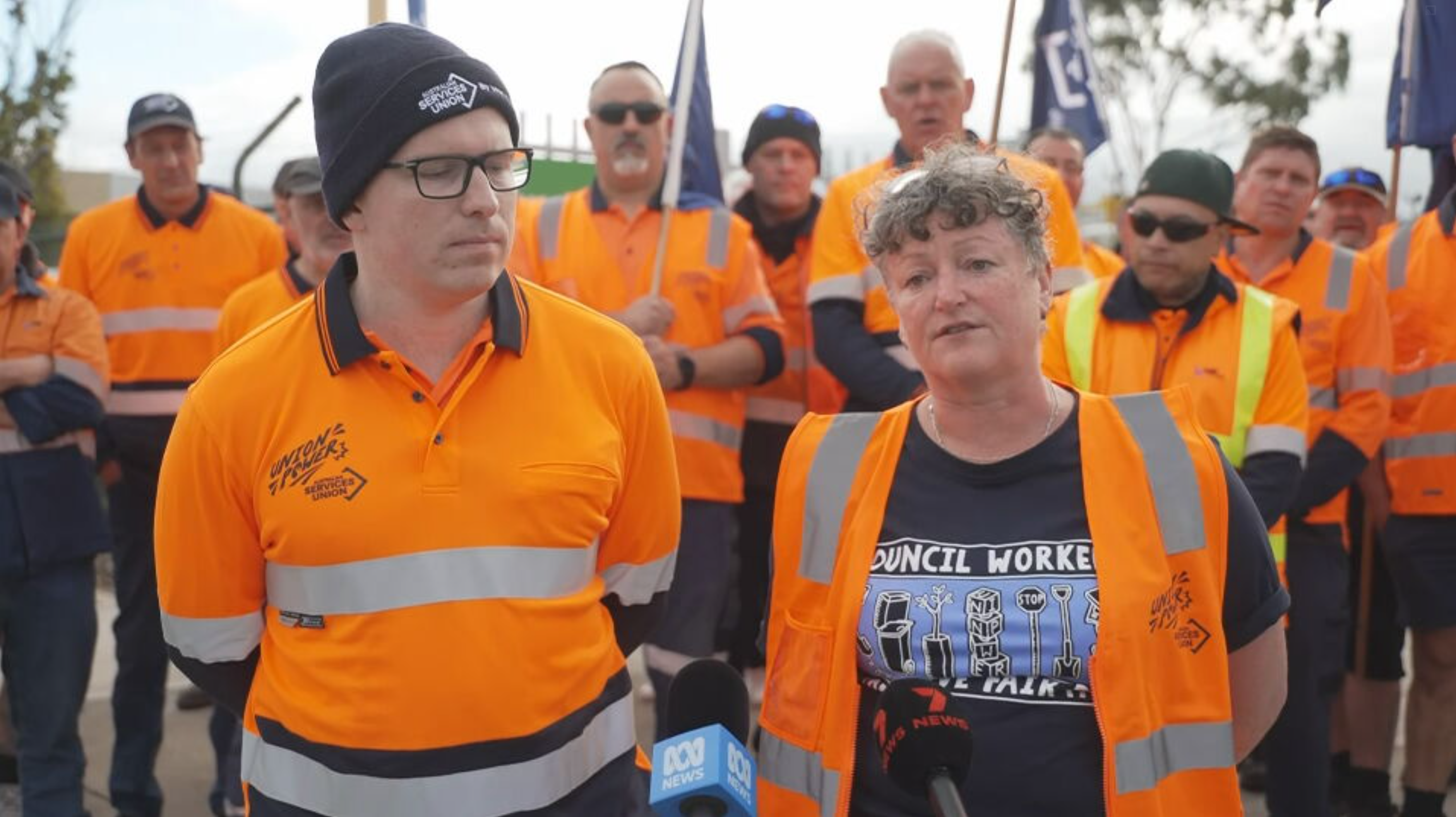
Union members claim they haven't received a pay rise in almost two years.
"Our members have been fighting for a year and a half just to get to the table," Wark said.
"Our members are doing this action regretfully, it is not their first choice, they love their jobs, they're really proud of the communities they support but this is where we're at."
Hume garbage collector Jayden Watson said the wage stagnation had put him behind in his goal of buying a home.
"I try to work hard, I try to stay behind and do more hours… [but] I'm falling behind whilst trying to save money," Watson said.
"We all need to pay bills. Some people are struggling to get food on the table."
In a joint response, the affected councils said negotiations with the ASU was ongoing.
"While we acknowledge the legal right of the ASU to take protected industrial action, these actions affect our communities, which is regrettable," the councils said.
"We are keeping our communities informed on how any industrial action may affect them.
READ MORE: Ben Roberts-Smith arrested as part of war crimes investigation
"We ask our communities for their patience and we will continue to negotiate in good faith with all unions representing our staff."
In addition to the pause on rubbish collection, parking officers in the the cities of Yarra, Maribyrnong and Melbourne also stopped work today.
Local councils claim they're restricted in what they can offer employees, due to the state government's rate-capping policy.
"Every time workers sit down to bargain with councils, they're told the rate cap means that they can't meet their demands. It's not good enough," Wark said.
"It's a simple question of priorities: if the government can find money for politicians like councillors whose wages have gone up by over 10 per cent, they can find the money for the people who pick up the rubbish," Wark said.
READ MORE: Winter blast to leave states reeling before severe storms this week
But Acting Premier Ben Carroll insisted the rate cap was a vital measure for the broader community.
"The rates cap is a really important cost-of-living measure that supports hardworking Victorians every day," he said.
A second bargaining meeting was scheduled for today.
If an agreement is not reached at that meeting, further council worker strikes are scheduled for Darebin, Greater Dandenong, Hobsons Bay, Hume, Maribyrnong, Melbourne, Merri-Bek and Yarra tomorrow.
"It will be things like parks not being mowed, library disruptions, no parking tickets being issued," Wark said.
"Anything a council worker does is going to get disrupted in the next little while.
"We will keep taking action until members get what they deserve."
NEVER MISS A STORY: Get your breaking news and exclusive stories first by following us across all platforms.
-
Download the 9NEWS App here via Apple and Google Play
-
Make 9News your preferred source on Google by ticking this box here
-
Sign up to our breaking newsletter here
Man wondered why his internet stopped working, found burglar holding his stolen Wi-Fi modem
Burgler Rangi Ferrall kicked the victim in the stomach and punched him in the face.
Pauline Hanson, Tony Abbott speak in support of Ben Roberts-Smith following arrest
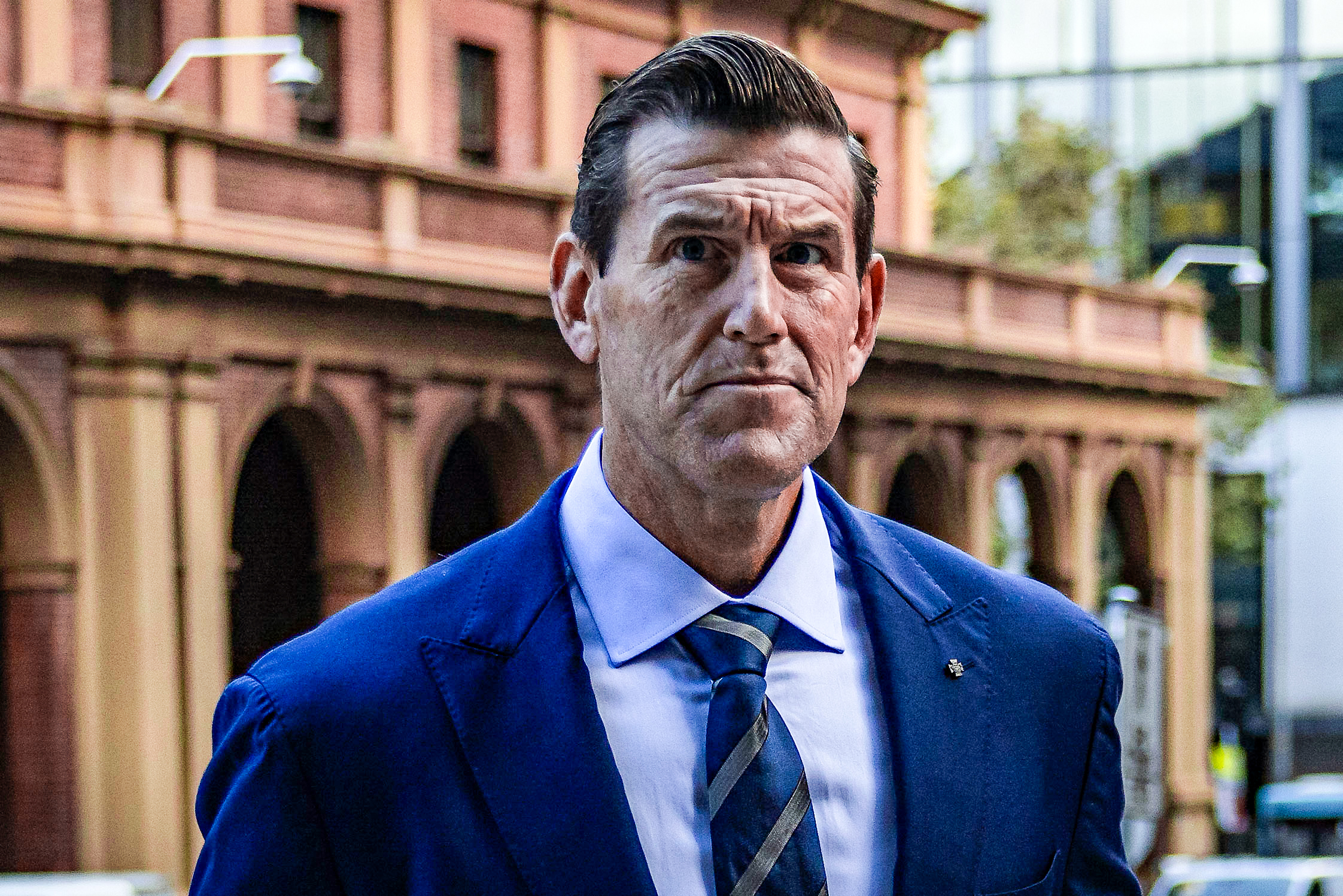
One Nation leader Pauline Hanson and former Australian prime minister Tony Abbott have doubled-down on their support of Ben Roberts-Smith after his arrest at Sydney Airport this morning.
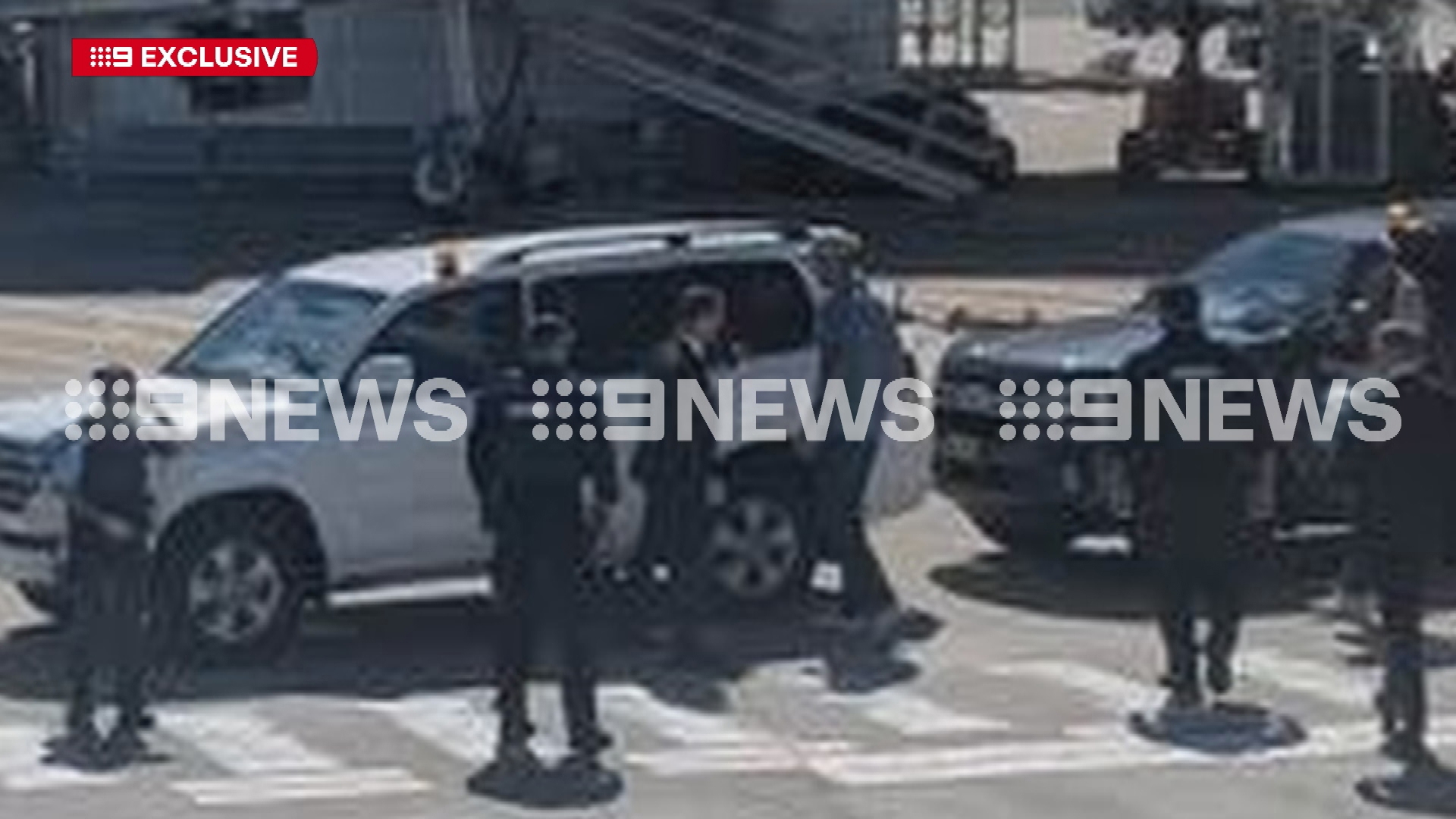
Australia's most decorated soldier was arrested by AFP and OSI officers while getting off a flight from Brisbane.
He is expected to be charged with five counts of war crime – murder relating to the deaths of five Afghan nationals between 2009 and 2012, AFP commissioner Kristy Barrett confirmed.
LIVE UPDATES: Donald Trump says Iran wants him to 'keep bombing'
One Nation leader Pauline Hanson and former Liberal prime minister Tony Abbott both took to social media to affirm their support of the Victoria Cross recipient, following news of his arrest.
"I remain steadfast in my support of Ben Roberts-Smith despite news of his arrest today," Hanson said.
"Ben, his immediate and broader defence family need the Australian people's support right now and I will not abandon him like so many other politicians.
"Ben was disgracefully arrested in front of his twin 15-year-old girls.
"He will be held in jail for seven days. He gets just one bail application. If that application fails, they can hold him for two years.
"AFP and OSI have spent $300 million over 10 years to get to this point."
READ MORE: How a five-year investigation led to Ben Roberts-Smith's arrest at Sydney Airport

Abbott extended his "instinctive sympathy" to soldiers from the Afghanistan campaign and criticised the timeline of the criminal case against Roberts-Smith.
"As prime minister during multiple deployments, and having spent time with our troops in war-zones, I could not have asked for a more loyal and professional military and my respect for their service is undiminished," Abbott wrote in a post to Facebook.
"If Ben Roberts-Smith transgressed, why wasn't this picked up prior to his gallantry awards and why wasn't any culture of brutality towards prisoners detected by his more senior officers, and dealt with quickly, rather than being allowed to fester, as has been alleged, for over a decade?"
"After doing their best to serve our country, dozens of former special forces soldiers should not still be in limbo years later because of ongoing investigations that have only resulted in charges in two cases."
It was "wrong to judge the actions of men in mortal combat by the standards of ordinary civilian life", Abbott noted in his post.
"Justice delayed is justice denied. If evidence is clear, and cases are strong, they should be brought and concluded without delay.
READ MORE: Army reservist charged after allegedly travelling to Ukraine to fight
"Otherwise, people should be cleared to get on with their lives lest the process itself become the punishment.
"In Afghanistan, our soldiers fought bravely and well for a just cause. I am very sorry that some of them have been subjected to a form of persecution by the country they served."
The controversial political figures' defiant support comes hours after Prime Minister Anthony Albanese warned against politicising Roberts-Smith's arrest and pending charges.
"That is a matter that it's very important that there not be political engagement in what is a matter that is now the subject of legal proceedings," Albanese said.
"I have no intention of prejudicing a matter that clearly is a legal matter and that's before the courts and any comment would do so."
NEVER MISS A STORY: Get your breaking news and exclusive stories first by following us across all platforms.
-
Download the 9NEWS App here via Apple and Google Play
-
Make 9News your preferred source on Google by ticking this box here
- Sign up to our breaking newsletter here
One person arrested after ‘serious assault’ in Nawton, Hamilton
Police were called to Dominion Road in Nawton at about 3pm today.
Waikaraka Speedway faces backlash after last-minute Easter show cancellation
The event was called off at 5.20pm, just 40 minutes before the 6pm start.
Winston Peters heads to Washington as Trump’s Iran threats escalate – The Front Page
Foreign Minister heads to Washington to meet US Secretary of State Marco Rubio.
Aussie holiday hotspot facing disruption as severe tropical cyclone looms
Australian travellers are being warned of significant disruptions as two cyclones bear down on the region, including one off the coast of Fiji.
Severe Tropical Cyclone Vaianu is currently at category 3 and is threatening to pass by the western part of the country, close to tourist centre Nadi.
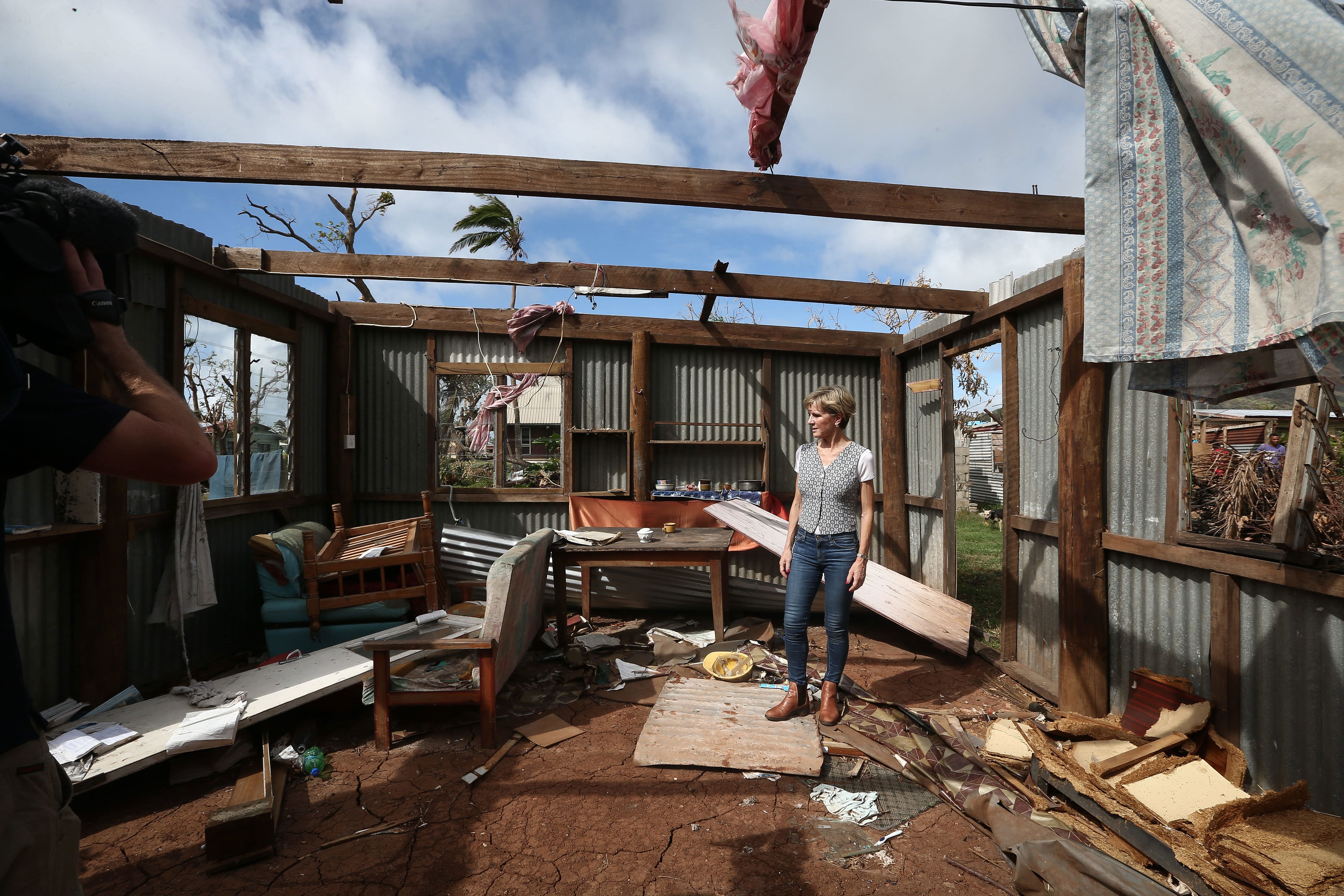
The Department of Foreign Affairs and Trade (DFAT) has urged travellers to be on high alert, warning parts of Fiji could be smashed by strong winds, heavy rain and flash flooding.
BREAKING NEWS: Ben Roberts-Smith to be charged with five war-crime murders

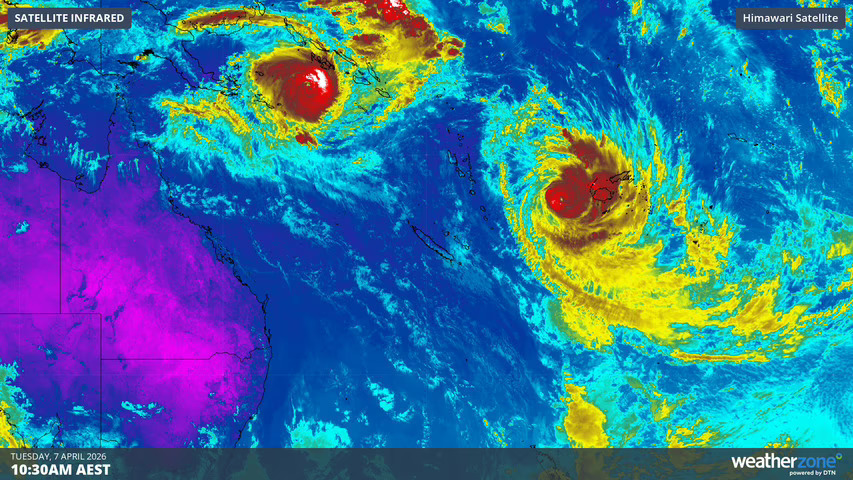
The storm cell could disrupt transport and other essential services, the updated travel advice said.
"Know your accommodation's evacuation plan. If a cyclone is approaching your area, find your nearest shelter and follow the advice of local authorities," the advice on Smart Traveller said.
It urges travellers to contact their airline or travel provider if they are worried about plans being disrupted by the cyclone.
LIVE UPDATES: PM to fly to island nation in bid to shore up Australia's fuel supply
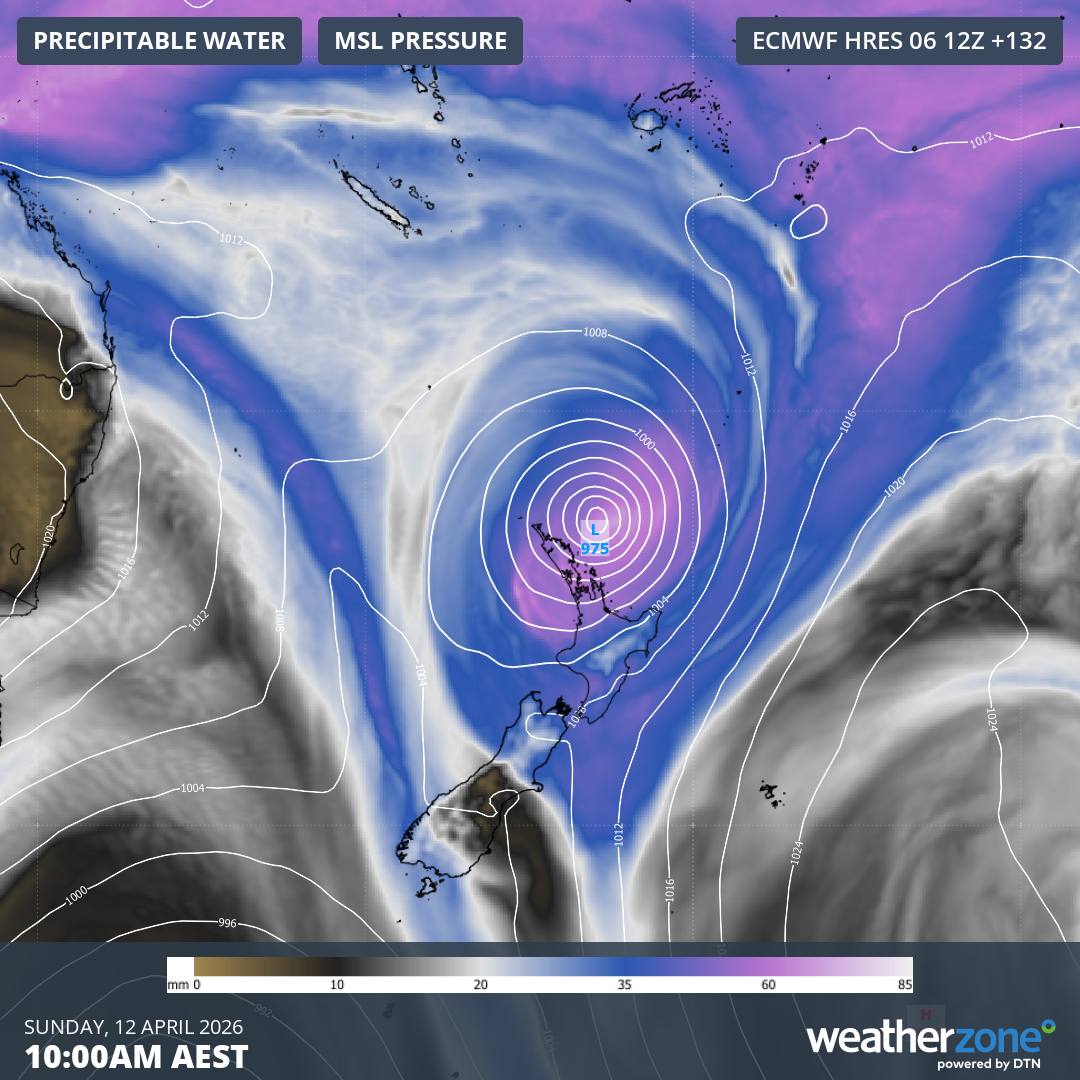
It is expected to pass east of Vanuatu, another popular tourist destination with Australians, but will not make landfall in either nation, Weatherzone
But it is threatening to hit New Zealand by the weekend with Auckland, the country's largest city, in the firing line.
Fiji's cyclone season lasts from November until April, and the island nation has been struck hard in recent years.
In 2016, Cyclone Winston, a category 5 storm, killed 44 people as it battered the country.
Fiji was hit by three cyclones in 2021, with the most severe — Cyclone Ana — causing millions of dollars of damage and killing one person.
WORLD: Australian flight attendant dies in horror Fiji crash
Another tropical cyclone, Cyclone Maila is currently tracking off the Solomon Islands and could hit Papua New Guinea.
The category 3 storm could still hit Australia, experts have warned.
It is then expected to move towards the Far North Queensland coast by the weekend, potentially making landfall over the weekend or early next week, Weatherzone's Anthony Sharwood said.
"At this stage, it is not known how strong the cyclone is likely to be if and when it crosses the Australian coastline."
NEVER MISS A STORY: Get your breaking news and exclusive stories first by following us across all platforms.
-
Download the 9NEWS App here via Apple and Google Play
-
Make 9News your preferred source on Google by ticking this box here
-
Sign up to our breaking newsletter here
How a five-year investigation led to Ben Roberts-Smith’s arrest
Decorated former soldier Ben Roberts-Smith has been charged with five counts of war crime – murder following a complex, five-year investigation into the deaths of unarmed Afghan men dating back nearly 20 years.
Australian Federal Police (AFP) officers arrested Roberts-Smith, 47, at Sydney Airport today over alleged war crimes committed during his Afghanistan deployment between 2006 and 2012.
The Victoria Cross recipient's arrest is the result of a landmark joint AFP and the Office of the Special Investigator (OSI) investigation into the Australian Defence Force (ADF) that began in 2021.
READ MORE: Witnesses describe moment former decorated soldier was arrested at busy airport
His arrest could kick off the largest and most significant war crime prosecution in Australia's history.
The maximum penalty for the offence of war crime – murder is life imprisonment.
Roberts-Smith has always denied any allegations of wrongdoing.
Here is how it all unfolded.
2006 – Roberts-Smith is deployed to Afghanistan
Roberts-Smith was deployed to Afghanistan as part of the Special Air Service Regiment (SASR), the first of multiple military postings in the country.
He was later awarded the Medal for Gallantry for his actions in Afghanistan in 2006.
The decorated war veteran returned to Afghanistan four more times, in 2007, 2009, 2010 and 2012.
2009 – Afghan men killed in Kakarak
Roberts-Smith was deployed on an SAS mission in the Uruzgan province of Kakarak in April 2009.
While on this mission, the AFP will allege his actions resulted in two possible crimes:
- The war crime of murder, in that he allegedly intentionally caused the death of a person, on or about 12 April, 2009, at Kakarak, Uruzgan Province, Afghanistan.
- The war crime of murder, in that he allegedly aided, abetted, counselled or procured another person to intentionally cause the death of a person, on or about 12 April, 2009, at Kakarak, Uruzgan Province, Afghanistan.
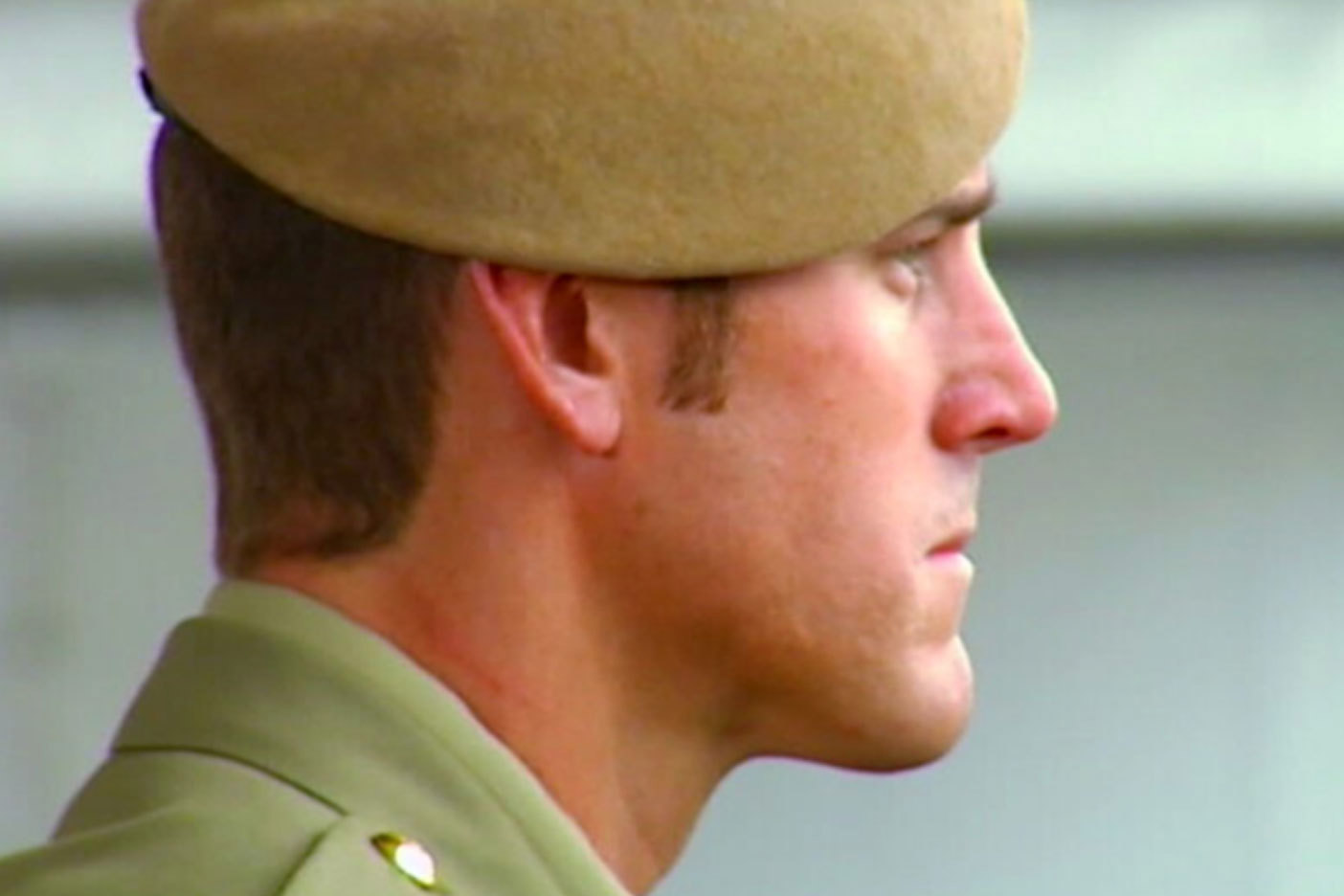
2010 – Heroic actions during battle of Tizak
Roberts-Smith was awarded the Victoria Cross for his "most conspicuous gallantry" and "valour" during his fifth tour of Afghanistan in the battle of Tizak on June 11.
LIVE UPDATES: Trump takes shot at Australia as Iran openly mocks him
2011 - Victoria Cross awarded
In 2011, he received the Victoria Cross for his heroism the year prior in Tizak.
This is the highest military honour that can be awarded in Australia.
2012 – Mission in Uruzgan, Afghanistan
His leadership and courage as a patrol commander on more than 50 high-risk operations is later recognised with a Commendation for Distinguished Service.
In 2012, Roberts-Smith conducted operations in Uruzgan, Afghanistan. He has been charged with three separate offences arising from this mission, the details of which are expected to be:
- The war crime of murder, in that he allegedly aided, abetted, counselled or procured another person to intentionally cause the death of a person, on or about 11 September, 2012, at Darwan, Uruzgan Province, Afghanistan.
- The war crime of murder, with another person, in that they allegedly intentionally caused the death of a person, on or about 20 October, 2012, in Syahchow, Uruzgan Province, Afghanistan.
- The war crime of murder, in that he allegedly aided, abetted, counselled or procured another person to intentionally cause the death of a person, on or about 20 October, 2012, at Syahchow, Uruzgan Province, Afghanistan.
2013 – Roberts-Smith retires
Roberts-Smith retires as full-time soldier and forms his consultancy business, RS Group Australia, in 2013.
He was named the 2013 Australian Father of the Year.
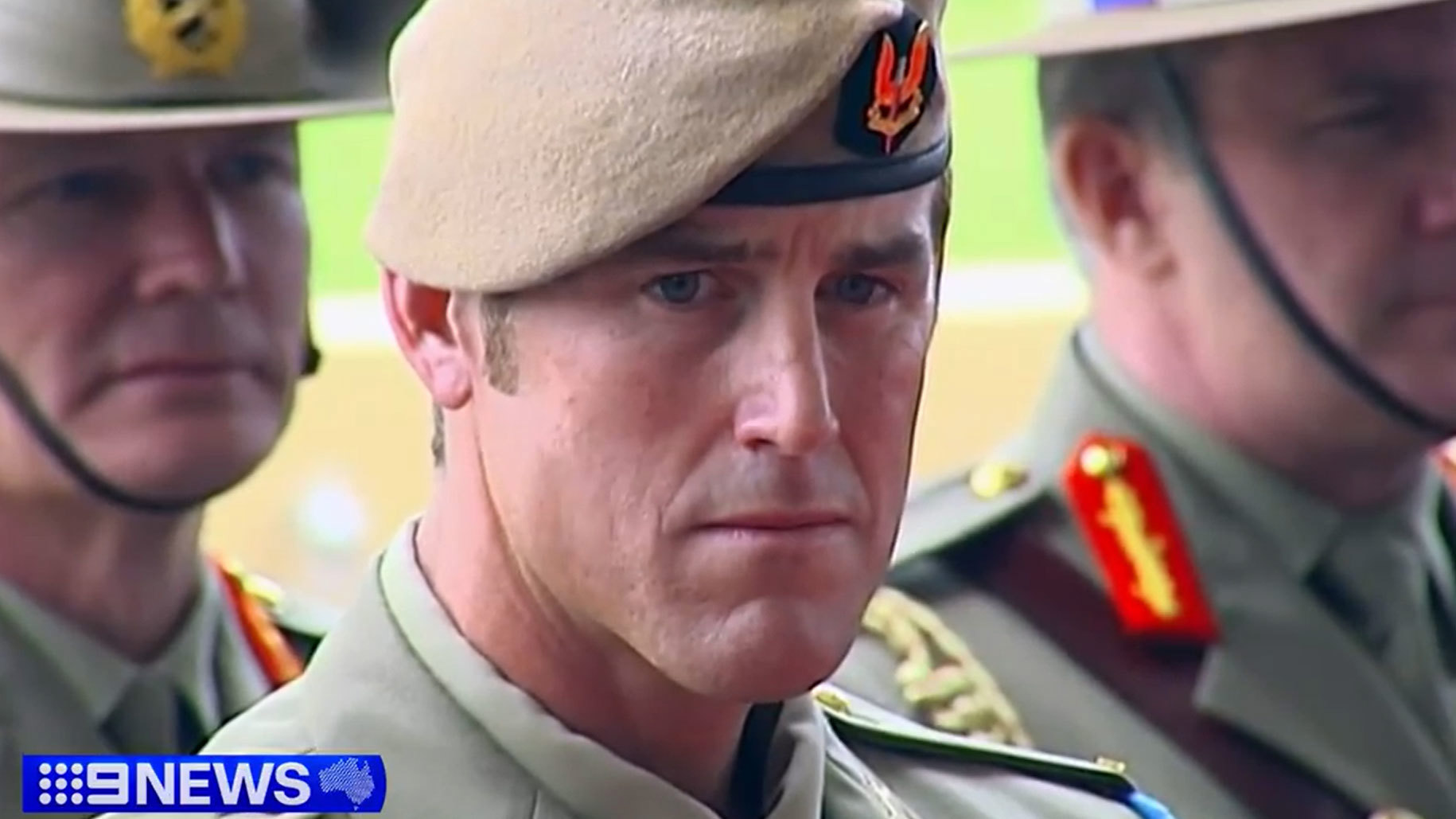
2018 – Newspaper investigation into war crimes
Nine newspapers The Sydney Morning Herald, The Age and The Canberra Times publish allegations of war crimes against an anonymous SAS soldier known as "Leonidas" in June 2018.
In August, Roberts-Smith is named in reports after his lawyers unsuccessfully sought an injunction.
Roberts-Smith then sued the publishers of The Sydney Morning Herald, The Age and The Canberra Times for defamation in the Federal Court.
Nine is the publisher of this website.
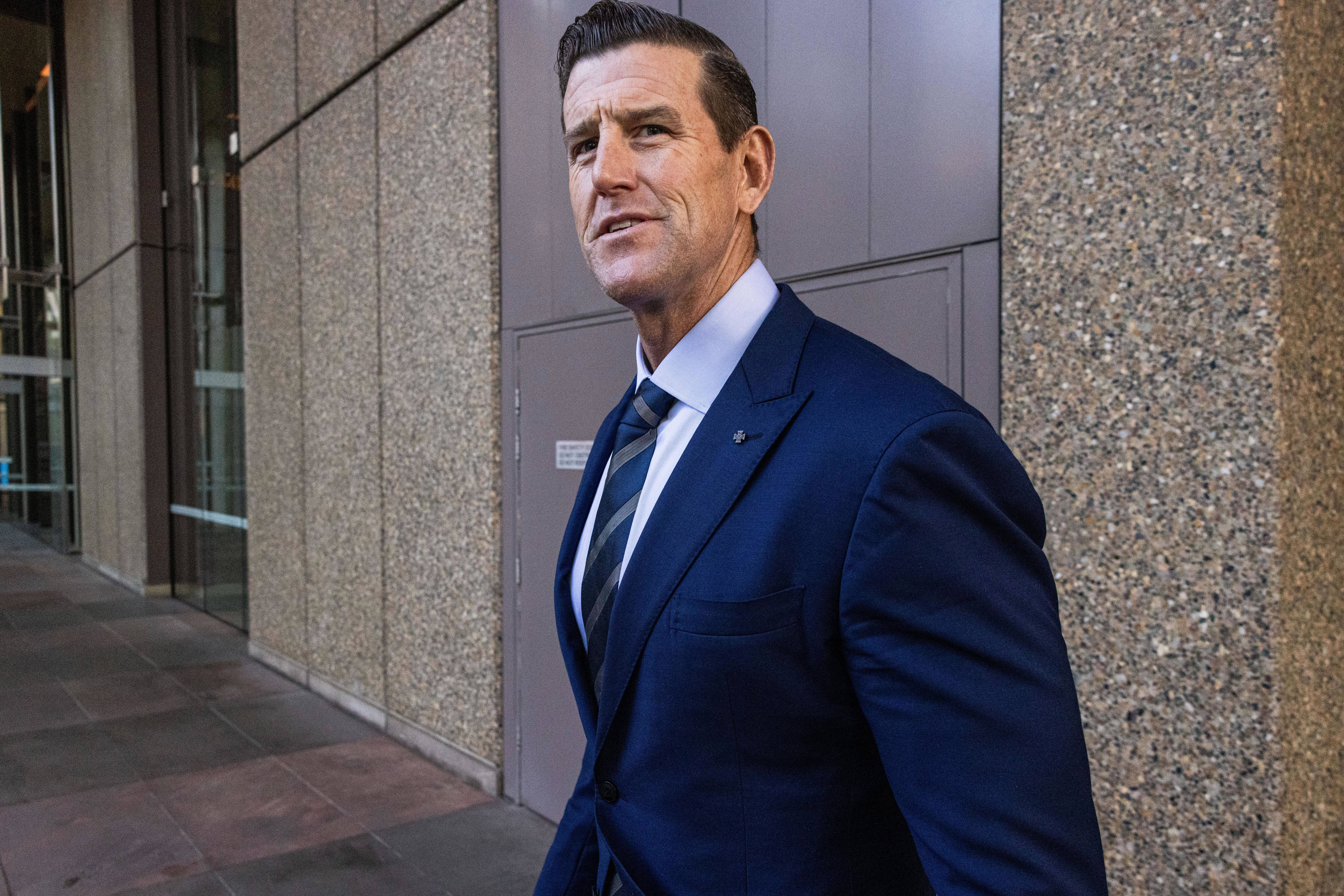
2020 – Defamation trial delayed, Brereton reports finds 'credible evidence' of 23 incidents
The Brereton report found credible evidence of 23 incidents in which a total of 39 Afghan nationals were unlawfully killed by Australian special forces.
It identified 25 current or former ADF personnel accused of perpetrating war crimes, with 19 former soldiers to face a criminal investigation. In the public version of the report, the names of all soliders were redacted.
Meanwhile, the defamation trial was delayed due to the COVID-19 pandemic.
2021 – Defamation trial begins
The defamation trial between Roberts-Smith and media outlets The Age, The Sydney Morning Herald and the Canberra Times begins in the Federal Court, Sydney, in June 2021.
It takes 110 days in court over 14 months, with 41 witnesses called.
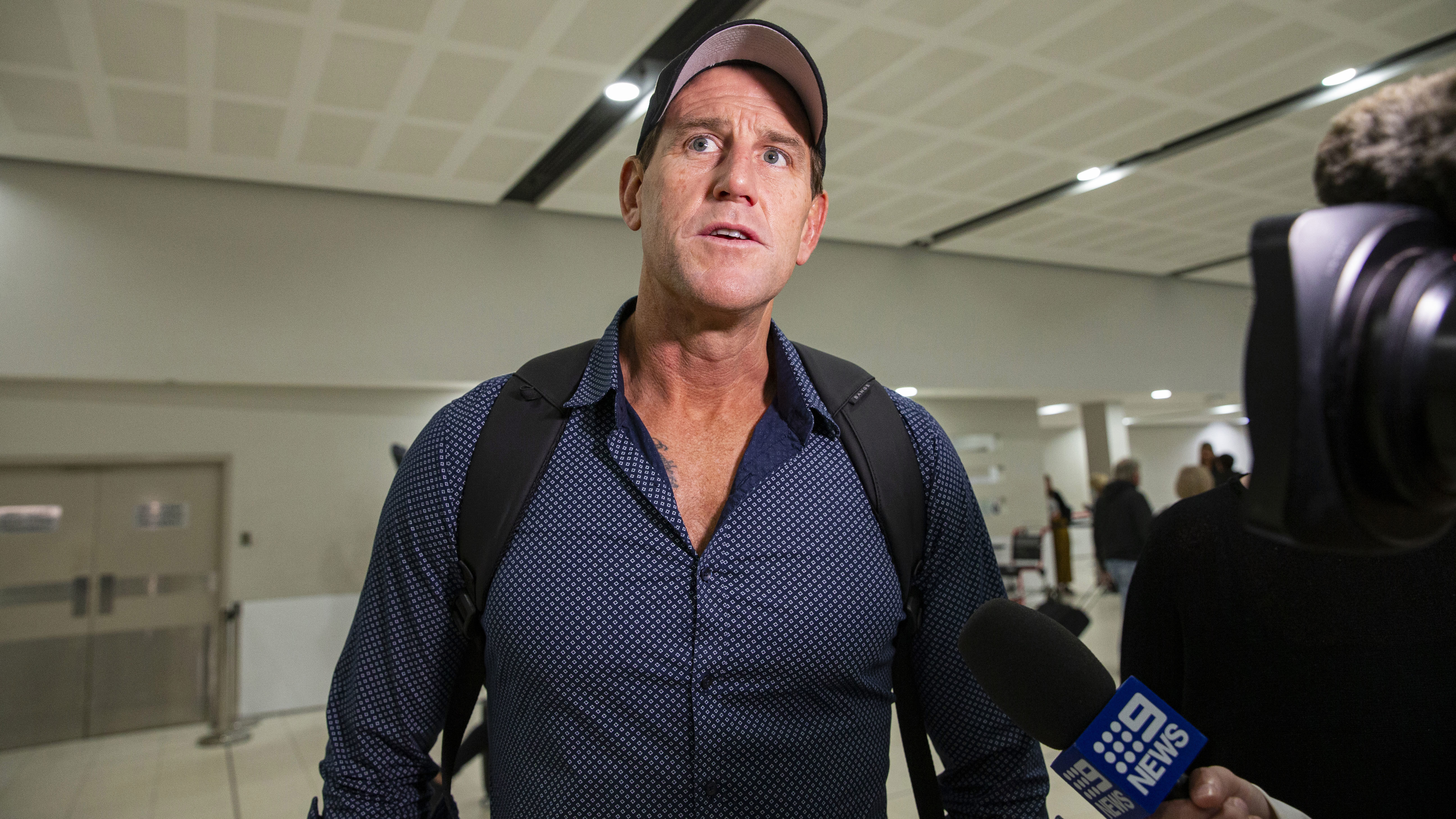
2022 – Trial concludes
The trial ended on July 27, 2022, with Justice Anthony Besanko reserving his decision as a written judgment to be handed down at a later date.
2023 - Roberts-Smith's defamation claims thrown out
Justice Besanko dismissed Roberts-Smith's case against Nine, finding that most of the war crimes and bullying allegations against him were substantially true, with a defence of contextual truth accepted in a domestic violence allegation involving an unnamed woman.
The judge found, to the lesser civil standard of defamation law, that Roberts-Smith had killed four unarmed Afghan men and had broken the rules of military engagement.
Roberts-Smith then filed an appeal.
2025 – Judge rejects appeal
The disgraced war hero's final attempt to appeal his defamation loss was thrown out in September 2025.
The costs of the 110-day trial and the 10-day appeal were estimated to exceed $30 million.
2026 – Roberts-Smith is arrested at Sydney Airport
Roberts-Smith was arrested at Sydney Domestic Airport after he arrived on a flight from Brisbane.
He was charged with five counts of alleged war crime – murder.
The charges, if proved in a court of law, carry a maximum sentence of life in prison.
If you are a current or former ADF member, or a relative, and need counselling or support, you can contact the Defence All-Hours Support Line on 1800 628 036 or Open Arms on 1800 011 046.
NEVER MISS A STORY: Get your breaking news and exclusive stories first by following us across all platforms.
- Download the 9NEWS App here via Apple and Google Play
- Make 9News your preferred source on Google by ticking this box here
- Sign up to our breaking newsletter here