Tag Archives: oceania

One in five Australians are shoplifting from supermarkets, survey says

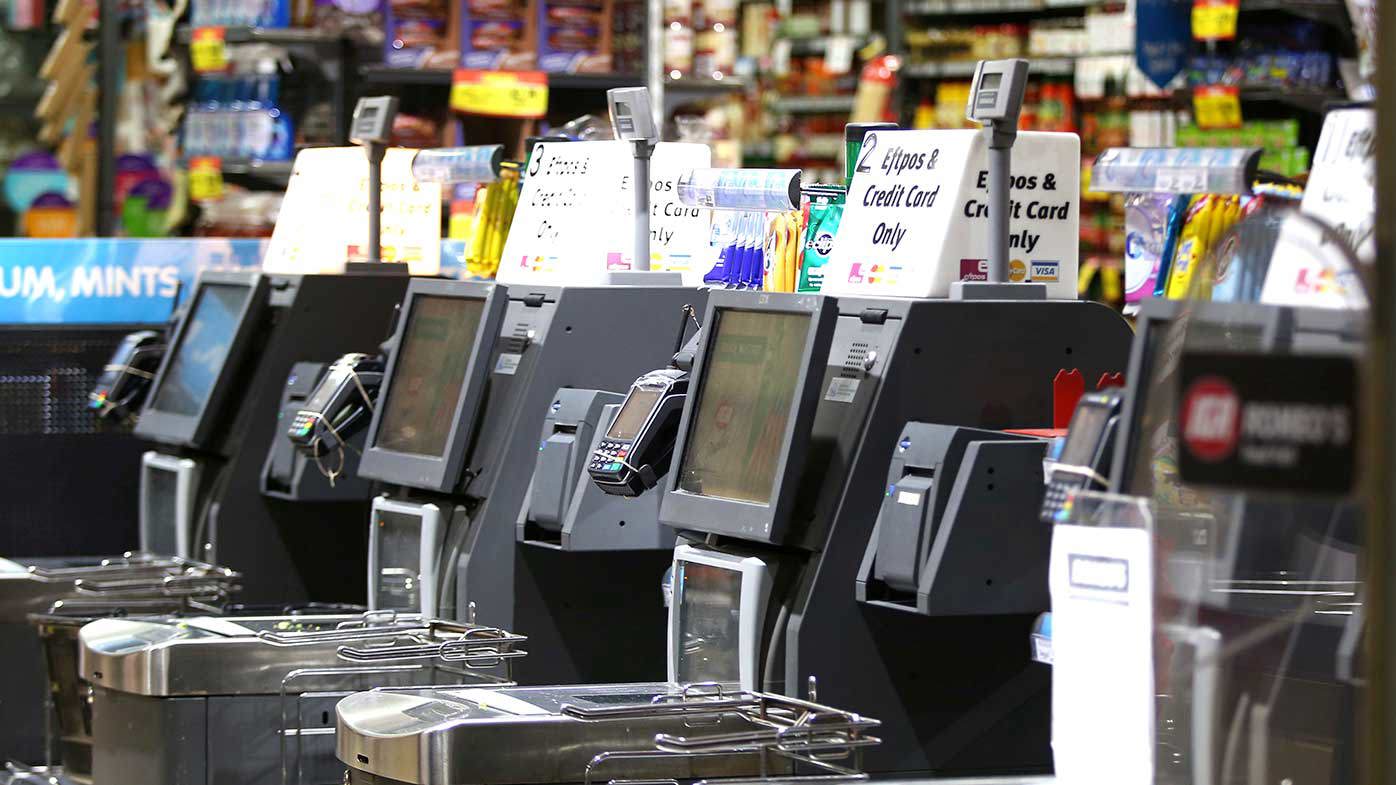
Almost one in five Australians steal from supermarkets by using dishonest behaviour at self-serve checkouts, according to a recent survey.

In new research nine per cent of shoppers admitted to not scanning items before leaving the supermarket, while another ten per cent deliberately lied about what they had scanned to get a cheaper price – for example, putting an avocado on the scales but saying it was an onion.

That is according to a nationally representative survey of 1010 respondents conducted by Finder.

READ MORE: Everything you need to know about today's Sydney train strikes

One in five Australians have admitted to stealing at self-serve checkouts.

Extrapolating nationwide, it would mean 3.8 million Australians have stolen in the past year.

Finder's Richard Whitten linked the thefts to the rising cost of living.

"Of course, most self-checkout machines can't tell brown onions from portobello mushrooms," he said.

"I suspect a lot of Australians don't regard scanning items incorrectly on purpose to be the same level of theft as running out of a shop with a loaf of bread."

LIVE UPDATES: One dead, two injured in house fire on NSW South Coast

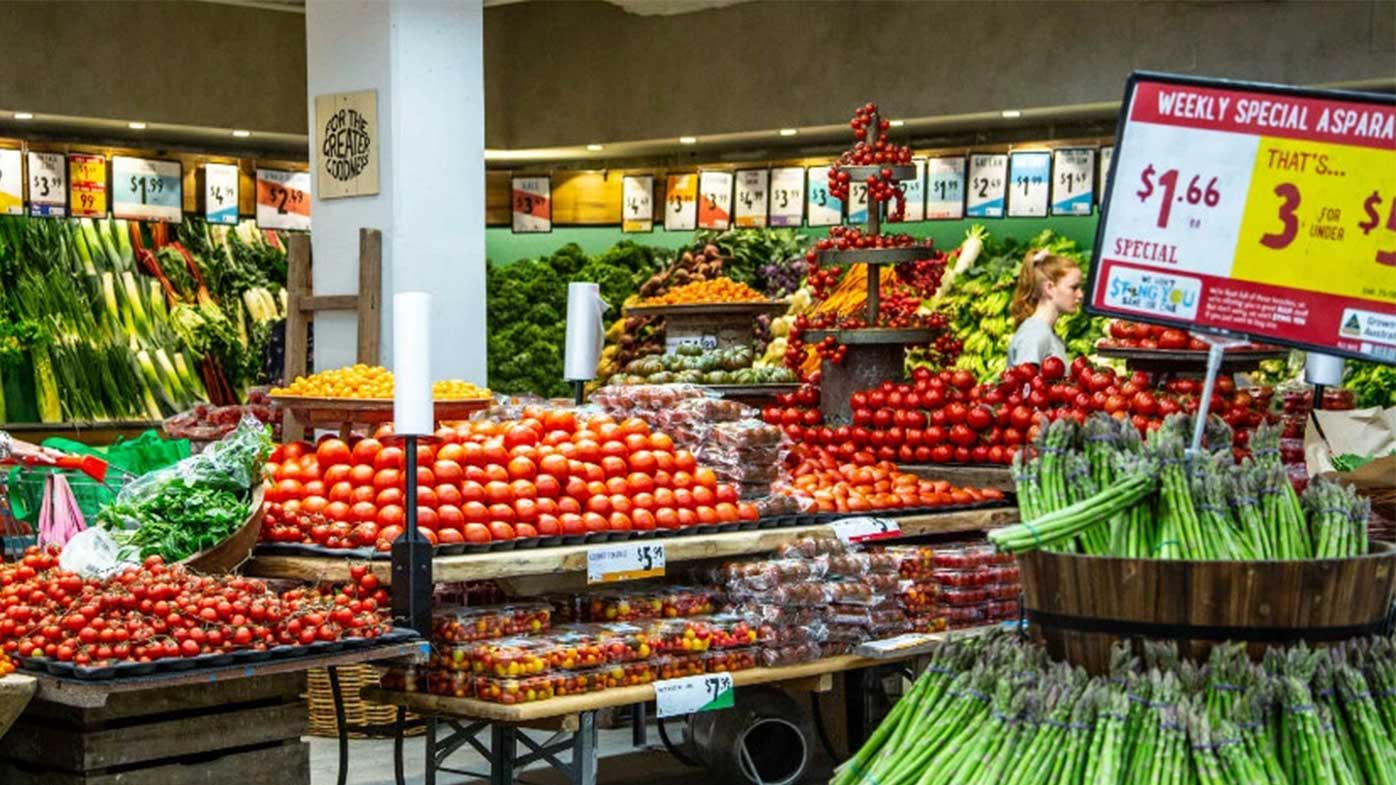
Harris Farm in Leichhardt.

The research also showed two per cent of Australians have dined and dashed in the past year. 

Six per cent said they had driven away without paying for petrol.

If you haven't stolen anything in the past year, you are among 81 per cent of Australians.

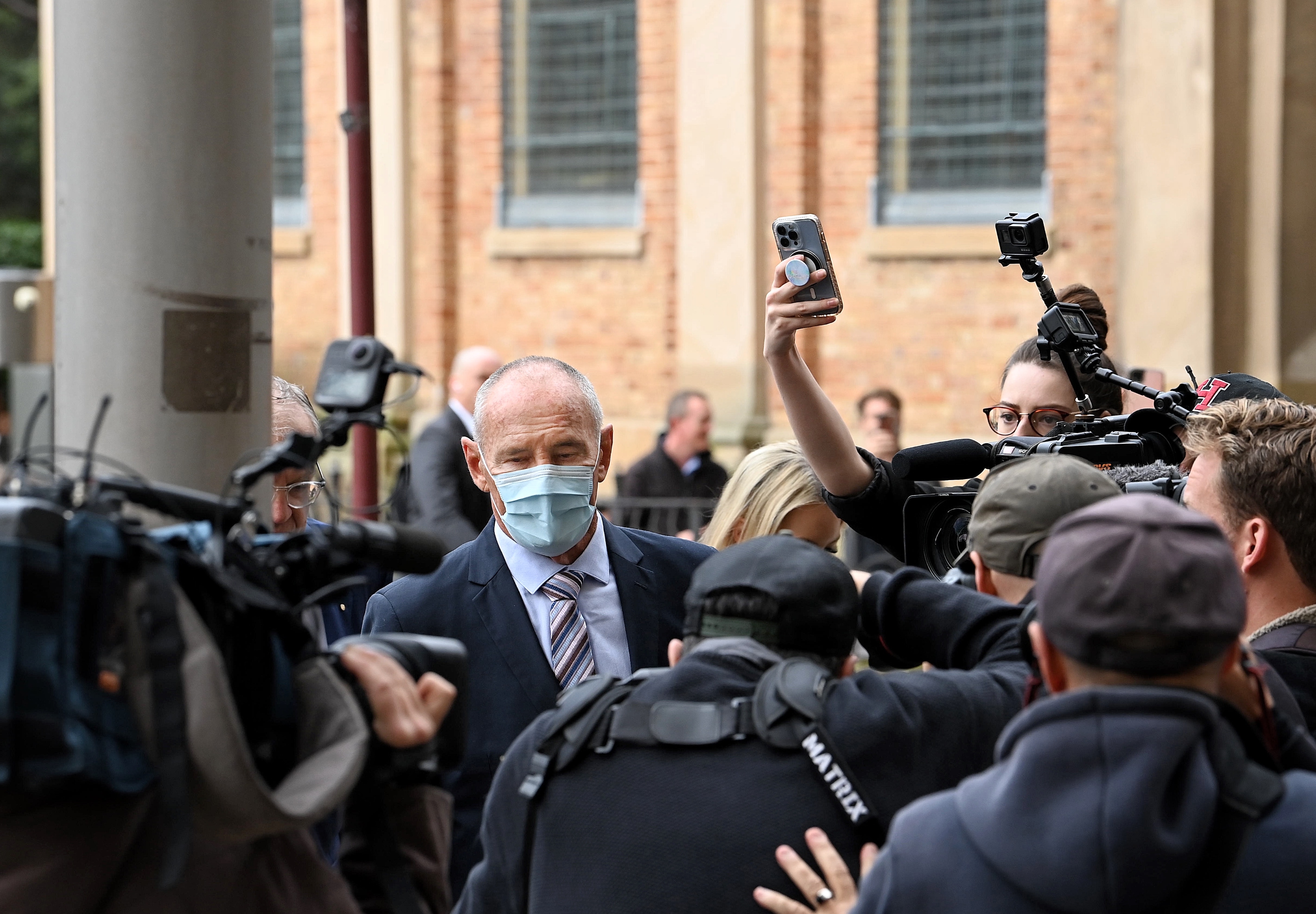
Chris Dawson arrives at Silverwater Prison

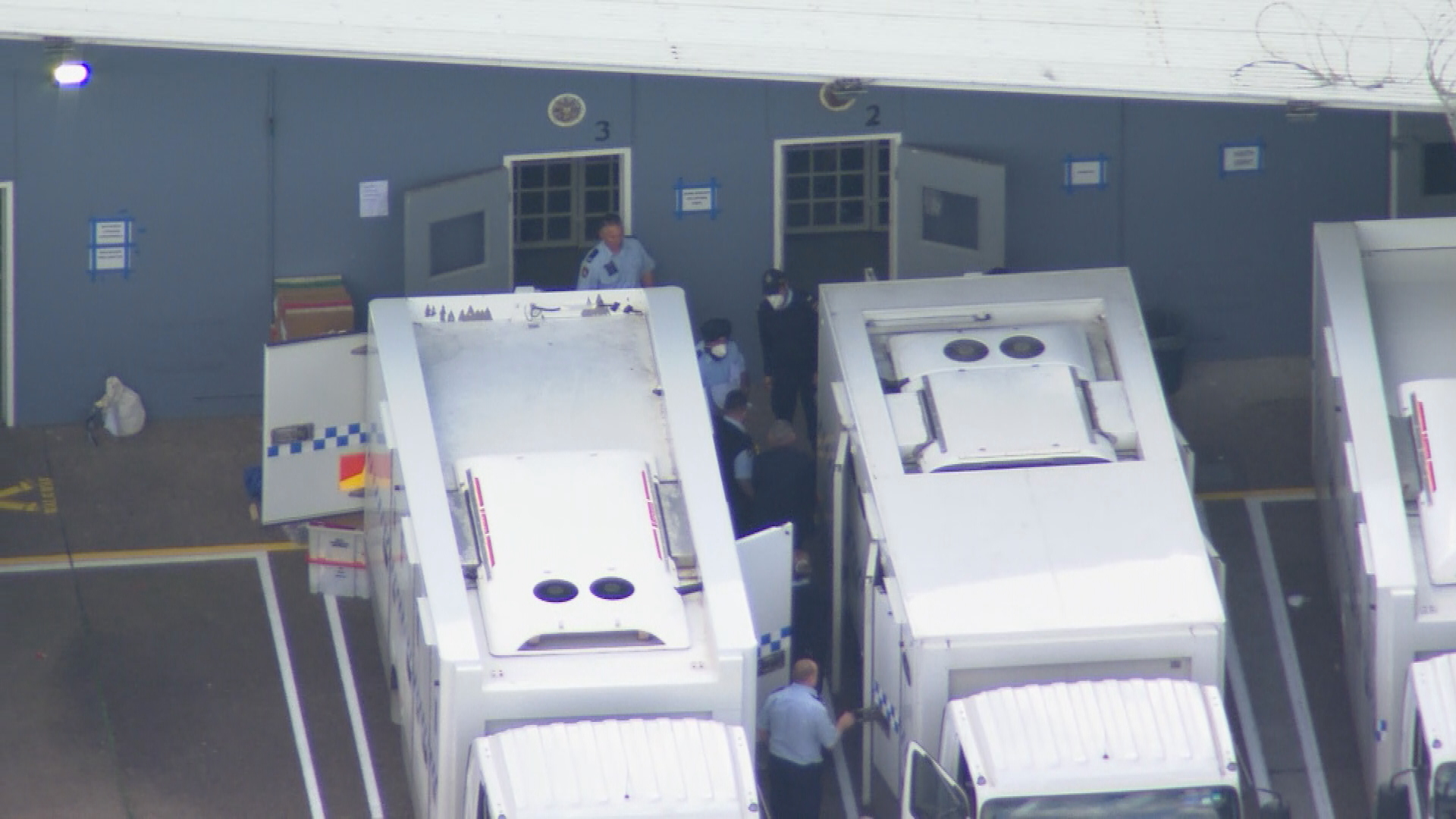
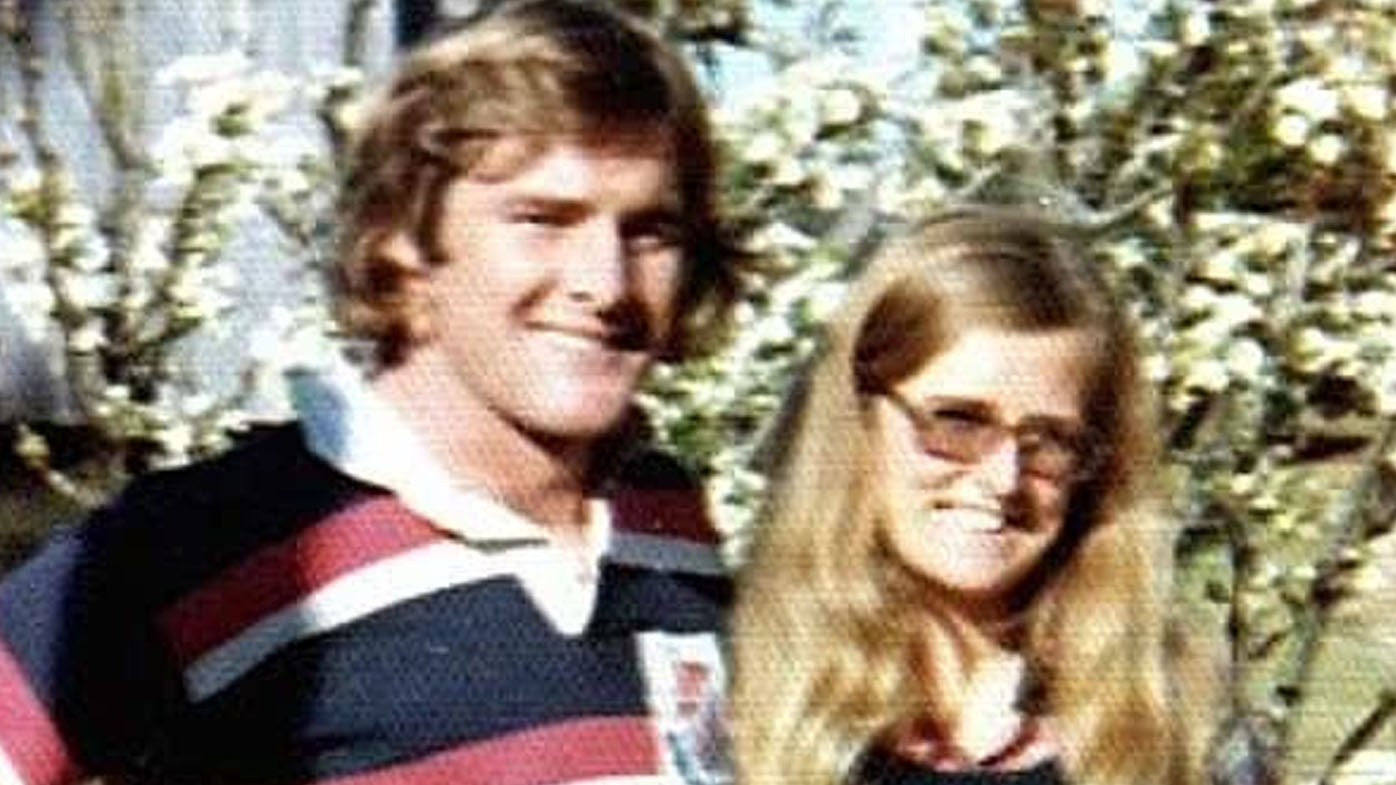
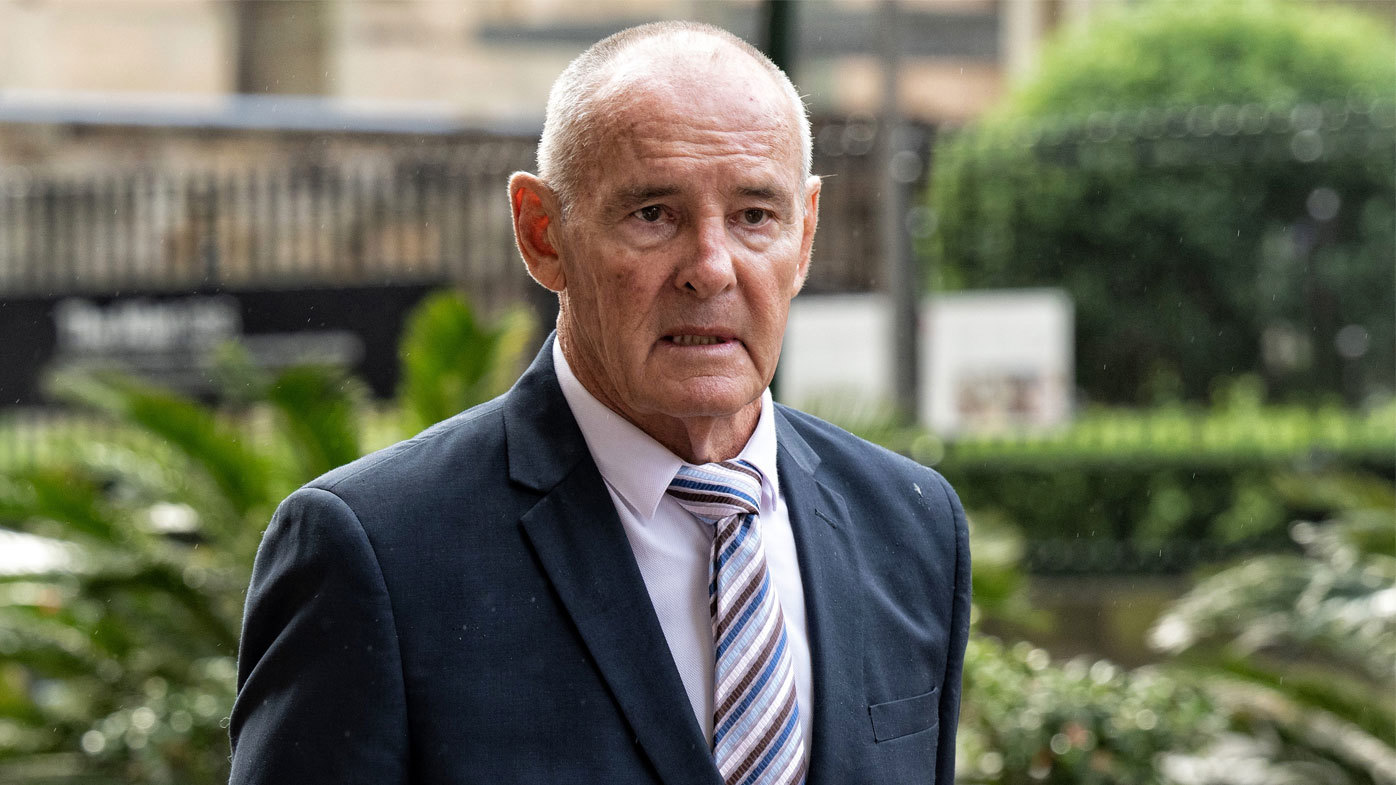
Chris Dawson has arrived at Silverwater Prison after he was convicted of the 1982 murder of his wife Lynette yesterday.

Dawson, 74, spent the night behind bars at the Sydney Police Centre yesterday following Justice Ian Harrison's marathon five-hour ruling.

The former school teacher and Newtown Jets player was transported to Silverwater this morning, arriving before midday.

LIVE UPDATES: Transport strikes, traffic backlogs shut down Sydney

He was be kept under guard in an inmate transport truck for the trip across Sydney.

Now at Silverwater, he will undergo a thorough identification process there, even after having eye scans and fingerprints taken at the Police Centre.

Dawson will be strip-searched and have all his clothes taken off him, replaced with a set of prison greens.

That will include a tracksuit, green t-shirt, and prison-issued shoes.

TIMELINE: Key events that lead to Chris Dawson's guilty murder verdict

From there he will be taken to his cell, where he will spend the majority of his time in Silverwater.

He will also be issued a toiletries pack including a toothbrush, toothpaste, soap and a razor.

Silverwater prisoners are also allowed to purchase extras at a maximum of $100 worth a week.

The only hot meal of the day will come at 3pm in the form of a frozen dinner, which Dawson will heat up in the confines of his cell.

READ MORE: The Teacher's Pet creator on Dawson verdict

It's likely that Dawson, given his high profile and the infamy of the case, will be kept in isolation for his own safety.

His lawyer has indicated they will be applying for bail ahead of sentencing, as well as a likely appeal against the verdict.

But barring those outcomes, Dawson will remain in Silverwater until his sentencing, when it is likely he will be sent to a regional correctional facility.

It's anticipated the sentence could see him spend the rest of his days behind bars.

LYNETTE DAWSON FAMILY REACTION: 'We still need to bring her home'

'I pulled no punches': The Teacher's Pet creator on Chris Dawson verdict

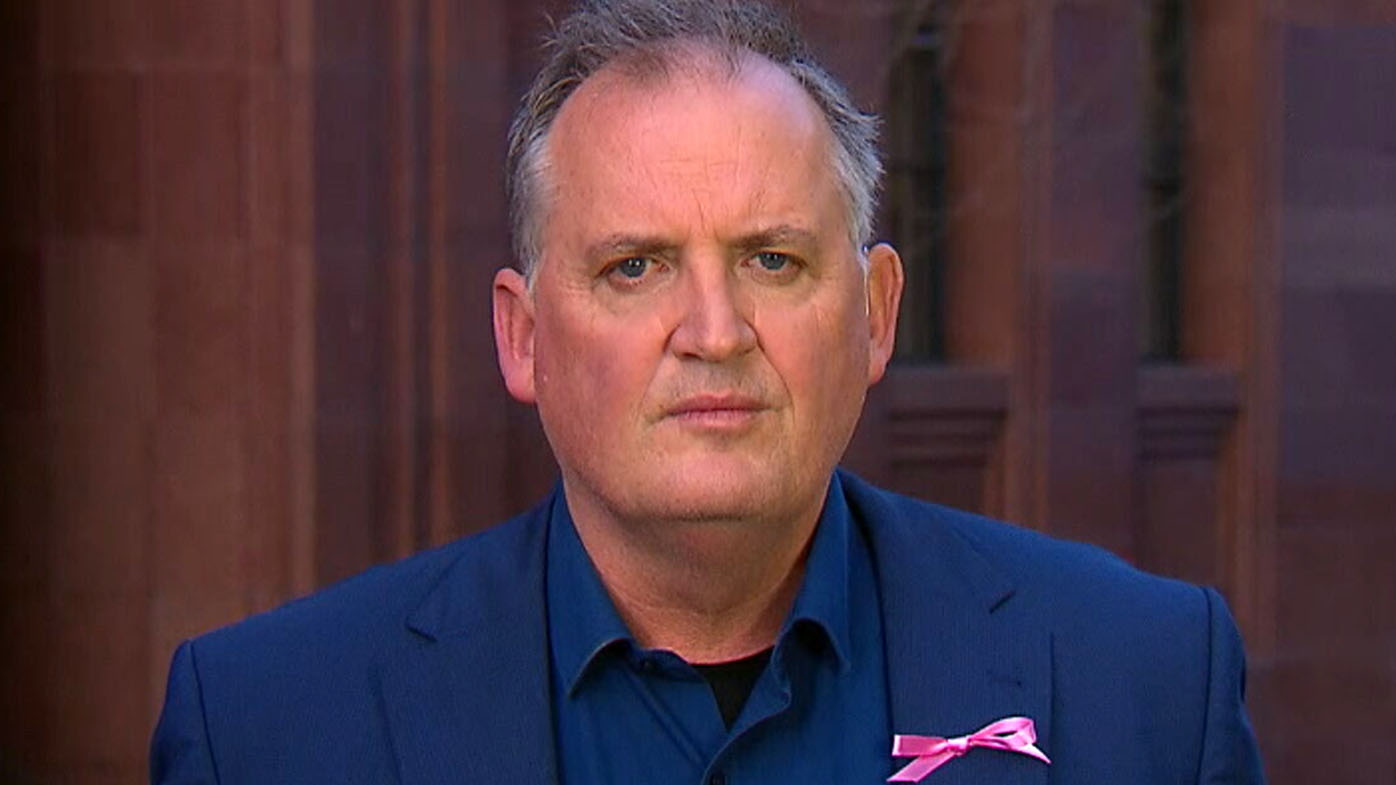
The journalist behind hit podcast The Teacher's Pet has told of his "enormous relief" after the conviction of Chris Dawson for the 1982 murder in Sydney of his wife Lynette yesterday.

Journalist Hedley Thomas was speaking with Today this morning after Dawson, 74, spent the night behind bars following Justice Ian Harrison's marathon five-hour ruling.

He said he never "pulled any punches" with his investigative journalism but felt relief when he heard the verdict in the Sydney court.

READ MORE: Final question Lynette Dawson's family want answered

"I felt enormous relief, and almost a sense that, for Lyn's family and friends, really good friends on the Northern Beaches, her brother, Greg, and sister Pat, and all the other extended family members … they could start to get on with their lives."

The award-winning 16-episode series The Teacher's Pet was released in 2018 and has since been downloaded 60 million times across the globe.

Thomas said the threat of legal action and intense public scrutiny over the podcast had been "gruelling" but he and his colleagues never wavered from getting to the truth about what happened to Lynette Dawson.

"I set out to try to get to the bottom of what happened to Lyn.

"I really believed that Chris Dawson had a case to answer, and that he should go to trial, and he should've gone to trial … many years ago."

READ MORE: Former Soviet leader Mikhail Gorbachev dead

The cold case came into the public's attention decades on thanks to The Teacher's Pet.

The podcast, which had to be taken down during the trial, revealed new evidence which led police to charge Dawson with his missing wife's murder.

Thomas rejected claims he went too far in his investigations and insisted the family of Lynette Dawson supported him.

"The fact is, Lyn Dawson had been missing for more than 36 years when I started doing the Teacher's Pet podcast series. There needed to be a really powerful push," he said.

"There needed to be some media that would potentially bring people out of the woodwork, and produce a reaction in the office of the DPP that could actually lead to him being charged, as two coroners had back in 2001 and 2003 recommended.

"I went at it hard. You know, I didn't pull any punches. It was a front-footed journalistic exercise, but I'm not going to make any apology for that."

READ MORE: What now for Chris Dawson? The fate that lies ahead following guilty verdict

Chris Dawson arrives at the Supreme Court in Sydney for the first day of his murder trial.

Dawson is expected to be moved to Silverwater Prison in western Sydney today.

His lawyer has indicated they will be applying for bail ahead of sentencing, as well as a likely appeal against the verdict.

It's anticipated the sentence could see him spend the rest of his days behind bars.

Diana's final hours: What happened the night she died

An elegant dinner at the Ritz in Paris. A post-midnight drive past the city's floodlit treasures. And then, tragedy.

The story of Princess Diana's death at age 36 in that catastrophic crash in a Paris traffic tunnel continues to shock, even after a quarter-century.

This is an account of Diana's final hours in the French capital.

Eiffel Tower likely one of the last things she ever saw

Entering the Pont de l'Alma traffic tunnel at night, one of the last things you see is the floodlit Eiffel Tower.

Its iron latticework shimmering like lace against a black sky, it likely was one of the last things Princess Diana ever saw.

The tower's lights go off every night at 1am. By that time on Sunday, August 31, a dying Diana lay trapped in a crumpled wreck of a Mercedes, with rescuers trying frantically to treat her while they cut through the metal roof.

The short ride to the tunnel from the Ritz Hotel had been a stunning one, with a view of the city's other floodlit treasures: the obelisk at the Place de la Concorde, the Arc de Triomphe off to the right, the gold-domed Hotel des Invalides across the river to the left.

Four people were in the car: a driver and a bodyguard in front, the princess and her boyfriend in back. Behind them — it isn't clear how far — were several motorcycles and perhaps two cars bearing paparazzi.

READ MORE: Calls for drastic change to COVID-19 rules
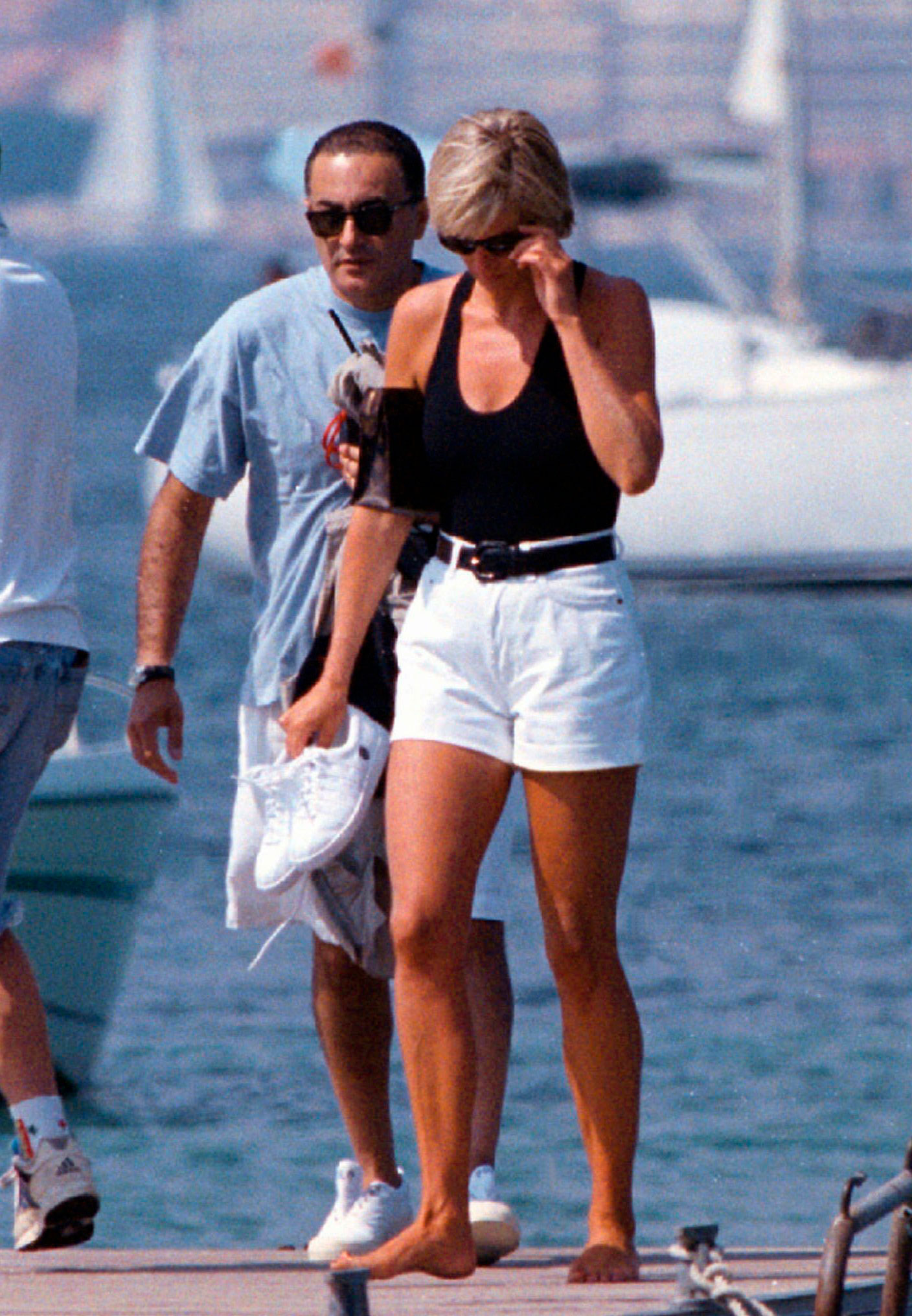
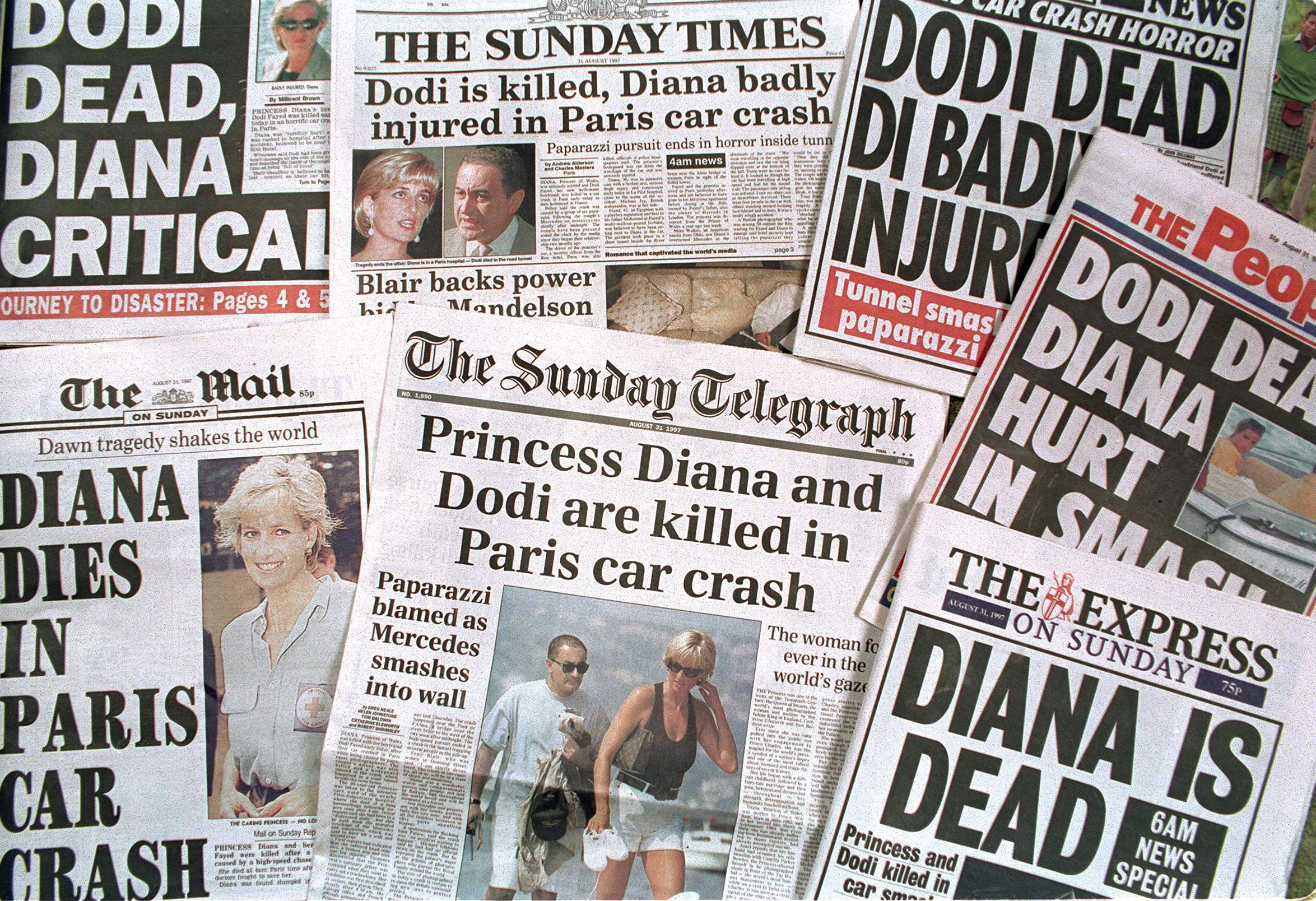
Diana, Princess of Wales and Dodi Fayed walk on a pontoon in the French Riviera resort of St. TropezNewspapers announcing the death of Princess Diana in 1997.

READ MORE: Final question Lynette Dawson's family want answered

Approaching the tunnel along the Seine River, the shining tower was just to the left. Even through the tinted windows of a luxury car, it would've been hard not to look.

Seconds later, there was a huge crash — witnesses said it was like an explosion. It would soon reverberate around the world, but for a few minutes in the still night, there was only the insistent blare of a car horn set off by the driver's slumped body, and then the clicking of camera shutters.

For the princess, after the spectacular city lights, there was only blackness.

___

10pm: The evening begins for Diana and Dodi Fayed with dinner in the sitting room of the Imperial Suite at the Ritz. It is the best suite in the hotel, and no wonder: The hotel is owned by Fayed's father, Mohamed Al Fayed.

The food comes from the hotel's two-star restaurant, Espadon, which means swordfish. It's known for its 100,000-bottle wine cellar.

Diana is reported to have ordered an appetiser of mushrooms and asparagus, and then sole; for Dodi, turbot.

Dodi may have carried a surprise in his pocket: News reports quote a Paris jeweller saying he'd sold him an "extraordinary" diamond solitaire ring for $300,000, and it is at the Ritz that Dodi may have given it to Diana.

Is it an engagement ring? No one will ever know for sure.

But the day has been tense. The couple has been having problems with paparazzi ever since their mid-afternoon arrival in Paris. First, they trailed Diana and Dodi from Le Bourget Airport outside Paris, on their way to see Villa Windsor — a mansion that once housed the Duke and Duchess of Windsor and that Dodi's father has bought and renovated. Their driver managed to shake the photographers.

READ MORE: Diana's last moments: French doctor recalls 'tragic night'
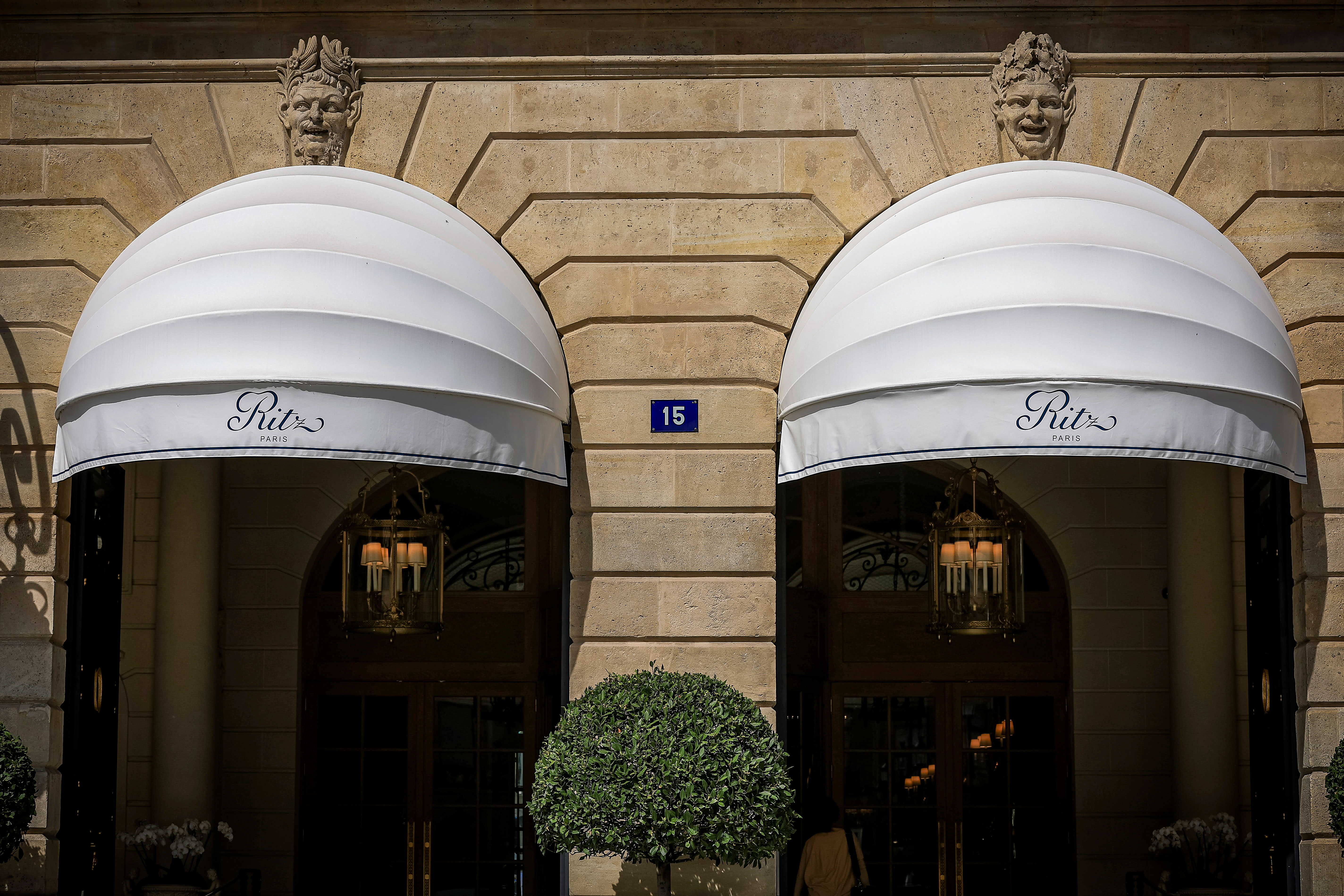
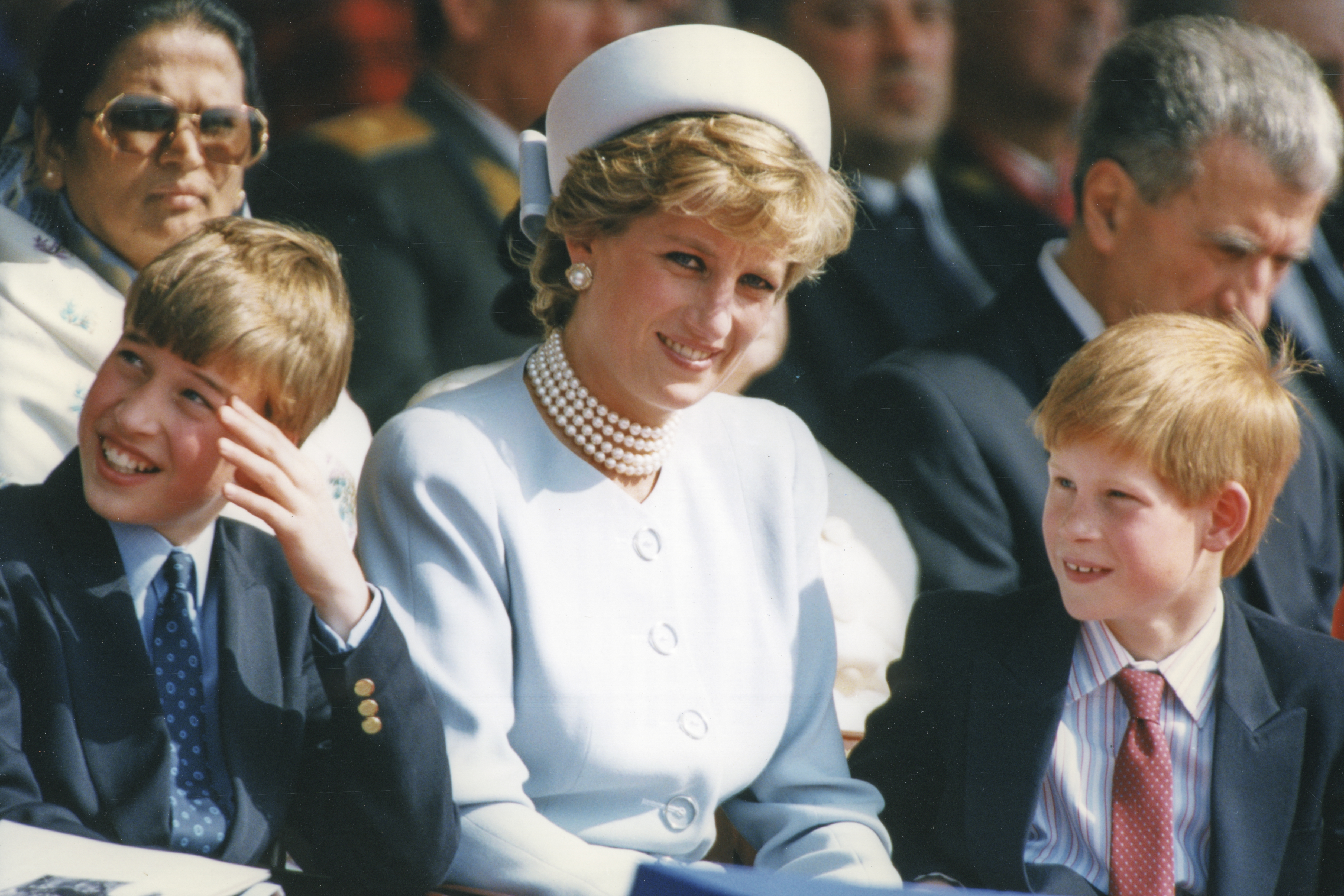
A view of the entrance to the Ritz Hotel, in ParisPrince William, Princess Diana and Prince Harry pictured in 1995.

READ MORE: Solomon Islands suspends foreign naval visits after US ship incident

Then, an attempt to have a 9:30pm dinner at the chic Paris bistro Chez Benoit failed, when paparazzi again picked up the trail. Giving up, Diana and Dodi decide to dine at the Ritz, where there is better security.

Hotel video shows the cars arriving back at the Ritz, flashes going off as Diana goes through a revolving door, eyes downcast, looking distressed.

They walk down the Ritz's blue carpet bordered in gold toward the restaurant. Ten minutes later, they walk back down the hallway — "because of the attention in the restaurant," Paul Handley-Greaves, head of Al Fayed's security team, says later in London — and head up a spiral staircase to the Imperial Suite.

Inside, the plush hotel, with rust-coloured marble columns and floors covered with Persian rugs, is calm and peaceful. But outside the entrance, on the elegant Place Vendome, paparazzi have again gathered.

___

10:08pm: Henri Paul, the No. 2 security man at the Ritz, arrives at the hotel after having been summoned on his cell phone at 10pm.

He parks his own car outside, chats with some people and shakes hands with a friend, the night duty manager and the concierge. Their accounts, Handley-Greaves says, "are that he was sober, he didn't smell of alcohol, his gait was steady."

Paul spends the next two hours in the lobby area. At one point, he goes into the hotel bar and sits with two other security people at a table on the edge of the bar area.

There is no security camera in the bar, but both Handley-Greaves and Michael Cole, an Al Fayed family spokesman, said interviews with hotel personnel showed no evidence that Paul was drinking.

___

12:07am: After dinner, as they leave the Imperial Suite, Diana and Fayed stop to discuss the paparazzi "and the concern that the princess had that something would happen," Handley-Greaves says. "Earlier on in the day," he tells a London news conference, "she had expressed concern to bodyguard Trevor Rees-Jones at the foolhardiness of the motorcycle riders, not for the safety of the vehicle she was traveling in.

She expressed concern that the erratic manner in which they were driving might result in one of them falling under the wheels either of the lead car or the backup."

Diana and Fayed are headed to an apartment he owns off the Champs-Elysees, just near the Arc de Triomphe. Knowing paparazzi are outside, they've decided to use two decoy vehicles — Range Rover and a Mercedes. They post the Range Rover outside the Ritz's main entrance, with Fayed's regular driver at the wheel.
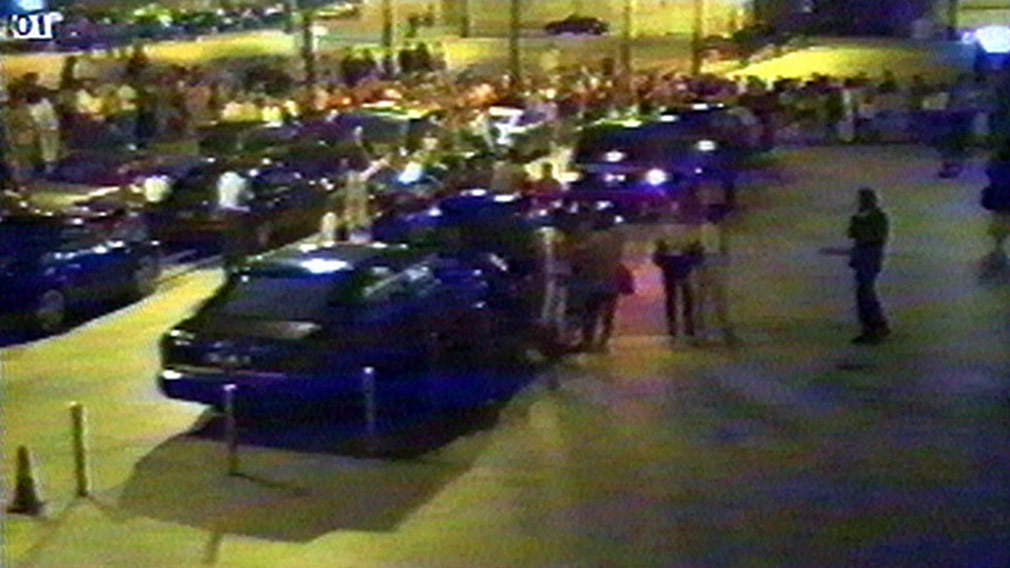
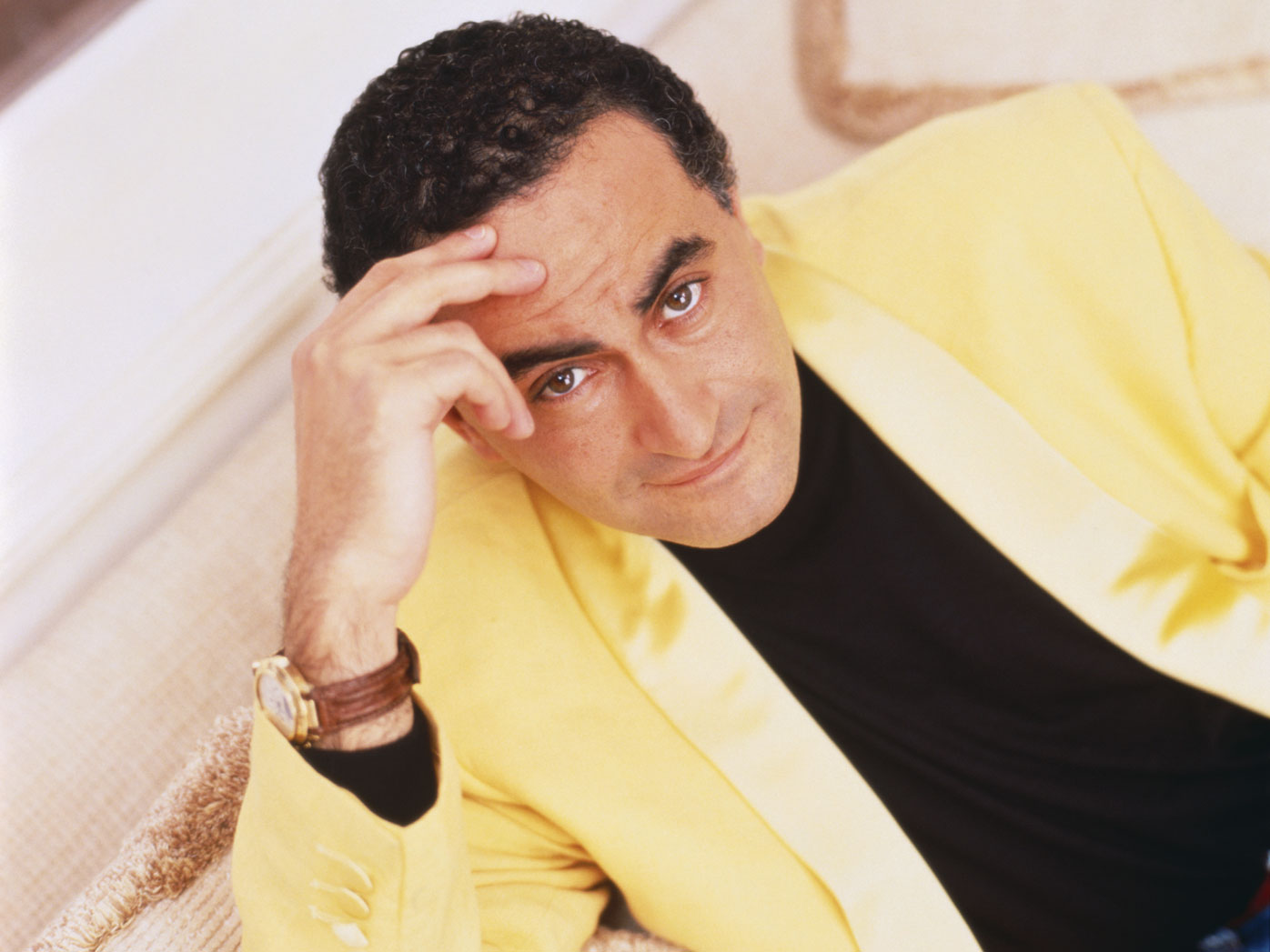
The front of the Ritz Hotel in Paris is seen in security video taken in the early hours of Sunday morning, on August 31, 1997. As the cars pictured here waited, Diana, Princess of Wales, and her companion Dodi Fayed, departed the hotel by a side door. (AAP)Dodi Fayed

READ MORE: Former Soviet leader Mikhail Gorbachev dead

They need a third car, so a rented Mercedes is called into service. The jet-black car, rented from the Etoile limousine company, is known for its silky-smooth ride, but because of its weight, it isn't the best car for weaving in and out of traffic.

"This isn't the kind of car you do slalom in," says Jean-Pierre Bretton, a limousine driver who often picks up well-heeled clients at the Ritz.

Diana and Dodi need a driver, too, and that's why Paul has been called back in from home. Paul, 41, a native of France's Brittany region, is reported to have received special training in Germany to drive the armoured Mercedes.

Police say Paul lacked the special license to drive the car; the Al Fayed family denies it.

Paris prosecutors say autopsy blood tests showed Paul was legally drunk, and judicial sources, speaking on condition of anonymity, put the blood-alcohol level at more than three times the legal limit, at least.
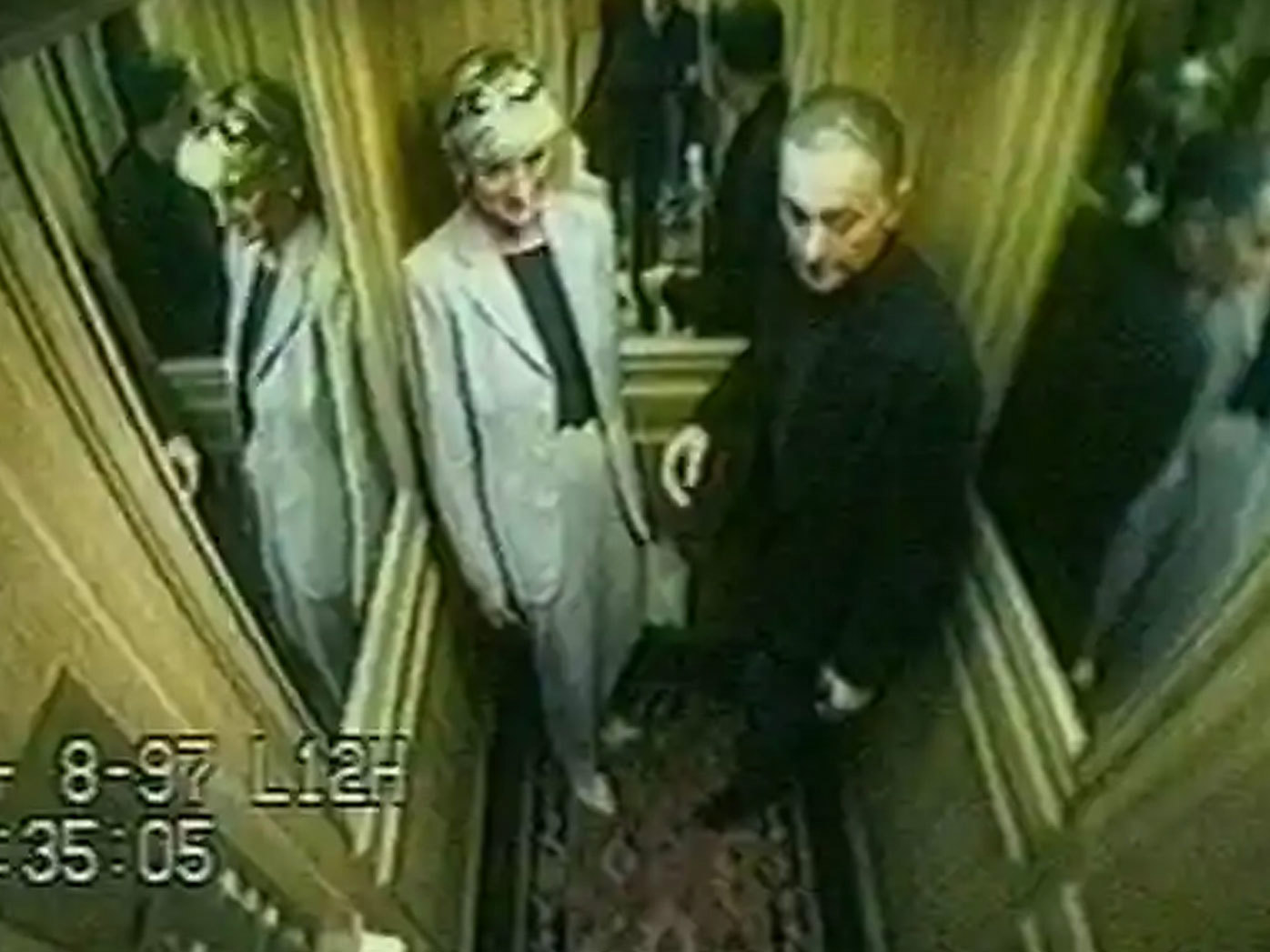
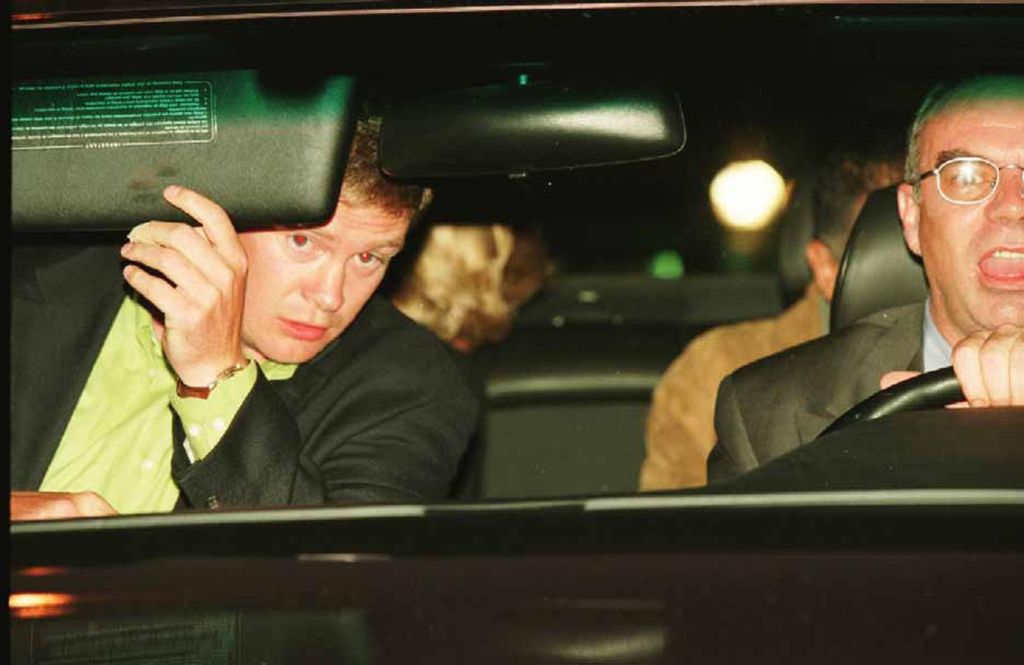
Diana with Dodi Fayed in the lift of the Ritz hotelDiana, Princess of Wales and Dodi Fayed (both partially visible in back seat), bodyguard Trevor Rees-Jones (front, left) and driver Henri Paul, in their Mercedes-Benz S280, shortly before the fatal crash which killed Diana, Fayed and Paul, Paris, 31st August 1997. Jacques Langevin's photo was presented as part of the evidence at the Scott Baker Inquest into the crash, in which the jury found that Diana and Dodi had been unlawfully killed because of the reckless driving of Henri Paul and the purs

Despite reports that Paul was a heavy drinker, at least two bartenders who knew him told The Associated Press they never saw signs of that.

Tony Poer, a former bartender at Willi's wine bar near the Ritz, says Paul was a regular there, but only drank beer.

"I never saw him extremely drunk," says Poer, now manager of a San Francisco nightclub.

"He even gave me a ride home a few times. I wasn't worried or anything."

And Alain Bousseau, owner of the Mazarin bar not far from the Ritz, says that although Paul was reported to be a regular there, he saw him only two or three times in the last few years.

Once, he drank only a small glass of Cheverny wine; another time, he had a coffee.

___

12:19am: Dodi and Diana stand in an area by the back entrance of the hotel, milling with security officers preparing their departure.

A Ritz Hotel security camera video shows Dodi slipping his arm protectively around Diana's waist.

___

12:20am: The couple leaves the Ritz from the back entrance, and climbs into the Mercedes. Diana is dressed in a black top, black jacket and belted white trousers. Her hair is carefully coiffed and she wears red lipstick.

Dodi looks more casual in a tan jacket and long gray shirt, open at the neck and hanging loosely over stone-washed jeans.

The hotel video shows no paparazzi outside the back entrance, but the decoy ruse clearly hasn't worked.

With paparazzi in pursuit, the Mercedes travels down the Rue Cambon and turns right onto the colonnaded, boutique-lined Rue de Rivoli, with the Tuileries Gardens on the left. Arriving at the Place de la Concorde, it takes a left past the obelisk, allowing a view of the Champs-Elysees and the Arc de Triomphe on the right as it makes its way to the bank of the Seine.
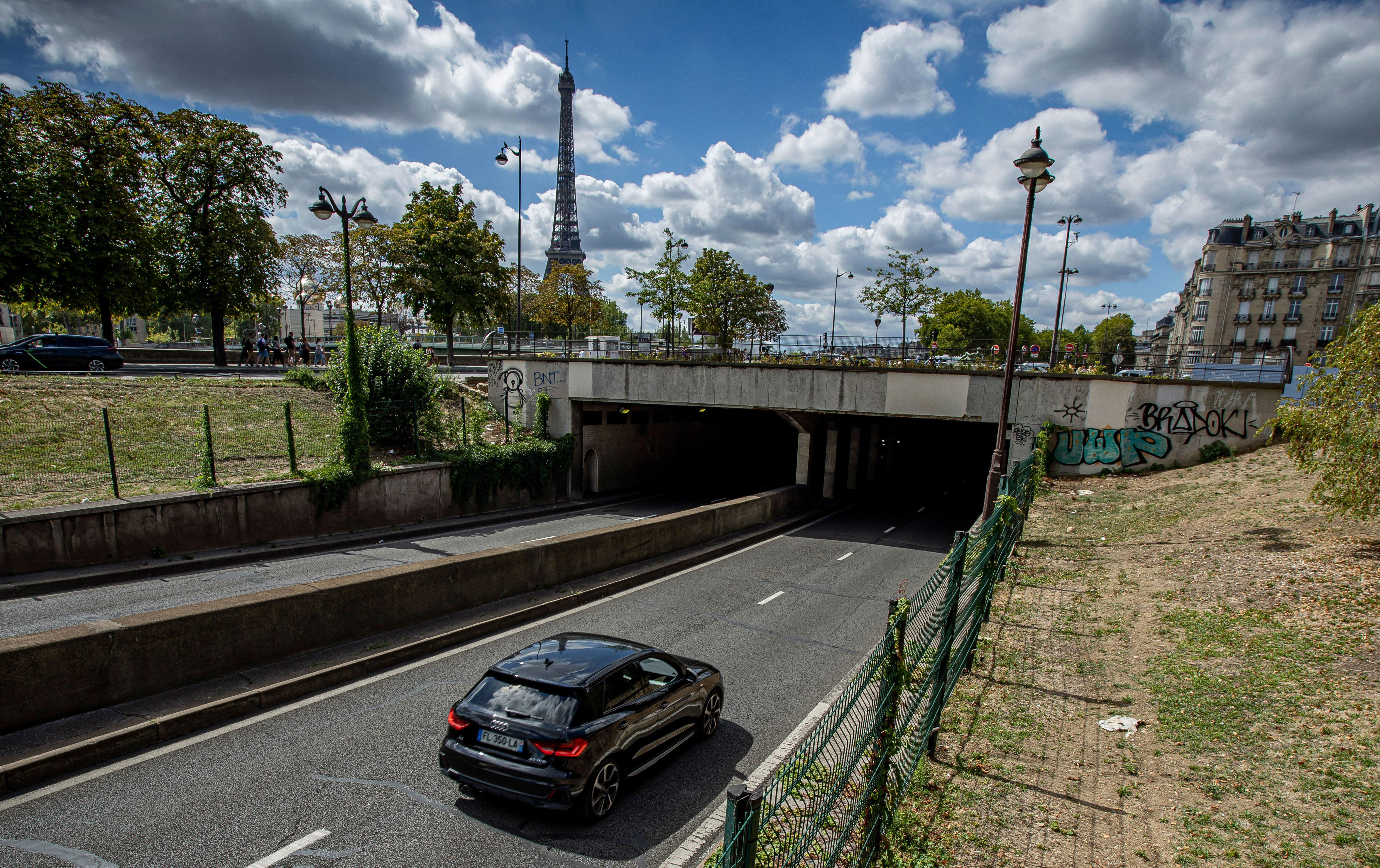
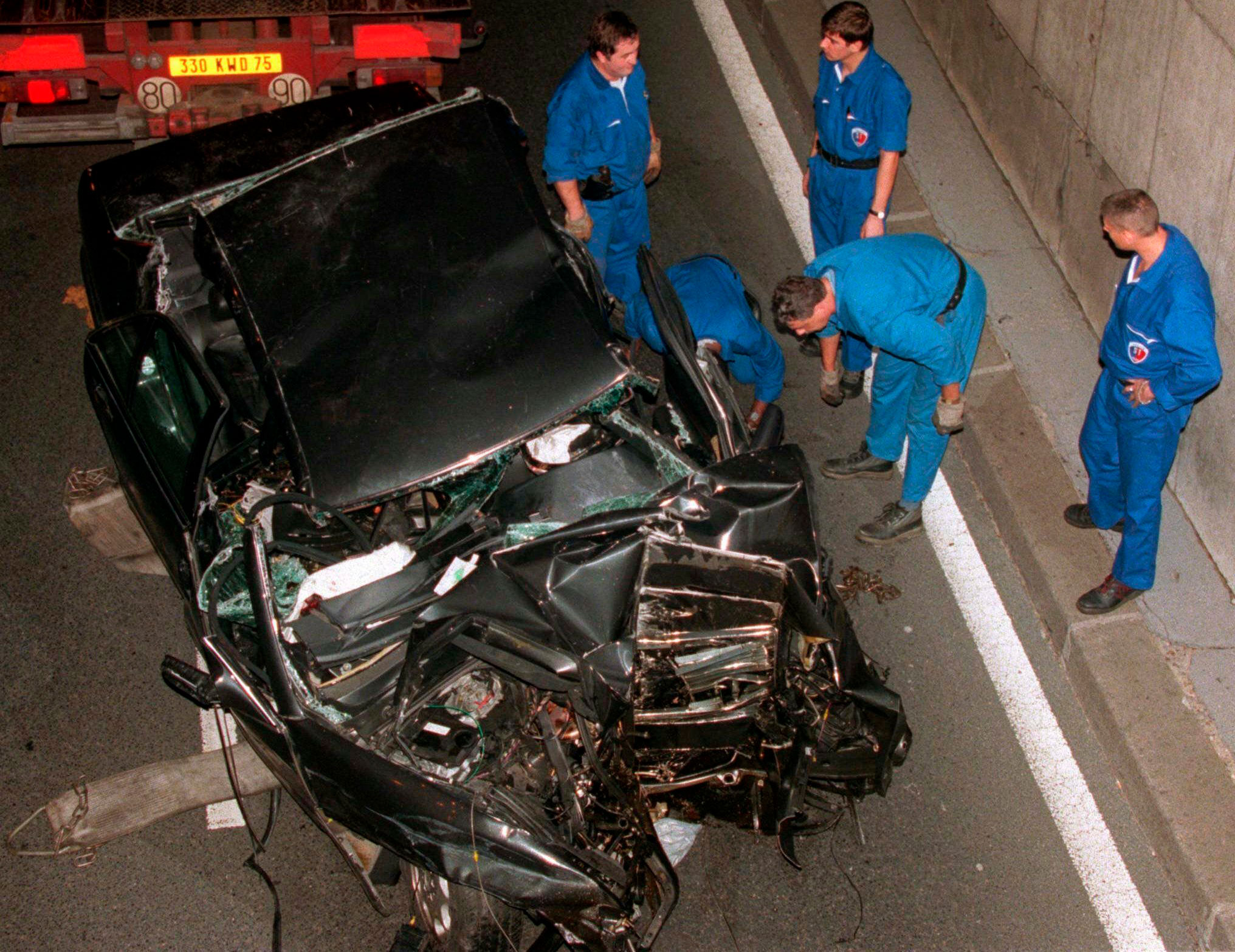
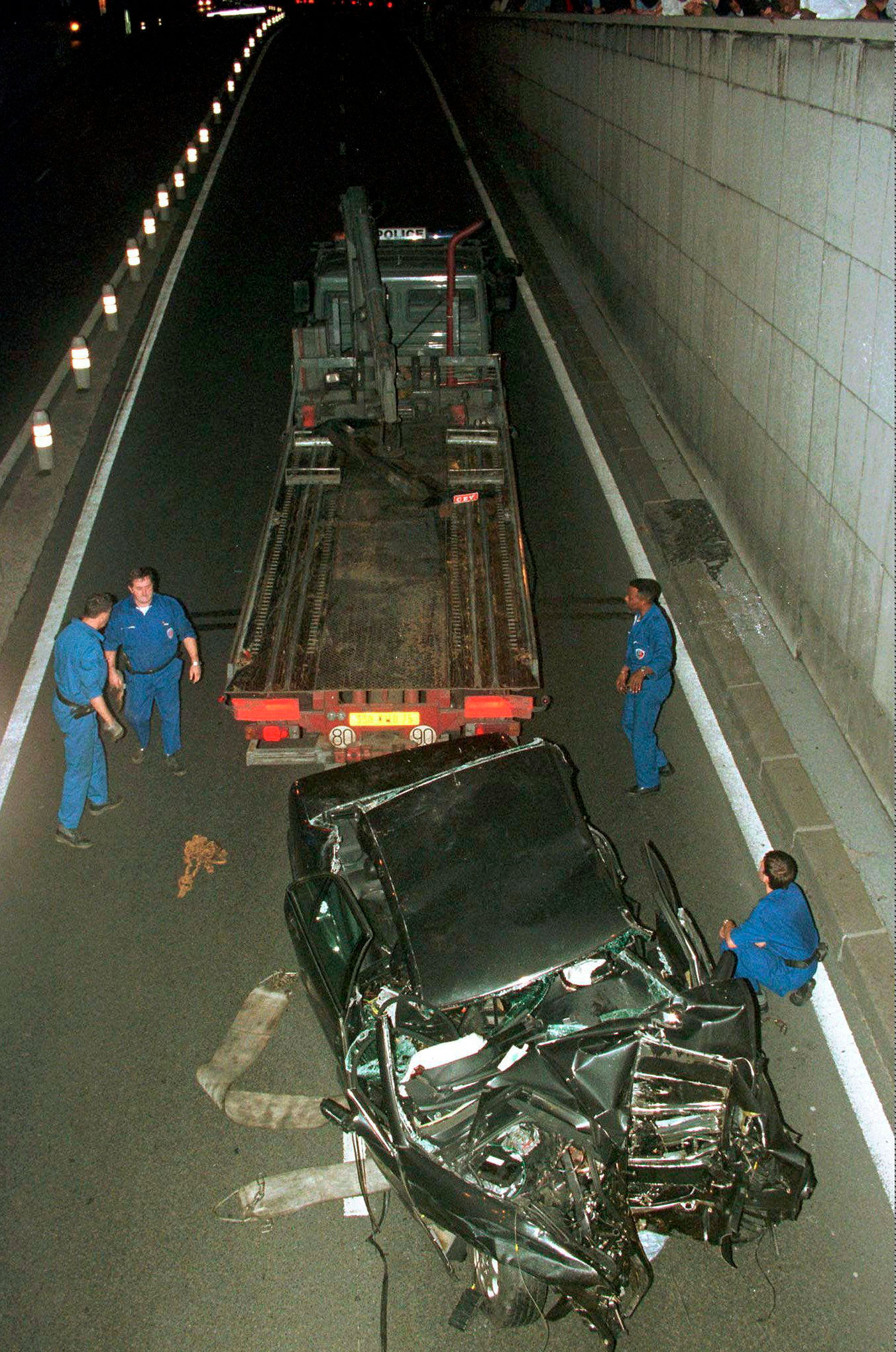
A car enters the Alma tunnel in Paris, where Princess Diana, Dodi Fayed, and their chauffeur died in a car accident.Police services prepare to take away the car in which Diana, Princess of Wales, died

Here, some photographers say, Paul already is driving dangerously. Jacques Langevin says he was told by fellow photographers that at the Place de la Concorde, when they were stopped at a red light, the Mercedes took off with a roar before the light turned green.

Already, the photographer told the Liberation daily, "the Mercedes was fishtailing dangerously and the driver didn't seem to be in control."

Neither Diana nor Fayed are wearing seat belts; only bodyguard Rees-Jones, sitting in the front passenger seat, is wearing one.

The Mercedes is heading along the river now, down the Cours de la Reine, then the Cours Albert 1st, where the approach to the tunnel lies.

__

About 12:25 am: The Mercedes enters the 200-metre-long tunnel, probably to avoid traffic on the crowded Place de l'Alma. The tunnel is brightly lit, neon bulbs reflecting on the white-tiled walls.

The approach is dangerous at high speed. The road swerves slightly to the right, then to the left; then there is a quick dip.

The speed limit is 30km/ph. A cab driver says he once tried the tunnel at 110km/ph and was scared. "That thing is narrow and dangerous," said Jacques Gaulthier. "You'd have to be crazy to take it fast."

Just how fast does Paul take it?

Police officials, speaking on condition of anonymity, say the car's speedometer was found frozen at 196km/ph. They call it an almost certain indicator of its speed at impact, but the Al Fayed family disputes that, saying the speedometer was stuck instead at zero. A Mercedes expert says the speedometer moves automatically to 0 or to top speed when power cuts off.

Witnesses also have described the car as going well over 145km/ph, perhaps close to 190km/ph.

Also, police say the car, equipped with anti-lock brakes, left 16 metres of skid marks — another indication of high speed.

READ MORE: William and Harry condemn BBC over 'deceitful' Diana interview
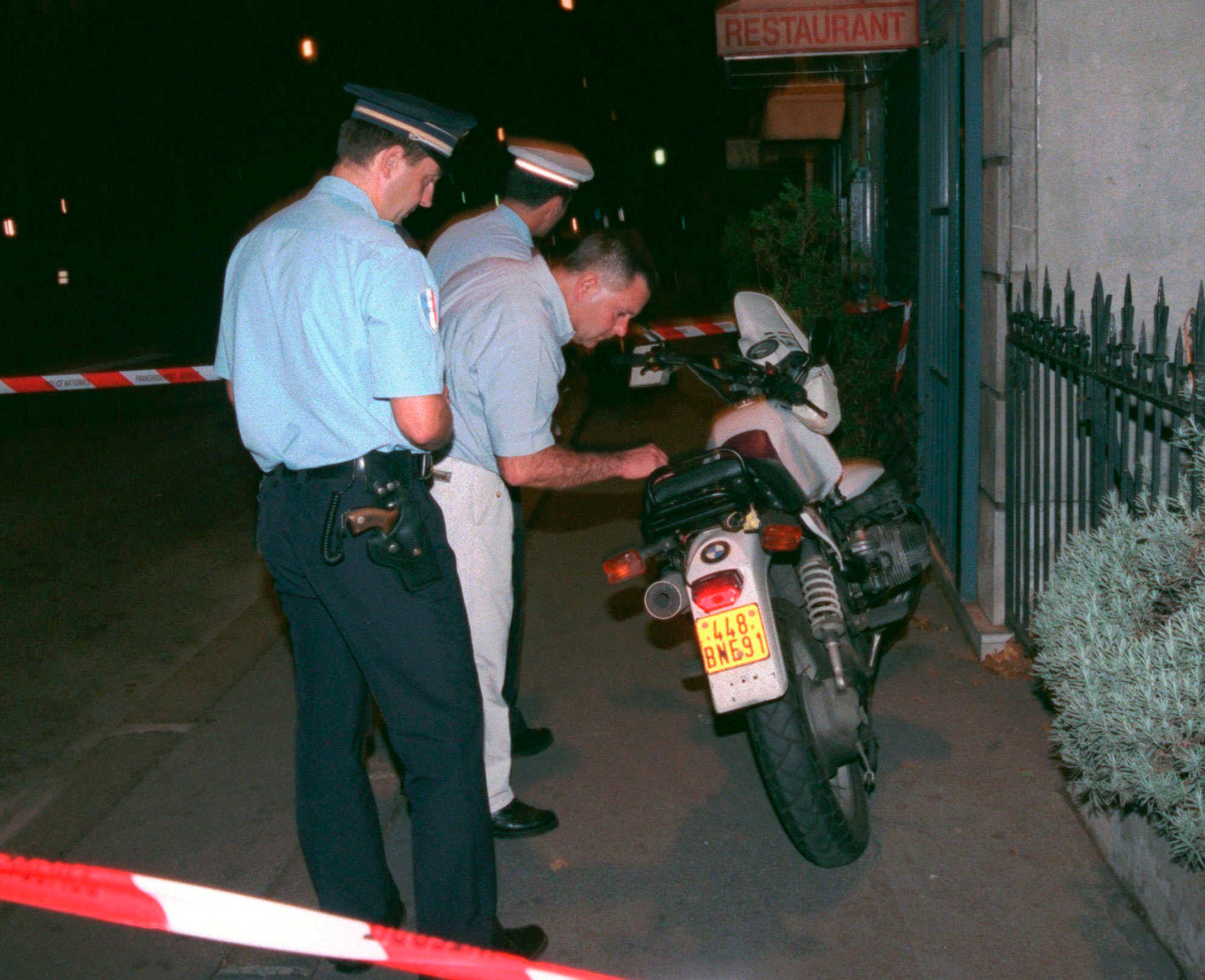
Police seize the motorbike of a photographer who was chasing the car of Diana, Princess of Wales, when it crashed in a tunnel along the Seine riverPolice remove the crumpled wreck of the Mercedez-Benz which was carrying Princess Diana in Paris early August 31.

It isn't clear how many paparazzi are tailing the car, and at what distance. A lawyer for Al Fayed says a "cortege" of paparazzi were "swarming" the car. But one photographer, Lazlo Veres, says they were at least 167 metres behind.

Seconds after the car enters the tunnel in the left westbound lane, it goes out of control, striking the 13th concrete pillar dividing the tunnel, rolls over and rebounds into the right wall. It then spins around. When the car stops, it is facing east — the direction it came from.

The driver's body is slumped over the horn. The impact is so great that parts of the radiator are reportedly found embedded in his body. Fayed, behind him on the left side of the car, also is killed immediately.

Jack and Robin Firestone, tourists from Long Island in New York, are walking near the tunnel when they hear the awful noise. They run in. In interviews, they, too, describe photographers "swarming" the wreck.

Yet a doctor who says he was driving through the tunnel in the other direction just after the accident, arriving before rescuers did, says he wasn't hindered by the photographers.

Dr. Frederic Mailliez says Diana "was unconscious, moaning and gesturing in every direction" as she fought for breath.

"There were 10 or 15 photographers around, and they were snapping photos nonstop, but I cannot say they hindered my work," he says.

___

12:27am: Firefighters get the first call for help.

___

About 12:40am: Police and firefighters arrive. Diana and bodyguard Rees-Jones are still alive. The car is a crumpled mass of metal and glass.

Police arrest six photographers and one motorcyclist, confiscating their film and cellular phones.

Rescuers need to cut through the roof of the car to get the victims out. They finally extract Diana through the back. Meanwhile, emergency doctors have been trying to treat her at the scene.

___

2am: Diana is bleeding heavily from the chest when she arrives at Hospital La Pitié Salpêtrière, along with the bodyguard. She quickly goes into cardiac arrest.
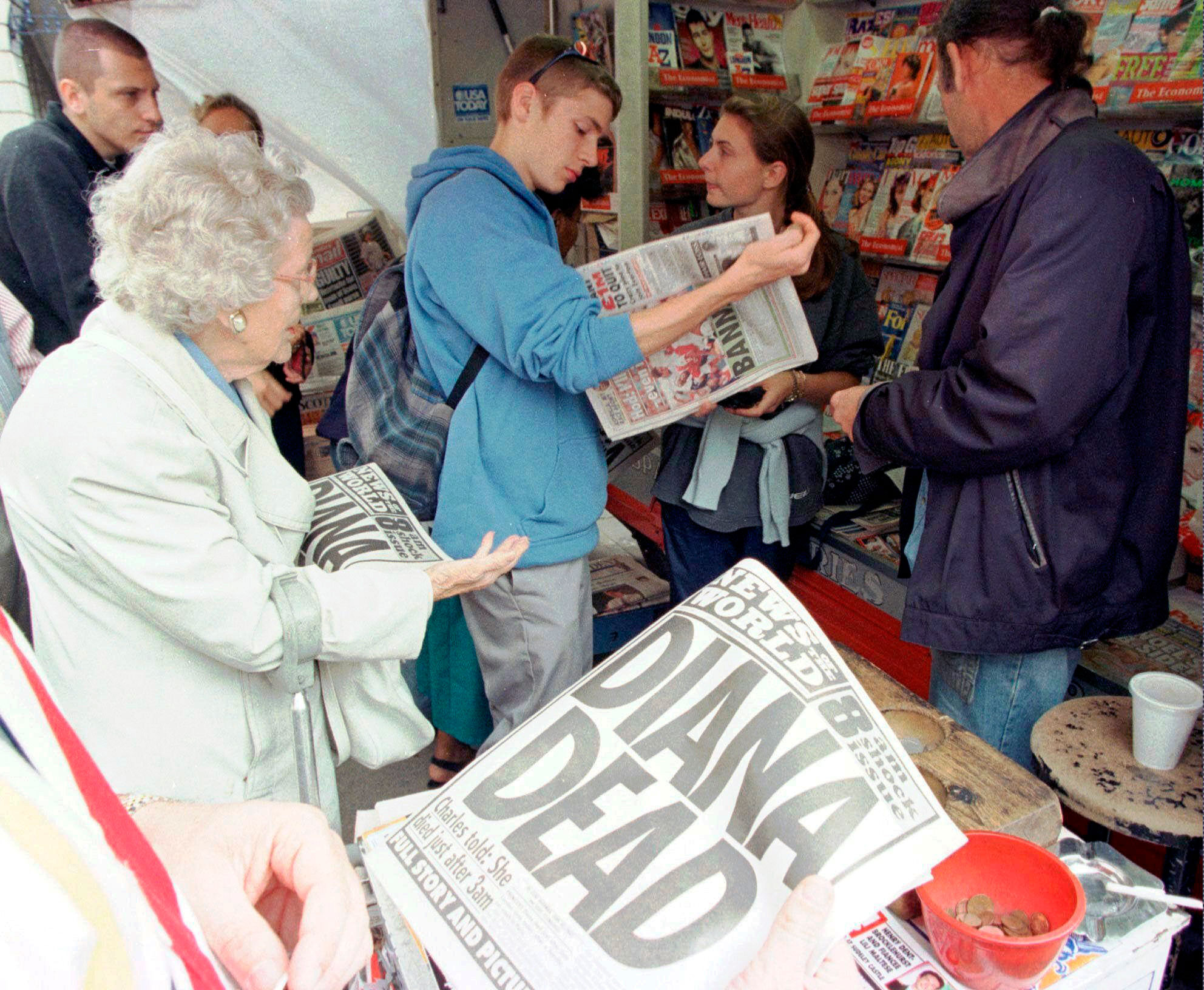
Londoners buy Sunday newspapers reporting the death of Diana, Princess of Wales

Doctors close a wound to the left pulmonary vein, then try to revive her with two hours of chest massage — first externally and then directly to the heart. It fails.

___

4am: Diana is declared dead.

___

6 am: "The death of the Princess of Wales," says British ambassador Michael Jay, with doctors at a hospital news conference, "fills us all with shock and deep grief."
Incredible flood rescue as 'monsoon on steroids' inundates Pakistan

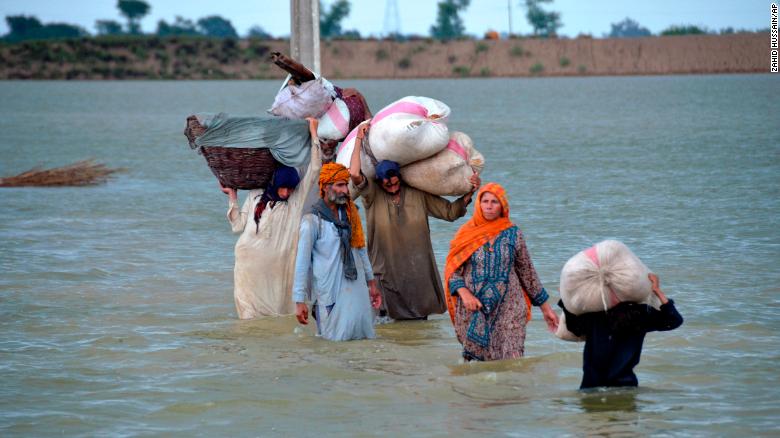
UN Secretary General António Guterres has launched a flash US$160 million ($234 million) appeal for flood-ravaged Pakistan, where more than 1100 people have been killed and 33 million others impacted in one of the worst monsoon seasons in more than a decade.

Tuesday's appeal came as Pakistani officials said the floods had already caused more than US$10 billion ($14.6 billion) in damages and urged more international assistance.

"The Pakistani people are facing a monsoon on steroids — the relentless impact of epochal levels of rain and flooding," Guterres said during the appeal's launch.

READ MORE: Solomon Islands suspends foreign naval visits after US ship unable to dock

"As we continue to see more and more extreme weather events around the world, it is outrageous that climate action is being put on the back burner as global emissions of greenhouse gases are still rising, putting all of us —everywhere — in growing danger," he said.

"Let's stop sleepwalking towards the destruction of our planet by climate change," he said.

"Today, it's Pakistan. Tomorrow, it could be your country."

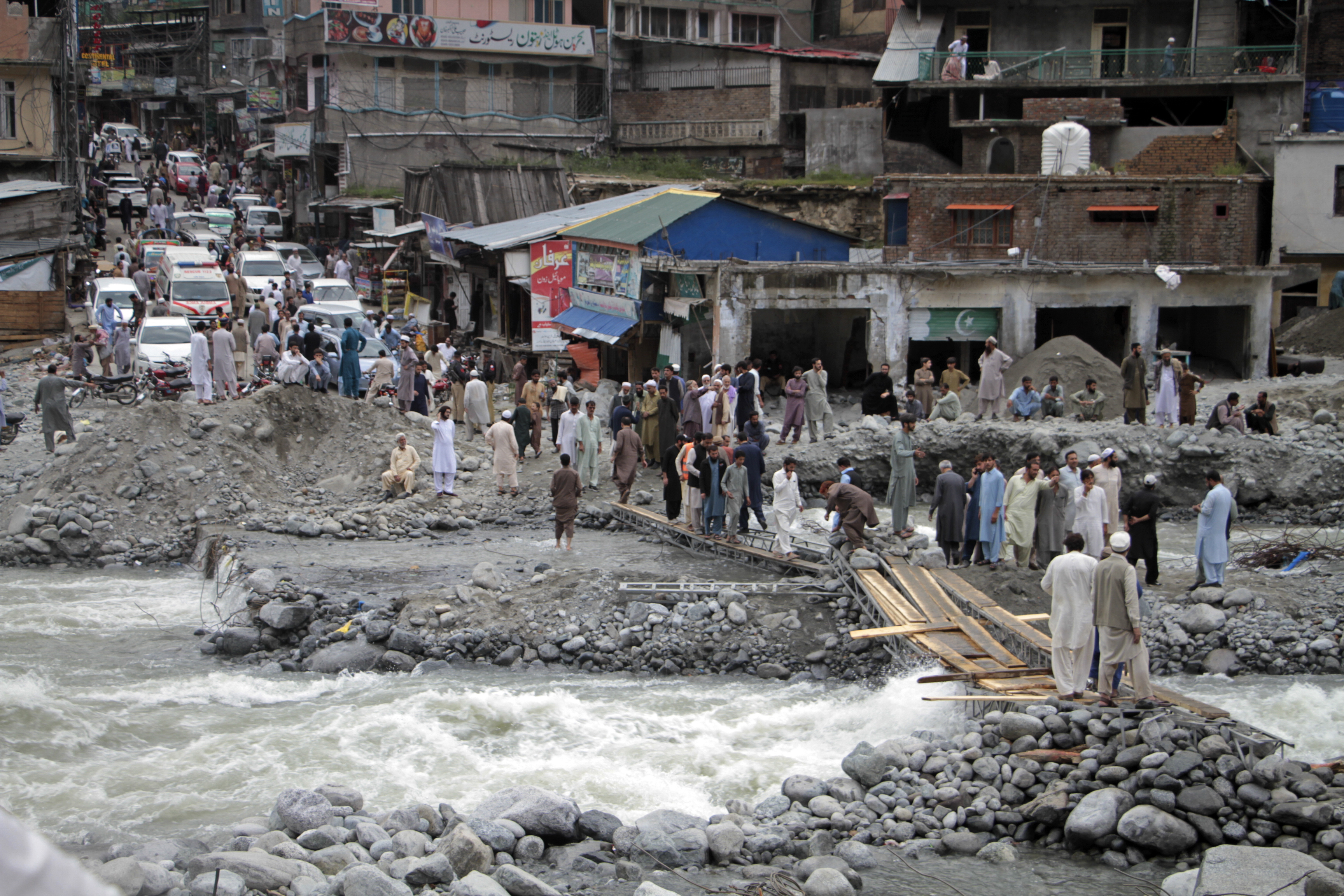
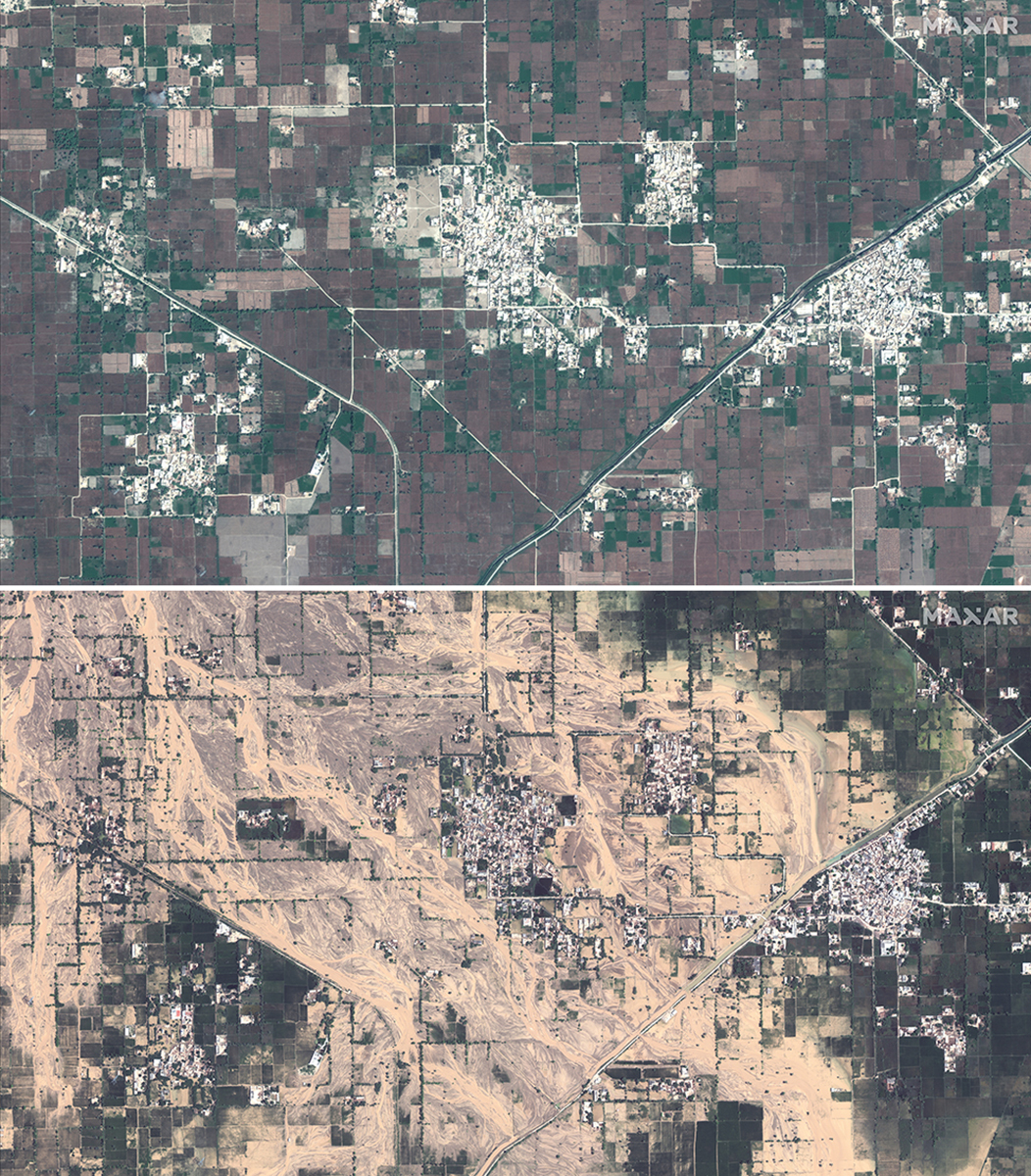
Images of water gushing down streets, swallowing villages and destroying bridges serve as a stark reminder of the inequities of the climate crisis, which impacts the developing world disproportionately. Richer countries also bear a much larger historical responsibility for the crisis in the first place.

Pakistan last year ranked as the eighth most affected nation by climate change from 2000 to 2019, in the Global Climate Risk Index by non-profit group Germanwatch. People living in hotspots like South Asia are 15 times more likely to die from climate crisis impacts.

"This is a climate crisis," Abdullah Fadil, UNICEF's representative in Pakistan told CNN.

"A climate that has been mostly done by richer countries, contributing to the crisis, and I think it is time that the world responded to support Pakistan in this time of need."

READ MORE: Speeding Perth P-plater who hit three-year-old jailed

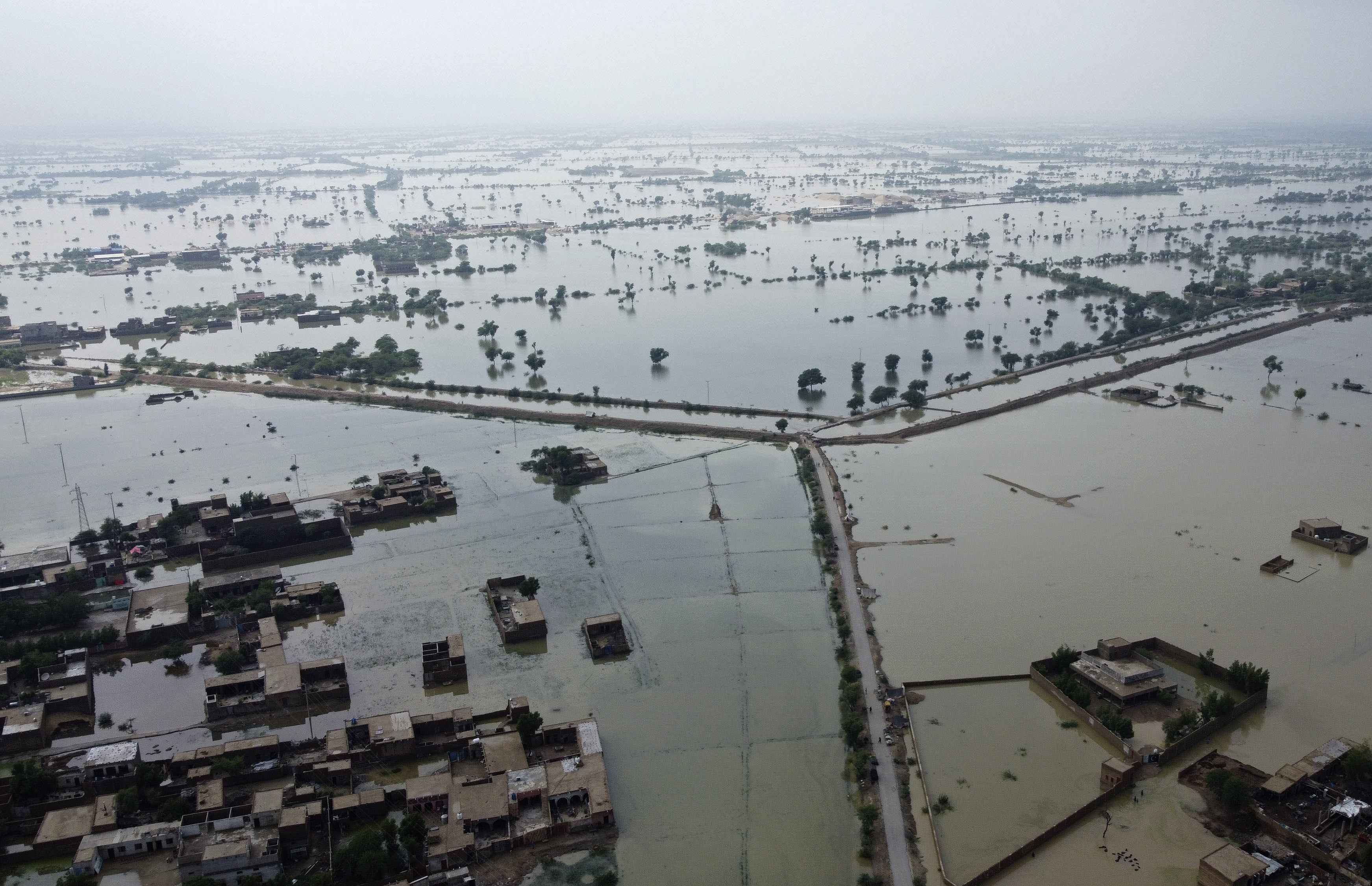
The deadly floods are threatening to engulf up to a third of the nation by the end of the monsoon season, taking a high toll on lives but also infrastructure, and wreaking havoc on crops across farmland in the middle of a food crisis.

Planning Minister Ahsan Iqbal revealed the estimated US$10 billion cost to the country on Monday.

"The world needs to come to Pakistan's assistance to deal with the effects of climate change," he told CNN.

In a statement on Monday, IRC's Pakistan country director Shabnam Baloch said that Pakistan produced less than 1 per cent of the world's carbon footprint.

A lack of hygiene facilities and clean drinking water has exacerbated the risk of diseases spreading in flooded areas, with nearly 20,000 people in need of critical food supplies and medical support, Baloch said.

READ MORE: Two arrested after man dies in Melbourne car crash

"Our needs assessment showed that we are already seeing a major increase in cases of diarrhoea, skin infections, malaria and other illnesses," she said.

"We are urgently requesting donors to step up their support and help us save lives."

On Tuesday, the US Agency for International Development (USAID) announced it will provide US$30 million in humanitarian assistance in response to the flooding in Pakistan.

"With these funds, USAID partners will prioritise urgently needed support for food, nutrition, multi-purpose cash, safe water, improved sanitation and hygiene, and shelter assistance," the agency said in a press release, adding that a USAID disaster management specialist has already arrived in Islamabad to assess the impact of the floods and to coordinate with partners on the ground.

READ MORE: Alleged killer claimed to be British royal before setting housemate alight, Brisbane

One-third of Pakistan could be under water soon

In a statement on Tuesday, Pakistan's military said rescue missions were ongoing and international aid was beginning to arrive in the country, including seven military aircraft from Turkey and three from the United Arab Emirates.

Helicopters had evacuated more than 300 stranded people and distributed more 23 tonnes of relief items, while more than 50 medical camps have been established with more than 33,000 patients being treated, the statement said.

Also on Tuesday, China will send two aircraft carrying 3000 tents and Japan will send tarpaulins and shelters, the statement said, adding that the United Kingdom, Canada, Australia and Azerbaijan have announced financial assistance.

The International Monetary Fund (IMF) provided another lifeline Monday, releasing US$1.17 billion in bailout funds to avert a default on the South Asian nation's debt obligations as it grapples with political and economic turmoil worsened by the unprecedented floods.

Peter Ophoff, head of the International Federation of Red Cross and Red Crescent Societies (IFRC) in Pakistan told CNN he had not seen anything on the scale of the floods in nearly three decades working for the aid agency. The country was, however, hit with similarly devastating floods in 2010.

"Pakistan is in dire need and the damages are here and we will be in this a very long time," Ophoff said.

"It's not months but years we are talking about."

The 33 million people impacted by the floods and rain represent 15 per cent of the population.

Among 1136 people killed since mid-June were 386 children, the National Disaster Management Agency (NDMA) said Monday, as the unrelenting rain raised fears of more fatalities to come. Nearly half a million homes have been destroyed, according to NDMA.

"By the time this is over, we could well have one quarter or one third of Pakistan under water," Pakistan's climate change minister Sherry Rehman told Turkish news outlet TRT World last week.

'Water gushed in': Dramatic scenes of disaster

It was raining but not heavily, Ali Jan told Reuters on Monday, as he stood surrounded by water in Chadsadda in northern Pakistan. But that quickly changed.

"Suddenly the outer wall of the compound collapsed and water gushed in," Jan said.

"We barely managed to save ourselves. By the time the women were leaving the house, the water had become almost waist-deep. We evacuated the women and the cattle. The rest is there for you to see. Crops have also been destroyed."

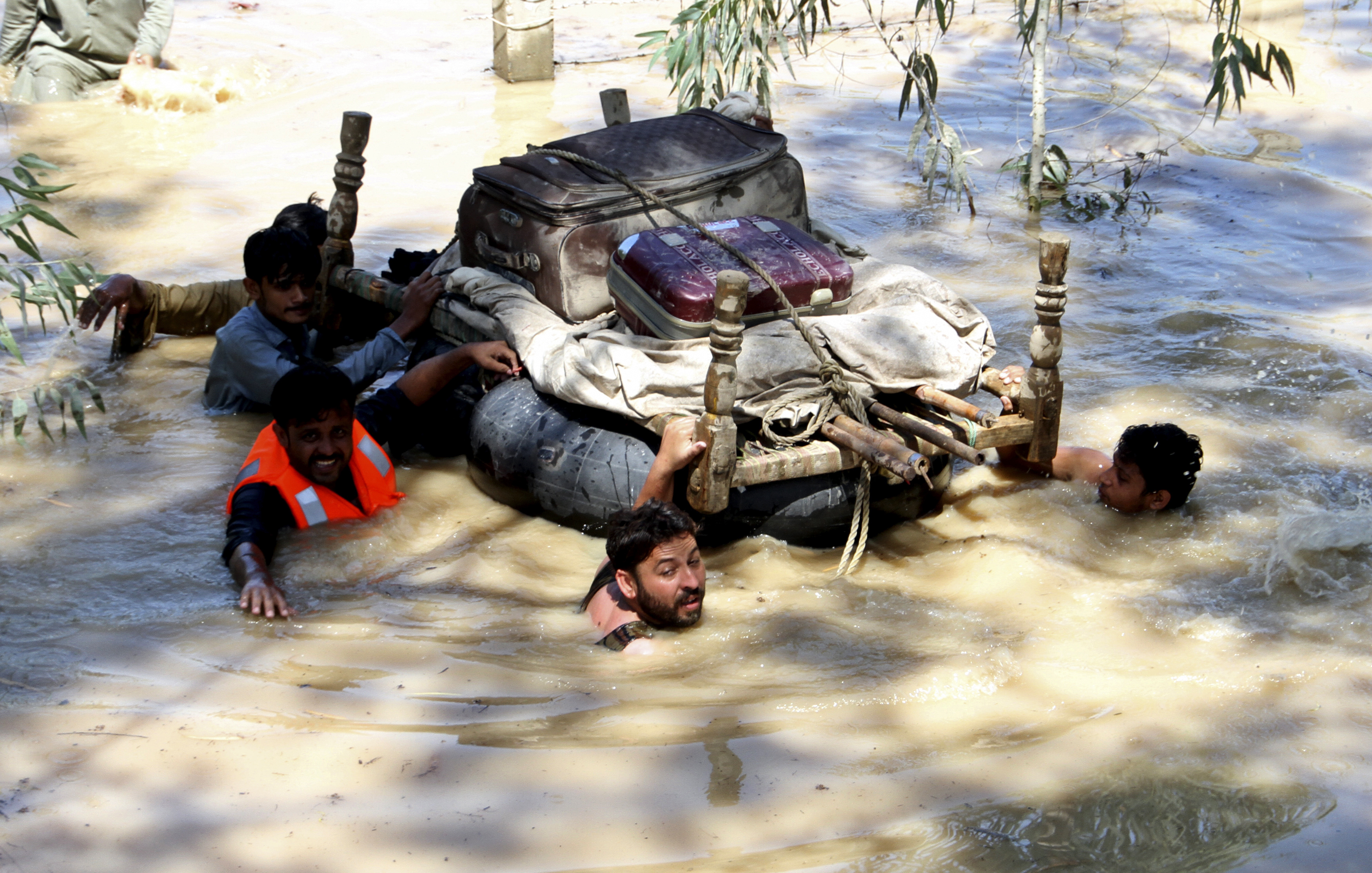
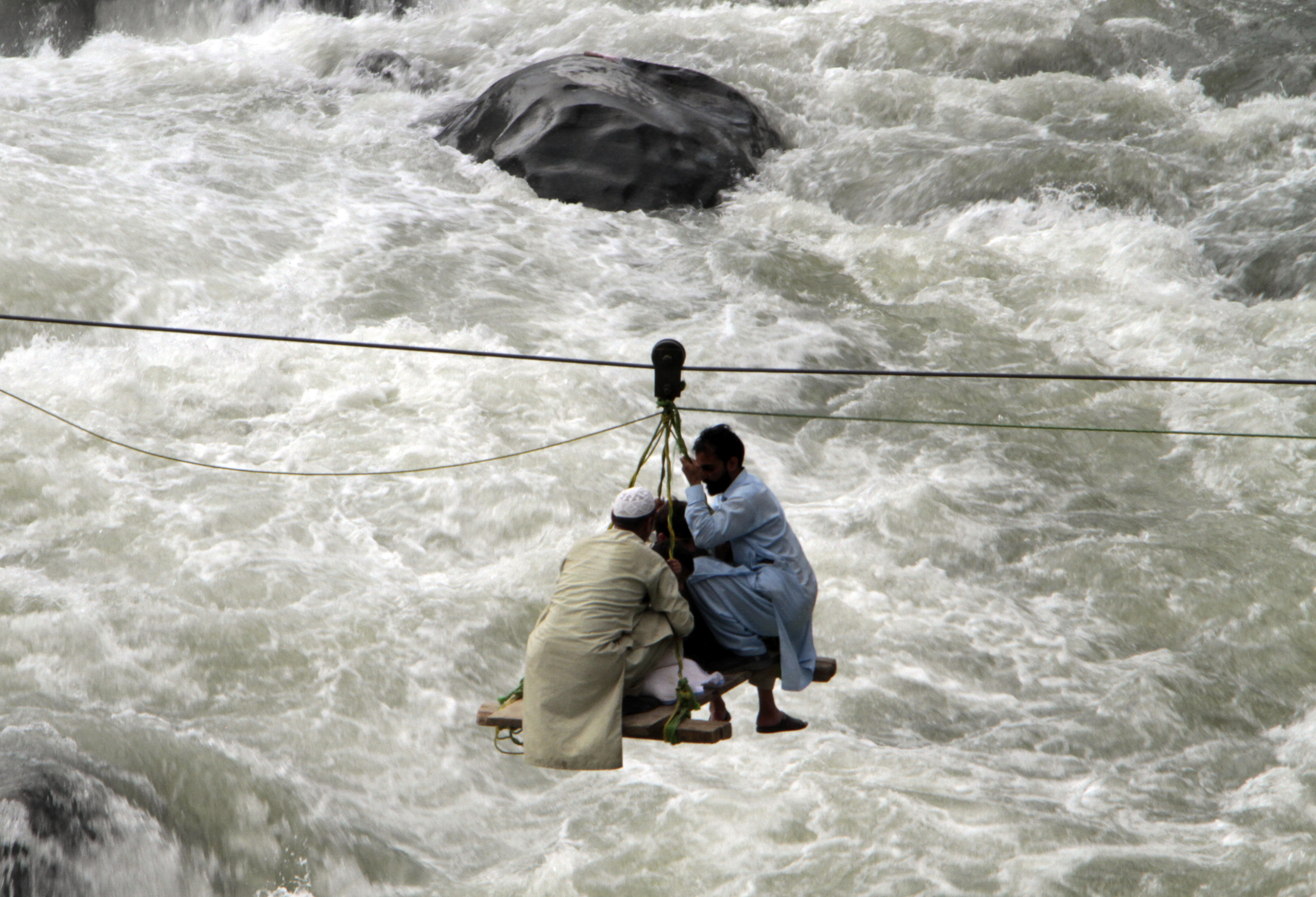
In videos shared by the Alkhidmat Foundation Pakistan, its volunteers used a bed frame and makeshift pulley system to help a child and elderly man cross rushing floodwaters, according to the NGO's digital media manager Ihtisham Khaliq Waseer.

More than 3000 volunteers from the NGO are distributing aid across the country, he said.

"We are getting aid but it's not enough with what we need on the ground, because the damages are very much higher than expected," he said, adding that volunteer teams have been stretched thin delivering supplies to hard-to-reach areas for weeks.

Waseer said he hopes that as rains weaken and flood waters recede in the coming week based on weather forecasts, his team would be able to deliver food rations and set up medical centres in remote areas.