An absconding psychiatric patient who murdered a woman metres from her Christchurch home earlier this year had also kidnapped and stabbed a pie delivery driver a decade ago, the Herald can reveal.Zakariye Mohamed Hussein, 37, this…
Tag Archives: oceania
How Prince Charles won over the nation of Wales
Around half a century ago, Queen Elizabeth II invested Charles as the Prince of Wales in a ceremony full of pomp at Caernarfon Castle, but not everybody was joyous about the occasion.
Since that momentous day in north-west Wales, in July 1969, Charles has been moving on a trajectory to one day become King.
But it was his memorable actions on the day which won the hearts of many, and helped extinguish some rising resentment against the monarchy brought about by a new nationalist movement in Wales.
LIVE: What midnight outside Palace after Queen's death looks like
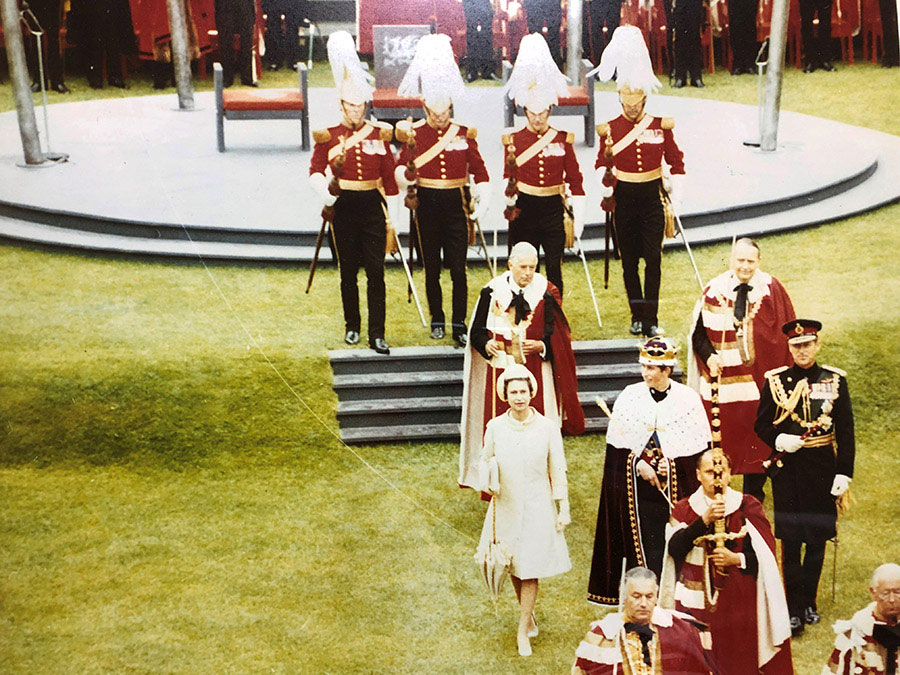
In front of 4500 people, and on a stage occupied by the Queen and the Duke of Edinburgh, Charles took a knee before his mother.
The Queen then invested Charles with the girdle, sword, coronet, ring, rod and kingly mantle.
Prince Charles declared: "I, Charles, Prince of Wales, do become your liege man of life and limb and of earthly worship and faith and truth I will bear unto thee to live and die against all manner of folks."
In line with custom, he then kissed the Queen's cheek and the two embraced.
READ MORE: The life and achievements of Queen Elizabeth II
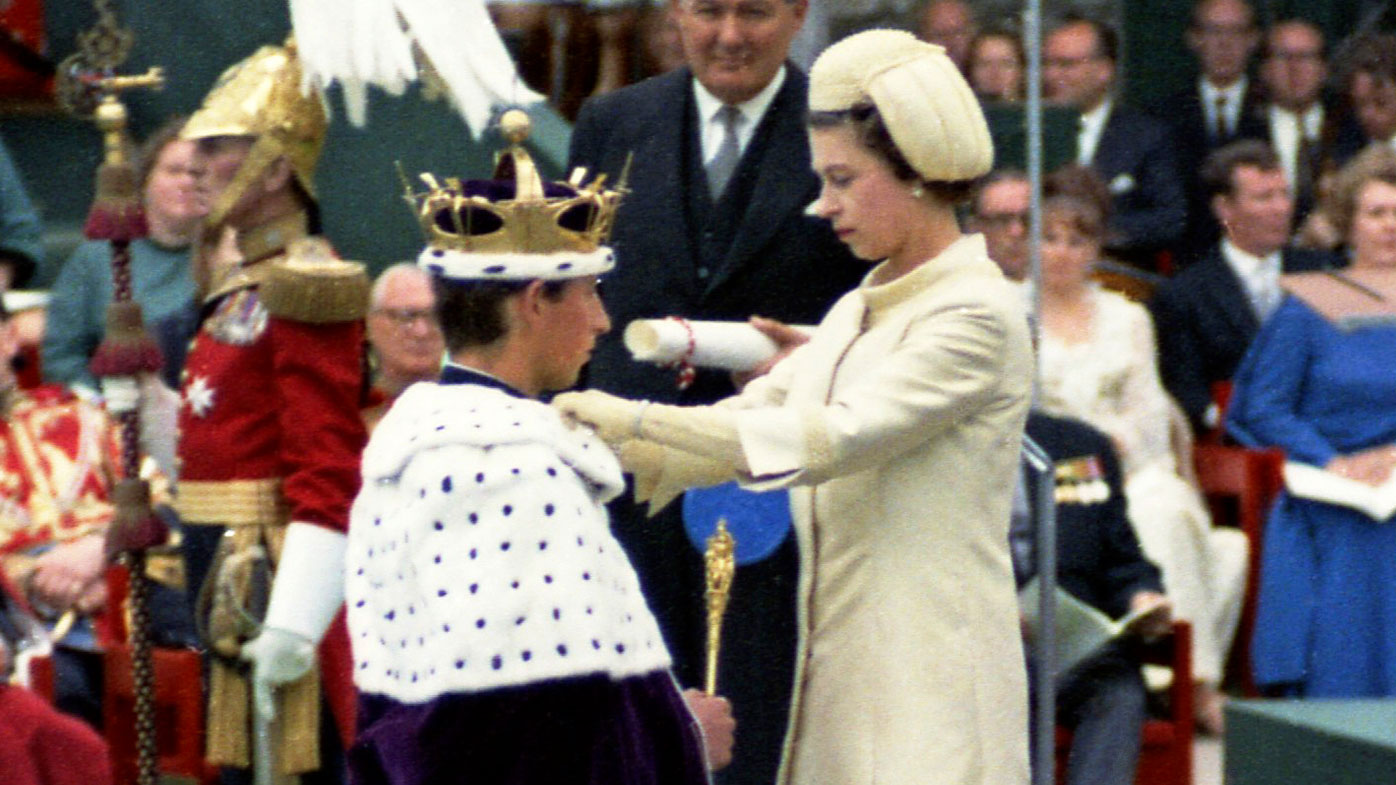
He took his place in a throne at his mother's right, before standing to give two speeches, one in Welsh the other English.
His speeches were broadcast by the BBC in colour and black and white to 19 million viewers in Britain, and 500 million around the world.
While the elaborate ceremony was rich with pageantry, Prince Charles' role at the investiture was hugely important, and far more than simply symbolic.
At the time, there was a growing movement of Welsh nationalism and displeasure towards the rule of the monarchy.
To prepare himself for the investiture, Prince Charles spent a term studying at University College of Wales, dedicating himself to learning about Welsh history, culture and language.
As a result, he was able to give his ceremonial address in Welsh, and his replies in both Welsh and English.
According to the UK National Archives, in an interview after the investiture, Prince Charles said, "for me, it's a way of officially dedicating one's life or part of one's life to Wales".
READ MORE: Prince Harry too late to say final goodbye to Queen
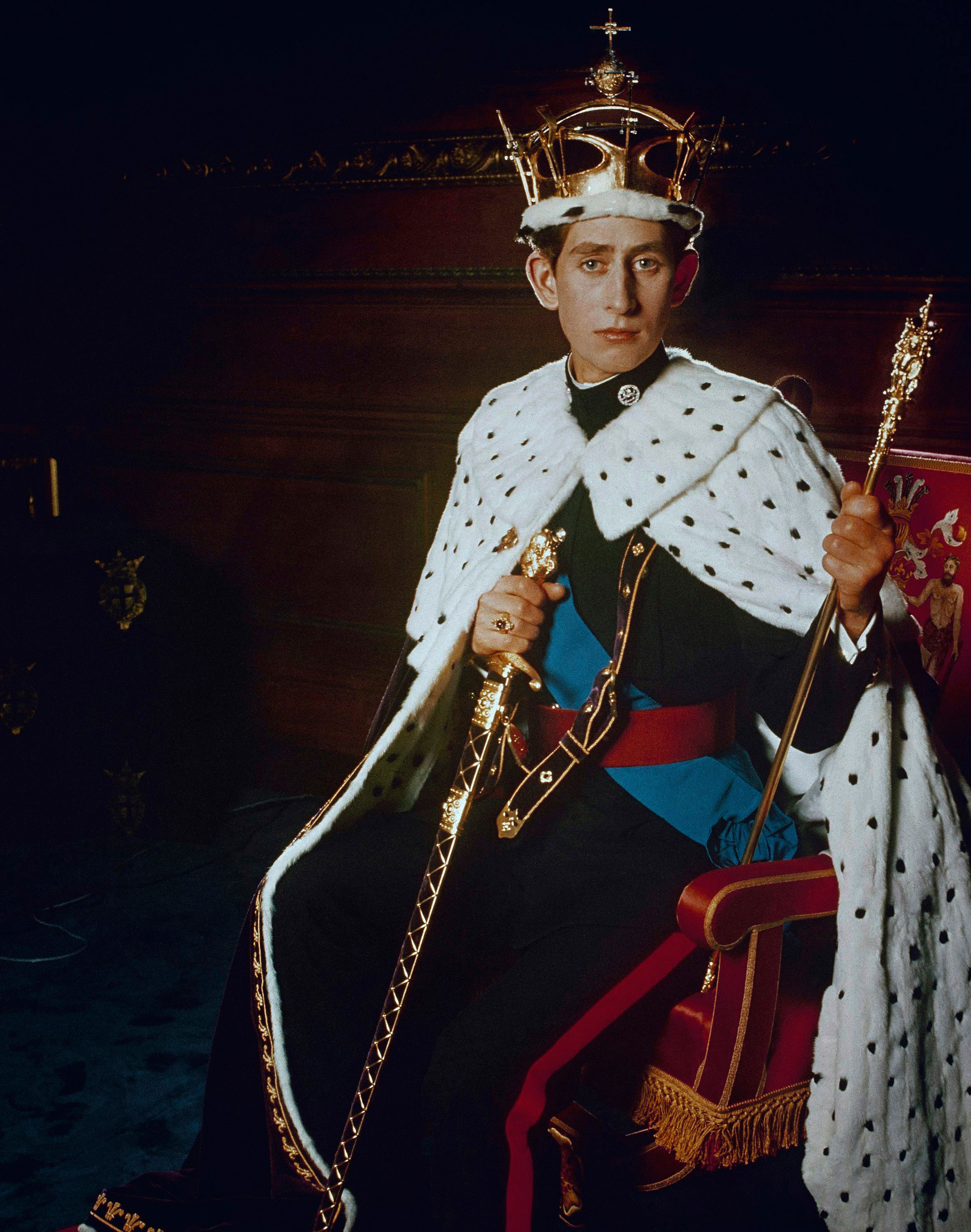
His time studying in Wales was challenging.
Every day he was greeted by a group of protesters at the university, he told British broadsheet The Telegraph.
"I had to go down to the town where I went to these lectures, and most days there seemed to be a demonstration going on against me."
But his persistence paid off and he won over the nation.
"Speaking for myself, as a result of my two-month stay in this country, I have come to see far more in the title I hold than hitherto," he said in part of his investiture speech.
"I am more than grateful to the people of this Principality for making my brief stay so immensely worthwhile and for giving me such encouragement in the learning of the language."
The investiture kickstarted a four-day tour around Wales.
A tour press note held in the National Archives stated Prince Charles "wishes to meet as many people as possible, that informality should be the keynote and formal occasions kept to a minimum".
READ MORE: Operation Unicorn: What happens after Queen's death in Scotland
The tradition of investing the heir apparent with the title of "Prince of Wales" began in 1301, when King Edward I of England completed the conquest of Wales.
According to legend, Edward I promised the Welsh people a prince who could speak no English.
He presented them with his infant son.
And so began a tradition for English kings to bestow their heir with the title "Prince of Wales".
He gave the title to Prince Edward, who became King Edward II.
Catch of the day won't be dish of the day
In his 16 years of fishing, Tyler Byron says he has never seen a bigger fish than the rainbow trout he caught yesterday morning.The Mataura man caught the 14.9-kg rainbow trout while on a spontaneous fishing trip to the Tekapo Canal,…
Auckland traffic: Crashes in Waterview tunnel, East Tamaki Rd off-ramp
A crash has blocked the left lane in the northbound Waterview tunnel, making the Auckland commute home a slow one for some motorists.Two northbound lanes on the Southern Motorway were also blocked by a crash just before the East…
Police launch homicide investigation after body found in burnt-out car
Police have launched a homicide investigation following the discovery of a woman’s body in a burnt-out vehicle in Havelock North.Detective Inspector David De Lange said post-mortem results have led to this decision and police were…
Former PM John Howard shares memories of Queen Elizabeth II
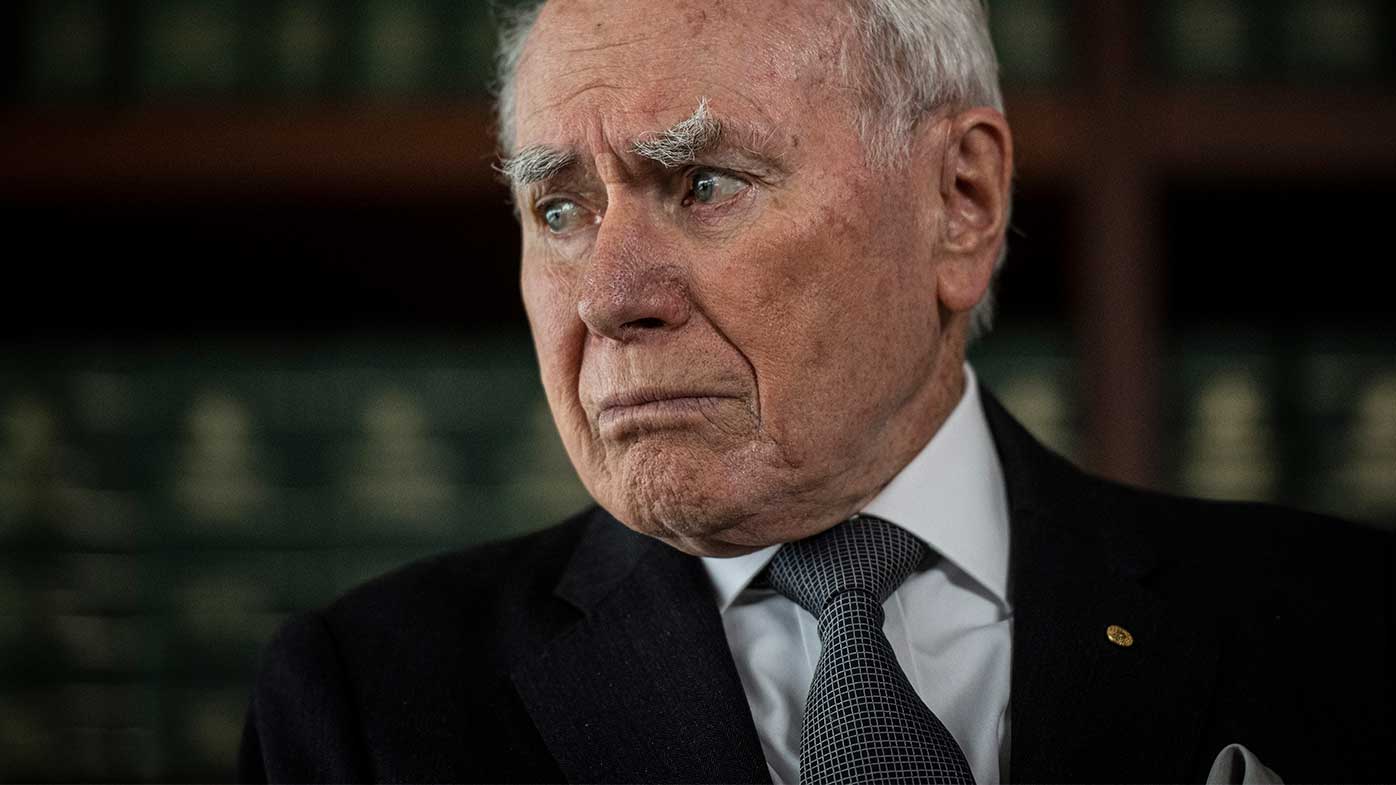
Former Australian prime minister John Howard has praised Queen Elizabeth II's dedication to serving the UK and the world.
Howard reminisced on his encounters with the Queen and also shared his thoughts on the new king.
Howard reflected on what he believes is one of the Queen's most memorable speeches when she visited South Africa in 1947 prior to her coronation.
LIVE UPDATES: Aussie politicians pay tribute to the Queen
"She said her whole life whether it be long or short would be devoted to the great as she described it then to the imperial family. How true that turned out to be," he said.
Howard said the Queen's last act in receiving Liz Truss as the new prime minister proved her dedication to duty.
"The fact that occurred just two days before she died was in many ways a metaphor for her whole life," he said.
"She saw service, commitment to duty, doing the right thing constitutionally and always understanding she was monarch by the free will and consent of her people not by any divine right."
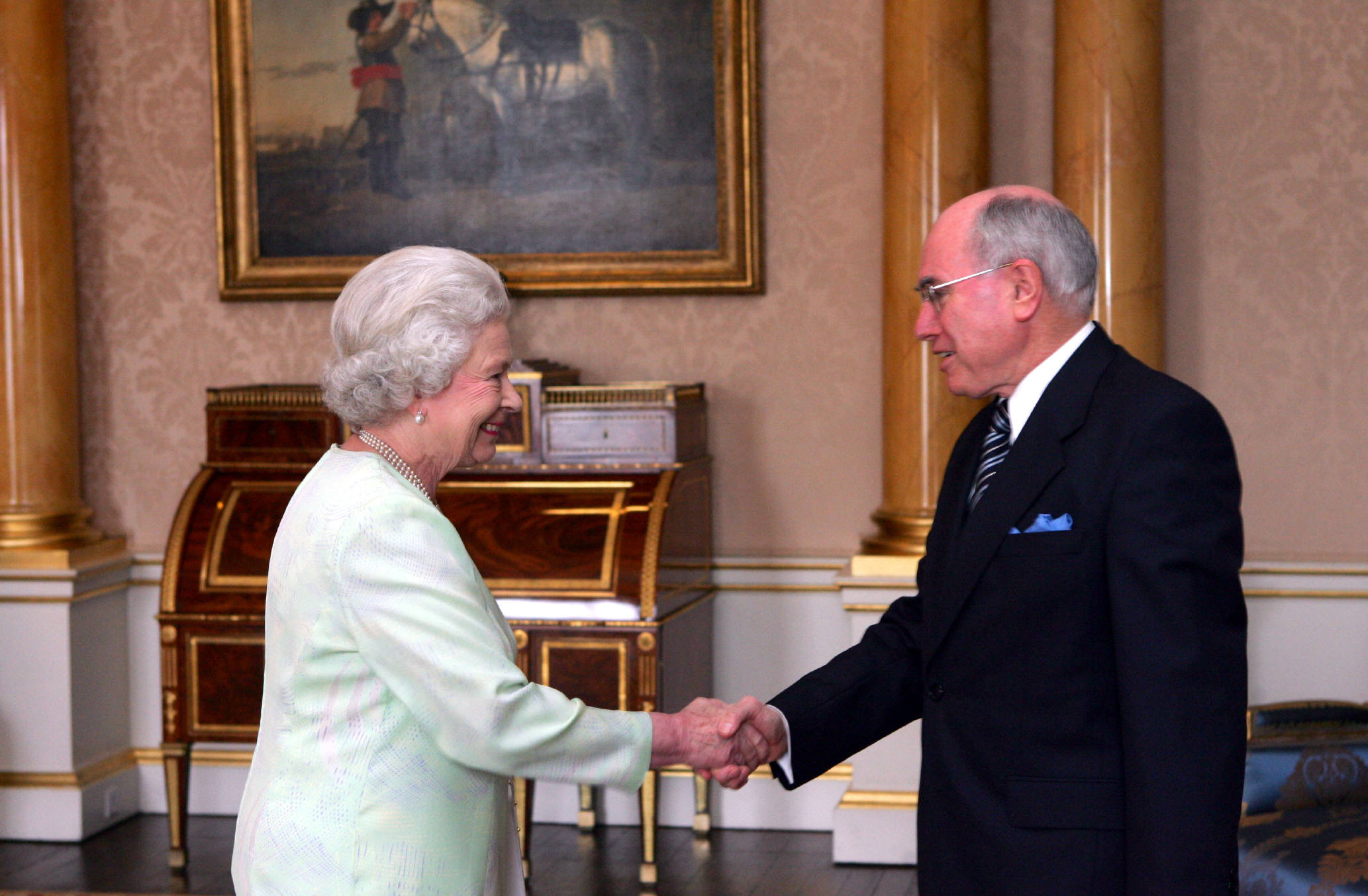
'She had a great sense of humour'
Howard also affectionally reflected on his encounters with the Queen however said it was "impossible" to pick his favourite.
"My own dealings with her are ones I'll remember with great affection," he said.
"She had a great sense of humour, she had what seemed to me a great curiosity about Australia, she understood different features of Australian life."
Howard said although the Queen didn't share the same sporting passion for cricket they did share some happy moments at the Ashes.
READ MORE: The life and achievements of Queen Elizabeth II
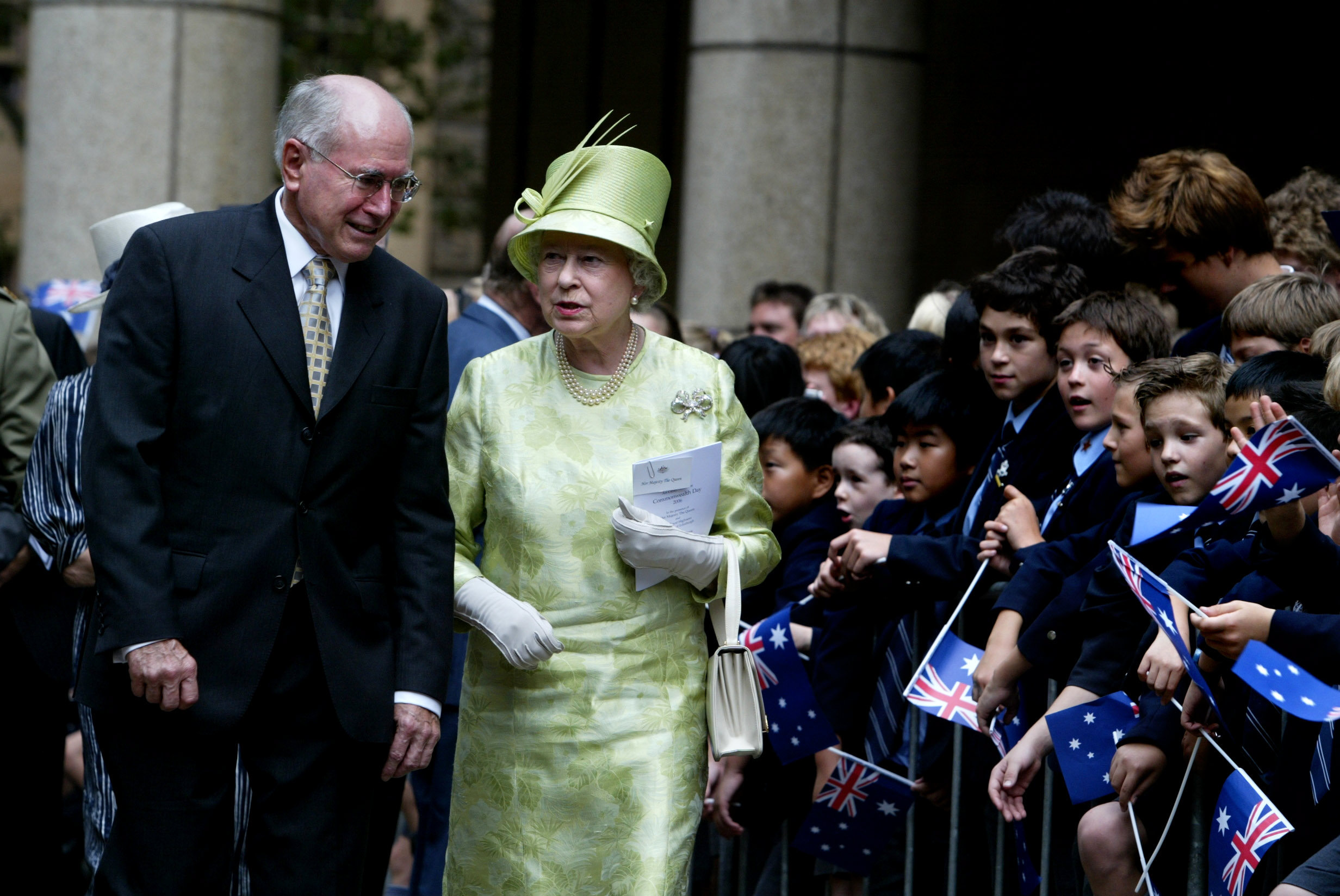
He mentioned the referendum on whether Australia should maintain a monarch in 1999 and how gracious the Queen was.
"She always kept a proper constitutional difference. I can speculate what her feelings were after the result was announced but she did nothing but honour the democratic acceptance of her as the Queen of Australia," he said.
'She had that great capacity to put people at ease'
The former prime minister flagged one particular meeting with the Queen when Commonwealth heads of government dined in Edinburgh.
"Halfway through the dinner, the Queen and Jean Chretien broke into french for several minutes," he said.
"My schoolboy French wasn't much good but I don't think there was anything very controversial being said about the other guests.
"She had that great capacity to put people at ease."
READ MORE: What happens now the Queen has died?
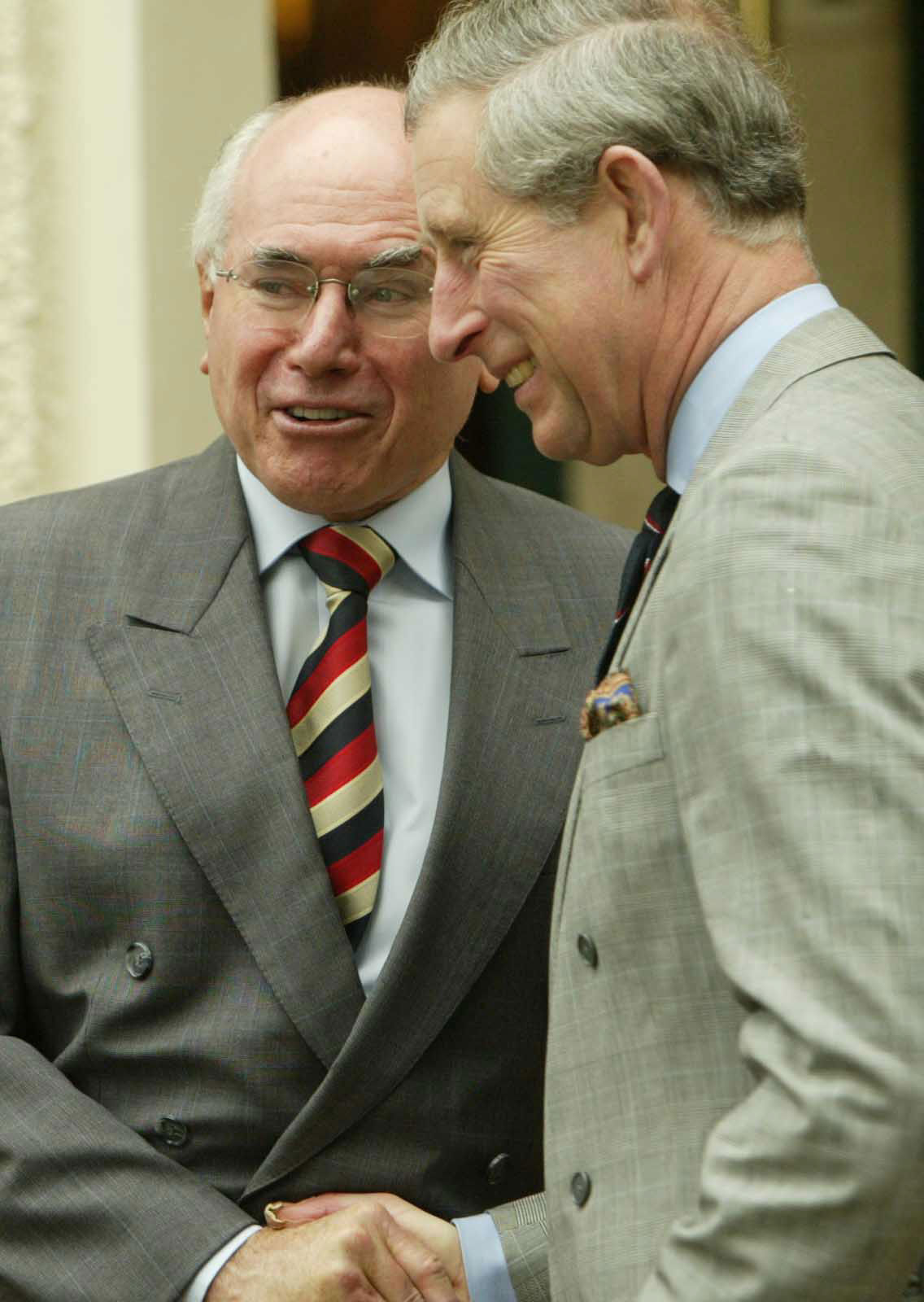
Howard says Charles will be a different ruler to his mother
As Charles takes the throne as king, Howard said he expects him to do the job "conscientiously" and differently to his mother.
"His life has been all about preparing for it. People will form opinions and to use that great Australian expression, they'll pay on performance," Howard said.
"It can't be a re-run on his mother because she was 26 when she came to the throne and he's in his 70s so it's obviously very different."
Invercargill nursing student hopes to prove worth in visa battle
Invercargill nursing student Maia Matubis reckons a stressful immigration battle has set her up nicely for a career in nursing.Philippines-born Matubis, 23, entered the public eye in 2020 when the Otago Daily Times covered her…
How a new monarch changes Australia's coins, $5 note
Australia's modern coinage has only ever known the face of one monarch – Elizabeth II.
The long-serving queen ascended the throne in 1952. Australia switched to a dollar currency in 1966.
In all the years since, it has been Queen Elizabeth's face on the obverse of every coin in circulation, as well as the now-obsolete $1 bill.
LIVE UPDATES: 'Operation Unicorn' triggers Queen's own 10-day plan
But with the ascent of King Charles III to the throne, that is set to change.
The Royal Mint in Canberra is expected to start issuing coins emblazoned with the new monarch's profile in 2023.
The Treasury has been working with the Royal Australian Mint and Perth Mint in order to facilitate the change in recent months.
But given the expected timeframe of the transition, coins bearing Queen Elizabeth II's effigy may continue to be minted, and will remain legal tender – even when Charles-stamped coins enter circulation.
READ MORE: The life and achievements of Queen Elizabeth II

The same goes for the Queen-imprinted $5 notes.
The Reserve Bank of Australia said in a release there would be no "immediate change" to any banknotes.
"The $5 banknotes featuring the image of Her Majesty The Queen can continue to be used," the RBA said.
"They will not be withdrawn and are likely to remain in circulation for years to come."
READ MORE: What happens now the Queen has died?
But they did point out the reigning monarch "traditionally appeared" on the lowest denomination of Australian banknotes, meaning Charles will adorn the $5 bill at some point.
"The Reserve Bank will provide further updates in due course," the statement read.
And in the meantime, there are some things we can surmise.
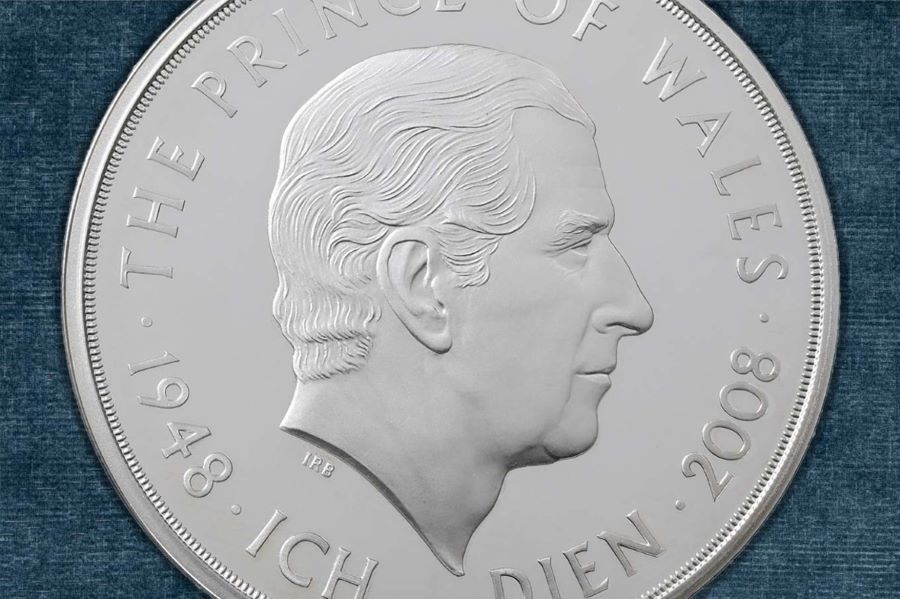
Coins featuring Charles' portrait have already been issued as special edition currency in the UK, including for his 70th birthday.
On these coins, he faces in the same direction as his mother does – that is, to the right.
But traditionally, a new monarch will face the opposite direction to their predecessor on a new minting of coins, meaning currency bearing the face of King Charles, as opposed to Prince Charles, would likely see him facing left.
READ MORE: Australians can expect 'shock to system' from new King
Auckland man accused of baby's death to keep name suppression to protect parents overseas
An Auckland man accused of causing an infant girl’s death will be allowed to keep his identity secret until the completion of his 2024 murder trial due to fears that villagers from his hometown overseas could burn down his parents’…
Queen Elizabeth II made her final appearance just days before death
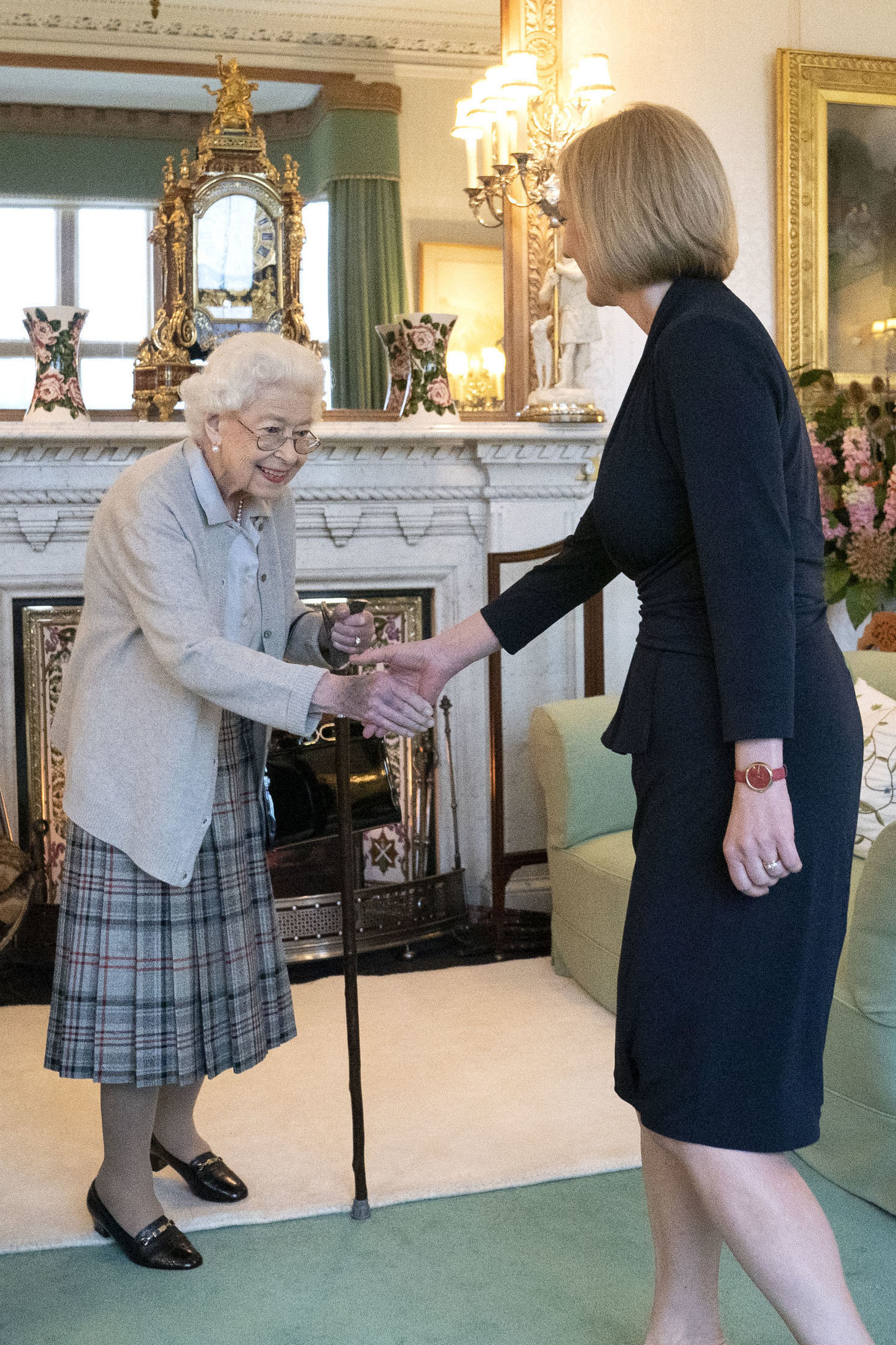
Queen Elizabeth II made her final appearance just two days before her death when she appointed Britain's new prime minister Lizz Truss on Tuesday.
Her majesty, has died aged 96, peacefully at her Balmoral home in Scotland.
Just a few days prior, the monarch appeared at a historic ceremony which took place inside the green-carpeted Drawing Room at Balmoral Castle, instead of at Buckingham Palace as per tradition.
LIVE UPDATES: 'A moment of great sadness': New King's tribute to Queen Elizabeth

Photos from their meeting showed the 96-year-old happy and smiling however she appeared to have a heavily bruised hand.
ITV's royal editor Chris Ship previously told Today the bruising was a sign of changing times in the Queen's advancing years.
"I'm no medic but it could be some form of cannula that the Queen's had, we are guessing," Ship said.
Shortly after the meeting with Truss on Tuesday, the palace announced that the monarch would miss a Privy Council meeting after being advised by doctors to rest.
The meeting was scheduled to take place on Wednesday.
"After a full day, Her Majesty has this afternoon accepted doctors' advice to rest," a palace spokesperson said earlier this week.
The Queen also missed the Highland Games event which was held on September 3 in Scotland.
READ MORE: From assassination plots to making Aeroguard famous: A look back on the Queen's visits to Australia
Her Majesty had been staying in Balmoral since late July and had been visited by members of her family in the weeks since.
The last time the Queen was seen in public was on July 15, when the she made a visit to Thames Hospice, Maidenhead in Berkshire.
Her majesty was joined by Princess Anne to open a new building.
The Queen's passing comes after Buckingham Palace released a previous troubling statement saying that doctors had recommended the monarch remain under "medical supervision".
The news of her ill health emerged at about 1pm Scottish local time, which was 10pm for Australia.
The death of the beloved monarch came just hours later, shocking the world.