With rain still falling in the capital, Wellington contractors are getting burnt out clearing all the slips that just keep coming. Wellington City Council chief infrastructure officer Siobhan Proctor told NZME there are still several…
Tag Archives: oceania
Interislander's Aratere sailings cancelled for urgent repairs
Interislander sailings on the Aratere ferry have been cancelled due to urgent repairs. It means there will be no Interislander passenger ships sailing for the rest of the day, which could affect any anti-government protesters making…
Parliament protest: Leader Brian Tamaki says group not planning occupation
Additional police resources have been brought in from outside the Wellington district as authorities brace for an anti-government protest march on Parliament tomorrow. However, the protest leader says the group will not occupy Parliament…
The 13 wild spots the first woman could walk on the moon
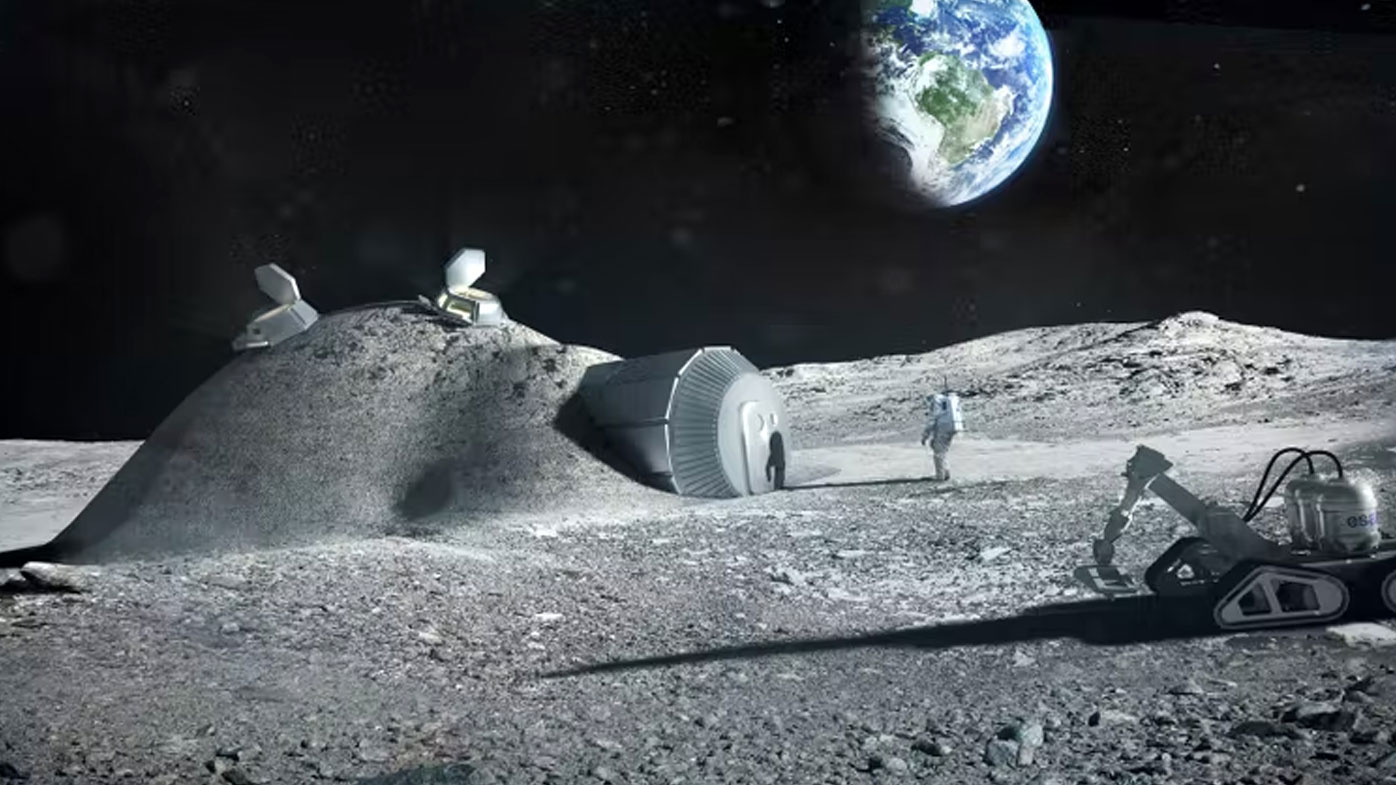
There are 13 spots near the lunar South Pole where the first woman and next man on the moon could land through NASA's Artemis III mission in 2025.
NASA has its sights set on areas around the South Pole, a mysterious region which features soaring mountains, as high as planet Earth's Everest, and deep craters.
Astronauts will be venturing where no human has gone before when they traverse these "unexplored" parts of the moon, which may hold valuable materials and minerals that help humans set up permanent base and push on to Mars.
READ MORE: NSW records first local transmission of monkeypox
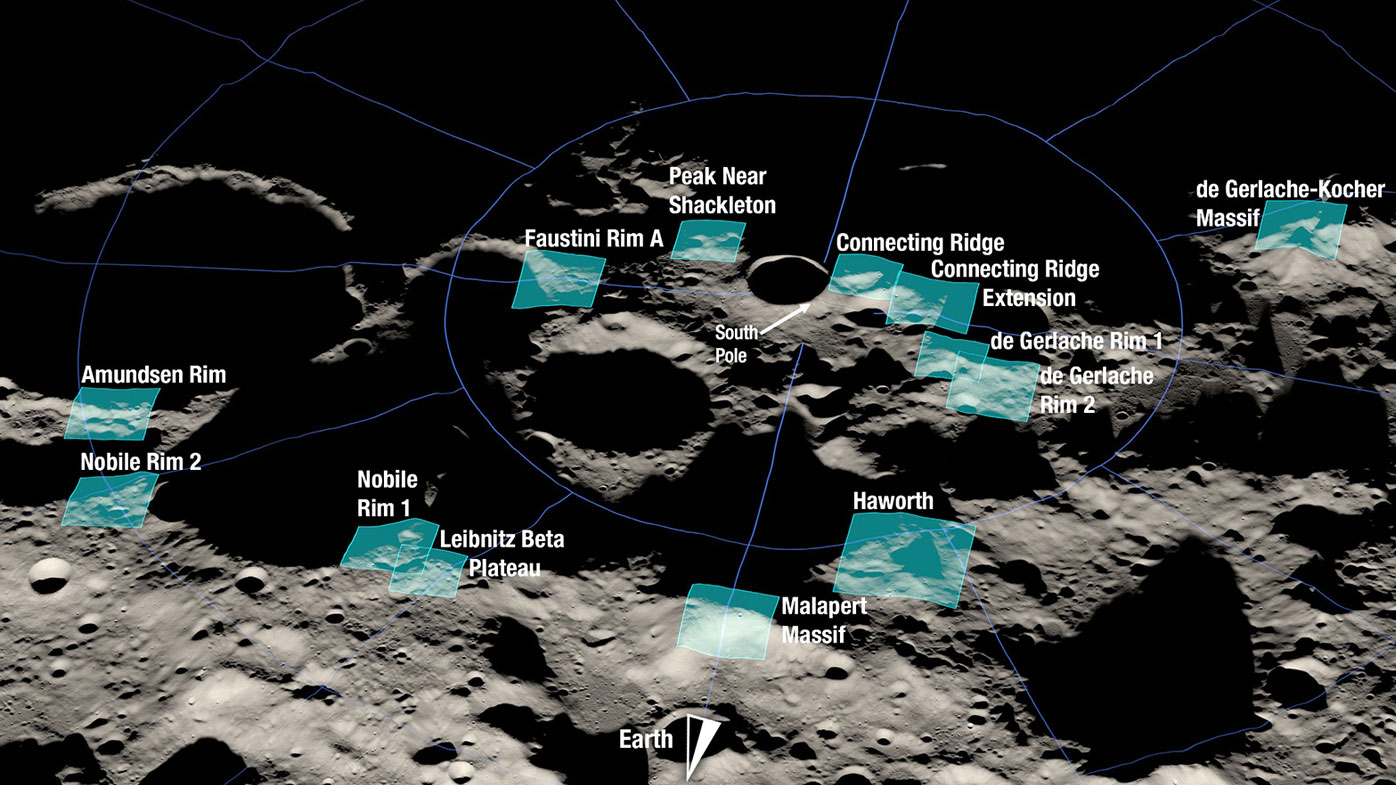
"It's a long way away from the Apollo sites," NASA scientist Sarah Noble said, describing the zones where an Artemis III crew could land.
"All six Apollo landing sites were in the … near side (of the moon). And now we're going someplace completely different in ancient geologic terrain."
The Artemis program aims to return humans to the moon for the long term and eventually pave the way for crewed missions to Mars.
While Artemis II will carry a human crew on a journey around the moon, Artemis III will be the first mission to return humans to the lunar surface since Apollo 17 in 1972.
"Selecting these regions means we are one giant leap closer to returning humans to the moon for the first time since Apollo," NASA's Mark Kirasich said in a statement.
"When we do, it will be unlike any mission that's come before as astronauts venture into dark areas previously unexplored by humans."
He said it would "lay the groundwork for future long-term stays".
READ MORE: NASA's moon rocket moved to launch pad for first test flight
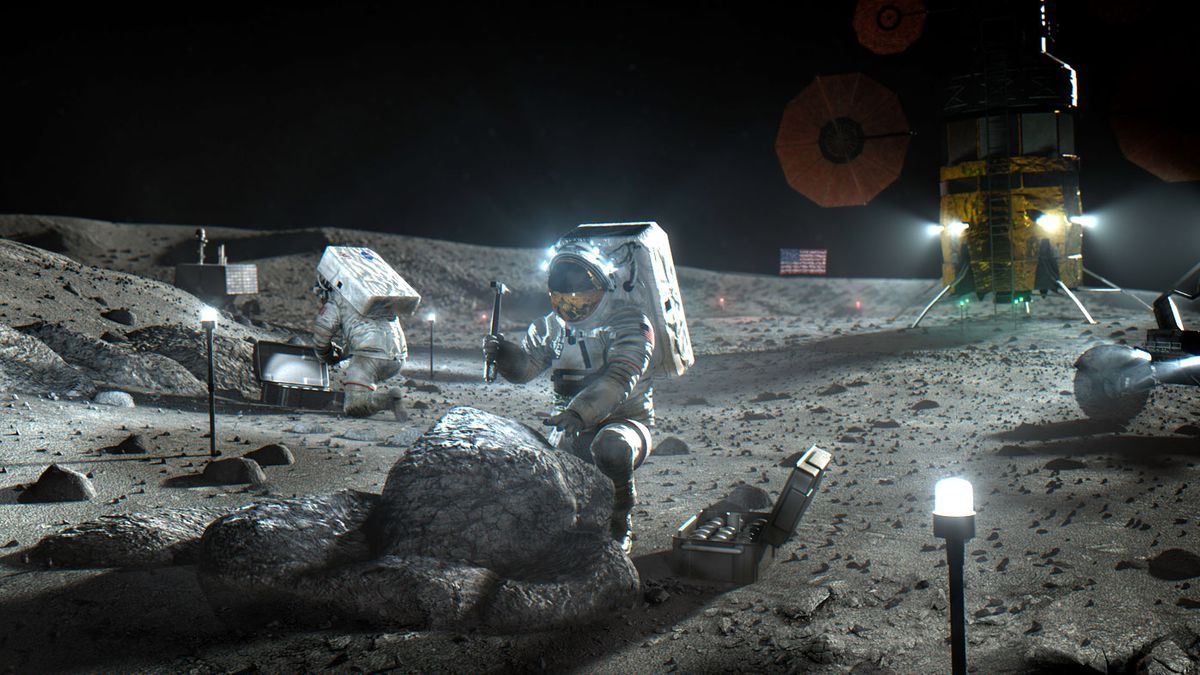
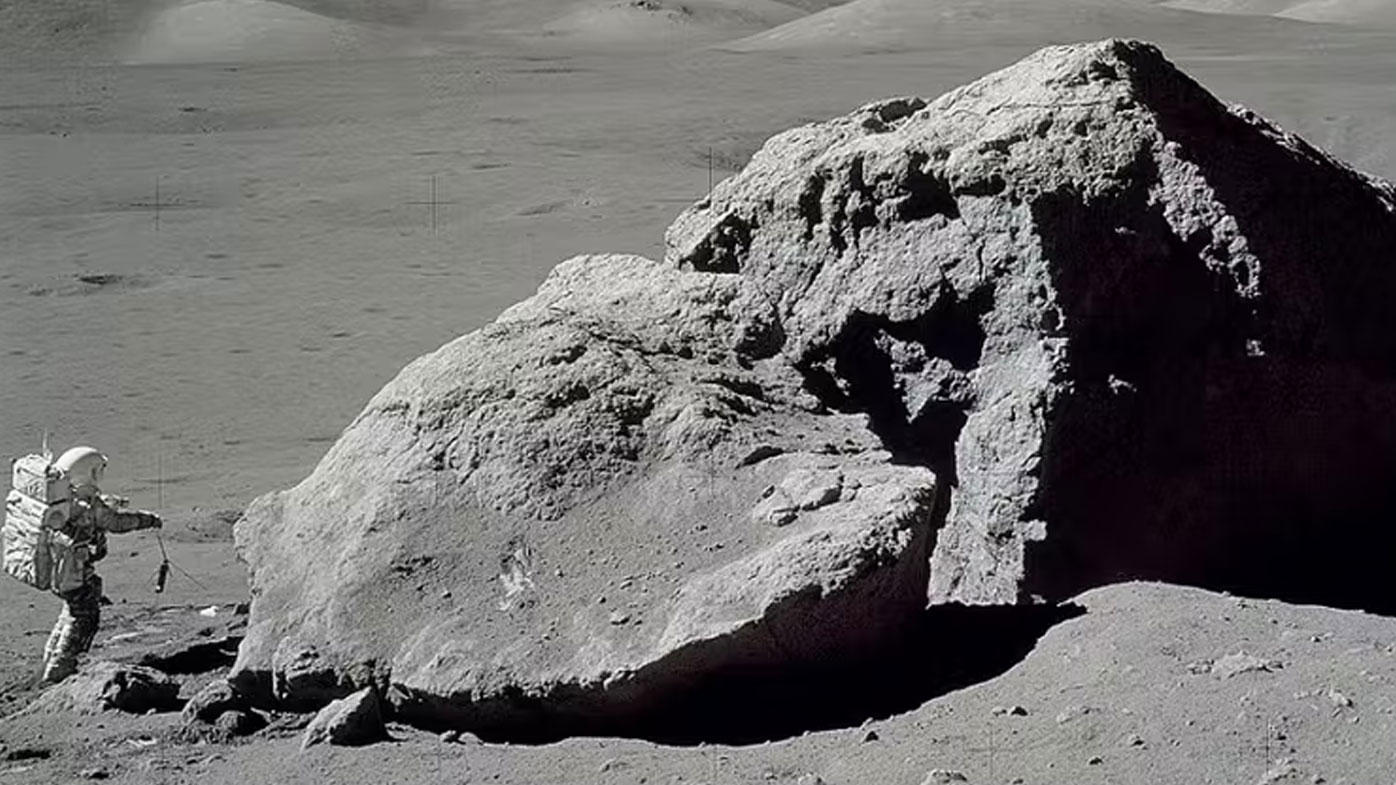
The 13 potential landing sites
Each of the 13 regions is home to multiple potential landing sites.
All are located within six degrees of latitude of the moon's south pole and all have intriguing geologic features, according to NASA officials.
NASA scientists and engineers assessed the lunar south pole using data from the agency's Lunar Reconnaissance Orbiter, which has been circling the moon since 2009, as well as other scientific findings.
The team considered crew safety when evaluating potential landing areas, including accessibility, terrain, lighting and the ability for crews to communicate with Earth.
The 13 possible landing sites will be illuminated by sunlight over the course of the six-and-a-half days planned for the Artemis III surface excursion.
Sunlight is key when considering the return of humans to the moon because it provides a power source and protects astronauts from extreme temperature variations.
READ MORE: Car blast kills daughter of Russian known as 'Putin's brain'
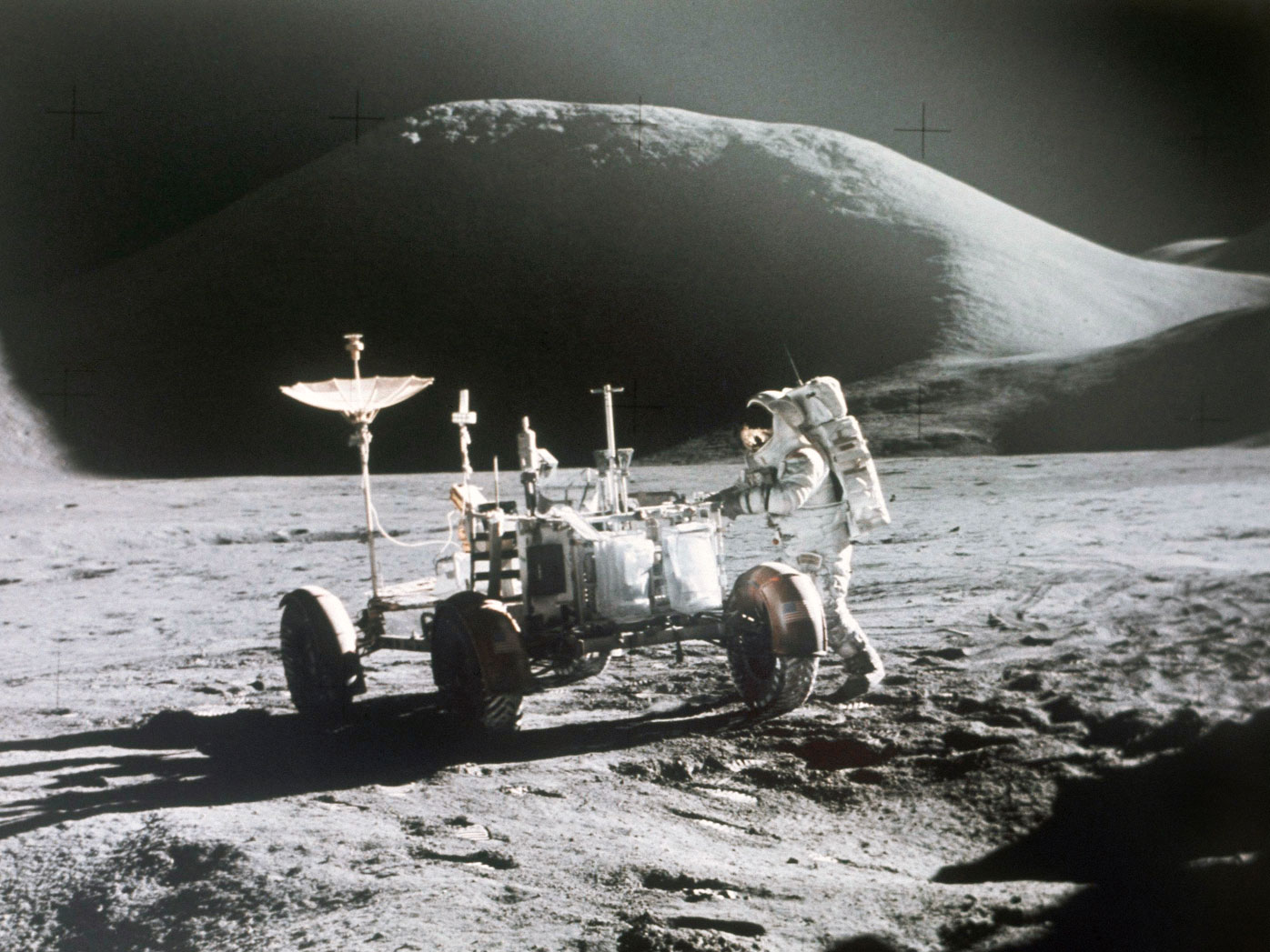
Exploring the unknown
The moon's south pole is of interest because it has never been explored by humans before, and its permanently shadowed regions could harbour resources like ice.
The shadowy regions may not have been touched by sunlight for billions of years.
Artemis III has specific science objectives, like landing close enough to a permanently shadowed region for crews to go on a moonwalk, collect samples and carry out scientific analysis to learn more about the composition, depth and amount of water ice there.
Lunar water ice is valuable from a scientific perspective and also as a resource, because oxygen and hydrogen can be extracted for fuel and life support systems.
The Artemis team will refine its site selections after conducting conferences and workshops to receive more input about the potential landing sites, as well as consulting with SpaceX to ensure that the company's Starship lunar lander could touch down there.
Sites will be confirmed once a target launch date has been set for Artemis III.
READ MORE: How Australia's mining expertise could help humans reach Mars
With CNN
Jennifer Lopez and Ben Affleck marry at $12.9m estate
Jennifer Lopez and Ben Affleck have said “I do" again.
Instead of in a late-night Las Vegas drive-through chapel, this time it was in front of friends and family in Georgia, a person close to the couple who was not authorised to speak publicly said Sunday.
According to People Magazine, the wedding was held at Affleck’s home outside of Savannah, Georgia, with all of their kids present for the proceedings on Saturday.
READ MORE: Almost one in five Aussies have had a purchase declined at the checkout

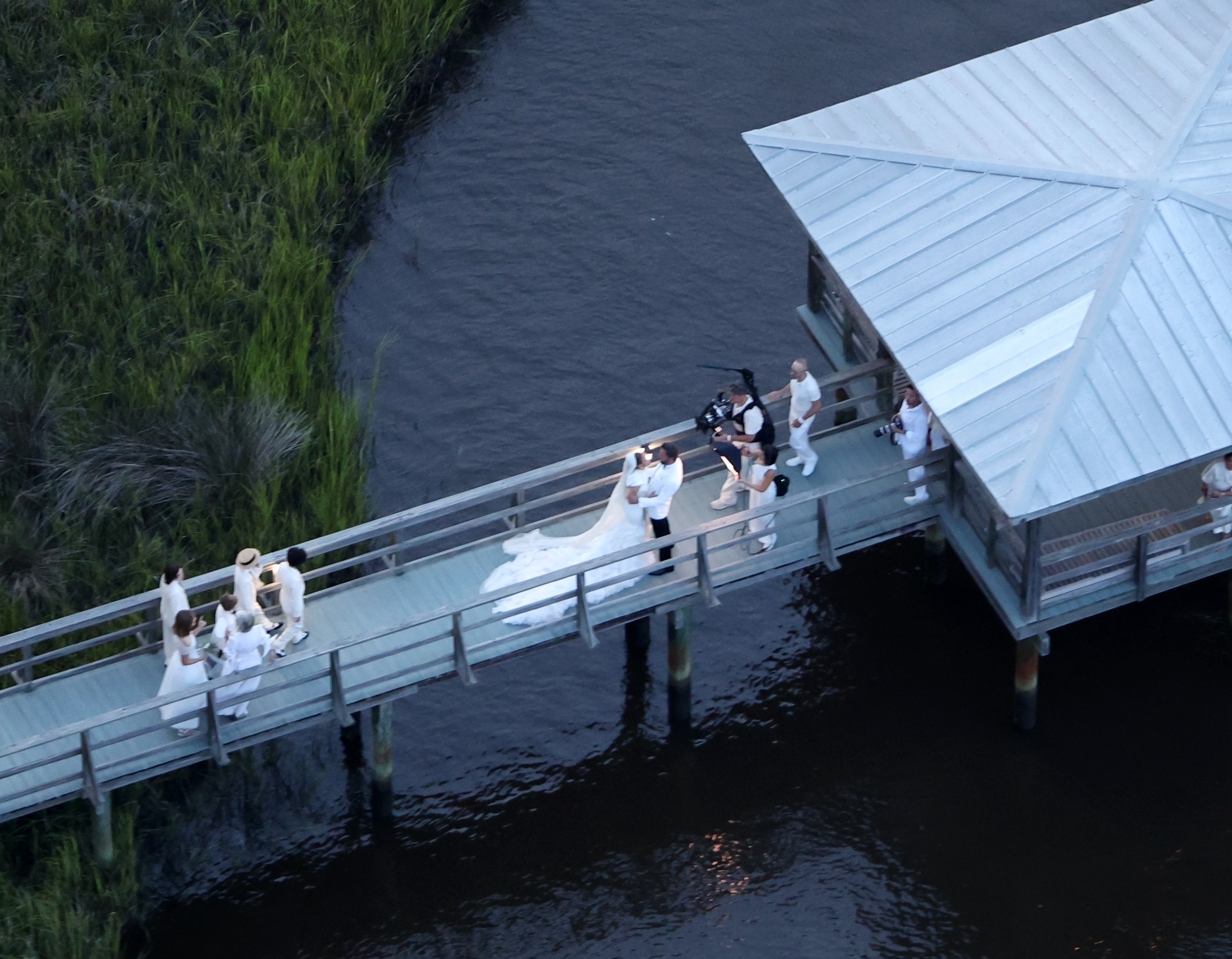
The celebrity couple were officially married last month in Las Vegas, which Lopez shared with fans in her “On the J Lo” newsletter.
“Love is beautiful. Love is kind. And it turns out love is patient. Twenty years patient,” Lopez wrote last month, signing off as Jennifer Lynn Affleck.
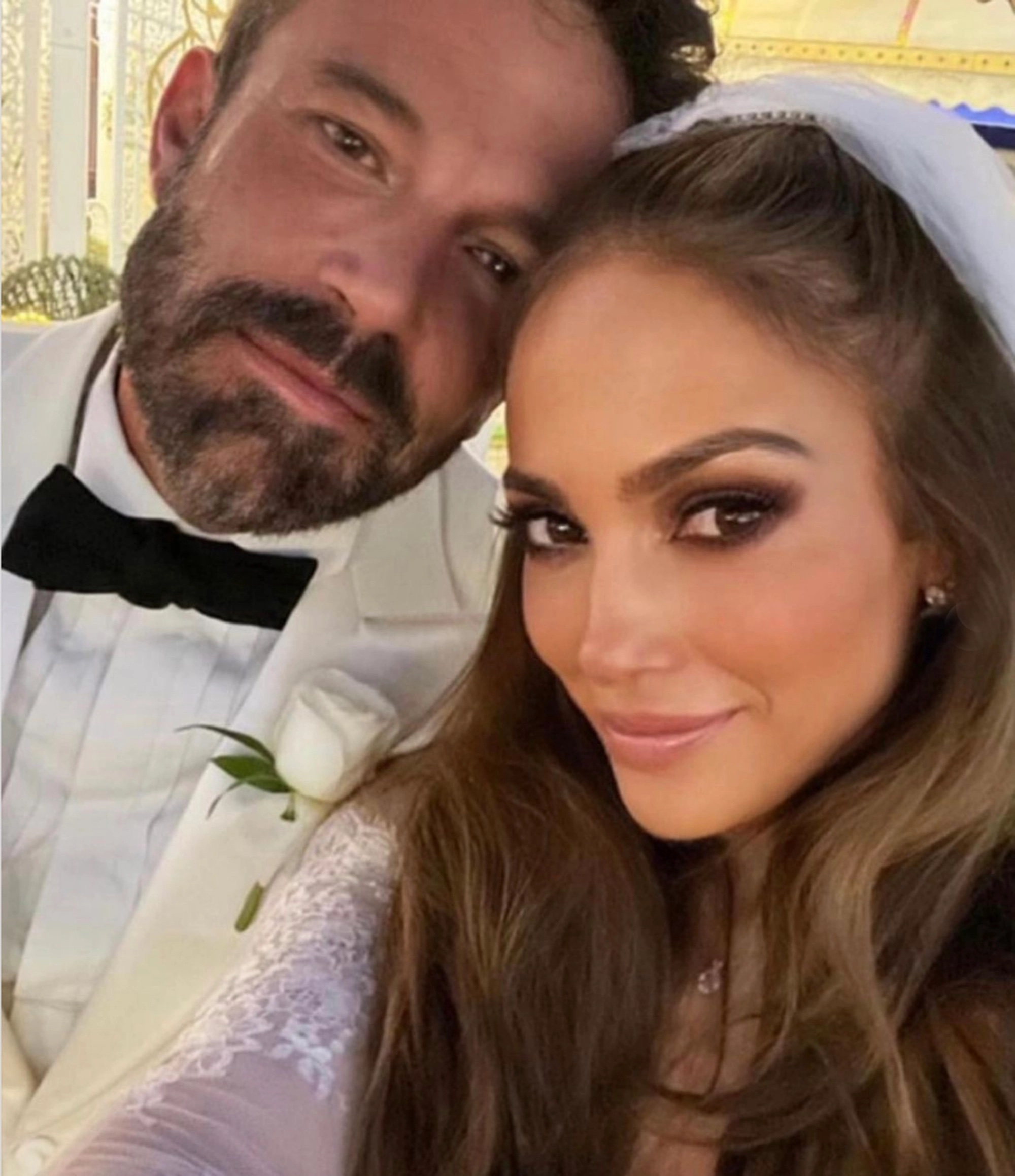
Lopez, 53, and Affleck, 50, famously dated in the early 2000s.
They starred together in 2003′s Gigli and 2004′s Jersey Girl and became engaged but didn’t wed at the time.
Paparazzi has feverishly trailed the couple since they rekindled their romance last year, from the earliest stages of the courtship, to their red carpet debut at last year’s Venice International Film Festival and their recent honeymoon in Paris.
Representatives for the couple did not immediately respond to request for comment Sunday.
Colombia pushing for an end to the war on drugs
It's the home of notorious drug trafficker Pablo Escobar, and the origin of legendary Santa Marta Gold – once the most sought-after varieties of weed in the US – named after Colombia's Sierra Nevada de Santa Marta mountain range.
For many, Colombia is synonymous with drug cartels and narco-traffickers. It is one of the largest narcotics producers in the world – last year, the US government estimated was producing over one million kilograms of cocaine, the highest in the world and more than the two closest nations, Peru and Bolivia, combined.
So when the South American country's new president says he intends to regulate the use of illegal substances – or at least some of them – the world listens.
READ MORE: Ford ordered to pay $2.48 billion over deadly crash
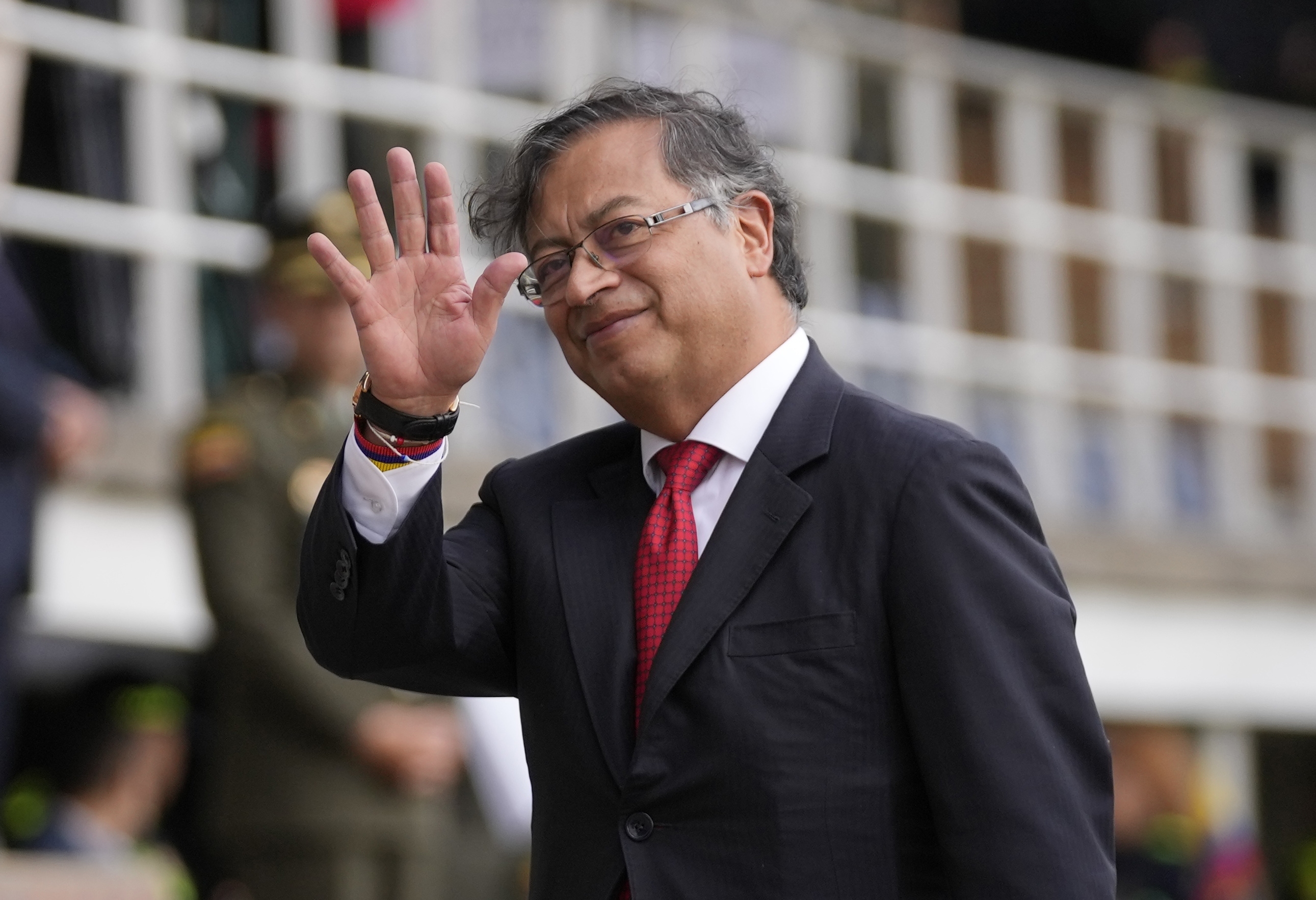
"It is time to accept that the war on drugs has been a complete failure," Colombian President Gustavo Petro announced during his inauguration festivities earlier this month, commenting on a bill his administration recently presented to legalise recreational marijuana to Congress.
Colombia's law already allows the production of cannabis for medical purposes, mostly to be exported to foreign markets like the US and Canada, but supporters of the new legislation believe that only legalising recreational cannabis can push thousands of farmers away from drug trafficking and into the legal trade.
To this day, the Colombian state faces challenges over control of its territory by a variety of criminal actors, from former left-wing guerrillas and paramilitaries to narco-cartels and organised crime syndicates. Drug trafficking is a powerful source of revenue for these outlaws, and over the past 50 years public authorities have pushed a prohibitionist agenda, banning the trade and consumption of drugs in order to hit the criminals in their pockets. But the stream of illegal drugs never ceased.
"We will never achieve peace in Colombia until we regulate drug trafficking," said Senator Gustavo Bolivar, one of the signatories of the new bill and a close ally of the new president.
READ MORE: NSW records first local transmission of monkeypox
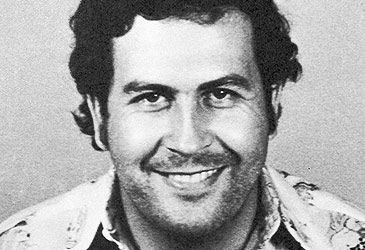
"Not even the United States, with all their might and money, could win the war on drugs … Right now, Colombia produces more drugs than when Pablo Escobar was alive, there are more consumers, more farmers. The drug trade is growing despite the money we invest in fighting it, and the thousands of deaths we suffer," said Bolivar, who recently traveled to Colorado for a firsthand look at the economic benefits of legalising marijuana.
In an interview, Bolivar told CNN it was hypocritical of the US to legalise marijuana at home, and support drug wars abroad such as in Colombia, where Washington sends millions of dollars every year to arm and train Colombian forces in their struggle against the cartels.
A landmark report from the Truth Commission, an interdisciplinary panel tasked to investigate over 50 years of civil conflict in Colombia, found that drug trafficking helped prolong the conflict despite almost US$8 billion ($11.65 billion) in military aid from the US to Colombia. At least 260,000 Colombians, the vast majority civilians, were killed in the violence.
A new generation of Colombian leaders
The campaign to legalise weed in Colombia unites left-wing senators like Bolivar with civil society organisations and deep-pocketed foreign investors, and has received a boost over the last 12 months from the country's changing politics, with Petro ascending to the presidency and progressive parties now a majority in Colombian congress.
"We saw the legalisation of adult-use recreational two, three, or four years down the line… but now we're hoping for this year," said Luis Merchan, a Colombian businessman who is the CEO of Flora Growth, a Toronto-based company that is investing in Colombian marijuana from medical cannabis to textile hemp.
The campaigners who have demanded this shift for years agree.
"We think now the time is ripe to do it," says Luis Felipe Ruiz, an investigator at Colombia's NGO Dejusticia, which supports decriminalising drugs and has documented the war on drugs for years.
READ MORE: Legal advice on Scott Morrison's portfolios scandal coming today

Drug trafficking is the top cause of detention in Colombia and, according to the Colombian Justice Ministry, 13 per cent of the country's detainees are serving a sentence related to the drug trade. Ruiz argues that one of the benefits of legalising marijuana would also be decreasing the prison population in the country.
"There's a large part of the political world that is ready to have a debate on legalising marijuana and, frankly, taking away the stigma against cannabis is already a great victory for us," Ruiz told CNN.
Those who oppose legalisation hail from the conservative right and believe the shift would just make drug abuse easier. Former President Alvaro Uribe, a political mentor of Petro's predecessor Ivan Duque and the main exponent of conservativism in the country, tweeted in 2020 that "recreational marijuana leads to other drugs, alters the neurons, the consumer reaches states of alienation, loses control over his decisions, which is the loss of his freedom," celebrating when a previous project to legalise weed was blocked in Congress.
Illegal agriculture
Historically, marijuana in Colombia is grown by small-scale farmers who cannot afford the pharmaceutical licenses required to produce medical cannabis, so they sell their product to drug cartels.
The bill presented to Congress could allow these small-scale farmers, most of them based in chronically underdeveloped rural regions of Colombia, to finally enter the legal market.
COCCAM, a confederation of coca, marijuana and poppy growers that works as a lobbying group for illicit farmers, estimates that up to 3000 families depend on illegal marijuana as a main source of their income, mostly in the southwestern department of Cauca. In most cases, these farmers live in isolated rural areas that are hours away from the closest paved road.
Compared to legal agricultural products like fruit and vegetables, marijuana and coca leaves don't spoil for days and sell at a higher price per kilogram. They also have the advantage of growing all-year round, while most plants give a harvest only a few months a year.
Because of Colombia's historic role, legalising recreational use would be an immense cultural shift – and perhaps a source of pride, Marchan said.
"It would be not only a source of pride for someone like me for what was frowned upon: I have been in business for a number of decades and when somebody learns that I'm from Colombia you always get the 'ahh,' that weird look," he said.
Legal cocaine?
Bolivar, the senator, believes the Colombian regulatory system will, eventually, follow the same path by legalising not only marijuana but even cocaine – the most lucrative source of income for the cartels.
Drafting numbers on an illegal market is never an exact science, but a 2016 study from the Colombian government estimated that drug trafficking – the flow of illegal drugs, mostly cocaine, that is produced in Colombia and sold in international markets from Europe, to North America, to Asia – was worth up to 3.8 per cent of the Colombian GDP or US$7.5 billion ($10.92 billion) at the time.
In comparison, illegal drug consumption – intended as the drugs that are consumed illegally in Colombia and where marijuana plays a larger role – was worth 0.75 per cent of the Colombian GDP.

"Marijuana is small change in the drug business. The big money that the cartels are making, and the lion's share of the problem, is called cocaine. And people in Colombia and Mexico will continue to die as long as we look at the problem with hypocrisy," Bolivar told CNN.
He envisions a network of state-regulated dispensaries where cocaine could be sold under medical prescription, and regional agreements across other drug producing countries. The three largest producers of cocaine in the world – Bolivia, Colombia, and Peru – are all currently ruled by ideologically aligned, left-wing leaders.
Bolivia has a thriving legal market of coca byproducts, mostly dry leaves that are chewed by the indigenous population and already in 2012, the governments of Bolivia and Colombia pushed for a regional re-thinking of drug policies in multilateral meetings.
"We could for example make a small treaty in our countries to modify the 1961 Convention on Narcotic Drugs and plant the first flag of legalisation in the world; other countries may follow," the senator said.
But before international treaties are rewritten, Colombia might still have a legal battle ahead of it. As it stands, the Colombian constitution explicitly forbids using narcotic drugs without medical prescription; so even if Congress passed a law legalising recreational marijuana, it could be deemed unconstitutional by the Supreme Court.
An appeal to eliminate that article has already started by another lawmaker, Congressman Juan Carlos Losada.
"It's a two-front battle. Our legalising bill in Congress, and the appeal by Losada to the constitutional court. Whichever comes first we will support it, because this country needs peace," said Bolivar.
People are now testing Tesla's 'full self-driving' on real kids
Carmine Cupani wanted to set the record straight. So he asked his young son to stand in the path of his Tesla as it sped through a parking lot.
The North Carolina resident set out to refute a widely circulated video of a Tesla with the company's "full self-driving" beta software — which allows the car to steer, brake and accelerate, but requires an attentive human driver ready to take the wheel — plowing into child-size mannequins.
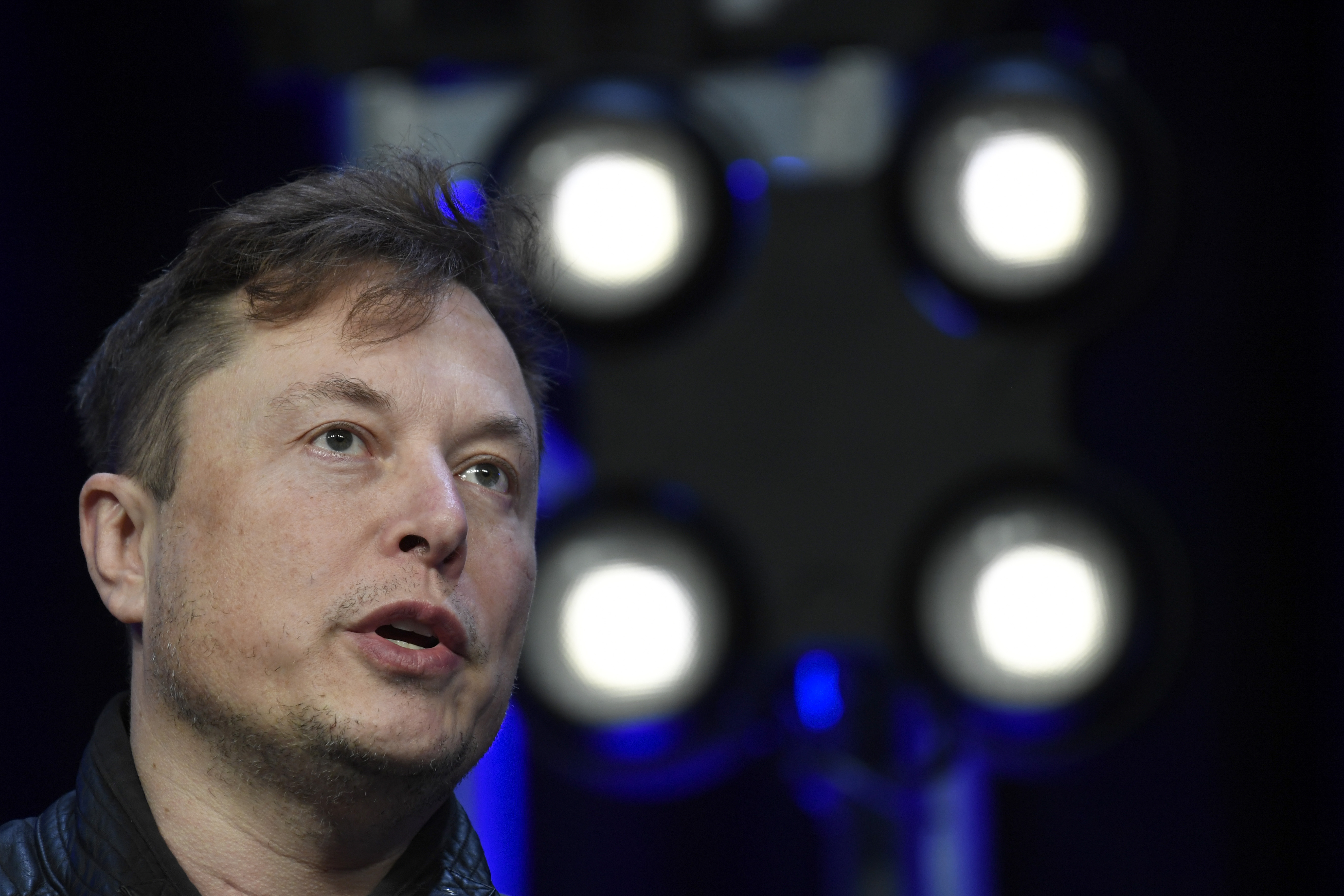
Dan O'Dowd, a software company CEO who published the video earlier this month, thinks the National Highway Traffic Safety Administration should ban "full self-driving" until Tesla CEO Elon Musk "proves it won't mow down children".
READ MORE: Police shoot man allegedly carrying knife in Brisbane
https://twitter.com/RealDanODowd/status/1556973572698128385
That's when Cupani, who runs an auto shop focused on imports and Teslas, got involved and recruited his son. While he's a self-described "BMW guy", Cupani says the software can't compare to what Tesla offers.
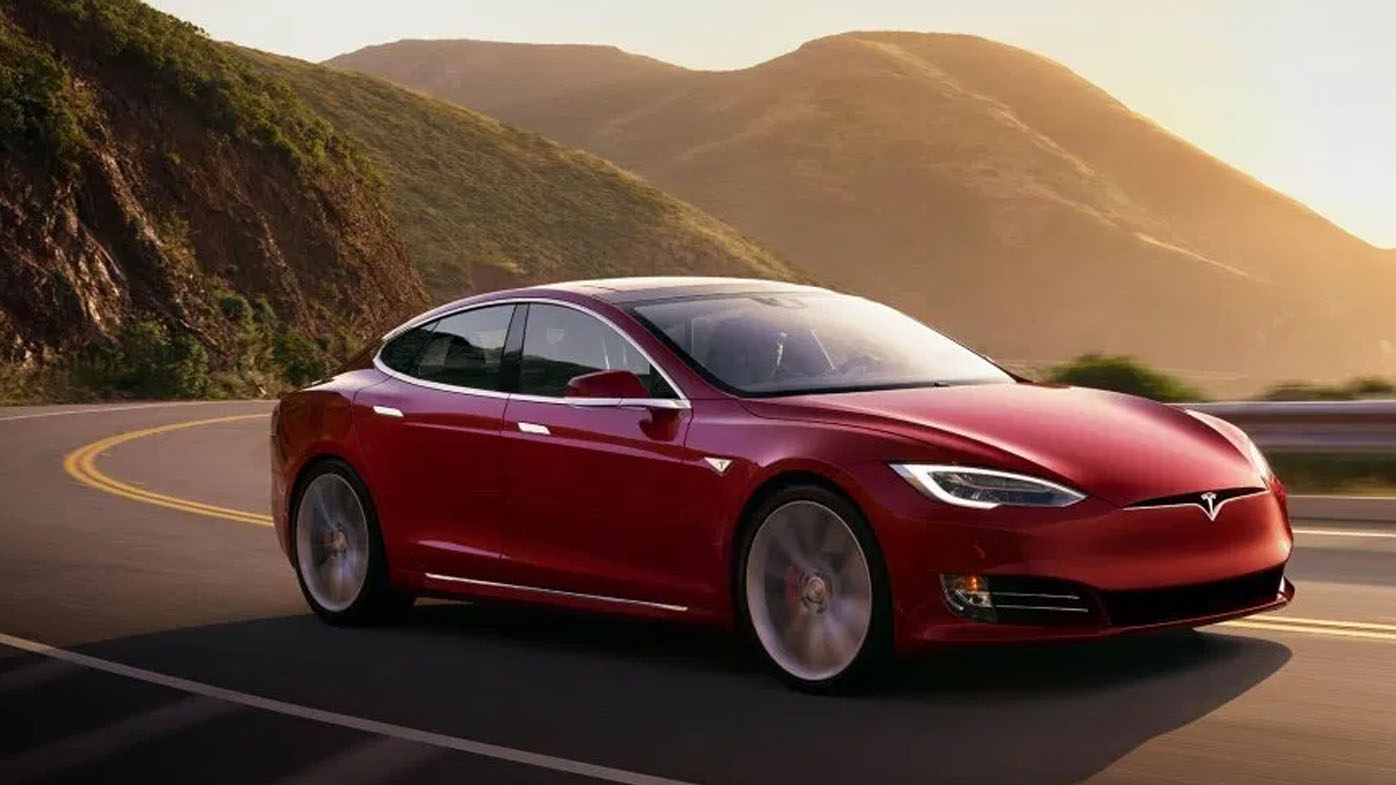
It also wasn't the first time he'd enlisted his son, who Cupani said is 11 years old, in a potentially viral car endeavour: Earlier this year he posted a video of his son driving his Model S Plaid — which can reach 0-60 in 1.99 seconds — in a private parking lot. It's been viewed more than 250,000 times.
"Some people look at it and say 'oh this crazy dad, what is he doing?'" Cupani told CNN Business.
"Well, I do a lot of stuff like that but I'm going to make sure my kid doesn't get hit."
Cupani filmed the test of "full self-driving" in a parking lot. His son stood near the end of an aisle holding a smartphone to film the test.
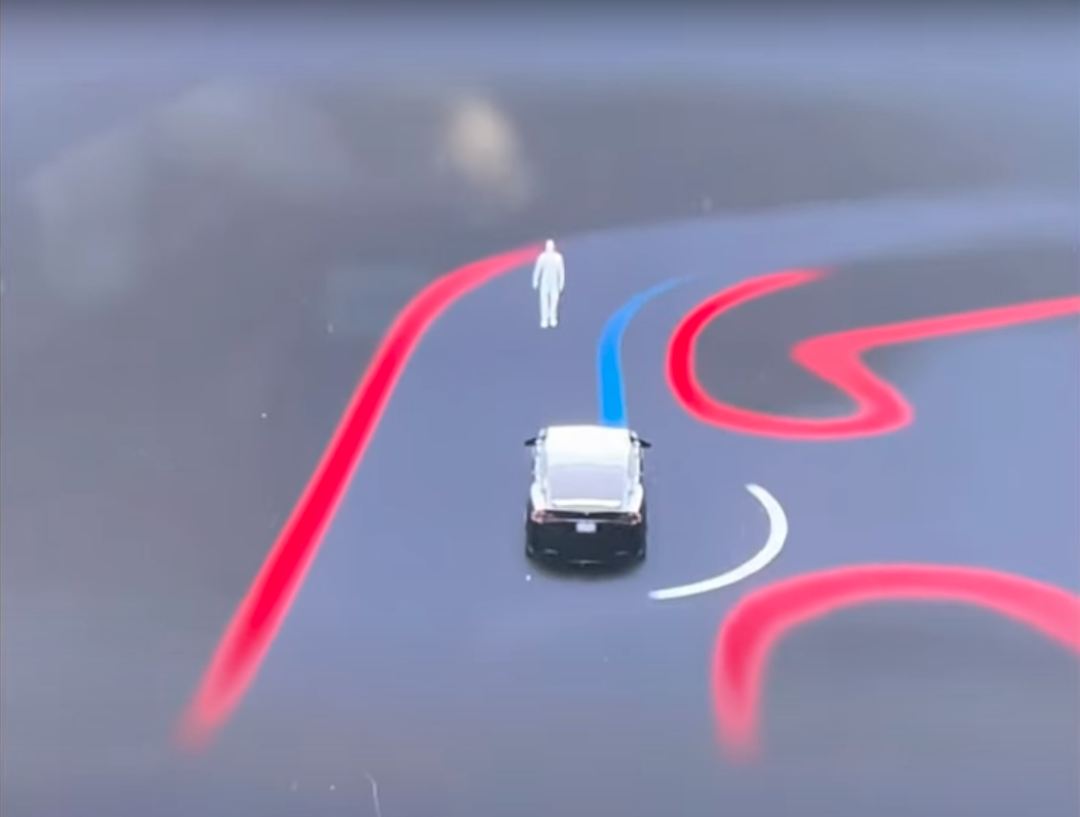
Cupani accelerated the Tesla from the other side of the lot and turned on "full self-driving," reaching 35mph (56km/h). The Tesla braked steadily and came to a full stop — well ahead of his son.
READ MORE: Ten people and a dog rescued after western Sydney boat crash
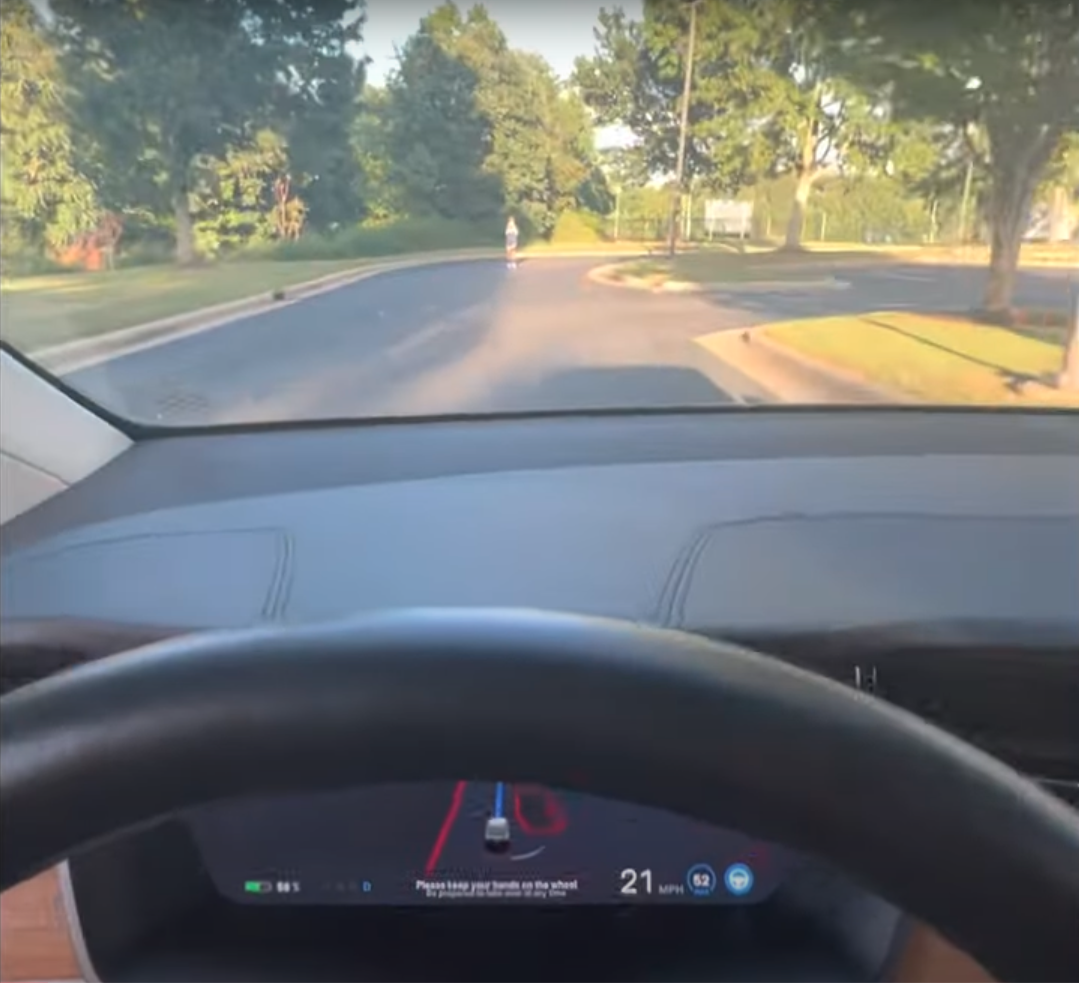
Cupani did another test with his son on a street using Autopilot, the more rudimentary Tesla driver-assist software, and found it stopped for his son, too.
"This Dan guy, he says he's an expert in this, expert in that," Cupani said.
"Well, I'm an expert in automotive, future technology, pro-driving instructor."
Cupani is among the many Tesla supporters who took issue with O'Dowd's video, and set out to create their own tests. Some asked their children to help. Others built home-made mannequins or used blow-up dolls.
The passionate defences and criticism of "full self-driving" highlight how the technology has become a flashpoint in the industry.
The California DMV recently said the name "full self-driving" is deceptive and grounds for suspending or revoking Tesla's license to sell vehicles in the state.
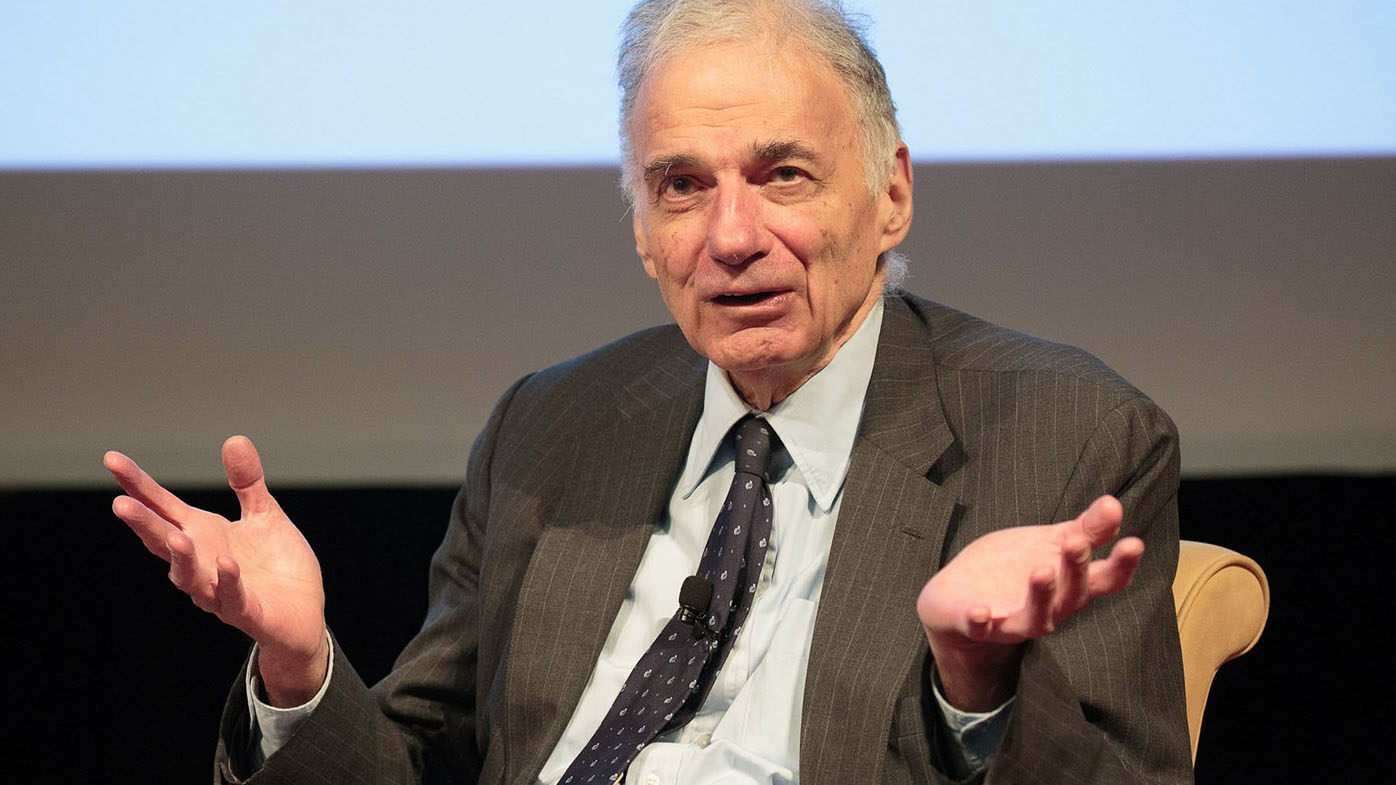
Ralph Nader, whose 1960s criticism of the auto industry helped spark the creation of the National Highway Traffic Safety Administration, joined a chorus of critics of "full self-driving" this month.
But it also is yet another example of the unintended consequence of deploying an unfinished, disruptive technology in the wild — and shows how far some Tesla believers are willing to go to defend it and the company.
Enough people appeared to be pursuing their own experiments that one government agency took the extraordinary step of warning people not to use children to test a car's technology.
"Consumers should never attempt to create their own test scenarios or use real people, and especially children to test the performance of vehicle technology," NHTSA said in a statement Wednesday. The agency called this approach "highly dangerous".
Testing Teslas
Earlier this month, California resident Tad Park saw that another Tesla enthusiast wanted to test "full self-driving" with a child, and volunteered two of his children.
Park told CNN Business it was a "little tough" to get his wife to agree. She agreed when he promised to drive the vehicle.
"I'm never going to push the limits because my kids are way more valuable to me than anything," Park said.
"I'm not going to risk their lives in any way."
Park's tests, unlike O'Dowd's, started with the Tesla at 0mph. The Tesla stopped in all of Park's tests ahead of two of his children involved in the video, including a five-year-old.
Park said he wasn't comfortable doing a higher speed test of 40mph — like O'Dowd performed using the mannequins — with his kids.
Toronto resident Franklin Cadamuro created a "box boy", a childlike form crafted from old Amazon cardboard boxes.
"Do not blame me for what the car does or doesn't do," he posted at the beginning of his video.
"I am a big Tesla fan."
His Tesla slowed as it approached "box boy". Then it sped up again and struck his cardboard mannequin. Cadamuro speculated that this could be because the cameras could not see the short boxes once they were immediately in front of the bumper, and therefore forget they were there.
Human babies learn at about eight months that an object out of sight still exists, many years before qualifying for a driver licence. But the ability may still elude some artificial intelligence systems like Tesla's "full self-driving". Another Tesla fan found a similar result.
Cadamuro said his video started as entertainment. But he wanted people to see that "full self-driving" isn't perfect.
"I find a lot of people have two extreme thoughts of the 'full self-driving' beta," Cadamuro said.
"People like Dan think it's the worst thing in the world. I know some friends who think it's near perfect."
Cadamuro said he also performed other tests in which his Tesla, traveling at higher speeds, effectively steered around "box boy".
Detecting smaller objects like young children quickly and accurately will generally be more difficult than sensing large objects and adults for a computer vision system like what Tesla vehicles rely on, according to Raj Rajkumar, a Carnegie Mellon University professor who researches autonomous vehicles.
The more pixels an object takes up in a camera image, the more information the system has to detect features and identify the object. The system will also be impacted by the data it is trained on, such as how many images of small children it's exposed to.
"Computer vision with machine learning is not 100 per cent foolproof," Rajkumar said.
"Just like diagnosis of a disease, there are always false positives and negatives."
Tesla did not respond to a request for comment and generally does not engage with the professional news media.
"Wild West chaos rules"
Following criticism from Tesla fans of his original tests, O'Dowd released another video this month.
Some Tesla supporters had criticised O'Dowd's use of cones as lane markings in his original testing, which may have limited the sedan's ability to steer around the mannequin.
Others claimed that O'Dowd's test driver had forced the Tesla to strike the mannequin by pushing the accelerator, which wasn't visible in videos O'Dowd released.
Some Tesla enthusiasts also pointed to a blurry messages on the screen of the Tesla vehicle as an indication that O'Dowd's test driver was pushing the accelerator to rig the tests.
https://twitter.com/RealDanODowd/status/1559245760054575112
O'Dowd told CNN Business that the blurry messages referred to supercharging being unavailable, and to uneven tire wear.
CNN Business could not independently verify what the message said as O'Dowd provided no crisper video of what happened in car during the tests.
In his second video, O'Dowd tested without cones on a residential street and showed the interior of the Tesla, including the accelerator pedal. The Tesla, as in O'Dowd's other tests, struck the child mannequin.
O'Dowd lamented earlier this year in an interview with CNN Business that no industry testing body examines the code for "full self-driving". The US government has no performance standards for automated driver-assist technology like Autopilot.
O'Dowd is the founder of the Dawn Project, an effort to make computers safe for humanity. He ran as a candidate for the US Senate unsuccessfully this year in a campaign focused exclusively on his critique of "full self-driving".
NHTSA is currently investigating Tesla's driver-assist technology so changes may be ahead.
"The software that controls billions of people's lives in self-driving cars should be the best software ever written," O'Dowd said.
"We're using absolute, Wild West chaos rules and we've gotten something that is so terrible."
Man allegedly armed with a knife shot by police in Queensland
A man allegedly armed with a knife has been shot by police on Queensland's Gold Coast.
Officers allege the 29-year-old was threatening them before they were forced to defend themselves at a home on Bellagio Crescent at Coomera at 3.20pm.
It's understood police were on the street to complete a welfare check.
READ MORE: Police suspect hit-and-run after body found on rural Victorian highway
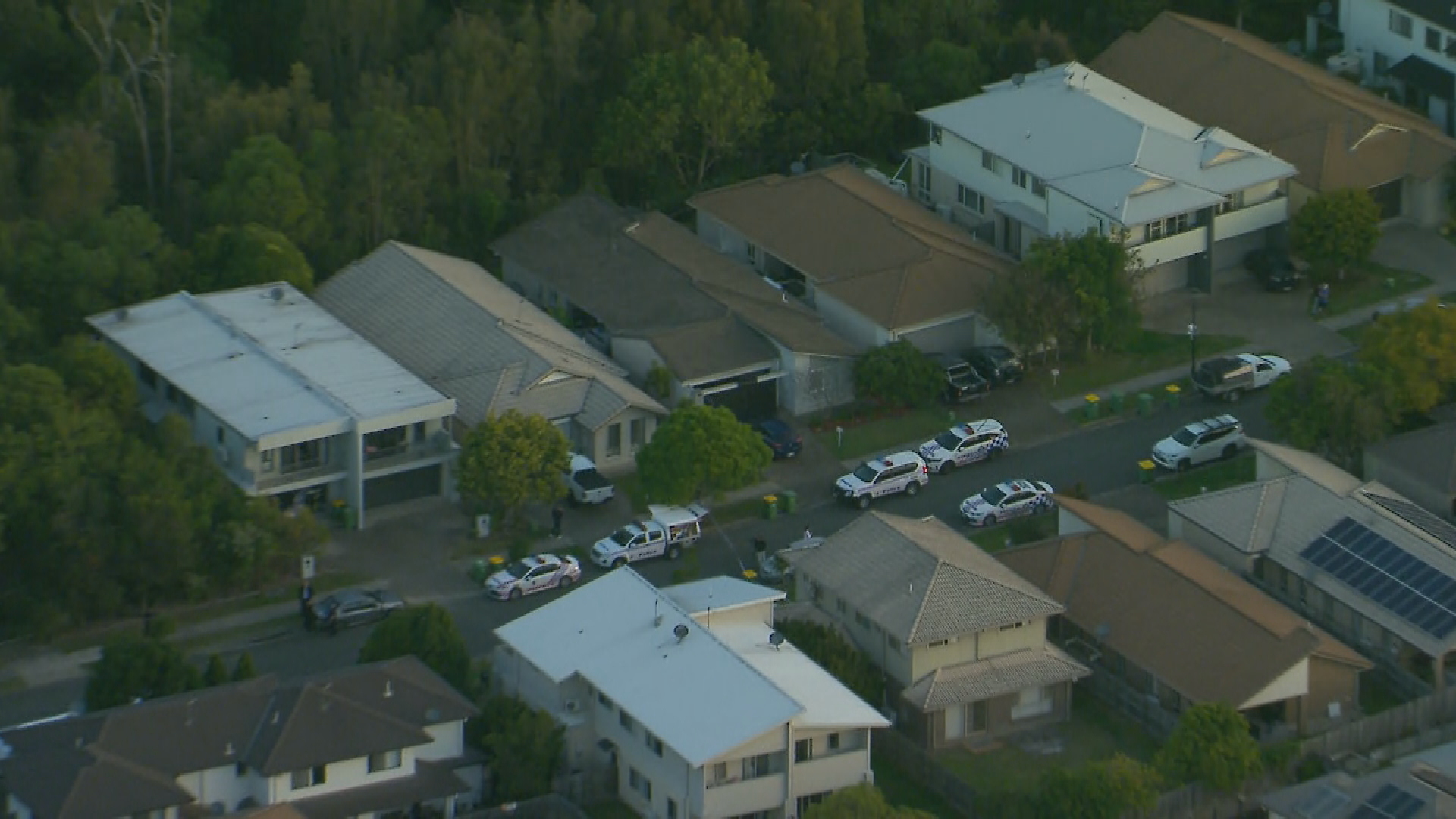
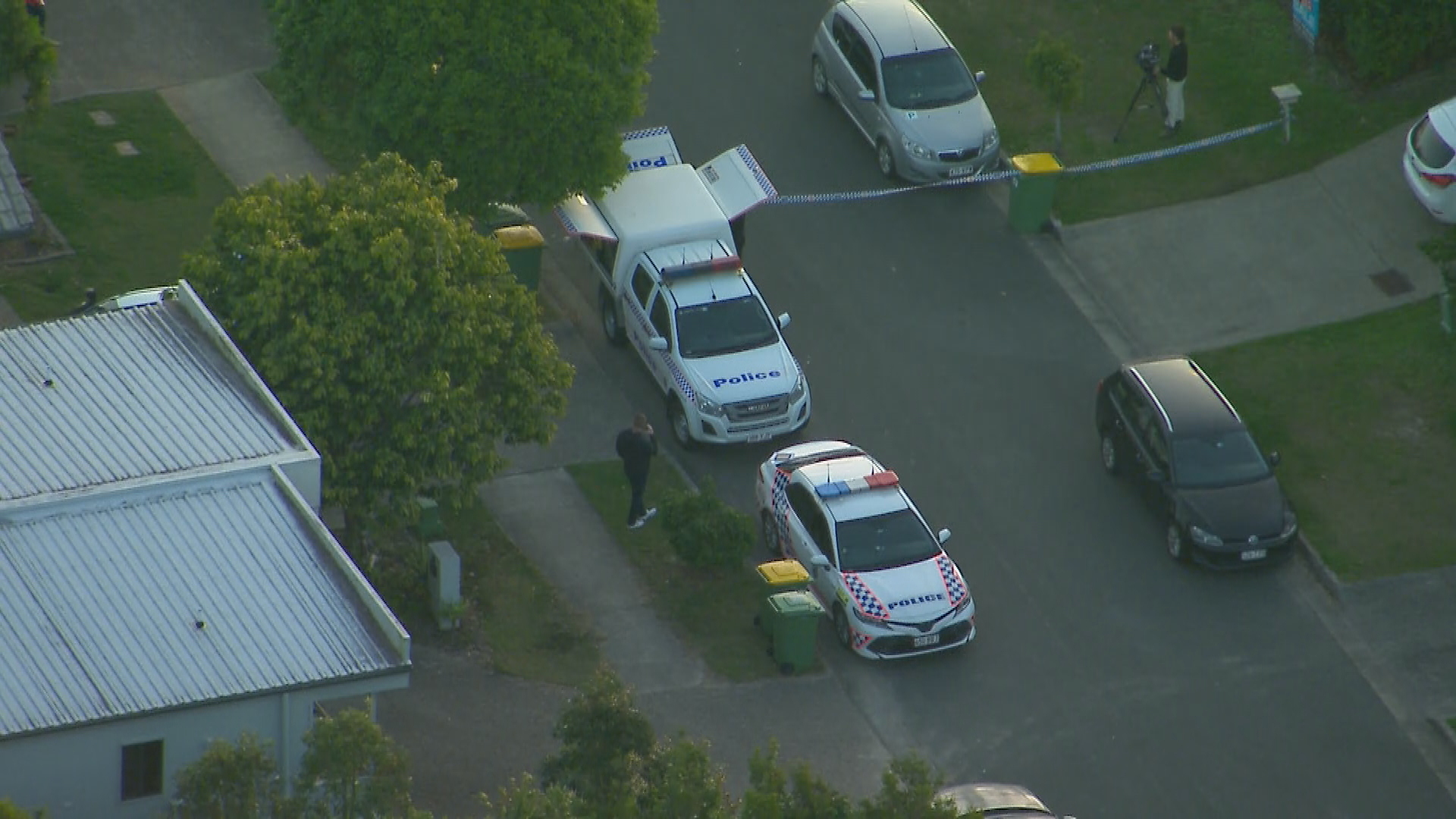
Police said negotiators were called to the street to speak to the man, before he allegedly "advanced" at officers.
Superintendent Brendan Smith said no one else was at the home at the time, and praised the officers for their "bravery".
"No one should come to work and be worried about not getting home, this is what we deal with everyday as police officers and their bravery should be commended," Supt Smith, said.
The man was treated by paramedics before being taken to Gold Coast University Hospital in a critical condition.
Police are investigating.
Alan Hall compensation could be largest in New Zealand history
By RNZ Alan Hall, whose murder conviction was overturned after 37 years, has applied for compensation for wrongful conviction and imprisonment.Last month, the Supreme Court quashed Hall’s conviction for the murder of Arthur…
Weather: Man watches rocks fly past as hill slips around his Nelson home
A Nelson man watched rocks fly past him as landslips crashed around his Grove St property. Scott Tambisari and his 2 and 4-year-old children were evacuated on Thursday evening as “new streams came up” around his house after days…