Police have provided an update on the Manurewa suitcase homicide mystery, acknowledging how “incredibly unsettling” the event has been for the community, but they still refuse to confirm further details. In a written statement today…
Tag Archives: oceania
How Morrison secret ministries saga went global
The world's most respected media outlets covered Scott Morrison's secret appointment to five ministries.
Coles to strip shelves of everyday item
Coles is set to trial removing single-use plastic fresh produce bags from its ACT stores to encourage shoppers to bring reusable options to transport their fruit and veggies.
The plastic fresh produce bags, also known as barrier bags, will be removed from all of Coles' 12 supermarkets across the ACT from September 14.
Coles has claimed it will be the first major Australian supermarket to trial removing the single-use plastic produce bags, but Woolworths has already permanently removed all plastic fresh produce bags from its SA stores.
READ MORE: Aussies pick up side hustles as cost of living pressures rise

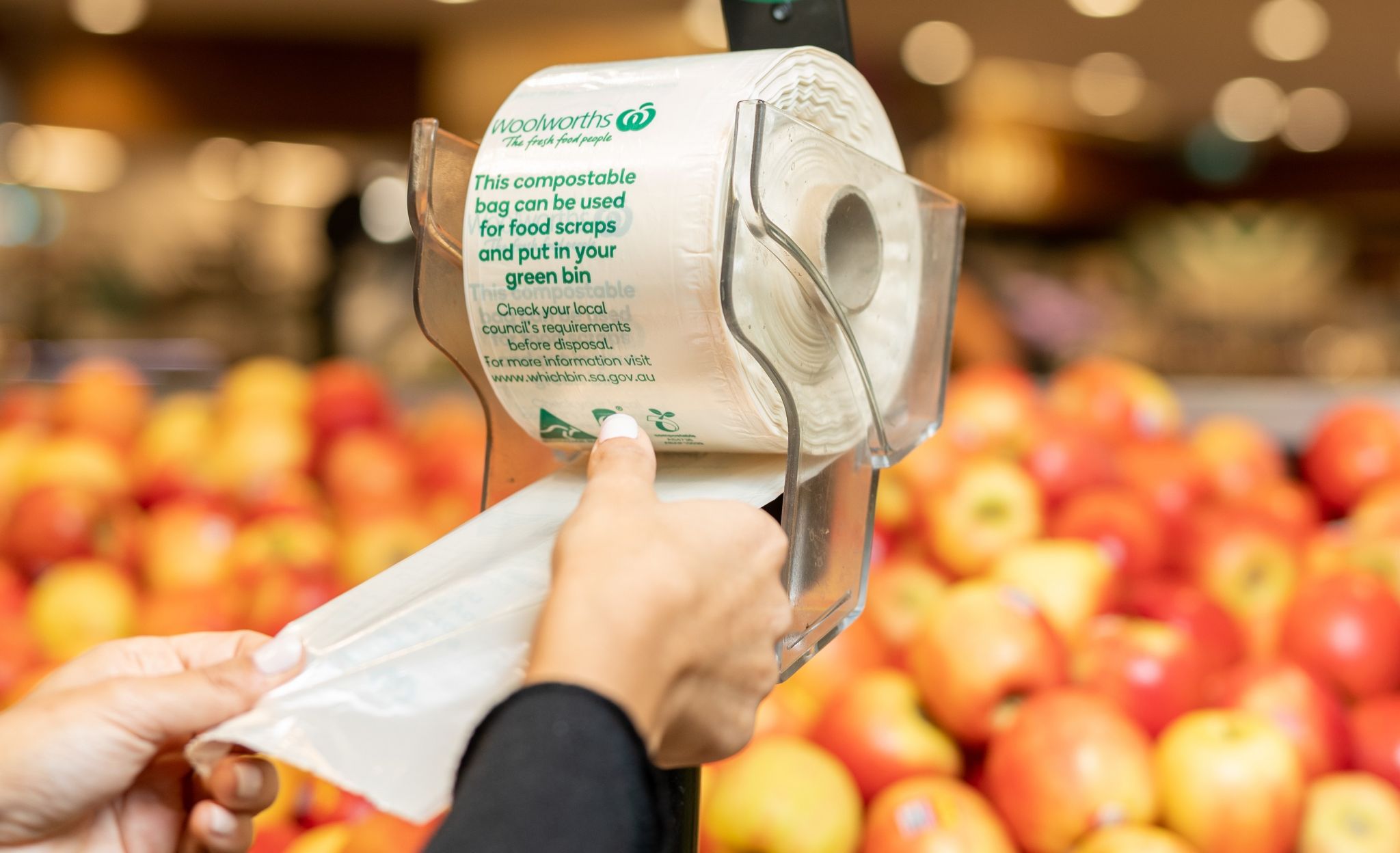
Back in April, Woolworths replaced all the single-use plastic fresh produce bags in its 67 SA stores with compostable bags.
In preparation for the trial in ACT, Coles will give a free 3-pack of reusable mesh fresh produce bags, which are made with 90 per cent recycled materials, to ACT customers who spend spend $5 on fruit and veggies between August 31 and September 13.
Removing the single-use produce bags from stores is expected to reduce about 11 tonnes of plastic each year, according to Coles Chief Operations and Sustainability Officer Matt Swindells.
"We are always looking for ways to reduce reliance on unnecessary and problematic single-use plastics packaging," he said.
Swindells said Coles would use the trial to consider potentially rolling the move into stores across the country.
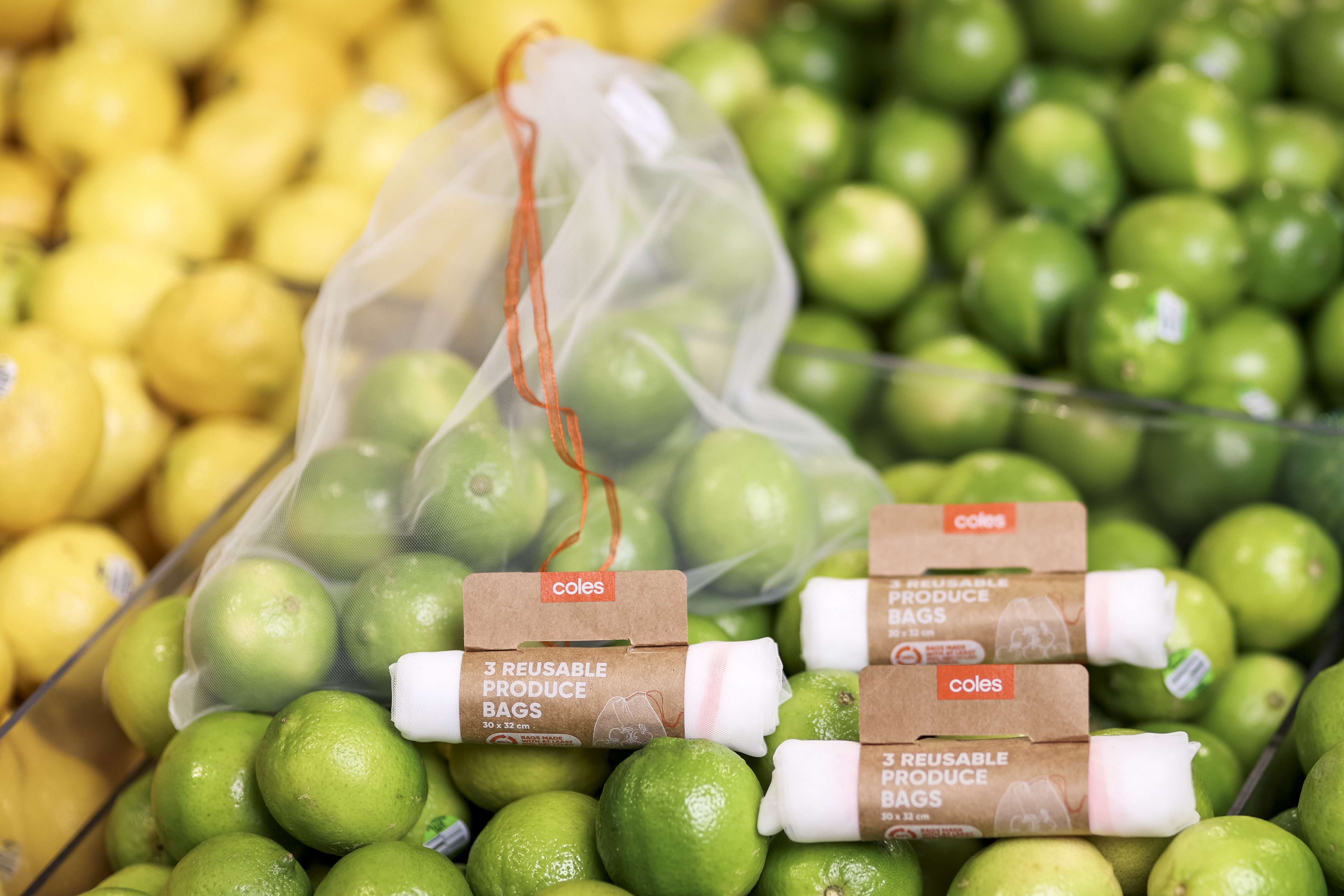
Customers will be be able to buy reusable mesh fresh produce bags at supermarkets if they do not bring their own bags for fresh produce.
The supermarket giant also recently introduced fresh produce bags made with 50% recycled plastic into stores the country.
The bags can be returned to REDcycle bins at any Coles supermarket to be recycled.
Coles has advised that the single-use plastic bags will continue to be used in delis in ACT stores during the trials and in Coles Online orders.
Paper bags will also still be available in the fresh produce section for customers to pack their mushrooms.
Scientists plan resurrection of extinct Australian animal
Almost 100 years after its extinction, the Tasmanian tiger may live once again.
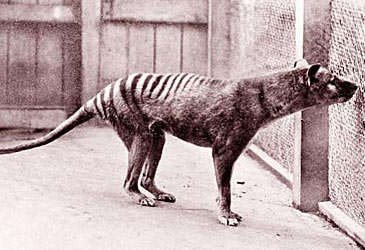
Scientists want to resurrect the striped carnivorous marsupial, officially known as a thylacine, which used to roam the Australian bush.
The ambitious project will harness advances in genetics, ancient DNA retrieval and artificial reproduction to bring back the animal.
READ MORE: Coles to strip shelves of everyday item
"We would strongly advocate that first and foremost we need to protect our biodiversity from further extinctions, but unfortunately we are not seeing a slowing down in species loss," said Andrew Pask, a professor at the University of Melbourne and head of its Thylacine Integrated Genetic Restoration Research Lab, who is leading the initiative.
"This technology offers a chance to correct this and could be applied in exceptional circumstances where cornerstone species have been lost," he added.
The project is a collaboration with Colossal Biosciences, founded by tech entrepreneur Ben Lamm and Harvard Medical School geneticist George Church, who are working on an equally ambitious, if not bolder, $15 million project to bring back the woolly mammoth in an altered form.
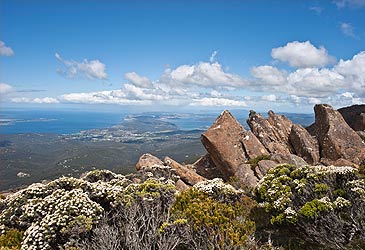
About the size of a coyote, the thylacine disappeared about 2,000 years ago virtually everywhere except the Australian island of Tasmania.
As the only marsupial apex predator that lived in modern times, it played a key role in its ecosystem, but that also made it unpopular with humans.
READ MORE: Will Morrison stay or will he go?
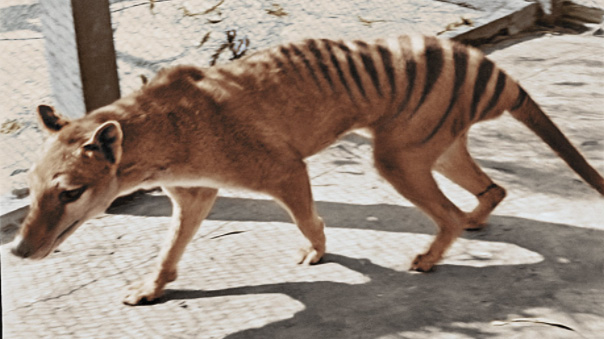
European settlers on the island in the 1800s blamed thylacines for livestock losses (although, in most cases, feral dogs and human habitat mismanagement were actually the culprits), and they hunted the shy, seminocturnal Tasmanian tigers to the point of extinction.
The last thylacine living in captivity, named Benjamin, died from exposure in 1936 at the Beaumaris Zoo in Hobart, Tasmania.
This monumental loss occurred shortly after thylacines had been granted protected status, but it was too late to save the species.
READ MORE: Aussie actress in LA found after public appeal
Genetic blueprint
The project involves several complicated steps that incorporate cutting-edge science and technology, such as gene editing and building artificial wombs.
First, the team will construct a detailed genome of the extinct animal and compare it with that of its closest living relative – a mouse-size carnivorous marsupial called the fat-tailed dunnart –to identify the differences.
"We then take living cells from our dunnart and edit their DNA every place where it differs from the thylacine. We are essentially engineering our dunnart cell to become a Tasmanian tiger cell," Pask explained.
READ MORE: Parents urged to protect kids from meningococcal as infections rise
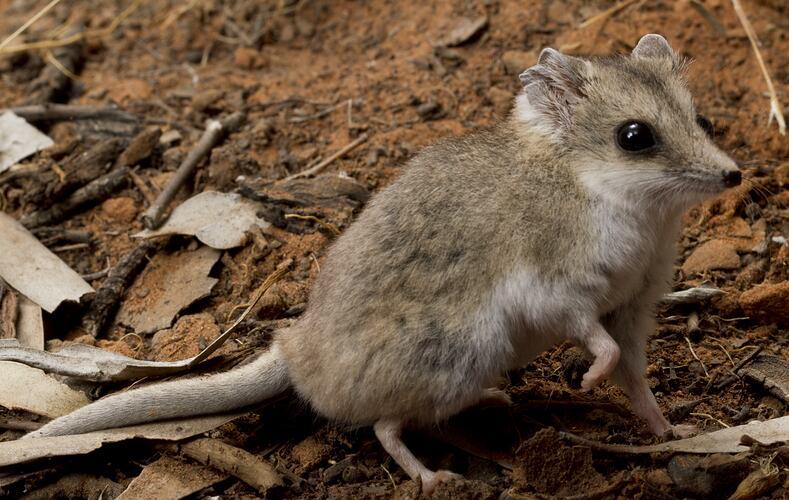
Once the team has successfully programmed a cell, Pask said stem cell and reproductive techniques involving dunnarts as surrogates would "turn that cell back into a living animal."
"Our ultimate goal with this technology is to restore these species to the wild, where they played absolutely essential roles in the ecosystem. So our ultimate hope is that you would be seeing them in the Tasmanian bushland again one day," he said.
The fat-tailed dunnart is much smaller than an adult Tasmanian tiger, but Pask said that all marsupials give birth to tiny young, sometimes as small as a grain of rice. This means that even a mouse-size marsupial could serve as a surrogate mother for a much larger adult animal like the thylacine, at least in the early stages.
Reintroducing the thylacine to its former habit would have to be done very cautiously, Pask added.
"Any release such as this requires studying the animal and its interaction in the ecosystem over many seasons and in large areas of enclosed land before you would consider a complete rewilding," he said.
The team hasn't set a time line for the project, but Lamm said he thought progress would be quicker than the efforts to bring back the woolly mammoth, noting that elephants take far longer to gestate than dunnarts.
The techniques could also help living marsupials, such as the Tasmanian devil, avoid the thylacine's fate as they grapple with intensifying bushfires as a result of the climate crisis.
"The technologies we are developing to de-extinct the thylacine all have immediate conservation benefits – right now – to protect marsupial species. Biobanks of frozen tissue from living marsupial populations have been collected to protect against extinction from fires," Pask said via email.
"However, we still lack the technology to take that tissue – create marsupial stem cells – and then turn those cells into a living animal. That is the technology we will develop as a part of this project."
Hybrid animals
The path forward, however, is not cut-and-dried. Tom Gilbert, a professor at the University of Copenhagen's GLOBE Institute, said there are significant limitations to de-extinction.
Recreating the full genome of a lost animal from DNA contained in old thylacine skeletons is extremely challenging, and thus some genetic information will be missing, explained Gilbert, who is also director of the Danish National Research Foundation's Center for Evolutionary Hologenomics.
He has studied resurrecting the extinct Christmas Island rat, also known as the Maclear's rat, but isn't involved in the thylacine project. The team won't be able to exactly recreate the thylacine but instead will end up creating a hybrid animal, an altered form of thylacine.
"We are unlikely to get the full genome sequence of the extinct species, thus we will never be able to fully recreate the genome of the lost form. There will always be some parts that can't be changed," Gilbert said via email.
"They will have to cherry pick what changes to make. And thus the result will be a hybrid."
It's possible, he said, that a genetically imperfect hybrid thylacine could have health problems and might not survive without a lot of help from humans. Other experts question the very concept of spending tens of millions of dollars on de-extinction attempts when so many living animals are on the brink of disappearing.
"To me the real benefit of any de-extinction project such as this is the awesomeness of it. Doing it seems very justified to me simply because it will excite people about science, nature, conservation," Gilbert said.
"And we sure as hell need that in the wonderful citizens of our world if we are to survive into the future. But … do the stakeholders realise what they will get will not be the thylacine but some imperfect hybrid?
"What we don't need is yet more people disappointed (or) feeling cheated by science."
ANZ predicts massive drop in housing prices through 2023
One of Australia's big four banks has predicted a major shift in the property market over the next year and a half.
ANZ said it foresaw a 20 per cent fall in housing prices across Australia's capital cities, before a "modest recovery" in 2024 as mortgage rates fell.
It comes on the back of strong indications the Reserve Bank of Australia will continue to push up interest rates in an attempt to quash rising inflation.
READ MORE: Coles to strip shelves of everyday item
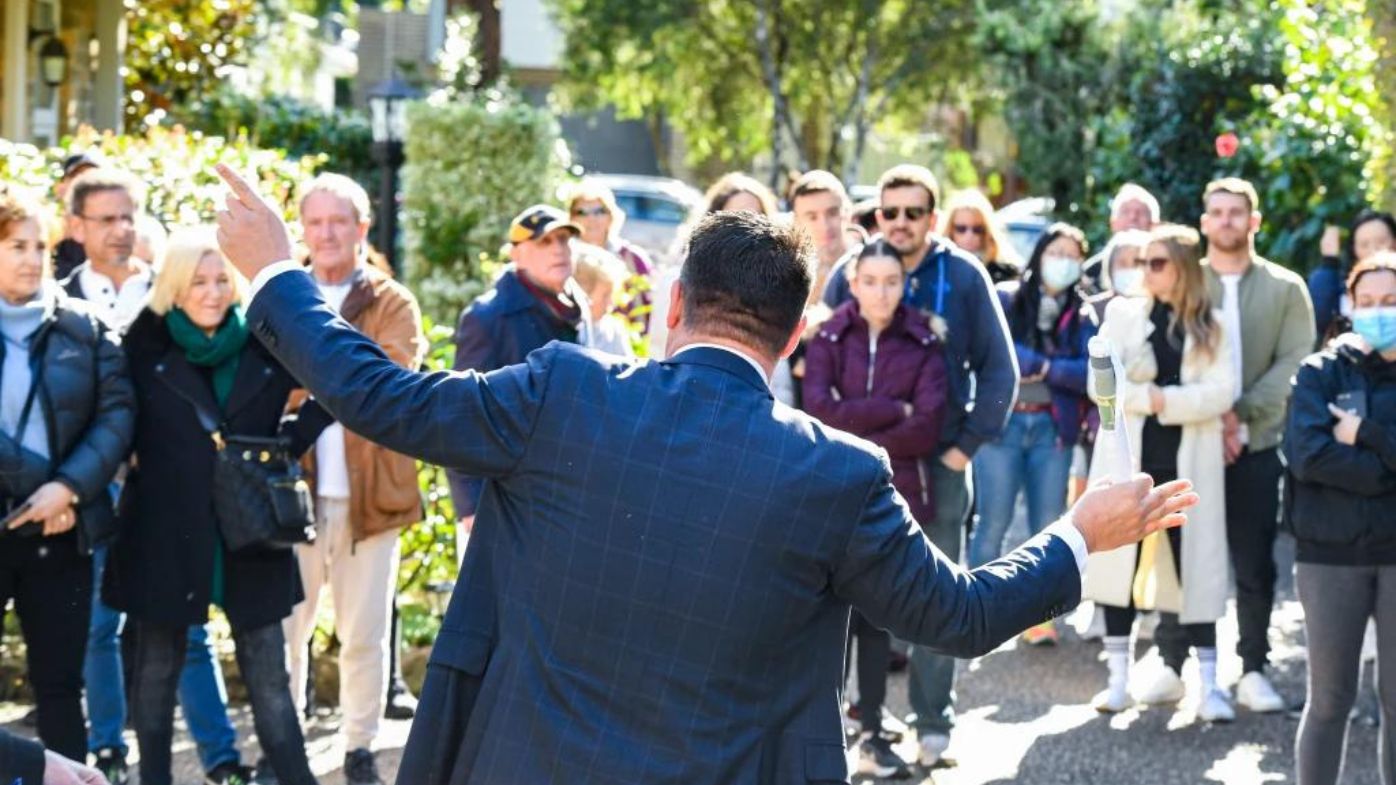
The RBA hiked rates for a fourth consecutive month in August, to 1.85 per cent.
ANZ said RBA's board minutes from yesterday indicated another jump of 50 basis points was likely in September.
The housing market has already started to dip, according to Domain's June 2022 Quarterly House Price Report, released late last month.
READ MORE: Aussie actress in LA found after public appeal
https://twitter.com/ANZ_Research/status/1559336897096327168
The report found the median house price across Australia's capitals had dipped to $1.065 million, with prices now 0.9 per cent below the previous quarter's record high.
Similarly, annual growth experienced its biggest slow down since March 2021, at 10.9 per cent, according to the Domain report.
Over the most recent quarter, Domain data shows the slow down is now spreading across the capital cities for the first time, with the annual pace of both house and unit price growth easing across all combined capitals, apart from units in Adelaide.
Unit prices outperformed houses for the first time in three years.
READ MORE: Explosions rock Crimea in suspected Ukrainian attack
And any fall in housing prices is likely to be met by increases on mortgage payments as the RBA continues to hike the cash rate.
For the average borrower with a $500,000 loan and 25 years remaining, August's increase will result in a $140 a month increase – or $472 since the RBA began lifting rates in May 2022.
For those with bigger loans, the repayment jumps are equally stark.
READ MORE: Parents urged to protect kids from meningococcal as infections rise
A person with a $750,000 loan currently faces a monthly increase of $211 (up $708 a month since May) while those with a $1 million loan are facing a monthly increase of $281 (or an eye-watering $944 a month increase since May).
And the financial markets are predicting the RBA won't take its foot off the accelerator until the interest rates reach three per cent.
So far, the big four banks have all passed the rate hikes on to customers.
The staggering amount 'stolen in crypto hacks' so far this year
A staggering $2.7 billion worth of cryptocurrency was stolen in hacks of various services in the first seven months of this year, with many of the major attacks linked to North Korea, according to a new report.
The report from blockchain analysis firm Chainalysis attributed much of the spike to hacks on decentralised finance (DeFi) protocols.
DeFi refers to services that attempt to replace traditional financial institutions with software that allows users to transact directly with each other via the blockchain, the digital ledger that underpins cryptocurrencies.

READ MORE: Coles to strip shelves of everyday item
Some of the biggest crypto hacks of 2022 were on DeFi protocols, including the $890 million hack of video game Axie Infinity's Ronin network in March.
Several thefts, including the Axie attack, have since been attributed to hackers with links to North Korea.
An estimated $1.4 billion has been stolen from DeFi protocols by North Korea-affiliated hackers so far this year, the report said.
These thefts are thought to be part of a broader strategy to help bring in revenue for the North Korean regime as it has largely been cut off from the world.
DeFi transactions, based mainly on Ethereum blockchain technology, have rapidly exploded in popularity over the past two years.
These protocols are "uniquely vulnerable to hacking" thanks to their open source code, large pools of assets and rapid growth that may have led to a lapse in security best practices, according to Elliptic, a blockchain analysis firm.
"The technology is relatively immature in general," Tom Robinson, chief scientist at Elliptic, said.
"This space has only really emerged just the past couple of years.
"Mistakes are being made, mistakes are being learned from, but there's always bugs in software.
"I think the problem here is that the software is the only thing securing these assets."
READ MORE: Aussie actress in LA found after public appeal
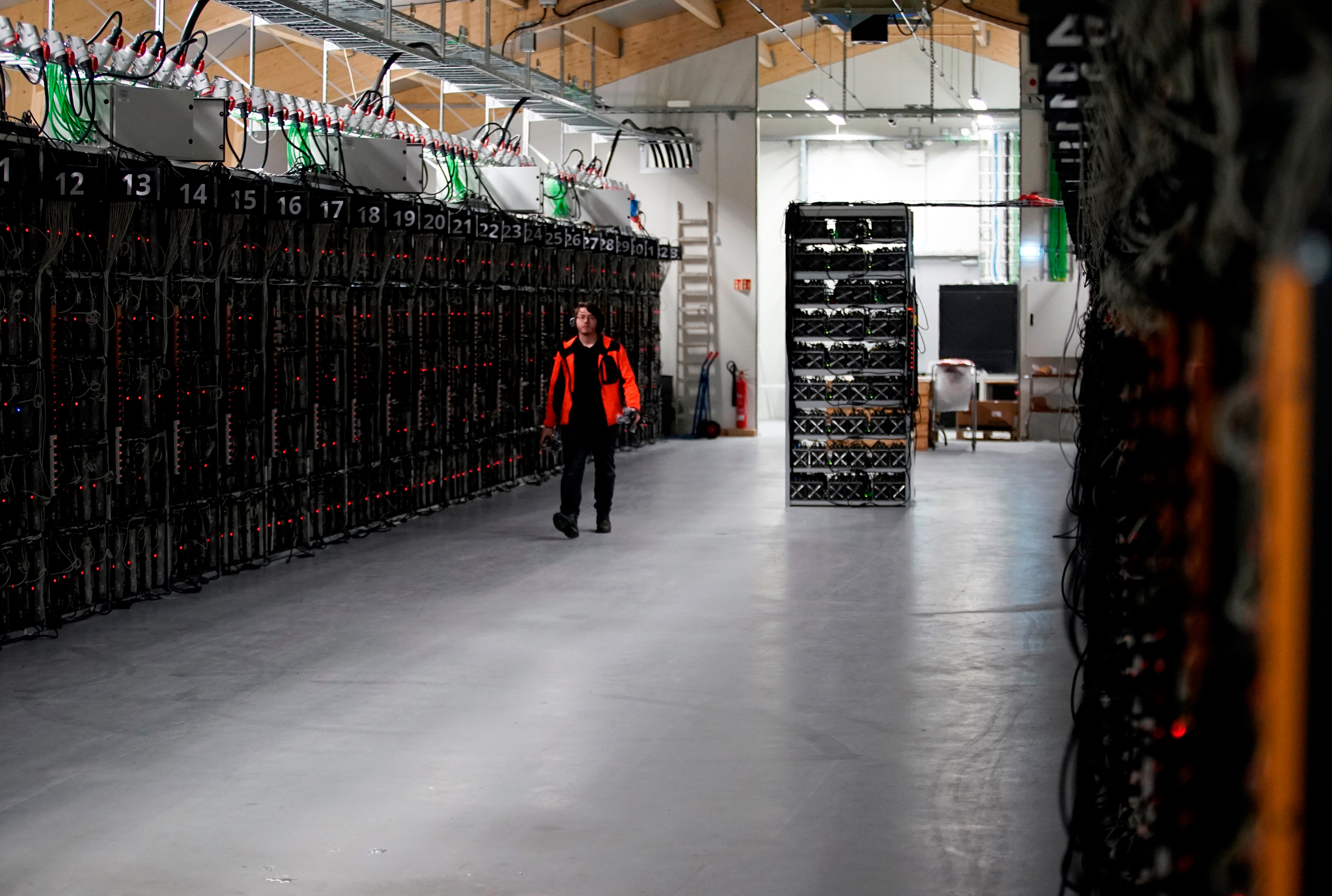
Chainalysis warns that the increase in crypto thefts shows no sign of letting up despite the drop in the crypto market.
"As long as crypto assets held in DeFi protocol pools and other services have value and are vulnerable, bad actors will try to steal them," the report stated.
Chainalysis pointed to two recent large-scale DeFi hacks, including the $270 million reportedly stolen from cryptocurrency bridge provider Nomad, which occurred after the data cutoff point for the report.
But there may be at least one silver lining in the report.
The amount of money lost in cryptocurrency scams, such as the $2.85 billion dollar Ponzi scheme carried out by BitConnect founder Satish Kumbhani, was 65 per cent less than the year prior as the falling value of crypto made it a less enticing investment opportunity for potential victims.
READ MORE: Explosions rock Crimea in suspected Ukrainian attack
The most bizarre post-political jobs
What do you do when you no longer have the job you've wanted for your entire life?
'Disgusting' rubbish and waste left on world's second-highest mountain
The most difficult-to-reach mountains on Earth are being polluted by humans.
At first it was the alarming levels of rubbish accumulating on Everest, the highest peak in the world, that captured headlines.
Now it's the "disgusting" amount of human waste and climbing gear left behind on K2, the second-highest summit on the planet, causing mountain climbers' concern.
READ MORE: Indian climber reaches top of Everest, six years after faking it
https://www.instagram.com/p/ChIKjfKoiKk/?utm_source=ig_embed&
US climber Sarah Strattan said she was shocked by the garbage she encountered on K2 this year, where trails of debris and litter stretched "along almost the entire route".
Not only was the rubbish a terrible eye-sore, she said, it is now a climbing hazard.
"Camps 1 and 2 are disgusting," she wrote on Instagram.
"Waste from past and present expeditions has piled up everywhere."
Climbers were simply camping "right on top" of old gear, excrement, tents, used food packaging and fuel cans, she said.
Higher camps 3 and 4, situated at 7162m and 7620m, were "a little better but not pristine".
Strattan said rubbish littered the climbing route from advanced base camp all the way to K2's 8611m summit.
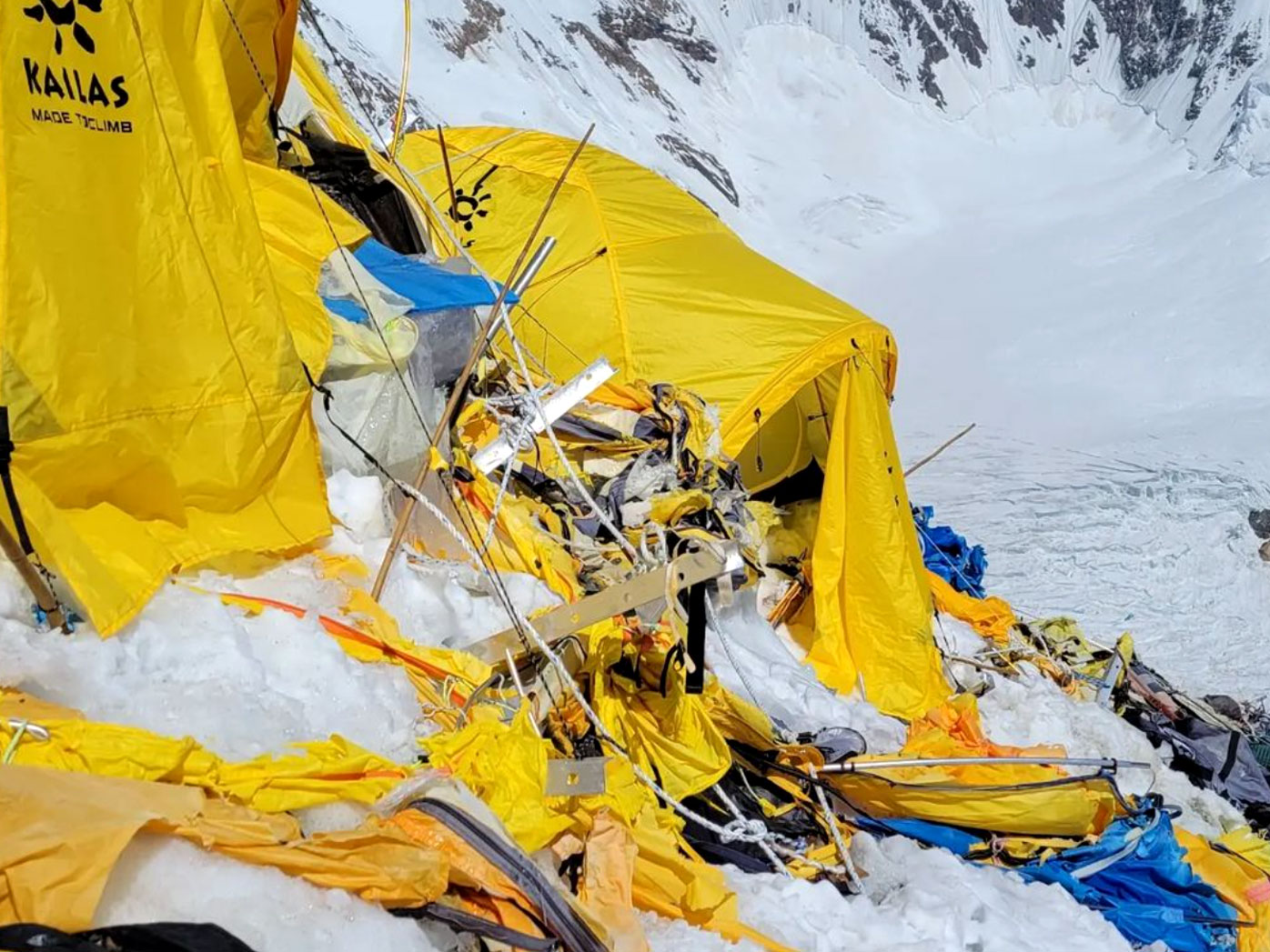
"Besides the camps, there are endless heaps and strands of old and destroyed fixed line ropes from current and past expeditions.
"Not only is this dangerous as it makes choosing the correct rope to use to climb up or rappel down sometimes impossible, but it's also a form of trash on the mountain."
Peruvian climber Flor Cuenca, who summited K2 on July 27, called the mountain in Pakistan's Karakoram range a "pigsty" and blamed big climbing companies for the mess.
"We are supposed to be mountaineers, why do we do this to the mountain?" she posted on Instagram.
"Isn't it that we go to the mountains to enjoy pure nature, solitude, the magic of the mountains?
"What do we think? That all this waste is going to disappear as if by magic or will the aliens be in charge of cleaning it up?"
READ MORE: Teen becomes the youngest Australian in history to climb Mount Everest
https://www.instagram.com/p/Cg8tdSmlW5r/?utm_source=ig_embed&
K2's predicament follows news in June that Nepal is preparing to move its Everest base camp because global warming and human activity are making it unsafe.
The camp is situated on the rapidly thinning Khumbu glacier, and the presence of so many people – around 1500 every climbing season – is also contributing to the problem.
People urinate around 4000 litres at base camp every day, according to a committee which recommended the move.
READ MORE: Glacier fears could prompt major Mt Everest change
Massive amounts of fuel burned for cooking and warming were also impacting the glacier.
In 2019, an American explorer found a plastic bag and lolly wrappers at the bottom of the deepest place in the ocean, the Pacific Ocean's Mariana Trench.
Researchers have detected high levels of microplastics in the 11km-deep trench.
New La Nina warning could mean another season of floods
The Bureau of Meteorology has issued an alert warning for another La Nina weather event, prompting fears of another devastating flood season for Australia's east coast.
The Bureau on Tuesday afternoon upgraded its El Nino-Southern Oscillation (ENSO) outlook to a La Nina "alert" level – the final stage before an actual La Nina event is declared.
"Historically, when La Nina alert criteria have been met, La Nina has subsequently developed around 70 per cent of the time; this is approximately triple the normal likelihood," the Bureau said in a release.
READ MORE: Australia's wet weather nightmare not over
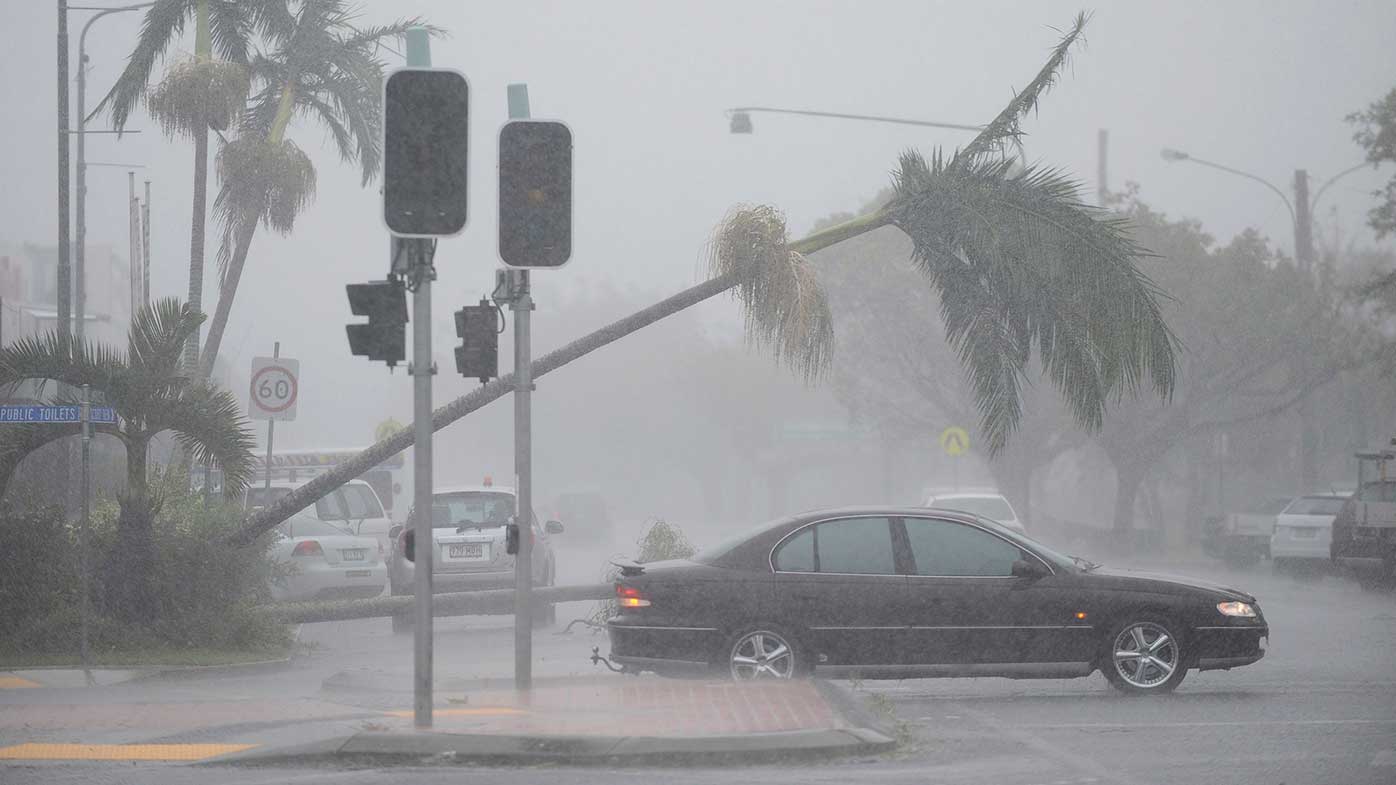
"La Nina events increase the chances of above-average rainfall for northern and eastern Australia during spring and summer."
The upgraded warning was prompted by renewed cooling in the tropical Pacific Ocean, along with climate forecast models.
If a La Nina develops, it is likely to come into full bloom during spring.
READ MORE: Shoppers rush for the exits as Shanghai Ikea goes into lockdown
Weatherzone's Ben Domensino said that another La Nina event this year would be a historic event.
"This would be the first time on record we have seen three consecutive La Nina events coinciding with back-to-back negative IOD years," he said on Twitter.
The negative Indian Ocean Dipole (IOD) event is likely to continue into late spring, the Bureau confirmed.
READ MORE: Why Aussies would survive longest in war
A negative IOD event is typically associated with above-average rainfall for much of Australia in winter and spring.
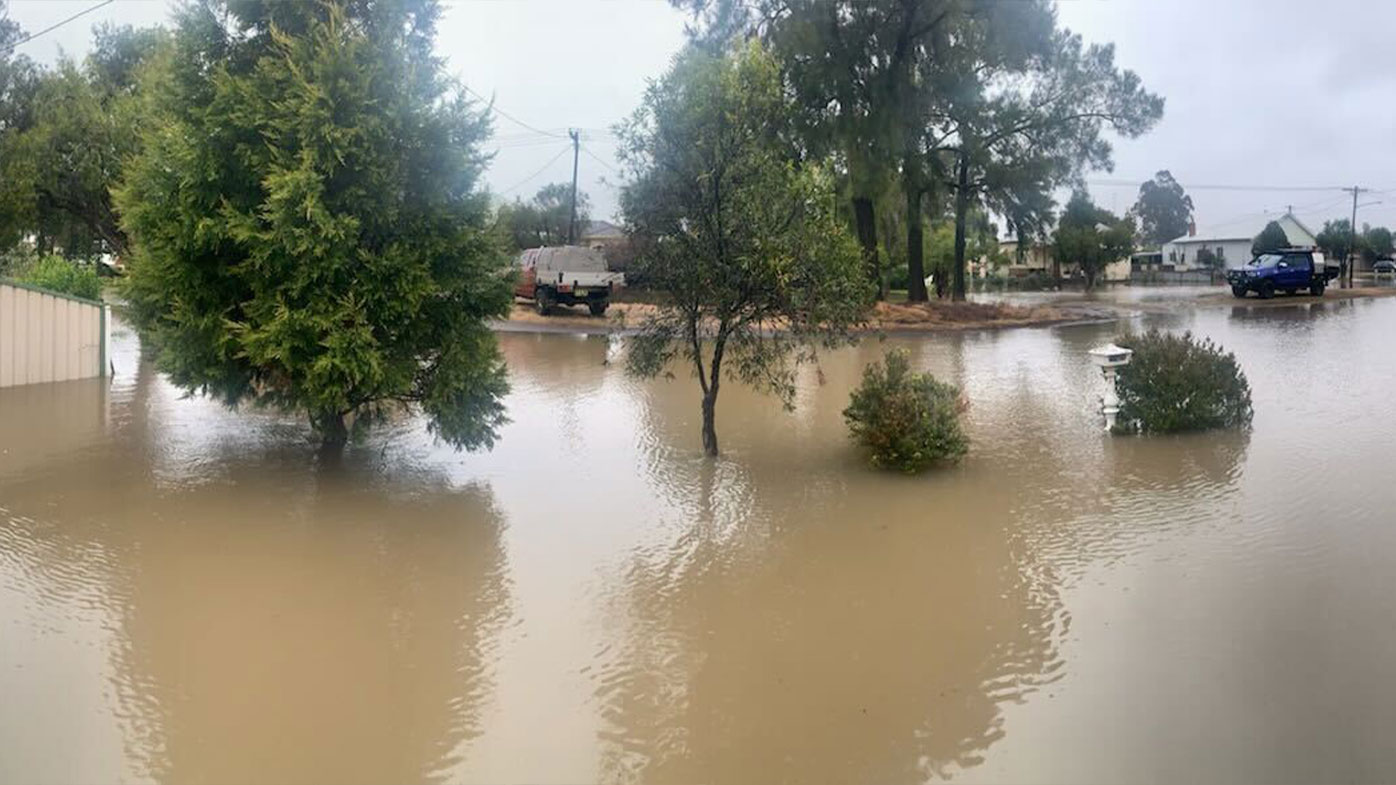
A La Nina event would, in turn, spark another season of increased flood risks across the east coast.
The NSW State Emergency Service warned there will be a heightened risk of flooding in the state in coming alerts after the BoM issued its La Nina alert.
The warning comes after repeated flood disasters in Queensland and NSW in recent months.
"With wet soils, high rivers, full dams and the outlook for above average rainfall, there remains an elevated risk of flooding," SES Commissioner Carlene York said.
"Today's announcement from the Bureau is yet another reason for people to be prepared for floods.
"Know your own flood risk, develop your flood plan and make sensible and safe decisions."
READ MORE: 'Missing link' in food chain may explain why white sharks are flocking to Great Australian Bight
Former bureaucrat told he was 'too Irish' for public service in Victoria
A former senior public servant has claimed he was told he was "too Irish" to be employed at a high level in Victoria.
Nial Finegan was chief executive of the Environment Protection Authority (EPA) until 2018 and alleges the statement was made by Chris Eccles, the former secretary of Victoria's Department of Premier and Cabinet (DPC).
The department has rejected the claim and said the allegations are "inaccurate".
READ MORE: Victorian grandmother dies after being washed away in flooded creek
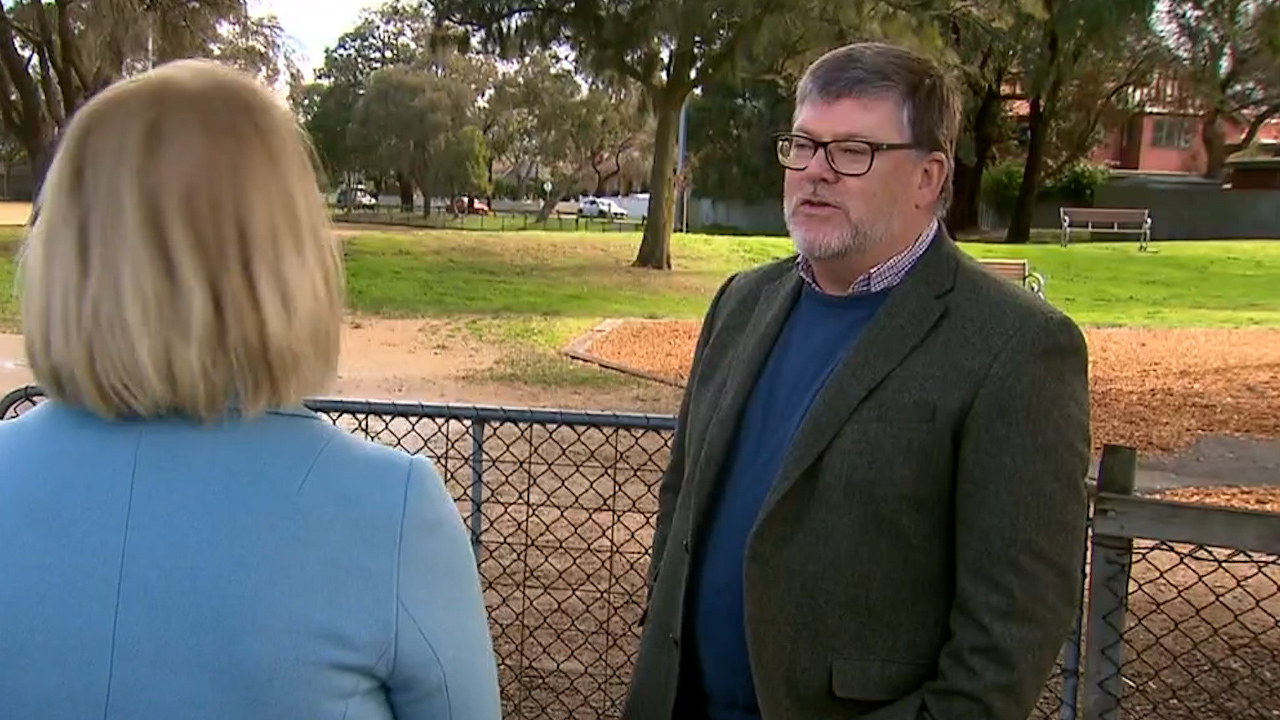
Finegan spent 15 years in the Victorian public service, but claims his run came to an end after a meeting with Eccles.
"I went in to see Chris Eccles about career opportunities in 2019," Finegan told 9News.
"He said, 'Nial, this is really important for you to understand, you won't hold another senior role in the public service'.
"When I asked why, he said, 'you're just too Irish'."
Finegan was born and raised in Ireland. He came to Australia in 2003.
Finegan said he remained silent about the conversation until he saw a tweet from Daniel Andrews over the weekend about recruiting nurses from Ireland.
READ MORE: The Lume unveils new exhibition featuring French impressionist Claude Monet
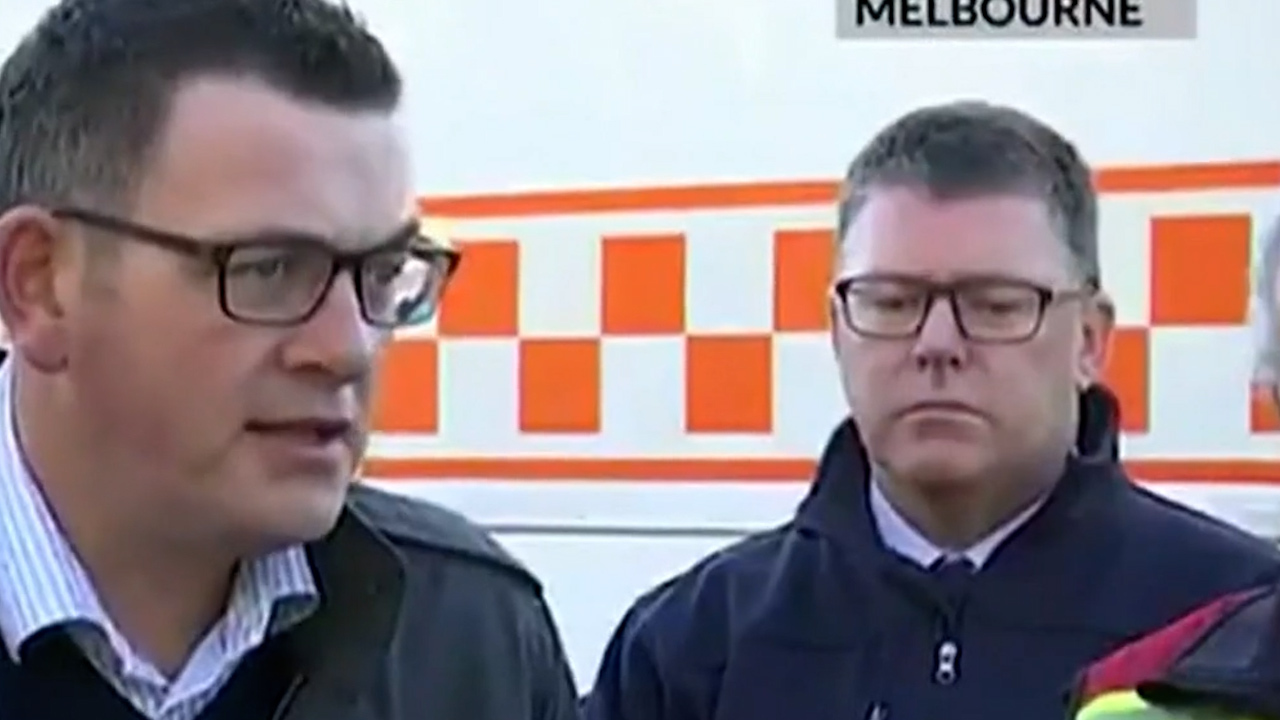
He said that tweet pushed him to go public with the allegations.
"It doesn't do me any good to stand up and talk like this, but it's a matter of integrity," Finegan said.
"It's a sad reflection on Victoria."
Andrews was asked about the allegations today outside parliament. He described them as "nonsense".
A Department of Premier and Cabinet spokesperson said Eccles "has rejected the claims and found the accusation of racism deeply offensive".