A driver has escaped injuries after they hit a parked car then rolled their vehicle outside Sacred Heart College in Auckland on Saturday afternoon.The curious crash happened about 5pm in Crossfield Rd in Glendowie, and resulted…
Tag Archives: oceania
Pilot and passenger survive plane crash near Nelson Lakes
The pilot and passenger aboard a light aircraft have survived a crash in the Nelson Lakes area on Saturday afternoon.Rescue crews converged in a remote South Island mountain range after a report of a plane crash near Murchison following…
Bartering increases in Argentina as inflation keeps soaring
Argentina reported a monthly inflation rate of 7.4 per cent in July, the highest number in two decades for a country where citizens are used to increasing prices.
The country's central bank raised its benchmark interest rate by 950 basis points on Thursday, as inflation rates soar to a 20-year high of 71 per cent, according to new data.
The bank raised the benchmark rate for the 28-day term to 69.5 per cent from 60 per cent, a rate it had set just a fortnight ago when it hiked the rate by 800 basis points.
READ MORE: Salman Rushdie on ventilator, likely to lose eye after stabbing
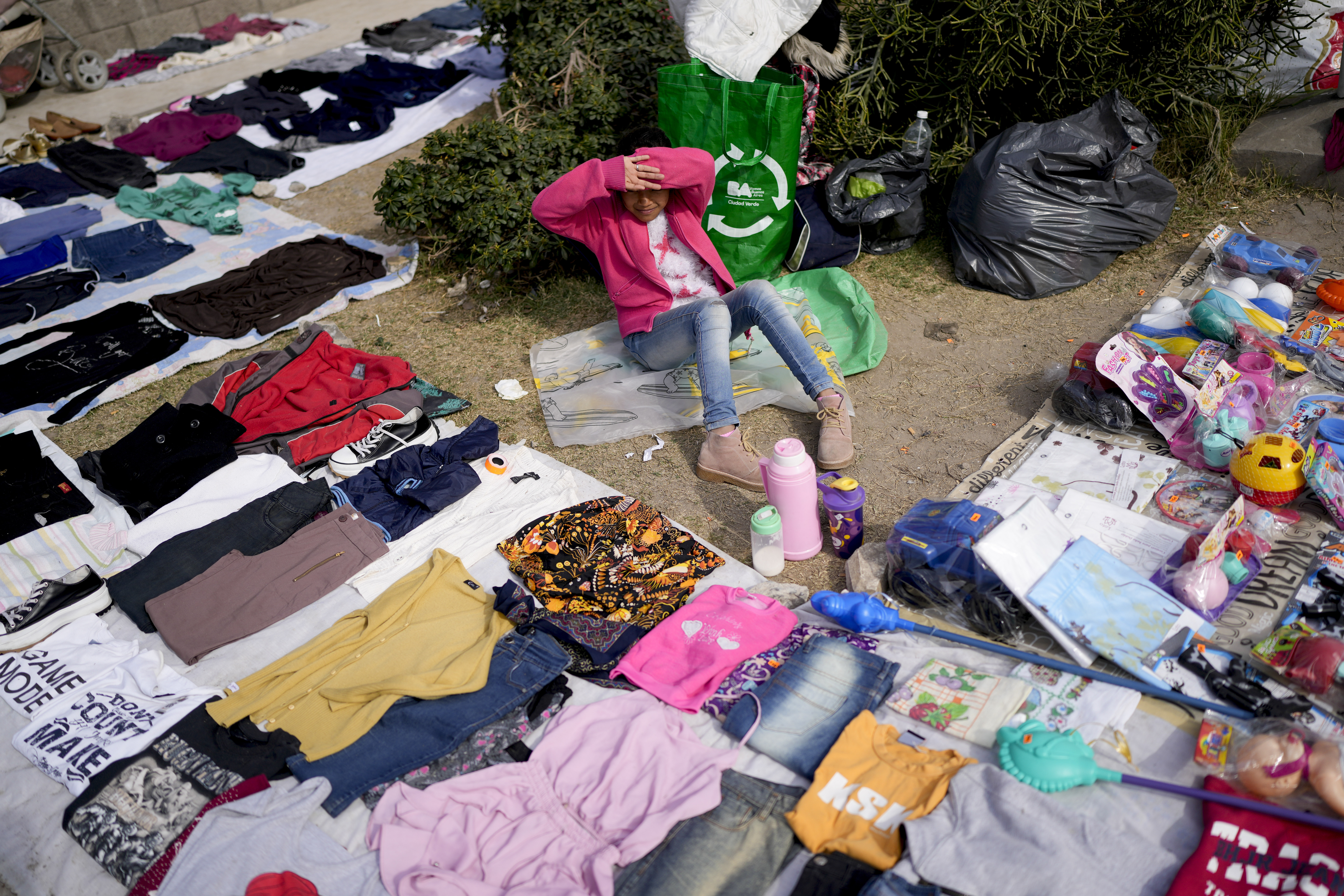
At a time when many people around the world are trying to deal with rapidly rising prices, these latest numbers cemented Argentina's position among countries with the highest inflation rates in the world.
The effects of the inflation scourge is plainly evident in Villa Fiorito, around 15 kilometres from downtown Buenos Aires, where unemployed women gather in the hopes of bartering goods for food in a plaza.
Every afternoon, women set up their blankets and carefully lay out all kinds of goods, including clothes, toys and used kitchen utensils with the hope of exchanging them for food to feed their families.
The bartering that takes place every day in Villa Fiorito, famous for being the birthplace of late soccer legend Diego Armando Maradona, has emerged as a way for dozens of women who do not have a fixed income to make ends meet at a time when the cost of living has soared.
Things are likely to get worse before they get better in Argentina as analysts project that inflation this year will likely be higher than 90 per cent with many speculating that a three-digit inflation rate is likely if the government of President Alberto Fernández fails to put the brakes on rising prices.
The price increases have hit food products particularly hard, worsening the poverty rate that already affects around 40 per cent of the population of around 47 million.
READ MORE: FBI seized 'top secret' documents from Trump's Mar-a-Lago home
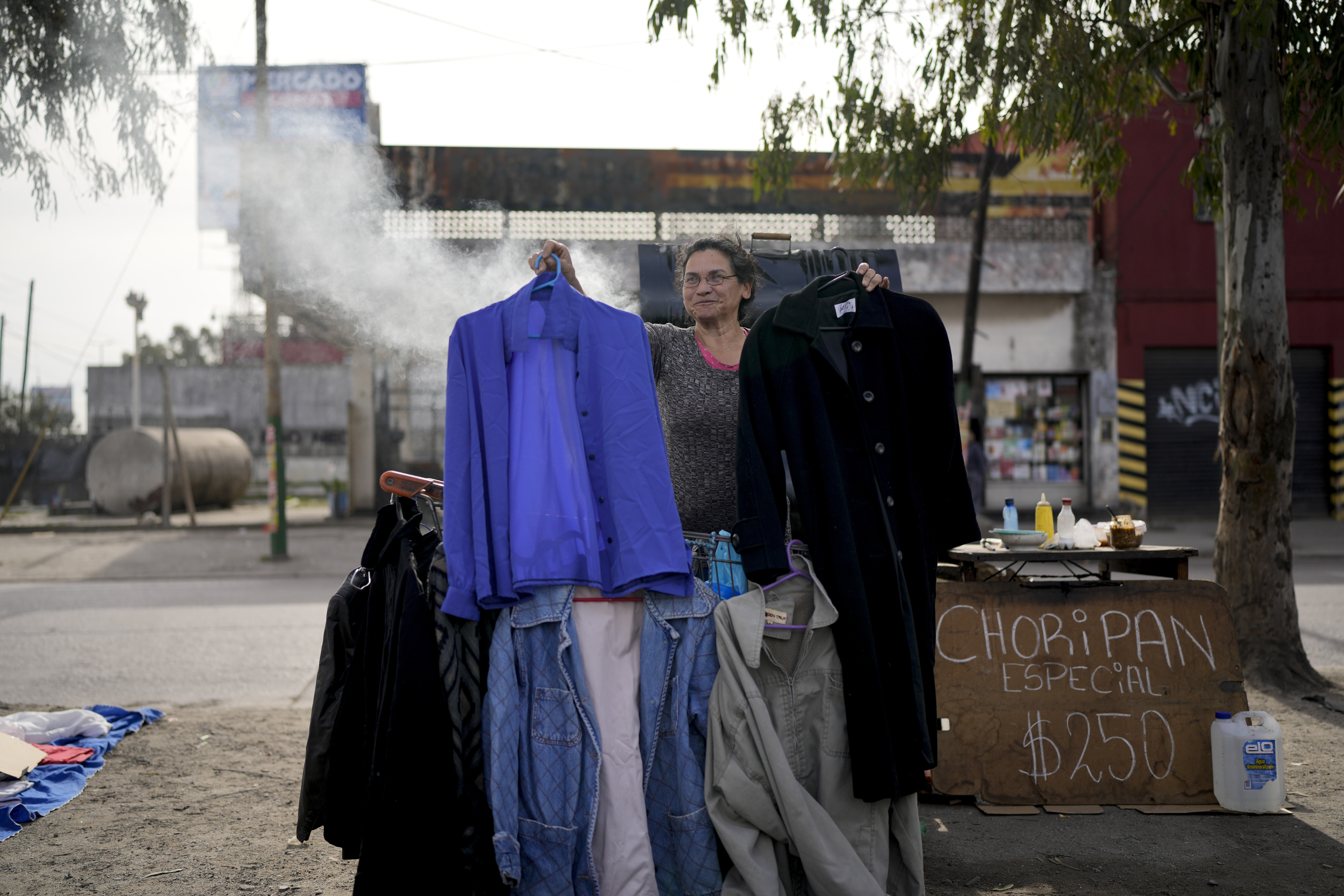
Soledad Bustos, 31, sets up shop in the Villa Fiorito fair every afternoon while one of her children is in school and another is under the care of her sister.
Bustos offers jeans, leather boots, sneakers and shirts that she either took out of her own closet or bought through Facebook.
In exchange she asks for powdered milk, which has become inaccessible.
"I can't get to the end of the month, the money isn't enough," Bustos, a single mom, said.
Bustos is unemployed and says she receives around 36,000 pesos ($375) per month from the state, which is not enough to feed her family.
READ MORE: Who is Salman Rushdie, the author of the controversial The Satanic Verses
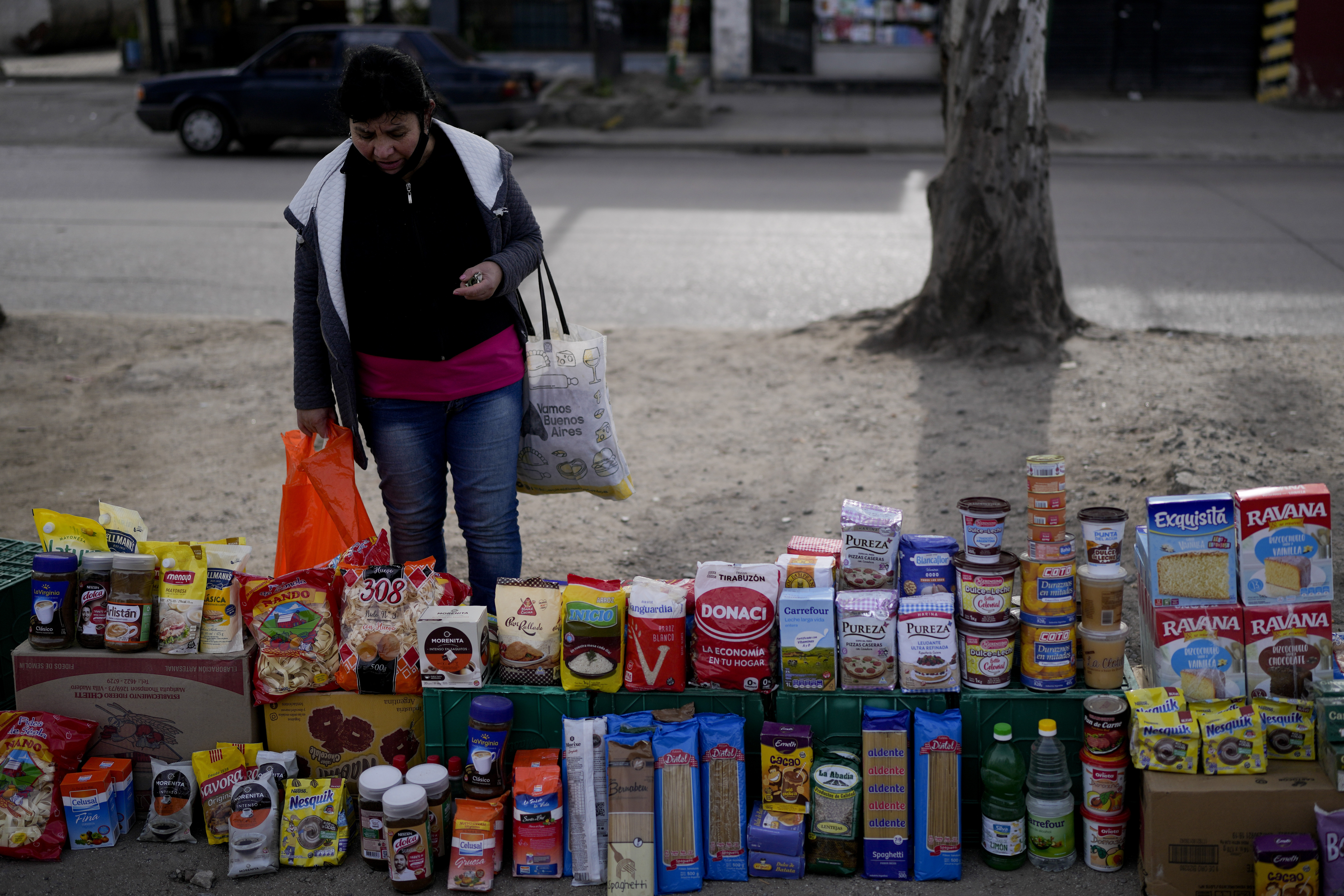
"I can't survive with the welfare. Besides food I also have to buy the things for the kids' school and medicine. I have no choice but to come here to be able to get a little more," Bustos said.
These types of bartering fairs started spreading in Argentina after the economy collapsed in 2001 during the biggest economic crisis in its modern history.
But they have reemerged in recent years amid a galloping inflation rate that has been stuck in double digits for years.
"This is living hand-to-mouth," said María Inés Pereyra, 48, the coordinator of the fair that runs Mondays through Saturdays.
"Whatever they obtain today they take it straight to the dining table."
READ MORE: Drought declared for parts of England after driest summer in 50 years
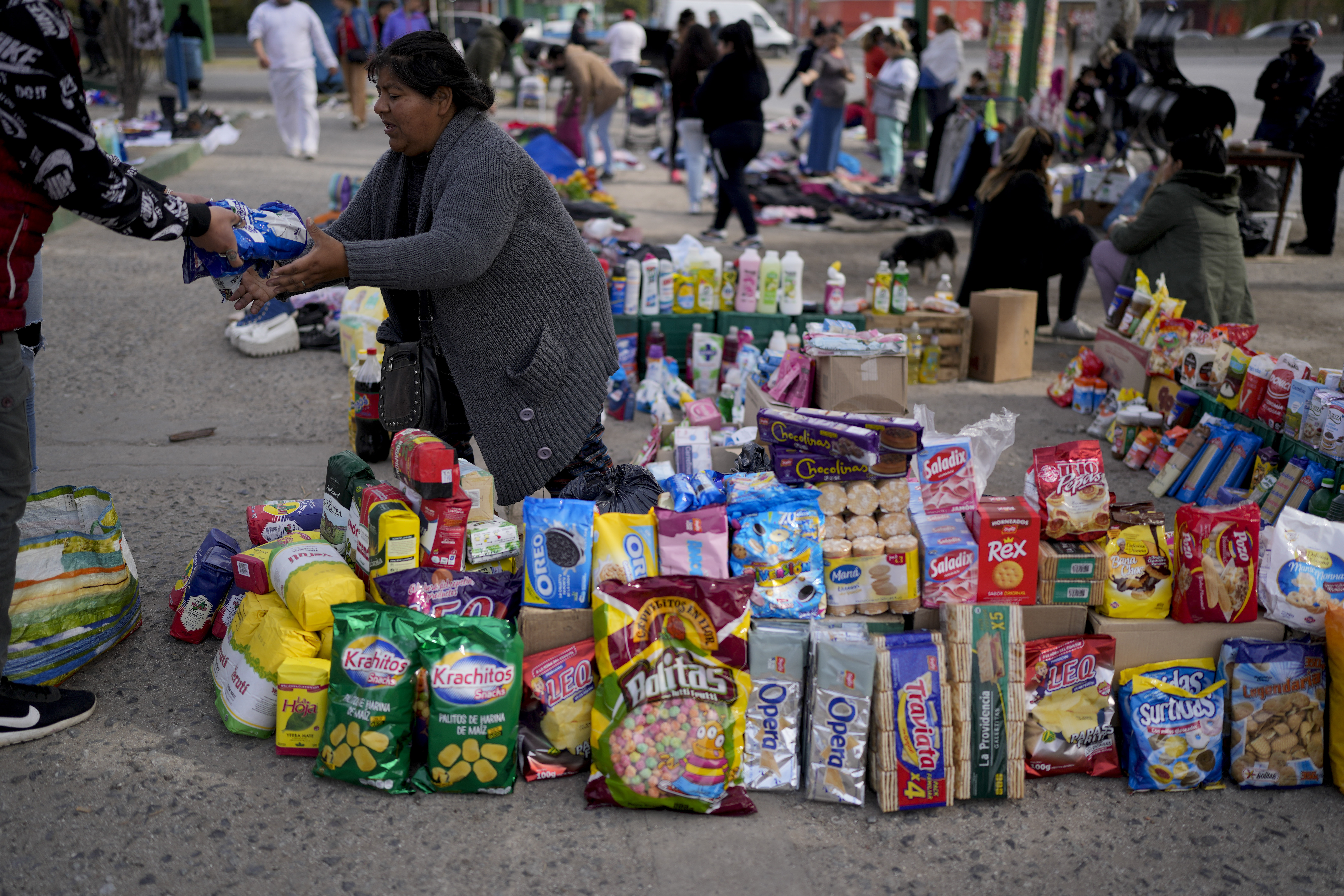
For safety reasons, only women can participate in bartering and most of the exchanges had already been previously arranged via Facebook or WhatsApp.
Although there is no set value for the used merchandise, Pereyra set a maximum price of 300 pesos ($3) for each item of clothing.
As an example, she pointed to a pair of leather sneakers that could be traded for a packet of sugar, cooking oil, flour and a local tea infusion.
Fernández's administration has blamed the high inflation rate in July on a currency crisis caused by "speculative movements that tried to generate a crisis of uncertainty and push a devaluation," Gabriela Cerruti, the government's spokeswoman, said on Thursday before the inflation rate was released.
The acceleration of the country's already high inflation rate comes shortly after the government had three economy ministers within one month amid uncertainty that led the local currency to depreciate sharply in the financial market.
Analysts, and even members of Fernández's administration, expect the August inflation rate to be similar to July in part due to increases in the price of public transport and energy.
In Villa Fiorito, Bustos says she and her fellow barterers are only focused on "surviving."
Meth addict ex-refugee who robbed store in Halloween mask fails in Supreme Court bid
Mohammed Omar Nassery escaped the Soviet invasion of Afghanistan as a child.But the former refugee has failed to convince the Supreme Court he should leave prison to serve out his sentence, for two armed robberies, from home.Nassery…
Waikato Mongrel Mob confronts the institutional abuse which created the gang
By Jimmy Ellingham, RNZ The Mongrel Mob was born out of state-run institutions for teens in the 1960s – the very institutions under the spotlight for mistreating children in their care.In recent years, the Royal Commission of…
New Langya virus found in China could be 'tip of the iceberg'
More surveillance is needed of a new virus detected in dozens of people in eastern China that may not cause the next pandemic but suggests just how easily viruses can travel unnoticed from animals to humans, scientists say.
The virus, dubbed Langya henipavirus, infected nearly three dozen farmers and other residents.
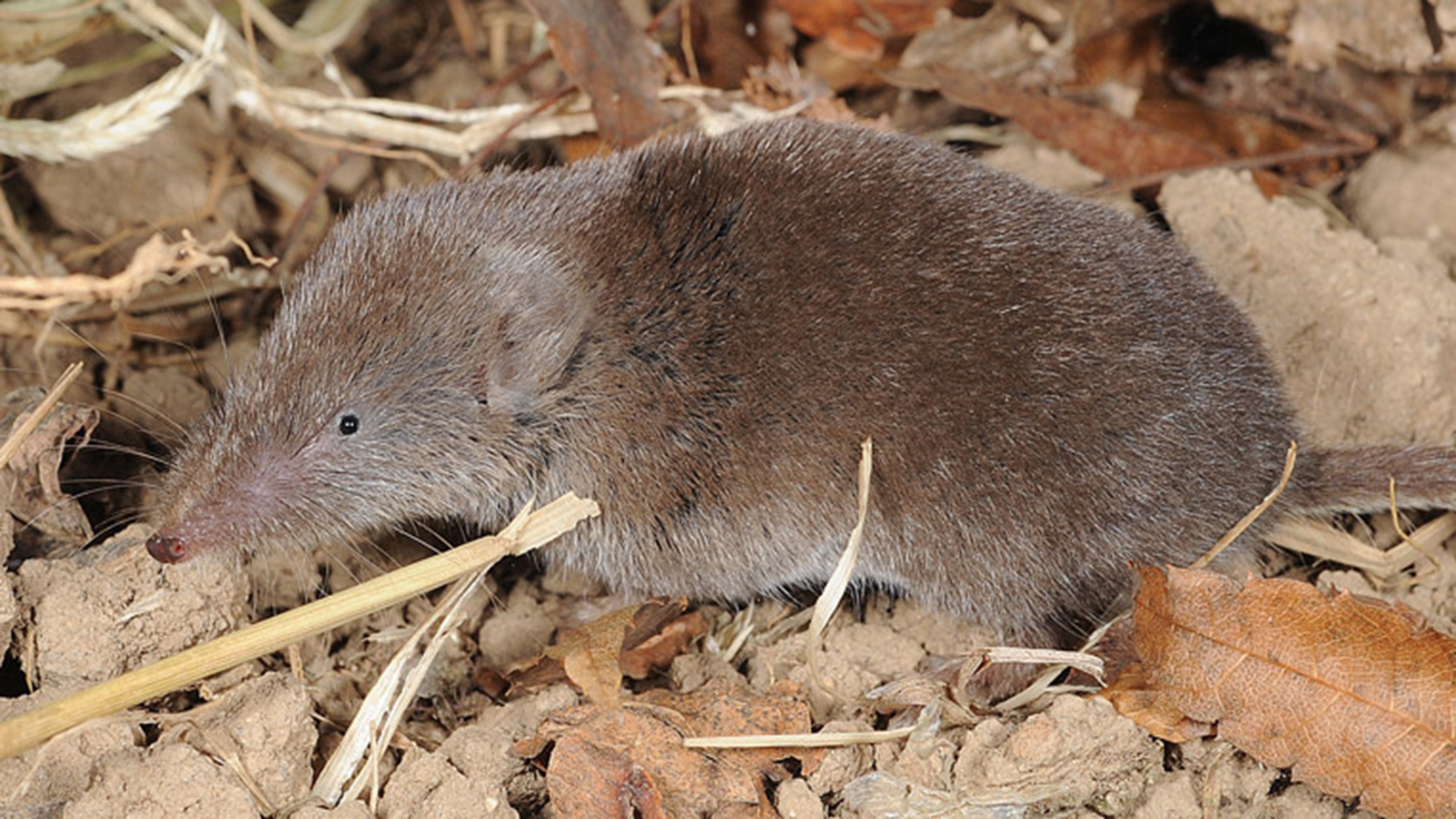
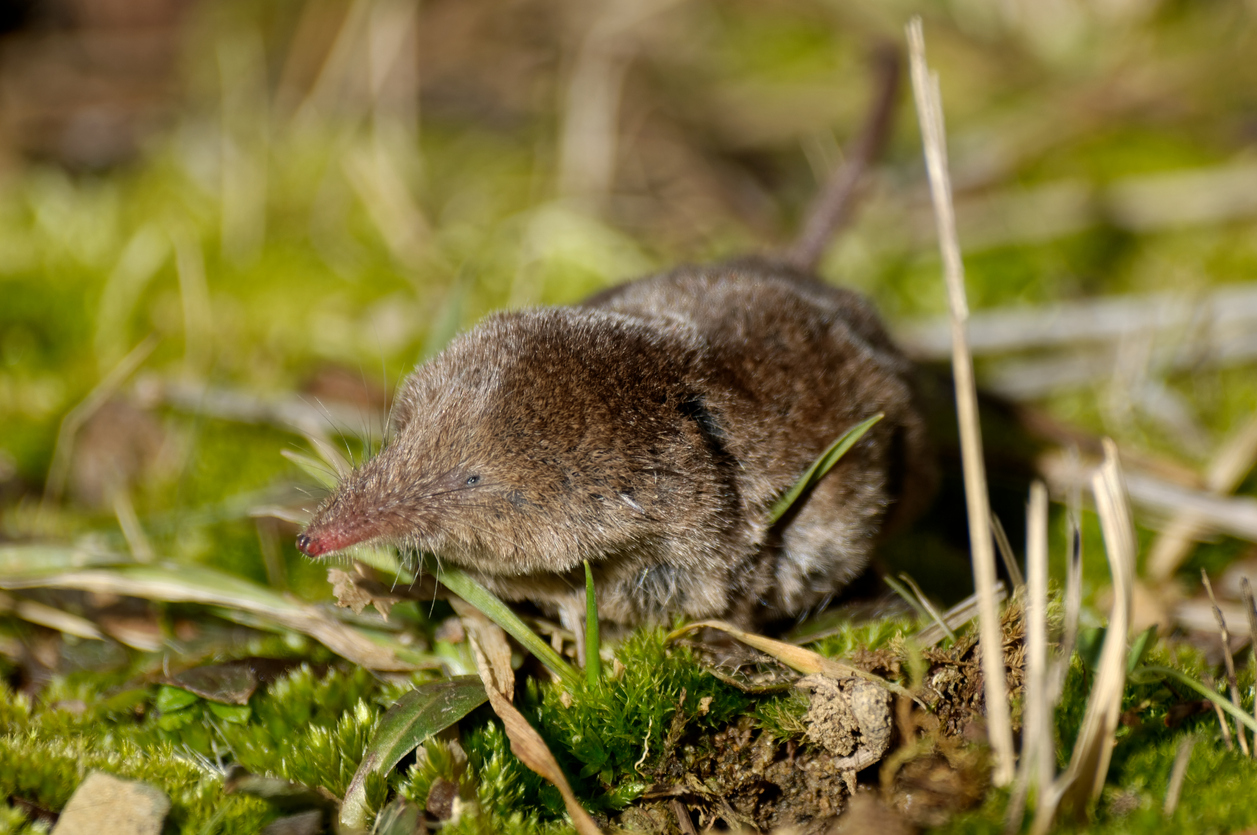
This is according to a team of scientists who believe it may have spread directly or indirectly to people from shrews — small mole-like mammals found in a wide variety of habitats.
READ MORE: What we know about the Langya virus
The pathogen did not cause any reported deaths, but was detected in 35 unrelated fever patients in hospitals in Shandong and Henan provinces between 2018 and 2021, the scientists said — a finding in tune with longstanding warnings from scientists that animal viruses are regularly spilling undetected into people around the world.
"We are hugely underestimating the number of these zoonotic cases in the world, and this (Langya virus) is just the tip of the iceberg," said emerging virus expert Leo Poon, a professor at the University of Hong Kong's School of Public Health, who was not involved in the latest study.
The first scientific research on the virus, published as a correspondence from a team of Chinese and international researchers in the New England Journal of Medicine last week, received global attention due to heightened concern over disease outbreaks.
READ MORE: US ending social distancing and some quarantine for COVID-19 control
Hundreds of thousands of new COVID-19 cases are still being reported worldwide each day, nearly three years since the novel coronavirus behind the pandemic was first detected in China.
However, the researchers say there is no evidence the Langya virus is spreading between people or that it had caused a local outbreak of connected cases.
More study on a larger subset of patients is needed to rule out human-to-human spread, they added.
READ MORE: Australia's attorneys-general to ramp up action on coercive control
Veteran emerging infectious disease scientist Linfa Wang, who was part of the research team, told CNN that although the new virus was unlikely to evolve into "another 'disease X' event," such as a previously unknown pathogen that sparks an epidemic or pandemic, "it does demonstrate that such zoonotic spillover events happen more often than we think or know."
In order to reduce the risk of an emerging virus becoming a health crisis, "it is absolutely necessary to conduct active surveillance in a transparent and internationally collaborative way," said Wang, a professor at the Duke-National University of Singapore Medical School.
Tracking a new virus
The first clues to the presence of a novel virus emerged when a 53-year-old farmer sought treatment at a hospital in Shandong province's Qingdao city in December, 2018 with symptoms including a fever, headache, cough and nausea, according to documentation from the researchers.
As the patient indicated she had contact with animals within the past month, she was enrolled in additional screening being conducted across three hospitals in eastern China focused on identifying zoonotic diseases.
When this patient's test samples were examined, scientists found something unexpected — a virus that had never been seen before, related to the Hendra and Nipah viruses, highly fatal pathogens from a family not typically known for easy human-to-human spread.
READ MORE: Salman Rushdie on ventilator, likely to lose eye after stabbing

Over the next 32 months, researchers across the three hospitals screened for this virus in similar patients, ultimately detecting it in 35 people, who had a range of symptoms included cough, fatigue, headache, and nausea, in addition to fever.
Nine of those patients were also infected with a known virus, like influenza, so the source of their symptoms was unclear, but researchers believe symptoms in the remaining 26 could have been cased by the novel henipavirus.
Some displayed severe symptoms like pneumonia or abnormalities of thrombocytopenia, a blood platelet condition, according to Wang, but their symptoms were a far cry those seen in Hendra or Nipah patients, and no one among the group died or was admitted to the ICU.
While all recovered, they weren't monitored for longer-term problems, he added.
Of that group of 26, all but four were farmers, and while some were flagged by the same hospital as the initial case detected, many others were found in Xinyang, more than 700 kilometres away in Henan.
Because similar viruses were known to circulate in animals from southwestern China to South Korea it was "not surprising" to see spillover into humans occurring across such long distances, Wang explained.
READ MORE: New breakthrough could lead to treatment of long COVID-19
There was "no close contact or common exposure history among the patients" or other signs of human-to-human spread, Wang and his colleagues wrote in their findings.
This suggests cases were sporadic, but more research was needed, they said.
Once they knew a new virus was infecting people, the researchers, who included Beijing-based scientists and Qingdao disease control officials, got to work to see if they could uncover what was infecting the patients.
They tested domesticated animals where patients lived for traces of past infection with the virus, and found a small number of goats and dogs that may have had the virus previously.
But the real breakthrough came when they tested samples taken from small wild animals captured in traps — and found 71 infections across two shrew species, leading the scientists to suggest these small, rodent-like mammals could be where the virus naturally circulates.
What remains unclear is how the virus got into people, Wang said.
Further studies screening for Langya henipavirus would follow and should be conducted not only in the two provinces were the virus was found, but more widely within China and beyond, he said.
China's National Health Commission did not immediately respond to a request for comment on whether monitoring for new infections of the virus was ongoing.
Risk reduction
Globally, 70 per cent of emerging infectious diseases are thought to have passed into humans via contact with animals, in a phenomenon scientists say has accelerated as growing human populations expand into wildlife habitats.
China has seen major outbreaks from emerging viruses in the past two decades, including SARS in 2002-2003 and COVID-19 — both first detected in the country and from viruses thought to originate in bats.
The devastating effects of both diseases — particularly COVID-19 that has to date killed more than 6.4 million people worldwide — demonstrate the importance of identifying cases of novel viruses quickly, and sharing the information about potential risks.
Scientists not involved in the new research agreed more work was needed to understand the Langya virus and confirm the latest findings, and said the discovery underlined the importance of tracking which viruses may be spreading from animals to people.
"Because this (new henipavirus) may not be only circulating in China, sharing this information and allowing others to get prepared or do some further investigation in their own countries is important," said Poon in Hong Kong.
Scientists say critical questions need to be answered about how widespread the new virus may be in nature, how it is spilling into people and how dangerous it is to human health — including the potential for it to spread between people or gain this ability if it continues to jump from animals into humans.
READ MORE: Kim Jong-un 'deeply suffered' from high fever during COVID-19 outbreak
The geographic span of where the infections have been found "suggests that this infection risk is rather widespread," said virologist Malik Peiris, also of the University of Hong Kong, adding studies elsewhere in China and neighboring countries were important "to ascertain the geographic range of this virus in the animals (shrews) and in humans."
He, too, said the latest findings hinted at the large number of undetected infections spilling over from wildlife to people, and the need for systematic studies to understand not just this virus, but the broader picture of human infection with viruses from wildlife.
"This is important so that we are not taken unawares by the next pandemic, when — not if — it comes," he said.
Former National MP Aaron Gilmore – please stop listing me in rogues' gallery of disgraced MPs
“All I did was call someone a dickhead in a bar who deserved it,” says former National Party MP Aaron Gilmore.He’s despairing over the company he has been thrust into this week by interviewers seeking answers from National’s leader…
Melbourne socialite Lillian Frank dies aged 92
Melbourne socialite and fashion icon Lillian Frank has died aged 92.
Frank's daughter, Jackie Frank, announced her mother's death on social media, saying the family has lost its "heart and soul".
"She lived life to the max, without any regrets and was forever grateful," she said.
READ MORE: FBI took 11 sets of classified documents from Trump's Mar-a-Lago home

"She saw things through rose-coloured glasses.
"No matter what adversity she had to face, and there were many, she saw the good in everyone and everything.
"She used her flamboyant personality and social standing for good, raising millions and millions for charity.
"She had a very public life and I was often asked what's it like growing up with Lillian Frank as your mum?
"My answer, to us she was mum, to my kids' nani and the most spectacular selfless human being in the world with the biggest heart.
"We love you but a piece of our hearts will be broken forever."
READ MORE: Author Salman Rushdie attacked on lecture stage in New York


Frank was born in Myanmar in 1930 before her family fled during the war.
When she arrived in Australia, Frank set up a hairdressing salon in Toorak where she became the hair stylist for Jean Shrimpton, who made the bold and memorable choice to wear a miniskirt at the Melbourne Spring Carnival.
Frank spent her life fundraising for Victorian charities.
READ MORE: Lightning strike survivors share their stories of recovery

In 1991, Frank was made a Member of the Order of Australia for her charity work.
Tributes have flowed for the philanthropist best known as Melbourne's first influencer and fashion icon.
Labor MP Jaala Pulford said the Victorian community stands in solidarity with Frank's family.
"We express our deepest condolences to them at what's a really difficult time," she said.
"We thank her for her incredible presence, her incredible work in business and the community."
https://twitter.com/AllanRaskall/status/1558247148617363456
Tributes from the fashion community are flowing today.
Designer Alex Perry said "rest peacefully beautiful Lillian".
"I know how heartbreaking this is, but she is shining down on you always," he said.
Fellow designer Toni Maticevski said: "What a bloody amazing woman she was!!"
"Added sparkle and smiles to everyone of our lives," Maticevski said.
Labour Party's rogue MP Dr Gaurav Sharma says he wants to stand again and wants public inquiry into claims of bullying
The Labour MP who unloaded on his own party with accusations of bullying has called for an independent and public inquiry into his allegations.In an interview with the Herald, Hamilton West’s MP Gaurav Sharma also said he would…
Auckland mayoralty: Efeso Collins could scoop Molloy votes – analyst
By RNZ A political analyst says people who would have voted for Leo Molloy in Auckland’s mayoral election may turn to Efeso Collins as both candidates have working class appeal.The outspoken businessman dropped out of the race…