By Bryce Edwards for the Democracy Project OPINION: If National causes yet another by-election to be held in Tauranga, not only will it cost the taxpayers another unnecessary $1m for the taxpayers after Simon Bridges called…
Tag Archives: oceania
What we know about Langya, the new virus detected in China
A new virus that can jump from animals to humans has been detected in China with 35 people already infected, according to Taiwan's Centres for Disease Control (CDC).
It has been called Langya henipavirus (LayV) – and has been found across two provinces in eastern China.
According to reports this is the first time the virus has been detected in humans.
Here's everything we know about the Langya henipavirus so far.
READ MORE: Single cause 'aggravating' more than half of known human diseases
What is Langya virus?
LayV is an example of an Zoonotic Henipavirus.
The virus is in the Henipavirus family. Two species have been identified before; the Hendra virus – first detected in the Brisbane suburb of the same name – and Nipah virus, both cause severe infections and are sometimes fatal.
The World Health Organisation classifies Henipavirus as a biosafety Level 4 threat. Case fatality rates range between 40 and 75 per cent, data suggests.
No deaths have been reported from LayV.
What makes a virus zoonotic?
A zoonotic disease is defined as an infectious disease transmitted between species; either from animals to humans, or from humans to animals.
Examples of zoonotic viruses include, COVID-19, monkeypox and Hendra virus (HeV).
READ MORE: Australia secures doses of next-generation monkeypox vaccine

What is the origin of the Langya virus?
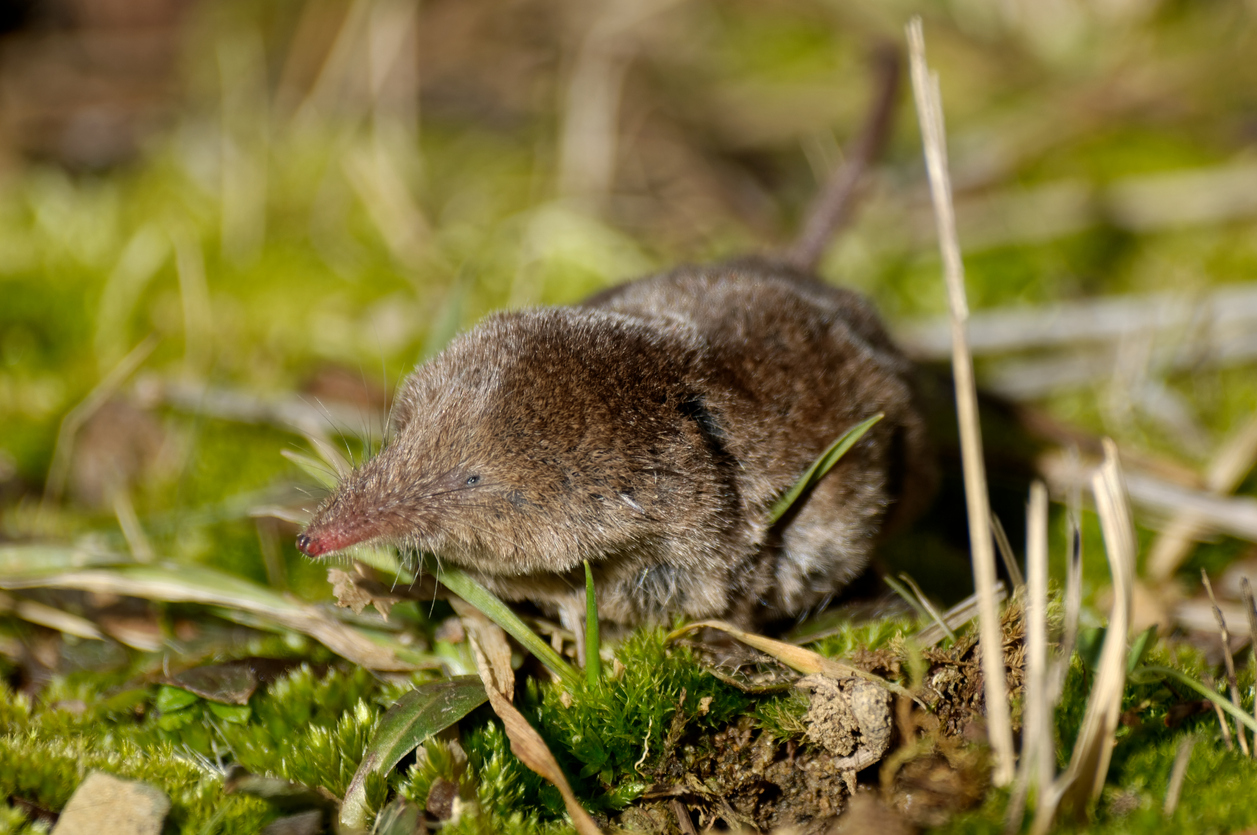
Test results from more than two dozen wild animals suggests the shrew – a small mole-like mammals – might be a natural reservoir of LayV.
Existing patients had a history of contact with animals, a study published in the New England Journal of Medicine said.
READ MORE: Thousands stranded after China holiday hotspot's snap lockdown
What are the symptoms of Langya virus?
Symptoms of LayV include: fever, fatigue, a cough, loss of appetite, muscle pain, nausea, headache and vomiting.
Has Langya virus been detected outside of China?
No cases outside of China have been reported.
The study also said human-to-human transmission of LayV has not been observed.
"Contact tracing of nine patients with 15 close-contact family members revealed no close-contact LayV transmission," researchers wrote, before adding:
"But our sample size was too small to determine the status of human-to-human transmission for LayV."
'Bullying was rife at King's': Lizzie Marvelly on her time at the exclusive Auckland school
Musician and author Lizzie Marvelly says bullying was rife when she attended King’s College and claims there is a culture of dodging discipline for the wealthy and prominent.Marvelly, who attended the exclusive private Auckland…
Auckland cop warns youths to stop carrying imitation guns: 'You have a split second to make a decision and there's only going to be one result'
Frontline police fear young gangsters carrying fake guns could ultimately become casualties of rapid armed responses to gang shootings and drive-bys.Armed police yesterday descended on a Massey street in West Auckland after reports…
Opinion: Attention Prime Minister Jacinda Ardern – this is how you deal with a bully
OPINION: If we gave out medals for dealing with bullies, I think the National Party would win gold and the Labour Party would probably crash and burn in the semi-finals.No, it wouldn’t even get that far. It probably wouldn’t even…
Whakaari/White Island: Near real-time monitoring lost after instruments fail
Near real-time monitoring of Whakaari/White Island has been lost with the failure of instruments on the volcanic island.Since the deadly December 2019 eruption, the on-island network had not been serviced and power supplies, sensors…
Levin man charged with arson, threatening to kill after standoff with police
The 62-year-old man at the centre of a lengthy police standoff is facing multiple charges.The man was rescued from his burning property in Levin last week after an almost 24-hour long standoff with police. Around 80 people were…
Jail again for man who struggles to stay drug free, after sex with significantly impaired woman
A man released from prison after having sex with a significantly impaired person has now breached his extended supervision 21 times.Ned Wilson has been given a variety of community work and prison terms for his breaches, which involve…
Commonwealth Bank profits climb to $9.7 billion
The Commonwealth Bank has announced a 9 per cent increase in profits to $9.7 billion.
Most of the bank's profits were driven by a strong rise in lending last year when the national housing market was charging ahead, underpinned by super low interest rates.
In a note to the ASX, chief executive Matt Comyn warned of difficult times ahead for many Australian households because of rising inflation and higher costs of living.
READ MORE: Australia's richest suburbs and jobs revealed

READ MORE: Landlord's agonising dilemma over rental hikes
"We have seen a rapid increase in the (RBA) cash rate which is negatively impacting consumer confidence," Comyn said.
He expected consumer demand "to moderate" as cost of living pressures increase.
"It is a challenging time, but we remain optimistic that a path can be found to navigate through these economic conditions."
Comyn said, against many measures, Aussie homes and businesses remained in a relatively "strong position".
READ MORE: Huge explosion rocks Russian airbase

As the property market cools, the bank's analysts believe a correction of around 15 per cent is on the way, with perhaps an even harder fall in Sydney and Melbourne.
At 11:30 AEST, the bank's share price was down about one per cent.
As the Reserve Bank continues to lift interest rates, more households are being pushed into mortgage stress.
Mortgage stress is the total of household income and expenditure.
If there's more money going out than coming in, they're classified as stressed.
Snake island: The tiny Aussie outcrop overrun by giant reptiles
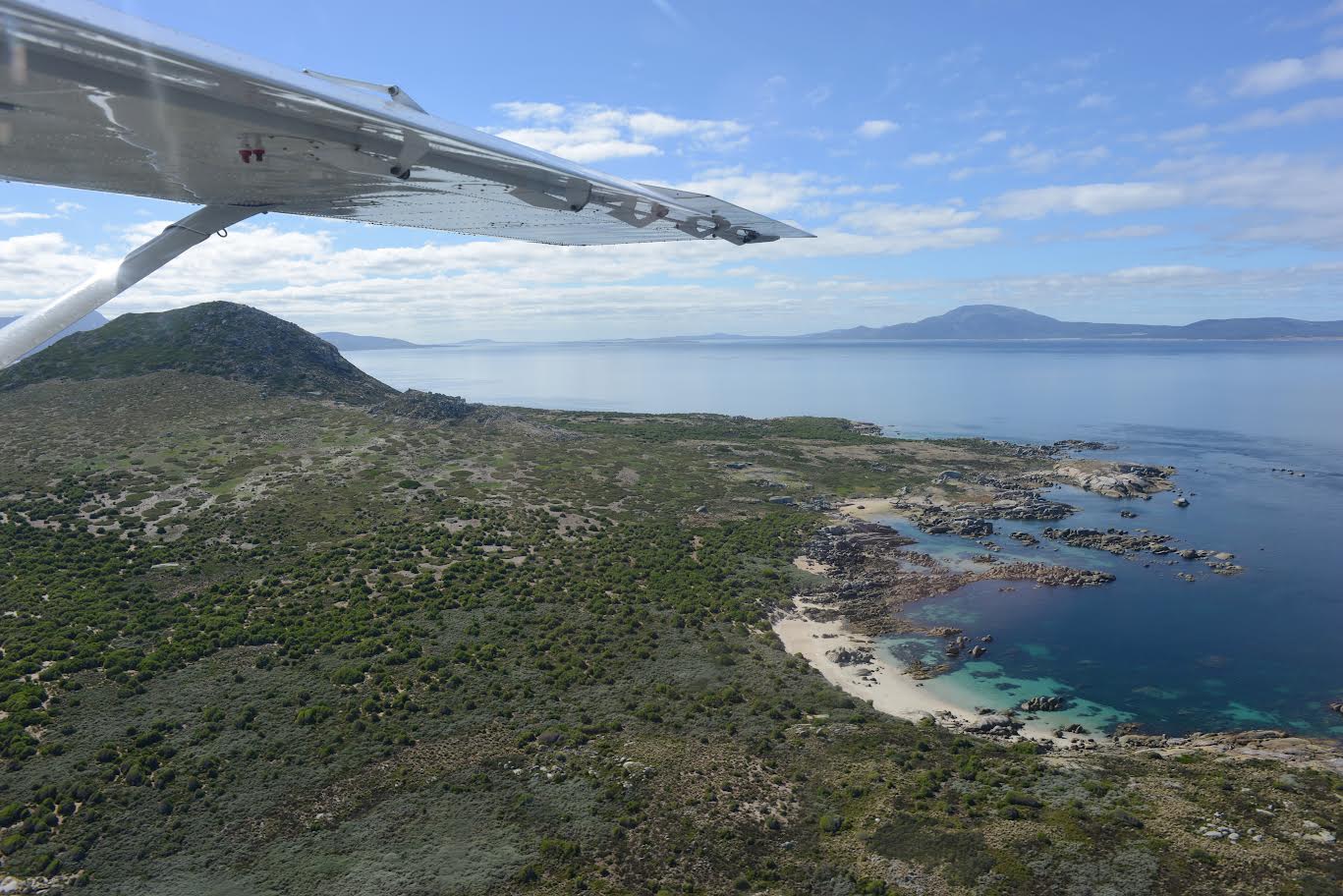
A small 323-hectare granite island off the coast of Tasmania is home to what's been described as "giant" tiger snakes, which have evolved in isolation from their mainland counterparts.
Mount Chappell Island is part of the Furneaux Group, within the Bass Strait, and is managed by the Aboriginal Land Council of Tasmania.
It is uninhabited and located off the island state's north-east corner.
READ MORE: Australia's richest suburbs and jobs revealed
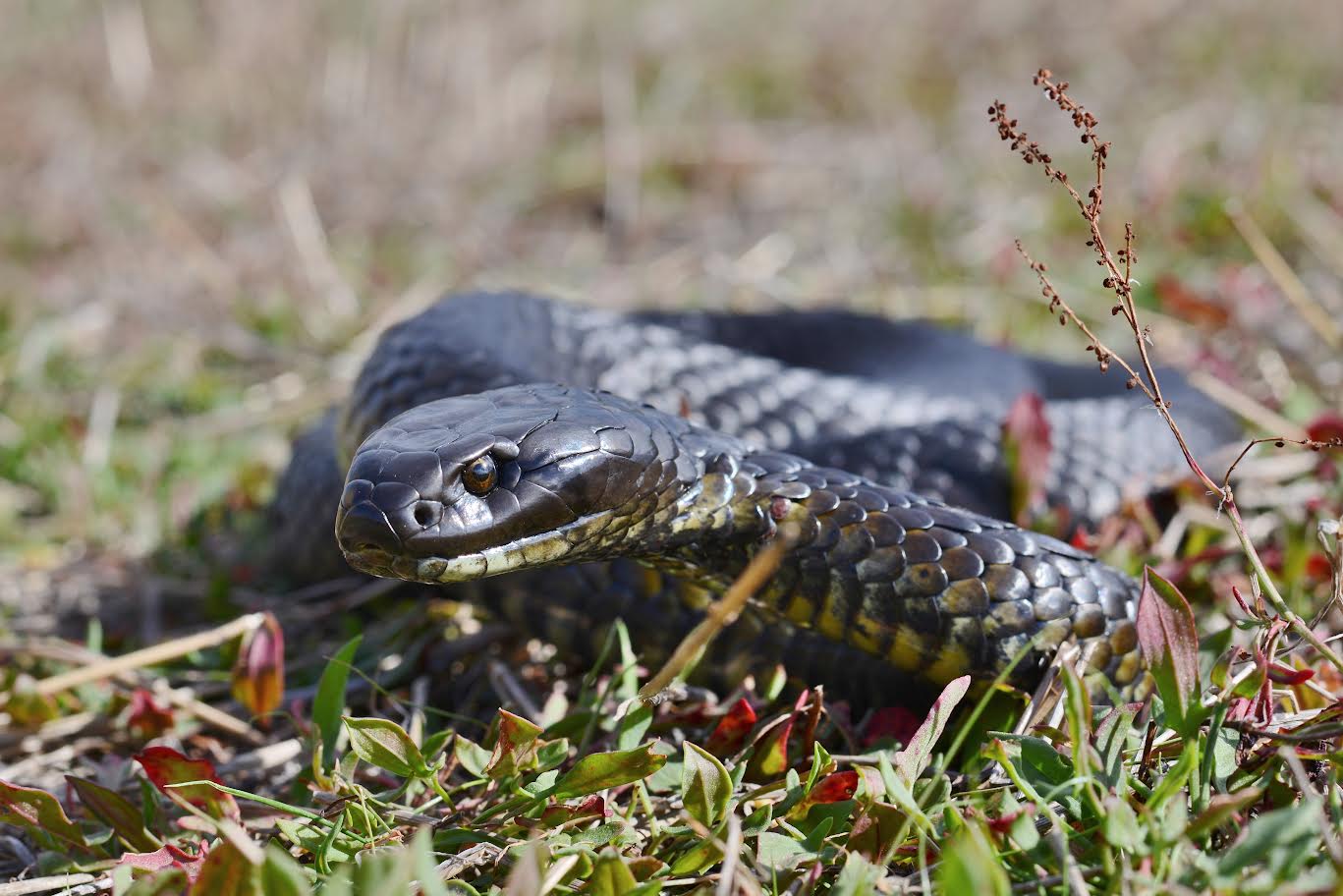
The rocky outcrop skirted by azure blue ocean is said to support a "dense population" of venomous black tiger snakes, which reach lengths of over two metres.
Only a select few have set foot on the isolated shores, Queensland man Shane Black is one of the lucky few.
He was granted permission to visit and touched down on Chappell Island April 2018, spurred on by his lifelong fascination with venomous snakes.
READ MORE: What we know about Langya, the new virus detected in China
"I've always wanted to go to Chappell Island since I was very young after I learnt about the giant tigers that lived there," he told 9news.com.au.
"A few years back I decided to make it happen.
"I seen around 40 in a day.
"The biggest I seen were around 1.6 metres, which is large by tiger snake standards."
READ MORE: Huge explosion rocks Russian airbase
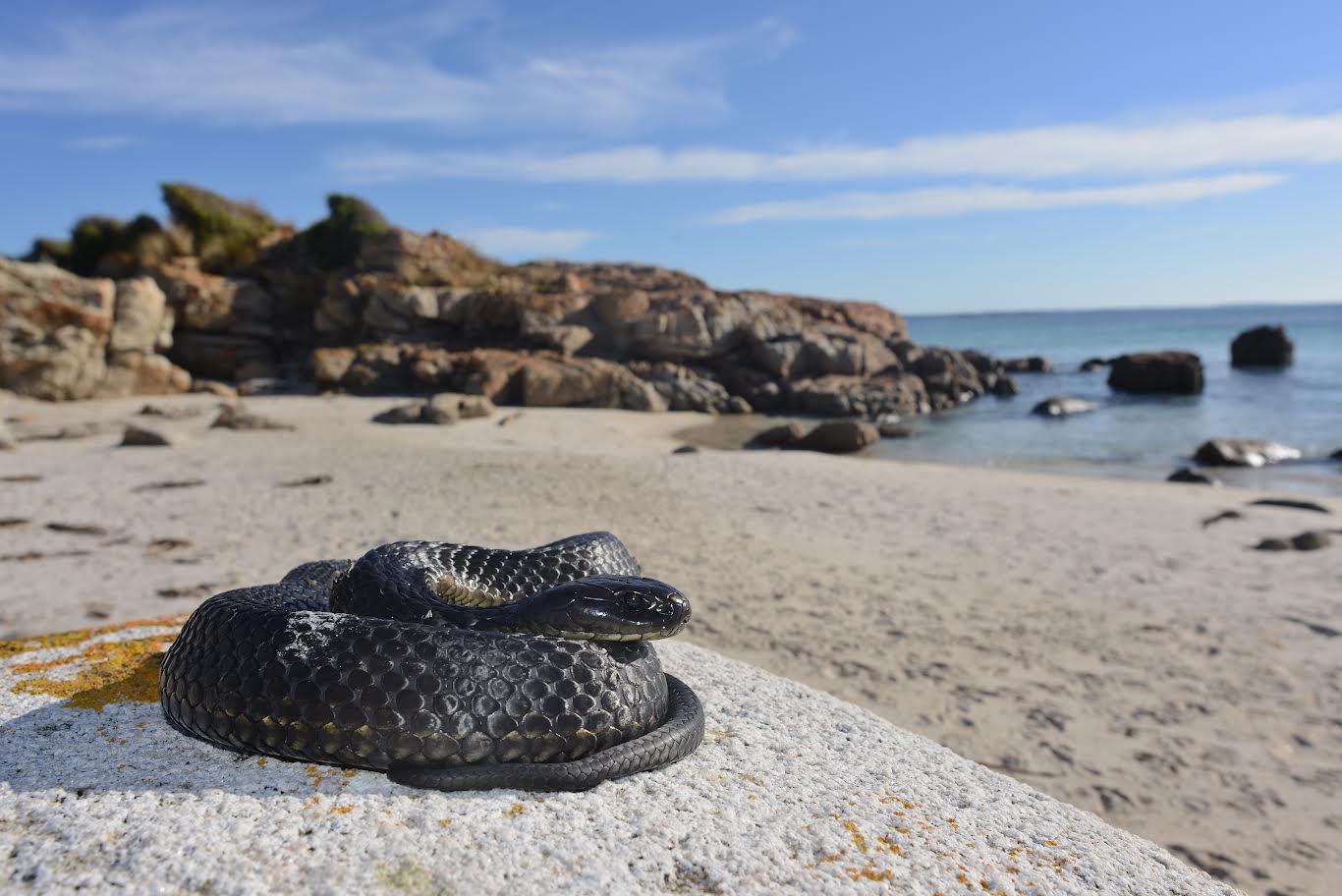
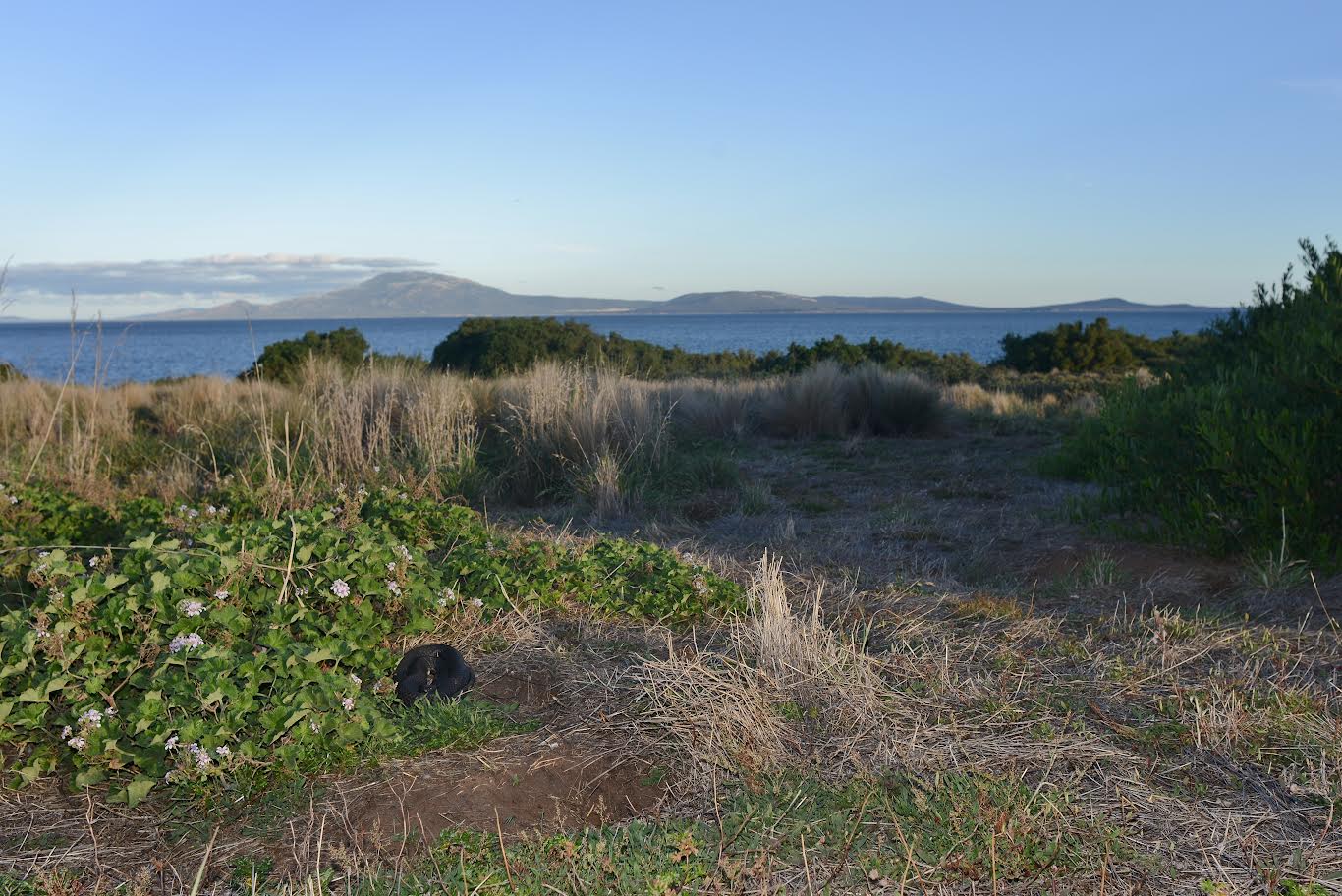
While large, Black said the island tiger snakes have a "fairly relaxed" demeanour.
"(But) they will bite if harassed," he added.
"I'm actually hoping to get back there in the next year or two."
READ MORE: Taiwan issues starkest warning yet as China refuses to cool tensions

How Chappell Island tiger snakes came to be
Chappell Island tiger snakes are considered the largest of all the tiger snakes, and according to University of Melbourne's School of Biomedical Science, may reach lengths of 2.4 metres.
They survive on an annual six week feast of mutton bird chicks – a protein-rich migratory bird that only lands in Tasmania – before they are forced into a period of fasting.
Evolutionary biologist with the University of Canberra Dr Vicki Thomson said there's a chance the reptiles are the oldest snakes to evolve in isolation within Australia.
"They've probably been isolated there since the Last Glacial Maximum when sea levels rose and cut them off," she told 9news.com.au.
"They've got a long history on that piece of land".
Thomson said she's not surprised by the fact the snakes on Chappell Island seem to be reaching such extreme lengths.
She explained two factors could be contributing to this.
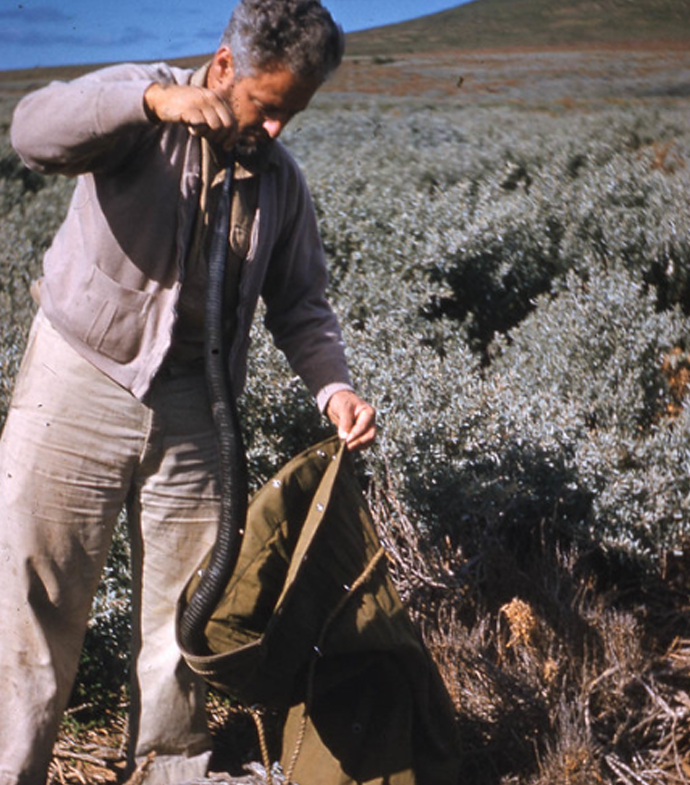
"Snakes are perpetually growing," she said.
"And on these islands there's often not many predators for the snakes, so they can keep growing and growing.
"There's nothing really there that can predate on them apart from the other snakes, so the gigantism may actually just be the fact they are really old.
"(But) there's another island phenomenon, where you can see both gigantism and dwarfism depending on the animal you're looking at."
Chappell Island tiger snakes also happen to be the most prolific venom producer of all the black tiger snakes, with an average venom yield of 74mg.
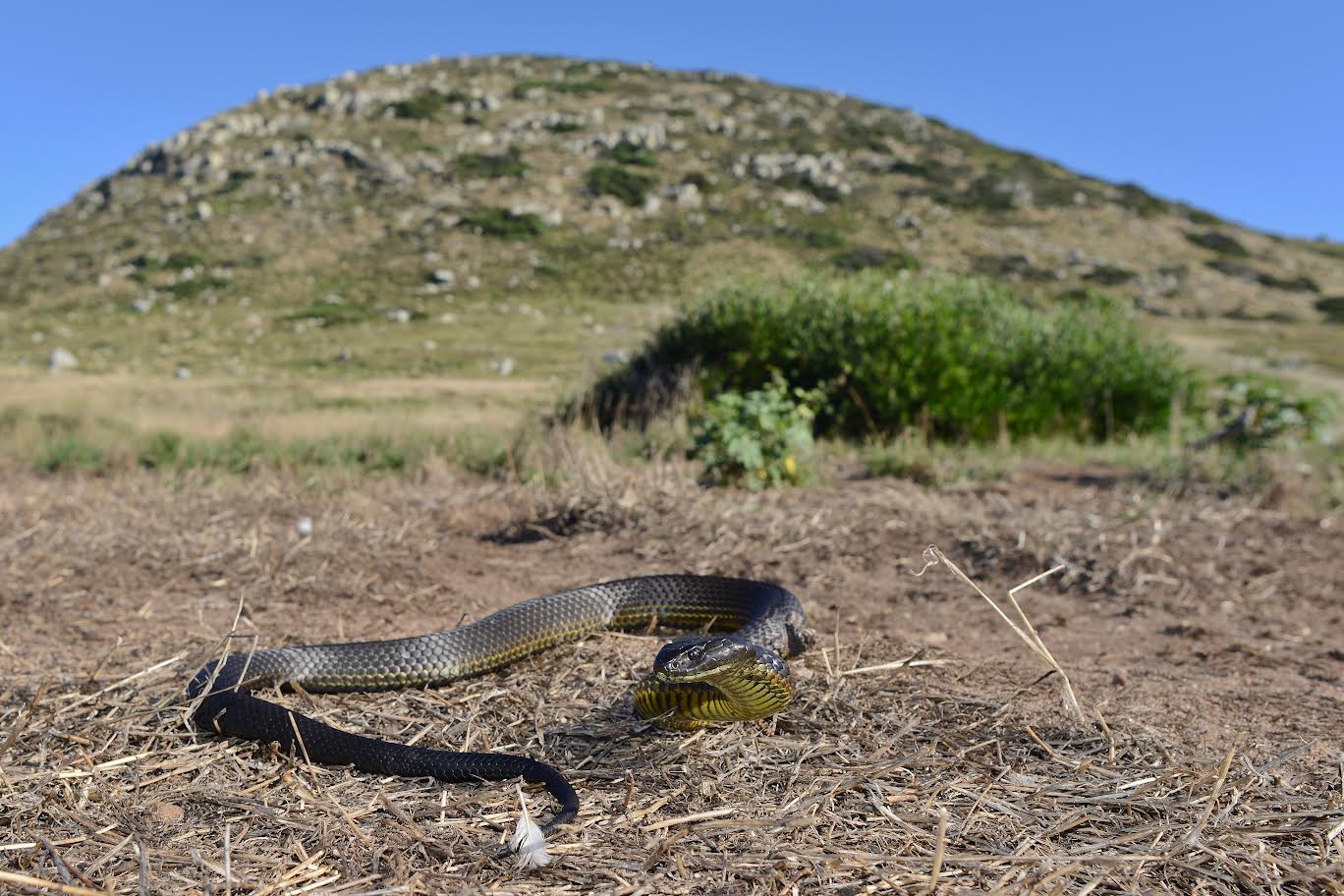
To compare, mainland snakes have an average venom yield of 35mg.
"Venom volume isn't necessarily what makes a bite deadly, but rather the level of toxicity," Australia Reptile Park Reptiles Keeper Sam Herrmann told 9news.com.au.
"Toxicity and volume are very species-dependent, however some larger species such as king brown snakes do typically produce a larger venom yield."
The toxicity of Chappell Island tiger snakes is said to be less than that of mainland tiger snakes, but antivenom should be sought immediately after a bite.
While the Chappell Island tiger snake has developed a fearsome reputation, Thomson said they're not the only snakes that have found themselves cut-off from the mainland.
She said "there's lots of islands in South Australia where tiger snakes live because they've been cut off by sea levels", and pointed to Carnac Island in Western Australia, where tiger snakes were also introduced by humans.
What scientists don't know is why tiger snakes seem to be the species most prone to island isolation – and adaptation.
"That's the million dollar question," Thomson said.