A man who sparked a manhunt across the Waikato after a woman was killed has appeared in court charged with her murder.The 42-year-old made a brief appearance in the Hamilton District Court late this morning charged with the murder…
Tag Archives: oceania
Olivia Newton-John dies aged 73
Australia's sweetheart, Olivia Newton-John, has passed away at age 73.
After surviving cancer in 1992 and again in 2013, it returned in 2017 and on August 9, 2022, the Grammy-award winning singer lost her battle with spinal cancer.
In a statement released by her husband John Easterling, she was described as a symbol of "triumph and hope".
TRIBUTES FLOW: World reacts to star's death
"Her healing inspiration and pioneering experience with plant medicine continues with the Olivia Newton-John Foundation Fund, dedicated to researching plant medicine and cancer," the statement read.
"In lieu of flowers, the family asks that any donations be made in her memory to the Olivia Newton-John Foundation Fund."
LIVE COVERAGE: Entertainment world pays tribute to Olivia Newton-John
She died peacefully on her California ranch, surrounded by family and friends, the statement said.
With a career spanning more than five decades, 100 million albums sold, four Grammy Awards, ten #1 hits and over 15 top 10 singles, Newton-John has well and truly earned her place as one of the world's most successful stars.
READ MORE: Olivia Newton John's daughter shares tribute after her death at 73

Born in Cambridge, England in 1948, Newton-John was the youngest of three children born to her father, Professor Brian Newton-John and mother, Irene, daughter of Nobel Prize winning physicist, Max Born.
Newton-John spent just five years in the UK, before moving to Australia in 1953.
It was winning a television talent contest, called Sing Sing Sing, hosted by Australian rock 'n' roll icon Johnny O'Keefe in the 1960's, that saw the singer's career really take off.
By the age of just 15, Newton-John had formed an all-girl group called Sol 4 and the teenager began appearing on local music programs in Australia and the UK.
She recorded her first single, "Till You Say You'll Be Mine", in 1966 and not long after she released her debut album, Let Me Be There.
The record earned her a Grammy Award for Best Country Vocalist and a Country Music Awards for Most Promising Female Vocalist.
IN PICTURES: Olivia Newton-John: Her extraordinary life remembered

And that was just the beginning.
1974 was a big year for Newton-John.
She came fourth in the Eurovision Song Contest, losing out to global pop supergroup, ABBA.
Later that year she released a new album, featuring her single "I Honestly Love You".
It became a worldwide hit and her first number one single in the United States and Canada.
Newton-John's portrayal of sweet-as-pie Sandy Olsson in the movie Grease, alongside Hollywood's John Travolta, catapulted her into stardom.
The movie's soundtrack spent 12 weeks at #1 and yielded three top five singles for her including "You're The One That I Want" (with John Travolta), "Hopelessly Devoted To You", and "Summer Nights".
Synonymous with the film is the spandex pants and off-the-shoulder top Newton-John wears in the movie's final scenes, still inspiring fashionistas four generations later.
It was also a role that very nearly didn't happen.
Already 29 years of age at the time, the actress thought she may have been "too old" to play the part of a high school student.

"I was very nervous about pulling it off. When I look at it now I think I was nuts. But when you're really young you're just more fussy about that stuff. When you're older you're just grateful," she told The Washington Post in 2019.
Since then Newton-John went on to star in many other films and TV shows such as Xanadu, A Few Best Men, and more recently in 2010, appeared as herself in two episodes of the hit series Glee.
It was in 1981 she released her hit song "Physical".
The song caused quite the controversy at the time of its release as a result of its sexually suggestive content, and despite being the #1 best-selling single of the '80s, it was banned by some radio in America over the lyrics.
"For me it's about the music. If it's a great song then it's going to sell itself anyway," Newton-John told Fox News in 2016.
"But it's a very competitive world. I'm so grateful I started when I did because these girls I think are probably pushed to get wilder and wilder to get noticed."
In 1984, the songstress married her boyfriend of four years Matt Lattanzi, who she met on the set of Xanadu.
The pair divorced after 10 years of marriage in 1995.
They share one child together, daughter Chloe Lattanzi, 36.
READ MORE: Longtime friend Richard Wilkins reacts to news of Olivia Newton-John's death

Not long after her divorce, the mum of one moved on with cameraman Patrick McDermott.
After nine years together, he mysteriously disappeared from a fishing trip in 2005.
While an investigation concluded McDermott most likely drowned, in 2016 he was reported to have been found living in Mexico.
The singer-songwriter went on to marry American businessman John Easterling in 2008.
The pair had been friends for almost two decades before they fell in love.
"I'm very lucky I have a wonderful, beautiful husband who is just so loving and fantastic. I always tell my friends you're never too old to find love," Newton-John told People magazine in 2016.
The songmaker was sadly diagnosed with cancer three times throughout her life.
The first time was breast cancer in 1992, the same weekend her father had passed away from cancer himself.
In 2013, Newton-John revealed the disease was back, this time in her shoulder, and in 2017 it returned in the base of her spine.
READ MORE: The Olivia Newton-John Centre team mourns her death as the centre marks 10 years running

"A lot of people see it as a fight, and that's … however you choose to see it, that's your prerogative. I see it as part of my mission," she told the BBC in 2018.
Newton-John's passion for health and wellness saw her open the world renowned and award-winning Gaia Retreat and Spa in Byron Bay in 2005.
She opened the retreat as an ideal place to renew, refresh and restore and spent a lot of her time there.
Since her diagnosis over 20 years ago, Newton-John has been a strong breast cancer advocate and in 2008 opened the Olivia Newton-John Cancer and Wellness Centre in Melbourne.
The Centre provides world-leading treatment and care and gives patients access to clinical trials and breakthrough therapies.
This wasn't the only cause close to her heart.
The entrepreneur was named the first Goodwill Ambassador to the United Nations Environment Programme and in 1991, and served as the national spokesperson for the Children's Health Environmental Coalition.

There aren't many accolades Newton-John hasn't received. On top of selling an estimated 100 million records worldwide, she's taken home a swag of music awards including; 10 American Music Awards, 9 Billboard Music Awards and four Grammy Awards.
She was also bestowed an Order Of The British Empire by Queen Elizabeth in 1979, and an Order of Australia in 2006 and again in 2019.
In 2018 she also received an Honorary Doctorate of Letters from La Trobe University in Melbourne, in recognition of her significant and ongoing support of cancer research and holistic health.
It was in December 2019 that Her Majesty the Queen named Newton-John a Dame Commander of the Order of the British Empire for her services to music, cancer research and charity.
Up until her passing, Newton-John was living on a ranch just outside of Santa Barbara with her husband, Easterling.
Newton-John once said: "I simply have a marvellous life, a very lucky life."
I think we're the lucky ones that she shared it with us.
Olivia Newton-John: A life in pictures
From Hollywood lights to becoming a leading figure in the fight against cancer, Olivia Newton-John lived an extraordinary life.
Why some are better than others at deciphering meaning of baby's cries
It's a question parents have pondered since time immemorial: what's my crying baby trying to tell me?
And it turns out some of us are better at working that out than others, researchers claim, with none more astute than freshly-minted parents of young babies.
Before children learn to speak, crying is their only means of vocal communication.
READ MORE: Australia's birth rate drops, older mums and caesareans on the rise

These vocalisations, known as "distress calls" or "cries", are typically triggered by pain, discomfort, hunger, or separation from parents or other caregivers.
While some information carried inside these calls is static, and relates to individual characteristics of the baby, such as its sex, age or size, other parts are dynamic and linked to immediate needs, such as current emotional and physiological states.
The cries of a baby in pain has universal acoustic features.
They are longer, louder and more variable in pitch than other signals of lesser distress, and it's widely assumed adults should be able to decipher that particular cry for help.
But a team of French scientists found it was not that simple.
Their findings, published today in Current Biology, showed someone's ability to interpret babies' cries is not innate but a skill learned from experience.
To explore whether an adult can identify a pain cry from a mere discomfort cry, they recruited people with different amounts of experience caring for babies, ranging from total novice to current parents of young children.
They gave everyone a short "training" phase where each person heard eight discomfort cries from one baby over a couple of days.
Then their ability to decode the cries as discomfort or pain was tested.
The "pain" cries were recorded from a vaccination appointment, and mild "discomfort" cries during bath time.
It turned out that experience was everything.
People with no experience couldn't tell the difference between cries any better than chance, while those with a small amount of experience performed slightly better.
Current parents and professional carers did better than chance.
But parents of younger babies were the clear winners.
They were able to identify the crying contexts of babies even when they'd never heard the cries of that youngster before.
Parents of older kids and those with professional experience didn't do well with unfamiliar cries.
READ MORE: Australia's 'Coke can kid' celebrates new milestone

READ MORE: New technology allowing more micro-preemie babies to be saved
The findings suggested people's ability to decode cries and identify when a baby is in pain gets better with exposure and experience.
"Only parents of younger babies were also able to identify the crying contexts of an unknown baby they had never heard before," researcher Siloe Corvin said.
Professional caregivers were less successful at extending this ability to unknown babies.
"This was surprising at first," co-author Camille Fauchon said.
"But it is consistent with the idea that experienced listeners may develop a resistance that decreases their sensitivity to acoustic cues of pain."
The study did not touch on the other age-old question mothers and fathers have wondered about their crying baby: how do I make it stop?
READ MORE: Researchers make 'world-first breakthrough' in preventing SIDS
France is running out of mustard and they aren't taking it well
Hoping to bring some mustard home from France? It might actually be the last place you'll find some at the moment. France's most famous condiment is running out, and there is no sign of its return to the shelves.
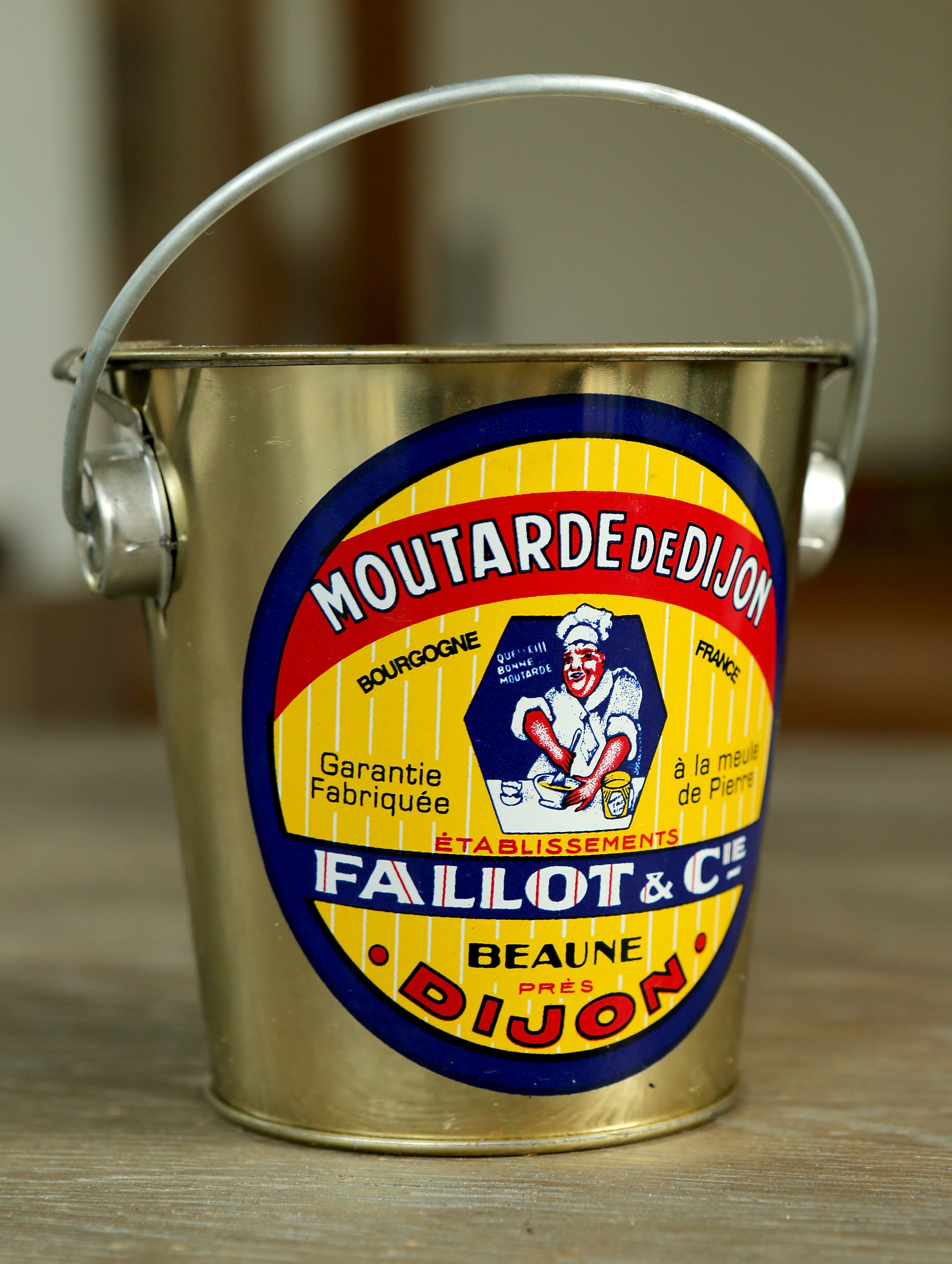
When Marc Désarménien's Maison Fallot mustard boutique in Dijon opens at 10am every morning, 10 to 15 people are already queuing outside, hoping to get their hands on this now luxurious condiment.
"I don't think we have ever seen anything like it," said Désarménien, whose family-run business has been producing authentic French mustard for generations.
READ MORE: Missing South Australian grandmother found dead in Victorian paddock
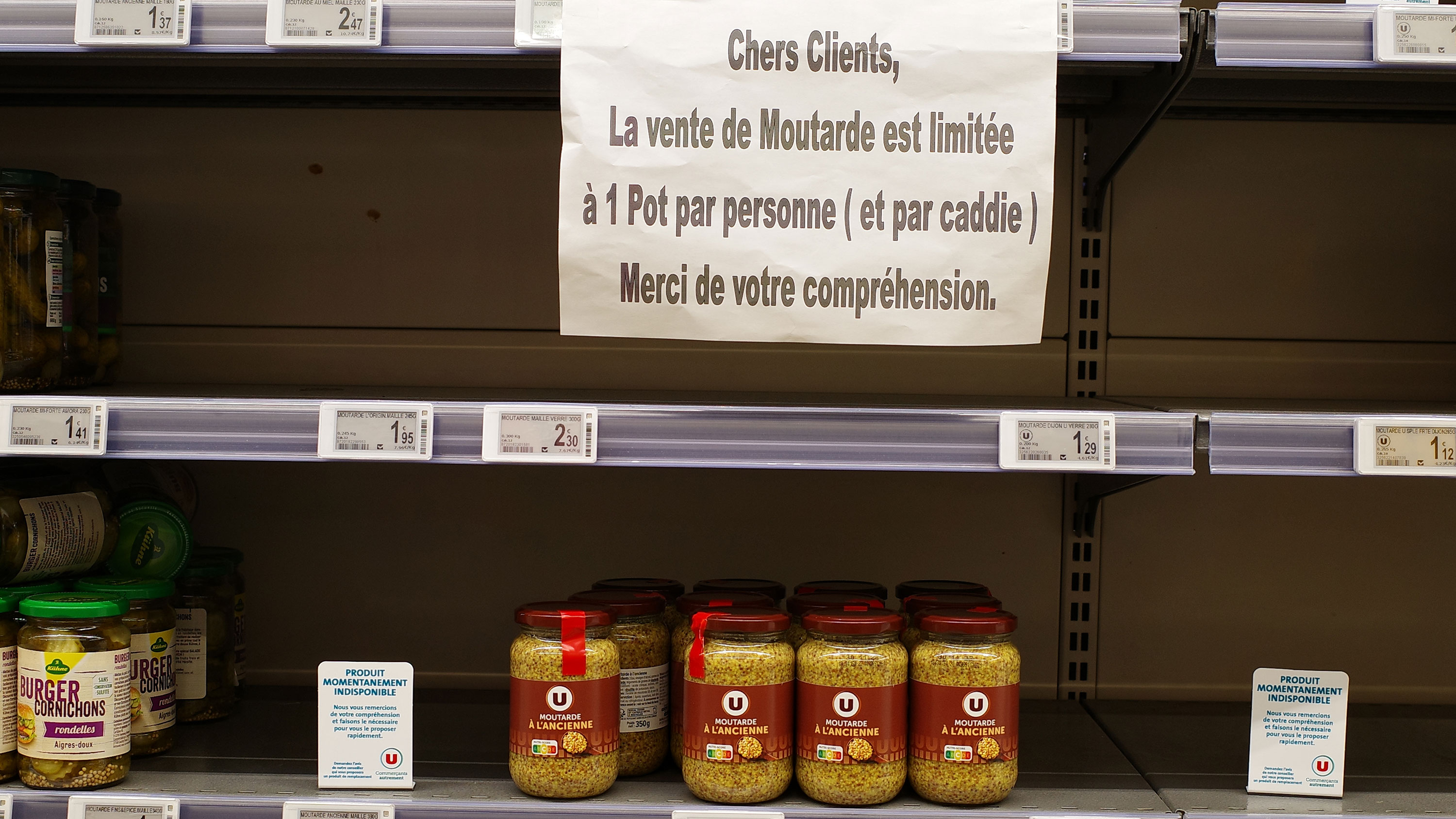
"My grandfather has lived through two world wars and the post-war period when there were ration tickets in France, but even then there was mustard.
"Now whether you go to Lille, Marseille, Bordeaux or Strasbourg, nobody has any mustard left. It's all sold within a few hours."
France is the largest consumer of mustard in the world and its relationship with the condiment stretches back to the Middle Ages.
READ MORE: Family disappears in outback on long-distance trip from Queensland to South Australia

In fact, Désarménien explains that it was the Dukes of Burgundy who first made it so popular by combining it with tough meats because of its digestive qualities.
Over the years, it has become an absolute staple in French cuisine and a must-have for the French household.
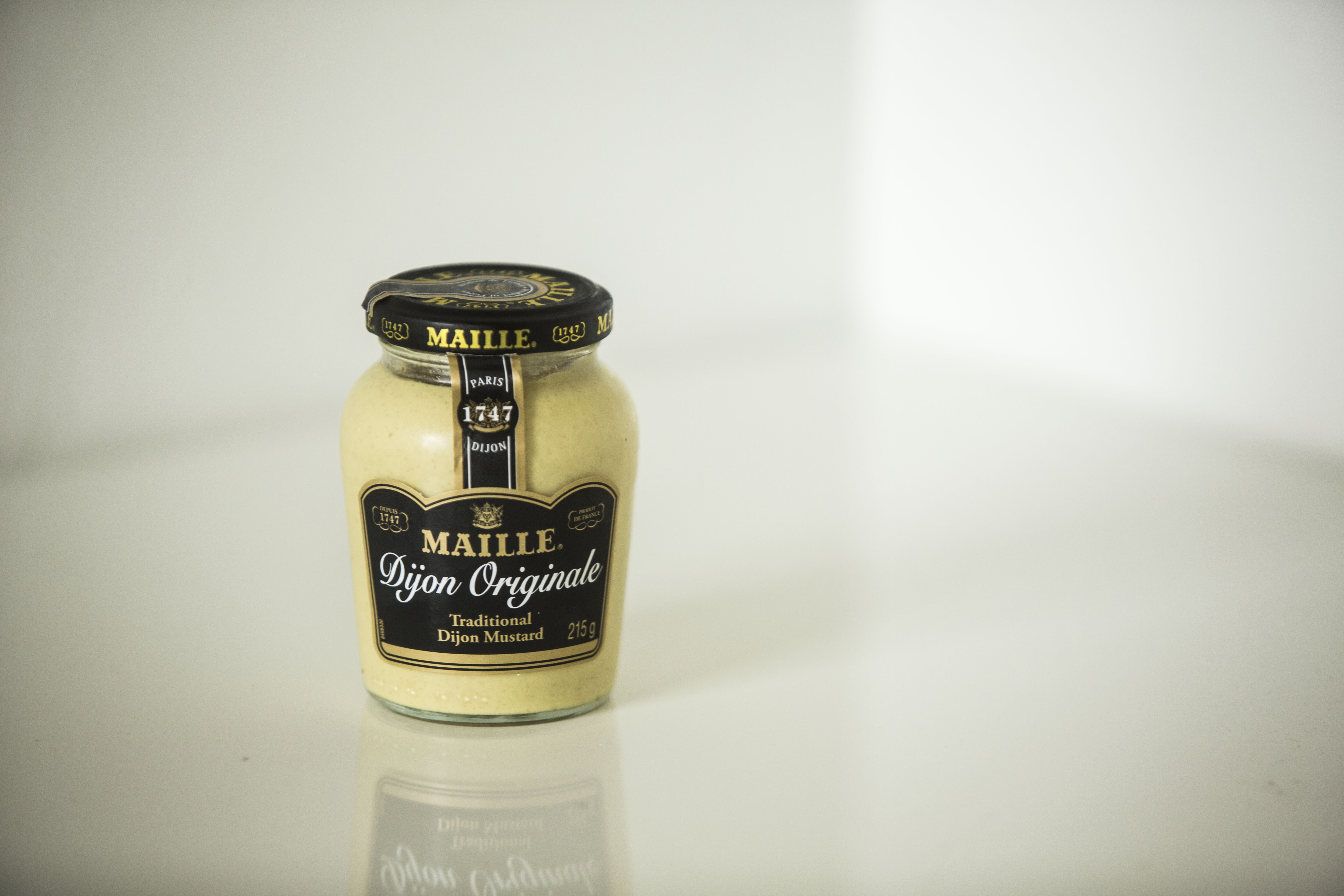
Nowadays, a majority of French mustard is produced by large brands like Amora, owned by Unilever, and sold in supermarkets. But those supermarket shelves are now empty, sparking outrage across the country.
READ MORE: Missing South Australian grandmother found dead in Victorian paddock
The impact of climate change
Conspiracy theories have filled social media, some suggesting that the mustard's disappearance is supermarkets' ploy to inflate prices and that stacks of pots are being hidden in warehouses. But the real reason for France's mustard shortage stretches far beyond the country's borders.
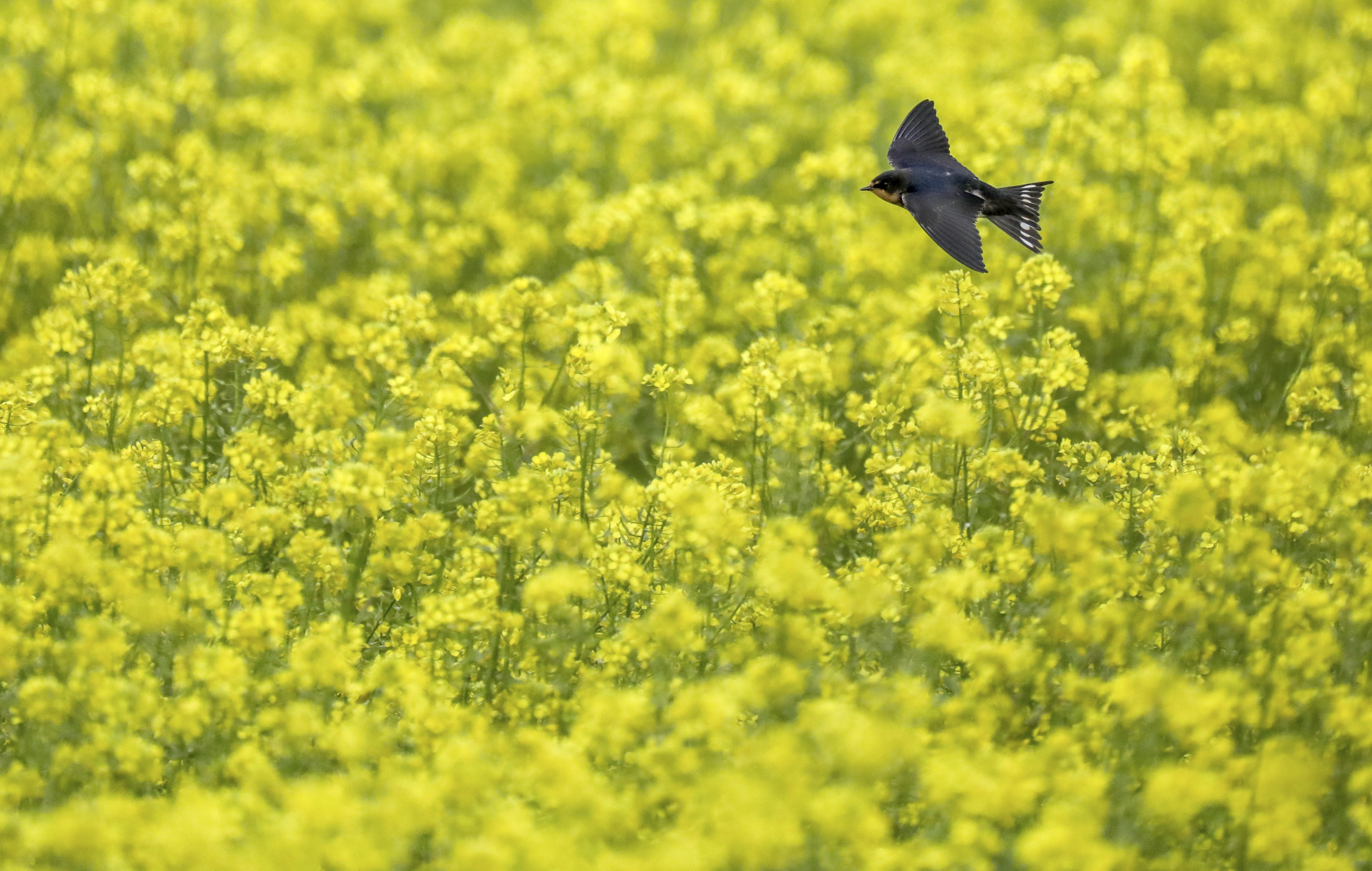
Despite French mustard labeled as being from Dijon or Reims, most of the seeds it is made from are actually cultivated in Canada where they cost a lot less. But transatlantic mustard seeds have recently fallen victim to the effects of climate change.
"Canada exported 157 tonnes of mustard seed to France in 2021, an 80 per cent decrease compared to 2020 and a 94.9 per cent decrease from the five-year average," a spokesperson for the Canadian Agriculture Ministry told CNN.
The reason for this decrease is that "in 2021, the Prairies — where mustard seed is primarily grown — experienced extreme dry conditions, which led to a significant reduction in yields" said the spokesperson, adding that "farmers are on the front lines of climate change".
READ MORE: China COVID-19: Lockdown strands 80,000 tourists in Sanya, Hainan Island
War in Europe
With these extreme weather conditions hurting Canadian exports, France has been looking to other exporters for these seeds. Featuring high up on that list are Russia and Ukraine, but with an embargo on Russian exports and the war raging across Ukraine, there is no visible solution in the near future.
Max Matsepliuk works for a Ukrainian export company that liaises with farmers to export Ukrainian grain.
Though Ukrainian mustard seed production is minor compared to Canadian exports, prices for mustard seed have shot up significantly in the past year and Matsepliuk is confident that this is creating incentive for Ukrainian farmers to grow them.
Problem is, most of the fields are in southern Ukraine — Mykolaiv or Kherson — currently occupied by the Russians.
"The southern parts of Ukraine were the strongest in terms of cultivation of mustard seeds. In the West it's quite rare," he said.
"Some farmers do cultivate … but that's not enough for potential buyers from Europe. They want more and they want consistent quality."
Matsepliuk fears the seeds have been stolen by the Russian occupiers in the south and sold at a low price. So until these areas have been freed, it is unlikely that Ukraine will be able to export any mustard seeds.
Silver linings
Not everyone is suffering from this mustard shortage. In fact, local French producers who don't rely on foreign exports have been overwhelmed with the current demand, and their businesses are thriving.
Ghislain Durand, who produces mustard in the town of Castelnaudary in the south of France, usually takes time off in July to enjoy the summer.
But this year's demand is too good an opportunity to let pass.
"I need to keep working because of this mustard shortage, because I've got an order surplus that wasn't expected, and I need to be able to make the most of this situation," he says.
"It's very beneficial for my business, I must admit. For the past four months, the increase has been so violent and quick that it's hard to follow."
So stark in fact, that Durand's profits have multiplied by four.
In the tourist shops where Durand sells his mustard, people used to buy one or two pots to take home.
"Now, they grab about 10," Durand says.
"They see mustard and they throw themselves at it."
With the Canadian agriculture ministry predicting good yields for the coming harvesting season, things may be getting back to normal next year.
In the meantime, those who can't get their hands on local producers' precious pots are turning to alternatives from tahini to wasabi to add that sought-after kick to their meals.
Exploding electric bike sparks destructive fire in Adelaide
A family's electric bike has exploded into flames, causing significant damage to their home in Adelaide's west.
Fire crews rushed to the property on Anzac Highway in Camden Park just before 10.30am on Monday.
South Australian Metropolitan Fire Service station officer Craig Attard said the residents were lucky to escape serious injury.
READ MORE: 'Legislation doesn't equal access': Are abortion services accessible for all women in Australia?

The fire is believed to have been accidental and linked to the battery of the electric bike.
The mother and daughter inside escaped in time.
"They tried to get to the bike to remove the bike out of the premises initially, but it accelerated into flames quickly so they moved out and shortly after it exploded," Attard said.
Significant damage was caused to the inside of the house before crews were able to extinguish the flames.
READ MORE: Masked intruders claiming to be police attack woman in home invasion in Adelaide
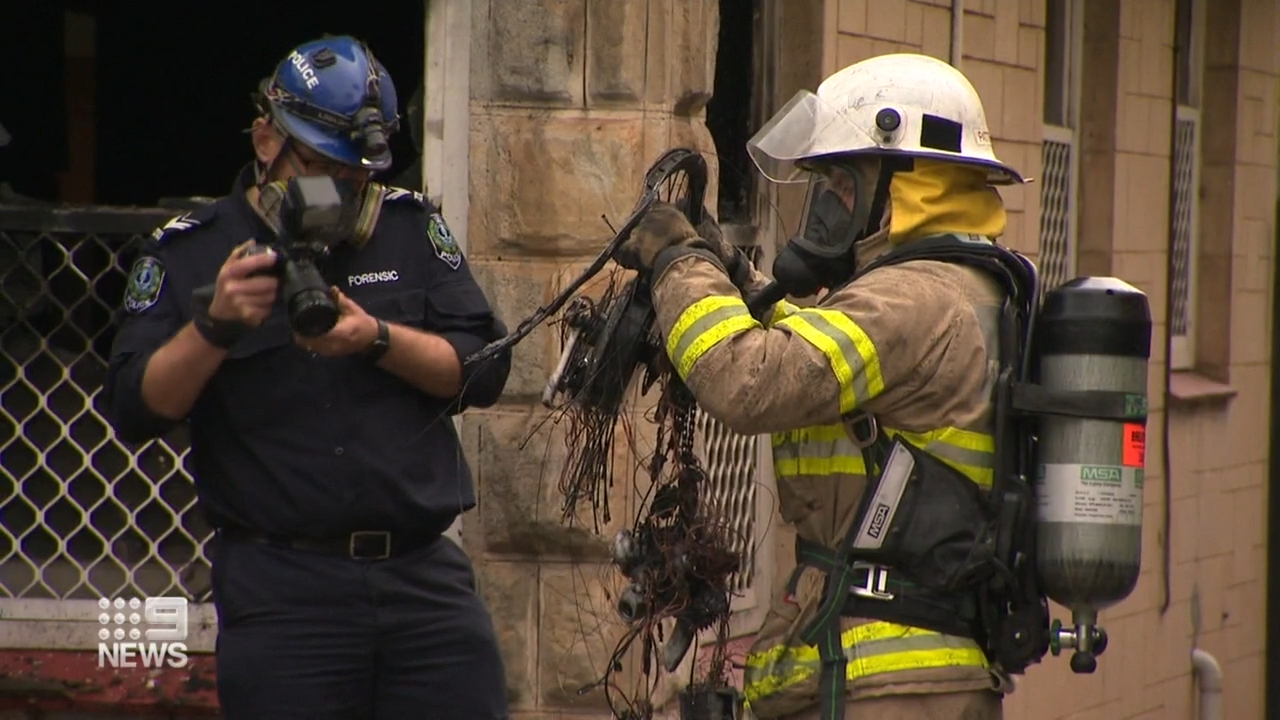
The damage is estimated at up to $200,000.
Attard said they were seeing a worrying trend of fires being started by exploding batteries and urged owners of electric bikes, cars and scooters to be aware of the risks.
"An explosion like that with batteries exploding on the face or the skin can be horrific so they were very lucky," he said,
"The safety procedures are not catching up to that new technology so just be wary of them like we are."
COVID-19 lockdown strands 80,000 tourists in 'China's Hawaii'
Around 80,000 tourists are stranded in the popular resort city of Sanya on China's tropical Hainan island after authorities announced lockdown measures to stem an outbreak of COVID-19.
Public transportation was suspended and people's movements inside the city were restricted from early Saturday morning, authorities said. Stranded tourists are required to stay for seven days and clear five COVID-19 tests before leaving.
Deputy mayor He Shigang on Friday said around 80,000 tourists remained in the city. All those currently in Sanya as well as people who have been to the city since July 23 were not allowed to leave Hainan province after 6pm local time on Saturday, provincial authorities said.
READ MORE: Mystery third reference for Barilaro's $500k New York job revealed

The restrictions come at the height of the summer tourism season for the island province, a popular destination often called "China's Hawaii" for its sandy beaches, tropical forests and high-end hotels.
Over 80 per cent of flights leaving Sanya were cancelled on Saturday, according to data from flight tracking company Variflight. All trains departing from Sanya were cancelled, state broadcaster CCTV said Saturday.
Authorities in Sanya acknowledged the inconvenience to tourists and pledged during a Saturday afternoon press conference to do their best to solve issues that arise, including streamlining travel booking cancellations and offering half-price discounts on hotel stays for stranded tourists in Sanya.
The city was divided into high- and medium-risk zones, with control measures varying depending on risk level, according to local officials. The whole city, however, was considered under "static management" – an official term used to describe the deployment of lockdown measures.
READ MORE: Qantas executives to work in airports to help alleviate crisis
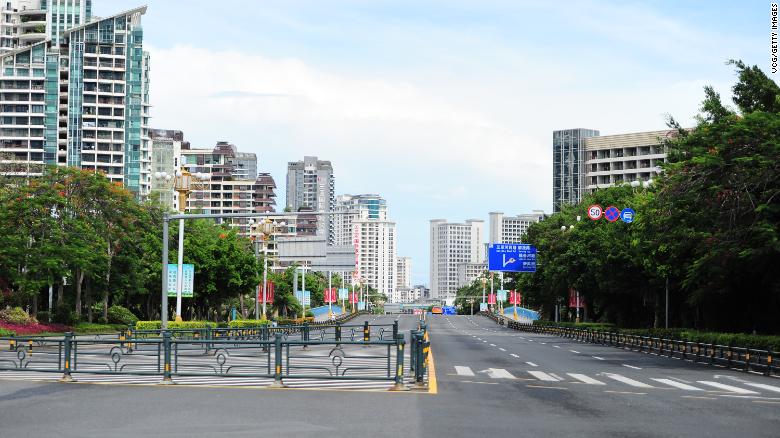
The city, which lies at the southern tip of Hainan island, has recorded 827 cases between August 1 and midnight on Saturday, including 240 confirmed cases and 173 asymptomatic infections on Saturday, according to an announcement from provincial health authorities Sunday morning. China counts symptomatic and asymptomatic cases separately.
Saturday's numbers make the outbreak the most severe in China, which reported a total of 736 confirmed and asymptomatic local cases nationally for that day.
Authorities have said they detected the highly transmissible Omicron BA.5.1.3 subvariant in the outbreak, which they believe was spread to the island via contact with overseas seafood dealers in Sanya's Yazhou fishing port.
Hainan's provincial authorities on Saturday also announced province-wide nucleic acid testing for its population of 10 million, as cases have been reported in other parts of the island.
Another city in Hainan, Danzhou, announced partial lockdown measures for its roughly 1 million residents on Saturday afternoon, according to an official bulletin, while authorities in Qionghai city on Sunday announced a raft of measures, closing most non-essential businesses and ordering its half a million residents to stay home unless necessary, effective that morning, state broadcaster CCTV reported.
The latest measures come as China's economy struggles under its stringent "zero-COVID" policy, in which it aims to suppress the spread of infection via lockdowns, mass testing and tough border controls.
Auditor-General urges accountability changes for Three Waters reforms
By RNZ Controller and Auditor-General John Ryan has warned Water Services Entities set up under the Government’s Three Waters reforms should be regularly audited.He also called for a series of other fixes, arguing public trust…
Baby found dead at western Sydney home
A baby has been found dead at a house in Sydney's west.
Emergency services found the nine-month-old child "unresponsive" after being called to a home in Doonside at 10am, NSW Police, said.
NSW Ambulance paramedics couldn't revive the child.
Police are speaking with the parents.
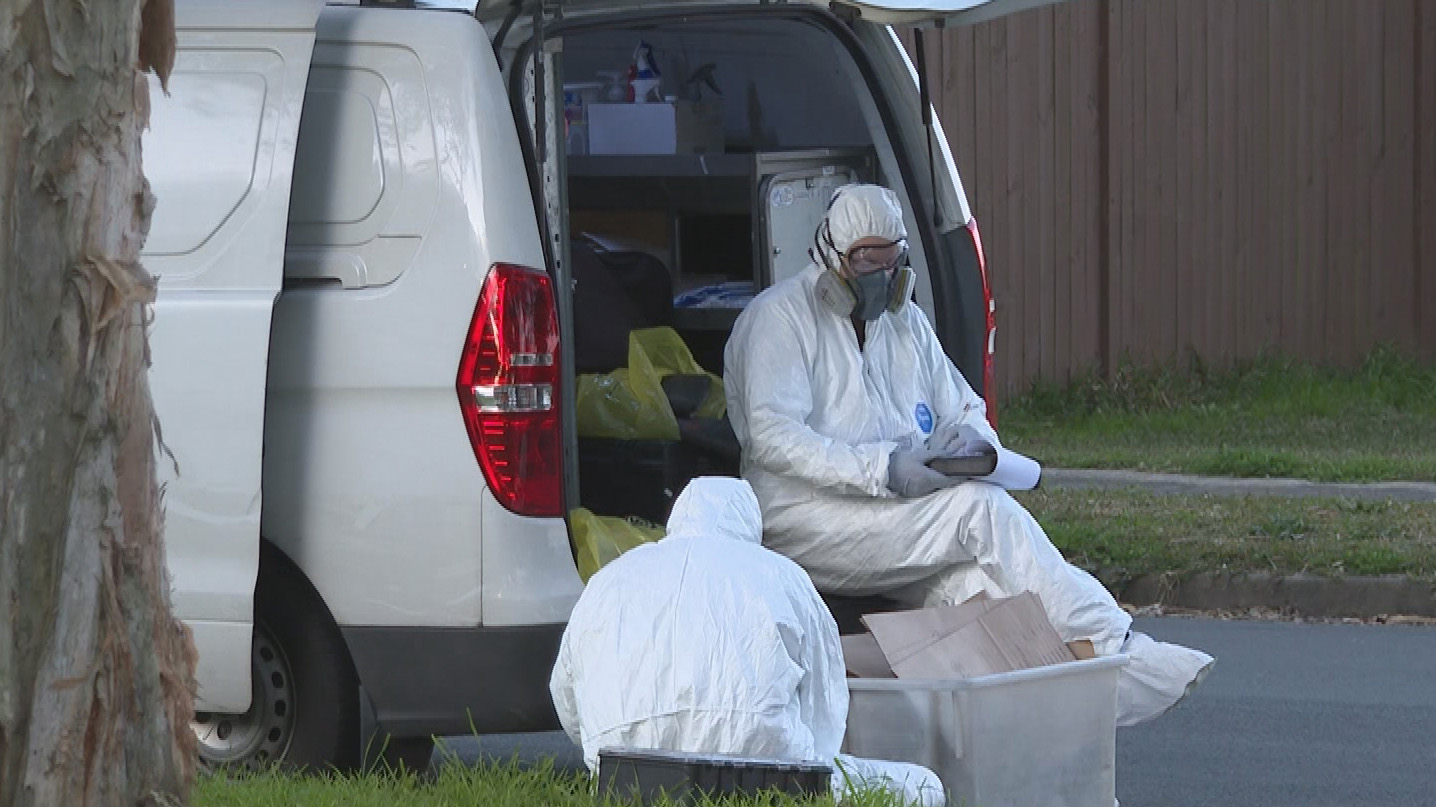
"Officers from Blacktown Police Area Command have commenced an investigation into the circumstances surrounding the child's death," NSW Police said in a statement.
READ MORE: Mystery third reference for Barilaro's $500k New York job revealed
Fatal Northland dog attack: Family wants answers from boarder
By Sam Olley of RNZ The family of a man mauled to death say they have heard nothing from the owner of the aggressive dogs found at his property.Police say Neville Thomson was attacked by someone else’s dogs – not his own two…