Police will remain at the scene of a siege in Levin where a man barricaded himself in a house for hours before a fire broke out at the property. Specialist officers had been negotiating with the man after he barricaded himself inside…
Tag Archives: oceania
Residents evacuated, smoke warning after Melbourne fire
Dozens of residents have been evacuated after after a "spectacular" fire in a north Melbourne suburb early today.
The blaze started at an empty furnishings store in High Street, Preston, about 3am and spread to other nearby commercial properties.
After being called to the scene, firefighters found the large single storey building engulfed with fire.
READ MORE: 'Hi Mum' phone scam costs parents $2 million

Between 20 and 50 residents from nearby homes were evacuated as a precaution, a spokesman for Fire Rescue Victoria said.
No one was injured in the fire.
The fire was brought under control just before 6am in an operation involving 60 firefighters.
But crews remain on scene this morning to ensure the fire is completely extinguished.

Up to six shopfronts have been damaged by the fire, a spokesman for Fire Rescue Victoria told 9News.
"There are approximately five or six shop fronts affected by the fire… It was spectacular."
Smoke continues to hang over the area and is visible from roads.
Preston residents are warned the areas in High Street between Gower Street and Bell Street are closed.
READ MORE: Two people test positive for meningococcal after Splendour in the Grass

Authorities are encouraging drivers to seek alternative routes through Preston, such as Plenty Road and St Georges Road.
'Hi Mum' phone scam costs parents $2 million
Police cybercrime experts are warning Australians to be extra vigilant after more than $2 million was stolen under the 'Hi Mum" mobile phone scam over past months.
It involves the scammer sending a text message from an unknown mobile phone number to a person on a messaging application claiming to be their son or daughter.
The message will say they've lost their phone, telling the victim they're sending from their new number and to delete the old number.
READ MORE: Two people test positive for meningococcal after Splendour in the Grass
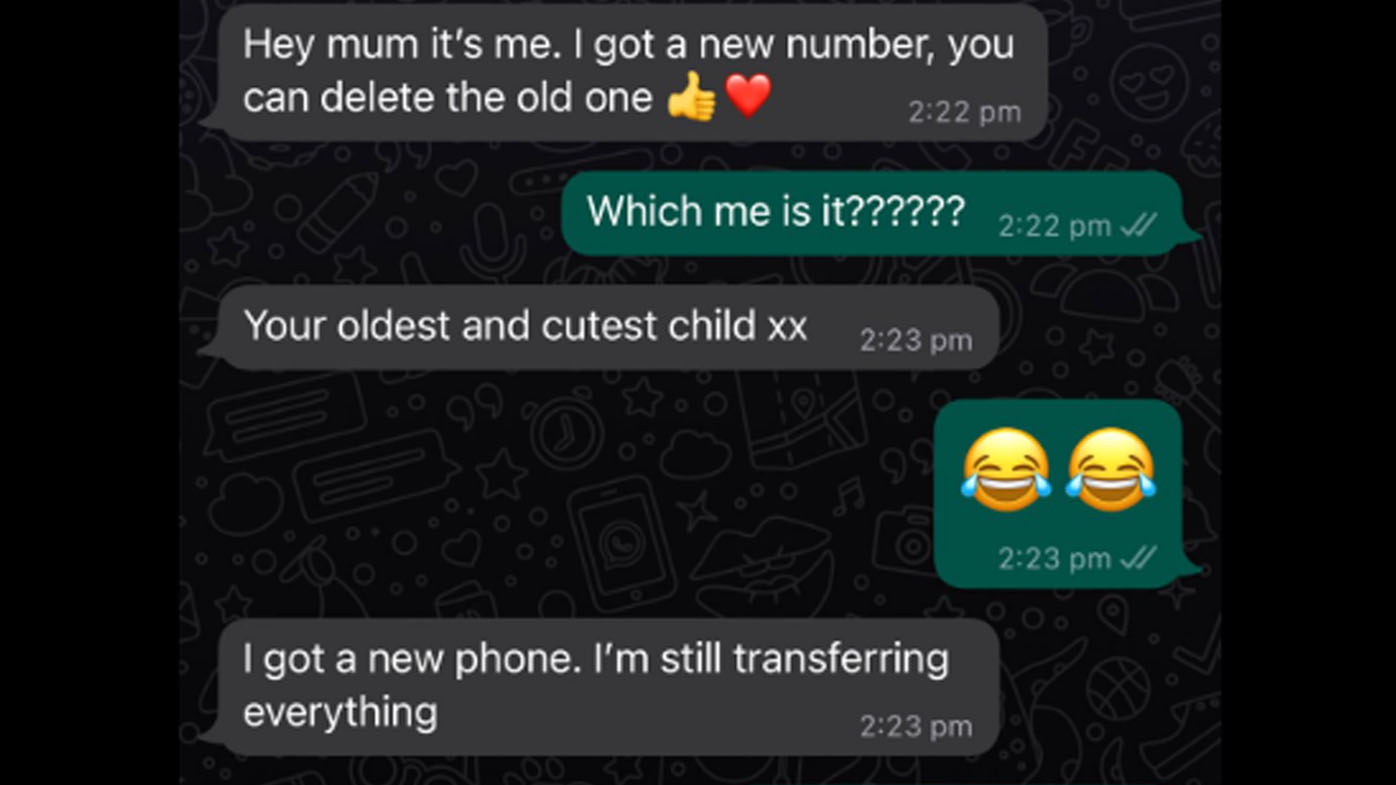
Once the victim engages in conversation, the offender will ask to borrow money or have a payment made on their behalf.
This will generally include an excuse as to why they need it – for example, unavailability of online banking on the new device – and an offer to pay it back.
The scammer will usually state it's a matter of urgency before providing details for the payment.
Victims in New South Wales and Victoria account for more than half of all 'Hi Mum' scam reports made to Australian law enforcement bodies, followed by Western Australia and Queensland.
NSW Police cybercrime squad commander, Detective Superintendent Matthew Craft, said the scam is becoming increasingly costly for parents around the world, including Australia.
"Victims of the 'Hi Mum' scam date back to at least October last year overseas, but since May, we've seen a significant increase in reports not just here in NSW, but jurisdictions across Australia," Detective Superintendent Craft said.
"We encourage people to look out for suspicious behaviours demonstrated by these scammers; including their failure to personalise any communication and excuses as to why they can't speak on the phone.
READ MORE: The 11-day delay that cost pregnant woman $15,000

"If you receive a suspicious message on your mobile, particularly through social media or encrypted messaging, reach out to your relative by an alternative method of communication or call to confirm it is in fact them.
"In just a matter of months, the losses accumulated by Australian victims of this scam easily surpasses $2 million when you consider the significant underreporting by victims of cybercrime generally."
The Australian Cyber Security Centre has recorded a steep increase in the amount of cash and personal identity documents fraudulently obtained by the scam since May, most notably on those aged 65 and above.
Money obtained by scamming is usually quickly moved from bank accounts into cryptocurrency and victims are unlikely to get their money back.
People who have lost money to a scam should contact their bank or financial institution as soon as possible and report the matter to police.
For more advice on how to avoid scams, visit the Scamwatch website.
Anyone with information about cybercrimes and scams should contact Crime Stoppers: 1800 333 000.
Police: 'Critical' injuries in 'serious incident' in Northland
A man is fighting for his life after being found lying on a road in Northland. Police confirmed that they at the scene of a “serious incident” on Paihia Rd, south of Opua. DO YOU KNOW MORE? EMAIL US It comes after a badly…
City of crime: Another day, another retail smash and grab in Auckland
An Auckland liquor store owner said thieves who smashed their way into his store in the early hours of this morning were stealing “to order”.And he has begged the network of criminals targeting shop owners across the city to stop….
Driver on 'cocktail of drugs' before causing fatal car crash
The driver who caused a crash that claimed the life of a beloved Mosgiel family man was on a “cocktail of drugs” at the time, a court has heard.Zane Allison, 27, pleaded guilty to careless driving causing the death of 62-year-old…
Ski field blaze: Evacuations as fire tears through Cardrona building
Apartments at the Cardrona Alpine resort were evacuated early this morning after a blaze broke out in the popular ski field’s retail store. At the peak of the fire seven appliances were on the scene. A Fire and Emergency NZ spokesperson…
Auckland fog: Parts of city shrouded again, some flights cancelled
Parts of Auckland have again been shrouded in heavy fog this morning – including Auckland Airport. Fog has caused widespread travel disruption over the past few days; including making driving on the motorways challenging, and leading…
Lois Tolley murder case: Crown and police lose legal fight over interviewing technique
By RNZ Crown lawyers and the police have lost a legal fight to keep secret the contentious interviewing technique used in the failed prosecution of the Lois Tolley murder case.The method, likened by the High Court judge to “a…
Rotorua's Te Puia stops taking tourists to sacred hot pools The Blueys after backlash
Public Interest Journalism funded through NZ On Air Te Puia is under fire for allowing tourists to swim in thermal pools local iwi regard as sacred taonga and off-limits.One local woman was so angry she warned: “Don’t dip your…