The Chief Judge of the Employment Court has rejected a bid by Gloriavale’s leaders to have her stand aside from another case involving the employment status of members of the exclusive Christian community. Six former Gloriavale…
Tag Archives: oceania
Weather: National forecast a mixed bag of fog, strong winds, heavy rain and snow
Heavy rain, strong wind, low snow and potentially fog colours the national weather forecast for the coming days, with the South Island in line for the harshest weather. MetService forecaster Aidan Pyselman said western parts of…
Monkeypox outbreak in NZ likely before country gets vaccine supply – top health boss
A top health official has admitted the country will likely not have any monkeypox vaccine supply before any outbreak here. National director of the National Public Health Service Dr Nick Chamberlain said due to global demand and…
Māori Party, Greens pressure Labour over seabed mining ban
Te Pāti Māori is calling on the Prime Minister to “put your money where your mouth is” and support a bill to ban seabed mining, which already has the support of the Greens.Co-leader Debbie Ngarewa-Packer’s Prohibition…
Five rescued after orcas attack boat off Portuguese coast
Five people have been rescued after a pod of orcas, also known as killer whales, attacked a boat off the coast of Portugal.
The July 31 attack caused the sailboat to sink off Sines, about 11 kilometres from the coast, a statement from the Portuguese Navy said.
The passengers were forced to deploy a life raft as the vessel took on water.
READ MORE: Five states bracing for destructive storm
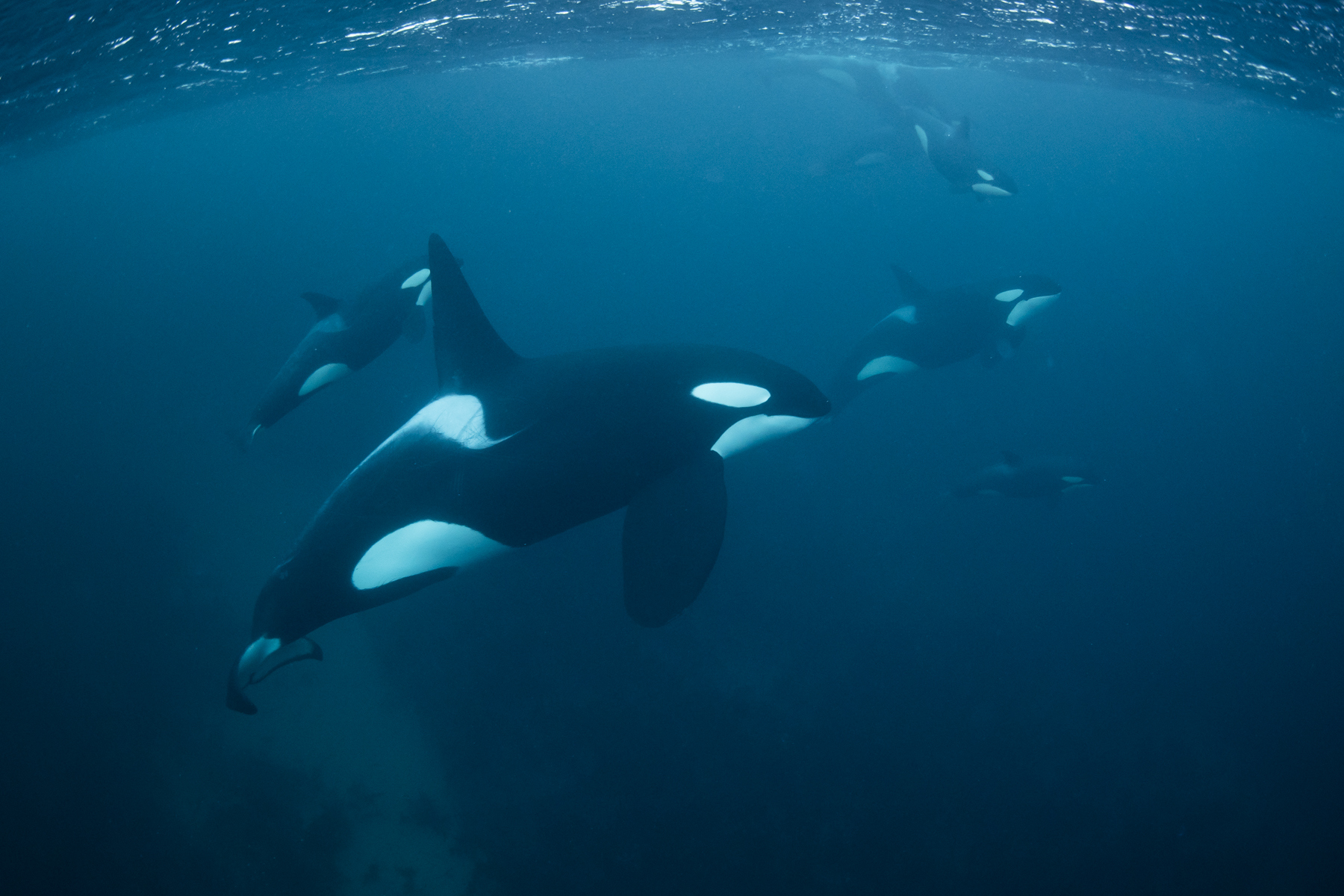
Rescue came in the form of a nearby fishing vessel, the "Festas André", who worked in conjunction with the navy.
"The Navy, through the Maritime Search and Rescue Coordination Center (MRCC) in Lisbon, in conjunction with the Captain of the Port of Sines, coordinated, this morning, the rescue of five crew members who were on the life raft of their sailboat after it sunk following an interaction with orcas 11 kilometres off the coast," a statement said.
"The fishing vessel 'Festas André' was immediately engaged, which carried out the rescue of the five people on board, and a vessel from the Sines Lifeguard Station that accompanied the fishing vessel to the port of Sines, where it docked safely at 2:43."
It's not clear how many animals were involved in the incident.
READ MORE: The non-explosive missile experts believe killed al-Qaeda leader
There's been a spate of incidents where orcas have rammed boats off the north-western Spanish coast.
The attacks are said to have begun in July 2020.
Alfredo López, a biology professor at the Coordinator for the Study of Marine Mammals previously said the animals were taking "precautionary" steps to protect themselves.
"It's not revenge. They're just acting out as a precautionary measure," he told Spanish newspaper El Pais, adding the attacks did not appear meditated.
The recent attack comes after world-first vision was released.
In the drone footage, a pod of orcas were shown killing a great white shark off the coast of South Africa, with one tearing out the liver.
READ MORE: China delivers its first retaliation on Taiwan
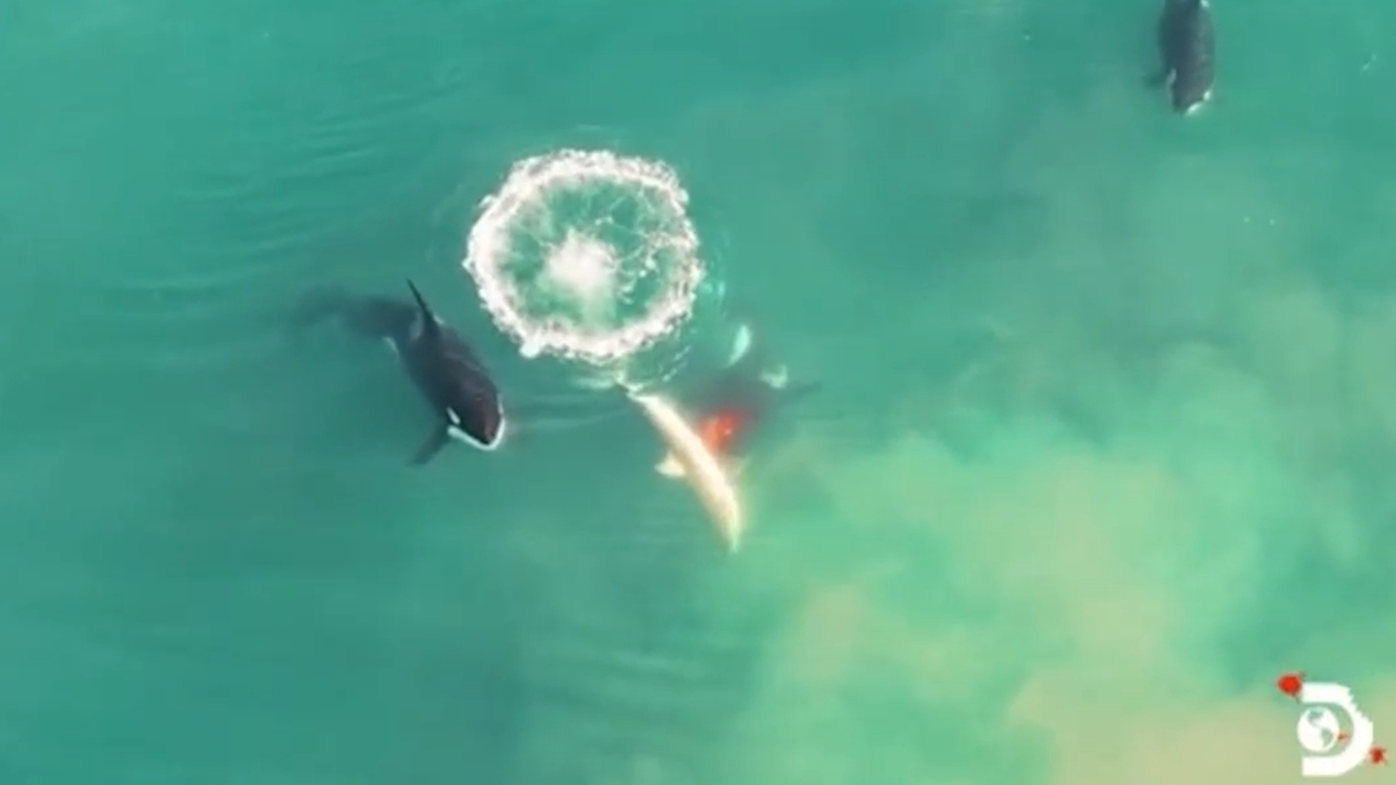
Contrary to their name, killer whales are actually the largest member of the dolphin family.
They are considered the apex predator of the ocean.
Truck driver's moment of carelessness ends in tragedy for young woman's family
A courtroom echoed with a woman’s singing this afternoon as her family played a song she’d composed before she was killed in a car crash last year.Victoria Vivian, 22, died when truck driver Cameron De la Harpe swerved into her…
Defence force employee suspended over inappropriate conduct takes matter to court
A military employee suspended during an investigation into inappropriate conduct has taken the defence force to court, labelling their action a “witch-hunt”.The employee, who has name suppression, alleges the New Zealand Defence…
The feral animals farmers are 'far and away' most worried about
Surging populations of wild dogs and pigs are giving farmers a collective headache, as feral animal numbers continue to grow.
The NSW Farmers Association said members across the state had reported increases in both dog and pig numbers, while deer are also expanding their territory.
Then there's the ever-present problem of feral cats, which the CSIRO estimates as being responsible for 1.8 billion native animal deaths each year.
READ MORE: Five states bracing for destructive storm
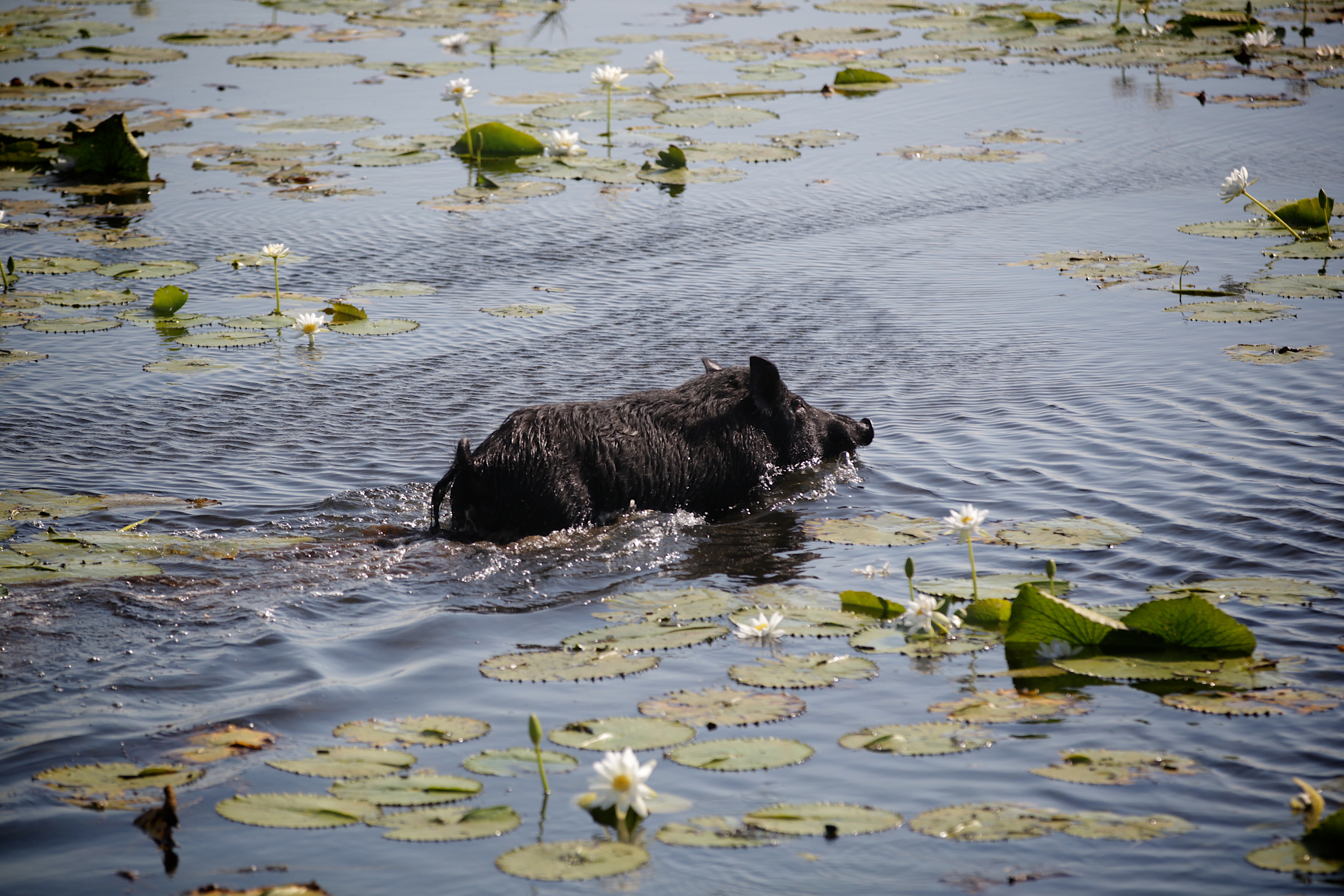
Tweed farmer Neil Baker said there were shocking reports of livestock being attacked by feral animals.
"It's really nasty some of the stories you hear, animals being ripped apart by predators," Baker said.
"We're really very concerned that these pests aren't being properly controlled by some public and private landholders, and that's giving them safe haven to breed and grow their territory."
READ MORE: The non-explosive missile experts believe killed al-Qaeda leader
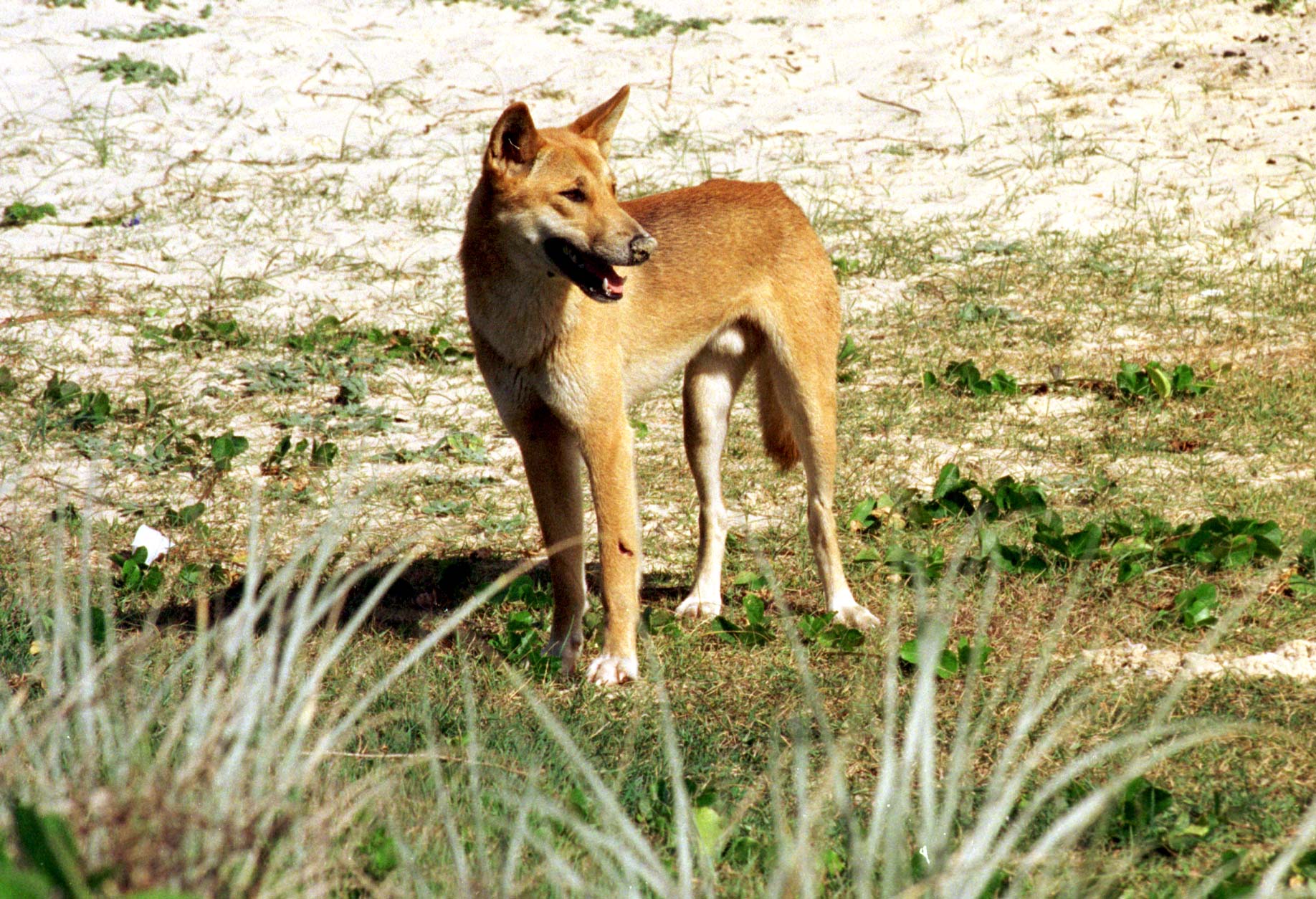
He said the rules around controlling pest animals were clear and needed to be enforced.
It is estimated that management of wild dogs by individual farmers and agencies costs $50 million per year and feral pig incursions cost the Australian agricultural industry upwards of $100 million a year.
NSW Farmers western division council chair Gerard Glover said there were a lot of feral cats appearing on cameras that had been set up across the region, and the expansion of deer into new areas would create headaches for motorists, but pigs and dogs remained the main concern for farmers.
READ MORE: China delivers its first retaliation on Taiwan
"Cats and foxes typically prey on small native animals, which is a big concern, while deer present a new danger for people driving on country roads," Glover said.
"Far and away though the pigs and the dogs are the most destructive, tearing up paddocks and fences, and attacking livestock.
"In my experience you need good, co-ordinated controls that everyone sticks to, otherwise you get these population explosions and the whole problem starts again."
'These cells are functioning hours after they should not be”
Researchers at Yale University say they have been able to restore blood circulation and other cellular functions in pigs a full hour after the animals' deaths, suggesting that cells don't die as quickly as scientists had assumed.
With more research, the cutting-edge technique could someday potentially help preserve human organs for longer, allowing more people to receive transplants.
The researchers used a system they developed called OrganEx which enables oxygen to be recirculated throughout a dead pig's body, preserving cells and some organs after a cardiac arrest.
READ MORE: Five states bracing for destructive storm
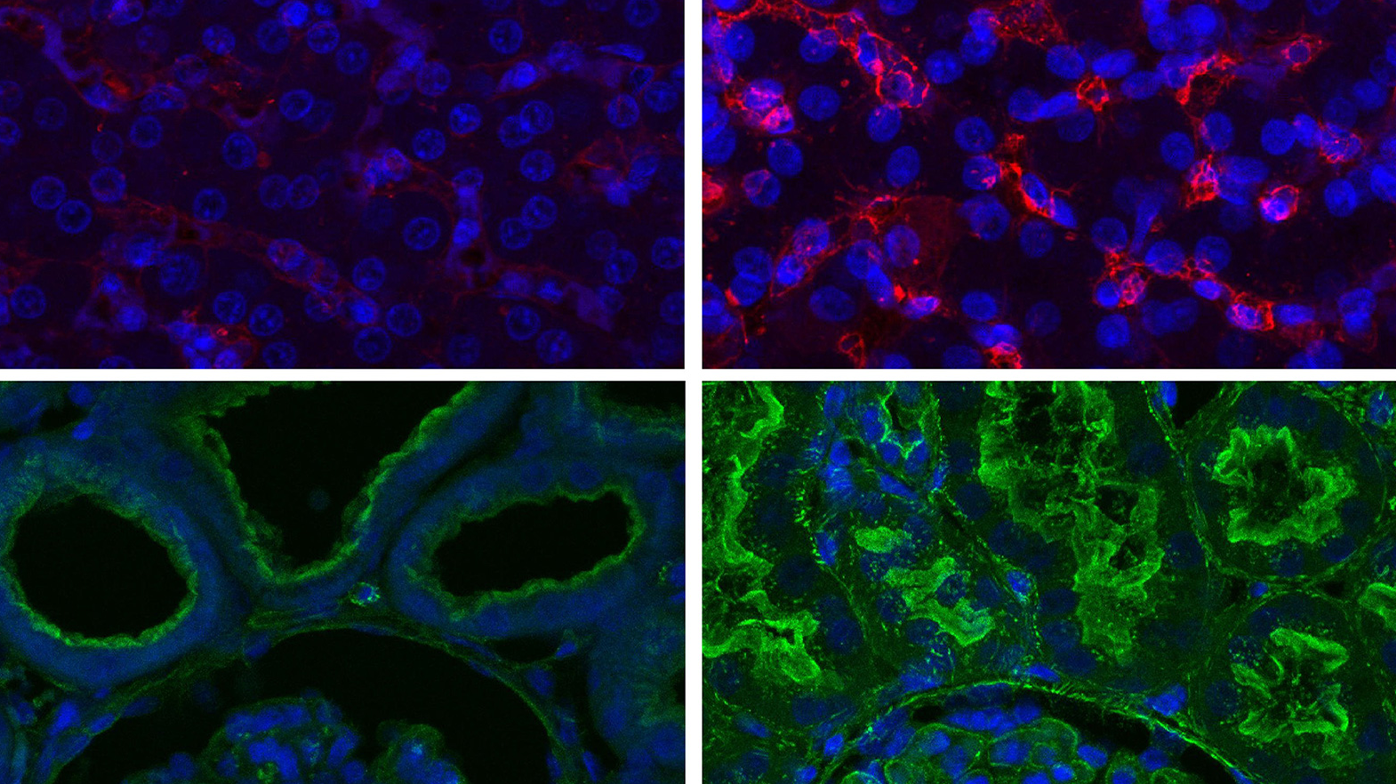
"These cells are functioning hours after they should not be," said Dr Nenad Sestan, the Harvey and Kate Cushing Professor of Neuroscience and professor of comparative medicine, genetics and psychiatry at Yale, who led the study.
"And what this tells us is that the demise of cells can be halted. And their functionality restored in multiple vital organs. Even one hour after death," he told a news briefing.
The scientific journal Nature published the research on Wednesday.
"This is a truly remarkable and incredibly significant study. It demonstrates that after death, cells in mammalian organs (including humans) such as the brain do not die for many hours," Dr Sam Parnia, an associate professor of critical care medicine and director of critical care and resuscitation research at NYU Grossman School of Medicine, told the Science Media Centre in London.
"This is well into the post-mortem period."
READ MORE: The non-explosive missile experts believe killed al-Qaeda leader

The OrganEx system pumps a fluid called a perfusate, mixed with blood, throughout the dead pigs' blood vessels. The perfusate contains a synthetic form of the protein hemoglobin and several other compounds and molecules that help protect cells and prevent blood clots.
Six hours after treatment with OrganEx, the team found that certain key cellular functions were active in many areas of the pigs' bodies — including in the heart, liver and kidney, and that some organ function had been restored.
It builds on research published by the same team in 2019 that used a similar experimental system called BrainEx that delivered artificial blood to pigs' brains, preventing degradation of important neural functions.
How could the research be applied to humans?
While the research is still at an extremely early stage and very experimental, the researchers said they hoped that their work in pigs could ultimately be applied to humans, primarily in terms of developing ways to extend the window for transplants.
The current supply of organs is extremely limited, with millions of people worldwide waiting for transplants.
"I think the technology has a great deal of promise for our ability to preserve organs after they're removed from a donor," said coauthor Stephen Latham, director of the Yale Interdisciplinary Center for Bioethics, at the briefing.
"You could take the organ from a deceased donor, and hook it up to the perfusion technology, and perhaps then be able to transport it long distance over a long period of time to get it to a recipient who needs it."
The researchers made clear that they were not in any sense bringing the pigs back to life and more work would need to be done to understand whether the organs were useable for transplants.
READ MORE: China delivers its first retaliation on Taiwan
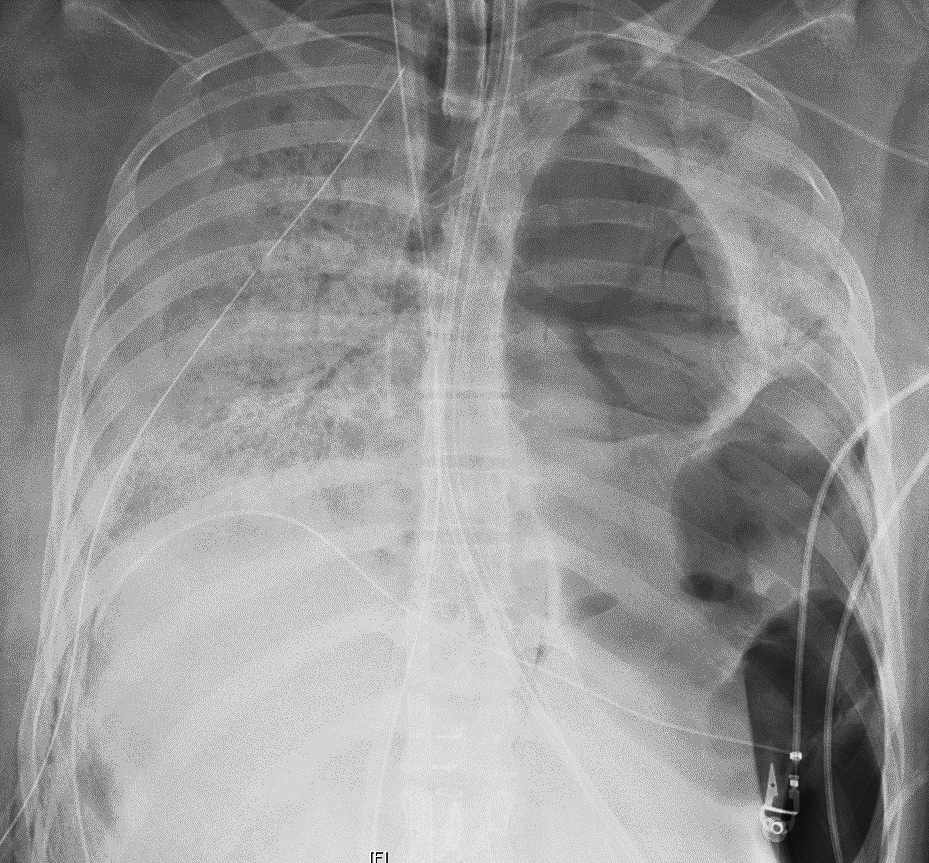
"We couldn't say that this study showed that any of the organs of this pig were … ready for transplant into another animals, we don't know that they're all functioning, what we're looking at is at the cellular and metabolic levels," explained Latham.
"And we're nowhere near being able to say, 'Oh, my goodness, we've restored life not only to this pig, but to any of the individual organs.' We can't say that yet. It's still very much too early."
The research has the potential to lead to new treatment strategies for people who have a heart attack or stroke, said Dr Robert J. Porte of the University Medical Center Groningen, in The Netherlands, said in an article published alongside the study.
"One could imagine that the OrganEx system (or components thereof) might be used to treat such people in an emergency. Of note, though, more research will first be needed to confirm the safety of the system's components in specific clinical situations," said Porte, who wasn't involved in the research.
However, Latham said such a possibility was "quite far away."
"This idea of hooking up (a) person who had suffered ischemic injury, you know, someone who drowned or had a heart attack, I think is quite far away. The much more promising short term potential use here is with organ preservation for transplant."
The researchers used up to 100 pigs as part of the study and the animals were under anesthetic when the heart attack was induced.
The research also helps scientists better understand the process of death — something that's relatively understudied, Sestan said.
"Within minutes after the heart stops beating, there is a whole cascade of biochemical events triggered by a lack of blood flow, which is ischemia. And what that leads (to) is that oxygen and nutrients that cells need for surviving, are stopped. And this begins to destroy cells," Sestan added.
"What we showed … is that this progression toward massive permanent cell failure, that does not happen so quickly that it cannot be averted, or possibly corrected."
New details about three sets of human remains found at Lake Mead
For investigators working on the cases of people whose remains were found on the shore of Lake Mead, time is the enemy.
The bodies – one of which was found in a corroding barrel with a gunshot wound – could have been submerged in the lake's depths decades ago, leaving the three sets of remains in advanced stages of decomposition and making it increasingly difficult to extract DNA.
But officials have already discovered key details, which they revealed to CNN, including confirmation that the gunshot victim's death was a homicide.
READ MORE: Five states bracing for destructive storm
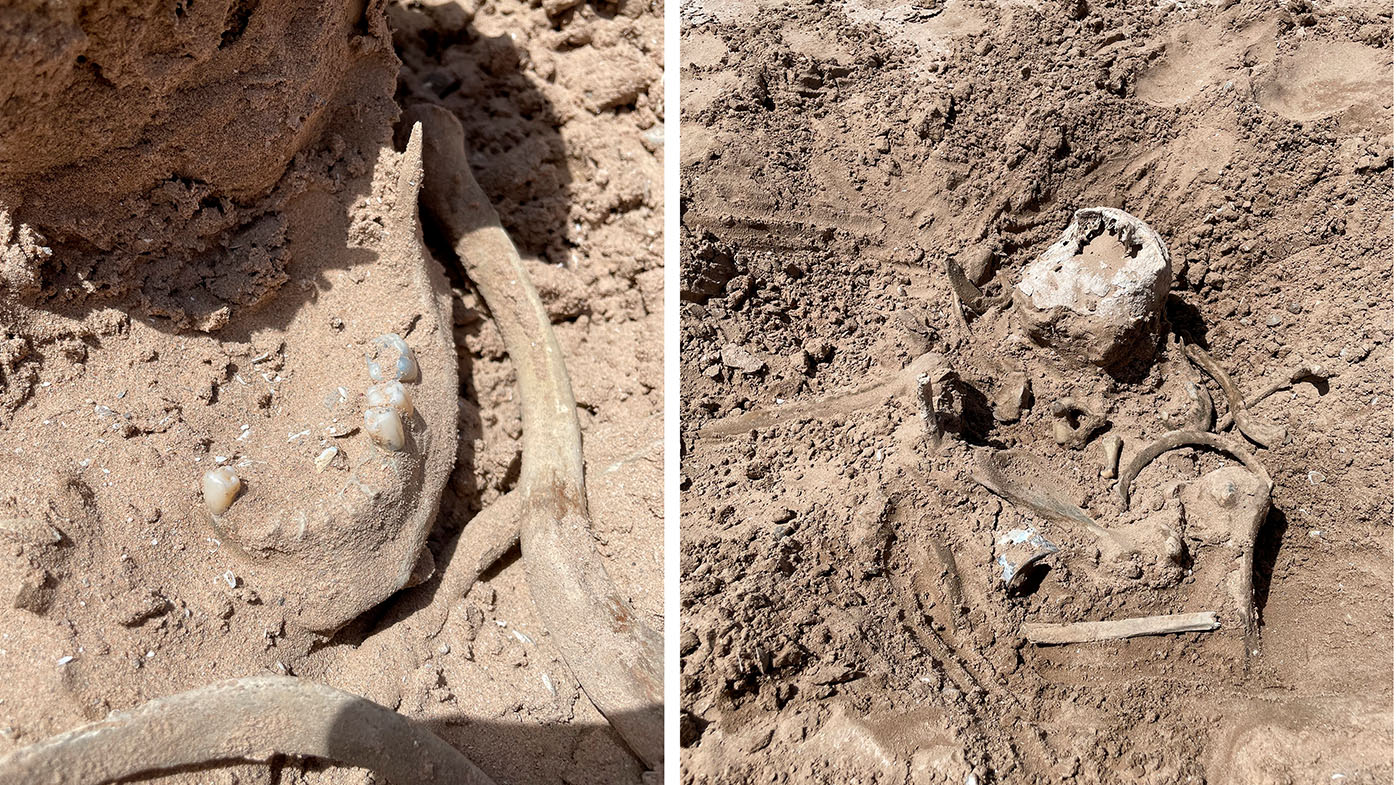
When police arrived at the lake's Hemenway Harbour on May 1 to investigate the discovery of a set of remains in a barrel, investigators immediately treated it as a homicide investigation, not waiting to get a confirmation from the coroner, Lt. Jason Johansson of the Las Vegas Metropolitan– Police homicide unit told CNN.
The gunshot wound was obvious, he said, and the circumstances clearly suspicious.
Clark County Coroner Melanie Rouse has since preliminarily ruled the cause and manner of death was homicide by gunshot and also said her office is submitting specimens from the remains to try to extract DNA.
If DNA is found, it will also be sent to the FBI, which is assisting in the case, she said.
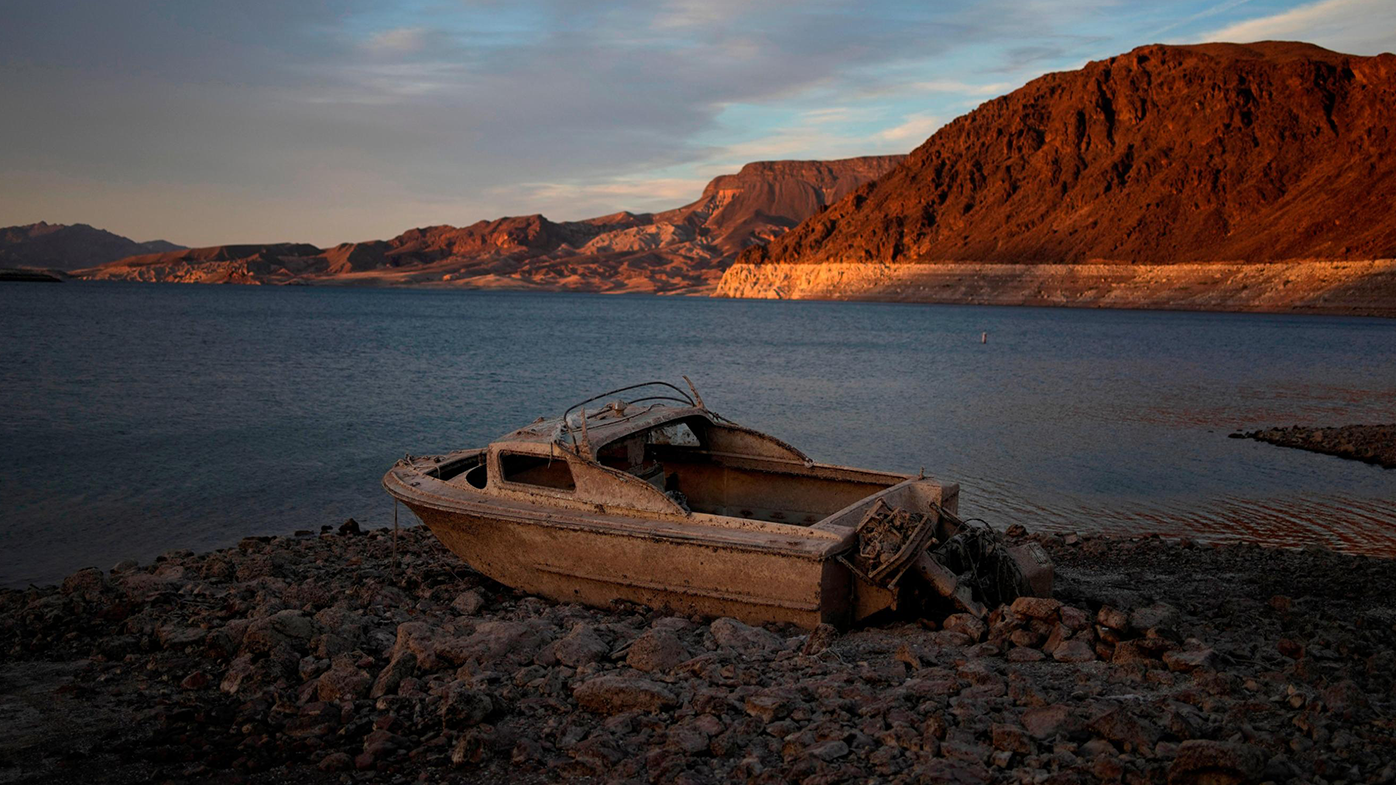
The remains, dubbed Hemenway Harbour Doe by the coroner's office, are one of at least three sets uncovered due to the dramatically receding water levels at Lake Mead, which has plunged to unprecedented lows amid a critical water crisis in the West.
READ MORE: The non-explosive missile experts believe killed al-Qaeda leader
Police previously announced they placed the Hemenway Harbour Doe's approximate time of death as sometime in the mid-'70s to early '80s, based on the victim's clothes and shoes.
Johansson told CNN that the clothing was so well preserved in the freshwater environment that investigators were still able to read the clothing labels.
But without an ID, investigators are extremely limited. And the more time passes, the harder it will be to identify aging witnesses and potential suspects.
"If you think about what the age of who your witnesses or anybody related to this case would be, many of them are getting older every day. And they're at an age where you have to worry, are they even alive? And so I would say that's probably our biggest concern right now," Johansson said.
READ MORE: China delivers its first retaliation on Taiwan
Rouse has preliminarily determined that the age of the person in the second set of remains – found on May 7 at Calville Bay – is approximately between 23 and 37 years old.
While she couldn't confidently determine how the person died – meaning the preliminary cause of death is undetermined – the coroner's office is sending specimens to be examined for any potential DNA.
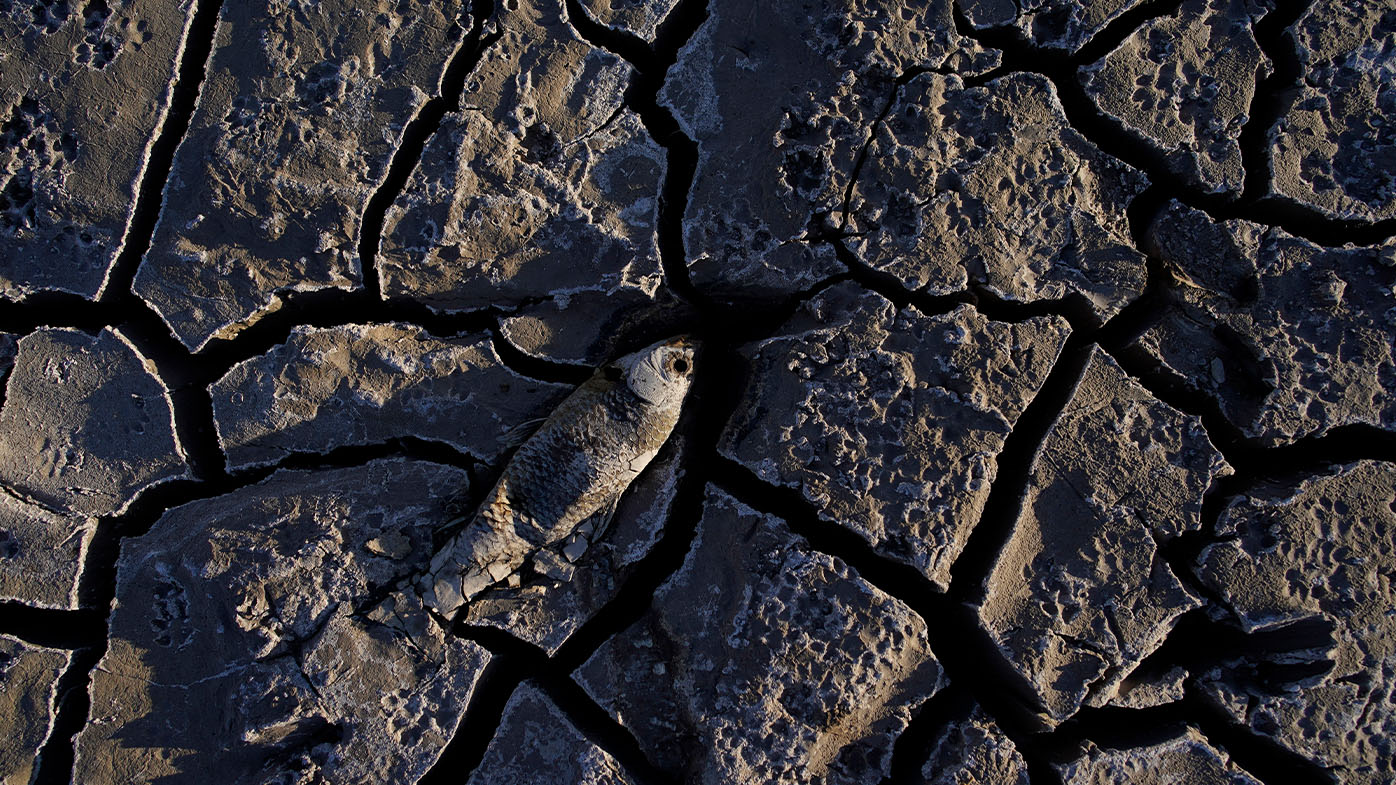
The Calville Bay remains are more skeletal than the other two sets, Rouse said, which both still have organ tissue available for examination, despite being immersed in the lake. The cooler underwater temperatures would cause a body to decompose more slowly than if it were baking under the desert sun, she explained.
The final remains were found at the lake's Swim Beach on July 25 and the examination is still at an early stage, Rouse said.
Unlike the other two, these are only partial remains and Rouse is still processing them to determine what can even be examined based on their condition, she said.
The remains are undergoing toxicology and other testing before a cause and manner of death can be determined, the coroner said.
Police are not investigating the other two sets of remains because there is so far no sign of foul play or suspicious circumstances in the deaths, Johansson said, but he has no doubt the circumstances of the Hemenway Harbour Doe's death are nefarious.
"Anytime you have a body in a barrel, clearly there was somebody else involved," he said.
No strong connection to organised crime yet, police say
Theories of mob involvement in the Hemenway Harbour Doe's death began to swirl as soon as details emerged that the remains were found inside a barrel.
Those ideas were fuelled even more when police announced the victim was likely killed at a time when organised crime had a strong grasp on Las Vegas.
But those ideas are "mere speculation" at this point in the investigation, Johansson said, denying that there is any solid evidence to support mob theories.
"Yes, Vegas does have a history in the past where we had a connection to violent crime, to organised crime back in the '60s, the 70s," he said.
"However, right now, there's nothing in this investigation that is directly tying it organised crime."
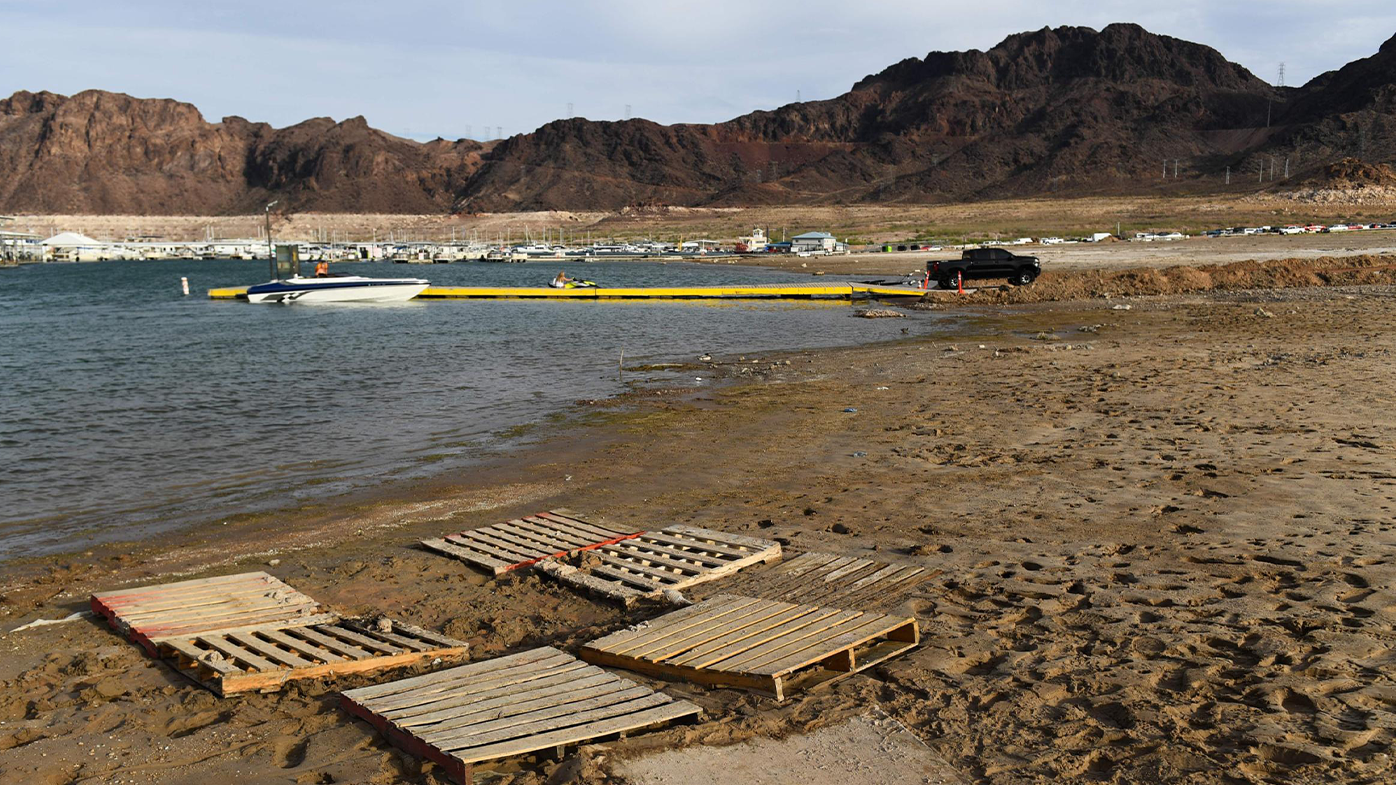
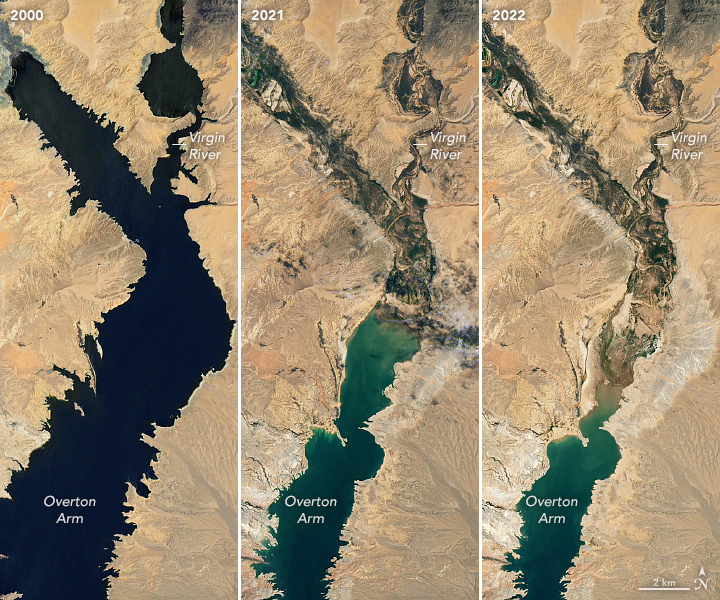
At its height in 1983, Lake Mead was 373 metres above sea level. But as the climate crisis fuels a prolonged mega-drought in the West, the lake, which serves as the nation's largest reservoir, has plummeted to sobering levels.
This year it hit its lowest level since it was filled in the 1930s.
One possible scenario for the second two remains is that they belong to people who previously drowned at the lake when water levels were high, a National Parks Service spokesperson told CNN.
Recovery divers are limited on how deep they can go, so some drowning victims' remains do not get recovered, they said.
"The lake has drained dramatically over the last 15 years," Las Vegas Metropolitan Police Homicide Lt. Ray Spencer said in May.
"It's likely that we will find additional bodies that have been dumped in Lake Mead" as the water level drops further.
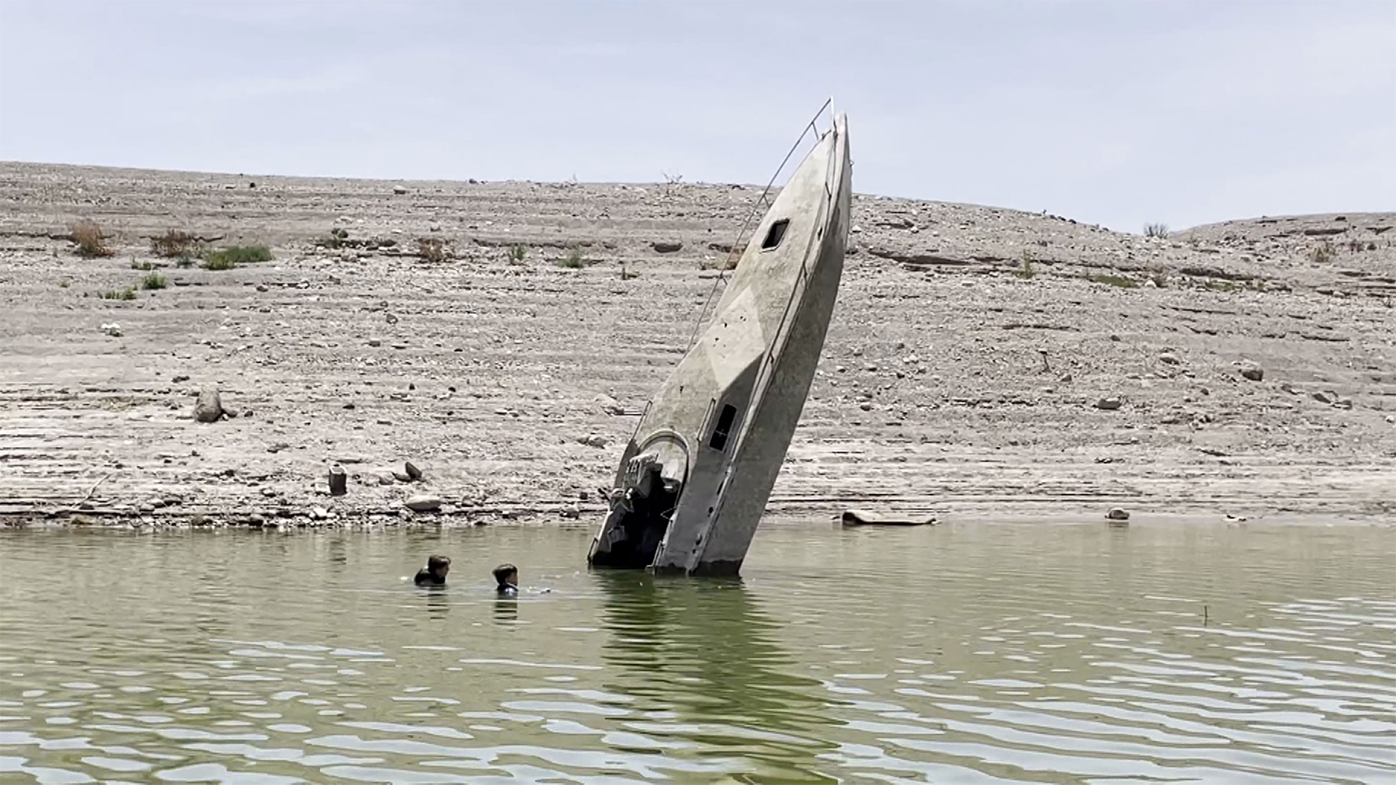
The dropping water level has exposed a WW II-era landing craft, wrecked boats and the lake's original 1971 water intake valve, and officials expect more surprises may be in store.
How the coroner's office conducts examinations
In addition to traditional autopsies, examiners at the Clark County coroner's office have a number of techniques they can use to uncover details about a body, including X-rays, fingerprinting, forensic dentistry and analysis by forensic anthropologists, Rouse said.
"In cases where we are limited [on identification methods], we would also conduct DNA analysis," she said, noting that method may not be ideal for some extremely decomposed remains.
For the two sets of Lake Mead remains from which the office is trying to extract DNA, those specimens would have to be sent to a lab, she said.
The condition of the body is essential in the examination process, she said, because more degraded remains may not be able to be fingerprinted or provide dental information.
The coroner's office was able to perform forensic dentistry on the first two sets of Lake Mead remains, she said.
Examiners then compare the dental information to a dental records database, she said, so it's especially important to investigators that a person's dental records were submitted to the database. Otherwise, there will be no match.
The coroner's office is sharing its findings with law enforcement, she said, including the FBI in the case of the homicide victim.
The FBI reached out to Las Vegas police to offer help in the investigation because the body was found on National Park Service land, Johansson said.
The agency, which had a lively presence in the area during the mob's heyday, also offered the assistance of its Organized Crime Task Force if local police need it, he said.