Tag Archives: oceania

Accused attacker pleads not guilty over Salman Rushdie stabbing

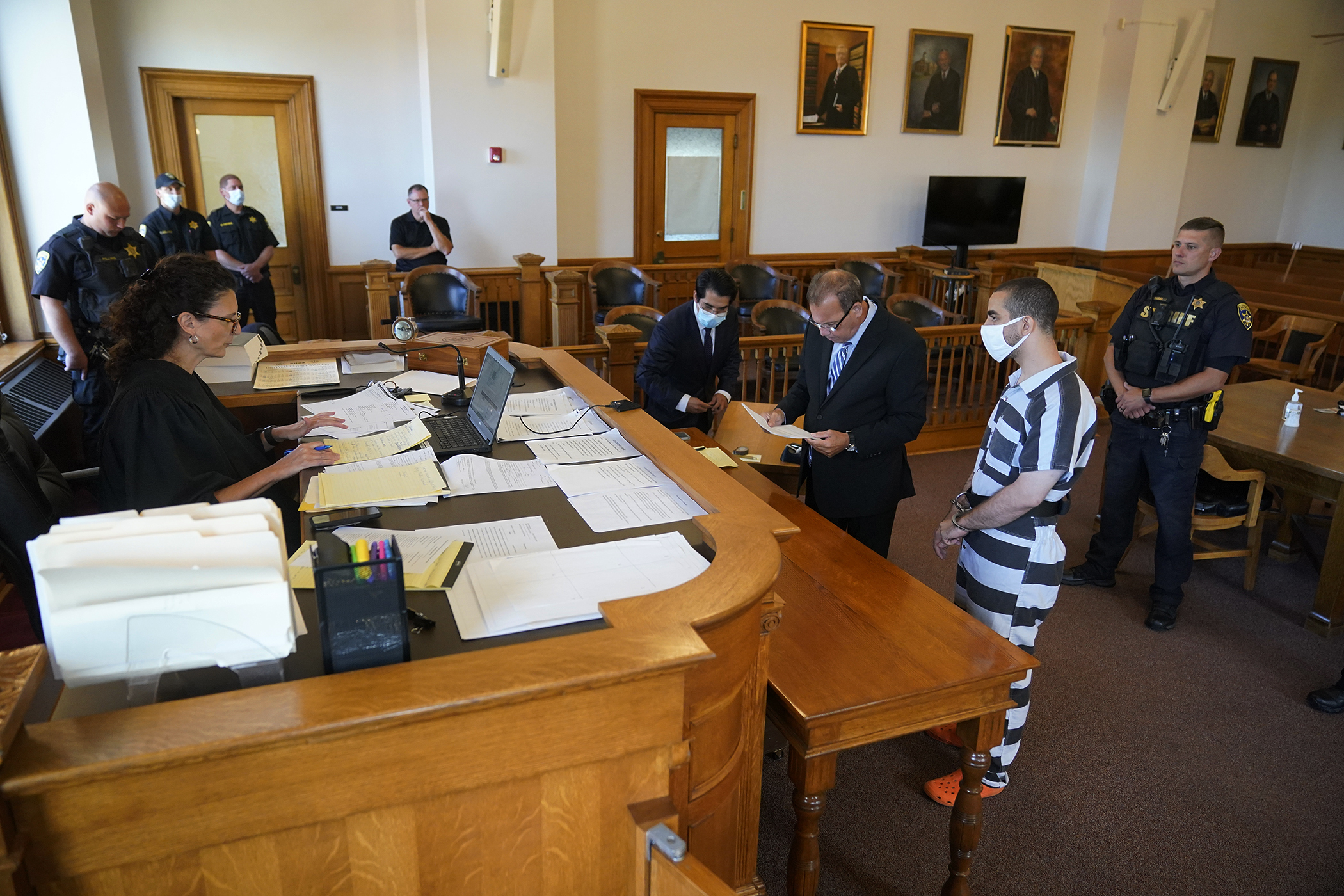
The man accused in the stabbing attack on Salman Rushdie pleaded not guilty on Saturday to attempted murder and assault charges in what a prosecutor called a “preplanned” crime, as the renowned author of The Satanic Verses remained hospitalised with serious injuries.

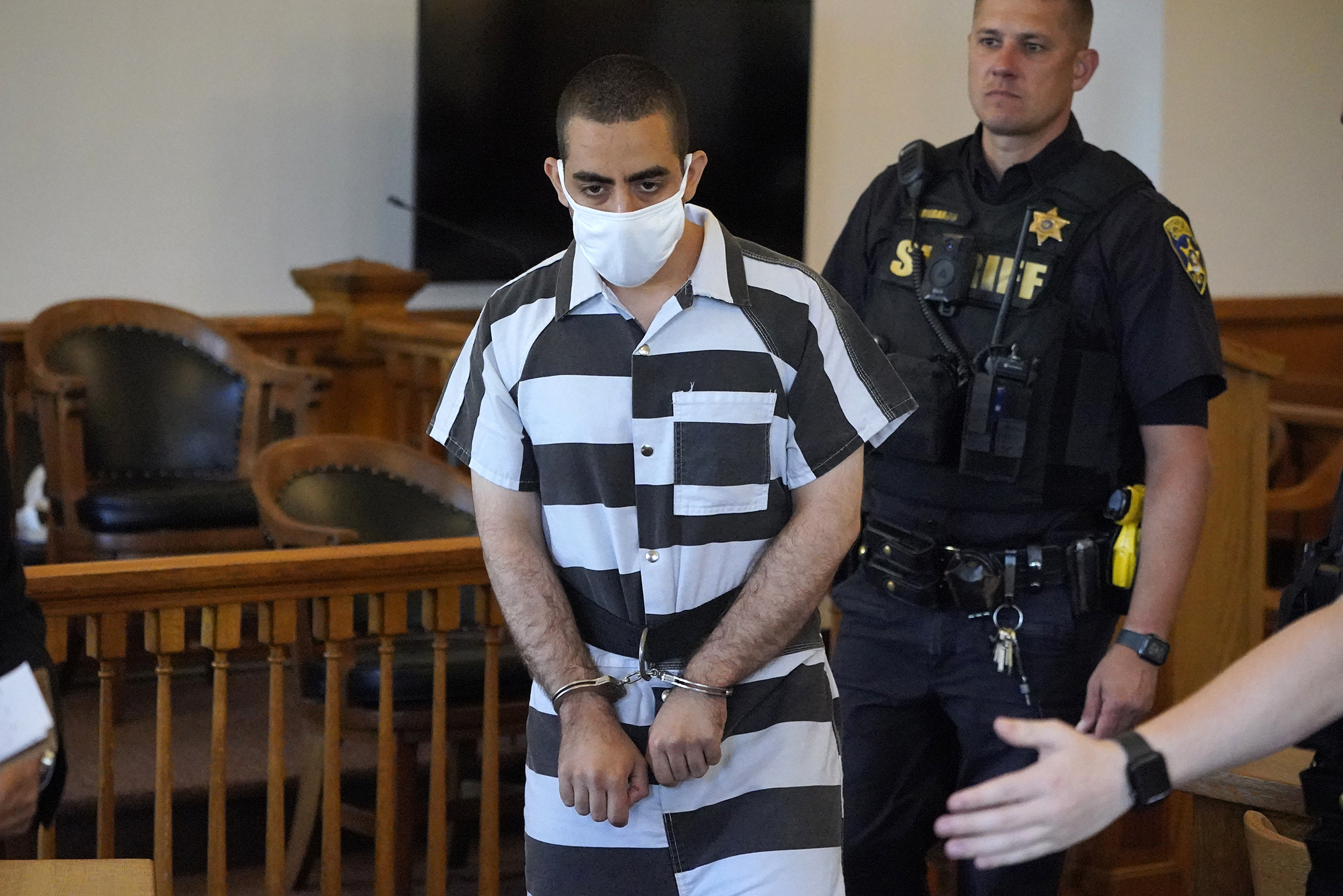
An attorney for Hadi Matar entered the plea on his behalf during an arraignment in western New York. The suspect appeared in court wearing a black and white jumpsuit and a white face mask, with his hands cuffed in front of him.

A judge ordered him held without bail after District Attorney Jason Schmidt told her Matar took steps to purposely put himself in position to harm Rushdie, getting an advance pass to the event where the author was speaking and arriving a day early bearing a fake ID.

READ MORE: Two women shot dead in south-west Sydney
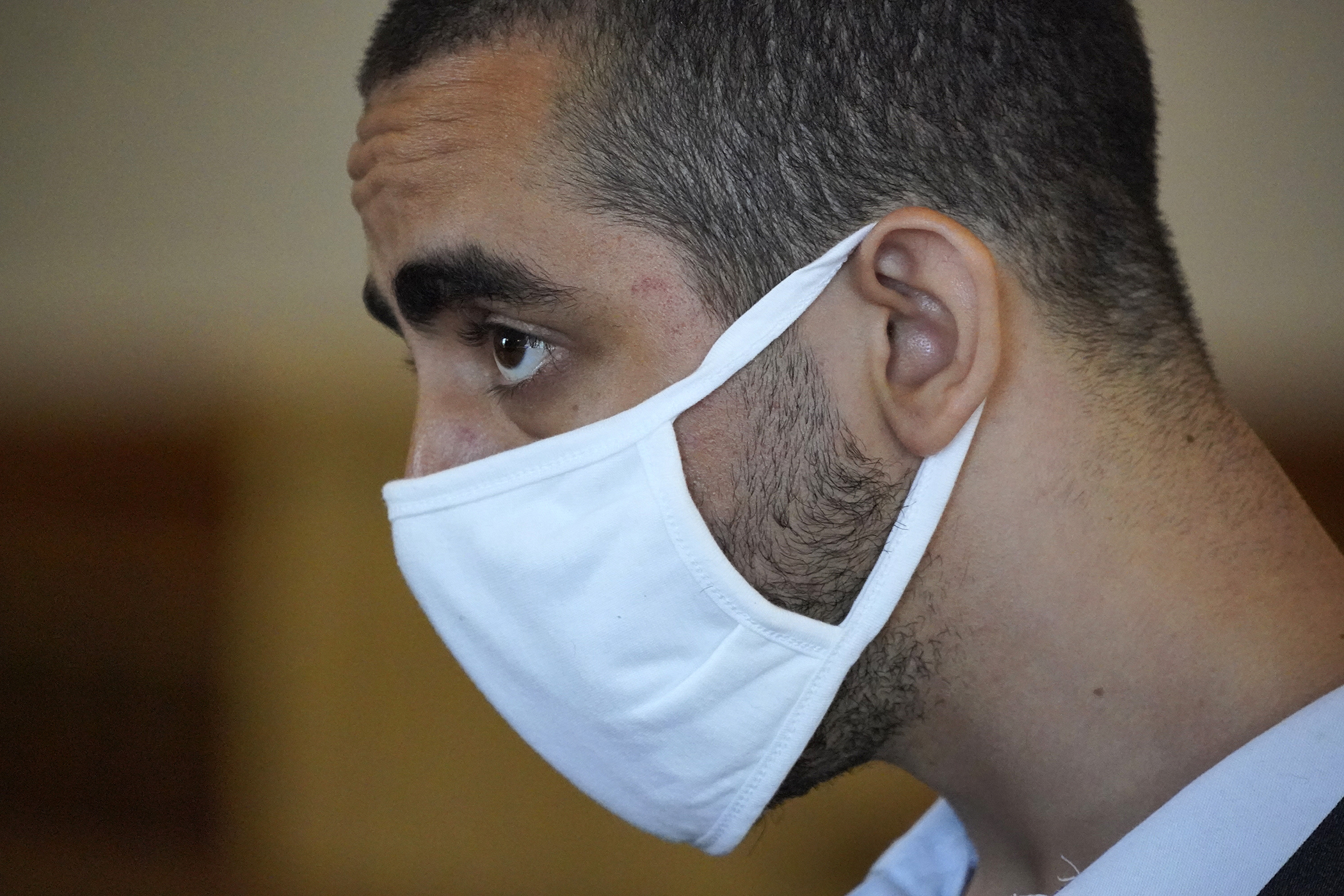
“This was a targeted, unprovoked, preplanned attack on Mr Rushdie,” Schmidt said.

Public defender Nathaniel Barone complained that authorities had taken too long to get Matar in front of a judge while leaving him “hooked up to a bench at the state police barracks".

“He has that constitutional right of presumed innocence,” Barone added.

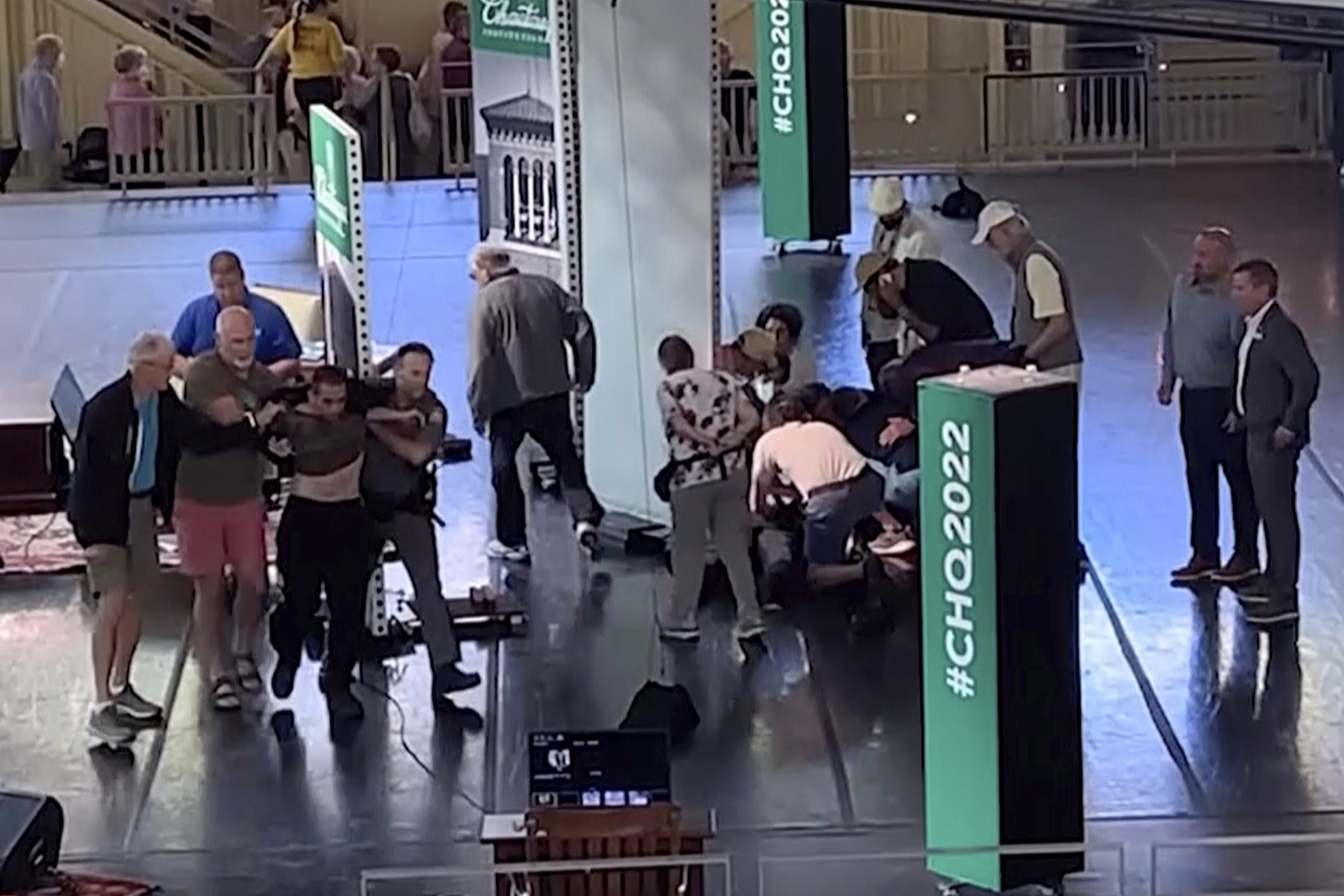
Matar, 24, is accused of attacking Rushdie on Friday as the author was being introduced at a lecture at the Chautauqua Institute, a nonprofit education and retreat centre.

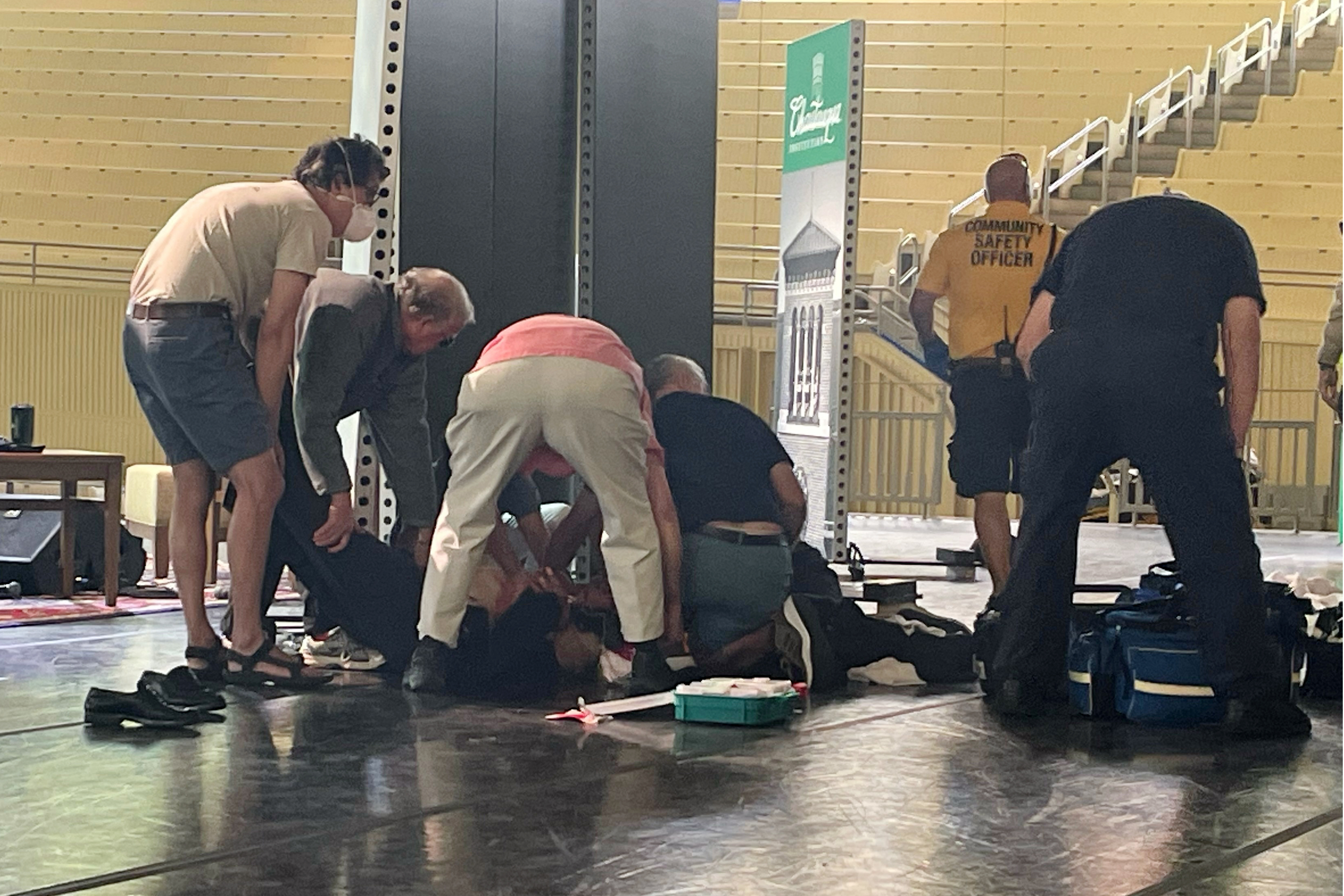
Rushdie, 75, suffered a damaged liver and severed nerves in an arm and an eye, and was on a ventilator and unable to speak, his agent Andrew Wylie said Friday evening. Rushdie was likely to lose the injured eye.

The attack was met with shock and outrage from much of the world, along with tributes and praise for the award-winning author who for more than 30 years has faced death threats for The Satanic Verses.

Authors, activists and government officials cited Rushdie's courage and longtime advocacy of free speech despite the risks to his own safety. Writer and longtime friend Ian McEwan called Rushdie “an inspirational defender of persecuted writers and journalists across the world,” and actor-author Kal Penn cited him as a role model “for an entire generation of artists, especially many of us in the South Asian diaspora toward whom he’s shown incredible warmth".

President Joe Biden said on Saturday in a statement that he and first lady Jill Biden were “shocked and saddened” by the attack.

“Salman Rushdie – with his insight into humanity, with his unmatched sense for story, with his refusal to be intimidated or silenced – stands for essential, universal ideals,” the statement read.

“Truth. Courage. Resilience. The ability to share ideas without fear. These are the building blocks of any free and open society.”

READ MORE: Praise, worry in Iran after Rushdie attack; government quiet
Rushdie, a native of India who has since lived in Britain and the US, is known for his surreal and satirical prose style, beginning with his Booker Prize-winning 1981 novel Midnight's Children, in which he sharply criticised India's then-prime minister, Indira Gandhi.

The Satanic Verses drew death threats after it was published in 1988, with many Muslims regarding as blasphemy a dream sequence based on the life of the Prophet Muhammad, among other objections. Rushdie's book had already been banned and burned in India, Pakistan and elsewhere before Iran's Grand Ayatollah Ruhollah Khomeini issued a fatwa, or edict, calling for Rushdie’s death in 1989.

READ MORE: Praise, worry in Iran after Rushdie attack; government quiet
Khomeini died that same year, but the fatwa remains in effect. Iran’s current supreme leader, Khamenei, never issued a fatwa of his own withdrawing the edict, though Iran in recent years hasn’t focused on the writer.

Investigators were working to determine whether the assailant, born a decade after The Satanic Verses was published, acted alone.

District Attorney Schmidt alluded to the fatwa as a potential motive in arguing against bail.

“Even if this court were to set a million dollars bail, we stand a risk that bail could be met,” Schmidt said.

“His resources don’t matter to me. We understand that the agenda that was carried out yesterday is something that was adopted and it’s sanctioned by larger groups and organisations well beyond the jurisdictional borders of Chautauqua County,” the prosecutor said.

Barone, the public defender, said after the hearing that Matar has been communicating openly with him and that he would spend the coming weeks trying to learn about his client, including whether he has psychological or addiction issues.

Matar is from Fairview, New Jersey. Rosaria Calabrese, manager of the State of Fitness Boxing Club, a small, tightly knit gym in nearby North Bergen, said Matar joined April 11 and participated in about 27 group sessions for beginners looking to improve their fitness before emailing her several days ago to say he wanted to cancel his membership because “he wouldn’t be coming back for a while".

Gym owner Desmond Boyle said he saw “nothing violent” about Matar, describing him as polite and quiet, yet someone who always looked “tremendously sad". He said Matar resisted attempts by him and others to welcome and engage him.

“He had this look every time he came in. It looked like it was the worst day of his life,” Boyle said.

Matar was born in the United States to parents who emigrated from Yaroun in southern Lebanon, the mayor of the village, Ali Tehfe, told The Associated Press.

Flags are visible across the village of Iran-backed Shia militant group Hezbollah and portraits of leader Hassan Nasrallah, Khamenei, Khomeini and slain Iranian General Qassem Soleimani.

Journalists visiting Yaroun on Saturday were asked to leave. Hezbollah spokespeople did not respond to requests for comment.

Iran’s theocratic government and its state-run media assigned no motive for the attack. In Tehran, some Iranians interviewed by the AP praised the attack on an author they believe tarnished the Islamic faith, while others worried it would further isolate their country.

READ MORE: Salman Rushdie on ventilator, likely to lose eye after stabbing
An AP reporter witnessed the attacker stab or punch Rushdie about 10 or 15 times. Dr Martin Haskell, a physician who was among those who rushed to help, described Rushdie’s wounds as “serious but recoverable".

Event moderator Henry Reese, 73, suffered a facial injury and was treated and released from a hospital, police said. He and Rushdie had planned to discuss the United States as a refuge for writers and other artists in exile.

A state trooper and a county sheriff’s deputy were assigned to Rushdie’s lecture, and state police said the trooper made the arrest. But afterwards, some longtime visitors to the centre questioned why there wasn’t tighter security given the threats against Rushdie and a bounty of more than $3 million on his head.

News about the stabbing has led to renewed interest in The Satanic Verses, which topped best-seller lists after the fatwa was issued in 1989. As of Saturday afternoon, the novel ranked No. 13 on Amazon.com.

The book's publication in 1988 sparked often-violent protests around the Muslim world against Rushdie, who was born to a Muslim family and has long identified as a nonbeliever, once calling himself “a hardline atheist".

At least 45 people were killed in riots, including 12 in Rushdie’s hometown of Mumbai. In 1991, a Japanese translator of the book was stabbed to death and an Italian translator survived a knife attack. In 1993, the book’s Norwegian publisher was shot three times and survived.

READ MORE: Who is Salman Rushdie, the author of the controversial The Satanic Verses
The death threats and bounty led Rushdie to go into hiding under a British government protection program, which included an around-the-clock armed guard. After nine years of seclusion, Rushdie cautiously resumed more public appearances, maintaining his outspoken criticism of religious extremism overall.

In 2012 he published a memoir about the fatwa titled Joseph Anton, the pseudonym Rushdie used while in hiding.

He said during a New York talk that year that terrorism was really the art of fear: “The only way you can defeat it is by deciding not to be afraid".
Flood-affected Lismore residents want option to relocate homes

In a new series, NBN News is highlighting the efforts to rebuild the flood-ravaged Northern Rivers community. Here, Olivia Grace-Curran and Gracie Richter are looking at whether Lismore's historic homes can be relocated.

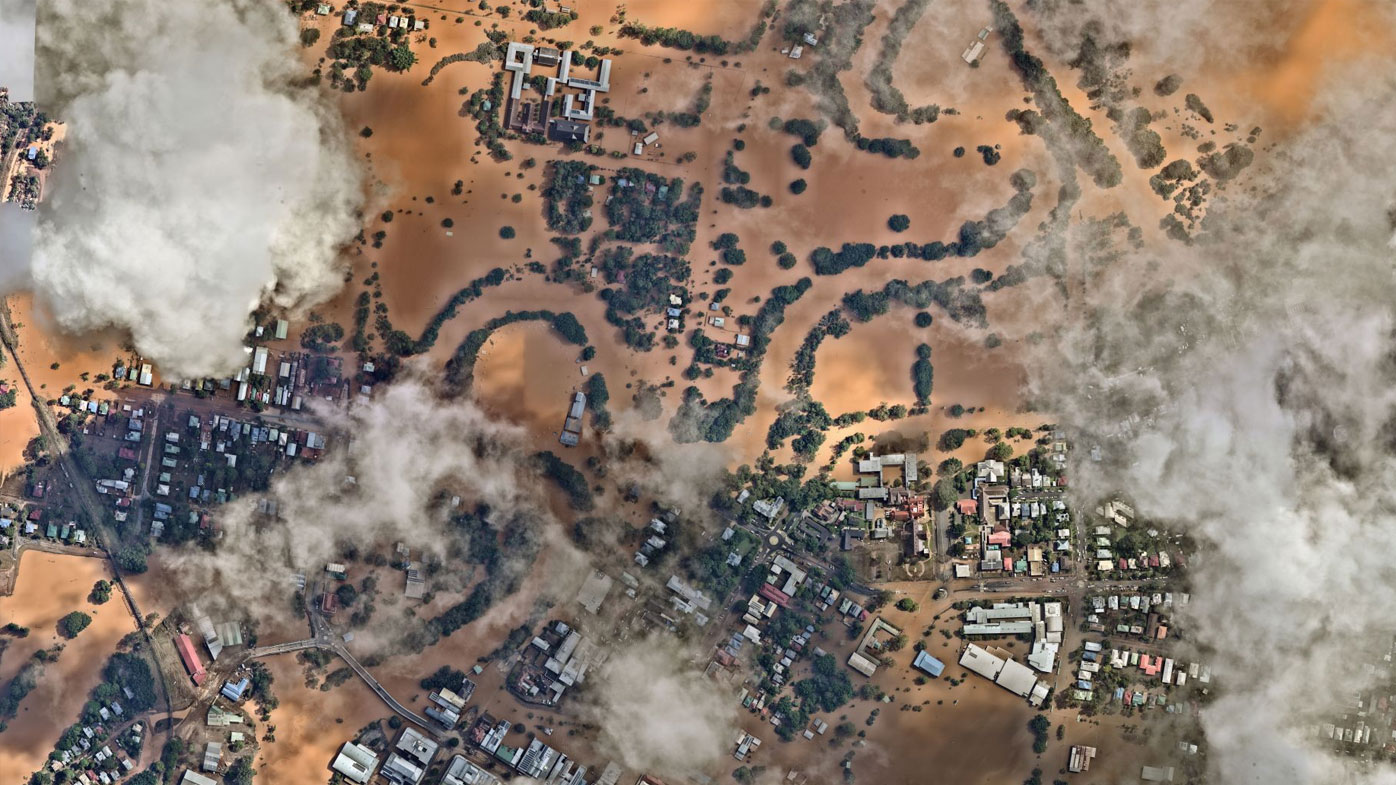
Historic, hundred-year-old homes in flood-ravaged Lismore would be shifted to safer pastures in a proposal which would allow residents to live in their beloved houses and out of harm's way, while preserving the town's cultural heritage.

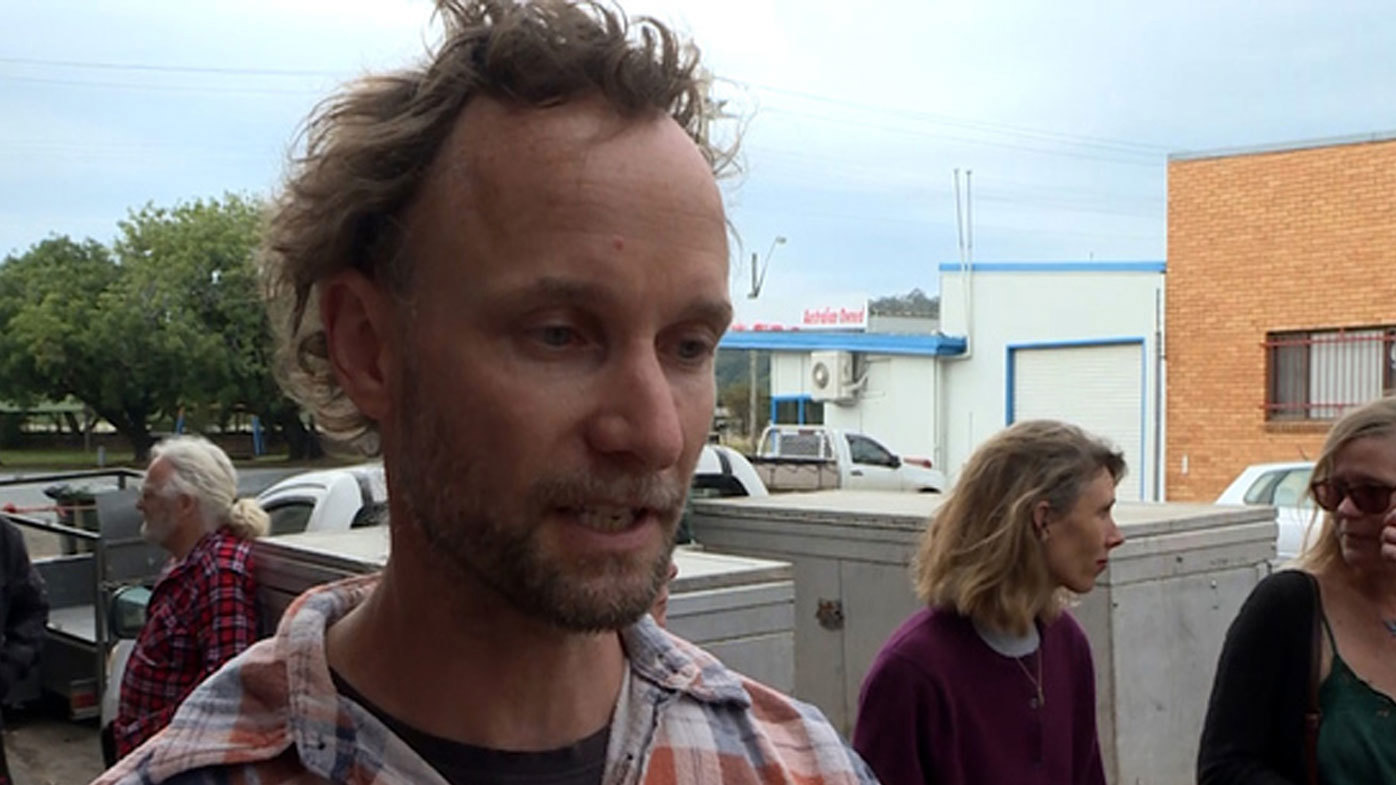
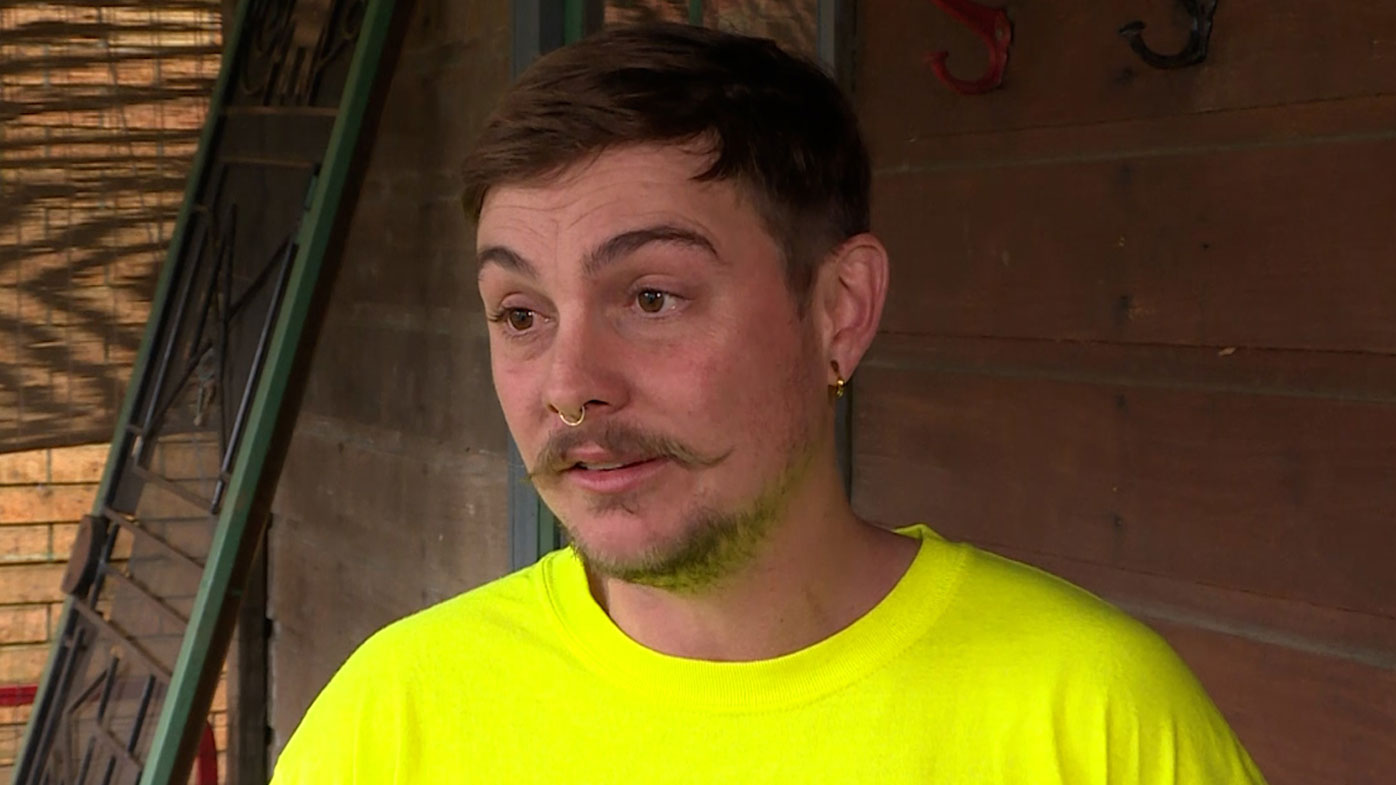
Lismore South resident Harper Dalton-Earles is spearheading community group Relocate Lismore Homes and believes it is an option that has been largely left out of conversations surrounding the future of the flood-prone region.

READ MORE: Flood devastated Northern Rivers schools face years before recovery

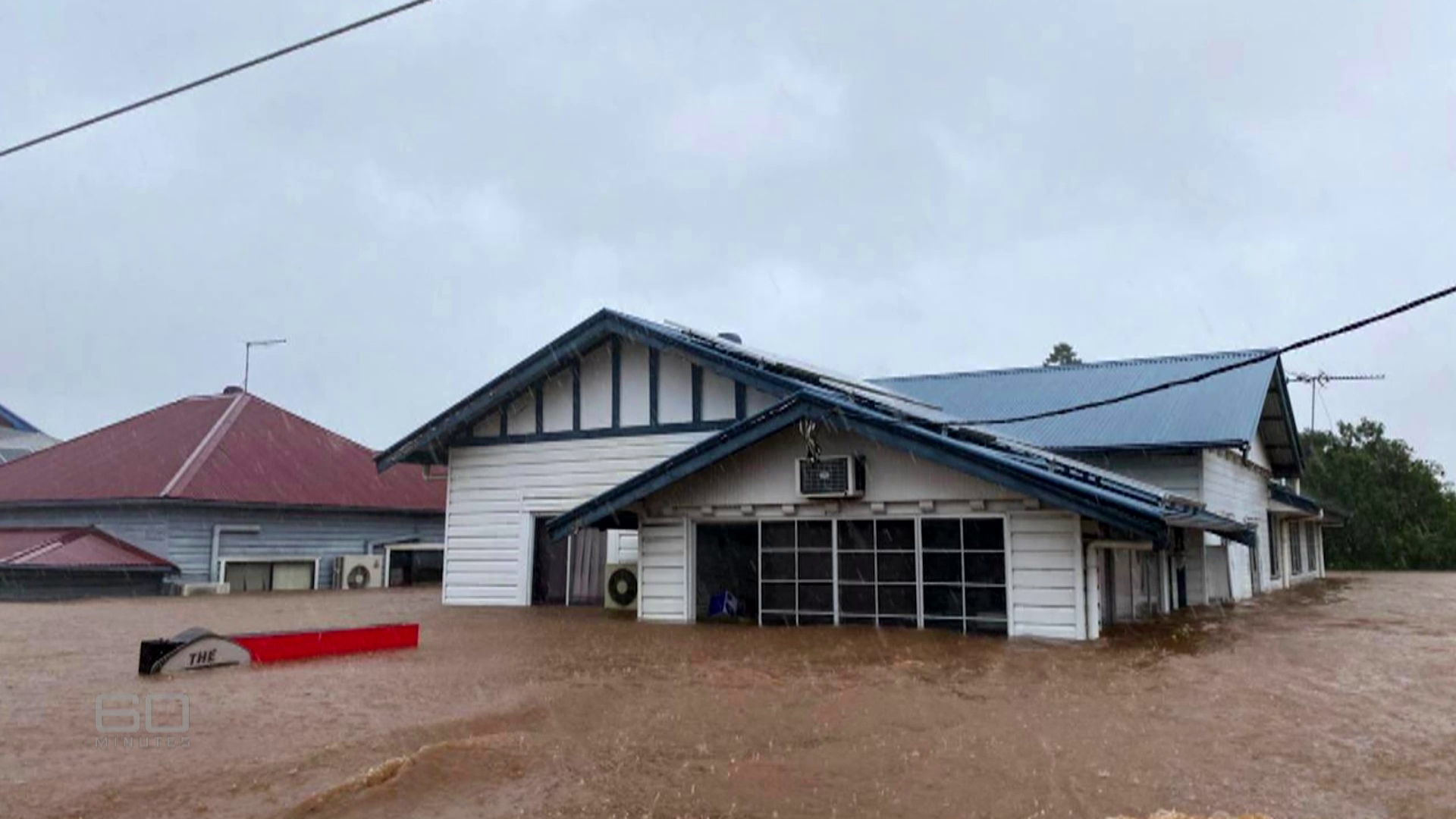
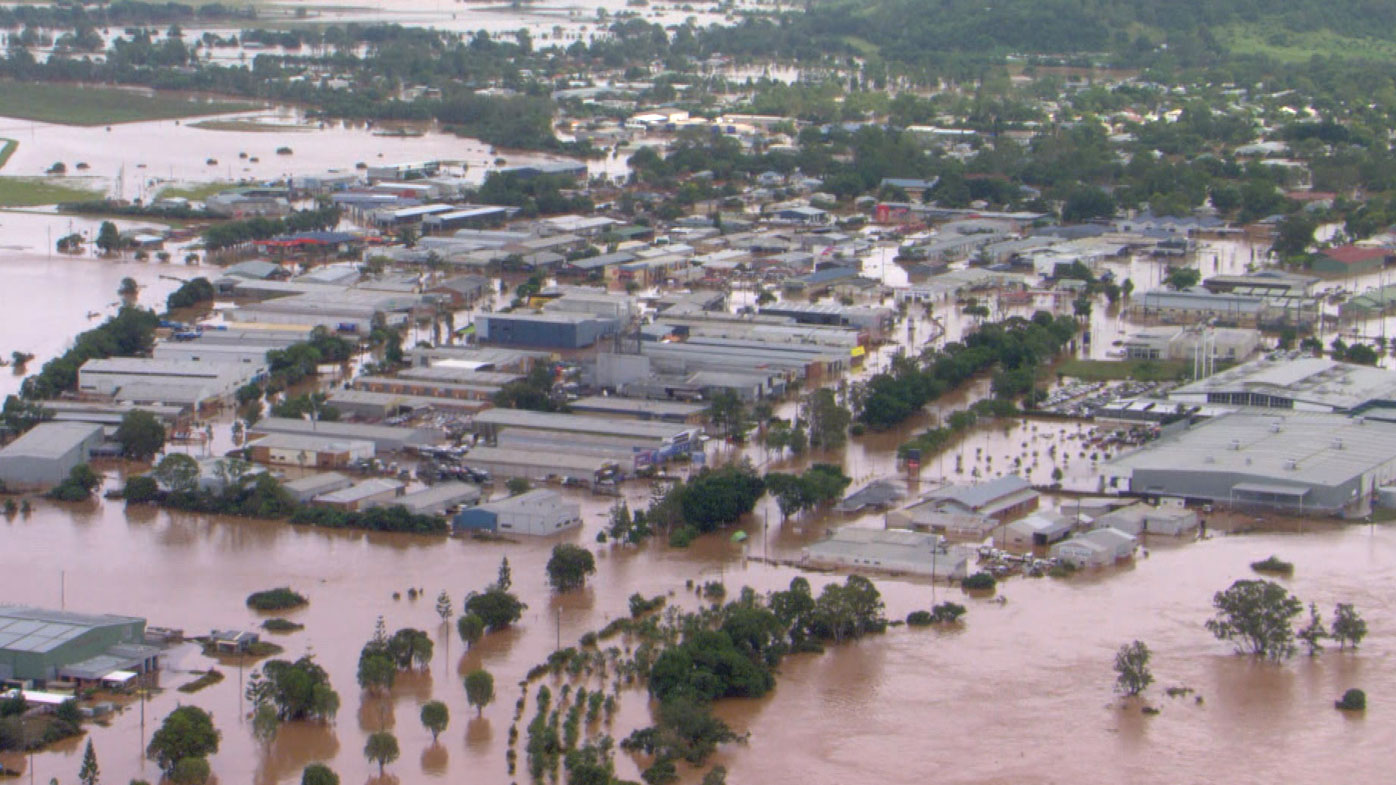
Lismore floods March 2022

"I care deeply about what happens to our historical homes and the cultural value they add to the region," Dalton-Earles told 9News.

"I don't think the whole of town should be relocated – but I definitely think that the people in the worst flood-affected areas should be offered the option to relocate their homes.

"There's places for buybacks, land swaps and some people want to raise their houses – all of these things should be on the table.

"My concern is there is no discussion about relocating our historic homes to higher ground."

The flood-affected residents want options – some would like to see a land swap and to relocate their houses.

Others are calling for a buyback, like Queensland's $750 million scheme, to help rebuild, sell, or flood-proof their homes.

It comes after a scathing flood inquiry was handed down, and the demise of Resilience New South Wales.

Race against time as double weather threat looms

Built in 1910, Dalton-Earles estimates his heritage home has experienced more than a dozen floods.

Unprotected by the levee bank, the property is impacted by just moderate flooding.

Extra height would have made no difference in this year's disaster.

"It still would have flooded based on the February flood height – at the highest I could legally raise it," he said.

"To realistically relocate this home I'm looking at about $45,000 – to raise it I'm looking at between $80,000 and $100,000."

It's now a race against time, with a negative Indian Ocean Dipole event underway and a 50 per cent chance of a third La Niña forming later this year.

"I'm renovating my kitchen with the fear that it could flood next month," he said.

"If I raise the home, I could still have a shipping container or a car run into the side of it."

The third-generation Lismore local says house relocation is not a new concept, but a part of the town's history.

"Historically after every major flood, 1954 flood, the 1974 flood, houses have been relocated," he told 9News.

"(My grandparent's) house was relocated out of the flood plain to up in Goonellabah."

Lismore City Council this week voted unanimously in favour of a motion to acknowledge flood-affected residents' desire for house relocations, buybacks and land swaps, after originally voting against the submission in June.

Lismore flood recovery

Dalton-Earles says it's a small win, but for now, bureaucratic red tape continues to hold him back from taking any action.

"We need a voice to discuss these ideas as a realistic option and the government needs to pay attention," he said.

"I've done all of the research, I could literally (move my house) next week if the government on all levels were a part of this discussion and involved.

"Right now, it's basically live here or be homeless – that's the situation I'm faced with and many are faced with."

The motion by Lismore Greens Councillor Adam Guise passed with an amendment for council to also lobby state and federal government agencies for their support.

"People need certainty and an understanding of what they're to do with their flood-impacted lives," Guise said.

"There will be people who will want to remain on the floodplain – or can't leave the floodplain.

"We should be investigating alternative solutions such as house raising, floating houses on pontoons, and more flood-resilient designs, so we don't have the waste or the damage that we've had in the past."

Lismore flood recovery

Guise says he is motivated by the threat of climate change and further severe weather.

"We can't just rest on our hands and think this isn't going to happen again or somehow think we've got time," he said.

"For those of us currently living on the floodplain, a third La Niña keeps us awake at night," Guise admitted.

"I dread what it would do… if we get another megaflood.

"I dread what it would do to the spirit of our town.

"It would absolutely break our town.

"Many people would be so broken, they would walk away."

Lismore City Council has identified land in Goonellabah as a potential site to relocate flood-affected residents, but ultimately says the decision lies with the Northern Rivers Reconstruction Corporation.

Robyn wants her home back – but not where it is

Robyn Murray and her husband are living in Ballina while they wait for information to work out what is next.

"We're all suffering with anxiety from the floods and we're unsure as to where we are, what we're going to do – we're living in limbo," she told 9News.

Murray is also interested in the possibility of shifting her older-style home to higher ground.

"We bought (our home) because it had so much character – an old Queenslander with French doors, all the beautiful trims that you get with the old Queenslanders," she said.

"We would love it to be moved to an area where it doesn't flood.

"It doesn't deserve to be where it is.

"We just feel that that house deserves better.

"Moving it to higher ground would give us some piece of mind as well because we're not young.

"Every time we feel a raindrop now, we stress."

Lismore flood recovery

The couple's house, which is two metres off the ground, experienced 2.8 metres of water over the floorboards in this year's big flood.

The thought of a potential third La Niña terrifies them.

"It scares the life out of me – just now, I'm very anxious talking to you about it," she said.

"I want my home back, but I just don't want to be there.

"I just don't want to be in that location anymore."

Floods in Lismore, in Northern NSW

Fears families have no choice but to move back to danger zone

Jenna Breeze, her husband and their five-year-old daughter are living in Casino until they have enough information to make a decision on their future in Lismore.

"Our house is above the one-in-one-hundred-year level, it's up on stilts… the water went to head-height inside the house," she said.

"I don't know if (the government) should be spending millions of dollars on flood mitigation.

"This has been happening in this town for like 200 years".

The young family's preference is a land swap – but fear they will have no option but to move back into the danger zone.

"I think honestly we won't have a choice, we will have to move back in," she said.

"We can't rent anywhere else, we can't buy anywhere else.

"There's nowhere else to go other than to move away and remove ourselves from this community that we're a part of.

"I just want to see a change and I feel like the town needs to move, maybe they keep the CBD where it is, but let's move the residents up the hill."

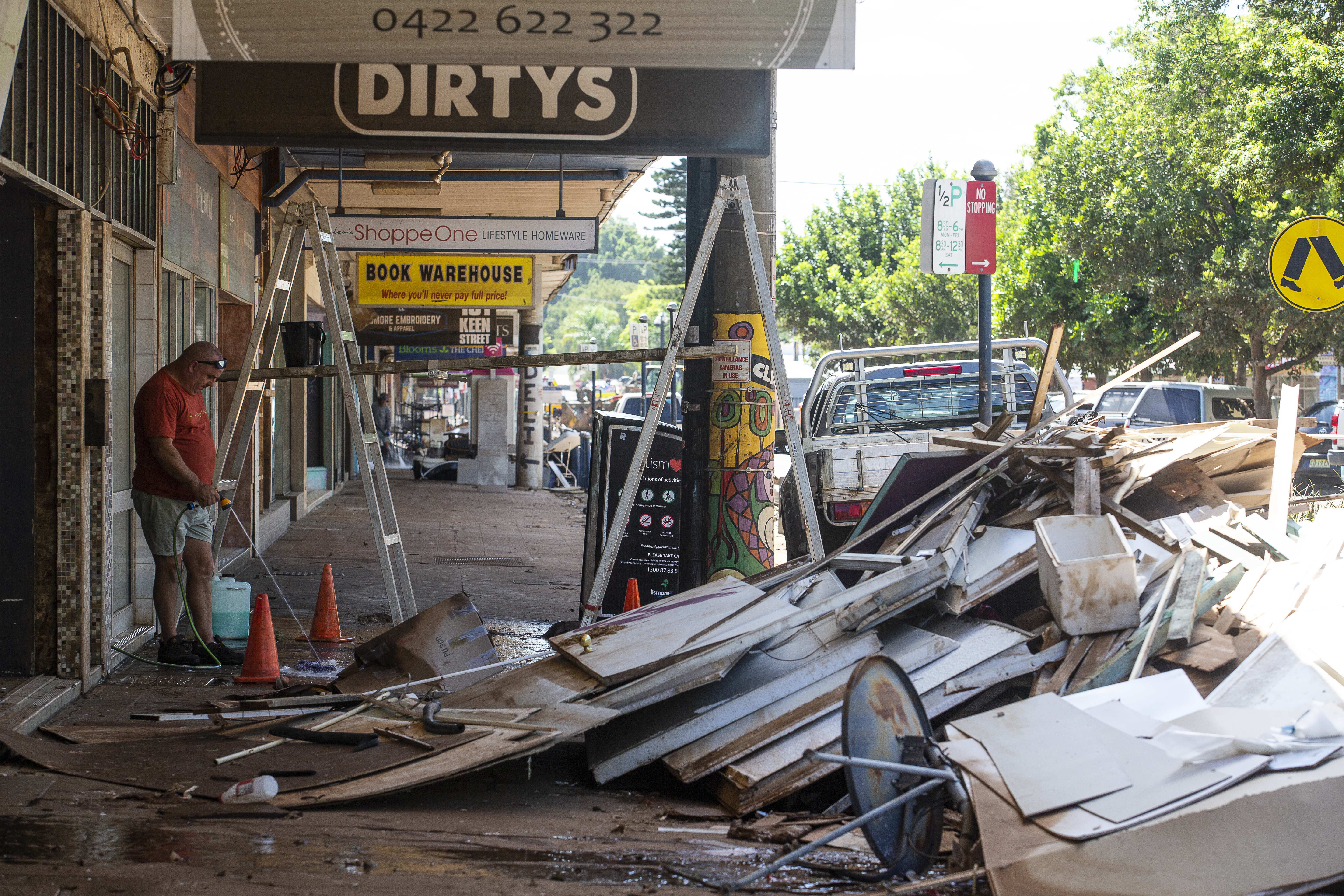
Lismore CBD today after being impacted by a second flood in the same month.

'Who is leading us out of this?'

Crystal Lenane is ensuring East Lismore isn't left out of the conversation.

"I've started the East Lismore Action Group," she said.

"We're not in the conversation at the moment.

It's usually north and south.

"I think it should be fair across the board.

"We've all been impacted the same. We've all lost our homes."

The local moved into the suburb with her family following the 2017 floods, assured it was flood-proof.

"Our street had never, ever been underwater – none of the houses," she said.

Prior to this year's disaster, the family had spent all of their savings on raising their home, not for flood purposes – but to construct a garage.

"We raised our floors to three metres, which is over two metres above what it was, and we still got a metre (of water) through our house," she said.

"Are we going to put more money back into this property? We're getting no direction.

"What is going to happen to Lismore? It's all rumours – I'm hearing all different things everyday and it really needs to be cleared up.

"I don't think it's good enough."

Lenane says the Resilience NSW debacle has made the situation even more unsettling for residents in limbo.

"It just seems like it's a mess and no one is leading the ship. Who's leading us out of this? I don't know," she said.

"I would like to know our options.

"After the floods, me and my husband were like, 'We want to rebuild, we want to stay in the community'.

"Five months on, we're losing that sense of community and I'm saying to my husband, 'I want to go – I want to leave, I can't invest back into this town when nobody is giving us any information.'"

Lismore residents were hit with a second devastating flood in a month.

The thought of returning home is 'scary'

Jenny Gibbons would rather just say goodbye to her flood-ravaged home.

"I don't even like going back there to fix things up – I just don't like being there," she said.

"I just feel like I haven't got a home anywhere at the moment.

"I've got a lot of work ahead of me – and a lot of unknowns."

Like many, she's in limbo at the moment and is living with friends awaiting further information from the state government.

"I'm just waiting to find out what's happening, what kind of land deals or swaps or whatever," she said.

"I'd really like a buyback because I don't want to be there anymore.

"The thought of going home is just really scary.

"I don't even like going back there to fix things up – I just feel like I haven't got a home anywhere at the moment."

Her home, too, was supposed to be safe from a one-in-one-hundred-year flood.

"Got a metre above the one in one-hundred-year flood (mark)," she said.

"Been through floods there before, no problem at all.

"But this one just kind of came out of nowhere and kept on rising."

It comes after an Upper House report into the February-March disaster laid bare the bungles.

Among the 21 findings:

  • The SES and Resilience NSW failed as lead agencies
  • A lack of integration between agencies slowed the rollout of support
  • The government and weather bureau did not comprehend the scale of the flooding
  • Community members had no option but to ignore advice and save lives themselves
  • A lack of a streamlined grants process led to frustration and trauma

The inquiry also made 37 recommendations, including:

  • The government consider a restructure of the SES and consider abolishing Resilience NSW
  • That a senior police officer be appointed to lead future recovery efforts
  • An overhaul of the grants process
  • Investment in supporting relocations and land swaps

The parliamentary inquiry also found the Bureau of Meteorology and other agencies were not prepared for, nor did they comprehend, the scale of the February-March floods.

It was told the data they were receiving and publishing was not accurate.