There are 6232 new cases of Covid-19 in the community today.The latest Ministry of Health figures come as experts say our latest wave of Covid-19 infections was smaller than it could’ve been, and has now likely passed its peak due…
Tag Archives: oceania
At least 16 people are dead after catastrophic US flooding
At least 16 people are dead, including children, and the toll is "going to get a lot higher" following catastrophic flooding in Kentucky.
An unknown number of people were missing, Kentucky Governor Andy Beshear said at a news conference Friday morning, as rescuers scrambled to reach areas difficult to access.
The official statewide death toll "could potentially double" as more information comes in from county officials, the governor said.
READ MORE: Albanese to suggest wording for referendum question on Indigenous Voice
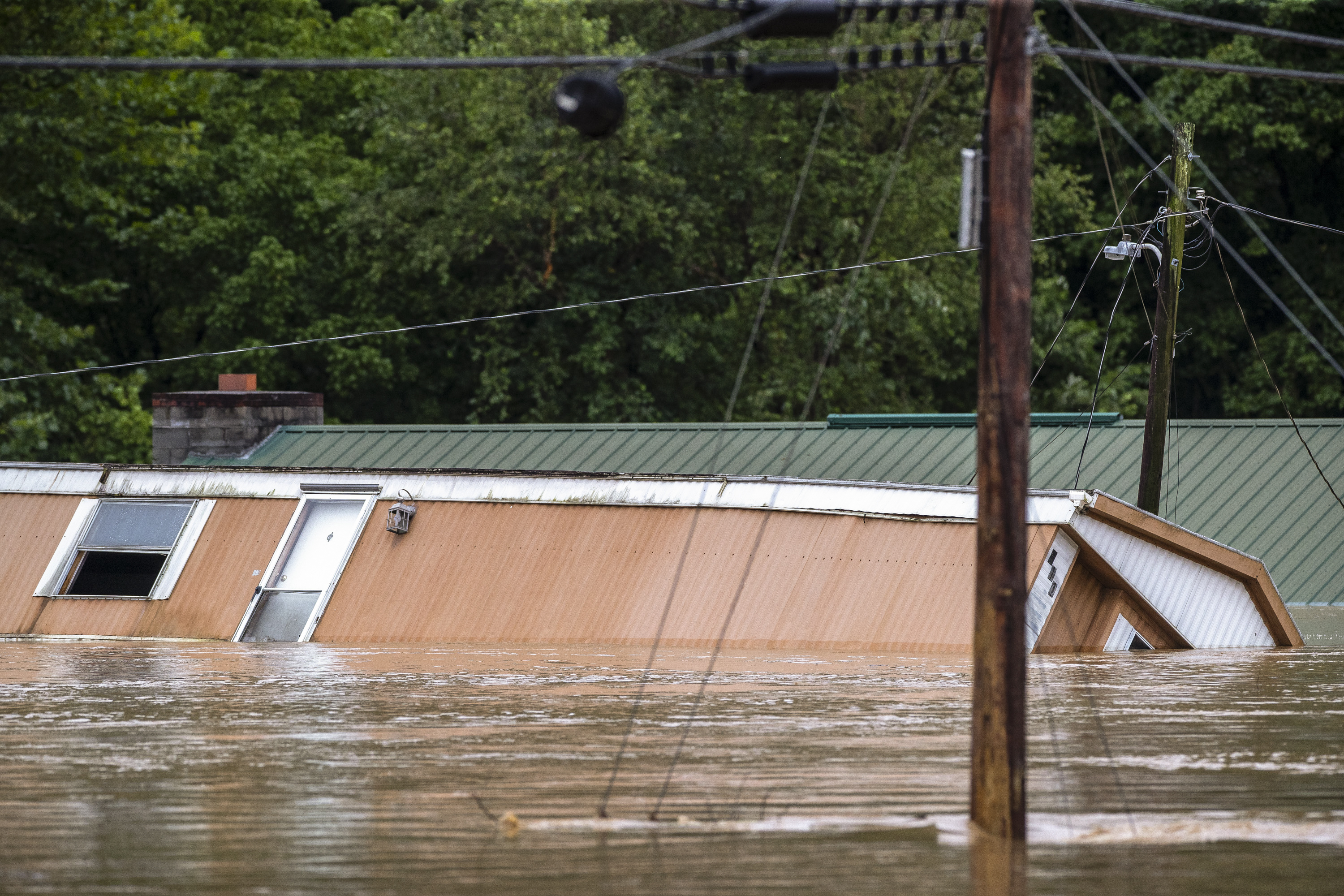
He added getting a reliable number of the people who are missing or were killed has been difficult due to the damaged infrastructure.
"There's going to be multiple families that we've lost," Beshear said.
"Kids that won't get the opportunity to grow up and experience so much that we have.
"This is so deadly, and it hit so hard, and it hit in the middle of the night," the governor said, adding although eastern Kentucky often floods, "we've never seen something like this."
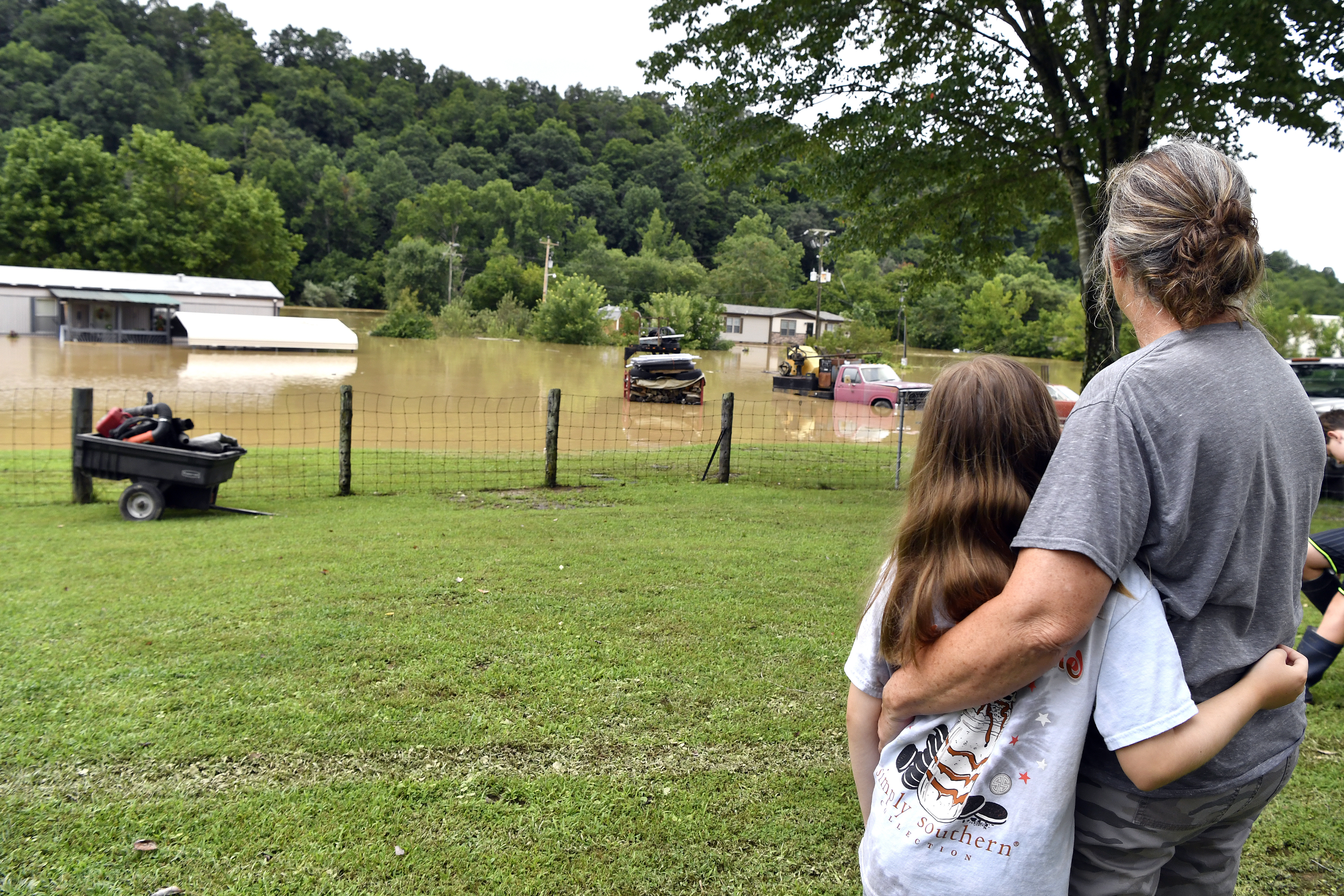
Officials "may be updating a count with how many we lost for the next several weeks," Beshear said Friday afternoon, after taking a helicopter tour of some devastated areas.
At least six children were confirmed dead after the bodies of four missing kids in Knott County had been found, the governor said.
More than two dozen employees of Appalachian Regional Healthcare – the largest health service in eastern Kentucky – were still unaccounted for Friday afternoon, CEO Hollie Phillips told CNN.
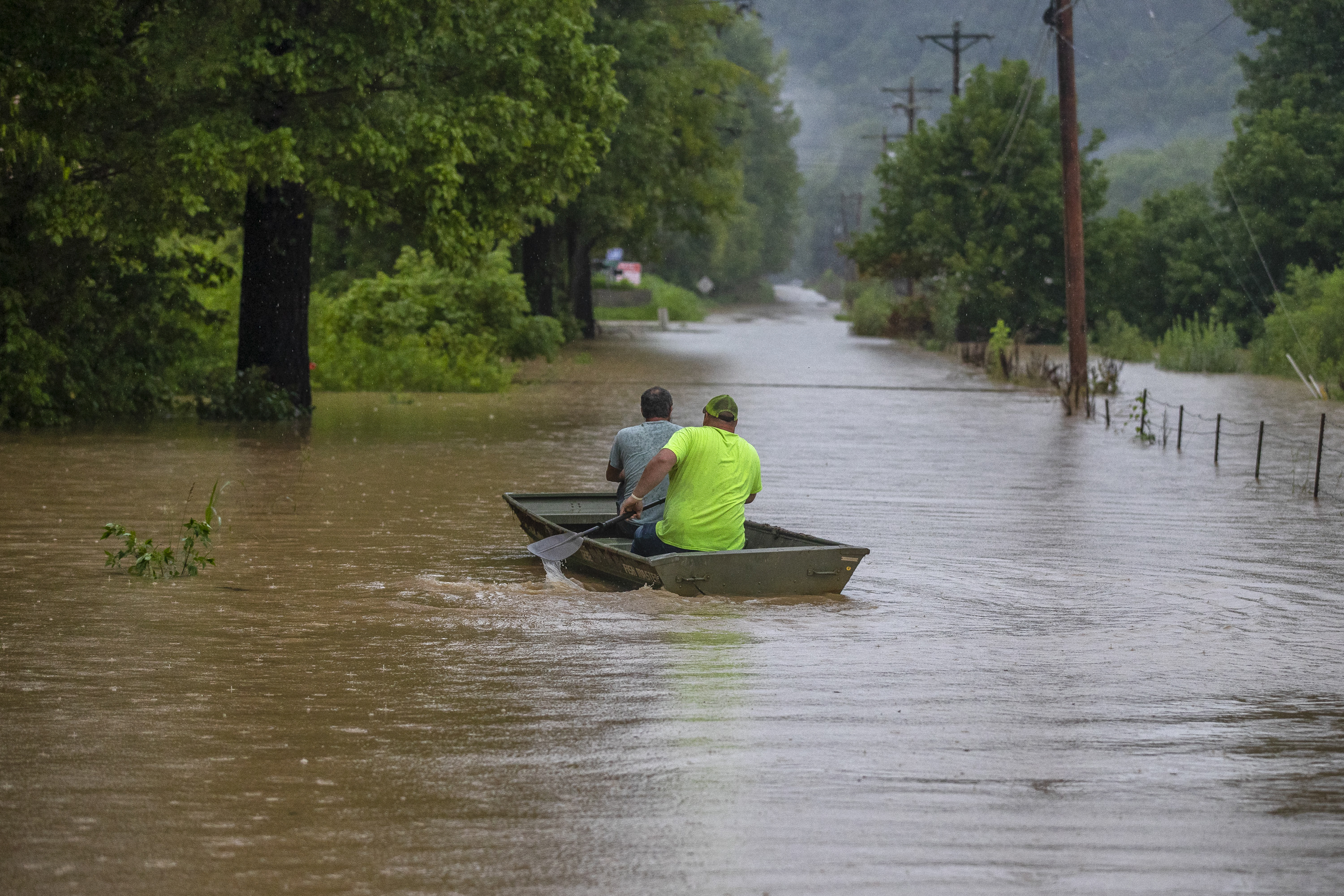
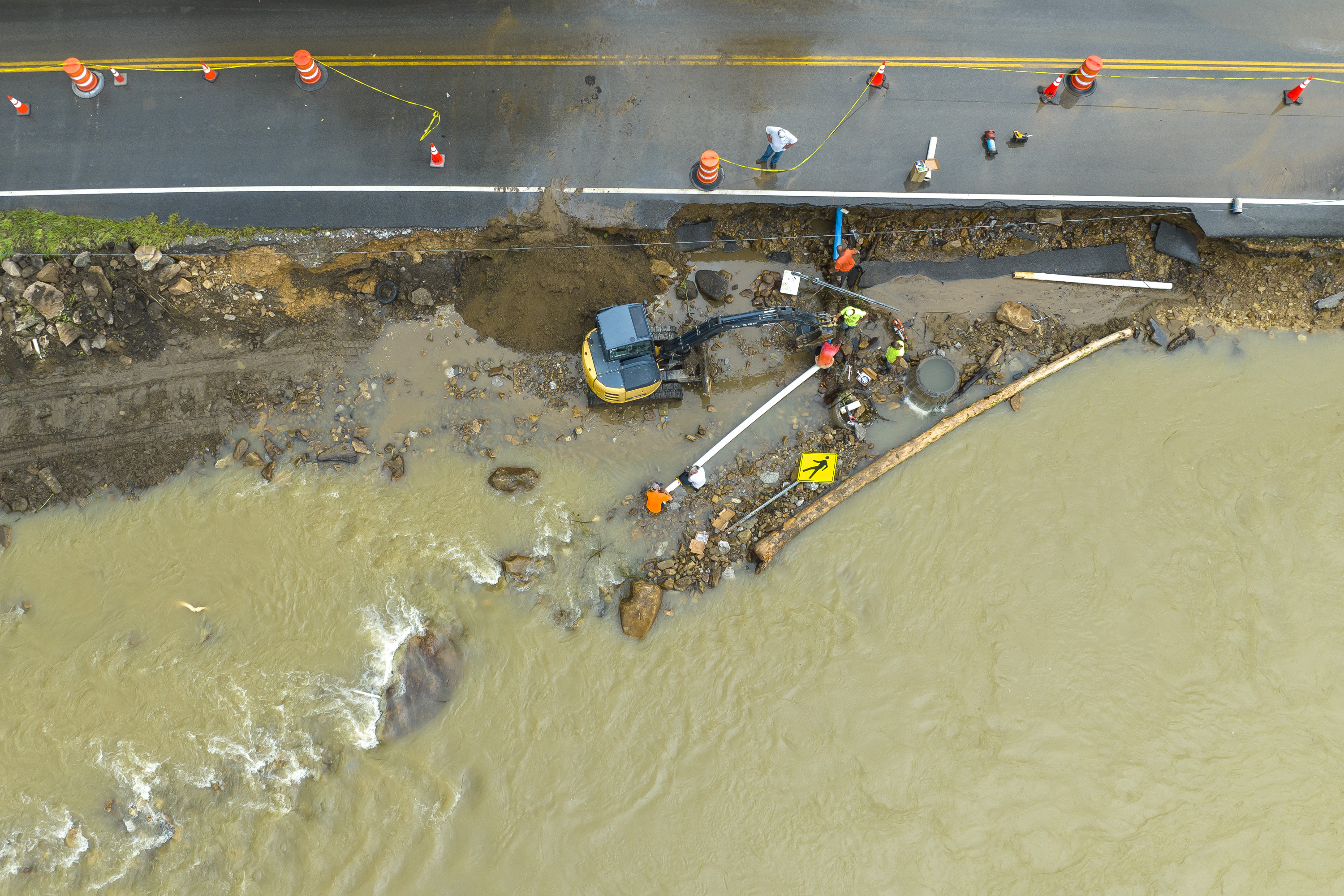
Rescuers worked around the clock to reach areas where flooding washed away roads or left them underwater after heavy rain Wednesday night into Thursday.
"Whole roads washed out – we still can't get to a lot of people. There is so much water. The current is so strong. It is not safe for some of the water rescues that we need to do," Beshear said earlier Friday.
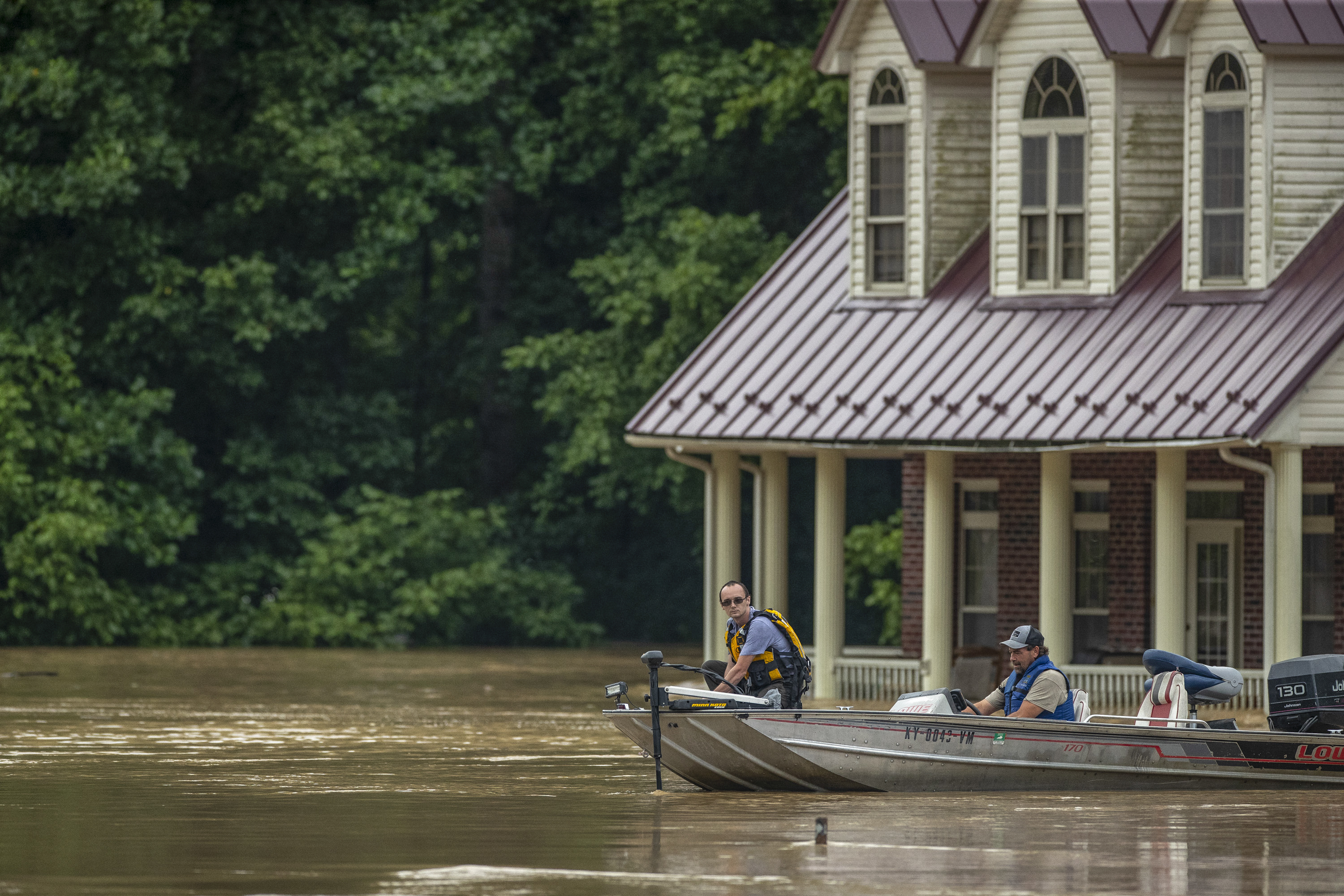
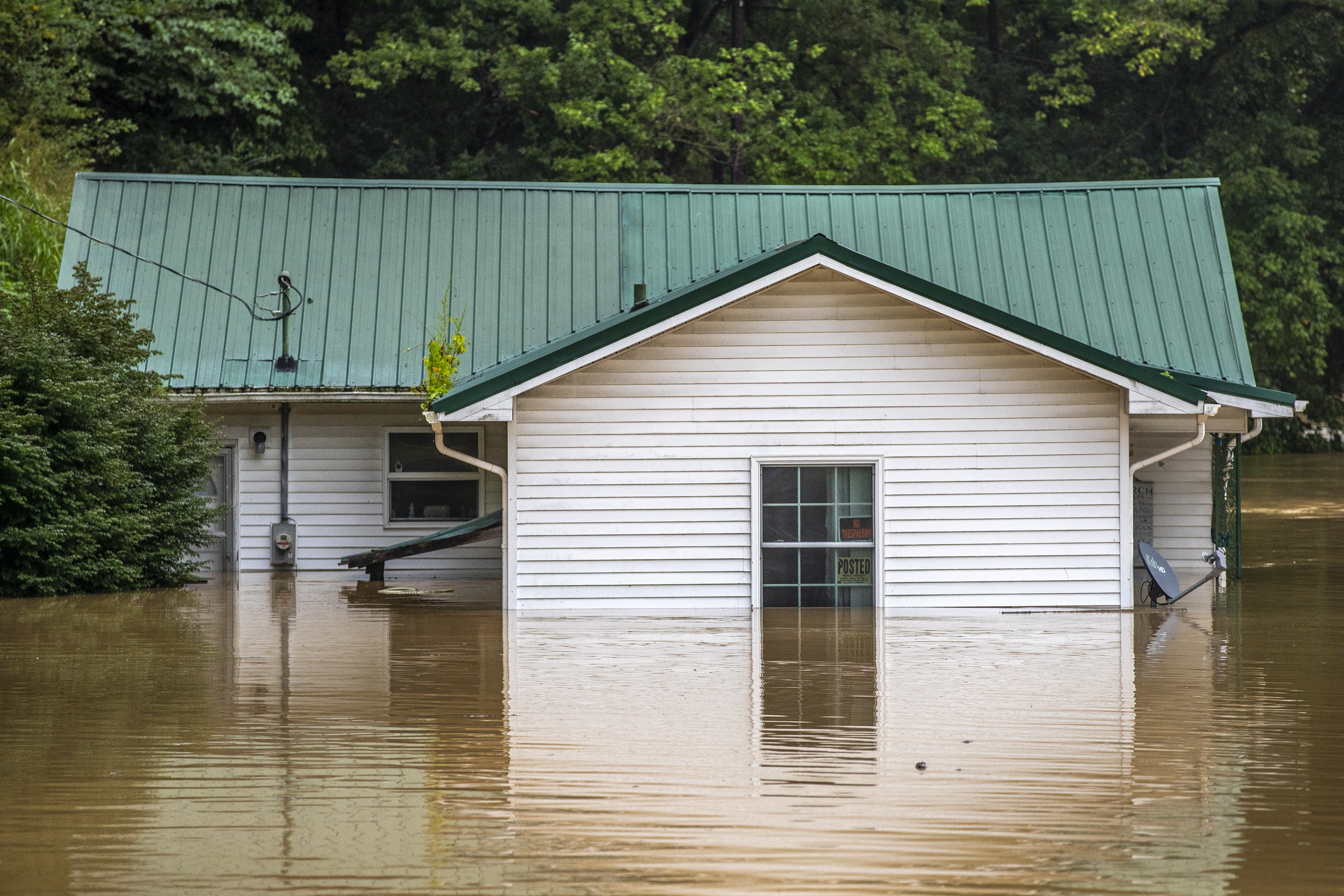
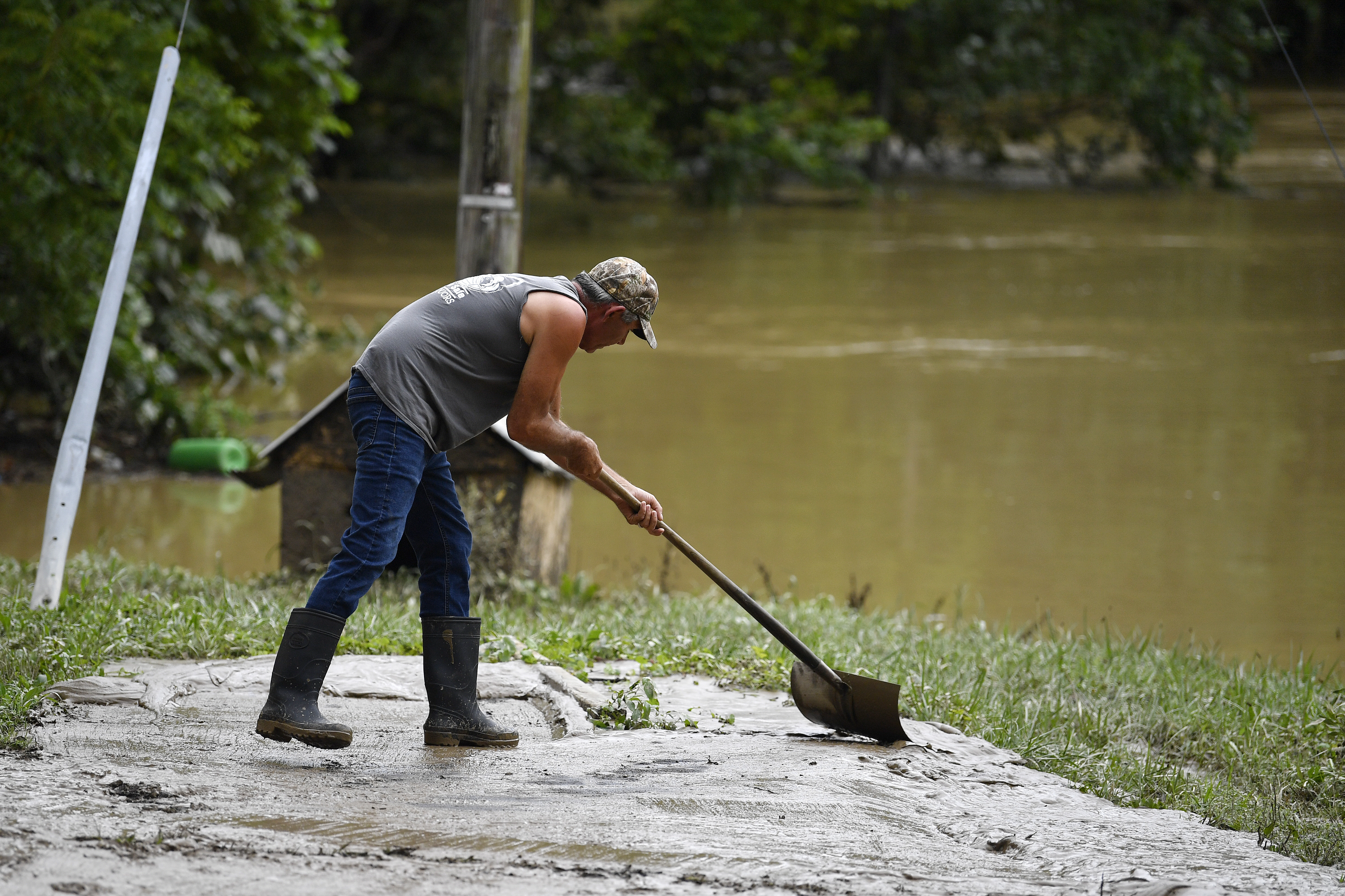
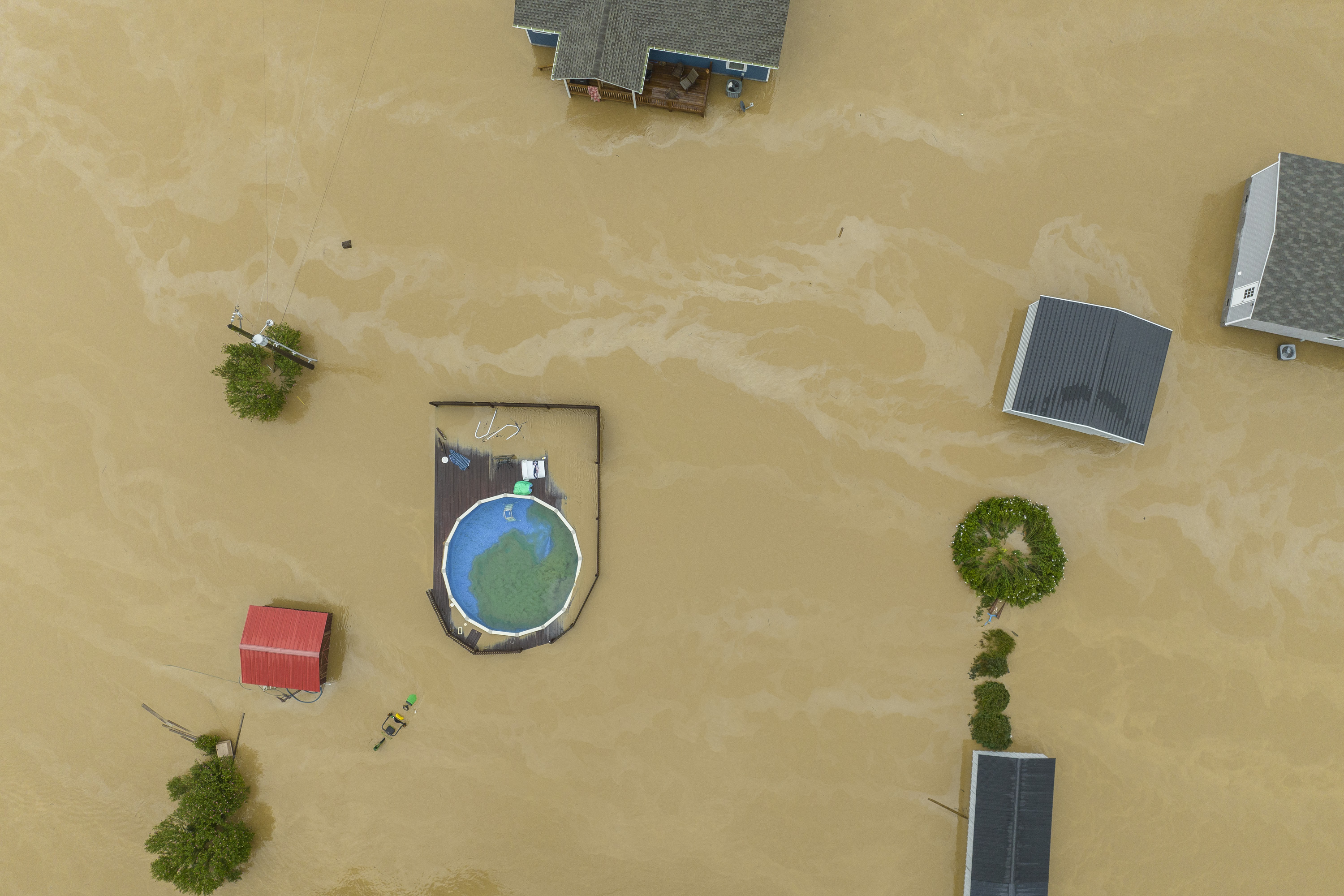
Swollen floodwaters washed out bridges, wiped out power and sent some residents scrambling to their rooftops as water gushed into their homes.
Some families' houses and cars were submerged or swept away completely by the flooding, which has been exacerbated by creeks and grounds already soaked from ongoing rainfall.
Houses were "completely swept away in the middle of the night," possibly while residents were sleeping, Beshear said.
Hundreds of Kentuckians have lost everything they have, the governor said. Officials believe thousands have been affected, he said at the news conference.
There is no reliable number of people unaccounted for, Beshear said. Part of the problem is "communication is still very difficult," with cell service out in many areas.
"It's going to be very challenging to get a good number" of missing, the governor said.
The deaths were reported in Knott, Perry, Letcher and Clay Counties.
READ MORE: The Thredbo landslide and the incredible rescue, 25 years on
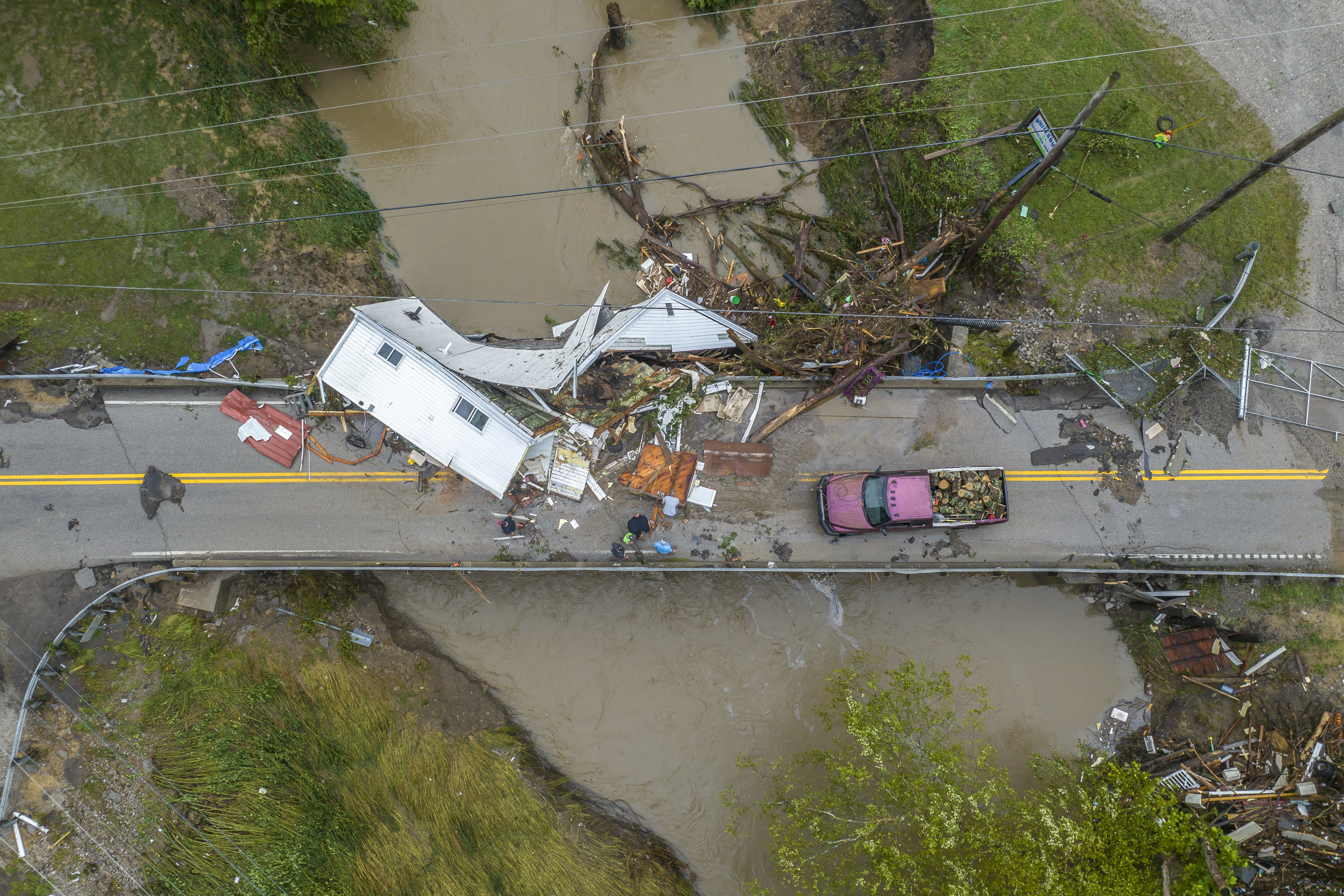
Fourteen people, including four children, were confirmed dead Friday afternoon in Knott County, according to the county coroner. It was not immediately clear how it factors into the state's overall death toll. The last official update of 16 deaths statewide included 11 deaths in Knott County.
The governor did not provide an updated toll Friday afternoon, saying officials were still getting updates from local leaders.
Reports of more deaths are coming in, Beshear said, but the deaths have to be verified by the department of health before they can be reported.
The deadly floods come less than eight months after a series of tornadoes ripped through Kentucky, killing at least 74 people.
The city of Mayfield, in southwestern Kentucky, was among the hardest hit areas. Now, officials are assisting in the flood response efforts in the eastern part of the state.
"Think about the amount of work we're still doing in Mayfield," the governor said Friday.
"This Commonwealth was there for them when they were hit by the unimaginable, and they're going to be there for the people of eastern Kentucky who are facing the same."
'It's devastating'
People around the city of Hazard, in the southeast county of Perry, are "so overwhelmed, we don't really know what to ask for," Mayor Donald "Happy" Mobelini told CNN Friday morning.
"In downtown Hazard, we don't really have a ton of property damage here. But in the outlying areas, it's devastating," Mobelini said.
Some houses standing for 50-75 years without water ever coming close to them are now flooded, he said.
Seven of the city's nine bridges are impassable, and "that's unheard of," the mayor said.
The town is bracing for news of more deaths, he said.
"Today will be the sad day," Mobelini said. "It's all sad … but this is the first time I remember that there's been a loss of life, and at this point we don't know what that looks like."
READ MORE: Russia, Ukraine trade blame for deadly attack on prisoner of war jail
The storm "totally annihilated" Perry County's infrastructure, Sheriff Joe Engle told CNN. "Water, telephone, internet, electricity, all the basic roads, all the basic things you would build a community around have just disappeared," he said.
"There is a big swathe of the county that's totally isolated, the state highways are just totally gone," the sheriff said.
The first confirmed death in the county was of his 82-year-old great aunt, Engle said.
More rainfall expected
Beshear warned the destruction is not over as rain continued Friday. The governor had planned to take an aerial tour of Hazard, but bad weather prevented it.
"Just that weather should remind us: This isn't over," Beshear said.
"The water hasn't crested in some areas, and won't until tomorrow," he said.
Eastern Kentucky has a slight to moderate risk of flash flooding through Friday evening as an additional two to seven centimetres is possible throughout the day, according to the Weather Prediction Center.
And in the region of Jackson, Kentucky, downstream from the hardest-hit flood areas, "streams continue to rise due to excess runoff from earlier rainfall," the National Weather Service office there said Friday.
READ MORE: Fears world's biggest economy heading into recession
The North Fork Kentucky River gauge, in Jackson, crested early Friday at 13.2 metres – setting a record. A river crest is the highest level a river reaches before water levels begin going down again.
The previous record crest, at 13.1 metres, was set on February 4, 1939.
An elderly man and woman died after being swept from their homes in the Oneida Community near Manchester, Kentucky, according to Clay County Coroner Jarrod Becknell.
It is not clear whether the two deaths are included in the statewide toll Beshear announced.
On Thursday evening, Kentucky officials recommended people evacuate the homes and businesses in the flood plain of Panbowl Lake in Jackson, citing the Kentucky River's rising water level and a "muddy discharge" seen near the lake's dam. A portion of Kentucky Route 15 was also closed Thursday night.
President Joe Biden issued a major disaster declaration for Kentucky Friday after Beshear said he sent a direct request for federal assistance, and Deanne Criswell, the administrator for the Federal Emergency Management Agency, was on the ground there Friday.
"FEMA has brought in additional search and rescue teams to support the amazing efforts that are already ongoing on the ground," Criswell said at the news conference.
Rescues complicated by widespread water, power outages
As floodwaters rose to dangerous levels, some Kentuckians quickly became trapped and were unable to safely escape.
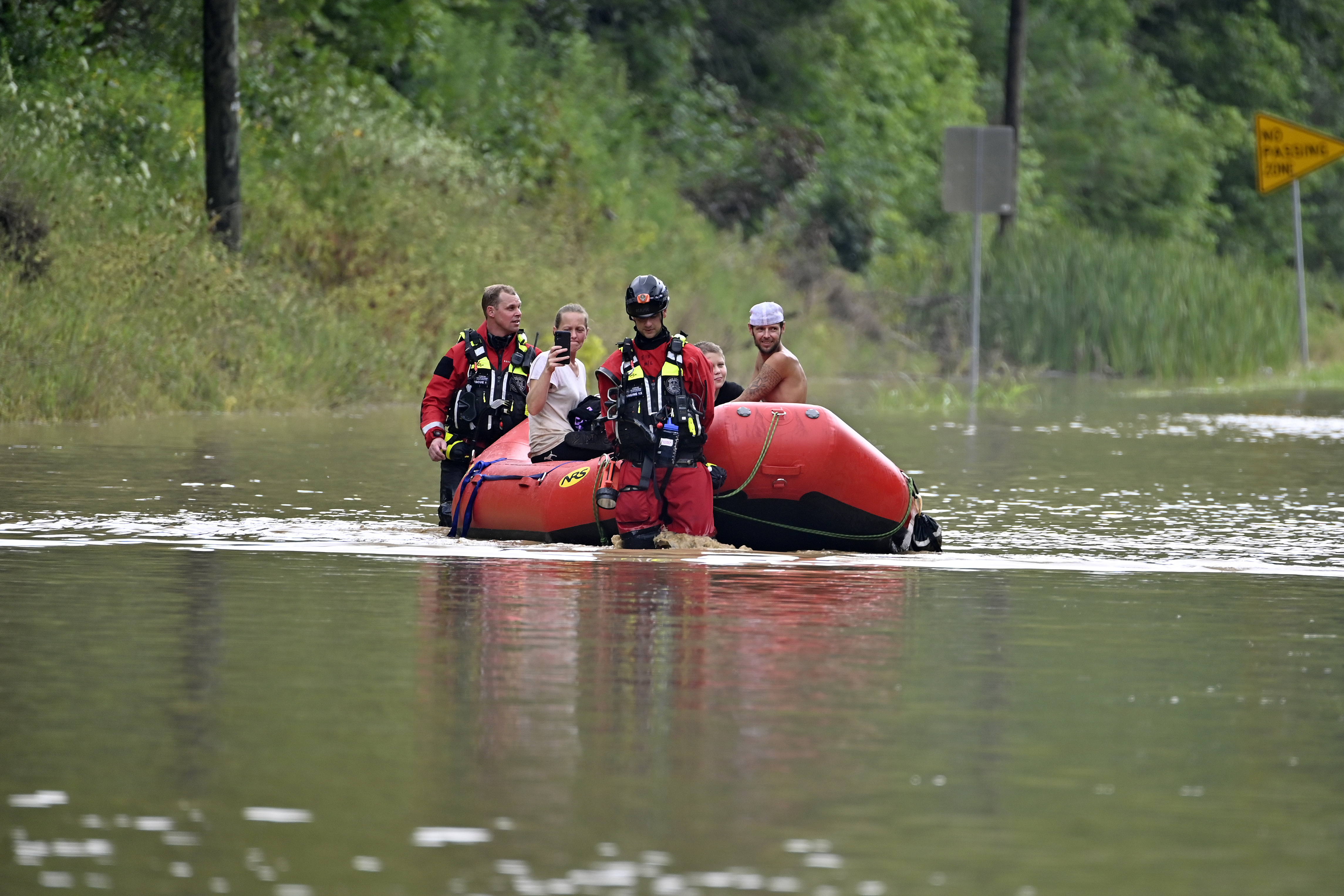
Hundreds of boat rescues and 50 air rescues have been made, Beshear said Friday.
National Guard troops from multiple states are assisting rescue efforts, he said.
In Floyd County, approximately 80 people were rescued after heavy rains began in the area Tuesday, county Judge-Executive Robbie Williams told CNN.
"I've never seen this much water before," Williams said. "I mean it just absolutely poured, and we've got, you know, some small towns that are completely underwater."
Widespread water and power outages in the region were hindering recovery efforts, Beshear said Thursday. He noted the flooding was making it difficult for utility workers to access areas needed to restore power.
More than 23,000 customers were without power across the state as of Friday afternoon, according to PowerOutage.us.
There are 21 drinking systems with damage and outages in eastern Kentucky, the state's Energy and Environment Cabinet said, and almost all of Perry County "will be out of water for the time being," the city of Hazard said in a Friday update.
READ MORE: Will Smith addresses Oscars slap in new video
The state also has a limited number of helicopters capable of hoisting people into the air, the governor said. In an effort to assist the state's recovery efforts, both West Virginia and Tennessee sent helicopters with hoisting abilities to Kentucky.
West Virginia has also deployed National Guard troops to aid its neighbouring state, Governor Justice announced.
Communities also jumped into action to help their neighbours, including residents in the town of Whitesburg.
"We took kayaks, Jet Skis, boats, chain saws and hatchets to every place that we could," resident Zach Caudill told CNN. Caudill's home only suffered from a few inches of flooding, but he said several of his neighbours lost their homes completely.
Caudill grabbed bandages, gauze, medicine, menstrual supplies, food, water, and blankets from his home to take to others, he said.
"Everyone was there trying to lend a hand and help. That's how tight-knit our community is," Caudill said. "When one of us hurts, we all hurt."
Kentucky State Police asked residents of at least eight counties to call them if they have missing family members and to provide information on their loved ones. The counties include Wolfe, Owsley, Breathitt, Knott, Leslie, Letcher, Pike and Perry.
Climate crisis drives more intense flooding
Kentucky was one of several states, including Missouri and Arizona, experiencing severe flooding Thursday amid increasingly extreme weather events amplified by the climate crisis.
In St Louis, record-breaking rainfall at the beginning of the week triggered dangerous flash floods persisting for days and leaving at least one person dead.
As global temperatures climb, the atmosphere is able to hold more and more water, making water vapour more abundantly available to fall as rain.
Rainfall over land has become more intense since the 1980s, according to the UN's Intergovernmental Panel on Climate Change (IPCC). The report's authors say human influence is the main driver.
Human-caused fossil fuel emissions have warmed the planet a little more than 1 degree Celsius, on average, with more intense warming over land areas.
Scientists are increasingly confident in the role the climate crisis plays in extreme weather, and have warned such events will become more intense and more dangerous with every fraction of a degree of warming.
'Promising early signs' the latest COVID-19 wave has peaked
The latest Omicron COVID-19 wave sweeping across Australia is showing "promising early signs" that it may have peaked already.
Infectious diseases expert Dr Paul Griffin told Today it looks like the peak may have passed, however, it is still too early to be confident.
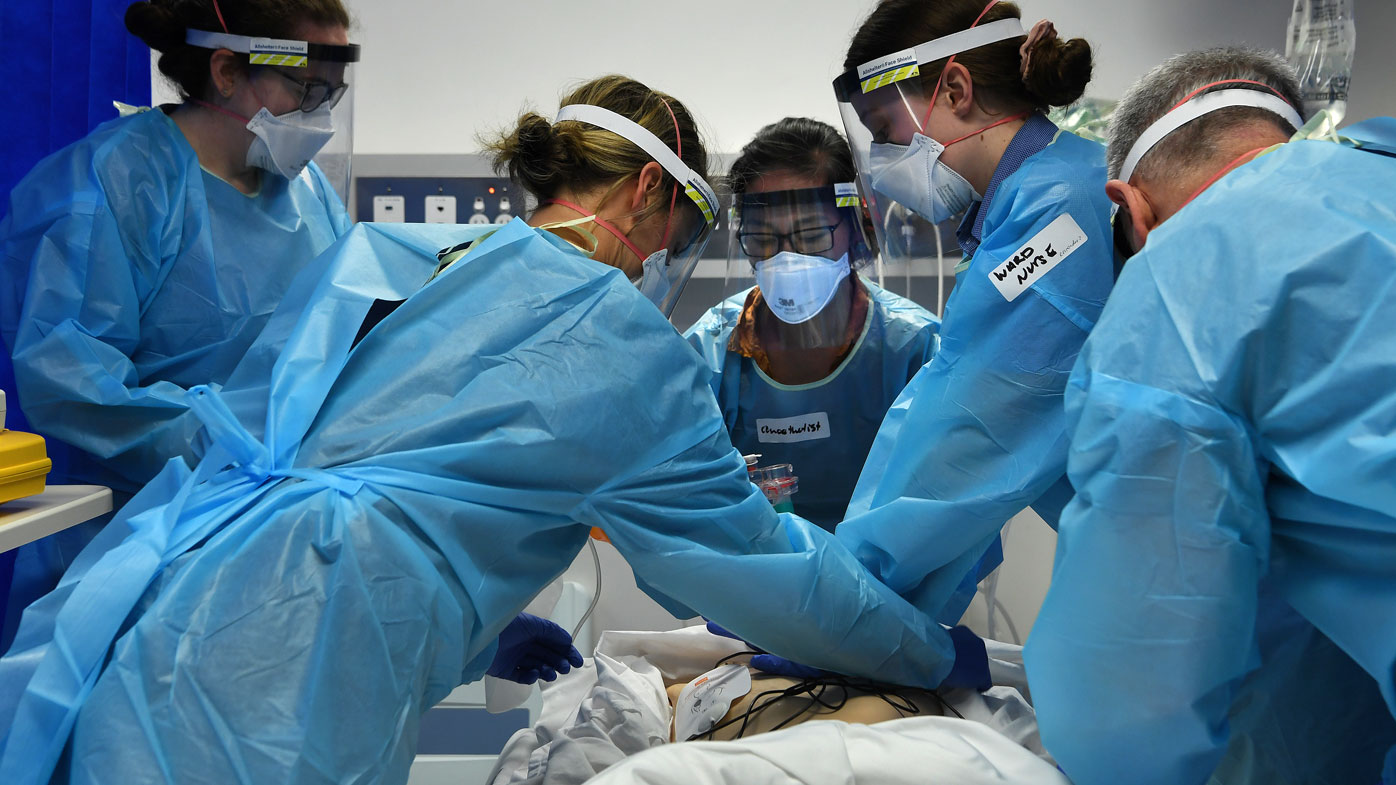
"There are still thousands of people in hospital at the moment. Still lots of healthcare staff away as well," he said.
READ MORE: Albanese to suggest wording for referendum question on Indigenous Voice
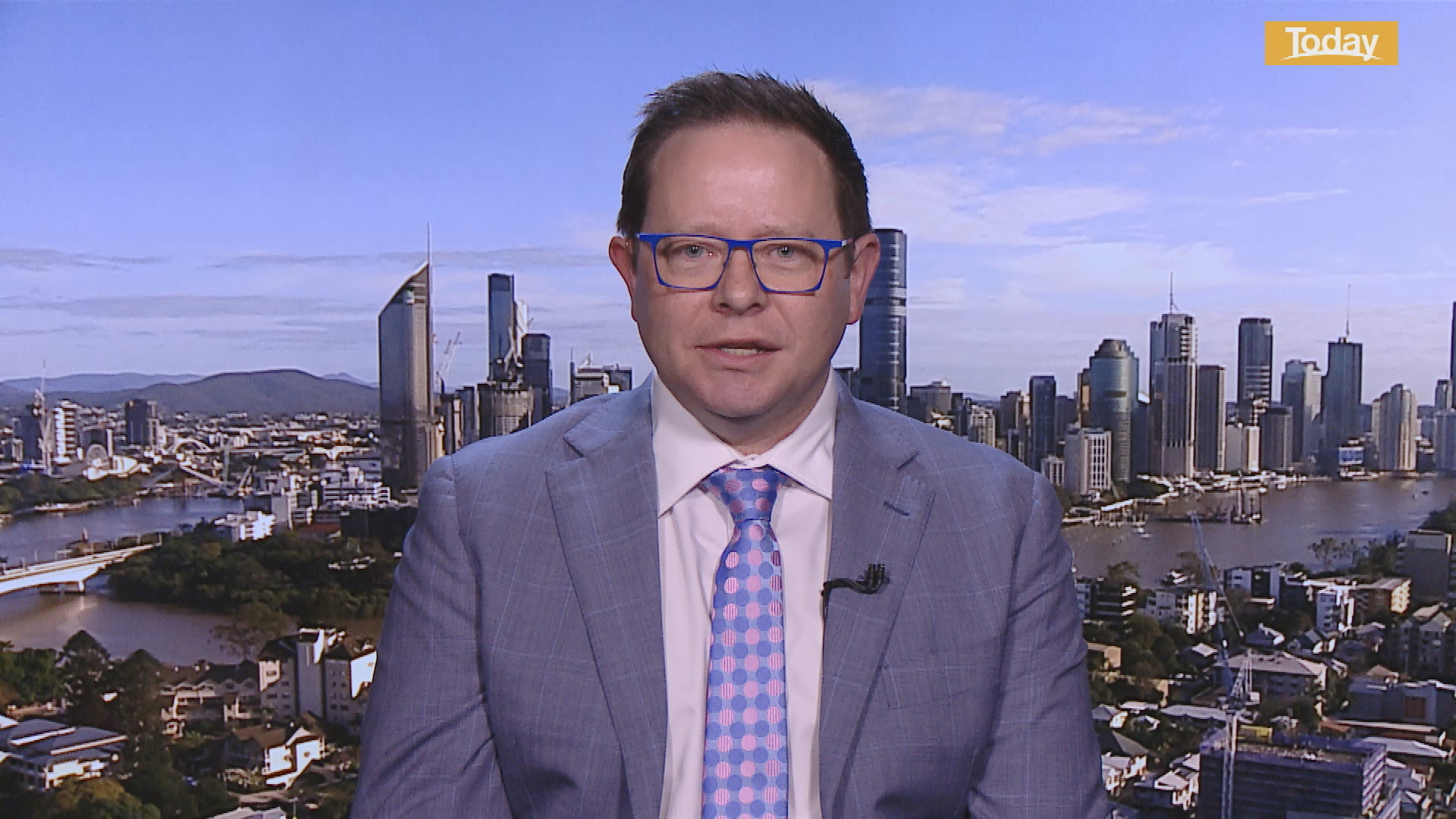
"We have to remember that even after we do pass this peak, this virus isn't going away."
Griffin hoped the latest virus surge to grip Australia may cause "behavioural change" like regular mask-wearing, re-implementing better hygiene practices and vaccination.
"We should make sure we keep doing those even after we are past this peak," Griffin said.
It comes as hospitalisations and intensive care admissions begin to show signs of trending downwards across Australia.
EXPLAINED: What is 'Centaurus', the Omicron sub-variant that has health authorities on alert?
In New South Wales, hospitalisations are falling gradually with 2210 admitted on Saturday.
ICU admissions are continuing to rise incrementally day by day in the state.
Victoria is seeing a similar trajectory to NSW with hospitalisations slowly falling over the past week, however, today saw a small rise to 837.
ICU admissions are also falling.
EXPLAINED: What are the current mask rules in Australia?
However, NSW and Victoria recorded more than 100 collective COVID-19-related deaths on Saturday.
There were 46 COVID-19-related deaths in NSW, but authorities said this number included historic deaths.
Victoria also reported a staggering 61 COVID-19-related deaths on Saturday but authorities said these occurred between July 13 and July 28.
The story of a scientist couple who died for their love of volcanoes
How do you tell a story when the final chapter is public knowledge?
You start at the end.
Fire of Love, Sara Dosa's moving documentary about husband-and-wife volcanologists Maurice and Katia Krafft, begins on June 2, 1991, at Mount Unzen in Japan.
READ MORE: Rare drone video shows moment orcas kill great white shark and eat its liver
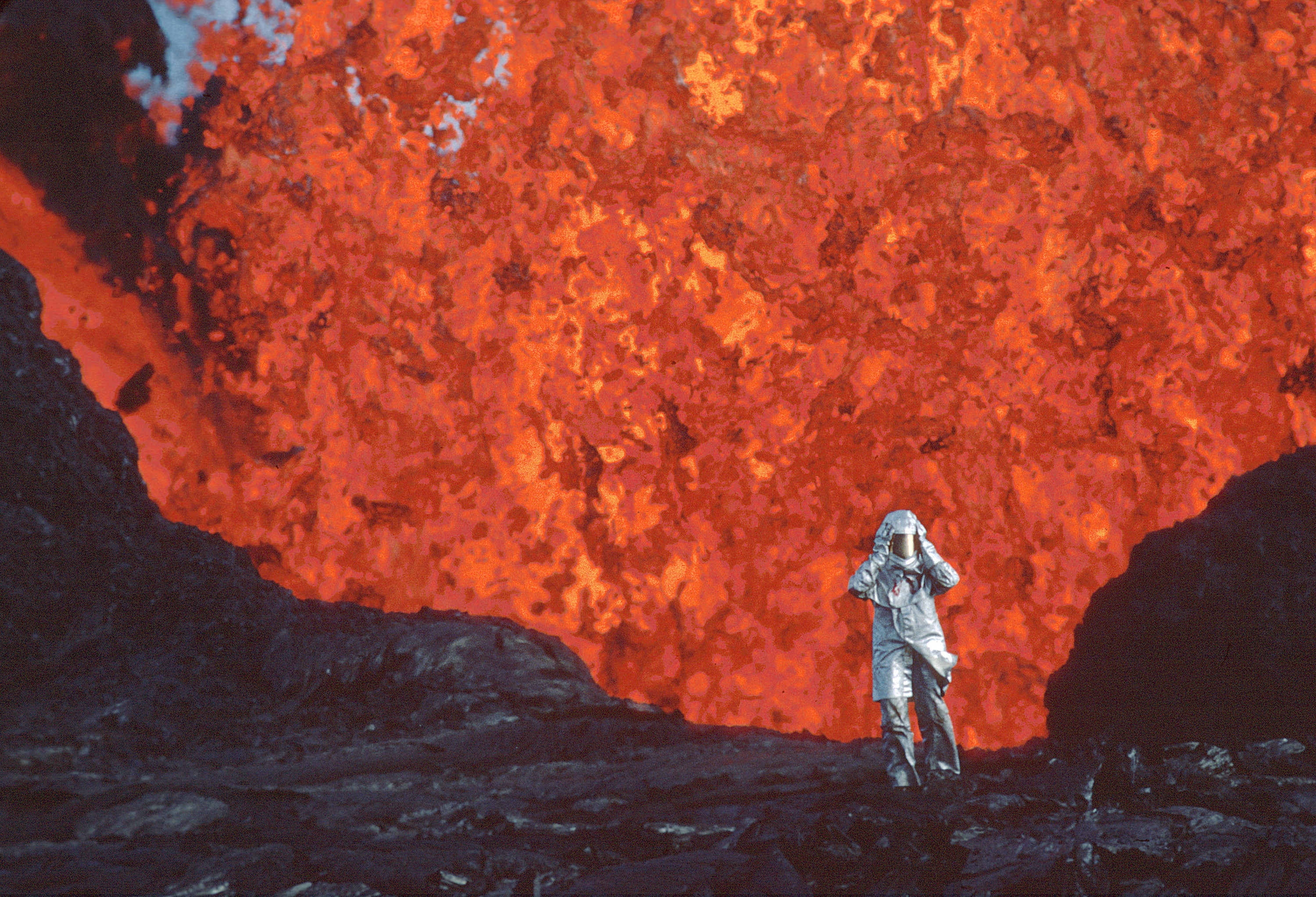
The Kraffts, rockstar scientists in their field, are seen in a buoyant mood in archival footage.
But narrator Miranda July quickly punctures that.
"Tomorrow will be their last day," we're told via her voice over.
Unzen would erupt on June 3, killing the Kraffts along with 41 others in a pyroclastic flow.
It's an ending so definitive, there was no choice but to start there.
"We really didn't want the audience to be focused on how Katia and Maurice might die… instead, we hoped people would focus on how they live," the director told Sara Sidner in an interview for CNN's Amanpour.
"This is a collage film that's told through… their footage, their photographs, their writings, and we wanted the audience to know first and foremost that what they are watching is (what the Kraffts) left behind when they passed. So, we had to acknowledge their death."
The film comprises excerpts from around 200 hours of footage taken by the couple for their own research and documentaries, along with media interviews and extracts from their books.
READ MORE: Russian battlefield casualties in Ukraine 'more than 75,000'
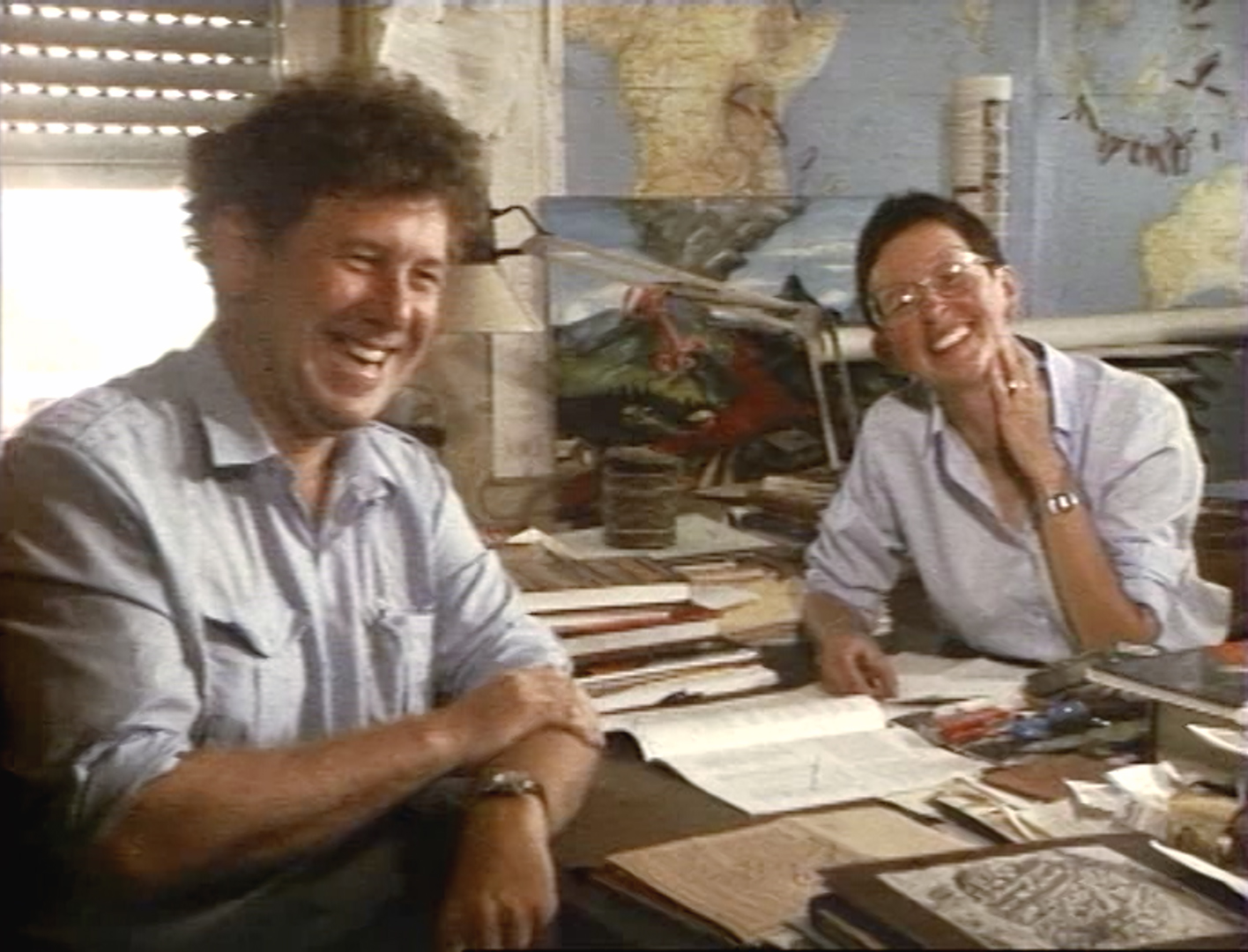
Fire of Love has drawn near universal praise in reviews, first at Sundance in January and leading up to the film's release in the US and the UK this summer.
Armed with a 16mm video camera, the French scientists captured the intimate lives of volcanoes from the Democratic Republic of Congo to Colombia to the United States.
In vivid hues, lava burbles and races, rocks fly, these agitated mounds full of sound and fury, wrestling with their creative and destructive potential.
Working with editors Erin Casper and Jocelyne Chaput, Dosa harnesses the volcano footage's anthropomorphic qualities to illustrate the Krafft's relationship with each other and their subjects.
"We like to think of the film as a love triangle between Maurice, Katia and volcanoes," she explained.
Katia and Maurice met in the 1960s through their common interest.
Their personalities contrasted, Maurice gregarious and devil-may-care, Katia quieter and observant; differences that carried over into their fieldwork.
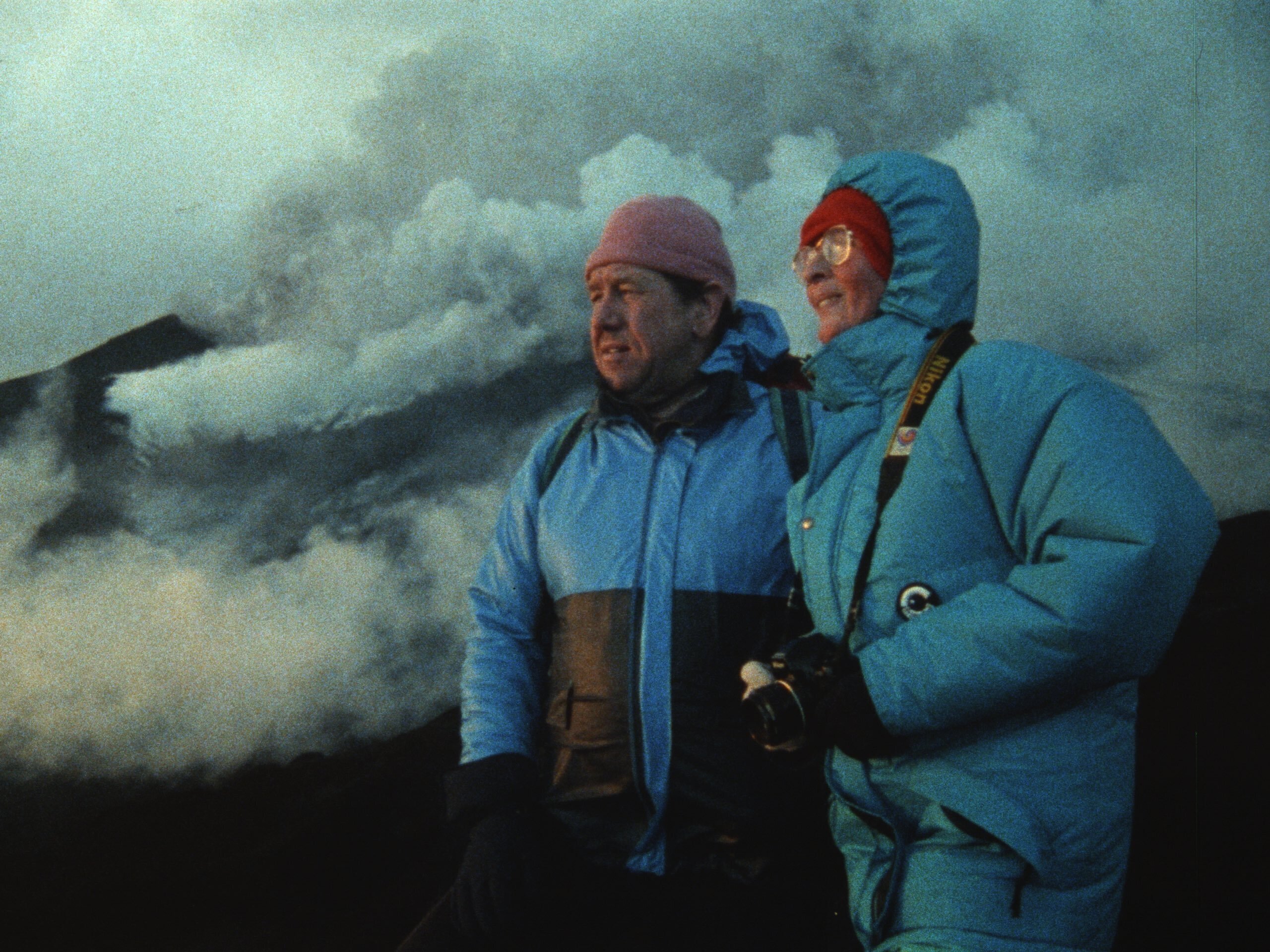
In one scene we see Katia unamused as her husband rows out into a lake of sulphuric acid (and then faces over three hours of paddling into a headwind to get back to shore).
"It will kill me one day," Maurice says of his job.
Katia was often trying to ensure it didn't – even if she was hardly risk-averse herself.
In one of the documentary's many eyebrow-raising scenes, she stands, calm and collected, on the edge of a crater while measuring a temperature of 1200 degrees Celsius.
Asked to describe their relationship by an interviewer, Maurice quips, "It's volcanic – we erupt often!"
"They had a conflict there," Dosa said.
"They were usually able to reconcile though, because they knew that it was so important to be in sync with each other, to support each other, if they were going to pursue their ultimate love, which was being close to erupting volcanoes."
The Kraffts knew how to leverage their daring pursuits to gain fame and financing to continue their research; their image-making was not a selfless exercise.
But it's to Dosa's benefit and ours that the Kraffts were, in their words, so "fascinated, like a magnet, getting closer and closer" to danger.
"It's really thanks to their love and their boldness, to get so close to capture these images, that we have them now in our film," Dosa said.
And though "they died truly doing what they loved," their legacy has prevented many more deaths.
The Krafft's footage of a pyroclastic flow in 1986, for example, was used in an educational video to help governments understand their dangers, the director explained, and a week after the couple's death its lessons were put into practice when Mount Pinatubo erupted in the Philippines.
"The video helped to save many lives," Dosa said.
"It's quite tragic, but poetic."
Gang factor not ruled out in Dunedin park killing
Police investigating the brutal death of a Dunedin man at a suburban lookout say they cannot rule out gang involvement in the death.Detective Senior Sergeant Nik Leigh said the homicide investigation was complicated but progress…
The Thredbo landslide and the incredible rescue, 25 years on
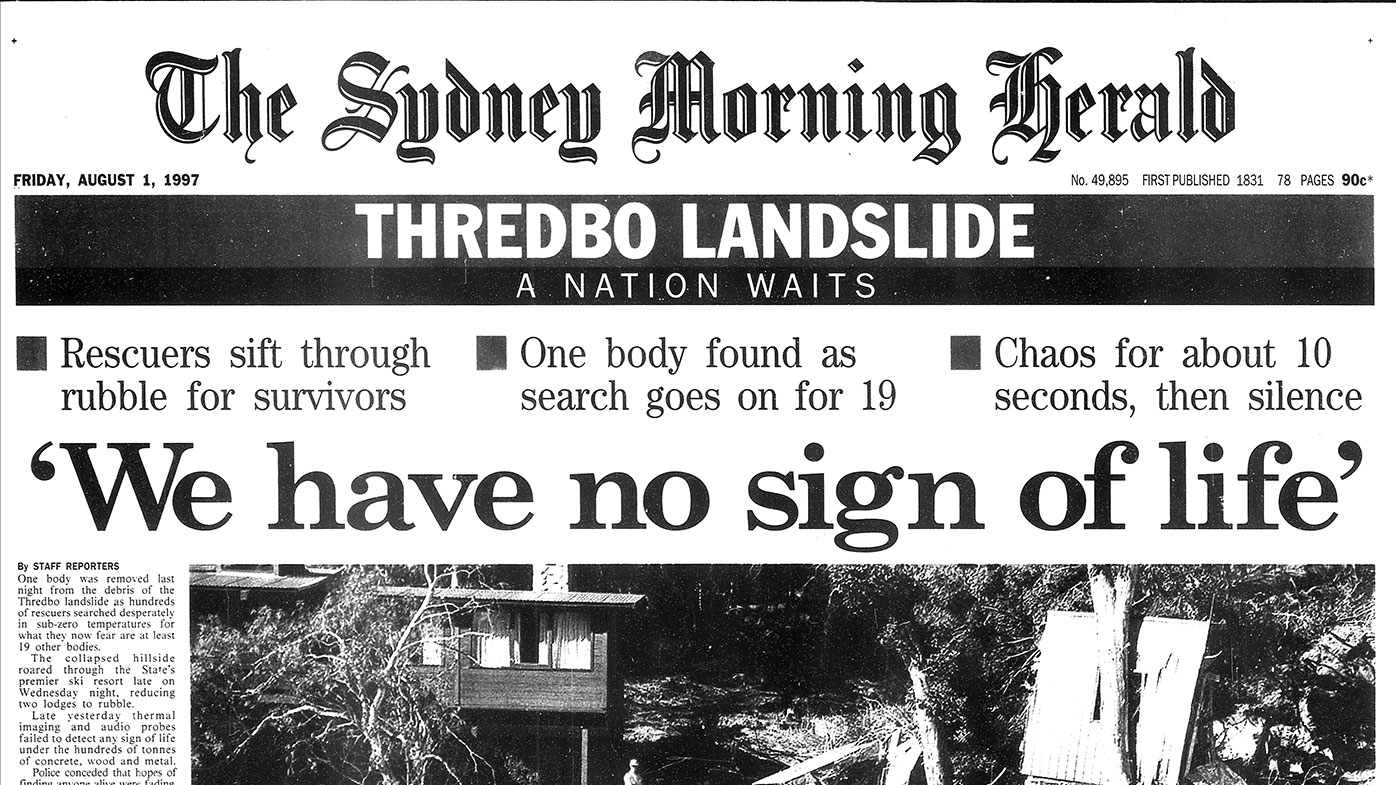
It was close to midnight on July 30, 1997, when the ground gave way above Thredbo Alpine Village in the New South Wales snowfields.
Thousands of tonnes of earth and debris slid down the hillside, slamming into a four-storey ski club lodge, which then hit the Bimbadeen Staff Lodge.
Eighteen people were killed in the darkness and freezing cold.
READ MORE: Thredbo rescuer talks to Diver every year, but not about landslide
Several hours down the road, a 21-year-old radio journalist was fast asleep, after a boozy farewell drinks with co-workers in Canberra.
"I was fast asleep when I got a phone call suggesting I get to Thredbo as soon as possible," Ben Fordham told nine.com.au.
"I didn't have any information about why I needed to get there but I was told that there were heaps of emergency services vehicles making their way to Thredbo."
Having drunk too much to drive, Fordham started a "mad ring around" for someone who could drive. Eventually he and three others packed into a car and made the early morning trip.
READ MORE: Sole survivor revisits scene of Thredbo landslide disaster
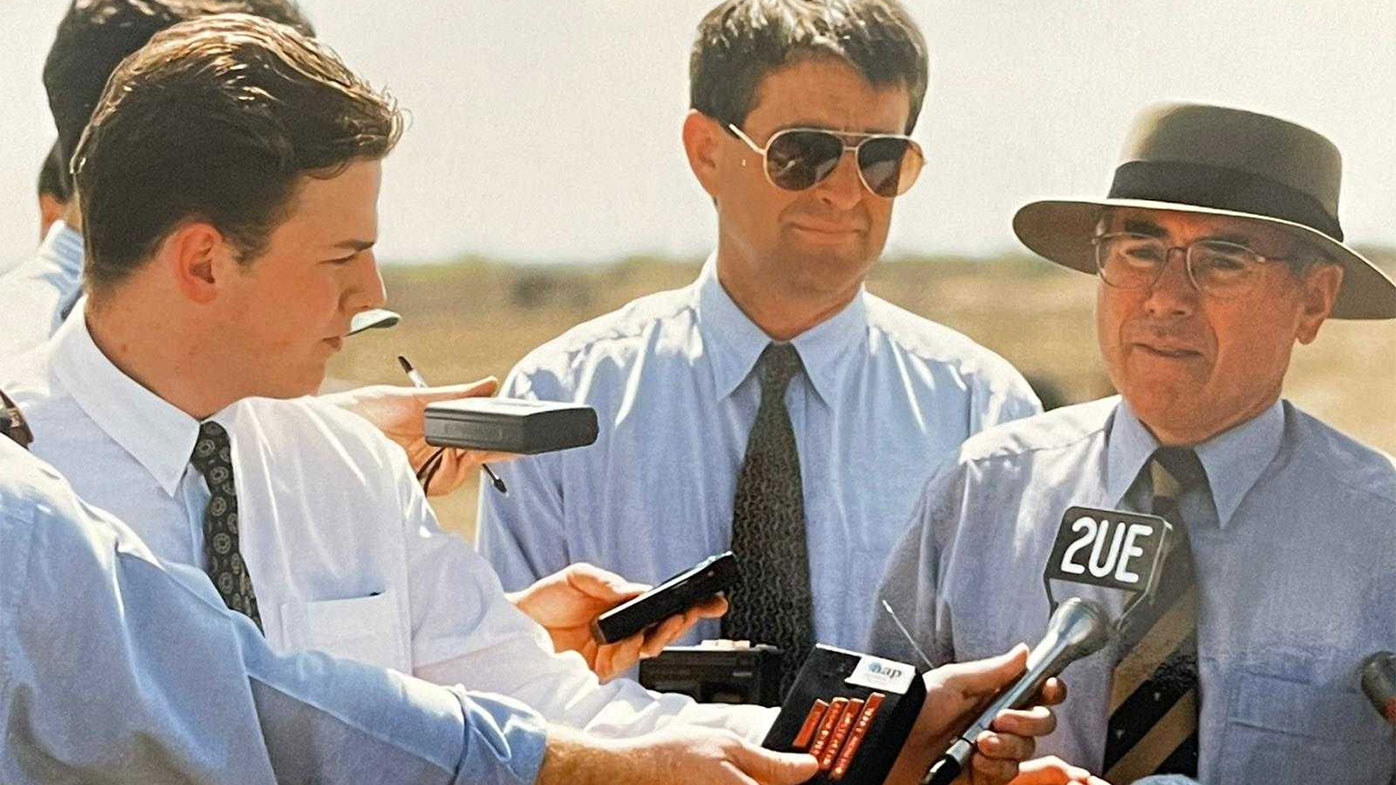
A police roadblock was keeping all media out of Thredbo.
But Fordham managed to get in before all other journalists, by telling a police officer he was heading for higher ground for better mobile phone reception.
From there he sprinted into the darkness, to be picked up by a local waiting for him.
"When the sun came up the following morning I was the only journalist who was there who was able to describe what we were seeing," Fordham said.
"It was surreal because it didn't look real. It looked like the kind of thing you would see in a movie.
"It just looked like a giant stomped on the side of a mountain. And you could tell that there were chalets and other buildings and vehicles that had all been damaged and dislodged."
READ MORE: Police appeal for information about man missing for 56 years

Emergency services were frantically trying to determine how they could start the search for possible survivors without setting off another landslide.
"I think the thing I struggled with the most was the concept that there were people underneath all that rubble," Fordham said.
"It looked to me like there was no way in the world anyone could survive."
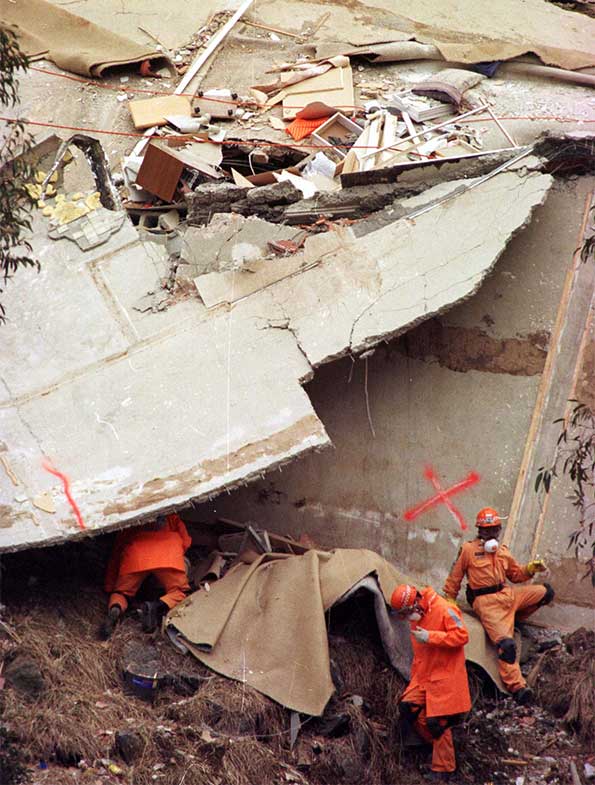
It was a deeply upsetting experience for a 21-year-old journalist, along with the community and family or friends of the victims.
"It was absolutely terrifying to think that people were fast asleep in the middle of the night, laying next to their loved ones.
"And then God knows what happened next. They must have heard a noise. The ground must have started moving. And the next thing you know their whole lives just slipped away."
The media were kept at a distance as the excavation took place, but Fordham recalled what he saw through the lens of a camera.
"I remember seeing a body being moved, and it was clear to me that the body was frozen stiff," he said.
"So there was no way in the world in my mind anyone was going to come out of that alive."
Later that day, a more senior journalist from 2UE had arrived, and Fordham thought it was time for him to leave.
"I was probably suffering from a bit of trauma, to be honest," he said.
"God knows what the friends and families that involved were going through."
In a phone call that night, Fordham's father urged him to stay in Thredbo.
"I said that they're pulling out frozen bodies. There's no one alive under there. And I feel like I should go," Fordham said.
The next morning Fordham woke up early and turned on the local radio station.
READ MORE: Russian battlefield casualties in Ukraine 'more than 75,000'
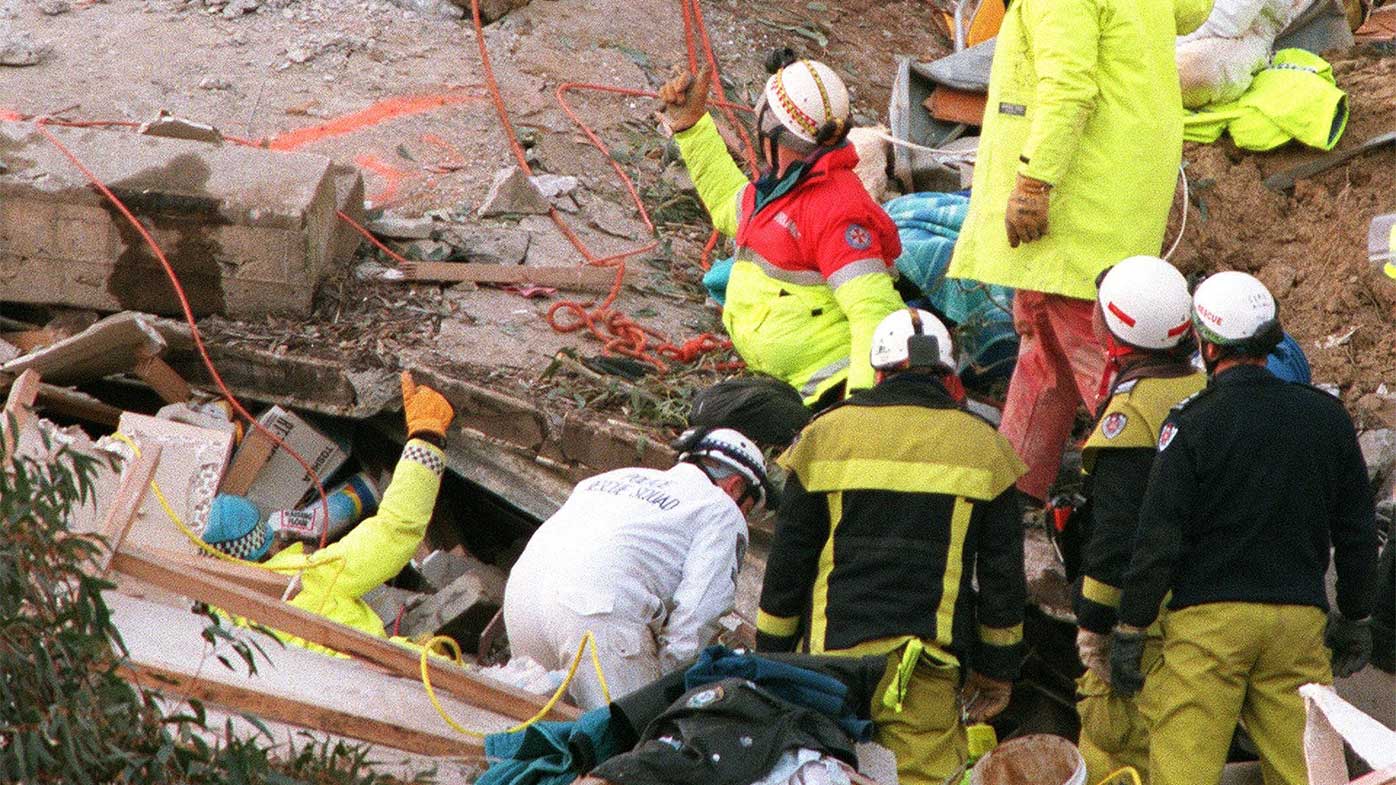
A local politician had called in to report noises had been heard underneath the wreckage.
Fordham called Sydney and conveyed the news to the nation.
"My boss called me and said 'You guys better be right about this'," he said.
"There's nothing worse than false hope.
"I remember having this awful, empty feeling about the possibility that the noise under there might have been created by something else."
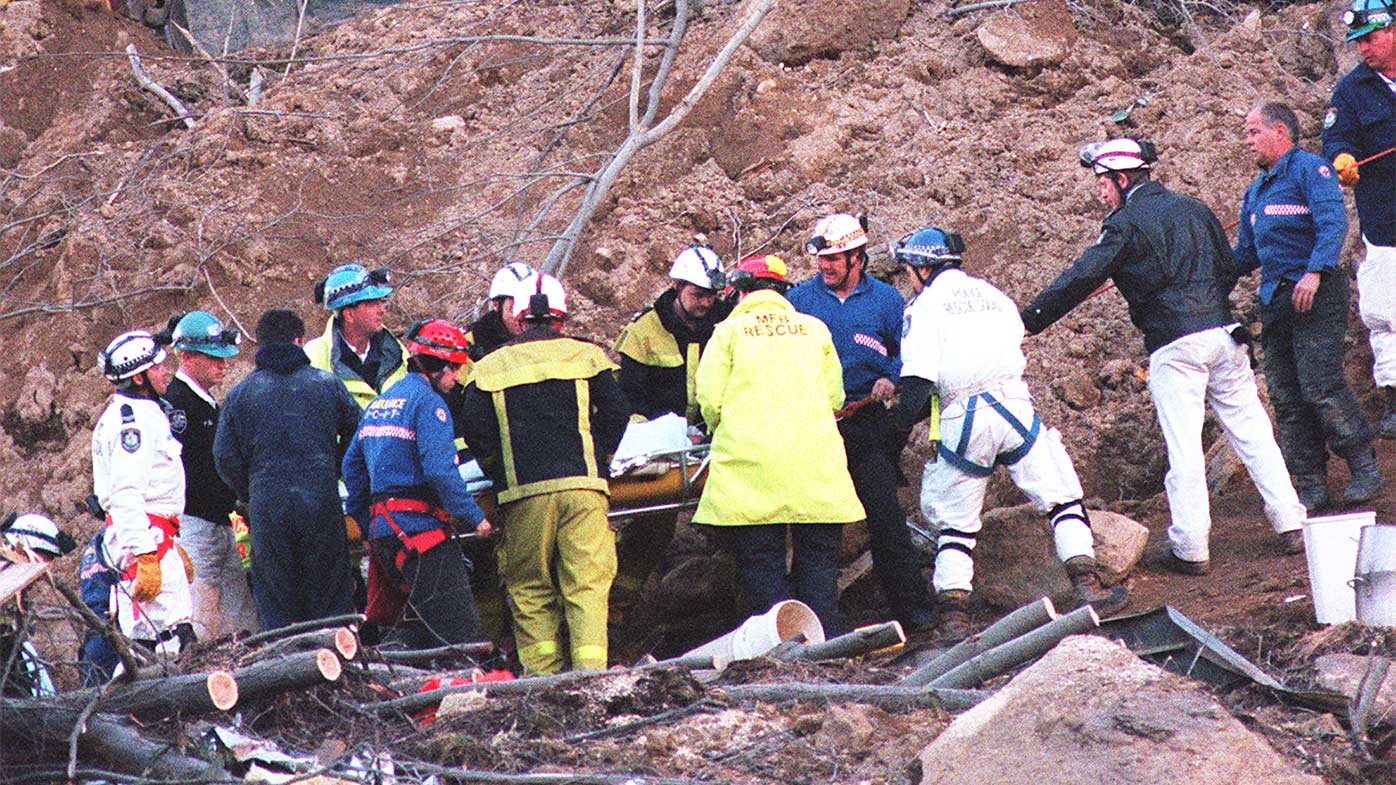
When Fordham arrived at the command post, he was told what had happened at 5.37am that morning.
Ski instructor Stuart Diver had been sleeping in bed when the landslide hit.
Diver had been uninjured by the landslide, trapped between three concrete slabs.
His wife Sally Diver, who had been sleeping beside him, had been trapped under their bedhead in a depression. As the depression filled with water overnight, she drowned.
Stuart Diver was right beside his wife, but his desperate efforts to save her were unsuccessful.
He spent the next two-and-a-half days under the rubble in his underwear, with freezing water gushing past.
Sixty-five hours after the landslide, Diver was saved, suffering only frostbite.
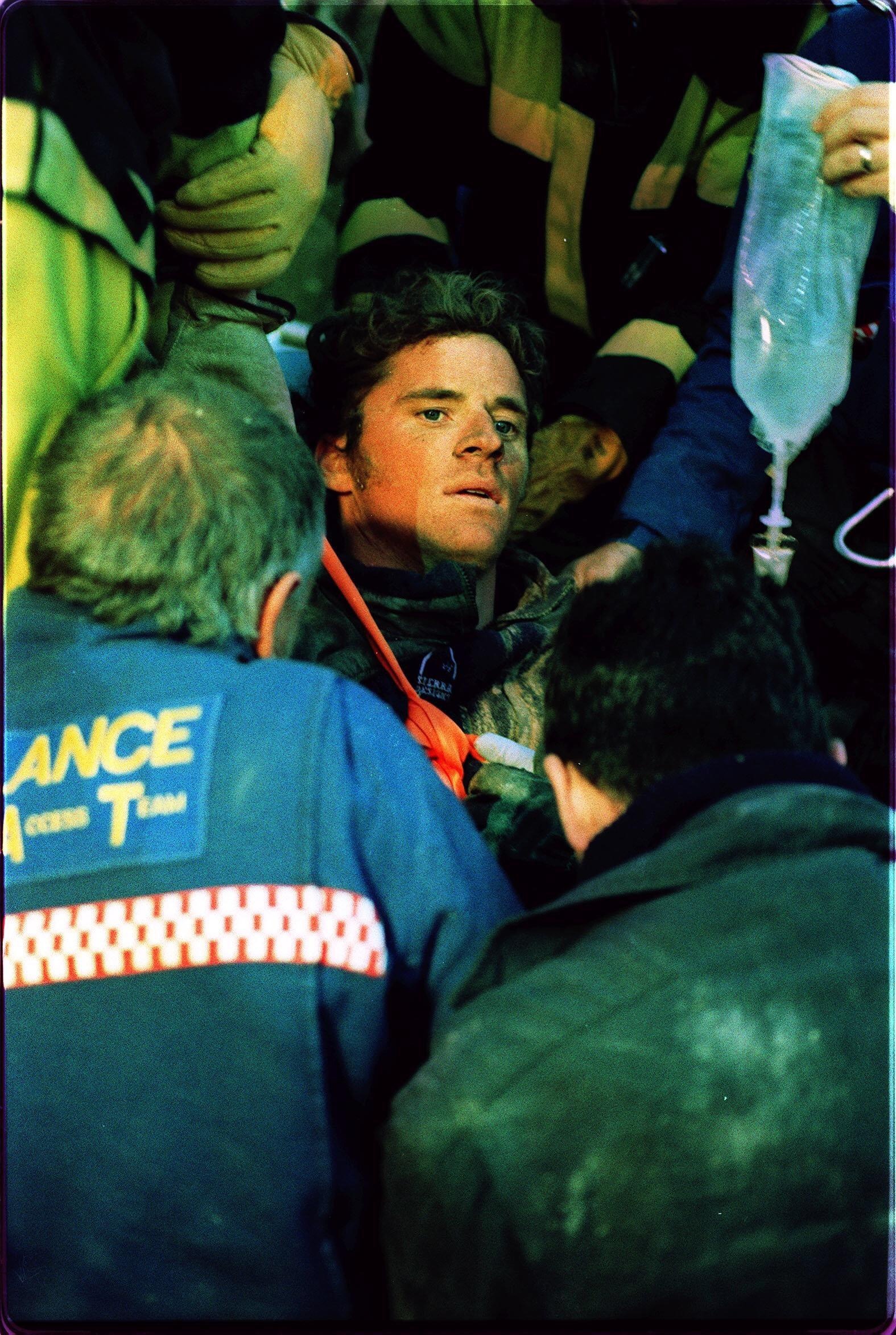
"We need to remember so many people lost their lives and so many families were heartbroken that day," Fordham said.
"But I think they would all understand the joy that we all felt when we realised that Stuart was going to get out of there."
Fordham would go on to win a Walkley Award and a Raward that year for his coverage of the Thredbo landslide – the youngest reporter to do so.
But the impact of covering such devastation stuck with him.
"Months later, I was sitting in the pub in Sydney with some mates and then all of them went off to go and hit the dance floor," he said.
"I was sitting there on my own and I just started crying.
"I think that's the first time when I allowed myself to comprehend what I'd watched and what I'd experienced because at the time you're right in the middle of it, you don't really have that opportunity to sit back and contemplate the whole thing.
"And I was just an observer. So God only knows what it would have been like for the families and friends of those who were involved, let alone for Stuart."
It was later determined that leaking water mains softening the ground had caused the landslide.
Long Covid: Teachers and parents urged to watch for symptoms in children
By Louise Ternouth of RNZ While research suggests it is less likely for a child to get long Covid, there are calls for symptoms to be recognised and for funding into research.After a family wedding in March this year, Becca’s…
'Intimidating animal' could be Australia's largest venomous snake
A colossal reptile measuring 2.68 metres and weighing 7.8 kilograms could be Australian's largest venomous snake.
Staff at the Australian Reptile Park shared photos of the animal, dubbed "Titan" today, explaining he just passed a health check with flying colours.
Titan is a king brown snake, also known as a mulga snake, which is considered the longest species of venomous snake in Australia.
The species typically reaches lengths of 2.5 metres and weigh six kilograms – making Titan one very healthy boy.
READ MORE: Xi gives Biden fiery warning on Taiwan

"He's an intimidating animal," Operations Manager Billy Collett said.
"Titan is impressive, and a great ambassador for his species".
During the health check Titan's venom was "milked" to review how much he could produce.
He excreted 5.58g of venom in total.
READ MORE: Police searching for teen after 'out of character' disappearance
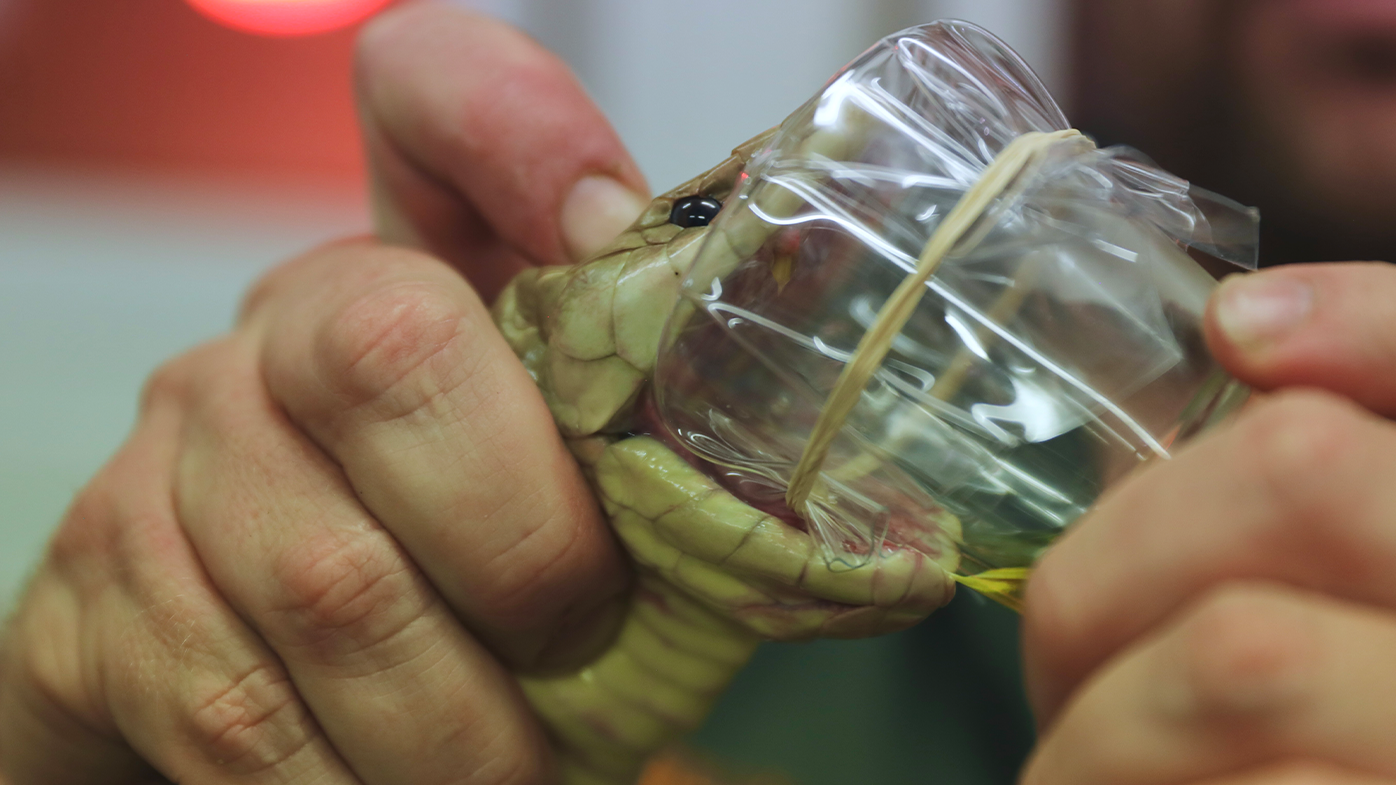
"This is enough to kill over 20 adult men," Collett said.
King brown snakes are actually part of the black snake family, not the brown snake family like the suggests.
While the venom is not as potent as the Eastern brown snake, the second most venomous land snake in the world, it's delivered in such large doses it is extremely deadly to anyone bitten and envenomated.
Despite the risk Collett said the checkup was critical for Titan's health.
"Weighing reptiles is crucial in monitoring their health and a task where Keepers need to show extreme care, one wrong move could be deadly.
"(But) as reptiles don't need to eat that often, it's not like they just stop eating when they feel sick. The best way of ensuring their good health is by weighing, measuring and giving them a close-up inspection of their condition."
The Australian Reptile Park, located on New South Wales' Central Coast, is the only facility in the world that milks Australian terrestrial snakes for the production of antivenom.
READ MORE: Rare drone video shows moment orcas kill great white shark and eat its liver
Armed police responding to firearms incident in Avondale, Auckland
Armed police are responding to a firearms incident tonight in the Auckland suburb of Avondale. A spokesman said police received reports of two men allegedly presenting a firearm at an occupant of an address in Avondale Rd about…
Woman killed in Southland crash, body pulled from submerged car
A woman’s body has been pulled from a submerged car which crashed into a Southland river.A police spokesperson said the single-vehicle crash happened last night on Ferry Rd, west of Invercargill. The incident was reported to emergency…